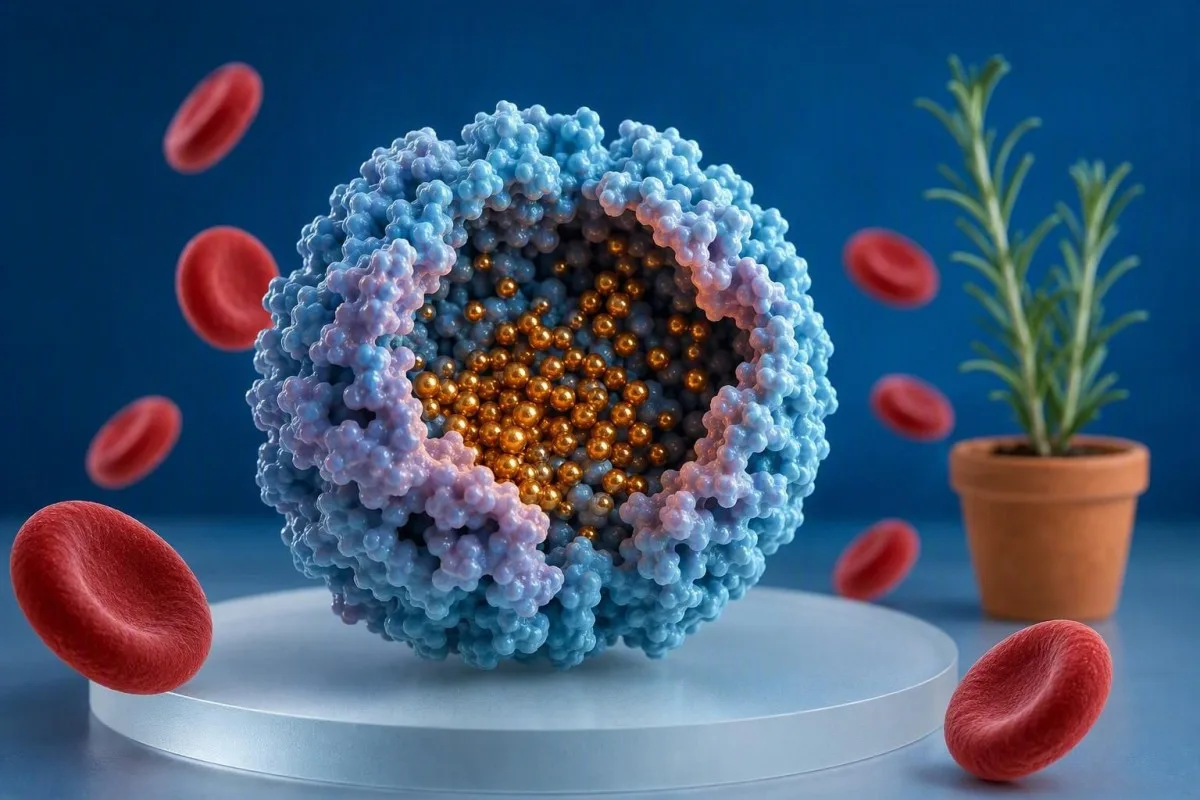
A ferritin terhesség alatt általában csökken, de az alacsony eredmény még a hemoglobin csökkenése előtt jelezheti a kimerült vastartalékokat. A trimeszter, a gyulladásos markerek és a teljes vérkép befolyásolja az értelmezést.


- Terhességi küszöbérték: A ferritinszint alatti 30 ng/mL (µg/L) terhesség alatt gyakran vashiányként kezelendő, még akkor is, ha a hemoglobin normális marad.
- WHO küszöbérték: A ferritin … alatt 15 ng/mL vashiányt jelez látszólag egészséges felnőtteknél, de a terhességi szakemberek gyakran korábban lépnek közbe.
- Várható változás: A ferritin általában csökken az első és a harmadik trimeszter között, mert a plazmatérfogat növekszik és a magzat-placentális vasigények emelkednek.
- Anémia definíciója: Hemoglobin csökkent 110 g/L az első vagy harmadik trimeszterben, vagy csökkent 105 g/L a második trimeszterben, megfelel a WHO terhesség alatti anémia kritériumainak.
- Hasznos kísérő vizsgálatok: A ferritint a hemoglobin, MCV, transzferrin szaturáció, CRP és néha a non-hordozó transzferrin receptor mellett kell értékelni.
- Újravizsgálat: szájon át szedhető vas kezdése után a klinikusok általában megismétlik a teljes vérképet 2–4 hét és később a ferritint, a tünetektől és a terhességi kortól függően.
- Sürgős tünetek: Mellkasi fájdalom, ájulás, nyugalmi légszomj, erős hüvelyi vérzés vagy csökkent magzati mozgás sürgős szülészeti értékelést igényel, nem pedig rutinszerű ferritin újravizsgálatot.
- Magas ferritin figyelmeztetés: A ferritin fertőzéssel, májkárosodással, elhízással és gyulladásos betegségekkel együtt emelkedhet, így a normál vagy magas eredmény nem mindig bizonyítja az elegendő hasznosítható vasat.
Hogyan értékeljük a terhesség alatti ferritinszintet ma
A a ferritin normál tartománya felnőtteknél általában egy nem terhességi laboratóriumi jelentésben félrevezető lehet terhesség alatt. A gyakorlati szülészeti ellátásban a ferritin alatti 30 ng/mL (µg/L) általában alacsony vastartalékot jelez, és megbeszélést érdemel a bábaival vagy szülészorvosával, míg az értékek 30 ng/mL vagy magasabb megnyugtatóbbak, ha a CRP nem emelkedett és a vérkép stabil.
A ferritin a szervezet vas tároló formája, nem pedig a reggel keringő vas közvetlen mérése. A terhesség a plazmatérfogatot durván megnöveli 40% és 50% között, így a hemoglobin és a hematokrit hígítás révén csökken; a ferritin is csökken, mert a tárolt vasat felhasználják. Az alacsony ferritin tehát nem csupán “terhességi hígítás”. Általában kimerült tartalékot jelent. Lásd a mi vas tanulmányi útmutató -nket a kapcsolódó markerekhez.
A British Society for Haematology irányelve használja a a 30 µg/L alatti ferritin -t a vastartalékpótlás felajánlásának triggerjeként terhesség alatt, különösen a 28. héttől kezdve (Pavord et al., 2020). A WHO alacsonyabb diagnosztikai küszöbértéke 15 µg/L nagyon specifikus, de a 15-re várva elmaradhat egy klinikailag hasznos megelőzési ablak. Ez a két küszöbérték nem biológiai vita; különböző klinikai célokat szolgálnak.
2026. augusztus 30-tól nem ítélném meg a terhességi ferritin eredményt pusztán a labor felnőtt női tartományai alapján. A Kantesti egy AI vérvizsgálati analizátor , amely a ferritint a terhességi kor, a hemoglobin, az MCV, a CRP és a korábbi eredmények mellé helyezi, mert a minta sokkal többet mond el, mint egyetlen kiemelt jelzés.
Terhesség alatti ferritin trimeszterenként: gyakorlati referencia tartományok
A ferritin általában csökken a terhesség alatt, de nincs egyetlen, minden laboratórium által elfogadott, trimeszterspecifikus “normál” intervallum. Pragmatikus klinikai olvasata, hogy 30 ng/mL vagy annál magasabb ésszerű raktárakat jelez, 15-29 ng/mL kimerült vagy határértékű raktárakat jelez, és 15 ng/mL alatt erősen alátámasztja a vashiányt, ha nincs gyulladás.
Az első trimeszterben egy hasznos munkafogalom nagyjából 20-150 ng/mL, de a széles felső érték a gyulladást, valamint a vasraktárakat is tükrözi. A második és harmadik trimeszterben sok egészséges betegnek alacsonyabb értékei vannak, gyakran 10-60 ng/mL. A kulcsfontosságú klinikai kérdés nem az, hogy egy érték illeszkedik-e egy széles populációs intervallumba; hanem az, hogy közeledik-e a vashiányhoz, miközben a vas iránti igény felgyorsul.
A ferritin 22 ng/mL 10 héten és ugyanaz az eredmény 34 héten nem azonos helyzet. 10 héten van idő fokozatosan újraépíteni a raktárakat; 34 héten az alacsony tartalék és a 104 g/L hemoglobin kombinációja gyakran azonnali kezelési tervezést tesz indokolttá. Ezért terhességi vérvizsgálat vörös zászlói a terhesség időzítésével értelmezik.
Egyes európai anyasági szolgálatok a terhesség teljes időtartama alatt 30 µg/L ferritin küszöböt használnak, míg mások a “hiány” címkét a 15 µg/L alatti értékekre tartják fenn. Dr. Thomas Klein klinikai véleménye szerint mindkettő hasznos lehet: a 15 alatti érték jelentős kimerültséget igazol, míg a 15-29 közötti érték azokat a betegeket azonosítja, akik a szülés előtt anémiássá válhatnak.
Alacsony-e a ferritin a normál hígulás vagy a valódi vastartalom-csökkenés miatt?
A csökkenő hemoglobin részben hígulásos lehet a terhesség alatt, de az alacsony ferritin nem magyarázható csak hígulással. A ferritin 30 ng/mL a zsugorodó vasraktárakra utal; az alacsony hemoglobin 30 ng/mL vagy annál magasabb ferritinnel szélesebb körű anémia vizsgálatot igényel.
A fiziológiás haemodilúció a csúcsát körülbelül 28-32 héten, éri el, amikor a plazmatérfogat gyorsabban nő, mint a vörösvértest tömeg. Ez a hemoglobint körülbelül 5-10 g/L -kal csökkentheti betegség nélkül. A ferritin eltérően viselkedik: a rendelkezésre álló tárolt vasat tükrözi, és a 12 ng/mL tartós eredménye azt jelenti, hogy a vas szekrény valóban majdnem üres.
A legárulalmasabb minta a ferritin 30 ng/mL alatt, az MCV csökkenése 80 fL, a növekvő RDW és a transzferrin szaturáció csökkenése 20%. Ezzel szemben a 106 g/L hemoglobin, 55 ng/mL ferritin, 88 fL MCV és normál CRP elsősorban hígulásos lehet. A teljes vérkép alacsony hematokrit okai című cikkünk elmagyarázza, miért lehetnek zavaróak a koncentráciováltozások egy teljes vérkép.
során. Időnként látok olyan betegeket, akiktől azt mondják, hogy a fáradtságuk “csak terhesség”, amikor a ferritinjük 48-ról 14 ng/mL-re esett 12 hét alatt. A fáradtság önmagában nem specifikus, őszintén szólva, de ez a lefelé irányuló tendencia meggyőzőbb, mint bármelyik eredmény önmagában. A Kantesti AI a sorozatos értékelést támogatja, ahelyett, hogy minden eredményt önálló eseményként kezelnénk.
A ferritint a hemoglobin, MCV, és RDW mellett olvassuk le
A ferritin az ironraktárakat azonosítja, míg a hemoglobin azt mutatja, hogy az oxigénszállító kapacitás már csökkent-e. Egy terhes nőnek lehet ferritinje 9 ng/mL és hemoglobinja 116 g/L; ez vashiány vérszegénység nélkül, nem pedig egy figyelmen kívül hagyandó normál eredmény.
A WHO a terhesség alatti vérszegénységet az első és harmadik trimeszterben 116 g/L alatti, a második trimeszterben pedig 110 g/L alatti hemoglobinnal határozza meg. Ezek a második trimeszteri alsóbb kritériumok a plazma-expanziót ismerik el, nem pedig az alacsonyabb táplálkozási igényt. A teljes vérkép továbbra is alapvető fontosságú, mert a hemoglobin önmagában nem tudja kimutatni, hogy az ironraktárak merülnek-e. 105 g/L a második trimeszterben. Ezek az alacsonyabb második trimeszteri kritériumok a plazmatérfogat növekedését ismerik el, nem pedig a csökkent táplálkozási szükségletet. A teljes vérkép továbbra is elengedhetetlen, mivel a hemoglobin önmagában nem tudja megmutatni, hogy a vasraktárak merülnek-e.
A 80 fL alatti MCV 80 fL alátámasztja az ironhiányos vörösvérsejt-termelést, bár korai hiányban normális maradhat, és emelkedhet B12- vagy folsavhiány miatt. Az RDW gyakran emelkedik, mielőtt az MCV csökkenne, mert az újonnan termelt sejtek kisebbek lesznek, mint az idősebb sejtek. A kezelés utáni változó RDW várható; olvassa el útmutatónkat az RDW-ről vasterápia után mielőtt a romló eredményt feltételezné.
Kantesti egy AI vérvizsgálat-értelmező platform Úgy tervezték, hogy a ferritint a teljes vérképpel együtt olvassák el, ahelyett, hogy egy eredményt normálisnak nyilvánítanának, mert szűken átlépi az általános referenciahatárt. Tapasztalatom szerint a 30 ng/mL alatti ferritin és a csökkenő hemoglobin tendencia kombinációja több cselekvési lehetőséget kínál, mint bármelyik marker önmagában.
Amikor a CRP vagy betegség miatt a ferritin jobbnak tűnik, mint amilyen
A ferritin gyulladás során emelkedik, így a normál vagy magas ferritin nem zárja ki megbízhatóan a vashiányt, ha a CRP emelkedett. Terhességben a 45 ng/mL CRP-vel 20 mg/L ferritin gyulladás-maszkírozta vasfelhalmozódást jelenthet, nem pedig bőséges vasraktárakat.
A ferritin egy akut fázisú reaktáns. Vírusos megbetegedés, autoimmun betegség, elhízás, májsejtek sérülése, és még egy közelmúltbeli oltás is megemelheti tárolt vasiontól függetlenül. A laboratóriumi felső határon túli CRP — gyakran 5 mg/L— óvatosabbá kell, hogy tegye a klinikust a ferritin eredményének megnyugtatónak minősítésével kapcsolatban.
Ebben a kontextusban a transzferrin szaturáció alatti érték 20%, alacsony szérumvas, vagy emelkedett oldható transzferrin receptor értéke hasznos megerősítést nyújthat. Maga a szérumvas ingadozik a napszak és a nemrég elfogyasztott étel szerint, ezért soha nem diagnosztizálok terhességi vashiányt csak a szérumvas alapján. Magyarázatunk a(z) ferritin- és CRP- -ról ezt a gyakori eltérést tárgyalja.
Egy lázas, 30 hetes terhes nő ferritin 70 ng/mL, CRP 64 mg/L és hemoglobin 96 g/L értékkel orvosi értékelést igényel a betegségre, valamint vaspótlást. Ne írjon fel magának nagy dózisú vasat kizárólag egyetlen, gyulladt laborlelet alapján; az anaemia oka lehet kevert.
Alacsony ferritin terhesség alatti tünetei: hasznos támpontok, nem bizonyíték
Az alacsony ferritin terhesség alatt semmilyen tünetet nem okozhat, különösen a(z) 15 ng/mL, felett, de csökkent terhelhetőség, szokatlan fáradtság, szívdobogásérzés, fejfájás, nyugtalan lábak és jégrágási vágy előfordulhatnak. A tünetek nem képesek megkülönböztetni a vashiányt az alváshiánytól, pajzsmirigybetegségtől, fertőzéstől vagy szorongástól laboratóriumi kontextus nélkül.
A jég iránti vágy, amit pagophagiának neveznek, az egyik legspecifikusabb jel, amit a rendelőben hallok; meglepően gyorsan javulhat, amint a vashiányt korrigálták. A lépcsőzéskor jelentkező légszomj normál terhesség alatt is előfordulhat, ezért a “szokásos erőfeszítés” és egy új korlát közötti váltás fontosabb, mint a tünet puszta jelenléte. A hemoglobin értéke alatti 100 g/L alatt nagyobb valószínűséggel indokol laboratóriumi magyarázatot.
Az esti nyugtalan lábak alacsony vastartalékokkal társulnak, és egyes alvásmedicina útmutatók a ferritint a(z) 75 ng/mL alatt van alatti értékre használják a nem terhes felnőtteknél történő vastartalékok mérlegelésénél. Ez nem jelenti azt, hogy minden terhes személynek 75 ng/mL-t kell elérnie. Ez magyarázza, miért lehet fontos a 24 ng/mL-es ferritin még az anaemia megjelenése előtt is.
Az új, jelentős légszomj, a tartósan 120 ütés/perc feletti nyugalmi pulzusszám 120 ütés/perc, ájulás, mellkasi fájdalom vagy a szokásos tevékenységek elvégzésének képtelensége azonnali szülészeti vagy sürgősségi ellátást igényel. A célzottabb osztályozáshoz tekintse meg útmutatónkat légszomj vérvizsgálati útmutatónk.
Mit tesznek általában az orvosok, ha a ferritin 30 alatti
A ferritin … alatt 30 ng/mL -ról. A terhesség alatt gyakran étrendi tanácsadás plusz orális vas alkalmazásához vezet, az adagolást és az sürgősséget a hemoglobin, tünetek, gesztációs kor és a tolerancia figyelembevételével alakítják ki. Az orális elemi vas dózisai 40-100 mg naponta egyszer vagy minden másnap széles körben elterjedt, de a pontos készítményt a szülészeti csapatával kell megbeszélni.
Az alternatív napi adagolásnak plausibilis fiziológiai előnye van: a hepcidin a vasbevitel után emelkedik, és átmenetileg csökkentheti a következő dózis felszívódását. A klinikai gyakorlat változó, és a terhességre vonatkozó bizonyítékok még fejlődnek, ezért az alternatív napi adagolást nem tekintem egyetemesnek. Hányinger, székrekedés és reflux gyakran határozzák meg, hogy a beteg mit tud valójában folytatni.
Lehetőség szerint a teától, kávétól, kalcium-kiegészítőktől és savlekötőktől távol szedje az orális vasat; ezek csökkenthetik a felszívódást. A C-vitaminban gazdag ételek mérsékelten javíthatják a nem-hem vas felszívódását, de a drága C-vitamin készítményekre ritkán van szükség. Útmutatónk a vasban gazdag élelmiszerekről gyakorlati étkezési kombinációkat kínál.
Az intravénás vas általában az első trimeszter után jön szóba, ha az orális kezelés sikertelen, nem tolerálható, felszívódási zavar valószínű, vagy jelentős anaemia derül ki későn. Egy 34 hetes, hemoglobin 84 g/L értékű beteg ne várjon hónapokat, hogy az étrendi változások hatásosak legyenek. Az obstetrikai csapatnak mérlegelnie kell az IV vasat, a szülés időzítését és a vérzés kockázatát.
Mikor ismételjük meg a ferritint és a teljes vérképet
Vas szedésének elkezdése után gyakran ismételt teljes vérképet készítenek 2–4 hét a válasz megerősítésére, míg a ferritin általában később kerül ellenőrzésre, mivel lassan emelkedhet és gyulladással változik. A hemoglobin durván 10 g/L-es emelkedése 2-4 héten belül 10 g/L-es emelkedése 2-4 héten belül a hatékony kezelést támasztja alá, amennyiben a compliance és a felszívódás megfelelő.
A retikulocita válasz kezdődhet 7–10 napig, bár ez nem rutinszerűen mért érték minden szülészeti klinikán. Ha a hemoglobin 2-4 hét után sem változott, az orvosok ellenőrzik az adagot, az elmaradt dózisokat, a hányást, a savlekötő használatát, a folyamatos vérvesztést, a B12- és folsav-státuszt, valamint azt, hogy az eredeti diagnózis helyes volt-e. Ne duplázza meg az adagot orvosi felülvizsgálat előtt.
A ferritin hetekig hamisan emelkedhet intravénás vas adása után, így egy közvetlen infúzió utáni szint nem mutatja a tartós testraktárakat. Orális kezelés esetén sok csapat legalább 3 hónapig folytatja a terápiát a hemoglobin normalizálódása után és a gyermekágyas időszakig, de a helyi protokollok eltérőek. A laboratóriumi leletek időzítési útmutatója magyarázza, miért fontosak az időközök.
A AI összehasonlíthatja az egymást követő ferritin, MCV, hemoglobin és RDW eredményeket egy értelmes válasz azonosítására, ahelyett, hogy apró analitikai változásokat emelne ki. Az értelmezési szabványokért és a klinikai felülvizsgálati folyamatokért olvasóink fordulhatnak orvosi validáció.
Mikor igényel sürgős szülészeti kivizsgálást az alacsony ferritin
Az alacsony ferritin önmagában ritkán sürgős, de a vérszegénység tünetei vagy vérvesztés jelei azok lehetnek. Sürgős szülészeti értékelést igényel ájulás, mellkasi fájdalom, nyugalomban jelentkező légszomj, a pulzus tartósan 150 feletti értéke 120 ütés/perc, erős hüvelyi folyás vagy csökkent magzati mozgás esetén – függetlenül az utolsó ferritin szintjétől.
Hemoglobin csökkent 70 g/L terhesség alatt súlyos vérszegénységnek minősül, és sürgős szakorvosi értékelést igényel; a megfelelő kezelés a tünetektől, a terhességi kortól, az okoktól és az aktív vérveszteségtől függ. A 85 g/L-es eredmény is sürgős beavatkozást igényelhet a terhesség késői szakaszában vagy szív- és tüdőrendszeri tünetekkel küzdőknél. A számok irányítják a sürgősséget, de az előttünk álló személy számít igazán.
Fekete, kátrányos széklet a vas szedésének megkezdése előtt, vért hányás, tartós hasi fájdalom vagy bélbetegség kórtörténete orvosi felülvizsgálatot igényel, ahelyett, hogy feltételeznénk, hogy a terhesség okozta a vashiányt. Az orális vas szedésének megkezdése után a széklet gyakran sötétebb lesz; ezt a várható hatást nem szabad összetéveszteni gyomor-bélrendszeri vérzéssel. Ez a különbségtétel szerepel a vér-teszt fakó-bőr útmutatóban.
Hívjon mentőt ájulás, súlyos mellkasi fájdalom, súlyos légzési nehézség vagy erős vérzés esetén. Keresse fel a szülészeti egységet még aznap, ha csökkent magzati mozgást vagy szédülés és szívdobogás új kombinációját tapasztalja. Jobb, ha kivizsgálják és megnyugtatják, mint várni egy tervezett vérvételre.
Lehet-e túl magas a ferritin terhesség alatt?
A terhesség alatti laboratóriumi tartomány feletti ferritin általában nem csak a túlzott étrendi vas miatt fordul elő. A 150-200 ng/mL feletti értékek 150-200 ng/mL miatt az orvosoknak meg kell fontolniuk gyulladást, májbetegséget, anyagcsere-betegségeket, vaspótlás kórtörténetét, vagy ritkábban vasterhelést, különösen, ha a transzferrin szaturáció meghaladja a 45%.
Az egyszerű terhesség alatt a ferritin gyakran csökken, így a növekvő szint kontextuális megfontolást érdemel. A CRP, ALT, AST, transzferrin szaturáció és egy alapos gyógyszeres kórtörténet informatívabb, mint a ferritin önmagában. A magas ferritin alacsony transzferrin szaturációval gyakran gyulladásos mintázatot mutat, nem pedig bizonyítékot arra, hogy a vasat véglegesen el kell hagyni.
A veleszületett haemochromatosis ritkán okoz terhesség alatti ferritin emelkedést, és a terhesség csökkentheti a raktárakat a magzati igény és a szülés utáni vérvesztés révén. Mindazonáltal a perzisztáló, a transzferrin szaturáció feletti 45% érték nem sürgős, orvos által vezetett kivizsgálást indokol, amint az akut megbetegedést kizárták. Olvassa el áttekintésünket a 300 ng/mL felett vas-túlterhelés jeleiről vas-túlterhelés jeleiről mintázathoz.
Kerülje a további vas szedését, ha orvos magasnak ítélte a ferritin szintjét, amíg a teljes vas panel értékelése meg nem történt. Ezzel szemben, egy előírt terhesvitamint abbahagyni mérsékelt ferritin emelkedés miatt tanács nélkül más problémát okozhat. A kontextus itt a döntő.
Élelmiszerek, amelyek segítenek, ha alacsony a terhesség alatti ferritin
Az étel segíti a vas pótlását, de késői terhességben ritkán korrigálja önmagában a vashiányos anaemiát. A húsból, baromfiból és halból származó hémvas általában hatékonyabban szívódik fel, mint a hüvelyesekből, lencséből, tofuról, gabonafélékből és leveles zöldségekből származó nem-hém vas; mindkettőnek helye van a terhességben.
Egy lencsét vagy babot, valamint paprikát, citrusféléket, paradicsomot vagy kivit tartalmazó étkezés növelheti a nem-hém vas felszívódását a C-vitamin révén. A tea és a kávé csökkentheti a felszívódást, ha ugyanazzal az étkezéssel fogyasztják, mert a polifenolok megkötik a vasat. Elválasztásuk körülbelül 1–2 órán belül reális kompromisszum a legtöbb beteg számára.
A terhesvitaminok gyakran tartalmaznak 14 és 30 mg elemi vasat, amely megelőzheti a hiányt, de nem pótolhatja azt, ha a ferritin 8 ng/mL. Ellenőrizze a címkét, mert a “vas 65 mg” a só súlyát írhatja le, nem az elemi vasat; a 325 mg vas-szulfát körülbelül 65 mg elemi vas. -ot tartalmaz. Ez a címkézési részlet sok zavart okoz.
Kantesti egy Mesterséges intelligencia-alapú vérvizsgálat-elemző eszköz amely összekapcsolhatja az alacsony ferritin mintázatot a táplálkozási tervezéssel, miközben továbbra is a terhes nőket irányítja orvosukhoz a kezelési választásokkal kapcsolatban. Ha étrend-kiegészítőkről van szó, a mi terhességi étrend-kiegészítő útmutatónk -unk megvitatja a dózis- és biztonsági kérdéseket, amelyeket érdemes felvetni.
Különleges helyzetek: vegetáriánus étrend, ikerterhesség, korábbi bariátriai műtét és thalassémia hordozóság
Az ikerterhesség, a rövid inter vallum egy korábbi szülés után, a vegetáriánus vagy vegán étrend, a serdülőkori terhesség, az erős menstruáció terhesség előtt és a bariátriás sebészet mind növelik a vas kimerülésének valószínűségét. A thalassaemia hordozóság is alacsony MCV-t eredményezhet, de ez nem nem véd meg valakit attól, hogy egyidejűleg vashiány alakuljon ki.
A sleeve gasztrektómia vagy gyomor-bypass utáni emberek rosszul szívhatják fel az orális vasat, és korábbi szakemberi beavatkozásra lehet szükségük. Egy ferritin szint alatti 30 ng/mL , valamint tartós anaemia egy jól beállított orális kezelés ellenére is felvetheti ezt a lehetőséget. Coeliákia, gyulladásos bélbetegség és tartós savcsökkentés hasonló felszívódási akadályokat hozhat létre.
Thalassaemia hordozóság esetén az MCV lehet 75 fL alatt, még akkor is, ha a ferritin normális, ezért minden kis sejtmintázat vastal történő kezelése hiba. A ferritin, a transzferrin szaturáció, a hemoglobin elektroforézis kórtörténete és a családi anamnézis vezérli a megkülönböztetést. Magyarázatunk a alacsony transzferrin-telítettség -ról megmutatja, hol segít ez a mérés.
Dr. Thomas Klein látta az ellenkező hibát is: a thalassaemia hordozóság ismert mivoltát minden mikrocitózis magyarázatának tekinteni, és figyelmen kívül hagyni egy 6 ng/mL ferritint. A vegyes okok elég gyakoriak ahhoz, hogy a teljes panel biztonságosabb legyen, mint egyetlen magyarázat.
Miért fontos a ferritin ellenőrzése a szülés után
A ferritint gyakran újra meg kell vizsgálni a szülés után, ha terhesség alatti vashiány, szülés utáni vérvesztés vagy tartós fáradtság állt fenn. A teljes vérkép a 4-8 hét a szülés után jelentős vérvesztés vagy várandósság alatti anaemia után ajánlott, bár a pontos ütemezés a helyi anyasági irányelvektől függ.
A szülés utáni első néhány hét ferritin szintjének értelmezése nehéz lehet, mert a szülés gyulladásos reakciót vált ki, amely átmenetileg megemelheti azt. A hemoglobin, a tünetek, a becsült vérvesztés és a kezelési előzmények gyakran jobban eligazítanak a korai döntésekben. A későbbi vizsgálatok tisztább képet adnak arról, hogy sikerült-e feltölteni a raktárakat.
A felírt vas szedésének folytatása a szülés után is számíthat, még akkor is, ha a hemoglobin javulni kezd, különösen vérvesztés esetén 500 ml vagy több hüvelyi szülés után vagy 1000 ml vagy több császármetszés után – ezek a szokásos küszöbértékek a szülés utáni vérzés meghatározására. A szoptatás önmagában nem meríti le drámaian a vasraktárakat, de a gyógyulás szükségletei valósak.
A biztonságos trendfelülvizsgálat érdekében az Kantesti AI a klinikai kontextusban elemzi a feltöltött eredményeket, és többnyelvű magyarázatokat támogat a 75+ nyelveken; nem helyettesíti az anyasági ellátást. A mi orvosi tanácsadó testület felügyeli az oktatási munkában alkalmazott klinikai szabványokat.
Kérdések, amelyeket feltehet bábájának, háziorvosának vagy szülészeti szakorvosának
A legfontosabb kérdés nem az, hogy “Normális a szeritem?” hanem az, hogy “Javasolják-e a szeritemem, a hemoglobinom, az MCV-m, a tüneteim és a terhességi korom alapján, hogy most kezelésre van szükségem?” Hozza magával a tényleges értékeket, mértékegységeket, a vizsgálat dátumát, a terhességi hetet, a táplálékkiegészítő nevét és a korábbi eredményeket.
Kérdezze meg, hogy a szeritem eredményét fertőzés során mérték-e, intravénás vas után, vagy emelkedett CRP mellett. Kérdezze meg, hogy a transzferrin-szaturáció, B12, folát, pajzsmirigy vizsgálat vagy hemoglobinopátia szűrés releváns-e az Ön esetében. Ezek a kérdések különösen hasznosak, ha a hemoglobin alacsonyabb 105 g/L a második trimeszterben, vagy azon kívül 110 g/l alatt van.
Kérdezze meg azt is, hogy mikor ismételjék meg a CBC-t, hogy a vasadagja elemi vasban van-e kifejezve, és mely mellékhatások indokolnak-e készítményváltást. Ha gyomor-bélrendszeri műtéten esett át, bélbetegsége van, korábban súlyos anaemiája volt, vagy a tervezett szülés a 6 héttel, belül van, kérdezze meg korán, hogy elegendő-e a szájon át szedhető vas. Egy tömör orvosi kontroll-látogatás ellenőrzőlista megkönnyítheti ezt a beszélgetést.
Az Kantesti AI klinikai munkafolyamata az eredmények rendezésére szolgál, nem terhességi komplikációk diagnosztizálására vagy kezelés előírására. Azok az olvasók, akiket érdekel, hogyan kezelik modelljeink a laboratóriumi kontextust, áttekinthetik a Mesterséges intelligencia technológiai útmutató; a végső döntések a terhességéért felelős orvosé.
Gyakran Ismételt Kérdések
Mi a normális ferritin szint terhesség alatt?
Ferritinszint 30 ng/mL (µg/L) vagy magasabb általában megnyugtatónak tekinthető a vasraktárak szempontjából a terhesség alatt, ha nincs aktív gyulladás. Ferritin között 15 és 29 ng/mL alacsony vagy határértékű raktárakat jelez, és gyakran arra készteti az anyasági szakembereket, hogy vaspótlást javasoljanak. Ferritin alatt 15 ng/mL erősen alátámasztja a vashiányt olyan személy esetében, akinél nincs gyulladás. A laboratórium nem terhes nőkre vonatkozó tartományát nem szabad egyetlen útmutatóként használni, mivel a ferritin terhesség előrehaladtával normálisan csökken.
Alacsony a 20-as ferritin terhesség alatt?
Ferritin 20 ng/mL terhesség alatt általában alacsony vastartalékot jelent, még akkor is, ha a hemoglobin még normális. Sok szülészeti iránymutatás használja a 30 ng/mL mint küszöbértéket a vaspótlás felajánlására, mert ez jelzi a kimerültséget, mielőtt a vashiányos vérszegénység kialakulna. Az sürgősség a terhességi hét, a hemoglobin, MCV, tünetek és korábbi tendenciák függvénye. A 34. héten mért 20 ng/mL-es szint általában sürgősebb tervet indokol, mint ugyanaz a szint a terhesség első trimeszterének elején.
Miért csökken a ferritin terhesség alatt?
A ferritin csökken a terhesség alatt, mert a növekvő magzat és placenta vasat igényel, az anya vörösvértest-tömege növekszik, és a tárolt vas mobilizálódik. A plazmatérfogat is körülbelül 40% és 50% között, -re bővül, ami hozzájárul több vérjelző alacsonyabb mért koncentrációjához. Azonban önmagában a hígulás nem magyarázza az 5 ng/mL alatti ferritinszintet; ez a szint általában korlátozott vastartalékokat jelez. Ezért a ferritin segít megkülönböztetni a várható hemolúciót a kialakuló vashiánytól. 30 ng/mL; az a szint általában korlátozott vastartalékokat jelez. A ferritin ezért segít megkülönböztetni a várható hemolúciót a kialakuló vashiánytól.
Mikor kell újra ellenőrizni a feritinszintet terhesség alatt a vaspótlás elkezdése után?
A teljes vérképet általában 2–4 hét megismétlik orális vas szedésének megkezdése után terhesség alatt, míg a ferritint később ellenőrizhetik az időszak és a tünetek alapján. A körülbelül 10 g/L-es emelkedése 2-4 héten belül -os hemoglobinemelkedés arra utal, hogy a kezelés hatásos, ha a diagnózis és a compliance helyes. A ferritin átmenetileg félrevezető lehet intravénás vas után vagy fertőzés alatt, mert akut fázisú reaktánsként emelkedik. Az Ön szülészorvosa határozza meg az intervallumot, ha a vérszegénység mérsékelt, késői a terhességben, vagy tünetekkel társul.
Lehet alacsony a ferritin terhesség alatt normál hemoglobinszint mellett?
Igen. A ferritin lehet alacsonyabb 15 vagy 30 ng/mL értéknél, miközben a hemoglobin továbbra is a terhességi vérszegénység küszöbértéke felett van, amit vérszegénység nélküli vashiánynak neveznek. Ez a szakasz azt jelenti, hogy a vastartalékok kimerültek, de az oxigénszállító kapacitás még nem csökkent annyira, hogy megfeleljen a vérszegénység kritériumainak. A kezelés csökkentheti a súlyosabb vérszegénység kialakulásának esélyét a szülés előtt, bár a pontos kezelési rend a klinikai körülményektől függ. Az első vagy harmadik trimeszterben 110 g/L alatti, vagy a második trimeszterben 105 g/L alatti hemoglobin az Egészségügyi Világszervezet vérszegénységi kritériumainak felel meg. 110 g/L az első vagy harmadik trimeszterben, vagy a másodikban 105 g/L alatt van, megfelel az Egészségügyi Világszervezet vérszegénységi kritériumainak.
Mi a veszélyesen alacsony ferritin-szint terhesség alatt?
Nincs olyan ferritinszám önmagában, ami sürgősségi esetet határozna meg, de a 15 ng/mL alatti ferritin jelentős vaskimerülést jelez, és klinikai utánkövetést igényel. Az sürgősség nő, ha az alacsony ferritin a 70 g/L, alatti hemoglobinnal, ájulással, mellkasi fájdalommal, nyugalmi légszomjjal, tartós tachycardiaval, erős hüvelyi vérzéssel vagy csökkent magzati mozgással társul. Egy 36. hetes személy 8 ng/mL ferritinnel és 85 g/L hemoglobinnal gyorsabb szülészeti tervezést igényel, mint egy 10 hetes jól lévő személy ugyanezzel a ferritinnel. A tünetek és a terhességi kor ugyanolyan fontos, mint a ferritinszint.
Végezzen mesterséges intelligencia által támogatott vérvizsgálat-elemzést még ma
Csatlakozzon világszerte több mint 2 millió felhasználóhoz, akik az Kantesti-t bízzák meg azonnali, pontos laborvizsgálat-elemzésért. Töltse fel a vérvizsgálat eredményeit, és kapjon átfogó értelmezést az 15,000+ biomarkerekről másodpercek alatt.
📚 Hivatkozott kutatási publikációk
Klein, T., Mitchell, S., & Weber, H. (2026). Kantesti LTD. (2026). BUN/Creatinine arány magyarázata: Vesefunkciós vizsgálat útmutató. Zenodo.. Kantesti mesterséges intelligencia orvosi kutatás.
Klein, T., Mitchell, S., & Weber, H. (2026). Kantesti LTD. (2026). Urobilinogen a Vizeletvizsgálatban: Teljes Vizeletanalízis Útmutató 2026. Zenodo.. Kantesti mesterséges intelligencia orvosi kutatás.
📖 Külső orvosi hivatkozások
Pavord S és mtsai. (2020). A terhesség alatti vashiány kezelésére vonatkozó brit irányelvek. British Journal of Haematology.
Egészségügyi Világszervezet (2012). Napi vastartalmú és folsav-kiegészítés terhes nőknek. WHO-irányelv.
⚕️ Orvosi nyilatkozat
A cikk kizárólag oktatási célokat szolgál, és nem minősül orvosi tanácsadásnak. A diagnózisra és a kezelési döntésekre vonatkozóan mindig konzultáljon szakképzett egészségügyi szolgáltatóval.
E-E-A-T bizalmi jelzések
Tapasztalat
Orvosok által vezetett klinikai áttekintés a laboratóriumi értelmezési munkafolyamatokról.
Szakértelem
Laboratóriumi medicina fókusz: hogyan viselkednek a biomarkerek klinikai környezetben.
Tekintélyesség
Dr. Thomas Klein írta, Dr. Sarah Mitchell és Prof. Dr. Hans Weber általi felülvizsgálattal.
Megbízhatóság
Bizonyítékokon alapuló értelmezés, világos követési útvonalakkal a riadalom csökkentésére.