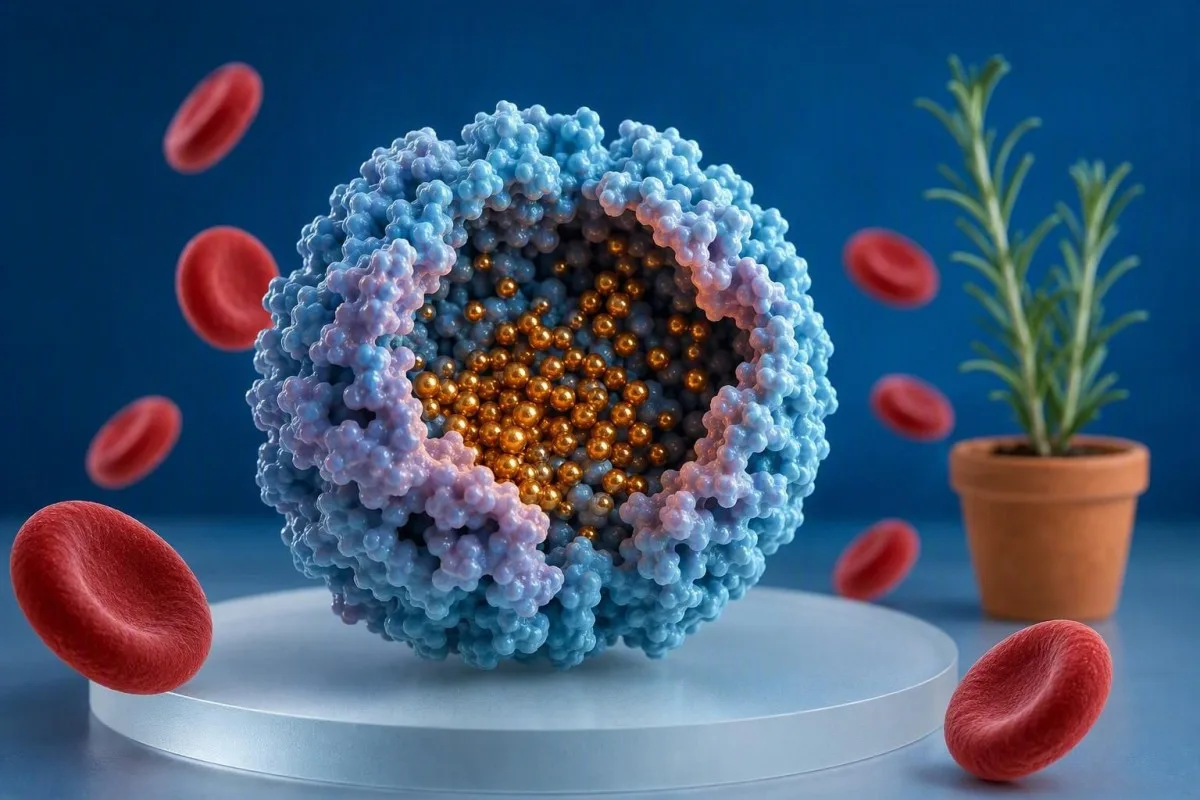
Ferretina normalean jaitsi egiten da haurdunaldia aurrera doan heinean, baina emaitza baxuak burdinaren biltegiak agor daitezke hemoglobinaren jaitsiera baino lehen. Hiruhilekoak, hanturazko markatzaileek eta odol-konposizio osoak interpretazioa aldatzen dute.


- Amaierako atalasea: Azpitik ferretina emaitza bat 30 ng/mL (µg/L) sarritan burdinaren agortze gisa hartzen da amaieran, hemoglobinak normal mantentzen badu ere.
- OMSren atalasea: Ferritina behean 15 ng/mL heldu osasuntsuengan burdinaren defizita adierazten du, baina amaierako espezialistek lehenago jardun ohi dute.
- Aldaketa espero den bezala: Ferretina jaitsi egiten da normalean lehenengo eta hirugarren hiruhilekoaren artean, plasma bolumena hedatu eta fetu-plazenta burdin beharrak areagotzen direlako.
- Anemiaren definizioa: Hemoglobina beherago 110 g/L lehen hiruhilekoan edo hirugarrenean, edo beherago 105 g/L bigarren hiruhilekoan, bat dator anemiaren aurkako WHOren irizpideekin haurdunaldian.
- Proba osagarri erabilgarriak: Ferritina hemoglobinarekin, MCVrekin, transferrinaren saturazioarekin, CRPrekin eta, batzuetan, transferrinaren hartzaile disolbagarriarekin irakurri behar da.
- Berriz probatzea: Aho bidezko burdina hasi ondoren, klinizistek ohiko odol-kondeaketa osoa errepikatzen dute 2 eta 4 aste eta geroago ferritina, sintomen eta gestazioaren arabera.
- Sintoma premiazkoak: Bularreko mina, zorabioak, atsedenean arnasa-faltarik eza, baginako isuri handia edo fetuaren mugimendu murriztua, horiek guztiak premiazko ginekologia-ebaluazioa behar dute ferritina berriz ohiko moduan probatzea baino lehen.
- Ferritina altua ohartarazpena: Infekzioarekin, gibeleko lesioarekin, gizentasunarekin eta hanturazko gaixotasunekin igo daiteke ferritina, beraz, emaitza normal edo altuak ez du beti bermatzen burdin erabilgarri nahikoa dagoenik.
Nola baloratu amaierako ferretina emaitza gaur egun
A ferritinaren helduentzako barruti normala normalean haurdunaldian irakurtzeak nahasgarria izan daiteke. Obstetrizia-zainketan, ferritina beherago 30 ng/mL (µg/L) normalean burdin-erreserba baxua adierazten du eta zure emaginarekin edo obstetrizi familiarekin eztabaidatzea merezi du, balioak berriz 30 ng/mL edo gehiago lasaigarriagoak dira, baldin eta CRP ez bada altxatzen eta odol-kondeaketa egonkorra bada.
Ferritina burdinaren biltegiratze forma da gorputzean, ez goizean zirkulatzen ari den burdinaren neurri zuzena. Haurdunaldian plasma-bolumena gutxi gorabehera handitzen da 40%-tik 50%-ra, beraz, hemoglobina eta hematokritoa jaitsi egiten dira diluzioaren ondorioz; ferritina ere jaitsi egiten da, biltegiratutako burdina erabiltzen ari delako. Beraz, ferritina baxua ez da soilik “haurdunaldiko diluzioa”. Normalean, erreserba agortua da. Ikusi gure burdinaren ikasketen gida erlazionatutako markatzaileetarako.
British Society for Haematology gidak erabiltzen du ferritina 30 µg/L azpitik burdina osagarria eskaintzeko haurdunaldian, bereziki 28. astetik aurrera (Pavord et al., 2020). WHOren bigarren mailako diagnostiko-muga 15 µg/L oso espezifikoa da, baina 15 arte itxaroteak prebentzio-leiho kliniko erabilgarria galtzea ekar dezake. Bi muga horiek ez dira biologiari buruzko desadostasuna; helburu kliniko desberdinak betetzen dituzte.
Abuztuaren 30, 2026tik aurrera, ez nuke haurdunaldiko ferritinaren emaitza helduen emakumezkoen laborategiko barruti estandarrak bakarrik epaituko. Kantesti da AI odol-analisi analizatzailea horrek ferritina jartzen du gestazio-adinarekin, hemoglobinarekin, MCVrekin, CRPrekin eta aurreko emaitzekin batera, ereduak adierazle bakarra baino askoz gehiago kontatzen baitigu.
Amaierako ferretina hiruhilekoaren arabera: erreferentzia-banda praktikoak
Ferritinak beheranzko joera izan ohi du haurdunaldian zehar, baina ez dago hiruhileko espezifikoko “normal” tarte bakar bat laborategi guztiek onartua. Irakurketa kliniko pragmatiko bat da 30 ng/mL edo gehiago iradokitzen ditu biltegi egokiak, 15etik 29 ng/mLra iradokitzen ditu biltegi urriak edo marjinalak, eta 15 ng/mL azpitik burdinaren gabeziari tinko eusten dio, hantura egon ezean.
Lehen hiruhilekorako lan-tarte erabilgarri bat gutxi gorabehera 20tik 150 ng/mLra, da, baina goiko mutur zabalak hantura zein burdinaren biltegiak islatzen ditu. Bigarren eta hirugarren hiruhilekoan, paziente on askok balio baxuagoak dituzte, askotan 10etik 60 ng/mLra. Gako-galdera klinikoa ez da balio bat tarte populazional zabal batean sartzen den; baizik eta burdinaren eskasiara hurbiltzen ari den, burdinaren eskaria bizkortzen den bitartean.
Ferritina 22 ng/mL 10. astean eta emaitza bera 34. astean ez dira egoera berdinak. 10. astean, biltegiak pixkanaka berriro eraikitzeko denbora dago; 34. astean, erreserba baxuaren eta 104 g/Lko hemoglobinaren konbinazioak sarritan tratamendu-plangintza azkarra justifikatzen du. Horregatik haurdunaldiko odol-analisirako bandera gorriak haurdunaldiko denborarekin interpretatzen dira.
Europako zenbait amatasun-zerbitzuk ferritinaren atalase bat erabiltzen dute 30 µg/L haurdunaldi osoan, beste batzuek, berriz, “gabezi” deitura 15 µg/L azpiko balioentzat gordetzen dute. Thomas Klein doktorearen iritzi klinikoa da biak erabilgarriak izan daitezkeela: 15 azpitik urritasun nabarmena baieztatzen du, eta 15etik 29ra jaiotza baino lehen gaixotu daitezkeen pazienteak identifikatzen ditu.
Zure ferretina diluzio normalagatik ala burdinaren benetako agortzeagatik da baxua?
Jausten den hemoglobina haurdunaldian partzialki diluzionala izan daiteke, baina ferritin baxua ez dago diluzioaren ondorioz soilik azaldua. dira. Ferritina 30 ng/mL murrizten diren burdinaren biltegien aldekoa da; ferritinak 30 ng/mL edo gehiago duen hemoglobin baxuak anemiaren azterketa zabalagoa behar du.
Fisiologiazko hemoluzioak bere gailurra inguruan lortzen du 28 eta 32 aste bitartean, plasma-bolumena globulu gorrien masaren azkarrago hazten denean. Horrek hemoglobina jaitsi dezake gutxi gorabehera 5 eta 10 g/L bitartean gaixotasun-prozesurik gabe. Ferritinak modu ezberdinean jokatzen du: eskuragarri dagoen biltegiratze-burdina islatzen du, eta 12 ng/mLko emaitza iraunkor batek esan nahi du burdinaren armairua benetan hutsik dagoela.
Eredu esanguratsuena ferritin da 30 ng/mL azpitik, MCV jaitsita 80 fL, RDW goraka, eta transferrinaren saturazioa jaitsita 20%. Aitzitik, 106 g/L-ko hemoglobina, 55 ng/mL-ko ferritinarekin, 88 fL-ko MCV-arekin eta CRP normalarekin diluzionala izan daiteke batez ere. Gure artikuluak hematokrito baxuaren kausak azaltzen du nola kontzentrazio-aldaketek nahasi dezaketen odol-analisi osoa.
Paziente batzuek entzuten dut batzuetan nekea “haurdunaldia besterik ez” dela euren ferritinaren 48tik 14 ng/mL-ra jaitsi denean 12 astean. Nekea bakarrik ez da zehaztugabea, egia esan, baina beheranzko joera hori esanguratsuagoa da emaitza bakoitza bakarrik hartuta baino. Kantesti AI-ak serieko berrikuspena onartzen du emaitza guztiak gertakari bakartzat hartu beharrean.
Irakurri ferretina hemoglobinarekin, MCV eta RDWrekin
Ferritinak burdin-erreserbak identifikatzen ditu, hemoglobina oxigeno-garraiatzeko gaitasuna dagoeneko jaitsi den ala ez erakusten duen bitartean. Haurdun dagoen paziente batek ferritin maila izan dezake 9 ng/mL hemoglobina mailarekin 116 g/L; hori burdin-defizita da anemia gabe, ez da emaitza normal bat alde batera uzteko.
OMSk haurdunaldiko anemia definitzen du hemoglobina maila baino gutxiagorekin 110 g/L lehenengo eta hirugarren hiruhilekoetan eta baino gutxiagorekin 105 g/L bigarren hiruhilekoan. Bigarren hiruhileko irizpide baxuago hauek plasaren hedapena aitortzen dute, ez elikadura-beharren jaitsiera. Odol-analisi osoa ezinbestekoa izaten jarraitzen du, hemoglobina bakarrak ezin baitu erakutsi burdin-dendak agortzen ari diren ala ez.
MCV bat baino gutxiagorekin 80 fL burdinak eragindako globulu gorrien produkzioa murrizten duela adierazten du, nahiz eta lehenengo defizitean normal egon daitekeen eta B12 edo folato defizitak igo dezakeen. RDW askotan MCV erori aurretik igotzen da, sortutako zelul berriak zaharrak baino txikiagoak direlako. Tratamenduaren ondoren RDW aldatzea espero daiteke; irakurri gure gida RDW burdinaren ondoren emaitza okerrago bat suposatu aurretik.
Kantesti bat da. AI odol-analisien interpretazio-plataforma . Nire esperientziaren arabera, 30 ng/mL-tik beherako ferritinaren eta beheranzko hemoglobinaren joeraren konbinazioa esanguratsuagoa da marka bakar bat baino.
CRPak edo gaixotasunak ferretinak izan dezakeena baino hobeto agertzea eragiten duenean
Ferritinak gora egiten du inflamazioan, beraz, ferritina normal edo altu batek ezin du fidagarritasunez baztertu burdin-defizita CRP altua denean. Haurdunaldian, ferritina 45 ng/mL CRP 20 mg/L inflamazioak maskaratutako burdin-gabezia izan daiteke, ez burdin-denda ugari.
Ferritina fase akutuaren erreaktantea da. Birus-gaixotasunak, gaixotasun autoimmuneak, gizentasunak, gibeleko zeluletako lesioak eta baita azken txerto batek ere igo dezakete, gordetako burdinarekiko independentean. Laborategiko goiko mugatik gorako CRP—askotan 5 mg/L—klinikoa zuhurtziago bihurtu beharko litzateke ferritina emaitza baten inguruan.
transferrin saturazioa beheratua 20%, sero-burdina txikia edo transferrin hartzaile disolbagarri altxatua erabakigarri osagarri erabilgarria eman dezakete. Sero-burdina bera aldatu egiten da eguneko orduaren eta azken janari-hartzearen arabera, beraz, inoiz ez dut haurdunaldiko burdin-eskasia diagnostikatzen sero-burdinaren arabera bakarrik. Gure azalpenak ferritina eta CRP ohiko desegokitze hau estaltzen du.
30 asteko paziente sukarra duena, ferritinarekin 70 ng/mL, CRP 64 mg/L, eta hemoglobinarekin 96 g/L, gaixotasunaren ebaluazio klinikoa behar du, baita burdin-plana ere. Ez hartu autotratamenduan burdina dosi altuan panel inflamatzaile batetik bakarrik; anemiaren kausa nahasia izan daiteke.
Amaierako ferretina baxuaren sintomak: zantzu lagungarriak, ez froga
Haurdunaldian ferritin txikiak ez du inolako sintomarik eragin dezake, batez ere 15 ng/mL, gainetik, baina ariketa-tolerantzia murriztua, neke arraroa, palpazioak, buruko minak, hankak erneak eta izotz-gosea ager daitezke. Sintomek ezin dute bereizi burdin-eskasia lo-galera, tiroide-gaixotasuna, infekzioa edo antsietatea laborategiko testuingururik gabe.
Izotza gogoko izatea, pagofagia deitua, klinikan entzuten dudan arrasto zehatzenetariko bat da; harrigarriro azkar hobetu daiteke burdin-eskasia zuzendu ondoren. Eskailak igotzean arnasa faltak ere normala izan daiteke haurdunaldian, beraz, “ohiko esfortzutik” muga berri baterako aldaketak garrantzi handiagoa du sintoma hutsa baino. Hemoglobina beheratua 100 g/L laborategiko azalpena litekeena da.
Ilunabarrean hankak erneak burdin-dosi baxuekin lotuta daude, eta lo-medikuntzako gidaritza batzuek ferritin txikia erabiltzen dute 75 ng/mL heldu ez-haurdunetan burdina kontuan hartzean. Horrek ez du esan nahi haurdun dagoen pertsona bakoitzak 75 ng/mL-ra iritsi behar duenik. Hori bai azaltzen du zergatik 24 ng/mL-ko ferritinak balio dezakeen anemia agertu aurretik ere.
Arnasa falta nabarmena, taupaden erritmoa etengabe 120 taupada/min, zorabioak, bularreko mina edo ohiko jarduera kudeatzeko ezintasunak egun bereko amatasuneko edo premiazko arreta-aholkuak behar ditu. Tratamendu-sailkapen zehatzago baterako, ikusi gure arnasestuaren odol-analisien gida.
Zer egiten duten medikuek normalean ferretina 30 baino gutxiago denean
Ferritina behean 30 ng/mL haurdunaldian ohiko dietako aholkuak eta ahozko burdina dakar, dosia eta premia hemoglobinaren, sintomen, gestazioaren eta tolerantziaren arabera moldatuta. Ahozko burdin elementaleko dosiak 40 eta 100 mg egunero behin edo egun aldatzetan erabiltzen dira, baina produktu zehatza zure amatasun taldearekin adostu behar da.
Egun aldatzetako dosifikazioak abantaila fisiologiko sinesgarria du: hepcidina burdin-dosiaren ondoren igotzen da eta aldi baterako xurgapena murriztu dezake hurrengo dositik. Praktika klinikoa aldatzen da, eta haurdunaldiko ebidentzia oraindik garatzen ari da, beraz, ez dut egun aldatzetako dosifikazioa unibertsalki hobe gisa aurkezten. Nauseak, idorreria eta errefluxuak sarritan zehazten dute pazienteak zer jarrai dezakeen.
Hartu ahozko burdina, ahal den neurrian, tea, kafea, kaltzio-osagarriak eta antiazidoetatik urrun; hauek xurgapena murriztu dezakete. C bitaminadun elikagaiek ez-hem burdinaren xurgapena pixka bat hobetu dezakete, baina C bitamina produktu garestiak gutxitan behar dira. Gure gida burdin ugariko elikagaiak otordu konbinazio praktikoak eskaintzen ditu.
Barneko burdina oro har lehen hiruhilekoaren ondoren hartzen da kontuan, ahozko tratamenduak huts egiten duenean, ez da onartzen, xurgapen txarra litekeena denean, edo anemia nabarmena berandu deskubritzen denean. 34 asteko paziente batek, hemoglobinarekin 84 g/L , ez luke hilabetez itxaron behar dieta-aldaketek funtziona dezaten. Obstetriziako taldeak IV burdina, erditze-denbora eta odol-galera arriskua baloratu behar ditu.
Noiz errepikatu ferretina eta odol-konposizio osoa
Burdinari ekin ondoren, odol-analisi osoa berriro egitea ohikoa da 2 eta 4 aste erantzuna baieztatzeko, eta ferra tinaren maila beranduago egiaztatzen da normalean, poliki igo daitekeelako eta hanturarekin aldatzen delako. Hemoglobina gutxi gorabehera igo da 10 g/L 2 eta 4 aste barruan tratamendu eraginkorra onartzen du, betiere adostasuna eta xurgapena egokiak badira.
Sareen erantzuna has daiteke 7 eta 10 egun, nahiz eta ez den ohiko moduan neurtzen ama-klinika guztietan. Hemoglobina 2 eta 4 aste igaro ondoren mugitu ez bada, klinikoek dosia, galdutako dosiak, gorakoak, antiazidoen erabilera, etengabeko odoljarioa, B12 eta folato egoera egiaztatzen dute, eta jatorrizko diagnostikoa zuzena zen ala ez. Ez bikoiztu dosia berrikuspen hori egin aurretik.
Ferritin faltsuki altua izan daiteke astebetez burdinaren zaineko infusioaren ondoren, beraz, infusio osteko berehalako mailak ez du erakusten gorputzeko erreserba iraunkorrak. Ahozko tratamendurako, talde askok terapia jarraitzen dute gutxienez 3 hilabete hemoglobina normalizatu ondoren eta erditu ondorengo aldira arte, baina tokiko protokoloak desberdinak dira. odol-proba-kronograma gida zergatik diren garrantzitsuak tarteak azaltzen du.
Kantesti AI-k ferra tinaren, MCVren, hemoglobinaren eta RDWren emaitza segizialak alderatu ditzake, erantzun esanguratsua identifikatzeko, aldaketa analitiko txikiak nabarmendu beharrean. Interpretazio-estandarrak eta berrikuspen kliniko prozesuak kontsultatzeko, gure irakurleek baliozkotze medikoa.
Noiz behar duen amaierako ferretina baxuak premiazko ebaluazio obstetriko bat
Ferritin baxua bera gutxitan da larrialdia, baina anemiaren sintomak edo odoljarioaren seinaleak izan daitezke. Bilatu premiazko ama-laguntza zorabioak, bularreko mina, atsedenean arnasa falta, horren gainetik etengabeko pultsua izanez gero 120 taupada/min, baginako isurketa handia edo fetuaren mugimendu gutxitzea—zure azken ferra tinaren zenbakia kontuan hartu gabe.
Hemoglobina beherago 70 g/L haurdunaldian anemia larria da eta espezialista baten ebaluazio premiazkoa behar du; tratamendu egokia sintomen, gestazio-adinearen, kausaren eta galera aktiboaren araberakoa da. 85 g/L-ko emaitza batek ere ekintza bizkorra eska dezake haurdunaldi berantiarrean edo kardiokonazko sintomak dituen norbaitengan. Zenbakiek premia gidatzen dute, baina gure aurrean dagoen pertsonak axola du gehiago.
Aulkien kolore beltz, ahate-gorozkiak burdina hasi aurretik, odola botatzea, sabeleko mina etengabea edo hesteetako gaixotasunaren historia izanez gero medikuaren ebaluazioa behar da, haurdunaldiak burdinaren gabezia eragin duela suposatzeaz gain. Ahozko burdina hasi ondoren, aulkien kolorea ilundu ohi da; espero den efektu hori ez da nahastu behar gastrointestinaleko odoljarioarekin. Bereizketa hau gure odol-proba azala zurbil gidan.
Deitu larrialdi zerbitzuetara kolapsoa, bularreko mina larria, zailtasun handiko arnasketa edo odoljario handia izanez gero. Jarri harremanetan zure ama unitatearekin egun berean mugimendu gutxitu edo zorabioen eta palpitazioen konbinazio berria izanez gero. Hobe da ebaluatzea eta lasaitzea aurreikusitako odol-ateratze baterako itxarotea baino.
Amaieran ferretina gehiegi egon daiteke?
Haurdunaldian laborategiko tartearen gainetik dagoen ferra tin maila ez da normalean dietako burdin gehiegikeriak bakarrik eragiten. 150 eta 200 ng/mL arteko balioek hantura, gibeleko gaixotasuna, egoera metabolikoak, burdinaren terapiaren historia edo gutxiagotan burdinaren gainkarga kontuan hartzera bultza behar lituzkete klinikoak, batez ere transferrinaren saturazioa gainditzen bada 45%.
Haurdunaldian ferra tinak behera egiten du normalean, beraz, maila igotzeak testuinguruko begirada merezi du. CRP, ALT, AST, transferrinaren saturazioa eta botiken historia zaindua informazio-baliagarriagoak dira ferra tinak bakarrik baino. Transferrinaren saturazio baxua duen ferra tin altua hanturazko eredua da askotan, ez burdina betirako eten behar dela frogatzen duena.
Hereditary haemochromatosis nahiko arraroa da haurdunaldiko ferritin mailaren igoeraren kausa gisa, eta haurdunaldiak biltegiratzea murriztu dezake fetuaren eskari eta erditzean gertatzen den odol-galeraren bidez. Hala ere, etengabeko ferritin maila altua 300 ng/mL transferrin saturazioaren gainetik egoteak medikuaren ebaluazio ez-larria eskatzen du, gaixotasun akutua baztertu ondoren. Irakurri gure ikuspegi orokorra burdin gainkargaren zantzuak eredu horretarako.
Saiatu burdina gehigarririk ez hartzen mediku batek esan badizu zure ferritin maila altua dela, burdinaren panel osoa berrikusi arte. Aitzitik, aurreko bitamina prebentibo bat hartzeari uzteak, ferritin mailaren igoera txiki batengatik aholkurik gabe, beste arazo bat sor dezake. Testuinguruak irabazten du hemen.
Amaierako ferretina baxua denean laguntzen duten elikagai aukerak
Elikagaiek burdinaren berreskurapena sustatzen dute, baina gutxitan zuzentzen dute haurdunaldiaren amaierako burdin gabezia-anemia bere kabuz. Haragia, hegaztiak eta arrainetatik datorren heme burdina, oro har, eraginkorrago xurgatzen da, babarrunak, dilistak, tofu, zerealak eta barazki hostotsuetatik datorren ez-heme burdina baino; biek dute tokia haurdunaldian.
Dilistak edo babarrunak, piperrak, zitrikoak, tomateak edo kiwiak dituen otordu batek ez-heme burdinaren xurgapena areagotu dezake C bitaminaren bidez. Teak eta kafeak xurgapena murriztu dezakete otordu berean kontsumitzen direnean, polifenolak burdinari lotzen baitzaizkio. Hauek banantzea, gutxi gorabehera, 1 eta 2 ordu artean da paziente gehienentzat konpromiso errealista bat.
Haurdunaldiko bitaminek, sarritan, artean izaten dute 14 eta 30 mg burdin elementala, hau gabezia saihestu dezakeena, baina ez du berreskuratuko ferritin maila 8 ng/mL denean. Egiaztatu etiketa, izan ere, “burdina 65 mg” gatzaren pisua adieraz dezake burdin elementalaren ordez; burdin sulfatoak 325 mg, gutxi gorabehera, 65 mg burdin elementala. dauka. Etiketa horren xehetasun horrek nahasmen handia sortzen du.
Kantesti bat da. AI bidezko odol-analisien analisi-tresna horrek, ferritin maila baxu baten eredua elikadura-plangintzarekin lotu dezake, haurdun dauden erabiltzaileak beren medikuarengana bideratuz tratamendu-aukeretarako. Osagarriak tartean badaude, gure haurdunaldiko osagarri-gida dosi eta segurtasun galdera landuak.
Egoera bereziak: dieta begetarianoak, bikiak, aurretiko kirurgia barriatrikoa eta talasemiaren ezaugarria
Haurdunaldia bikoitza, aurreko erditzearen ondorengo tarte laburra, dieta begano edo begetarianoa, nerabezaroko haurdunaldia, aurreko hilekoak astunak izatea eta kirurgia bariatrikoa izateak burdina agortzeko probabilitatea areagotzen dute. Talasemiaren ezaugarriak ere MCV baxua sor dezake, baina ez du ez babesten norbait burdin gabezia berean garatzea.
Sleeve gastrektomia edo bypass gastrikoa egin duten pertsonek, agian, ez dute ondo xurgatzen ahozko burdina eta lehenbailehen espezialista baten laguntza behar dute. Ferritin maila 30 ng/mL azpitik dagoen ferritin maila eta anemia iraunkorra, ahozko erregimen egoki bat egin arren, hori susmatzea eragin beharko luke. Coeliakia, hesteetako hanturazko gaixotasuna eta azido-ezarpen luzea xurgapen-oztopo antzekoak sor ditzakete.
Talasemiaren ezaugarrietan, MCV balioa 75 fL azpitik egon daiteke ferritin normala denean ere, beraz, zelula txikien eredu guztiak burdinarekin tratatzea akats bat da. Ferritinak, transferrinaren saturazioak, hemoglobinaren elektroforesiaren historiak eta familiako jatorriak gidatzen dute bereizketa. Gure azalpenak transferrinaren saturazio baxua erakusten du neurketa horrek non laguntzen duen.
Thomas Klein doktoreak aurkako akatsa ere ikusi du: talasemiaren ezaugarri ezagunak mikrozitosi guztia azaltzen duela suposatzea eta 6 ng/mL-ko ferritin maila ez ikustea. Kausa mistoak nahiko ohikoak dira, beraz, panel osoa seguruagoa da etiketa bakarreko azalpena baino.
Zergatik garrantzitsua den amaierako ferretinaren jarraipena jaiotze ondoren
Ferritin maila erditze ondoren berriro aztertu behar da sarritan, haurdunaldiaren aurreko burdin gabezia, erditze ondorengo odol galera edo neke iraunkorra egon bazen. Odol-kondeaketa osoa 4 eta 8 aste erditu ondoren gomendatzen da normalean odol galera handia edo jaiotza aurreko anemia izan ondoren, nahiz eta ordutegi zehatza tokiko amatasun-politikaren araberakoa izan.
Jaiotza ondorengo lehen asteetan ferritinaren interpretazioa zaila izan daiteke, jaiotzak hanturazko erantzuna sortzen duelako, eta horrek aldi baterako igo dezake. Hemoglobina, sintomak, odol galera kalkulatua eta tratamenduaren historia sarritan hobeto gidatzen dituzte lehen erabakiak. Geroagoko probek hobeto erakusten dute erreserbak berriro osatu diren ala ez.
Jaiotza ondoren eskuratutako burdina hartzen jarraitzeak garrantzia izan dezake hemoglobina hobetzen hasten denean ere, batez ere odol galera izan ondoren 500 mL edo gehiago jaiotza baginala izan ondoren edo 1.000 mL edo gehiago jaiotza zesararra izan ondoren—postpartum hemorragia definitzeko erabiltzen diren ohiko atalaseak. Edoskitzaroak ez du berez burdin erreserbak nabarmen agortzen, baina berreskuratzeko beharrak errealak dira.
Joera segurua berrikusteko, Kantesti AI-ak kargatutako emaitzak testuinguru klinikoan irakurtzen ditu eta hizkuntza anitzeko azalpenak eskaintzen ditu 75+ hizkuntzatan; ez du amatasun-arreta ordezkatzen. Gure aholku-batzorde medikoa lan hezigarri honetan erabiltzen diren estandar klinikoak gainbegiratzen ditu.
Zure emagina, mediku orokorra edo obstetraren hitzordura eraman beharreko galderak
Galdera baliotsuena ez da “Nire ferritina normala al da?”, baizik eta “Nire ferritinak, hemoglobinak, MCV, sintomak eta haurdunaldi-asteak tratamendua behar dudala iradokitzen al dute orain?”. Ekarri balio zehatzak, unitateak, probaren data, haurdunaldi-astea, osagarriaren izena eta aurreko emaitzak.
Galdetu ea zure ferritina emaitza infekzio baten garaian, IV burdina jaso ondoren, edo CRP altua zegoenean neurtu zen. Galdetu ea transferrinaren saturazioa, B12, folatoa, tiroide-analisia edo hemoglobinopatia baheketa garrantzitsuak diren zure kasuan. Galdera hauek bereziki baliagarriak dira hemoglobina baxua denean 105 g/L bigarren hiruhilekoan edo kanpoan 110 g/L baino gutxiago.
Galdetu ere noiz errepikatu behar den CBC, ea zure burdin dosia burdin elementala den adierazten den, eta zein albo-ondorioek eragin behar duten formulazioaren aldaketa. Kirurgia bariatria izan baduzu, hesteetako gaixotasunik, aurretik anemia larria izan baduzu, edo entrega programatu bat baduzu 6 aste, galdetu goiz ea burdin aoralak nahikoa den. Laburpen bat mediku-bisitarako egiaztapen-zerrenda elkarrizketa hori erraztu dezake.
Kantesti AIren lan-prozesua emaitzak antolatzeko diseinatuta dago, ez haurdunaldiko konplikazioak diagnostikatzeko edo tratamendua agintzeko. Gure ereduak laborategiko testuingurua nola erabiltzen duten jakin nahi dutenek berrikusi dezakete AI teknologiaren gida; azken erabakiak haurdunaldiaz arduratzen den klinikariaren esku geratzen dira.
Maiz egiten diren galderak
Zein da ferritinaren maila normala haurdunaldian?
Ferritin maila bat 30 ng/mL (µg/L) edo gehiago normalean burdina erreserben adierazgarritzat jotzen da haurdunaldian, hantura aktiborik ez dagoenean. Ferritinaren balioa 15 eta 29 ng/mL artean erreserba baxua edo mugakoa dela adierazten du eta amatasun-klinikariak burdina osagarri gisa gomendatzera eramaten ditu sarritan. Ferritinaren balioa azpitik 15 ng/mL burdina-gabezia indartsu susmatzen du hanturarik gabeko pertsonan. Laborategiko haurdun ez dagoen emakumezkoen tartea ez da gida bakarra izan behar, ferritina normalean jaisten baita haurdunaldia aurrera doan heinean.
Ferretina 20 haurdunaldian maila baxua al da?
Ferritinaren 20 ng/mL haurdunaldian oro har burdin-gordailu baxutzat hartzen da, hemoglobinak oraindik normalak izan arren. Obstetrizia-gidalerro askok 30 ng/mL erabiltzen dute burdin osagarria eskaintzeko atalase gisa, burdin-gabeziaren anemia garatu aurretik usteldura identifikatzeagatik. Premia haurdunaldiaren asteari, hemoglobinari, MCVri, sintomei eta aurreko joerei dagokie. 34. astean 20 ng/mL-ko mailak lehen hiruhilekoaren hasieran maila bera baino plan azkarragoa eskatzen du normalean.
Zergatik jaisten da feritina haurdunaldian?
Ferritinak jaitsi egiten du haurdunaldian, fetu eta placentaren hazkundeari burdinaren beharra duelako, amaren globulu gorrien masa handitzen delako eta gordetako burdina mobilizatzen delako. Plasma-bolumena ere gutxi gorabehera hazten da 40%-tik 50%-ra, honek odol-markatzaile askoren neurritako kontzentrazio baxuagoak laguntzen ditu. Hala ere, diluzioak bakarrik ez du azaltzen 30 ng/mL; azpiko ferritina-emaitza; emaitza horrek normalean burdin-erreserba mugatuak adierazten ditu. Horrela, ferritinak espero zen hemoluzioa burdin-gabezia sortzetik bereizten laguntzen du.
Noiz kontrolatu behar da ferritina burdina hartzen hasi ondoren haurdunaldian?
Odol-konketa osoa sarri errepikatzen da 2 eta 4 aste haurdunaldian ahozko burdina hasi ondoren, eta ferritina geroago berriz egiaztatu daiteke gestazioaren eta sintomen arabera. Gutxi gorabehera 10 g/L 2 eta 4 aste barruan -ko hemoglobinaren igoerak tratamendua funtzionatzen ari dela adierazten du, diagnostikoa eta atxikimendua zuzenak direnean. Ferritinak behin-behinean nahasgarria izan daiteke zain barneko burdinaren ondoren edo infekzioan zehar, fase akutu baten erreaktibo gisa igotzen baita. Zure obstetrizia-klinikariak tartea ezarri beharko luke anemia moderatua bada, haurdunaldiaren amaieran edo sintomekin lotuta badago.
Haurdunaldian ferritina maila baxua izan daiteke hemoglobina normala izanda ere?
Bai. Ferritinak azpitik egon daiteke 15 edo 30 ng/mL hemoglobinak haurdunaldi anemiako atalasearen gainetik jarraitzen duen bitartean, hau da, anemia gabeko burdin-gabezia. Fase honek burdin-gordailua agortuta dagoela esan nahi du, baina oxigenoa garraiatzeko gaitasuna ez da oraindik nahikoa jaitsi anemia-irizpideak betetzeko. Tratatzeak jaiotzearen aurretik anemia larriagoa izateko aukera murriztu dezake, nahiz eta erregimen zehatza egoera klinikoen araberakoa izan. Lehenengo edo hirugarren hiruhilekoan 110 g/L azpiko hemoglobina, edo bigarren hiruhilekoan 105 g/L azpiko hemoglobina, WHOren anemia-irizpideak betetzen ditu.
Zein ferritin maila da arriskutsu baxua haurdunaldian?
Ez dago larrialdi bat definitzen duen ferritina-zenbakirik, baina azpiko ferritinak 15 ng/mL burdin-gordailu nabarmena adierazten du eta jarraipen klinikoa behar du. Premia areagotu egiten da azpiko ferritinak hemoglobina azpitik duenean 70 g/L, zorabioak, bularreko mina, atsedenean arnasestua, takikardia iraunkorra, baginako odoljario handia edo fetuaren mugimendu murriztua. 36. astean 8 ng/mL-ko ferritina eta 85 g/L-ko hemoglobina duen pertsona batek 10. astean 10 asteko pertsona osasuntsu batek baino planifikazio obstetrizia azkarragoa behar du. Sintomek eta gestazio-adineak ferritina-emaitzak adina balio dute.
Lortu gaur AI bidezko odol-analisien analisia
Batu mundu osoko 2 milioi erabiltzaile baino gehiagok Kantesti-n konfiantza dutenak, laborategiko analisiak berehala eta zehaztasunez aztertzeko. Igo zure odol-analisien emaitzak eta jaso 15,000+ biomarkatzaileen interpretazio integrala segundo gutxitan.
📚 Erreferentziatutako ikerketa-argitalpenak
Klein, T., Mitchell, S., & Weber, H. (2026). Kantesti LTD. (2026). BUN/Kreatinina Ratioa Azalduta: Giltzurrun-funtzio probak egiteko gida. Zenodo.. Kantesti AI Medical Research.
Klein, T., Mitchell, S., & Weber, H. (2026). Kantesti LTD. (2026). Urobilinogenaren gernu-proba: Gernu-analisiaren gida osoa 2026. Zenodo.. Kantesti AI Medical Research.
📖 Kanpoko erreferentzia medikoak
Pavord S et al. (2020). Erresuma Batuko jarraibideak haurdunaldian burdinaren gabeziaren kudeaketari buruz.Emakumeen Osasuneko Laborategiaren Interpretazioa 2026ko Eguneraketa Pazientearentzat atsegina CA-125 altu batek ez du obarioko minbizia diagnostikatzen, eta normal...
Munduko Osasun Erakundea (2012). Eguneroko burdina eta azido foliko osagarria haurdun dauden emakumeetan. WHOren jarraibidea.
⚕️ Ohar medikoa
Artikulu hau hezkuntza-helburuetarako da soilik eta ez du mediku-aholkurik ematen. Diagnostiko- eta tratamendu-erabakietarako, beti kontsultatu osasun-profesional kualifikatu bati.
E-E-A-T Konfiantza-seinaleak
Esperientzia
Medikuek gidatutako berrikuspen klinikoa laborategiko interpretazioaren lan-fluxuei buruz.
Espezializazioa
Laborategiko medikuntzaren ikuspegia biomarkatzaileek testuinguru klinikoan nola jokatzen duten aztertzean.
Autoritatea
Dr. Thomas Klein-ek idatzia, eta Dr. Sarah Mitchell eta Prof. Dr. Hans Weber-ek berrikusia.
Fidagarritasuna
Ebidentzian oinarritutako interpretazioa, alarma murrizteko jarraipen-bide argiekin.