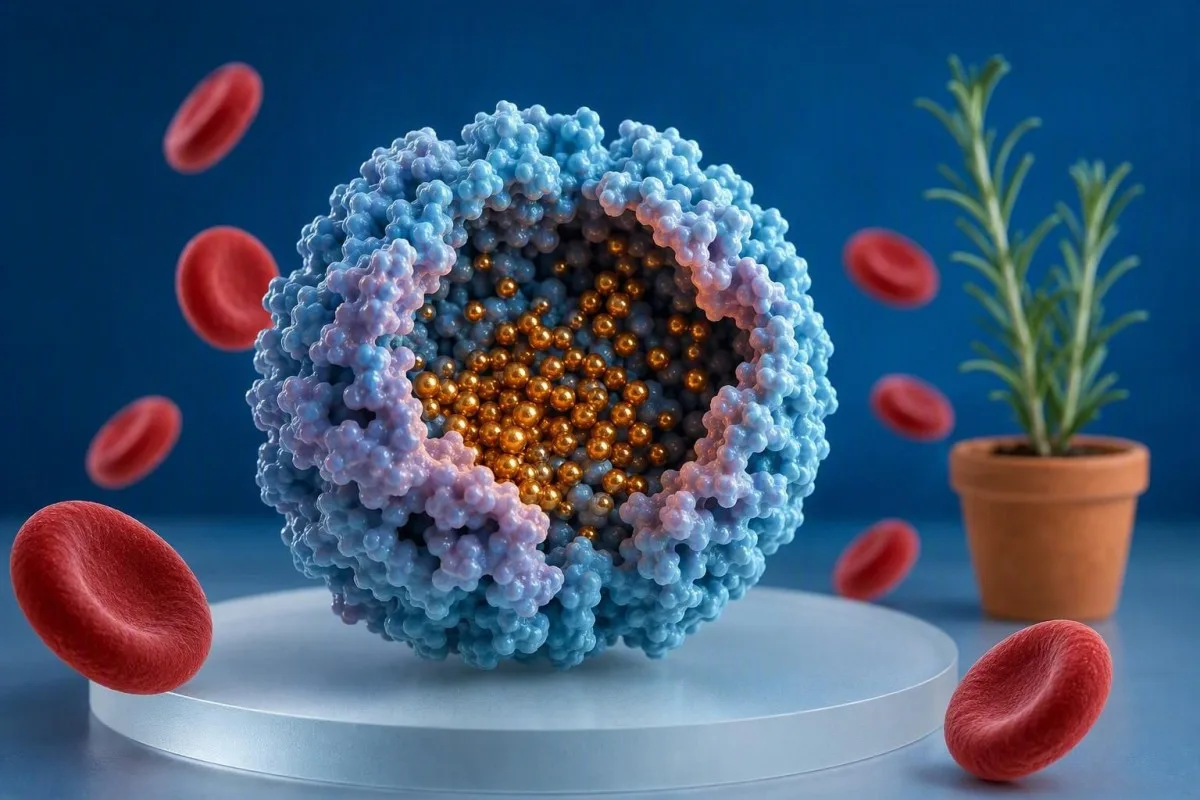
Ferritiini tase langeb raseduse edenedes tavaliselt, kuid madal tulemus võib siiski näidata raua varude ammendumist enne hemoglobiini langust. Trimester, põletikumarkerid ja teie täielik vereanalüüs muudavad tõlgendamist.


- Raseduse piirnorm: Ferritiini tulemus alla 30 ng/mL (µg/L) loetakse raseduse ajal tavaliselt rauapuuduseks, isegi kui hemoglobiinitase jääb normaalseks.
- WHO piirnorm: Ferritiin alla 15 ng/mL näitab rauapuudust näiliselt tervetel täiskasvanutel, kuid raseduse spetsialistid tegutsevad sageli varem.
- Oodatav muutus: Ferritiin langeb tavaliselt esimesest trimestrist kolmandasse trimestri, kuna plasma maht suureneb ja loote-platsenta rauavajadus kasvab.
- Aneemia definitsioon: Hemoglobiin alla 110 g/L esimesel või kolmandal trimestril või alla 105 g/l teisel trimestril vastab WHO rasedusaegse aneemia kriteeriumitele.
- Kasulikud kaasanalüüsid: Ferritiini tuleks hinnata koos hemoglobiini, MCV, transferriini küllastatuse, CRP ja mõnikord lahustuva transferriini retseptoriga.
- Uuesti testimine: Pärast suukaudse raua manustamise alustamist kordavad arstid tavaliselt täielikku verepilti 2 kuni 4 nädalat ja hiljem ferritiini, sõltuvalt sümptomitest ja rasedusajast.
- Kiireloomulised sümptomid: Valu rinnus, minestamine, puhkeolekus hingeldus, tugev vaginaalne veritsus või loote liikumise vähenemine vajavad kiiret sünnitusabi hindamist, mitte rutiinset ferritiini kordustesti.
- Ferritiini kõrge väärtuse hoiatus: Ferritiin võib suureneda infektsiooni, maksa kahjustuse, rasvumise ja põletikuliste haiguste korral, seega normaalne või kõrge tulemus ei tõesta alati piisavat kasutatavat rauda.
Kuidas hinnata raseduse ferritiini tulemust täna
A ferritiini normaalne vahemik mitte-rasedal laboratoorsel aruandlusel võib olla raseduse ajal eksitav. Praktilises sünnitusabis on ferritiin alla 30 ng/mL (µg/L) tavaliselt näitab madalat raua taset ja vajab arutelu ämmaemanda või sünnitusabi arstiga, samas kui väärtused 30 ng/ml või kõrgema on rahustavamad, kui CRP ei ole kõrgenenud ja verepilt on stabiilne.
Ferritiin on organismi raua varuvorm, mitte otsene mõõtmine hommikul veres ringlevast rauast. Rasedus laiendab plasma mahtu ligikaudu 40% kuni 50%, seega hemoglobiin ja hematokrit langevad dilutsiooni tõttu; ferritiin langeb ka seetõttu, et salvestatud rauda kasutatakse. Madal ferritiin ei ole seetõttu lihtsalt “raseduse dilutsioon”. See on tavaliselt ammendunud reserv. Vaadake meie rauauuringute juhend seotud markerite jaoks.
Briti Hematoloogia Seltsi juhis kasutab toetab rauapuudust isegi enne hemoglobiini langust. Trombotsüütide arv püsib tavaliselt üle raua lisamise pakkumise käivitajana raseduse ajal, eriti alates 28. nädalast (Pavord jt, 2020). WHO madalam diagnostiline piirväärtus 15 µg/L on väga spetsiifiline, kuid 15 ootamine võib jätta kasutamata kliiniliselt kasuliku ennetusakna. Need kaks piirväärtust ei ole bioloogia osas lahkhelis; need teenivad erinevaid kliinilisi eesmärke.
Alates 30. augustist 2026 ma ei hindaks raseduse ferritiini tulemust ainult labori täiskasvanud naiste referentsvahemiku alusel. Kantesti on AI vereanalüüsi analüsaator , mis asetab ferritiini gestatsiooniaja, hemoglobiini, MCV, CRP ja varasemate tulemuste kõrvale, kuna muster annab meile palju rohkem teavet kui üks esile tõstetud lipp.
Raseduse ferritiin trimestrite kaupa: praktilised võrdlusvahemikud
Ferritiin tavaliselt langeb raseduse jooksul, kuid ükski trimestripõhine “normaalne” intervall ei ole iga labori poolt aktsepteeritud. Pragmaatiline kliiniline tõlgendus on, et 30 ng/mL või kõrgem viitab mõistlikele tasemetele, 15–29 ng/mL viitab ammendunud või piiripealsetele varudele, ja alla 15 ng/mL tugevalt toetab rauavaegust, kui põletikku ei esine.
Esimesel trimestril on kasulik tööpiirkond ligikaudu 20–150 ng/mL, kuid lai ülemine piir peegeldab lisaks rauavarudele ka põletikku. Teisel ja kolmandal trimestril on paljudel tervetel patsientidel madalamad väärtused, sageli 10–60 ng/mL. Peamine kliiniline küsimus ei ole see, kas väärtus mahub laia populatsioonivahemikku; vaid see, kas see läheneb rauavaegusele, samal ajal kui raua vajadus kiireneb.
Ferritiin 22 ng/mL 10. nädalal ja sama tulemus 34. nädalal ei ole identsed olukorrad. 10. nädalal on aega varusid järk-järgult taastada; 34. nädalal õigustab madal reservuaar ja hemoglobiinisisaldus 104 g/L sageli kiiret raviplaneerimist. Sellepärast raseduse vereanalüüsi punased lipud tõlgendatakse koos gestatsiooni ajastusega.
Mõned Euroopa sünnitusabiteenused kasutavad ferritiini läviväärtust 30 µg/L kogu raseduse vältel, samas kui teised reserveerivad “vaeguse” märgise väärtustele alla 15 µg/L. Dr. Thomas Kleini kliiniline seisukoht on, et mõlemad võivad olla kasulikud: alla 15 kinnitab märkimisväärset ammendumist, samas kui 15–29 tuvastab patsiendid, kellel võib enne sünnitust tekkida aneemia.
Kas teie ferritiin on madal tavalise lahjenduse või tõelise rauapuuduse tõttu?
Langevat hemoglobiini võib raseduse ajal osaliselt põhjustada vere lahjenemine, kuid madalat ferritiini ei selgita ainult lahjenemine. Ferritiin alla 30 ng/mL viitab kahanevatele rauavarudele; madal hemoglobiin ferritiini tasemel 30 ng/mL või kõrgemal vajab laiema aneemia hindamist.
Füsioloogiline hemodilutsioon saavutab haripunkti umbes 28–32 nädalal, kui plasmamaht suureneb punaste vereliblede massist kiiremini. See võib alandada hemoglobiini umbes 5–10 g/L ilma haigusprotsessita. Ferritiin käitub erinevalt: see peegeldab saadaolevat säilitusrauda ja pidev 12 ng/mL tulemus tähendab, et rauakapp on tõesti peaaegu tühi.
Kõige paljastavam muster on ferriitiin alla 30 ng/mL, MCV langeb alla 80 fL, tõusev RDW ja transferriini küllastus alla 20%. Vastupidi, hemoglobiin 106 g/L koos ferriitiiniga 55 ng/mL, MCV 88 fL ja normaalne CRP võib olla peamiselt vedeliku põhjustatud. Meie artikkel teemal madal hematokriit põhjustab selgitab, miks kontsentratsiooni muutused võivad segadusse ajada täielik verepilt.
Aeg-ajalt näen patsiente, kellele öeldakse, et väsimus on “lihtsalt rasedus”, kui nende ferriitiin on 12 nädala jooksul langenud 48-lt 14 ng/mL-ni. Väsimus üksi on ausalt öeldes mittespetsiifiline, kuid see allamäge minek on veenvam kui kumbki tulemus eraldi. Kantesti AI toetab seeriakontrolli, mitte iga tulemuse käsitlemist eraldiseisva sündmusena.
Lugege ferritiini koos hemoglobiini, MCV ja RDW-ga
Ferriitiin näitab rauavarude olemasolu, samas kui hemoglobiin näitab, kas hapnikku kandev võime on juba langenud. Rase patsient võib omada ferriitiini 9 ng/mL koos hemoglobiiniga 116 g/L; see on rauavaegus ilma aneemiata, mitte normaalne tulemus, mida ignoreerida.
WHO määratleb aneemiat raseduse ajal hemoglobiinina alla 110 g/L esimesel ja kolmandal trimestril ning alla 105 g/l teisel trimestril. Need madalamad teise trimestri kriteeriumid arvestavad plasma laienemisega, mitte madalama toitumisvajadusega. Täielik verepilt jääb oluliseks, sest ainult hemoglobiin ei näita, kas rauavarud on ammendumas.
MCV alla 80 fL toetab rauapiirangut punaste vereliblede tootmisel, kuigi see võib varajases puudulikkuses jääda normaalseks ja seda võivad tõsta B12 või folaadi puudulikkus. RDW tõuseb sageli enne MCV langust, kuna äsja toodetud rakud muutuvad vanematest rakkudest väiksemaks. Muutuv RDW pärast ravi on oodatav; lugege meie juhendit RDW kohta pärast rauaravi enne halveneva tulemuse eeldamist.
Kantesti on AI vereanalüüsi tulemuste tõlgendamise platvorm on loodud ferriitiini lugemiseks koos täieliku verepildiga, mitte tulemuse normaalseks kuulutamiseks, kuna see jääb napilt alla üldise referentspiiri. Minu kogemuse kohaselt on ferriitiini tase alla 30 ng/mL ja hemoglobiini langustrendi kombinatsioon rohkem tegevusrohke kui ükski näitaja eraldi.
Millal CRP või haigus muudab ferritiini paremaks, kui see tegelikult on
Ferriitiin tõuseb põletiku ajal, nii et normaalne või kõrge ferriitiin ei saa usaldusväärselt välistada rauavaegust, kui CRP on kõrgenenud. Raseduse ajal võib ferriitiin 45 ng/mL koos CRP-ga 20 mg/L esindada põletiku poolt maskeeritud rauavaegust, mitte rikkalikke rauavarusid.
Ferriitiin on akuutfase reaktant. Viirusnakkused, autoimmuunhaigused, rasvumine, maksa-rakkude kahjustus ja isegi hiljutine vaktsineerimine võivad seda tõsta sõltumata ladustunud rauast. CRP, mis ületab labori ülempiiri – sageli 5 mg/L— peaks panema arsti olema ettevaatlikum ferriitiini tulemuse rahuldavaks pidamisel.
Sel juhul võib ferritiini küllastatusest allapoole jääv 20%, madal seerumi rauatase või kõrgenenud lahustuv transferriini retseptor anda kasulikku kinnitust. Seerumi rauatase ise kõigub päevaaja ja hiljutise toidukorra mõjul, seega ma ei diagnoosi raseduse rauavaegust kunagi ainult seerumi rauataseme põhjal. Meie selgitus ferritiin ja CRP käsitleb seda levinud mittevastavust.
Palavikuga 30. rasedusnädalal patsient, kelle ferritiin on 70 ng/mL, CRP 64 mg/L ja hemoglobiin 96 g/L, vajab kliinilist hindamist haiguse suhtes ning rauaplaani. Ärge ise manustage suuri rauadoose ainult ühe põletikulise analüüsi põhjal; aneemia põhjus võib olla kompleksne.
Madala ferritiini raseduse sümptomid: kasulikud vihjed, mitte tõendid
Madal ferritiinitase raseduse ajal ei pruugi üldse sümptomeid põhjustada, eriti üle 15 ng/mL, kuid võib esineda vähenenud füüsiline taluvus, ebatavaline väsimus, südamepekslemine, peavalud, rahutud jalad ja jäätise isud. Sümptomid ei suuda eristada rauavaegust unerohkusest, kilpnäärmehaigusest, nakkusest või ärevusest ilma laboratoorse kontekstita.
Jäätise isud, mida nimetatakse pagofaagiaks, on üks spetsiifilisemaid vihjeid, mida kuulen kliinikus; see võib üllatavalt kiiresti paraneda pärast rauavaeguse korrigeerimist. Trepist üles ronides tekib hingeldus ka normaalse raseduse ajal, seega tavapärasest pingutusest tingitud muutused uueks piiranguks on olulisemad kui sümptomi pelk esinemine. Hemoglobiin alla 100 g/L muudab laboratoorse selgituse tõenäolisemaks.
Õhtused rahutud jalad on seotud madala rauavaruga ja mõned uneravi juhised kasutavad ferritiini alla 75 ng/mL , kui kaalutakse rauda mitte-rasedatel täiskasvanutel. See ei tähenda, et iga rase inimene peaks saavutama 75 ng/mL. See selgitab, miks 24 ng/mL ferritiini võib olla oluline juba enne aneemia ilmnemist.
Äkiline tugev hingeldus, puhkeoleku pulss püsivalt üle 120 lööki minutis, minestamine, valu rinnus või võimetus tavapärast tegevust sooritada vajab sama päeva emadus- või erakorralise meditsiini abi. Täpsemaks triaažiks vaadake meie õhupuuduse vereanalüüsi juhend.
Mida arstid tavaliselt teevad, kui ferritiin on alla 30
Ferritiin alla 30 ng/mL raseduse ajal viib tavaliselt toitumisnõuanneteks ja suukaudseks rauaks, annus ja kiireloomulisus kohandatakse hemoglobiini, sümptomite, gestatsioonivanuse ja taluvuse järgi. Suukaudsed elementaarraua annused 40–100 mg kord päevas või ülepäeviti on laialdaselt kasutusel, kuid täpne toode tuleks kokku leppida teie emadusmeeskonnaga.
Ülepäeviti manustamisel on usutav füsioloogiline eelis: heptsidiin tõuseb pärast raua manustamist ja võib ajutiselt vähendada järgmise annuse imendumist. Kliiniline praktika on erinev ja rasedusaegsed tõendid on alles arenemisjärgus, seega ma ei esita ülepäeviti manustamist universaalselt paremana. Iiveldus, kõhukinnisus ja kõrvetised määravad sageli seda, mida patsient tegelikult jätkata saab.
Võtke suukaudset rauda võimalusel teest, kohvist, kaltsiumilisanditest ja antatsiididest eemal; need võivad imendumist vähendada. C-vitamiini rohke toit võib mitte-heem-raua imendumist veidi parandada, kuid kallid C-vitamiini preparaadid on harva vajalikud. Meie juhend rauarikaste toitude kohta pakub praktilisi toidukombinatsioone.
Intravenoosset rauda kaalutakse tavaliselt pärast esimest trimestrit, kui suukaudne ravi ebaõnnestub, ei taluta, malabsorptsioon on tõenäoline või hiljuti avastatakse märkimisväärne aneemia. 34. rasedusnädalal patsient, kelle hemoglobiin on 84 g/L , ei tohiks lihtsalt kuid oodata, kuni toitumismuudatused mõjuvad. Sünnitusabi meeskond peab kaaluma IV rauda, sünnituse ajastust ja verekaotuse riski.
Millal korrata ferritiini ja täielikku vereanalüüsi
Pärast rauaga alustamist tehakse sageli vereanalüüs uuesti 2 kuni 4 nädalat vastuse kinnitamiseks, samas kui ferritiini kontrollitakse tavaliselt hiljem, kuna see võib aeglaselt tõusta ja varieerub põletiku korral. Hemoglobiini tõus umbes 10 g/L kahe kuni nelja nädala jooksul toetab tõhusat ravi, kui ravi järgimine ja imendumine on piisavad.
Retikulotsüütide vastus võib alata jooksul 7 kuni 10 päeva, kuigi seda ei mõõdeta rutiinselt igas sünnituskliinikus. Kui hemoglobiin ei ole kahe kuni nelja nädala pärast muutunud, kontrollivad arstid annust, vahelejäänud annuseid, oksendamist, antatsiidide kasutamist, jätkuvat verekaotust, B12 ja folaadi taset ning seda, kas esialgne diagnoos oli õige. Ärge kahekordistage annust enne seda ülevaadet.
Ferritiin võib olla valesti kõrgenenud mitu nädalat pärast intravenoosset rauda, nii et vahetult pärast infusiooni olev tase ei näita vastupidavaid kehareserve. Suukaudse ravi korral jätkavad paljud meeskonnad ravi vähemalt 3 kuud pärast hemoglobiini normaliseerumist ja sünnitusjärgsesse perioodi, kuid kohalikud protokollid erinevad. vereanalüüsi ajastusjuhend selgitab, miks vaheajad on olulised.
Kantesti AI võib võrrelda järjestikuseid ferritiini, MCV, hemoglobiini ja RDW tulemusi, et tuvastada tähendusrikas vastus, mitte esile tõsta väikseid analüütilisi muutusi. Tõlgendusstandardite ja kliiniliste ülevaatusprotsesside osas saavad meie lugejad tutvuda meditsiiniline valideerimine.
Millal madal ferritiin vajab kiiret sünnitusabi hindamist
Madal ferritiin ise on harva hädaolukord, kuid aneemia sümptomid või verekaotuse tunnused võivad olla. Otsige kiireloomulist sünnitusabi hinnangut minestamise, valu rinnus, hingeldamise puhkeolekus, pideva pulsi üle 120 lööki minutis, raske tupevedeliku kao või loote liigutuste vähenemise korral - sõltumata teie viimasest ferritiini numbrist.
Hemoglobiin alla 70 g/L raseduse ajal on raske aneemia ja nõuab kiireloomulist eriarstiabi; õige ravi sõltub sümptomitest, gestatsiooniajast, põhjusest ja aktiivsest kaotusest. 85 g/L tulemus võib samuti nõuda kiirendatud tegevust raseduse lõpus või kellel on kardiPulmonaarsed sümptomid. Numbrid juhivad kiirust, kuid meie ees olev inimene on olulisem.
Mustad, tõrvased väljaheited enne ravi alustamist raual, vere oksendamine, pidev kõhuvalu või soolehaiguse ajalugu nõuab meditsiinilist ülevaatust, mitte eeldust, et rasedus põhjustas rauavaegust. Pärast suukaudse raua alustamist muutub väljaheide tavaliselt tumedamaks; seda oodatavat efekti ei tohiks segi ajada seedetrakti verejooksuga. See erinevus on käsitletud meie vereanalüüsi kahvatu naha juhendis.
Helistage hädaabiteenistusse kokkuvarisemise, tugeva valu rinnus, raske hingamisraskuse või tugeva verejooksu korral. Võtke ühendust oma sünnitusüksusega samal päeval, kui liigutused on vähenenud või kui esineb uus pearingluse ja südamepekslemise kombinatsioon. Parem on lasta end hinnata ja rahustada, kui oodata kavandatud vereanalüüsi.
Kas ferritiin võib raseduse ajal olla liiga kõrge?
Ferritiin, mis on raseduse ajal laborivahemikust kõrgem, ei ole tavaliselt põhjustatud ainult liigsest toitumisraud. Väärtused üle 150 kuni 200 ng/mL peaksid ajendama arste kaaluma põletikku, maksahaigust, ainevahetushäireid, rauateraapia ajalugu või harvemini rauaindeksit, eriti kui transferriini küllastus ületab 45%.
Ferritiin langeb tüsistumata raseduse ajal sageli, seega tõusev tase väärib kontekstuaalset uurimist. CRP, ALT, AST, transferriini küllastus ja hoolikas ravimite ajalugu on informatiivsemad kui ainult ferritiin. Kõrge ferritiin koos madala transferriini küllastusega on tavaliselt põletikuline muster, mitte tõend, et rauda tuleks lõputult ära jätta.
Pärilik hemokromatoos on harva rasedusaegse ferritiini tõusu põhjus ning rasedus võib vähendada varusid loote vajaduse ja sünnituse-aegse verekaotuse kaudu. Siiski püsiv ferritiin üle 300 ng/mL koos transferriini küllastumisega üle 45% nõuab mitte-kiiret arsti juhitud hindamist, kui äge haigus on välistatud. Lugege meie ülevaadet rauakoguse suurenemise vihjed mustri kohta.
Vältige täiendava raua võtmist, kui arst on teile öelnud, et ferritiin on kõrge, kuni kogu rauapaneeli ülevaatamiseni. Ja vastupidi, määratud sünnituseelse vitamiini võtmise lõpetamine mõõduka ferritiini tõusu korral ilma nõuandeta võib tekitada teise probleemi. Siin on oluline kontekst.
Toiduvalikud, mis aitavad, kui raseduse ferritiin on madal
Toit toetab raua täiendamist, kuid harva korrigeerib hilisraseduse rauavaegusaneemiat iseenesest kiiresti. Liha, linnuliha ja kala hem-raud imendub üldiselt tõhusamalt kui mitte-hem-raud ubade, läätsede, tofu, teraviljade ja roheliste köögiviljade seest; mõlemal on raseduse ajal oma koht.
Läätsede või ubade ning pipra, tsitruseliste, tomatite või kiivi sisaldav eine võib C-vitamiini kaudu suurendada mitte-hem-raua imendumist. Tee ja kohv võivad imendumist vähendada, kui neid tarvitatakse sama einega, sest polüfenoolid seovad rauda. Nende eraldamine umbes 1 kuni 2 tunni on enamiku patsientide jaoks realistlik kompromiss.
Sünnituseelsed vitamiinid sisaldavad sageli vahemikus 14 ja 30 mg elementaarset rauda, mis võib puudust ära hoida, kuid ei pruugi seda täiendada, kui ferritiin on 8 ng/mL. Kontrollige etiketti, sest “raud 65 mg” võib kirjeldada soola kaalu, mitte elementaarset rauda; ferrosulfaat 325 mg sisaldab umbes 65 mg elementaarset rauda. See märgistuse üksikasjad põhjustavad palju segadust.
Kantesti on AI-põhine vereanalüüsi analüüsitööriist mis võib madala ferritiini mustri seostada toitumiskavaga, suunates samal ajal rasedaid kasutajaid oma arsti poole raviotsuste tegemiseks. Kui lisandid on kaasatud, on meie raseduse toidulisandi juhend arutleb annustamise ja ohutusküsimuste üle, mida tasub tõstatada.
Eriolukorrad: taimetoit, kaksikud, eelnev bariaatriline operatsioon ja talasseemia tunnus
Kaksikute rasedus, lühike vahe eelmise sünnituse järel, taimetoit või vegan dieet, noorukiea rasedus, tugevad menstruatsioonid enne rasedust ja bariaatriline operatsioon suurendavad kõik rauavaeguse tõenäosust. Talasseemia tunnus võib samuti põhjustada madala MCV, kuid see mitte ei kaitse kedagi samaaegselt rauavaeguse tekkimise eest.
Varrukas-gastrektomiseerimise või maost-põõrsas-juhtme operatsiooni läbinud inimesed võivad suukaudset rauda halvasti imenduda ja vajavad varasemat spetsialisti sekkumist. Ferritiin alla 30 ng/mL koos püsiva aneemiaga, hoolimata hästi võetud suukaudsest ravirežiimist, peaks selle võimaluse tõstatama. Tsöliaakia, põletikuline soolehaigus ja pikaajaline happe supresioon võivad tekitada sarnaseid imendumistakistusi.
Talasseemia tunnuse korral võib MCV olla alla 75 fL isegi siis, kui ferritiin on normaalne, seega on iga väikese raku mustri ravimine rauaga viga. Ferritiin, transferriini küllastumine, hemoglobiini elektroforeesi ajalugu ja perekonnaliini päritolu juhendavad eristamist. Meie selgitus madal transferriini küllastatus näitab, kus see mõõtmine aitab.
Dr. Thomas Klein on näinud ka vastupidist viga: eeldades, et tuntud talasseemia tunnus selgitab kogu mikrotsütoosi ja jättes tähelepanuta 6 ng/mL ferritiini. Segapõhjused on piisavalt levinud, et kogu paneel on turvalisem kui ühe nimetusega selgitus.
Miks ferritiini jälgimine pärast sünnitust on oluline
Ferritiini tuleks sageli pärast sünnitust uuesti kontrollida, kui esines sünnituseelne rauavaegus, sünnitusjärgne verekaotus või püsiv väsimus. Täielik vereanalüüs 4–8 nädalat pärast sünnitust soovitatakse sageli pärast märkimisväärset verekaotust või sünnituseelset aneemiat, kuigi täpne ajakava sõltub kohalikust sünnitusabi poliitikast.
Ferritiini võib olla esimestel nädalatel pärast sünnitust raske tõlgendada, kuna sünnitus põhjustab põletikulist reaktsiooni, mis võib seda ajutiselt tõsta. Hemoglobiin, sümptomid, hinnanguline verekaotus ja ravi ajalugu juhendavad varajasi otsuseid sageli paremini. Hilisemad testid annavad selgema pildi sellest, kas varud on taastunud.
Määratud raua jätkamine pärast sünnitust võib olla oluline isegi siis, kui hemoglobiinitase hakkab paranema, eriti pärast verekaotust 500 ml või rohkem pärast vaginaalset sünnitust või 1000 ml või rohkem pärast keisrilõiget – tavalised piirid, mida kasutatakse sünnitusjärgse verejooksu määratlemiseks. Imetamine ise ei tühjenda rauareserve drastiliselt, kuid taastumisvajadused on reaalsed.
Turvalise trendi ülevaate saamiseks loeb Kantesti AI üles laaditud tulemusi kliinilises kontekstis ja toetab mitmekeelseid selgitusi 75+ keeles; see ei asenda sünnitusabi. Meie meditsiinilist nõuandekogu jälgib selle haridustöö aluseks olevaid kliinilisi standardeid.
Küsimused ämmaemandale, perearstile või sünnitusarstile
Kõige kasulikum küsimus ei ole “Kas minu ferritiin on normaalne?”, vaid “Kas minu ferritiin, hemoglobiin, MCV, sümptomid ja raseduse kestus viitavad sellele, et vajan praegu ravi?”. Esitage tegelikud väärtused, ühikud, testimise kuupäev, rasedusnädal, lisandi nimi ja kõik varasemad tulemused.
Küsige, kas teie ferritiini tulemus mõõdeti infektsiooni ajal, pärast IV rauda või kõrgenenud CRP korral. Küsige, kas teie puhul on oluline transferriini küllastus, B12, foolhape, kilpnäärme analüüs või hemoglobiinopaatia sõeluuring. Need küsimused on eriti kasulikud, kui hemoglobiin on madalam kui 105 g/l teisel trimestril või alla 110 g/l väljaspool seda.
Küsige ka, millal korrata CBC-d, kas teie rauaannus on väljendatud elementaarrauana ja millised kõrvaltoimed peaksid põhjustama koostise muutmist. Kui teil on olnud bariaatriline operatsioon, soolehaigus, varasem raske aneemia või planeeritud sünnitus 6 nädalat, küsige varakult, kas suukaudne raud on piisav. Lühike arsti-visiidi kontrollnimekiri võib selle vestluse lihtsamaks muuta.
Kantesti AI kliiniline töövoog on loodud tulemuste korraldamiseks, mitte raseduse tüsistuste diagnoosimiseks ega ravi väljakirjutamiseks. Lugejad, kes on huvitatud sellest, kuidas meie mudelid laborikonteksti käsitlevad, saavad tutvuda AI-tehnoloogia juhend; lõplikud otsused kuuluvad teie raseduse eest vastutavale arstile.
Korduma kippuvad küsimused
Milline on normaalne ferritiinitase raseduse ajal?
Ferritiini tase 30 ng/ml (µg/l) või kõrgem peetakse raseduse ajal tavaliselt rahuldavaks rauavarude näitajaks, kui aktiivset põletikku ei esine. Ferritiin vahemikus 15–29 ng/ml viitab madalatele või piiripealsetele varudele ja põhjustab sageli sünnitusabi arstide soovitusel rauatoetust. Ferritiin alla 15 ng/mL tugevat rauavaegust ilma põletikuta inimesel. Labori mitte-rasedate naiste referentsväärtusi ei tohiks kasutada ainsa juhisena, sest ferritiinitase langeb raseduse edenedes tavaliselt.
Kas ferritiini tase 20 raseduse ajal on madal?
Ferritiinitase 20 ng/mL raseduse ajal peetakse üldiselt madalateks rauavarudeks, isegi kui hemoglobiinitase on veel normaalne. Paljud sünnitusabi suunised kasutavad 30 ng/mL kui piirmäära rauapreparaatide pakkumiseks, kuna see tuvastab tühjenemise enne rauavaegusaneemia tekkimist. Kiireloomulisus sõltub rasedusnädalast, hemoglobiinist, MCV, sümptomitest ja varasematest trendidest. 20 ng/mL tase 34. rasedusnädalal nõuab tavaliselt kiiremat plaani kui sama tase esimese trimestri alguses.
Miks foolhappe tase väheneb raseduse ajal?
Ferritiinitase langeb raseduse ajal, kuna kasvav loode ja platsenta vajavad rauda, emade punaliblede mass suureneb ja säilitatud raud mobiliseeritakse. Ka plasma maht suureneb ligikaudu 40% kuni 50%, mis aitab kaasa mitmete vere näitajate mõõdetud kontsentratsioonide langusele. Siiski ei selleta ainult lahjenemine ferritiinitaseme tulemust alla 30 ng/mL; see tulemus näitab tavaliselt piiratud rauavarusid. Seega aitab ferritiin eristada eeldatavat hemodylatatsiooni tekkivast rauavaegusest.
Millal tuleks raseduse ajal rauatablettide võtmise järel ferritiinitaset uuesti kontrollida?
Täielik vereanalüüs korratakse tavaliselt 2 kuni 4 nädalat pärast suukaudse raua manustamise alustamist raseduse ajal, samas kui ferritiinitaset võib hiljem kontrollida sõltuvalt raseduse kestusest ja sümptomitest. Hemoglobiini tõus umbes 10 g/L kahe kuni nelja nädala jooksul viitab sellele, et ravi on edukas, kui diagnoos ja ravi järgimine on õiged. Ferritiinitase võib olla ajutiselt eksitav pärast intravenoosset rauda või nakkuse ajal, kuna see tõuseb ägeda faasi reaktandina. Teie sünnitusabi arst peaks määrama intervalli, kui aneemia on mõõdukas, raseduse lõpus või seotud sümptomitega.
Kas raseduse ajal võib olla madal ferriinitase normaalse hemoglobiinitasemega?
Jah. Ferritiinitase võib olla alla 15 või 30 ng/mL samal ajal kui hemoglobiinitase jääb raseduse aneemia piirmäärast kõrgemale, mida nimetatakse rauavaeguseks ilma aneemiata. See staadium tähendab, et rauavarud on ammendunud, kuid hapniku kandevõime ei ole veel langenud nii palju, et vastata aneemia kriteeriumidele. Selle ravi võib vähendada tõsisema aneemia tekke tõenäosust enne sünnitust, kuigi täpne ravi sõltub kliinilistest asjaoludest. Hemoglobiinitase alla 110 g/L esimeses või kolmandas trimestris või alla 105 g/L teises trimestris vastab WHO aneemia kriteeriumidele.
Milline ferriinitase on raseduse ajal ohtlikult madal?
Ei ole ühtegi ferritiini väärtust, mis üksi määratleks hädaolukorda, kuid ferritiini tase alla 15 ng/mL näitab märkimisväärset rauapuudust ja vajab kliinilist jälgimist. Kiireloomulisus suureneb, kui madal ferritiinitase esineb koos hemoglobiini tasemega alla 70 g/L, minestamine, valu rinnus, hingeldus puhkeasendis, püsiv tahhükardia, tugev tupeverejooks või loote liigutuste vähenemine. 36. nädalal oleval sünnitajal, kelle ferritiinitase on 8 ng/mL ja hemoglobiin 85 g/L, on vaja kiiremat sünnitusplaani kui 10. nädalal oleval terve sünnitajal sama ferritiini tasemega. Sümptomid ja raseduse kestus on sama olulised kui ferritiini tulemus.
Hangi AI-toega vereanalüüsi analüüs juba täna
Liitu enam kui 2 miljoni kasutajaga üle maailma, kes usaldavad Kantesti-d kohese ja täpse laborianalüüsi jaoks. Laadi üles oma vereanalüüsi tulemused ja saad põhjaliku tõlgenduse 15,000+ biomarkerite kohta sekunditega.
📚 Viidatud teaduspublikatsioonid
Klein, T., Mitchell, S., & Weber, H. (2026). Kantesti LTD. (2026). BUN/Creatinine Ratio Explained: Neerufunktsiooni analüüs Guide. Zenodo.. Kantesti AI Medical Research.
Klein, T., Mitchell, S., & Weber, H. (2026). Kantesti LTD. (2026). Urobilinogeen uriinitestis: täielik uriinianalüüsi juhend 2026. Zenodo.. Kantesti AI Medical Research.
📖 Välised meditsiinilised viited
Pavord S jt. (2020). Ühendkuningriigi juhised rauapuuduse käsitlemiseks raseduse ajal. British Journal of Haematology.
Maailma Terviseorganisatsioon (2012). Päevane raua ja folaadi lisamine rasedatele. WHO juhis.
⚕️ Meditsiiniline lahtiütlus
Käesolev artikkel on mõeldud üksnes hariduslikel eesmärkidel ega kujuta endast meditsiinilist nõuannet. Diagnoosi ja ravivalikute otsuste tegemiseks konsulteeri alati kvalifitseeritud tervishoiutöötajaga.
E-E-A-T usaldussignaalid
Kogemus
Arsti juhitud kliiniline ülevaade labori tõlgendamise töövoogudest.
Ekspertiis
Laborimeditsiin keskendub sellele, kuidas biomarkerid käituvad kliinilises kontekstis.
Autoriteetsus
Kirjutanud dr Thomas Klein, ülevaade: dr Sarah Mitchell ja prof dr Hans Weber.
Usaldusväärsus
Tõenduspõhine tõlgendus selgete edasiste sammudega, et vähendada ärevust.