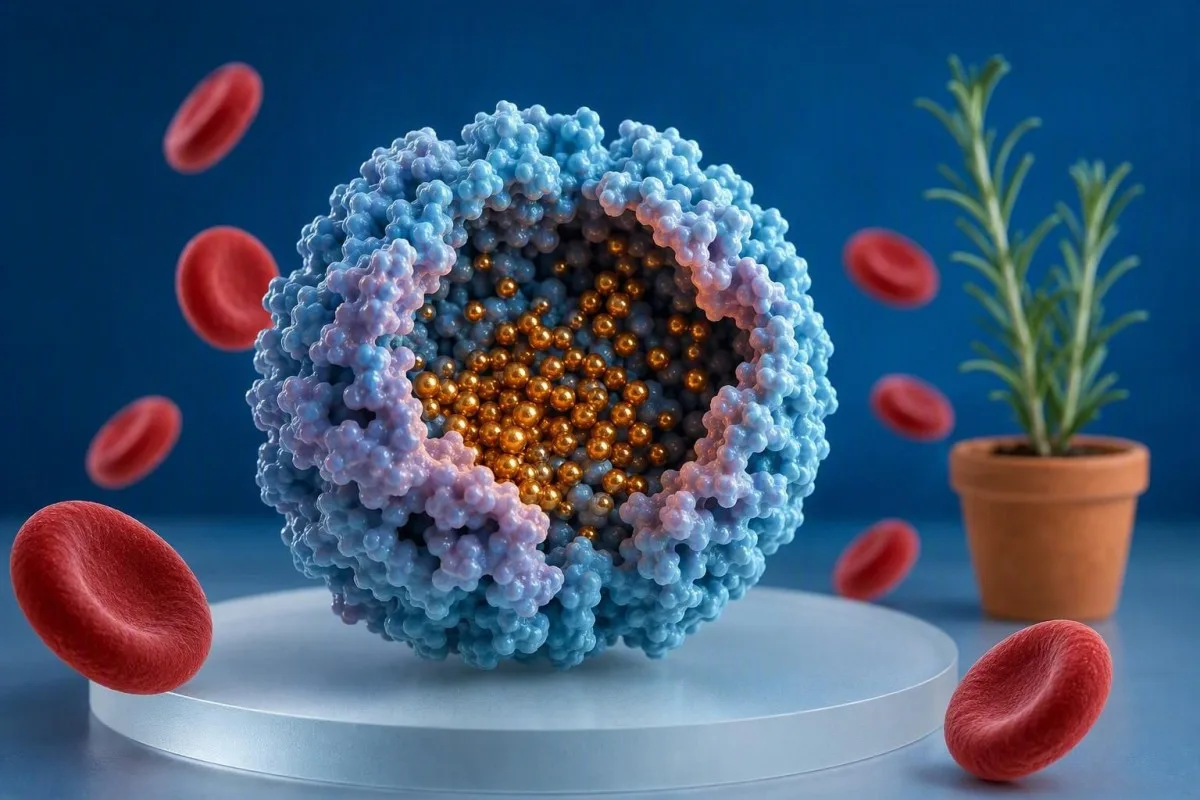
Йөклелек арткан саен ферритин, гадәттә, кими, ләкин түбән нәтиҗә гемоглобин кимегәнче үк тимер запасларының сарыф ителүен күрсәтә ала. Триместр, ялкынсыну маркерлары һәм тулы кан анализыгыз тәрҗемәсен үзгәртә.


- Йөклелек чикләре: Түбәндәге ферритин нәтиҗәсе 30 ng/мл (мкг/л) гадәттә йөклелек вакытында тимер сарыф ителү дип санала, хәтта гемоглобин нормаль булганда да.
- WHO чикләү: Ферритин түбән 15 нг/мл сәламәт кешеләрдә тимернең җитмәвен күрсәтә, ләкин йөклелек белгечләре еш кына иртәрәк эш итәләр.
- Көтелгән үзгәреш: Плазма күләме киңәю һәм бала-плацента тимер ихтыяҗлары арту сәбәпле, ферритин, гадәттә, беренче триместрдан өченчегә кадәр кими.
- Анемия билгеләмәсе: Гемоглобин түбән 110 г/л беренче яки өченче триместрда, яисә түбәнрәк 105 г/л икенче триместрда, ВГХның ана булудагы анемия критерийларына туры килә.
- Пайдалы иярчен тикшерүләр: Ферритин гемоглобин, MCV, трансферрин туендыру, CRP, һәм кайвакыт эретмәле трансферрин рецепторы белән бергә каралырга тиеш.
- Кабат тикшерү: Авыз эченнән тимер бирә башлаганнан соң, клиницистлар еш кына канның тулы анализын кабатлыйлар 2–4 атна һәм ферритинны соңрак, симптомнарга һәм гестациягә карап.
- Ашыгыч симптомнар: Күкрәк авыртуы, иреннәр, ял иткәндә сулыш бетү, күп вагиналь кан югалту, яисә бала хәрәкәтенең кимүе тиешле акушерлык тикшерүен таләп итә, гадәти ферритинны кабат тикшерүгә караганда.
- Югары ферритин искәрмәсе: Ферритин йогышлы авыру, бавыр җәрәхәте, симезлек һәм ялкынсыну авырулары белән артырга мөмкин, шуңа күрә нормаль яки югары нәтиҗә һәрвакыт җитәрлек кулланыла торган тимерне расламый.
Йөклелек ферритин нәтиҗәсен бүген ничек бәяләргә
A фэрритин өчен бәяләмәгә кертелмәгән һәм кошмары булган ана йөклелек лаборатория докладларында ана йөклелеге вакытында ялгыштырырга мөмкин. Гамәли акушерлык каравында, ферритин түбәнрәк 30 ng/мл (мкг/л) гадәттә тимер запасларының аз булуын күрсәтә һәм сезнең акушер яки акушер-гинеколог белән сөйләшергә лаек, ә кыйммәтләр 30 нг/мл яки югарырак әгәр CRP югары булмаса һәм кан анализы тотрыклы булса, күбрәк ышанычлырак.
Ферритин - организмның тимер саклау формасы, иртән циркуляциядәге тимернең туры үлчәве түгел. Йөклелек плазма күләмен якынча арттыра 40% - 50%, шуңа күрә гемоглобин һәм гематокрит сыеклану аркасында кими; ферритин да кими, чөнки сакланган тимер кулланыла. Шуңа күрә түбән ферритин “йөклелек сыеклануы” гына түгел. Ул гадәттә сарыф ителгән резерв. Безнең карагыз тимер өйрәнү кулланмасы Бәйле маркерлар өчен.
Гематология буенча Британия җәмгыяте җитәкчелеге куллана гемоглобин төшкәнче үк үк тимер җитешсезлеген раслый. Тромбоцитлар саны гадәттә йөклелек вакытында тимер өстәмәсен тәкъдим итү өчен триггер буларак, аеруча 28 атнадан башлап (Pavord et al., 2020). ВГХның аскы диагностик чиге 15 мкг/л бик специфик, ләкин 15гә кадәр көтү клиник яктан файдалы профилактика тәрәзәсеннән мәхрүм итәргә мөмкин. Бу ике чик биология турында килешмәү түгел; алар төрле клиник максатларга хезмәт итәләр.
30 августка кадәр, 2026 елга, мин лабораториянең олы хатын-кыз диапазоны буенча гына йөклелек ферритин нәтиҗәсен бәяләмәс идем. Kantesti - ЯИ анализы ул ферритинны гестация яше, гемоглобин, MCV, CRP һәм алдагы нәтиҗәләр белән янәшә куя, чөнки бу шаблон бер генә билгеләнгән флагка караганда күбрәк сөйли.
Триместр буенча ферритин: гамәли сылтама төркемнәре
Ферритин гадәттә йөклелек дәвамында түбәнрәк бара, ләкин һәр лаборатория һәр триместр өчен “нормаль” интервалны кабул итми. Гамәли клиник уку - 30 нг/мл яки югарырак сәламәт саклауны күрсәтә, 15 дән 29 нг/мл га кадәр дефицит яки чик буендагы запасларны күрсәтә, һәм 15 ng/mL дан түбән ялкынсыну булмаганда тимер дефицитын ныклый.
Беренче триместрда эшлекле диапазон якынча 20 дән 150 нг/мл га кадәр, ләкин югары чик ялкынсынуны да, тимер запасларын да чагылдыра. Икенче һәм өченче триместрда күп кенә сәламәт пациентларның түбәнрәк күрсәткечләре була, еш кына 10 дән 60 нг/мл га кадәр. Клиник сорауның төп эчтәлеге - күрсәткечнең киң халык интервалына туры килүе түгел; ә тимергә булган таләп арткан вакытта тимер запасларының кимүенә якынлашуы.
Ферритин 10 атнада 22 нг/мл һәм 34 атнада шул ук нәтиҗә бер үк хәл түгел. 10 атнада запас хәзинәләрне әкренләп яңартырга вакыт бар; 34 атнада түбән запас һәм 104 г/л гемоглобинның комбинациясе еш кына тиз дәвалау планына китерә. Менә шуңа күрә йөклелек вакытындагы кан-тикшерү өчен кызыл флаглар йөклелек вакыты белән бәяләнә.
Кайбер Европа әниләр хезмәтләре йөклелек чорында ферритин чиген 30 мкг/л дип билгели, ә башкалары “дефицит” дип 15 мкг/л астындагы күрсәткечләрне атый. Доктор Томас Клейнның фикеренчә, икесе дә файдалы булырга мөмкин: 15 астындагы күрсәткеч зур дефицитны раслый, ә 15-29 арасы пациентларны ачыклый, алар тудырудан элек анемиягә дучар булырга мөмкин.
Сезнең ферритин гадәти сыеклануданмы яки чын тимер сарыф ителүдәнме түбән?
Йөклелектә гемоглобинның кимүе өлешчә сыеклашудан килә ала, ләкин түбән ферритин сыеклашу белән генә аңлатылмый. Ферритин 30 ng/mL тимер запасларының кимүенә китерә; 30 нг/мл яки аннан югары ферритин булган түбән гемоглобин анемияне киңрәк тикшерүне таләп итә.
Физиологик сыеклашу иң югары ноктасына якынча 28-32 атнада, җитә, ул вакытта плазма күләме кызыл кан күләменә караганда тизрәк арта. Бу гемоглобинны якынча 5-10 г/л га киметергә мөмкин, бу авыру процессыннан башка. Ферритин башкача эш итә: ул мөмкин булган саклагыч тимерне чагылдыра, һәм 12 нг/мл гел дәвамлы нәтиҗә тимер запасларының чыннан да аз булуын аңлата.
Иң ачык күренеш - ферритин 30 ng/mL дан түбән, MCV аска төшә 80 фЛ, RDW күтәрелә, һәм трансферрин туенуы түбән 20%. Киресенчә, гемоглобин 106 г/л ферритин белән 55 нг/мл, MCV 88 фл, һәм гадәти CRP күбесенчә сыекланудан булырга мөмкин. Безнең мәкаләләр гематокритның түбән булу сәбәпләре турында аңлата, ни өчен концентрация үзгәрешләре тулы кан анализын бутап була.
Мин кайвакыт пациентларны ишетәм, аларның аруы “бәлки йөклелек” дип әйтелгән, ә аларның ферритины 12 атна эчендә 48 дән 14 нг/мл га кадәр төшкән. Ялгыз ару специфик түгел, чынлыкта, ләкин бу төшү траекториясе һәр нәтиҗәнең аерым алганда караганда күбрәк ышандыра. Kantesti AI һәр нәтиҗәне аерым бер этап итеп карау урынына, серияле карауны яклап тора.
Ферритинны гемоглобин, MCV һәм RDW белән укыгыз
Ферритин тимер запасларын билгели, ә гемоглобин кислород ташу мөмкинлеге төшкәнме-юкмы икәнлеген күрсәтә. Йөкле хатын-кызның ферритины булырга мөмкин 9 ng/mL гемоглобин белән 116 г/л; бу анемиясез тимер җитмәү, игътибар итмәскә кирәк булган гадәти нәтиҗә түгел.
Дөнья сәламәтлек саклау оешмасы йөклелек вакытында анемияне беренче һәм өченче триместрларда гемоглобинның түбән булуы, ә икенче триместрда түбәнрәк дип билгели. Бу икенче триместр критерийлары плазма киңәюен, азык кирәклеген түгел. Тулы кан анализы мөһим кала, чөнки гемоглобин гына тимер запасларының сарыф ителүен күрсәтә алмый. 110 г/л беренче һәм өченче триместрларда һәм түбәнрәк 105 г/л икенче триместрда.
MCV түбәнрәк 80 фЛ тимер белән чикләнгән кызыл кан күзәнәкләре җитештерүен хуплый, ләкин ул иртә җитмәүдә нормаль булырга мөмкин һәм B12 яки фолий кислотасы җитмәүдән күтәрелергә мөмкин. RDW еш кына MCV төшкәнче күтәрелә, чөнки яңа җитештерелгән күзәнәкләр иске күзәнәкләрдән кечерәк була. Дәвалаудан соң RDW үзгәрүе көтелә; безнең кулланманы укыгыз тимер терапиясеннән соң RDW начар нәтиҗәгә шикләнгәнче.
Кантести - AI кан анализы нәтиҗәләрен аңлату платформасы ферритинны тулы кан анализы белән бергә карау өчен эшләнгән,Result is normal because it narrowly clears a generic reference limit дип әйтү урынына. Минем тәҗрибәмдә, ферритин 30 нг/мл астында һәм гемоглобинның кими баруы бер маркерга караганда күбрәк эшкәртүчән.
CRP яки авырулык ферритинны чынлыктагыдан яхшырак күрсәткәндә
Ферритин ялкынсыну вакытында күтәрелә, шуңа күрә нормаль яки югары ферритин CRP күтәрелгәндә тимер җитмәвен кире кага алмый. Йөклелек вакытында ферритин 45 ng/mL ферритин 20 мг/л ялкынсынудан маскировкаланган тимернең сарыф ителүен, ә мул тимер запасларын күрсәтергә мөмкин.
Ферритин - кискен фаза реактанты. Вируслар авыруы, аутоиммун авыру, симерү, бавыр күзәнәкләренең зарарлануы, хәтта якын арада вакцинация да аны сакланган тимергә бәйсез күтәрергә мөмкин. Лаборатория чигеннән югары булган CRP—еш кына 5 мг/л—клиницистны ферритин нәтиҗәсен ышанычлы дип атарга уяурак булырга тиеш.
трансферринның туенуы түбәнрәк булганда, 20%, кан сарындагы тимер аз булганда яки эри торган трансферрин рецепторы артканда, бу бик мөһим булырга мөмкин. Кан сарындагы тимер көннең вакыты һәм соңгы ашау белән үзгәреп тора, шуңа күрә мин кан сарындагы тимергә генә карап йөклелек тимер җитмәвен беркайчан да ачыкламыйм. Безнең аңлатмабыз ферритин һәм CRP бу еш очрый торган килешүсезлекне үз эченә ала.
Йөклелекнең 30 атнасындагы кайнар пациент, ферритин 70 нг/мл, CRP 64 мг/л, һәм гемоглобин 96 г/л булганда, авыруны ачыклау өчен клиник бәяләү, шулай ук тимер планын таләп итә. Ялкынсынулы бер панельдән генә югары дозалы тимерне үзегез кулланырга киңәш ителми; анемиянең сәбәбе катнаш булырга мөмкин.
Түбән ферритин йөклелек симптомнары: файдалы күрсәтмәләр, дәлил түгел
Йөклелектә ферритин аз булганда, ул һичнинди симптомнар бирмәскә мөмкин, аеруча югарырак 15 нг/мл, ләкин физик активлыкны үзгәртү, гадәти булмаган ару, йөрәк тибеше, баш авыртуы, аяк талчыгуы һәм бозга кызыксыну барлыкка килергә мөмкин. Симптомнар тимер җитмәвен йокының җитмәвеннән, калкансыман биз авыруыннан, инфекциядән яки борчылудан лаборатория контекстыннан башка аерып буламый.
Бозга кызыксыну, ягъни пагофагия, клиникада ишеткән иң специфик күрсәткечләрдән берсе; тимер җитмәүне төзәткәч, ул бик тиз яхшырырга мөмкин. Баскычларга менгәндә сулыш алу йөклелек вакытында да барлыкка килергә мөмкин, шуңа күрә “гадәти көч”тән яңа чикләүгә күчү симптомның юкка гына булуыннан мөһимрәк. Гемоглобин түбәнрәк булганда Табиблар гадәттә анемия белән ретикулоцитлар түбән чыкканнан соң тимер тикшеренүләрен, B12, фолат, бөер функциясен, ялкынсыну маркерларын, калкансыман биз функциясен, дарулар тәэсирен, гемолиз маркерларын һәм мазокны тикшерәләр. Төгәл тәртип MCV, RDW, башка күзәнәк линияләре һәм симптомнарның авырлыгына бәйле. лаборатория аңлатмасы мөмкинлекләре арта.
Кичен аяк талчыгуы тимер запаслары аз булу белән бәйле, һәм кайбер йокы медицинасы күрсәтмәләрендә ферритин түбәнрәк булганда 75 нг/мл коштый булмаган олылардагы тимерне исәпкә алганда кулланыла. Бу һәр йөкле кеше 75 нг/млга җитәргә тиеш дигәнне аңлатмый. Бу 24 нг/мл ферритин анемия барлыкка килгәнче дә мөһим булырга мөмкинлеген аңлата.
Яңа көчле сулыш алу, тыныч вакыттагы йөрәк тибеше даими рәвештә югарырак булганда 120 тапкыр/минут, хәлсезлек, күкрәк авыртуы яки гадәти эшне башкара алмау өчен шул ук көнгә аналык яки тиз ярдәм киңәше кирәк. Күбрәк максатчан триаж өчен, безнең карагыз elpas trūkuma asins analīžu ceļvedis.
Табиблар, гадәттә, ферритин 30 дан түбән булганда нәрсә эшлиләр
Ферритин түбән 30 ng/mL йөклелектә еш кына диета киңәшләренә һәм авыз тимергә китерә, доза һәм ашыгычлык гемоглобин, симптомнар, гестация һәм түземлелеккә бәйле. Авыз тимеренең элементар дозалары 40-100 мг көнгә бер тапкыр яки ике көнгә бер тапкыр еш кулланыла, ләкин төгәл продуктны аналык командасы белән килешергә кирәк.
Ике көнгә бер тапкыр куллануның физиологик өстенлеге бар: гепсидин тимер дозасыннан соң арта һәм киләсе дозадан үзләштерүне вакытлыча киметергә мөмкин. Клиник практика төрле, һәм йөклелектәге дәлилләр әле дә үсә, шуңа күрә мин ике көнгә бер тапкыр куллануны универсаль өстен дип әйтмим. Йөрәк айлануы, эч кибү һәм кире кайту еш кына пациентның чынлыкта дәвам итә алуын билгели.
Мөмкин булганча, авыз тимерен чәй, кофе, кальций өстәмәләре һәм антацидлардан читтә алыгыз; алар үзләштерүне киметергә мөмкин. Витамин С белән баетылган ризыклар гемоглобин булмаган тимерне үзләштерүне шактый яхшыртырга мөмкин, ләкин кыйммәтле витамин С продуктлары сирәк кирәк. Безнең кулланмабыз тимер белән баетылган ризыклар гамәли ашау комбинацияләрен тәкъдим итә.
Вена аша тимер, гадәттә, беренче триместрдан соң, авыз аша дәвалау уңышсыз булганда, түземлек булмаганда, үзләштерү мөмкин булмаганда, яки соңгы вакытта ачыкланган анемия булганда карала. Гемоглобин 84 г/л булган 34-нче атнадагы пациент 84 г/л диета үзгәрешләренең эш итүенә гади генә берничә ай көтәргә тиеш түгел. Акушерлык командасы IV тимер, тудыру вакытын һәм кан югалту куркынычлыгын исәпкә алырга тиеш.
Ферритинны һәм тулы кан анализын кайчан кабатларга
Тимер куллана башлаганнан соң, канның тулы анализы еш кына кабатлана 2–4 атна җавапны раслау өчен, ә ферритин гадәттә соңрак тикшерелә, чөнки ул әкрен күтәрелергә һәм ялкынсыну белән үзгәрергә мөмкин. Гемоглобинның якынча артуы 10 г/л 2-4 атна эчендә эффектив дәвалануны раслый, әгәр дә дәвалануны үтәү һәм үзләштерү адекват булса.
Ретрикулоцитларның җавабы башланырга мөмкин 7-10 көн, ләкин ул һәр хатын-кызлар консультациясендә даими рәвештә үлчәнми. Әгәр гемоглобин 2-4 атнадан соң үзгәрмәсә, табиблар дозаны, төшереп калдырылган дозаларны, косуны, антацидларны куллануны, дәвамлы кан югалтуны, В12 һәм фолий кислотасы статусын тикшерәләр, һәм башлангыч диагноз дөрес булганмы-юкмы икәнен карыйлар. Бу тикшерү алдыннан дозаны үз белдегездән икеләтмәгез.
Ферритин вена эченә тимер керткәннән соң берничә атна дәвамында ялган булырга мөмкин, шуңа күрә инфузиядән соңгы дәрәҗә организмдагы озакка сузылган запасларны күрсәтми. Авыз аша кабул ителә торган дәвалау өчен, күп кенә командалар гемоглобин нормальләшкәннән соң ким дигәндә 3 ай дәвамында дәвалауны дәвам итәләр һәм бала тудырганнан соңгы чорда, ләкин җирле протоколлар аерыла. 血液檢查時間線指南 ни өчен интерваллар мөһим икәнен аңлата.
Kantesti AI ферритин, MCV, гемоглобин һәм RDW нәтиҗәләрен чагыштырып, аналитик кечкенә үзгәрешләрне генә түгел, ә мәгънәле җавапны ачыкларга мөмкин. Интерпретация стандартлары һәм клиник карау процесслары өчен, безнең укучылар мөрәҗәгать итә ала медицина тикшерүе.
Түбән ферритин кайчан ашыгыч хатын-кызлар бүлегенә карауны таләп итә
Түбән ферритиннең үзе сирәк кенә авария булып тора, ләкин анемия симптомнары яки кан югалту билгеләре мөмкин. Хәйләсезлек, күкрәк авыртуы, ял иткәндә сулыш алу, пульсның 120 тапкыр/минут, вагиналь сыеклыкның көчле югалуы, яисә феталь хәрәкәтнең кимүе - соңгы ферритин саныңа карамастан, тиз хатын-кызлар медицина ярдәме күрсәтүне сорагыз.
Гемоглобин түбән 70 g/L йөклелек вакытында авыр анемия булып санала һәм тиз белгечләрне тикшерүне таләп итә; дөрес дәвалау симптомнарга, гестация яшенә, сәбәбенә һәм актив югалтуга бәйле. 85 г/л нәтиҗәсе йөклекнең соңгы чорларында яки йөрәк-үпкә симптомнары булган кешедә тизләтелгән чараларны таләп итә ала. Саннар ашыгычлыкны күрсәтә, ләкин безнең алдыбызда торучы кеше мөһимрәк.
Тимер башланганчы кара, торык сыман эч китү, кан косу, өзлексез карын авыртуы, яисә эчәк авырулары анамнезда медицина тикшерүен таләп итә, йөклек сәбәпче булган тимер җитмәүчәнлек дип уйлаудан башка. Авыз аша тимер кертелгәч, эч китү еш кына караңгылана; бу көтелгән эффектны gastrointestinal кан югалту белән бутарга ярамый. Бу аерма безнең кан анализы сары скул буенча кулланма.
коллапс, көчле күкрәк авыртуы, көчле сулыш авырлыклары яки көчле кан югалту өчен ашыгыч хезмәтләргә шалтыратыгыз. Хәрәкәтләрнең кимүе яки баш әйләнү һәм галопирлауның яңа комбинациясе өчен шул ук көнне хатын-кызлар бүлегенә шалтыратыгыз. Билгеләнгән кан алуны көткәнче тикшерелеп, тынычлану яхшырак.
Йөклелек вакытында ферритин бик югары булырга мөмкинме?
Йөклелек вакытында лаборатория диапазоныннан югарырак ферритин гадәттә тукланудагы тимер артыклыгы аркасында булмый. 150-200 ng/mL күрсәткечләре табибларны ялкынсыну, бавыр авырулары, метаболик шартлар, тимер терапиясе анамнезы яисә сирәгрәк тимер артыклыгын исәпкә алырга тиеш, аеруча трансферринның туенуы артса 45%.
Ферритин еш кына гади жүктә кими, шуңа күрә күтәрелгән дәрәҗә контекстлы карауны аклый. CRP, ALT, AST, трансферрин туенуы һәм дәвалануларның игътибарлы анамнезы ферритиннан гына да күбрәк мәгълүмат бирә. Түбән трансферрин туенуы булган югары ферритин еш кына ялкынсыну моделе, тимерне чиксез туктатырга кирәк дигән дәлил түгел.
Туганнан килгән гемохроматоз йөклелек вакытында ферритинның югары булуына сирәк сәбәп булып тора, һәм йөклелек баланың ихтыяҗы һәм тудыру вакытында кан югалту аркасында ятмаларны киметергә мөмкин. Шуңа да карамастан, ферритинның даими югары булуы 300 нг/мл трансферрин туендыруы 45% югары булганда, акут авыруны читләтеп узгач, тиз булмаган клиницист җитәкчелегендәге тикшерүне таләп итә. Безнең күзәтүне укыгыз тимер артыклыгы билгеләре үрнәк буенча.
клиницист ферритинның югары булуын әйтсә, тулы тимер панелен караганчы, өстәмә тимер кулланмагыз. Киресенчә, уйламыйча пренаталь витаминны туктату, ферритинның әз генә күтәрелүе аркасында, башка проблема тудырырга мөмкин. Монда контекст мөһим.
Йөклелек ферритин түбән булганда ярдәм итүче ризык сайлау
Ашау тимерне тулыландырырга ярдәм итә, ләкин йөклелек ахырында тимер-дефицитлы анемияне берүзе тиз генә төзәтми. Ит, кошчылык һәм балыктан алынган гемовый тимер, гадәттә, борчак, яшелчә, тофу, ярма һәм яшел яфраклы яшелчәләрдән алынган гемовый булмаган тимергә караганда эффективрак сеңә; йөклелек чорында икесе дә кирәк.
Борчак яки яшелчәләр, шулай ук борыч, цитрус, помидор яки киви белән бергә ашалган ризык, С витамины аша гемовый булмаган тимер сеңешен арттырырга мөмкин. Чәй һәм кофе, полифеноллар тимер белән бәйләнгәнлектән, шул ук ризык белән бергә кабул ителгәндә сеңешен киметергә мөмкин. Аларны якынча бүлү 1дән 2 сәгатькә кадәр күпчелек пациентлар өчен реаль компромисс.
Пренаталь витаминнар еш кына арасында эченә ала 14 һәм 30 мг элементлы тимер, ул дефицитны булдырмаска мөмкин, ләкин ферритин 8 нг/мл булганда аны тулыландырмаска мөмкин. Этикетканы тикшерегез, чөнки “тимер 65 мг” элементлы тимергә караганда тоз авырлыгын тасвирлый ала; феррум сульфаты 325 мг якынча эченә ала 65 мг элементар тимер. Бу этикетка детальләре күп аңлашылмаучанлык тудыра.
Кантести - AI нигезендәге кан анализы тикшерү коралы бу ферритинның түбән моделен туклануны планлаштыру белән бәйләп була, шул ук вакытта йөкле хатын-кызларны үз клиницистларына дәвалау сайлаулары өчен юнәлтә. Әгәр өстәмәләр кертелсә, безнең йөклелек өчен өстәмә туклану буенча кулланма доза һәм куркынычсызлык сораулары турында сөйли.
Махсус очраклар: вегетариан ризыклары, игезәкләр, алдагы бариатрик операция, һәм талассемия эзләре
Икеләтә йөклелек, алдагы тудырудан соң кыска ара, вегетариан яки веган диеталары, яшүсмерләрнең йөклелеге, күп канлы циклы, һәм бариатрик операция тимер бетү ихтималын арттыра. Талассемия йөртүчесе дә түбән MCV тудырырга мөмкин, ләкин ул түгел бер үк вакытта тимер дефицитын үстерүдән сакламый.
Еш кына сызыклы гастроэктомия яки гастрик байпастан соң булган кешеләр перораль тимерне начар сеңдерәләр һәм иртәрәк махсус консультация таләп итәләр. Ферритин астында 30 ng/mL плюс даими анемия, яхшы кабул ителгән перораль режимга карамастан, бу мөмкинлекне күтәрергә тиеш. Целиакия, ялкынсынулы эчәк авыруы һәм озак вакыт кислота белән басу сеңдерү киртәләре тудырырга мөмкин.
Талассемия йөртүчесендә, MCV астында булырга мөмкин 75 фЛ ферритин нормаль булганда да, шуңа күрә һәр кечкенә клетка моделен тимер белән дәвалау хата. Ферритин, трансферрин туендыруы, гемоглобин электрофорез тарихы һәм гаилә нәселләре аерманы юнәлтә. Безнең аңлатмабыз трансферрин сатурацияһының түбән булыуы бу үлчәмнең кайда ярдәм итүен күрсәтә.
Доктор Томас Клайн шулай ук киресенчә хатаны күргән: билгеле талассемия йөртүчесе бөтен микроцитозны аңлата дип уйлау һәм 6 нг/мл ферритинны игътибарсыз калдыру. Катнаш сәбәпләр еш кына бер этикеткалы аңлатудан тулы панельне куркынычсызрак итә.
Тугач, ферритинны күзәтү ни өчен мөһим
Антинаталь тимер дефициты, постнаталь кан югалтуы яки даими арыганлык булган очракта, ферритинны еш кына тудырудан соң карарга кирәк. Тулы кан санавы 4 - 8 атнадан соң гадәттә зур кан югалтканда яки антенаталь анемиядән соң киңәш ителә, гәрчә күрсәтмәләр җирле хатын-кызлар каравы сәясәтенә бәйле.
Тудырудан соңгы беренче атнада ферритинны аңлату авыр булырга мөмкин, чөнки тудыру ялкынсыну реакциясенә китерә, ул аны вакытлыча арттырырга мөмкин. Гемоглобин, симптомнар, күрсәтелгән кан югалту, һәм дәвалау тарихы еш кына иртә карарларны яхшырак җитәкли. Соңрак тикшерүләр резервларның тулыландырылганмы-юкмы икәнен ачыграк күрсәтә.
Тугач, билгеләнгән тимерне дәвам итү, хәтта гемоглобин яхшыра башлаганда да, бигрәк тә кан югалту очракларында мөһим 500 мл яки күбрәк вагиналь тудырудан соң яки 1000 мл яки күбрәк кесерва операциясыннан соң - постпарталь кан югалтуны билгеләү өчен гадәттәге чикләр. Бала имезү үзенең тимер резервларын драматик рәвештә сарыф итми, ләкин тергезү ихтыяҗлары чын.
Трендны ышанычлы карау өчен, Kantesti AI uploaded нәтиҗәләрне клиник контекстта укый һәм күптелле аңлатмаларны 75+ телләрендә тәкъдим итә; ул хатын-кызлар каравын алыштырмый. Безнең медицина консультатив советы бу мәгърифәтчелек эшендә кулланылган клиник стандартларны күзәтә.
Мидвайф, GP яки акушерлыкка барганда биреләсе сораулар
Иң файдалы сорау “Минем ферритиным нормальме?” түгел, ә “Минем ферритин, гемоглобин, MCV, симптомнар, һәм гестацион яшь миңа хәзер дәвалау кирәклекне күрсәтәме?” Дип. Туры мәгълүматлар, берәмлекләр, тест датасы, йөклелек атнасы, өстәмә исеме, һәм алдагы нәтиҗәләрне алып килегез.
Сезнең ферритин нәтиҗәгез инфекция вакытында, IV тимердән соң, яки югары CRP белән үлчәнгәнме-юкмы икәнлеген сорагыз. Трансферрин туендыру, B12, фолат, тиреоид анализы, яки гемоглобинопатия скрининг сезнең очрагызда актуальме-юкмы икәнлеген сорагыз. Бу сораулар, бигрәк тә гемоглобин түбән булганда, файдалы 105 г/л икенче триместрда яки аннан тыш 110 г/л дан түбәнрәк.
Шулай ук, CBCны кайчан кабатларга, сезнең тимер дозасы элементлы тимер буларак күрсәтелгәнме, һәм нинди тискәре эффектлар формалаштыруны үзгәртергә тиеш икәнлеген сорагыз. Әгәр сездә бариатрик операция, эчәк авырулары, алдагы авыр анемия, яки планлаштырылган тудыру булса 6 атна, озак вакытлы тимер җитәрлекме-юкмы икәнлеген иртә сорагыз. Кыскача табиб кабул итүе өчен тикшерү исемлеге ул әңгәмәне җиңеләйтә ала.
Kantesti AI-ның клиник эш процессы нәтиҗәләрне оештыру өчен эшләнгән, йөклелек катлаулыкларын диагнозлау яки дәвалау билгеләү өчен түгел. Лаборатория контекстын ничек тотканыбызны белгәннәр AI технологиясе буенча кулланма; карарга мөмкин; соңгы карарлар сезнең йөклелек өчен җаваплы клиницист белән кала.
Еш бирелә торган сораулар
Йөклелек вакытында ферритинның нормаль дәрәҗәсе нинди?
Ферритин дәрәҗәсе 30 нг/мл (мкг/л) яки югарырак гадәттә йөклелек вакытында тимер запаслары өчен ышанычлы дип санала, актив ялкынсыну булмаганда. Ферритин арасында 15 һәм 29 нг/мл түбән яки чикләнгән запасларны күрсәтә һәм еш кына хатын-кызлар клиницистларына тимер ярдәмен тәкъдим итәргә китерә. Ферритин түбәнрәк 15 нг/мл яңа туган бала тудыруны планлаштырганда яки бала тудыручы хатын-кызлар өчен кан анализын интерпретацияләү принциплары. Бу тест ялкынсыну булмаганда, тимер җитмәүне ачыклауда бик ярдәм итә. Йөкле булмаган хатын-кызлар өчен лаборатория стандартлары бердәнбер юл күрсәтмәсе булырга тиеш түгел, чөнки ферритин, гадәттә, йөклелек үсә барган саен кими.
Йөкле вакытта ферритин күрсәткече 20 түбәнме?
Ферритин 20 ng/mL йөклелек вакытында, гемоглобин әле нормаль булса да, гадәттә тимер запасларының аз булуын күрсәтә. Күп кенә акушерлык юнәлешләре 30 ng/mL белән тимер өстәмәләрен куллануны тәкъдим итә, чөнки ул тимер-дефицитлы анемия үсеш алганчы, запасларның бетүен ачыклый. Ашыгычлык йөклелек атнасына, гемоглобинга, MCV, симптомнарга һәм алдагы тенденцияләргә бәйле. 34 атнада 20 нг/мл дәрәҗәсе, гадәттә, беренче триместр башындагы шул ук дәрәҗәгә караганда тизрәк план таләп итә.
Ни өчен кошрыклы хатын-кызларда ферритин кими?
Ферритин йөклелек вакытында кими, чөнки үсүче туем һәм плацента тимер таләп итә, ананың эритроцит массасы арта, һәм сакланган тимер мобилизацияләнә. Плазма күләме дә якынча 40% - 50%, арта, бу берничә кан маркерының түбәнрәк үлчәнгән концентрациясенә китерә. Ләкин, су белән юу гына 30 ng/mL; дан түбән ферритин нәтиҗәсен аңлатмый; бу нәтиҗә, гадәттә, чикле тимер запасларын күрсәтә. Шулай итеп, ферритин тимер-дефицитлы анемияне аерырга ярдәм итә.
Тимер препаратларын йөклелек вакытында куллана башлаганнан соң ферритинны кайчан кабаттан тикшерергә кирәк?
Йөклелектә перораль тимер куллангач, гадәттә берничә атнадан соң тулы кан анализын кабатлыйлар, ә ферритинны гестациягә һәм симптомнарга карап соңрак тикшерергә мөмкин. Якынча 2–4 атна гемоглобин артуы, әгәр диагноз һәм дәвалауга буйсыну дөрес булса, дәвалауның уңышлы барганын күрсәтә. Интравеноз тимер яки инфекция вакытында ферритин вакытлыча ялгыш булырга мөмкин, чөнки ул тиз-фаза реактанты буларак арта. Сезнең акушер-гинекологыгыз интервалны билгеләргә тиеш, әгәр анемия уртача булса, йөклелек ахырында яки симптомнар булса. 10 г/л 2-4 атна эчендә булыр дип әйтелә, әгәр диагноз һәм үтәлеш дөрес булса, дәвалау эшли. Ферритин, тамырдан тимер кертелгәннән соң яки халәт вакытында вакытлыча ялгыштырырга мөмкин, чөнки ул тиз баскыч реактивы буларак күтәрелә. Сезнең акушер-гинекологыгыз, анемия уртача булса, йөклегенең соңгы чорларында яки симптомнар белән бәйле булса, араны билгеләргә тиеш.
Йөклелек вакытында ферритин түбән, ә гемоглобин нормада булырга мөмкинме?
Әйе. Ферритин 15 яки 30 нг/мл гемоглобин йөклелек анемиясе чигеннән югарырак булганда да түбән булырга мөмкин, моны анемиясез тимер җитмәү дип атыйлар. Бу стадия тимер запасларының бетүен, ләкин кислородны ташу сәләтенең әле анемия критерийларына җитмәвен аңлата. Аны дәвалау, бала тудырганчы авыр анемия үсеш алу ихтималын киметергә мөмкин, гәдәттә дәвалау режимы клиник шартларга бәйле. Гемоглобин 110 г/л беренче яки өченче триместрда, яки икенче триместрда 105 г/л дан түбән булса, Дөнья сәламәтлек саклау оешмасының анемия критерийларына туры килә.
Йөклелек вакытында феритинның куркыныч дәрәҗәдә түбән булуы күпме?
Гадәттән тыш хәлне билгеләүче бер генә ферритин сан да юк, ләкин 15 нг/мл дан түбән ферритин тимернең нык бетүен күрсәтә һәм клиник күзәтү таләп итә. Түбән ферритин гемоглобин белән бергә 70 g/L, колакка егылу, күкрәк авыртуы, ял иткәндә сулыш кысылу, даими тахикардия, каты вагиналь кан китү яки бала хәрәкәтенең кимүе булганда, ашыгычлык арта. 36 атнада ферритин 8 нг/мл һәм гемоглобин 85 г/л булган кешегә 10 атналык бер үк ферритин белән сәламәт кешегә караганда тизрәк акушерлык планлаштыру кирәк. Симптомнар һәм гестация яше ферритин нәтиҗәсе кебек үк мөһим.
Бүген үк AI белән эшләнгән кан анализы тикшерүе
Дөнья буенча 2 миллионнан артык кулланучы кушылыгыз: алар Kantestiны тиз һәм төгәл лаборатория анализы өчен ышана. Кан анализы нәтиҗәләрегезне йөкләгез һәм 15,000+ биомаркерларын секундлар эчендә тулы аңлатма белән алыгыз.
📚 Сылтама бирелгән тикшеренү басмалары
Klein, T., Mitchell, S., & Weber, H. (2026). Kantesti LTD. (2026). BUN/Creatinine коэффициенты аңлатмасы: бөер функциясе анализы буенча кулланма. Zenodo.. Kantesti AI медицина тикшеренүе.
Klein, T., Mitchell, S., & Weber, H. (2026). Kantesti LTD. (2026). Урина тестында уробилиноген: Тулы уриналь анализ кулланмасы 2026. Zenodo.. Kantesti AI медицина тикшеренүе.
📖 Тышкы медицина белешмәләре
Pavord S һ.б. (2020). Йөклелек вакытында тимер җитешмәүне идарә итү буенча Бөекбритания күрсәтмәләре. Британия гематология журналы.
Дөнья сәламәтлек саклау оешмасы (2012). Йөкле хатын-кызларга көн саен тимер һәм фолий кислотасы өстәмәләре. Бөтендөнья сәламәтлек саклау оешмасы (WHO) күрсәтмәсе.
⚕️ Медицина кисәтүе
Бу мәкалә бары тик белем бирү максатларында гына һәм медицина киңәше булып тормый. Диагноз һәм дәвалау карарлары өчен һәрвакыт квалификацияле сәламәтлек саклау белгеченә мөрәҗәгать итегез.
E-E-A-T ышаныч сигналлары
Тәҗрибә
Табиб җитәкчелегендә лаборатория нәтиҗәләрен аңлату эш процессларын клиник тикшерү.
Белгечлек
Лаборатория медицинасы: биомаркерларның клиник контекстта үз-үзләрен тотышын аңлау.
Авторититет
Доктор Томас Кляйн тарафыннан язылган, доктор Сара Митчелл һәм профессор доктор Ханс Вебер тарафыннан тикшерелгән.
Ышанычлылык
Ачык күзәтү юллары белән куркуны киметү өчен дәлилләргә нигезләнгән аңлату.