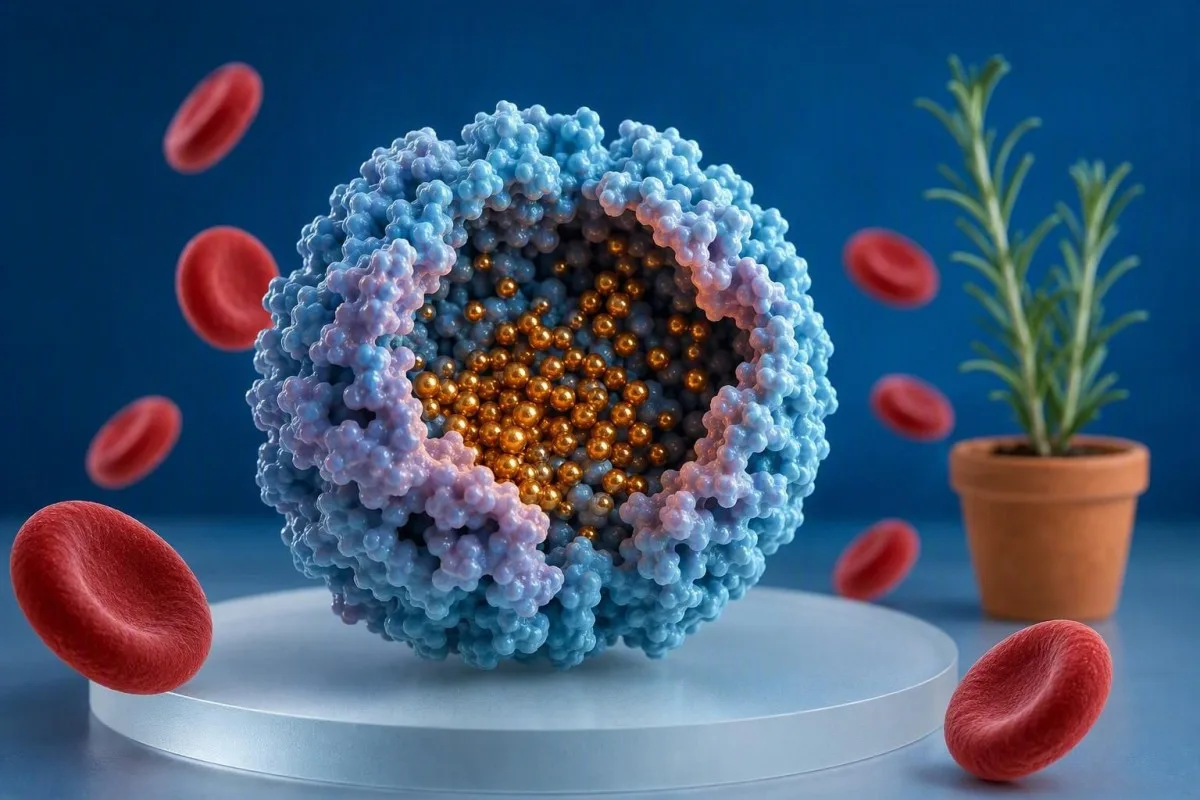
孕期铁蛋白:各孕期正常范围

类别
文章
孕期健康 实验室解读 2026年更新 面向患者的说明

铁蛋白在孕期通常会下降,但低结果仍然可以在血红蛋白下降前显示铁储存耗竭。孕期、炎症标志物以及全血细胞计数会改变结果的解读。.

📖 ~11分钟 📅
📝 发表: 🩺 医学审阅: ✅ 基于证据
⚡ 快速概要 v1.0 —
  1. 孕期阈值: 铁蛋白结果低于 30 ng/mL (µg/L) 通常被视为孕期铁耗竭,即使血红蛋白正常。.
  2. WHO 临界值: 铁蛋白低于 15 ng/mL 表明看似健康的成年人存在铁缺乏,但孕期专家通常会更早采取行动。.
  3. 预期变化: 铁蛋白通常在第一孕期到第三孕期下降,因为血浆容量扩张和胎盘铁需求增加。.
  4. 贫血定义: 血红蛋白低于 110 g/L 孕早期或孕晚期,或低于 105 g/L 孕中期,符合世界卫生组织对妊娠期贫血的标准。.
  5. 有用的伴随检测: 铁蛋白应与血红蛋白、MCV、转铁蛋白饱和度、CRP 以及有时可溶性转铁蛋白受体结合解读。.
  6. 复查: 开始口服铁剂后,临床医生通常会复查全血细胞计数, 2到4周 之后再复查铁蛋白,具体时间取决于症状和孕周。.
  7. 紧急症状: 胸痛、晕厥、休息时气短、阴道大量出血或胎动减少需要紧急产科评估,而不是常规复查铁蛋白。.
  8. 铁蛋白升高时的注意事项: 铁蛋白可因感染、肝损伤、肥胖和炎症性疾病而升高,因此正常或偏高的结果并不总是能证明有足够的可利用铁。.

如何解读孕期铁蛋白结果

A 相同;成人铁蛋白的正常范围通常为 在非妊娠期实验室报告中可能具有误导性。在实际产科护理中,铁蛋白低于 30 ng/mL (µg/L) 通常表示铁储备不足,应与您的助产士或产科医生讨论,而值为 30 ng/mL或更高 如果 CRP 未升高且血常规稳定,则更令人放心。.

Normal range for ferritin shown through a detailed iron-storage protein medical illustration
图1: 铁蛋白是支持母婴红细胞生成的铁的储存形式。.

铁蛋白是人体储存铁的形式,而不是当天循环铁的直接衡量标准。妊娠期血浆容量大致会扩张 40%到50%, ,因此血红蛋白和红细胞压积会因稀释而下降;铁蛋白也会因储存铁的消耗而下降。因此,低铁蛋白不仅仅是“妊娠稀释”。它通常是储备不足。请参阅我们的 铁元素研究指南 了解相关标志物。.

英国血液学学会的指南使用 铁蛋白低于30 µg/L 作为在妊娠期(尤其是孕 28 周后)提供铁补充剂的触发值(Pavord 等人,2020 年)。世界卫生组织的较低诊断界限 15 µg/L 具有高度特异性,但等待至 15 可能会错过一个临床上有用的预防窗口。这两个界限并非在生物学上存在分歧;它们服务于不同的临床目标。.

截至 2026 年 8 月 30 日,我不会仅根据实验室的成年女性范围来判断妊娠期铁蛋白的结果。Kantesti 是一个 人工智能血液检测分析仪 ,它将铁蛋白与胎龄、血红蛋白、MCV、CRP 和既往结果放在一起进行比较,因为其模式比单一标记更能说明问题。.

孕期铁蛋白按孕期划分:实用参考范围

铁蛋白在整个孕期通常呈下降趋势,但没有一个孕期特异性的“正常”范围被所有实验室接受。实际的临床解读是 30 ng/mL 或更高 建议合理的储存量,, 15 至 29 ng/mL 建议储存量耗竭或临界,并且 低于15 ng/mL 在没有炎症的情况下,强烈支持缺铁。.

Normal range for ferritin interpreted across three pregnancy stages in a clinical laboratory scene
图2: 连续的实验室样本代表了妊娠期间铁储存量的预期下降。.

孕早期一个有用的工作范围大约是 20 至 150 ng/mL, ,但较高的上限反映了炎症以及铁储存量。到孕中期和孕晚期,许多健康的患者的值较低,通常在 10 至 60 ng/mL. 之间。关键的临床问题不是一个值是否符合广泛的人群区间;而是它是否在铁需求加速时接近耗竭。.

铁蛋白为 孕 10 周时为 22 ng/mL ,在孕 34 周时结果相同,情况并非完全一样。孕 10 周时,有时间逐渐补充储存量;孕 34 周时,低储备量和血红蛋白 104 g/L 的组合通常需要及时的治疗计划。这就是为什么 妊娠验血“警示信号” 需要结合孕周进行解读。.

一些欧洲产科服务机构在整个孕期使用铁蛋白阈值 30 µg/L ,而另一些机构则将“缺乏”标签保留给低于 15 µg/L 的值。Thomas Klein 医生的临床观点是,两者都可能有用:低于 15 g/L 可确认明显耗竭,而 15 至 29 g/L 可识别可能在分娩前出现贫血的患者。.

您的铁蛋白降低是由于正常稀释还是真实的铁耗竭?

孕期血红蛋白下降可能部分是稀释所致,但 低铁蛋白不能仅用稀释来解释. 。铁蛋白低于 30 ng/mL 表明铁储备正在减少;铁蛋白在 30 ng/mL 或以上但血红蛋白低的需要进行更广泛的贫血评估。.

Normal range for ferritin compared with iron-depleted red cellular elements under a diagnostic lens
图 3: 细胞大小和铁蛋白共同区分了稀释性贫血和缺铁。.

生理性血液稀释在 孕 28 至 32 周, 左右达到高峰,此时血浆量比红细胞量增长得更快。这可能导致血红蛋白降低约 5 至 10 g/L 而没有疾病过程。铁蛋白的反应不同:它反映了可用的储存铁,持续 12 ng/mL 的结果意味着铁的储备确实接近耗尽。.

最有指示意义的模式是铁蛋白 低于30 ng/mL, ,平均红细胞体积(MCV)下降 80 fL, ,红细胞分布宽度(RDW)升高,以及转铁蛋白饱和度下降 20%. 。相比之下,血红蛋白 106 g/L,铁蛋白 55 ng/mL,平均红细胞体积(MCV)88 fL,以及正常的 C反应蛋白(CRP)可能主要是稀释所致。我们关于 低血细胞比容原因的文章 解释了浓度变化如何使血常规检查(CBC)产生混淆。.

我偶尔会遇到这样的病人,当他们的铁蛋白在 12 周内从 48 降至 14 ng/mL 时,却被告知疲劳“只是怀孕”而已。坦白说,单纯的疲劳是非特异性的,但这种下降趋势比任何单一结果都更具说服力。Kantesti AI 支持系列审查,而不是将每个结果都视为孤立事件。.

结合血红蛋白、MCV 和 RDW 阅读铁蛋白

铁蛋白可识别铁储备,而血红蛋白则显示氧气携带能力是否已下降。孕妇的铁蛋白可能为 9 ng/mL ,血红蛋白为 116 g/L; ;这是缺铁但未贫血,并非可忽略的正常结果。.

Normal range for ferritin assessed alongside haemoglobin and red-cell indices on a laboratory bench
图 4: 铁蛋白和血常规检查(CBC)指标回答了铁问题的不同方面。.

世界卫生组织(WHO)将妊娠期贫血定义为第一和第三孕期血红蛋白低于 110 g/L ,第二孕期低于 105 g/L 。这些较低的第二孕期标准承认了血浆扩张,而非较低的营养需求。血常规检查(CBC)仍然至关重要,因为单独的血红蛋白无法显示铁储备是否正在被消耗。.

平均红细胞体积(MCV)低于 80 fL 支持铁限制性红细胞生成,尽管在早期缺乏时可能保持正常,并且可能因 B12 或叶酸缺乏而升高。红细胞分布宽度(RDW)通常在平均红细胞体积(MCV)下降之前升高,因为新生成的细胞比旧细胞小。治疗后红细胞分布宽度(RDW)的变化是可以预期的;请阅读我们的指南 铁治疗后的RDW ,然后再假设结果恶化。.

Kantesti 是一个 AI 血液检查解读平台 旨在与全血细胞计数(CBC)一起解读铁蛋白,而不是因为一个结果勉强通过了一个通用的参考范围就宣布其正常。根据我的经验,铁蛋白低于 30 ng/mL 和血红蛋白下降趋势的组合比任何单一指标都更具操作性。.

当 CRP 或疾病使铁蛋白看起来比实际情况更好时

铁蛋白在炎症期间会升高,因此当 C反应蛋白(CRP)升高时,正常的或高的铁蛋白不能可靠地排除缺铁。在怀孕期间,铁蛋白 45 ng/mL 且 CRP 20 mg/L 可能代表炎症掩盖的铁耗竭,而不是充足的铁储备。.

Normal range for ferritin interpreted with CRP testing and an iron-binding assay setup
图 5: 炎症会升高铁蛋白,并掩盖红细胞生成可用的铁有限。.

铁蛋白是急性期反应物。病毒感染、自身免疫性疾病、肥胖、肝细胞损伤,甚至最近的疫苗接种都可能在不依赖储存铁的情况下将其升高。C反应蛋白(CRP)高于实验室上限——通常是 5 mg/L;而高于——应该使临床医生在认为铁蛋白结果令人放心时更加谨慎。.

In that setting, transferrin saturation below 20%, low serum iron, or raised soluble transferrin receptor can provide useful corroboration. Serum iron itself fluctuates with time of day and recent food intake, so I never diagnose pregnancy iron deficiency from serum iron alone. Our explanation of 铁蛋白和CRP covers this common mismatch.

A febrile patient at 30 weeks with ferritin 70 ng/mL, CRP 64 mg/L, and haemoglobin 96 g/L needs clinical evaluation for the illness as well as an iron plan. Do not self-prescribe high-dose iron solely from one inflamed panel; the cause of anaemia may be mixed.

孕期铁蛋白低的症状:有用的线索,但不是证据

Low ferritin in pregnancy may cause no symptoms at all, especially above 15 ng/mL, but reduced exercise tolerance, unusual fatigue, palpitations, headaches, restless legs, and ice craving can occur. Symptoms cannot distinguish iron deficiency from sleep loss, thyroid disease, infection, or anxiety without laboratory context.

Normal range for ferritin linked to a pregnant patient reviewing fatigue symptoms with a clinician
图 6: A symptom-focused consultation connects fatigue with objective iron and blood-count findings.

Craving ice, called pagophagia, is one of the more specific clues I hear in clinic; it can improve surprisingly quickly once iron deficiency is corrected. Breathlessness climbing stairs can occur in normal pregnancy, too, so the shift from “usual effort” to a new limitation matters more than the symptom’s mere presence. A haemoglobin below 100 g/L makes a laboratory explanation more likely.

Restless legs in the evening is associated with low iron stores, and some sleep-medicine guidance uses ferritin below 75 ng/mL when considering iron in non-pregnant adults. That does not mean every pregnant person needs to reach 75 ng/mL. It does explain why a ferritin of 24 ng/mL may matter even before anaemia appears.

New marked breathlessness, a resting heart rate persistently above 120 beats/minute, fainting, chest pain, or inability to manage ordinary activity needs same-day maternity or urgent-care advice. For more targeted triage, see our 呼吸困难血液检测指南.

当铁蛋白低于 30 时,临床医生通常会怎么做

铁蛋白低于 30 ng/mL in pregnancy commonly leads to dietary advice plus oral iron, with the dose and urgency tailored to haemoglobin, symptoms, gestation, and tolerance. Oral elemental iron doses of 40 to 100 mg once daily or on alternate days are widely used, but the exact product should be agreed with your maternity team.

Normal range for ferritin supported by iron-rich foods and carefully arranged oral iron tablets
图 7: Dietary iron and prescribed supplements can rebuild depleted stores during pregnancy.

Alternate-day dosing has a plausible physiological advantage: hepcidin rises after an iron dose and can temporarily reduce absorption from the next dose. Clinical practice varies, and evidence in pregnancy is still evolving, so I do not present alternate-day dosing as universally superior. Nausea, constipation, and reflux often determine what a patient can actually continue.

Take oral iron away from tea, coffee, calcium supplements, and antacids where possible; these can reduce absorption. Vitamin C-rich food may modestly improve non-haem iron uptake, but expensive vitamin C products are rarely necessary. Our guide to iron-rich foods offers practical meal combinations.

Intravenous iron is generally considered after the first trimester when oral treatment fails, is not tolerated, malabsorption is likely, or significant anaemia is discovered late. A 34-week patient with haemoglobin 84 g/L should not simply wait months for dietary changes to work. The obstetric team needs to weigh IV iron, delivery timing, and blood-loss risk.

何时复查铁蛋白和全血细胞计数

After starting iron, a full blood count is often repeated in 2到4周 to confirm response, while ferritin is usually rechecked later because it may rise slowly and varies with inflammation. A haemoglobin increase of roughly 10 g/L within 2 to 4 weeks supports effective treatment when adherence and absorption are adequate.

Normal range for ferritin followed through sequential laboratory samples and a calendar-free clinical workflow
图 8: Follow-up testing verifies that iron treatment improves red-cell production, not just symptoms.

A reticulocyte response may begin within 7到10天, although it is not routinely measured in every maternity clinic. If haemoglobin has not moved after 2 to 4 weeks, clinicians check the dose, missed doses, vomiting, antacid use, ongoing blood loss, B12 and folate status, and whether the original diagnosis was correct. Do not double the dose yourself before that review.

Ferritin can be falsely elevated for several weeks after intravenous iron, so an immediate post-infusion level does not show durable body stores. For oral treatment, many teams continue therapy for at least 3 months after haemoglobin normalises and into the postpartum period, but local protocols differ. The 血检时间线指南 explains why intervals matter.

Kantesti AI can compare sequential ferritin, MCV, haemoglobin, and RDW results to identify a meaningful response rather than highlighting tiny analytical changes. For interpretation standards and clinical review processes, our readers can consult 医学验证.

何时低铁蛋白需要紧急产科评估

Low ferritin itself is rarely an emergency, but anaemia symptoms or signs of blood loss can be. Seek urgent maternity assessment for fainting, chest pain, breathlessness at rest, a sustained pulse above 120 beats/minute, heavy vaginal fluid loss, or reduced fetal movement—regardless of your last ferritin number.

Normal range for ferritin discussed during an urgent maternity triage consultation in a calm clinic
图 9: Urgent symptoms require maternity triage rather than waiting for routine iron follow-up.

血红蛋白低于 70 g/L in pregnancy is severe anaemia and requires urgent specialist assessment; the right treatment depends on symptoms, gestational age, cause, and active loss. A result of 85 g/L may also require expedited action late in pregnancy or in someone with cardiopulmonary symptoms. Numbers guide urgency, but the person in front of us matters more.

Black, tarry stools before iron has been started, vomiting blood, persistent abdominal pain, or a history of bowel disease requires medical review rather than the assumption that pregnancy caused iron deficiency. Once oral iron has begun, stools commonly darken; that expected effect should not be confused with gastrointestinal bleeding. This distinction is covered in our blood-test pale-skin guide.

Call emergency services for collapse, severe chest pain, severe breathing difficulty, or heavy bleeding. Contact your maternity unit the same day for reduced movements or a new combination of dizziness and palpitations. It is better to be assessed and reassured than to wait for a scheduled blood draw.

孕期铁蛋白会过高吗?

Ferritin above the laboratory range in pregnancy is not usually caused by excess dietary iron alone. Values above 150 to 200 ng/mL should prompt clinicians to consider inflammation, liver disease, metabolic conditions, iron therapy history, or less commonly iron overload, especially when transferrin saturation exceeds 45%.

Normal range for ferritin contrasted with a high-result iron storage molecular visualization
图 10: High ferritin needs context because it can reflect tissue response rather than iron excess.

Ferritin often falls during an uncomplicated pregnancy, so a rising level deserves a contextual look. CRP, ALT, AST, transferrin saturation, and a careful medication history are more informative than ferritin alone. A high ferritin with low transferrin saturation is commonly an inflammatory pattern, not proof that iron should be withheld indefinitely.

Hereditary haemochromatosis is uncommon as a cause of pregnancy ferritin elevation, and pregnancy may lower stores through fetal demand and delivery blood loss. Still, persistent ferritin above 300 ng/mL with transferrin saturation over 45% warrants non-urgent clinician-led evaluation once acute illness has been excluded. Read our overview of iron-overload clues 该模式的单独指南。.

Avoid taking additional iron if a clinician has told you ferritin is high until the full iron panel has been reviewed. Conversely, stopping a prescribed prenatal vitamin over a modest ferritin rise without advice can create a different problem. Context wins here.

孕期铁蛋白低时的饮食选择

Food supports iron repletion but rarely corrects late-pregnancy iron-deficiency anaemia quickly by itself. Heme iron from meat, poultry, and fish is generally absorbed more efficiently than non-haem iron from beans, lentils, tofu, grains, and leafy vegetables; both have a place in pregnancy.

Normal range for ferritin supported by lentils leafy greens citrus and iron-rich meal ingredients
图 11: Iron-containing foods paired with vitamin-C produce can improve non-haem iron absorption.

A meal containing lentils or beans plus peppers, citrus, tomatoes, or kiwi can increase non-haem iron absorption through vitamin C. Tea and coffee can reduce absorption when taken with the same meal because polyphenols bind iron. Separating them by about 通常会在 is a realistic compromise for most patients.

Prenatal vitamins often contain between 14 and 30 mg of elemental iron, which may prevent deficiency but may not replenish it once ferritin is 8 ng/mL. Check the label because “iron 65 mg” can describe the salt weight rather than elemental iron; ferrous sulfate 325 mg contains about 65 mg元素铁. That labelling detail causes plenty of confusion.

Kantesti 是一个 基于 AI 的血液检测分析工具 that can connect a low ferritin pattern with nutrition planning, while still directing pregnant users to their own clinician for treatment choices. If supplements are involved, our 孕期补充剂指南 discusses dose and safety questions worth raising.

特殊情况:素食、双胞胎、先前接受过减肥手术和地中海贫血性状

Twin pregnancy, a short interval after a previous birth, vegetarian or vegan diets, adolescent pregnancy, heavy pre-pregnancy periods, and bariatric surgery all increase the likelihood of iron depletion. Thalassaemia trait can also produce a low MCV, but it does 不是 protect someone from developing iron deficiency at the same time.

Normal range for ferritin evaluated with diverse dietary and inherited red-cell pattern clinical materials
图 12: Dietary risk and inherited red-cell traits can coexist with iron depletion in pregnancy.

People after sleeve gastrectomy or gastric bypass may absorb oral iron poorly and need earlier specialist input. A ferritin under 30 ng/mL plus persistent anaemia despite a well-taken oral regimen should raise that possibility. Coeliac disease, inflammatory bowel disease, and long-term acid suppression can create similar absorption obstacles.

In thalassaemia trait, MCV may sit below 75 fL even when ferritin is normal, so treating every small-cell pattern with iron is a mistake. Ferritin, transferrin saturation, haemoglobin electrophoresis history, and family ancestry guide the distinction. Our explainer on 转铁蛋白饱和度低 shows where that measurement helps.

Dr. Thomas Klein has seen the opposite error too: assuming a known thalassaemia trait explains all microcytosis and overlooking a ferritin of 6 ng/mL. Mixed causes are common enough that the full panel is safer than a single-label explanation.

为什么产后随访铁蛋白很重要

Ferritin should often be revisited after delivery when antenatal iron deficiency, postpartum blood loss, or persistent fatigue was present. A full blood count at 4 to 8 weeks postpartum is commonly recommended after significant blood loss or antenatal anaemia, although the exact schedule depends on local maternity policy.

Normal range for ferritin reviewed after birth through a parent’s hands holding a laboratory results folder
图 13: Postpartum follow-up checks whether pregnancy and delivery have depleted iron reserves.

Ferritin in the first several weeks after delivery can be hard to interpret because delivery produces an inflammatory response that may transiently elevate it. Haemoglobin, symptoms, estimated blood loss, and treatment history often guide early decisions better. Later testing gives a cleaner view of whether stores have been rebuilt.

Continuing prescribed iron after birth can matter even when haemoglobin begins to improve, particularly after blood loss of 500 mL or more following vaginal birth or 1,000 mL or more after caesarean birth—the usual thresholds used to define postpartum haemorrhage. Breastfeeding does not itself drain iron stores dramatically, but recovery needs are real.

For secure trend review, Kantesti AI reads uploaded results in clinical context and supports multilingual explanations across 75+ languages; it does not replace maternity care. Our 医学咨询委员会 oversees the clinical standards used in this educational work.

询问您的助产士、全科医生或产科医生的相关问题

The most useful question is not “Is my ferritin normal?” but “Do my ferritin, haemoglobin, MCV, symptoms, and gestational age suggest I need treatment now?” Bring the actual values, units, test date, pregnancy week, supplement name, and any previous results.

Normal range for ferritin reviewed with a clinician using a structured pregnancy laboratory discussion
图 14: A structured appointment discussion turns ferritin numbers into an individual treatment plan.

Ask whether your ferritin result was measured during an infection, after IV iron, or with an elevated CRP. Ask whether transferrin saturation, B12, folate, thyroid testing, or haemoglobinopathy screening is relevant in your case. These questions are especially useful when haemoglobin is below 105 g/L in the second trimester or below 110 g/L outside it.

Also ask when to repeat the CBC, whether your iron dose is expressed as elemental iron, and what side effects should prompt a change in formulation. If you have had bariatric surgery, bowel disease, prior severe anaemia, or a planned delivery within 6周, ask early whether oral iron is enough. A concise 就诊前检查清单 can make that conversation easier.

Kantesti AI’s clinical workflow is designed to organise results, not to diagnose pregnancy complications or prescribe treatment. Readers interested in how our models handle laboratory context can review the AI技术指南; final decisions belong with the clinician responsible for your pregnancy.

常见问题

怀孕期间正常的铁蛋白水平是多少?

A ferritin level of 30 ng/mL (µg/L) or higher is commonly considered reassuring for iron stores during pregnancy when there is no active inflammation. Ferritin between 15 and 29 ng/mL suggests low or borderline stores and often leads maternity clinicians to recommend iron support. Ferritin below 15 ng/mL strongly supports iron deficiency in a person without inflammation. The laboratory’s non-pregnant female range should not be used as the only guide because ferritin normally falls as pregnancy progresses.

孕期铁蛋白20是否偏低?

Ferritin of 20 ng/mL in pregnancy is generally considered low iron stores, even if haemoglobin is still normal. Many obstetric guidelines use 30 ng/mL as the threshold for offering iron supplementation because it identifies depletion before iron-deficiency anaemia develops. The urgency depends on pregnancy week, haemoglobin, MCV, symptoms, and prior trends. A level of 20 ng/mL at 34 weeks usually warrants a more prompt plan than the same level early in the first trimester.

妊娠期间铁蛋白为何会下降?

Ferritin decreases during pregnancy because the growing fetus and placenta require iron, maternal red-cell mass increases, and stored iron is mobilised. Plasma volume also expands by approximately 40%到50%, which contributes to lower measured concentrations of several blood markers. However, dilution alone does not explain a ferritin result below 30 ng/mL; that result usually indicates limited iron reserves. Ferritin therefore helps distinguish expected haemodilution from emerging iron deficiency.

产后何时应复查铁蛋白?

A full blood count is commonly repeated 2到4周 after starting oral iron in pregnancy, while ferritin may be rechecked later depending on gestation and symptoms. A haemoglobin rise of about 10 g/L within 2 to 4 weeks suggests that treatment is working when the diagnosis and adherence are correct. Ferritin can be temporarily misleading after intravenous iron or during infection because it rises as an acute-phase reactant. Your maternity clinician should set the interval if anaemia is moderate, late in pregnancy, or associated with symptoms.

孕妇血红蛋白正常但铁蛋白偏低可能吗?

Yes. Ferritin can be below 15 or 30 ng/mL while haemoglobin remains above the pregnancy anaemia threshold, which is called iron deficiency without anaemia. This stage means iron storage is depleted but oxygen-carrying capacity has not yet fallen enough to meet anaemia criteria. Treating it may reduce the chance of developing more severe anaemia before delivery, although the exact regimen depends on clinical circumstances. Haemoglobin below 110 g/L in the first or third trimester, or below 105 g/L in the second, meets WHO anaemia criteria.

怀孕期间铁蛋白水平低到什么程度是危险的?

There is no ferritin number alone that defines an emergency, but ferritin below 15 ng/mL indicates marked iron depletion and needs clinical follow-up. Urgency rises when low ferritin occurs with haemoglobin below 70 g/L, fainting, chest pain, breathlessness at rest, persistent tachycardia, heavy vaginal bleeding, or reduced fetal movement. A person at 36 weeks with ferritin 8 ng/mL and haemoglobin 85 g/L needs faster maternity planning than a well person at 10 weeks with the same ferritin. Symptoms and gestational age matter as much as the ferritin result.

立即获取AI驱动的血液检测分析

加入全球超过2,000,000名用户,他们信任Kantesti进行即时、准确的检验分析。上传你的血液检查结果,并在几秒内获得对15,000+生物标志物的全面解读。.

📚 参考研究论文

1

Klein, T., Mitchell, S., & Weber, H. (2026). Kantesti Ltd.(2026)。BUN/肌酐比值解释:肾功能检查指南。Zenodo。.. Kantesti AI医学研究。.

2

Klein, T., Mitchell, S., & Weber, H. (2026). Kantesti LTD.(2026)。尿胆原尿检:2026 年完整尿液分析指南。Zenodo。.. Kantesti AI医学研究。.

📖 外部医学参考资料

3

Pavord S等。(2020)。. 英国关于妊娠期缺铁管理的指南.。 英国血液学杂志(British Journal of Haematology)。.

4

美国妇产科医师学会(2021)。. 妊娠期贫血:ACOG实践公告,第233号.。 《Obstetrics & Gynecology》。.

5

World Health Organization (2012). Daily iron and folic acid supplementation in pregnant women.。 WHO指南。.

200万+测试分析
127+国家
75+语言

⚕️ 医疗免责声明

E-E-A-T信任信号

经验

由医生主导的临床审阅:实验室解读工作流程。.

📋

专业知识

实验室医学重点:生物标志物在临床情境中的表现。.

👤

权威

由 Thomas Klein 博士撰写,并由 Sarah Mitchell 博士与 Hans Weber 教授审阅。.

🛡️

可信度

基于循证的解读,并提供清晰的后续路径以减少警报。.

🏢 Kantesti LTD 在英格兰和威尔士注册 · 公司编号:. 17090423 英国伦敦 · kantesti.net
blank
作者:Prof. Dr. Thomas Klein

Thomas Klein 博士是获得美国内科医学委员会认证的临床血液科医生,担任 Kantesti AI 的首席医疗官。凭借超过 15 年的实验室医学经验,并对借助 AI 进行血液检查结果解读抱有浓厚兴趣,他致力于将新技术与日常临床实践相连接。他的研究兴趣包括生物标志物分析、临床决策支持研究以及针对特定人群的参考范围优化。作为 CMO,他为平台的内部基准评估提供临床输入,并对 Kantesti 教育报告的医疗质量提供临床监督。.

发表回复

您的邮箱地址不会被公开。 必填项已用 * 标注