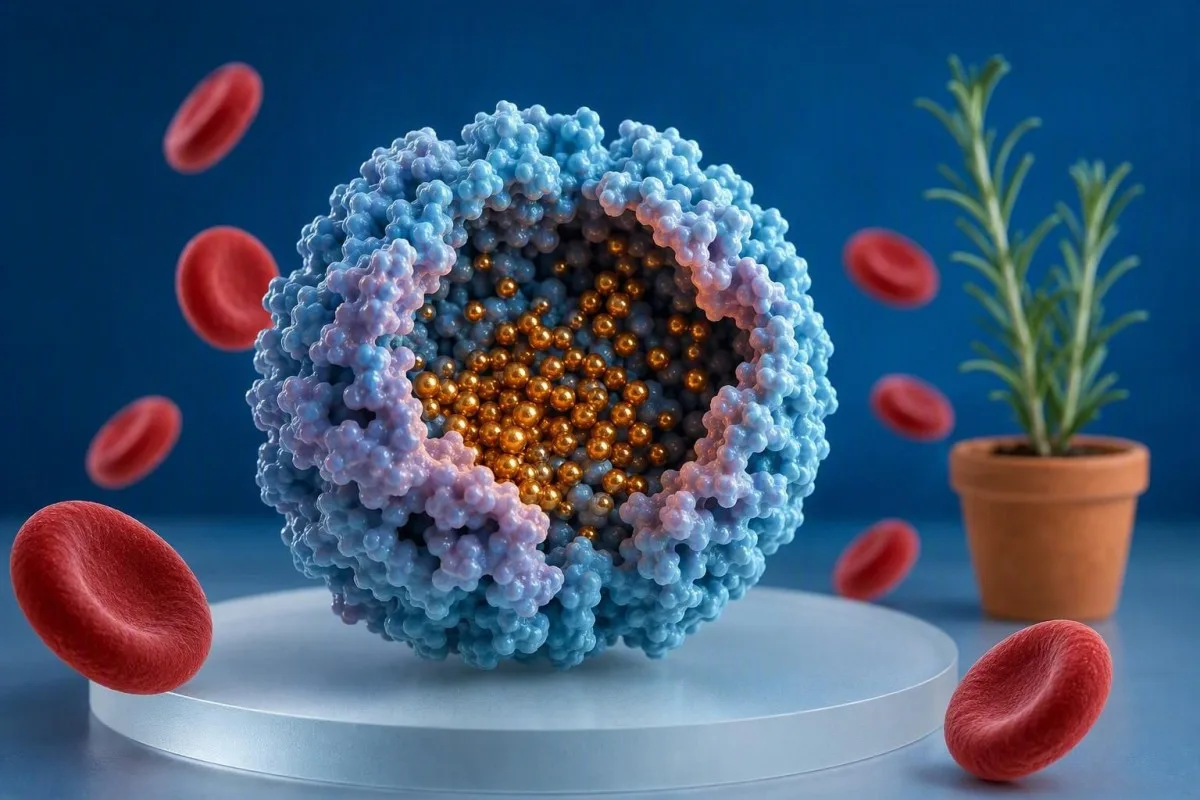
فرٹین عام طور پر حمل کے دوران کم ہو جاتا ہے، لیکن کم نتیجہ ہیموگلوبن گرنے سے پہلے ہی جسم میں آئرن کے ذخیرے کی کمی کو ظاہر کر سکتا ہے۔ حمل کا سہ ماہی، سوزش کے مارکر، اور آپ کا مکمل خون کی گنتی تشریح کو بدل دیتے ہیں۔.


- حمل کی حد: فرٹین کا نتیجہ اس سے کم 30 ng/mL (µg/L) کو عام طور پر حمل میں آئرن کی کمی سمجھا جاتا ہے، یہاں تک کہ جب ہیموگلوبن معمول پر رہتا ہے۔.
- WHO کٹ آف: فیرٹین کی سطح 15 ng/mL بظاہر صحت مند بالغوں میں آئرن کی کمی کی نشاندہی کرتا ہے، لیکن حمل کے ماہرین اکثر پہلے ہی اقدام کرتے ہیں۔.
- متوقع تبدیلی: فرٹین عام طور پر پہلی سے تیسری سہ ماہی تک کم ہوتا ہے کیونکہ پلازما کے حجم میں اضافہ ہوتا ہے اور جنین-پلاسنٹل آئرن کی ضروریات بڑھ جاتی ہیں۔.
- خون کی کمی کی تعریف: ہیموگلوبن کی سطح سے کم 110 g/L پہلے یا تیسرے سہ ماہی میں، یا اس سے کم 105 g/L دوسری سہ ماہی میں، حمل میں خون کی کمی کے لیے WHO کے معیارات پر پورا اترتا ہے۔.
- مفید ہمراہ ٹیسٹ: Ferritin کو ہیموگلوبن، MCV، ٹرانسفرین سنترپتی، CRP، اور بعض اوقات سولیبل ٹرانسفرین ریسیپٹر کے ساتھ پڑھا جانا چاہیے۔.
- دوبارہ جانچ: زبانی آئرن شروع کرنے کے بعد، ڈاکٹر عام طور پر مکمل خون کی گنتی دہراتے ہیں 2 سے 4 ہفتے تک رہے اور بعد میں فیریٹن، علامات اور حمل کی مدت کے لحاظ سے۔.
- فوری علامات: سینے میں درد، بے ہوشی، آرام کے دوران سانس کی قلت، اندام نہانی سے زیادہ رطوبت کا اخراج، یا جنین کی حرکت میں کمی کو معمول کی فیریٹن دوبارہ جانچ کے بجائے فوری زچگی کی تشخیص کی ضرورت ہوتی ہے۔.
- ہائی فیریٹن کی احتیاط: فیریٹن انفیکشن، جگر کی چوٹ، موٹاپا، اور سوزش کی بیماری کے ساتھ بڑھ سکتا ہے، لہذا ایک عام یا بلند نتیجہ ہمیشہ مناسب قابل استعمال آئرن کو ثابت نہیں کرتا ہے۔.
آج حمل میں فرٹین کے نتائج کا اندازہ کیسے لگایا جائے
A فیرٹین کی نارمل رینج ہے حمل کے دوران غیر حاملہ لیبارٹری رپورٹ پر گمراہ کن ہو سکتا ہے۔ عملی امراض نسواں کی دیکھ بھال میں، فیریٹن اس سے کم 30 ng/mL (µg/L) عام طور پر آئرن کے ذخائر کی کمی کا اشارہ کرتا ہے اور آپ کی دائی یا زچگی کے ڈاکٹر کے ساتھ بات چیت کا مستحق ہے، جبکہ قدریں۔ 30 ng/mL یا اس سے زیادہ CRP بلند نہ ہو اور خون کی گنتی مستحکم ہو تو زیادہ اطمینان بخش ہیں۔.
فیریٹن جسم میں آئرن کا ذخیرہ شدہ شکل ہے، نہ کہ اس صبح گردش کرنے والے آئرن کی براہ راست پیمائش۔ حمل پلازما کے حجم کو تقریباً بڑھا دیتا ہے۔ 40% سے 50%, ، لہذا ہیموگلوبن اور ہیماٹوکریٹ तनु کاری کی وجہ سے گر جاتے ہیں۔ فیریٹن بھی گر جاتا ہے کیونکہ ذخیرہ شدہ آئرن استعمال ہو رہا ہوتا ہے۔ اس لیے کم فیریٹن صرف “حمل کی तनु کاری” نہیں ہے۔ یہ عام طور پر ایک ختم شدہ ریزرو ہوتا ہے۔ متعلقہ مارکر کے لیے ہمارا دیکھیں آئرن اسٹڈیز گائیڈ ۔.
برٹش سوسائٹی فار ہیماٹولوجی کی ہدایت نامہ استعمال کرتا ہے۔ فیرٹین 30 µg/L سے کم حمل میں آئرن سپلیمنٹیشن کی پیشکش کے لیے ایک ٹرگر کے طور پر، خاص طور پر 28 ہفتوں کے بعد (Pavord et al., 2020)۔ WHO کا کم تشخیصی کٹ آف 15 µg/L بہت مخصوص ہے، لیکن 15 کا انتظار کرنے سے کلینیکل طور پر مفید روک تھام کی ونڈو چھوٹ سکتی ہے۔ وہ دو کٹ آف حیاتیات کے بارے میں کوئی اختلاف نہیں ہیں۔ وہ مختلف کلینیکل اہداف کی خدمت کرتے ہیں۔.
30 اگست 2026 تک، میں صرف لیب کے بالغ خواتین کی رینج سے حمل کے فیریٹن کے نتیجے کا فیصلہ نہیں کروں گا۔ Kantesti ایک اے آئی بلڈ ٹیسٹ تجزیہ کار ہے جو فیریٹن کو حمل کی عمر، ہیموگلوبن، MCV، CRP، اور پچھلے نتائج کے ساتھ رکھتا ہے، کیونکہ پیٹرن ہمیں ایک نمایاں پرچم سے کہیں زیادہ بتاتا ہے۔.
حمل میں فرٹین اور سہ ماہی: عملی حوالہ بینڈ
فیریٹن عام طور پر حمل کے دوران نیچے کی طرف رجحان رکھتا ہے، لیکن کوئی بھی سہ ماہی کے لحاظ سے مخصوص “عام” وقفہ ہر لیبارٹری کے ذریعہ قبول نہیں کیا جاتا ہے۔ ایک عملی کلینیکل ریڈنگ یہ ہے کہ 30 ng/mL یا اس سے زیادہ معقولہ اسٹورز کا مشورہ دیتا ہے،, 15 سے 29 ng/mL depleted یا borderline stores کا مشورہ دیتا ہے، اور 15 ng/mL سے کم سوزش کی غیر موجودگی میں لوہے کی کمی کو مضبوطی سے سپورٹ کرتا ہے۔.
پہلے سہ ماہی میں ایک مفید کام کی حد تقریباً 20 سے 150 ng/mL, ہے، لیکن وسیع اوپری حد سوزش کے ساتھ ساتھ لوہے کے اسٹورز کو بھی ظاہر کرتی ہے۔ دوسرے اور تیسرے سہ ماہی تک، بہت سے صحت مند مریضوں کی قدریں کم ہوتی ہیں، اکثر 10 سے 60 ng/mL. ہوتی ہیں۔ کلینیکل سوال یہ نہیں ہے کہ آیا کوئی قدر وسیع آبادی کے وقفے میں فٹ ہوتی ہے؛ بلکہ یہ ہے کہ آیا یہ لوہے کی مانگ میں تیزی کے دوران لوہے کی کمی کے قریب پہنچ رہی ہے۔.
فیرٹینن کی 22 ng/mL 10 ہفتوں میں اور 34 ہفتوں میں وہی نتیجہ ایک جیسی صورتحال نہیں ہے۔ 10 ہفتوں میں، اسٹورز کو آہستہ آہستہ دوبارہ بنانے کا وقت ہوتا ہے۔ 34 ہفتوں میں، کم ریزرو اور 104 g/L کے ہیموگلوبن کا مجموعہ اکثر فوری علاج کی منصوبہ بندی کا مستحق ہے۔ یہی وجہ ہے کہ حمل کے دوران خون کے ٹیسٹ کی ریڈ فلیگز کو حمل کے وقت کے ساتھ تشریح کیا جاتا ہے۔.
کچھ یورپی زچگی کی خدمات پورے حمل کے دوران 30 µg/L کے فرسنٹ تھریشولڈ کا استعمال کرتی ہیں، جبکہ دیگر “کمی” کا لیبل 15 µg/L سے کم اقدار کے لیے مخصوص کرتے ہیں۔ ڈاکٹر تھامس کلین کی کلینیکل رائے یہ ہے کہ دونوں مفید ہو سکتے ہیں: 15 سے کم کی صورت میں شدید کمی کی تصدیق ہوتی ہے، جبکہ 15 سے 29 ان مریضوں کی نشاندہی کرتا ہے جو ترسیل سے پہلے خون کی کمی کا شکار ہو سکتے ہیں۔.
کیا آپ کا فرٹین عام پانی کی کمی سے کم ہے یا آئرن کی حقیقی کمی سے؟
حمل میں گرتا ہوا ہیموگلوبن جزوی طور پر dilutional ہو سکتا ہے، لیکن کم فرسنٹ کو صرف dilution سے سمجھایا نہیں جا سکتا. ہیں۔ فیرٹین اگر 30 ng/mL لوہے کے اسٹورز میں کمی کی نشاندہی کرتا ہے۔ 30 ng/mL یا اس سے زیادہ فرسنٹ کے ساتھ کم ہیموگلوبن کے لیے وسیع خون کی کمی کی تشخیص کی ضرورت ہوتی ہے۔.
فزیولوجیکل ہیموڈائلیوشن اپنی بلند ترین سطح پر تقریباً 28 سے 32 ہفتوں, تک پہنچ جاتا ہے، جب پلازما کا حجم ریڈ بلڈ سیل ماس سے تیزی سے بڑھتا ہے۔ یہ ہیموگلوبن کو تقریباً 5 سے 10 g/L تک کم کر سکتا ہے بغیر کسی بیماری کے عمل کے۔ فرسنٹ مختلف طریقے سے برتاؤ کرتا ہے: یہ دستیاب ذخیرہ شدہ لوہے کی عکاسی کرتا ہے، اور 12 ng/mL کا مسلسل نتیجہ کا مطلب ہے کہ لوہے کا ذخیرہ واقعی خالی ہونے کے قریب ہے۔.
سب سے زیادہ واضح نمونہ فیریٹن ہے۔ 30 ng/mL سے کم, ، MCV نیچے جا رہا ہے۔ 80 fL, ، RDW بڑھ رہا ہے، اور ٹرانسفرین سنترپتی کم ہے۔ 20%. اس کے برعکس، 106 g/L کا ہیموگلوبن فیریٹن 55 ng/mL، MCV 88 fL، اور نارمل CRP کے ساتھ بنیادی طور پر dilutional ہو سکتا ہے۔ ہمارا مضمون کم ہیمتوکریٹ کی وجوہات بتاتا ہے کہ کنسنٹریشن میں تبدیلی کیوں CBC کو الجھا سکتی ہے۔.
میں کبھی کبھار ایسے مریضوں کو دیکھتا ہوں جنہیں بتایا جاتا ہے کہ تھکاوٹ “صرف حمل” ہے جب ان کا فیریٹن 12 ہفتوں میں 48 سے 14 ng/mL تک گر گیا ہو۔ اکیلی تھکاوٹ غیر مخصوص ہے، بصراحت، لیکن وہ نیچے کی سمت الگ الگ نتائج سے زیادہ قائل ہے۔ Kantesti AI ہر نتیجے کو ایک الگ واقعے کے طور پر برتنے کے بجائے سیریل ریویو کی حمایت کرتا ہے۔.
ہیموگلوبن، MCV، اور RDW کے ساتھ فرٹین پڑھیں
فیریٹن آئرن کے ذخائر کی نشاندہی کرتا ہے، جبکہ ہیموگلوبن ظاہر کرتا ہے کہ آکسیجن لے جانے کی صلاحیت پہلے ہی کم ہو چکی ہے یا نہیں۔ حاملہ مریضہ کا فیریٹن 9 ng/mL ہو سکتا ہے جس کا ہیموگلوبن 116 g/L; ہے؛ یہ خون کی کمی کے بغیر آئرن کی کمی ہے، کوئی نارمل نتیجہ نہیں جسے نظر انداز کیا جا سکے۔.
WHO حمل میں خون کی کمی کو پہلے اور تیسرے سہ ماہی میں ہیموگلوبن کے نیچے 110 g/L اور دوسرے سہ ماہی میں 105 g/L کے نیچے بیان کرتا ہے۔ یہ دوسرے سہ ماہی کے کم معیارات پلازما کے پھیلاؤ کو تسلیم کرتے ہیں، نہ کہ کم غذائیت کی ضرورت کو۔ مکمل گنتی ضروری رہتی ہے کیونکہ اکیلا ہیموگلوبن یہ نہیں دکھا سکتا کہ آئرن کے ذخائر خرچ ہو رہے ہیں یا نہیں۔.
MCV کے نیچے 80 fL آئرن سے محدود سرخ خون کے خلیات کی پیداوار کی حمایت کرتا ہے، حالانکہ یہ ابتدائی کمی میں نارمل رہ سکتا ہے اور B12 یا فولٹ کی کمی سے بلند ہو سکتا ہے۔ RDW اکثر MCV گرنے سے پہلے بڑھ جاتا ہے کیونکہ نئے پیدا ہونے والے خلیات پرانے خلیات سے چھوٹے ہو جاتے ہیں۔ علاج کے بعد بدلتا ہوا RDW متوقع ہے؛ ہمارے گائیڈ کو پڑھیں آئرن تھراپی کے بعد RDW خراب ہونے والے نتیجے کو فرض کرنے سے پہلے۔.
کنٹیسٹی ایک ہے۔ AI خون کے ٹیسٹ کی رپورٹ کی تشریح کو مکمل خون کی گنتی کے ساتھ فیریٹن پڑھنے کے لیے ڈیزائن کیا گیا ہے بجائے اس کے کہ کسی نتیجے کو نارمل قرار دیا جائے کیونکہ یہ ایک عام حوالہ حد کو بمشکل صاف کرتا ہے۔ میرے تجربے میں، 30 ng/mL سے کم فیریٹن اور نیچے کی طرف ہیموگلوبن کا رجحان اکیلے کسی بھی مارکر سے زیادہ قابل عمل ہے۔.
جب CRP یا بیماری فرٹین کو اس سے بہتر دکھاتی ہے جتنا وہ ہے
سوزش کے دوران فیریٹن بڑھ جاتا ہے، لہذا CRP بلند ہونے پر نارمل یا زیادہ فیریٹن قابل اعتماد طریقے سے آئرن کی کمی کو خارج نہیں کر سکتا۔ حمل میں، فیریٹن 45 ng/mL والا ferritin وائرل بیماری کے بعد 20 mg/L سوزش سے چھپی ہوئی آئرن کی کمی کی نمائندگی کر سکتا ہے نہ کہ وافر آئرن کے ذخائر کی.
فیریٹن ایک شدید مرحلے کا ری ایکٹنٹ ہے۔ وائرل بیماری، آٹومون بیماری، موٹاپا، جگر کی چوٹ، اور یہاں تک کہ حال ہی میں لگائی گئی ویکسین بھی ذخیرہ شدہ آئرن سے قطع نظر اسے بڑھا سکتی ہے۔ لیبارٹری کی اوپری حد سے زیادہ CRP—اکثر تقریباً—کلینشین کو فیریٹن کے نتیجے کو تسلی بخش قرار دینے کے بارے میں زیادہ محتاط بنانا چاہیے۔.
اس ترتیب میں، ٹرانسفرین سیچوریشن کم 20%, ، سیرم آئرن کم، یا حل پذیر ٹرانسفرین رسیپٹر میں اضافہ مفید تصدیق فراہم کر سکتا ہے۔ سیرم آئرن خود دن کے وقت اور حالیہ کھانے کے لحاظ سے بدلتا رہتا ہے، اس لیے میں کبھی بھی صرف سیرم آئرن کی بنیاد پر حمل کے آئرن کی کمی کی تشخیص نہیں کرتا۔ ہماری وضاحت ferritin اور CRP اس عام بے ضابطگی کا احاطہ کرتی ہے۔.
30 ہفتے کی حاملہ بخار میں مبتلا مریض جس کا فیریٹن 70 ng/mL، CRP 64 mg/L، اور ہیموگلوبن 96 g/L ہے، اسے بیماری کی تشخیص کے ساتھ ساتھ آئرن کے منصوبے کی بھی ضرورت ہے۔ صرف ایک سوجی ہوئی پینل سے زیادہ مقدار میں آئرن کا خود سے علاج نہ کریں؛ خون کی کمی کی وجہ مخلوط ہو سکتی ہے۔.
کم فرٹین حمل کی علامات: مددگار اشارے، ثبوت نہیں
حمل میں کم فیریٹن کی وجہ سے کوئی علامات نہیں ہو سکتیں، خاص طور پر اس سے زیادہ 15 ng/mL, ، لیکن ورزش کی برداشت میں کمی، غیر معمولی تھکاوٹ، دل کی دھڑکن، سر درد، بے چین ٹانگیں، اور برف کی خواہش ہو سکتی ہے۔ علامات آئرن کی کمی کو نیند کی کمی، تھائیرائیڈ کی بیماری، انفیکشن، یا تشویش سے لیبارٹری کے تناظر کے بغیر ممتاز نہیں کر سکتیں۔.
برف کی خواہش، جسے پیگوفاڈیا کہتے ہیں، کلینک میں سننے والے زیادہ مخصوص اشاروں میں سے ایک ہے؛ آئرن کی کمی کو درست کرنے کے بعد یہ حیرت انگیز طور پر تیزی سے بہتر ہو سکتا ہے۔ سیڑھیاں چڑھنے میں سانس کی قلت عام حمل میں بھی ہو سکتی ہے، اس لیے “معمولی کوشش” سے ایک نئی حد تک تبدیلی علامات کی محض موجودگی سے زیادہ اہم ہے۔ ہیموگلوبن سے کم 100 g/L لیبارٹری کی وضاحت کو زیادہ ممکن بناتا ہے۔.
شام میں بے چین ٹانگیں کم آئرن کے ذخیروں سے وابستہ ہیں، اور نیند کی کچھ دوائیں حاملہ نہ ہونے والے بالغوں میں آئرن پر غور کرتے وقت فیریٹن کو اس سے کم 75 ng/mL استعمال کرنے کی ہدایت کرتی ہیں۔ اس کا مطلب یہ نہیں ہے کہ ہر حاملہ شخص کو 75 ng/mL تک پہنچنے کی ضرورت ہے۔ یہ سمجھاتا ہے کہ 24 ng/mL کا فیریٹن خون کی کمی ظاہر ہونے سے پہلے بھی کیوں اہمیت رکھتا ہے۔.
نئی شدید سانس کی قلت، آرام کے دوران دل کی دھڑکن مسلسل اس سے زیادہ 120 دھڑکن/منٹ, ، بے ہوشی، سینے میں درد، یا معمولی سرگرمی کو سنبھالنے میں ناکامی کو اسی دن زچگی یا فوری نگہداشت کا مشورہ درکار ہے۔ زیادہ ہدف والے ٹریاج کے لیے، ہمارا دیکھیں سانس کی قلت سے متعلق خون کے ٹیسٹ کا رہنما.
جب فرٹین 30 سے کم ہو تو ڈاکٹر عام طور پر کیا کرتے ہیں
فیرٹین کی سطح 30 ng/mL حمل میں عام طور پر خوراک کے مشورے کے ساتھ ساتھ زبانی آئرن کی طرف لے جاتا ہے، جس کی خوراک اور فوری ضرورت ہیموگلوبن، علامات، حمل کی مدت، اور برداشت کے مطابق تیار کی جاتی ہے۔ زبانی ایلیمنٹل آئرن کی خوراک 40 سے 100 ملی گرام روزانہ ایک بار یا ایک دن چھوڑ کر بڑے پیمانے پر استعمال کی جاتی ہے، لیکن صحیح پروڈکٹ آپ کی زچگی ٹیم کے ساتھ متفق ہونا چاہیے۔.
متبادل دن کی خوراک کا ایک معقول جسمانی فائدہ ہے: آئرن کی خوراک کے بعد ہیپسڈائن بڑھ جاتا ہے اور اگلی خوراک سے جذب کو عارضی طور پر کم کر سکتا ہے۔ طبی مشق مختلف ہوتی ہے، اور حمل میں ثبوت ابھی بھی تیار ہو رہے ہیں، اس لیے میں متبادل دن کی خوراک کو عالمگیر طور پر برتر کے طور پر پیش نہیں کرتا ہوں۔ متلی، قبض، اور ریفلوکس اکثر اس بات کا تعین کرتے ہیں کہ مریض واقعی کیا جاری رکھ سکتا ہے۔.
زبانی آئرن کو چائے، کافی، کیلشیم سپلیمنٹس، اور انٹاسڈز سے دور رکھیں جہاں ممکن ہو؛ یہ جذب کو کم کر سکتے ہیں۔ وٹامن سی سے بھرپور خوراک غیر ہیم آئرن کے جذب کو معمولی طور پر بہتر بنا سکتی ہے، لیکن مہنگے وٹامن سی کے پروڈکٹس شاذ و نادر ہی ضروری ہوتے ہیں۔ ہماری رہنمائی آئرن سے بھرپور غذائیں عملی کھانے کے امتزاج پیش کرتی ہے۔.
نس کے ذریعے آئرن عام طور پر پہلی سہ ماہی کے بعد غور کیا جاتا ہے جب زبانی علاج ناکام ہو جاتا ہے، برداشت نہیں کیا جاتا، جذب کی کمی کا امکان ہوتا ہے، یا دیر سے کافی خون کی کمی کا پتہ چلتا ہے۔ 34 ہفتے کی حاملہ مریض جس کا ہیموگلوبن 84 g/L ہے اسے خوراک کی تبدیلیوں کے کام کرنے کے لیے صرف مہینوں انتظار نہیں کرنا چاہیے۔ زچگی کی ٹیم کو IV آئرن، ترسیل کے وقت، اور خون کی کمی کے خطرے کو جانچنا ہوگا۔.
فرٹین اور مکمل خون کی گنتی کو کب دہرانا ہے
آئرن شروع کرنے کے بعد، فل بلڈ کاؤنٹ (CBC) کا اکثر دوبارہ معائنہ کیا جاتا ہے 2 سے 4 ہفتے تک رہے تاکہ ردعمل کی تصدیق کی جا سکے، جبکہ فیریٹین کا عام طور پر بعد میں دوبارہ معائنہ کیا جاتا ہے کیونکہ یہ آہستہ آہستہ بڑھ سکتا ہے اور سوزش کے ساتھ مختلف ہوتا ہے۔ تقریباً 10 g/L ہیموگلوبن میں 2 سے 4 ہفتوں کے اندر اضافہ مؤثر علاج کی حمایت کرتا ہے جب پابندی اور جذب کافی ہو۔.
ریٹیکولوسائٹ کا ردعمل شروع ہو سکتا ہے 7 سے 10 دن, ، حالانکہ یہ ہر میٹرنٹی کلینک میں باقاعدگی سے نہیں ماپا جاتا ہے۔ اگر 2 سے 4 ہفتوں کے بعد ہیموگلوبن میں کوئی تبدیلی نہیں آتی ہے، تو ڈاکٹر خوراک، چھوٹی ہوئی خوراکیں، الٹی، تیزابیت کی دوا کا استعمال، جاری خون کا ضیاع، B12 اور فولٹ کی حیثیت، اور آیا اصل تشخیص درست تھی، کی جانچ کرتے ہیں۔ اس جائزے سے پہلے خود خوراک کو دوگنا نہ کریں۔.
فیریٹین نس کے ذریعے دی گئی آئرن کے بعد کئی ہفتوں تک جھوٹا بلند ہو سکتا ہے، اس لیے فوری طور پر انفلوژن کے بعد کی سطح جسم میں دیرپا ذخائر کو ظاہر نہیں کرتی ہے۔ زبانی علاج کے لیے، بہت سی ٹیمیں کم از کم 3 مہینوں تک ہیموگلوبن کے معمول پر آنے کے بعد اور زچگی کے دورانیے تک علاج جاری رکھتی ہیں، لیکن مقامی پروٹوکول مختلف ہوتے ہیں۔ خون کے ٹیسٹ کا ٹائم لائن گائیڈ بتاتا ہے کہ وقفے کیوں اہم ہیں۔.
Kantesti AI ٹائنی اینالیٹیکل تبدیلیوں کو نمایاں کرنے کے بجائے ایک بامعنی ردعمل کی شناخت کے لیے متواتر فیریٹین، MCV، ہیموگلوبن، اور RDW نتائج کا موازنہ کر سکتا ہے۔ تشریح کے معیار اور کلینیکل جائزہ کے عمل کے لیے، ہمارے قارئین سے مشورہ کر سکتے ہیں طبی توثیق.
جب کم فرٹین کو فوری زچگی کی تشخیص کی ضرورت ہوتی ہے
کم فیریٹین خود شاذ و نادر ہی کوئی ہنگامی صورتحال ہوتی ہے، لیکن خون کی کمی کی علامات یا خون کے ضیاع کی علامات ہو سکتی ہیں۔ بے ہوشی، سینے میں درد، آرام کے وقت سانس کی قلت، 12 کے اوپر مستقل نبض کے لیے فوری زچگی کا جائزہ لیں 120 دھڑکن/منٹ, ، اندام نہانی سے بھاری سیال کا اخراج، یا جنین کی حرکت میں کمی - آپ کی آخری فیریٹین نمبر سے قطع نظر۔.
ہیموگلوبن کی سطح سے کم 70 g/L حمل میں شدید خون کی کمی ہے اور اس کے لیے فوری ماہرانہ تشخیص کی ضرورت ہوتی ہے؛ صحیح علاج علامات، حمل کی عمر، وجہ، اور فعال نقصان پر منحصر ہوتا ہے۔ 85 g/L کا نتیجہ حمل کے آخر میں یا دل و پھیپھڑوں کے علامات والے شخص میں فوری کارروائی کی ضرورت ہو سکتی ہے۔ نمبر ہنگامی صورتحال کی رہنمائی کرتے ہیں، لیکن ہمارے سامنے موجود شخص زیادہ اہم ہے۔.
آئرن شروع کرنے سے پہلے سیاہ، تارکول جیسے پاخانے، خون کی الٹی، مسلسل پیٹ میں درد، یا آنتوں کی بیماری کی تاریخ کے لیے طبی جائزے کی ضرورت ہوتی ہے بجائے اس کے کہ یہ فرض کیا جائے کہ حمل کی وجہ سے آئرن کی کمی ہوئی ہے۔ ایک بار جب زبانی آئرن شروع ہو جاتا ہے، تو پاخانہ عام طور پر سیاہ ہو جاتا ہے؛ اس متوقع اثر کو معدے سے خون بہنے کے ساتھ الجھن میں نہیں ڈالنا چاہیے۔ یہ فرق ہمارے بلڈ ٹیسٹ پیل سکن گائیڈ.
میں شامل ہے۔ گرنے، شدید سینے میں درد، سانس لینے میں شدید دشواری، یا بھاری خون بہنے کے لیے ہنگامی خدمات کو کال کریں۔ حرکت میں کمی یا چکر آنا اور دل کی دھڑکن کا نیا مجموعہ ہونے پر اسی دن اپنے زچگی یونٹ سے رابطہ کریں۔ جانچ کروا کر یقین دلانا انتظار کر کے مقررہ خون کے نمونے لینے سے بہتر ہے۔.
کیا حمل کے دوران فرٹین بہت زیادہ ہو سکتا ہے؟
حمل میں لیبارٹری کی حد سے اوپر فیریٹین عام طور پر صرف زیادہ ڈائٹری آئرن کی وجہ سے نہیں ہوتا ہے۔ 150 سے 200 ng/mL سے اوپر کی قدریں ڈاکٹروں کو سوزش، جگر کی بیماری، میٹابولک حالات، آئرن تھراپی کی تاریخ، یا کم عام طور پر آئرن اوورلوڈ پر غور کرنے پر مجبور کرنی چاہئیں، خاص طور پر جب ٹرانسفرین سیچوریشن 70% سے زیادہ ہو۔ 45%.
فیریٹین اکثر غیر پیچیدہ حمل کے دوران گر جاتا ہے، لہذا بڑھتی ہوئی سطح پر سیاق و سباق کے لحاظ سے غور کرنے کی ضرورت ہے۔ CRP، ALT، AST، ٹرانسفرین سیچوریشن، اور ایک محتاط دواؤں کی تاریخ صرف فیریٹین سے زیادہ معلوماتی ہیں۔ کم ٹرانسفرین سیچوریشن کے ساتھ زیادہ فیریٹین عام طور پر ایک سوزش کا نمونہ ہوتا ہے، یہ ثبوت نہیں کہ آئرن کو અનिश्चित കാല تک روکا جانا چاہیے۔.
Hereditary haemochromatosis حمل میں ferritin کی بلندی کی ایک غیر معمولی وجہ ہے، اور حمل میں فیٹل ڈیمانڈ اور ترسیل کے دوران خون کے ضیاع کی وجہ سے ذخائر کم ہو سکتے ہیں۔ تاہم، persistent ferritin سے زیادہ 300 ng/mL سے اوپر ہو تو اسے عموماً بلند سمجھا جاتا ہے۔ transferrin saturation کے ساتھ 45% سے زیادہ پر غیر ضروری کلینیشین کی قیادت میں تشخیص کی ضرورت ہے جب شدید بیماری کو خارج کر دیا گیا ہو۔ ہمارے جائزہ کو پڑھیں آئرن اوورلوڈ کے سراغ پیٹرن کے لیے۔.
اگر کسی معالج نے آپ کو بتایا ہے کہ آپ کا فیریٹن زیادہ ہے تو اضافی آئرن لینے سے گریز کریں جب تک کہ مکمل آئرن پینل کا جائزہ نہ لیا جائے۔ اس کے برعکس، معمولی فیریٹن میں اضافے کے بغیر تجویز کردہ قبل از پیدائش وٹامن کو روکنا ایک اور مسئلہ پیدا کر سکتا ہے۔ سیاق و سباق یہاں اہم ہے۔.
جب حمل میں فرٹین کم ہو تو مددگار غذائیں
خوراک آئرن کی دوبارہ بھرنے میں مدد کرتی ہے لیکن نایاب طور پر حمل کے آخر میں آئرن کی کمی سے ہونے والی انیمیا کو تیزی سے ٹھیک نہیں کرتی ہے۔ گوشت، مرغی اور مچھلی سے حاصل ہونے والا Heme iron عام طور پر پھلیاں، دال، ٹوفو، اناج اور سبز سبزیوں سے حاصل ہونے والے non-haem iron کے مقابلے میں زیادہ مؤثر طریقے سے جذب ہوتا ہے۔ حمل میں دونوں کی اہمیت ہے۔.
دال یا پھلیاں کے ساتھ مرچ، لیموں، ٹماٹر، یا کیوی والی خوراک وٹامن سی کے ذریعے non-haem iron کے جذب کو بڑھا سکتی ہے۔ چائے اور کافی اسی کھانے کے ساتھ لینے پر جذب کو کم کر سکتی ہیں کیونکہ پولی فینول آئرن سے جڑ جاتے ہیں۔ ان کے درمیان تقریبا کے اندر زیادہ تر مریضوں کے لیے ایک حقیقت پسندانہ سمجھوتہ ہے۔.
قبل از پیدائش وٹامنز میں اکثر درمیان میں شامل ہوتا ہے۔ 14 اور 30 ملی گرام ایلیمنٹل آئرن کا، جو کمی کو روک سکتا ہے لیکن جب فیریٹن 8 ng/mL ہو تو اسے دوبارہ بھر نہیں سکتا۔ لیبل چیک کریں کیونکہ “آئرن 65 ملی گرام” ایلیمنٹل آئرن کے بجائے نمک کے وزن کو بیان کر سکتا ہے۔ فیرس سلفیٹ 325 ملی گرام میں تقریبا شامل ہوتا ہے۔ 65 mg عنصری آئرن. وہ لیبلنگ کی تفصیل بہت زیادہ الجھن کا باعث بنتی ہے۔.
کنٹیسٹی ایک ہے۔ اے آئی سے چلنے والا خون کے ٹیسٹ کا تجزیہ کا آلہ جو کم فیریٹن پیٹرن کو غذائیت کی منصوبہ بندی سے جوڑ سکتا ہے، جبکہ اب بھی حاملہ صارفین کو علاج کے انتخاب کے لیے ان کے اپنے معالج کی طرف رہنمائی کرتا ہے۔ اگر سپلیمنٹس شامل ہیں، تو ہمارا حمل کی سپلیمنٹ گائیڈ خوراک اور حفاظت کے سوالات پر تبادلہ خیال کرتا ہے جن پر بات کرنی چاہیے۔.
خصوصی حالات: سبزی خور غذا، جڑواں بچے، پہلے باریٹرک سرجری، اور تھیلیسیمیا ٹریٹ
جڑواں حمل، پچھلے بچے کی پیدائش کے فوراً بعد کا مختصر وقفہ، سبزی خور یا ویگن غذائیں، نوعمر حمل، حمل سے پہلے زیادہ ماہواری، اور bariatric سرجری سب آئرن کی کمی کے امکان کو بڑھاتے ہیں۔ تھیلاسیمیا ٹریٹ بھی کم MCV کا سبب بن سکتا ہے، لیکن یہ نہیں کسی کو ایک ہی وقت میں آئرن کی کمی سے بچاتا ہے۔.
گیسٹریکٹومی یا گیسٹرک بائی پاس کے بعد لوگ زبانی آئرن کو خراب جذب کر سکتے ہیں اور انہیں ماہر کی طرف سے جلد مشاورت کی ضرورت ہوتی ہے۔ فیریٹن انڈر 30 ng/mL پلس مستقل انیمیا اچھی طرح سے لی گئی زبانی ریجیم کے باوجود اس امکان کو بڑھا دینا چاہیے۔ سیلیک بیماری، سوزش والی آنتوں کی بیماری، اور طویل مدتی تیزاب دبانے والے جیسے جذب میں رکاوٹیں پیدا کر سکتے ہیں۔.
تھیلاسیمیا ٹریٹ میں، MCV سے نیچے ہو سکتا ہے۔ 75 fL یہاں تک کہ جب فیریٹن نارمل ہو، تو چھوٹے خلیوں کے ہر پیٹرن کو آئرن سے علاج کرنا ایک غلطی ہے۔ فیریٹن، ٹرانسفرین سنترپتی، ہیموگلوبن الیکٹروفورسس کی تاریخ، اور خاندانی ماضی فرق کی رہنمائی کرتے ہیں۔ ہماری وضاحت کم ٹرانسفرین سیچوریشن میں دکھایا گیا ہے کہ وہ پیمائش کہاں مدد کرتی ہے۔.
ڈاکٹر تھامس کلائن نے الٹا غلطی بھی دیکھی ہے: تھیلاسیمیا ٹریٹ کے طور پر جانے جانے والے مائکروسائٹوسس کی وجہ فرض کرنا اور 6 ng/mL کے فیریٹن کو نظر انداز کرنا۔ مخلوط وجوہات اتنی عام ہیں کہ ایک لیبل کی وضاحت سے زیادہ مکمل پینل محفوظ ہے۔.
بچے کی پیدائش کے بعد فرٹین کے فالو اپ کی اہمیت کیوں ہے
حمل سے پہلے آئرن کی کمی، زچگی کے بعد خون بہنا، یا مستقل تھکاوٹ کی صورت میں، ترسیل کے بعد اکثر فیریٹن کا دوبارہ جائزہ لینا چاہیے۔ ایک مکمل خون کی گنتی 4 سے 8 ہفتے بعد از پیدائش زیادہ خون بہنے یا حمل کے دوران خون کی کمی کے بعد عام طور پر تجویز کیا جاتا ہے، حالانکہ عین مطابق شیڈول مقامی زچگی کی پالیسی پر منحصر ہوتا ہے۔.
ترسیل کے بعد پہلے کئی ہفتوں میں فیریٹن کی تشریح کرنا مشکل ہو سکتا ہے کیونکہ ترسیل ایک سوزش کا ردعمل پیدا کرتی ہے جو اسے عارضی طور پر بڑھا سکتا ہے۔ ہیموگلوبن، علامات، اندازہ شدہ خون کا ضیاع، اور علاج کی تاریخ اکثر ابتدائی فیصلوں کو بہتر رہنمائی فراہم کرتی ہیں۔ بعد کی جانچ یہ دیکھنے کا ایک صاف نظارہ دیتی ہے کہ آیا ذخیرے دوبارہ بنائے گئے ہیں۔.
پیدائش کے بعد تجویز کردہ فولاد جاری رکھنا اہم ہو سکتا ہے جب ہیموگلوبن بہتر ہونے لگے، خاص طور پر خون بہنے کے بعد 500 ملی لیٹر یا اس سے زیادہ اندام نہانی سے پیدائش کے بعد یا 1,000 ملی لیٹر یا اس سے زیادہ سیزیرین پیدائش کے بعد—بعد از پیدائش خون بہنے کی تعریف کے لیے عام طور پر استعمال ہونے والی حدیں۔ دودھ پلانا خود سے لوہے کے ذخائر کو ڈرامائی طور پر ختم نہیں کرتا، لیکن صحت یابی کی ضروریات حقیقی ہیں۔.
محفوظ رجحان کے جائزے کے لیے، Kantesti AI کلینیکل سیاق و سباق میں اپ لوڈ شدہ نتائج پڑھتا ہے اور 75+ زبانوں میں کثیر لسانی وضاحتیں فراہم کرتا ہے؛ یہ زچگی کی دیکھ بھال کی جگہ نہیں لیتا۔ ہماری طبی مشاورتی بورڈ اس تعلیمی کام میں استعمال ہونے والے کلینیکل معیارات کی نگرانی کرتا ہے۔.
اپنے دائی، جی پی، یا زچگی کے ڈاکٹر سے پوچھنے کے سوالات
سب سے مفید سوال یہ نہیں ہے کہ “کیا میرا فیریٹن نارمل ہے؟” بلکہ “کیا میرا فیریٹن، ہیموگلوبن، MCV، علامات، اور حمل کی عمر تجویز کرتی ہے کہ مجھے ابھی علاج کی ضرورت ہے؟” اصل اقدار، یونٹس، ٹیسٹ کی تاریخ، حمل کا ہفتہ، سپلیمنٹ کا نام، اور کوئی بھی پچھلے نتائج لائیں۔.
پوچھیں کہ آیا آپ کا فیریٹن نتیجہ انفیکشن کے دوران، IV آئرن کے بعد، یا بڑھے ہوئے CRP کے ساتھ ماپا گیا تھا۔ پوچھیں کہ آیا ٹرانسفرین سنترپتی، B12، فولٹ، تھائرائیڈ ٹیسٹ، یا ہیموگلوبینوپیتھی اسکریننگ آپ کے معاملے میں متعلقہ ہے۔ یہ سوالات خاص طور پر مفید ہوتے ہیں جب ہیموگلوبن کم ہو 105 g/L حمل کے دوسرے سہ ماہی میں یا اس سے باہر 110 g/L سے کم۔.
یہ بھی پوچھیں کہ CBC کب دہرانا ہے، کیا آپ کی آئرن کی خوراک ایلیمنٹل آئرن کے طور پر ظاہر کی گئی ہے، اور کون سے مضر اثرات فارمولیشن میں تبدیلی کا باعث بننے چاہئیں؟ اگر آپ کی bariatric سرجری، آنتوں کی بیماری، پہلے شدید خون کی کمی، یا منصوبہ بند ترسیل ہوئی ہے 6 ہفتے, ، جلدی پوچھیں کہ کیا زبانی آئرن کافی ہے۔ ایک جامع ڈاکٹر وزٹ چیک لسٹ اس گفتگو کو آسان بنا سکتا ہے۔.
Kantesti AI کا کلینیکل ورک فلو نتائج کو منظم کرنے کے لیے ڈیزائن کیا گیا ہے، نہ کہ حمل کی پیچیدگیوں کا تشخیص کرنے یا علاج تجویز کرنے کے لیے۔ جو قارئین ہماری ماڈلز لیبارٹری کے سیاق و سباق کو کیسے سنبھالتے ہیں اس میں دلچسپی رکھتے ہیں وہ اے آئی ٹیکنالوجی گائیڈ; کا جائزہ لے سکتے ہیں؛ حتمی فیصلے آپ کی حمل کی ذمہ دار معالج کے ساتھ ہیں۔.
اکثر پوچھے گئے سوالات
حمل کے دوران نارمل فیرٹین کی سطح کیا ہے؟
فیریٹن کی سطح 30 ng/mL (µg/L) یا اس سے زیادہ حمل کے دوران لوہے کے ذخائر کے لیے عام طور پر تسلی بخش سمجھی جاتی ہے جب کوئی فعال سوزش نہ ہو۔ فیریٹن کے درمیان 15 اور 29 ng/mL کم یا معمولی ذخائر کی تجویز کرتا ہے اور اکثر زچگی کے معالجین کو آئرن سپورٹ کی سفارش کرنے کی طرف لے جاتا ہے۔ فیریٹن اس سے کم 15 ng/mL حمل میں لوہے کی کمی کو مضبوطی سے سہارا دیتا ہے اگر سوزش نہ ہو. لیبارٹری کے حاملہ نہ ہونے والی خواتین کی حد کو اکیلے رہنما کے طور پر استعمال نہیں کیا جانا چاہئے کیونکہ حمل کے بڑھنے کے ساتھ ساتھ فیریٹین عام طور پر گر جاتا ہے۔.
کیا حمل کے دوران 20 کا فیرٹین کم ہے؟
فیریٹین 20 ng/mL حمل میں عام طور پر لوہے کے ذخیرے کم سمجھے جاتے ہیں، یہاں تک کہ اگر ہیموگلوبن اب بھی نارمل ہو۔ بہت سے زچگی کے رہنما خطوط استعمال کرتے ہیں 30 ng/mL آئرن سپلیمنٹیشن کی پیشکش کے لیے حد کے طور پر کیونکہ یہ آئرن کی کمی والے انیمیا سے پہلے ذخیرے کی کمی کی نشاندہی کرتا ہے۔ ہنگامی صورتحال حمل کے ہفتے، ہیموگلوبن، MCV، علامات اور پچھلے رجحانات پر منحصر ہے۔ 34 ہفتوں میں 20 ng/mL کی سطح عام طور پر پہلی سہ ماہی کے اوائل میں اسی سطح سے زیادہ فوری منصوبہ بندی کی ضرورت ہوتی ہے۔.
حمل کے دوران فیرٹینن کیوں کم ہو جاتا ہے؟
حمل کے دوران فیریٹین کم ہو جاتا ہے کیونکہ بڑھتے ہوئے جنین اور پلینٹا کو آئرن کی ضرورت ہوتی ہے، ماں کے سرخ خون کے خلیات کا حجم بڑھ جاتا ہے، اور ذخیرہ شدہ آئرن متحرک ہو جاتا ہے۔ پلازما کا حجم بھی تقریباً بڑھ جاتا ہے۔ 40% سے 50%, جو خون کے کئی مارکروں کی کم پیمائش شدہ تعداد میں حصہ ڈالتا ہے۔ تاہم، صرف پتلا ہونے سے فیریٹین کے نتائج 5 سے کم کی وضاحت نہیں ہوتی؛ یہ نتیجہ عام طور پر محدود آئرن ریزرو کی نشاندہی کرتا ہے۔ لہذا، فیریٹین متوقع ہیموڈیلیوشن کو ابھرتی ہوئی آئرن کی کمی سے ممتاز کرنے میں مدد کرتا ہے۔ 30 ng/mL; یہ نتیجہ عام طور پر محدود آئرن ریزرو کی نشاندہی کرتا ہے۔ فیریٹین اس طرح متوقع ہیموڈیلیوشن کو ابھرتی ہوئی آئرن کی کمی سے ممتاز کرنے میں مدد کرتا ہے۔.
حمل میں آئرن شروع کرنے کے بعد فیریٹن کا دوبارہ ٹیسٹ کب کیا جانا چاہئے؟
حمل میں زبانی آئرن شروع کرنے کے بعد مکمل خون کی گنتی کو عام طور پر دوبارہ چیک کیا جاتا ہے، جبکہ فیریٹین کو حاملہ ہونے اور علامات کی بنیاد پر بعد میں دوبارہ چیک کیا جا سکتا ہے۔ تقریباً کے ہیموگلوبن میں اضافہ 2 سے 4 ہفتے تک رہے اس بات کی نشاندہی کرتا ہے کہ علاج کام کر رہا ہے جب تشخیص اور پابندی درست ہو۔ فیریٹین نس کے ذریعے آئرن کے بعد یا انفیکشن کے دوران عارضی طور پر گمراہ کن ہو سکتا ہے کیونکہ یہ ایک شدید مرحلے کے رد عمل کے طور پر بڑھتا ہے۔ اگر خون کی کمی معتدل، حمل کے آخر میں، یا علامات سے وابستہ ہے تو آپ کے زچگی کے معالج کو وقفہ طے کرنا چاہئے۔ 10 g/L ہیموگلوبن میں 2 سے 4 ہفتوں کے اندر اضافہ علاج کام کر رہا ہے جب تشخیص اور پابندی درست ہو۔.
کیا حمل کے دوران نارمل ہیموگلوبن کے ساتھ کم فیرٹین ہو سکتا ہے؟
جی ہاں۔ فیریٹین 10 سے کم ہو سکتا ہے۔ 15 یا 30 ng/mL جب کہ ہیموگلوبن حمل کے انیمیا کی حد سے اوپر رہتا ہے، جسے انیمیا کے بغیر آئرن کی کمی کہا جاتا ہے۔ اس مرحلے کا مطلب ہے کہ آئرن کا ذخیرہ ختم ہو گیا ہے لیکن آکسیجن لے جانے کی صلاحیت ابھی تک انیمیا کے معیار کو پورا کرنے کے لیے کافی کم نہیں ہوئی ہے۔ اس کا علاج کرنے سے ترسیل سے پہلے زیادہ شدید انیمیا ہونے کا امکان کم ہو سکتا ہے، حالانکہ صحیح طریقہ کار طبی حالات پر منحصر ہے۔ ہیموگلوبن 12 سے کم ہے۔ 110 g/L پہلی یا تیسری سہ ماہی میں، یا دوسری سہ ماہی میں 105 g/L سے کم، WHO انیمیا کے معیار کو پورا کرتا ہے۔.
حمل میں فیریٹن کی کونسی سطح خطرناک حد تک کم ہوتی ہے؟
کوئی فیریٹین نمبر نہیں ہے جو ہنگامی حالت کی وضاحت کرتا ہو، لیکن فیریٹین 14 سے کم ہے۔ 15 ng/mL نمایاں آئرن کی کمی کی نشاندہی کرتا ہے اور اس کے لیے طبی فالو اپ کی ضرورت ہوتی ہے۔ ہنگامی صورتحال اس وقت بڑھ جاتی ہے جب کم فیریٹین ہیموگلوبن 16 سے کم ہو، بے ہوشی، سینے میں درد، آرام کے وقت سانس لینے میں دشواری، مسلسل تیز دل کی دھڑکن، بھاری اندام نہانی سے خون بہنا، یا جنین کی حرکت میں کمی ہو۔ 36 ہفتوں کی ایک شخص جس کا فیریٹین 8 ng/mL اور ہیموگلوبن 85 g/L ہے، اسے 10 ہفتوں کی صحت مند شخص سے زیادہ تیزی سے زچگی کی منصوبہ بندی کی ضرورت ہوتی ہے جس کا فیریٹین وہی ہو۔ علامات اور حمل کی عمر فیریٹین کے نتائج کی طرح ہی اہمیت رکھتی ہے۔ 70 g/L, بے ہوشی، سینے میں درد، آرام کے وقت سانس لینے میں دشواری، مسلسل تیز دل کی دھڑکن، بھاری اندام نہانی سے خون بہنا، یا جنین کی حرکت میں کمی۔.
آج ہی اے آئی سے طاقتور خون کے ٹیسٹ کا تجزیہ حاصل کریں
دنیا بھر میں 2M+ صارفین میں شامل ہوں جو فوری اور درست لیب ٹیسٹ تجزیے کے لیے Kantesti پر بھروسہ کرتے ہیں۔ اپنے خون کے ٹیسٹ کے نتائج اپلوڈ کریں اور چند سیکنڈ میں 15,000+ بایومارکرز کی جامع تشریح حاصل کریں۔.
📚 حوالہ دی گئی تحقیقی اشاعتیں
کلائن، ٹی.، مچل، ایس.، اور ویبر، ایچ. (2026). Kantesti LTD. (2026). BUN/Creatinine Ratio Explained: Kidney Function Test Guide. Zenodo۔..۔ Kantesti اے آئی میڈیکل ریسرچ۔.
کلائن، ٹی.، مچل، ایس.، اور ویبر، ایچ. (2026). Kantesti LTD. (2026). یوروبیلینوجن ان یورین ٹیسٹ: مکمل یورینالیسس گائیڈ 2026. Zenodo..۔ Kantesti اے آئی میڈیکل ریسرچ۔.
📖 بیرونی طبی حوالہ جات
Pavord S وغیرہ۔ (2020)۔. حمل میں آئرن کی کمی کے انتظام کے لیے برطانیہ کی رہنما ہدایات.۔ برٹش جرنل آف ہیمیٹالوجی (British Journal of Haematology)۔.
ورلڈ ہیلتھ آرگنائزیشن (2012)۔. حاملہ خواتین میں روزانہ آئرن اور فولک ایسڈ کی تکمیل.۔ WHO گائیڈ لائن۔.
⚕️ میڈیکل ڈس کلیمر
یہ مضمون صرف تعلیمی مقاصد کے لیے ہے اور طبی مشورہ نہیں ہے۔ تشخیص اور علاج کے فیصلوں کے لیے ہمیشہ کسی مستند صحت کے ماہر سے رجوع کریں۔.
E-E-A-T اعتماد کے اشارے
تجربہ
معالج کی قیادت میں لیب تشریح کے ورک فلو کا کلینیکل جائزہ۔.
مہارت
لیبارٹری میڈیسن کا فوکس یہ کہ بایومارکرز کلینیکل سیاق میں کیسے برتاؤ کرتے ہیں۔.
مستندیت
ڈاکٹر تھامس کلائن نے لکھا، ڈاکٹر سارہ مچل اور پروف. ڈاکٹر ہانس ویبر نے نظرثانی کی۔.
امانت داری
شواہد پر مبنی تشریح واضح فالو اپ راستوں کے ساتھ تاکہ گھبراہٹ کم ہو۔.