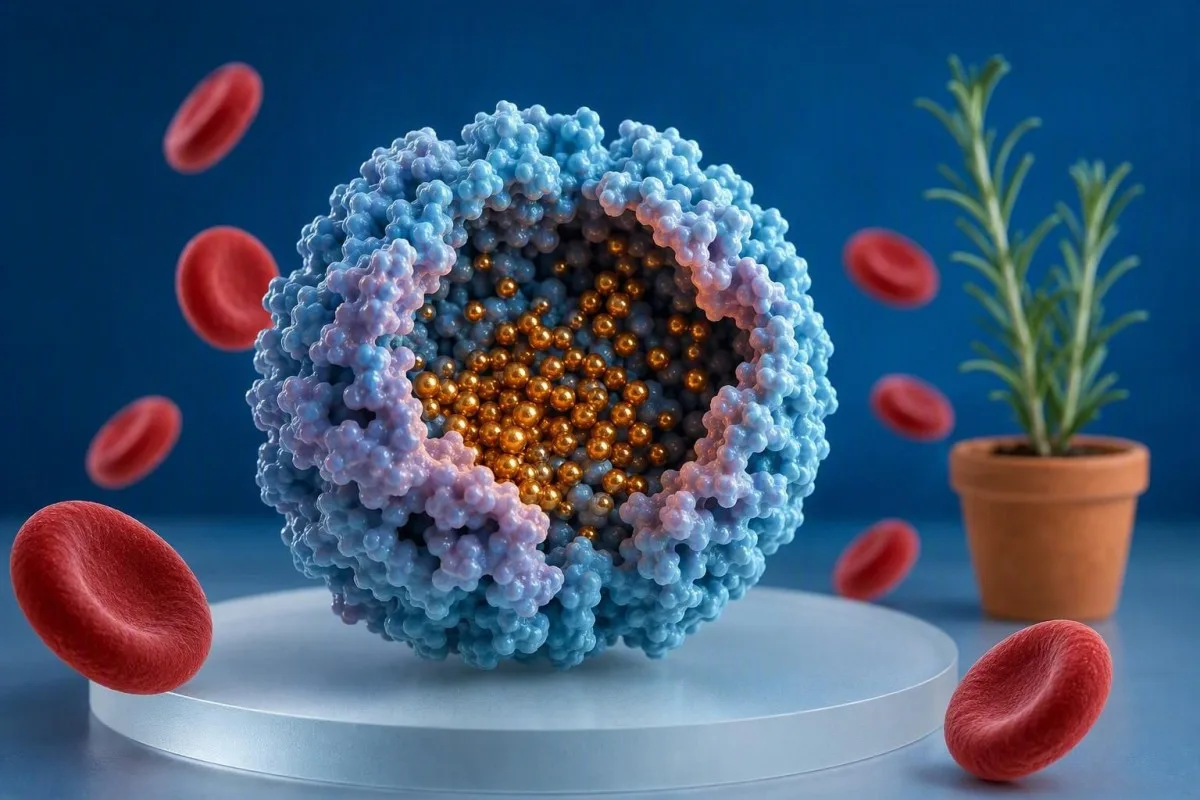
Feritin normalno opada kako trudnoća napreduje, ali nizak rezultat i dalje može otkriti iscrpljene zalihe željeza prije nego što hemoglobin padne. Tromjesečje, markeri upale i vaša kompletna krvna slika mijenjaju tumačenje.


- Prag trudnoće: Rezultat feritina ispod 30 ng/mL (µg/L) se često smatra iscrpljivanjem željeza u trudnoći, čak i kada hemoglobin ostaje normalan.
- WHO granična vrijednost: Ferritin ispod 15 ng/mL ukazuje na nedostatak željeza kod naizgled zdravih odraslih osoba, ali stručnjaci za trudnoću često djeluju ranije.
- Očekivana promjena: Feritin obično opada od prvog do trećeg tromjesečja jer se volumen plazme povećava i rastu potrebe fetusa i posteljice za željezom.
- Definicija anemije: Hemoglobin ispod 110 g/L u prvom ili trećem trimestru, ili ispod 105 g/L u drugom trimestru, ispunjava WHO kriterije za anemiju u trudnoći.
- Korisni prateći testovi: Feritin treba čitati zajedno sa hemoglobinom, MCV, saturacijom transferina, CRP, i ponekad rastvorljivim transferinskim receptorom.
- Ponovno testiranje: Nakon početka oralne suplementacije željezom, kliničari obično ponavljaju kompletnu krvnu sliku u 2 do 4 sedmice i feritin kasnije, ovisno o simptomima i gestacijskoj dobi.
- Hitni simptomi: Bol u grudima, nesvjestica, nedostatak daha u mirovanju, obilno vaginalno krvarenje, ili smanjeni fetalni pokreti zahtijevaju hitnu procjenu u porodiljstvu, a ne rutinsko ponovno testiranje feritina.
- Napomena o visokom feritinu: Feritin može porasti kod infekcije, oštećenja jetre, gojaznosti i upalnih bolesti, tako da normalan ili visok rezultat ne dokazuje uvijek adekvatno iskoristivo željezo.
Kako danas procijeniti rezultat feritina u trudnoći
A normalni raspon za feritin na laboratorijskom nalazu za trudnice može biti pogrešno tumačen tokom trudnoće. U praktičnoj akušerskoj njezi, feritin ispod 30 ng/mL (µg/L) obično signalizira niske zalihe željeza i zaslužuje razgovor sa vašom babicom ili kliničarem za akušerstvo, dok vrijednosti od 30 ng/mL ili više su više ohrabrujuće ako CRP nije povišen i krvna slika je stabilna.
Feritin je oblik željeza koji tijelo skladišti, a ne direktno mjerenje željeza koje cirkuliše tog jutra. Trudnoća povećava volumen plazme za otprilike 40% do 50%, pa hemoglobin i hematokrit opadaju zbog razrjeđenja; feritin također opada jer se skladišteno željezo koristi. Nizak feritin stoga nije samo “trudničko razrjeđenje”. Obično je to iscrpljena rezerva. Pogledajte naš Vodič za proučavanje željeza za srodne markere.
Smjernice Britanskog društva za hematologiju koriste feritin ispod 30 µg/L kao okidač za ponudu suplementacije željezom u trudnoći, posebno od 28. sedmice nadalje (Pavord et al., 2020). Niži dijagnostički prag WHO-a od 15 µg/L je visoko specifičan, ali čekanje na 15 može propustiti klinički korisni prozor prevencije. Ta dva praga nisu neslaganje o biologiji; služe različitim kliničkim ciljevima.
Od 30. augusta 2026. godine, ne bih sudio o rezultatu feritina u trudnoći samo na osnovu odraslog ženskog raspona laboratorije. Kantesti je AI analizator krvi koji stavlja feritin pored gestacijske dobi, hemoglobina, MCV, CRP, i prethodnih rezultata, jer obrazac nam govori mnogo više od jedne istaknute zastavice.
Feritin u trudnoći po tromjesečjima: praktične referentne trake
Feritin obično opada tokom trudnoće, ali ne postoji jedinstveni trimestralni “normalni” interval prihvaćen od svake laboratorije. Pragmatično kliničko čitanje je da 30 ng/mL ili iznad sugerira razuman nivo zaliha, 15 do 29 ng/mL sugerira iscrpljene ili granične zalihe, i ispod 15 ng/mL snažno podržava nedostatak željeza kada nema upale.
Koristan radni raspon u prvom trimestru je otprilike 20 do 150 ng/mL, ali gornja široka granica odražava upalu, kao i zalihe željeza. Do drugog i trećeg trimestra, mnoge zdrave pacijentice imaju niže vrijednosti, često 10 do 60 ng/mL. Ključno kliničko pitanje nije da li vrijednost odgovara širokom intervalu populacije; već da li se približava iscrpljenosti željeza dok potražnja za željezom ubrzava.
Feritin od 22 ng/mL u 10 sedmici i isti rezultat u 34 sedmici nisu identične situacije. U 10 sedmici, postoji vrijeme za postepeno obnavljanje zaliha; u 34 sedmici, kombinacija niske rezerve i hemoglobina od 104 g/L često opravdava planiranje hitnog liječenja. Zato se crvene zastavice iz krvnih testova u trudnoći tumače uzimajući u obzir gestacijsko vrijeme.
Neke evropske službe za porođaj koriste prag feritina od 30 µg/L tokom cijele trudnoće, dok druge rezervišu oznaku “nedostatak” za vrijednosti ispod 15 µg/L. Klinički stav dr. Thomasa Kleina je da oba mogu biti korisna: ispod 15 potvrđuje značajno iscrpljenje, dok 15 do 29 identifikuje pacijentice koje mogu postati anemične prije porođaja.
Je li vaš feritin nizak zbog normalnog razrjeđivanja ili pravog iscrpljivanja željeza?
Pad hemoglobina u trudnoći može biti djelimično razblažen, ali nizak feritin nije objašnjen samo razblaženjem. Feritin ispod 30 ng/mL ukazuje na smanjenje zaliha željeza; nizak hemoglobin sa feritinom od 30 ng/mL ili više zahtijeva širu analizu anemije.
Fiziološka hemodilucija dostiže svoj vrhunac oko 28. do 32. sedmice, kada volumen plazme raste brže od mase crvenih krvnih zrnaca. To može smanjiti hemoglobin za oko 5 do 10 g/L bez patološkog procesa. Feritin se ponaša drugačije: odražava dostupno skladišteno željezo, a uporan rezultat od 12 ng/mL znači da je željezna "ostava" zaista blizu prazne.
Najvažniji obrazac je feritin ispod 30 ng/mL, MCV se smanjuje ispod 80 fL, povećava se RDW, a zasićenost transferina ispod 20%. Nasuprot tome, hemoglobin od 106 g/L sa feritinom 55 ng/mL, MCV 88 fL i normalnim CRP može biti uglavnom posljedica razrjeđenja. Naš članak o niskom hematokritu objašnjava zašto promjene koncentracije mogu zbuniti kompletnu krvnu sliku.
Povremeno viđam pacijente kojima je rečeno da je umor “samo trudnoća” kada im je feritin opao sa 48 na 14 ng/mL tokom 12 sedmica. Samo umor je nespecifičan, iskreno, ali taj silazni trend je uvjerljiviji od bilo kojeg pojedinačnog rezultata. Kantesti AI podržava serijski pregled umjesto da svaki rezultat tretira kao samostalan događaj.
Pročitajte feritin s hemoglobinom, MCV i RDW
Feritin identificira zalihe željeza, dok hemoglobin pokazuje da li je kapacitet nošenja kisika već opao. Trudnica može imati feritin od 9 ng/mL sa hemoglobinom od 116 g/L; to je nedostatak željeza bez anemije, a ne normalan rezultat koji treba zanemariti.
SZO definiše anemiju u trudnoći kao hemoglobin ispod 110 g/L u prvom i trećem trimestru, a ispod 105 g/L u drugom trimestru. Ovi niži kriterijumi za drugi trimestar priznaju proširenje plazme, a ne nižu potrebu za ishranom. Kompletna krvna slika ostaje esencijalna jer sam hemoglobin ne može pokazati da li se zalihe željeza troše.
MCV ispod 80 fL podržava proizvodnju crvenih krvnih ćelija ograničenu željezom, iako može ostati normalan u ranoj fazi deficita i može biti povišen nedostatkom B12 ili folata. RDW se često povećava prije nego što MCV padne jer novonastale ćelije postaju manje od starijih ćelija. Promjena RDW nakon tretmana se može očekivati; pročitajte naš vodič za RDW nakon terapije željezom prije nego što pretpostavite pogoršanje rezultata.
Kantesti je AI platforma za tumačenje krvne slike dizajniran da čita feritin zajedno sa kompletnom krvlju umesto da proglašava rezultat normalnim jer se usko uklapa u generički referentni limit. Po mom iskustvu, kombinacija feritina ispod 30 ng/mL i opadajući trend hemoglobina je više za akciju nego bilo koji marker sam.
Kada CRP ili bolest čine da feritin izgleda bolje nego što jest
Feritin se povećava tokom upale, tako da normalan ili visok feritin ne može pouzdano isključiti nedostatak željeza kada je CRP povišen. U trudnoći, feritin od 45 ng/mL uz CRP 20 mg/L može predstavljati nedostatak željeza maskiran upalom, a ne obilne zalihe željeza.
Feritin je reaktant akutne faze. Virusna bolest, autoimuna bolest, gojaznost, povreda jetre, pa čak i nedavna vakcinacija mogu ga podići nezavisno od uskladištenog željeza. CRP iznad gornje laboratorijske granice – često 5 mg/L—treba da navede kliničara na veću opreznost u vezi sa pozivanjem rezultata feritina kao umirujućeg.
, zasićenje transferina ispod 20%, nizak serumski željezo ili povišen rastvorljivi transferinski receptor mogu pružiti korisnu potvrdu. Sam nivo serumskog željeza varira ovisno o dobu dana i nedavnom unosu hrane, tako da nikada ne dijagnosticiram nedostatak željeza u trudnoći samo na osnovu serumskog željeza. Naše objašnjenje ferritin i CRP pokriva ovaj uobičajeni nesklad.
Pacijentica sa temperaturom u 30. sedmici trudnoće sa feritinom 70 ng/mL, CRP 64 mg/L i hemoglobinom 96 g/L treba kliničku procjenu bolesti kao i plan za željezo. Nemojte sami propisivati visoke doze željeza samo na osnovu jednog upaljenog nalaza; uzrok anemije može biti mješovit.
Simptomi niske razine feritina u trudnoći: korisni tragovi, ne dokaz
Nizak feritin u trudnoći možda neće uzrokovati nikakve simptome, posebno iznad 15 ng/mL, ali može doći do smanjene tolerancije na vježbanje, neuobičajenog umora, palpitacija, glavobolja, nemirnih nogu i želje za ledom. Simptomi ne mogu razlikovati nedostatak željeza od nedostatka sna, bolesti štitnjače, infekcije ili anksioznosti bez laboratorijskog konteksta.
Žudnja za ledom, zvana pagofagija, jedna je od specifičnijih tragova koje čujem u klinici; može se iznenađujuće brzo poboljšati nakon što se nedostatak željeza ispravi. Otežano disanje pri penjanju uz stepenice može se javiti i u normalnoj trudnoći, tako da je pomak od “uobičajenog napora” do novog ograničenja važniji od same prisutnosti simptoma. Hemoglobin ispod 100 g/L čini laboratorijsko objašnjenje vjerovatnijim.
Nemir u nogama uveče povezan je sa niskim zalihama željeza, a neka uputstva za medicinu spavanja koriste feritin ispod 75 ng/mL pri razmatranju željeza kod odraslih osoba koje nisu trudne. To ne znači da svaka trudnica treba da dostigne 75 ng/mL. Objašnjava zašto feritin od 24 ng/mL može biti važan čak i prije pojave anemije.
Novo izraženo otežano disanje, stalni broj otkucaja srca iznad 120 otkucaja/minuti, nesvjestica, bol u grudima ili nemogućnost obavljanja uobičajenih aktivnosti zahtijeva hitan savjet babice ili hitne pomoći istog dana. Za ciljanije trijažu, pogledajte naš vodič za testiranje krvi kod kratkoće daha.
Što kliničari obično rade kada je feritin ispod 30
Ferritin ispod 30 ng/mL u trudnoći često dovodi do dijetetskih savjeta plus oralnog željeza, s dozom i hitnošću prilagođenom hemoglobinu, simptomima, gestaciji i toleranciji. Oralne doze elementarnog željeza od 40 do 100 mg jednom dnevno ili svaki drugi dan se široko koriste, ali o tačnom proizvodu treba se dogovoriti sa vašim timom za porodiljstvo.
Doziranje svaki drugi dan ima plausibilnu fiziološku prednost: hepcidin raste nakon doze željeza i može privremeno smanjiti apsorpciju iz sljedeće doze. Klinička praksa varira, a dokazi u trudnoći se još uvijek razvijaju, tako da ne predstavljam doziranje svaki drugi dan kao univerzalno superiornije. Mučnina, zatvor i žgaravica često određuju šta pacijent zapravo može nastaviti.
Uzimajte oralno željezo podalje od čaja, kafe, dodataka kalcija i antacida kad god je to moguće; oni mogu smanjiti apsorpciju. Hrana bogata vitaminom C može umjereno poboljšati unos ne-hemskog željeza, ali skupi proizvodi s vitaminom C rijetko su potrebni. Naš vodič za namirnice bogate željezom nudi praktične kombinacije obroka.
Intravensko željezo se općenito razmatra nakon prvog trimestra kada oralni tretman ne uspije, nije podnošljiv, vjerojatna je malapsorpcija ili se kasno otkrije značajna anemija. Pacijentica od 34 sedmice sa hemoglobinom 84 g/L ne treba samo čekati mjesecima da promjene u ishrani stupe na snagu. Akušerski tim treba da odvaže IV željezo, vrijeme porođaja i rizik od gubitka krvi.
Kada ponoviti feritin i kompletnu krvnu sliku
Nakon što se započne s željezom, potpuna krvna slika se često ponavlja 2 do 4 sedmice kako bi se potvrdio odgovor, dok se feritin obično ponovo provjerava kasnije jer može sporo rasti i varira s upalom. Povećanje hemoglobina od otprilike 10 g/L u roku od 2 do 4 tjedna podržava učinkovito liječenje kada su pridržavanje i apsorpcija adekvatni.
Odgovor retikulocita može započeti unutar 7 do 10 dana, iako se ne mjeri rutinski u svakoj rodiljskoj klinici. Ako se hemoglobin nije promijenio nakon 2 do 4 tjedna, kliničari provjeravaju dozu, propuštene doze, povraćanje, upotrebu antacida, tekuće gubitke krvi, status B12 i folata te je li prvobitna dijagnoza bila točna. Nemojte sami udvostručiti dozu prije tog pregleda.
Feritin može biti lažno povišen nekoliko tjedana nakon intravenskog željeza, tako da razina neposredno nakon infuzije ne pokazuje trajne tjelesne zalihe. Za oralno liječenje, mnogi timovi nastavljaju terapiju najmanje 3 mjeseca nakon normalizacije hemoglobina i u postporođajnom razdoblju, ali lokalni protokoli se razlikuju. vodič za vremensku liniju krvnih pretraga objašnjava zašto su intervali važni.
Kantesti AI može usporediti uzastopne rezultate feritina, MCV, hemoglobina i RDW-a kako bi identificirao značajan odgovor, a ne samo naglasio sitne analitičke promjene. Za standarde interpretacije i procese kliničkog pregleda, naši čitatelji mogu pogledati medicinska validacija.
Kada nizak nivo feritina zahtijeva hitnu procjenu majke
Sam po sebi nizak feritin rijetko je hitno stanje, ali simptomi anemije ili znakovi krvarenja mogu biti. Potražite hitnu procjenu u rodilištu zbog nesvjestice, bolova u prsima, nedostatka zraka u mirovanju, pulsa iznad 120 otkucaja/minuti, obilnog gubitka vaginalne tekućine ili smanjene fetalne aktivnosti – bez obzira na vašu posljednju brojku feritina.
Hemoglobin ispod 70 g/L u trudnoći je teška anemija i zahtijeva hitnu specijalističku procjenu; pravo liječenje ovisi o simptomima, gestacijskoj dobi, uzroku i aktivnom gubitku. Rezultat od 85 g/L također može zahtijevati ubrzanu akciju kasno u trudnoći ili kod osobe s kardiopulmonalnim simptomima. Brojke vode hitnost, ali osoba ispred nas je važnija.
Crne, katranaste stolice prije početka uzimanja željeza, povraćanje krvi, trajni bolovi u trbuhu ili povijest crijevne bolesti zahtijevaju medicinski pregled, a ne pretpostavku da je trudnoća uzrokovala nedostatak željeza. Nakon početka oralnog uzimanja željeza, stolica se obično potamni; taj očekivani učinak ne treba miješati s gastrointestinalnim krvarenjem. Ova razlika je obuhvaćena u našem vodiču za analizu blijede kože.
Nazovite hitnu službu zbog kolapsa, jakih bolova u prsima, jake poteškoće s disanjem ili obilnog krvarenja. Javite se svojoj jedinici za majku isti dan zbog smanjene aktivnosti fetusa ili nove kombinacije vrtoglavice i palpitacija. Bolje je biti pregledan i uvjeren nego čekati zakazano vađenje krvi.
Može li feritin biti previsok tijekom trudnoće?
Feritin iznad laboratorijske normalne vrijednosti u trudnoći obično nije uzrokovan samo prekomjernim unosom željeza prehranom. Vrijednosti iznad 150 do 200 ng/mL trebale bi potaknuti kliničare da razmotre upalu, bolest jetre, metaboličke poremećaje, povijest terapije željezom ili, rjeđe, preopterećenje željezom, osobito kada zasićenost transferinom prelazi 45%.
Feritin često pada tijekom nekomplicirane trudnoće, pa stoga rastuća razina zaslužuje kontekstualno razmatranje. CRP, ALT, AST, zasićenost transferinom i pažljiva povijest lijekova informativniji su od samog feritina. Visok feritin uz nisku zasićenost transferinom često je upalni obrazac, a ne dokaz da bi se željezo trebalo trajno izostaviti.
Nasljedna hemohromatoza je neuobičajen uzrok povišenog feritina u trudnoći, a trudnoća može smanjiti zalihe kroz fetalnu potražnju i gubitak krvi pri porođaju. Ipak, uporni feritin iznad 300 ng/mL sa zasićenjem transferina iznad 45% opravdava nehitnu procjenu od strane kliničara nakon što se isključe akutne bolesti. Pročitajte naš pregled znakova preopterećenja željezom obrazac.
Izbjegavajte uzimanje dodatnog željeza ako vam je ljekar rekao da je feritin povišen dok se ne pregleda puna panel gvožđa. Nasuprot tome, prestanak uzimanja propisanih prenatalnih vitamina zbog umjerenog porasta feritina bez savjeta može stvoriti drugačiji problem. Kontekst je ovdje presudan.
Izbori hrane koji pomažu kada je feritin u trudnoći nizak
Hrana podržava nadopunu željeza, ali rijetko sama brzo ispravlja anemiju zbog nedostatka željeza u kasnoj trudnoći. Hem željezo iz mesa, peradi i ribe se generalno apsorbira efikasnije od ne-hemo željeza iz pasulja, leće, tofua, žitarica i lisnatog povrća; oba imaju svoje mjesto u trudnoći.
Obrok koji sadrži leću ili pasulj uz paprike, citruse, paradajz ili kivi može povećati apsorpciju ne-hemo željeza putem vitamina C. Čaj i kafa mogu smanjiti apsorpciju kada se konzumiraju uz isti obrok jer polifenoli vežu željezo. Razdvajanje ih za oko 1 do 2 sata je realan kompromis za većinu pacijenata.
Prenatalni vitamini često sadrže između 14 i 30 mg elementarnog željeza, što može spriječiti nedostatak, ali ga možda neće nadoknaditi ako je feritin 8 ng/mL. Provjerite etiketu jer “željezo 65 mg” može opisivati težinu soli, a ne elementarno željezo; željezov sulfat 325 mg sadrži oko 65 mg elementarnog željeza. Taj detalj označavanja izaziva mnogo zabune.
Kantesti je Alat za analizu krvnih nalaza uz pomoć AI-a koji može povezati nizak nivo feritina sa planiranjem ishrane, a istovremeno upućuje trudnice kod njihovog ljekara radi izbora liječenja. Ako su u pitanju suplementi, naš vodič za suplementaciju u trudnoći raspravlja o doziranju i sigurnosnim pitanjima koja vrijedi postaviti.
Posebne situacije: vegetarijanske dijete, blizanci, prethodna barijatrijska kirurgija i talasemija
Blizanačka trudnoća, kratak razmak nakon prethodnog porođaja, vegetarijanska ili veganska ishrana, trudnoća kod adolescenata, obilne menstruacije prije trudnoće i barijatrijska hirurgija povećavaju vjerovatnoću iscrpljivanja zaliha željeza. Talasemija također može proizvesti nizak MCV, ali to ne ne štiti osobu od razvoja nedostatka željeza u isto vrijeme.
Osobe nakon sleeve gastrektomije ili želudačnog bajpasa mogu slabo apsorbirati oralno željezo i trebaju raniji specijalistički unos. Feritin ispod 30 ng/mL plus uporna anemija uprkos dobro provedenom oralnom režimu trebali bi podići tu mogućnost. Celijakija, upalna bolest crijeva i dugotrajna supresija kiseline mogu stvoriti slične prepreke u apsorpciji.
Kod talasemije, MCV može biti ispod 75 fL čak i kada je feritin normalan, tako da je liječenje svakog malih ćelija željezom greška. Feritin, zasićenost transferinom, istorija elektroforeze hemoglobina i porodična anamneza vode razlikovanje. Naš objašnjavač o niska saturacija transferina pokazuje gdje to mjerenje pomaže.
Dr. Thomas Klein je vidio i suprotan primjer: pretpostavka poznate talasemije objašnjava svu mikrocitozu i zanemarivanje feritina od 6 ng/mL. Mješoviti uzroci su dovoljno česti da je puni panel sigurniji od objašnjenja jednim etiketom.
Zašto je praćenje feritina važno nakon porođaja
Feritin treba često ponovo provjeriti nakon porođaja kada je prisutan prenatalni nedostatak željeza, postporođajni gubitak krvi ili uporni umor. Kompletna krvna slika na 4 do 8 sedmica nakon porođaja često se preporučuje nakon značajnog gubitka krvi ili antenatalne anemije, iako se tačan raspored temelji na lokalnoj politici za porodilje.
Feritin u prvih nekoliko sedmica nakon porođaja može biti teško protumačiti jer porođaj izaziva upalni odgovor koji ga može privremeno povisiti. Hemoglobin, simptomi, procijenjeni gubitak krvi i povijest liječenja često bolje vode ranim odlukama. Kasnije testiranje daje jasniju sliku o tome da li su zalihe obnovljene.
Nastavak propisanog željeza nakon porođaja može biti važan čak i kada hemoglobin počne da se poboljšava, posebno nakon gubitka krvi od 500 mL ili više nakon vaginalnog porođaja ili 1.000 mL ili više nakon porođaja carskim rezom—uobičajene granice koje se koriste za definiranje postporođajnog krvarenja. Dojenje samo po sebi ne iscrpljuje dramatično zalihe željeza, ali potrebe za oporavkom su stvarne.
Za pregled sigurnih trendova, Kantesti AI čita učitane rezultate u kliničkom kontekstu i podržava višejezična objašnjenja na 75+ jezika; ne zamjenjuje njegu trudnica i porodilja. Naš medicinski savjetodavni odbor nadgleda kliničke standarde koji se koriste u ovom obrazovnom radu.
Pitanja za vašu primalju, liječnika opće prakse ili ginekologa
Najvažnije pitanje nije “Je li moj feritin normalan?”, već “Ukazuju li moj feritin, hemoglobin, MCV, simptomi i gestacijska dob da mi je potrebno liječenje sada?” Donesite stvarne vrijednosti, jedinice, datum testa, sedmicu trudnoće, naziv suplementa i sve prethodne rezultate.
Pitajte da li je vaš nivo feritina mjeren tokom infekcije, nakon IV željeza ili sa povišenim CRP. Pitajte da li su saturacija transferina, B12, folat, pretraga štitnjače ili skrining na hemoglobinopatiju relevantni u vašem slučaju. Ova pitanja su posebno korisna kada je hemoglobin ispod 105 g/L u drugom tromjesečju ili ispod 110 g/L izvan njega.
Također pitajte kada ponoviti CBC, da li je vaša doza željeza izražena kao elementarno željezo i koji neželjeni efekti bi trebali potaknuti promjenu formulacije. Ako ste imali barijatrijsku operaciju, bolest crijeva, prethodno tešku anemiju ili planirani porođaj unutar 6 sedmica, pitajte rano da li je oralno željezo dovoljno. Sažet kontrolna lista za pregled kod ljekara može olakšati taj razgovor.
Kantesti AI-jev klinički radni tok je dizajniran za organizaciju rezultata, a ne za dijagnosticiranje komplikacija trudnoće ili propisivanje liječenja. Čitaoci zainteresirani za to kako naši modeli obrađuju laboratorijski kontekst mogu pregledati Vodič kroz AI tehnologiju; konačne odluke pripadaju kliničaru odgovornom za vašu trudnoću.
Često postavljana pitanja
Kolika je normalna razina feritina tijekom trudnoće?
Nivo feritina od 30 ng/mL (µg/L) ili više obično se smatra umirujućim za zalihe željeza tokom trudnoće kada nema aktivne upale. Feritin između 15 i 29 ng/mL ukazuje na niske ili granične zalihe i često navodi kliničare za trudnice da preporuče podršku željezom. Feritin ispod 15 ng/mL snažno ukazuje na nedostatak željeza kod osobe bez upale. Raspon za laboratorijske vrijednosti kod žena koje nisu trudne ne bi se trebao koristiti kao jedini vodič jer se feritin normalno smanjuje kako trudnoća napreduje.
Je li feritin od 20 nizak u trudnoći?
Feritin od 20 ng/mL u trudnoći se općenito smatra niskim zalihama željeza, čak i ako je hemoglobin još uvijek normalan. Mnogi akušerski smjernici koriste 30 ng/mL kao prag za ponudu suplementacije željezom jer identificira iscrpljenost prije nego što se razvije anemija uzrokovana nedostatkom željeza. Hitnost ovisi o tjednu trudnoće, hemoglobinu, MCV, simptomima i prethodnim trendovima. Vrijednost od 20 ng/mL u 34. tjednu obično opravdava hitniji plan od iste vrijednosti u ranoj prvoj tromjesečju.
Zašto se feritin smanjuje tokom trudnoće?
Feritin se smanjuje tijekom trudnoće jer rastući fetus i posteljica zahtijevaju željezo, povećava se masa majčinih crvenih krvnih stanica i mobiliziraju se pohranjene zalihe željeza. Volumen plazme također se širi za približno 40% do 50%, što doprinosi nižim izmjerenim koncentracijama nekoliko krvnih markera. Međutim, samo razrjeđenje ne objašnjava rezultat feritina ispod 30 ng/mL; taj rezultat obično ukazuje na ograničene zalihe željeza. Feritin stoga pomaže razlikovati očekivanu hemodiluciju od nastajućeg nedostatka željeza.
Kada treba ponovo testirati feritin nakon početka uzimanja željeza u trudnoći?
Kompletna krvna slika se obično ponavlja 2 do 4 sedmice nakon početka oralnog željeza u trudnoći, dok se feritin može ponovno provjeriti kasnije ovisno o gestaciji i simptomima. Povećanje hemoglobina od oko 10 g/L u roku od 2 do 4 tjedna sugerira da liječenje djeluje kada je dijagnoza i pridržavanje ispravno. Feritin može biti privremeno pogrešan nakon intravenskog željeza ili tijekom infekcije jer se povećava kao reaktant akutne faze. Vaš liječnik primalje trebao bi postaviti interval ako je anemija umjerena, kasno u trudnoći ili povezana sa simptomima.
Može li trudnica imati nizak feritin uz normalan hemoglobin?
Da. Feritin može biti ispod 15 ili 30 ng/mL dok hemoglobin ostaje iznad praga za anemiju u trudnoći, što se naziva nedostatak željeza bez anemije. Ova faza znači da su zalihe željeza iscrpljene, ali kapacitet prijenosa kisika još nije pao dovoljno da bi se zadovoljili kriteriji za anemiju. Liječenje ga može smanjiti šansu za razvoj težeg oblika anemije prije poroda, iako točan režim ovisi o kliničkim okolnostima. Hemoglobin ispod 110 g/L u prvom ili trećem tromjesečju, ili ispod 105 g/L u drugom, zadovoljava kriterije WHO za anemiju.
Koji je nivo feritina opasno nizak u trudnoći?
Ne postoji sam broj feritina koji definira hitnost, ali feritin ispod 15 ng/mL ukazuje na izraženo iscrpljivanje željeza i zahtijeva kliničko praćenje. Hitnost se povećava kada se niski feritin pojavi s hemoglobinom ispod 70 g/L, nesvjesticom, bolovima u prsima, kratkim dahom u mirovanju, upornom tahikardijom, jakim vaginalnim krvarenjem ili smanjenim pokretima fetusa. Osoba u 36. tjednu s feritinom 8 ng/mL i hemoglobinom 85 g/L treba brže planiranje poroda od zdrave osobe u 10. tjednu s istim feritinom. Simptomi i gestacijska dob jednako su važni kao i rezultat feritina.
Nabavite analizu krvne slike uz AI već danas
Pridružite se više od 2 miliona korisnika širom svijeta koji vjeruju Kantesti-u za trenutnu i tačnu analizu laboratorijskih testova. Otpremite svoje rezultate krvne slike i dobijte sveobuhvatno tumačenje 15,000+ biomarkera za nekoliko sekundi.
📚 Referisane naučne publikacije
Klein, T., Mitchell, S., & Weber, H. (2026). Kantesti LTD. (2026). Omjer BUN/kreatinin objašnjen: vodič za testove funkcije bubrega. Zenodo.. Kantesti AI Medical Research.
Klein, T., Mitchell, S., & Weber, H. (2026). Kantesti LTD. (2026). Urobilinogen u testu urina: Potpuni vodič za urinalizu 2026. Zenodo.. Kantesti AI Medical Research.
📖 Eksterne medicinske reference
Pavord S i dr. (2020). UK smjernice za zbrinjavanje nedostatka gvožđa u trudnoći. British Journal of Haematology.
Svjetska zdravstvena organizacija (2012). Dnevna suplementacija željezom i folnom kiselinom u trudnica. WHO smjernica.
⚕️ Medicinska izjava o odricanju odgovornosti
Ovaj članak je samo u edukativne svrhe i ne predstavlja medicinski savjet. Za odluke o dijagnozi i liječenju uvijek se posavjetujte s kvalifikovanim zdravstvenim radnikom.
E-E-A-T signal(i) povjerenja
Iskustvo
Klinička revizija radnih tokova tumačenja laboratorijskih nalaza koju vodi ljekar.
Stručnost
Fokus laboratorijske medicine na to kako se biomarkeri ponašaju u kliničkom kontekstu.
Autoritativnost
Napisao dr. Thomas Klein, uz recenziju dr. Sarah Mitchell i prof. dr. Hans Weber.
Pouzdanost
Tumačenje zasnovano na dokazima, s jasnim sljedećim koracima kako bi se smanjila uzbuna.