સેલિયાક બ્લડ ટેસ્ટ માટે, જે પુખ્ત વયના લોકોએ ગ્લુટેન-ફ્રી ખોરાક લીધો છે તેમને ઓછામાં ઓછા 6 અઠવાડિયા સુધી દરરોજ આશરે 3-6 ગ્રામ ગ્લુટેનની જરૂર હોય છે; 12-અઠવાડિયાનો ચેલેન્જ જ્યારે સહન કરી શકાય ત્યારે સ્પષ્ટ જવાબ આપે છે. જો તમને ગંભીર પ્રતિક્રિયાઓ, નોંધપાત્ર વજન ઘટાડવું, ગર્ભાવસ્થાની ચિંતાઓ અથવા સેલિયાક રોગનું પૂર્વ-પુષ્ટિ થયેલ નિદાન હોય તો એકલા ગ્લુટેન ફરીથી શરૂ કરશો નહીં.


- ન્યૂનતમ ચેલેન્જ: દરરોજ 3–6 ગ્રામ ગ્લુટેન, લગભગ 1–2 સ્લાઈસ ઘઉંની બ્રેડ, પુનરાવર્તિત સેલિયાક સેરોલોજી પહેલાં પુખ્ત વયના લોકો માટે વ્યવહારુ લક્ષ્યાંક છે.
- પસંદગીનો સમયગાળો: ગ્લુટેન ટાળ્યા પછી સેલિયાક બ્લડ ટેસ્ટ અને બાયોપ્સી રોગ શોધી શકે તેવી શક્યતા વધારવા માટે દરરોજ 12 અઠવાડિયા સુધી ગ્લુટેનનો સંપર્ક સુધારે છે.
- ટૂંકી ચેલેન્જ: 2 અઠવાડિયા માટે દરરોજ 3 ગ્રામ કેટલાક પુખ્ત વયના લોકોમાં બાયોપ્સી ફેરફારોને ઉત્તેજિત કરી શકે છે, પરંતુ માત્ર 2 અઠવાડિયા પછી નકારાત્મક પરિણામ વિશ્વસનીય રીતે સેલિયાક રોગને બાકાત રાખતું નથી.
- tTG-IgA: જ્યારે ગ્લુટેનનું સેવન ઓછું હોય અથવા કુલ IgA ની ઉણપ હોય ત્યારે નકારાત્મક tTG-IgA ખોટી રીતે આશ્વાસન આપી શકે છે.
- કુલ IgA: tTG-IgA સાથે કુલ સીરમ IgA માપવું જોઈએ; IgA ઉણપ માટે IgG-આધારિત પરીક્ષણની જરૂર પડે છે.
- જાતે ચેલેન્જ ન કરો: બાળકો, સગર્ભા વ્યક્તિઓ, અગાઉ ગંભીર પ્રતિક્રિયાઓનો ઇતિહાસ ધરાવતા લોકો અને નોંધપાત્ર કુપોષણ ધરાવતા લોકોને ચિકિત્સક-આગેવાની હેઠળની યોજનાની જરૂર છે.
- HLA પરીક્ષણ: નકારાત્મક HLA-DQ2 અને HLA-DQ8 સેલિયાક રોગની શક્યતાને ખૂબ ઓછી બનાવે છે અને કેટલીકવાર ગ્લુટેન ચેલેન્જને ટાળી શકે છે.
- વહેલા બંધ કરશો નહીં: જ્યાં સુધી ચિકિત્સક પુષ્ટિ ન કરે કે રક્ત પરીક્ષણ અને, જો જરૂરી હોય તો, એન્ડોસ્કોપી પૂર્ણ થઈ ગઈ છે ત્યાં સુધી ગ્લુટેન ખાવાનું ચાલુ રાખો.
ગ્લુટેન ટાળવાથી સેલિયાક બ્લડ ટેસ્ટ નેગેટિવ કેમ થઈ શકે છે
A સેલિયાક રક્ત પરીક્ષણ ગ્લુટેન પ્રતિબંધ પછી નકારાત્મક બની શકે છે કારણ કે તે જે રોગપ્રતિકારક સંકેત માપે છે તે ઘટે છે જ્યારે ઘઉં, જવ અને રાઈ દૂર કરવામાં આવે છે. વ્યવહારિક રીતે, ગ્લુટેન-ફ્રી હોય ત્યારે નકારાત્મક tTG-IgA સેલિયાક રોગને નકારી શકતું નથી; તે ફક્ત એટલું જ બતાવી શકે છે કે રોગપ્રતિકારક તંત્ર હવે ઉત્તેજિત થઈ રહ્યું નથી.
tTG-IgA એન્ટિબોડી પ્રતિભાવ શોધે છે, સેલિયાક રોગની કાયમી છાપ નથી. સખત ગ્લુટેન-ફ્રી આહાર પર ઘણા અઠવાડિયાથી મહિનાઓમાં એન્ટિબોડીની સાંદ્રતા ઘણીવાર ઘટી જાય છે, જ્યારે આંતરડાના ઉપચારમાં ઘણો લાંબો સમય લાગી શકે છે. 2023 અમેરિકન કોલેજ ઓફ ગેસ્ટ્રોએન્ટેરોલોજી માર્ગદર્શિકા જણાવે છે કે દર્દી ગ્લુટેન ખાઈ રહ્યો હોય ત્યારે નિદાનકારી સેરોલોજી કરવી જોઈએ (Rubio-Tapia et al., 2023).
હું આ પેટર્નને નિયમિતપણે જોઉં છું: કોઈ વ્યક્તિ 8 મહિના સુધી ગ્લુટેન દૂર કરે છે, થોડું સારું અનુભવે છે, પછી સામાન્ય tTG-IgA પરિણામ મેળવે છે અને તેને કહેવામાં આવે છે કે સેલિયાક રોગને બાકાત રાખવામાં આવ્યો છે. તે નિષ્કર્ષ તેમના ગ્લુટેન સેવન જાણ્યા વિના અસુરક્ષિત છે; જ્યારે સંપર્ક પહેલેથી જ બંધ થઈ ગયો હોય ત્યારે tTG-IgA ખોટો નકારાત્મક હોવાની શક્યતા વધુ હોય છે. અમારા સંબંધિત માર્ગદર્શિકા ઓછી IgA અને સેલિયાક મુશ્કેલીઓ સમજાવે છે કે શા માટે બીજું મુખ્ય કારણ સેરોલોજી રોગ ચૂકી શકે છે.
કાન્ટેસ્ટી એક છે AI રક્ત પરીક્ષણ વિશ્લેષક જે tTG-IgA ને કુલ IgA, હિમોગ્લોબિન, ફેરિટિન, ફોલેટ, વિટામિન B12 અને યકૃત ઉત્સેચકો સાથે વાંચે છે, તેના બદલે એક નકારાત્મક એન્ટિબોડીને અંતિમ નિદાન તરીકે ગણે છે. લોહીની ઉણપ અથવા અણધારી રીતે ઊંચો ALT, જ્યારે એક એન્ટિબોડીનું પરિણામ સામાન્ય હોય ત્યારે પણ સેલિયાક રોગને ધ્યાનમાં રાખી શકે છે.
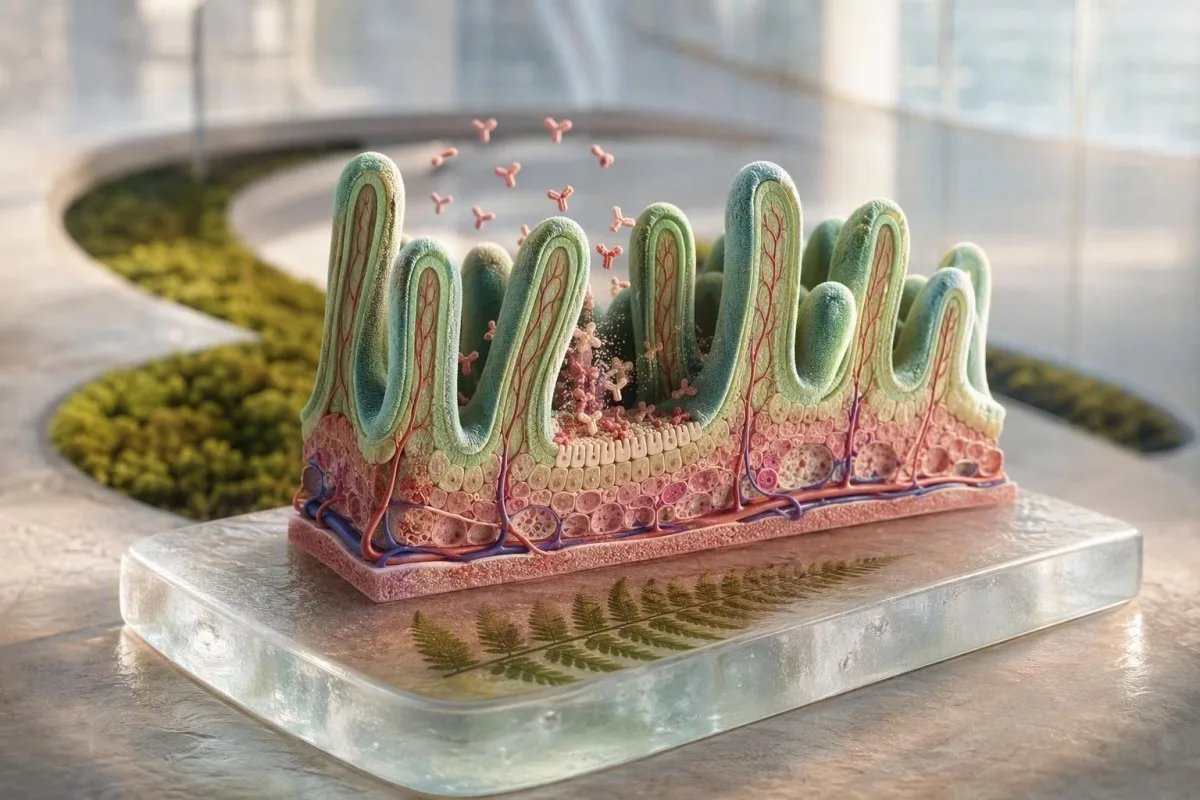
પદ્ધતિ મહત્વપૂર્ણ છે. ગ્લુટેન પેપ્ટાઈડ્સ ઉપલા નાના આંતરડા સુધી પહોંચે છે, ટિશ્યુ ટ્રાન્સગ્લુટામિનેઝ તેમને સંશોધિત કરે છે, અને સંવેદનશીલ HLA-DQ2 અથવા HLA-DQ8 રોગપ્રતિકારક માર્ગો એન્ટિબોડીઝ ઉત્પન્ન કરે છે; ટ્રિગર દૂર કરો અને માપી શકાય તેવો એન્ટિબોડી પ્રતિભાવ શાંત થઈ શકે છે. તે જીવવિજ્ઞાન છે, પરીક્ષણની નિષ્ફળતા નથી.
સામાન્ય ગેરસમજ
બ્રેડ ટાળ્યા પછી સારું લાગવું તે પોતાનામાં નિદાનકારી નથી. લક્ષણો ઓછી આથો લાવનાર કાર્બોહાઇડ્રેટ્સ, અલ્ટ્રા-પ્રોસેસ્ડ ખોરાકના સેવનમાં ઘટાડો, ઘઉંની એલર્જી ટાળવી અથવા નોન-સેલિયાક ગ્લુટેન સંવેદનશીલતાને કારણે સુધરી શકે છે; ફક્ત યોગ્ય સમયે કરવામાં આવેલું પરીક્ષણ આ શક્યતાઓને અલગ પાડી શકે છે.
કઈ સેલિયાક ટેસ્ટમાં આહારમાં ગ્લુટેનની જરૂર પડે છે?
tTG-IgA, EMA-IgA, ડીએમિડેટેડ ગ્લિયાડિન પેપ્ટાઇડ એન્ટિબોડીઝ, અને ડ્યુઓડેનલ બાયોપ્સી સૌથી વિશ્વસનીય છે જ્યારે ગ્લુટેન ખાવામાં આવી રહ્યું હોય. HLA-DQ2/DQ8 આનુવંશિક પરીક્ષણ અલગ છે: તે માન્ય રહે છે કે વ્યક્તિ ગ્લુટેન ખાય છે કે નહીં.
tTG-IgA એ પુખ્ત વયના લોકો અને 2 વર્ષ કે તેથી વધુ ઉંમરના બાળકોમાં સામાન્ય રીતે પ્રથમ-લાઇન સેલિયાક રક્ત પરીક્ષણ છે. ઘણી પ્રયોગશાળાઓ 10–15 U/mL થી નીચેના મૂલ્યોને નકારાત્મક તરીકે રિપોર્ટ કરે છે, પરંતુ સામાન્યની ઉપલી મર્યાદા એસે-વિશિષ્ટ હોય છે, તેથી પ્રયોગશાળાનો પોતાનો સંદર્ભ અંતરાલ અર્થઘટનનું સંચાલન કરે છે. EMA-IgA ખૂબ જ વિશિષ્ટ છે અને તેનો ઉપયોગ ઘણીવાર મજબૂત રીતે હકારાત્મક tTG-IgA ની પુષ્ટિ કરવા માટે થાય છે.
કુલ સીરમ IgA એ tTG-IgA ની સમાન વિનંતી પર હોવું જોઈએ. સિલેક્ટિવ IgA ડેફિસિયન્સી (Selective IgA deficiency) લગભગ 400 માંથી 1 થી 700 માંથી 1 વ્યક્તિઓમાં પશ્ચિમી વસ્તીમાં જોવા મળે છે અને સેલિયાક રોગ (celiac disease) હોવા છતાં નકારાત્મક tTG-IgA ઉત્પન્ન કરી શકે છે; IgG-આધારિત DGP અથવા tTG પરીક્ષણ પછી યોગ્ય છે. ગુણાત્મક વિરુદ્ધ માત્રાત્મક પરીક્ષણ માર્ગદર્શિકા વાચકોને એ શોધવામાં મદદ કરી શકે છે કે અહેવાલ માપેલ મૂલ્ય પ્રદાન કરે છે કે ફક્ત સકારાત્મક/નકારાત્મક ફ્લેગ.
ડ્યુઓડેનલ બાયોપ્સી (Duodenal biopsy) વિલસ આર્કિટેક્ચર (villous architecture) અને ઇન્ટ્રાએપિથેલિયલ લિમ્ફોસાઇટ્સ (intraepithelial lymphocytes) નું મૂલ્યાંકન કરે છે, પરંતુ ગ્લુટેન (gluten) પાછું ખેંચ્યા પછી મ્યુકોસલ (mucosal) ફેરફારો સુધરી શકે છે. પુખ્ત વયના લોકોમાં, સકારાત્મક સેરોલોજી (serology) સામાન્ય રીતે આજીવન પ્રતિબંધ માટે પ્રતિબદ્ધતા પહેલા અપર એન્ડોસ્કોપી (upper endoscopy) તરફ દોરી જાય છે; પરિણામો અસંગત હોય ત્યારે બાયોપ્સી ખાસ ઉપયોગી રહે છે.
ફૂડ ઇન્ટોલરન્સ પેનલ (food-intolerance panel) ને સેલિયાક સેરોલોજી (celiac serology) સાથે ગૂંચવશો નહીં. IgG ફૂડ પેનલ્સ (IgG food panels) સેલિયાક રોગનું નિદાન કરતી નથી, અને ઘરગથ્થુ પરીક્ષણ કુલ IgA મૂલ્યાંકન, માન્ય એન્ટિબોડી એસે (antibody assay), અથવા નિષ્ણાત અર્થઘટનને બદલી શકતું નથી.
ગ્લુટેન-ફ્રી (gluten-free) હોય ત્યારે ઉપયોગી રહેતી પરીક્ષણો
HLA-DQ2 અથવા HLA-DQ8 ની ગેરહાજરી ખૂબ ઊંચું નકારાત્મક આગાહી મૂલ્ય ધરાવે છે કારણ કે સેલિયાક રોગ (celiac disease) ધરાવતા લગભગ તમામ લોકો આમાંથી એક હેપ્લોટાઇપ (haplotype) ધરાવે છે. સકારાત્મક HLA પરિણામ સામાન્ય છે અને સેલિયાક રોગનું નિદાન કરતું નથી; ઘણી વસ્તીના લગભગ 30% લોકો DQ2 અથવા DQ8 ધરાવે છે પરંતુ માત્ર લગભગ 1% લોકોને સેલિયાક રોગ થાય છે.
ગ્લુટેન ચેલેન્જ માટે કેટલું ગ્લુટેન પૂરતું છે?
પુખ્ત વયના લોકો માટે એક વ્યવહારુ ગ્લુટેન ચેલેન્જ (gluten challenge) દરરોજ 3–6 ગ્રામ ગ્લુટેન છે, નિદાન પરીક્ષણ માટે લગભગ 1–2 સામાન્ય ઘઉંની બ્રેડના ટુકડાની સમકક્ષ. વધુ ખોરાક જરૂરી નથી; થોડા દિવસો પછી વ્યક્તિને રોકાવી દે તેવી મોટી માત્રા કરતાં સુસંગતતા વધુ મહત્વની છે.
લાક્ષણિક ઘઉંની બ્રેડનો એક ટુકડો લગભગ સમાવે છે 2–3 ગ્રામ ગ્લુટેન, જ્યારે સ્ટાન્ડર્ડ બેગલ (bagel) માં 4–7 ગ્રામ અને નિયમિત પાસ્તા (pasta) ના એક કપમાં લગભગ 2–4 ગ્રામ હોઈ શકે છે, જે રેસીપી (recipe) અને ભાગ પર આધાર રાખે છે. ઓટ્સ (Oats) એક વિશ્વસનીય ચેલેન્જ ખોરાક નથી કારણ કે પ્રમાણિત ગ્લુટેન-ફ્રી ઓટ્સમાં ન્યૂનતમ ગ્લુટેન હોય છે અને પરંપરાગત ઓટ્સ દૂષણમાં બદલાતા રહે છે.
લિયોનાર્ડ અને સહકર્મીઓની સમીક્ષા ભલામણ કરે છે ઓછામાં ઓછું 3–6 ગ્રામ દૈનિક 12 અઠવાડિયાથી વધુ સમય માટે જ્યારે લાંબી ચેલેન્જ સહન કરી શકાય, ખાસ કરીને જો ધ્યેય મહિનાઓ કે વર્ષો ગ્લુટેન-ફ્રી (gluten-free) પછી રોગને આત્મવિશ્વાસપૂર્વક બાકાત રાખવાનો હોય (Leonard et al., 2023). કેટલાક ચિકિત્સકો દરરોજ 10 ગ્રામ વાપરે છે, પરંતુ તે માત્રા ટકાવી રાખવી મુશ્કેલ છે અને દરેક પુખ્ત વયના લોકો માટે જરૂરી સાબિત થયું નથી.
એક ઉપયોગી નિયમ એ છે કે નાસ્તામાં એક ગ્લુટેન-ધરાવતો પદાર્થ અને લંચમાં એક, એક મોટા સાંજના ભોજનને બદલે. ઉત્પાદન, અંદાજિત ભાગ, લક્ષણો અને ચૂકી ગયેલા દિવસો રેકોર્ડ કરો; તે ડાયરી ગેસ્ટ્રોએન્ટેરોલોજિસ્ટ (gastroenterologist) ને “કેટલીક બ્રેડ” ખાવાની અસ્પષ્ટ યાદ કરતાં ઘણી સારી માહિતી આપે છે.”
પ્રયોગશાળાના માર્કર્સ (laboratory markers) એકસાથે શું અર્થ ધરાવે છે તેના વ્યાપક સંદર્ભ માટે, અમારું બાયોમાર્કર સંદર્ભ માર્ગદર્શિકા સમજાવે છે કે શા માટે ફેરિટિન (ferritin) અને લાલ-કોષ સૂચકાંકો (red-cell indices) વારંવાર સેલિયાક એન્ટિબોડીઝ (celiac antibodies) ની સાથે સમીક્ષા કરવામાં આવે છે.
ડોઝ ગ્લુટેન ગ્રામ છે, ખોરાકનું વજન નથી
50 ગ્રામ બ્રેડનો ભાગ 50 ગ્રામ ગ્લુટેન નથી. ગ્લુટેન સામગ્રી લોટ, હાઇડ્રેશન (hydration), રેસીપી (recipe), અને પ્રોસેસિંગ (processing) સાથે બદલાય છે, તેથી જ ચિકિત્સકો સામાન્ય રીતે અલગ ગ્લુટેન પ્રોટીનનું વજન કરવાનું કહેવાને બદલે ખાદ્ય સમકક્ષ લખી આપે છે.
ટેસ્ટિંગ પહેલાં ગ્લુટેન ચેલેન્જ કેટલો સમય ચાલવો જોઈએ?
ઘણા પુખ્ત વયના લોકો માટે છ અઠવાડિયા એક વાજબી લઘુત્તમ છે, જ્યારે 12 અઠવાડિયા લાંબા ગાળાના ગ્લુટેન ટાળ્યા પછી વધુ વિશ્વસનીય ચેલેન્જ પ્રદાન કરે છે. 2-અઠવાડિયાની ચેલેન્જ નિદાનને ટેકો આપી શકે છે જો પરીક્ષણો સકારાત્મક બને, પરંતુ માત્ર 14 દિવસ પછી નકારાત્મક પરિણામ સુરક્ષિત રીતે સેલિયાક રોગને બાકાત રાખી શકતું નથી.
જરૂરી સમયગાળો ઉંમર, અગાઉનો આહાર, રોગપ્રતિકારક પ્રતિભાવ અને ચિકિત્સક ફક્ત સેરોલોજી (serology) કે બાયોપ્સી (biopsy) નું આયોજન કરે છે તેના પર આધાર રાખે છે. પુખ્ત વયના લોકોના એક નાના અભ્યાસમાં, 14 દિવસ માટે દરરોજ 3 ગ્રામ ગ્લુટેને ઘણા સહભાગીઓમાં નિદાનત્મક હિસ્ટોલોજીકલ (histologic) ફેરફારો પ્રેર્યા, તેમ છતાં એન્ટિબોડી પ્રતિભાવો પાછળ રહી ગયા; તે અંતરને કારણે ટૂંકા પ્રોટોકોલ (protocols) કેસો ચૂકી શકે છે.
31 ઓગસ્ટ, 2026 સુધીમાં, હું સામાન્ય રીતે 12-અઠવાડિયાની યોજના ની ચર્ચા કરું છું જે પુખ્ત વયના લોકો સાથે થાય છે જેમણે ઘણા મહિનાઓ સુધી ઓછું અથવા બિલકુલ ગ્લુટેન ખાધું નથી, જેમાં આશરે 6 અઠવાડિયા અને જો પ્રથમ પરિણામ નકારાત્મક હોય તો 12 અઠવાડિયાની નજીક રક્ત પરીક્ષણ કરવામાં આવે છે. ડો. થોમસ ક્લાઈન, અમારા ચીફ મેડિકલ ઓફિસર, સૌથી વધુ ટાળી શકાય તેવી નિદાન વિલંબ ત્યારે જુએ છે જ્યારે દર્દી રક્ત પરીક્ષણ પહેલાં ફક્ત એક સપ્તાહના અંત સુધી ગ્લુટેન ફરી શરૂ કરે છે.
જો લક્ષણો અસ્વીકાર્ય બની જાય, તો શાંતિથી બંધ કરવાને બદલે ઓર્ડરિંગ ચિકિત્સકનો સંપર્ક કરો. તેઓ રક્ત પરીક્ષણો આગળ લાવી શકે છે, એન્ડોસ્કોપી વહેલી ગોઠવી શકે છે, અથવા લાંબા સમય સુધી સંપર્કમાં રહ્યા વિના HLA પરીક્ષણ પ્રશ્નનો જવાબ આપી શકે છે કે કેમ તે અંગે પુનર્વિચાર કરી શકે છે. એક બ્લડ ટેસ્ટ ટાઈમિંગ ગાઇડ લેબોરેટરી પરિણામોમાં આહાર-સંબંધિત ફેરફારો તાત્કાલિક દેખાતા નથી તે સમજવા માટે મદદરૂપ છે.
રક્ત પરીક્ષણ સુધી ગ્લુટેન પડકાર ચાલુ રાખો અને, જો એન્ટિબોડી પરિણામ હકારાત્મક હોય અથવા શંકા ઊંચી રહે, તો એન્ડોસ્કોપી ટીમ દ્વારા અન્યથા સલાહ આપવામાં ન આવે ત્યાં સુધી. હકારાત્મક રક્ત પરિણામ પછી પરંતુ બાયોપ્સી પહેલાં બંધ કરવાથી આંતરડાના દૃશ્યમાન સંકેતો ઘટી શકે છે.
એક વાસ્તવિક કેલેન્ડર
અઠવાડિયા 1-2 દૈનિક સંપર્ક સ્થાપિત કરે છે અને પ્રારંભિક લક્ષણો ઓળખે છે. અઠવાડિયા 3-6 એ સમય છે જ્યારે પ્રારંભિક રક્ત પરીક્ષણ ઉપયોગી થઈ શકે છે; અઠવાડિયા 7-12 ધીમે ધીમે એન્ટિબોડીઝ વધારનારા લોકો માટે સંવેદનશીલતા સુધારે છે, ખાસ કરીને લાંબા ગાળાના પ્રતિબંધ પછી.
બાળકો અને કિશોરોમાં ગ્લુટેન ચેલેન્જ માટે અલગ યોજનાની જરૂર છે
બાળકોએ બાળરોગના નિષ્ણાતની સલાહ વિના ગ્લુટેન પડકાર શરૂ કરવો જોઈએ નહીં, કારણ કે વૃદ્ધિ, પોષણ, લક્ષણોનો બોજ અને બાયોપ્સી વિના નિદાનની શક્યતા યોજનાને બદલી નાખે છે. નબળી વૃદ્ધિ પામતું બાળક અથવા વજન ઘટતું બાળક પહેલા મૂલ્યાંકનની જરૂર છે, DIY બ્રેડ ચેલેન્જ નહીં.
ખૂબ ઊંચા tTG-IgA મૂલ્યો ધરાવતા બાળકો માટે - ઓછામાં ઓછા એસે અપર લિમિટ ઓફ નોર્મલ કરતા 10 ગણા—વત્તા બીજા નમૂનામાં હકારાત્મક EMA-IgA, ESPGHAN માર્ગદર્શિકા બાળરોગ નિષ્ણાત સંભાળ હેઠળ પસંદ કરેલા કિસ્સાઓમાં બાયોપ્સી વિના નિદાનની મંજૂરી આપે છે (Husby et al., 2020). તે માર્ગ પરીક્ષણ સમયે સક્રિય ગ્લુટેન સેવનની જરૂર પડે છે.
પ્રિસ્કુલ બાળકને 75 કિલો પુખ્ત વયના સમાન નિરપેક્ષ ડોઝ સહન કરી શકે તેવું માની શકાતું નથી. બાળરોગ ચિકિત્સકો ઘણીવાર સામાન્ય દૈનિક પીરસવાથી અને બાળકના સામાન્ય આહારમાંથી કામ કરે છે, પછી વજન, ઊંચાઈની ગતિ, હાઇડ્રેશન, સ્ટૂલ પેટર્ન અને શાળા હાજરીનું નિરીક્ષણ કરે છે; લક્ષ્ય ક્યારેય લક્ષણ સહનશીલતાની સ્પર્ધા ન હોવી જોઈએ.
આયર્નની ઉણપ, ધીમી રેખીય વૃદ્ધિ, વારંવાર મોઢાના ચાંદા, દંતવલ્ક ફેરફારો અને વિલંબિત તરુણાવસ્થા ઝાડા વિના પણ સેલિયાક સંકેતો હોઈ શકે છે. માતાપિતા અમારા બાળપણની વૃદ્ધિ પરીક્ષણ માર્ગદર્શિકા, માં વ્યાપક કાર્ય-અપની સમીક્ષા કરી શકે છે, પરંતુ સામાન્ય વૃદ્ધિ-હોર્મોન સ્ક્રીન આંતરડાના માલએબ્સોર્પ્શનને નકારી શકતું નથી.
જો બાળકે ગ્લુટેન-મુક્ત આહારનો આશ્ચર્યજનક પ્રતિભાવ પહેલેથી જ આપ્યો હોય, તો પરિવારે પૂછવું જોઈએ કે HLA ટાઇપિંગ અથવા દેખરેખ હેઠળ ફરીથી પરિચય કરાવવો એ સૌથી ઓછો વિક્ષેપકારક માર્ગ છે કે કેમ. હું અહીં પારિવારિક ચિંતાને ગંભીરતાથી લેવાનું શીખ્યો છું - ભોજન ખૂબ જ ઝડપથી તંગ બની શકે છે.
શાળા અને આહાર આયોજન
લેખિત યોજનામાં કયા ભોજનમાં ગ્લુટેન હોય છે અને શાળાના કલાકો દરમિયાન લક્ષણોનું સંચાલન કેવી રીતે કરવામાં આવશે તે ઓળખવું જોઈએ. ડોઝમાં વારંવાર ફેરફાર કરવો, ગ્લુટેન-મુક્ત ખોરાક પર સ્વિચ કરવું, અથવા ફક્ત પ્રસંગોપાત સપ્તાહના અંતમાં સંપર્કની મંજૂરી આપવી એ અંતિમ પરિણામનું અર્થઘટન કરવું વધુ મુશ્કેલ બનાવે છે.
શું થશે જો તમે વર્ષોથી ગ્લુટેન-ફ્રી છો?
ગ્લુટેન-મુક્ત આહાર પર વર્ષો પછી, ગ્લુટેન સંપર્ક રોગપ્રતિકારક પ્રતિભાવને ફરીથી સક્રિય કરવા માટે પૂરતો સમય સુધી જાળવવામાં ન આવે ત્યાં સુધી એન્ટિબોડી પરીક્ષણ નકારાત્મક રહી શકે છે. આ તે જૂથ છે જેના માટે 12-અઠવાડિયાનો ક્લિનિશિયન-સુપરવાઇઝ્ડ ચેલેન્જ, અથવા પહેલા HLA પરીક્ષણ, સામાન્ય રીતે સૌથી સમજદાર છે.
ગ્લુટેન ગેરહાજર રહ્યું છે તે જેટલો લાંબો સમય, એક-ઓફ tTG-IgA ઓછો ઉપયોગી બને છે. કેટલાક દર્દીઓને માપી શકાય તેવા એન્ટિબોડીઝ પાછા ફરતા પહેલા 6 અઠવાડિયાથી વધુ સમયની જરૂર પડે છે, અને 6 અઠવાડિયાના નકારાત્મક પરીક્ષણનું અર્થઘટન ખરેખર ખાધેલા ડોઝની સામે થવું જોઈએ, માત્ર કેલેન્ડરની સામે નહીં.
સેલિયાક રોગ લેબોરેટરી ઇતિહાસમાં નિશાન છોડી શકે છે: ઓછું ફેરિટિન, ઓછું ટ્રાન્સફરિન સેચ્યુરેશન, ફોલેટની ઉણપ, પ્લેટલેટની સંખ્યામાં વધારો, ઓછું વિટામિન ડી, અથવા અસ્પષ્ટ હળવો ટ્રાન્સએમિનેઝ વધારો. તેમાંથી કોઈ પણ એકલું નિદાન કરી શકતું નથી, પરંતુ આ ક્લસ્ટર પરીક્ષણ-પૂર્વ સંભાવના વધારે છે; અમારા વિગતવાર આયર્ન અભ્યાસ માર્ગદર્શિકા તપાસો.
કાન્ટેસ્ટી એક છે AI લેબ ટેસ્ટ ઇન્ટરપ્રિટેશન સર્વિસ પર પ્રકાશિત થાય છે જે વપરાશકર્તાઓને જૂના અને નવા પેનલને બાજુ-બાજુ મૂકવામાં મદદ કરે છે, જેમાં હિમોગ્લોબિન, MCV, ફેરિટિન, આલ્બ્યુમિન અને એન્ટિબોડી મૂલ્યોનો સમાવેશ થાય છે. તે સેલિયાક રોગનું નિદાન કરી શકતું નથી, પરંતુ એક સમયરેખા ચિકિત્સકને એ જોવામાં મદદ કરી શકે છે કે પોષણ સંબંધિત અસાધારણતાઓએ આહાર પ્રતિબંધ પહેલા હાજરી આપી હતી કે કેમ.
જો ગ્લુટેન દૂર કર્યા પછી કરવામાં આવ્યું હોય તો અગાઉનો નકારાત્મક સેલિયાક પરીક્ષણ બાબતોને શાંત કરતું નથી. મૂળ અહેવાલ, ચોક્કસ એન્ટિબોડી મૂલ્ય, કુલ IgA, અને નમૂના લેવાના 6-12 અઠવાડિયા પહેલા તમે કેટલું ગ્લુટેન ખાતા હતા તે માટે પૂછો.
પોષણ શા માટે સામાન્ય દેખાઈ શકે છે
સામાન્ય ફેરિટિન સેલિયાક રોગને નકારી શકતું નથી. ફેરિટિન સોજા અને યકૃતની ઈજા સાથે વધે છે, તેથી C-રિએક્ટિવ પ્રોટીન ઉચ્ચ હોય ત્યારે 70 µg/L નું ફેરિટિન આયર્નની ઉપલબ્ધતામાં ઘટાડો સાથે સહ-અસ્તિત્વ ધરાવી શકે છે; ટ્રાન્સફરિન સેચ્યુરેશન ઉપયોગી સંદર્ભ ઉમેરે છે.
તબીબી સલાહ વિના ક્યારે ગ્લુટેન ચેલેન્જનો પ્રયાસ ન કરવો જોઈએ?
જો ગ્લુટેન અગાઉ ડિહાઇડ્રેશન, બેહોશી, ગંભીર ઉલટી, ઝડપી વજન ઘટાડવું, ગર્ભાવસ્થાની ગૂંચવણો, અથવા હોસ્પિટલની સંભાળનું કારણ બન્યું હોય તો જાતે ગ્લુટેન ફરીથી શરૂ કરશો નહીં. ડાયાબિટીસના દર્દીઓ, ઇન્સ્યુલિનનો ઉપયોગ કરતા લોકો અને જાણીતા અથવા શંકાસ્પદ ખાવાની વિકૃતિના પુનરાવર્તનવાળા કોઈપણ માટે દેખરેખ હેઠળની યોજના પણ વધુ સુરક્ષિત છે.
સેલિયાક રોગ પોતે ભાગ્યે જ તાત્કાલિક એનાફિલેક્ટિક પ્રતિક્રિયાનું કારણ બને છે, તેથી ઘઉં પછી ઝડપી શિળસ, ઘરઘરાટી, ગળામાં તણાવ, અથવા પડી જવું એ સંભવિત ઘઉંની એલર્જી સૂચવે છે અને સેલિયાક ચેલેન્જને બદલે એલર્જી મૂલ્યાંકનની જરૂર પડે છે. સેલિયાક પરીક્ષણ અને એલર્જી પરીક્ષણ જુદા જુદા પ્રશ્નોના જવાબ આપે છે, અને તેમને મૂંઝવણમાં મૂકવું જોખમી બની શકે છે.
જો તમારી પાસે હોય તો ચેલેન્જ પહેલા તાત્કાલિક ક્લિનિકલ સમીક્ષા મેળવો 1 મહિનામાં 5% થી વધુ અનૈચ્છિક શરીરનું વજન ઘટાડવું, સતત ઉલટી, કાળા મળ, ગંભીર પેટનો દુખાવો, અથવા ડિહાઇડ્રેશનના લક્ષણો જેમ કે ખૂબ ઓછું પેશાબનું ઉત્પાદન અને ચક્કર. આ ગ્લુટેન કામ કરી રહ્યું છે તેનો “પુરાવો” અપેક્ષિત નથી; તે ફરીથી મૂલ્યાંકનના કારણો છે.
ગર્ભાવસ્થાને અલગ રીતે સંચાલનની જરૂર છે કારણ કે બંને અવોગવાઇ સેલિયાક રોગ અને પ્રતિબંધિત આહાર આયર્ન, ફોલેટ અને વજનમાં વધારો બંનેને અસર કરી શકે છે. ગ્લુટેનને જાણી જોઈને ફરીથી દાખલ કરતા પહેલા અમારા મેડિકલ કોન્ટેક્ટ પાથવે દ્વારા અથવા તમારી પ્રસૂતિ ટીમનો સંપર્ક કરો.
અગાઉ બાયોપ્સી-પુષ્ટિ થયેલ સેલિયાક નિદાન ધરાવતા લોકોને સામાન્ય રીતે તેને ફરીથી સાબિત કરવા માટે ગ્લુટેન ચેલેન્જની જરૂર હોતી નથી. અપવાદ જૂના નિદાન વિશેની વાસ્તવિક શંકા છે, જે શ્રેષ્ઠ રીતે ગેસ્ટ્રોએન્ટેરોલોજિસ્ટ દ્વારા સંચાલિત થાય છે જે મૂળ પેથોલોજી અને એન્ટિબોડી રેકોર્ડ્સની સમીક્ષા કરી શકે છે.
તાત્કાલિક લક્ષણો
નવી ઘરઘરાટી, ચહેરા પર સોજો, મૂંઝવણ, 12-24 કલાક સુધી પ્રવાહી પીવામાં અસમર્થતા, બેહોશી, અથવા જઠરાંત્રિય રક્તસ્રાવના ચિહ્નોને તાત્કાલિક તબીબી મૂલ્યાંકનની જરૂર છે. લાલ-ધ્વજ લક્ષણો હાજર હોય ત્યારે “પરીક્ષણ પૂર્ણ કરવા” માટે આહાર સંપર્ક ચાલુ રાખશો નહીં.
શું HLA જિનેટિક્સ બિનજરૂરી ગ્લુટેન ચેલેન્જને અટકાવી શકે છે?
નકારાત્મક HLA-DQ2 અને HLA-DQ8 પરીક્ષણ સેલિયાક રોગને ખૂબ જ અસંભવિત બનાવે છે અને ઘણીવાર ગ્લુટેન ચેલેન્જને બચાવી શકે છે. સકારાત્મક પરિણામ ફક્ત આનુવંશિક સંવેદનશીલતા દર્શાવે છે, તેથી તે સેલિયાક રોગની પુષ્ટિ કરી શકતું નથી અથવા તેના લક્ષણોને એકલા સમજાવી શકતું નથી.
સેલિયાક રોગ ધરાવતા 95% થી વધુ લોકો HLA-DQ2.5, DQ2.2, અથવા DQ8 ધરાવે છે, જોકે પ્રયોગશાળાઓ વચ્ચે પરિભાષા થોડી અલગ હોય છે. પરીક્ષણ સૌથી વધુ ઉપયોગી છે જ્યારે કોઈ વ્યક્તિ પહેલેથી જ ગ્લુટેન-મુક્ત હોય, જ્યારે જૂના રેકોર્ડ અનુપલબ્ધ હોય, અથવા જ્યારે ફરીથી દાખલ કરવાનો અપેક્ષિત બોજ વધારે હોય.
સકારાત્મક HLA પરિણામ સામાન્ય છે: લગભગ 30–40% લોકો સુસંગત જીનોટાઇપ ધરાવે છે, જ્યારે ફક્ત લગભગ 1% સેલિયાક રોગ વિકસાવે છે. તે મેળ ન ખાતો હોવાથી આનુવંશિક પરીક્ષણ આગામી નિર્ણયને માર્ગદર્શન આપવું જોઈએ, નિદાન ન બનવું જોઈએ જે સમસ્યા સૂચિ પર છાપવામાં આવે.
Kantesti AI નો ઉપયોગ AI બાયોમાર્કર અર્થઘટન પ્લેટફોર્મ અભિગમનો ઉપયોગ ગ્લુટેન ટાળ્યા પછી એન્ટિબોડી પેનલ ક્યારે એકત્રિત કરવામાં આવી હતી અને કુલ-IgA પરિણામ ક્યારે ખૂટે છે તે ફ્લેગ કરવા માટે થાય છે; આનુવંશિક પરીક્ષણ માટે હજી પણ ચિકિત્સક ઓર્ડરિંગ અને અર્થઘટનની જરૂર છે. અમારા ક્લિનિકલ માન્યતા સિદ્ધાંતો સમજાવે છે કે સંદર્ભિત ફ્લેગ્સ નિદાન નિર્ણયોના વિકલ્પ નથી.
મારા અનુભવમાં, એચએલએ (HLA) પરીક્ષણ ખાસ કરીને એવા લોકો માટે મૂલ્યવાન છે જેમણે અસ્પષ્ટ લક્ષણોને કારણે ગ્લુટેન છોડી દીધું છે અને હવે લાંબા પડકારથી ડરે છે. નકારાત્મક પરિણામ એક મુશ્કેલ લૂપ બંધ કરી શકે છે; સકારાત્મક પરિણામ ફક્ત એટલું જ કહે છે કે વાતચીત ચાલુ રહે છે.
જનીનો તીવ્રતાની આગાહી કરતા નથી
એચએલએ (HLA) પ્રકાર લક્ષણો હળવા હશે, વિલસ ફેરફારો હાજર હશે, અથવા કોઈ વ્યક્તિ પાછળથી સેલિયાક રોગ વિકસાવશે કે કેમ તેની વિશ્વસનીય રીતે આગાહી કરતું નથી. સુસંગત જનીનો ધરાવતા પ્રથમ-ડિગ્રી સંબંધીઓને હજુ પણ નિયમિત ક્લિનિકલ મૂલ્યાંકનની જરૂર પડી શકે છે જો લક્ષણો અથવા પોષક તત્વોની ઉણપ ઉભરી આવે.
આકસ્મિક અન્ડર-ડોઝિંગ વિના ચેલેન્જ કેવી રીતે પૂર્ણ કરવી
પ્રસંગોપાત મોટા ભોજન કરતાં સતત દૈનિક ગ્લુટેન સંપર્ક વધુ નિદાનત્મક રીતે ઉપયોગી છે. બે કે ત્રણ પરિચિત ઘઉં-આધારિત ખોરાક પસંદ કરો, તેમની ગ્લુટેન સામગ્રીનો અંદાજ લગાવો, અને પડકાર શરૂ થાય પછી ગ્લુટેન-મુક્ત સંસ્કરણોમાં બદલવાનું ટાળો.
3–6 ગ્રામની એક સરળ પેટર્ન નાસ્તામાં ઘઉંના ટોસ્ટનો એક ટુકડો અને દિવસના પછીના સમયે નિયમિત પાસ્તા અથવા ક્રેકર્સની નાની સર્વિંગ હોઈ શકે છે. ઘઉં, રાઈ અથવા જવ માટે લેબલ તપાસો; ઘઉંમાંથી બનાવેલ ખાટી કણક હજુ પણ ગ્લુટેન ધરાવે છે, અને “આર્ટિસન” બ્રેડ આપોઆપ ઓછી ગ્લુટેનવાળી નથી.
બીયર, ચટણીઓ, શેફર ફ્રાયર્સ અને પ્રોસેસ્ડ ફૂડ અનિશ્ચિતતા ઊભી કરે છે, તેથી તેઓ માપેલા પડકાર માટે નબળા પ્રાથમિક સ્ત્રોત છે. એકલ અનુમાનિત ખોરાક સ્વચ્છ સંપર્ક ઇતિહાસ આપે છે અને લક્ષણો ડોઝ સાથે સંબંધિત છે કે કેમ તે ઓળખવાનું સરળ બનાવે છે.
જો શક્ય હોય તો, તે જ 6-12 અઠવાડિયાના સમયગાળામાં અસંબંધિત એલિમિનેશન ડાયેટ, પ્રોબાયોટિક્સ, ઉચ્ચ-ડોઝ ફાઇબર ઉત્પાદનો અથવા નવા રેચક શરૂ કરશો નહીં. તેઓ આંતરડાના લક્ષણો બદલી શકે છે અને જીવેલા અનુભવનું અર્થઘટન કરવાનું મુશ્કેલ બનાવી શકે છે; અમારા માર્ગદર્શિકા ખોરાક જે આંતરડા પરીક્ષણો બદલે છે આ વ્યવહારુ મુદ્દાને આવરી લે છે.
ફૂડ ડાયરીમાં તારીખ, ખોરાક, અંદાજિત ભાગ, આંતરડાની આવર્તન, પેટના લક્ષણો અને ચૂકી ગયેલા ડોઝનો સમાવેશ થવો જોઈએ. તે સંપૂર્ણ હોવું જરૂરી નથી - દિવસ દીઠ ત્રણ સ્પષ્ટ પ્રવેશ દરેક ટુકડાને રેકોર્ડ કરવાનો પ્રયાસ કરવા કરતાં વધુ ઉપયોગી છે.
ઓટ્સ અને ગ્લુટેન પડકાર
પ્રમાણિત ગ્લુટેન-મુક્ત ઓટ્સ નિદાન હેતુઓ માટે ગ્લુટેનનો સ્ત્રોત નથી. પરંપરાગત ઓટ્સ અણધારી રીતે દૂષિત થઈ શકે છે, જે તેમને જાણીતા ડોઝ સ્થાપિત કરવા માટે રચાયેલ પડકાર માટે અયોગ્ય બનાવે છે.
કયા લક્ષણોની અપેક્ષા રાખવી, અને તમે તેમને સુરક્ષિત રીતે કેવી રીતે મેનેજ કરી શકો છો?
ગ્લુટેન પડકાર દરમિયાન પેટનું ફૂલવું, ઢીલા મળ, થાક, પેટમાં અસ્વસ્થતા, માથાનો દુખાવો અને મગજનું ધુમ્મસ ફરી થઈ શકે છે, પરંતુ ગંભીર લક્ષણોને સહનશીલતાને બદલે ક્લિનિકલ સમીક્ષા ટ્રિગર કરવી જોઈએ. લક્ષણો એકલા સેલિયાક રોગને સાબિત કે અસ્વીકાર કરતા નથી કારણ કે તે ઇરિટેબલ બોવેલ સિન્ડ્રોમ અને અન્ય આંતરડાની સ્થિતિઓ સાથે ઓવરલેપ થાય છે.
સહાયક પગલાંનો ઉપયોગ કરો જે ગ્લુટેનને દૂર કરતા નથી: નિયમિત પ્રવાહી, ઝાડા માટે ઓરલ રિહાઇડ્રેશન સોલ્યુશન, નાના ભોજન અને અનુમાનિત ઊંઘ. એન્ટી-ડાયરિયા દવા કેટલાક પુખ્ત વયના લોકો માટે વાજબી હોઈ શકે છે, પરંતુ જો તમને તાવ, મળમાં લોહી, ગંભીર પીડા, અથવા તપાસ હેઠળ નવું નિદાન હોય તો પહેલા ચિકિત્સકને પૂછો.
દરેક લક્ષણને આંતરડાના નુકસાન તરીકે અર્થઘટન કરવાનું ટાળો. કાર્યાત્મક આંતરડા સંવેદનશીલતા ધરાવતી વ્યક્તિ ઘઉંના ભોજનના થોડા કલાકોમાં વધુ ખરાબ અનુભવી શકે છે કારણ કે ફ્રુક્ટેન્સ ઝડપથી આથો લાવે છે, જ્યારે tTG-IgA ઉત્પાદન અને વિલસ ફેરફાર એક અલગ રોગપ્રતિકારક પ્રક્રિયા દ્વારા થાય છે. અમારા ઝાડા માટે રક્ત પરીક્ષણો માર્ગદર્શિકા જણાવે છે કે ક્યારે મળના લક્ષણો માટે વ્યાપક તપાસની જરૂર છે.
જો થાક પ્રબળ બને, તો એકલ કારણ ધારવાને બદલે હાઇડ્રેશન, કેલરીનું સેવન, આયર્ન સ્ટેટસ અને ઊંઘની સમીક્ષા કરો. ડૉ. થોમસ ક્લાઈને દર્દીઓને પરીક્ષણ દરમિયાન પ્લેટલેટ અથવા ALT માં થયેલા સામાન્ય ફેરફારથી બિનજરૂરી રીતે ગભરાતા જોયા છે; એકલ બોર્ડરલાઇન પરિણામ કરતાં ટ્રેન્ડ્સ અને સંપૂર્ણ ક્લિનિકલ ચિત્ર વધુ મહત્વનું છે.
સતત કામ કરવાની અથવા શાળામાં હાજરી આપવાની અસમર્થતા, વારંવાર રાત્રિના સમયે ઝાડા, વધતી જતી ચક્કર, અથવા સ્પષ્ટ ડિહાઇડ્રેશન માટે રોકાઈને સલાહ લો. ઉપયોગી સીરોલોજી અથવા બાયોપ્સી પુરાવા મેળવીને તબીબી રીતે ટૂંકા કરાયેલ પડકાર, યોજના નિષ્ફળ જાય ત્યાં સુધી ચાલુ રાખવા કરતાં વધુ સારું છે.
શું પ્રોબાયોટિક્સ પરીક્ષણ બદલે છે?
ગ્લુટેન પડકાર દરમિયાન સેલિયાક એન્ટિબોડી ઉત્પાદનને રોકવા માટે ઓવર-ધ-કાઉન્ટર પ્રોબાયોટિકના કોઈ વિશ્વસનીય પુરાવા નથી. પડકારની વચ્ચે શરૂઆત કરવાથી લક્ષણ ટ્રેકિંગમાં ગૂંચવણ થઈ શકે છે, તેથી હું સામાન્ય રીતે સપ્લિમેન્ટ્સ સ્થિર રાખવાની સલાહ આપું છું સિવાય કે ચિકિત્સક ફેરફારની ભલામણ કરે.
સેલિયાક બ્લડ ડ્રો માટે કેવી રીતે તૈયારી કરવી
સેલિયાક રક્ત પરીક્ષણ માટે સામાન્ય રીતે ઉપવાસની જરૂર નથી, પરંતુ તેના માટે સતત ગ્લુટેનનું સેવન અને યોગ્ય એન્ટિબોડી પેનલ જરૂરી છે. પરીક્ષણ પહેલાંના દિવસ દરમિયાન અને, સિવાય કે તમારા ચિકિત્સક અન્યથા કહે, નમૂનાના સવાર સુધી નિર્ધારિત દૈનિક ગ્લુટેનની માત્રા ચાલુ રાખો.
પૂછો કે ઓર્ડરમાં શામેલ છે tTG-IgA અને કુલ સીરમ IgA; EMA-IgA, DGP-IgG, અથવા tTG-IgG પસંદગીના કિસ્સાઓમાં ઉમેરી શકાય છે. લેબોરેટરીઓ વિવિધ પદ્ધતિઓ અને એકમોનો ઉપયોગ કરે છે, તેથી 18 U/mL નું મૂલ્ય તેના એસે-વિશિષ્ટ ઉપલા સામાન્ય મર્યાદા વિના અર્થઘટન કરી શકાતું નથી.
એન્ટિબોડી પરીક્ષણ માટે ઉપવાસની જરૂર નથી, જોકે સાથે રહેલ લિપિડ, ગ્લુકોઝ, અથવા આયર્ન પેનલ માટે અલગ તૈયારી સૂચનાઓ હોઈ શકે છે. બાયોટિન સામાન્ય રીતે હોર્મોન ઇમ્યુનોએસમાં ફેરફાર કરી શકે છે તે રીતે પ્રમાણભૂત સેલિયાક સીરોલોજીને અસર કરતું નથી, પરંતુ વિનંતી પરના તમામ સપ્લિમેન્ટ્સ અને દવાઓની યાદી બનાવો.
કાન્ટેસ્ટી એક છે AI-સંચાલિત બ્લડ ટેસ્ટ એનાલિસિસ ટૂલ જે વાચકોને લેબોરેટરી PDF ચોક્કસપણે ટ્રાંસ્ક્રાઇબ કરવામાં અને ગુમ થયેલ કુલ IgA ની ઓળખ કરવામાં મદદ કરી શકે છે, પરંતુ તેનો ઉપયોગ સ્ક્રીનશોટમાંથી સ્વ-નિદાન માટે થવો જોઈએ નહીં. અપલોડ કરતાં પહેલાં, અમારી PDF ચોકસાઈ ચેકલિસ્ટ નો ઉપયોગ એકમો, તારીખો અને સંદર્ભ શ્રેણીઓ તપાસવા માટે કરો.
એપોઇન્ટમેન્ટ પહેલાં પડકારના અઠવાડિયાની સંખ્યા અને સામાન્ય દૈનિક ખોરાકનો સ્ત્રોત લખો. “એક વર્ષ માટે ગ્લુટેન-મુક્ત, પછી 7 અઠવાડિયા માટે દરરોજ એક સ્લાઇસ ટોસ્ટ” ક્લિનિકલી કાર્યક્ષમ છે; “મેં ક્યારેક ગ્લુટેન ખાધું” નથી.
દવા નોંધો
સેલિયાક સીરોલોજીની તૈયારી માટે ફક્ત નિર્ધારિત દવાઓ બંધ કરશો નહીં. ઇમ્યુનોસપ્રેસિવ થેરાપી એન્ટિબોડી પ્રતિભાવો ઘટાડી શકે છે, તેથી સિસ્ટમિક કોર્ટીકોસ્ટેરોઇડ્સ, બાયોલોજિક્સ, અથવા ટ્રાન્સપ્લાન્ટ પછીની દવાઓ જેવી દવાઓ દસ્તાવેજીકૃત થવી જોઈએ અને ઓર્ડરિંગ નિષ્ણાત સાથે ચર્ચા થવી જોઈએ.
ગ્લુટેન ચેલેન્જ પછી પરિણામોનું અર્થઘટન કેવી રીતે કરવું
પર્યાપ્ત ગ્લુટેન પડકાર દરમિયાન સકારાત્મક tTG-IgA સેલિયાક રોગને મજબૂત રીતે સમર્થન આપે છે, જ્યારે નકારાત્મક પરિણામ માત્ર ત્યારે જ આશ્વાસન આપે છે જો માત્રા, અવધિ, કુલ IgA, અને ક્લિનિકલ શંકા બધું યોગ્ય હોય. ગ્લુટેન ફરીથી બંધ કરવામાં આવે તે પહેલાં પરિણામોનું અર્થઘટન કરવું જોઈએ.
પુખ્ત વયના લોકોમાં પ્રયોગશાળાની ઉપલી મર્યાદાથી ઉપરનું tTG-IgA પરિણામ આપમેળે અંતિમ નિદાન નથી કારણ કે ઓટોઇમ્યુન લિવર રોગ, ટાઇપ 1 ડાયાબિટીસ, અને અન્ય બળતરા પરિસ્થિતિઓમાં ખોટા હકારાત્મક પરિણામો આવી શકે છે. EMA-IgA પુષ્ટિ અને ડ્યુઓડેનલ બાયોપ્સી ઘણીવાર ચિત્રને સ્પષ્ટ કરે છે, ખાસ કરીને ઓછી-સકારાત્મક મૂલ્યો માટે.
દિવસમાં 1 સ્લાઇસ બ્રેડના ફક્ત 2 અઠવાડિયા પછી નકારાત્મક tTG-IgA મોટાભાગના લોકો માટે પૂરતું બાકાત પરીક્ષણ નથી. એક સાર્વત્રિક કટઓફ પર પુરાવા પ્રમાણિકપણે મિશ્રિત છે, પરંતુ દરરોજ 3-6 ગ્રામ 6-12 અઠવાડિયા માટે આંતરે આંતરે સંપર્ક કરતાં વધુ માહિતીપ્રદ છે.
પોષણ સંદર્ભ તપાસો. ઓછું ફેરિટિન નીચે 15–30 µg/L ઘણા પુખ્ત વયના લોકોમાં ઘટેલા આયર્નના ભંડારને ટેકો આપે છે, જોકે બળતરાની સ્થિતિ ઉણપને છુપાવી શકે છે; અમારું ફેરીટિન અને CRP માર્ગદર્શન આપે છે સમજાવે છે કે શા માટે બંને માર્કર એકસાથે મહત્વપૂર્ણ છે.
Kantesti AI બદલાતા એન્ટિબોડી અને પોષક પરિણામોને કાલક્રમિક રીતે ગોઠવી શકે છે, પરંતુ હકારાત્મક સેલિયાક પેનલની સમીક્ષા ચિકિત્સક દ્વારા કરવી જોઈએ જે પુષ્ટિ ગોઠવી શકે છે. બાયોપ્સી હજુ બાકી હોય તો માત્ર અપ્રમાણિત ઓછા-હકારાત્મક પરિણામના આધારે કાયમી કડક આહાર અપનાવશો નહીં.
સેરોનેગેટિવ સેલિયાક રોગ
સેરોનેગેટિવ સેલિયાક રોગ અસામાન્ય પરંતુ વાસ્તવિક છે. જ્યારે વિલસ એટ્રોફી, સુસંગત HLA પ્રકાર, માલએબ્સોર્પ્શન અને ગ્લુટેન ઉપાડવા પર પ્રતિક્રિયા એન્ટિબોડીઝ નકારાત્મક હોવા છતાં સુસંગત હોય, ત્યારે ગેસ્ટ્રોએન્ટેરોલોજિસ્ટને ચેપ, દવાઓની અસરો, રોગપ્રતિકારક વિકૃતિઓ અને વિલસ ઈજાના અન્ય કારણોને પણ બાકાત રાખવું જોઈએ.
સેલિયાક બ્લડ ટેસ્ટ પછી એન્ડોસ્કોપી ક્યારે જરૂરી છે?
મોટાભાગના પુખ્ત વયના લોકો જેમનો સેલિયાક સેરોલોજી હકારાત્મક હોય તેમણે આજીવન નિદાન થાય તે પહેલાં ગ્લુટેન ચાલુ રાખવું જોઈએ અને બહુવિધ ડ્યુઓડેનલ બાયોપ્સી સાથે અપર એન્ડોસ્કોપી કરાવવી જોઈએ. જ્યારે એન્ટિબોડીઝ નકારાત્મક હોય પરંતુ વજન ઘટાડવું, એનિમિયા, અથવા કૌટુંબિક ઇતિહાસ શંકાને ઊંચી રાખે ત્યારે પણ એન્ડોસ્કોપી ઉપયોગી છે.
પેચી રોગ એક કારણ છે કે સેમ્પલિંગ મહત્વપૂર્ણ છે. ગેસ્ટ્રોએન્ટેરોલોજિસ્ટ સામાન્ય રીતે ઓછામાં ઓછા મેળવે છે ડિસ્ટલ ડ્યુઓડેનમમાંથી ચાર નમૂનાઓ અને બલ્બમાંથી એક કે બે, કારણ કે અમુક સ્થળોએ અસામાન્યતાઓ અન્ય સ્થળો કરતાં વધુ સ્પષ્ટ હોઈ શકે છે; એક જ નમૂનો નિદાન ચૂકી શકે છે.
ડોક્ટર સ્પષ્ટપણે બંધ કરવાની અધિકૃતતા આપે ત્યાં સુધી પડકાર ચાલુ રાખો. દર્દીઓ ક્યારેક હકારાત્મક એન્ટિબોડી પરિણામ મેળવે છે, તરત જ ગ્લુટેન-મુક્ત આહાર પર પાછા ફરીને ઉજવણી કરે છે, અને અઠવાડિયા પછી ઓછી સ્પષ્ટ મ્યુકોસલ ફેરફાર સાથે આવે છે—અસ્પષ્ટતાનો ટાળી શકાય તેવો સ્ત્રોત.
જ્યારે લક્ષણો બરાબર બંધબેસતા નથી ત્યારે એન્ડોસ્કોપી ઇન્ફ્લેમેટરી બોવેલ ડિસીઝ, માઇક્રોસ્કોપિક કોલાઇટિસ, પેપ્ટિક ડિસીઝ, અથવા અન્ય માલએબ્સોર્પ્ટિવ ડિસઓર્ડર જેવા વિકલ્પોની તપાસ પણ કરી શકે છે. જો નીચલા-આંતરડાના લક્ષણો અથવા ગુદામાર્ગમાં રક્તસ્રાવ હાજર હોય, તો અમારું ફેકલ કેલપ્રોટેક્ટીન ફોલો-અપ માર્ગદર્શિકા સમજાવે છે કે મળનું માર્કર શા માટે અલગથી વિનંતી કરી શકાય છે.
સ્પષ્ટપણે પૂરતા પડકાર અને નકારાત્મક સેરોલોજી પછી સામાન્ય બાયોપ્સી સક્રિય સેલિયાક રોગને અસંભવિત બનાવે છે, પરંતુ અંતિમ અર્થઘટન પેથોલોજી ગુણવત્તા, પડકાર દસ્તાવેજીકરણ, HLA સ્થિતિ અને સ્પર્ધાત્મક નિદાન પર આધાર રાખે છે. આ એવા ક્ષેત્રો પૈકી એક છે જ્યાં કોઈ એક નંબર કરતાં સંદર્ભ વધુ મહત્વ ધરાવે છે.
બાયોપ્સી-મુક્ત નિદાન પુખ્ત વયના લોકોમાં
કેટલીક પુખ્ત સેવાઓ પસંદગીના દર્દીઓને બાયોપ્સી વિના નિદાન કરી શકે છે જ્યારે tTG-IgA ખૂબ ઊંચું હોય અને EMA-IgA હકારાત્મક હોય, પરંતુ આ સાર્વત્રિક પ્રથા નથી. સ્થાનિક પ્રોટોકોલ, દર્દીની પસંદગીઓ, ઉંમર અને આજીવન નિદાનના પરિણામો બધા મહત્વપૂર્ણ છે.
તમારી આગામી મુલાકાત માટે ક્લિનિશિયન-રેડી યોજના
એપોઇન્ટમેન્ટમાં લેખિત ગ્લુટેન ડોઝ, પડકાર શરૂઆતની તારીખ, લક્ષણ ડાયરી, જૂના સેલિયાક પરિણામો અને કૌટુંબિક ઇતિહાસ લાવો. આ પાંચ વિગતો ચિકિત્સકને એ નક્કી કરવા દે છે કે તમારો સેલિયાક રક્ત પરીક્ષણ અર્થઘટનયોગ્ય હતો કે કેમ અને ફરીથી પરીક્ષણ કરવું, HLA ટાઇપિંગનો ઓર્ડર આપવો, કે એન્ડોસ્કોપીની ગોઠવણ કરવી.
ચાર સીધા પ્રશ્નો પૂછો: શું મારું પરીક્ષણ પૂરતા ગ્લુટેન એક્સપોઝર પછી કરવામાં આવ્યું હતું? શું કુલ IgA માપવામાં આવ્યું હતું? શું મારે HLA-DQ2/DQ8 પરીક્ષણ કરાવવાની જરૂર છે? શું મારે એન્ડોસ્કોપી સુધી ગ્લુટેન ચાલુ રાખવું જોઈએ? આ સામાન્ય પરંતુ ખર્ચાળ ભૂલને ટાળે છે જેમાં પરામર્શમાંથી “નકારાત્મક” પરિણામ સાથે બહાર નીકળવું પડે છે જે રોગને બાકાત રાખવા માટે ક્યારેય સક્ષમ નહોતું.
જો નિદાનની પુષ્ટિ થાય, તો સેલિયાક નિપુણતા ધરાવતા આહાર નિષ્ણાત પાસે રેફરલ ગ્લુટેન ટાળવા માટેના પ્રારંભિક પ્રિસ્ક્રિપ્શન જેટલું જ મૂલ્યવાન છે. પોષક તત્વોના ફરીથી તપાસમાં સામાન્ય રીતે સંપૂર્ણ રક્ત ગણતરી, ફેરિટિન, ફોલેટ, વિટામિન B12, વિટામિન D, લીવર એન્ઝાઇમ્સ, અને ક્યારેક ઝીંક અથવા કોપરનો સમાવેશ થાય છે, જે લક્ષણો અને બેઝલાઇન ખામીઓ પર આધારિત હોય છે.
Kantesti AI વપરાશકર્તાઓને નિદાન કાર્ય-અપ દરમિયાન લાંબા ગાળાના લેબોરેટરી સંદર્ભ જાળવવામાં મદદ કરે છે, જ્યારે અમારા ચિકિત્સક-આગેવાની હેઠળ તબીબી સલાહકાર મંડળ શૈક્ષણિક સામગ્રીના ક્લિનિકલ ધોરણોને સમર્થન આપે છે. આ સાધન પ્રશ્નો તૈયાર કરવા માટે ઉપયોગી છે, ગેસ્ટ્રોએન્ટેરોલોજી સંભાળને બદલવા માટે નહીં.
મુખ્ય બાબત: પરીક્ષણમાં ઉતાવળ કરશો નહીં. 6-12 અઠવાડિયા માટે સામાન્ય રીતે 3-6 ગ્રામ ગ્લુટેનનો માપેલ દૈનિક પડકાર, તમને એવો જવાબ મેળવવાની શ્રેષ્ઠ તક આપે છે જે વર્ષો સુધી વિશ્વસનીય રહેશે.
તમારા રેકોર્ડ્સમાં શું સાચવવું
લેબોરેટરી PDF, પેથોલોજી રિપોર્ટ્સ, એન્ડોસ્કોપી છબીઓ, ડાયેટિશિયનની નોંધો અને પરીક્ષણ પછી ગ્લુટેન ક્યારે બંધ કરવામાં આવ્યું તેની ચોક્કસ તારીખ રાખો. આ રેકોર્ડ્સ પછીથી પુનરાવર્તિત પડકારોને અટકાવે છે અને ખાસ કરીને ત્યારે મદદરૂપ થાય છે જ્યારે સંભાળ દેશ અથવા ચિકિત્સક બદલાય છે.
વારંવાર પૂછાતા પ્રશ્નો
સેલિયાક લોહીની તપાસ પહેલાં મારે કેટલું ગ્લુટેન ખાવું જોઈએ?
મોટાભાગના પુખ્ત વયના લોકોએ સેલિયાક રક્ત પરીક્ષણ પહેલા દરરોજ લગભગ 3-6 ગ્રામ ગ્લુટેન ખાવું જોઈએ, જે સામાન્ય ઘઉંની બ્રેડના લગભગ 1-2 ટુકડા છે. સતત દૈનિક ખોરાક સ્ત્રોત પ્રસંગોપાત મોટા ભોજન કરતાં વધુ સારું છે કારણ કે એન્ટિબોડી ઉત્પાદન સતત સંપર્ક પર આધાર રાખે છે. કેટલાક નિષ્ણાતો દરરોજ 10 ગ્રામ લખી આપે છે, પરંતુ વધુ માત્રા લક્ષણોને વધુ ખરાબ કરી શકે છે અને દરેક વ્યક્તિ માટે જરૂરી નથી. બાળકોને બાળરોગ ચિકિત્સક પાસેથી વ્યક્તિગત યોજનાની જરૂર હોય છે.
CEeliac પરિક્ષણ પહેલાં મારે કેટલો સમય ગ્લુટેન ખાવું જરૂરી છે?
સેલિયાક રક્ત પરીક્ષણ માટે સામાન્ય રીતે ઓછામાં ઓછો 6 અઠવાડિયાનો ગ્લુટેન પડકાર ચાલે છે, જ્યારે 12 અઠવાડિયા લાંબા ગાળાના ગ્લુટેન ટાળ્યા પછી વધુ વિશ્વસનીય બાકાત વ્યૂહરચના પ્રદાન કરે છે. 2-અઠવાડિયાનો પડકાર ક્યારેક બાયોપ્સી તારણોને હકારાત્મક બનાવી શકે છે, પરંતુ માત્ર 14 દિવસ પછી નકારાત્મક એન્ટિબોડી પરીક્ષણ સેલિયાક રોગને નકારી શકતું નથી. સાચી અવધિ અગાઉના ગ્લુટેન પ્રતિબંધ, દૈનિક ડોઝ, લક્ષણો અને એન્ડોસ્કોપીનું આયોજન કરવામાં આવ્યું છે કે કેમ તેના પર આધાર રાખે છે. જ્યાં સુધી ચિકિત્સક પરીક્ષણ પૂર્ણ થયું છે તેની પુષ્ટિ ન કરે ત્યાં સુધી ગ્લુટેન ખાવાનું ચાલુ રાખો.
શું ગ્લુટેન-ફ્રી હોવાથી tTG-IgA નો ખોટો-નકારાત્મક (false-negative) પરિણામ આવી શકે છે?
હા, ગ્લુટેન-મુક્ત આહાર tTG-IgA ખોટો નકારાત્મક પરિણામ લાવી શકે છે કારણ કે tTG-IgA રોગપ્રતિકારક પ્રતિભાવને માપે છે જે આહાર ગ્લુટેન દૂર કરવામાં આવે ત્યારે ઘટે છે. એન્ટિબોડી સ્તર અઠવાડિયાથી મહિનાઓમાં ઘટી શકે છે, તેથી જો ગ્લુટેનનું સેવન ઓછું રહ્યું હોય તો સામાન્ય પરિણામ વિશ્વસનીય નથી. IgA ની ઉણપ પણ ખોટા નકારાત્મક પરિણામ આપી શકે છે તેથી tTG-IgA સાથે કુલ સીરમ IgA તપાસવું જોઈએ. HLA-DQ2/DQ8 પરીક્ષણ એ નક્કી કરવામાં મદદ કરી શકે છે કે જ્યારે કોઈ વ્યક્તિ પહેલેથી જ ગ્લુટેન-મુક્ત હોય ત્યારે પડકાર જરૂરી છે કે કેમ.
શું ગ્લુટેન ચેલેન્જ માટે દિવસમાં બ્રેડનો એક ટુકડો પૂરતો છે?
ઘઉંની બ્રેડનો એક સામાન્ય ટુકડો લગભગ 2-3 ગ્રામ ગ્લુટેન પ્રદાન કરે છે, તેથી તે પડકાર ડોઝના નીચલા છેડે હોઈ શકે છે પરંતુ તે હંમેશા એકલું પૂરતું નથી. ઘણા ચિકિત્સકો દરરોજ 3-6 ગ્રામનું લક્ષ્ય રાખે છે, જે ઘણીવાર બ્રેડના એક ટુકડા ઉપરાંત અન્ય અનુમાનિત ઘઉંના ખોરાક દ્વારા પ્રાપ્ત થાય છે. પડકાર સામાન્ય રીતે થોડા દિવસોને બદલે 6-12 અઠવાડિયા સુધી ચાલવો જોઈએ. જો લક્ષણો, ઉંમર, શરીરનું કદ અથવા પોષણનું જોખમ તે યોજનાને અયોગ્ય બનાવે તો તમારા ચિકિત્સકે ડોઝને સમાયોજિત કરવો જોઈએ.
જો મને બાયોપ્સી-સાબિત થયેલ સેલિયાક રોગ હોય તો શું મારે ફરીથી ગ્લુટેન શરૂ કરવું જોઈએ?
ના, અગાઉ બાયોપ્સી-પુષ્ટિ થયેલ સેલિયાક નિદાન ધરાવતા લોકોએ સામાન્ય રીતે સેલિયાક રક્ત પરીક્ષણ પુનરાવર્તન કરવા માટે ગ્લુટેન ફરીથી શરૂ કરવું જોઈએ નહીં. મૂળ પેથોલોજી અને સેરોલોજી રિપોર્ટ્સ સામાન્ય રીતે પર્યાપ્ત હોય છે, અને ઇરાદાપૂર્વક પુનઃ-સંપર્ક અનિવાર્ય લક્ષણો અને પોષણ નુકસાન પહોંચાડી શકે છે. એક નિષ્ણાત સુપરવાઇઝ્ડ પુનઃમૂલ્યાંકન ત્યારે જ ધ્યાનમાં લઈ શકે છે જ્યારે મૂળ નિદાન ખરેખર અનિશ્ચિત હોય અથવા રેકોર્ડ્સ ઉપલબ્ધ ન હોય. ગંભીર અગાઉના પ્રતિક્રિયાઓ ધરાવતા કોઈપણ વ્યક્તિએ આહાર બદલતા પહેલા તબીબી સલાહ લેવી જોઈએ.
શું હું સેલિયાક રક્ત પરીક્ષણ પહેલાં ઉપવાસ કરી શકું?
tTG-IgA, EMA-IgA, કુલ IgA, અથવા મોટાભાગના સેલિયાક એન્ટિબોડી પરીક્ષણો માટે ઉપવાસ જરૂરી નથી. પરીક્ષણના આગલા દિવસ સુધી અને સામાન્ય રીતે નમૂનાના દિવસે નિર્ધારિત ગ્લુટેન પડકાર ચાલુ રાખવો જોઈએ સિવાય કે ઓર્ડરિંગ ચિકિત્સક અલગ સૂચના આપે. જો લોખંડના અભ્યાસો, ઉપવાસ ગ્લુકોઝ, અથવા લિપિડ્સ તે જ મુલાકાતમાં ઓર્ડર કરવામાં આવ્યા હોય, તો તે પરીક્ષણો માટે અલગ તૈયારીની જરૂરિયાતો હોઈ શકે છે. એપોઇન્ટમેન્ટ પર તમારા ગ્લુટેન ડોઝ અને પડકાર અવધિની વિગતો લાવો.
આજે જ AI-સંચાલિત બ્લડ ટેસ્ટ વિશ્લેષણ મેળવો
વિશ્વભરના 2 મિલિયનથી વધુ વપરાશકર્તાઓ જોડાઓ જેઓ તાત્કાલિક, ચોક્કસ લેબ ટેસ્ટ વિશ્લેષણ માટે Kantesti પર વિશ્વાસ કરે છે. તમારાં બ્લડ ટેસ્ટ રિપોર્ટ અપલોડ કરો અને સેકન્ડોમાં 15,000+ બાયોમાર્કર્સની વ્યાપક સમજૂતી મેળવો.
📚 સંદર્ભિત સંશોધન પ્રકાશનો
ક્લાઇન, ટી., મિચેલ, એસ., અને વેબર, એચ. (2026). આયર્ન સ્ટડીઝ ગાઇડ: TIBC, આયર્ન સેચ્યુરેશન અને બાઇન્ડિંગ ક્ષમતા. Kantesti AI Medical Research.
ક્લાઇન, ટી., મિચેલ, એસ., અને વેબર, એચ. (2026). aPTT નોર્મલ રેન્જ: D-Dimer, પ્રોટીન C બ્લડ ક્લોટિંગ માર્ગદર્શિકા. Kantesti AI Medical Research.
📖 બાહ્ય તબીબી સંદર્ભો
⚕️ તબીબી અસ્વીકરણ
આ લેખ માત્ર શૈક્ષણિક હેતુઓ માટે છે અને તે તબીબી સલાહનું સ્વરૂપ નથી. નિદાન અને સારવાર સંબંધિત નિર્ણય માટે હંમેશા લાયક આરોગ્યસેવા પ્રદાતા સાથે પરામર્શ કરો.
E-E-A-T વિશ્વાસ સંકેતો
અનુભવ
લેબ રિપોર્ટની વ્યાખ્યાયન વર્કફ્લોઝનું ડૉક્ટર-આધારિત ક્લિનિકલ સમીક્ષણ.
કુશળતા
લેબોરેટરી મેડિસિનનો ફોકસ કે બાયોમાર્કર્સ ક્લિનિકલ સંદર્ભમાં કેવી રીતે વર્તે છે તેના પર.
સત્તાવાદ
ડૉ. થોમસ ક્લાઇન દ્વારા લખાયેલ અને ડૉ. સારાહ મિચેલ તથા પ્રો. ડૉ. હાન્સ વેબર દ્વારા સમીક્ષિત.
વિશ્વસનીયતા
પુરાવા આધારિત વ્યાખ્યાયન સાથે સ્પષ્ટ અનુસરણ માર્ગો, જેથી ચિંતા/અલાર્મ ઓછું થાય.