ئىشەنچلىك كېسەللىك قان تەكشۈرۈشى ئۈچۈن, كۆپىنچە قۇراماداقىلار گلۇتېنسىز ياشىغاندىن كېيىن, تەخمىنەن 6 ھەپتە داۋامىدا ھەر كۈنى 3-6 گرام گلۇتېن ئىستېمال قىلىشى كېرەك; 12-ھەپتىلىك سىناق ئەڭ ئېنىق جاۋابنى بېرىدۇ. ئەگەر سىزدە ئېغىر تەسىر, ئىلمىي چۈشكۈنلۈك, ھامىلدارلىق ئەندىشىسى ياكى كېسەللىكنىڭ ئىلگىرىكى جەزملەشتۈرۈلگەن دىئاگنوزى بولسا, گلۇتېننى ئۆزىڭىز باشلاپ ئاۋاتماڭ.


- ئەڭ ئاز سىناق: ھەر كۈنى 3-6 گرام گلۇتېن, تەخمىنەن 1-2 تال بۇغداي نېنى, قايتا كېسەللىك قان تەكشۈرۈشىدىن بۇرۇن قۇراماداقىلار ئۈچۈن ئەمەلىي نىشان.
- ئېسىل مۇددەت: ھەر كۈنى 12 ھەپتىلىك گلۇتېننى ئىگىلىدىن قوغداش, گلۇتېننى قوغداش ۋە بىئوپىيە قىلىشتىن كېيىن كېسەللىكنى بايقىتىش پۇرسىتىنى ئاشۇرىدۇ.
- قىسقا سىناق: 2 ھەپتە ئىچىدە ھەر كۈنى 3 گرام بەزى قۇراماداقىلاردا بىئوپىيە ئۆزگىرىشىنى قوزغىتىشى مۇمكىن, ئەمما 2 ھەپتىدىن كېيىن سەلبىي نەتىجە گلۇتېن كېسەللىكىنى ئىشەنچلىك ھالدا سىرتتىن چىقىرىۋېتىدۇ.
- tTG-IgA: گلۇتېن ئىستېمالى ئاز ياكى تولۇق IgA كەملىكى بولغاندا tTG-IgA نى خاتىرىجە قىلىش مۇمكىن.
- ئومۇمىي IgA: tTG-IgA بىلەن بىللە تولۇق قان IgA نى ئۆلچەش كېرەك; IgA كەملىكى IgG-ئاساسلىق تەكشۈرۈشنى تەلەپ قىلىدۇ.
- ئۆزىڭىزنى سىناپ باقماڭ: باللاستور، ھامىلدارلار، ئىلگىرى قاتتىق رېئاكسىيەسى بار كىشىلەر، ۋە زور مىقداردا ئوزۇقلىنىش كەمچىل بولغانلار كىلىنىك رەھبەرلىكىدىكى پىلان تەلەپ قىلىدۇ.
- HLA تەكشۈرۈش: مەنپىي HLA-DQ2 ۋە HLA-DQ8 ھۆل-يېغىن كېسىلىنى ناھايىتى ئاز ئۇچرايدىغان قىلىدۇ ۋە بەزىدە گلوتېننى چىشلەشتىن ساقلىنىشقا بولىدۇ.
- بالدۇر توختىماڭ: كىلىنىك قان تەكشۈرۈش ۋە، زۆرۈر بولسا، ئېندوسكوپىيەنى تاماملىغانلىقىنى جەزملەشتۈرۈشىدىن بۇرۇن گلوتېن يېيىشنى داۋاملاشتۇرۇڭ.
نېمىشقا گلۇتېننى يوقىتىش كېسەللىك قان تەكشۈرۈشىنى سەلبىي قىلىدۇ
A ھۆل-يېغىن قان تەكشۈرۈش گلوتېننى چەكلەنگەندىن كېيىن مەنپىي بولۇشى مۇمكىن چۈنكى ئۇ تاشىغان ئىممۇنىتېت سىگنالى بۇغداي، ئارپا ۋە رىي پەرىقلەندۈرۈلگەندە ئاجىزلىشىدۇ. ئەمەلىيەتتە، گلوتېنسىز تۇرغاندا مەنپىي tTG-IgA ھۆل-يېغىن كېسىلىنى رەت قىلمايدۇ؛ ئۇ پەقەت ئىممۇنىتېت سىستېمىسىنىڭ بىئارام بولمايۋاتقانلىقىنى كۆرسىتىشى مۇمكىن.
tTG-IgA قارشى تۇرغۇچىغا تاشقى ئىشلارنى بايقايدۇ، ھۆل-يېغىن كېسىلىنىڭ دائىملىق ئىزىنى ئەمەس. قارشى تۇرغۇچىنىڭ كونتروللۇقى قاتتىق گلوتېنسىز يېمەك-ئىچمەك بىلەن ھەپتىدىن ئايغىچە چۈشۈشى مۇمكىن، ئۈچەي ساغلاملىشىش كۆپ ۋاقىتتىن كېيىن داۋاملىشىدۇ. 2023-يىللىق ئامېرىكا گېستروئېنتېرولوگىيە ئىنستىتۇتىنىڭ يورۇتۇشىدا دىئاگنوز قويغۇچى سېرولوگىيەنى ئۆز ئىچىگە ئالىدىغان يېمەك-ئىچمەك بار كىشى يېيىۋاتقاندا ئېلىپ بېرىلىشى كېرەك (Rubio-Tapia et al., 2023).
مەن بۇ ئەندىزىنى دائىم كۆرىمەن: بەزىلەر 8 ئاي گلوتېننى چىقىرىۋېتىدۇ، ئازراق ياخشى ھېس قىلىدۇ، ئاندىن نورمال tTG-IgA نەتىجىسىنى تاپشۇرۇپ ئالىدۇ ۋە ئۇلارغا ھۆل-يېغىن كېسىلىنىڭ چەكلەنگەنلىكى ئېيتىلىدۇ. بۇ خۇلاسە ئۇلارنىڭ گلوتېن ئىستېمالىنى بىلمەي تۇرۇپ بىخەتەر ئەمەس؛; گلوتېننى چىقىرىۋەتكەندىن كېيىن tTG-IgA خاتا مەنپىي بولۇش پۇرسىتى كۆپرەك. بىزنىڭ مۇناسىۋەتلىك يورۇتۇشىمىز تۆۋەن IgA ۋە ھۆل-يېغىن كېسىلىنىڭ خەتەرلىك تەرەپلىرى سېرولوگىيەنىڭ كېسەللىكنى قولدىن بېرىپ قويۇشىنىڭ ئىككىنچى چوڭ سەۋەبىنى چۈشەندۈرىدۇ.
كانتېستى بىر AI قان تەكشۈرۈش ئانالىزچىسى كىسلاتالىق tTG-IgA نى ئومۇمىي IgA، ھېمولوگوبىن، فېررىتىن، فولات، ۋىتامىن B12، ۋە جىگەر ئىنىزىمى بىلەن بىرلىكتە بىر مەنپىي قارشى تۇرغۇچىنى ئاخىرقى دىئاگنوز دەپ قارىماي تۇرۇپ ئوقۇيدۇ. تۆمۈر كەمچىللىكى ياكى كۈتۈلمىگەن دەرىجىدە يۇقىرى ALT ھەتتا بىر قارشى تۇرغۇچى نەتىجىسى نورمال بولسىمۇ ھۆل-يېغىن كېسىلىنى داۋاملىق كۆزدىن كەچۈرۈشكە بولىدۇ.
مېخانىزم مۇھىم. گلوتېن پېپتىدىلىرى ئۈچەي ئاستىغا يېتىپ بارىدۇ، توقۇلمىلارنى تىراگلوتاماين ئۆزگەرتىدۇ، ۋە سەزگۈر HLA-DQ2 ياكى HLA-DQ8 ئىممۇنىتېت يوللىرى قارشى تۇرغۇچىلارنى ھاسىل قىلىدۇ؛ ئۆزگەرتكۈچىنى چىقىرىۋېتىڭ ۋە ئۆلچەش مەنپىي قارشى تۇرغۇچىنىڭ تىنچلىشىشى مۇمكىن. بۇ ئىلمىي، سىناقنىڭ مەغلۇبىيىتى ئەمەس.
كۆپ ئۇچرايدىغان كەمچىلىكى
بولكا يېمەكلىكىدىن ساقلاندىغاندىن كېيىن ياخشى ھېس قىلىش ئۆزلىكىدىن دىئاگنوز قويغىلى بولمايدۇ. سىنتوپلار تۆۋەن fermentation carbohydrates، ultra-processed يېمەكلىك ئىستېمالىنى ئازايتىش، بۇغداي ئاللىرگىيىسىدىن ساقلىنىش، ياكى نان-ھۆل-يېغىن كېسىلىگە سەزگۈر بولمىغان كېسەللىك سەۋەبىدىن ياخشىلىنىشى مۇمكىن؛ پەقەت توغرا ۋاقىتتىكى تەكشۈرۈشلا بۇ پۇرسەتلەرنى پەرقلەندۈرەلەيدۇ.
قايسى كېسەللىك تەكشۈرۈشى ئۈچۈن يېمەك-ئىچمەكتە گلۇتېن بولۇشى كېرەك?
tTG-IgA، EMA-IgA، تاشقىلاندۇرۇلغان گلىياگىن پېپتىد قارشى تۇرغۇچىلىرى، ۋە ئۈچەي بىئوپىسى گلوتېن يېيىۋاتقاندا ئەڭ ئىشەنچلىك. HLA-DQ2/DQ8 گېن ئىشلىتىش تەكشۈرۈشى ئوخشىمايدۇ: ئۇ بىر ئادەم گلوتېن يېسە ياكى يېمىسىمۇ گېنىغا ئىشلىتىشكە بولىدۇ.
tTG-IgA چوڭلاردا ۋە 2 ياشتىن يۇقىرى بالىلاردا كۆپ ئۇچرايدىغان بىرىنچى قەدەم ھۆل-يېغىن قان تەكشۈرۈشى. نۇرغۇنلىغان تەجرىبىخانىلار 10-15 U/mL دىن تۆۋەن بولغان قىممەتلەرنى مەنپىي دەپ خەۋەر قىلىدۇ، ئەمما نورمالنىڭ ئۈستۈنكى چېكى سىناققا باغلىق، شۇڭا تەجرىبىخانىنىڭ ئۆزىنىڭ سېلىشتۇرۇش ئارىلىقى چۈشەندۈرۈشنى كونترول قىلىدۇ. EMA-IgA ناھايىتى ئالاھىدە بولۇپ، كۈچلۈك مەنپىي tTG-IgA نى جەزملەشتۈرۈش ئۈچۈن دائىم ئىشلىتىلىدۇ.
ئومۇمىي سېرۇم IgA tTG-IgA بىلەن ئوخشاش تەلىپتە بولۇشى كېرەك. تاللاشما IgA كەملىكى غەرب نوپۇسىدا تەخمىنەن 400 دىن 1 دىن 700 دىن 1 گىچە ئۇچرايدۇ ۋە چەۋرۈك كېسەللىك بولسىمۇ يۈز-خۇشاللىق تىپىدىكى IgA نى نېگاتىپ قىلالايدۇ. IgG-نى ئاساس قىلغان DGP ياكى tTG سىنىقى ئاندىن مۇۋاپىق. A سۈپەتكە قارشى مىقدارلىق سىناق يوليورى دوكلاتنىڭ مىقدارىنى ئۆلچىگەن ياكى پەقەت مۇسبەت/نەتىجىنى خاتىرىلەيدىغانلىقىنى ئوقۇرمەنلەرنىڭ پەرقلەندۈرۈشىگە ياردەم بېرىدۇ.
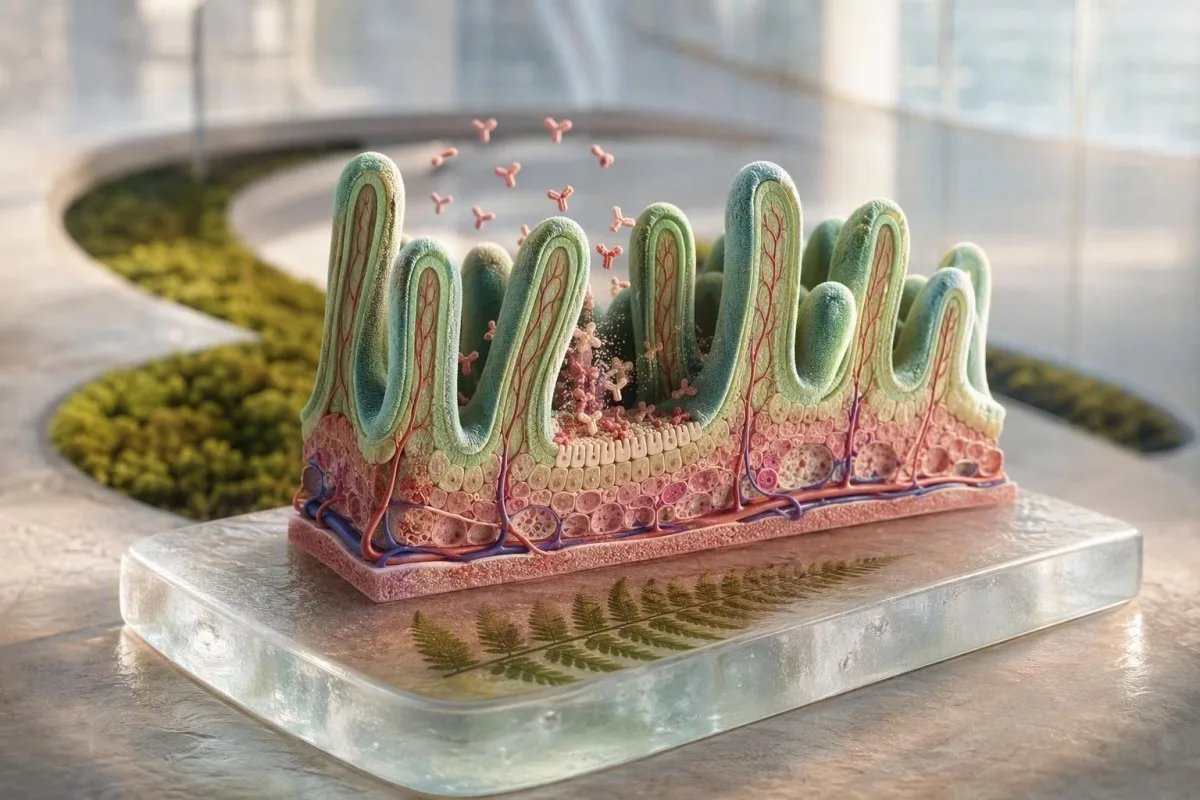
ئۈچەي بىيوپسىيىسىدىكى ۋىللىس قۇرۇلمىسى ۋە ئۈچەي ئىچىدىكى لىمفا ھۈجەيرىسىنى تەكشۈرىدۇ، ئەمما گلوتېننى تاشلىغاندىن كېيىن مۇكوزا ئۆزگىرىشلىرىمۇ ياخشىلىنىشى مۇمكىن. قۇرامىغا يەتكەنلەردە، مۇسبەت سېرولوگىيە ئادەتتە ئۆمۈرلۈك چەكلىمىگە كىرىشتىن بۇرۇن ئۈستۈنكى ئېندوسكوپنى كەلتۈرۈپ چىقىرىدۇ؛ نەتىجىلەر بىئارام بولغاندا بىيوپسىيە ئالاھىدە پايدىلىق.
يېمەكلىك-تۆزۈلمەسلىك تىزىملىكىنى چەۋرۈك سېرولوگىيەسى بىلەن ئارىلاشتۇرماڭ. IgG يېمەكلىك تىزىملىكى چەۋرۈك كېسەللىكنى دىئاگنوز قىلالمايدۇ، ئۆيدىكى سىناق تولۇق IgA تەكشۈرۈشى، ئىسپاتلانغان ئىممۇنىتېت ئانتىتېلاسى ياكى تىببىي خادىملارنىڭ چۈشەندۈرۈشىنى ئالماشتۇرالمايدۇ.
گلوتېنسىز قالغاندا پايدىلىق بولغان سىناقلار
HLA-DQ2 ياكى HLA-DQ8 نىڭ يوقلىقى ئىنتايىن يۇقىرى نېگاتىپ ئالدىن پەرەز قىلىش قىممىتىگە ئىگە، چۈنكى چەۋرۈك كېسەللىككە گىرىپتار بولغانلارنىڭ ھەممىسىگە يېقىن كىشىلەردە بۇ خىل ھاپلوتېپلاردىن بىرى بار. مۇسبەت HLA نەتىجىسى ئورتاق بولۇپ، چەۋرۈك كېسەللىكنى دىئاگنوز قىلالمايدۇ؛ نۇرغۇن نوپۇسلارنىڭ تەخمىنەن 30–40% ى DQ2 ياكى DQ8 نى ئۆز ئىچىگە ئالىدۇ، ئەمما تەخمىنەن 1% ىلا چەۋرۈك كېسەللىكنى تەرەققىي قىلدۇرىدۇ.
گلۇتېننى سىناش ئۈچۈن قانچىلىك گلۇتېن يېتىدۇ?
قۇرامىغا يەتكەنلەرنىڭ ئەمەلىي گلوتېننى سىناق قىلىشى كۈنىگە 3-6 گرام گلوتېن, ، تەخمىنەن 1-2 پارچە ئادەتتىكى بۇغداي نېنىغا تەڭ، دىئاگنوز قويۇش ئۈچۈن. كۆپرەك يېمەكلىك چوقۇم ياخشى ئەمەس؛ ئۆلچەملىكلىكى، ئادەمنى بىر نەچچە كۈندىن كېيىن توختىتىدىغان چوڭ مىقداردىن مۇھىم.
ئادەتتىكى بۇغداي نېنىنىڭ بىر پارچىسى تەخمىنەن 2-3 گرام گلوتېن, ، بىر پارچە ئادەتتىكى بېگېل 4-7 گرام، پىشلاق بىلەن بىر ئىستاكان رېگۇلى سىملىق 2-4 گرام بولۇشى مۇمكىن، رېتسېپ ۋە مىقدارغا باغلىق. يۇمغاق تۇخۇم سىناق يېمەكلىكىگە ئىشەنچلىك ئەمەس، چۈنكى گۇۋاھنامىسى بار يۇمغاق تۇخۇمدا گلوتېن ئاز، قۇرۇلما يۇمغاق تۇخۇمدا بۇلغىنىش ئوخشىمايدۇ.
لېئونارد ۋە خىزمەتداشلارنىڭ تەكشۈرۈشى تەۋسىيە قىلىدۇ كەم دېگەندە 3-6 گرام كۈندە 12 ھەپتىدىن كۆپرەك ئۇزۇنراق سىناق چىدىملىق بولغاندا، بولۇپمۇ گلوتېنسىز ئايلار ياكى يىللاردىن كېيىن كېسەللىكنى ئىسپاتلاش مەقسەت قىلىنغاندا (Leonard et al., 2023). بەزى كلىنىك خادىملىرى كۈنىگە 10 گرام ئىشلىتىدۇ، ئەمما بۇ مىقدارنى ساقلاش تەس بولۇپ، ھەممە قۇرامىغا يەتكەنلەر ئۈچۈن زۆرۈر ئىسپاتلانمىدى.
پايدىلىق رېتسېپ ئەتىگەنلىك تۇخۇملۇق يېمەكلىك بىلەن چۈشلۈك تۇخۇملۇق يېمەكلىك، چۈشلۈك يېمەكلىك بىلەن تۇخۇملۇق يېمەكلىك، كەچلىك يېمەكلىك بىلەن بىرلا چوڭ يېمەكلىككە قارىغاندا. مەھسۇلات، تەخمىنەن يېمەكلىك، كېسەللىك ئالامەتلىرى ۋە كېتىپ قالغان كۈنلەردىكى خاتىرىلەش؛ بۇ تىزىملىك gastroenterologist غا “قانداق-قانداق” دەپ ۋايىغا يېتىش ئارقىلىق ئارخىپتىن كۆپرەك ئۇچۇر بېرىدۇ.”
سىزمىدىن ئىنتايىن پايدىلىق بولغان ئىلمىي ئەھمىيىتىنى چۈشىنىش ئۈچۈن، بىزنىڭ biomarker پايدىلىنىش قوللانمىسى فېرىتىن ۋە قىزىل قان ھۈجەيرە ئىندىكىسلىرىنىڭ نېمىشقا دائىم چەۋرۈك ئىممۇنىتېت ئانتىتېلا بىلەن بىللە تەكشۈرۈلىدىغانلىقىنى چۈشەندۈرىدۇ.
مىقدارى يېمەكلىكنىڭ ئېغىرلىقى ئەمەس، بەلكى گلوتېن گىراممىسى
50 گراملىق نېمە 50 گرام گلوتېن ئەمەس. گلوتېننىڭ مىقدارى ئۇن، سۇيۇقلىق، رېتسېپ ۋە پىششىقلاشقا باغلىق، شۇڭا كلىنىك خادىملىرى ئادەتتە يېمەكلىك قىممىتىنى تەلەپ قىلىدۇ، گەرچە بىئارام بولمىغانلارنى ئۆزىنىڭ گلوتېننى ئايرىشقا تەكلىپ قىلمايدۇ.
تەكشۈرۈشتىن بۇرۇن گلۇتېن سىنىقى قانچە ئۇزۇن داۋام قىلىشى كېرەك?
ئالتە ھەپتىلىك، كۆپ قۇرامىغا يەتكەنلەر ئۈچۈن مۇۋاپىق مىنىمۇم، 12 ھەپتىلىك ئۇزۇن مۇددەت گلوتېننى ساقلاش كېيىن تېخىمۇ ئىشەنچلىك سىناق بېرىدۇ. 2 ھەپتىلىك سىناق، سىناقلار مۇسبەت بولغاندا دىئاگنوزنى قوللايدۇ، ئەمما 14 كۈندىن كېيىن نېگاتىپ نەتىجىنى چەۋرۈك كېسەللىكنى بىخەتەر تۈردە چىقىرىپ تاشقىلاشتۇرالمايدۇ.
تەلەپ قىلىدىغان داۋاملىقلىقى ياش، ئىلگىرىكى يېمەكلىك، ئىممۇنىتېت ئىنكاسى ۋە كلىنىك خادىمىنىڭ پەقەت سېرولوگىيە ياكى بىيوپسىيەنى پىلانلىغانلىقىغا باغلىق. بىر قىسىم قۇرامىغا يەتكەنلەرگە ئېلىپ بارغان كىچىك تەتقىقاتتا، 14 كۈن كۈنىگە 3 گرام گلوتېن كۆپلىگەن قاتناشقۇچىلاردا دىئاگنوز قويۇش مىكرو توقۇلمىلىق ئۆزگىرىشلىرىنى كەلتۈرۈپ چىقارغان، ئەمما ئىممۇنىتېت ئانتىتېلاسى جاۋابى كېچىكىپ كەتكەن؛ بۇ چېگرا نېمىشقا قىسقا پروگراممىلارنىڭ دېلولارنى قولدىن بېرىدىغانلىقىنى چۈشەندۈرىدۇ.
2026-يىل 8-ئاينىڭ 31-كۈنىگىچە، مەن ئادەتتە 12-ھەپتىلىك پىلاننى بىر قانچە ئاي داۋامىدا ئاز ياكى گლۇتېن يېمىگەن قۇراما ياشلار بىلەن مۇხილلايمەن، قان تەكشۈرۈش 6-ھەپتە ئەتراپىدا ۋە تۇنجى نەتىجە مانگىي بولسا 12-ھەپتە ئاخىرىدا يەنە ئېلىنىدۇ. باش تېببىي ئەمەلدارىمىز دوكتور توماس كلېين، بىمار يەنە قان ئېلىشتىن بىر ھەپتە ئىلگىرى گლۇتېننى پەقەت بىر ھەپتە ئاخىرىدا ئەسلىگە كەلتۈرگەندە ئەڭ ئېچىنىشلىق دىئاگنوز قويۇشنىڭ قالايمىقانچىلىقىنى كۆرىدۇ.
ئەگەر كېسەللىك ئالامەتلىرى بىئارام بولسا، پىلاننى جىمجىت توختىتىشنىڭ ئورنىغا، تەكشۈرۈشنى تاپسىۋالغان كىلىنوتىك بىلەن ئالاقىلىشىڭ. ئۇلار قان تەكشۈرۈشنى ئىلگىرى سۈرەلەيدۇ، ئېندوسكوپىينى تېخىمۇ بالدۇر تەرتىپلەيدۇ، ياكى HLA تەكشۈرۈشىنىڭ ئۇزۇن داۋاملاشقان تەسىرگە ئۇچرىماي سوئالغا جاۋاب بېرەلەمدۇ ياكى يوقلىقىنى قايتا ئويلىشىدۇ. بىر قان تەكشۈرۈش ۋاقتى يېتەكچىسى دىيىتىغا بايلىق ئۆزگىرىشلەرنىڭ قانۇن نۇقتىسىدا ھېچقانداق تېز پەيدا بولماسلىقىنى چۈشىنىشكە پايدىلىق.
قان ئېلىش تاماملانغۇچە گლۇتېننى قوبۇل قىلىشنى داۋاملاشتۇرۇڭ، ئەگەر ئانتىتانلا خاراكتېرلىك نەتىجە ئېلىپ كەلگەن ياكى گۇمانى يۇقىرى بولسا، ئېندوسكوپىيىبۇئار كوللېكتىپى باشقىچە خەۋەر قىلمىغۇچە. قان نەتىجىسىنى ئېلىپ كەلگەندىن كېيىن، ئەمما بىئوپسيادىن بۇرۇن توختىتىش كىچىك ئىچىكى سىگنالنى ئازايتىشى مۇمكىن.
ئەمەلىيەتتىكى كالېندار
1-2-ھەپتىلەردە ھەر كۈنى گლۇتېننى قوبۇل قىلىشنى تەڭشەش ۋە بالدۇر كېسەللىك ئالامەتلىرىنى پەرقلەندۈرۈش. 3-6-ھەپتىلەر تۇنجى قېتىملىق قان ئېلىش پايدىلىق بولىدىغان ۋاقىت؛ 7-12-ھەپتىلەر ئانتىتانلىرىنىڭ ئاستا-ئاستا كۆپىيىدىغان كىشىلەر ئۈچۈن، بولۇپمۇ ئۇزۇن مۇددەت چەكلىمىدىن كېيىن، سېزگىرلىكنى ياخشىلايدۇ.
بالىلار ۋە ئۆسمۈرلەردە گلۇتېن سىنىقى ئوخشىمىغان پىلاننى تەلەپ قىلىدۇ
بالىلار بالىلار كىلىنوتىك ئىشچىلارنىڭ نەتىجىسىز گლۇتېننى قوبۇل قىلىشنى باشلىمىشى كېرەك، چۈنكى ئۆسۈش، ئوزۇقلۇق، كېسەللىك ئالامەتلىرىنىڭ بېسىمى ۋە بىئوپسياسىز دىئاگنوز قويۇشنىڭ ئىمكانىيىتى پىلاننى ئۆزگەرتىدۇ. ناچار ئۆسىدىغان ياكى ئورۇقلايدىغان بالىنىڭ ئالدى بىلەن تەكشۈرۈشى كېرەك، ئۆزى-ئۆزىگە بولغان ناننى سىناشقا بولمايدۇ.
ئىنتايىن يۇقىرى tTG-IgA قىممىتى بار بالىلار ئۈچۈن - ئەڭ ئاز ئۆلچەش چەكلىمىسىنىڭ 10 ھەسسىسى—ئاندىن ئىككىنچى ئەۋلادتا EMA-IgA نىڭ تېتىگەنلىكى، ESPGHAN يىتەكلىشى بىر قىسىم ئەھۋاللاردا بالىلار مۇتەخەسسىسلىرىنىڭ نازارلىقىدا بىئوپسياسىز دىئاگنوز قويۇشقا يول قويىدۇ (Husby et al., 2020). بۇ يول تەكشۈرۈش ۋاقتىدا گლۇتېننى ئاكتىپ قوبۇل قىلىشنى تەلەپ قىلىدۇ.
مەكتەپتىكى بالىنىڭ 75 كىلوگىراملىق قۇراما ياش بىلەن ئوخشاش مىقداردا قوبۇل قىلىدىغانلىقىنى ئالماشتۇرغىلى بولمايدۇ. بالىلار كىلىنوتىك خىزمەتچىلىرى دائىم كۈندىلىك ئادەتتىكى يېمەكلىك ۋە بالىنىڭ ئادەتتىكى يېمەكلىكىدىن باشلايدۇ، ئاندىن ئورۇن، بوينى، ھايۋاناتلارنىڭ سۈتلىكى، ھاجەت ئۆزگىرىشى ۋە مەكتەپكە قاتنىشىشقا نەزەر سالىدۇ؛ مەقسەت ھەرگىزمۇ كېسەللىك ئالامەتلىرىنىڭ چىداملىقلىقىنى سىناش بولماسلىقى كېرەك.
تۆمۈر يېتىشمەسلىكى، ئاستا ئۆسۈشى، قايتا-قايتا ئاغız يارىسلىرى، چىش مىلىكىنىڭ ئۆزگىرىشى ۋە جىنسىي جىسمانىي يېتىلمەسلىك، ھەتتا سۈيدۈك بولمىغان تەقدىردىمۇ چىلىيا (celiac) ئالامەتلىرى بولۇشى مۇمكىن. ئاتا-ئانىلار بىزنىڭ بالىلارنىڭ ئۆسۈش تەكشۈرۈش يىتەكلىشى, ، ئەمما نورمال ئۆسۈش ھورمۇنىنى تەكشۈرۈش ئىچكىكى ئۆزگىرىشنى چەتكە قاقمايدۇ.
ئەگەر بالىنىڭ گლۇتېن يېمەسلىك يېمەكلىكىگە قايىللىق ئىپادىلىگەن بولسا، ئائىلىسى HLA تىپى ياكى نازارلىق قايتا ئىشلەپچىقىرىشنىڭ ئەڭ ئاز قالايمىقانچىلىق يولىنى سورىشى كېرەك. مەن بۇ يەردە ئائىلە ئەندىشىسىنى ئەستايىدىل قوبۇل قىلىشنى ئۆگەندىم - تاماق ۋاقتى ناھايىتى تېزلا قىيىنچىلىققا دۇچار بولىدۇ.
مەكتەپ ۋە يېمەكلىك پىلانلاش
يازما پىلاندا قايسى تاماقلاردا گლۇتېن بارلىقىنى ۋە مەكتەپتە كېسەللىك ئالامەتلىرىنىڭ قانداق ھەل قىلىنىدىغانلىقىنى ئېنىقلاش كېرەك. قېتىم-قېتىم مىقدارنى ئۆزگەرتىش، گლۇتېن يېمەيدىغان يېمەكلىكلەرگە ئالماشتۇرۇش ياكى پەقەت ھەپتە ئاخىرىدىلا قوبۇل قىلىش يۇقىرىدا سۆزلەنگەن نەتىجىنى تېخىمۇ قىيىنلاشتۇرىدۇ.
ئەگەر سىز يىللاردىن بۇيان گلۇتېنسىز ياشىغان بولسىڭىزچۇ?
گლۇتېن يېمەسلىك يېمەكلىكىدە بىر نەچچە يىل تۇرغاندىن كېيىن، ئانتىتانلا تەكشۈرۈشى گლۇتېننىڭ ئىممۇنىتېت جاۋابىنى قوزغىتىدىغان دەرىجىدە داۋاملاشسا، مانگىي بولۇشى مۇمكىن. بۇ 12-ھەپتىلىك كىلىنوتىك نازارلىقىدىكى سىناق ياكى ئالدى بىلەن HLA تەكشۈرۈشى ئەڭ مۇۋاپىق بولغان گۇرۇپپا.
گლۇتېننىڭ قانچە ئۇزۇن بولمىسا، بىر قېتىملىق tTG-IgA شۇنچە پايدىسىز بولىدۇ. بەزى بىمارلار ئانتىتانلارنىڭ قايتىپ كېلىشى ئۈچۈن 6 ھەپتىدىن ئارتۇق ۋاقىت كېتىدۇ، ھەمدە 6-ھەپتىدىكى مانگىي تەكشۈرۈشىنى ھەقىقىي يېگەن مىقدارغا قارشى، پەقەت كالىندارغا قارشى ئەمەس، چۈشەندۈرۈش كېرەك.
مىزانغا ئۇچرىغان گلىكوسىيە كېسەللىكىنى داۋالاشقا بولىدىغان بىئولوگىيىلىك ئۆزگىرىشلەر، تۆۋەن فېررېنتىن، تۆۋەن تىرانسفېررىن تويۇنۇش، فولات كەملىكى، يۇقىرى قان تومۇر ھۈجەيرىسى، تۆۋەن D ۋىتامىنى، ياكى چۈشىنىكسىز ئاددىي بىر قانچە ئۆزگىرىش بولۇشى مۇمكىن. ھېچقايسىسى ئۆزلۈكىدىن دىئاگنوز قويغىلى بولمايدۇ، ئەمما بۇ گۇرۇپپا تېستتىن بۇرۇنقى ئېھتىمالنى كۆپەيتىدۇ؛ تۆۋەن تىرانسفېررىن بىلەن ياللۇغ بىلەن مۇناسىۋەتلىك تۆۋەن قان سېرۇمىدىكى تۆمۈر ئوتتۇرىسىدىكى پەرقىنى كۆرۈڭ. تۆمۈر تەتقىقاتى قوللانمىسى تومۇرنى قالايمىقانلاشقان ئىچكى ئەزالارنى داۋالاش تېستىنى تېرىتكىلىگەن، ئالدىنقى ۋە يېڭى بىر گۇرۇپپا، ھېمoglobىن، MCV، فېررېنتىن، ئالبۇمىن، ۋە ئانتىتېلا قىممىتىنى سېلىشتۇرۇشقا ياردەم بېرىدىغان. بۇ كېسەللىكنى دىئاگنوز قويغىلى بولمايدۇ، ئەمما ۋاقىت جەدۋىلى دوختۇرغا ئوزۇقلۇق يېتىشمەسلىكى يېمەك-ئىچمەك چەكلەشكىچە بولغان-بولمىغانلىقىنى كۆرۈشكە ياردەم بېرىدۇ.
كانتېستى بىر AI لابراتورىيە سىنىقىنى چۈشەندۈرۈش مۇلازىمىتىدە ئېلان قىلىنىدۇ گلىكوسىيە كېسەللىكىنى دىئاگنوز قويغىلى بولمايدۇ، ئەمما ۋاقىت جەدۋىلى دوختۇرغا ئوزۇقلۇق يېتىشمەسلىكى يېمەك-ئىچمەك چەكلەشكىچە بولغان-بولمىغانلىقىنى كۆرۈشكە ياردەم بېرىدۇ.
ئەگەر گلىكوسىيە يېمەك-ئىچمىكىدىن ئىلگىرى تېست قىلىنمىسا، سىزنىڭ ئىلگىرىكى يامان تېستىڭىز ھەل قىلمايدۇ. ئەسلى دوكلاتنى، ئېنىق ئانتىتېلا قىممىتىنى، ئومۇمىي IgA نى، ۋە ئەۋرەكنى 6-12 ھەپتە بۇرۇن سىز قانچىلىك گلىكوسىيە يېگەنىڭىزنى سوراپ بېقىڭ.
نېمە ئۈچۈن ئوزۇقلۇق نورمال كۆرۈنۈشى مۇمكىن
نورمال فېررېنتىن گلىكوسىيەنى رەت قىلمايدۇ. ياللۇغ ۋە جىگەر زەخملىنىشى بىلەن فېررېنتىن ئۆسىدۇ، شۇڭا 70 مىكروگىگىگىت/ل فېررېنتىن C-رېئاكتىپلىق ئاقسىل يۇقىرى بولغاندا تۆمۈر تەمىنلەش چەكلىمىسى بىلەن بىرگە بولىدۇ؛ تىرانسفېررىن تويۇنۇش پايدىلىق مەزمۇننى قوشىدۇ.
ساقلىقنى ساقلاش خىزمىتىدىن باشقا گلۇتېن سىنىقىنى قاچان سىناپ باقماسلىقىڭىز كېرەك?
ئەگەر سىزدە ئىلگىرى سۇسىزلىنىش، ھوشۇلدىن كېتىش، قاتتىق قۇسۇش، تېز ئورۇقلاش، ھامىلدارلىق قىيىنچىلىقى، ياكى دوختۇرخانىدا داۋالاش سەۋەب بولغان بولسا، ئۆزىڭىز گلىكوسىيە قوبۇل قىلىشنى ئەسلىگە كەلتۈرمەڭ. بالىلار، يۇقىرى قان بېسىملىق كېسەللىك بىلەن ياشايدىغانلار، ۋە ئېنىق ياكى گۇمانلىق يېمەك-ئىچمەك ساقىيىشقا قايتىش قاتارلىق كىشىلەر ئۈچۈن كۆزىتىلگەن پىلان تېخىمۇ بىخەتەر.
گلىكوسىيە كېسەللىكىنىڭ ئۆزى ئانتىفېنتىپلىكتىك تەسىرنى كەلتۈرۈپ چىقىرىشى ئاز، شۇڭا بۇغداي يېگەندىن كېيىنكى ھېچكىمنىڭ ھاۋا ئالالماسلىقى، قولتىقى، ھالقىما، ياكى يىقىلىپ چۈشۈش، بۇغداي ئاللىگىنى گۇمانلىق دەپ قاراش ۋە ئاللىگىنى تەكشۈرۈشنى تەلەپ قىلىدۇ. گلىكوسىيەنى تەكشۈرۈش ۋە ئاللىگىنى تەكشۈرۈش ئوخشىمىغان سوئاللارغا جاۋاب بېرىدۇ، ۋە ئۇلارنى ئارىلاشتۇرۇش خەتەرلىك بولىدۇ.
ئەگەر سىزدە بار بولسا، بىر سىناقتىن بۇرۇن تېزلىكتە كلىنىكىلىق تەكشۈرۈشنى سوراڭ 1 ئايدا 5% نىۋىدىن ئاشقان ئىختىيارسىز تەنھەرىكەت ئورۇن كۆلچىكى, ، دائىملىق قۇسۇش، قارا تۈكۈرۈك، قاتتىق قورساق ئاغرىش، ياكى سۇسىزلىنىش ئەلامەتلىرى، مەسىلەن سۇيۇقلۇق كەم بولۇش ۋە ھوشۇلدىن كېتىش. بۇلار گلىكوسىيەنىڭ خىزمىتىنى “ئىسپاتلاش” ئۈچۈن تاشلانمىغان؛ ئۇلار قايتا باھالاش سەۋەبلىرى.
ھامىلدارلىقتا ئايرىم بىر تەرەپ قىلىشقا ئەرزىيدۇ، چۈنكى داۋالانمىغان گلىكوسىيە ۋە چەكلىمىلىك يېمەك-ئىچمەك تەمىناتى تۆمۈر، فولات ۋە ئورۇن ئېغىرلىقىنى تەسىر قىلالايدۇ. تېزدىن گلىكوسىيەنى قايتا قوزغىتىشتىن بۇرۇن بىزنىڭ ... ئارقىلىق دوختۇر بىلەن ئالاقىلىشىڭ تېببىي ئالاقىلاشقان يول ياكى تۇغۇت ئەترىتىڭىز گلىكوسىيەنى قايتا قوزغىتىشتىن بۇرۇن.
ئىلگىرى بىئوپىيە بىلەن ئىسپاتلانغان گلىكوسىيە دىئاگنوزى قويۇلغان كىشىلەر ئادەتتە گلىكوسىيەنى ئىسپاتلاش ئۈچۈن گلىكوسىيەنى سىناپ باقمايدۇ. بۇنىڭ سىرتىدا، ئىلگىرىكى دىئاگنوز قويۇشتا ھەقىقىي گۇمان بار، بۇ ئەڭ ياخشىسى ھەزىم قىلىش مۇتەخەسسىسى تەرىپىدىن باشقۇرۇلىدۇ، ئۇ ئەسلى پاتولوگىيە ۋە ئانتىتېلا خاتىرىلىرىنى كۆرۈپ چىقالايدۇ.
جىددىي ئالامەتلەر
يېڭى ھاۋا ئالالماسلىقى، يۈزنىڭ ئىششىپ كېتىشى، ھوشۇلدىن كېتىش، 12-24 سائەت سۇيۇقلۇقنى ساقلىيالماسلىق، ھوشۇلدىن كېتىش، ياكى ئاشقازان-ئېچىش قاناش ئەلامەتلىرى تېز تېببىي باھالاشنى تەلەپ قىلىدۇ. قىزىل بايراق ئەلامەتلىرى بار بولغاندا “سىناقنى تاماملاش” ئۈچۈن يېمەك-ئىچمەككە قوشۇلۇشنى داۋاملاشتۇرماڭ.
HLA گېنېتىكىسى زۆرۈر بولمىغان گلۇتېن سىنىقىنى توسالاامدۇ?
نېگاتىپ HLA-DQ2 ۋە HLA-DQ8 تەكشۈرۈشى گلىكوسىيەنى ناھايىتى مۇمكىن ئەمەس دەپ قارايدۇ ۋە كۆپىنچە گلىكوسىيەنى سىناپ باقماي تاشلايدۇ. مۇسبەت نەتىجە پەقەت گېنوملۇق قۇۋۋەتنى كۆرسىتىدۇ، شۇڭا ئۇ گلىكوسىيەنى ئىسپاتلىمايدۇ ياكى ئۆزلىكىدىن ئالامەتلەرنى چۈشەندۈرەلمەيدۇ.
گلىكوسىيە بىلەن كېسەل بولغانلارنىڭ دىن كۆپرەكى HLA-DQ2.5، DQ2.2، ياكى DQ8 نى ئۆز ئىچىگە ئالىدۇ، گەرچە تېرمىنولوگىيە ئوخشىمىغان بولسىمۇ. بۇ تېست ئەڭ كۆپ پايدىلىق بولغاندا، كىشىلەر گلىكوسىيەدىن يىراقلاشقان، ئىلگىرىكى خاتىرىلەر بار ئەمەس، ياكى قايتا قوزغىتىشنىڭ كۈتۈلگەن بېسىمى يۇقىرى بولغاندا.
مۇسبەت HLA نەتىجىسى كۆپ ئۇچرايدۇ: تەخمىنەن 30–40% كىشىلەر ماس كېلىدىغان گېنوپلارنى ئۆز ئىچىگە ئالىدۇ، ئەمما پەقەت تەخمىنەن 1% گلىكوسىيە كېسىلىنى تەرەققىي قىلدۇرىدۇ. بۇ ماس كەلمەسلىك، گېنوملۇق تەكشۈرۈشنىڭ كېيىنكى قارارنى ئېلىشى كېرەكلىكىنى، ئەمما بىر مەسىلە تىزىملىكىگە يېزىلغان دىئاگنوزغا ئايلانماسلىقىنى چۈشەندۈرىدۇ.
Kantesti سۈنئىي ئىدراك ئىشلىتىلىشى AI بىئوماركر ئىزاھلاش سۇپىسى ياماقنى ئوڭشاش ئۈچۈن، گۆش يېيىشنى توختاتقاندىن كېيىن antibody panel يىغىپ كېتىلگەنلىكىنى ۋە يەككە IgA نەتىجىسى كەم بولغاندا؛ گېن سىنىقى يەنىلا دوختۇرنىڭ زاكاز قىلىشى ۋە چۈشەندۈرۈشىنى تەلەپ قىلىدۇ. بىزنىڭ كلىنىكىلىق جىددىيلىك پىرىنسىپلىرىمىز بىلەن بىردەك. سىياسىي بەلگىلەرنىڭ دىياگنوز قويۇش قارارىغا ۋاكالەتچى بولالمايدىغانلىقىنى چۈشەندۈرىمىز.
مېنىڭ تەجرىبەم بويىچە، HLA سىنىقى ئالاھىدە گۆش يېيىشنى ئېنىقسىز كېسەل بىلەن توختاتقان ۋە ھازىر ئۇزۇن داۋاملىشىدىن قورققان كىشىلەر ئۈچۈن پايدىلىق. مەنپىي نەتىجە مۇرەككەپ بىر ھالقىنى تاقالالايدۇ؛ مۇسبەت نەتىجە پەقەت سۆھبەتنىڭ داۋاملىشىدىغانلىقىنى بىلدۈرىدۇ.
گېنلار كېسەللىكنىڭ ئېغىرلىقىنى پەرەز قىلالمايدۇ
HLA تىپى كېسەللىكنىڭ يېنىك بولۇشى ياكى تاغدىن كېسەللىكىنىڭ بارلىقىنى، ياكى كېيىنچە celiac disease بولۇشىنى ئىسپاتلاپ چىقارالمايدۇ. بىرىنچى دەرىجىلىك قېرىنداشلارنىڭ گېنلىرى بار بولسا، ئەگەر كېسەللىك ياكى ئوزۇقلۇق كەملىك كۆرۈلسە، ئۇلار تەكشۈرۈشنى تەلەپ قىلىشى مۇمكىن.
قۇرامىغا يەتمىگەن ھالەتتە گۇناھنى ئازايتىش ئارقىلىق سىناقنى قانداق تاماملاش كېرەك
گۆشنى توختىماي يېيىش، بىر قېتىم كۆپ يېيىشتىن تېخىمۇ دىياگنوز قويۇشقا پايدىلىق. ئائىلىڭىزدىكى سېرىق ياڭا ۋە باشقا 2-3 خىل گۆش بار يېمەكلىكنى تاللاڭ، ئۇلارنىڭ گۆش مىقدارىنى مۆلچەرلەڭ، ۋە داۋالاش باشلانغاندىن كېيىن گۆشسىز يېمەكلىكلەرگە ئۆزگەرتىشنى توختىتىڭ.
بىر پارچە سېرىق ياڭاق توستى ناشتىدا ۋە كېيىنكى چۈشتە بىر قىسىم ياكى قورۇما قاتارلىق 3-6 گراملىق ئاددىي پروگرامما بىر قېتىم نان، قورۇما قاتارلىق 3-6 گراملىق ئاددىي پروگرامما بولۇشى مۇمكىن. سېرىق ياڭاق، ئارپا ياكى ئارپا ئۈچۈن بەلگىلەنگەن بەلگىلەرنى تەكشۈرۈڭ؛ سېرىق ياڭاقتىن ياسالغان سۇيۇق كۆيۈكتاش يەنىلا گۆش بار، ۋە “ئىجادكار” نان ئاپتوماتىك گۆشسىز بولمايدۇ.
پىۋا، سۇ، قورۇما ۋە پىششىق يېمەكلىكلەر گۇمانلىق، شۇڭا ئۇلار مۆلچەرلەنگەن داۋالاش ئۈچۈن ناچار ئاساسلىق مەنبە. بىر خىل ئىسپاتلانغان يېمەكلىك پاكىتلىق تەسىرنى بارلىققا كەلتۈرىدۇ ۋە كېسەللىكنىڭ مىقدارغا باغلىق ئىكەنلىكىنى ئېنىقلاشنى ئاسانلاشتۇرىدۇ.
مۇمكىن بولسا، شۇ 6-12 ھەپتىلىك پروگراممىدا باشقا چەكلەنگەن يېمەكلىكلەرنى، پروپيوتىكنى، يۇقىرى مىقداردىكى تالا ياكى يېڭى ئىچكى ئىشلارنى باشلىماڭ. ئۇلار باكتېرىيە كېسەللىكىنى ئۆزگەرتىپ، ياشاش تەجرىبىسىنى چۈشىنىشنى قىيىنلاشتۇرالايدۇ؛ بىزنىڭ ئاشقازاننى ئۆزگەرتىدىغان يېمەكلىكلەر بۇ ئەمەلىي مەسىلىنى قاپلايدۇ.
يېمەكلىك خاتىرىسى كۈن، يېمەكلىك، مۆلچەرلەنگەن قىسمى، ھەرىكەت قېتىم، ئاشقازان كېسەللىكى ۋە بەزى دورا ئىشلىتىش قاتارلىقلارنى ئۆز ئىچىگە ئېلىشى كېرەك. ئۇ كامالەتكە يەتمىسىمۇ بولىدۇ - كۈندە ئۈچ قېتىم ئېنىق كۆرسەتمىلەر ھەر پارچە نەرسىنى خاتىرىلەش سىناقىدىن تېخىمۇ پايدىلىق.
ئوت ۋە گۆش داۋالاش
ئىسپاتلانغان گۆشسىز ئوتلار دىياگنوز قويۇش ئۈچۈن گۆش مەنبەسى ئەمەس. ئادەتتىكى ئوتلار كۈتۈلمىگەن ھالدا بۇلغىنىش مۇمكىن، بۇ ئۇلارنى بىر خىل مىقدارنى بېكىتىش ئۈچۈن لايىھەلەنگەن داۋالاش ئۈچۈن يارامسىز قىلىدۇ.
قانداق كېسەللىك ئالامەتلىرىنى ساقلاش كېرەك, ۋە ئۇلارنى قانداق بىخەتەر ساقلاش كېرەك?
قورساقنى شىچىش، سۇيۇق ئىچكىش، چارچاش، ئاشقازان بىئارام بولۇش، باش ئاغرىش ۋە مېڭە تۇمانى گۆش داۋالاش جەريانىدا قايتا پەيدا بولۇشى مۇمكىن، ئەمما ئېغىر كېسەللىكلەر تەكشۈرۈشنى تەلەپ قىلىدۇ. كېسەللىكلەر پەقەت كۆپ خىللىق ياكى كۆپ خىللىقنى ئىسپاتلىمايدۇ، چۈنكى ئۇلار غىدىقلىنىشچان باكتېرىيە ۋە باشقا ئاشقازان كېسەللىكلىرى بىلەن ئورتاق.
گۆشنى چىقارمايدىغان قوللاش تەدبىرلىرىنى ئىشلىتىڭ: دائىملىق سۇيۇقلىق، دىياپېت ئۈچۈن ئورال سۇيۇقلۇق، كىچىك يېمەكلىك ۋە مۇقىم ئۇخلاش. بىر قىسىم قۇرامىغا يەتكەنلەر ئۈچۈن دىياپېت دورىسى پايدىلىق بولۇشى مۇمكىن، ئەمما ئەگەر سىزنىڭ ئىچ سىزىش، قان، ئېغىر ئاغرىق ياكى تەكشۈرۈلۈۋاتقان يېڭى دىياگنوز بار بولسا، دوختۇردىن سوراپ بېقىڭ.
ھەر بىر كېسەللىكنى ئۈچەي زىيىنى دەپ قاراشتىن ساقلىنىڭ. ئىقتىدارلىق باكتېرىيە سېزگىرلىكى بار بىر ئادەم سېرىق ياڭاقتىن كېيىن بىر نەچچە سائەت ئىچىدە ئۆزىنى ناچار ھېس قىلىشى مۇمكىن، چۈنكى فرۇكتانلار تېز پىشىدۇ، شۇنىڭ بىلەن tTG-IgA ئىشلەپچىقىرىش ۋە تاغلىق ئۆزگىرىش باشقا ئىممۇنىتېت جەريانى ئارقىلىق يۈز بېرىدۇ. بىزنىڭ دىياپېت ئۈچۈن قان تەكشۈرۈش تاشلىق ئەگەشمە سىنىملىرى تېخىمۇ كەڭرەك تەكشۈرۈشنى تەلەپ قىلىدىغان ئەھۋاللارنى چۈشەندۈرىدۇ.
چارچ سەممە ئېغىرلاشسا، بىرلا سەۋەبنى پەرەز قىلماي، بەلكى سۇيۇقلۇق، كالورىيە، تۆمۈر ھالىتى ۋە ئۇخلاشنى تەكشۈرۈڭ. دوكتور توماس كلېين بەزى بىمارلارنىڭ تەكشۈرۈش جەريانىدا ئانچە زور بولمىغان سىلەك ياكى ALT نىڭ ئۆزگىرىشىدىن ئۆزىنى سەۋەبسىز قورقۇپ كەتكەنلىكىنى كۆرگەن؛ يەككە چېگرالىق نەتىجىدىن تۈزۈلۈش ۋە تولۇق كىلىنikalىق رەسىم مۇھىم.
ئۇدا ئىشقا بارالماسلىق ياكى مەكتەپكە بارالماسلىق، كېچىچە ئىچ سۈرۈش، ئەستە تۇتۇش قۇۋۋىتىنىڭ ئاجىزلىشىشى ياكى ئېنىق سۇيۇقلۇق يېتىشمەسلىك ئەھۋالىدا توختاپ، مەسلىھەت سوراپ بېقىڭ. پايدىلىق سېرولوگىيە ياكى تومۇر تەكشۈرۈش ئارقىلىق پايدىلىق پاكىتنى ئۆز ئىچىگە ئالغان داۋالاش جەريانىنى قىسقا قىلىش، پىلان چېچىلىپ كەتكەنگە قەدەر داۋاملاشتۇرۇشقا قارىغاندا ياخشى.
پروبىئوتىكلار تەكشۈرۈشنى ئۆزگەرتەمدۇ؟
گلوتېننى سىناق قىلىش جەريانىدا زەھەرلىك زەھەرلىك زەھەرلىك زەھەرلىك زەھەرلىك زەھەرلىك زەھەرلىك زەھەرلىك زەھەرلىك زەھەرلىك زەھەرلىك زەھەرلىك زەھەرلىك زەھەرلىك زەھەرلىك زەھەرلىك زەھەرلىك زەھەرلىك زەھەرلىك زەھەرلىك زەھەرلىك زەھەرلىك زەھەرلىك زەھەرلىك زەھەرلىك زەھەرلىك زەھەرلىك زەھەرلىك زەھەرلىك زەھەرلىك زەھەرلىك زەھەرلىك زەھەرلىك زەھەرلىك زەھەرلىك زەھەرلىك زەھەرلىك زەھەرلىك زەھەرلىك زەھەرلىك زەھەرلىك زەھەرلىك زەھەرلىك زەھەرلىك زەھەرلىك زەھەرلىك زەھەرلىك زەھەرلىك زەھەرلىك زەھەرلىك زەھەرلىك زەھەرلىك زەھەرلىك زەھەرلىك زەھەرلىك زەھەرلىك زەھەرلىك زەھەرلىك زەھەرلىك زەھەرلىك زەھەرلىك زەھەرلىك زەھەرلىك زەھەرلىك زەھەرلىك زەھەرلىك زەھەرلىك زەھەرلىك زەھەرلىك زەھەرلىك زەھەرلىك زەھەرلىك زەھەرلىك زەھەرلىك زەھەرلىك زەھەرلىك زەھەرلىك زەھەرلىك زەھەرلىك زەھەرلىك زەھەرلىك زەھەرلىك زەھەرلىك زەھەرلىك زەھەرلىك زەھەرلىك زەھەرلىك زەھەرلىك زەھەرلىك زەھەرلىك زەھەرلىك زەھەرلىك زەھەرلىك زەھەرلىك زەھەرلىك زەھەرلىك زەھەرلىك زەھەرلىك زەھەرلىك زەھەرلىك زەھەرلىك زەھەرلىك زەھەرلىك زەھەرلىك زەھەرلىك زەھەرلىك زەھەرلىك زەھەرلىك زەھەرلىك زەھەرلىك زەھەرلىك زەھەرلىك زەھەرلىك زەھەرلىك زەھەرلىك زەھەرلىك زەھەرلىك زەھەرلىك زەھەرلىك زەھەرلىك زەھەرلىك زەھەرلىك زەھەرلىك زەھەرلىك زەھەرلىك زەھەرلىك زەھەرلىك زەھەرلىك زەھەرلىك زەھەرلىك زەھەرلىك زەھەرلىك زەھەرلىك زەھەرلىك زەھەرلىك زەھەرلىك زەھەرلىك زەھەرلىك زەھەرلىك زەھەرلىك زەھەرلىك زەھەرلىك زەھەرلىك زەھەرلىك زەھەرلىك زەھەرلىك زەھەرلىك زەھەرلىك زەھەرلىك زەھەرلىك زەھەرلىك زەھەرلىك زەھەرلىك زەھەرلىك زەھەرلىك زەھەرلىك زەھەرلىك زەھەرلىك زەھەرلىك زەھەرلىك زەھەرلىك زەھەرلىك زەھەرلىك زەھەرلىك زەھەرلىك زەھەرلىك زەھەرلىك زەھەرلىك زەھەرلىك زەھەرلىك زەھەرلىك زەھەرلىك زەھەرلىك زەھەرلىك زەھەرلىك زەھەرلىك زەھەرلىك زەھەرلىك زەھەرلىك زەھەرلىك زەھەرلىك زەھەرلىك زەھەرلىك زەھەرلىك زەھەرلىك زەھەرلىك زەھەرلىك زەھەرلىك زەھەرلىك زەھەرلىك زەھەرلىك زەھەرلىك زەھەرلىك زەھەرلىك زەھەرلىك زەھەرلىك زەھەرلىك زەھەرلىك زەھەرلىك زەھەرلىك زەھەرلىك زەھەرلىك زەھەرلىك زەھەرلىك زەھەرلىك زەھەرلىك زەھەرلىك زەھەرلىك زەھەرلىك زەھەرلىك زەھەرلىك زەھەرلىك زەھەرلىك زەھەرلىك زەھەرلىك زەھەرلىك زەھەرلىك زەھەرلىك زەھەرلىك زەھەرلىك زەھەرلىك زەھەرلىك زەھەرلىك زەھەرلىك زەھەرلىك زەھەرلىك زەھەرلىك زەھەرلىك زەھەرلىك زەھەرلىك زەھەرلىك زەھەرلىك زەھەرلىك زەھەرلىك زەھەرلىك زەھەرلىك زەھەرلىك زەھەرلىك زەھەرلىك زەھەرلىك زەھەرلىك زەھەرلىك زەھەرلىك زەھەرلىك زەھەرلىك زەھەرلىك زەھەرلىك زەھەرلىك زەھەرلىك زەھەرلىك زەھەرلىك زەھەرلىك زەھەرلىك زەھەرلىك زەھەرلىك زەھەرلىك زەھەرلىك زەھەرلىك زەھەرلىك زەھەرلىك زەھەرلىك زەھەرلىك زەھەرلىك زەھەرلىك زەھەرلىك زەھەرلىك زەھەرلىك زەھەرلىك زەھەرلىك زەھەرلىك زەھەرلىك زەھەرلىك زەھەرلىك زەھەرلىك زەھەرلىك زەھەرلىك زەھەرلىك زەھەرلىك زەھەرلىك زەھەرلىك زەھەرلىك زەھەرلىك زەھەرلىك زەھەرلىك زەھەرلىك زەھەرلىك زەھەرلىك زەھەرلىك زەھەرلىك زەھەرلىك زەھەرلىك زەھەرلىك زەھەرلىك زەھەرلىك زەھەرلىك زەھەرلىك زەھەرلىك زەھەرلىك زەھەرلىك زەھەرلىك زەھەرلىك زەھەرلىك زەھەرلىك زەھەرلىك زەھەرلىك زەھەرلىك زەھەرلىك زەھەرلىك زەھەرلىك زەھەرلىك زەھەرلىك زەھەرلىك زەھەرلىك زەھەرلىك زەھەرلىك زەھەرلىك زەھەرلىك زەھەرلىك زەھەرلىك زەھەرلىك زەھەرلىك زەھەرلىك زەھەرلىك زەھەرلىك زەھەرلىك زەھەرلىك زەھەرلىك زەھەرلىك زەھەرلىك زەھەرلىك زەھەرلىك زەھەرلىك زەھەرلىك زەھەرلىك زەھەرلىك زەھەرلىك زەھەرلىك زەھەرلىك زەھەرلىك زەھەرلىك زەھەرلىك زەھەرلىك زەھەرلىك زەھەرلىك زەھەرلىك زەھەرلىك زەھەرلىك زەھەرلىك زەھەرلىك زەھەرلىك زەھەرلىك زەھەرلىك زەھەرلىك زەھەرلىك زەھەرلىك زەھەرلىك زەھەرلىك زەھەرلىك زەھەرلىك زەھەرلىك زەھەرلىك زەھەرلىك زەھەرلىك زەھەرلىك زەھەرلىك زەھەرلىك زەھەرلىك زەھەرلىك زەھەرلىك زەھەرلىك زەھەرلىك زەھەرلىك زەھەرلىك زەھەرلىك زەھەرلىك زەھەرلىك زەھەرلىك زەھەرلىك زەھەرلىك زەھەرلىك زەھەرلىك زەھەرلىك زەھەرلىك زەھەرلىك زەھەرلىك زەھەرلىك زەھەرلىك زەھەرلىك زەھەرلىك زەھەرلىك زەھەرلىك زەھەرلىك زەھەرلىك زەھەرلىك زەھەرلىك زەھەرلىك زەھەرلىك زەھەرلىك زەھەرلىك زەھەرلىك زەھەرلىك زەھەرلىك زەھەرلىك زەھەرلىك زەھەرلىك زەھەرلىك زەھەرلىك زەھەرلىك زەھەرلىك زەھەرلىك زەھەرلىك زەھەرلىك زەھەرلىك زەھەرلىك زەھەرلىك زەھەرلىك زەھەرلىك زەھەرلىك زەھەرلىك زەھەرلىك زەھەرلىك زەھەرلىك زەھەرلىك زەھەرلىك زەھەرلىك زەھەرلىك زەھەرلىك زەھەرلىك زەھەرلىك زەھەرلىك زەھەرلىك زەھەرلىك زەھەرلىك زەھەرلىك زەھەرلىك زەھەرلىك زەھەرلىك زەھەرلىك زەھەرلىك زەھەرلىك زەھەرلىك زەھەرلىك زەھەرلىك زەھەرلىك زەھەرلىك زەھەرلىك زەھەرلىك زەھەرلىك زەھەرلىك زەھەرلىك زەھەرلىك زەھەرلىك زەھەرلىك زەھەرلىك زەھەرلىك زەھەرلىك زەھەرلىك زەھەرلىك زەھەرلىك زەھەرلىك زەھەرلىك زەھەرلىك زەھەرلىك زەھەرلىك زەھەرلىك زەھەرلىك زەھەرلىك زەھەرلىك زەھەرلىك زەھەرلىك زەھەرلىك زەھەرلىك زەھەرلىك زەھەرلىك زەھەرلىك زەھەرلىك زەھەرلىك زەھەرلىك زەھەرلىك زەھەرلىك زەھەرلىك زەھەرلىك زەھەرلىك زەھەرلىك زەھەرلىك زەھەرلىك زەھەرلىك زەھەرلىك زەھەرلىك زەھەرلىك زەھەرلىك زەھەرلىك زەھەرلىك زەھەرلىك زەھەرلىك زەھەرلىك زەھەرلىك زەھەرلىك زەھەرلىك زەھەرلىك زەھەرلىك زەھەرلىك زەھەرلىك زەھەرلىك زەھەرلىك زەھەرلىك زەھەرلىك زەھەرلىك زەھەرلىك زەھەرلىك زەھەرلىك زەھەرلىك زەھەرلىك زەھەرلىك زەھەرلىك زەھەرلىك زەھەرلىك زەھەرلىك زەھەرلىك زەھەرلىك زەھەرلىك زەھەرلىك زەھەرلىك زەھەرلىك زەھەرلىك زەھەرلىك زەھەرلىك زەھەرلىك زەھەرلىك زەھەرلىك زەھەرلىك زەھەرلىك زەھەرلىك زەھەرلىك زەھەرلىك زەھەرلىك زەھەرلىك زەھەرلىك زەھەرلىك زەھەرلىك زەھەرلىك زەھەرلىك زەھەرلىك زەھەرلىك زەھەرلىك زەھەرلىك زەھەرلىك زەھەرلىك زەھەرلىك زەھەرلىك زەھەرلىك زەھەرلىك زەھەرلىك زەھەرلىك زەھەرلىك زەھەرلىك زەھەرلىك زەھەرلىك زەھەرلىك زەھەرلىك زەھەرلىك زەھەرلىك زەھەرلىك زەھەرلىك زەھەرلىك زەھەرلىك زەھەرلىك زەھەرلىك زەھەرلىك زەھەرلىك زەھەرلىك زەھەرلىك زەھەرلىك زەھەرلىك زەھەرلىك زەھەرلىك زەھەرلىك زەھەرلىك زەھەرلىك زەھەرلىك زەھەرلىك زەھەرلىك زەھەرلىك زەھەرلىك زەھەرلىك زەھەرلىك زەھەرلىك زەھەرلىك زەھەرلىك زەھەرلىك زەھەرلىك زەھەرلىك زەھەرلىك زەھەرلىك زەھەرلىك زەھەرلىك زەھەرلىك زەھەرلىك زەھەرلىك زەھەرلىك زەھەرلىك زەھەرلىك زەھەرلىك زەھەرلىك زەھەرلىك زەھەرلىك زەھەرلىك زەھەرلىك زەھەرلىك زەھەرلىك زەھەرلىك زەھەرلىك زەھەرلىك زەھەرلىك زەھەرلىك زەھەرلىك زەھەرلىك زەھەرلىك زەھەرلىك زەھەرلىك زەھەرلىك زەھەرلىك زەھەرلىك زەھەرلىك زەھەرلىك زەھەرلىك زەھەرلىك زەھەرلىك زەھەرلىك زەھەرلىك زەھەرلىك زەھەرلىك زەھەرلىك زەھەرلىك زەھەرلىك زەھەرلىك زەھەرلىك زەھەرلىك زەھەرلىك زەھەرلىك زەھەرلىك زەھەرلىك زەھەرلىك زەھەرلىك زەھەرلىك زەھەرلىك زەھەرلىك زەھەرلىك زەھەرلىك زەھەرلىك زەھەرلىك زەھەرلىك زەھەرلىك زەھەرلىك زەھەرلىك زەھەرلىك زەھەرلىك زەھەرلىك زەھەرلىك زەھەرلىك زەھەرلىك زەھەرلىك زەھەرلىك زەھەرلىك زەھەرلىك زەھەرلىك زەھەرلىك زەھەرلىك زەھەرلىك زەھەرلىك زەھەرلىك زەھەرلىك زەھەرلىك زەھەرلىك زەھەرلىك زەھەرلىك زەھەرلىك زەھەرلىك زەھەرلىك زەھەرلىك زەھەرلىك زەھەرلىك زەھەرلىك زەھەرلىك زەھەرلىك زەھەرلىك زەھەرلىك زەھەرلىك زەھەرلىك زەھەرلىك زەھەرلىك زەھەرلىك زەھەرلىك زەھەرلىك زەھەرلىك زەھەرلىك زەھەرلىك زەھەرلىك زەھەرلىك زەھەرلىك زەھەرلىك زەھەرلىك زەھەرلىك زەھەرلىك زەھەرلىك زەھەرلىك زەھەرلىك زەھەرلىك زەھەرلىك زەھەرلىك زەھەرلىك زەھەرلىك زەھەرلىك زەھەرلىك زەھەرلىك زەھەرلىك زەھەرلىك زەھەرلىك زەھەرلىك زەھەرلىك زەھەرلىك زەھەرلىك زەھەرلىك زەھەرلىك زەھەرلىك زەھەرلىك زەھەرلىك زەھەرلىك زەھەرلىك زەھەرلىك زەھەرلىك زەھەرلىك زەھەرلىك زەھەرلىك زەھەرلىك زەھەرلىك زەھەرلىك زەھەرلىك زەھەرلىك زەھەرلىك زەھەرلىك زەھەرلىك زەھەرلىك زەھەرلىك زەھەرلىك زەھەرلىك زەھەرلىك زەھەرلىك زەھەرلىك زەھەرلىك زەھەرلىك زەھەرلىك زەھەرلىك زەھەرلىك زەھەرلىك زەھەرلىك زەھەرلىك زەھەرلىك زەھەرلىك زەھەرلىك زەھەرلىك زەھەرلىك زەھەرلىك زەھەرلىك زەھەرلىك زەھەرلىك زەھەرلىك زەھەرلىك زەھەرلىك زەھەرلىك زەھەرلىك زەھەرلىك زەھەرلىك زەھەرلىك زەھەرلىك زەھەرلىك زەھەرلىك زەھەرلىك زەھەرلىك زەھەرلىك زەھەرلىك زەھەرلىك زەھەرلىك زەھەرلىك زەھەرلىك زەھەرلىك زەھەرلىك زەھەرلىك زەھەرلىك زەھەرلىك زەھەرلىك زەھەرلىك زەھەرلىك زەھەرلىك زەھەرلىك زەھەرلىك زەھەرلىك زەھەرلىك زەھەرلىك زەھەرلىك زەھەرلىك زەھەرلىك زەھەرلىك زەھەرلىك زەھەرلىك زەھەرلىك زەھەرلىك زەھەرلىك زەھەرلىك زەھەرلىك زەھەرلىك زەھەرلىك زەھەرلىك زەھەرلىك زەھەرلىك زەھەرلىك زەھەرلىك زەھەرلىك زەھەرلىك زەھەرلىك زەھەرلىك زەھەرلىك زەھەرلىك زەھەرلىك زەھەرلىك زەھەرلىك زەھەرلىك زەھەرلىك زەھەرلىك زەھەرلىك زەھەرلىك زەھەرلىك زەھەرلىك زەھەرلىك زەھەرلىك زەھەرلىك زەھەرلىك زەھەرلىك زەھەرلىك زەھەرلىك زەھەرلىك زەھەرلىك زەھەرلىك زەھەرلىك زەھەرلىك زەھەرلىك زەھەرلىك زەھەرلىك زەھەرلىك زەھەرلىك زەھەرلىك زەھەرلىك زەھەرلىك زەھەرلىك زەھەرلىك زەھەرلىك زەھەرلىك زەھەرلىك زەھەرلىك زەھەرلىك زەھەرلىك زەھەرلىك زەھەرلىك زەھەرلىك زەھەرلىك زەھەرلىك زەھەرلىك زەھەرلىك زەھەرلىك زەھەرلىك زەھەرلىك زەھەرلىك زەھەرلىك زەھەرلىك زەھەرلىك زەھەرلىك زەھەرلىك زەھەرلىك زەھەرلىك زەھەرلىك زەھەرلىك زەھەرلىك زەھەرلىك زەھەرلىك زەھەرلىك زەھەرلىك زەھەرلىك زەھەرلىك زەھەرلىك زەھەرلىك زەھەرلىك زەھەرلىك زەھەرلىك زەھەرلىك زەھەرلىك زەھەرلىك زەھەرلىك زەھەرلىك زەھەرلىك زەھەرلىك زەھەرلىك زەھەرلىك زەھەرلىك زەھەرلىك زەھەرلىك زەھەرلىك زەھەرلىك زەھەرلىك زەھەرلىك زەھەرلىك زەھەرلىك زەھەرلىك زەھەرلىك زەھەرلىك زەھەرلىك زەھەرلىك زەھەرلىك زەھەرلىك زەھەرلىك زەھەرلىك زەھەرلىك زەھەرلىك زەھەرلىك زەھەرلىك زەھەرلىك زەھەرلىك زەھەرلىك زەھەرلىك زەھەرلىك زەھەرلىك زەھەرلىك زەھەرلىك زەھەرلىك زەھەرلىك زەھەرلىك زەھەرلىك زەھەرلىك زەھەرلىك زەھەرلىك زەھەرلىك زەھەرلىك زەھەرلىك زەھەرلىك زەھەرلىك زەھەرلىك زەھەرلىك زەھەرلىك زەھەرلىك زەھەرلىك زەھەرلىك زەھەرلىك زەھەرلىك زەھەرلىك زەھەرلىك زەھەرلىك زەھەرلىك زەھەرلىك زەھەرلىك زەھەرلىك زەھەرلىك زەھەرلىك زەھەرلىك زەھەرلىك زەھەرلىك زەھەرلىك زەھەرلىك زەھەرلىك زەھەرلىك زەھەرلىك زەھەرلىك زەھەرلىك زەھەرلىك زەھەرلىك زەھەرلىك زەھەرلىك زەھەرلىك زەھەرلىك زەھەرلىك زەھەرلىك زەھەرلىك زەھەرلىك زەھەرلىك زەھەرلىك زەھەرلىك زەھەرلىك زەھەرلىك زەھەرلىك زەھەرلىك زەھەرلىك زەھەرلىك زەھەرلىك زەھەرلىك زەھەرلىك زەھەرلىك زەھەرلىك زەھەرلىك زەھەرلىك زەھەرلىك زەھەرلىك زەھەرلىك زەھەرلىك زەھەرلىك زەھەرلىك زەھەرلىك زەھەرلىك زەھەرلىك زەھەرلىك زەھەرلىك زەھەرلىك زەھەرلىك زەھەرلىك زەھەرلىك زەھەرلىك زەھەرلىك زەھەرلىك زەھەرلىك زەھەرلىك زەھەرلىك زەھەرلىك زەھەرلىك زەھەرلىك زەھەرلىك زەھەرلىك زەھەرلىك زەھەرلىك زەھەرلىك زەھەرلىك زەھەرلىك زەھەرلىك زەھەرلىك زەھەرلىك زەھەرلىك زەھەرلىك زەھەرلىك زەھەرلىك زەھەرلىك زەھەرلىك زەھەرلىك زەھەرلىك زەھەرلىك زەھەرلىك زەھەرلىك زەھەرلىك زەھەرلىك زەھەرلىك زەھەرلىك زەھەرلىك زەھەرلىك زەھەرلىك زەھەرلىك زەھەرلىك زەھەرلىك زەھەرلىك زەھەرلىك زەھەرلىك زەھەرلىك زەھەرلىك زەھەرلىك زەھەرلىك زەھەرلىك زەھەرلىك زەھەرلىك زەھەرلىك زەھەرلىك زەھەرلىك زەھەرلىك زەھەرلىك زەھەرلىك زەھەرلىك زەھەرلىك زەھەرلىك زەھەرلىك زەھەرلىk زەھەرلىك زەھەرلىك زەھەرلىك زەھەرلىك زەھەرلىك زەھەرلىك زەھەرلىك زەھەرلىك زەھەرلىك زەھەرلىك زەھەرلىك زەھەرلىك زەھەرلىك زەھەرلىك زەھەرلىك زەھەرلىك زەھەرلىك زەھەرلىك زەھەرلىك زەھەرلىك زەھەرلىك زەھەرلىك زەھەرلىك زەھەرلىك زەھەرلىك زەھەرلىك زەھەرلىك زەھەرلىك زەھەرلىك زەھەرلىك زەھەرلىك زەھەرلىك زەھەرلىك زەھەرلىك زەھەرلىك زەھەرلىك زەھەرلىك زەھەرلىك زەھەرلىك زەھەرلىك زەھەرلىك زەھەرلىك زەھەرلىك زەھەرلىك زەھەرلىك زەھەرلىك زەھەرلىك زەھەرلىك زەھەرلىك زەھەرلىك زەھەرلىك زەھەرلىك زەھەرلىك زەھەرلىك زەھەرلىك زەھەرلىك زەھەرلىك زەھەرلىك زەھەرلىك زەھەرلىك زەھەرلىك زەھەرلىك زەھەرلىك زەھەرلىك زەھەرلىك زەھەرلىك زەھەرلىك زەھەرلىك زەھەرلىك زەھەرلىك زەھەرلىك زەھەرلىك زەھەرلىك زەھەرلىك زەھەرلىك زەھەرلىك زەھەرلىك زەھەرلىك زەھەرلىك زەھەرلىك زەھەرلىك زەھەرلىك زەھەرلىك زەھەرلىك زەھەرلىك زەھەرلىك زەھەرلىك زەھەرلىك زەھەرلىك زەھەرلىك زەھەرلىك زەھەرلىك زەھەرلىك زەھەرلىك زەھەرلىك زەھەرلىك زەھەرلىك زەھەرلىك زەھەرلىك زەھەرلىك زەھەرلىك زەھەرلىك زەھەرلىك زەھەرلىك زەھەرلىك زەھەرلىك زەھەرلىك زەھەرلىك زەھەرلىك زەھەرلىك زەھەرلىك زەھەرلىك زەھەرلىك زەھەرلىك زەھەرلىك زەھەرلىك زەھەرلىك زەھەرلىك زەھەرلىك زەھەرلىك زەھەرلىك زەھەرلىك زەھەرلىك زەھەرلىك زەھەرلىك زەھەرلىك زەھەرلىك زەھەرلىك زەھەرلىك زەھەرلىك زەھەرلىك زەھەرلىك زەھەرلىك زەھەرلىك زەھەرلىك زەھەرلىك زەھەرلىك زەھەرلىك زەھەرلىك زەھەرلىك زەھەرلىك زەھەرلىك زەھەرلىك زەھەرلىك زەھەرلىك زەھەرلىك زەھەرلىك زەھەرلىك زەھەرلىك زەھەرلىك زەھەرلىك زەھەرلىك زەھەرلىك زەھەرلىك زەھەرلىك زەھەرلىك زەھەرلىك زەھەرلىك زەھەرلىك زەھەرلىك زەھەرلىك زەھەرلىك زەھەرلىك زەھەرلىك زەھەرلىك زەھەرلىك زەھەرلىك زەھەرلىك زەھەرلىك زەھەرلىك زەھەرلىك زەھەرلىك زەھەرلىك زەھەرلىك زەھەرلىك زەھەرلىك زەھەرلىك زەھەرلىك زەھەرلىك زەھەرلىك زەھەرلىك زەھەرلىك زەھەرلىك زەھەرلىك زەھەرلىك زەھەرلىك زەھەرلىك زەھەرلىك زەھەرلىك زەھەرلىك زەھەرلىك زەھەرلىك زەھەرلىك زەھەرلىك زەھەرلىك زەھەرلىك زەھەرلىك زەھەرلىك زەھەرلىك زەھەرلىك زەھەرلىك زەھەرلىك زەھەرلىك زەھەرلىك زەھەرلىك زەھەرلىك زەھەرلىك زەھەرلىك زەھەرلىك زەھەرلىك زەھەرلىك زەھەرلىك زەھەرلىك زەھەرلىك زەھەرلىك زەھەرلىك زەھەرلىك زەھەرلىك زەھەرلىك زەھەرلىك زەھەرلىك زەھەرلىك زەھەرلىك زەھەرلىك زەھەرلىك زەھەرلىك زەھەرلىك زەھەرلىك زەھەرلىك زەھەرلىك زەھەرلىك زەھەرلىك زەھەرلىك زەھەرلىك زەھەرلىك زەھەرلىك زەھەرلىك زەھەرلىك زەھەرلىك زەھەرلىك زەھەرلىك زەھەرلىك زەھەرلىك زەھەرلىك زەھەرلىك زەھەرلىك زەھەرلىك زەھەرلىك زەھەرلىك زەھەرلىك زەھەرلىك زەھەرلىك زەھەرلىك زەھەرلىك زەھەرلىك زەھەرلىك زەھەرلىك زەھەرلىك زەھەرلىك زەھەرلىك زەھەرلىك زەھەرلىك زەھەرلىك زەھەرلىك زەھەرلىك زەھەرلىك زەھەرلىك زەھەرلىك زەھەرلىك زەھەرلىك زەھەرلىك زەھەرلىك زەھەرلىك زەھەرلىك زەھەرلىك زەھەرلىك زەھەرلىك زەھەرلىك زەھەرلىك زەھەرلىك زەھەرلىك زەھەرلىك زەھەرلىك زەھەرلىك زەھەرلىك زەھەرلىك زەھەرلىك زەھەرلىك زەھەرلىك زەھەرلىك زەھەرلىك زەھەرلىك زەھەرلىك زەھەرلىك زەھەرلىك زەھەرلىك زەھەرلىك زەھەرلىك زەھەرلىك زەھەرلىك زەھەرلىك زەھەرلىك زەھەرلىك زەھەرلىك زەھەرلىك زەھەرلىك زەھەرلىك زەھەرلىك زەھەرلىك زەھەرلىك زەھەرلىك زەھەرلىك زەھەرلىك زەھەرلىك زەھەرلىك زەھەرلىك زەھەرلىك زەھەرلىك زەھەرلىك زەھەرلىك زەھەرلىك زەھەرلىك زەھەرلىك زەھەرلىك زەھەرلىك زەھەرلىك زەھەرلىك زەھەرلىك زەھەرلىك زەھەرلىك زەھەرلىك زەھەرلىك زەھەرلىك زەھەرلىك زەھەرلىك زەھەرلىك زەھەرلىك زەھەرلىك زەھەرلىك زەھەرلىك زەھەرلىك زەھەرلىك زەھەرلىك زەھەرلىك زەھەرلىك زەھەرلىك زەھەرلىك زەھەرلىك زەھەرلىك زەھەرلىك زەھەرلىك زەھەرلىك زەھەرلىك زەھەرلىك زەھەرلىك زەھەرلىك زەھەرلىك زەھەرلىك زەھەرلىك زەھەرلىك زەھەرلىك زەھەرلىك زەھەرلىك زەھەرلىك زەھەرلىك زەھەرلىك زەھەرلىك زەھەرلىك زەھەرلىك زەھەرلىك زەھەرلىك زەھەرلىك زەھەرلىك زەھەرلىك زەھەرلىك زەھەرلىك زەھەرلىك زەھەرلىك زەھەرلىك زەھەرلىك زەھەرلىك زەھەرلىك زەھەرلىك زەھەرلىك زەھەرلىك زەھەرلىك زەھەرلىك زەھەرلىك زەھەرلىك زەھەرلىك زەھەرلىك زەھەرلىك زەھەرلىك زەھەرلىك زەھەرلىك زەھەرلىك زەھەرلىك زەھەرلىك زەھەرلىك زەھەرلىك زەھەرلىك زەھەرلىك زەھەرلىك زەھەرلىك زەھەرلىك زەھەرلىك زەھەرلىك زەھەرلىك زەھەرلىك زەھەرلىك زەھەرلىك زەھەرلىك زەھەرلىك زەھەرلىك زەھەرلىك زەھەرلىك زەھەرلىك زەھەرلىك زەھەرلىك زەھەرلىك زەھەرلىك زەھەرلىك زەھەرلىك زەھەرلىك زەھەرلىك زەھەرلىك زەھەرلىك زەھەرلىك زەھەرلىك زەھەرلىك زەھەرلىك زەھەرلىك زەھەرلىك زەھەرلىك زەھەرلىك زەھەرلىك زەھەرلىك زەھەرلىك زەھەرلىك زەھەرلىك زەھەرلىك زەھەرلىك زەھەرلىك زەھەرلىك زەھەرلىك زەھەرلىك زەھەرلىك زەھەرلىك زەھەرلىك زەھەرلىك زەھەرلىك زەھەرلىك زەھەرلىك زەھەرلىك زەھەرلىك زەھەرلىك زەھەرلىك زەھەرلىك زەھەرلىك زەھەرلىك زەھەرلىك زەھەرلىك زەھەرلىك زەھەرلىك زەھەرلىك زەھەرلىك زەھەرلىك زەھەرلىك زەھەرلىك زەھەرلىك زەھەرلىك زەھەرلىك زەھەرلىك زەھەرلىك زەھەرلىك زەھەرلىك زەھەرلىك زەھەرلىك زەھەرلىك زەھەرلىك زەھەرلىك زەھەرلىك زەھەرلىك زەھەرلىك زەھەرلىك زەھەرلىك زەھەرلىك زەھەرلىك زەھەرلىك زەھەرلىك زەھەرلىك زەھەرلىك زەھەرلىك زەھەرلىك زەھەرلىك زەھەرلىك زەھەرلىك زەھەرلىك زەھەرلىك زەھەرلىك زەھەرلىك زەھەرلىك زەھەرلىك زەھەرلىك زەھەرلىك زەھەرلىك زەھەرلىك زەھەرلىك زەھەرلىك زەھەرلىك زەھەرلىك زەھەرلىك زەھەرلىك زەھەرلىك زەھەرلىك زەھەرلىك زەھەرلىك زەھەرلىك زەھەرلىك زەھەرلىك زەھەرلىك زەھەرلىك زەھەرلىك زەھەرلىك زەھەرلىك زەھەرلىك زەھەرلىك زەھەرلىك زەھەرلىك زەھەرلىك زەھەرلىك زەھەرلىك زەھەرلىك زەھەرلىك زەھەرلىك زەھەرلىك زەھەرلىك زەھەرلىك زەھەرلىك زەھەرلىك زەھەرلىك زەھەرلىك زەھەرلىك زەھەرلىك زەھەرلىك زەھەرلىك زەھەرلىك زەھەرلىك زەھەرلىك زەھەرلىك زەھەرلىك زەھەرلىك زەھەرلىك زەھەرلىك زەھەرلىك زەھەرلىك زەھەرلىك زەھەرلىك زەھەرلىك زەھەرلىك زەھەرلىك زەھەرلىك زەھەرلىك زەھەرلىك زەھەرلىك زەھەرلىك زەھەرلىك زەھەرلىك زەھەرلىك زەھەرلىك زەھەرلىك زەھەرلىك زەھەرلىك زەھەرلىك زەھەرلىك زەھەرلىك زەھەرلىك زەھەرلىك زەھەرلىك زەھەرلىك زەھەرلىك زەھەرلىك زەھەرلىك زەھەرلىك زەھەرلىك زەھەرلىك زەھەرلىك زەھەرلىك زەھەرلىك زەھەرلىك زەھەرلىك زەھەرلىك زەھەرلىك زەھەرلىك زەھەرلىك زەھەرلىك زەھەرلىك زەھەرلىك زەھەرلىك زەھەرلىك زەھەرلىك زەھەرلىك زەھەرلىك زەھەرلىك زەھەرلىك زەھەرلىك زەھەرلىك زەھەرلىك زەھەرلىك زەھەرلىك زەھەرلىك زەھەرلىك زەھەرلىك زەھەرلىك زەھەرلىك زەھەرلىك زەھەرلىك زەھەرلىك زەھەرلىك زەھەرلىك زەھەرلىك زەھەرلىك زەھەرلىك زەھەرلىك زەھەرلىك زەھەرلىك زەھەرلىك زەھەرلىك زەھەرلىك زەھەرلىك زەھەرلىك زەھەرلىك زەھەرلىك زەھەرلىك زەھەرلىك زەھەرلىك زەھەرلىك زەھەرلىك زەھەرلىك زەھەرلىك زەھەرلىك زەھەرلىك زەھەرلىك زەھەرلىك زەھەرلىك زەھەرلىك زەھەرلىك زەھەرلىك زەھەرلىك زەھەرلىك زەھەرلىك زەھەرلىك زەھەرلىك زەھەرلىك زەھەرلىك زەھەرلىك زەھەرلىك زەھەرلىك زەھەرلىك زەھەرلىك زەھەرلىك زەھەرلىك زەھەرلىك زەھەرلىك زەھەرلىك زەھەرلىك زەھەرلىك زەھەرلىك زەھەرلىك زەھەرلىك زەھەرلىك زەھەرلىك زەھەرلىك زەھەرلىك زەھەرلىك زەھەرلىك زەھەرلىك زەھەرلىك زەھەرلىك زەھەرلىك زەھەرلىك زەھەرلىك زەھەرلىك زەھەرلىك زەھەرلىك زەھەرلىك زەھەرلىك زەھەرلىك زەھەرلىك زەھەرلىك زەھەرلىك زەھەرلىك زەھەرلىك زەھەرلىك زەھەرلىك زەھەرلىك زەھەرلىك زەھەرلىك زەھەرلىك زەھەرلىك زەھەرلىك زەھەرلىك زەھەرلىك زەھەرلىك زەھەرلىك زەھەرلىك زەھەرلىك زەھەرلىك زەھەرلىك زەھەرلىك زەھەرلىك زەھەرلىك زەھەرلىك زەھەرلىك زەھەرلىك زەھەرلىك زەھەرلىك زەھەرلىك زەھەرلىك زەھەرلىك زەھەرلىك زەھەرلىك زەھەرلىك زەھەرلىك زەھەرلىك زەھەرلىك زەھەرلىك زەھەرلىك زەھەرلىك زەھەرلىك زەھەرلىك زەھەرلىك زەھەرلىك زەھەرلىك زەھەرلىك زەھەرلىك زەھەرلىك زەھەرلىك زەھەرلىك زەھەرلىك زەھەرلىك زەھەرلىك زەھەرلىك زەھەرلىك زەھەرلىك زەھەرلىك زەھەرلىك زەھەرلىك زەھەرلىك زەھەرلىك زەھەرلىك زەھەرلىك زەھەرلىك زەھەرلىك زەھەرلىك زەھەرلىك زەھەرلىك زەھەرلىك زەھەرلىك زەھەرلىك زەھەرلىك زەھەرلىك زەھەرلىك زەھەرلىك زەھەرلىك زەھەرلىك زەھەرلىك زەھەرلىك زەھەرلىك زەھەرلىك زەھەرلىك زەھەرلىك زەھەرلىك زەھەرلىك زەھەرلىك زەھەرلىك زەھەرلىك زەھەرلىك زەھەرلىك زەھەرلىك زەھەرلىك زەھەرلىك زەھەرلىك زەھەرلىك زەھەرلىك زەھەرلىك زەھەرلىك زەھەرلىك زەھەرلىك زەھەرلىك زەھەرلىك زەھەرلىك زەھەرلىك زەھەرلىك زەھەرلىك زەھەرلىك زەھەرلىك زەھەرلىك زەھەرلىك زەھەرلىك زەھەرلىك زەھەرلىك زەھەرلىك زەھەرلىك زەھەرلىك زەھەرلىك زەھەرلىك زەھەرلىك زەھەرلىك زەھەرلىك زەھەرلىك زەھەرلىك زەھەرلىك زەھەرلىك زەھەرلىك زەھەرلىك زەھەرلىك زەھەرلىك زەھەرلىك زەھەرلىك زەھەرلىك زەھەرلىك زەھەرلىك زەھەرلىك زەھەرلىك زەھەرلىك زەھەرلىك زەھەرلىك زەھەرلىك زەھەرلىك زەھەرلىك زەھەرلىك زەھەرلىك زەھەرلىك زەھەرلىك زەھەرلىك زەھەرلىك زەھەرلىك زەھەرلىك زەھەرلىك زەھەرلىك زەھەرلىك زەھەرلىك زەھەرلىك زەھەرلىك زەھەرلىك زەھەرلىك زەھەرلىك زەھەرلىك زەھەرلىك زەھەرلىك زەھەرلىك زەھەرلىك زەھەرلىك زەھەرلىك زەھەرلىك زەھەرلىك زەھەرلىك زەھەرلىك زەھەرلىك زەھەرلىك زەھەرلىك زەھەرلىك زەھەرلىك زەھەرلىك زەھەرلىك زەھەرلىك زەھەرلىك زەھەرلىك زەھەرلىك زەھەرلىك زەھەرلىك زەھەرلىك زەھەرلىك زەھەرلىك زەھەرلىك زەھەرلىك زەھەرلىك زەھەرلىك زەھەرلىك زەھەرلىك زەھەرلىك زەھەرلىك زەھەرلىك زەھەرلىك زەھەرلىك زەھەرلىك زەھەرلىك زەھەرلىك زەھەرلىك زەھەرلىك زەھەرلىك زەھەرلىك زەھەرلىك زەھەرلىك زەھەرلىك زەھەرلىك زەھەرلىك زەھەرلىك زەھەرلىك زەھەرلىك زەھەرلىك زەھەرلىك زەھەرلىك زەھەرلىك زەھەرلىك زەھەرلىك زەھەرلىك زەھەرلىك زەھەرلىك زەھەرلىك زەھەرلىك زەھەرلىك زەھەرلىك زەھەرلىك زەھەرلىك زەھەرلىك زەھەرلىك زەھەرلىك زەھەرلىك زەھەرلىك زەھەرلىك زەھەرلىك زەھەرلىك زەھەرلىك زەھەرلىك زەھەرلىك زەھەرلىك زەھەرلىك زەھەرلىك زەھەرلىك زەھەرلىك زەھەرلىك زەھەرلىك زەھەرلىك زەھەرلىك زەھەرلىك زەھەرلىك زەھەرلىك زەھەرلىك زەھەرلىك زەھەرلىك زەھەرلىك زەھەرلىك زەھەرلىك زەھەرلىك زەھەرلىك زەھەرلىك زەھەرلىك زەھەرلىك زەھەرلىك زەھەرلىك زەھەرلىك زەھەرلىك زەھەرلىك زەھەرلىك زەھەرلىك زەھەرلىك زەھەرلىك زەھەرلىك زەھەرلىك زەھەرلىك زەھەرلىك زەھەرلىك زەھەرلىك زەھەرلىك زەھەرلىك زەھەرلىك زەھەرلىك زەھەرلىك زەھەرلىك زەھەرلىك زەھەرلىك زەھەرلىك زەھەرلىك زەھەرلىك زەھەرلىك زەھەرلىك زەھەرلىك زەھەرلىك زەھەرلىك زەھەرلىك زەھەرلىك زەھەرلىك زەھەرلىك زەھەرلىك زەھەرلىك زەھەرلىك زەھەرلىك زەھەرلىك زەھەرلىك زەھەرلىك زەھەرلىك زەھەرلىك زەھەرلىك زەھەرلىك زەھەرلىك زەھەرلىك زەھەرلىك زەھەرلىك زەھەرلىك زەھەرلىك زەھەرلىك زەھەرلىك زەھەرلىك زەھەرلىك زەھەرلىك زەھەرلىك زەھەرلىك زەھەرلىك زەھەرلىك زەھەرلىك زەھەرلىك زەھەرلىك زەھەرلىك زەھەرلىك زەھەرلىك زەھەرلىك زەھەرلىك زەھەرلىك زەھەرلىك زەھەرلىك زەھەرلىك زەھەرلىك زەھەرلىك زەھەرلىك زەھەرلىك زەھەرلىك زەھەرلىك زەھەرلىك زەھەرلىك زەھەرلىك زەھەرلىك زەھەرلىك زەھەرلىك زەھەرلىك زەھەرلىك زەھەرلىك زەھەرلىك زەھەرلىك زەھەرلىك زەھەرلىك زەھەرلىك زەھەرلىك زەھەرلىك زەھەرلىك زەھەرلىك زەھەرلىك زەھەرلىك زەھەرلىك زەھەرلىك زەھەرلىك زەھەرلىك زەھەرلىك زەھەرلىك زەھەرلىك زەھەرلىك زەھەرلىك زەھەرلىك زەھەرلىك زەھەرلىك زەھەرلىك زەھەرلىك زەھەرلىك زەھەرلىك زەھەرلىك زەھەرلىك زەھەرلىك زەھەرلىك زەھەرلىك زەھەرلىك زەھەرلىك زەھەرلىك زەھەرلىك زەھەرلىك زەھەرلىك زەھەرلىك زەھەرلىك زەھەرلىك زەھەرلىك زەھەرلىك زەھەرلىك زەھەرلىك زەھەرلىك زەھەرلىك زەھەرلىك زەھەرلىك زەھەرلىك زەھەرلىك زەھەرلىك زەھەرلىك زەھەرلىك زەھەرلىك زەھەرلىك زەھەرلىك زەھەرلىك زەھەرلىك زەھەرلىك زەھەرلىك زەھەرلىك زەھەرلىك زەھەرلىك زەھەرلىك زەھەرلىك زەھەرلىك زەھەرلىك زەھەرلىك زەھەرلىك زەھەرلىك زەھەرلىك زەھەرلىك زەھەرلىك زەھەرلىك زەھەرلىك زەھەرلىك زەھەرلىك زەھەرلىك زەھەرلىك زەھەرلىك زەھەرلىك زەھەرلىك زەھەرلىك زەھەرلىك زەھەرلىك زەھەرلىك زەھەرلىك زەھەرلىك زەھەرلىك زەھەرلىك زەھەرلىك زەھەرلىك زەھەرلىك زەھەرلىك زەھەرلىك زەھەرلىك زەھەرلىك زەھەرلىك زەھەرلىك زەھەرلىك زەھەرلىك زەھەرلىك زەھەرلىك زەھەرلىك زەھەرلىك زەھەرلىك زەھەرلىك زەھەرلىك زەھەرلىك زەھەرلىك زەھەرلىك زەھەرلىك زەھەرلىك زەھەرلىك زەھەرلىك زەھەرلىك زەھەرلىك زەھەرلىك زەھەرلىك زەھەرلىك زەھەرلىك زەھەرلىك زەھەرلىك زەھەرلىك زەھەرلىك زەھەرلىك زەھەرلىك زەھەرلىك زەھەرلىك زەھەرلىك زەھەرلىك زەھەرلىك زەھەرلىك زەھەرلىك زەھەرلىك زەھەرلىك زەھەرلىك زەھەرلىك زەھەرلىك زەھەرلىك زەھەرلىك زەھەرلىك زەھەرلىك زەھەرلىك زەھەرلىك زەھەرلىك زەھەرلىك زەھەرلىك زەھەرلىك زەھەرلىك زەھەرلىك زەھەرلىك زەھەرلىك زەھەرلىك زەھەرلىك زەھەرلىك زەھەرلىك زەھەرلىك زەھەرلىك زەھەرلىك زەھەرلىك زەھەرلىك زەھەرلىك زەھەرلىك زەھەرلىك زەھەرلىك زەھەرلىك زەھەرلىك زەھەرلىك زەھەرلىك زەھەرلىك زەھەرلىك زەھەرلىك زەھەرلىك زەھەرلىك زەھەرلىك زەھەرلىك زەھەرلىك زەھەرلىك زەھەرلىك زەھەرلىك زەھەرلىك زەھەرلىك زەھەرلىك زەھەرلىك زەھەرلىك زەھەرلىك زەھەرلىك زەھەرلىك زەھەرلىك زەھەرلىك زەھەرلىك زەھەرلىك زەھەرلىك زەھەرلىك زەھەرلىك زەھەرلىك زەھەرلىك زەھەرلىك زەھەرلىك زەھەرلىك زەھەرلىك زەھەرلىك زەھەرلىك زەھەرلىك زەھەرلىك زەھەرلىك زەھەرلىك زەھەرلىك زەھەرلىك زەھەرلىك زەھەرلىك زەھەرلىك زەھەرلىك زەھەرلىك زەھەرلىك زەھەرلىك زەھەرلىك زەھەرلىك زەھەرلىك زەھەرلىك زەھەرلىك زەھەرلىك زەھەرلىك زەھەرلىك زەھەرلىك زەھەرلىك زەھەرلىك زەھەرلىك زەھەرلىك زەھەرلىك زەھەرلىك زەھەرلىك زەھەرلىك زەھەرلىك زەھەرلىك زەھەرلىك زەھەرلىك زەھەرلىك زەھەرلىك زەھەرلىك زەھەرلىك زەھەرلىك زەھەرلىك زەھەرلىك زەھەرلىك زەھەرلىك زەھەرلىك زەھەرلىك زەھەرلىك زەھەرلىك زەھەرلىك زەھەرلىك زەھەرلىك زەھەرلىك زەھەرلىك زەھەرلىك زەھەرلىك زەھەرلىك زەھەرلىك زەھەرلىك زەھەرلىك زەھەرلىك زەھەرلىك زەھەرلىك زەھەرلىك زەھەرلىك زەھەرلىك زەھەرلىك زەھەرلىك زەھەرلىك زەھەرلىك زەھەرلىك زەھەرلىك زەھەرلىك زەھەرلىك زەھەرلىك زەھەرلىك زەھەرلىك زەھەرلىك زەھەرلىك زەھەرلىك زەھەرلىك زەھەرلىك زەھەرلىك زەھەرلىك زەھەرلىك زەھەرلىك زەھەرلىك زەھەرلىك زەھەرلىك زەھەرلىك زەھەرلىك زەھەرلىك زەھەرلىك زەھەرلىك زەھەرلىك زەھەرلىك زەھەرلىك زەھەرلىك زەھەرلىك زەھەرلىك زەھەرلىك زەھەرلىك زەھەرلىك زەھەرلىك زەھەرلىك زەھەرلىك زەھەرلىك زەھەرلىك زەھەرلىك زەھەرلىك زەھەرلىك زەھەرلىك زەھەرلىك زەھەرلىك زەھەرلىك زەھەرلىك زەھەرلىك زەھەرلىك زەھەرلىك زەھەرلىك زەھەرلىك زەھەرلىك زەھەرلىك زەھەرلىك زەھەرلىك زەھەرلىك زەھەرلىك زەھەرلىك زەھەرلىك زەھەرلىك زەھەرلىك زەھەرلىك زەھەرلىك زەھەرلىك زەھەرلىك زەھەرلىك زەھەرلىك زەھەرلىك زەھەرلىك زەھەرلىك زەھەرلىك زەھەرلىك زەھەرلىك زەھەرلىك زەھەرلىك زەھەرلىك زەھەرلىك زەھەرلىك زەھەرلىك زەھەرلىك زەھەرلىك زەھەرلىك زەھەرلىك زەھەرلىك زەھەرلىك زەھەرلىك زەھەرلىك زەھەرلىك زەھەرلىك زەھەرلىك زەھەرلىك زەھەرلىك زەھەرلىك زەھەرلىك زەھەرلىك زەھەرلىك زەھەرلىك زەھەرلىك زەھەرلىك زەھەرلىك زەھەرلىك زەھەرلىك زەھەرلىك زەھەرلىك زەھەرلىك زەھەرلىك زەھەرلىك زەھەرلىك زەھەرلىك زەھەرلىك زەھەرلىك زەھەرلىك زەھەرلىك زەھەرلىك زەھەرلىك زەھەرلىك زەھەرلىك زەھەرلىك زەھەرلىك زەھەرلىك زەھەرلىك زەھەرلىك زەھەرلىك زەھەرلىك زەھەرلىك زەھەرلىك زەھەرلىك زەھەرلىك زەھەرلىك زەھەرلىك زەھەرلىك زەھەرلىك زەھەرلىك زەھەرلىك زەھەرلىك زەھەرلىك زەھەرلىك زەھەرلىك زەھەرلىك زەھەرلىك زەھەرلىك زەھەرلىك زەھەرلىك زەھەرلىك زەھەرلىك زەھەرلىك زەھەرلىك زەھەرلىك زەھەرلىك زەھەرلىك زەھەرلىك زەھەرلىك زەھەرلىك زەھەرلىك زەھەرلىك زەھەرلىك زەھەرلىك زەھەرلىك زەھەرلىك زەھەرلىك زەھەرلىك زەھەرلىك زەھەرلىك زەھەرلىك زەھەرلىك زەھەرلىك زەھەرلىك زەھەرلىك زەھەرلىك زەھەرلىك زەھەرلىك زەھەرلىك زەھەرلىك زەھەرلىك زەھەرلىك زەھەرلىك زەھەرلىك زەھەرلىك زەھەرلىك زەھەرلىك زەھەرلىك زەھەرلىك زەھەرلىك زەھەرلىك زەھەرلىك زەھەرلىك زەھەرلىك زەھەرلىك زەھەرلىك زەھەرلىك زەھەرلىك زەھەرلىك زەھەرلىك زەھەرلىك زەھەرلىك زەھەرلىك زەھەرلىك زەھەرلىك زەھەرلىك زەھەرلىك زەھەرلىك زەھەرلىك زەھەرلىك زەھەرلىك زەھەرلىك زەھەرلىك زەھەرلىك زەھەرلىك زەھەرلىك زەھەرلىك زەھەرلىك زەھەرلىك زەھەرلىك زەھەرلىك زەھەرلىك زەھەرلىك زەھەرلىك زەھەرلىك زەھەرلىك زەھەرلىك زەھەرلىك زەھەرلىك زەھەرلىك زەھەرلىك زەھەرلىك زەھەرلىك زەھەرلىك زەھەرلىك زەھەرلىك زەھەرلىك زەھەرلىك زەھەرلىك زەھەرلىك زەھەرلىك زەھەرلىك زەھەرلىك زەھەرلىك زەھەرلىك زەھەرلىك زەھەرلىك زەھەرلىك زەھەرلىك زەھەرلىك زەھەرلىك زەھەرلىك زەھەرلىك زەھەرلىك زەھەرلىك زەھەرلىك زەھەرلىك زەھەرلىك زەھەرلىك زەھەرلىك زەھەرلىك زەھەرلىك زەھەرلىك زەھەرلىك زەھەرلىك زەھەرلىك زەھەرلىك زەھەرلىك زەھەرلىك زەھەرلىك زەھەرلىك زەھەرلىك زەھەرلىك زەھەرلىك زەھەرلىك زەھەرلىك زەھەرلىك زەھەرلىك زەھەرلىك زەھەرلىك زەھەرلى.
قان تەكشۈرۈش ئۈچۈن قانداق تەييارلىق قىلىش كېرەك
سېلىياق قان تەكشۈرۈشى ئادەتتە روزا تۇتۇشنى تەلەپ قىلمايدۇ، ئەمما ئۇ دائىملىق گلوتېن قوبۇل قىلىشنى ۋە توغرا زۇمرەت زۇمرىتىنى تەلەپ قىلىدۇ. تەستىقلانغان ھەر كۈنىدىكى گلوتېن مىقدارىنى يەتكۈزۈشتىن بۇرۇنقى كۈنگىچە ۋە سىزنىڭ كىلىنكا خادىمىڭىز باشقىچە دېمىسە، ئەۋرىشكە ئېلىنغان ئەتىگەنلىكگىچە داۋاملاشتۇرۇڭ.
زاكازنىڭ تۆۋەندىكىلەرنى ئۆز ئىچىگە ئالىدىغانلىقىنى سورۇڭ tTG-IgA ۋە ئومۇمىي سېرۇم IgA; ؛ EMA-IgA, DGP-IgG, ياكى tTG-IgG نى تاللانغان ئەھۋاللارغا قوشۇشقا بولىدۇ. تەجرىبىخانىلار ھەر خىل ئۇسۇل ۋە بىرلىك ئىشلىتىدۇ، شۇڭا 18 U/mL قىممىتىنى ئۇنىڭ ئۆلچەم بويىچە تۈگىمىگەن نورمال سىزىقىنى بىلمەيلا ھېچقانداق چۈشەندۈرگىلى بولمايدۇ.
زەررۇن تەكشۈرۈشى ئۈچۈن روزا تۇتۇش زۆرۈر ئەمەس، گەرچە قوشۇلغان ماي، گلوكوزا ياكى تۆمۈر زۇمرىتى ئۈچۈن ئايرىم تەييارلىق كۆرسەتمىلىرى بولۇشى مۇمكىن. بىيوگەن ئادەتتىكى سېلىياق زەررۇنغا بۇزغۇنچىلىق قىلمايدۇ، گەرچە ئۇ بەزى ھورمون ئىممۇنىتېتنى بۇزالايدۇ، ئەمما بارلىق تەمىنلەشلەر ۋە دورىلارنى زاكازغا يېزىڭ.
كانتېستى بىر AI ئارقىلىق قوزغىتىلغان قان تەكشۈرۈش تەھلىل قورالى بۇ تەھرىرلىگۈچىلەرگە تەجرىبىخانا PDF نى توغرا كۆچۈرۈشكە ۋە يوقاپ كەتكەن ئومۇمىي IgA نى پەرقلەندۈرۈشكە ياردەم بېرەلەيدۇ، ئەمما ئۇنى رەسىملىك كۆرۈنۈشتىن ئۆزلۈكىدىن دىئاگنوز قويۇشقا ئىشلىتىشكە بولمايدۇ. ئەۋەتىشتىن بۇرۇن، بىزنىڭ PDF توغرىلىق تەكشۈرۈش تىزىملىكى نى بىرلىكلەر، ۋاقىت ۋە سېلىشتۇرۇش دائىرىسىنى تەكشۈرۈش ئۈچۈن ئىشلىتىڭ.
يىغىن ئالدىدىن ھەرىكەت ھەپتىلىرىنىڭ سانىنى ۋە ئادەتتىكى ھەر كۈنىدىكى يېمەكلىك مەنبەسىنى يېزىڭ. “بىر يىللىق گلوتېنسىز، ئاندىن 7 ھەپتىگە ھەر كۈنى بىر پارچە پىۋا” دېگەن سۆز كىلىنكا جەھەتتىن ئۈنۈملۈك؛ “مەن گەرچە گلوتېن يېدىم” دېگەن سۆز ئەمەس.
Medication notes
سېلىياق زەررۇنغا تەييارلىق قىلىش ئۈچۈن زاكاز قىلىنغان دورىلارنى توختاتماڭ. ئىممۇنىتېتنى چەكلەيدىغان داۋالاش زۇمرەت تۇغۇدىغان مىقدارىنى ئازايتىدۇ، شۇڭا سىستېما پۇراقلانغۇچى، بىئولوگىيەلىك دورىلار ياكى تىرانسپىرتتىن كېيىنكى دورىلارنى ھېسابلاش ۋە زاكاز قىلغان مۇتەخەسسىس بىلەن پاراڭلىشىش كېرەك.
گلۇتېن سىنىقىدىن كېيىن نەتىجىلەرنى قانداق چۈشەندۈرۈش كېرەك
يېتەرلىك گلوتېن ھەرىكىتى جەريانىدا musulman tTG-IgA نىڭ مۇسبەت بولۇشى سېلىياق كېسىلىنى كۈچلۈك قوللايدۇ، گەرچە مەنپىي نەتىجە پەقەت مىقدار، داۋاملىشىش ۋاقتى، ئومۇمىي IgA ۋە كىلىنكا گۇمانى بارلىق توغرا بولسا، كاپالەتلىك بولىدۇ. گلوتېن يەنە توختىتىشتىن بۇرۇن نەتىجىلەرنى چۈشەندۈرۈش كېرەك.
تەجرىبىخانا ئۈستى تەرىپىدىن ئۆسكەن tTG-IgA نەتىجىسى ئاپتوماتىك ھالدا قورۇق تاشلىق دىئاگنوز بولمايدۇ، چۈنكى ئاپتوماتىك جىگەر كېسىلى، 1-تىپ دىئابىت ۋە باشقا ياللۇغلىنىش ئەھۋاللىرىدا يالغان مۇسبەت بولۇشى مۇمكىن. EMA-IgA نى جەزملەشتۈرۈش ۋە ئون ئىككى بارماقلىق ئىچ توك قاچىلاش ئالاھىدە كىچىك مۇسبەت قىممەتلەر ئۈچۈن رەسىمنى ئېنىقلايدۇ.
ھەر كۈنى 1 قوشۇق نان يېگەندىن كېيىن 2 ھەپتىدىن كېيىن مەنپىي tTG-IgA نىڭ كۆپىنچە كىشىلەر ئۈچۈن يېتەرلىك چەكلىنىش سىنىقى ئەمەس. پاكىتلىق پاكىت بىر قارشى تەرەپنىڭ بىر قارشى تەرىپىدە ئازراق ئازايغان، ئەمما ھەر كۈنى 3-6 گرام 6-12 ھەپتىگە ئارامسىز قوبۇل قىلىشتىن كۆپ پايدىلىق.
ئوزۇقلۇق مىقدارىنى تەكشۈرۈڭ. تۆۋەن فېررېنتىن تۆۋەندە 15–30 µg/L كۆپ ياشتىكىلەرنىڭ تۆمۈر ئىنى ساقلاشقا ياردەم بېرىدۇ, گەرچە ياللۇغلىنىش ئەھۋالى كەمچىلىكنى بوغۇپ قويىدۇ؛ بىزنىڭ فېررىتىن ۋە CRP يېتەكچىلىك قىلىدۇ نېمىشقا ئىككى خىل بەلگىنىڭ بىرگە مۇھىملىقىنى چۈشەندۈرىدۇ.
Kantesti AI ئۆزگىرىشچان ئىممۇنىتېت ۋە ئوزۇقلۇق نەت.
Seronegative چىلىيا كېس
Seronegative چىلىيا كېس.
كېسەللىك قان تەكشۈرۈشىدىن كېيىن خۇلاسە قىلىش قاچان زۆرۈر?
ئاكتىپ چىلىيا يېزىقلىرى بار كۆپ ياشتىكىلەر داۋاملىق گلوتېن يېيىشى ۋە ئۈستۈنكى ئېندوسكوپ بىلەن بىر قانچە ئون ئىككى بارماق ئىچى ئەۋ. تاناق كەمچىل بولغاندا ياكى ئورۇقلاش, ئان.
دانلىق كېسەللىك تۆت تال پار, چۈنكى ئادەتتىن تاشقىرى ئەھۋاللار بىر ئور.
تەكش.
بىر قان يۇ , بىر تاش.
قۇرۇل.
بىرى
بەزى ياش.
كېيىنكى تەكشۈرۈشىڭىز ئۈچۈن دوختۇرغا تەييارلانغان پىلان
يازما گ. بۇ بەش خىل.
تۆت س.
ك.
Kantesti AI ئى داۋالاش مەسلىھەتچىلەر كومىتېتى مائىغا قۇشۇلۇش مائارىپ مەزمۇنىنى قوللايدۇ. بۇ قورال سوئال تەييارلاش ئۈچۈن پايدىلىق، گاستروئېنتېروولوگىيەنى تاشلاش ئۈچۈن ئەمەس.
ئاخىرقى نەتىجىسى: سىناقنى ئالدىرماڭ. كۈندە 3-6 گرام گلوتېننى 6-12 ھەپتە داۋاملاشتۇرۇش، كەلگۈسىدە ئىشەنچلىك نەتىجىگە ئېرىشىش ئۈچۈن ئەڭ ياخشى پۇرسەت بېرىدۇ.
خاتىرىڭىزگە ساقلىنىدىغان نەرسىلەر
قان تومۇر تالالىرى، بىئولوگىيەلىك دوكلاتلار، ئېندوسكوپىيە رەسىملىرى، دىئېتىتسىيە خاتىرىلىرى ۋە سىناقتىن كېيىن گلوتېن توختىتىلغان ئېنىق ۋاقتىنى ساقلاڭ. بۇ خاتىرىلەر كېيىنچە قايتا سىناقلاردىن ساقلايدۇ ۋە ئامانلىق دۆلەت ياكى كىلىنىستىكىلىرى ئۆزگەرسە ئالاھىدە پايدىلىق.
دائىم سورايدىغان سوئاللار
CE قانلىق سىنىقى ئالدىدا قانچىلىك گლۇتېن يېسەم بولىدۇ؟
كۆپىنچە چوڭلار سېلىياك قان تومۇر سىنىقىدىن بۇرۇن كۈندە تەخمىنەن 3-6 گرام گلوتېن ئىستېمال قىلىشى كېرەك، بۇ تەخمىنەن 1-2 پارچە ئادەتتىكى بۇغداي نېنىغا توغرا كېلىدۇ. دائىملىق كۈندىلىك يېمەكلىك مەنبەسى ئاندا-مۇندا چوڭ تاماقلاردىن ياخشى، چۈنكى زەردان ئىشلەپچىقىرىش داۋاملىق تەسىرگە باغلىق. بەزى مۇتەخەسسىسلەر كۈندە 10 گرام بۇيرۇيدۇ، ئەمما يۇقىرى مىقداردا يامانلىشىش كۆرۈلىدۇ ۋە ھەممە ئادەم ئۈچۈن تەلەپ قىلىنمايدۇ. بالىلارغا بالىلار كىلىنىستىكىسىدىن شەخسىي پىلان تەلەپ قىلىنىدۇ.
CE تېستى ئېلىشتىن بۇرۇن قانچە ۋاقىت گლۇتېن يېسەم بولىدۇ؟
كەم دېگەندە 6 ھەپتە داۋاملاشقان گلوتېننى سىناش سېلىياك قان تومۇر سىنىقى ئۈچۈن دائىم ئىشلىتىلىدۇ، 12 ھەپتە ئۇزۇن ۋاقىت گلوتېننى چەكلەنگەندىن كېيىن تېخىمۇ ئىشەنچلىك چىقىرىۋېتىش ئىستراتېگىيىسىنى بېرىدۇ. 2 ھەپتىلىك سىناق بەزىدە بىئولوگىيەلىك تەكشۈرۈش نەتىجىلىرىنى مۇسبەت قىلىشى مۇمكىن، ئەمما 14 كۈندىن كېيىنكى ياردامچى قان تومۇر سىنىقى سېلىياك كېسىلىنى چىقىرىۋېتىلمەيدۇ. توغرا داۋاملىشىش ئىلگىرىكى گلوتېن چەكلىنىشى، كۈندىلىك دورا، يامانلىشىش ۋە ئېندوسكوپىيە پىلانلانغانلىقىغا باغلىق. كىلىنىستىكىسى سىناقنىڭ تاماملىنىشىنى جەزملەشتۈرگىچە گلوتېن ئىستېمال قىلىشنى داۋاملاشتۇرۇڭ.
گلىتۇنسىز يېمەك-ئىچمەك تىروگلووبولىننى سېلىشتۇرمىدىغان IgA نى يالغان-تەسلىم قىلسا بولامدۇ؟
شۇنداق، گلوتېنسىز يېمەكلىك tTG-IgA يالغانچى-مەنپىي نەتىجىگە سەۋەپ بولىدۇ، چۈنكى tTG-IgA يەتكۈزگۈچى مېيىنى ئۆلچەيدۇ، يېمەكلىك گلوتېن يۆتكىگەندە ئازلىدى. گەرچە ئازلىق يۈزلىنىش بىر نەچچە ھەپتە ئىچىدە ئازىيىشى مۇمكىن، ئەمما گلوتېن ئىستېمالى ئاز بولسا نورمال نەتىجە ئىشەنچلىك ئەمەس. IgA كەملىكى يەنە يالغانچى-مەنپىي نەتىجىگە سەۋەب بولىدىغانلىقتىن، tTG-IgA بىلەن بىللە ئومۇمىي سېرۇم IgAنى تەكشۈرۈش كېرەك. HLA-DQ2/DQ8 سىنىقى ئاللىقاشان گلوتېنسىز بولغاندا سىناقنىڭ زۆرۈرلىكىنى ئېنىقلاشقا ياردەم بېرىدۇ.
بىر كۈندە بىر تال پىدىل گلۇتېننى سىناشقا يېتىدۇمۇ؟
بىر پارچە ئادەتتىكى بۇغداي نېنى تەخمىنەن 2-3 گرام گلوتېن بېرىدۇ، شۇڭا ئۇ سىناق دورىسىنىڭ تۆۋەنكى چېكىگە يېقىن بولۇشى مۇمكىن، ئەمما ھەمىشە ئۆزىلا يەتمەيدۇ. نۇرغۇن كىلىنىستىكىلىق ئادەملەر كۈندە 3-6 گرامنى مەقسەت قىلىدۇ، كۆپىنچە بىر پارچە نان بىلەن يەنە بىر قېتىم ئىسپاتلانغان بۇغداي يېمەكلىكى ئارقىلىق ئېرىشىدۇ. سىناق كەم دېگەندە 6-12 ھەپتە داۋاملىشىشى كېرەك، نەچچە كۈنلا ئەمەس. كىلىنىستىكىسى دورىنى ئۆزگەرتىشى كېرەك، ئەگەر يامانلىشىش، ياش، بەدەن چوڭلۇقى ياكى ئوزۇقلۇق خەۋىپى بۇ پىلاننى ناچارلاشتۇرسا.
مەن يۇقىرىدا تەكشۈرۈلگەن سېلىياك كېسىلى بار بولسام، گلوتېننى قايتا قوبۇل قىلسام بولامدۇ؟
ياق، ئىلگىرى بىئولوگىيەلىك ئىسپاتلانغان سېلىياك دىياگنوزى بار كىشىلەر ئادەتتە سېلىياك قان تومۇر سىنىقىنى تەكرارلاش ئۈچۈن گلوتېننى قايتىدىن باشلىماسلىقى كېرەك. ئەسلى بىئولوگىيەلىك ۋە سەھەرلىك دوكلاتلار ئادەتتە كۇپايە، ۋە قەستەن قايتا سىناش ئۆزگىرىشچان يامانلىشىش ۋە ئوزۇقلۇق زىيانغا ئۇچرىشى مۇمكىن. بىر مۇتەخەسسىس پەقەت كۆزىتىلىدىغان قايتا باھالاشنى ئويلاشى مۇمكىن، ئەگەر ئەسلى دىياگنوز ھەقىقىي گۇمانلىق بولسا ياكى خاتىرىلەر تېپىلماي قالسا. ئىلگىرى ئېغىر تەسىرگە ئۇچرىغان ھەر قانداق ئادەم يېمەكلىكنى ئۆزگەرتىشتىن بۇرۇن دورىلىق مەسلىھەت ئېلىشى كېرەك.
چىلىياق قان تەكشۈرۈشىدىن بۇرۇن روزا تۇتسا بولامدۇ؟
tTG-IgA، EMA-IgA، ئومۇمىي IgA، ياكى كۆپىنچە سېلىياك قاندىكى زەردان سىنىقى ئۈچۈن قورساقنى چىڭ تۇرۇش زۆرۈر ئەمەس. تاللاش كىلىنىستىكىسى باشقىچە كۆرسەتمە بەرمىگەن بولسا، سىناق كۈنىگىچە ۋە ئادەتتىكى سىناق كۈنىگىچە قوبۇل قىلىنغان گلوتېننى سىناقنى داۋاملاشتۇرۇشىڭىز كېرەك. ئەگەر تومۇر تومۇر، قورساقتىكى گلوكوزا، ياكى لىپىد سىناقلىرى ئوخشاش ۋاقىتتا تەلەپ قىلىنسا، بۇ سىناقلار ئوخشىمىغان تەييارلىق خىزمىتىگە ئىگە بولۇشى مۇمكىن. تاللاش دورىسى ۋە سىناق داۋاملىشىشى توغرىسىدىكى تەپسىلاتلارنى ئۇچرىشىشقا ئېلىپ كېلىڭ.
بۈگۈنلا AI بىلەن قان تەكشۈرۈش تەھلىلى ئېلىڭ
دۇنيادىكى 2 مىليوندىن ئارتۇق ئىشلەتكۈچى Kantesti نى دەرھال، توغرا تەجرىبىخانا تەھلىلى ئۈچۈن ئىشەنچ قىلىدۇ. قان تەكشۈرۈش نەتىجىڭىزنى يوللاپ، 15,000+ بىئوماركىرلىرىنىڭ تولۇق چۈشەندۈرۈشىنى بىر نەچچە سېكۇنتتا ئېلىڭ.
📚 پايدىلىنىلغان تەتقىقات ئېلانلىرى
Klein, T., Mitchell, S., & Weber, H. (2026). تۆمۈر تەتقىقات قوللانمىسى: TIBC، تۆمۈرنىڭ تويۇنۇش دەرىجىسى ۋە باغلىنىش ئىقتىدارى. Kantesti AI Medical Research.
Klein, T., Mitchell, S., & Weber, H. (2026). aPTT نورمال دائىرىسى: D-Dimer، C ئاقسىلى قان ئۇيۇش قوللانمىسى. Kantesti AI Medical Research.
📖 تاشقى داۋالاش پايدىلىنىش ماتېرىياللىرى
⚕️ تېببىي ئەسكەرتىش
بۇ ماقالە پەقەت تەربىيە-ئوقۇتۇش مەقسىتى ئۈچۈن بولۇپ، داۋالاش مەسلىھەتىنى تەشكىل قىلمايدۇ. دىئاگنوز قويۇش ۋە داۋالاش قارارلىرى ئۈچۈن ھەمىشە لاياقەتلىك ساغلاملىق مۇلازىمىتى تەمىنلىگۈچى بىلەن مەسلىھەتلىشىڭ.
E-E-A-T ئىشەنچ سىگناللىرى
تەجرىبە
دوختۇر رەھبەرلىكىدىكى لابوراتورىيە تەبىرىنى چۈشەندۈرۈش خىزمەت ئېقىملىرىنى بالىياتقۇچلۇق تەكشۈرۈش.
مۇتەخەسسىسلىك
بىئوماركىرلارنىڭ كىلىنىكىلىق مۇھىتتا قانداق ھەرىكەت قىلىدىغانلىقىغا مەركەزلەشكەن لابوراتورىيە تېبابىتى.
ھوقۇقدارلىق
دوكتور توماس كلېين تەرىپىدىن يېزىلغان، دوكتور سارا ميتچېل ۋە پروف. دوكتور ھانس ۋېبېر تەرىپىدىن تەكشۈرۈلگەن.
ئىشەنچلىكلىك
ئاگاھلاندۇرۇشنى ئازايتىش ئۈچۈن ئېنىق كېيىنكى قەدەملەر بىلەن ئىسپات-ئاساسلىق تەبىر.