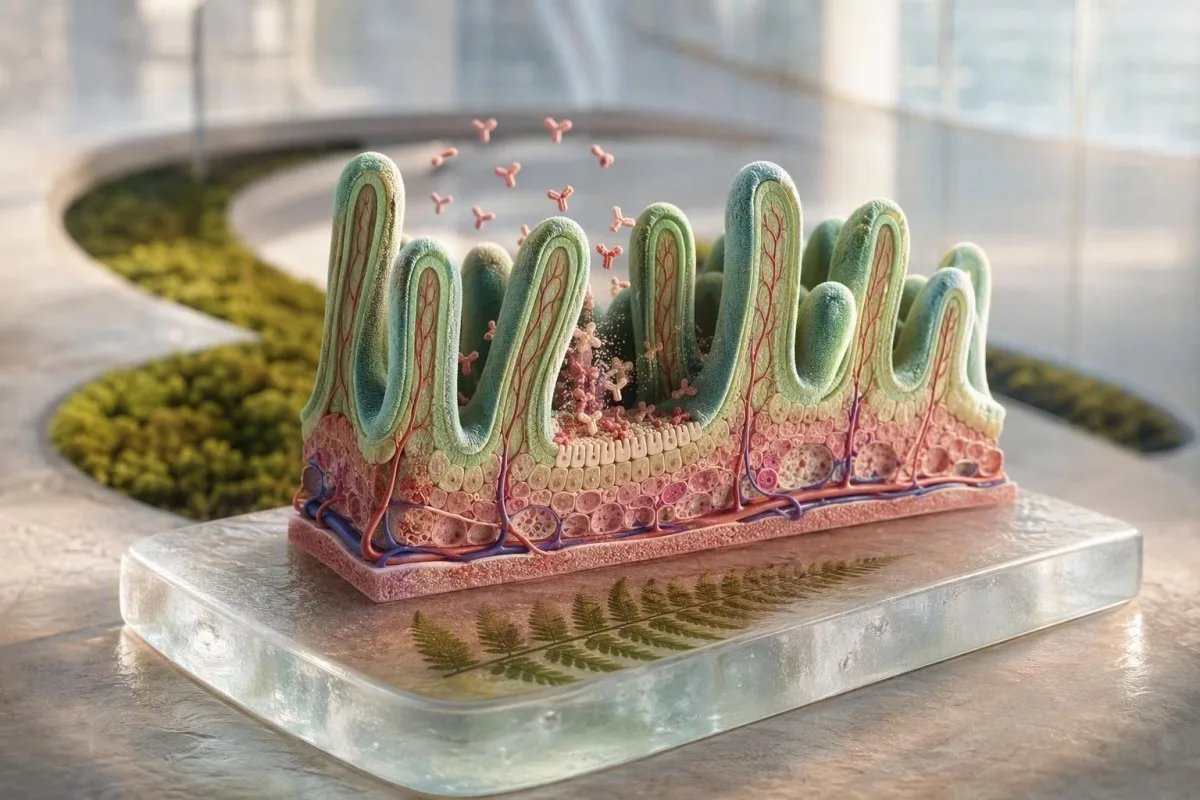
Kwa kipimo cha damu cha celiac kinachotegemewa, watu wazima wengi ambao wameacha gluten kwa muda mrefu wanahitaji takriban 3–6 g ya gluten kila siku kwa angalau wiki 6; changamoto ya wiki 12 hutoa jibu lililo wazi zaidi inapovumiliwa. Usianze tena gluten peke yako ikiwa una athari kali, kupoteza uzito mkubwa, wasiwasi wa ujauzito, au utambuzi uliothibitishwa hapo awali wa ugonjwa wa celiac.


- Changamoto ya kiwango cha chini: 3–6 g ya gluten kila siku, takriban 1–2 vipande vya mkate wa ngano, ni lengo la vitendo kwa watu wazima kabla ya kurudia uchunguzi wa celiac.
- Muda unaopendekezwa: Wiki 12 za kukabiliwa na gluten kila siku huongeza nafasi kwamba kipimo cha damu cha celiac na biopsy zitagundua ugonjwa baada ya kuepuka gluten.
- Changamoto fupi: 3 g kila siku kwa wiki 2 inaweza kusababisha mabadiliko ya biopsy kwa baadhi ya watu wazima, lakini matokeo hasi baada ya wiki 2 tu hayatoi uhakika wa kuwatenga watu wenye ugonjwa wa celiac.
- tTG-IgA: tTG-IgA hasi inaweza kuwa ya kutuliza kwa uwongo wakati ulaji wa gluten ni mdogo au IgA yote ni ya upungufu.
- IgA ya jumla: Jumla ya serum IgA inapaswa kupimwa pamoja na tTG-IgA; upungufu wa IgA unahitaji vipimo vinavyotegemea IgG.
- Usijipe changamoto mwenyewe: Watoto, wajawazito, watu wenye mizio mikali ya awali, na wale wenye utapiamlo mkubwa wanahitaji upangaji unaoongozwa na daktari.
- Upimaji wa HLA: HLA-DQ2 na HLA-DQ8 mbaya hufanya ugonjwa wa coeliac kuwa wa kutiliwa shaka sana na wakati mwingine unaweza kuepusha changamoto ya gluten.
- Usisimame mapema: Endelea kula gluten hadi daktari athibitishe kuwa vipimo vya damu na, ikiwa vinahitajika, endoscopy vimekamilika.
Kwa nini kuepuka gluten kunaweza kufanya kipimo cha damu cha celiac kiwe hasi
A kipimo cha damu cha coeliac kinaweza kuwa hasi baada ya kupunguza gluten kwa sababu ishara ya kinga inayopima hupungua wakati ngano, shayiri, na rye huondolewa. Kwa vitendo, tTG-IgA hasi wakati wa kutokula gluten haiwezi kutengwa na ugonjwa wa coeliac; inaweza tu kuonyesha kuwa mfumo wa kinga hauchochewi tena.
tTG-IgA hugundua mwitikio wa kingamwili, sio alama ya kudumu ya ugonjwa wa coeliac. Viwango vya kingamwili mara nyingi hupungua ndani ya wiki hadi miezi kwenye lishe kali isiyo na gluten, wakati kupona kwa utumbo kunaweza kuendelea kwa muda mrefu zaidi. Mwongozo wa 2023 wa Chuo cha Marekani cha Gastroenterology unasema kuwa serolojia ya utambuzi inapaswa kufanywa wakati mgonjwa anakula gluten (Rubio-Tapia et al., 2023).
Ninaona mchoro huu mara kwa mara: mtu huondoa gluten kwa miezi 8, anajisikia vizuri kidogo, kisha anapokea matokeo ya kawaida ya tTG-IgA na anaambiwa kuwa ugonjwa wa coeliac umetengwa. Hitimisho hilo si salama bila kujua ulaji wao wa gluten; tTG-IgA hasi ya uwongo ni ya kawaida zaidi wakati mfiduo umeisha. Mwongozo wetu unaohusiana kuhusu IgA ya chini na mitego ya coeliac unaelezea sababu kuu ya pili kwa nini serolojia inaweza kukosa ugonjwa.
Kantesti ni Mchambuzi wa mtihani wa damu wa AI ambayo husoma tTG-IgA pamoja na IgA jumla, haemoglobin, ferritin, folate, vitamini B12, na Enzymes za ini badala ya kutibu kingamwili moja hasi kama utambuzi wa mwisho. Upungufu wa chuma au ALT ya juu isiyotarajiwa inaweza kuweka ugonjwa wa coeliac kwenye meza hata wakati matokeo moja ya kingamwili ni ya kawaida.
Utaratibu una umuhimu. Peptide za Gluten hufikia sehemu ya juu ya utumbo mdogo, transglutaminase ya tishu huibadilisha, na njia za kinga zinazoweza kuathirika za HLA-DQ2 au HLA-DQ8 huzaa kingamwili; ondoa kichocheo na mwitikio wa kingamwili unaoweza kupimwa unaweza kutuliza. Hiyo ni biolojia, sio kushindwa kwa kipimo.
Uelewa mbaya wa kawaida
Kujisikia vizuri baada ya kuepuka mkate si utambuzi pekee. Dalili zinaweza kuboreka kwa sababu ya wanga wenye Fermentation kidogo, kupungua kwa ulaji wa chakula kilichochakatwa sana, kuepuka mzio wa ngano, au usikivu usio wa coeliac kwa gluten; vipimo vilivyopangwa vizuri tu vinaweza kutofautisha uwezekano huu.
Ni vipimo gani vya celiac vinahitaji gluten katika lishe?
tTG-IgA, EMA-IgA, kingamwili za peptide za gliadin zilizofutwa, na biopsy ya duodenal ni za kuaminika zaidi wakati gluten inaliwa. Upimaji wa maumbile wa HLA-DQ2/DQ8 ni tofauti: unabaki kuwa halali ikiwa mtu anakula gluten au la.
tTG-IgA ni kipimo cha kawaida cha kwanza cha damu kwa coeliac kwa watu wazima na watoto wenye umri wa miaka 2 au zaidi. Maabara nyingi huripoti thamani zilizo chini ya 10–15 U/mL kama hasi, lakini kikomo cha juu cha kawaida ni maalum kwa kipimo, kwa hivyo muda wa kumbukumbu wa maabara yenyewe huongoza tafsiri. EMA-IgA ni maalum sana na mara nyingi hutumiwa kuthibitisha tTG-IgA yenye nguvu.
IgA jumla ya damu inapaswa kuwekwa kwenye ombi moja kama tTG-IgA. Upungufu wa kawaida wa IgA hutokea kwa takriban mtu 1 kati ya 400 hadi 1 kati ya 700 katika idadi nyingi za watu Magharibi na unaweza kusababisha tTG-IgA hasi licha ya kuwa na ugonjwa wa coeliac; hivyo basi, kupima kwa kutumia DGP au tTG kulingana na IgG kunafaa. A mwongozo wa kipimo cha ubora (qualitative) dhidi ya wingi (quantitative) unaweza kuwasaidia wasomaji kuona kama ripoti inatoa thamani iliyopimwa au ishara ya kuthibitisha/kukataa tu.
Upasuaji wa utumbo mdogo hupima muundo wa vinyweleo na seli za kinga ndani ya utumbo, lakini mabadiliko ya utando yanaweza pia kuboreka baada ya kuacha gluten. Kwa watu wazima, vipimo vya damu vilivyothibitishwa kwa kawaida hupelekea uchunguzi wa ndani wa mfumo wa juu (upper endoscopy) kabla ya kujitolea kwa ulaji usio na mwisho; upasuaji unabaki kuwa muhimu sana wakati matokeo hayalingani.
Usichanganye paneli ya chakula kinachosababisha usikivu (food-intolerance panel) na vipimo vya coeliac. Paneli za chakula za IgG hazitambui ugonjwa wa coeliac, na kipimo cha nyumbani hakiwezi kuchukua nafasi ya tathmini ya jumla ya IgA, kipimo cha antibody kilichothibitishwa, au tafsiri ya mtaalamu.
Vipimo vinavyobaki muhimu wakati uko kwenye lishe isiyo na gluten
Kutokuwepo kwa HLA-DQ2 au HLA-DQ8 kuna thamani kubwa sana ya kuthibitisha kutokuwepo kwa ugonjwa kwa sababu karibu watu wote wenye ugonjwa wa coeliac hubeba mojawapo ya haplotypes hizi. Matokeo chanya ya HLA ni ya kawaida na hayatambui ugonjwa wa coeliac; takriban 30-35% ya idadi nyingi za watu hubeba DQ2 au DQ8 lakini ni takriban 1-4% tu huendeleza ugonjwa wa coeliac.
Ni gluten kiasi gani kinatosha kwa changamoto ya gluten?
Changamoto ya gluten ya vitendo kwa watu wazima ni gramu 3–6 za gluten kwa siku, sawa na takriban vipande 1–2 vya kawaida vya mkate wa ngano, kwa ajili ya vipimo vya utambuzi. Chakula kingi sio lazima kiwe bora; uthabiti ni muhimu zaidi kuliko kulazimisha kipimo kikubwa ambacho humfanya mtu aache baada ya siku kadhaa.
Kipande kimoja cha mkate wa kawaida wa ngano kina takriban 2–3 g ya gluten, wakati mkate wa kawaida wa bageli unaweza kuwa na 4–7 g na kikombe kimoja cha tambi za kawaida zilizopikwa takriban 2–4 g, kulingana na mapishi na kiwango cha chakula. Mbegu za oats sio chakula cha changamoto kinachotegemewa kwa sababu oats zilizothibitishwa kuwa hazina gluten zina gluten kidogo sana na oats za kawaida hutofautiana katika uchafuzi.
Uhakiki uliofanywa na wenzake wa Leonard unapendekeza angalau 3–6 g kila siku kwa zaidi ya wiki 12 wakati changamoto ndefu inavumiliwa, hasa ikiwa lengo ni kuondoa kwa uhakika ugonjwa baada ya miezi au miaka bila gluten (Leonard et al., 2023). Baadhi ya waganga hutumia 10 g kila siku, lakini kiwango hicho ni vigumu kudumisha na haijathibitishwa kuwa muhimu kwa kila mtu mzima.
Utaratibu unaofaa ni bidhaa moja yenye gluten katika kifungua kinywa na moja katika chakula cha mchana, badala ya mlo mmoja mkubwa wa jioni. Rekodi bidhaa, kiwango kinachokadiriwa, dalili, na siku zilizokosekana; diary hiyo inampa daktari wa mfumo wa mmeng'enyo wa chakula habari bora zaidi kuliko kumbukumbu ya kawaida ya kula “mkate fulani.”
Kwa muktadha mpana zaidi kuhusu maana ya alama za maabara kwa pamoja, yetu mwongozo wa kumbukumbu ya biomarker inaeleza kwa nini ferritin na vipimo vya seli nyekundu za damu mara nyingi hupitiwa pamoja na antibodies za coeliac.
Kipimo ni gramu za gluten, sio uzito wa chakula
Kilo 50 za mkate sio gramu 50 za gluten. Kiwango cha gluten hutofautiana na unga, unyevu, mapishi, na uchakataji, ndiyo sababu waganga kawaida huagiza milo inayolingana badala ya kuwaomba wagonjwa kupima protini ya gluten iliyotengwa.
Changamoto ya gluten inapaswa kudumu kwa muda gani kabla ya kupima?
Wiki sita ni kiwango cha chini kinachofaa kwa watu wengi wazima, wakati wiki 12 zinatoa changamoto inayotegemewa zaidi baada ya kuepuka gluten kwa muda mrefu. Changamoto ya wiki 2 inaweza kusaidia utambuzi ikiwa vipimo vitakuwa chanya, lakini matokeo hasi baada ya siku 14 tu hayawezi kuondoa ugonjwa wa coeliac kwa usalama.
Muda unaohitajika hutegemea umri, lishe ya awali, mwitikio wa kinga, na kama daktari anapanga vipimo vya damu pekee au upasuaji. Katika utafiti mdogo wa watu wazima, gramu 3 za gluten kila siku kwa siku 14 zilisababisha mabadiliko ya kihistoria ya utambuzi kwa washiriki wengi, hata hivyo mwitikio wa kinga ulikuwa nyuma; pengo hilo ndilo sababu itifaki fupi zinaweza kukosa kesi.
Kufikia Agosti 31, 2026, kwa ujumla najadili mpango wa wiki 12 na watu wazima ambao wamekula kidogo au hakuna gluteni kwa miezi kadhaa, na vipimo vya damu takriban wiki ya 6 na tena karibu na wiki ya 12 ikiwa matokeo ya kwanza ni mabaya. Daktari Thomas Klein, Mkuu wetu wa Afya, anaona kucheleweshwa kwa uchunguzi unaoweza kuepukwa zaidi wakati mgonjwa anaanza tena gluteni kwa wikendi moja tu kabla ya kuchukua damu.
Ikiwa dalili zinakuwa mbaya, wasiliana na daktari anayeagiza badala ya kuacha kimya kimya. Wanaweza kuleta vipimo vya damu mapema, kupanga endoscopy mapema, au kufikiria tena ikiwa upimaji wa HLA unaweza kujibu swali bila kukabiliwa kwa muda mrefu. A mwongozo wa muda wa vipimo vya damu husaidia kuelewa kwa nini mabadiliko yanayohusiana na lishe hayadhihiriki mara moja katika matokeo ya maabara.
Endelea na changamoto ya gluteni hadi uchukuzi wa damu na, ikiwa matokeo ya kingamwili ni mazuri au tuhuma zinabaki juu, hadi timu ya endoscopy itakapoagiza vingine. Kuacha baada ya matokeo mazuri ya damu lakini kabla ya biopsy kunaweza kupunguza ishara inayoonekana ya utumbo.
Kalenda ya kweli
Wiki 1–2 weka ulaji wa kila siku na tambua dalili za mapema. Wiki 3–6 ndizo wakati uchukuzi wa damu wa awali unaweza kuwa na manufaa; wiki 7–12 huongeza usikivu kwa watu ambao kingamwili zao huinuka polepole, hasa baada ya kuzuiliwa kwa muda mrefu.
Changamoto ya gluten kwa watoto na vijana inahitaji mpango tofauti
Watoto hawapaswi kuanza changamoto ya gluteni bila ushauri wa daktari wa watoto, kwa sababu ukuaji, lishe, mzigo wa dalili, na uwezekano wa utambuzi bila biopsy hubadilisha mpango. Mtoto anayekua vibaya au anayepunguza uzito anahitaji tathmini kwanza, sio changamoto ya mkate ya kufanya mwenyewe.
Kwa watoto wenye maadili ya juu sana ya tTG-IgA—angalau mara 10 ya kiwango cha juu zaidi cha kawaida cha kipimo—pamoja na EMA-IgA chanya katika sampuli ya pili, mwongozo wa ESPGHAN unaruhusu utambuzi bila biopsy katika kesi zilizochaguliwa chini ya utunzaji wa daktari bingwa wa watoto (Husby et al., 2020). Njia hiyo inahitaji ulaji wa gluteni unaofanya kazi wakati wa upimaji.
Mtoto wa shule ya awali hawezi kudhaniwa kuvumilia kiwango sawa kabisa na mtu mzima wa kilo 75. Madaktari wa watoto mara nyingi hufanya kazi kutoka kwa milo ya kawaida ya kila siku na lishe ya kawaida ya mtoto, kisha hufuatilia uzito, kasi ya urefu, unyevu, mfumo wa kinyesi, na mahudhurio ya shule; lengo haipaswi kuwa mashindano ya uvumilivu wa dalili.
Upungufu wa chuma, ukuaji wa polepole wa mstari, vidonda vya mdomo vya mara kwa mara, mabadiliko ya enamel, na kuchelewa kwa kubalehe kunaweza kuwa dalili za celiki hata bila kuhara. Wazazi wanaweza kukagua uchunguzi mpana zaidi katika mwongozo wetu wa upimaji wa ukuaji wa utotoni, lakini uchunguzi wa kawaida wa homoni ya ukuaji haufungi uwezekano wa kunyonya utumbo.
Ikiwa mtoto tayari amepata majibu ya kuaminika kwa lishe isiyo na gluteni, familia inapaswa kuuliza ikiwa upimaji wa HLA au uanzishwaji upya kwa usimamizi ni njia ya chini ya usumbufu. Nimejifunza kuchukulia kwa umakini wasiwasi wa familia hapa—milo ya chakula inaweza kuwa ngumu sana hivi karibuni.
Mpango wa shule na lishe
Mpango ulioandikwa unapaswa kutambua milo gani ina gluteni na jinsi dalili zitakavyoshughulikiwa wakati wa masaa ya shule. Kubadilisha kiwango mara kwa mara, kubadilisha kwa vyakula visivyo na gluteni, au kuruhusu ulaji wa wikendi mara kwa mara hufanya matokeo ya mwisho kuwa ngumu zaidi kutafsiri.
Je, ikiwa umeacha gluten kwa miaka mingi?
Baada ya miaka mingi kwenye lishe isiyo na gluteni, upimaji wa kingamwili unaweza kubaki hasi isipokuwa ulaji wa gluteni unadumu kwa muda wa kutosha kuamsha tena mwitikio wa kinga. Hii ni kundi ambalo kwa ajili yake changamoto ya wiki 12 iliyosimamiwa na daktari, au upimaji wa HLA kwanza, kwa kawaida ni busara zaidi.
Kadiri gluteni ilivyo haipo kwa muda mrefu, ndivyo tTG-IgA ya mara moja inavyopungua manufaa. Baadhi ya wagonjwa wanahitaji zaidi ya wiki 6 kabla ya kingamwili zinazoweza kupimwa kurejea, na mtihani hasi katika wiki ya 6 unapaswa kutafsiriwa dhidi ya kiwango halisi kilicholiwa, sio tu kalenda.
Ugonjwa wa Celiac unaweza kuacha athari katika historia ya maabara: upungufu wa madini ya chuma (ferritin), upungufu wa uhamishaji wa chuma (transferrin saturation), upungufu wa folate, ongezeko la chembechembe za damu (platelet count), upungufu wa vitamini D, au ongezeko la jasho la ini (transaminase elevation) lisilo la kawaida. Hakuna hata moja kati ya hizi pekee inayoweza kuthibitisha ugonjwa huo, lakini mkusanyiko wa dalili hizi huongeza uwezekano wa uchunguzi wa awali; angalia maelezo yetu ya kina mwongozo wa masomo ya chuma kwa tofauti kati ya akiba ya chuma iliyochoka na kiwango cha chini cha chuma kwenye damu kinachohusiana na uvimbe.
Kantesti ni huduma ya kutafsiri vipimo vya maabara ya AI ambayo huwasaidia watumiaji kuweka pamoja vipimo vya zamani na vipya, ikiwa ni pamoja na haemoglobin, MCV, ferritin, albumin, na maadili ya antibody. Haiwezi kugundua ugonjwa wa Celiac, lakini historia ya muda inaweza kumsaidia daktari kuona ikiwa matatizo ya lishe yalitangulia vikwazo vya chakula.
Kipimo cha awali cha Celiac kilicho na matokeo hasi hakiamui mambo ikiwa kilifanywa baada ya kuacha ulaji wa gluten. Omba ripoti ya awali, thamani kamili ya antibody, jumla ya IgA, na ni kiasi gani cha gluten ulikuwa unakula wakati wa wiki 6-12 kabla ya kuchukua sampuli.
Kwa nini lishe inaweza kuonekana kuwa ya kawaida
Kiwango cha kawaida cha ferritin hakiwezi kuthibitisha kutokuwepo kwa ugonjwa wa Celiac. Ferritin huongezeka na uvimbe na majeraha ya ini, hivyo ferritin ya 70 µg/L inaweza kuambatana na upatikanaji wa chuma uliozuiliwa wakati protini ya C-reactive imeongezeka; uhamishaji wa chuma (transferrin saturation) huongeza muktadha muhimu.
Ni lini unapaswa kukwepa changamoto ya gluten bila ushauri wa kimatibabu?
Usianze tena ulaji wa gluten peke yako ikiwa hapo awali ilisababisha upungufu wa maji mwilini, kupoteza fahamu, kutapika kali, kupoteza uzito haraka, matatizo ya ujauzito, au matibabu hospitalini. Mpango unaosimamiwa pia ni salama kwa watoto, watu wenye kisukari wanaotumia insulini, na mtu yeyote mwenye kurudia tena kwa matatizo ya kula yanayojulikana au yanayoshukiwa.
Ugonjwa wa Celiac wenyewe mara chache husababisha mwitikio wa anaphylactic wa haraka, hivyo kuwasha kwa kasi, kukoroma, kubana koo, au kuanguka baada ya kula ngano huashiria mzio wa ngano na huhitaji tathmini ya mzio badala ya changamoto ya Celiac. Vipimo vya Celiac na vipimo vya mzio hujibu maswali tofauti, na kuchanganya hivi kunaweza kuwa hatari.
Tafuta tathmini ya haraka ya kimatibabu kabla ya changamoto ikiwa una zaidi ya 5% kupoteza uzito wa mwili bila kukusudia kwa mwezi 1, kutapika kwa kudumu, kinyesi cheusi, maumivu makali ya tumbo, au dalili za upungufu wa maji mwilini kama vile mkojo mchache sana na kizunguzungu. Hizi si “uthibitisho” unaotarajiwa kwamba gluten inafanya kazi; ni sababu za kutathmini upya.
Ujauzito unahitaji uangalizi tofauti kwa sababu ugonjwa wa Celiac ambao haujatibiwa na lishe yenye vikwazo vinaweza kuathiri chuma, folate, na ongezeko la uzito. Wasiliana na daktari kupitia yetu njia ya mawasiliano ya kimatibabu au timu yako ya uzazi kabla ya kuanza tena ulaji wa gluten kwa makusudi.
Watu wenye utambuzi wa awali wa ugonjwa wa Celiac uliothibitishwa na biopsy kwa kawaida hawahitaji changamoto ya gluten ili kuithibitisha tena. Isipokuwa ni shaka kubwa kuhusu utambuzi wa zamani, ambao huendeshwa vyema na daktari wa mfumo wa chakula ambaye anaweza kutathmini upya patholojia ya awali na rekodi za antibody.
Dalili za dharura
Kuwa na kikohozi kipya, uvimbe wa uso, kuchanganyikiwa, kutoweza kunywa maji kwa saa 12-24, kupoteza fahamu, au dalili za kutokwa na damu kwenye mfumo wa chakula huhitaji tathmini ya haraka ya kimatibabu. Usiendelee kuathiriwa na chakula ili “kukamilisha kipimo” wakati dalili za tahadhari zinapoonekana.
Je, jeni za HLA zinaweza kuzuia changamoto isiyo ya lazima ya gluten?
Vipimo hasi vya HLA-DQ2 na HLA-DQ8 hufanya ugonjwa wa Celiac kuwa wa kutowezekana sana na mara nyingi huweza kuepusha changamoto ya gluten. Matokeo chanya huonyesha tu uwezekano wa urithi, kwa hivyo haiwezi kuthibitisha ugonjwa wa Celiac au kueleza dalili zenyewe.
Zaidi ya 95% ya watu wenye ugonjwa wa Celiac hubeba HLA-DQ2.5, DQ2.2, au DQ8, ingawa istilahi hutofautiana kidogo kati ya maabara. Kipimo hiki ni muhimu zaidi wakati mtu tayari hajali gluten, wakati rekodi za zamani hazipatikani, au wakati mzigo unaotarajiwa wa kurejesha gluten ni mkubwa.
Matokeo chanya ya HLA ni ya kawaida: karibu 30–40% ya watu hubeba jenetiki inayofanana, wakati tu takriban 1% huendeleza ugonjwa wa Celiac. Tofauti hiyo ndiyo sababu vipimo vya jenetiki vinapaswa kuongoza uamuzi unaofuata, sio kuwa utambuzi uliochapishwa kwenye orodha ya matatizo.
Kantesti AI hutumia njia jukwaa la tafsiri ya viashiria vya AI ya kuashiria wakati paneli ya kingamwili ilikusanywa baada ya kuepuka gluten na wakati matokeo ya jumla ya IgA hayapo; upimaji wa vinasaba bado unahitaji uagizaji na tafsiri kutoka kwa daktari. kanuni za uhakiki wa kimatibabu zetu zinaelezea kwa nini mabango ya muktadha si mbadala wa maamuzi ya uchunguzi.
Kwa uzoefu wangu, upimaji wa HLA ni muhimu sana kwa watu ambao wameacha gluten kwa sababu ya dalili za kutatanisha na sasa wanaogopa changamoto ndefu. Matokeo mabaya yanaweza kufunga kitanzi kigumu; matokeo mazuri huendeleza mazungumzo tu.
Vinasaba havina uwezo wa kutabiri ukali
Aina ya HLA haitabiriki kwa uhakika ikiwa dalili zitakuwa hafifu, ikiwa mabadiliko ya villous yapo, au ikiwa mtu atapata ugonjwa wa celiac baadaye. Jamaa wa kiwango cha kwanza walio na vinasaba vinavyooana bado wanaweza kuhitaji tathmini ya kimatibabu mara kwa mara ikiwa kutatokea dalili au upungufu wa virutubisho.
Jinsi ya kukamilisha changamoto bila kupunguza kipimo kwa bahati mbaya
Ulaji wa kila siku wa gluten unaoendelea ni muhimu zaidi kwa uchunguzi kuliko milo mikubwa ya mara kwa mara. Chagua vyakula viwili au vitatu vinavyojulikana vyenye ngano, kadiria kiwango chake cha gluten, na epuka kubadilika na kuwa toleo lisilo na gluten baada ya changamoto kuanza.
Ruwaza rahisi ya 3–6 g inaweza kuwa kipande kimoja cha mkate wa ngano wakati wa kifungua kinywa na huduma ndogo ya tambi au biskuti za kawaida baadaye mchana. Angalia lebo kwa ajili ya ngano, shayiri, au shayiri; mkate wa ngano wenye ladha bado una gluten, na mkate wa “mkulima” si lazima uwe na gluten kidogo.
Bia, michuzi, vyungu vilivyoshirikiwa, na vyakula vilivyochakatwa huleta kutokuwa na uhakika, kwa hivyo ni vyanzo duni vya msingi kwa changamoto iliyopimwa. Chakula kimoja kinachotabirika hutoa historia safi zaidi ya ulaji na huwezesha kubaini ikiwa dalili zinahusiana na kiwango.
Usianze programu za kuondoa chakula zisizohusiana, probiotiki, bidhaa za nyuzi nyingi, au dawa mpya za kunyosha haja kubwa katika dirisha sawa la wiki 6–12 ikiwa unaweza kuepuka. Zinaweza kubadilisha dalili za utumbo na kufanya uzoefu wa maisha kuwa mgumu kufasiri; mwongozo wetu wa vyakula vinavyobadilisha vipimo vya utumbo unashughulikia suala hili la vitendo.
Jarida la chakula linapaswa kujumuisha tarehe, chakula, kiasi kinachokadiriwa, mzunguko wa haja kubwa, dalili za tumbo, na dozi zilizokosekana. Haitaji kuwa kamili—maingizo matatu wazi kwa siku ni muhimu zaidi kuliko kujaribu kurekodi kila tone.
Ulaji wa shayiri na changamoto ya gluten
Shayiri zilizothibitishwa hazina gluten si chanzo cha gluten kwa madhumuni ya uchunguzi. Shayiri za kawaida zinaweza kuchafuka bila kutabirika, ambayo huwafanya wasiwefaa kwa changamoto iliyoundwa ili kuanzisha kipimo kinachojulikana.
Ni dalili gani zinazotarajiwa, na unaweza kuzisimamiaje kwa usalama?
Kuvimba, kinyesi laini, uchovu, usumbufu wa tumbo, maumivu ya kichwa, na ukungu wa ubongo vinaweza kurudia wakati wa changamoto ya gluten, lakini dalili kali zinapaswa kusababisha tathmini ya kimatibabu badala ya uvumilivu. Dalili pekee hazithibitishi wala hazikanushi ugonjwa wa celiac kwa sababu zinaingiliana na ugonjwa wa matumbo unaowaka na hali zingine za utumbo.
Tumia hatua za usaidizi ambazo haziendi gluten: maji ya kawaida, suluhisho la unyevu wa mdomo kwa kuhara, milo midogo, na usingizi unaotabirika. Dawa ya kuzuia kuhara inaweza kuwa na mantiki kwa baadhi ya watu wazima, lakini muulize daktari kwanza ikiwa una homa, damu kwenye kinyesi, maumivu makali, au utambuzi mpya unaochunguzwa.
Epuka kutafsiri kila dalili kama uharibifu wa utumbo. Mtu aliye na unyeti wa utumbo wa kazi anaweza kujisikia vibaya ndani ya saa chache baada ya mlo wa ngano kwa sababu fructans huchachuka haraka, wakati utengenezaji wa tTG-IgA na mabadiliko ya villous hutokea kupitia mchakato tofauti wa kinga. Mwongozo wetu wa vipimo vya damu kwa kuhara unaelezea wakati dalili za kinyesi zinahitaji uchunguzi mpana zaidi.
Ikiwa uchovu unakuwa mkubwa, kagua ulaji wa maji, ulaji wa kalori, hali ya chuma, na usingizi badala ya kudhani sababu moja. Dk. Thomas Klein ameona wagonjwa wakiogopa bila lazima na mabadiliko madogo ya chembechembe nyekundu au ALT wakati wa vipimo; mienendo na picha kamili ya kimatibabu ni muhimu zaidi kuliko matokeo moja tu ya mpaka.
Simama na utafute ushauri kwa kutokuwa na uwezo wa kudumu wa kufanya kazi au kuhudhuria shule, kuhara mara kwa mara usiku, kizunguzungu kinachozidi kuwa mbaya, au upungufu wa maji mwilini dhahiri. Changamoto iliyofupishwa kimatibabu inayopata ushahidi muhimu wa serolojia au biopsi ni bora kuliko kujikakamua hadi mpango uporomoke.
Je, probiotiki hubadilisha kipimo?
Hakuna ushahidi wa kuaminika kwamba probiotiki inayopatikana bila agizo la daktari inazuia utengenezaji wa kingamwili za celiac wakati wa changamoto ya gluten. Kuanza moja katikati ya changamoto bado kunaweza kuchanganya ufuatiliaji wa dalili, kwa hivyo kwa kawaida ninashauri kuweka virutubisho kuwa sawa isipokuwa daktari anapendekeza mabadiliko.
Jinsi ya kujiandaa kwa uchimbaji wa damu wa celiac
Kipimo cha damu cha celiac kwa kawaida hakihitaji kufunga, lakini kinahitaji ulaji unaoendelea wa gluten na paneli sahihi ya kingamwili. Endelea na kipimo cha kila siku cha gluten kilichokubaliwa kupitia siku iliyotangulia na, isipokuwa daktari wako aseme vinginevyo, kupitia asubuhi ya sampuli.
Uliza ikiwa agizo linajumuisha tTG-IgA na IgA ya jumla ya seramu; EMA-IgA, DGP-IgG, au tTG-IgG zinaweza kuongezwa kwa visa vilivyochaguliwa. Maabara hutumia mbinu na vitengo tofauti, kwa hivyo thamani ya 18 U/mL haiwezi kutafsiriwa bila kikomo cha juu zaidi cha kawaida cha kipimo hicho.
Kufunga si lazima kwa upimaji wa kingamwili, ingawa paneli inayofuata ya lipid, sukari, au chuma inaweza kuwa na maagizo tofauti ya maandalizi. Biotin kwa kawaida haiathiri serolojia ya kawaida ya celiac kwa jinsi inavyoweza kupotosha baadhi ya vipimo vya kingamwili vya homoni, lakini orodhesha virutubisho na dawa zote kwenye ombi.
Kantesti ni Zana ya uchambuzi wa vipimo vya damu inayotumia AI ambayo inaweza kusaidia wasomaji kunakili PDF ya maabara kwa usahihi na kutambua IgA ya jumla inayokosekana, lakini haipaswi kutumiwa kujitambua kutoka kwa skrini. Kabla ya kupakia, tumia yetu orodha ya ukaguzi wa usahihi wa PDF ili kuangalia vitengo, tarehe, na safu za marejeleo.
Andika idadi ya wiki za changamoto na chanzo cha kawaida cha chakula cha kila siku kabla ya miadi. “Haina gluten kwa mwaka, kisha kipande kimoja cha mkate kila siku kwa wiki 7” kinaweza kutekelezwa kimatibabu; “Nilila gluten mara kwa mara” haitekelezwi.
Vidokezo vya dawa
Usiache dawa zilizowekwa kwa ajili ya kujiandaa tu kwa serolojia ya celiac. Tiba ya kuzuia kinga inaweza kupunguza mwitikio wa kingamwili, kwa hivyo dawa kama vile corticosteroids za mfumo, biologics, au dawa za baada ya kupandikizwa zinapaswa kurekodiwa na kujadiliwa na mtaalamu anayeagiza.
Jinsi ya kutafsiri matokeo baada ya changamoto ya gluten
tTG-IgA chanya wakati wa changamoto ya kutosha ya gluten inasaidia sana ugonjwa wa celiac, wakati matokeo mabaya yanatuliza tu ikiwa kipimo, muda, IgA ya jumla, na mashaka ya kimatibabu yote yanafaa. Matokeo yanapaswa kutafsiriwa kabla ya gluten kuondolewa tena.
Matokeo ya tTG-IgA yaliyo juu ya kikomo cha juu cha maabara si utambuzi wa mwisho wa moja kwa moja kwa watu wazima kwa sababu matokeo chanya ya uongo yanaweza kutokea na ugonjwa wa ini unaojishughulisha na mwili, kisukari aina ya 1, na hali nyingine za kuvimba. Uthibitisho wa EMA-IgA na biopsi ya duodenal mara nyingi hufafanua picha, hasa kwa maadili ya chini chanya.
tTG-IgA hasi baada ya wiki 2 tu za kipande 1 cha mkate kila siku si kipimo cha kutosha cha kutengwa kwa watu wengi. Ushahidi kwa kweli umegawanyika juu ya kipimo kimoja cha jumla, lakini 3–6 g kila siku kwa wiki 6–12 ni taarifa zaidi kuliko kuathirika mara kwa mara.
Angalia muktadha wa lishe. Ferritin ya chini chini ya 15–30 µg/L inasaidia akiba ya chuma iliyopungua kwa watu wengi wazima, ingawa hali za kuvimba zinaweza kuficha upungufu; yetu ferritin na CRP huongoza inaeleza kwa nini alama zote mbili ni muhimu pamoja.
Kantesti AI inaweza kupanga matokeo ya antibodies na virutubisho vinavyobadilika kwa mpangilio wa wakati, lakini jopo chanya la celiac linapaswa kukaguliwa na daktari ambaye anaweza kupanga uthibitisho. Usikubali lishe kali ya kudumu kulingana tu na matokeo ya chini-chanya ambayo hayajathibitishwa ikiwa biopsy bado imepangwa.
Ugonjwa wa Celiac usio na Seronegative
Ugonjwa wa celiac usio na seronegative ni nadra lakini ni halisi. Wakati villous atrophy, aina ya HLA inayokubalika, malabsorption, na mwitikio wa kuondolewa kwa gluten unalingana licha ya antibodies hasi, daktari wa magonjwa ya mfumo wa utumbo lazima pia atoe maambukizo, athari za dawa, magonjwa ya kinga, na sababu zingine za jeraha la villous.
Ni lini upasuaji wa endoscopy unahitajika baada ya kipimo cha damu cha celiac?
Watu wengi wazima wenye serology chanya ya celiac wanapaswa kuendelea na gluten na kupitia endoscopy ya juu na biopsies nyingi za duodenal kabla ya utambuzi wa maisha yote kutolewa. Endoscopy pia ni muhimu wakati antibodies ni hasi lakini kupunguza uzito, upungufu wa damu, au historia ya familia huendelea kushuku juu.
Ugonjwa wenye mabaka ni moja ya sababu kwa nini sampuli ni muhimu. Madaktari wa mfumo wa utumbo kawaida hupata angalau vipimo vinne kutoka duodenal ya distal na moja au mbili kutoka kwa bulb, kwa sababu upotovu unaweza kuwa dhahiri zaidi katika eneo moja kuliko lingine; sampuli moja inaweza kukosa utambuzi.
Endelea changamoto hadi daktari wa endoscopy atakaporuhusu kuacha. Wagonjwa wakati mwingine hupokea matokeo ya antibody chanya, husherehekea kwa kurudi kwenye kula bila gluten mara moja, na huwasili wiki baadaye na mabadiliko madogo ya mucosal - chanzo kinachoweza kuepukwa cha kutokuwa na uhakika.
Endoscopy pia inaweza kuchunguza njia mbadala kama vile ugonjwa wa uchochezi wa matumbo, colitis ya microscopic, ugonjwa wa peptic, au shida zingine za malabsorptive wakati dalili hazilingani kabisa. Ikiwa dalili za utumbo wa chini au kutokwa damu kwa rektamu zipo, yetu mwongozo wa ufuatiliaji wa calprotectin wa kinyesi inaeleza kwa nini alama ya kinyesi inaweza kuombwa kando.
Biopsy ya kawaida baada ya changamoto ya kutosha na serology hasi hufanya ugonjwa wa celiac hai kuwa hauwezekani, lakini tafsiri ya mwisho inategemea ubora wa patholojia, nyaraka za changamoto, hali ya HLA, na utambuzi pinzani. Hii ni moja ya maeneo hayo ambapo muktadha ni muhimu zaidi kuliko nambari yoyote moja.
Utambuzi bila biopsy kwa watu wazima
Baadhi ya huduma kwa watu wazima wanaweza kutambua wagonjwa waliochaguliwa bila biopsy wakati tTG-IgA ni ya juu sana na EMA-IgA ni chanya, lakini hii sio mazoezi ya kila mahali. Itifaki za mitaa, mapendeleo ya mgonjwa, umri, na matokeo ya utambuzi wa maisha yote huathiri.
Mpango unaotolewa kwa ajili ya daktari kwa ajili ya miadi yako ijayo
Leta kipimo cha gluten kilichoandikwa, tarehe ya kuanza kwa changamoto, diary ya dalili, matokeo ya zamani ya celiac, na historia ya familia kwenye miadi. Maelezo haya matano huruhusu daktari kuhukumu ikiwa kipimo chako cha damu cha celiac kilifanywa kwa usahihi na ikiwa utafanya tena kipimo, kuagiza upimaji wa HLA, au kupanga endoscopy.
Uliza maswali manne ya moja kwa moja: Je! kipimo changu kilifanywa baada ya kutosha kukaanga? Je! IgA jumla ilipimwa? Je! nahitaji upimaji wa HLA-DQ2/DQ8? Je! ninafaa kuendelea na gluten hadi endoscopy? Hii inazuia kosa la kawaida lakini la gharama kubwa la kuondoka kwenye mashauriano na matokeo ya “hasi” ambayo hayakuweza kamwe kutengeneza ugonjwa.
Ikiwa utambuzi utathibitishwa, rufaa kwa mtaalamu wa lishe mwenye utaalam wa celiac ni muhimu kama maagizo ya awali ya kukwepa gluten. Uchunguzi wa virutubisho mara nyingi hujumuisha hesabu kamili ya damu, ferritin, folate, vitamini B12, vitamini D, Enzymes ya ini, na wakati mwingine zinki au shaba, kulingana na dalili na upungufu wa msingi.
Kantesti AI husaidia watumiaji kuhifadhi muktadha wa maabara wa muda mrefu katika uchunguzi wa utambuzi, wakati wetu unaoongozwa na daktari Bodi ya Ushauri wa Matibabu inasaidia viwango vya kimatibabu vilivyo nyuma ya yaliyomo kwenye elimu. Zana hii ni muhimu kwa kuandaa maswali, si kwa ajili ya kuchukua nafasi ya huduma ya magonjwa ya mfumo wa mmeng'enyo wa chakula.
Mwisho wake: usikimbie kipimo. Changamoto ya kila siku iliyopimwa, kwa kawaida gramu 3–6 za gluten kwa wiki 6–12, inakupa nafasi bora ya kupata jibu ambalo bado litaaminika miaka ijayo.
Nini cha kuhifadhi kwenye kumbukumbu zako
Hifadhi PDF za maabara, ripoti za magonjwa, picha za upasuaji wa ndani, maelezo ya mtaalamu wa lishe, na tarehe kamili gluten ilipoachwa baada ya kupimwa. Hizi rekodi huzuia changamoto zinazorudiwa baadaye na ni muhimu sana ikiwa utunzaji hubadilika nchi au daktari.
Maswali Yanayoulizwa Mara Kwa Mara
Nikule gluten kiasi gani kabla ya kipimo cha damu cha ugonjwa wa celiac?
Watu wazima wengi wanapaswa kula takriban gramu 3–6 za gluten kila siku kabla ya kipimo cha damu cha celiac, ambacho ni takriban vipande 1–2 vya mkate wa kawaida wa ngano. Chanzo cha chakula cha kila siku kinachokubalika ni bora kuliko milo mikubwa ya mara kwa mara kwa sababu uzalishaji wa kingamwili hutegemea mfiduo unaoendelea. Baadhi ya wataalamu wanaagiza gramu 10 kila siku, lakini kiasi kikubwa zaidi kinaweza kuongeza dalili na si lazima kwa kila mtu. Watoto wanahitaji mpango maalum kutoka kwa daktari wa watoto.
Ni lazima nile gluten kwa muda gani kabla ya kupimwa kwa ajili ya CE?
Changamoto ya gluten inayodumu angalau wiki 6 hutumiwa mara kwa mara kwa kipimo cha damu cha celiac, wakati wiki 12 zinatoa mkakati wa kutojumuisha unaoaminika zaidi baada ya kuepuka gluten kwa muda mrefu. Changamoto ya wiki 2 wakati mwingine inaweza kufanya matokeo ya biopsy kuwa chanya, lakini kipimo hasi cha kingamwili baada ya siku 14 tu hakiondoi ugonjwa wa celiac. Muda sahihi unategemea vikwazo vya gluten vya awali, kipimo cha kila siku, dalili, na ikiwa upasuaji wa ndani unapangwa. Endelea kula gluten hadi daktari atakapothibitisha kuwa vipimo vimekamilika.
Je, kutokula vyakula vyenye gluten kunaweza kusababisha kipimo hasi cha uwongo cha tTG-IgA?
Ndiyo, lishe isiyo na gluten inaweza kusababisha tTG-IgA kuwa hasi kimakosa kwa sababu tTG-IgA hupima mwitikio wa kinga ambao hupungua gluten ya chakula inapolegezwa. Viwango vya kingamwili vinaweza kushuka ndani ya wiki hadi miezi, kwa hivyo matokeo ya kawaida si ya kuaminika ikiwa ulaji wa gluten umekuwa mdogo. Jumla ya IgA katika seramu inapaswa kuchunguzwa pamoja na tTG-IgA kwa sababu upungufu wa IgA pia unaweza kutoa matokeo hasi kimakosa. Upimaji wa HLA-DQ2/DQ8 unaweza kusaidia kuamua ikiwa changamoto ni muhimu wakati mtu tayari hajatumia gluten.
Je, kipande kimoja cha mkate kwa siku kinatosha kwa changamoto ya gluten?
Kipande kimoja cha kawaida cha mkate wa ngano hutoa takriban gramu 2–3 za gluten, kwa hivyo kinaweza kuwa karibu na kiwango cha chini cha kipimo cha changamoto lakini si mara nyingi cha kutosha peke yake. Madaktari wengi huwalenga gramu 3–6 kila siku, mara nyingi hupatikana kwa kipande kimoja cha mkate pamoja na chakula kingine cha ngano kinachotabirika. Changamoto kwa kawaida inapaswa kudumu wiki 6–12 badala ya siku chache tu. Daktari wako anapaswa kurekebisha kipimo ikiwa dalili, umri, saizi ya mwili, au hatari ya lishe itafanya mpango huo kuwa haufai.
Je, nianze tena kutumia vyakula vyenye gluten ikiwa tayari nina uthibitisho wa ugonjwa wa coeliac kupitia kipimo cha biopsy?
Hapana, watu wenye utambuzi wa celiac uliothibitishwa na biopsy hapo awali kwa kawaida hawapaswi kuanza tena gluten ili tu kurudia kipimo cha damu cha celiac. Ripoti asili za magonjwa na serolojia kwa kawaida ni za kutosha, na kuonyeshwa tena kwa makusudi kunaweza kusababisha dalili zisizo za lazima na uharibifu wa lishe. Mtaalamu anaweza kufikiria tathmini tena iliyosimamiwa tu wakati utambuzi wa awali hauna uhakika kweli au kumbukumbu hazipatikani. Mtu yeyote aliye na athari kali za awali anapaswa kutafuta ushauri wa kimatibabu kabla ya kubadilisha lishe.
Ninaweza kufunga kabla ya kipimo cha damu cha celiac?
Kufunga hakuhitajiki kwa tTG-IgA, EMA-IgA, jumla ya IgA, au vipimo vingi vya kingamwili vya celiac. Unapaswa kuendelea na changamoto ya gluten iliyokubaliwa hadi siku kabla ya kupimwa na kwa kawaida siku ya sampuli isipokuwa daktari anayeagiza atoe maagizo tofauti. Ikiwa vipimo vya chuma, sukari ya kufunga, au lipidi vimeagizwa wakati wa ziara moja, vipimo hivyo vinaweza kuwa na mahitaji tofauti ya maandalizi. Leta maelezo ya kipimo chako cha gluten na muda wa changamoto kwenye miadi.
Pata Uchambuzi wa Vipimo vya Damu kwa AI Leo
Jiunge na zaidi ya watumiaji 2 milioni duniani kote wanaoamini Kantesti kwa uchambuzi wa papo hapo na sahihi wa vipimo vya maabara. Pakia matokeo yako ya vipimo vya damu na upate tafsiri ya kina ya viashiria vya 15,000+ ndani ya sekunde.
📚 Machapisho ya Utafiti Yanayorejelewa
Klein, T., Mitchell, S., & Weber, H. (2026). Mwongozo wa Uchunguzi wa Chuma: TIBC, Kueneza Chuma na Uwezo wa Kufunga. Kantesti uchambuzi wa damu kwa AI ya utafiti wa matibabu.
Klein, T., Mitchell, S., & Weber, H. (2026). Kiwango cha Kawaida cha aPTT: D-Dimer, Mwongozo wa Kuganda kwa Damu wa Protini C. Kantesti uchambuzi wa damu kwa AI ya utafiti wa matibabu.
📖 Marejeo ya Nje ya Tiba
⚕️ Kanusho la Kimatibabu
Makala haya ni kwa madhumuni ya elimu tu na si ushauri wa kimatibabu. Wasiliana na mtoa huduma aliyehitimu kila wakati kwa maamuzi ya utambuzi na matibabu.
E-E-A-T Trust Signals
Uzoefu
Mapitio ya kimatibabu inayoongozwa na daktari ya mifumo ya tafsiri ya maabara.
Utaalamu
Kuzingatia dawa za maabara kuhusu jinsi viashiria (biomarkers) vinavyobadilika katika muktadha wa kliniki.
Mamlaka
Imeandikwa na Dk. Thomas Klein kwa mapitio ya Dk. Sarah Mitchell na Prof. Dk. Hans Weber.
Uaminifu
Tafsiri inayotegemea ushahidi yenye njia zilizo wazi za ufuatiliaji ili kupunguza tahadhari za hofu.