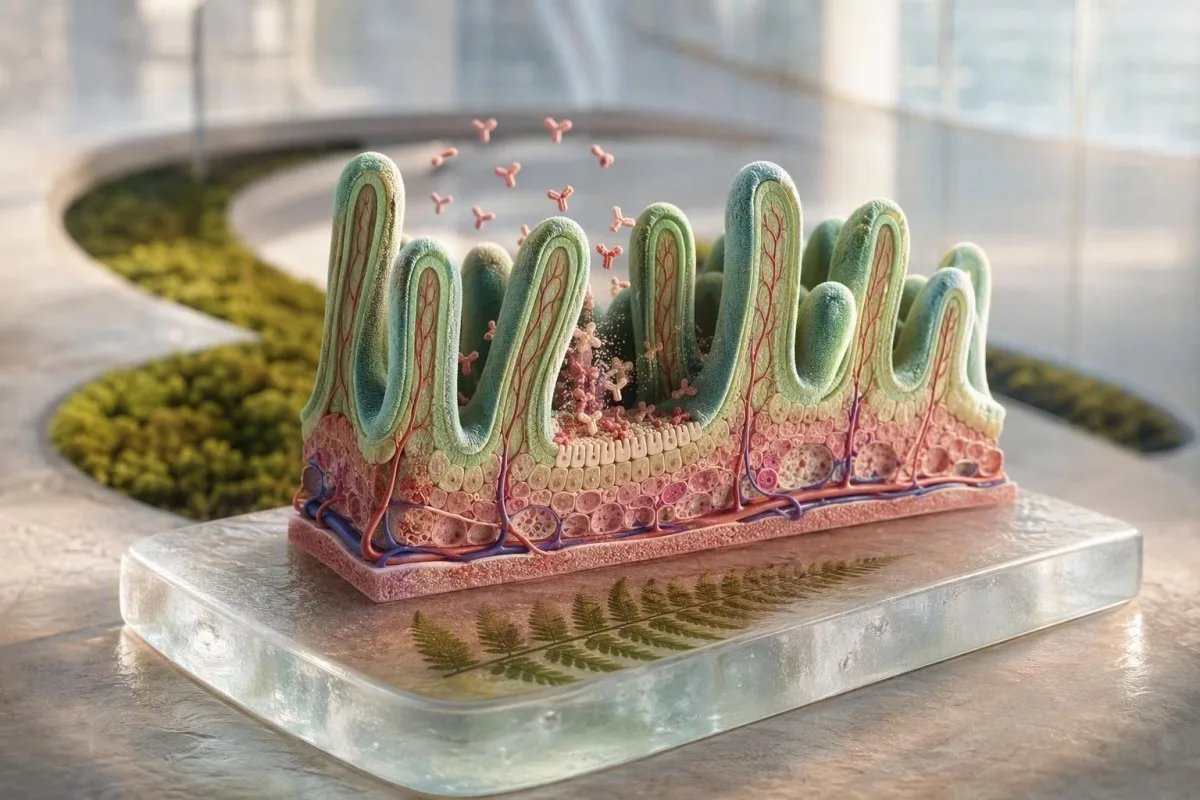
Glyutensiz parhezda bo'lgan ko'pgina kattalar uchun ishonchli seliyak qon testi o'tkazish uchun kamida 6 hafta davomida kuniga taxminan 3–6 g glyuten iste'mol qilish kerak; 12 haftalik sinov bardoshli bo'lganda eng aniq javobni beradi. Agar sizda jiddiy reaksiyalar, sezilarli vazn yo'qotish, homiladorlik bilan bog'liq tashvishlar yoki seliyak kasalligining tasdiqlangan tashxisi bo'lsa, glyutenni o'zingiz tiklamang.


- Minimal sinov: kuniga 3–6 g glyuten, taxminan 1–2 dilim bug'doy noni, takroriy seliyak serologiyasidan oldin kattalar uchun amaliy maqsad hisoblanadi.
- Afzal ko'rilgan muddat: kuniga glyuten ta'siriga 12 hafta davomida duch kelish, glyutenni rad qilgandan so'ng seliyak qon testi va biopsiya kasallikni aniqlash imkoniyatini oshiradi.
- Qisqa sinov: kuniga 3 g dan 2 hafta davomida ba'zi kattalarda biopsiya o'zgarishlarini keltirib chiqarishi mumkin, ammo 2 hafta ichida salbiy natija seliyak kasalligini ishonchli ravishda istisno qilmaydi.
- tTG-IgA: Glyuten iste'moli past bo'lsa yoki umumiy IgA tanqis bo'lsa, salbiy tTG-IgA yolg'onchilik bilan tasalli berishi mumkin.
- Umumiy IgA: Umumiy sarum IgA tTG-IgA bilan birga o'lchanishi kerak; IgA tanqisligi IgG asosidagi testlarni talab qiladi.
- O'zingizni sinamang: Bolalar, homilador ayollar, ilgari jiddiy reaktsiyalarga ega bo'lganlar va sezilarli darajada to'yib ovqatlanmaydiganlar shifokor rahbarligida rejalashtirishni talab qiladi.
- HLA testi: Salbiy HLA-DQ2 va HLA-DQ8 çöliyak kasalligini juda istisno qiladi va ba'zan glyutenni sinovdan o'tkazishdan qochishga imkon beradi.
- Ertaroq to'xtatmang: Qon testlari va agar kerak bo'lsa, endoskopiya yakunlanganligini shifokor tasdiqlamaguncha, glyutenni iste'mol qilishda davom eting.
Nima uchun glyutenni rad qilish seliyak qon testini salbiy ko'rsatishi mumkin
A çöliyak qon testi glyutenni cheklashdan keyin salbiy bo'lishi mumkin chunki u o'lchaydigan immunitet signali bug'doy, arpa va javdarni olib tashlanganda yo'qoladi. Amaliy ma'noda, glyutensiz tTG-IgA salbiy bo'lishi çöliyak kasalligini istisno qilmaydi; bu shunchaki immunitet tizimi endi qo'zg'atilmayotganini ko'rsatishi mumkin.
tTG-IgA antikor javobini aniqlaydi, çöliyak kasalligining doimiy izini emas. Qat'iy glyutensiz dietada antikor konsentratsiyalari ko'pincha bir necha hafta ichida yoki oylarda pasayadi, ichakni davolash esa ancha uzoq davom etishi mumkin. 2023 yilgi Amerika Gastroenterologiya Kolleji yo'riqnomasi diagnostik serologiya bemor glyutenni iste'mol qilayotganda bajarilishi kerakligini ta'kidlaydi (Rubio-Tapia va boshqalar, 2023).
Men bu holatni muntazam ko'raman: kimdir 8 oy davomida glyutenni olib tashlaydi, biroz yaxshi his qiladi, keyin normal tTG-IgA natijasini oladi va çöliyak kasalligi istisno qilinganligi aytiladi. Bu xulosa ularning glyutenni iste'mol qilishini bilmasdan xavflidir; ta'sir qilish allaqachon to'xtatilgan bo'lsa, tTG-IgA yolg'on salbiy natija ehtimoli yuqori. Bizning tegishli qo'llanmamiz past IgA va çöliyak tuzoqlari serologiya kasallikni o'tkazib yuborishining ikkinchi asosiy sababini tushuntiradi.
Kantesti - bu AI qon testi analizatori bir salbiy antikorni yakuniy tashxis sifatida qabul qilishdan ko'ra, tTG-IgAni umumiy IgA, gemoglobin, ferritin, folat, B12 vitamini va jigar fermentlari bilan birgalikda o'qiydi. Temir etishmasligi yoki kutilmagan yuqori ALT çöliyak kasalligini stol ustida qoldirishi mumkin, hatto bitta antikor natijasi normal bo'lsa ham.
Mexanizm muhim. Glyutenni peptidlari yuqori ingichka ichakka etib boradi, to'qima transglutaminaza ularni o'zgartiradi va sezgir HLA-DQ2 yoki HLA-DQ8 immunitet yo'llari antikorlarni hosil qiladi; tetikni olib tashlang va o'lchanadigan antikor javobi tinchlanishi mumkin. Bu biologiya, testning muvaffaqiyatsizligi emas.
Umumiy noto'g'ri tushuncha
Nonni iste'mol qilishdan keyin yaxshi his qilishning o'zi diagnostik emas. Beloglar past fermentlanadigan uglevodlar, ultra-işlenmiş oziq-ovqat iste'molining kamayishi, bug'doy allergiyasini oldini olish yoki çöliyak bo'lmagan glyutenga sezgirlik tufayli yaxshilanishi mumkin; faqat to'g'ri vaqt qilingan testlar bu imkoniyatlarni farqlay oladi.
Qaysi seliyak testlar uchun ovqatlanishda glyuten talab qilinadi?
tTG-IgA, EMA-IgA, deamidlangan gliadin peptidi antikorlari va duodenum biopsiyasi glyutenni iste'mol qilayotganda eng ishonchlidir. HLA-DQ2/DQ8 genetik testi boshqacha: u shaxs glyutenni iste'mol qiladimi yoki yo'qmi, qat'i nazar, o'z kuchida qoladi.
tTG-IgA kattalar va 2 yoshdan oshgan bolalarda odatiy birinchi darajali çöliyak qon testidir. Ko'pgina laboratoriyalar 10–15 U/mL dan past qiymatlarni salbiy deb hisoblaydi, ammo normalning yuqori chegarasi tahlilga xosdir, shuning uchun laboratoriyaning o'ziga xos ma'lumotnomasi talqinni boshqaradi. EMA-IgA juda o'ziga xosdir va ko'pincha kuchli ijobiy tTG-IgAni tasdiqlash uchun ishlatiladi.
Umumiy serum IgA tTG-IgA bilan bir xil buyurtmada bo'lishi kerak. Tan oqsilga nisbatan IgA ning tanlanmagan etishmovchiligi ko'pchilik g'arbiy aholida taxminan 1 dan 400 dan 1 dan 700 kishiga to'g'ri keladi va seliyak kasalligiga qaramay, salbiy tTG-IgA ni keltirib chiqarishi mumkin; keyin IgG-asosidagi DGP yoki tTG testi mos keladi. A sifatli va miqdoriy test bo'yicha qo'llanma o'quvchilarga hisobot o'lchangan qiymatni taqdim etadimi yoki faqat ijobiy/salbiy belgi bormi, aniqlashga yordam beradi.
Duodenal biopsiya villoz arxitekturasini va intraepitelial limfotsitlarni baholaydi, ammo glyutenni olib tashlagandan keyin ham shilliq qavat o'zgarishlari yaxshilanishi mumkin. Kattalarda ijobiy serologiya odatda umrbod cheklovga kirishdan oldin yuqori endoskopiyaga olib keladi; natijalar nomuvofiq bo'lganida biopsiya ayniqsa foydali bo'lib qoladi.
Oziq-ovqat tolerantlik panelini seliyak serologiyasi bilan adashtirmang. IgG oziq-ovqat panellari seliyak kasalligini tashxislashda yordam bermaydi va uy testi umumiy IgA baholash, tasdiqlangan antitanalar tahlili yoki mutaxassis talqinini o'rnini bosa olmaydi.
Glyutensiz bo'lganda foydali bo'lgan testlar
HLA-DQ2 yoki HLA-DQ8 ning yo'qligi juda yuqori salbiy bashorat qiymatiga ega, chunki seliyak kasalligi bo'lgan deyarli barcha odamlar ushbu gapiotiplardan birini olib yuradilar. Ijobiy HLA natijasi keng tarqalgan va seliyak kasalligini tashxislashda yordam bermaydi; ko'pchilik aholining taxminan 30% DQ2 yoki DQ8 ni olib yuradi, ammo ulardan faqat taxminan 1% seliyak kasalligini rivojlantiradi.
Glyuten sinovi uchun qancha glyuten yetarli?
Kattalar uchun amaliy glyuten sinovi kuniga 3-6 g glyutenni o'z ichiga oladi, bu taxminan 1-2 oddiy non tilimiga teng, diagnostika uchun. Ko'proq ovqat shart emas; bir necha kundan keyin to'xtashga majbur qiladigan katta dozani iste'mol qilishdan ko'ra, izchillik muhimroq.
Oddiy bug'doy nonining bir bo'lagi taxminan 2-3 g glyutenni o'z ichiga oladi, standart bagel esa 4-7 g, qaynatilgan oddiy makaronning bir stakani esa retsept va porsiyadan qat'i nazar, taxminan 2-4 g bo'lishi mumkin. Jemchular ishonchli sinov taomi emas, chunki sertifikatlangan glyutensiz jemchular oz miqdorda glyutenni o'z ichiga oladi va an'anaviy jemchularning ifloslanishi farq qiladi.
Leonard va hamkasblarining sharhi tavsiya etadi ko'proq tavsiya etiladi agar maqsad bir necha oy yoki yil davomida glyutensiz bo'lgandan keyin kasallikni ishonch bilan istisno qilish bo'lsa (Leonard va boshqalar, 2023). Ba'zi shifokorlar kuniga 10 g dan foydalanadilar, lekin bu miqdorni ushlab turish qiyin va har bir kattalar uchun zarur deb isbotlanmagan.
Foydali odat - nonushta uchun bitta glyutenni o'z ichiga olgan mahsulot va tushlik uchun bitta, qattiq kechki ovqatdan ko'ra. Mahsulot, taxminiy porsiya, alomatlar va o'tkazib yuborilgan kunlarni yozib qo'ying; bu kundalik jurnal gastroenterologga “bir parcha non” deb noaniq eslab qolishdan ko'ra ko'proq ma'lumot beradi.”
Laboratoriya belgilari birgalikda nimani anglatishi haqida kengroq ma'lumot uchun, bizning biomarker ma'lumotnomasi ferritin va qizil qon hujayralari indekslari ko'pincha seliyak antitanalari bilan birga ko'rib chiqilishining sababini tushuntiradi.
Doza glyuten grammlarda, oziq-ovqat og'irligida emas
Nonning 50 g porsiyasi 50 g glyuten emas. Glyuten miqdori un, namlik, retsept va ishlov berishga qarab farq qiladi, shuning uchun shifokorlar odatda alohida glyuten proteinini tortishni so'rashdan ko'ra oziq-ovqat ekvivalentlarini buyuradilar.
Sinovdan oldin glyuten sinovi qancha davom etishi kerak?
Ko'p kattalar uchun olti hafta oqilona minimal hisoblanadi, ammo 12 hafta uzoq vaqt glyutenni iste'mol qilmagandan keyin yanada ishonchli sinovni ta'minlaydi. Agar testlar ijobiy bo'lsa, 2 haftalik sinov tashxisni qo'llab-quvvatlashi mumkin, ammo faqat 14 kundan keyin salbiy natija seliyak kasalligini xavfsiz istisno qila olmaydi.
Zarur bo'lgan muddat yoshga, avvalgi parhezga, immunitet javobiga va shifokor faqat serologiyani yoki biopsiyani rejalashtirganligiga bog'liq. Kichik kattalar tadqiqotida kuniga 3 g glyutenni 14 kun davomida iste'mol qilish ko'plab ishtirokchilarda diagnostik gistologik o'zgarishlarni keltirib chiqardi, ammo antitanalar javobi kechikdi; bu bo'shliq qisqa protokollar nima uchun holatlarni o'tkazib yuborishi mumkinligini tushuntiradi.
2026-yil 31-avgust holatiga ko'ra, men odatda 12 haftalik rejani muhokama qilaman bir necha oydan beri ozroq yoki umuman glyutensiz ovqatlangan kattalar bilan, taxminan 6-haftada va agar birinchi natija salbiy bo'lsa, 12-haftaga yaqin qon tekshiruvlari o'tkaziladi. Bizning bosh tibbiy xodimiz, doktor Tomas Kleyn, bemor qon tekshiruvidan oldin faqat bir hafta oxirida glyutenni qayta tiklaganda eng oldini olish mumkin bo'lgan diagnostika kechikishini ko'radi.
Agar alomatlar qabul qilinishi mumkin bo'lmasa, jim o'zgartirish o'rniga buyurgan shifokor bilan bog'laning. Ular qon tekshiruvlarini oldinroq o'tkazishi, endoskopiyani tezroq tashkil qilishi yoki uzoq muddatli ta'sirlanishsiz HLA tekshiruvlari savolga javob bera oladimi, deb qayta ko'rib chiqishi mumkin. A qon tahlili bo‘yicha vaqt jadvalimiz ovqatlanish bilan bog'liq o'zgarishlar laboratoriya natijalarida darhol paydo bo'lmasligining sababini tushunish uchun foydalidir.
Qon tekshiruvigacha glyuten sinovini davom ettiring va agar antikor natijasi ijobiy bo'lsa yoki shubha kuchli bo'lsa, endoskopiya jamoasi boshqacha maslahat bermaguncha. Ijobiy qon natijasidan keyin, lekin biopsiyadan oldin to'xtatish ichakdagi ko'rinadigan signalni kamaytirishi mumkin.
Realistik taqvim
1-2 haftalar kunlik ta'sirni belgilaydi va erta alomatlarni aniqlaydi. 3-6 haftalar dastlabki qon tekshiruvi foydali bo'lishi mumkin bo'lgan vaqt; 7-12 haftalar antikorlari sekin ko'tariladigan, ayniqsa uzoq muddatli cheklovdan keyin odamlar uchun sezuvchanlikni oshiradi.
Bolalar va o'smirlarda glyuten sinovi uchun boshqa reja kerak
Bolalar bolalar shifokori maslahatisiz glyuten sinovini boshlamasliklari kerak, chunki o'sish, ovqatlanish, alomatlar yuklanishi va biopsiyasiz tashxis qo'yish imkoniyati rejasini o'zgartiradi. Yomon o'sayotgan yoki vazn yo'qotayotgan bola birinchi navbatda baholanishi kerak, o'z-o'zidan non sinovi emas.
Ttg-iga qiymatlari juda yuqori bo'lgan bolalar uchun — kamida tahlilning normal yuqori chegarasidan 10 marta oshadi— qo'shimcha ravishda ikkinchi namunada ijobiy EMA-IgA bo'lsa, ESPGHAN yo'riqnomasi bolalar mutaxassisi nazorati ostida tanlangan hollarda biopsiyasiz tashxis qo'yishga imkon beradi (Husby va boshqalar, 2020). Bu yo'l tekshiruv vaqtida faol glyuten iste'molini talab qiladi.
Maktabgacha yoshdagi bolaning kattalar bilan bir xil mutlaq dozani o'zlashtira olmasligi taxmin qilinadi. Pediatrik shifokorlar ko'pincha oddiy kunlik porsiyalardan va bolaning odatiy parhezidan kelib chiqadi, keyin vaznni, bo'yning o'sish tezligini, hidratsiyani, najasning shaklini va maktabga qatnashini nazorat qiladi; maqsad hech qachon alomatlarga chidamlilik bahsi bo'lmasligi kerak.
Temir tanqisligi, sekin chiziqli o'sish, takroriy og'iz yaralari, emal o'zgarishlari va balog'atga yetishning kechikishi diareya bo'lmasa ham, çölyak belgilari bo'lishi mumkin. Ota-onalar bizning bolalikda o'sishni tekshirish qo'llanmasida, kengroq ish jarayonini ko'rib chiqishlari mumkin, ammo normal o'sish gormonini skriningi ichakning malabsorbsiyasini istisno qilmaydi.
Agar bola allaqachon glyutensiz parhezga ishonchli javob bergan bo'lsa, oila HLA tipini aniqlash yoki nazorat ostida qayta kiritish eng kam buziladigan yo'lmi, deb so'rashlari kerak. Men bu yerda oilaviy tashvishni jiddiy qabul qilishni o'rgandim—ovqatlanish vaqtlari juda tez buzilishi mumkin.
Maktab va parhezni rejalashtirish
Yozma reja qaysi ovqatlar glyutenni o'z ichiga olishini va maktab soatlarida alomatlar qanday hal qilinishini aniqlashi kerak. Dozani takroran o'zgartirish, glyutensiz ovqatlarga almashtirish yoki faqat ba'zan dam olish kunlari ta'sir qilish oxirgi natijani talqin qilishni ancha qiyinlashtiradi.
Agar siz yillar davomida glyutensiz parhezda bo'lgan bo'lsangiz nima bo'ladi?
Yillar davomida glyutensiz parhezda bo'lgandan so'ng, antikorlarni tekshirish salbiy bo'lib qolishi mumkin, agar glyuten ta'siri immunitet javobini qayta faollashtirish uchun yetarli darajada uzoq davom etmasa. Bu guruh uchun 12 haftalik shifokor nazoratidagi sinov yoki avval HLA tekshiruvi odatda eng oqilona hisoblanadi.
Glyuten qancha uzoq yo'q bo'lsa, bir martalik ttg-iga shunchalik kam foydali bo'ladi. Ba'zi bemorlar uchun o'lchanadigan antikorlar qaytishi uchun 6 haftadan ko'proq vaqt kerak bo'ladi va 6-haftadagi salbiy testni kalendarga emas, balki haqiqatda iste'mol qilingan dozaga nisbatan talqin qilish kerak.
Selyak kasalligi laboratoriya tarixida iz qoldirishi mumkin: past ferritin, past transferrin to'yinganligi, folat etishmovchiligi, yuqori trombotsitlar soni, past D vitamini yoki tushunarsiz engil transaminaza ko'tarilishi. Ularning hech biri yolg'iz o'zi tashxis qo'ymaydi, lekin bu to'plam sinovdan oldingi ehtimolni oshiradi; temir omborining kamayishi va yallig'lanish bilan bog'liq past sarum temiri o'rtasidagi farq haqida batafsil ma'lumot uchun biznikiga qarang. temir tadqiqotlari bo'yicha qo'llanma Foydalanuvchilarga gemoglobin, MCV, ferritin, albumin va antikor qiymatlarini o'z ichiga olgan eski va yangi panellarni yonma-yon qo'yishga yordam beradi. U selyak kasalligini tashxis qila olmaydi, lekin vaqt jadvali shifokorga parhez cheklovidan oldin oziqlanish anormalliklari mavjudligini ko'rishga yordam beradi.
Kantesti - bu AI lab test interpretatsiya xizmati Agar glyutenni olib tashlagandan keyin bajarilgan bo'lsa, oldingi salbiy selyak testi masalani hal qilmaydi. Ishlab chiqarilgan hisobotni, aniq antikor qiymatini, umumiy IgA ni va namuna olishdan 6-12 hafta oldin qancha glyutenni iste'mol qilganingizni so'rang.
Nima uchun ovqatlanish normal ko'rinishi mumkin.
Normal ferritin selyak kasalligini istisno qilmaydi. Yallig'lanish va jigar shikastlanishi bilan ferritin ko'tariladi, shuning uchun C-reaktiv protein ko'tarilganida 70 mkg/l ferritin temirning cheklanganligi bilan birga bo'lishi mumkin; transferrin to'yinganligi foydali kontekstni qo'shadi.
Agar glyuten avval suvsizlik, hushidan ketish, kuchli qusish, tez vazn yo'qotish, homiladorlikning asoratlari yoki kasalxonaga yotqizishga sabab bo'lgan bo'lsa, o'z boshimchalik bilan glyutenni qayta boshlamang.
Tibbiy maslahatisiz qachon glyuten sinovini o'tkazmaslik kerak?
Kattalar uchun ham, insulin qabul qilayotgan diabet kasallari uchun ham, hamda ovqatlanish buzilishining qaytalanishi aniqlangan yoki shubha qilingan har qanday kishi uchun nazorat ostida rejim ham xavfsizroqdir. Glyutenni qayta kiritish paytida oldini olish mumkin bo'lgan zararni mutaxassis bilan muhokama qilish mumkin.
Agar sizda quyidagilar bo'lsa, sinovdan oldin tezkor klinik tekshiruvdan o'ting.
1 oy ichida 5% dan ortiq istalmagan tana vazni yo'qotish , doimiy qusish, qora najas, kuchli qorin og'rig'i yoki juda kam siydik chiqarish va bosh aylanishi kabi suvsizlanish belgilari. Bular glyutenni qabul qilish natijasi emas; ular qayta baholash uchun sabablardir., Homiladorlik alohida muammo hisoblanadi, chunki davolanmagan selyak kasalligi va cheklovchi dietalar temir, folat va vazn ortishiga ta'sir qilishi mumkin. Qayta glyutenni kiritishdan oldin bizning \{medical contact pathway\} yoki sizning akusherlik guruhingiz orqali shifokor bilan bog'laning.
tibbiy aloqa yo'limiz yoki sizning akusherlik guruhingiz bilan Agar sizda ilgari biopsiya bilan tasdiqlangan selyak kasalligi tashxisi bo'lgan bo'lsa, odatda uni yana tasdiqlash uchun glyuten sinovi talab qilinmaydi. Istisno - bu eski tashxisga nisbatan haqiqiy shubha, bu eng yaxshi gastroenterolog tomonidan hal qilinadi, u asl patologiya va antikor yozuvlarini ko'rib chiqishi mumkin.
Yangi \{wheeze\}, yuzning shishishi, \{confusion\}, 12-24 soat davomida suyuqlikni ichida ushlab tura olmaslik, hushidan ketish yoki \{gastrointestinal bleeding\} belgilari shoshilinch tibbiy yordamni talab qiladi. Qizil bayroq belgilari mavjud bo'lganda, testni tugatish uchun parhez ta'sirini davom ettirmang.
Shoshilinch belgilar
\{\{HLA-DQ2\}\} va \{\{HLA-DQ8\}\} ning salbiy testi selyak kasalligini juda nomuvofiq qiladi va ko'pincha glyuten sinovidan qutqarishi mumkin.
HLA genetikasi keraksiz glyuten sinovini oldini oladimi?
Musbat natija faqat genetik moyillikni ko'rsatadi, shuning uchun u selyak kasalligini tasdiqlay olmaydi yoki o'z-o'zidan simptomlarni tushuntira olmaydi. \{HLA\} testi sezgir variantlar mavjud bo'lmaganda selyak kasalligini istisno qilishi mumkin.
\{HLA\} ning musbat natijasi keng tarqalgan: taxminan.
odamlar mos keladigan genotipga ega, faqat taxminan esa 30–40% selyak kasalligini rivojlantiradi. Shu sababli genetik test natijalari keyingi qarorni yo'naltirishi kerak, muammo ro'yxatiga yozilgan tashxisga aylanmasligi kerak. 1% selezniya kasalligini rivojlantirish. Aynan shu nomuvofiqlik genetik testlash keyingi qarorga yo'l ko'rsatishi kerakligini, muammo ro'yxatida chop etilgan tashxisga aylanishi kerak emasligini anglatadi.
Kantesti AG undan keyin olingan antitelalar to'plami va umumiy IgA natijasi etishmayotganligini aniqlash uchun AI biomarker talqin platformasi yondashuvdan foydalanadi; genetik testlash hali ham shifokorni buyurtma qilish va talqin qilishni talab qiladi. Bizning klinik tasdiqlash tamoyillari kontekstual bayroqlarning diagnostik qarorlarning o'rnini bosmasligini tushuntiradi.
Mening tajribam shuni ko'rsatadiki, HLA testi ayniqsa, o'ziga xos bo'lmagan alomatlar tufayli glyutenni to'xtatgan va endi uzoq davom etadigan sinovdan qo'rqadigan odamlar uchun qimmatlidir. Salbiy natija qiyin davrni yopishi mumkin; ijobiy natija shunchaki suhbatning davom etishini bildiradi.
Genlar og'irlikni bashorat qilmaydi
HLA turi alomatlar engil bo'ladimi, villoz o'zgarishlar mavjudmi yoki keyinchalik odamda çölyak kasalligi rivojlanadimi yoki yo'qmi, ishonchli bashorat qila olmaydi. Mos keladigan genlarga ega birinchi darajali qarindoshlar, agar alomatlar yoki ozuqa moddalari etishmovchiligi paydo bo'lsa, muntazam klinik baholashni talab qilishlari mumkin.
Sinovni tasodifiy dozani kamaytirmasdan qanday tugatish mumkin
Glyutenni muntazam ravishda kunlik iste'mol qilish vaqti-vaqti bilan katta ovqatlardan diagnostik jihatdan ko'proq foydalidir. Ikki yoki uchta taniqli bug'doyli ovqatlarni tanlang, ularning glyutenni o'z ichiga olganligini taxmin qiling va sinov boshlanganidan keyin glyutensiz versiyalarga o'tishdan saqlaning.
Oddiy 3–6 g sxema nonushtada bir tilim bug'doyli non va kunning keyinroq bir kichik porsiyali oddiy makaron yoki kraker bo'lishi mumkin. Bug'doy, javdar yoki arpa uchun yorliqlarni tekshiring; bug'doydan tayyorlangan sourdough hali ham glyutenni o'z ichiga oladi va “artizan” non avtomatik ravishda kam glyutenni o'z ichiga olmaydi.
Pivo, souslar, almashinadigan qovurilgan uskunalari va qayta ishlangan ovqatlar noaniqlikni yaratadi, shuning uchun ular o'lchangan sinov uchun asosiy manbalar sifatida yaroqsizdir. Bitta bashorat qilinadigan oziq-ovqat toza iste'mol tarixini beradi va alomatlar dozaga qanchalik mos kelishini aniqlashni osonlashtiradi.
Agar iloji bo'lsa, shu 6-12 hafta ichida boshqa elimintion dietalar, probiotiklar, yuqori dozali tolali mahsulotlar yoki yangi surgi vositalarini boshlamang. Ular ichakning simptomlarini o'zgartirishi va yashash tajribasini talqin qilishni qiyinlashtirishi mumkin; bizning yo'riqnomamiz ichak testlarini o'zgartiradigan ovqatlar bu amaliy masalani qoplaydi.
Oziq-ovqat kundaligiga sana, oziq-ovqat, taxminiy porsiya, ichak chastotasi, qorin bo'shlig'i simptomlari va dozalarning o'tkazib yuborilishi kirishi kerak. U mukammal bo'lishi shart emas - kuniga uchta aniq yozuv har bir bo'lakni yozishga urinishdan ko'ra ko'proq foydalidir.
Yormalar va glyutenni sinash
Sertifikatlangan glyutensiz yormalar diagnostika maqsadlarida glyutenni manbai emas. An'anaviy yormalar bashoratsiz ifloslanishi mumkin, bu ularni ma'lum bir dozani aniqlash uchun mo'ljallangan sinov uchun yaroqsiz qiladi.
Qanday alomatlar kutiladi va ularni qanday xavfsiz boshqarish mumkin?
Shishish, ichakning bo'shashishi, charchoq, qorin og'rig'i, bosh og'rig'i va miya tumanlari glyutenni sinash paytida takrorlanishi mumkin, ammo jiddiy simptomlar qat'iylikdan ko'ra klinik ko'rib chiqishni talab qilishi kerak. Alomatlar o'z-o'zidan çölyak kasalligini isbotlamaydi yoki rad etmaydi, chunki ular tirnash xususiyati bo'lgan ichak sindromi va boshqa ichak kasalliklari bilan ustma-ust tushadi.
Glyutenni olib tashlamaydigan qo'llab-quvvatlovchi choralardan foydalaning: muntazam suyuqliklar, diareya uchun og'iz orqali rehidratsiya eritmasi, kichikroq ovqatlar va bashorat qilinadigan uyqu. Anti-diareyali dori ba'zi kattalar uchun maqbul bo'lishi mumkin, ammo agar sizda isitma, najasda qon, kuchli og'riq yoki tekshirilayotgan yangi tashxis bo'lsa, avval shifokor bilan maslahatlashing.
Har bir alomatni ichak shikastlanishi deb talqin qilishdan saqlaning. Funksional ichak sezgirligi bo'lgan odam bug'doyli ovqatdan keyin bir necha soat ichida yomonroq his qilishi mumkin, chunki fruktonlar tezda fermentlanadi, whereas tTG-IgA ishlab chiqarish va villoz o'zgarish immunitet jarayoni orqali sodir bo'ladi. Bizning diareya uchun qon testlari bo'yicha qo'llanma najas simptomlari qachon kengroq ishlov berishni talab qilishini ko'rsatadi.
Agar charchoq sezilarli bo'lsa, bitta sababni taxmin qilishdan ko'ra, suyuqlikni iste'mol qilish, kaloriya qabul qilish, temir holati va uyquni ko'rib chiqing. Doktor Tomas Klayn ba'zi bemorlar tekshiruvlar paytida trombotsitlar yoki ALT ning bir oz o'zgarishidan keraksiz qo'rqib ketishini ko'rgan; yakka chegaraviy natijadan ko'ra tendentsiyalar va to'liq klinik rasm muhimroqdir.
Agar ishga yoki maktabga borishga doimiy qobiliyatsizlik, tungi diareya takrorlanishi, bosh aylanishining kuchayishi yoki aniq suvsizlanish bo'lsa, to'xtang va maslahat oling. Foydali serologiya yoki biopsiya dalillarini o'z ichiga olgan tibbiy jihatdan qisqartirilgan sinov, reja buzilguncha davom etishdan yaxshiroqdir.
Probiyotiklar testni o'zgartiradimi?
Tuxumdon sinovi paytida glyutenni iste'mol qilish paytida tuxumdon ishlab chiqarishni oldini oladigan samarali dalillar mavjud emas. Sinov o'rtasida bittasini boshlash hali ham alomatlarni kuzatishni chalkashtirishi mumkin, shuning uchun men odatda klinisyanning o'zgarishni tavsiya etmasagina qo'shimchalarni barqaror saqlashni maslahat beraman.
Seliyak qonini olishga qanday tayyorgarlik ko'rish kerak
Tuxumdonli qon testi odatda ochlikni talab qilmaydi, lekin u glyutenni doimiy iste'mol qilishni va to'g'ri antitel panelini talab qiladi. Kelishilgan kunlik glyutenni kun davomida va, agar sizning klinisyanningiz boshqacha aytsa, namuna olish kuni ertalabgacha davom ettiring.
Buyurtmada quyidagilar mavjudligini so'rang tTG-IgA va umumiy zardob IgA; EMA-IgA, DGP-IgG, yoki tTG-IgG tanlangan holatlar uchun qo'shilishi mumkin. Laboratoriyalar turli usullar va birliklardan foydalanadi, shuning uchun 18 U/mL qiymatini uning assay-ga xos bo'lgan normal yuqori chegarasisiz talqin qilib bo'lmaydi.
Antibody testlari uchun ochlik shart emas, ammo lipid, glyukoza yoki temir panelining alohida tayyorgarlik ko'rsatmalari bo'lishi mumkin. Biotin odatda ba'zi gormon immünoassalarini buzishi mumkin bo'lgan tarzda standart tuxumdon serologiyasiga ta'sir qilmaydi, lekin barcha qo'shimchalar va dorilarni so'rovnomaga yozing.
Kantesti - bu AI asosidagi qon tahlili analiz vositasi bu o'quvchilarga laboratoriya PDF-ni aniq transkripsiyalashga va etishmayotgan umumiy IgA ni aniqlashga yordam beradi, ammo uni skrinshotdan o'z-o'zini tashxislash uchun ishlatmaslik kerak. Yuklashdan oldin, bizning PDF aniqligi ro'yxatini tekshiring birliklar, sanalar va mos yozuvlar diapazonlarini tekshirish uchun.
Tashrifdan oldin sinov haftalari sonini va odatdagi kundalik oziq-ovqat manbasini yozing. “Bir yil davomida glyutensiz, keyin 7 hafta davomida har kuni bir tilim non” degani klinik jihatdan amalga oshirilishi mumkin; “Men ba'zan glyutenni iste'mol qildim” degani yo'q.
Dori eslatmalari
Tuxumdon serologiyasiga tayyorgarlik ko'rish uchun buyurilgan dorilarni to'xtatmang. Immunosupressiv terapiya antitel javoblarini kamaytirishi mumkin, shuning uchun tizimli kortikosteroidlar, biologik preparatlar yoki transplantatsiyadan keyingi dorilar kabi dorilar hujjatlashtirilishi va buyurgan mutaxassis bilan muhokama qilinishi kerak.
Glyuten sinovidan keyin natijalarni qanday talqin qilish kerak
Agar etarli glyutenni iste'mol qilish paytida ijobiy tTG-IgA tuxumdon kasalligini kuchli qo'llab-quvvatlasa, salbiy natija faqat dozasi, davomiyligi, umumiy IgA va klinik shubha mos bo'lsa, tasalli beradi. Natijalar glyutenni yana chiqarishdan oldin talqin qilinishi kerak.
Laboratoriya yuqori chegarasidan yuqori bo'lgan tTG-IgA natijasi kattalarda avtomatik ravishda yakuniy tashxis hisoblanmaydi, chunki otoimmün jigar kasalligi, 1-toifa diabet va boshqa yallig'lanish holatlarida yolg'on ijobiy holatlar yuzaga kelishi mumkin. EMA-IgA tasdiqlash va o'n ikki barmoqli ichak biopsiyasi ko'pincha rasmni aniqlashtiradi, ayniqsa past-ijobiy qiymatlar uchun.
Kuniga 1 tilim nonni 2 hafta iste'mol qilgandan keyin salbiy tTG-IgA ko'pchilik uchun etarli istisno testi emas. Dalillar rostgo'ylik bilan aralashib ketgan, ammo kuniga 3–6 g 6–12 hafta davomida intervalgacha ta'sir qilishdan ko'ra ancha ma'lumotli.
Oziqlanish kontekstini tekshiring. Past ferritin quyida 15–30 mkg/l ko‘p kattalarda temirning kamaygan zaxiralarini qo‘llab-quvvatlaydi, garchi yallig‘lanish holatlari etishmovchilikni niqoblashi mumkin; bizning ferritin va CRP yo‘naltiradi nishonlar birgalikda muhimligini tushuntiradi.
Kantesti AI o‘zgaruvchan antitel va ozuqa moddalari natijalarini xronologik tartibda tashkil qilishi mumkin, ammo ijobiy setil paneli tekshiruvchi shifokor tomonidan ko‘rib chiqilishi kerak, u tasdiqlashni tashkil qilishi mumkin. Agar gistologik tekshiruv hali ham rejalashtirilgan bo‘lsa, tasdiqlanmagan past-ijobiy natijaga asoslanib doimiy qattiq dietani qabul qilmang.
Seronegativ setil kasalligi
Seronegativ setil kasalligi kam uchraydi, lekin haqiqatdir. Agar villoz atrofiyasi, mos keladigan HLA turi, malabsorbsiya va glyutenni olib tashlashga javob berish antitelardan qat'i nazar, mos kelsa, gastroenterolog ham infeksiyalar, dori vositalarining ta'siri, immunitet kasalliklari va villoz shikastlanishining boshqa sabablarini istisno qilishi kerak.
Seliyak qon testidan keyin qachon endoskopiya kerak bo'ladi?
Ijobiy setil serologiyasiga ega bo‘lgan ko‘pgina kattalar umrbod tashxis qo‘yilishidan oldin glyutenni davom ettirishlari va bir nechta duodenal biopsiyalar bilan yuqori endoskopiyadan o‘tishlari kerak. Endoskopiya, shuningdek, antitelar salbiy bo‘lganida, ammo vazn yo‘qotish, kamqonlik yoki oilaviy tarix gumonni kuchaytirganda foydalidir.
Suzuvchan kasallik namuna olish muhimligining bir sababidir. Gastroenterologlar odatda kamida oladi distal duodenadan to‘rtta namunani va bulbodan bir yoki ikkita namunani, chunki har xil joylarda nomuvofiqliklar ko‘proq ko‘zga tashlanishi mumkin; bitta namuna tashxisni o‘tkazib yuborishi mumkin.
Endoskopist maxsus to‘xtashga ruxsat bermaguncha sinovni davom eting. Ba'zan bemorlar ijobiy antitelar natijasini oladilar, darhol glyutensiz ovqatlanishga qaytish orqali nishonlaydilar va bir necha hafta o‘tgach, kamroq sezilarli shilliq pardasi o‘zgarishi bilan kelishadi - bu xavfli noaniqlik manbai.
Agar belgilar to‘g‘ri kelmasa, endoskopiya yallig‘lanish ichak kasalligi, mikroskopik kolit, peptik kasallik yoki boshqa malabsorptiv kasalliklar kabi muqobillarni ham tekshirishi mumkin. Agar pastki ichak belgilari yoki rektal qon ketishi mavjud bo‘lsa, bizning najas kalprotektini kuzatuv qo‘llanmasi axlat belgisi alohida so‘ralishi mumkinligini tushuntiradi.
Aniq yetarli sinov va salbiy serologiyadan keyingi normal biopsiya faol setil kasalligini ehtimoldan yiroq qiladi, ammo yakuniy talqin patologiya sifatiga, sinov hujjatlariga, HLA holatiga va raqobatdosh tashxislarga bog‘liq. Bu bitta raqamdan ko‘ra ko‘proq kontekst muhim bo‘lgan hududlardan biridir.
Kattalarda biopsiyasiz tashxis qo‘yish
Ba'zi kattalar xizmatlari tTG-IgA juda yuqori va EMA-IgA ijobiy bo‘lganida, ba'zi bemorlarni biopsiyasiz tashxis qo‘yishi mumkin, ammo bu universal amaliyot emas. Mahalliy protokollar, bemorning afzalliklari, yoshi va umrbod tashxisning oqibatlari hammasi muhim.
Keyingi uchrashuv uchun shifokorga mo'ljallangan reja
Mutaxassis bilan uchrashuvga yozma glyuten dozasi, sinov boshlangan sana, belgi kundaligi, eski setil natijalari va oilaviy tarixini olib keling. Ushbu beshta tafsilot shifokorga sizning setil qon tahlilingizni talqin qilish mumkinmi yoki yo‘qmi va yana tekshirish, HLA tipini buyurish yoki endoskopiya tashkil qilish kerakligini baholash imkonini beradi.
To“rtta to”g‘ridan-to‘g‘ri savol bering: Mening testim yetarli glyuten ta'siridan keyin o‘tkazildimi? Umumiy IgA o‘lchanganmi? Men HLA-DQ2/DQ8 testini o‘tkazishim kerakmi? Endoskopiyagacha glyutenni davom ettirishim kerakmi? Bu kasallikni istisno qilishga qodir bo‘lmagan "salbiy" natija bilan maslahatdan chiqib ketishning keng tarqalgan, ammo qimmat xatosini oldini oladi.
Agar tashxis tasdiqlansa, setil bo‘yicha mutaxassis dietologga murojaat qilish glyutenni oldini olish uchun dastlabki buyurtma kabi qimmatlidir. Ozuqa moddalarini qayta tekshirish odatda umumiy qon tahlili, ferritin, folat, vitamin B12, vitamin D, jigar fermentlari va ba'zan sink yoki misni o‘z ichiga oladi, bu belgilarga va dastlabki kamchiliklarga asoslanadi.
Kantesti AI foydalanuvchilarga diagnostik tekshiruv jarayonida uzluksiz laboratoriya kontekstini saqlashga yordam beradi, shu bilan birga bizning shifokor boshchiligidagi Tibbiy maslahat kengashi Ta'lim mazmunini qo'llab-quvvatlovchi klinik standartlar. Bu vosita savollar tayyorlash uchun foydalidir, gastroenterologiya parvarishini almashtirish uchun emas.
Xulosa: testdan shoshilmang. Odatda 3–6 g glyutenni 6–12 hafta davomida kuniga nazorat ostida qabul qilish, sizga yillar o'tganidan keyin ham ishonchli javob olish uchun eng yaxshi imkoniyatni beradi.
Yozuvlaringizga saqlanadigan narsalar
Laboratoriya PDF-fayllarini, patologiya hisobotlarini, endoskopiya tasvirlarini, dietolog yozuvlarini va testdan keyin glyutenni to'xtatishning aniq sanasini saqlang. Ushbu yozuvlar keyinchalik takroriy sinovlarni oldini oladi va parvarish mamlakat yoki shifokor o'zgarganda ayniqsa foydali bo'ladi.
Tez-tez so'raladigan savollar
Sealiak qon tekshiruvidan oldin qancha glyuten iste'mol qilishim kerak?
Ko'pgina kattalar seliyak qon testi oldidan kuniga taxminan 3–6 g glyutenni iste'mol qilishlari kerak, bu taxminan 1–2 bo'lak oddiy bug'doy noniga teng. Davomiy ta'sirga bog'liq bo'lgan antitanalar ishlab chiqarish sababli, muntazam kunlik oziq-ovqat manbai vaqti-vaqti bilan katta ovqatlardan yaxshiroqdir. Ba'zi mutaxassislar kuniga 10 g buyuradilar, ammo yuqori miqdorlar alomatlarni kuchaytirishi mumkin va har bir kishi uchun zarur emas. Bolalar bolalar shifokoridan individual reja talab qiladi.
Selekiya tekshiruvidan oldin qancha vaqtni glyutenni iste'mol qilishim kerak?
Seliyak qon testi uchun odatda kamida 6 hafta davom etadigan glyuten sinovi qo'llaniladi, 12 hafta esa uzoq vaqt davomida glyutenni iste'mol qilmaslikdan keyin yanada ishonchli istisno strategiyasini taqdim etadi. 2 haftalik sinov ba'zan biopsiya natijalarini ijobiy qilib ko'rsatishi mumkin, ammo 14 kunlik qisqa muddatdan keyin salbiy antitanalar testi seliyak kasalligini istisno qilmaydi. To'g'ri davomiylik avvalgi glyuten cheklovlari, kunlik dozasi, alomatlar va endoskopiya rejalashtirilganligiga bog'liq. Shifokor test tugaganligini tasdiqlamaguncha glyutenni iste'mol qilishda davom eting.
glyutensiz parhez tTG-IgA uchun yolg'on-manfiy natijani keltirib chiqarishi mumkinmi?
Ha, glyutensiz parhez tTG-IgA soxta salbiy natijaga olib kelishi mumkin, chunki tTG-IgA parhez glyuteni olib tashlanganda pasayadigan immunitet javobini o'lchaydi. Antitanalar darajasi bir necha hafta ichida yoki oylar ichida pasayishi mumkin, shuning uchun glyuten iste'moli kam bo'lgan bo'lsa, normal natija ishonchli emas. T TG-IgA bilan birgalikda umumiy zardob IgA tekshirilishi kerak, chunki IgA tanqisligi ham soxta salbiy natijaga olib kelishi mumkin. HLA-DQ2/DQ8 testi allaqachon glyutensiz bo'lganida sinov o'tkazish zarurligini aniqlashga yordam berishi mumkin.
Bir kunlik nonning bir bo‘lagi glyutenga bardoshlik sinovi uchun yetarlimi?
Bir dona oddiy bug'doy noni taxminan 2–3 g glyutenni o'z ichiga oladi, shuning uchun u sinov dozasi pastki chegarasiga yaqin bo'lishi mumkin, ammo o'zi har doim ham yetarli emas. Ko'pgina shifokorlar kuniga 3–6 g ni maqsad qiladi, ko'pincha bir bo'lak non va boshqa bashorat qilinadigan bug'doyli taom bilan erishiladi. Sinov odatda bir necha kun emas, balki 6–12 hafta davom etishi kerak. Agar alomatlar, yosh, tana hajmi yoki oziqlanish xavfi ushbu rejani mos kelmasa, shifokoringiz dozani sozlamasligi kerak.
Agar menga tashxisi tasdiqlangan çölyak kasalligi bo'lsa, men glyutenni qayta iste'mol qilishim kerakmi?
Yo'q, avvalgi biopsiya bilan tasdiqlangan seliyak tashxisi bor odamlar odatda seliyak qon testini takrorlash uchun glyutenni qayta boshlamasliklari kerak. Asl patologiya va serologiya hisobotlari odatda etarli va qasddan qayta ta'sirlanish keraksiz alomatlar va oziqlanish zararlariga olib kelishi mumkin. Mutaxassis faqat asl tashxis haqiqatan ham noaniq bo'lsa yoki yozuvlar mavjud bo'lmasa, nazorat ostidagi qayta baholashni ko'rib chiqishi mumkin. Avvalgi kuchli reaktsiyalari bo'lgan har qanday kishi parhezni o'zgartirishdan oldin tibbiy maslahat olishi kerak.
AST qon testidan oldin ro'za tutsam bo'ladimi?
T TG-IgA, EMA-IgA, umumiy IgA yoki ko'pgina seliyak antitanalar testlari uchun och qolish shart emas. Siz buyurgan shifokor boshqa ko'rsatmalar bermasa, testdan oldingi kun va odatda namuna olish kuni davomida kelishilgan glyuten sinovini davom ettirishingiz kerak. Agar shu tashrifda temirni tekshirish, ochlikdagi glyukoza yoki lipidlar buyurilgan bo'lsa, ushbu testlar alohida tayyorgarlik talablariga ega bo'lishi mumkin. Belgilangan vaqtga glyuten dozangiz va sinov davomiyligi haqidagi ma'lumotlarni olib keling.
Bugun AI asosidagi qon tahlilini tahlil qilishni oling
Kantesti’ga tezkor va aniq laboratoriya tahlili uchun ishonadigan butun dunyo bo‘ylab 2 milliondan ortiq foydalanuvchiga qo‘shiling. Qon tahlili natijalaringizni yuklang va soniyalar ichida 15,000+ biomarkerlarining to‘liq talqinini oling.
📚 Havola qilingan ilmiy tadqiqot nashrlari
Klein, T., Mitchell, S., & Weber, H. (2026). Temir tadqiqotlari bo'yicha qo'llanma: TIBC, temirning to'yinganligi va bog'lanish qobiliyati. Kantesti AI tibbiy tadqiqoti.
Klein, T., Mitchell, S., & Weber, H. (2026). aPTT normal diapazoni: D-Dimer, oqsil C qon ivishi bo'yicha qo'llanma. Kantesti AI tibbiy tadqiqoti.
📖 Tashqi tibbiy manbalar
⚕️ Tibbiy ogohlantirish
Ushbu maqola faqat ta’lim maqsadlari uchun mo‘ljallangan va tibbiy maslahatni anglatmaydi. Tashxis va davolash bo‘yicha qarorlar uchun har doim malakali sog‘liqni saqlash mutaxassisiga murojaat qiling.
E-E-A-T ishonch signallari
Tajriba
Shifokor boshchiligidagi laboratoriya talqin qilish ish jarayonlarini klinik ko‘rib chiqish.
Tajriba
Laboratoriya tibbiyoti biomarkerlarning klinik kontekstda qanday o‘zini tutishini yoritadi.
Vakolatlilik
Dr. Tomas Klein tomonidan yozilgan, Dr. Sarah Mitchell va Prof. Dr. Hans Weber tomonidan ko‘rib chiqilgan.
Ishonchlilik
Xavotirni kamaytirish uchun aniq keyingi qadamlar yo‘nalishlari bilan dalillarga asoslangan talqin.