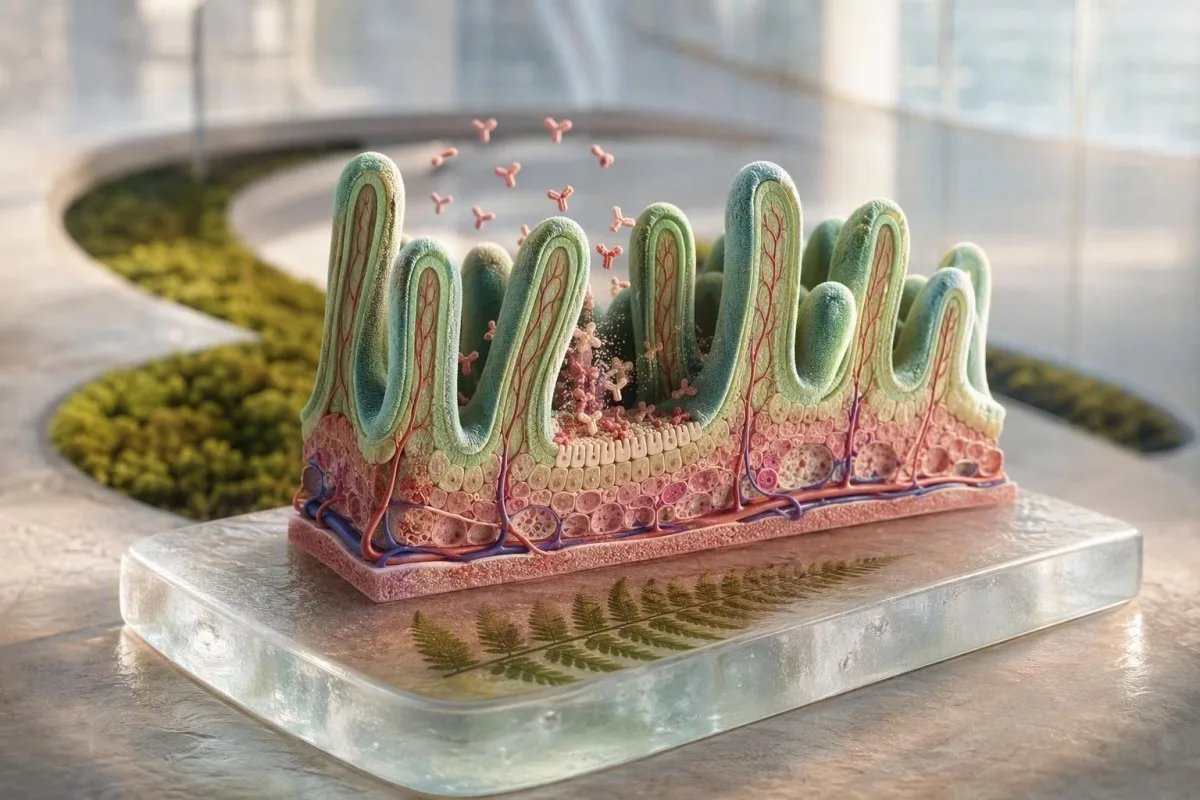
ವಿಶ್ವಾಸಾರ್ಹ celiac ರಕ್ತ ಪರೀಕ್ಷೆಗಾಗಿ, ಗ್ಲುಟನ್-ಮುಕ್ತರಾಗಿರುವ ಹೆಚ್ಚಿನ ವಯಸ್ಕರಿಗೆ ಕನಿಷ್ಠ 6 ವಾರಗಳವರೆಗೆ ದಿನಕ್ಕೆ ಸುಮಾರು 3–6 ಗ್ರಾಂ ಗ್ಲುಟನ್ ಅಗತ್ಯವಿದೆ; ಸಹಿಸಿಕೊಳ್ಳುವಾಗ 12 ವಾರಗಳ ಸವಾಲು ಸ್ಪಷ್ಟವಾದ ಉತ್ತರವನ್ನು ನೀಡುತ್ತದೆ. ತೀವ್ರ ಪ್ರತಿಕ್ರಿಯೆಗಳು, ಗಣನೀಯ ತೂಕ ನಷ್ಟ, ಗರ್ಭಧಾರಣೆಯ ಕಾಳಜಿಗಳು, ಅಥವಾ celiac ರೋಗದ ಹಿಂದಿನ ದೃಢಪಡಿಸಿದ ರೋಗನಿರ್ಣಯವನ್ನು ಹೊಂದಿದ್ದರೆ ಗ್ಲುಟನ್ ಅನ್ನು ನೀವಾಗಿಯೇ ಮರುಪ್ರಾರಂಭಿಸಬೇಡಿ.


- ಕನಿಷ್ಠ ಸವಾಲು: 3–6 ಗ್ರಾಂ ಗ್ಲುಟನ್, ಸುಮಾರು 1–2 ಹೋಳು ಗೋಧಿ ಬ್ರೆಡ್, ಪುನರಾವರ್ತಿತ celiac ಸಿರೊಲಜಿಗೆ ಮೊದಲು ಪ್ರಾಯೋಗಿಕ ವಯಸ್ಕರ ಗುರಿಯಾಗಿದೆ.
- ಆದ್ಯತೆಯ ಅವಧಿ: ದಿನನಿತ್ಯದ 12 ವಾರಗಳ ಗ್ಲುಟನ್ ಮಾನ್ಯತೆ ಗ್ಲುಟನ್ ತಪ್ಪಿಸುವಿಕೆಯ ನಂತರ celiac ರಕ್ತ ಪರೀಕ್ಷೆ ಮತ್ತು ಬಯಾಪ್ಸಿ ರೋಗವನ್ನು ಪತ್ತೆಹಚ್ಚುವ ಸಾಧ್ಯತೆಯನ್ನು ಸುಧಾರಿಸುತ್ತದೆ.
- ಚಿಕ್ಕ ಸವಾಲು: 2 ವಾರಗಳವರೆಗೆ ದಿನಕ್ಕೆ 3 ಗ್ರಾಂ ಕೆಲವು ವಯಸ್ಕರಲ್ಲಿ ಬಯಾಪ್ಸಿ ಬದಲಾವಣೆಗಳನ್ನು ಪ್ರಚೋದಿಸಬಹುದು, ಆದರೆ ಕೇವಲ 2 ವಾರಗಳ ನಂತರ ನಕಾರಾತ್ಮಕ ಫಲಿತಾಂಶವು ವಿಶ್ವಾಸಾರ್ಹವಾಗಿ celiac ರೋಗವನ್ನು ಹೊರತುಪಡಿಸುವುದಿಲ್ಲ.
- tTG-IgA: ಗ್ಲುಟನ್ ಸೇವನೆ ಕಡಿಮೆಯಾದಾಗ ಅಥವಾ ಒಟ್ಟು IgA ಕೊರತೆಯಿದ್ದಾಗ ನಕಾರಾತ್ಮಕ tTG-IgA ಸುಳ್ಳು ಭರವಸೆ ನೀಡಬಹುದು.
- ಒಟ್ಟು IgA: tTG-IgA ಜೊತೆಗೆ ಒಟ್ಟು ಸೀರಮ್ IgA ಅನ್ನು ಅಳೆಯಬೇಕು; IgA ಕೊರತೆಗೆ IgG-ಆಧಾರಿತ ಪರೀಕ್ಷೆ ಅಗತ್ಯವಿದೆ.
- ಸ್ವಯಂ-ಸವಾಲು ಮಾಡಬೇಡಿ: ಮಕ್ಕಳು, ಗರ್ಭಿಣಿಯರು, ಹಿಂದೆ ತೀವ್ರ ಪ್ರತಿಕ್ರಿಯೆಗಳನ್ನು ಹೊಂದಿದ್ದವರು ಮತ್ತು ಗಣನೀಯ ಅಪೌಷ್ಟಿಕತೆಯಿಂದ ಬಳಲುತ್ತಿರುವವರು ವೈದ್ಯರ ಮಾರ್ಗದರ್ಶನದೊಂದಿಗೆ ಯೋಜನೆಯನ್ನು ಮಾಡಬೇಕಾಗುತ್ತದೆ.
- HLA ಪರೀಕ್ಷೆ: ನಕಾರಾತ್ಮಕ HLA-DQ2 ಮತ್ತು HLA-DQ8 ಗ್ಲುಟನ್ ಅಲರ್ಜಿಯನ್ನು (celiac disease) ಬಹಳ ಅಸಂಭವನೀಯವಾಗಿಸುತ್ತದೆ ಮತ್ತು ಕೆಲವು ಬಾರಿ ಗ್ಲುಟನ್ ಸೇವನೆ ಪರೀಕ್ಷೆಯನ್ನು ತಪ್ಪಿಸಲು ಸಹಾಯ ಮಾಡುತ್ತದೆ.
- ಬೇಗನೆ ನಿಲ್ಲಿಸಬೇಡಿ: ರಕ್ತ ಪರೀಕ್ಷೆ ಮತ್ತು ಅಗತ್ಯವಿದ್ದರೆ, ಎಂಡೋಸ್ಕೋಪಿ ಪೂರ್ಣಗೊಂಡಿದೆ ಎಂದು ವೈದ್ಯರು ದೃಢಪಡಿಸುವವರೆಗೆ ಗ್ಲುಟನ್ ಸೇವನೆ ಮುಂದುವರಿಸಿ.
ಗ್ಲುಟನ್ ತಪ್ಪಿಸುವಿಕೆ celiac ರಕ್ತ ಪರೀಕ್ಷೆಯನ್ನು ನಕಾರಾತ್ಮಕವಾಗಿಸುವುದು ಹೇಗೆ
A ಗ್ಲುಟನ್ ಅನ್ನು ಕಡಿಮೆ ಮಾಡಿದ ನಂತರ celiac ರಕ್ತ ಪರೀಕ್ಷೆಯು ನಕಾರಾತ್ಮಕವಾಗಬಹುದು ಏಕೆಂದರೆ ಗೋಧಿ, ಬಾರ್ಲಿ ಮತ್ತು ರೈ ಅನ್ನು ತೆಗೆದುಹಾಕಿದಾಗ ಅದು ಅಳೆಯುವ ರೋಗನಿರೋಧಕ ಸಂಕೇತವು ಕಡಿಮೆಯಾಗುತ್ತದೆ. ಪ್ರಾಯೋಗಿಕವಾಗಿ, ಗ್ಲುಟನ್-ಮುಕ್ತ ಆಹಾರದಲ್ಲಿದ್ದಾಗ ನಕಾರಾತ್ಮಕ tTG-IgA, celiac ರೋಗವನ್ನು ಸಂಪೂರ್ಣವಾಗಿ ತಳ್ಳಿಹಾಕುವುದಿಲ್ಲ; ಇದು ಕೇವಲ ರೋಗನಿರೋಧಕ ವ್ಯವಸ್ಥೆಯು ಇನ್ನು ಮುಂದೆ ಕೆರಳಿಸಲ್ಪಡುವುದಿಲ್ಲ ಎಂದು ತೋರಿಸಬಹುದು.
tTG-IgA ಒಂದು ಪ್ರತಿಕಾಯ ಪ್ರತಿಕ್ರಿಯೆಯನ್ನು ಪತ್ತೆಹಚ್ಚುತ್ತದೆ, celiac ರೋಗದ ಶಾಶ್ವತವಾದ ಗುರುತನ್ನು ಅಲ್ಲ. ಕಟ್ಟುನಿಟ್ಟಾದ ಗ್ಲುಟನ್-ಮುಕ್ತ ಆಹಾರದಲ್ಲಿ ವಾರಗಳು ಅಥವಾ ತಿಂಗಳುಗಳಲ್ಲಿ ಪ್ರತಿಕಾಯಗಳ ಪ್ರಮಾಣವು ಹೆಚ್ಚಾಗಿ ಕಡಿಮೆಯಾಗುತ್ತದೆ, ಆದರೆ ಕರುಳಿನ ಗುಣಪಡಿಸುವಿಕೆಯು ಬಹಳ ಸಮಯದವರೆಗೆ ಮುಂದುವರಿಯಬಹುದು. 2023 ರ ಅಮೇರಿಕನ್ ಕಾಲೇಜ್ ಆಫ್ ಗ್ಯಾಸ್ಟ್ರೋಎಂಟರಾಲಜಿ ಮಾರ್ಗಸೂಚಿಯು ರೋಗಿಯ ಗ್ಲುಟನ್ ಸೇವನೆಯ ಸಮಯದಲ್ಲಿ ರೋಗನಿರ್ಣಯದ ಸಿರಾಲಜಿಯನ್ನು ನಿರ್ವಹಿಸಬೇಕು ಎಂದು ಹೇಳುತ್ತದೆ (Rubio-Tapia et al., 2023).
ನಾನು ಈ ಮಾದರಿಯನ್ನು ನಿಯಮಿತವಾಗಿ ನೋಡುತ್ತೇನೆ: ಒಬ್ಬ ವ್ಯಕ್ತಿಯು 8 ತಿಂಗಳವರೆಗೆ ಗ್ಲುಟನ್ ಅನ್ನು ತೆಗೆದುಹಾಕುತ್ತಾನೆ, ಸ್ವಲ್ಪ ಉತ್ತಮಗೊಳ್ಳುತ್ತಾನೆ, ನಂತರ ಸಾಮಾನ್ಯ tTG-IgA ಫಲಿತಾಂಶವನ್ನು ಪಡೆಯುತ್ತಾನೆ ಮತ್ತು celiac ರೋಗವನ್ನು ಹೊರತುಪಡಿಸಲಾಗಿದೆ ಎಂದು ಹೇಳಲಾಗುತ್ತದೆ. ಆ ತೀರ್ಮಾನವು ಅವರ ಗ್ಲುಟನ್ ಸೇವನೆಯನ್ನು ತಿಳಿಯದೆ ಅಸುರಕ್ಷಿತವಾಗಿದೆ; ಈಗಾಗಲೇ ಸೇವನೆ ನಿಂತುಹೋಗಿರುವಾಗ tTG-IgA ನ ತಪ್ಪು ನಕಾರಾತ್ಮಕ ಫಲಿತಾಂಶ ಬರುವ ಸಾಧ್ಯತೆ ಹೆಚ್ಚು. ನಮ್ಮ ಸಂಬಂಧಿತ ಮಾರ್ಗದರ್ಶಿ ಕಡಿಮೆ IgA ಮತ್ತು celiac ಕಾಯಿಲೆ ಸಿರಾಲಜಿ ರೋಗವನ್ನು ತಪ್ಪಿಸಲು ಕಾರಣವಾಗುವ ಎರಡನೇ ಪ್ರಮುಖ ಕಾರಣವನ್ನು ವಿವರಿಸುತ್ತದೆ.
ಕಾಂತೆಸ್ಟಿ ಒಬ್ಬ AI ರಕ್ತ ಪರೀಕ್ಷಾ ವಿಶ್ಲೇಷಕ ಇದು tTG-IgA ಅನ್ನು ಒಟ್ಟು IgA, ಹಿಮೋಗ್ಲೋಬಿನ್, ಫೆರಿಟಿನ್, ಫೋಲೇಟ್, ವಿಟಮಿನ್ B12, ಮತ್ತು ಯಕೃತ್ತಿನ ಕಿಣ್ವಗಳೊಂದಿಗೆ ಓದುತ್ತದೆ, ಬದಲಿಗೆ ಒಂದೇ ನಕಾರಾತ್ಮಕ ಪ್ರತಿಕಾಯವನ್ನು ಅಂತಿಮ ರೋಗನಿರ್ಣಯವೆಂದು ಪರಿಗಣಿಸುತ್ತದೆ. ಕಬ್ಬಿಣದ ಕೊರತೆ ಅಥವಾ ಅನಿರೀಕ್ಷಿತವಾಗಿ ಅಧಿಕ ALT, ಒಂದು ಪ್ರತಿಕಾಯ ಫಲಿತಾಂಶವು ಸಾಮಾನ್ಯವಾಗಿದ್ದರೂ ಸಹ celiac ರೋಗವನ್ನು ಪರಿಗಣನೆಯಲ್ಲಿರಿಸಬಹುದು.
ಕಾರ್ಯವಿಧಾನ ಮುಖ್ಯವಾಗಿದೆ. ಗ್ಲುಟನ್ ಪೆಪ್ಟೈಡ್ಗಳು ಮೇಲಿನ ಸಣ್ಣ ಕರುಳನ್ನು ತಲುಪುತ್ತವೆ, ಟಿಶ್ಯೂ ಟ್ರಾನ್ಸ್ಗ್ಲುಟಾಮಿನೇಸ್ ಅವುಗಳನ್ನು ಮಾರ್ಪಡಿಸುತ್ತದೆ, ಮತ್ತು ಸೂಕ್ಷ್ಮವಾದ HLA-DQ2 ಅಥವಾ HLA-DQ8 ರೋಗನಿರೋಧಕ ಮಾರ್ಗಗಳು ಪ್ರತಿಕಾಯಗಳನ್ನು ಉತ್ಪಾದಿಸುತ್ತವೆ; ಪ್ರಚೋದಕವನ್ನು ತೆಗೆದುಹಾಕಿ ಮತ್ತು ಅಳೆಯಬಹುದಾದ ಪ್ರತಿಕಾಯ ಪ್ರತಿಕ್ರಿಯೆಯು ಶಾಂತವಾಗಬಹುದು. ಅದು ಜೀವಶಾಸ್ತ್ರ, ಪರೀಕ್ಷೆಯ ವೈಫಲ್ಯವಲ್ಲ.
ಸಾಮಾನ್ಯ ತಪ್ಪು ತಿಳುವಳಿಕೆ
ಬ್ರೆಡ್ ಅನ್ನು ತಪ್ಪಿಸಿದ ನಂತರ ಉತ್ತಮ ಭಾವನೆ ಮೂಡುವುದು ಸ್ವತಃ ರೋಗನಿರ್ಣಯವಲ್ಲ. ಕಡಿಮೆ ಹುದುಗುವ ಕಾರ್ಬೋಹೈಡ್ರೇಟ್ಗಳು, ಸಂಸ್ಕರಿಸಿದ ಆಹಾರ ಸೇವನೆ ಕಡಿಮೆಯಾಗುವುದು, ಗೋಧಿ ಅಲರ್ಜಿಯನ್ನು ತಪ್ಪಿಸುವುದು, ಅಥವಾ celiac ಅಲ್ಲದ ಗ್ಲುಟನ್ ಸಂವೇದನೆ ಇವುಗಳಿಂದ ಲಕ್ಷಣಗಳು ಸುಧಾರಿಸಬಹುದು; ಸರಿಯಾಗಿ ಸಮಯ ನಿಗದಿಪಡಿಸಿದ ಪರೀಕ್ಷೆಗಳು ಮಾತ್ರ ಈ ಸಾಧ್ಯತೆಗಳನ್ನು ಪ್ರತ್ಯೇಕಿಸಬಹುದು.
ಯಾವ celiac ಪರೀಕ್ಷೆಗಳಿಗೆ ಆಹಾರದಲ್ಲಿ ಗ್ಲುಟನ್ ಅಗತ್ಯವಿದೆ?
tTG-IgA, EMA-IgA, ಡೀಅಮೈಡೇಟೆಡ್ ಗ್ಲಿಯಾಡಿನ್ ಪೆಪ್ಟೈಡ್ ಪ್ರತಿಕಾಯಗಳು, ಮತ್ತು ಡ್ಯುವೋಡೆನಲ್ ಬಯಾಪ್ಸಿ ಗ್ಲುಟನ್ ಸೇವಿಸುತ್ತಿರುವಾಗ ಹೆಚ್ಚು ವಿಶ್ವಾಸಾರ್ಹವಾಗಿರುತ್ತವೆ. HLA-DQ2/DQ8 ಜನೆಟಿಕ್ ಪರೀಕ್ಷೆಯು ವಿಭಿನ್ನವಾಗಿದೆ: ವ್ಯಕ್ತಿಯು ಗ್ಲುಟನ್ ಸೇವಿಸಿದರೂ ಅಥವಾ ಬಿಡದಿದ್ದರೂ ಅದು ಮಾನ್ಯವಾಗಿರುತ್ತದೆ.
tTG-IgA ಸಾಮಾನ್ಯವಾಗಿ ವಯಸ್ಕರು ಮತ್ತು 2 ವರ್ಷ ಅಥವಾ ಅದಕ್ಕಿಂತ ಹೆಚ್ಚಿನ ವಯಸ್ಸಿನ ಮಕ್ಕಳಲ್ಲಿ ಮೊದಲ ಸಾಲಿನ celiac ರಕ್ತ ಪರೀಕ್ಷೆಯಾಗಿದೆ. ಅನೇಕ ಪ್ರಯೋಗಾಲಯಗಳು 10-15 U/mL ಗಿಂತ ಕಡಿಮೆ ಮೌಲ್ಯಗಳನ್ನು ನಕಾರಾತ್ಮಕವೆಂದು ವರದಿ ಮಾಡುತ್ತವೆ, ಆದರೆ ಸಾಮಾನ್ಯ ಮಿತಿಯ ಮೇಲಿನ ಮಿತಿಯು ಪರೀಕ್ಷೆಯನ್ನು ಅವಲಂಬಿಸಿರುತ್ತದೆ, ಆದ್ದರಿಂದ ಪ್ರಯೋಗಾಲಯದ ಸ್ವಂತ ಉಲ್ಲೇಖದ ವ್ಯಾಪ್ತಿಯು ವ್ಯಾಖ್ಯಾನವನ್ನು ನಿಯಂತ್ರಿಸುತ್ತದೆ. EMA-IgA ಹೆಚ್ಚು ನಿರ್ದಿಷ್ಟವಾಗಿದೆ ಮತ್ತು ಬಲವಾಗಿ ಧನಾತ್ಮಕ tTG-IgA ಅನ್ನು ದೃಢೀಕರಿಸಲು ಇದನ್ನು ಹೆಚ್ಚಾಗಿ ಬಳಸಲಾಗುತ್ತದೆ.
ಒಟ್ಟು ಸೀರಮ್ IgA, tTG-IgA ನಂತೆಯೇ ಅದೇ ವಿನಂತಿಯಲ್ಲಿ ಇರಬೇಕು. ಸಿಲಿಯಾಕ್ ರೋಗದ ಹೊರತಾಗಿಯೂ, 1 ರಲ್ಲಿ 400 ರಿಂದ 1 ರಲ್ಲಿ 700 ಪಾಶ್ಚಿಮಾತ್ಯ ಜನಸಂಖ್ಯೆಯಲ್ಲಿ ಸುಮಾರು 1 ರಲ್ಲಿ 400 ಜನರಲ್ಲಿ ಆಯ್ಕೆಯಾದ IgA ಕೊರತೆ ಕಂಡುಬರುತ್ತದೆ; ನಂತರ IgG-ಆಧಾರಿತ DGP ಅಥವಾ tTG ಪರೀಕ್ಷೆ ಸೂಕ್ತವಾಗಿದೆ. A ಗುಣಾತ್ಮಕ ವಿ.ಎಸ್. ಕ್ವಾಂಟಿಟೇಟಿವ್ ಪರೀಕ್ಷೆಯ ಮಾರ್ಗದರ್ಶಿ ವರದಿಯು ಅಳತೆಮಾಡಿದ ಮೌಲ್ಯವನ್ನು ನೀಡುತ್ತದೆಯೋ ಅಥವಾ ಕೇವಲ ಧನಾತ್ಮಕ/ಋಣಾತ್ಮಕ ಫ್ಲ್ಯಾಗ್ ಅನ್ನು ನೀಡುತ್ತದೆಯೋ ಎಂದು ಓದುಗರು ಗುರುತಿಸಲು ಸಹಾಯ ಮಾಡುತ್ತದೆ.
ಡ್ಯುವೋಡೆನಲ್ ಬಯಾಪ್ಸಿ ವಿಲ್ಲಸ್ ವಾಸ್ತುಶಿಲ್ಪ ಮತ್ತು ಎಪಿತೀಲಿಯಲ್ ಊತಗಳನ್ನು ಮೌಲ್ಯಮಾಪನ ಮಾಡುತ್ತದೆ, ಆದರೆ ಗ್ಲುಟನ್ ಹಿಂತೆಗೆದುಕೊಂಡ ನಂತರ ಲೋಳೆಪೊರೆಯ ಬದಲಾವಣೆಗಳು ಸುಧಾರಿಸಬಹುದು. ವಯಸ್ಕರಲ್ಲಿ, ಧನಾತ್ಮಕ ಸಿರಾಲಜಿ ಸಾಮಾನ್ಯವಾಗಿ ಜೀವಿತಾವಧಿಯ ನಿರ್ಬಂಧಕ್ಕೆ ಬದ್ಧರಾಗುವ ಮೊದಲು ಮೇಲಿನ ಎಂಡೋಸ್ಕೋಪಿಯನ್ನು ಉಂಟುಮಾಡುತ್ತದೆ; ಫಲಿತಾಂಶಗಳು ವೈಪರೀತ್ಯವಾಗಿದ್ದರೆ ಬಯಾಪ್ಸಿ ವಿಶೇಷವಾಗಿ ಉಪಯುಕ್ತವಾಗಿದೆ.
ಆಹಾರ-ಅಸಹಿಷ್ಣುತೆ ಪ್ಯಾನೆಲ್ ಅನ್ನು ಸಿಲಿಯಾಕ್ ಸಿರಾಲಜಿಯೊಂದಿಗೆ ಗೊಂದಲಗೊಳಿಸಬೇಡಿ. IgG ಆಹಾರ ಪ್ಯಾನೆಲ್ಗಳು ಸಿಲಿಯಾಕ್ ರೋಗವನ್ನು ನಿರ್ಣಯಿಸುವುದಿಲ್ಲ, ಮತ್ತು ಮನೆಯಲ್ಲಿ ಮಾಡುವ ಪರೀಕ್ಷೆಯು ಸಂಪೂರ್ಣ IgA ಮೌಲ್ಯಮಾಪನ, ಧೃಡೀಕೃತ ಪ್ರತಿಕಾಯ ಪರೀಕ್ಷೆ, ಅಥವಾ ತಜ್ಞರ ವ್ಯಾಖ್ಯಾನವನ್ನು ಬದಲಾಯಿಸಲು ಸಾಧ್ಯವಿಲ್ಲ.
ಗ್ಲುಟನ್-ಮುಕ್ತವಾಗಿರುವಾಗ ಉಪಯುಕ್ತವಾಗುವ ಪರೀಕ್ಷೆಗಳು
HLA-DQ2 ಅಥವಾ HLA-DQ8 ಅನುಪಸ್ಥಿತಿಯು ಅತ್ಯಂತ ಹೆಚ್ಚಿನ ಋಣಾತ್ಮಕ ಮುನ್ಸೂಚಕ ಮೌಲ್ಯವನ್ನು ಹೊಂದಿದೆ ಏಕೆಂದರೆ ಬಹುತೇಕ ಎಲ್ಲಾ ಸಿಲಿಯಾಕ್ ರೋಗ ಹೊಂದಿರುವ ಜನರು ಈ ಹ್ಯಾಪ್ಲೋಟೈಪ್ಗಳಲ್ಲಿ ಒಂದನ್ನು ಹೊಂದಿರುತ್ತಾರೆ. ಧನಾತ್ಮಕ HLA ಫಲಿತಾಂಶವು ಸಾಮಾನ್ಯವಾಗಿದೆ ಮತ್ತು ಸಿಲಿಯಾಕ್ ರೋಗವನ್ನು ನಿರ್ಣಯಿಸುವುದಿಲ್ಲ; ಬಹುತೇಕ ಜನಸಂಖ್ಯೆಯ ಸುಮಾರು 30-40% DQ2 ಅಥವಾ DQ8 ಅನ್ನು ಹೊಂದಿರುತ್ತಾರೆ ಆದರೆ ಸುಮಾರು 1% ಮಾತ್ರ ಸಿಲಿಯಾಕ್ ರೋಗವನ್ನು ಅಭಿವೃದ್ಧಿಪಡಿಸುತ್ತಾರೆ.
ಗ್ಲುಟನ್ ಸವಾಲಿಗೆ ಎಷ್ಟು ಗ್ಲುಟನ್ ಸಾಕಾಗುತ್ತದೆ?
ಒಂದು ಪ್ರಾಯೋಗಿಕ ವಯಸ್ಕ ಗ್ಲುಟನ್ ಚಾಲೆಂಜ್ ದಿನಕ್ಕೆ 3-6 ಗ್ರಾಂ ಗ್ಲುಟನ್ ಆಗಿದೆ, ಇದು ಸುಮಾರು 1-2 ಸಾಮಾನ್ಯ ಗೋಧಿ ಬ್ರೆಡ್ ತುಂಡುಗಳಿಗೆ ಸಮನಾಗಿರುತ್ತದೆ, ರೋಗನಿರ್ಣಯ ಪರೀಕ್ಷೆಗಾಗಿ. ಹೆಚ್ಚು ಆಹಾರವು ಅಗತ್ಯವಾಗಿ ಉತ್ತಮವಲ್ಲ; ಸ್ವಲ್ಪ ದಿನಗಳ ನಂತರ ವ್ಯಕ್ತಿಯನ್ನು ನಿಲ್ಲಿಸುವ ದೊಡ್ಡ ಪ್ರಮಾಣವನ್ನು ಬಲವಂತಕ್ಕಿಂತ ಸ್ಥಿರತೆಯು ಹೆಚ್ಚು ಮುಖ್ಯವಾಗಿರುತ್ತದೆ.
ಒಂದು ಸಾಮಾನ್ಯ ಗೋಧಿ ಬ್ರೆಡ್ ತುಂಡು ಸುಮಾರು ಒಳಗೊಂಡಿದೆ 2-3 ಗ್ರಾಂ ಗ್ಲುಟನ್, ಆದರೆ ಒಂದು ಪ್ರಮಾಣಿತ ಬಾಗಲ್ 4-7 ಗ್ರಾಂ ಮತ್ತು ಬೇಯಿಸಿದ ಸಾಮಾನ್ಯ ಪಾಸ್ತಾದ ಒಂದು ಕಪ್ ಸುಮಾರು 2-4 ಗ್ರಾಂ ಹೊಂದಿರಬಹುದು, ಪಾಕವಿಧಾನ ಮತ್ತು ಭಾಗವನ್ನು ಅವಲಂಬಿಸಿ. ಓಟ್ಸ್ ವಿಶ್ವಾಸಾರ್ಹ ಸವಾಲಿನ ಆಹಾರವಲ್ಲ ಏಕೆಂದರೆ ಪ್ರಮಾಣೀಕೃತ ಗ್ಲುಟನ್-ಮುಕ್ತ ಓಟ್ಸ್ ಅಲ್ಪ ಪ್ರಮಾಣದ ಗ್ಲುಟನ್ ಅನ್ನು ಹೊಂದಿರುತ್ತವೆ ಮತ್ತು ಸಂಪ್ರದಾಯಿಕ ಓಟ್ಸ್ ಮಾಲಿನ್ಯದಲ್ಲಿ ಬದಲಾಗುತ್ತವೆ.
ಲೆನಾರ್ಡ್ ಮತ್ತು ಸಹೋದ್ಯೋಗಿಗಳ ವಿಮರ್ಶೆಯು ಶಿಫಾರಸು ಮಾಡುತ್ತದೆ ಕನಿಷ್ಠ 12 ವಾರಗಳಿಗಿಂತ ಹೆಚ್ಚು ಕಾಲ ದಿನಕ್ಕೆ 3-6 ಗ್ರಾಂ ಸುದೀರ್ಘವಾದ ಸವಾಲು ಸಹಿಸಿಕೊಳ್ಳಬಹುದಾದಾಗ, ವಿಶೇಷವಾಗಿ ತಿಂಗಳುಗಳು ಅಥವಾ ವರ್ಷಗಳ ಗ್ಲುಟನ್-ಮುಕ್ತ ನಂತರ ರೋಗವನ್ನು ವಿಶ್ವಾಸದಿಂದ ಹೊರಗಿಡುವುದು ಗುರಿಯಾಗಿದ್ದರೆ (ಲಿಯೊನಾರ್ಡ್ ಎಟ್ ಅಲ್., 2023). ಕೆಲವು ವೈದ್ಯರು ದಿನಕ್ಕೆ 10 ಗ್ರಾಂ ಬಳಸುತ್ತಾರೆ, ಆದರೆ ಆ ಪ್ರಮಾಣವನ್ನು ನಿಭಾಯಿಸುವುದು ಕಷ್ಟ ಮತ್ತು ಪ್ರತಿ ವಯಸ್ಕರಿಗೆ ಅಗತ್ಯವೆಂದು ಸಾಬೀತಾಗಿಲ್ಲ.
ಒಂದು ಉಪಯುಕ್ತ ದಿನಚರಿಯು ಉಪಾಹಾರದಲ್ಲಿ ಒಂದು ಗ್ಲುಟನ್-ಒಳಗೊಂಡಿರುವ ಆಹಾರ ಮತ್ತು ಮಧ್ಯಾಹ್ನದ ಊಟದಲ್ಲಿ ಒಂದು, ಬದಲಿಗೆ ಒಂದು ದೊಡ್ಡ ಸಂಜೆಯ ಊಟಕ್ಕಿಂತ. ಉತ್ಪನ್ನ, ಅಂದಾಜು ಭಾಗ, ರೋಗಲಕ್ಷಣಗಳು ಮತ್ತು ತಪ್ಪಿದ ದಿನಗಳನ್ನು ರೆಕಾರ್ಡ್ ಮಾಡಿ; ಆ ಡೈರಿ ಗ್ಯಾಸ್ಟ್ರೋಎಂಟರಾಲಜಿಸ್ಟ್ಗೆ “ಕೆಲವು ಬ್ರೆಡ್” ತಿನ್ನುವ ಅಸ್ಪಷ್ಟ ನೆನಪಿಗಿಂತ ಹೆಚ್ಚಿನ ಮಾಹಿತಿಯನ್ನು ನೀಡುತ್ತದೆ.”
ಲ್ಯಾಬೋರೇಟರಿ ಗುರುತುಗಳು ಒಟ್ಟಿಗೆ ಏನು ಅರ್ಥೈಸುತ್ತವೆ ಎಂಬುದರ ಕುರಿತು ವಿಶಾಲವಾದ ಸಂದರ್ಭಕ್ಕಾಗಿ, ನಮ್ಮ ಜೈವಿಕ ಗುರುತು ಉಲ್ಲೇಖ ಮಾರ್ಗದರ್ಶಿ ಫೆರಿಟಿನ್ ಮತ್ತು ಕೆಂಪು ರಕ್ತ ಕಣಗಳ ಸೂಚ್ಯಂಕಗಳು ಸಿಲಿಯಾಕ್ ಪ್ರತಿಕಾಯಗಳೊಂದಿಗೆ ಏಕೆ ಆಗಾಗ್ಗೆ ಪರಿಶೀಲಿಸಲಾಗುತ್ತದೆ ಎಂಬುದನ್ನು ವಿವರಿಸುತ್ತದೆ.
ಡೋಸ್ ಗ್ಲುಟನ್ ಗ್ರಾಂ, ಆಹಾರದ ತೂಕವಲ್ಲ
50 ಗ್ರಾಂ ಬ್ರೆಡ್ ಸೇವನೆಯು 50 ಗ್ರಾಂ ಗ್ಲುಟನ್ ಅಲ್ಲ. ಗ್ಲುಟನ್ ಅಂಶವು ಹಿಟ್ಟು, ಆರ್ದ್ರತೆ, ಪಾಕವಿಧಾನ ಮತ್ತು ಸಂಸ್ಕರಣೆಯೊಂದಿಗೆ ಬದಲಾಗುತ್ತದೆ, ಅದಕ್ಕಾಗಿಯೇ ವೈದ್ಯರು ಸಾಮಾನ್ಯವಾಗಿ ಪ್ರತ್ಯೇಕಿಸಲಾದ ಗ್ಲುಟನ್ ಪ್ರೋಟೀನ್ ಅನ್ನು ತೂಕ ಮಾಡಲು ರೋಗಿಗಳನ್ನು ಕೇಳುವುದಕ್ಕಿಂತ ಆಹಾರ ಸಮಾನತೆಗಳನ್ನು ಸೂಚಿಸುತ್ತಾರೆ.
ಪರೀಕ್ಷಿಸುವ ಮೊದಲು ಗ್ಲುಟನ್ ಸವಾಲು ಎಷ್ಟು ಕಾಲ ಇರಬೇಕು?
ಆರು ವಾರಗಳು ಅನೇಕ ವಯಸ್ಕರಿಗೆ ಒಂದು ಸಮಂಜಸವಾದ ಕನಿಷ್ಠವಾಗಿದೆ, ಆದರೆ 12 ವಾರಗಳು ದೀರ್ಘಕಾಲದ ಗ್ಲುಟನ್ ತಪ್ಪಿಸುವಿಕೆಯ ನಂತರ ಹೆಚ್ಚು ವಿಶ್ವಾಸಾರ್ಹವಾದ ಸವಾಲನ್ನು ಒದಗಿಸುತ್ತದೆ. 2 ವಾರಗಳ ಸವಾಲು ಪರೀಕ್ಷೆಗಳು ಧನಾತ್ಮಕವಾದರೆ ರೋಗನಿರ್ಣಯವನ್ನು ಬೆಂಬಲಿಸುತ್ತದೆ, ಆದರೆ ಕೇವಲ 14 ದಿನಗಳ ನಂತರ ಋಣಾತ್ಮಕ ಫಲಿತಾಂಶವು ಸುರಕ್ಷಿತವಾಗಿ ಸಿಲಿಯಾಕ್ ರೋಗವನ್ನು ಹೊರತುಪಡಿಸಲಾಗುವುದಿಲ್ಲ.
ಅಗತ್ಯವಿರುವ ಅವಧಿಯು ವಯಸ್ಸು, ಹಿಂದಿನ ಆಹಾರ, ಪ್ರತಿರಕ್ಷಣಾ ಪ್ರತಿಕ್ರಿಯೆ, ಮತ್ತು ವೈದ್ಯರು ಕೇವಲ ಸಿರಾಲಜಿ ಅಥವಾ ಬಯಾಪ್ಸಿಯನ್ನು ಯೋಜಿಸುತ್ತಾರೆಯೇ ಎಂಬುದರ ಮೇಲೆ ಅವಲಂಬಿತವಾಗಿರುತ್ತದೆ. ಒಂದು ಸಣ್ಣ ವಯಸ್ಕ ಅಧ್ಯಯನದಲ್ಲಿ, 14 ದಿನಗಳವರೆಗೆ ದಿನಕ್ಕೆ 3 ಗ್ರಾಂ ಗ್ಲುಟನ್ ಅನೇಕ ಭಾಗವಹಿಸುವವರಲ್ಲಿ ರೋಗನಿರ್ಣಯದ ಹಿಸ್ಟೋಲಾಜಿಕಲ್ ಬದಲಾವಣೆಗಳನ್ನು ಪ್ರೇರೇಪಿಸಿತು, ಆದರೂ ಪ್ರತಿಕಾಯ ಪ್ರತಿಕ್ರಿಯೆಗಳು ಹಿಂದುಳಿದಿದ್ದವು; ಆ ಅಂತರವು ಏಕೆ ಸಣ್ಣ ಪ್ರೋಟೋಕಾಲ್ಗಳು ಪ್ರಕರಣಗಳನ್ನು ತಪ್ಪಿಸಬಹುದು ಎಂಬುದಕ್ಕೆ ಕಾರಣವಾಗಿದೆ.
ಆಗಸ್ಟ್ 31, 2026 ರಂತೆ, ನಾನು ಸಾಮಾನ್ಯವಾಗಿ ಚರ್ಚಿಸುತ್ತೇನೆ 12-ವಾರಗಳ ಯೋಜನೆ ಕೆಲವು ತಿಂಗಳುಗಳಿಂದ ಸ್ವಲ್ಪ ಅಥವಾ ಯಾವುದೇ ಗ್ಲುಟನ್ ತಿನ್ನದ ವಯಸ್ಕರೊಂದಿಗೆ, ಸುಮಾರು 6 ನೇ ವಾರದಲ್ಲಿ ರಕ್ತ ಪರೀಕ್ಷೆ ಮತ್ತು ಮೊದಲ ಫಲಿತಾಂಶ ನಕಾರಾತ್ಮಕವಾಗಿದ್ದರೆ 12 ನೇ ವಾರದಲ್ಲಿ ಮತ್ತೆ ಪರೀಕ್ಷೆ ಮಾಡಲಾಗುತ್ತದೆ. ನಮ್ಮ ಮುಖ್ಯ ವೈದ್ಯಕೀಯ ಅಧಿಕಾರಿ ಡಾ. ಥಾಮಸ್ ಕ್ಲೈನ್, ರೋಗಿಯು ರಕ್ತದ ಮಾದರಿ ಪಡೆಯುವ ಮೊದಲು ಕೇವಲ ಒಂದು ವಾರಾಂತ್ಯಕ್ಕೆ ಗ್ಲುಟನ್ ಅನ್ನು ಪುನರಾರಂಭಿಸಿದಾಗ ಅತ್ಯಂತ ತಪ್ಪಿಸಬಹುದಾದ ರೋಗನಿರ್ಣಯ ವಿಳಂಬವನ್ನು ನೋಡುತ್ತಾರೆ.
ರೋಗಲಕ್ಷಣಗಳು ಅಸ್ವೀಕಾರಾರ್ಹವಾಗಿದ್ದರೆ, ಮೌನವಾಗಿ ನಿಲ್ಲಿಸುವ ಬದಲು ಆದೇಶ ನೀಡುವ ವೈದ್ಯರನ್ನು ಸಂಪರ್ಕಿಸಿ. ಅವರು ರಕ್ತ ಪರೀಕ್ಷೆಗಳನ್ನು ಮುಂದೂಡಬಹುದು, ಎಂಡೋಸ್ಕೋಪಿಯನ್ನು ಶೀಘ್ರವಾಗಿ ವ್ಯವಸ್ಥೆಗೊಳಿಸಬಹುದು, ಅಥವಾ ಸುದೀರ್ಘವಾದ ಒಡ್ಡುವಿಕೆ ಇಲ್ಲದೆ HLA ಪರೀಕ್ಷೆಯು ಪ್ರಶ್ನೆಗೆ ಉತ್ತರಿಸಬಹುದೇ ಎಂದು ಮರುಪರಿಶೀಲಿಸಬಹುದು. ಎ ರಕ್ತ ಪರೀಕ್ಷೆಯ ಸಮಯನಿರ್ಧಾರ ಮಾರ್ಗದರ್ಶಿ ಆಹಾರ-ಸಂಬಂಧಿತ ಬದಲಾವಣೆಗಳು ಪ್ರಯೋಗಾಲಯ ಫಲಿತಾಂಶಗಳಲ್ಲಿ ತಕ್ಷಣವೇ ಏಕೆ ಕಾಣಿಸುವುದಿಲ್ಲ ಎಂಬುದನ್ನು ಅರ್ಥಮಾಡಿಕೊಳ್ಳಲು ಸಹಾಯಕವಾಗಿದೆ.
ರಕ್ತದ ಮಾದರಿಯವರೆಗೆ ಗ್ಲುಟನ್ ಸವಾಲನ್ನು ಮುಂದುವರಿಸಿ, ಮತ್ತು ಪ್ರತಿಕಾಯ ಫಲಿತಾಂಶವು ಧನಾತ್ಮಕವಾಗಿದ್ದರೆ ಅಥವಾ ಅನುಮಾನವು ಹೆಚ್ಚಾಗಿದ್ದರೆ, ಎಂಡೋಸ್ಕೋಪಿ ತಂಡವು ಬೇರೆ ಆದೇಶ ನೀಡುವವರೆಗೆ. ಧನಾತ್ಮಕ ರಕ್ತದ ಫಲಿತಾಂಶದ ನಂತರ ಆದರೆ ಬಯಾಪ್ಸಿಗೆ ಮೊದಲು ನಿಲ್ಲಿಸುವುದರಿಂದ ಗೋಚರಿಸುವ ಕರುಳಿನ ಸಂಕೇತವನ್ನು ಕಡಿಮೆ ಮಾಡಬಹುದು.
ವಾಸ್ತವಿಕ ಕ್ಯಾಲೆಂಡರ್
ವಾರಗಳು 1-2 ದೈನಂದಿನ ಒಡ್ಡುವಿಕೆಯನ್ನು ಸ್ಥಾಪಿಸುತ್ತವೆ ಮತ್ತು ಆರಂಭಿಕ ರೋಗಲಕ್ಷಣಗಳನ್ನು ಗುರುತಿಸುತ್ತವೆ. ವಾರಗಳು 3-6 ಆರಂಭಿಕ ರಕ್ತದ ಮಾದರಿಯು ಉಪಯುಕ್ತವಾಗಬಹುದು; ವಾರಗಳು 7-12 ದೀರ್ಘಕಾಲೀನ ನಿರ್ಬಂಧದ ನಂತರ, ವಿಶೇಷವಾಗಿ ನಿಧಾನವಾಗಿ ಏರುವ ಪ್ರತಿಕಾಯ ಹೊಂದಿರುವ ಜನರಿಗೆ ಸೂಕ್ಷ್ಮತೆಯನ್ನು ಸುಧಾರಿಸುತ್ತದೆ.
ಮಕ್ಕಳು ಮತ್ತು ಹದಿಹರೆಯದವರಲ್ಲಿ ಗ್ಲುಟನ್ ಸವಾಲಿಗೆ ವಿಭಿನ್ನ ಯೋಜನೆಯ ಅಗತ್ಯವಿದೆ
ಮಕ್ಕಳ ಬೆಳವಣಿಗೆ, ಪೋಷಣೆ, ರೋಗಲಕ್ಷಣಗಳ ಹೊರೆಯನ್ನು, ಮತ್ತು ಬಯಾಪ್ಸಿ-ರಹಿತ ರೋಗನಿರ್ಣಯದ ಸಾಧ್ಯತೆಯು ಯೋಜನೆಯನ್ನು ಬದಲಾಯಿಸುವುದರಿಂದ, ಮಕ್ಕಳ ವೈದ್ಯರ ಸಲಹೆಯಿಲ್ಲದೆ ಮಕ್ಕಳು ಗ್ಲುಟನ್ ಸವಾಲನ್ನು ಪ್ರಾರಂಭಿಸಬಾರದು. ಸರಿಯಾಗಿ ಬೆಳೆಯದ ಅಥವಾ ತೂಕವನ್ನು ಕಳೆದುಕೊಳ್ಳುವ ಮಗುವಿಗೆ ಮೊದಲು ಮೌಲ್ಯಮಾಪನ ಬೇಕು, ಸ್ವಯಂ-ಮಾಡುವ ಬ್ರೆಡ್ ಸವಾಲಲ್ಲ.
ತುಂಬಾ ಹೆಚ್ಚಿನ tTG-IgA ಮೌಲ್ಯಗಳನ್ನು ಹೊಂದಿರುವ ಮಕ್ಕಳಿಗಾಗಿ—ಕನಿಷ್ಠ ಅಸ್ಸೆ ಮೇಲಿನ ಸಾಮಾನ್ಯ ಮಿತಿಗಿಂತ 10 ಪಟ್ಟು—ಜೊತೆಗೆ ಎರಡನೇ ಮಾದರಿಯಲ್ಲಿ ಧನಾತ್ಮಕ EMA-IgA, ESPGHAN ಮಾರ್ಗದರ್ಶನವು ಮಕ್ಕಳ ತಜ್ಞರ ಆರೈಕೆಯಲ್ಲಿ (Husby et al., 2020) ಆಯ್ಕೆಮಾಡಿದ ಪ್ರಕರಣಗಳಲ್ಲಿ ಬಯಾಪ್ಸಿ ಇಲ್ಲದೆ ರೋಗನಿರ್ಣಯವನ್ನು ಅನುಮತಿಸುತ್ತದೆ. ಆ ಮಾರ್ಗವು ಪರೀಕ್ಷೆಯ ಸಮಯದಲ್ಲಿ ಸಕ್ರಿಯ ಗ್ಲುಟನ್ ಸೇವನೆಯನ್ನು ಬಯಸುತ್ತದೆ.
75 ಕೆಜಿ ವಯಸ್ಕರಷ್ಟೇ ಪ್ರಮಾಣದ ಡೋಸ್ ಅನ್ನು ಪ್ರಿಸ್ಕೂಲ್ ಮಗು ಸಹಿಸಿಕೊಳ್ಳುತ್ತದೆ ಎಂದು ಊಹಿಸಲಾಗುವುದಿಲ್ಲ. ಮಕ್ಕಳ ವೈದ್ಯರು ಸಾಮಾನ್ಯವಾಗಿ ದೈನಂದಿನ ಸೇವೆಗಳು ಮತ್ತು ಮಗುವಿನ ಸಾಮಾನ್ಯ ಆಹಾರದಿಂದ ಕೆಲಸ ಮಾಡುತ್ತಾರೆ, ನಂತರ ತೂಕ, ಎತ್ತರದ ವೇಗ, ಹೈಡ್ರೇಶನ್, ಮಲ ಮಾದರಿ ಮತ್ತು ಶಾಲೆಯ ಹಾಜರಿಯನ್ನು ಮೇಲ್ವಿಚಾರಣೆ ಮಾಡುತ್ತಾರೆ; ಗುರಿಯು ರೋಗಲಕ್ಷಣಗಳ ಸಹಿಷ್ಣುತೆಯ ಸ್ಪರ್ಧೆಯಾಗಿರಬಾರದು.
ಕಬ್ಬಿಣದ ಕೊರತೆ, ನಿಧಾನವಾದ ಲಂಬ ಬೆಳವಣಿಗೆ, ಪುನರಾವರ್ತಿತ ಬಾಯಿ ಹುಣ್ಣುಗಳು, ದಂತಕವಚ ಬದಲಾವಣೆಗಳು, ಮತ್ತು ತಡವಾದ ಹದಿಹರೆಯವು ಅತಿಸಾರದ ಅನುಪಸ್ಥಿತಿಯಲ್ಲಿಯೂ ಸೆಲಿಯಾಕ್ ಸುಳಿವುಗಳಾಗಿರಬಹುದು. ಪೋಷಕರು ನಮ್ಮ ಮಕ್ಕಳ ಬೆಳವಣಿಗೆ ಪರೀಕ್ಷಾ ಮಾರ್ಗದರ್ಶಿಯಲ್ಲಿ, ವಿಶಾಲವಾದ ಕೆಲಸವನ್ನು ಪರಿಶೀಲಿಸಬಹುದು, ಆದರೆ ಸಾಮಾನ್ಯ ಬೆಳವಣಿಗೆ-ಹಾರ್ಮೋನ್ ಪರದೆಯು ಕರುಳಿನ ಮಾಲಾಬ್ಸರ್ಪ್ಷನ್ ಅನ್ನು ಹೊರತುಪಡಿಸುವುದಿಲ್ಲ.
ಮಗು ಈಗಾಗಲೇ ಗ್ಲುಟನ್-ಮುಕ್ತ ಆಹಾರಕ್ಕೆ ಮನವರಿಕೆಯಾದ ಪ್ರತಿಕ್ರಿಯೆಯನ್ನು ಹೊಂದಿದ್ದರೆ, ಕುಟುಂಬವು HLA ಟೈಪಿಂಗ್ ಅಥವಾ ಮೇಲ್ವಿಚಾರಣೆಯ ಪುನಃಪರಿಚಯವು ಕಡಿಮೆ ಅಡ್ಡಿಯಾಗುವ ಮಾರ್ಗವೇ ಎಂದು ಕೇಳಬೇಕು. ಇಲ್ಲಿ ಕೌಟುಂಬಿಕ ಆತಂಕವನ್ನು ಗಂಭೀರವಾಗಿ ಪರಿಗಣಿಸಲು ನಾನು ಕಲಿತಿದ್ದೇನೆ-ಊಟವು ಬಹಳ ಬೇಗನೆ ಕಠಿಣವಾಗಬಹುದು.
ಶಾಲೆ ಮತ್ತು ಆಹಾರ ಯೋಜನೆ
ಲಿಖಿತ ಯೋಜನೆಯು ಯಾವ ಊಟಗಳಲ್ಲಿ ಗ್ಲುಟನ್ ಇರುತ್ತದೆ ಮತ್ತು ಶಾಲೆಯ ಸಮಯದಲ್ಲಿ ರೋಗಲಕ್ಷಣಗಳನ್ನು ಹೇಗೆ ನಿಭಾಯಿಸಲಾಗುವುದು ಎಂಬುದನ್ನು ಗುರುತಿಸಬೇಕು. ಡೋಸ್ ಅನ್ನು ಪದೇ ಪದೇ ಬದಲಾಯಿಸುವುದು, ಗ್ಲುಟನ್-ಮುಕ್ತ ಆಹಾರಗಳಿಗೆ ಬದಲಾಯಿಸುವುದು, ಅಥವಾ ಸಾಂದರ್ಭಿಕ ವಾರಾಂತ್ಯದ ಒಡ್ಡುವಿಕೆಯನ್ನು ಮಾತ್ರ ಅನುಮತಿಸುವುದು ಅಂತಿಮ ಫಲಿತಾಂಶವನ್ನು ವ್ಯಾಖ್ಯಾನಿಸಲು ಹೆಚ್ಚು ಕಷ್ಟಕರವಾಗಿಸುತ್ತದೆ.
ನೀವು ವರ್ಷಗಳ ಕಾಲ ಗ್ಲುಟನ್-ಮುಕ್ತರಾಗಿದ್ದರೆ ಏನು?
ವರ್ಷಗಳ ಕಾಲ ಗ್ಲುಟನ್-ಮುಕ್ತ ಆಹಾರದಲ್ಲಿ, ಪ್ರತಿಕಾಯ ಪರೀಕ್ಷೆಯು ನಕಾರಾತ್ಮಕವಾಗಿ ಉಳಿಯಬಹುದು, ಹೊರತು ಗ್ಲುಟನ್ ಒಡ್ಡುವಿಕೆ ಪ್ರತಿಕ್ರಿಯೆಯನ್ನು ಮರು-ಸಕ್ರಿಯಗೊಳಿಸಲು ಸಾಕಷ್ಟು ಕಾಲ ಮುಂದುವರಿದರೆ. ಇದು 12-ವಾರಗಳ ವೈದ್ಯ-ಮೇಲ್ವಿಚಾರಣೆಯ ಸವಾಲು, ಅಥವಾ ಮೊದಲು HLA ಪರೀಕ್ಷೆಯನ್ನು ಯಾರು ಪಡೆಯುತ್ತಾರೆಯೋ, ಸಾಮಾನ್ಯವಾಗಿ ಅತ್ಯಂತ ಸೂಕ್ತವೆನಿಸುತ್ತದೆ.
ಗ್ಲುಟನ್ ಅನುಪಸ್ಥಿತಿಯಲ್ಲಿರುವ ಸಮಯವು ಹೆಚ್ಚು, ಒಂದು-ಬಾರಿ tTG-IgA ಉಪಯುಕ್ತವಾಗುವುದು ಅಷ್ಟೇ. ಕೆಲವು ರೋಗಿಗಳಿಗೆ ಅಳೆಯಬಹುದಾದ ಪ್ರತಿಕಾಯಗಳು ಹಿಂತಿರುಗಲು 6 ವಾರಗಳಿಗಿಂತ ಹೆಚ್ಚು ಸಮಯ ಬೇಕಾಗುತ್ತದೆ, ಮತ್ತು 6 ನೇ ವಾರದಲ್ಲಿ ನಕಾರಾತ್ಮಕ ಪರೀಕ್ಷೆಯನ್ನು ತಿನ್ನಲಾದ ಡೋಸ್ನ ವಿರುದ್ಧ ವ್ಯಾಖ್ಯಾನಿಸಬೇಕು, ಕೇವಲ ಕ್ಯಾಲೆಂಡರ್ ವಿರುದ್ಧವಲ್ಲ.
Celiac disease laboratory history ಯಲ್ಲಿ ಒಂದು ಗುರುತು ಬಿಡಬಹುದು: ಕಡಿಮೆ ಫೆರಿಟಿನ್, ಕಡಿಮೆ ಟ್ರಾನ್ಸ್ಫೆರಿನ್ ಸ್ಯಾಚುರೇಶನ್, ಫೋಲೇಟ್ ಕೊರತೆ, ಹೆಚ್ಚಿದ ಪ್ಲೇಟ್ಲೆಟ್ ಸಂಖ್ಯೆ, ಕಡಿಮೆ ವಿಟಮಿನ್ ಡಿ, ಅಥವಾ ಅನಿವಾರಿತ ಸೌಮ್ಯ ಟ್ರಾನ್ಸಮಿನೇಸ್ ಏರಿಕೆ. ಯಾವುದೂ ಏಕಾಂಗಿಯಾಗಿ ರೋಗನಿರ್ಣಯವಲ್ಲ, ಆದರೆ ಈ ಗುಂಪು ಪರೀಕ್ಷೆಗೆ ಮುನ್ನ ಸಂಭವನೀಯತೆಯನ್ನು ಹೆಚ್ಚಿಸುತ್ತದೆ; ಖಾಲಿಯಾದ ಕಬ್ಬಿಣದ ಸಂಗ್ರಹಗಳು ಮತ್ತು ಉರಿಯೂತ-ಸಂಬಂಧಿತ ಕಡಿಮೆ ಸೀರಮ್ ಕಬ್ಬಿಣದ ನಡುವಿನ ವ್ಯತ್ಯಾಸಕ್ಕಾಗಿ ನಮ್ಮ ವಿವರವಾದ ಕಬ್ಬಿಣ ಅಧ್ಯಯನ ಮಾರ್ಗದರ್ಶಿ ನೋಡಿ.
ಕಾಂತೆಸ್ಟಿ ಒಬ್ಬ AI ಲ್ಯಾಬ್ ಟೆಸ್ಟ್ ಇಂಟರ್ಪ್ರಿಟೇಶನ್ ಸೇವೆ ಇದು ಬಳಕೆದಾರರಿಗೆ ಹೆಮೊಗ್ಲೋಬಿನ್, MCV, ಫೆರ್ರಿಟಿನ್, ಅಲ್ಬುಮಿನ್ ಮತ್ತು ಪ್ರತಿಕಾಯದ ಮೌಲ್ಯಗಳನ್ನು ಒಳಗೊಂಡಂತೆ ಹಳೆಯ ಮತ್ತು ಹೊಸ ಫಲಕವನ್ನು ಪಕ್ಕಪಕ್ಕದಲ್ಲಿ ಇರಿಸಲು ಸಹಾಯ ಮಾಡುತ್ತದೆ. ಇದು Celiac ರೋಗವನ್ನು ನಿರ್ಣಯಿಸಲು ಸಾಧ್ಯವಿಲ್ಲ, ಆದರೆ ಆಹಾರ ನಿರ್ಬಂಧಕ್ಕೆ ಮುಂಚೆಯೇ ಪೌಷ್ಟಿಕಾಂಶದ ಅಸಹಜತೆಗಳು ಕಂಡುಬಂದಿವೆಯೇ ಎಂಬುದನ್ನು ವೈದ್ಯರು ನೋಡಲು ಕಾಲಗ an ಣ ಸಹಾಯ ಮಾಡುತ್ತದೆ.
ಗ್ಲುಟನ್ ತೆಗೆದುಹಾಕಿದ ನಂತರ ನಕಾರಾತ್ಮಕ Celiac ಪರೀಕ್ಷೆಯನ್ನು ನಡೆಸಿದ್ದರೆ, ಅದು ವಿಷಯಗಳನ್ನು ಇತ್ಯರ್ಥ ಮಾಡುವುದಿಲ್ಲ. ಮೂಲ ವರದಿ, ನಿಖರವಾದ ಪ್ರತಿಕಾಯದ ಮೌಲ್ಯ, ಒಟ್ಟು IgA, ಮತ್ತು ಮಾದರಿ ತೆಗೆದುಕೊಳ್ಳುವ 6–12 ವಾರಗಳ ಮೊದಲು ನೀವು ಎಷ್ಟು ಗ್ಲುಟನ್ ತಿನ್ನುತ್ತಿದ್ದೀರಿ ಎಂದು ಕೇಳಿ.
ಪೌಷ್ಟಿಕಾಂಶವು ಸಾಮಾನ್ಯವಾಗಲು ಕಾರಣವೇನು
ಸಾಮಾನ್ಯ ಫೆರ್ರಿಟಿನ್ Celiac ರೋಗವನ್ನು ತಳ್ಳಿಹಾಕುವುದಿಲ್ಲ. ಉರಿಯೂತ ಮತ್ತು ಯಕೃತ್ತಿನ ಗಾಯದೊಂದಿಗೆ ಫೆರ್ರಿಟಿನ್ ಏರುತ್ತದೆ, ಆದ್ದರಿಂದ C-ಪ್ರತಿಕ್ರಿಯಾತ್ಮಕ ಪ್ರೋಟೀನ್ ಹೆಚ್ಚಾಗಿದ್ದಾಗ 70 µg/L ಫೆರ್ರಿಟಿನ್ ಕಬ್ಬಿಣದ ಲಭ್ಯತೆಯೊಂದಿಗೆ ಸಹ-ಇರಬಹುದು; ಟ್ರಾನ್ಸ್ಫೆರಿನ್ ಸ್ಯಾಚುರೇಶನ್ ಉಪಯುಕ್ತ ಸಂದರ್ಭವನ್ನು ಸೇರಿಸುತ್ತದೆ.
ವೈದ್ಯಕೀಯ ಸಲಹೆ ಇಲ್ಲದೆ ಯಾವಾಗ ನೀವು ಗ್ಲುಟನ್ ಸವಾಲನ್ನು ಪ್ರಯತ್ನಿಸಬಾರದು?
ಇದು ಹಿಂದೆ ನಿರ್ಜಲೀಕರಣ, ಮೂರ್ಛೆ, ತೀವ್ರ ವಾಂತಿ, ವೇಗದ ತೂಕ ನಷ್ಟ, ಗರ್ಭಧಾರಣೆಯ ತೊಡಕುಗಳು, ಅಥವಾ ಆಸ್ಪತ್ರೆ ಆರೈಕೆಗೆ ಕಾರಣವಾಗಿದ್ದರೆ ನಿಮ್ಮ ಸ್ವಂತವಾಗಿ ಗ್ಲುಟನ್ ಅನ್ನು ಪುನರಾರಂಭಿಸಬೇಡಿ. ಮೇಲ್ವಿಚಾರಣೆಯ ಯೋಜನೆಯು ಮಕ್ಕಳಿಗೂ, ಇನ್ಸುಲಿನ್ ಬಳಸುವ ಮಧುಮೇಹಿಗಳಿಗೂ, ಮತ್ತು ತಿನ್ನುವ-ಅಸ್ವಸ್ಥತೆಯ ಮರುಕಳಿಸುವಿಕೆ ತಿಳಿದಿರುವ ಅಥವಾ ಶಂಕಿತರಾಗಿರುವ ಯಾರಿಗಾದರೂ ಸುರಕ್ಷಿತವಾಗಿದೆ.
Celiac ರೋಗವು ಸ್ವತಃ ತಕ್ಷಣದ ಅನಾಫಿಲ್ಯಾಕ್ಟಿಕ್ ಪ್ರತಿಕ್ರಿಯೆಯನ್ನು ಅಪರೂಪವಾಗಿ ಉಂಟುಮಾಡುತ್ತದೆ, ಆದ್ದರಿಂದ ಗೋಧಿಯ ನಂತರ ತ್ವರಿತ ದದ್ದುಗಳು, ಉಬ್ಬಸ, ಗಂಟಲು ಬಿಗಿತ, ಅಥವಾ ಕುಸಿತವು ಗೋಧಿ ಅಲರ್ಜಿಯ ಸಾಧ್ಯತೆಯನ್ನು ಸೂಚಿಸುತ್ತದೆ ಮತ್ತು Celiac ಸವಾಲಿಗೆ ಬದಲಾಗಿ ಅಲರ್ಜಿ ಮೌಲ್ಯಮಾಪನವನ್ನು ಬಯಸುತ್ತದೆ. Coeliac ಪರೀಕ್ಷೆ ಮತ್ತು ಅಲರ್ಜಿ ಪರೀಕ್ಷೆ ವಿಭಿನ್ನ ಪ್ರಶ್ನೆಗಳಿಗೆ ಉತ್ತರಿಸುತ್ತವೆ, ಮತ್ತು ಅವುಗಳನ್ನು ಗೊಂದಲಗೊಳಿಸುವುದು ಅಪಾಯಕಾರಿಯಾಗಿದೆ.
ನೀವು ಹೊಂದಿದ್ದರೆ ಸವಾಲಿಗೆ ಮೊದಲು ತ್ವರಿತ ಕ್ಲಿನಿಕಲ್ ವಿಮರ್ಶೆಯನ್ನು ಪಡೆಯಿರಿ 1 ತಿಂಗಳಲ್ಲಿ 5% ಅನಿच्छಾಕೃತ ದೇಹದ ತೂಕ ನಷ್ಟಕ್ಕಿಂತ ಹೆಚ್ಚು, ನಿರಂತರ ವಾಂತಿ, ಕಪ್ಪು ಮಲ, ತೀವ್ರ ಹೊಟ್ಟೆ ನೋವು, ಅಥವಾ ಕಡಿಮೆ ಮೂತ್ರ ವಿಸರ್ಜನೆ ಮತ್ತು ತಲೆತಿರುಗುವಿಕೆಯಂತಹ ನಿರ್ಜಲೀಕರಣದ ಲಕ್ಷಣಗಳು. ಗ್ಲುಟನ್ ಕೆಲಸ ಮಾಡುತ್ತಿದೆ ಎಂಬುದಕ್ಕೆ ಇವು ನಿರೀಕ್ಷಿತ “ಸಾಕ್ಷಿ” ಗಳಲ್ಲ; ಅವು ಮರು-ಮೌಲ್ಯಮಾಪನದ ಕಾರಣಗಳಾಗಿವೆ.
ಗರ್ಭಧಾರಣೆಯು ಪ್ರತ್ಯೇಕ ನಿರ್ವಹಣೆಗೆ ಅರ್ಹವಾಗಿದೆ ಏಕೆಂದರೆ ಚಿಕಿತ್ಸೆ ನೀಡದ Celiac ರೋಗ ಮತ್ತು ನಿರ್ಬಂಧಿತ ಆಹಾರಗಳು ಕಬ್ಬಿಣ, ಫೋಲೇಟ್ ಮತ್ತು ತೂಕ ಹೆಚ್ಚಳದ ಮೇಲೆ ಪರಿಣಾಮ ಬೀರಬಹುದು. ನಮ್ಮ ಮೂಲಕ ವೈದ್ಯರನ್ನು ಸಂಪರ್ಕಿಸಿ ವೈದ್ಯಕೀಯ ಸಂಪರ್ಕ ಮಾರ್ಗ ಅಥವಾ ನೀವು ಉದ್ದೇಶಪೂರ್ವಕವಾಗಿ ಗ್ಲುಟನ್ ಅನ್ನು ಮರು-ಪರಿಚಯಿಸುವ ಮೊದಲು ನಿಮ್ಮ ಮಾತೃತ್ವ ತಂಡ.
ಹಿಂದೆ ಬಯೋಪ್ಸಿ- ದೃಢಪಡಿಸಿದ Celiac ರೋಗನಿರ್ಣಯವನ್ನು ಹೊಂದಿರುವ ಜನರು ಸಾಮಾನ್ಯವಾಗಿ ಅದನ್ನು ಮತ್ತೆ ಸಾಬೀತುಪಡಿಸಲು ಗ್ಲುಟನ್ ಸವಾಲಿನ ಅಗತ್ಯವಿರುವುದಿಲ್ಲ. ಹಳೆಯ ರೋಗನಿರ್ಣಯದ ಬಗ್ಗೆ ನಿಜವಾದ ಸಂದೇಹವಿರುವುದು ಇದಕ್ಕೆ ಹೊರತಾಗಿದೆ, ಇದನ್ನು ಮೂಲ ಪ್ಯಾಥಾಲಜಿ ಮತ್ತು ಪ್ರತಿಕಾಯ ದಾಖಲೆಗಳನ್ನು ಪರಿಶೀಲಿಸಬಹುದಾದ ಗ್ಯಾಸ್ಟ್ರೋಎಂಟರಾಲಜಿಸ್ಟ್ ಮೂಲಕ ಉತ್ತಮವಾಗಿ ನಿರ್ವಹಿಸಲಾಗುತ್ತದೆ.
ತುರ್ತು ಲಕ್ಷಣಗಳು
ಹೊಸ ಉಬ್ಬಸ, ಮುಖದ ಊತ, ಗೊಂದಲ, 12-24 ಗಂಟೆಗಳ ಕಾಲ ದ್ರವಗಳನ್ನು ಉಳಿಸಿಕೊಳ್ಳುವ ಅಸಮರ್ಥತೆ, ಮೂರ್ಛೆ, ಅಥವಾ ಜಠರಗರುಳಿನ ರಕ್ತಸ್ರಾವದ ಲಕ್ಷಣಗಳು ತಕ್ಷಣದ ವೈದ್ಯಕೀಯ ಮೌಲ್ಯಮಾಪನವನ್ನು ಬಯಸುತ್ತವೆ. ಕೆಂಪು-ಬಾವುಟದ ಲಕ್ಷಣಗಳು ಇರುವಾಗ “ಪರೀಕ್ಷೆಯನ್ನು ಪೂರ್ಣಗೊಳಿಸಲು” ಆಹಾರದ ಒಡ್ಡುವಿಕೆಯನ್ನು ಮುಂದುವರಿಸಬೇಡಿ.
HLA ಜನೆಟಿಕ್ಸ್ ಅನಗತ್ಯ ಗ್ಲುಟನ್ ಸವಾಲನ್ನು ತಡೆಯಬಹುದೇ?
ನಕಾರಾತ್ಮಕ HLA-DQ2 ಮತ್ತು HLA-DQ8 ಪರೀಕ್ಷೆಗಳು Celiac ರೋಗವನ್ನು ಅತ್ಯಂತ ಅಸಂಭವನೀಯವಾಗಿಸುತ್ತದೆ ಮತ್ತು ಸಾಮಾನ್ಯವಾಗಿ ಗ್ಲುಟನ್ ಸವಾಲನ್ನು ತಪ್ಪಿಸಬಹುದು. ಧನಾತ್ಮಕ ಫಲಿತಾಂಶವು ಕೇವಲ ಆನುವಂಶಿಕ ಸುಲಭತೆಯನ್ನು ತೋರಿಸುತ್ತದೆ, ಆದ್ದರಿಂದ ಇದು Celiac ರೋಗವನ್ನು ದೃಢೀಕರಿಸಲು ಅಥವಾ ಅದರ ಸ್ವಂತ ಲಕ್ಷಣಗಳನ್ನು ವಿವರಿಸಲು ಸಾಧ್ಯವಿಲ್ಲ.
Celiac ರೋಗ ಹೊಂದಿರುವ 95% ಕ್ಕಿಂತ ಹೆಚ್ಚು ಜನರು HLA-DQ2.5, DQ2.2, ಅಥವಾ DQ8 ಅನ್ನು ಹೊಂದಿದ್ದಾರೆ, ಆದರೂ ಪ್ರಯೋಗಾಲಯಗಳ ನಡುವೆ ಪರಿಭಾಷೆ ಸ್ವಲ್ಪ ಭಿನ್ನವಾಗಿರುತ್ತದೆ. ಯಾರಾದರೂ ಈಗಾಗಲೇ ಗ್ಲುಟನ್-ಮುಕ್ತರಾಗಿದ್ದಾಗ, ಹಳೆಯ ದಾಖಲೆಗಳು ಲಭ್ಯವಿಲ್ಲದಿದ್ದಾಗ, ಅಥವಾ ಪುನಃ-ಪರಿಚಯದ ನಿರೀಕ್ಷಿತ ಹೊರೆಯನ್ನು ಹೆಚ್ಚಿಸಲು ಪರೀಕ್ಷೆಯು ಹೆಚ್ಚು ಉಪಯುಕ್ತವಾಗಿದೆ.
ಧನಾತ್ಮಕ HLA ಫಲಿತಾಂಶವು ಸಾಮಾನ್ಯವಾಗಿದೆ: ಸುಮಾರು 30–40% ಜನರು ಹೊಂದಿಕೆಯಾಗುವ ಜೀನೋಟೈಪ್ ಅನ್ನು ಹೊಂದಿದ್ದಾರೆ, ಆದರೆ ಕೇವಲ ಸುಮಾರು 1% Celiac ರೋಗವನ್ನು ಬೆಳೆಸುತ್ತಾರೆ. ಆ ಹೊಂದಾಣಿಕೆಯು ಏಕೆ ಆನುವಂಶಿಕ ಪರೀಕ್ಷೆಯು ಮುಂದಿನ ನಿರ್ಧಾರಕ್ಕೆ ಮಾರ್ಗದರ್ಶನ ನೀಡಬೇಕು, ಸಮಸ್ಯೆಯ ಪಟ್ಟಿಯಲ್ಲಿ ಮುದ್ರಿಸಲಾದ ರೋಗನಿರ್ಣಯವಾಗಬಾರದು ಎಂಬುದಕ್ಕೆ ಕಾರಣವಾಗಿದೆ.
Kantesti AI ಒಂದು AI ಬಯೋಮಾರ್ಕರ್ ವ್ಯಾಖ್ಯಾನ ವೇದಿಕೆ ವಿಧಾನವನ್ನು ಬಳಸುತ್ತದೆ, ಗ್ಲುಟನ್ ತಪ್ಪಿಸುವಿಕೆಯ ನಂತರ ಪ್ರತಿಕಾಯಗಳ ಪ್ಯಾನೆಲ್ ಅನ್ನು ಸಂಗ್ರಹಿಸಿದಾಗ ಮತ್ತು ಒಟ್ಟು-IgA ಫಲಿತಾಂಶವು ಕಾಣೆಯಾದಾಗ ಸೂಚಿಸಲು; આનುವಂಶಿಕ ಪರೀಕ್ಷೆಗೆ ಇನ್ನೂ ವೈದ್ಯರ ಆದೇಶ ಮತ್ತು ವ್ಯಾಖ್ಯಾನದ ಅಗತ್ಯವಿದೆ. ನಮ್ಮ ಕ್ಲಿನಿಕಲ್ ಮೌಲ್ಯೀಕರಣ ತತ್ವಗಳಿಗೆ ಸಂದರ್ಭೋಚಿತ ಫ್ಲಾಗ್ಗಳು ರೋಗನಿರ್ಣಯದ ನಿರ್ಧಾರಗಳಿಗೆ ಬದಲಿಯಲ್ಲ ಎಂದು ವಿವರಿಸುತ್ತವೆ.
ನನ್ನ ಅನುಭವದಲ್ಲಿ, ಮಂದ ಲಕ್ಷಣಗಳಿಂದಾಗಿ ಗ್ಲುಟನ್ ಅನ್ನು ನಿಲ್ಲಿಸಿದವರಿಗೆ HLA ಪರೀಕ್ಷೆಯು ವಿಶೇಷವಾಗಿ ಅಮೂಲ್ಯವಾಗಿದೆ ಮತ್ತು ಈಗ ಕಠಿಣವಾದ ಸವಾಲಿಗೆ ಹೆದರುತ್ತಾರೆ. ನಕಾರಾತ್ಮಕ ಫಲಿತಾಂಶವು ಕಷ್ಟದ ಲೂಪ್ ಅನ್ನು ಮುಚ್ಚಬಹುದು; ಧನಾತ್ಮಕ ಫಲಿತಾಂಶವು ಕೇವಲ ಸಂಭಾಷಣೆಯು ಮುಂದುವರಿಯುತ್ತದೆ ಎಂದು ಸೂಚಿಸುತ್ತದೆ.
ಜೀನ್ಗಳು ತೀವ್ರತೆಯನ್ನು ಊಹಿಸುವುದಿಲ್ಲ
HLA ಪ್ರಕಾರವು ರೋಗಲಕ್ಷಣಗಳು ಸೌಮ್ಯವಾಗಿರುತ್ತವೆಯೇ, ವಿಲ್ಲಸ್ ಬದಲಾವಣೆಗಳು ಇವೆಯೇ, ಅಥವಾ ಒಬ್ಬ ವ್ಯಕ್ತಿಯು ನಂತರ ಗಮನಹರಿಸುವ ರೋಗವನ್ನು ಬೆಳೆಸುತ್ತಾನೆಯೇ ಎಂಬುದನ್ನು ವಿಶ್ವಾಸಾರ್ಹವಾಗಿ ಊಹಿಸುವುದಿಲ್ಲ. ಹೊಂದಿಕೆಯಾಗುವ ಜೀನ್ಗಳನ್ನು ಹೊಂದಿರುವ ಮೊದಲ-ಡಿಗ್ರಿ ಸಂಬಂಧಿಗಳು ರೋಗಲಕ್ಷಣಗಳು ಅಥವಾ ಪೋಷಕಾಂಶದ ಕೊರತೆಗಳು ಉದ್ಭವಿಸಿದರೆ ನಿಯತಕಾಲಿಕವಾಗಿ ವೈದ್ಯಕೀಯ ಮೌಲ್ಯಮಾಪನದ ಅಗತ್ಯವನ್ನು ಹೊಂದಿರಬಹುದು.
ಆಕಸ್ಮಿಕ ಅಂಡರ್-ಡೋಸಿಂಗ್ ಇಲ್ಲದೆ ಸವಾಲನ್ನು ಹೇಗೆ ಪೂರ್ಣಗೊಳಿಸುವುದು
ಸಾಂದರ್ಭಿಕ ದೊಡ್ಡ ಊಟಗಳಿಗಿಂತ ಸ್ಥಿರವಾದ ದೈನಂದಿನ ಗ್ಲುಟನ್ ಬಹಿರಂಗಪಡಿಸುವಿಕೆಯು ರೋಗನಿರ್ಣಯದ ದೃಷ್ಟಿಯಿಂದ ಹೆಚ್ಚು ಉಪಯುಕ್ತವಾಗಿದೆ. ಎರಡು ಅಥವಾ ಮೂರು ಪರಿಚಿತ ಗೋಧಿ-ಒಳಗೊಂಡಿರುವ ಆಹಾರಗಳನ್ನು ಆರಿಸಿ, ಅವುಗಳ ಗ್ಲುಟನ್ ಅಂಶವನ್ನು ಅಂದಾಜು ಮಾಡಿ, ಮತ್ತು ಸವಾಲು ಪ್ರಾರಂಭವಾದ ನಂತರ ಗ್ಲುಟನ್-ಮುಕ್ತ ಆವೃತ್ತಿಗಳಿಗೆ ಬದಲಾಯಿಸುವುದನ್ನು ತಪ್ಪಿಸಿ.
ಒಂದು ಸರಳ 3-6 ಗ್ರಾಂ ಮಾದರಿಯು ಬೆಳಗಿನ ಉಪಾಹಾರದಲ್ಲಿ ಒಂದು ತುಂಡು ಗೋಧಿ ಟೋಸ್ಟ್ ಮತ್ತು ದಿನದ ನಂತರ ನಿಯಮಿತ ಪಾಸ್ಟಾ ಅಥವಾ ಕ್ರಾಕರ್ಗಳ ಸಣ್ಣ ಸೇವೆ ಆಗಿರಬಹುದು. ಗೋಧಿ, ರೈ, ಅಥವಾ ಬಾರ್ಲಿಯನ್ನು ಲೇಬಲ್ಗಳಿಗಾಗಿ ಪರಿಶೀಲಿಸಿ; ಗೋಧಿಯಿಂದ ಮಾಡಿದ ಸೋರ್ಡೊವ್ ಹಿಟ್ಟು ಇನ್ನೂ ಗ್ಲುಟನ್ ಅನ್ನು ಹೊಂದಿರುತ್ತದೆ, ಮತ್ತು “ಆರ್ಟಿಸನ್” ಬ್ರೆಡ್ ಸ್ವಯಂಚಾಲಿತವಾಗಿ ಕಡಿಮೆ ಗ್ಲುಟನ್ ಅಲ್ಲ.
ಬಿಯರ್, ಸಾಸ್ಗಳು, ಹಂಚಿಕೊಂಡ ಫ್ರೈಯರ್ಗಳು ಮತ್ತು ಸಂಸ್ಕರಿಸಿದ ಆಹಾರಗಳು ಅನಿಶ್ಚಿತತೆಯನ್ನು ಸೃಷ್ಟಿಸುತ್ತವೆ, ಆದ್ದರಿಂದ ಅವು ಅಳೆಯಲಾದ ಸವಾಲಿಗೆ ಕಳಪೆ ಪ್ರಾಥಮಿಕ ಮೂಲಗಳಾಗಿವೆ. ಒಂದು ಏಕೈಕ ಊಹಿಸಬಹುದಾದ ಆಹಾರವು ಸ್ವಚ್ಛವಾದ ಬಹಿರಂಗಪಡಿಸುವಿಕೆಯ ಇತಿಹಾಸವನ್ನು ನೀಡುತ್ತದೆ ಮತ್ತು ರೋಗಲಕ್ಷಣಗಳು ಡೋಸ್ಗೆ ಸಂಬಂಧಿಸಿವೆಯೇ ಎಂಬುದನ್ನು ಗುರುತಿಸಲು ಸುಲಭವಾಗುತ್ತದೆ.
ನೀವು ತಪ್ಪಿಸಬಹುದಾದರೆ, ಅದೇ 6-12 ವಾರಗಳ ಅವಧಿಯಲ್ಲಿ ಸಂಬಂಧವಿಲ್ಲದ ನಿರ್ಮೂಲನೆ ಆಹಾರಗಳು, ಪ್ರೊಬಯಾಟಿಕ್ಸ್, ಹೆಚ್ಚಿನ-ಡೋಸ್ ಫೈಬರ್ ಉತ್ಪನ್ನಗಳು, ಅಥವಾ ಹೊಸ ಲ್ಯಾಕ್ಸಾಟಿವ್ಗಳನ್ನು ಪ್ರಾರಂಭಿಸಬೇಡಿ. ಅವು ಕರುಳಿನ ರೋಗಲಕ್ಷಣಗಳನ್ನು ಬದಲಾಯಿಸಬಹುದು ಮತ್ತು ಜೀವಂತ ಅನುಭವವನ್ನು ಅರ್ಥಮಾಡಿಕೊಳ್ಳಲು ಕಷ್ಟವಾಗಿಸಬಹುದು; ನಮ್ಮ ಮಾರ್ಗದರ್ಶಿ ಕರುಳಿನ ಪರೀಕ್ಷೆಗಳನ್ನು ಬದಲಾಯಿಸುವ ಆಹಾರಗಳು ಈ ಪ್ರಾಯೋಗಿಕ ಸಮಸ್ಯೆಯನ್ನು ಒಳಗೊಂಡಿದೆ.
ಆಹಾರದ ಡೈರಿಯಲ್ಲಿ ದಿನಾಂಕ, ಆಹಾರ, ಅಂದಾಜು ಭಾಗ, ಕರುಳಿನ ಆವರ್ತನ, ಹೊಟ್ಟೆಯ ರೋಗಲಕ್ಷಣಗಳು ಮತ್ತು ತಪ್ಪಿದ ಡೋಸ್ಗಳನ್ನು ಸೇರಿಸಬೇಕು. ಇದು ಪರಿಪೂರ್ಣವಾಗಿರಬೇಕಾಗಿಲ್ಲ - ಪ್ರತಿದಿನ ಮೂರು ಸ್ಪಷ್ಟ ನಮೂದುಗಳು ಪ್ರತಿ ತುಣುಕನ್ನು ದಾಖಲಿಸಲು ಪ್ರಯತ್ನಿಸುವುದಕ್ಕಿಂತ ಹೆಚ್ಚು ಉಪಯುಕ್ತವಾಗಿವೆ.
ಓಟ್ಸ್ ಮತ್ತು ಗ್ಲುಟನ್ ಸವಾಲು
ಪ್ರಮಾಣೀಕೃತ ಗ್ಲುಟನ್-ಮುಕ್ತ ಓಟ್ಸ್ ರೋಗನಿರ್ಣಯ ಉದ್ದೇಶಗಳಿಗಾಗಿ ಗ್ಲುಟನ್ ಮೂಲವಲ್ಲ. ಸಾಂಪ್ರದಾಯಿಕ ಓಟ್ಸ್ ಊಹಿಸಲಾಗದಂತೆ ಕಲುಷಿತವಾಗಬಹುದು, ಇದು ತಿಳಿದಿರುವ ಡೋಸ್ ಅನ್ನು ಸ್ಥಾಪಿಸಲು ವಿನ್ಯಾಸಗೊಳಿಸಲಾದ ಸವಾಲಿಗೆ ಅವುಗಳನ್ನು অনুপಯುಕ್ತವಾಗಿಸುತ್ತದೆ.
ಯಾವ ರೋಗಲಕ್ಷಣಗಳನ್ನು ನಿರೀಕ್ಷಿಸಬಹುದು ಮತ್ತು ಅವುಗಳನ್ನು ಸುರಕ್ಷಿತವಾಗಿ ಹೇಗೆ ನಿರ್ವಹಿಸಬಹುದು?
ಉಬ್ಬುವುದು, ಸಡಿಲವಾದ ಮಲ, ಆಯಾಸ, ಹೊಟ್ಟೆಯ ಅಸ್ವಸ್ಥತೆ, ತಲೆನೋವು, ಮತ್ತು ಮೆದುಳಿನ ಮೂರ್ಛೆ ಗ್ಲುಟನ್ ಸವಾಲಿನ ಸಮಯದಲ್ಲಿ ಮರುಕಳಿಸಬಹುದು, ಆದರೆ ತೀವ್ರವಾದ ರೋಗಲಕ್ಷಣಗಳು ಸಹನಶೀಲತೆಗೆ ಬದಲಾಗಿ ವೈದ್ಯಕೀಯ ವಿಮರ್ಶೆಯನ್ನು ಪ್ರಚೋದಿಸಬೇಕು. ರೋಗಲಕ್ಷಣಗಳು ಮಾತ್ರ ಗಮನಹರಿಸುವ ಕಾಯಿಲೆಯನ್ನು ಸಾಬೀತುಪಡಿಸುವುದಿಲ್ಲ ಅಥವಾ ನಿರಾಕರಿಸುವುದಿಲ್ಲ ಏಕೆಂದರೆ ಅವು ಕಿರಿಕಿರಿ ಕರುಳಿನ ಸಿಂಡ್ರೋಮ್ ಮತ್ತು ಇತರ ಕರುಳಿನ ಪರಿಸ್ಥಿತಿಗಳೊಂದಿಗೆ ಅತಿಕ್ರಮಿಸುತ್ತವೆ.
ಗ್ಲುಟನ್ ಅನ್ನು ತೆಗೆದುಹಾಕದ ಸಹಾಯಕ ಕ್ರಮಗಳನ್ನು ಬಳಸಿ: ನಿಯಮಿತ ದ್ರವಗಳು, ಅತಿಸಾರಕ್ಕೆ ಓರಲ್ ರಿಹೈಡ್ರೇಶನ್ ದ್ರಾವಣ, ಸಣ್ಣ ಊಟಗಳು, ಮತ್ತು ಊಹಿಸಬಹುದಾದ ನಿದ್ರೆ. ಕೆಲವೊಮ್ಮೆ ವಯಸ್ಕರಿಗೆ ಅತಿಸಾರ-ನಿರೋಧಕ ಔಷಧಿಯು ಸಮಂಜಸವಾಗಿರಬಹುದು, ಆದರೆ ನಿಮಗೆ ಜ್ವರ, ಮಲದಲ್ಲಿ ರಕ್ತ, ತೀವ್ರ ನೋವು, ಅಥವಾ ತನಿಖೆಯ ಅಡಿಯಲ್ಲಿ ಹೊಸ ರೋಗನಿರ್ಣಯವಿದ್ದರೆ ಮೊದಲು ವೈದ್ಯರನ್ನು ಕೇಳಿ.
ಪ್ರತಿ ರೋಗಲಕ್ಷಣವನ್ನು ಕರುಳಿನ ಹಾನಿ ಎಂದು ವ್ಯಾಖ್ಯಾನಿಸುವುದನ್ನು ತಪ್ಪಿಸಿ. ಕ್ರಿಯಾತ್ಮಕ ಕರುಳಿನ ಸೂಕ್ಷ್ಮತೆಯನ್ನು ಹೊಂದಿರುವ ವ್ಯಕ್ತಿಯು ಗೋಧಿ ಊಟದ ಕೆಲವೇ ಗಂಟೆಗಳಲ್ಲಿ ಕೆಟ್ಟದಾಗಿ ಅನುಭವಿಸಬಹುದು ಏಕೆಂದರೆ ಫ್ರಕ್ಟಾನ್ಸ್ ವೇಗವಾಗಿ ಹುದುಗುವಿಕೆಗೆ ಒಳಗಾಗುತ್ತವೆ, ಆದರೆ tTG-IgA ಉತ್ಪಾದನೆ ಮತ್ತು ವಿಲ್ಲಸ್ ಬದಲಾವಣೆಯು ವಿಭಿನ್ನ ಪ್ರತಿರಕ್ಷಣಾ ಪ್ರಕ್ರಿಯೆಯ ಮೂಲಕ ಸಂಭವಿಸುತ್ತದೆ. ನಮ್ಮ ಅತಿಸಾರ ಮಾರ್ಗದರ್ಶಿಗಾಗಿ ರಕ್ತ ಪರೀಕ್ಷೆಗಳು ಮಲ ರೋಗಲಕ್ಷಣಗಳಿಗೆ ವಿಸ್ತೃತ ಕಾರ್ಯವಿಧಾನದ ಅಗತ್ಯವಿದೆಯೇ ಎಂಬುದನ್ನು ವಿವರಿಸುತ್ತದೆ.
ಆಯಾಸವು ಪ್ರಮುಖವಾಗಿದ್ದರೆ, ಒಂದೇ ಕಾರಣವನ್ನು ಊಹಿಸುವ ಬದಲು ಹೈಡ್ರೇಶನ್, ಕ್ಯಾಲೋರಿ ಸೇವನೆ, ಕಬ್ಬಿಣದ ಸ್ಥಿತಿ ಮತ್ತು ನಿದ್ರೆಯನ್ನು ಪರಿಶೀಲಿಸಿ. ಡಾ. ಥಾಮಸ್ ಕ್ಲೈನ್ ಅವರು ಪರೀಕ್ಷೆಯ ಸಮಯದಲ್ಲಿ ಸೌಮ್ಯವಾದ ಪ್ಲೇಟ್ಲೆಟ್ ಅಥವಾ ALT ಬದಲಾವಣೆಯಿಂದ ಅನಗತ್ಯವಾಗಿ ಹೆದರಿದ ರೋಗಿಗಳನ್ನು ನೋಡಿದ್ದಾರೆ; ಪ್ರವೃತ್ತಿಗಳು ಮತ್ತು ಸಂಪೂರ್ಣ ವೈದ್ಯಕೀಯ ಚಿತ್ರಣವು ಏಕೈಕ ಗಡಿರೇಖೆಯ ಫಲಿತಾಂಶಕ್ಕಿಂತ ಹೆಚ್ಚು ಮುಖ್ಯವಾಗಿದೆ.
ನಿರಂತರವಾಗಿ ಕೆಲಸ ಮಾಡಲು ಅಥವಾ ಶಾಲೆಗೆ ಹಾಜರಾಗಲು ಅಸಮರ್ಥತೆ, ಪುನರಾವರ್ತಿತ ರಾತ್ರಿ ಅತಿಸಾರ, ಹದಗೆಡುತ್ತಿರುವ ತಲೆತಿರುಗುವಿಕೆ, ಅಥವಾ ಸ್ಪಷ್ಟವಾದ ನಿರ್ಜಲೀಕರಣಕ್ಕಾಗಿ ನಿಲ್ಲಿಸಿ ಸಲಹೆ ಪಡೆಯಿರಿ. ಉಪಯುಕ್ತ ಸಾರಜನಕಶಾಸ್ತ್ರ ಅಥವಾ ಬಯಾಪ್ಸಿ ಪುರಾವೆಯನ್ನು ಸೆರೆಹಿಡಿಯುವ ವೈದ್ಯಕೀಯವಾಗಿ ಕಡಿಮೆಗೊಳಿಸಿದ ಸವಾಲು, ಯೋಜನೆಯು ಕುಸಿಯುವವರೆಗೆ ಒತ್ತಾಯಿಸುವುದಕ್ಕಿಂತ ಉತ್ತಮವಾಗಿದೆ.
ಪ್ರೋಬಯಾಟಿಕ್ಗಳು ಪರೀಕ್ಷೆಯನ್ನು ಬದಲಾಯಿಸುತ್ತವೆಯೇ?
ಗ್ಲುಟನ್ ಸವಾಲಿನ ಸಮಯದಲ್ಲಿ ಸೆಲಿಯಾಕ್ ಪ್ರತಿಕಾಯ ಉತ್ಪಾದನೆಯನ್ನು ತಡೆಯುವ ಓವರ್-ದಿ-ಕೌಂಟರ್ ಪ್ರೋಬಯಾಟಿಕ್ ಬಗ್ಗೆ ವಿಶ್ವಾಸಾರ್ಹ ಪುರಾವೆಗಳಿಲ್ಲ. ಮಧ್ಯ-ಸವಾಲಿನಲ್ಲಿ ಒಂದನ್ನು ಪ್ರಾರಂಭಿಸುವುದರಿಂದ ಇನ್ನೂ ರೋಗಲಕ್ಷಣದ ಟ್ರ್ಯಾಕಿಂಗ್ ಗೊಂದಲಕ್ಕೊಳಗಾಗಬಹುದು, ಆದ್ದರಿಂದ ವೈದ್ಯರು ಬದಲಾವಣೆಯನ್ನು ಶಿಫಾರಸು ಮಾಡದ ಹೊರತು ನಾನು ಸಾಮಾನ್ಯವಾಗಿ ಪೂರಕಗಳನ್ನು ಸ್ಥಿರವಾಗಿಡಲು ಸಲಹೆ ನೀಡುತ್ತೇನೆ.
celiac ರಕ್ತ ಪರೀಕ್ಷೆಗೆ ಹೇಗೆ ಸಿದ್ಧರಾಗುವುದು
ಸೆಲಿಯಾಕ್ ರಕ್ತ ಪರೀಕ್ಷೆಗೆ ಸಾಮಾನ್ಯವಾಗಿ ಉಪವಾಸದ ಅಗತ್ಯವಿರುವುದಿಲ್ಲ, ಆದರೆ ಇದಕ್ಕೆ ನಿರಂತರ ಗ್ಲುಟನ್ ಸೇವನೆ ಮತ್ತು ಸರಿಯಾದ ಪ್ರತಿಕಾಯ ಫಲಕದ ಅಗತ್ಯವಿದೆ. ಹಿಂದಿನ ದಿನದವರೆಗೆ ಮತ್ತು, ನಿಮ್ಮ ವೈದ್ಯರು ಬೇರೆ ಹೇಳದ ಹೊರತು, ಮಾದರಿಯ ಬೆಳಿಗ್ಗೆಯವರೆಗೆ ಒಪ್ಪಿಕೊಂಡ ದೈನಂದಿನ ಗ್ಲುಟನ್ ಡೋಸ್ ಅನ್ನು ಮುಂದುವರಿಸಿ.
ಆದೇಶವು ಒಳಗೊಂಡಿದೆಯೇ ಎಂದು ಕೇಳಿ tTG-IgA ಮತ್ತು ಒಟ್ಟು ಸೀರಮ್ IgA; EMA-IgA, DGP-IgG, ಅಥವಾ tTG-IgG ಅನ್ನು ಆಯ್ದ ಪ್ರಕರಣಗಳಿಗೆ ಸೇರಿಸಬಹುದು. ಪ್ರಯೋಗಾಲಯಗಳು ವಿಭಿನ್ನ ವಿಧಾನಗಳು ಮತ್ತು ಘಟಕಗಳನ್ನು ಬಳಸುತ್ತವೆ, ಆದ್ದರಿಂದ 18 U/mL ನ ಮೌಲ್ಯವನ್ನು ಅದರ ಅಸೇ-ನಿರ್ದಿಷ್ಟ ಸಾಮಾನ್ಯ ಮೇಲಿನ ಮಿತಿಯಿಲ್ಲದೆ ವ್ಯಾಖ್ಯಾನಿಸಲಾಗುವುದಿಲ್ಲ.
ಪ್ರತಿಕಾಯ ಪರೀಕ್ಷೆಗೆ ಉಪವಾಸವು ಅನಗತ್ಯವಾಗಿದೆ, ಆದರೂ ಇದರೊಂದಿಗೆ ಬರುವ ಲಿಪಿಡ್, ಗ್ಲೂಕೋಸ್, ಅಥವಾ ಕಬ್ಬಿಣದ ಫಲಕವು ಪ್ರತ್ಯೇಕ ತಯಾರಿ ಸೂಚನೆಗಳನ್ನು ಹೊಂದಿರಬಹುದು. ಬ enrichment (ಬಯೋಟಿನ್) ಸಾಮಾನ್ಯವಾಗಿ ಸಾಮಾನ್ಯ ಸೆಲಿಯಾಕ್ ಸಾರಜನಕಶಾಸ್ತ್ರವನ್ನು ಇದು ಕೆಲವು ಹಾರ್ಮೋನ್ ಇಮ್ಯುನೊಅಸೇಗಳನ್ನು ವಿರೂಪಗೊಳಿಸುವ ರೀತಿಯಲ್ಲಿ ಪರಿಣಾಮ ಬೀರುವುದಿಲ್ಲ, ಆದರೆ ವಿನಂತಿಯಲ್ಲಿ ಎಲ್ಲಾ ಪೂರಕಗಳು ಮತ್ತು ಔಷಧಿಗಳನ್ನು ಪಟ್ಟಿ ಮಾಡಿ.
ಕಾಂತೆಸ್ಟಿ ಒಬ್ಬ AI-ಚಾಲಿತ ರಕ್ತ ಪರೀಕ್ಷೆ ವಿಶ್ಲೇಷಣೆ ಸಾಧನ ಇದು ಲ್ಯಾಬೋರೇಟರಿ PDF ಅನ್ನು ನಿಖರವಾಗಿ ಪ್ರತಿಲೇಖಿಸಲು ಮತ್ತು ಕಾಣೆಯಾದ ಒಟ್ಟು IgA ಅನ್ನು ಗುರುತಿಸಲು ಓದುಗರಿಗೆ ಸಹಾಯ ಮಾಡುತ್ತದೆ, ಆದರೆ ಸ್ಕ್ರೀನ್ಶಾಟ್ನಿಂದ ಸ್ವಯಂ-ರೋಗನಿರ್ಣಯ ಮಾಡಲು ಇದನ್ನು ಬಳಸಬಾರದು. ಅಪ್ಲೋಡ್ ಮಾಡುವ ಮೊದಲು, ನಮ್ಮದನ್ನು ಬಳಸಿ PDF ನಿಖರತೆಯ ಪರಿಶೀಲನಾಪಟ್ಟಿ ಘಟಕಗಳು, ದಿನಾಂಕಗಳು ಮತ್ತು ಉಲ್ಲೇಖ ಶ್ರೇಣಿಗಳನ್ನು ಪರಿಶೀಲಿಸಲು.
ಅಪಾಯಿಂಟ್ಮೆಂಟ್ಗೆ ಮೊದಲು ಸವಾಲಿನ ವಾರಗಳ ಸಂಖ್ಯೆ ಮತ್ತು ಸಾಮಾನ್ಯ ದೈನಂದಿನ ಆಹಾರ ಮೂಲವನ್ನು ಬರೆಯಿರಿ. “ಒಂದು ವರ್ಷ ಗ್ಲುಟನ್-ಮುಕ್ತ, ನಂತರ 7 ವಾರಗಳವರೆಗೆ ದಿನಕ್ಕೆ ಒಂದು ತುಂಡು ಟೋಸ್ಟ್” ಎಂಬುದು ವೈದ್ಯಕೀಯವಾಗಿ ಕಾರ್ಯಸಾಧ್ಯವಾಗಿದೆ; “ನಾನು ಕೆಲವೊಮ್ಮೆ ಗ್ಲುಟನ್ ತಿಂದೆ” ಎಂಬುದು ಅಲ್ಲ.
ಔಷಧಿ ಟಿಪ್ಪಣಿಗಳು
ಸೆಲಿಯಾಕ್ ಸಾರಜನಕಶಾಸ್ತ್ರಕ್ಕೆ ತಯಾರಿ ಮಾಡಲು ಸೂಚಿಸಿದ ಔಷಧಿಗಳನ್ನು ನಿಲ್ಲಿಸಬೇಡಿ. ಇಮ್ಯುನೊಸಪ್ರೆಸಿವ್ ಚಿಕಿತ್ಸೆಯು ಪ್ರತಿಕಾಯ ಪ್ರತಿಕ್ರಿಯೆಗಳನ್ನು ಕಡಿಮೆ ಮಾಡಬಹುದು, ಆದ್ದರಿಂದ ವ್ಯವಸ್ಥಿತ ಕಾರ್ಟಿಕೊಸ್ಟೆರಾಯ್ಡ್ಗಳು, ಬಯಾಲಾಜಿಕ್ಸ್, ಅಥವಾ ಕಸಿ-ನಂತರದ ಔಷಧಿಗಳಂತಹ ಔಷಧಿಗಳನ್ನು ದಾಖಲಿಸಬೇಕು ಮತ್ತು ಆದೇಶಿಸುವ ತಜ್ಞರೊಂದಿಗೆ ಚರ್ಚಿಸಬೇಕು.
ಗ್ಲುಟನ್ ಸವಾಲಿನ ನಂತರ ಫಲಿತಾಂಶಗಳನ್ನು ಹೇಗೆ ಅರ್ಥೈಸಿಕೊಳ್ಳುವುದು
ಸಾಕಷ್ಟು ಗ್ಲುಟನ್ ಸವಾಲಿನ ಸಮಯದಲ್ಲಿ ಧನಾತ್ಮಕ tTG-IgA ಸೆಲಿಯಾಕ್ ರೋಗವನ್ನು ಬಲವಾಗಿ ಬೆಂಬಲಿಸುತ್ತದೆ, ಆದರೆ ಋಣಾತ್ಮಕ ಫಲಿತಾಂಶವು ಡೋಸ್, ಅವಧಿ, ಒಟ್ಟು IgA, ಮತ್ತು ವೈದ್ಯಕೀಯ ಅನುಮಾನ ಎಲ್ಲವೂ ಸೂಕ್ತವಾಗಿದ್ದರೆ ಮಾತ್ರ ಭರವಸೆ ನೀಡುತ್ತದೆ. ಗ್ಲುಟನ್ ಅನ್ನು ಮತ್ತೆ ಹಿಂಪಡೆಯುವ ಮೊದಲು ಫಲಿತಾಂಶಗಳನ್ನು ವ್ಯಾಖ್ಯಾನಿಸಬೇಕು.
ಪ್ರಯೋಗಾಲಯದ ಮೇಲಿನ ಮಿತಿಗಿಂತ ಹೆಚ್ಚಿನ tTG-IgA ಫಲಿತಾಂಶವು ಸ್ವಯಂಚಾಲಿತವಾಗಿ ವಯಸ್ಕರಲ್ಲಿ ಅಂತಿಮ ರೋಗನಿರ್ಣಯವಲ್ಲ ಏಕೆಂದರೆ ಸ್ವಯಂ ನಿರೋಧಕ ಯಕೃತ್ತಿನ ಕಾಯಿಲೆ, ಟೈಪ್ 1 ಮಧುಮೇಹ, ಮತ್ತು ಇತರ ಉರಿಯೂತದ ಪರಿಸ್ಥಿತಿಗಳೊಂದಿಗೆ ತಪ್ಪು ಧನಾತ್ಮಕಗಳು ಸಂಭವಿಸಬಹುದು. EMA-IgA ದೃಢೀಕರಣ ಮತ್ತು ಡ್ಯುವೋಡೆನಲ್ ಬಯಾಪ್ಸಿ ಹೆಚ್ಚಾಗಿ ಚಿತ್ರವನ್ನು ಸ್ಪಷ್ಟಪಡಿಸುತ್ತದೆ, ವಿಶೇಷವಾಗಿ ಕಡಿಮೆ-ಧನಾತ್ಮಕ ಮೌಲ್ಯಗಳಿಗೆ.
ದಿನಕ್ಕೆ 1 ತುಂಡು ಬ್ರೆಡ್ನ ಕೇವಲ 2 ವಾರಗಳ ನಂತರ ಋಣಾತ್ಮಕ tTG-IgA ಹೆಚ್ಚಿನ ಜನರಿಗೆ ಸಂಪೂರ್ಣವಾಗಿ ಹೊರಗಿಡುವ ಪರೀಕ್ಷೆಯಲ್ಲ. ಒಂದು ಸಾರ್ವತ್ರಿಕ ಕಟ್-ಆಫ್ ಬಗ್ಗೆ ಪುರಾವೆಗಳು ನಿಜವಾಗಿಯೂ ಮಿಶ್ರವಾಗಿವೆ, ಆದರೆ ದಿನಕ್ಕೆ 3-6 ಗ್ರಾಂ 6-12 ವಾರಗಳವರೆಗೆ ಮಧ್ಯಂತರ ಒಡ್ಡುವಿಕೆಗಿಂತ ಹೆಚ್ಚು ಮಾಹಿತಿಯಾಗಿದೆ.
ಪೌಷ್ಟಿಕಾಂಶದ ಸಂದರ್ಭವನ್ನು ಪರಿಶೀಲಿಸಿ. ಫೆರಿಟಿನ್ ಕಡಿಮೆ 15–30 µg/L ಅನೇಕ ವಯಸ್ಕರಲ್ಲಿ ಕಡಿಮೆ ಇರುವ ಕಬ್ಬಿಣದ ಸಂಗ್ರಹವನ್ನು ಬೆಂಬಲಿಸುತ್ತದೆ, ಆದಾಗ್ಯೂ ಉರಿಯೂತದ ಸ್ಥಿತಿಗಳು ಕೊರತೆಯನ್ನು ಮರೆಮಾಡಬಹುದು; ನಮ್ಮ ಫೆರಿಟಿನ್ ಮತ್ತು CRP ಮಾರ್ಗದರ್ಶನ ನೀಡುತ್ತವೆ ಈ ಎರಡು ಮಾರ್ಕರ್ಗಳು ಒಟ್ಟಿಗೆ ಏಕೆ ಮುಖ್ಯವೆಂದು ವಿವರಿಸುತ್ತದೆ.
Kantesti AI ಬದಲಾಗುತ್ತಿರುವ ಪ್ರತಿಕಾಯ ಮತ್ತು ಪೋಷಕಾಂಶಗಳ ಫಲಿತಾಂಶಗಳನ್ನು ಕಾಲಾನುಕ್ರಮದಲ್ಲಿ ಸಂಘಟಿಸಬಹುದು, ಆದರೆ ಧನಾತ್ಮಕ celiac ಪ್ಯಾನೆಲ್ ಅನ್ನು ದೃಢೀಕರಣವನ್ನು ಏರ್ಪಡಿಸಬಹುದಾದ ವೈದ್ಯರು ಪರಿಶೀಲಿಸಬೇಕು. ಬಯಾಪ್ಸಿ ಇನ್ನೂ ಯೋಜಿತವಾಗಿದ್ದರೆ, ಪರಿಶೀಲಿಸದ ಕಡಿಮೆ-ಧನಾತ್ಮಕ ಫಲಿತಾಂಶದ ಆಧಾರದ ಮೇಲೆ ಮಾತ್ರ ಕಟ್ಟುನಿಟ್ಟಾದ ಆಹಾರವನ್ನು ಅಳವಡಿಸಿಕೊಳ್ಳಬೇಡಿ.
ಸೆರೋನೆಗೇಟಿವ್ ಸೆಲಿಯಾಕ್ ರೋಗ
ಸೆರೋನೆಗೇಟಿವ್ ಸೆಲಿಯಾಕ್ ರೋಗವು ಅಸಾಮಾನ್ಯವಾದರೂ ನಿಜವಾಗಿದೆ. ವಿಲ್ಲಸ್ ಅಟ್ರೋಫಿ, ಹೊಂದಿಕೆಯಾಗುವ HLA ಪ್ರಕಾರ, ಮಲಒಸರುವಿಕೆ ಮತ್ತು ಗ್ಲುಟನ್ ಹಿಂತೆಗೆದುಕೊಳ್ಳುವಿಕೆಗೆ ಪ್ರತಿಕ್ರಿಯೆ ಪ್ರತಿಕಾಯಗಳಿಲ್ಲದಿದ್ದರೂ ಜೋರಾಗಿದ್ದರೆ, ಗ್ಯಾಸ್ಟ್ರೋಎಂಟರಾಲಜಿಸ್ಟ್ ಸೋಂಕುಗಳು, ಔಷಧಿಗಳ ಪರಿಣಾಮಗಳು, ಪ್ರತಿರಕ್ಷಣಾ ಅಸ್ವಸ್ಥತೆಗಳು ಮತ್ತು ವಿಲ್ಲಸ್ ಗಾಯದ ಇತರ ಕಾರಣಗಳನ್ನು ಹೊರತುಪಡಿಸಬೇಕು.
celiac ರಕ್ತ ಪರೀಕ್ಷೆಯ ನಂತರ ಎಂಡೋಸ್ಕೋಪಿ ಯಾವಾಗ ಅಗತ್ಯವಿದೆ?
ಧನಾತ್ಮಕ ಸೆಲಿಯಾಕ್ ಸೆರೋಲಜಿಯನ್ನು ಹೊಂದಿರುವ ಹೆಚ್ಚಿನ ವಯಸ್ಕರು ಗ್ಲುಟನ್ ಅನ್ನು ಮುಂದುವರಿಸಬೇಕು ಮತ್ತು ಜೀವಿತಾವಧಿಯ ರೋಗನಿರ್ಣಯವನ್ನು ಮಾಡುವ ಮೊದಲು ಅನೇಕ ಡ್ಯುವೋಡೆನಲ್ ಬಯಾಪ್ಸಿಗಳೊಂದಿಗೆ ಮೇಲಿನ ಎಂಡೋಸ್ಕೋಪಿಯನ್ನು ಮಾಡಿಸಿಕೊಳ್ಳಬೇಕು. ಪ್ರತಿಕಾಯಗಳು ನಕಾರಾತ್ಮಕವಾಗಿದ್ದರೂ ತೂಕ ನಷ್ಟ, ರಕ್ತಹೀನತೆ, ಅಥವಾ ಕುಟುಂಬದ ಇತಿಹಾಸವು ಅನುಮಾನವನ್ನು ಹೆಚ್ಚಿಸಿದಾಗ ಎಂಡೋಸ್ಕೋಪಿ ಸಹ ಉಪಯುಕ್ತವಾಗಿದೆ.
ಪ್ಯಾಚಿ ರೋಗವು ಮಾದರಿಯು ಮುಖ್ಯವಾಗಲು ಒಂದು ಕಾರಣವಾಗಿದೆ. ಗ್ಯಾಸ್ಟ್ರೋಎಂಟರಾಲಜಿಸ್ಟ್ಗಳು ಸಾಮಾನ್ಯವಾಗಿ ಕನಿಷ್ಠ ಡ್ಯುವೋಡೆನಂನಿಂದ ನಾಲ್ಕು ಮಾದರಿಗಳು ಮತ್ತು ಬಲ್ಬ್ನಿಂದ ಒಂದು ಅಥವಾ ಎರಡು, ಏಕೆಂದರೆ ಅಸಹಜತೆಗಳು ಒಂದು ಸ್ಥಳಕ್ಕಿಂತ ಇನ್ನೊಂದರಲ್ಲಿ ಹೆಚ್ಚು ಸ್ಪಷ್ಟವಾಗಿ ಕಾಣಿಸಬಹುದು; ಒಂದು ಮಾದರಿಯು ರೋಗನಿರ್ಣಯವನ್ನು ತಪ್ಪಿಸಬಹುದು.
ಕೊನೆಯವರೆಗೂ ಸವಾಲನ್ನು ಮುಂದುವರಿಸಿ, ಕೊನೆಯವರೆಗೂ ಎಂಡೋಸ್ಕೋಪಿ ತಜ್ಞರು ನಿರ್ದಿಷ್ಟವಾಗಿ ನಿಲ್ಲಿಸಲು ಅಧಿಕಾರ ನೀಡುವವರೆಗೂ. ರೋಗಿಗಳು ಕೆಲವೊಮ್ಮೆ ಧನಾತ್ಮಕ ಪ್ರತಿಕಾಯ ಫಲಿತಾಂಶವನ್ನು ಪಡೆಯುತ್ತಾರೆ, ತಕ್ಷಣವೇ ಗ್ಲುಟನ್-ಮುಕ್ತ ಆಹಾರಕ್ಕೆ ಹಿಂತಿರುಗಿ ಆಚರಿಸುತ್ತಾರೆ, ಮತ್ತು ವಾರಗಳ ನಂತರ ಕಡಿಮೆ ಸ್ಪಷ್ಟವಾದ ಲೋಳೆಪೊರೆ ಬದಲಾವಣೆಯೊಂದಿಗೆ ಬರುತ್ತಾರೆ - ಇದು ಅಸ್ಪಷ್ಟತೆಯ ತಪ್ಪಿಸಬಹುದಾದ ಮೂಲವಾಗಿದೆ.
ಎಂಡೋಸ್ಕೋಪಿ ಉರಿಯೂತದ ಕರುಳಿನ ರೋಗ, ಸೂಕ್ಷ್ಮದರ್ಶಕ ಕೊಲೈಟಿಸ್, ಪೆಪ್ಟಿಕ್ ರೋಗ, ಅಥವಾ ಇತರ ಮಲಒಸರುವಿಕೆಯ ಅಸ್ವಸ್ಥತೆಗಳಂತಹ ಪರ್ಯಾಯಗಳನ್ನು ತನಿಖೆ ಮಾಡಬಹುದು, ಲಕ್ಷಣಗಳು ಸರಿಯಾಗಿ ಹೊಂದಿಕೆಯಾಗದಿದ್ದಾಗ. ಕೆಳ-ಕರುಳಿನ ಲಕ್ಷಣಗಳು ಅಥವಾ ಗುದನಾಳದ ರಕ್ತಸ್ರಾವ ಇದ್ದರೆ, ನಮ್ಮ ಮಲ ಕ್ಯಾಲ್ಪ್ರೊಟೆಕ್ಟಿನ್ ಫಾಲೋ-ಅಪ್ ಮಾರ್ಗದರ್ಶಿ ಮಲ ಮಾರ್ಕರ್ ಅನ್ನು ಏಕೆ ಪ್ರತ್ಯೇಕವಾಗಿ ವಿನಂತಿಸಬಹುದು ಎಂಬುದನ್ನು ವಿವರಿಸುತ್ತದೆ.
ಸ್ಪಷ್ಟವಾಗಿ ಸಾಕಷ್ಟು ಸವಾಲು ಮತ್ತು ನಕಾರಾತ್ಮಕ ಸೆರೋಲಜಿಯ ನಂತರ ಸಾಮಾನ್ಯ ಬಯಾಪ್ಸಿ ಸಕ್ರಿಯ ಸೆಲಿಯಾಕ್ ರೋಗವನ್ನು ಅಸಂಭವನೀಯವೆಂದು ಮಾಡುತ್ತದೆ, ಆದರೆ ಅಂತಿಮ ವ್ಯಾಖ್ಯಾನವು ರೋಗಶಾಸ್ತ್ರದ ಗುಣಮಟ್ಟ, ಸವಾಲಿನ ದಾಖಲಾತಿ, HLA ಸ್ಥಿತಿ ಮತ್ತು ಸ್ಪರ್ಧಾತ್ಮಕ ರೋಗನಿರ್ಣಯಗಳ ಮೇಲೆ ಅವಲಂಬಿತವಾಗಿರುತ್ತದೆ. ಇದು ಯಾವುದೇ ಒಂದು ಸಂಖ್ಯೆಗಿಂತ ಸಂದರ್ಭವು ಹೆಚ್ಚು ಮುಖ್ಯವಾದ ಕ್ಷೇತ್ರಗಳಲ್ಲಿ ಒಂದಾಗಿದೆ.
ವಯಸ್ಕರಲ್ಲಿ ಬಯಾಪ್ಸಿ-ರಹಿತ ರೋಗನಿರ್ಣಯ
ಕೆಲವು ವಯಸ್ಕ ಸೇವೆಗಳು tTG-IgA ತುಂಬಾ ಹೆಚ್ಚಾಗಿರುವಾಗ ಮತ್ತು EMA-IgA ಧನಾತ್ಮಕವಾಗಿದ್ದಾಗ ಬಯಾಪ್ಸಿ ಇಲ್ಲದೆ ಆಯ್ಕೆಮಾಡಿದ ರೋಗಿಗಳನ್ನು ನಿರ್ಣಯಿಸಬಹುದು, ಆದರೆ ಇದು ಸಾರ್ವತ್ರಿಕ ಅಭ್ಯಾಸವಲ್ಲ. ಸ್ಥಳೀಯ ಪ್ರೋಟೋಕಾಲ್ಗಳು, ರೋಗಿಗಳ ಆದ್ಯತೆಗಳು, ವಯಸ್ಸು ಮತ್ತು ಜೀವಿತಾವಧಿಯ ರೋಗನಿರ್ಣಯದ ಪರಿಣಾಮಗಳು ಎಲ್ಲವೂ ಮುಖ್ಯ.
ನಿಮ್ಮ ಮುಂದಿನ ನೇಮಕಾತಿಗೆ ವೈದ್ಯಕೀಯ-ಸಿದ್ಧ ಯೋಜನೆಯು
ನೇಮಕಾತಿಗೆ ಲಿಖಿತ ಗ್ಲುಟನ್ ಡೋಸ್, ಸವಾಲು ಪ್ರಾರಂಭದ ದಿನಾಂಕ, ಲಕ್ಷಣಗಳ ಡೈರಿ, ಹಳೆಯ ಸೆಲಿಯಾಕ್ ಫಲಿತಾಂಶಗಳು ಮತ್ತು ಕುಟುಂಬದ ಇತಿಹಾಸವನ್ನು ತರಲು. ಈ ಐದು ವಿವರಗಳು ನಿಮ್ಮ ಸೆಲಿಯಾಕ್ ರಕ್ತ ಪರೀಕ್ಷೆಯನ್ನು ವ್ಯಾಖ್ಯಾನಿಸಬಹುದೇ ಮತ್ತು ಮತ್ತೆ ಪರೀಕ್ಷಿಸಬೇಕೇ, HLA ಟೈಪಿಂಗ್ ಅನ್ನು ಆದೇಶಿಸಬೇಕೇ, ಅಥವಾ ಎಂಡೋಸ್ಕೋಪಿಯನ್ನು ಏರ್ಪಡಿಸಬೇಕೇ ಎಂದು ವೈದ್ಯರು ನಿರ್ಣಯಿಸಲು ಅವಕಾಶ ನೀಡುತ್ತದೆ.
ನಾಲ್ಕು ನೇರ ಪ್ರಶ್ನೆಗಳನ್ನು ಕೇಳಿ: ನನ್ನ ಪರೀಕ್ಷೆಯನ್ನು ಸಾಕಷ್ಟು ಗ್ಲುಟನ್ ಮಾನ್ಯತೆ ನಂತರ ನಡೆಸಲಾಗಿದೆಯೇ? ಒಟ್ಟು IgA ಅಳವಡಿಸಲಾಗಿದೆಯೇ? ನನಗೆ HLA-DQ2/DQ8 ಪರೀಕ್ಷೆ ಬೇಕೇ? ಎಂಡೋಸ್ಕೋಪಿಯವರೆಗೆ ನಾನು ಗ್ಲುಟನ್ ಮುಂದುವರಿಸಬೇಕೇ? ಇದು ಸಾಮಾನ್ಯ ಆದರೆ ದುಬಾರಿ ತಪ್ಪನ್ನು ತಪ್ಪಿಸುತ್ತದೆ, ರೋಗವನ್ನು ಹೊರತುಪಡಿಸಲು ಎಂದಿಗೂ ಸಾಧ್ಯವಾಗದ “ನಕಾರಾತ್ಮಕ” ಫಲಿತಾಂಶದೊಂದಿಗೆ ಸಮಾಲೋಚನೆಯಿಂದ ನಿರ್ಗಮಿಸುತ್ತದೆ.
ರೋಗನಿರ್ಣಯವನ್ನು ದೃಢಪಡಿಸಿದರೆ, ಸೆಲಿಯಾಕ್ ಪರಿಣತಿಯೊಂದಿಗೆ ಆಹಾರ ತಜ್ಞರಿಗೆ ಉಲ್ಲೇಖವು ಗ್ಲುಟನ್ ಅನ್ನು ತಪ್ಪಿಸಲು ಆರಂಭಿಕ ಪ್ರಿಸ್ಕ್ರಿಪ್ಷನ್ನಷ್ಟೇ ಮೌಲ್ಯಯುತವಾಗಿದೆ. ಪೋಷಕಾಂಶಗಳ ಮರುಪರಿಶೀಲನೆಗಳು ಸಾಮಾನ್ಯವಾಗಿ ಸಂಪೂರ್ಣ ರಕ್ತ ಎಣಿಕೆ, ಫೆರಿಟಿನ್, ಫೋಲೇಟ್, ವಿಟಮಿನ್ B12, ವಿಟಮಿನ್ D, ಯಕೃತ್ತಿನ ಕಿಣ್ವಗಳು, ಮತ್ತು ಕೆಲವೊಮ್ಮೆ ಲಕ್ಷಣಗಳು ಮತ್ತು ಮೂಲ ಕೊರತೆಗಳ ಆಧಾರದ ಮೇಲೆ ಸತು ಅಥವಾ ತಾಮ್ರವನ್ನು ಒಳಗೊಂಡಿರುತ್ತದೆ.
Kantesti AI ಬಳಕೆದಾರರಿಗೆ ರೋಗನಿರ್ಣಯದ ಕೆಲಸದ ಮೂಲಕ ಲ್ಯಾಬೋರೇಟರಿ ಸಂದರ್ಭವನ್ನು ಉದ್ದವಾಗಿ ಸಂರಕ್ಷಿಸಲು ಸಹಾಯ ಮಾಡುತ್ತದೆ, ಆದರೆ ನಮ್ಮ ವೈದ್ಯರ ನೇತೃತ್ವದ ವೈದ್ಯಕೀಯ ಸಲಹಾ ಮಂಡಳಿ ಶೈಕ್ಷಣಿಕ ವಿಷಯದ ಹಿಂದಿನ ಕ್ಲಿನಿಕಲ್ ಮಾನದಂಡಗಳನ್ನು ಬೆಂಬಲಿಸುತ್ತದೆ. ಈ ಉಪಕರಣವು ಪ್ರಶ್ನೆಗಳನ್ನು ತಯಾರಿಸಲು ಉಪಯುಕ್ತವಾಗಿದೆ, ಗ್ಯಾಸ್ಟ್ರೋಎಂಟರಾಲಜಿ ಆರೈಕೆಯನ್ನು ಬದಲಿಸಲು ಅಲ್ಲ.
ಅಂತಿಮ ಮಾತು: ಪರೀಕ್ಷೆಯನ್ನು ಅವಸರಮಾಡಬೇಡಿ. 3-6 ಗ್ರಾಂ ಗ್ಲುಟನ್ ಅನ್ನು 6-12 ವಾರಗಳವರೆಗೆ ಸಾಮಾನ್ಯವಾಗಿ ತೆಗೆದುಕೊಳ್ಳುವ ಒಂದು ಅಳತೆ ಮಾಡಿದ ದೈನಂದಿನ ಸವಾಲು, ಮುಂದಿನ ವರ್ಷಗಳಲ್ಲಿಯೂ ವಿಶ್ವಾಸಾರ್ಹವಾದ ಉತ್ತರವನ್ನು ಪಡೆಯಲು ನಿಮಗೆ ಉತ್ತಮ ಅವಕಾಶವನ್ನು ನೀಡುತ್ತದೆ.
ನಿಮ್ಮ ದಾಖಲೆಗಳಲ್ಲಿ ಏನು ಉಳಿಸಬೇಕು
ಲ್ಯಾಬ್ PDFಗಳು, ಪ್ಯಾಥಾಲಜಿ ವರದಿಗಳು, ಎಂಡೋಸ್ಕೋಪಿ ಚಿತ್ರಗಳು, ಡಯಟಿಷಿಯನ್ ಟಿಪ್ಪಣಿಗಳು ಮತ್ತು ಪರೀಕ್ಷೆಯ ನಂತರ ಗ್ಲುಟನ್ ನಿಲ್ಲಿಸಿದ ನಿಖರವಾದ ದಿನಾಂಕವನ್ನು ಇರಿಸಿಕೊಳ್ಳಿ. ಈ ದಾಖಲೆಗಳು ನಂತರ ಪುನರಾವರ್ತಿತ ಸವಾಲುಗಳನ್ನು ತಡೆಯುತ್ತವೆ ಮತ್ತು ಆರೈಕೆ ದೇಶ ಅಥವಾ ವೈದ್ಯರನ್ನು ಬದಲಾಯಿಸಿದರೆ ವಿಶೇಷವಾಗಿ ಸಹಾಯಕವಾಗಿರುತ್ತವೆ.
ಪದೇ ಪದೇ ಕೇಳಲಾಗುವ ಪ್ರಶ್ನೆಗಳು
ಸಿಲಿಯಾಕ್ ರಕ್ತ ಪರೀಕ್ಷೆಗೆ ಮೊದಲು ನಾನು ಎಷ್ಟು ಗ್ಲುಟನ್ ಸೇವಿಸಬೇಕು?
ಹೆಚ್ಚಿನ ವಯಸ್ಕರು ಸೆಲಿಯಾಕ್ ರಕ್ತ ಪರೀಕ್ಷೆಗೆ ಮೊದಲು ಪ್ರತಿದಿನ ಸುಮಾರು 3-6 ಗ್ರಾಂ ಗ್ಲುಟನ್ ಸೇವಿಸಬೇಕು, ಇದು ಸುಮಾರು 1-2 ತುಂಡು ಸಾಮಾನ್ಯ ಗೋಧಿ ಬ್ರೆಡ್ಗೆ ಸಮಾನವಾಗಿರುತ್ತದೆ. ಸಾಂದರ್ಭಿಕ ದೊಡ್ಡ ಊಟಗಳಿಗಿಂತ ಸ್ಥಿರವಾದ ದೈನಂದಿನ ಆಹಾರ ಮೂಲವು ಉತ್ತಮವಾಗಿದೆ ಏಕೆಂದರೆ ಪ್ರತಿಕಾಯ ಉತ್ಪಾದನೆಯು ನಿರಂತರವಾದ ಒಡ್ಡಿಕೆಯ ಮೇಲೆ ಅವಲಂಬಿತವಾಗಿರುತ್ತದೆ. ಕೆಲವು ತಜ್ಞರು ಪ್ರತಿದಿನ 10 ಗ್ರಾಂ ಶಿಫಾರಸು ಮಾಡುತ್ತಾರೆ, ಆದರೆ ಹೆಚ್ಚಿನ ಪ್ರಮಾಣವು ರೋಗಲಕ್ಷಣಗಳನ್ನು ಹದಗೆಡಿಸಬಹುದು ಮತ್ತು ಎಲ್ಲರಿಗೂ ಅಗತ್ಯವಿಲ್ಲ. ಮಕ್ಕಳಿಗೆ ಮಕ್ಕಳ ತಜ್ಞರ ವೈದ್ಯಕೀಯ ಯೋಜನೆಯ ಅಗತ್ಯವಿದೆ.
ಸಿಲಿಯಾಕ್ ಪರೀಕ್ಷೆಗಾಗಿ ನಾನು ಎಷ್ಟು ದಿನ ಗ್ಲುಟನ್ ತಿನ್ನಬೇಕು?
ಸೆಲಿಯಾಕ್ ರಕ್ತ ಪರೀಕ್ಷೆಗೆ ಸಾಮಾನ್ಯವಾಗಿ ಕನಿಷ್ಠ 6 ವಾರಗಳವರೆಗೆ ಗ್ಲುಟನ್ ಸವಾಲು ಬಳಸಲಾಗುತ್ತದೆ, ಆದರೆ 12 ವಾರಗಳು ದೀರ್ಘಕಾಲದ ಗ್ಲುಟನ್ ತಪ್ಪಿಸುವಿಕೆಯ ನಂತರ ಹೆಚ್ಚು ವಿಶ್ವಾಸಾರ್ಹವಾದ ವಿನಾಯಿತಿ ತಂತ್ರವನ್ನು ನೀಡುತ್ತದೆ. 2 ವಾರಗಳ ಸವಾಲು ಕೆಲವೊಮ್ಮೆ ಬಯಾಪ್ಸಿ ಸಂಶೋಧನೆಗಳನ್ನು ಧನಾತ್ಮಕವಾಗಿಸಬಹುದು, ಆದರೆ 14 ದಿನಗಳ ನಂತರ ನಕಾರಾತ್ಮಕ ಪ್ರತಿಕಾಯ ಪರೀಕ್ಷೆಯು ಸೆಲಿಯಾಕ್ ರೋಗವನ್ನು ತಳ್ಳಿಹಾಕುವುದಿಲ್ಲ. ಸರಿಯಾದ ಅವಧಿಯು ಹಿಂದಿನ ಗ್ಲುಟನ್ ನಿರ್ಬಂಧ, ದೈನಂದಿನ ಪ್ರಮಾಣ, ರೋಗಲಕ್ಷಣಗಳು ಮತ್ತು ಎಂಡೋಸ್ಕೋಪಿ ಯೋಜಿತವಾಗಿದೆಯೇ ಎಂಬುದರ ಮೇಲೆ ಅವಲಂಬಿತವಾಗಿರುತ್ತದೆ. ವೈದ್ಯರು ಪರೀಕ್ಷೆಯು ಪೂರ್ಣಗೊಂಡಿದೆ ಎಂದು ದೃಢಪಡಿಸುವವರೆಗೆ ಗ್ಲುಟನ್ ಸೇವಿಸುವುದನ್ನು ಮುಂದುವರಿಸಿ.
ಗ್ಲುಟನ್-ಮುಕ್ತ ಆಹಾರವು tTG-IgA ಪರೀಕ್ಷೆಯಲ್ಲಿ ಸುಳ್ಳು-ನಕಾರಾತ್ಮಕ ಫಲಿತಾಂಶವನ್ನು ನೀಡಬಹುದೇ?
ಹೌದು, ಗ್ಲುಟನ್-ಮುಕ್ತ ಆಹಾರವು tTG-IgA ತಪ್ಪು ನಕಾರಾತ್ಮಕಕ್ಕೆ ಕಾರಣವಾಗಬಹುದು ಏಕೆಂದರೆ tTG-IgA ರೋಗನಿರೋಧಕ ಪ್ರತಿಕ್ರಿಯೆಯನ್ನು ಅಳೆಯುತ್ತದೆ, ಇದು ಆಹಾರದ ಗ್ಲುಟನ್ ತೆಗೆದುಹಾಕಿದಾಗ ಕಡಿಮೆಯಾಗುತ್ತದೆ. ಪ್ರತಿಕಾಯ ಮಟ್ಟಗಳು ವಾರದಿಂದ ತಿಂಗಳುಗಳವರೆಗೆ ಕಡಿಮೆಯಾಗಬಹುದು, ಆದ್ದರಿಂದ ಗ್ಲುಟನ್ ಸೇವನೆಯು ಕಡಿಮೆಯಾಗಿದ್ದರೆ ಸಾಮಾನ್ಯ ಫಲಿತಾಂಶವು ವಿಶ್ವಾಸಾರ್ಹವಲ್ಲ. IgA ಕೊರತೆಯು ತಪ್ಪಾಗಿ ನಕಾರಾತ್ಮಕ ಫಲಿತಾಂಶವನ್ನು ನೀಡಬಹುದು, ಆದ್ದರಿಂದ tTG-IgA ಜೊತೆಗೆ ಒಟ್ಟು ಸೀರಮ್ IgA ಅನ್ನು ಪರಿಶೀಲಿಸಬೇಕು. HLA-DQ2/DQ8 ಪರೀಕ್ಷೆಯು ಒಬ್ಬ ವ್ಯಕ್ತಿಯು ಈಗಾಗಲೇ ಗ್ಲುಟನ್-ಮುಕ್ತರಾಗಿದ್ದಾಗ ಸವಾಲು ಅಗತ್ಯವಿದೆಯೇ ಎಂದು ನಿರ್ಧರಿಸಲು ಸಹಾಯ ಮಾಡುತ್ತದೆ.
ಒಂದು ದಿನಕ್ಕೆ ಒಂದು ಬ್ರೆಡ್ ತುಂಡು ಗ್ಲುಟನ್ ಪರೀಕ್ಷೆಗೆ ಸಾಕೇ?
ಒಂದು ಸಾಮಾನ್ಯ ಗೋಧಿ ಬ್ರೆಡ್ ತುಂಡು ಸುಮಾರು 2-3 ಗ್ರಾಂ ಗ್ಲುಟನ್ ನೀಡುತ್ತದೆ, ಆದ್ದರಿಂದ ಇದು ಸವಾಲಿನ ಪ್ರಮಾಣದ ಕೆಳಮಟ್ಟದಲ್ಲಿರಬಹುದು ಆದರೆ ಯಾವಾಗಲೂ ಸ್ವತಃ ಸಾಕಾಗುವುದಿಲ್ಲ. ಅನೇಕ ವೈದ್ಯರು ಪ್ರತಿದಿನ 3-6 ಗ್ರಾಂ ಗುರಿಯನ್ನು ಹೊಂದಿದ್ದಾರೆ, ಇದು ಸಾಮಾನ್ಯವಾಗಿ ಒಂದು ತುಂಡು ಬ್ರೆಡ್ ಮತ್ತು ಇನ್ನೊಂದು ಊಹಿಸಬಹುದಾದ ಗೋಧಿ ಆಹಾರದಿಂದ ಸಾಧಿಸಲಾಗುತ್ತದೆ. ಸವಾಲು ಕೆಲವೇ ದಿನಗಳ ಬದಲಿಗೆ ಸಾಮಾನ್ಯವಾಗಿ 6-12 ವಾರಗಳವರೆಗೆ ಇರಬೇಕು. ರೋಗಲಕ್ಷಣಗಳು, ವಯಸ್ಸು, ದೇಹದ ಗಾತ್ರ, ಅಥವಾ ಪೌಷ್ಟಿಕಾಂಶದ ಅಪಾಯವು ಆ ಯೋಜನೆಯನ್ನು ಸೂಕ್ತವಲ್ಲದಂತೆ ಮಾಡಿದರೆ ನಿಮ್ಮ ವೈದ್ಯರು ಪ್ರಮಾಣವನ್ನು ಸರಿಹೊಂದಿಸಬೇಕು.
ನನಗೆ ಈಗಾಗಲೇ ಬಯಾಪ್ಸಿ-ಪರೀಕ್ಷಿತ ಸಿಲಿಯಾಕ್ ರೋಗವಿದ್ದರೆ, ನಾನು ಗ್ಲುಟನ್ ಅನ್ನು ಪುನರಾರಂಭಿಸಬೇಕೇ?
ಇಲ್ಲ, ಹಿಂದಿನ ಬಯಾಪ್ಸಿ- ದೃಢಪಡಿಸಿದ ಸೆಲಿಯಾಕ್ ರೋಗನಿರ್ಣಯ ಹೊಂದಿರುವ ಜನರು ಸಾಮಾನ್ಯವಾಗಿ ಸೆಲಿಯಾಕ್ ರಕ್ತ ಪರೀಕ್ಷೆಯನ್ನು ಪುನರಾವರ್ತಿಸಲು ಗ್ಲುಟನ್ ಅನ್ನು ಪುನರಾರಂಭಿಸಬಾರದು. ಮೂಲ ಪ್ಯಾಥಾಲಜಿ ಮತ್ತು ಸಿರೊಲಜಿ ವರದಿಗಳು ಸಾಮಾನ್ಯವಾಗಿ ಸಾಕಾಗುತ್ತದೆ, ಮತ್ತು ಉದ್ದೇಶಪೂರ್ವಕ ಮರು-ಒಡ್ಡಿಕೆ ಅನಗತ್ಯ ರೋಗಲಕ್ಷಣಗಳು ಮತ್ತು ಪೌಷ್ಟಿಕಾಂಶದ ಹಾನಿಯನ್ನು ಉಂಟುಮಾಡಬಹುದು. ಮೂಲ ರೋಗನಿರ್ಣಯವು ನಿಜವಾಗಿಯೂ ಅನಿಶ್ಚಿತವಾಗಿದ್ದಾಗ ಅಥವಾ ದಾಖಲೆಗಳು ಲಭ್ಯವಿಲ್ಲದಿದ್ದಾಗ ಮಾತ್ರ ತಜ್ಞರು ಮೇಲ್ವಿಚಾರಣೆಯ ಮರು-ಮೌಲ್ಯಮಾಪನವನ್ನು ಪರಿಗಣಿಸಬಹುದು. ತೀವ್ರವಾದ ಹಿಂದಿನ ಪ್ರತಿಕ್ರಿಯೆಗಳನ್ನು ಹೊಂದಿರುವ ಯಾರಾದರೂ ಆಹಾರವನ್ನು ಬದಲಿಸುವ ಮೊದಲು ವೈದ್ಯಕೀಯ ಸಲಹೆಯನ್ನು ಪಡೆಯಬೇಕು.
ಸಿಲಿಯಾಕ್ ರಕ್ತ ಪರೀಕ್ಷೆಗೆ ಮೊದಲು ಉಪವಾಸ ಮಾಡಬಹುದೇ?
tTG-IgA, EMA-IgA, ಒಟ್ಟು IgA, ಅಥವಾ ಹೆಚ್ಚಿನ ಸೆಲಿಯಾಕ್ ಪ್ರತಿಕಾಯ ಪರೀಕ್ಷೆಗಳಿಗೆ ಉಪವಾಸ ಅಗತ್ಯವಿಲ್ಲ. ಆದೇಶಿಸುವ ವೈದ್ಯರು ಬೇರೆ ಸೂಚನೆಗಳನ್ನು ನೀಡದ ಹೊರತು, ಪರೀಕ್ಷೆಗೆ ಹಿಂದಿನ ದಿನದವರೆಗೆ ಮತ್ತು ಸಾಮಾನ್ಯವಾಗಿ ಮಾದರಿಯ ದಿನದಂದು ಒಪ್ಪಿದ ಗ್ಲುಟನ್ ಸವಾಲನ್ನು ನೀವು ಮುಂದುವರಿಸಬೇಕು. ಅದೇ ಭೇಟಿಯಲ್ಲಿ ಕಬ್ಬಿಣದ ಅಧ್ಯಯನಗಳು, ಉಪವಾಸ ಗ್ಲುಕೋಸ್, ಅಥವಾ ಲಿಪಿಡ್ಗಳನ್ನು ಆದೇಶಿಸಿದರೆ, ಆ ಪರೀಕ್ಷೆಗಳಿಗೆ ಪ್ರತ್ಯೇಕ ತಯಾರಿ ಅವಶ್ಯಕತೆಗಳು ಇರಬಹುದು. ನೇಮಕಾತಿಗೆ ನಿಮ್ಮ ಗ್ಲುಟನ್ ಪ್ರಮಾಣ ಮತ್ತು ಸವಾಲಿನ ಅವಧಿಯ ವಿವರಗಳನ್ನು ತರಬೇಡಿ.
ಇಂದು AI-ಸಕ್ರಿಯ ರಕ್ತ ಪರೀಕ್ಷೆ ವಿಶ್ಲೇಷಣೆಯನ್ನು ಪಡೆಯಿರಿ
ತಕ್ಷಣದ, ನಿಖರವಾದ ಲ್ಯಾಬ್ ಪರೀಕ್ಷಾ ವಿಶ್ಲೇಷಣೆಗೆ Kantesti ಅನ್ನು ನಂಬುವ ವಿಶ್ವದಾದ್ಯಂತ 2 ಮಿಲಿಯನ್ಗಿಂತ ಹೆಚ್ಚು ಬಳಕೆದಾರರಿಗೆ ಸೇರಿ. ನಿಮ್ಮ ರಕ್ತ ಪರೀಕ್ಷೆ ಫಲಿತಾಂಶಗಳನ್ನು ಅಪ್ಲೋಡ್ ಮಾಡಿ ಮತ್ತು ಕೆಲವೇ ಸೆಕೆಂಡುಗಳಲ್ಲಿ 15,000+ ಬಯೋಮಾರ್ಕರ್ಗಳ ಸಮಗ್ರ ಅರ್ಥೈಸಿಕೆಯನ್ನು ಪಡೆಯಿರಿ.
📚 ಉಲ್ಲೇಖಿತ ಸಂಶೋಧನಾ ಪ್ರಕಟಣೆಗಳು
Klein, T., Mitchell, S., & Weber, H. (2026). ಕಬ್ಬಿಣದ ಅಧ್ಯಯನ ಮಾರ್ಗದರ್ಶಿ: TIBC, ಕಬ್ಬಿಣದ ಶುದ್ಧತ್ವ ಮತ್ತು ಬಂಧಿಸುವ ಸಾಮರ್ಥ್ಯ. Kantesti AI ವೈದ್ಯಕೀಯ ಸಂಶೋಧನೆ.
Klein, T., Mitchell, S., & Weber, H. (2026). aPTT ಸಾಮಾನ್ಯ ಶ್ರೇಣಿ: ಡಿ-ಡೈಮರ್, ಪ್ರೋಟೀನ್ C ರಕ್ತ ಹೆಪ್ಪುಗಟ್ಟುವಿಕೆ ಮಾರ್ಗದರ್ಶಿ. Kantesti AI ವೈದ್ಯಕೀಯ ಸಂಶೋಧನೆ.
📖 ಬಾಹ್ಯ ವೈದ್ಯಕೀಯ ಉಲ್ಲೇಖಗಳು
⚕️ ವೈದ್ಯಕೀಯ ಹಕ್ಕುತ್ಯಾಗ
ಈ ಲೇಖನವು ಕೇವಲ ಶಿಕ್ಷಣ ಉದ್ದೇಶಗಳಿಗಾಗಿ이며 ವೈದ್ಯಕೀಯ ಸಲಹೆಯನ್ನು ನೀಡುವುದಿಲ್ಲ. ರೋಗನಿರ್ಣಯ ಮತ್ತು ಚಿಕಿತ್ಸೆ ನಿರ್ಧಾರಗಳಿಗಾಗಿ ಸದಾ ಅರ್ಹ ಆರೋಗ್ಯ ಸೇವಾ ಪೂರೈಕೆದಾರರನ್ನು ಸಂಪರ್ಕಿಸಿ.
E-E-A-T ವಿಶ್ವಾಸ ಸಂಕೇತಗಳು
ಅನುಭವ
ಲ್ಯಾಬ್ ಅರ್ಥೈಸುವ ಕಾರ್ಯಪ್ರವಾಹಗಳ ಮೇಲೆ ವೈದ್ಯರಿಂದ ನೇತೃತ್ವದ ಕ್ಲಿನಿಕಲ್ ವಿಮರ್ಶೆ.
ಪರಿಣಿತಿ
ಕ್ಲಿನಿಕಲ್ ಸಂದರ್ಭದಲ್ಲಿನ ಬಯೋಮಾರ್ಕರ್ಗಳು ಹೇಗೆ ವರ್ತಿಸುತ್ತವೆ ಎಂಬುದರ ಮೇಲೆ ಪ್ರಯೋಗಾಲಯ ವೈದ್ಯಕೀಯದ ಕೇಂದ್ರೀಕರಣ.
ಅಧಿಕಾರಯುತತೆ
ಡಾ. ಥಾಮಸ್ ಕ್ಲೈನ್ ಬರಹ; ಡಾ. ಸಾರಾ ಮಿಚೆಲ್ ಮತ್ತು ಪ್ರೊ. ಡಾ. ಹಾನ್ಸ್ ವೆಬರ್ ಅವರ ವಿಮರ್ಶೆಯೊಂದಿಗೆ.
ವಿಶ್ವಾಸಾರ್ಹತೆ
ಎಚ್ಚರಿಕೆಯನ್ನು ಕಡಿಮೆ ಮಾಡಲು ಸ್ಪಷ್ಟವಾದ ಮುಂದಿನ ಹಂತಗಳೊಂದಿಗೆ ಸಾಕ್ಷ್ಯಾಧಾರಿತ ಅರ್ಥೈಸಿಕೆ.