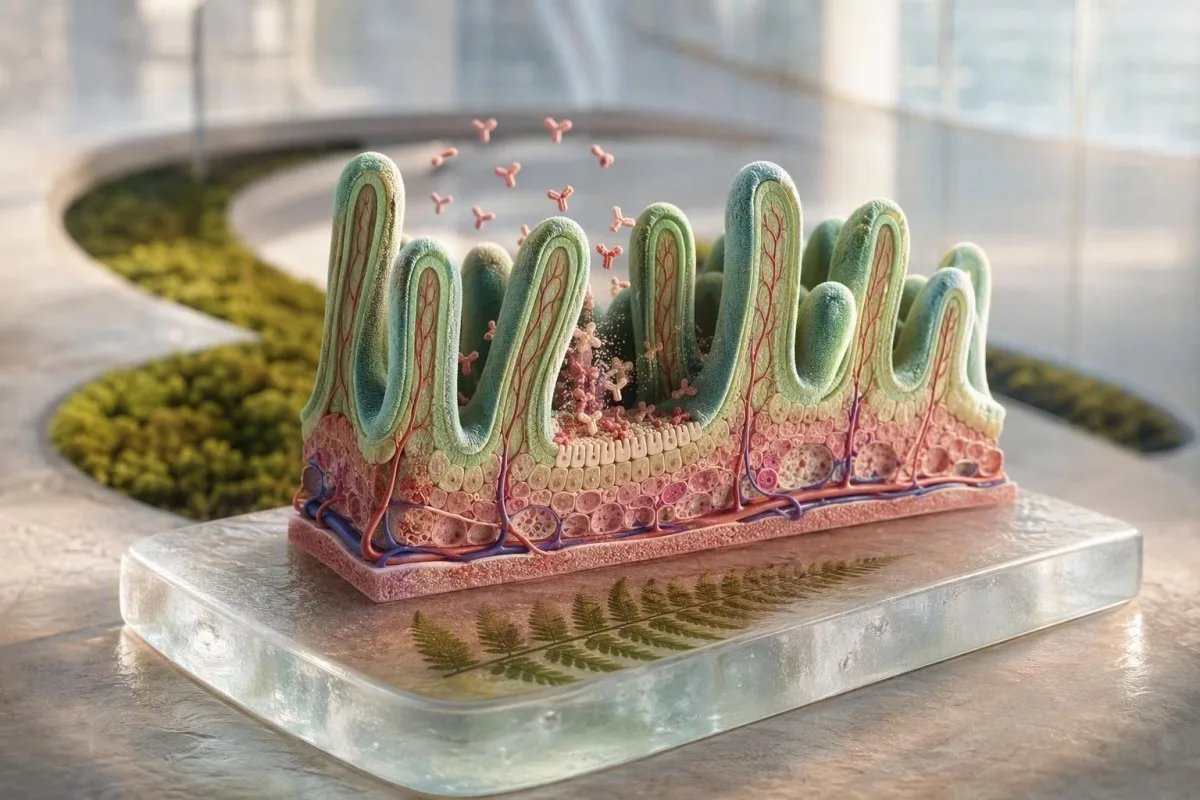
สำหรับการตรวจเลือดหาโรคเซลิแอคที่เชื่อถือได้ ผู้ใหญ่ส่วนใหญ่ที่งดกลูเตนมาแล้ว จำเป็นต้องบริโภคกลูเตนประมาณ 3–6 กรัมต่อวัน เป็นเวลาอย่างน้อย 6 สัปดาห์ การท้าทายด้วยกลูเตน 12 สัปดาห์ จะให้ผลลัพธ์ที่ชัดเจนที่สุดเมื่อร่างกายทนได้ อย่ากลับไปบริโภคกลูเตนเองหากคุณมีอาการแพ้รุนแรง น้ำหนักลดลงอย่างมาก มีความกังวลเกี่ยวกับการตั้งครรภ์ หรือเคยได้รับการวินิจฉัยโรคเซลิแอคที่ยืนยันแล้ว.


- การท้าทายขั้นต่ำ: 3–6 กรัมของกลูเตนต่อวัน ประมาณ 1–2 แผ่นขนมปังข้าวสาลี เป็นเป้าหมายที่ใช้ได้จริงสำหรับผู้ใหญ่ก่อนทำการตรวจซีรั่มวิทยาโรคเซลิแอคซ้ำ.
- ระยะเวลาที่แนะนำ: การได้รับกลูเตน 12 สัปดาห์ต่อวัน จะเพิ่มโอกาสที่การตรวจเลือดหาโรคเซลิแอคและการตัดชิ้นเนื้อจะตรวจพบโรคหลังจากการงดกลูเตน.
- การท้าทายระยะสั้น: 3 กรัมต่อวันเป็นเวลา 2 สัปดาห์ อาจกระตุ้นให้เกิดการเปลี่ยนแปลงในการตัดชิ้นเนื้อในผู้ใหญ่บางราย แต่ผลลบหลังจาก 2 สัปดาห์เท่านั้น ไม่สามารถตัดโรคเซลิแอคออกได้อย่างน่าเชื่อถือ.
- tTG-IgA: ผล tTG-IgA ที่เป็นลบ อาจทำให้เข้าใจผิดว่าปลอดภัยเมื่อปริมาณกลูเตนต่ำ หรือ IgA โดยรวมบกพร่อง.
- IgA ทั้งหมด: ควรวัดระดับ IgA ในซีรั่มทั้งหมดควบคู่กับ tTG-IgA การขาด IgA ต้องอาศัยการตรวจวัดโดยใช้ IgG.
- อย่าท้าทายด้วยตัวเอง: เด็ก สตรีมีครรภ์ ผู้ที่มีประวัติแพ้อย่างรุนแรงมาก่อน และผู้ที่มีภาวะทุพโภชนาการที่สำคัญ จำเป็นต้องได้รับการวางแผนโดยแพทย์.
- การตรวจ HLA: การตรวจไม่พบ HLA-DQ2 และ HLA-DQ8 ทำให้โรคเซลิแอคมีความเป็นไปได้น้อยมาก และบางครั้งอาจไม่ต้องทำการทดสอบโดยการรับประทานกลูเตน.
- อย่าหยุดเร็ว: รับประทานกลูเตนต่อไปจนกว่าแพทย์จะยืนยันว่าการตรวจเลือดและหากจำเป็น การส่องกล้อง เสร็จสมบูรณ์แล้ว.
เหตุใดการงดกลูเตนจึงอาจทำให้การตรวจเลือดหาโรคเซลิแอคให้ผลลบ
A การตรวจเลือดโรคเซลิแอคอาจให้ผลลบล้างได้หลังจากจำกัดกลูเตน เนื่องจากสัญญาณภูมิคุ้มกันที่วัดได้จะจางหายไปเมื่อนำข้าวสาลี ข้าวบาร์เลย์ และข้าวไรย์ ออกไป ในทางปฏิบัติ การตรวจ tTG-IgA ที่ให้ผลลบในขณะที่งดกลูเตน ไม่ได้บ่งชี้ว่าไม่มีโรคเซลิแอค อาจเป็นเพียงแสดงว่าระบบภูมิคุ้มกันไม่ถูกกระตุ้นอีกต่อไป.
tTG-IgA ตรวจพบการตอบสนองของแอนติบอดี ไม่ใช่เครื่องหมายถาวรของโรคเซลิแอค. ความเข้มข้นของแอนติบอดีมักจะลดลงภายในไม่กี่สัปดาห์ถึงหลายเดือนเมื่อรับประทานอาหารที่ปราศจากกลูเตนอย่างเคร่งครัด ในขณะที่การฟื้นตัวของลำไส้อาจใช้เวลานานกว่านั้น แนวทางการปฏิบัติของ American College of Gastroenterology ปี 2023 ระบุว่าควรทำการตรวจเลือดวินิจฉัยขณะที่ผู้ป่วยกำลังรับประทานกลูเตน (Rubio-Tapia et al., 2023).
ฉันเห็นรูปแบบนี้เป็นประจำ: มีคนงดกลูเตนเป็นเวลา 8 เดือน รู้สึกดีขึ้นเล็กน้อย จากนั้นได้รับผล tTG-IgA ปกติ และได้รับแจ้งว่าโรคเซลิแอคถูกยกเว้น ข้อสรุปนั้นไม่ปลอดภัยหากไม่ทราบปริมาณกลูเตนที่บริโภค; การตรวจ tTG-IgA ที่ให้ผลลบลวงมีแนวโน้มที่จะเกิดขึ้นมากขึ้นเมื่อการได้รับกลูเตนได้หยุดลงแล้ว. คู่มือที่เกี่ยวข้องของเราเกี่ยวกับ IgA ต่ำและข้อผิดพลาดของโรคเซลิแอค อธิบายเหตุผลหลักประการที่สองที่การตรวจเลือดอาจพลาดการวินิจฉัยโรค.
คันเตสตีเป็น เครื่องวิเคราะห์ผลเลือด AI ที่อ่านค่า tTG-IgA ร่วมกับ IgA ทั้งหมด ฮีโมโกลบิน เฟอร์ริติน โฟเลต วิตามิน B12 และเอนไซม์ตับ แทนที่จะรักษาผลแอนติบอดีลบลบล้างหนึ่งครั้งเป็นการวินิจฉัยสุดท้าย ภาวะขาดธาตุเหล็กหรือ ALT ที่สูงผิดปกติสามารถทำให้โรคเซลิแอคยังคงอยู่ได้ แม้ว่าผลแอนติบอดีหนึ่งจะปกติก็ตาม.
กลไกมีความสำคัญ เปปไทด์กลูเตนไปถึงส่วนบนของลำไส้เล็ก เอนไซม์ tissue transglutaminase จะปรับเปลี่ยนเปปไทด์เหล่านั้น และเส้นทางภูมิคุ้มกัน HLA-DQ2 หรือ HLA-DQ8 ที่ไวต่อการเกิดโรค จะสร้างแอนติบอดี เมื่อนำสิ่งกระตุ้นออกไป การตอบสนองของแอนติบอดีที่วัดได้ก็อาจสงบลง นั่นคือชีววิทยา ไม่ใช่ความล้มเหลวของการทดสอบ.
ความเข้าใจผิดทั่วไป
การรู้สึกดีขึ้นหลังจากหลีกเลี่ยงขนมปังไม่ใช่การวินิจฉัยด้วยตัวเอง อาการสามารถดีขึ้นได้จากการได้รับคาร์โบไฮเดรตที่หมักได้น้อยลง การลดการบริโภคผลิตภัณฑ์แปรรูปสูง การหลีกเลี่ยงอาการแพ้ข้าวสาลี หรือภาวะแพ้กลูเตนที่ไม่ใช่โรคเซลิแอค มีเพียงการทดสอบที่ถูกเวลาอย่างเหมาะสมเท่านั้นที่สามารถแยกแยะความเป็นไปได้เหล่านี้ได้.
การตรวจหาโรคเซลิแอคแบบใดที่จำเป็นต้องบริโภคกลูเตนในอาหาร?
tTG-IgA, EMA-IgA, แอนติบอดี deamidated gliadin peptide และการตรวจชิ้นเนื้อลำไส้เล็กส่วนต้น มีความน่าเชื่อถือมากที่สุดเมื่อกำลังรับประทานกลูเตน. การทดสอบพันธุกรรม HLA-DQ2/DQ8 แตกต่างออกไป: ยังคงใช้ได้ไม่ว่าบุคคลนั้นจะรับประทานกลูเตนหรือไม่ก็ตาม.
tTG-IgA เป็นการตรวจเลือดโรคเซลิแอคเบื้องต้นตามปกติในผู้ใหญ่และเด็กอายุ 2 ปีขึ้นไป. ห้องปฏิบัติการหลายแห่งรายงานค่าที่ต่ำกว่า 10–15 U/mL ว่าเป็นลบล้าง แต่ขีดจำกัดบนของค่าปกติขึ้นอยู่กับชนิดของการตรวจ ดังนั้นช่วงอ้างอิงของห้องปฏิบัติการเองจึงเป็นตัวกำหนดการตีความ EMA-IgA มีความจำเพาะสูงและมักใช้เพื่อยืนยันผล tTG-IgA ที่ให้ผลบวกอย่างมาก.
IgA ทั้งหมดในซีรัม ควรอยู่ในการส่งตรวจเดียวกันกับ tTG-IgA. ภาวะขาด IgA ชนิดจำเพาะพบได้ประมาณ 1 ใน 400 ถึง 1 ใน 700 คนในประชากรตะวันตกหลายกลุ่ม และอาจให้ผลลบต่อ tTG-IgA ทั้งที่มีภาวะเซลีแอค; การทดสอบ DGP หรือ tTG ที่ใช้ IgG จึงมีความเหมาะสม A คู่มือการทดสอบเชิงคุณภาพเทียบเชิงปริมาณ สามารถช่วยให้ผู้อ่านทราบว่ารายงานให้ค่าที่วัดได้หรือเป็นเพียงการบ่งชี้ผลบวก/ลบ.
การตัดชิ้นเนื้อลำไส้เล็กส่วนต้นจะประเมินโครงสร้างเยื่อบุลำไส้และเซลล์เม็ดเลือดขาวในเยื่อบุผิว แต่การเปลี่ยนแปลงของเยื่อบุอาจดีขึ้นหลังหยุดกลูเตน ในผู้ใหญ่ ผลการตรวจเลือดที่เป็นบวกมักนำไปสู่การส่องกล้องทางเดินอาหารส่วนบนก่อนตัดสินใจจำกัดอาหารตลอดชีวิต การตัดชิ้นเนื้อยังคงมีประโยชน์โดยเฉพาะเมื่อผลการตรวจไม่สอดคล้องกัน.
อย่าสับสนแผงตรวจการแพ้อาหารกับซีรั่มวิทยาของโรคเซลีแอค แผงตรวจอาหาร IgG ไม่สามารถวินิจฉัยโรคเซลีแอคได้ และการทดสอบที่บ้านไม่สามารถทดแทนการประเมิน IgA ทั้งหมด การตรวจวัดแอนติบอดีที่ผ่านการรับรอง หรือการแปลผลโดยผู้เชี่ยวชาญได้.
การทดสอบที่ยังคงมีประโยชน์เมื่อรับประทานอาหารปราศจากกลูเตน
การไม่มี HLA-DQ2 หรือ HLA-DQ8 มีค่าทำนายผลลบสูงมาก เนื่องจากเกือบทุกคนที่เป็นโรคเซลีแอคจะมียีนเหล่านี้อย่างน้อยหนึ่งยีน ผล HLA ที่เป็นบวกนั้นพบได้ทั่วไปและไม่สามารถวินิจฉัยโรคเซลีแอคได้ ประมาณ 30–35% ของประชากรหลายกลุ่มมียีน DQ2 หรือ DQ8 แต่เพียงประมาณ 1-4% เท่านั้นที่จะเป็นโรคเซลีแอค.
การบริโภคกลูเตนปริมาณเท่าใดจึงจะเพียงพอสำหรับการท้าทายด้วยกลูเตน?
การทดสอบกลูเตนที่ทำได้จริงในผู้ใหญ่คือ 3–6 กรัมของกลูเตนต่อวัน, ซึ่งเทียบเท่ากับขนมปังข้าวสาลีธรรมดาประมาณ 1–2 แผ่น สำหรับการทดสอบวินิจฉัย การรับประทานอาหารมากขึ้นไม่จำเป็นต้องดีกว่า ความสม่ำเสมอสำคัญกว่าการบังคับให้รับประทานในปริมาณมากที่ทำให้บุคคลนั้นหยุดหลังจากผ่านไปหลายวัน.
ขนมปังข้าวสาลีทั่วไป 1 แผ่นมีปริมาณประมาณ 2–3 กรัมของกลูเตน, ในขณะที่เบเกิลมาตรฐานอาจมี 4–7 กรัม และพาสต้าปกติที่ปรุงสุก 1 ถ้วยมีประมาณ 2–4 กรัม ขึ้นอยู่กับสูตรและปริมาณ ข้าวโอ๊ตไม่ใช่แหล่งอาหารที่น่าเชื่อถือสำหรับการทดสอบ เนื่องจากข้าวโอ๊ตที่ได้รับการรับรองว่าปราศจากกลูเตนมีกลูเตนน้อยมาก และข้าวโอ๊ตทั่วไปมีความปนเปื้อนแตกต่างกันไป.
การทบทวนโดย Leonard และคณะ แนะนำ อย่างน้อย 3–6 กรัมต่อวันเป็นเวลามากกว่า 12 สัปดาห์ เมื่อสามารถทนต่อการทดสอบที่ยาวนานขึ้นได้ โดยเฉพาะอย่างยิ่งหากเป้าหมายคือการตัดโรคออกอย่างมั่นใจหลังจากงดกลูเตนเป็นเวลาหลายเดือนหรือหลายปี (Leonard et al., 2023) แพทย์บางคนใช้ 10 กรัมต่อวัน แต่ปริมาณดังกล่าวจะรักษาระดับได้ยากกว่า และยังไม่ได้รับการพิสูจน์ว่าจำเป็นสำหรับผู้ใหญ่ทุกคน.
แนวทางปฏิบัติที่ดีคือการรับประทานอาหารที่มีกลูเตน 1 ชนิดในมื้อเช้า และ 1 ชนิดในมื้อกลางวัน แทนที่จะเป็นมื้อเย็นมื้อใหญ่หนึ่งมื้อ บันทึกผลิตภัณฑ์ ปริมาณโดยประมาณ อาการ และวันที่พลาด; บันทึกดังกล่าวจะให้ข้อมูลแก่แพทย์ระบบทางเดินอาหารได้ดีกว่าความทรงจำเลือนลางเกี่ยวกับการรับประทาน “ขนมปังบางชนิด”
สำหรับบริบทที่กว้างขึ้นเกี่ยวกับความหมายของเครื่องหมายในห้องปฏิบัติการร่วมกัน คู่มืออ้างอิงไบโอมาร์กเกอร์ อธิบายว่าเหตุใดเฟอร์ริตินและดัชนีเซลล์เม็ดเลือดแดงจึงมักถูกทบทวนควบคู่ไปกับแอนติบอดีของโรคเซลีแอค.
ปริมาณคือกลูเตนเป็นกรัม ไม่ใช่น้ำหนักอาหาร
ขนมปัง 50 กรัม ไม่ใช่กลูเตน 50 กรัม ปริมาณกลูเตนแตกต่างกันไปตามแป้ง ความชื้น สูตร และกระบวนการผลิต ซึ่งเป็นเหตุผลว่าทำไมแพทย์จึงมักสั่งอาหารที่เทียบเท่ากัน แทนที่จะขอให้ผู้ป่วยชั่งน้ำหนักโปรตีนกลูเตนที่แยกออกมา.
ควรท้าทายด้วยกลูเตนเป็นเวลานานเท่าใดก่อนทำการตรวจ?
หกสัปดาห์เป็นระยะเวลาขั้นต่ำที่เหมาะสมสำหรับผู้ใหญ่หลายคน ในขณะที่ 12 สัปดาห์ให้การทดสอบที่น่าเชื่อถือกว่าหลังจากการหลีกเลี่ยงกลูเตนเป็นเวลานาน. การทดสอบ 2 สัปดาห์สามารถสนับสนุนการวินิจฉัยได้หากผลการทดสอบเป็นบวก แต่ผลที่เป็นลบหลังจากเพียง 14 วันไม่สามารถตัดโรคเซลีแอคออกได้อย่างปลอดภัย.
ระยะเวลาที่ต้องการขึ้นอยู่กับอายุ อาหารเดิม การตอบสนองของภูมิคุ้มกัน และว่าแพทย์วางแผนการตรวจซีรั่มอย่างเดียวหรือการตัดชิ้นเนื้อ ในการศึกษาผู้ใหญ่ขนาดเล็ก การรับประทานกลูเตน 3 กรัมต่อวันเป็นเวลา 14 วัน ทำให้เกิดการเปลี่ยนแปลงทางเนื้อเยื่อที่วินิจฉัยได้ในผู้เข้าร่วมหลายคน แต่การตอบสนองของแอนติบอดีล่าช้ากว่า; ช่องว่างนั้นคือเหตุผลที่โปรโตคอลระยะสั้นอาจพลาดผู้ป่วย.
ณ วันที่ 31 สิงหาคม 2569 ฉันมักจะปรึกษา แผน 12 สัปดาห์ กับผู้ใหญ่ที่รับประทานกลูเตนน้อยหรือไม่ได้รับเลยเป็นเวลาหลายเดือน โดยจะมีการตรวจเลือดประมาณสัปดาห์ที่ 6 และอีกครั้งใกล้สัปดาห์ที่ 12 หากผลลัพธ์แรกเป็นลบ ดร. โทมัส ไคลน์ หัวหน้าเจ้าหน้าที่ทางการแพทย์ของเรา เห็นว่าความล่าช้าในการวินิจฉัยที่หลีกเลี่ยงได้มากที่สุดคือเมื่อผู้ป่วยกลับมารับประทานกลูเตนเพียงช่วงสุดสัปดาห์ก่อนการเจาะเลือด.
หากอาการทนไม่ได้ โปรดติดต่อแพทย์ที่สั่งการรักษาแทนที่จะหยุดรับประทานเงียบๆ พวกเขาอาจเลื่อนการตรวจเลือดเร็วขึ้น จัดให้มีการส่องกล้องเร็วขึ้น หรือพิจารณาใหม่ว่าการตรวจ HLA สามารถตอบคำถามได้หรือไม่โดยไม่ต้องรับประทานกลูเตนเป็นเวลานาน การ มีแนวทางกำหนดเวลาการตรวจเลือด มีประโยชน์ในการทำความเข้าใจว่าเหตุใดการเปลี่ยนแปลงที่เกี่ยวข้องกับอาหารจึงไม่ปรากฏในผลการตรวจทางห้องปฏิบัติการทันที.
ให้รับประทานกลูเตนต่อไปจนกว่าจะเจาะเลือด และหากผลการตรวจแอนติบอดีเป็นบวกหรือยังคงสงสัยสูง จนกว่าทีมส่องกล้องจะแนะนำเป็นอย่างอื่น การหยุดรับประทานหลังจากผลเลือดเป็นบวกแต่ก่อนการตัดชิ้นเนื้ออาจลดสัญญาณที่มองเห็นได้ในลำไส้.
ปฏิทินที่สมจริง
สัปดาห์ที่ 1–2 กำหนดการรับประทานกลูเตนในแต่ละวันและระบุอาการเบื้องต้น สัปดาห์ที่ 3–6 เป็นช่วงที่การเจาะเลือดครั้งแรกอาจมีประโยชน์ สัปดาห์ที่ 7–12 เพิ่มความไวสำหรับผู้ที่มีแอนติบอดีเพิ่มขึ้นช้า โดยเฉพาะอย่างยิ่งหลังจากจำกัดอาหารเป็นเวลานาน.
การท้าทายด้วยกลูเตนในเด็กและวัยรุ่นต้องใช้แผนที่แตกต่างกัน
เด็กไม่ควรเริ่มการท้าทายกลูเตนโดยไม่ได้รับคำแนะนำจากกุมารแพทย์ เนื่องจากภาวะการเจริญเติบโต โภชนาการ ภาระอาการ และความเป็นไปได้ในการวินิจฉัยโดยไม่ต้องตัดชิ้นเนื้อ ล้วนส่งผลต่อแผนการรักษา. เด็กที่เจริญเติบโตไม่ดีหรือน้ำหนักลดจำเป็นต้องได้รับการประเมินก่อน ไม่ใช่การทดลองทำขนมปังด้วยตนเอง.
สำหรับเด็กที่มีค่า tTG-IgA สูงมาก—อย่างน้อย 10 เท่าของขีดจำกัดบนปกติของ assay—บวกกับ EMA-IgA ที่เป็นบวกในตัวอย่างที่สอง แนวทาง ESPGHAN อนุญาตให้วินิจฉัยโดยไม่ต้องตัดชิ้นเนื้อในกรณีที่เลือกภายใต้การดูแลของผู้เชี่ยวชาญด้านกุมารเวชกรรม (Husby et al., 2020) วิธีการดังกล่าวต้องการการบริโภคกลูเตนที่กำลังดำเนินอยู่ ณ เวลาที่ทำการทดสอบ.
เด็กก่อนวัยเรียนไม่สามารถสันนิษฐานได้ว่าทนต่อปริมาณอาหารเท่ากับผู้ใหญ่ที่มีน้ำหนัก 75 กก. ได้ กุมารแพทย์มักจะทำงานจากปริมาณการรับประทานอาหารปกติในแต่ละวันและอาหารปกติของเด็ก จากนั้นจึงติดตามน้ำหนัก อัตราการเจริญเติบโต ความชุ่มชื้น รูปแบบอุจจาระ และการเข้าโรงเรียน เป้าหมายไม่ควรเป็นการแข่งขันความอดทนต่ออาการ.
ภาวะขาดธาตุเหล็ก การเจริญเติบโตช้า แผลในปากที่เกิดขึ้นซ้ำ การเปลี่ยนแปลงของเคลือบฟัน และภาวะเจริญพันธุ์ล่าช้า อาจเป็นสัญญาณของโรคเซลิแอคได้แม้ไม่มีอาการท้องเสีย ผู้ปกครองสามารถทบทวนการตรวจเพิ่มเติมที่ครอบคลุมใน คู่มือการทดสอบการเจริญเติบโตในวัยเด็ก, ได้ แต่การตรวจคัดกรองฮอร์โมนการเจริญเติบโตปกติไม่ได้ยกเว้นการดูดซึมสารอาหารผิดปกติในลำไส้.
หากเด็กมีการตอบสนองต่อการรับประทานอาหารปลอดกลูเตนแล้ว ครอบครัวควรสอบถามว่าการตรวจ HLA หรือการให้รับประทานกลูเตนอีกครั้งภายใต้การดูแลเป็นวิธีการที่รบกวนน้อยที่สุดหรือไม่ ฉันได้เรียนรู้ที่จะให้ความสำคัญกับความวิตกกังวลของครอบครัวในเรื่องนี้—มื้ออาหารอาจตึงเครียดได้อย่างรวดเร็ว.
การวางแผนโรงเรียนและอาหาร
แผนที่เป็นลายลักษณ์อักษรควรกำหนดว่ามื้ออาหารใดมีกลูเตนและจะจัดการกับอาการระหว่างชั่วโมงเรียนอย่างไร การเปลี่ยนแปลงปริมาณบ่อยครั้ง การเปลี่ยนไปใช้ผลิตภัณฑ์ปลอดกลูเตน หรือการอนุญาตให้รับประทานเฉพาะช่วงสุดสัปดาห์เป็นครั้งคราว ทำให้ผลลัพธ์สุดท้ายตีความได้ยากขึ้นมาก.
จะเป็นอย่างไรหากคุณงดกลูเตนมาหลายปีแล้ว?
หลังจากรับประทานอาหารปลอดกลูเตนมาหลายปี การตรวจแอนติบอดีอาจยังคงเป็นลบ เว้นแต่การสัมผัสกลูเตนจะดำเนินไปนานพอที่จะกระตุ้นการตอบสนองของภูมิคุ้มกันอีกครั้ง. นี่คือกลุ่มที่การท้าทายภายใต้การดูแลของแพทย์เป็นเวลา 12 สัปดาห์ หรือการตรวจ HLA ก่อน มักจะสมเหตุสมผลที่สุด.
ยิ่งขาดกลูเตนไปนานเท่าใด tTG-IgA ครั้งเดียวก็ยิ่งมีประโยชน์น้อยลงเท่านั้น ผู้ป่วยบางรายต้องการเวลามากกว่า 6 สัปดาห์ก่อนที่แอนติบอดีที่วัดได้จะกลับคืนมา และผลการตรวจที่เป็นลบในสัปดาห์ที่ 6 ควรตีความตามปริมาณที่รับประทานจริง ไม่ใช่เพียงตามปฏิทิน.
โรคเซลิแอคอาจทิ้งร่องรอยไว้ในประวัติผลแล็บ: ภาวะเหล็กต่ำ, ความอิ่มตัวของทรานสเฟอร์รินต่ำ, ภาวะขาดโฟเลต, จำนวนเกล็ดเลือดสูง, วิตามินดีต่ำ หรือระดับเอนไซม์ ALT/AST สูงเล็กน้อยที่หาสาเหตุไม่ได้ ไม่มีรายการใดที่สามารถวินิจฉัยได้เพียงลำพัง แต่การมีหลายรายการร่วมกันจะเพิ่มโอกาสก่อนการทดสอบ ดูรายละเอียดของเรา คู่มือการศึกษาเกี่ยวกับธาตุเหล็ก สำหรับความแตกต่างระหว่างภาวะสต็อกเหล็กหมดและการที่ซีรั่มเหล็กต่ำที่เกี่ยวข้องกับการอักเสบ.
คันเตสตีเป็น บริการตีความผลการทดสอบของ AI ที่ช่วยให้ผู้ใช้สามารถเปรียบเทียบแผงผลตรวจเก่าและใหม่เคียงข้างกัน รวมถึงค่าฮีโมโกลบิน, MCV, เฟอริติน, อัลบูมิน และค่าแอนติบอดี ไม่สามารถวินิจฉัยโรคเซลิแอคได้ แต่การแสดงผลเป็นลำดับเวลาสามารถช่วยให้แพทย์เห็นว่าความผิดปกติทางโภชนาการเกิดขึ้นก่อนการจำกัดอาหารหรือไม่.
การทดสอบโรคเซลิแอคครั้งก่อนที่ผลเป็นลบไม่ได้ยุติเรื่อง หากทำหลังจากหยุดบริโภคกลูเตนไปแล้ว ให้ขอดูรายงานฉบับเดิม, ค่าแอนติบอดีที่แน่นอน, ค่า IgA ทั้งหมด และปริมาณกลูเตนที่คุณรับประทานในช่วง 6-12 สัปดาห์ก่อนการเก็บตัวอย่าง.
ทำไมภาวะโภชนาการอาจดูปกติ
ระดับเฟอริตินปกติไม่ได้บ่งชี้ว่าไม่มีโรคเซลิแอค เฟอริตินจะสูงขึ้นเมื่อมีการอักเสบและตับบาดเจ็บ ดังนั้น ระดับเฟอริติน 70 µg/L สามารถเกิดขึ้นร่วมกับภาวะเหล็กที่ถูกจำกัดเมื่อค่า C-reactive protein สูงขึ้น ความอิ่มตัวของทรานสเฟอร์รินจะให้บริบทที่มีประโยชน์.
เมื่อใดที่คุณไม่ควรรื้อฟื้นการท้าทายด้วยกลูเตนโดยไม่มีคำแนะนำทางการแพทย์?
อย่ากลับไปบริโภคกลูเตนด้วยตนเองหากก่อนหน้านี้ทำให้เกิดภาวะขาดน้ำ หน้ามืด อาเจียนรุนแรง น้ำหนักลดอย่างรวดเร็ว ภาวะแทรกซ้อนจากการตั้งครรภ์ หรือต้องเข้ารับการรักษาในโรงพยาบาล. แผนการที่อยู่ภายใต้การดูแลก็ปลอดภัยกว่าสำหรับเด็ก ผู้ป่วยเบาหวานที่ใช้ อินซูลิน และใครก็ตามที่มีประวัติหรือสงสัยว่าจะกลับไปมีพฤติกรรมการกินผิดปกติอีกครั้ง.
ตัวโรคเซลิแอคเองไม่ค่อยทำให้เกิดอาการแพ้เฉียบพลัน ดังนั้น การมีผื่นลมพิษ หายใจมีเสียงหวีด คอหอยตีบ หรืออาการหน้ามืดอย่างรวดเร็วหลังการบริโภคข้าวสาลี บ่งชี้ถึงความเป็นไปได้ของอาการแพ้ข้าวสาลี และต้องการการประเมินอาการแพ้มากกว่าการทดสอบด้วยกลูเตน การทดสอบโรคเซลิแอคและการทดสอบภูมิแพ้ตอบคำถามที่แตกต่างกัน และการสับสนอาจเป็นอันตราย.
ขอคำปรึกษาทางการแพทย์โดยเร็วที่สุดก่อนการทดสอบ หากคุณมี น้ำหนักลดโดยไม่ได้ตั้งใจมากกว่า 5% ใน 1 เดือน, อาเจียนต่อเนื่อง อุจจาระสีดำ ปวดท้องรุนแรง หรืออาการขาดน้ำ เช่น ปัสสาวะออกน้อยมาก และเวียนศีรษะ อาการเหล่านี้ไม่ใช่ “หลักฐาน” ที่คาดว่าจะเกิดขึ้นจากการบริโภคกลูเตน แต่เป็นเหตุผลในการประเมินใหม่.
การตั้งครรภ์จำเป็นต้องได้รับการจัดการแยกต่างหาก เนื่องจากทั้งโรคเซลิแอคที่ไม่ได้รับการรักษาและอาหารที่จำกัดปริมาณสามารถส่งผลต่อเหล็ก โฟเลต และน้ำหนักที่เพิ่มขึ้นได้ ติดต่อแพทย์ผ่าน ช่องทางการติดต่อแพทย์ หรือทีมดูแลการคลอดบุตรของคุณ ก่อนที่จะกลับมาบริโภคกลูเตนอีกครั้งโดยเจตนา.
ผู้ที่มีการวินิจฉัยโรคเซลิแอคที่ยืนยันด้วยการตัดชิ้นเนื้อก่อนหน้านี้ โดยปกติไม่จำเป็นต้องมีการทดสอบกลูเตนเพื่อยืนยันอีกครั้ง ข้อยกเว้นคือข้อสงสัยที่แท้จริงเกี่ยวกับการวินิจฉัยครั้งเก่า ซึ่งควรจัดการโดยแพทย์ผู้เชี่ยวชาญด้านระบบทางเดินอาหารที่สามารถทบทวนผลพยาธิวิทยาและบันทึกค่าแอนติบอดีเดิมได้.
อาการที่ควรรีบด่วน
อาการหายใจมีเสียงหวีดใหม่ หน้าบวม สับสน ไม่สามารถดื่มน้ำได้เป็นเวลา 12-24 ชั่วโมง หน้ามืด หรือสัญญาณของการมีเลือดออกในทางเดินอาหาร จำเป็นต้องได้รับการประเมินทางการแพทย์อย่างเร่งด่วน อย่าบริโภคอาหารต่อไปเพื่อ “ทดสอบให้เสร็จ” เมื่อมีอาการผิดปกติที่น่าเป็นห่วง.
การตรวจพันธุกรรม HLA สามารถป้องกันการท้าทายด้วยกลูเตนที่ไม่จำเป็นได้หรือไม่?
การทดสอบ HLA-DQ2 และ HLA-DQ8 ที่ให้ผลเป็นลบ ทำให้โรคเซลิแอคไม่น่าเป็นไปได้ และมักจะช่วยให้ไม่ต้องทำการทดสอบกลูเตน. ผลบวกเพียงแสดงถึงความไวทางพันธุกรรม ดังนั้นจึงไม่สามารถยืนยันโรคเซลิแอคหรืออธิบายอาการได้ด้วยตัวเอง.
มากกว่า 2 ใน 3 ของผู้ป่วยโรคเซลิแอคมีพาหะของ HLA-DQ2.5, DQ2.2 หรือ DQ8 แม้ว่าการใช้คำศัพท์อาจแตกต่างกันเล็กน้อยในแต่ละห้องปฏิบัติการ การทดสอบมีประโยชน์มากที่สุดเมื่อบุคคลนั้นงดกลูเตนอยู่แล้ว เมื่อบันทึกเก่าไม่พร้อมใช้งาน หรือเมื่อภาระที่คาดว่าจะเกิดขึ้นจากการกลับมาบริโภคกลูเตนมีสูง.
ผลบวกของ HLA เกิดขึ้นได้บ่อย: ประมาณ 30–40% ของผู้คนมีรูปแบบพันธุกรรมที่เข้ากันได้ ในขณะที่เพียงประมาณ 1% เท่านั้นที่เป็นโรคเซลิแอค ความไม่ตรงกันนั้นคือเหตุผลที่การทดสอบทางพันธุกรรมควรเป็นแนวทางในการตัดสินใจขั้นต่อไป ไม่ใช่การวินิจฉัยที่พิมพ์ลงในรายการปัญหา.
Kantesti AI ใช้ แพลตฟอร์มการตีความไบโอมาร์กเกอร์ด้วย AI แนวทางในการแจ้งเตือนเมื่อมีการเก็บตัวอย่างแอนติบอดีหลังจากงดกลูเตน และเมื่อผลการตรวจ Total-IgA ขาดหายไป การตรวจทางพันธุกรรมยังคงต้องอาศัยการสั่งตรวจและการตีความโดยแพทย์ของเรา หลักการตรวจสอบทางคลินิก อธิบายว่าเหตุใดการแจ้งเตือนตามบริบทจึงไม่สามารถทดแทนการตัดสินใจในการวินิจฉัยได้.
จากประสบการณ์ของฉัน การตรวจ HLA มีคุณค่าอย่างยิ่งสำหรับผู้ที่หยุดกลูเตนเนื่องจากอาการที่ไม่จำเพาะเจาะจง และตอนนี้กำลังกังวลกับการทดสอบความท้าทายที่ยาวนาน ผลการตรวจที่เป็นลบสามารถปิดวงจรที่ยากลำบากได้ ผลการตรวจที่เป็นบวกเพียงแค่หมายความว่าการสนทนาจะดำเนินต่อไป.
ยีนไม่ได้ทำนายความรุนแรง
ชนิดของ HLA ไม่สามารถทำนายได้อย่างน่าเชื่อถือว่าอาการจะเล็กน้อยหรือไม่ มีการเปลี่ยนแปลงของวิลไลหรือไม่ หรือบุคคลนั้นจะพัฒนาโรคเซลิแอคในภายหลังหรือไม่ ญาติสายตรงที่มีลักษณะทางพันธุกรรมที่เข้ากันได้ อาจยังคงต้องได้รับการประเมินทางคลินิกเป็นระยะๆ หากมีอาการหรือการขาดสารอาหารเกิดขึ้น.
วิธีดำเนินการท้าทายให้สมบูรณ์โดยไม่ได้รับกลูเตนปริมาณต่ำโดยไม่ได้ตั้งใจ
การสัมผัสกลูเตนในแต่ละวันอย่างสม่ำเสมอมีประโยชน์ในการวินิจฉัยมากกว่ามื้ออาหารขนาดใหญ่เป็นครั้งคราว. เลือกอาหารที่มีส่วนประกอบของข้าวสาลีที่คุ้นเคยสองถึงสามชนิด ประเมินปริมาณกลูเตน และหลีกเลี่ยงการเปลี่ยนไปเป็นอาหารที่ปราศจากกลูเตนเมื่อเริ่มการทดสอบความท้าทาย.
รูปแบบ 3–6 กรัมอย่างง่ายอาจเป็นขนมปังปิ้งข้าวสาลีหนึ่งแผ่นในมื้อเช้า และพาสต้าหรือแครกเกอร์ปกติปริมาณเล็กน้อยในภายหลังของวัน ตรวจสอบฉลากสำหรับข้าวสาลี ข้าวไรย์ หรือข้าวบาร์เลย์; ขนมปังซาวโดวจ์ที่ทำจากข้าวสาลียังคงมีกลูเตน และขนมปัง “อาร์ติซาน” ไม่ได้มีกลูเตนต่ำโดยอัตโนมัติ.
เบียร์ ซอส เครื่องทอดที่ใช้ร่วมกัน และอาหารแปรรูปสร้างความไม่แน่นอน ดังนั้นจึงเป็นแหล่งหลักที่ไม่เหมาะสมสำหรับการทดสอบที่วัดผลได้ อาหารที่คาดเดาได้เพียงอย่างเดียวจะให้ประวัติการสัมผัสที่ชัดเจนกว่า และทำให้ง่ายต่อการระบุว่าอาการสัมพันธ์กับปริมาณหรือไม่.
อย่าเริ่มอดอาหาร การใช้โปรไบโอติก ผลิตภัณฑ์ใยอาหารปริมาณสูง หรือยาระบายใหม่ๆ ที่ไม่เกี่ยวข้องในช่วงเวลา 6-12 สัปดาห์เดียวกัน หากหลีกเลี่ยงได้ สิ่งเหล่านี้อาจเปลี่ยนแปลงอาการลำไส้ และทำให้ประสบการณ์ที่ได้รับยากต่อการตีความ คู่มือของเราเกี่ยวกับ อาหารที่เปลี่ยนแปลงผลการตรวจลำไส้ ครอบคลุมประเด็นที่ใช้งานได้จริงนี้.
บันทึกอาหารควรประกอบด้วย วันที่ อาหาร ปริมาณโดยประมาณ ความถี่ในการขับถ่าย อาการทางช่องท้อง และปริมาณยาที่ขาดหายไป ไม่จำเป็นต้องสมบูรณ์แบบ - การบันทึกสามรายการที่ชัดเจนต่อวันมีประโยชน์มากกว่าการพยายามบันทึกทุกชิ้น.
ข้าวโอ๊ตและการทดสอบความท้าทายกลูเตน
ข้าวโอ๊ตที่ได้รับการรับรองว่าปราศจากกลูเตนไม่ใช่แหล่งกลูเตนเพื่อการวินิจฉัย ข้าวโอ๊ตทั่วไปอาจมีการปนเปื้อนที่ไม่สามารถคาดเดาได้ ซึ่งทำให้ไม่เหมาะสำหรับการทดสอบที่ออกแบบมาเพื่อกำหนดปริมาณที่ทราบ.
คาดหวังอาการใดบ้าง และคุณจะจัดการกับอาการเหล่านั้นได้อย่างปลอดภัยได้อย่างไร?
อาการท้องอืด อุจจาระเหลว เหนื่อยล้า ไม่สบายท้อง ปวดศีรษะ และสมองทึบอาจกลับมาเป็นซ้ำระหว่างการทดสอบความท้าทายกลูเตน แต่อาการรุนแรงควรได้รับการทบทวนทางการแพทย์แทนที่จะทนต่อ. อาการเพียงอย่างเดียวไม่สามารถพิสูจน์หรือหักล้างโรคเซลิแอคได้ เนื่องจากอาการเหล่านี้ทับซ้อนกับกลุ่มอาการลำไส้แปรปรวนและภาวะลำไส้อื่นๆ.
ใช้มาตรการสนับสนุนที่ไม่กำจัดกลูเตน: ดื่มน้ำปกติ สารละลายเกลือแร่สำหรับท้องเสีย มื้ออาหารขนาดเล็ก และการนอนหลับที่สม่ำเสมอ ยาแก้ท้องเสียอาจสมเหตุสมผลสำหรับผู้ใหญ่บางราย แต่ควรปรึกษาแพทย์ก่อน หากคุณมีไข้ มีเลือดปนในอุจจาระ ปวดรุนแรง หรือได้รับการวินิจฉัยใหม่ที่กำลังอยู่ระหว่างการตรวจสอบ.
หลีกเลี่ยงการตีความทุกอาการว่าเป็นการทำลายลำไส้ ผู้ที่มีความไวของลำไส้ที่ทำงานผิดปกติ อาจรู้สึกแย่ลงภายในไม่กี่ชั่วโมงหลังรับประทานอาหารที่มีข้าวสาลี เนื่องจากฟรุกแทนเกิดการหมักอย่างรวดเร็ว ในขณะที่การผลิต tTG-IgA และการเปลี่ยนแปลงของวิลไลเกิดขึ้นผ่านกระบวนการภูมิคุ้มกันที่แตกต่างกัน คู่มือของเราเกี่ยวกับ การตรวจเลือดสำหรับอาการท้องเสีย สรุปว่าเมื่อใดที่อาการอุจจาระต้องการการตรวจเพิ่มเติม.
หากอาการอ่อนเพลียเด่นชัด ให้ทบทวนเรื่องการดื่มน้ำ ปริมาณแคลอรี่ ภาวะธาตุเหล็ก และการนอนหลับ แทนที่จะสันนิษฐานสาเหตุเดียว นพ. โทมัส ไคลน์ เคยพบผู้ป่วยที่ตกใจเกินเหตุจากการเปลี่ยนแปลงของเกล็ดเลือดหรือ ALT เพียงเล็กน้อยระหว่างการตรวจ แนวโน้มและภาพรวมทางคลินิกมีความสำคัญมากกว่าผลลัพธ์เดียวที่อยู่กึ่งกลาง.
หยุดและขอคำแนะนำหากไม่สามารถทำงานหรือไปโรงเรียนได้เป็นประจำ มีอาการท้องเสียตอนกลางคืนซ้ำๆ เวียนศีรษะแย่ลง หรือมีภาวะขาดน้ำชัดเจน การทดสอบที่สั้นลงทางการแพทย์ซึ่งให้ข้อมูลทางซีรั่มวิทยาหรือการตัดชิ้นเนื้อที่เป็นประโยชน์ ย่อมดีกว่าการฝืนทำจนแผนล่มสลาย.
โพรไบโอติกเปลี่ยนแปลงผลการทดสอบหรือไม่?
ไม่มีหลักฐานที่น่าเชื่อถือว่าโพรไบโอติกที่หาซื้อได้ทั่วไปช่วยป้องกันการผลิตแอนติบอดีของโรคเซลิแอคระหว่างการทดสอบกลูเตน การเริ่มใช้ช่วงกลางของการทดสอบยังคงทำให้การติดตามอาการสับสนได้ ดังนั้นโดยทั่วไปฉันจะแนะนำให้คงอาหารเสริมให้คงที่ เว้นแต่แพทย์จะแนะนำให้เปลี่ยนแปลง.
วิธีเตรียมตัวสำหรับการเจาะเลือดตรวจโรคเซลิแอค
การตรวจเลือดคัดกรองโรคเซลิแอคโดยทั่วไปไม่จำเป็นต้องอดอาหาร แต่ต้องมีการบริโภคกลูเตนอย่างต่อเนื่องและแผงแอนติบอดีที่ถูกต้อง. รับประทานกลูเตนตามปริมาณที่ตกลงกันไว้ทุกวันจนถึงวันก่อนวันเก็บสิ่งส่งตรวจ และเว้นแต่แพทย์ของคุณจะแจ้งเป็นอย่างอื่น ให้รับประทานต่อเนื่องจนถึงเช้าวันเก็บสิ่งส่งตรวจ.
สอบถามว่าการส่งตรวจครอบคลุม tTG-IgA และ total serum IgA หรือไม่; อาจเพิ่ม EMA-IgA, DGP-IgG หรือ tTG-IgG ในกรณีที่เลือก ห้องปฏิบัติการใช้วิธีการและหน่วยที่แตกต่างกัน ดังนั้น ค่า 18 U/mL ไม่สามารถตีความได้หากไม่มีค่าขีดจำกัดสูงสุดปกติเฉพาะของชุดทดสอบ.
การอดอาหารไม่จำเป็นสำหรับการตรวจแอนติบอดี แม้ว่าแผงตรวจไขมัน น้ำตาล หรือธาตุเหล็กที่ตรวจร่วมกันอาจมีคำแนะนำการเตรียมตัวที่แตกต่างกัน ไบโอตินโดยทั่วไปไม่ส่งผลต่อการตรวจซีรั่มวิทยาโรคเซลิแอคมาตรฐานในลักษณะที่อาจบิดเบือนการตรวจอิมมูโนแอสเสย์ฮอร์โมนบางชนิดได้ แต่ให้ระบุอาหารเสริมและยาในใบขอตรวจทั้งหมด.
คันเตสตีเป็น เครื่องมือวิเคราะห์ผลตรวจเลือดที่ขับเคลื่อนด้วย AI ซึ่งสามารถช่วยให้ผู้อ่านถอดรหัส PDF ของห้องปฏิบัติการได้อย่างแม่นยำและระบุ total IgA ที่ขาดหายไปได้ แต่ไม่ควรใช้เพื่อวินิจฉัยตนเองจากภาพหน้าจอ ก่อนอัปโหลด ให้ใช้ รายการตรวจสอบความถูกต้องของ PDF ของเราเพื่อตรวจสอบหน่วย วันที่ และช่วงอ้างอิง.
จดบันทึกจำนวนสัปดาห์ของการทดสอบและแหล่งอาหารปกติในแต่ละวันก่อนการนัดหมาย “ปลอดกลูเตนมาหนึ่งปี จากนั้นขนมปังปิ้งหนึ่งแผ่นต่อวันเป็นเวลา 7 สัปดาห์” สามารถนำไปปฏิบัติทางคลินิกได้ “ฉันกินกลูเตนเป็นบางครั้ง” ไม่ได้.
หมายเหตุเกี่ยวกับยา
อย่าหยุดยาที่สั่งจ่ายเพียงเพื่อเตรียมตัวสำหรับการตรวจซีรั่มวิทยาโรคเซลิแอค การรักษาด้วยยากดภูมิคุ้มกันอาจลดการตอบสนองของแอนติบอดี ดังนั้น ยา เช่น คอร์ติโคสเตียรอยด์ทั่วร่างกาย ยาชีววัตถุ หรือยาหลังปลูกถ่าย ควรได้รับการบันทึกและปรึกษากับแพทย์ผู้สั่งตรวจ.
วิธีแปลผลลัพธ์หลังจากการท้าทายด้วยกลูเตน
ผล tTG-IgA ที่เป็นบวกระหว่างการทดสอบกลูเตนที่เพียงพอ สนับสนุนโรคเซลิแอคอย่างยิ่ง ในขณะที่ผลที่เป็นลบจะให้ความมั่นใจก็ต่อเมื่อปริมาณ ระยะเวลา total IgA และความสงสัยทางคลินิกทั้งหมดเหมาะสม. ควรตีความผลลัพธ์ก่อนที่จะหยุดการบริโภคกลูเตนอีกครั้ง.
ผล tTG-IgA ที่สูงกว่าขีดจำกัดสูงสุดของห้องปฏิบัติการ ไม่ใช่การวินิจฉัยขั้นสุดท้ายในผู้ใหญ่โดยอัตโนมัติ เนื่องจากอาจเกิดผลบวกลวงในโรคตับจากภูมิคุ้มกันตนเอง เบาหวานชนิดที่ 1 และภาวะอักเสบอื่นๆ การยืนยันด้วย EMA-IgA และการตัดชิ้นเนื้อจากลำไส้เล็กส่วนต้น มักจะช่วยให้เห็นภาพชัดเจนขึ้น โดยเฉพาะอย่างยิ่งสำหรับค่าบวกต่ำ.
ผล tTG-IgA ที่เป็นลบหลังจากรับประทานขนมปัง 1 แผ่นต่อวันเป็นเวลาเพียง 2 สัปดาห์ ไม่ใช่การทดสอบการยกเว้นที่เพียงพอสำหรับคนส่วนใหญ่ จริงๆ แล้วหลักฐานยังผสมปนเปกันเกี่ยวกับค่าตัดวัดสากลเดียว แต่ 3–6 กรัมต่อวันเป็นเวลา 6–12 สัปดาห์ มีข้อมูลมากกว่าการสัมผัสเป็นครั้งคราว.
ตรวจสอบบริบททางโภชนาการ ค่าเฟอร์ริตินต่ำต่ำกว่า 15–30 µg/L สนับสนุนภาวะขาดธาตุเหล็กในผู้ใหญ่หลายราย แม้ว่าสภาวะของการอักเสบอาจบดบังภาวะขาดได้ก็ตาม เฟอร์ริตินและ CRP ช่วยชี้นำ อธิบายว่าทำไมทั้งสองตัวบ่งชี้จึงมีความสำคัญร่วมกัน.
Kantesti AI สามารถจัดลำดับผลแอนติบอดีและสารอาหารที่เปลี่ยนแปลงไปตามลำดับเวลาได้ แต่ควรให้แพทย์ผู้ทำการตรวจทบทวนผลแผงตรวจโรคช่องท้องว่ายืนยันแล้ว ควรให้แพทย์จัดเตรียมการยืนยันผล อย่าปรับเปลี่ยนอาหารที่เข้มงวดถาวรเพียงเพราะผลลบที่ยืนยันน้อยเกินไป หากยังมีการวางแผนการตัดชิ้นเนื้อ.
โรคช่องท้องแบบไม่แสดงแอนติบอดี
โรคช่องท้องแบบไม่แสดงแอนติบอดีพบได้ไม่บ่อยนักแต่มีอยู่จริง เมื่อมีการฝ่อของวิลไล, รูปแบบ HLA ที่เข้ากันได้, ภาวะดูดซึมผิดปกติ, และการตอบสนองต่อการลดกลูเตนเกิดขึ้น แม้ว่าจะมีแอนติบอดีเป็นลบ แพทย์ผู้เชี่ยวชาญด้านระบบทางเดินอาหารจะต้องแยกโรคติดเชื้อ, ผลของยา, โรคภูมิคุ้มกัน, และสาเหตุอื่น ๆ ของการบาดเจ็บที่วิลไล.
เมื่อใดที่จำเป็นต้องส่องกล้องหลังจากการตรวจเลือดหาโรคเซลิแอค?
ผู้ใหญ่ส่วนใหญ่ที่มีผลการตรวจแอนติบอดีโรคช่องท้องเป็นบวก ควรบริโภคกลูเตนต่อไปและทำการส่องกล้องทางเดินอาหารส่วนต้นพร้อมตัดชิ้นเนื้อจากลำไส้เล็กส่วนต้นหลายชิ้นก่อนที่จะวินิจฉัยตลอดชีวิต. การส่องกล้องมีประโยชน์เช่นกันเมื่อผลแอนติบอดีเป็นลบ แต่มีน้ำหนักลด, ภาวะโลหิตจาง, หรือประวัติครอบครัวที่ยังคงสงสัยอยู่.
โรคแบบกระจายเป็นเหตุผลหนึ่งที่การเก็บตัวอย่างมีความสำคัญ แพทย์ผู้เชี่ยวชาญด้านระบบทางเดินอาหารมักเก็บอย่างน้อย สี่ชิ้นจากลำไส้เล็กส่วนต้นส่วนปลาย และหนึ่งหรือสองชิ้นจากส่วนกระเปาะ, เนื่องจากความผิดปกติอาจเห็นได้ชัดเจนกว่าในตำแหน่งหนึ่งมากกว่าตำแหน่งอื่น การเก็บตัวอย่างเพียงชิ้นเดียวอาจทำให้พลาดการวินิจฉัย.
ทานกลูเตนต่อไปจนกว่าแพทย์ผู้ทำการส่องกล้องจะอนุญาตให้หยุดเป็นพิเศษ ผู้ป่วยบางรายได้รับผลแอนติบอดีเป็นบวก ฉลองด้วยการกลับไปทานอาหารที่ไม่มีกลูเตนทันที และมาพบในอีกหลายสัปดาห์ต่อมาพร้อมกับการเปลี่ยนแปลงของเยื่อบุที่เห็นได้ชัดน้อยลง ซึ่งเป็นแหล่งของความกำกวมที่หลีกเลี่ยงได้.
การส่องกล้องยังสามารถตรวจสอบทางเลือกอื่น ๆ เช่น โรคลำไส้อักเสบ, ลำไส้ใหญ่อักเสบชนิดจุลทรรศน์, โรคแผลในกระเพาะ, หรือความผิดปกติของการดูดซึมอื่น ๆ เมื่ออาการไม่ตรงตามที่คาดไว้ หากมีอาการของลำไส้ส่วนล่างหรือเลือดออกทางทวารหนัก, คู่มือติดตามผล fecal calprotectin ของเรา อธิบายว่าทำไมจึงอาจมีการร้องขอการตรวจอุจจาระแยกต่างหาก.
การตัดชิ้นเนื้อปกติหลังจากการทดสอบที่เพียงพอและผลแอนติบอดีเป็นลบ ทำให้โรคช่องท้องที่กำลังดำเนินอยู่ไม่น่าเป็นไปได้ แต่การตีความสุดท้ายขึ้นอยู่กับคุณภาพทางพยาธิวิทยา, การบันทึกการทดสอบ, สถานะ HLA, และการวินิจฉัยคู่แข่ง นี่เป็นหนึ่งในพื้นที่ที่บริบทมีความสำคัญมากกว่าตัวเลขเดี่ยว ๆ.
การวินิจฉัยโดยไม่ต้องตัดชิ้นเนื้อในผู้ใหญ่
บริการผู้ใหญ่บางแห่งอาจวินิจฉัยผู้ป่วยที่เลือกได้โดยไม่ต้องตัดชิ้นเนื้อเมื่อ tTG-IgA สูงมากและ EMA-IgA เป็นบวก แต่นี่ไม่ใช่แนวปฏิบัติสากล ระเบียบการของท้องถิ่น, ความชอบของผู้ป่วย, อายุ, และผลที่ตามมาของการวินิจฉัยตลอดชีวิต ล้วนมีความสำคัญ.
แผนปฏิบัติการพร้อมสำหรับแพทย์สำหรับการนัดหมายครั้งต่อไปของคุณ
นำปริมาณกลูเตนที่บันทึกไว้, วันที่เริ่มการทดสอบ, บันทึกอาการ, ผลตรวจโรคช่องท้องเก่า, และประวัติครอบครัวไปในการนัดหมาย. รายละเอียดห้าประการนี้ช่วยให้แพทย์ประเมินได้ว่าการตรวจเลือดโรคช่องท้องของคุณสามารถตีความได้หรือไม่ และควรตรวจซ้ำ, สั่งตรวจ HLA typing, หรือจัดเตรียมการส่องกล้องหรือไม่.
ถามสี่คำถามโดยตรง: การตรวจของฉันทำหลังจากได้รับกลูเตนเพียงพอหรือไม่? มีการวัดค่า total IgA หรือไม่? ฉันต้องตรวจ HLA-DQ2/DQ8 หรือไม่? ฉันควรบริโภคกลูเตนต่อไปจนกว่าจะส่องกล้องหรือไม่? สิ่งนี้จะหลีกเลี่ยงความผิดพลาดที่พบบ่อยแต่มีค่าใช้จ่ายสูงของการออกจากคลินิกด้วยผล “เป็นลบ” ที่ไม่เคยสามารถตัดโรคออกไปได้.
หากการวินิจฉัยได้รับการยืนยัน, การส่งต่อไปยังนักโภชนาการที่มีความเชี่ยวชาญด้านโรคช่องท้อง มีคุณค่าเท่ากับการสั่งยาครั้งแรกเพื่อหลีกเลี่ยงกลูเตน การตรวจสารอาหารซ้ำ ๆ มักรวมถึง ตรวจความสมบูรณ์ของเม็ดเลือด, ferritin, folate, vitamin B12, vitamin D, liver enzymes, และบางครั้ง zinc หรือ copper, ขึ้นอยู่กับอาการและการขาดสารอาหารพื้นฐาน.
Kantesti AI ช่วยให้ผู้ใช้รักษาบริบทของผลการตรวจทางห้องปฏิบัติการตามลำดับเวลาตลอดการวินิจฉัย ในขณะที่ คณะกรรมการที่ปรึกษาทางการแพทย์ สนับสนุนมาตรฐานทางคลินิกที่เป็นพื้นฐานของเนื้อหาทางการศึกษา เครื่องมือนี้มีประโยชน์สำหรับการเตรียมคำถาม ไม่ใช่สำหรับการทดแทนการดูแลโรคทางเดินอาหาร.
ข้อสรุป: อย่ารีบร้อนทำการตรวจ การท้าทายกลูเตนเป็นประจำทุกวันในปริมาณที่วัดได้ โดยปกติคือ 3–6 กรัม เป็นเวลา 6–12 สัปดาห์ จะทำให้คุณมีโอกาสที่ดีที่สุดในการได้ผลลัพธ์ที่ยังคงเชื่อถือได้ไปอีกหลายปี.
สิ่งที่ควรบันทึกไว้ในเวชระเบียนของคุณ
เก็บไฟล์ PDF ของผลแล็บ, รายงานพยาธิวิทยา, ภาพถ่ายการส่องกล้อง, บันทึกนักกำหนดอาหาร, และวันที่ที่แน่นอนที่หยุดรับประทานกลูเตนหลังการทดสอบ บันทึกเหล่านี้ป้องกันการท้าทายซ้ำในภายหลัง และมีประโยชน์อย่างยิ่งหากต้องเปลี่ยนประเทศหรือแพทย์ผู้รักษา.
คำถามที่พบบ่อย
ฉันควรกินกลูเตนเท่าไรก่อนทำการตรวจเลือดสำหรับโรคเซลิแอค?
ผู้ใหญ่ส่วนใหญ่ควรกินกลูเตนประมาณ 3–6 กรัมต่อวันก่อนการตรวจเลือดหาโรคเซลิแอค ซึ่งเทียบเท่ากับขนมปังข้าวสาลีทั่วไปประมาณ 1-2 แผ่น การได้รับกลูเตนจากอาหารอย่างสม่ำเสมอทุกวันดีกว่าการกินมื้อใหญ่เป็นครั้งคราว เนื่องจากร่างกายจะสร้างแอนติบอดีจากการสัมผัสอย่างต่อเนื่อง ผู้เชี่ยวชาญบางรายสั่งยา 10 กรัมต่อวัน แต่ปริมาณที่สูงขึ้นอาจทำให้อาการแย่ลงและไม่จำเป็นสำหรับทุกคน เด็กๆ ต้องการแผนการรักษาที่ปรับให้เหมาะกับแต่ละบุคคลโดยแพทย์ผู้เชี่ยวชาญด้านกุมารเวชศาสตร์.
ฉันต้องรับประทานกลูเตนเป็นเวลานานเท่าใดก่อนเข้ารับการตรวจโรคเซลีแอค
การท้าทายกลูเตนเป็นเวลาอย่างน้อย 6 สัปดาห์มักใช้สำหรับการตรวจเลือดหาโรคเซลิแอค ในขณะที่ 12 สัปดาห์ให้กลยุทธ์การแยกโรคที่น่าเชื่อถือมากขึ้นหลังจากการหลีกเลี่ยงกลูเตนเป็นเวลานาน การท้าทายเป็นเวลา 2 สัปดาห์บางครั้งอาจทำให้ผลการตรวจชิ้นเนื้อเป็นบวก แต่ผลการตรวจเลือดหาแอนติบอดีเป็นลบหลังจาก 14 วันเท่านั้น ไม่ได้ตัดโรคเซลิแอคออก ระยะเวลาที่ถูกต้องขึ้นอยู่กับการจำกัดกลูเตนก่อนหน้า ปริมาณรายวัน อาการ และการวางแผนการส่องกล้อง ให้รับประทานกลูเตนต่อไปจนกว่าแพทย์จะยืนยันว่าการทดสอบเสร็จสมบูรณ์.
การงดกลูเตนทำให้ผลตรวจ tTG-IgA เป็นลบเท็จได้หรือไม่
ใช่ การรับประทานอาหารที่ปราศจากกลูเตนอาจทำให้ผลการตรวจ tTG-IgA เป็นลบเท็จ เนื่องจาก tTG-IgA จะวัดการตอบสนองของระบบภูมิคุ้มกันที่ลดลงเมื่อไม่มีกลูเตนในอาหาร ระดับแอนติบอดีอาจลดลงภายในไม่กี่สัปดาห์ถึงหลายเดือน ดังนั้น ผลลัพธ์ปกติจึงไม่น่าเชื่อถือหากการบริโภคกลูเตนต่ำ ควรตรวจสอบระดับ IgA ทั้งหมดในซีรั่มควบคู่ไปกับ tTG-IgA เนื่องจากภาวะขาด IgA ก็อาจทำให้ผลการตรวจเป็นลบเท็จได้ การทดสอบ HLA-DQ2/DQ8 สามารถช่วยตัดสินใจได้ว่าจำเป็นต้องมีการท้าทายกลูเตนหรือไม่เมื่อบุคคลนั้นรับประทานอาหารที่ปราศจากกลูเตนอยู่แล้ว.
การทานขนมปัง 1 แผ่นต่อวันเพียงพอสำหรับการทำ gluten challenge หรือไม่
ขนมปังข้าวสาลีธรรมดา 1 แผ่นให้กลูเตนประมาณ 2-3 กรัม ดังนั้น อาจเป็นปริมาณที่น้อยเกินไปสำหรับการท้าทายกลูเตน แต่ก็ไม่เพียงพอเสมอไป แพทย์หลายคนตั้งเป้าที่ 3-6 กรัมต่อวัน ซึ่งมักจะได้รับจากการกินขนมปัง 1 แผ่นร่วมกับอาหารที่ทำจากข้าวสาลีอื่นที่คาดเดาได้ การท้าทายควรใช้เวลา 6-12 สัปดาห์ แทนที่จะเป็นเพียงไม่กี่วัน แพทย์ของคุณควรปรับปริมาณยาหากอาการ อายุ ขนาดร่างกาย หรือความเสี่ยงด้านโภชนาการทำให้แผนนั้นไม่เหมาะสม.
ฉันควรเริ่มรับประทานกลูเตนอีกครั้งหรือไม่ หากฉันได้รับการวินิจฉัยว่าเป็นโรคเซลิแอคจากผลชิ้นเนื้อแล้ว
ไม่ ผู้ที่มีการวินิจฉัยโรคเซลิแอคที่ยืนยันด้วยการตัดชิ้นเนื้อก่อนหน้านี้ โดยปกติไม่ควรรับประทานกลูเตนอีกครั้งเพียงเพื่อทำการตรวจเลือดหาโรคเซลิแอคซ้ำ รายงานพยาธิวิทยาและภูมิคุ้มกันวิทยาฉบับเดิมมักจะเพียงพอ และการรับประทานกลูเตนซ้ำโดยเจตนาอาจทำให้อาการไม่จำเป็นและเกิดอันตรายทางโภชนาการ แพทย์ผู้เชี่ยวชาญอาจพิจารณาการประเมินซ้ำภายใต้การดูแลเฉพาะในกรณีที่การวินิจฉัยเดิมไม่แน่นอนอย่างแท้จริงหรือไม่มีบันทึก ผู้ที่มีอาการแพ้รุนแรงก่อนหน้านี้ควรปรึกษาแพทย์ก่อนการปรับเปลี่ยนอาหาร.
ฉันสามารถอดอาหารก่อนตรวจเลือดสำหรับโรคเซลิแอกได้หรือไม่?
ไม่จำเป็นต้องอดอาหารสำหรับการตรวจ tTG-IgA, EMA-IgA, IgA ทั้งหมด หรือการตรวจแอนติบอดีโรคเซลิแอคส่วนใหญ่ คุณควรดำเนินการท้าทายกลูเตนตามที่ตกลงกันไว้จนถึงวันก่อนการทดสอบ และโดยปกติในวันที่เก็บตัวอย่าง เว้นแต่แพทย์ผู้สั่งการทดสอบจะให้คำแนะนำที่แตกต่างออกไป หากมีการสั่งการตรวจระดับเหล็ก, ระดับน้ำตาลในเลือดขณะอดอาหาร, หรือระดับไขมันในเลือดในวันเดียวกัน การตรวจเหล่านั้นอาจมีข้อกำหนดในการเตรียมตัวที่แตกต่างกัน นำรายละเอียดปริมาณกลูเตนและระยะเวลาการท้าทายมาด้วยในการนัดหมาย.
รับการวิเคราะห์ผลตรวจเลือดด้วย AI วันนี้
เข้าร่วมผู้ใช้งานมากกว่า 2 ล้านคนทั่วโลกที่ไว้วางใจ Kantesti สำหรับการวิเคราะห์ผลตรวจทางห้องแล็บแบบทันทีและแม่นยำ อัปโหลดผลตรวจเลือดของคุณ แล้วรับการอ่านผลตรวจเลือดอย่างครอบคลุมของไบโอมาร์กเกอร์ 15,000+ ภายในไม่กี่วินาที.
📚 งานวิจัยที่อ้างอิง
Klein, T., Mitchell, S., & Weber, H. (2026). คู่มือการตรวจวิเคราะห์ธาตุเหล็ก: TIBC, ความอิ่มตัวของธาตุเหล็ก และความสามารถในการจับตัวของธาตุเหล็ก.
Klein, T., Mitchell, S., & Weber, H. (2026). ช่วงค่าปกติของ aPTT: D-Dimer, โปรตีน C คู่มือการแข็งตัวของเลือด.
📖 อ้างอิงทางการแพทย์ภายนอก
⚕️ ข้อสงวนสิทธิ์ทางการแพทย์
บทความนี้จัดทำเพื่อวัตถุประสงค์ด้านการศึกษาเท่านั้น และไม่ถือเป็นคำแนะนำทางการแพทย์ โปรดปรึกษาผู้ให้บริการด้านสุขภาพที่มีคุณสมบัติเหมาะสมเสมอสำหรับการตัดสินใจด้านการวินิจฉัยและการรักษา.
สัญญาณความน่าเชื่อถือ E-E-A-T
ประสบการณ์
การทบทวนเชิงคลินิกโดยแพทย์ที่นำโดยกระบวนการตีความผลตรวจในห้องแล็บ.
ความเชี่ยวชาญ
โฟกัสด้านเวชศาสตร์ห้องปฏิบัติการเกี่ยวกับพฤติกรรมของไบโอมาร์กเกอร์ในบริบททางคลินิก.
อำนาจ
เขียนโดย ดร. โธมัส ไคลน์ (Dr. Thomas Klein) พร้อมทบทวนโดย ดร. ซาราห์ มิตเชลล์ (Dr. Sarah Mitchell) และ ศ.ดร. ฮันส์ เวเบอร์ (Prof. Dr. Hans Weber).
ความน่าเชื่อถือ
การตีความที่อิงหลักฐาน พร้อมเส้นทางการติดตามที่ชัดเจนเพื่อลดความตื่นตระหนก.