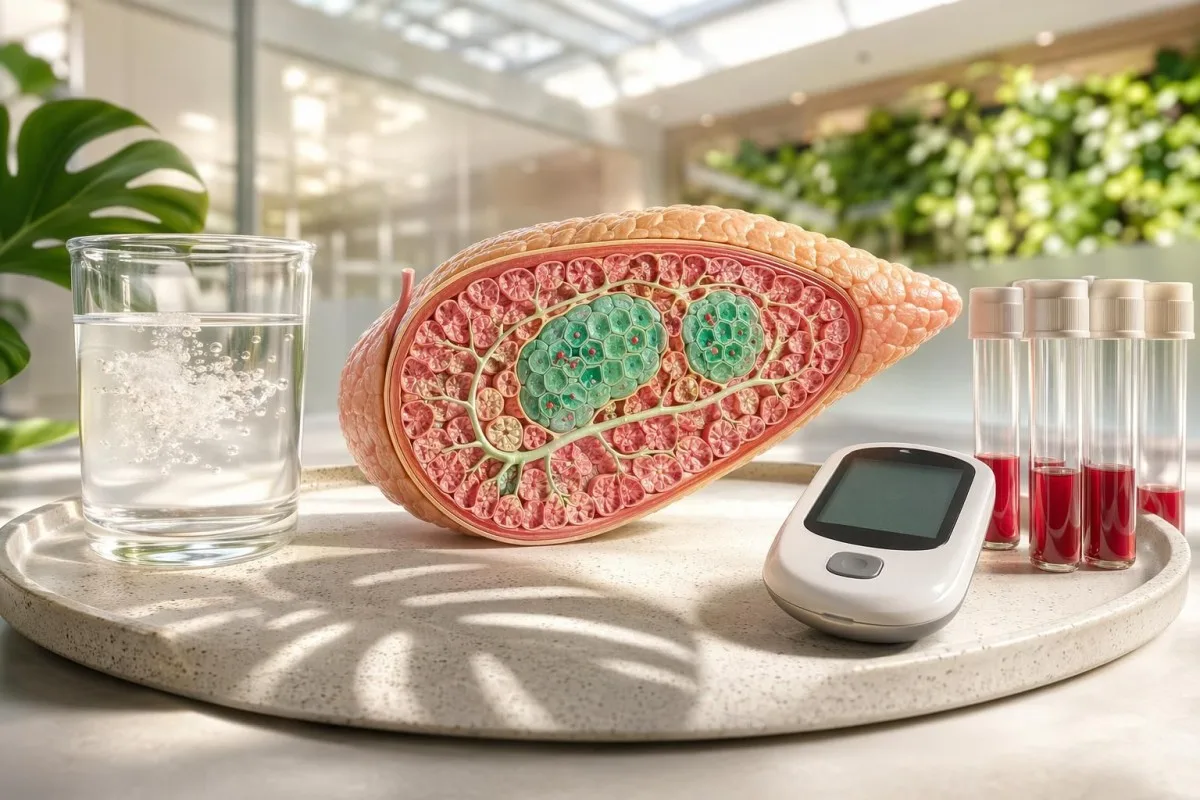
Практычнае кіраўніцтва па абследаванні пасля родаў для кожнага, каму сказалі, што цукры ў цяжарнасці зноў былі ў норме, але ўсё ж хоча ведаць, што будзе далей.


- 75 г OGTT на 4–12 тыднях пасля родаў — пераважны тэст пасля гестационного дыябету, бо ён выяўляе праблемы з глюкозай праз 2 гадзіны, якія нашча глюкоза можа прапусціць.
- Прагі для дыябету гэта: нашча плазмавы глюкоза ≥126 мг/дл, глюкоза праз 2 гадзіны па OGTT ≥200 мг/дл, HbA1c ≥6.5% або выпадковая глюкоза ≥200 мг/дл разам з сімптомамі.
- Праграмы для преддыябету гэта: нашча глюкоза 100–125 мг/дл, глюкоза праз 2 гадзіны па OGTT 140–199 мг/дл або HbA1c 5.7–6.4%.
- HbA1c у раннім пасляродавым перыядзе можа быць ілжыва нізкім пасля родаў з-за страты крыві або высокай хуткасці абнаўлення эрытрацытаў, таму ён не павінен замяняць OGTT на 4–12 тыднях.
- Глюкоза ў норме ў цяжарнасці пасля родаў не сцірае будучыя рызыкі; гестационный дыябет часта з’яўляецца стрэс-тэстам для бэта-клетак, які выяўляе ўразлівасць за гады да дыябету 2 тыпу.
- Інтервал повторного обстеження кожні 1–3 роки протягом усього життя, якщо післяпологовий скринінг нормальний, і зазвичай щороку, якщо будь-який результат потрапляє в діапазон предіабету.
- Перед іншою вагітністю попросіть провести тестування на глюкозу до зачаття або на початку першого триместру, особливо якщо в минулому GDM вимагав інсуліну чи медикаментів.
- Маркери ризику такі як інсулін натще, тригліцериди, HDL, ALT та співвідношення альбумін/креатинін у сечі, не діагностують діабет, але допомагають оцінити кардіометаболічний ризик.
Аналізы крыві, якія дыягнастуюць дыябет пасля гестационного дыябету
Аналізи крові, які виявляють діабет після гестаційного діабету, це пероральний тест на толерантність до глюкози 75 г протягом 2 годин, глюкоза плазмы нашча, HbA1cі випадкова плазмова глюкоза за наявності класичних симптомів. OGTT зазвичай є найкращим тестом для післяпологового скринінгу діабету на 4–12 тижні, тому що він виявляє порушене засвоєння глюкози за 2 години ще до того, як рівень глюкози натще або HbA1c стануть ненормальними.
Як Thomas Klein, MD, я кажу пацієнтам, що питання полягає не лише в тому, чи високий показник сьогодні; питання в тому, чи підшлункова залоза має достатній резерв після вагітності. Глюкоза натще 94 мг/дл може виглядати заспокійливо, тоді як значення OGTT за 2 години 168 мг/дл тихо свідчить, що відповідь інсуліну в першій фазі відстає.
Діагноз діабету поза вагітністю встановлюють за рівнем глюкози в плазмі натще ≥126 мг/дл, глюкозу пры ОГТТ праз 2 гадзіны ≥200 мг/дл, HbA1c ≥6.5%, або за випадковим рівнем плазмової глюкози ≥200 мг/дл за наявності симптомів, таких як спрага, часте сечовипускання або необґрунтоване зниження маси тіла. Для простого порівняння діагностичних і моніторингових тестів наші порогові значення тесту на діабет кіраўніцтва — карысны дадатак.
Kantesti — це аналізатор AI для аналізу крові, який зчитує післяпологову глюкозу, HbA1c, ліпіди та маркери нирок у тому самому клінічному контексті, а не як ізольовані «прапорці». У нашому аналізі завантажених лабораторних звітів 2M+ з’являється одна й та сама закономірність: люди пам’ятають діагноз під час вагітності, але результат їхнього OGTT на 4–12 тижні часто так і не потрапляє до довгострокового медичного запису.
Чаму нармальная глюкоза ў цяжарнасці не «абнуляе» будучыя рызыкі
Нормальна глюкоза після пологів не «обнуляє» майбутній ризик діабету, тому що гестаційний діабет зазвичай відображає обмежений резерв β-клітин на тлі стресу під час вагітності. Пологи усувають плацентарні гормони, але це не обов’язково відновлює інсулінорезистентність, генетичний ризик, схильність до жирової хвороби печінки або вразливість β-клітин підшлункової залози.
Плацента виробляє гормони, які підвищують інсулінорезистентність, часто найбільш помітно після 24–28 тижнів. Коли після народження глюкоза нормалізується, це означає, що стресор зник; це не доводить, що клітини, які виробляють інсулін, мають необмежений резерв.
Bellamy et al. повідомили в The Lancet, що жінки з попереднім гестаційним діабетом мали приблизно у 7 разів вищий ризик пізнішого діабету 2 типу порівняно з тими, хто не мав GDM (Bellamy et al., 2009). У щоденній практиці я бачу кластер ризику з набором окружності талії, тригліцеридами вище 150 мг/дл, низьким HDL, сімейним анамнезом, PCOS і порушенням сну протягом перших двох післяпологових років.
Нормальний HbA1c of 5.3% шэсць месяцаў пасля родаў усё яшчэ могуць суіснаваць з ранняй інсулінавай рэзістэнтнасцю. Калі вы хочаце глыбейшы метабалічны погляд, наш гід да тэставаннем на інсулінарэзістэнтнасць тлумачыць, чаму ўзровень інсуліну і глюкозы нашча можа «плыць» яшчэ да таго, як A1C перасячэ мяжу предыябету.
Калі павінна адбыцца скрынінг на дыябет пасля родаў
Скрынінг на дыябет пасля родаў павінен адбывацца праз 4–12 тыдняў пасля родаў, пажадана з дапамогай OGTT на 75 г на працягу 2 гадзін. Калі гэтае акно было прапушчана, лепшы час для тэставання — цяпер; я б не чакаў наступнага штогадовага медагляду, калі цяжарнасць была 6 месяцаў або 6 гадоў таму.
Амерыканская дыябетычная асацыяцыя рэкамендуе OGTT на 75 г праз 4–12 тыдняў пасля родаў і пажыццёвы скрынінг кожныя 1–3 гадоў пасля гестационного дыябету (American Diabetes Association Professional Practice Committee, 2024). ACOG таксама падтрымлівае скрынінг пасля родаў у гэтым раннім акне, і многія акушэрскія клінікі цяпер спрабуюць прызначыць яго яшчэ да візіту на 6 тыдні, каб ён не быў забыты (ACOG, 2018).
Грудное гадаванне, фрагментацыя сну і змены масы цела пасля родаў могуць змяняць узровень глюкозы з дня ў дзень, але гэта не прычыны прапускаць тэставанне. Большасць пацыентаў можа прайсці OGTT падчас груднога гадавання; практычная праблема часта — догляд за дзіцем падчас чакання ў лабараторыі на працягу 2 гадзін, а не біялогія.
Калі вам таксама патрэбныя праверкі на анемію, функцыю шчытападобнай залозы, печаночныя ферменты або маркеры нырак пасля родаў, наш кантрольны спіс лабараторных аналізаў пасля родаў паказвае, якія аналізы часта спалучаюць са скрынінгам глюкозы. Адна сустрэча часта можа ахапіць больш чым адну праблему пасля родаў.
Як інтэрпрэтуюць пероральны тэст талерантнасці да глюкозы 75 г
Гэты пероральны тэст талерантнасці да глюкозы пасля цяжарнасці вымярае глюкозу нашча і глюкозу праз 2 гадзіны пасля прыёму 75 г глюкозы. Значэнне праз 2 гадзіны ≥200 мг/дл дыягнастуе дыябет, тады як у дыяпазоне 140–199 мг/дл. дыягнастуе парушаную талерантнасць да глюкозы, нават калі глюкоза нашча нармальная.
Тэст працуе таму, што ён выпрабоўвае сістэму інсуліну, а не назірае яе ў стане спакою. У маім досведзе людзі з папярэднім GDM часта праходзяць частку «нашча», але не праходзяць частку «на працягу 2 гадзін»; гэты патэрн паказвае на затрымку выдзялення інсуліну пасля прыёму ежы.
Падрыхтуйцеся звычайным харчаваннем як мінімум 3 дні, і, па магчымасці, уключаючы як мінімум 150 г вугляводаў у дзень , калі ваш лекар не сказаў інакш. Вельмі нізкавугляводнае харчаванне перад OGTT можа перабольшваць рост глюкозы і ўскладняць інтэрпрэтацыю; наш правілы галадання гід ахоплівае дэталі пра ваду, каву і час.
Не займайцеся інтэнсіўнымі фізічнымі практыкаваннямі падчас чакання на працягу 2 гадзін і паведаміце лабараторыі, калі вы ванітуеце або не можаце скончыць напой. Вынік трэба паўтарыць або замяніць іншым дыягнастычным тэстам, калі працэдура была выканана неналежным чынам.
Што можа і чаго не можа выявіць нашча глюкоза
Глюкоза плазмы нашча выяўляе дыябет, калі значэнне нашча складае ≥126 мг/дл, але яна можа прапусціць ізаляваную непераноснасць глюкозы пасля прыёму ежы пасля гестационного дыябету. Гэта карысна, танна і паўтараецца; але гэта занадта грубы інструмент, каб замяніць постнатальны OGTT.
Наяўная нашча глюкоза 100-125 мг/дл згодна з крытэрыямі ADA з’яўляецца предыябетам, а <100 мг/дл у ЗША звычайна лічыцца нармальным. Некаторыя міжнародныя сістэмы выкарыстоўваюць 110 мг/дл як ніжні парог парушэння пры нашча, што з’яўляецца адной з прычын, чаму пацыенты блытаюцца, пераязджаючы паміж краінамі.
Клінічная пастка — глюкоза нашча 88-96 мг/дл пры 2-гадзінным OGTT 155-185 мг/дл. Такому чалавеку могуць сказаць, што ўсё добра, калі прызначылі толькі глюкозу нашча, але біялогія глюкозы падчас ежы ўжо парушаная.
Раніцавая глюкоза залежыць ад дэфіцыту сну, позняга начнога харчавання, кортікостэроідаў, інфекцыі і феномена досвітка. Наша арыенцір па галоднай глюкозе тлумачыць, чаму адзін вынік раніцай трэба інтэрпрэтаваць, улічваючы папярэдні вечар і якасць сну.
Чаму HbA1c зручны, але недасканалы пасля родаў
HbA1c выяўляе дыябет пры ≥6.5%, але яна менш надзейная ў першыя 4-12 тыдняў пасля родаў, бо страта крыві падчас родаў і абарот эрытрацытаў могуць скажонаць вынік. HbA1c карысная пазней, асабліва для доўгатэрміновага назірання, але яна не павінна замяняць першы постнатальны OGTT.
HbA1c ацэньвае сярэднюю глюкозу прыкладна за 8-12 тыдняў, з акцэнтам на найбольш апошні месяц. Пасля родаў анемія, пераліванне крыві, дэфіцыт жалеза або хуткая замена эрытрацытаў могуць адхіліць паказчык ад сапраўднай карціны глюкозы.
Дэфіцыт жалеза можа ілжыва павышаць HbA1c у некаторых пацыентаў, а нядаўняя страта крыві можа ілжыва зніжаць яго. Гэта адна з тых сфер, дзе кантэкст важыць больш, чым лічба; постпартум HbA1c 5.6% можа быць не такім заспакойлівым, калі 8 нг/мл і OGTT ніколі не выконваўся.
Калі ваш A1c не адпавядае паказанням з пальца або сімптомам, прачытайце наш гайд пра дакладнасць A1c перш чым прымаць значэнне як ёсць. Я звычайна спалучаю HbA1c з глюкозай нашча, CBC і ферытынам, калі постпартумная гісторыя выглядае супярэчлівай.
Калі выпадковая глюкоза або сімптомы патрабуюць хуткіх дзеянняў
Рандомная плазменная глюкоза выяўляе дыябет, калі яна ≥200 мг/дл і прысутнічаюць сімптомы. Пасля гестационного дыябету патрэбен тэрміновы агляд пры высокай глюкозе з ванітамі, абязводжваннем, хуткай стратай вагі, кетонамі, затуманеным зрокам або незвычайнай знясіленасцю.
Большасць дыябету пасля GDM — гэта тып 2, але постпартумны аутаімунны дыябет часам можа з’явіцца, асабліва калі страта вагі хуткая і прысутнічаюць кетоны. Я бачыў пацыентаў, якіх адхілялі як проста стомленых маладых бацькоў, калі іх глюкоза была 280 мг/дл і яны ўжо мелі кетанемію.
Рандомная глюкоза у дыяпазоне 140–199 мг/дл. сама па сабе не з’яўляецца дыягнастычнай, але яна павінна стаць падставай для глюкозы нашча, HbA1c або OGTT — у залежнасці ад тэрмінаў і сімптомаў. Рандомнае значэнне вышэй 300 мг/дл, асабліва пры болях у жываце або цяжкім дыханні, трэба разглядаць як медыцынскую дапамогу ў той жа дзень.
Адна ізаляваная высокая лічба можа ўзнікнуць пасля хваробы, стэроідаў або вельмі высокавугляводнага прыёму ежы, але важны ўзор. Наш гайд пра нечакана высокую глюкозу тлумачыць, як клініцысты адрозніваюць стрэсавую гіперглікемію ад ранняга дыябету.
Показчыкі ў крыві, якія паказваюць рызыку яшчэ да з’яўлення дыябету
Фастінг-інсулін, C-пептыд, трыгліцерыды, HDL, ALT і суадносіны альбумін/крэатынін у мачы не дыягнастуюць дыябет, але дапамагаюць паказаць метабалічны рызыка пасля гестационного дыябету. Гэтыя маркеры могуць выявіць інсулінарэзістэнтнасць, схільнасць да тлушчавай хваробы печані або ранні стрэс нырак, пакуль глюкоза яшчэ тэхнічна нармальная.
Інсулін нашча вышэй прыкладна 15–20 мкМЕ/мл можа паказваць на інсулінарэзістэнтнасць, хоць лабараторныя метады адрозніваюцца і няма універсальнага дыягнастычнага парога. HOMA-IR выкарыстоўвае інсулін нашча і глюкозу нашча; значэнні вышэй за 2.0-2.5 часта павышаюць падазрэнне ў дарослых, але этнічнасць, BMI і выбар аналізу змяняюць інтэрпрэтацыю.
Трыгліцэрыды вышэй 150 мг/дл і HDL ніжэй за 50 мг/дл у жанчын часта ідуць разам з інсулінарэзістэнтнасцю. ALT вышэй прыкладна за 25-30 IU/L у жанчыны з папярэднім GDM можа быць ранняй падказкай тлушчавай хваробы печані нават тады, калі ў лабараторным бланку яшчэ стаіць “нармальна”.
Kantesti — гэта платформа інтэрпрэтацыі AI-біямаркераў, якая разглядае нармальны A1c пасля гестационного дыябету як пытанне пра маркер рызыкі, а не як “зялёнае святло” назаўсёды. Калі вы хочаце разлічыць інсулінарэзістэнтнасць па вашых паказчыках, то разлікам HOMA-IR гайд паказвае формулу і яе абмежаванні.
Як часта пераздаваць аналіз, калі пасляродавы скрынінг нармальны
Калі пасля гестационного дыябету постнатальны скрынінг нармальны, пераздавайце кожныя 1-3 гады на працягу жыцця. Прайдзіце раней, часта штогод, калі павялічваецца вага, з’яўляецца предыябет, плануецца яшчэ адна цяжарнасць, або лекі, такія як стэроіды ці антыпсіхатыкі, павышаюць рызыку гіперглікеміі.
Рэкамендацыя ADA пра пажыццёвы скрынінг кожныя 1-3 гады існуе, таму што рызыка дыябету павялічваецца з часам, а не толькі ў першы постнатальны год. У маёй клініцы я звычайна выбіраю 1-гадовы інтэрвал для кожнага, у каго ёсць предыябет, GDM з інсулінам, BMI вышэй за 30, моцная сямейная гісторыя або PCOS.
Нармальны аналіз у 2026 годзе ўсё яшчэ карысны, бо ён становіцца вашай базавай лініяй. Глюкоза нашча, якая “плыве” з 82 да 96 мг/дл на працягу 3 гадоў, можа быць больш значнай, чым адзін вынік, пазначаны як адхіленне, асабліва калі трыгліцерыды і акружнасць таліі павялічваюцца адначасова.
Kantesti AI можа адлюстроўваць глюкозу, HbA1c, трыгліцэрыды і ALT у часе, каб былі бачныя невялікія зрухі, перш чым яны стануць драматычнымі. Наша аналіз тэндэнцый артыкул тлумачыць, чаму нахіл і кластэрызацыя часта важней за адзіную лабараторную «прапрацоўку».
Што папрасіць свайго клініцыста прызначыць
Папрасіце 75 г 2-гадзінны OGTT праз 4–12 тыдняў пасля родаў, або нашча плазменную глюкозу плюс HbA1c, калі OGTT немагчыма. Для ацэнкі доўгатэрміновага рызыку спытайце, ці трэба правяраць ліпіды, ALT, креатынін, eGFR і суадносіны альбумін-каратынін у мачы разам з вашымі маркерамі глюкозы.
Разумны першы заказ пасля родаў часта выглядае так: нашча глюкоза, 75 г 2-гадзінная глюкоза, HbA1c, CBC, калі была значная страта крыві падчас родаў, ферытын, калі падазраецца анемія, ліпідны профіль і CMP, калі высокі кардыяметабалічны рызыка. Не кожнаму пацыенту патрэбныя ўсе аналізы, але заказ павінен адпавядаць гісторыі цяжарнасці.
Калі падчас цяжарнасці ў вас была нашча гіперглікемія або вам патрэбны быў інсулін, я б быў больш агрэсіўным адносна ранняга кантролю. Калі ваш GDM быў лёгкім і кантраляваўся дыетай, OGTT усё яшчэ важны, але доўгатэрміновы рытм можа быць бліжэй да кожнага 2–3 гады калі ўсе вынікі нармальныя.
Для чытачоў, якія хочуць зразумець, што менавіта вымярае кожны маркер, наш кіраўніцтва па біямаркерах ахоплівае тысячы лабараторных маркераў і распаўсюджаныя адрозненні ў адзінках вымярэння. Гэта асабліва карысна, калі адна лабараторыя паведамляе глюкозу ў mg/dL, а іншая — у mmol/L.
Што робяць лекары пры пагранічных або супярэчлівых выніках
Пагранічныя або супярэчлівыя вынікі на дыябет звычайна трэба паўтарыць або пацвердзіць іншым дыягнастычным тэстам. Нашча глюкоза 124 mg/dL, HbA1c 6.4%, або 2-гадзінны OGTT 198 mg/dL — гэта не «прычына для маху рукой»; гэта вынік амаль на мяжы, які патрабуе плану.
Без класічных сімптомаў большасць клініцыстаў пацвярджаюць дыябет паўторным анамальным вынікам. Калі два розныя тэсты не супадаюць, звычайна паўтараюць тэст, які вышэй за дыягнастычны парог, а кантэкст пацыента вызначае, як хутка гэта адбываецца.
Thomas Klein, MD, практычнае правіла: не дазваляйце слову «пагранічны» зрабіць вынік адчувальным як бяскрыўдны. 2-гадзінны OGTT 196 mg/dL пасля папярэдняга GDM часта нясе больш будучага рызыку, чым нашча глюкоза 101 мг/дл, нават калі абодва могуць быць аднесены да предыябету.
Наша інструкцыя па парогі предыябету тлумачыць, як нашча глюкоза, A1c і OGTT вызначаюць розныя біялагічныя праблемы. Я часта фармулюю предыябет пасля GDM як «вокно для лячэння», а не як «чакальную залу».
Асаблівыя сітуацыі: грудное гадаванне, анемія, СПКЯ і лекі
Грудное гадаванне, анемія, PCOS, медыкаменты GLP-1, стэроіды і захворванні шчытападобнай залозы могуць змяняць тое, як трэба інтэрпрэтаваць лабараторныя аналізы на дыябет пасля родаў. Парогі па глюкозе застаюцца тымі ж, але ўпэўненасць, якую вы надаеце HbA1c, нашча глюкозе або ўзроўню інсуліну, можа істотна змяніцца.
Грудне вигодовування часто покращує метаболізм глюкози та може знизити ризик майбутнього цукрового діабету 2 типу, але не усуває потреби в скринінгу. Якщо ви приймаєте інсулін або сульфонілсечовини після пологів, запитайте свого клініциста про ризик гіпоглікемії під час триваліших годувань або пропущених прийомів їжі.
PCOS додає окремий шлях інсулінорезистентності, і перенесений GDM разом із PCOS — одна з комбінацій, до яких я ставлюся з особливою увагою. Наша Лабораторні патерни при PCOS пояснює, чому натще-інсулін, ліпіди та андрогени можуть мати значення навіть тоді, коли глюкоза ще не є діагностичною.
Ін’єкції стероїдів, високі дози преднізолону, деякі антипсихотики та тяжка недосипаність можуть тимчасово підвищувати рівень глюкози. Докази щодо точних порогів сну після пологів, чесно кажучи, неоднозначні, але я бачу гірші показники натще, коли сон фрагментований нижче 5-6 годин протягом тижнів.
Як Kantesti бяспечна чытае лабараторныя паказчыкі пасляродавога дыябету
Kantesti зчитує лабораторні показники діабету після пологів, поєднуючи пороги глюкози з часом, історією вагітності, підказками щодо анемії, ліпідними патернами та маркерами функції нирок. Мета — не замінити вашого клініциста; це зробити картину ризику зрозумілішою до вашого візиту.
Kantesti — це інструмент аналізу аналізів крові з підтримкою AI, який використовують 2M+ людей у 127 країнах, із інтерпретацією PDF або фото аналізів крові приблизно за 60 секунд. Для скринінгу діабету після пологів наша нейромережа відокремлює діагностичні критерії глюкози від маркерів контексту ризику, таких як тригліцериди, HDL, ALT та сечовий ACR.
Типове завантаження може показати HbA1c 5.5%, нашча глюкоза і цалкам прапускаць больш шырокі ўзор., ферытын 10 нг/мл і відсутність OGTT. Kantesti AI не діагностуватиме діабет за цими показниками, але має позначити, що ранній A1C після пологів може бути ненадійним, і що рекомендований OGTT відсутній.
Наші методи узгоджені з опублікованими клінічними стандартами та внутрішнім переглядом лікарів; читачі можуть побачити наші стандартамі клінічнай валідацыі і попередньо зареєстровані AI benchmark. Якщо ви завантажуєте скан, а не вводите значення, то працоўны працэс загрузкі PDF пояснює, як звіти читаються та перевіряються.
Практычны план паўторнага абследавання на 2026 год і далей
Станом на 26 травня 2026 року найнадійніший план після гестаційного діабету — OGTT на 4-12 тижні, повторний скринінг кожні 1-3 роки та більш раннє тестування перед іншою вагітністю. Якщо будь-який результат потрапляє в діапазон переддіабету, ставтеся до цього як до активного вікна профілактики, а не як до простої цікавої лабораторної знахідки.
Мій звичайний сценарій простий: зробіть перший OGTT після пологів, збережіть результат, а потім внесіть наступну перевірку глюкози в календар, перш ніж життя стане надто насиченим. Якщо ваш OGTT на 2 години у дыяпазоне 140–199 мг/дл., попросіть чіткий інтервал подальшого спостереження, план харчування та ціль щодо фізичних вправ, а не розмите нагадування бути обережними.
Якщо ваш скринінг на діабет нормальний, все одно повідомте кожному майбутньому клініцисту, що у вас був GDM. Одна ця фраза змінює те, як я читаю натще-глюкозу 103 мг/дл, рівень тригліцеридів 180 мг/дл, або HbA1c, який повільно підвищується з 5.2% да 5.6% на працягу некалькіх гадоў.
Kantesti Ltd — гэта кампанія ў галіне медыцынскіх тэхналогій Вялікабрытаніі, і нашы ўрачы разглядаюць медыцынскі кантэнт праз наш медыцынская кансультатыўная рада і працэс клінічнага кіравання, апісаны ў Пра нас. Сутнасць: правільныя аналізы не з’яўляюцца складанымі, але час і інтэрпрэтацыя маюць значэнне больш, чым большасць людзей пра гэта чуе.
Сумежныя навуковыя публікацыі Kantesti
Скрынінг на дыябет пасля родаў часта ўваходзіць у больш шырокі агляд лабараторных паказчыкаў, які ўключае CBC, статус жалеза і маркеры функцыі нырак. Публікацыі Kantesti з DOI, пералічаныя ніжэй, падтрымліваюць сумежныя метады інтэрпрэтацыі аналізаў крыві, уключаючы індэксы эрытрацытаў і суадносіны паказчыкаў функцыі нырак, якія могуць уплываць на давер да HbA1c або ацэнку доўгатэрміновага метабалічнага рызыку.
Часта задаваныя пытанні
Какие анализы крови выявляют диабет после гестационного диабета?
Аналізи крові, які виявляють діабет після гестаційного діабету, це пероральний тест на толерантність до глюкози 75 г за 2 години, рівень глюкози натще, HbA1c та випадковий рівень глюкози в плазмі крові за наявності симптомів. Діабет діагностують за рівнем глюкози натще ≥126 мг/дл, глюкози за 2 години під час OGTT ≥200 мг/дл, HbA1c ≥6.5% або випадкової глюкози ≥200 мг/дл за наявності типових симптомів. OGTT є кращим через 4–12 тижнів після пологів, оскільки він може виявити порушення обробки глюкози за 2 години навіть тоді, коли рівень глюкози натще є нормальним.
Ці лепшы пероральны тест на толерантність до глюкози після вагітності, ніж HbA1c?
Так, пероральны тэст на талерантнасць да глюкозы пасля цяжарнасці звычайна лепш, чым HbA1c, для першага послеродавога скрынінгу на працягу 4–12 тыдняў. HbA1c можа быць скажоны стратай крыві падчас родаў, анеміяй, пераліваннем або хуткім абарачэннем эрытрацытаў, тады як OGTT непасрэдна вымярае апрацоўку глюкозы пасля нагрузкі 75 г глюкозы. HbA1c становіцца больш карысным пазней для доўгатэрміновага скрынінгу і маніторынгу тэндэнцый.
Калі павінна быць праведзена скрынінгавая дыягностыка пасляродавога дыябету пасля ГСД?
Скринінг післяпологового діабету після гестаційного діабету слід проводити через 4–12 тижнів після пологів, бажано з 75 г 2-годинного ОГТТ. Якщо цей проміжок було пропущено, тестування слід виконати якнайшвидше, а не чекати появи симптомів. Якщо післяпологовий результат є нормальним, повторювати скринінг на діабет кожні 1–3 роки протягом усього життя.
Ці можа HbA1c быць нормальным, але OGTT быць ненармальным пасля гестационного дыябету?
Так, HbA1c може бути нормальним, тоді як OGTT є патологічним після гестаційного діабету. У людини може бути HbA1c 5.3% і глюкоза натще 92 мг/дл, але значення OGTT через 2 години становить 160 мг/дл, що відповідає порушеній толерантності до глюкози. Це відбувається тому, що HbA1c відображає середній рівень глюкози, тоді як OGTT перевіряє інсулінову відповідь після навантаження глюкозою.
Што азначаюць вынікі: предиабет пасля гестационного дыябету?
Прадзіябет пасля гестационного дыябету вызначаецца ўзроўнем глюкозы ў плазме нашча 100–125 мг/дл, глюкозай праз 2 гадзіны пры ОГТТ 140–199 мг/дл або HbA1c 5.7–6.4%. Адхіленне пры ОГТТ праз 2 гадзіны асабліва часта сустракаецца пасля ГДМ і можа быць прапушчана, калі прызначаецца толькі глюкоза нашча. Прадзіябет звычайна павінен стаць падставай для штогадовага назірання і структураванага плана прафілактыкі.
Як часта потрібно повторно проходити обстеження, якщо мій післяпологовий скринінг є нормальним?
Калі скрынінг на дыябет пасля родаў нармальны пасля гестационного дыябету, паўтарайце кожныя 1–3 гады на працягу ўсяго жыцця. Многія клініцысты выбіраюць штогадовае тэсціраванне, калі ў вас быў гестационный дыябет, які лячыўся інсулінам, предыябет, сіндром полікістозных яечнікаў (PCOS), BMI вышэй за 30, моцная сямейная гісторыя або павышэнне трыгліцэрыдаў. Тэсціраванне таксама трэба паўтарыць перад наступнай цяжарнасцю або на ранніх тэрмінах першага трыместра.
Ці змяняе грудное гадаванне вынікі аналізу крыві на дыябет?
Грудное гадаванне можа поліпшыць метабалізм глюкозы і можа знізіць рызыку развіцця будучага цукровага дыябету 2 тыпу, але яно не ліквідуе неабходнасць скрынінгу на дыябет пасля родаў. Дыягнастычныя парогі для вызначэння ўзроўню глюкозы нашча, OGTT і HbA1c не змяняюцца, калі чалавек грудное гадаванне. Калі пасля родаў выкарыстоўваюцца супрацьдыябетычныя прэпараты, клініцысты могуць карэктаваць час або дозу, каб знізіць рызыку гіпаглікеміі падчас працяглых кармленняў або прапушчаных прыёмаў ежы.
Ці магу я выкарыстоўваць бесперапынны глюкометр замест постнатальнага тэсту на талерантнасць да глюкозы?
Не. Бесперапынны глюкометр можа паказаць карысныя паўсядзённыя шаблоны ўзроўню глюкозы, але ён не замяняе лабараторную глюкозу наташча, HbA1c або 75 г OGTT для дыягностыкі дыябету пасля гестацыйнага дыябету. Ваш лекар можа выкарыстоўваць яго пазней для падтрымкі рашэнняў па ладзе жыцця або лячэнні.
Чи потрібне моєму немовляті обстеження на діабет, бо в мене був гестаційний діабет?
Глюкозу новонародженого можуть перевірити в лікарні, особливо якщо під час вагітності ви застосовували інсулін або ліки, але більшість дітей не потребують подальших аналізів крові на діабет лише через материнський гестаційний діабет. Зберігайте регулярні візити до педіатра та підтримуйте сімейні звички щодо збалансованого харчування, активності та сну.
Што рабіць, калі я не магу пераносіць напой з глюкозай для пасляродовага ОГТТ?
Паведаміце вашаму лекару перад тэстам. Магчыма, яны перазаплануюць яго з улікам стратэгій супраць млоснасці, правераць глюкозу нашча і HbA1c або часова выкарыстаюць хатнія ці бесперапынныя даныя маніторынгу глюкозы, але гэтыя альтэрнатывы могуць не цалкам замяніць дыягнастычны ОГТТ.
Атрымаць аналіз крыві з AI сёння
Далучайцеся больш чым да 2 мільёнаў карыстальнікаў па ўсім свеце, якія давяраюць Kantesti для імгненнага, дакладнага аналізу лабараторных тэстаў. Загрузіце вынікі аналізу крыві і атрымайце поўную інтэрпрэтацыю біямаркераў 15,000+ за лічаныя секунды.
📚 Публікацыі даследаванняў са спасылкамі
Кляйн, Т., Мітчэл, С., і Вебер, Г. (2026). Аналіз крыві на RDW: поўнае кіраўніцтва па RDW-CV, MCV і MCHC. Kantesti AI Medical Research.
Кляйн, Т., Мітчэл, С., і Вебер, Г. (2026). Тлумачэнне суадносін узроўню мочевины крыві і креатыніну: Кіраўніцтва па праверцы функцыі нырак. Kantesti AI Medical Research.
📖 Знешнія медыцынскія спасылкі
Камітэт па прафесійнай практыцы Амерыканскай дыябетычнай асацыяцыі (2024). 2. Дыягностыка і класіфікацыя дыябету: стандарты медыцынскай дапамогі пры дыябеце — 2024. Diabetes Care.
⚕️ Медыцынская адмова ад адказнасці
Гэты артыкул прызначаны толькі для адукацыйных мэт і не з’яўляецца медычнай парадай. Заўсёды кансультуйцеся з кваліфікаваным спецыялістам аховы здароўя для прыняцця рашэнняў па дыягностыцы і лячэнні.
Сігналы даверу E-E-A-T
Вопыт
Клінічны агляд, які вядзе лекар, працэсаў інтэрпрэтацыі лабараторных паказчыкаў.
Экспертыза
Фокус лабараторнай медыцыны на тым, як біямаркеры паводзяць сябе ў клінічным кантэксце.
Аўтарытэтнасць
Напісана доктарам Томасам Кляйнам, з аглядам доктара Сара Мітчэл і праф. доктара Ганса Вебера.
Надзейнасць
Інтэрпрэтацыя на аснове доказаў з выразнымі шляхамі далейшых дзеянняў, каб паменшыць трывогу.