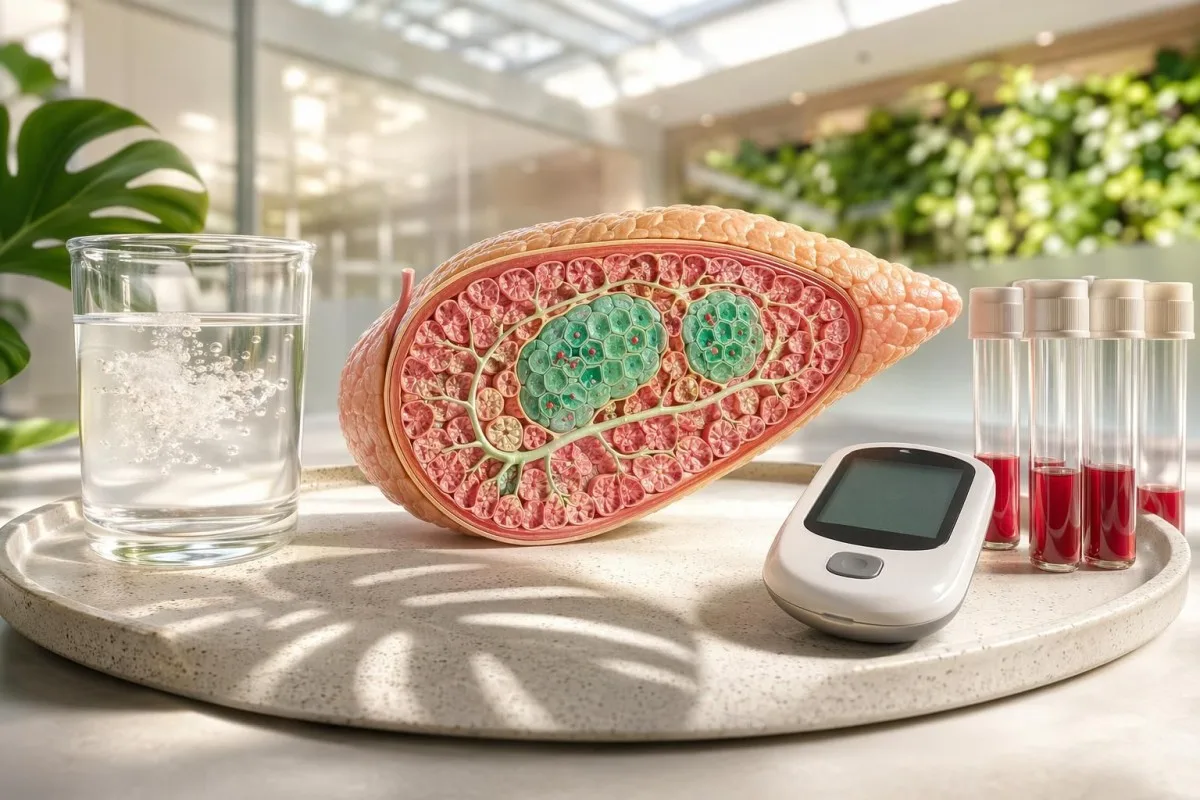
Praktisks pēcdzemdību skrīninga ceļvedis ikvienam, kam grūtniecības laikā cukura rādītāji atkal bija normāli, bet kurš joprojām vēlas saprast, kas notiek tālāk.


- 75 g OGTT 4–12 nedēļas pēc dzemdībām ir vēlamais tests pēc gestācijas diabēta, jo tas atklāj 2 stundu glikozes problēmas, kuras tukšā dūšā noteiktā glikoze var nepamanīt.
- Diabēta robežvērtības ir tukšā dūšā plazmas glikoze ≥126 mg/dL, 2 stundu OGTT glikoze ≥200 mg/dL, HbA1c ≥6.5% vai nejaušs glikozes mērījums ≥200 mg/dL ar simptomiem.
- Prediabēta robežvērtības ir tukšā dūšā glikoze 100–125 mg/dL, 2 stundu OGTT glikoze 140–199 mg/dL vai HbA1c 5.7–6.4%.
- HbA1c agrīni pēc dzemdībām var būt kļūdaini zems pēc dzemdībām asins zuduma vai augstas eritrocītu aprites dēļ, tāpēc tas nedrīkst aizstāt OGTT 4–12 nedēļās.
- Normāla glikoze grūtniecības laikā pēc dzemdībām neizdzēš turpmāko risku; gestācijas diabēts bieži ir beta-šūnu stresa tests, kas atklāj neaizsargātību gadiem pirms 2. tipa diabēta.
- Pārbaudes intervāls ik pēc 1–3 gadiem uz mūžu, ja pēcdzemdību skrīnings ir normāls, un parasti reizi gadā, ja jebkurš rezultāts ir prediabēta diapazonā.
- Pirms nākamās grūtniecības lūdziet veikt glikozes pārbaudi pirms ieņemšanas vai agrīni pirmajā trimestrī, īpaši, ja iepriekšējais GDM prasīja insulīnu vai medikamentus.
- Riska marķieri tādi kā tukšā dūšā insulīns, triglicerīdi, HDL, ALT un urīna albumīna–kreatinīna attiecība ne diagnosticē diabētu, bet palīdz novērtēt kardiometabolisko risku.
Asins analīzes, kas diagnosticē diabētu pēc gestācijas diabēta
Asins analīzes, kas atklāj diabētu pēc gestācijas diabēta, ir 75 g 2 stundu perorāls glikozes tolerances tests, glikoze plazmā tukšā dūšā, HbA1c, un nejauša plazmas glikoze ja ir klasiski simptomi. OGTT parasti ir vislabākais pēcdzemdību diabēta skrīninga tests 4–12 nedēļās, jo tas atrod traucētu 2 stundu glikozes apstrādi pirms tukšā dūšā glikozes vai HbA1c kļūst patoloģiski.
Kā Thomas Klein, MD, es pacientiem saku, ka jautājums nav tikai par to, vai skaitlis ir augsts šodien; jautājums ir, vai aizkuņģa dziedzerim pēc grūtniecības vēl ir pietiekama rezerve. Tukšā dūšā glikoze 94 mg/dL var šķist nomierinoša, kamēr OGTT 2 stundu rādītājs 168 mg/dL klusi norāda, ka pirmafāzes insulīna atbildes reakcija atpaliek.
Diabēta diagnozi ārpus grūtniecības nosaka ar tukšā dūšā plazmas glikozi ≥126 mg/dL, 2 stundu OGTT glikoze ≥200 mg/dL, HbA1c ≥6.5%, vai nejaušu plazmas glikozi ≥200 mg/dL ar tādiem simptomiem kā slāpes, bieža urinēšana vai neizskaidrojams svara zudums. Vienkāršas valodas salīdzinājumam par diagnostikas un monitorēšanas testiem mūsu diabēta testa robežvērtības rokasgrāmata ir noderīgs papildinājums.
Kantesti ir AI asins analīžu analizators, kas nolasa pēcdzemdību glikozi, HbA1c, lipīdus un nieru marķierus tajā pašā klīniskajā kontekstā, nevis kā izolētus brīdinājumus. Mūsu analīzē par 2M+ augšupielādētajiem laboratorijas atskaites dokumentiem viens modelis turpina parādīties: cilvēki atceras grūtniecības diagnozi, bet viņu 4–12 nedēļu OGTT rezultāts bieži nekad neiekļūst ilgtermiņa veselības uzskaitē.
Kāpēc normāla glikozes līmeņa grūtniecības laikā neizdzēš turpmāko risku
Normāla glikoze pēc dzemdībām neatceļ turpmāko diabēta risku, jo gestācijas diabēts parasti atspoguļo ierobežotu beta-šūnu rezervi grūtniecības radītā stresa apstākļos. Dzemdības izņem placentas hormonus, bet tas ne vienmēr atjauno insulīna rezistenci, ģenētisko risku, tendenci uz taukainu aknu slimību vai aizkuņģa dziedzera beta-šūnu neaizsargātību.
Placenta ražo hormonus, kas paaugstina insulīna rezistenci, bieži visizteiktāk pēc 24–28 grūtniecības nedēļām. Kad pēc dzemdībām glikoze normalizējas, tas nozīmē, ka stresa faktors ir zudis; tas nepierāda, ka insulīnu producējošajām šūnām ir neierobežota rezerve.
Bellamy et al. žurnālā The Lancet ziņoja, ka sievietēm ar iepriekšēju gestācijas diabētu bija aptuveni 7 reizes lielāks risks vēlākam 2. tipa diabētam salīdzinājumā ar tām, kurām nebija GDM (Bellamy et al., 2009). Ikdienas praksē es redzu riska kopumu ar svara pieaugumu jostasvietā, triglicerīdiem virs 150 mg/dL, zemu HDL, ģimenes anamnēzi, PCOS un miega traucējumiem pirmajos divos pēcdzemdību gados.
Normāls HbA1c no 5.3% sešus mēnešus pēc dzemdībām tas joprojām var pastāvēt līdzās agrīnai insulīna rezistencei. Ja vēlaties dziļāku vielmaiņas skatījumu, mūsu ceļvedis insulīna rezistences testēšanu skaidro, kāpēc tukšā dūšā insulīns un glikoze var svārstīties, pirms A1C šķērso prediabēta robežu.
Kad jāveic pēcdzemdību diabēta skrīnings
pēcdzemdību diabēta skrīnings jāveic 4–12 nedēļas pēc dzemdībām, vēlams ar 75 g 2 stundu OGTT. Ja šis laika posms ir nokavēts, labākais laiks pārbaudei ir tagad; es negaidītu nākamo ikgadējo veselības pārbaudi, ja grūtniecība bija pirms 6 mēnešiem vai 6 gadiem.
Amerikas Diabēta asociācija iesaka 75 g OGTT 4–12 nedēļas pēc dzemdībām un mūža skrīningu ik pēc ir saprātīga. pēc gestācijas diabēta (American Diabetes Association Professional Practice Committee, 2024). Arī ACOG atbalsta pēcdzemdību skrīningu šajā agrīnajā periodā, un daudzas dzemdību aprūpes iestādes tagad cenšas to nozīmēt pirms 6 nedēļu vizītes, lai tas netiktu aizmirsts (ACOG, 2018).
Zīdīšana, miega fragmentācija un pēcdzemdību svara izmaiņas var mainīt glikozes līmeni dienu no dienas, taču tās nav iemesls izlaist pārbaudi. Lielākā daļa pacientu var veikt OGTT, kamēr baro bērnu ar krūti; praktiskais jautājums bieži ir bērnu pieskatīšana 2 stundu laboratorijas gaidīšanas laikā, nevis bioloģija.
Ja pēc dzemdībām jums arī vajadzīgas pārbaudes anēmijas, vairogdziedzera funkcijas, aknu enzīmu vai nieru marķieru noteikšanai, mūsu pēcdzemdību laboratorijas pārbaužu kontrolsaraksts parāda, kuri izmeklējumi bieži tiek kombinēti ar glikozes skrīningu. Viena vizīte bieži var aptvert vairāk nekā vienu pēcdzemdību problēmu.
Kā interpretē 75 g perorālo glikozes tolerances testu
The perorāls glikozes tolerances tests pēc grūtniecības nosaka tukšā dūšā glikozi un 2 stundu glikozi pēc 75 g glikozes dzēriena. 2 stundu rādītājs ≥200 mg/dL diagnosticē diabētu, savukārt 140–199 mg/dL diagnosticē traucētu glikozes toleranci, pat ja tukšā dūšā glikoze ir normāla.
Tests darbojas tāpēc, ka tas izaicina insulīna sistēmu, nevis novēro to miera stāvoklī. Pēc manas pieredzes, cilvēki ar iepriekšēju GDM bieži iziet tukšā dūšā daļu, bet neiztur 2 stundu daļu; šis modelis norāda uz aizkavētu insulīna sekrēciju pēc ēdienreizēm.
Sagatavojieties ar ierasto ēšanu vismaz 3 dienas, ideāli iekļaujot vismaz 150 g ogļhidrātu dienā , ja vien jūsu ārsts nav teicis citādi. Ļoti zema ogļhidrātu daudzuma diēta pirms OGTT var pastiprināt glikozes pieaugumu un padarīt interpretāciju sarežģītu; mūsu badošanās noteikumi ceļvedis aptver ūdens, kafijas un laika detaļas.
Negaidīšanas 2 stundu laikā nevingrojiet intensīvi, un informējiet laboratoriju, ja jūs vemjat vai nevarat pabeigt dzērienu. Rezultāts jāatkārto vai jāaizstāj ar citu diagnostisku testu, ja procedūra nav pabeigta pareizi.
Ko tukšā dūšā noteiktā glikoze var un ko nevar atklāt
Tukšā dūšā plazmas glikoze atklāj diabētu, ja tukšā dūšā rādītājs ir ≥126 mg/dL, taču tas var nepamanīt izolētu glikozes nepanesamību pēc ēšanas pēc gestācijas diabēta. Tas ir noderīgs, lēts un atkārtojams; tas vienkārši ir pārāk aptuvens, lai aizstātu pēcdzemdību OGTT.
Tukšā dūšā glikoze 100-125 mg/dL ir prediabēts pēc ADA kritērijiem, kamēr <100 mg/dL parasti tiek uzskatīts par normu Amerikas Savienotajās Valstīs. Dažas starptautiskas sistēmas lieto 110 mg/dL kā zemāko traucētas tukšā dūšā glikozes robežu, un tā ir viena no iemesliem, kāpēc pacienti apjūk, pārvietojoties starp valstīm.
Klīniskais slazds ir tukšā dūšā glikoze 88–96 mg/dl ar 2 stundu OGTT 155–185 mg/dl. Šai personai var pateikt, ka viss ir kārtībā, ja ir nozīmēta tikai tukšā dūšā glikoze, tomēr viņu glikozes bioloģija ēdienreizes laikā jau ir patoloģiska.
Rīta glikozi ietekmē miega parāds, ēšana vēlu vakarā, kortikosteroīdi, infekcija un rīta rītausmas fenomens. Mūsu badošanās cukura vadlīniju izskaidro, kāpēc vienu rīta rezultātu vajadzētu interpretēt, ņemot vērā iepriekšējo vakaru un miega kvalitāti.
Kāpēc HbA1c ir ērts, bet pēc dzemdībām nav ideāls
HbA1c atklāj diabētu pie ≥6.5%, taču tas ir mazāk uzticams pirmajās 4–12 pēcdzemdību nedēļās, jo dzemdību laikā notikušais asins zudums un eritrocītu aprites paātrināšanās var izkropļot rezultātu. HbA1c ir noderīgs vēlāk, īpaši ilgtermiņa novērošanai, taču tas nedrīkst aizstāt pirmo pēcdzemdību OGTT.
HbA1c novērtē vidējo glikozi aptuveni 8–12 nedēļas, kas vairāk nosver pēdējo mēnesi. Pēc dzemdībām anēmija, transfūzija, dzelzs deficīts vai strauja eritrocītu nomaiņa var novirzīt rādītāju no patiesā glikozes stāsta.
Dzelzs deficīts dažiem pacientiem var viltus veidā paaugstināt HbA1c, bet nesen veikta asins zuduma dēļ tas var viltus veidā pazemināties. Tā ir viena no tām jomām, kur konteksts ir svarīgāks par skaitli; pēcdzemdību HbA1c 5.6% var nebūt tik mierinošs, ja 8 ng/mL un OGTT nekad nav veikta.
Ja jūsu A1c nesakrīt ar pirksta dūriena mērījumiem vai simptomiem, izlasiet mūsu ceļvedi par A1c precizitāti pirms pieņemat vērtību kā patiesu. Parasti es HbA1c kombinēju ar tukšā dūšā glikozi, CBC un feritīnu, ja pēcdzemdību stāsts šķiet pretrunīgs.
Kad nejaušs glikozes mērījums vai simptomi prasa ātru rīcību
Nejauša plazmas glikoze atklāj diabētu, ja tā ir ≥200 mg/dL un ir klāt simptomi. Pēc gestācijas diabēta steidzami jāpārskata, ja ir augsts glikozes līmenis ar vemšanu, dehidratāciju, strauju svara zudumu, ketoniem, neskaidru redzi vai neparastu izteiktu nespēku.
Lielākā daļa diabēta pēc GDM ir 2. tipa, bet pēcdzemdību autoimūnais diabēts reizēm var parādīties, īpaši, ja svara zudums ir straujš un ir klāt ketoni. Esmu redzējis pacientus, kurus atlaida kā vienkārši nogurušus jaunus vecākus, kad viņu glikoze bija 280 mg/dL un viņi jau bija ar ketoniem.
Nejauša glikozes vērtība 140–199 mg/dL pati par sevi nav diagnostiska, bet tā būtu jārosina veikt tukšā dūšā glikozes, HbA1c vai OGTT testu atkarībā no laika un simptomiem. Nejauša vērtība virs 300 mg/dL, īpaši, ja ir sāpes vēderā vai apgrūtināta elpošana, jāuzskata par nepieciešamu medicīnisku palīdzību tajā pašā dienā.
Viena izolēta augsta vērtība var rasties pēc saslimšanas, steroīdiem vai ļoti augstas ogļhidrātu maltītes, bet nozīme ir modelim. Mūsu ceļvedis par negaidīti augstu glikozes līmeni izskaidro, kā klīnicisti atšķir stresa izraisītu hiperglikēmiju no agrīna diabēta.
Asins marķieri, kas parāda risku pirms diabēts parādās
Tukšā dūšā insulīns, C-peptīds, triglicerīdi, HDL, ALT un urīna albumīna-kreatinīna attiecība ne diagnosticē diabētu, bet palīdz parādīt vielmaiņas risku pēc gestācijas diabēta. Šie marķieri var atklāt insulīna rezistenci, taukainu aknu tendenci vai agrīnu nieru stresu, kamēr glikoze vēl tehniski ir normāla.
Tukšā dūšā insulīns, kas ir virs aptuveni 15–20 µIU/mL var liecināt par insulīna rezistenci, lai gan laboratorijas metodes atšķiras un nav universāla diagnostikas robežpunkta. HOMA-IR izmanto badošanās insulīnu un badošanās glikozi; vērtības, kas pārsniedz 2.0-2.5 bieži rada aizdomas pieaugušajiem, bet etniskā piederība, BMI un analīzes izvēle maina interpretāciju.
Triglicerīdi virs 150 mg/dL un HDL zem 50 mg/dL sievietēm bieži iet kopā ar insulīna rezistenci. ALT virs aptuveni 25–30 IU/L sievietei ar iepriekšēju GDM var būt agrīna taukainu aknu pazīme pat tad, ja laboratorijas brīdinājums vēl saka, ka viss ir normā.
Kantesti ir AI biomarķieru interpretācijas platforma, kas uzskata normālu A1c pēc gestācijas diabēta par riska marķiera jautājumu, nevis par “zaļo gaismu uz visiem laikiem”. Ja vēlaties aprēķināt insulīna rezistenci pēc saviem rādītājiem, HOMA-IR aprēķinu, rokasgrāmata parāda formulu un tās ierobežojumus.
Cik bieži atkārtot pārbaudi, ja pēcdzemdību skrīnings ir normāls
Ja pēcdzemdību skrīnings pēc gestācijas diabēta ir normāls, atkārtojiet ik pēc 1–3 gadiem visu mūžu. Veiciet atkārtotu pārbaudi ātrāk, bieži reizi gadā, ja palielinās svars, parādās prediabēts, tiek plānota vēl viena grūtniecība vai medikamenti, piemēram, steroīdi vai antipsihotiskie līdzekļi, palielina glikozes risku.
ADA ieteikums veikt mūža skrīningu ik pēc 1–3 gadiem pastāv tāpēc, ka diabēta risks laika gaitā pieaug, ne tikai pirmajā pēcdzemdību gadā. Manā klīnikā es parasti izvēlos 1 gadu intervālu ikvienam ar prediabētu, ar insulīnu ārstētu GDM, BMI virs 30, spēcīgu ģimenes anamnēzi vai PCOS.
Normāls tests 2026. gadā joprojām ir noderīgs, jo tas kļūst par jūsu sākotnējo (baseline) rādītāju. Badošanās glikoze, kas “peld” no 82 līdz 96 mg/dL 3 gadu laikā var būt nozīmīgāka nekā viens rezultāts, kas atzīmēts kā novirze, īpaši, ja vienlaikus pieaug triglicerīdi un vidukļa apkārtmērs.
Kantesti AI var izveidot glikozes, HbA1c, triglicerīdu un ALT grafikus laika gaitā, lai nelielas izmaiņas būtu redzamas, pirms tās kļūst dramatiskas. Mūsu tendenču analīze raksts skaidro, kāpēc bieži vien nozīmīgāki ir slīpums un klasterizācija nekā viens vienīgs laboratorijas “karogs”.
Ko lūgt ārstam nozīmēt
Pieprasiet 75 g 2 stundu OGTT 4–12 nedēļas pēc dzemdībām vai, ja OGTT nav iespējams, tukšā dūšā plazmas glikozi plus HbA1c. Ilgtermiņa riska dēļ pajautājiet, vai kopā ar jūsu glikozes rādītājiem būtu jāpārbauda lipīdi, ALT, kreatinīns, eGFR un urīna albumīna–kreatinīna attiecība.
Saprātīgs pirmais pieraksts pēc dzemdībām bieži skan šādi: tukšā dūšā glikoze, 75 g 2 stundu glikoze, HbA1c, CBC, ja bija lieli asins zudumi dzemdību laikā, feritīns, ja ir aizdomas par anēmiju, lipīdu profils un CMP, ja kardiometaboliskais risks ir augsts. Ne katram pacientam vajag visus testus, bet pierakstam jāatbilst grūtniecības stāstam.
Ja grūtniecības laikā bija tukšā dūšā hiperglikēmija vai bija nepieciešams insulīns, es būtu agresīvāks ar agrīnu pēcpārbaudi. Ja jūsu GDM bija viegls un kontrolēts ar diētu, OGTT joprojām ir svarīgs, taču ilgtermiņa ritms var būt tuvāks ik 2–3 gadiem , kad visi rezultāti ir normāli.
Tiem lasītājiem, kuri vēlas saprast, ko tieši katrs marķieris mēra, mūsu biomarķieru rokasgrāmata aptver tūkstošiem laboratorijas marķieru un biežās vienību atšķirības. Tas ir īpaši noderīgi, ja viena laboratorija glikozi ziņo mg/dL, bet cita — mmol/L.
Ko ārsti dara ar robežgadījuma vai pretrunīgiem rezultātiem
Robežgadījuma vai pretrunīgi diabēta rezultāti parasti jāatkārto vai jāapstiprina ar citu diagnostisko testu. Tukšā dūšā glikoze 124 mg/dL, HbA1c 6.4%, vai 2 stundu OGTT 198 mg/dL nav “plecs paraustīšana”; tas ir gandrīz sliekšņa rezultāts, kas prasa plānu.
Bez klasiskajiem simptomiem lielākā daļa klīnicistu apstiprina diabētu, atkārtojot patoloģisku rezultātu. Ja divi dažādi testi nesakrīt, tests, kas ir virs diagnostiskā sliekšņa, parasti tiek atkārtots, un pacienta konteksts nosaka, cik ātri tas notiek.
Thomas Klein, MD, praktiskais noteikums: neļaujiet vārdam “robežgadījums” likt rezultātam justies nekaitīgam. 2 stundu OGTT 196 mg/dL pēc iepriekšēja GDM bieži rada lielāku turpmāko risku nekā tukšā dūšā glikoze 101 mg/dL, pat ja abi var tikt ierakstīti kā prediabēts.
Mūsu ceļvedis prediabēta sliekšņi skaidro, kā tukšā dūšā glikoze, A1c un OGTT definē dažādas bioloģiskas problēmas. Es bieži rakstu par prediabētu pēc GDM kā par ārstēšanas “logu”, nevis kā gaidīšanas telpu.
Īpašas situācijas: zīdīšana, anēmija, PCOS un medikamenti
Zīdīšana, anēmija, PCOS, GLP-1 medikamenti, steroīdi un vairogdziedzera slimības var mainīt to, kā pēc dzemdībām jāinterpretē diabēta laboratorijas analīzes. Glikozes robežvērtības paliek tās pašas, bet pārliecība, ko jūs liekat uz HbA1c, tukšā dūšā glikozi vai insulīna līmeni, var būtiski mainīties.
Zīdīšana bieži uzlabo glikozes metabolismu un var samazināt turpmāka 2. tipa diabēta risku, taču tā nenovērš nepieciešamību veikt skrīningu. Ja pēcdzemdību periodā lietojat insulīnu vai sulfonilurīnvielas preparātus, jautājiet savam ārstam par hipoglikēmijas risku ilgāku zīdīšanas reizju laikā vai izlaistu ēdienreižu gadījumā.
PCOS pievieno atsevišķu insulīna rezistences ceļu, un iepriekšējs GDM plus PCOS ir viena no kombinācijām, ar kuru es izturos īpaši rūpīgi. Mūsu PCOS laboratorisko rādītāju raksturojums skaidro, kāpēc tukšā dūšā insulīns, lipīdi un androgēni var būt nozīmīgi pat tad, ja glikoze vēl nav diagnostiski.
Steroīdu injekcijas, lielas devas prednizolona, daži antipsihotiskie līdzekļi un smags miega trūkums var īslaicīgi paaugstināt glikozes līmeni. Pierādījumi par precīziem pēcdzemdību miega sliekšņiem godīgi sakot ir pretrunīgi, taču es redzu sliktākas tukšā dūšā vērtības, ja miegs ir sadrumstalots zem 5–6 stundām uz vairākām nedēļām.
Kā Kantesti droši nolasa pēcdzemdību diabēta analīzes
Kantesti nolasa pēcdzemdību diabēta analīzes, apvienojot glikozes sliekšņus ar laika faktoriem, grūtniecības vēsturi, anēmijas norādēm, lipīdu profiliem un nieru marķieriem. Mērķis nav aizstāt jūsu ārstu; tas ir padarīt riska modeli skaidrāku pirms jūsu vizītes.
Kantesti ir ar AI darbināts asins analīzes rīks, ko 2M+ cilvēki izmanto 127 valstīs, veicot asins analīžu PDF vai foto interpretāciju aptuveni 60 sekundēs. Pēcdzemdību diabēta skrīningam mūsu neironu tīkls atdala diagnostiskos glikozes kritērijus no riska konteksta marķieriem, piemēram, triglicerīdiem, HDL, ALT un urīna ACR.
Tipiska augšupielāde var parādīt HbA1c 5.5%, tukšā dūšā glikoze 92 mg/dL, feritīns 10 ng/mL un nebūt OGTT. Kantesti AI neizdarītu diabēta diagnozi no šiem skaitļiem, taču tam vajadzētu norādīt, ka agrīns pēcdzemdību A1c var būt neuzticams un ka ieteicamais OGTT nav iekļauts.
Mūsu metodes atbilst publicētiem klīniskajiem standartiem un iekšējai ārstu izvērtēšanai; lasītāji var redzēt mūsu klīniskās validācijas standartiem un iepriekš reģistrēto AI benchmark. Ja jūs augšupielādējat skenējumu, nevis ievadāt vērtības, PDF augšupielādes darbplūsmu skaidro, kā atskaites tiek nolasītas un pārbaudītas.
Praktisks atkārtotas pārbaudes plāns 2026. gadam un turpmāk
Sākot ar 2026. gada 26. maiju, drošākais plāns pēc gestācijas diabēta ir OGTT 4–12 nedēļās, atkārtots skrīnings ik pēc 1–3 gadiem un agrāka pārbaude pirms nākamās grūtniecības. Ja kāds rezultāts ir prediabēta diapazonā, ārstējiet to kā aktīvu profilakses periodu, nevis kā vieglu laboratorijas ziņkārību.
Mans ierastais teksts ir vienkāršs: veiciet pirmo pēcdzemdību OGTT, saglabājiet rezultātu, un pēc tam ielieciet nākamo glikozes pārbaudi kalendārā, pirms dzīve kļūst pārāk aizņemta. Ja jūsu 2 stundu OGTT ir 140–199 mg/dL, lūdziet skaidru turpmākās pārbaudes intervālu, uztura plānu un fizisko aktivitāšu mērķi, nevis neskaidru atgādinājumu būt uzmanīgai.
Ja jūsu diabēta skrīnings ir normāls, tomēr pastāstiet katram turpmākajam ārstam, ka jums bija GDM. Šī viena rindiņa maina to, kā es lasu tukšā dūšā glikozes līmeni 103 mg/dL, triglicerīdu līmeni 180 mg/dL, vai HbA1c, kas pieaug no 5,2% līdz 5,6% vairāku gadu laikā.
Kantesti Ltd ir Apvienotās Karalistes veselības tehnoloģiju uzņēmums, un mūsu ārsti pārskata medicīnisko saturu, izmantojot mūsu medicīnas konsultatīvā padome un klīniskās pārvaldības procesu, kas aprakstīts Par mums. Būtība: pareizie izmeklējumi nav sarežģīti, taču laiks un interpretācija ir svarīgāki, nekā lielākajai daļai cilvēku tiek teikts.
Saistītie Kantesti pētniecības publikācijas
Pēcdzemdību diabēta skrīnings bieži ietilpst plašākā laboratorijas pārskatā, kurā iekļauj CBC, dzelzs stāvokli un nieru marķierus. Zemāk uzskaitītās Kantesti DOI publikācijas atbalsta blakus esošas asins analīžu interpretācijas metodes, tostarp eritrocītu rādītājus un nieru funkcijas koeficientus, kas var ietekmēt HbA1c ticamību vai ilgtermiņa metabolisma riska novērtējumu.
Bieži uzdotie jautājumi
Kādi asins analīžu izmeklējumi atklāj diabētu pēc gestācijas diabēta?
Asins analīzes, kas atklāj diabētu pēc gestācijas diabēta, ir 75 g 2 stundu perorālais glikozes tolerances tests, tukšā dūšā plazmas glikozes noteikšana, HbA1c un nejaušā plazmas glikozes noteikšana, ja ir simptomi. Diabētu diagnosticē, ja tukšā dūšā glikozes līmenis ir ≥126 mg/dL, 2 stundu OGTT glikozes līmenis ir ≥200 mg/dL, HbA1c ir ≥6.5% vai nejaušā glikozes līmenis ir ≥200 mg/dL ar klasiskiem simptomiem. OGTT ir vēlamais 4–12 nedēļas pēc dzemdībām, jo tas var atklāt traucētu 2 stundu glikozes apstrādi pat tad, ja tukšā dūšā glikozes līmenis ir normāls.
Vai perorālais glikozes tolerances tests pēc grūtniecības ir labāks nekā HbA1c?
Jā, perorālais glikozes tolerances tests pēc grūtniecības parasti ir labāks par HbA1c pirmajai pēcdzemdību skrīningpārbaudei 4–12 nedēļu laikā. HbA1c var tikt izkropļots dzemdību laikā notikušas asins zuduma, anēmijas, transfūzijas vai straujas eritrocītu aprites dēļ, savukārt OGTT tieši mēra glikozes apstrādi pēc 75 g glikozes slodzes. Vēlāk HbA1c kļūst noderīgāks ilgtermiņa skrīningam un tendences uzraudzībai.
Kad pēc GDM jāveic pēcdzemdību diabēta skrīnings?
Pēcdzemdību diabēta skrīnings pēc gestācijas diabēta jāveic 4–12 nedēļas pēc dzemdībām, ideāli veicot 75 g 2 stundu OGTT. Ja šis laika posms ir nokavēts, izmeklēšana jāveic, cik drīz vien praktiski iespējams, nevis jāgaida simptomi. Ja pēcdzemdību rezultāts ir normāls, diabēta skrīnings jāatkārto ik pēc 1–3 gadiem visu mūžu.
Vai HbA1c var būt normāls, bet OGTT var būt patoloģisks pēc gestācijas diabēta?
Jā, HbA1c var būt normāls, kamēr OGTT ir patoloģisks pēc gestācijas diabēta. Cilvēkam var būt HbA1c 5.3% un tukšā dūšā glikozes līmenis 92 mg/dL, bet 2 stundu OGTT vērtība 160 mg/dL, kas liecina par traucētu glikozes toleranci. Tas notiek tāpēc, ka HbA1c atspoguļo vidējo glikozes līmeni, savukārt OGTT pārbauda insulīna atbildes reakciju pēc glikozes slodzes.
Ko nozīmē prediabēts pēc gestācijas diabēta?
Prediabēts pēc gestācijas diabēta tiek definēts kā tukšā dūšā plazmas glikozes līmenis 100–125 mg/dL, 2 stundu OGTT glikozes līmenis 140–199 mg/dL vai HbA1c 5,7–6,4%. 2 stundu OGTT novirze ir īpaši bieži sastopama pēc GDM un var tikt nepamanīta, ja tiek nozīmēta tikai tukšā dūšā glikozes analīze. Prediabētam parasti jāizraisa ikgadēja turpmāka uzraudzība un strukturēts profilakses plāns.
Cik bieži man vajadzētu atkārtoti veikt pārbaudi, ja mans pēcdzemdību skrīnings ir normāls?
Ja pēc dzemdībām glikozes līmeņa skrīnings ir normāls pēc gestācijas diabēta, veiciet atkārtotu pārbaudi ik pēc 1–3 gadiem visu mūžu. Daudzi ārsti izvēlas veikt pārbaudi katru gadu, ja jums bija ar insulīnu ārstēts GDM, prediabēts, PCOS, BMI virs 30, spēcīga ģimenes anamnēze vai pieaugoši triglicerīdi. Pārbaude jāatkārto arī pirms nākamās grūtniecības vai agrīni pirmajā trimestrī.
Vai zīdīšana maina diabēta asins analīzes rezultātus?
Zīdīšana var uzlabot glikozes metabolismu un var samazināt turpmāka 2. tipa diabēta risku, taču tā neizslēdz nepieciešamību veikt pēcdzemdību diabēta skrīningu. Diagnostiskie robežlielumi badošanās glikozes, OGTT un HbA1c izmeklējumiem nemainās tāpēc, ka persona baro bērnu ar krūti. Ja pēcdzemdību periodā tiek lietoti diabēta medikamenti, klīnicisti var pielāgot lietošanas laiku vai devu, lai samazinātu hipoglikēmijas risku ilgstošu barošanas reizju vai izlaistu ēdienreižu laikā.
Vai varu izmantot nepārtrauktas glikozes monitorēšanas ierīci (CGM) grūtniecības pārbaudes vietā?
Nē. Nepārtrauktas glikozes monitorēšanas ierīce (CGM) var parādīt noderīgus ikdienas glikozes rādījumus, taču tā neaizstāj laboratorijas tukšā dūšā ņemto glikozes analīzi, HbA1c vai 75 g OGTT, lai diagnosticētu diabētu pēc gestācijas diabēta. Jūsu ārsts to var izmantot vēlāk, lai atbalstītu dzīvesveida vai ārstēšanas lēmumus.
Vai manam bērnam ir nepieciešama diabēta pārbaude, jo man bija gestācijas diabēts?
Jaundzimušā glikozi var pārbaudīt slimnīcā, īpaši, ja grūtniecības laikā lietojāt insulīnu vai medikamentus, taču lielākajai daļai bērnu nav nepieciešamas turpmākas diabēta asins analīzes tikai tāpēc, ka mātei bija gestācijas diabēts. Uzturiet regulāras pediatra vizītes un atbalstiet ģimenes ieradumus attiecībā uz sabalansētām ēdienreizēm, aktivitātēm un miegu.
Ko darīt, ja es nevaru panest glikozes dzērienu pēcdzemdību OGTT laikā?
Pastāstiet savam ārstam pirms izmeklējuma. Viņi var pārcelt izmeklējumu, izmantojot sliktas dūšas mazināšanas stratēģijas, pārbaudīt badošanās glikozi un HbA1c vai uz laiku izmantot mājas vai nepārtrauktas glikozes datus, taču šīs alternatīvas var pilnībā neaizstāt diagnostisko OGTT.
Iegūstiet AI vadītu asins analīžu analīzi jau šodien
Pievienojieties vairāk nekā 2 miljoniem lietotāju visā pasaulē, kuri uzticas Kantesti tūlītējai, precīzai laboratorijas analīžu interpretācijai. Augšupielādējiet savas asins analīzes rezultātus un dažu sekunžu laikā saņemiet visaptverošu 15,000+ biomarķieru interpretāciju.
📚 Atsauces pētniecības publikācijas
Kleins, T., Mičels, S., un Vēbers, H. (2026). RDW asins analīze: pilnīgs ceļvedis RDW-CV, MCV un MCHC. Kantesti AI Medicīnas pētījumi.
Kleins, T., Mičels, S., un Vēbers, H. (2026). BUN/kreatinīna attiecības skaidrojums: nieru darbības testa vadlīnija. Kantesti AI Medicīnas pētījumi.
📖 Ārējās medicīniskās atsauces
American Diabetes Association Professional Practice Committee (2024). 2. Diagnoze un diabēta klasifikācija: Diabēta aprūpes standarti—2024. Diabēta aprūpe.
⚕️ Medicīniskā atruna
Šis raksts ir paredzēts tikai izglītojošiem nolūkiem un nav medicīnisks padoms. Vienmēr konsultējieties ar kvalificētu veselības aprūpes speciālistu, lai pieņemtu lēmumus par diagnostiku un ārstēšanu.
E-E-A-T uzticēšanās signāli
Pieredze
Ārstu vadīta klīniskā laboratorijas interpretācijas darbplūsmu pārskatīšana.
Ekspertīze
Laboratorijas medicīnas fokuss uz to, kā biomarķieri uzvedas klīniskā kontekstā.
Autoritāte
Sagatavojis Dr. Thomas Klein, pārskatījusi Dr. Sarah Mitchell un prof. Dr. Hans Weber.
Uzticamība
Uz pierādījumiem balstīta interpretācija ar skaidriem turpmākās rīcības ceļiem, lai mazinātu trauksmi.