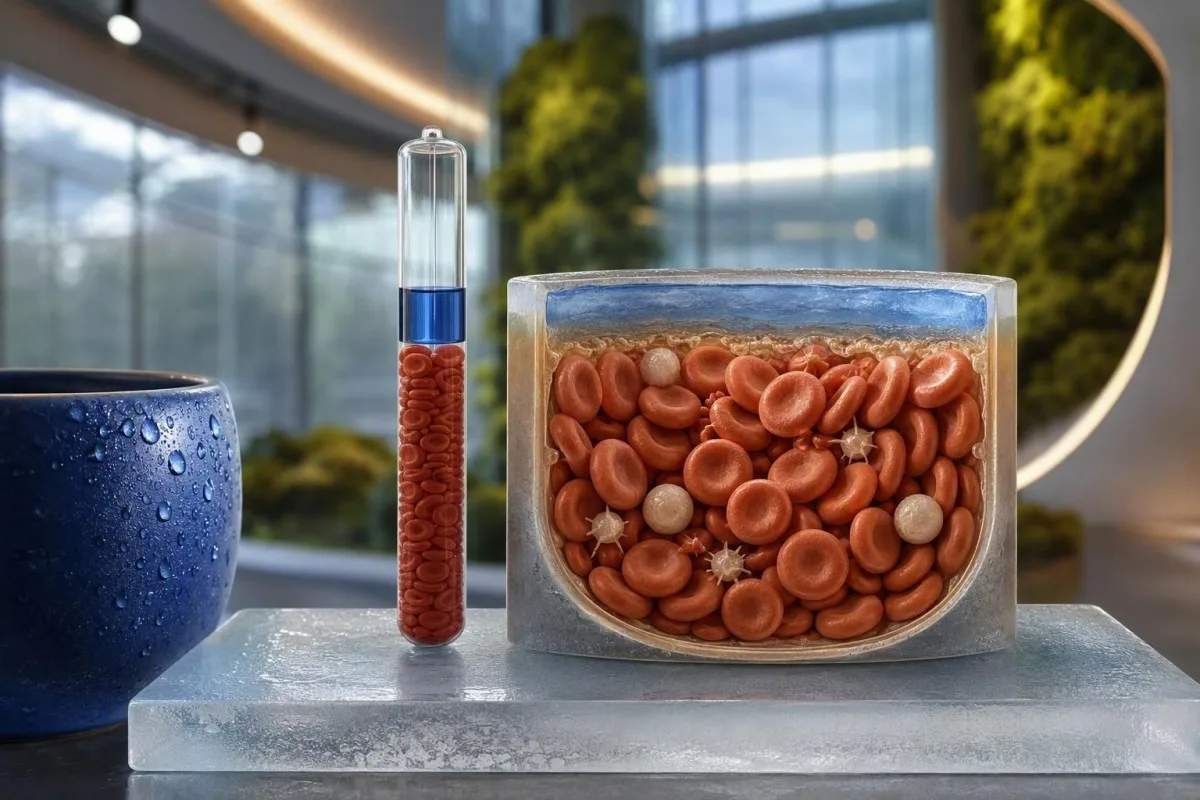
Augsts sarkano asins šūnu skaits var liecināt par koncentrētām asinīm, nevis par papildu sarkano asins šūnu veidošanos. Pirmais uzdevums ir nošķirt īslaicīgu šķidruma zudumu no pastāvīgi paaugstināta rādītāja, kam nepieciešama pienācīga izmeklēšana.


- Relatīva eritrocitoze nozīmē, ka plazmas ūdens daudzums ir samazinājies, tādēļ RBC skaits, hemoglobīns un hematokrīts izskatās paaugstināti, lai gan jaunas šūnas nav izveidojušās.
- PVO slieksnis rādītāji, kas liecina par iespējamu policitēmiju veru, ir hemoglobīns virs 16,5 g/dL vīriešiem vai 16,0 g/dL sievietēm, vai hematokrīts attiecīgi virs 49% un 48%.
- Atkārtota pārbaude pēc hidratācijas parasti ir saprātīga, ja pēc vemšanas, caurejas, karstuma iedarbības, badošanās vai intensīvas fiziskās slodzes ir nedaudz paaugstināts tikai viens rādītājs un citādi jūtaties labi.
- Diurētiķi var paaugstināt hematokrītu šķidruma zuduma dēļ; nepārtrauciet ārsta izrakstītu zāļu lietošanu, nekonsultējoties ar ārstu, kurš tās izrakstīja.
- Svarīgs ir raksts: paaugstināts albumīna, kopējā olbaltuma, nātrija līmenis, BUN/kreatinīna attiecība un urīna īpatnējais svars vairāk liecina par dehidratāciju nekā par patiesu sarkano asins šūnu pastiprinātu veidošanos.
- Atkārtošanas biežums parasti veic 1–2 nedēļas pēc atveseļošanās, normālas šķidruma uzņemšanas atjaunošanas un 24–48 stundām bez neparasti intensīvas fiziskās slodzes, ja vien nav neatliekamu simptomu.
- Pastāvīgs paaugstinājums ja pēc pietiekamas hidratācijas rādītājs joprojām ir paaugstināts, nepieciešams izvērtēt smēķēšanas ietekmi, ar miegu saistītus elpošanas traucējumus, atrašanos lielā augstumā, testosterona lietošanu, plaušu vai nieru slimības, eritropoetīnu un bieži arī veikt JAK2 testu.
- Steidzami simptomi ietver sāpes krūtīs, jaunu elpas trūkumu, vienpusēju vājumu, redzes zudumu, apjukumu vai sāpīgu, pietūkušu kāju; šādos gadījumos nepieciešama tūlītēja medicīniskā palīdzība, nevis atkārtota pārbaude mājās.
Ko parasti nozīmē paaugstināts RBC rādītājs
Augsts RBC skaits dehidratācijas dēļ var būt kļūdaini paaugstināts, jo šķidruma zudums koncentrē asins šūnu daļu; tas automātiski nenozīmē, ka kaulu smadzenes ražo pārāk daudz eritrocītu. Būtiskākais ir tas, vai hemoglobīna un hematokrīta rādītāji pēc atveseļošanās un ierastas šķidruma uzņemšanas normalizējas, nevis saglabājas paaugstināti labi sagatavotā atkārtotā CBC.
RBC skaits norāda eritrocītu skaitu litrā, savukārt hematokrīts norāda to aizņemto daļu no kopējā asins tilpuma. Pieaugušo references intervāli dažādās laboratorijās atšķiras, taču daudzviet vīriešiem izmanto aptuveni 4,5–5,9 × 10¹²/L un sievietēm 4,1–5,1 × 10¹²/L. Rādītājs, kas ir tikai nedaudz virs normas, bieži ir mazāk informatīvs nekā līdzās norādītie hemoglobīna un hematokrīta rādītāji; mūsu ceļvedis par ko ietver CBC izskaidro, kāpēc.
Dehidratācija dažu stundu laikā samazina asins šķidro komponentu, tāpēc tā pati eritrocītu masa aizņem mazāku izmērīto tilpumu. Klīnikā es to bieži redzu pēc kuņģa-zarnu trakta infekcijas: RBC 5,8 × 10¹²/L, hemoglobīns 17,1 g/dL, hematokrīts 51%, bet pēc atveseļošanās rādītāji normalizējas. Tā ir relatīva eritrocitoze, nevis laboratoriska kļūda un ne vienmēr slimība.
Kantesti ir AI asins analīžu analizators kurā RBC, hemoglobīna, hematokrīta, eritrocītu indeksu, nieru rādītāju un iepriekšējo rezultātu vērtības tiek interpretētas kopā. 2026. gada 5. septembrī mūsu klīniskās pārskatīšanas darba plūsma vienu robežvērtības CBC novirzi uzskata par iemeslu pārbaudīt sagatavošanos analīzei un rādītāju dinamiku, nevis par diagnozi.
RBC skaits nav tas pats, kas eritrocītu masa
CBC nevar tieši izmērīt kopējo eritrocītu masu. Tas nosaka koncentrāciju, kas palielinās, samazinoties plazmas tilpumam; specializēti eritrocītu masas izotopu pētījumi mūsdienās ir reti nepieciešami, taču tie ilustrē, kāpēc koncentrēts CBC var izskatīties satraucošs, lai gan faktiski eritrocītu skaits nav palielinājies.
Relatīvā eritrocitoze salīdzinājumā ar patiesu sarkano asins šūnu pārpalikumu
Relatīva eritrocitoze ir paaugstināts RBC, hemoglobīna vai hematokrīta līmenis samazināta plazmas tilpuma dēļ, savukārt absolūta eritrocitoze atspoguļo patiesi palielinātu eritrocītu masu. Hidratācija var novērst pirmo stāvokli, bet nenovērsīs otro.
Patiesa eritrocitoze var būt primāra, kā policitēmijas veras gadījumā, vai sekundāra, ko izraisa palielināta eritropoetīna veidošanās zema skābekļa līmeņa, medikamentu vai retāk nieru procesa dēļ. 2016. gada PVO kritēriji nosaka hemoglobīna līmeni virs 16,5 g/dL vīriešiem vai 16,0 g/dL sievietēm kā sliekšņus, kuriem būtu jārosina jautājums par policitēmiju veru, īpaši tad, ja rādītājs saglabājas paaugstināts (Arber et al., 2016). Ar vienu rādījumu diagnozes noteikšanai nepietiek.
Praktiskā atšķirība ir pārējie paneļa rādītāji. Dehidratācijas izraisīts augsts RBC skaits gadījumā bieži novēro paaugstinātu albumīna, kopējā olbaltuma, urīnvielas/BUN un nātrija līmeni, kā arī koncentrētu urīnu; absolūtas eritrocitozes gadījumā šie rādītāji var būt normas robežās. Izlasiet mūsu mērķtiecīgo rakstu par nedaudz paaugstinātu hemoglobīna līmeni ja paaugstināts ir hemoglobīns, nevis tikai RBC.
Normāls RBC skaits neizslēdz eritrocitozi, ja hemoglobīna vai hematokrīta līmenis ir paaugstināts, un paaugstināts RBC skaits vien var būt sastopams mazu eritrocītu gadījumā dzelzs deficīta vai talasēmijas pazīmes dēļ. Tāpēc svarīgi ir MCV un feritīns; augsts RBC ar MCV zem 80 fL liecina par citu klīnisko situāciju.
Kā dehidratācija ietekmē CBC un nieru rādītājus
Dehidratācija parasti vienlaikus paaugstina RBC skaitu, hemoglobīna un hematokrīta līmeni, kā arī bieži palielina albumīna, kopējā olbaltuma, urīnvielas/BUN, kreatinīna un urīna koncentrāciju. Neatbilstošs rezultāts, piemēram, augsts RBC ar zemu hemoglobīna līmeni, labi neatbilst vienkāršai hemokoncentrācijai.
BUN/kreatinīna attiecība, kas ASV mērvienībās pārsniedz aptuveni 20:1, var liecināt par samazinātu nieru perfūziju šķidruma zuduma dēļ, lai gan kuņģa un zarnu trakta asiņošana, olbaltumvielu uzņemšana, kortikosteroīdi un maza muskuļu masa var ietekmēt šo attiecību. Kreatinīna līmenis pēc karstuma iedarbības vai ilga skrējiena var mēreni paaugstināties, jo mainās gan filtrācija, gan muskuļu metabolisms. Mūsu ceļvedis par dehidratāciju un eGFR materiālā ir aprakstīts, kad zems eGFR būtu jānosaka atkārtoti.
Urīna īpatnējais svars 1,025 vai lielāks atbilst koncentrētam urīnam, taču tas nav tiešs hidratācijas rādītājs. Arī glikoze, olbaltumvielas un daži attēldiagnostikā izmantotie kontrastlīdzekļi var to paaugstināt, tādēļ ārstam tas jāinterpretē, ņemot vērā simptomus un elektrolītu līmeni. Urīna īpatnējā svara atsauce ir noderīga, ja CBC un urīna analīze tika veikti vienā un tajā pašā dienā.
Es neiesaku mēģināt mākslīgi normalizēt analīžu rezultātus, izdzerot vairākus litrus šķidruma tieši pirms analīžu nodošanas. Pārmērīga šķidruma uzņemšana īsā laikā var pazemināt nātrija līmeni un radīt vēl vienu neraksturīgu paraugu; cilvēkiem bez šķidruma uzņemšanas ierobežojumiem parasti drošāk ir 24–48 stundas pirms analīzēm ieturēt ierastas ēdienreizes un dzert atbilstoši parastajām slāpēm.
Vemšana, caureja, karstums, badošanās un diurētiskie līdzekļi
Vemšana, caureja, intensīva svīšana, ilgstoša badošanās un diurētiskie līdzekļi var izraisīt īslaicīgi paaugstinātu RBC koncentrāciju, samazinot plazmas ūdens daudzumu. Paaugstinājuma pakāpe vairāk ir atkarīga no šķidruma zuduma un tā kompensēšanas, nevis no tā, cik slikti cilvēks jūtas.
Akūta vemšana bieži izraisa zemu hlorīda līmeni un dažkārt paaugstinātu bikarbonātu līmeni, jo tiek zaudēta kuņģa skābe un šķidrums. Cilpas diurētiskie līdzekļi, piemēram, furosemīds, un tiazīdi var radīt līdzīgu, ar cirkulējošā tilpuma samazināšanos saistītu ainu, īpaši gados vecākiem pieaugušajiem. Zems hlorīda līmenis jāvērtē tajā pašā klīniskajā kontekstā; skatiet ar vemšanu un diurētiskiem līdzekļiem saistītas pazīmes, ko sniedz hlorīda līmenis šādu modeli.
Nepārtrauciet ārsta nozīmēta diurētiskā līdzekļa lietošanu, lai uzlabotu CBC rezultātus, bez medicīniskas konsultācijas. Cilvēkiem, kuri šīs zāles lieto sirds mazspējas, aknu cirozes, rezistentas hipertensijas vai nieru slimības dēļ, var būt nepieciešams individuāli pielāgots šķidruma uzņemšanas plāns, jo nekontrolēta šķidruma uzņemšana var pastiprināt tūsku vai elpas trūkumu. Būtiskākais jautājums ir, vai deva, simptomi, ķermeņa masa, asinsspiediens un nieru rādītāji ir savstarpēji saderīgi.
Slāpes ir noderīgs, taču nepilnīgs rādītājs pieaugušajiem pēc 65 gadu vecuma un cilvēkiem ar cukura diabētu, nieru slimību vai noteiktiem neiroloģiskiem traucējumiem. Tumši dzeltens urīns, sausa mute, reibonis pieceļoties, samazināta urinēšana un ķermeņa masas samazināšanās par 1 kg 24 stundu laikā var liecināt par šķidruma zudumu, taču smagu simptomu gadījumā nepieciešama medicīniska izvērtēšana, nevis pašārstēšanās.
Fiziskā slodze var īslaicīgi koncentrēt asinis
Intensīva izturības slodze sviedru zuduma un plazmas tilpuma izmaiņu dēļ var paaugstināt hematokrītu un hemoglobīna līmeni uz vairākām stundām, lai gan atkārtoti treniņi var pazemināt sākotnējo hematokrītu, palielinoties plazmas tilpumam. Tādēļ sportistiem analīžu veikšanas laiks ir īpaši nozīmīgs.
90 minūšu skrējiens siltā laikā var izraisīt 1–3 litru šķidruma zudumu atkarībā no ķermeņa izmēra, klimata un svīšanas intensitātes. Parauga paņemšana tūlīt pēc sacensībām var arī uzrādīt augstāku kreatinīna, CK, albumīna un kopējo olbaltumvielu līmeni; šis rādītāju kopums ir informatīvāks nekā tikai RBC rezultāts. Mūsu maratona asins analīžu veikšanas laika ceļvedis apskata atveseļošanās rādītājus, kas parasti mainās.
Regulārai uzraudzībai es parasti iesaku izvairīties no neierasti intensīvas fiziskās slodzes pirms analīžu nodošanas, 24–48 stundu laikā ierasties atpūtušamies un iepriekšējā dienā dzert kā parasti. Tas nav universāls laboratorijas noteikums, un elites sportistu uzraudzībā analīzes var tikt veiktas apzināti slodzes apstākļos, tomēr konsekvence ir svarīgāka par pilnību. Dr. Tomass Kleins ir novērojis, ka daudzi nevajadzīgi nosūtījumi kļūst lieki, kad sportistam analīzes atkārto pēc nedēļas ar normālu atjaunošanos.
Kantesti’s BUN un kreatinīna pētījumu ceļvedis ir īpaši noderīgs, ja izturības sportistam vienlaikus ir paaugstināts hematokrīts un robežstāvokļa nieru rādītājs. Svara samazināšanās, augsts urīna īpatnējais svars un īss atjaunošanās intervāls padara hemokoncentrāciju ticamu; muskuļu sāpes, kolas krāsas urīns vai ļoti augsts CK prasa piesardzību citā līmenī.
Drošs plāns nedaudz paaugstināta CBC atkārtotai pārbaudei
Viegli paaugstinātu RBC skaitu parasti var atkārtoti pārbaudīt pēc 1–2 atveseļošanās nedēļām, nodrošinot ierastu hidratāciju un stabilu zāļu lietošanu, ja jums nav brīdinājuma simptomu. Atkārtojiet analīzi agrāk tikai tad, ja to lūdz jūsu ārsts vai sākotnējais rezultāts bija būtiski paaugstināts.
Pirms atkārtotās analīzes atzīmējiet, vai iepriekšējo 72 stundu laikā jums bija caureja, vemšana, drudzis, lietojāt alkoholu, apmeklējāt saunu, devāties ilgā ceļojumā, uzturējāties augstkalnē, badojāties vai veicāt intensīvu fizisko slodzi. Ievērojiet ierasto uzturu un zāļu lietošanas grafiku, ja vien ārsts nav norādījis citādi. Šajā sākotnējās asins analīžu sagatavošanas ceļvedī ir praktisks kontrolsaraksts, lai izvairītos no nejaušām variācijām.
Ja iespējams, izmantojiet to pašu laboratoriju, jo analizatoru metodes un atsauces intervāli atšķiras. Lūdziet veikt CBC ar hemoglobīna, hematokrīta, MCV, RDW, leikocītu skaita un trombocītu noteikšanu; pastāvīgs paaugstinājums kopā ar augstu trombocītu vai leikocītu skaitu vairāk liecina par kaulu smadzeņu procesu nekā izolēta eritrocitoze. Nesen pārslimota slimība šos rādītājus var ietekmēt pretējos virzienos, tāpēc svarīgs ir viss panelis.
Kantesti ir AI laboratorijas testa interpretācijas pakalpojumā kas salīdzina jaunu CBC ar agrākajiem rezultātiem un atzīmē izmaiņas, kas pārsniedz parasto variāciju. Mūsu tendenču izvērtēšanas pieeja neaizstāj ārstu, taču tā var saglabāt būtisko kontekstu — fizisko slodzi, slimības, zāles un iepriekšējo hematokrīta līmeni — kas bieži tiek zaudēts, ja atsevišķs rezultāts tiek aplūkots izolēti.
Kad atkārtoti paaugstināts rādītājs prasa eritrocitozes izmeklēšanu
Pastāvīgi paaugstinātam hemoglobīna līmenim virs 16,5 g/dL vīriešiem vai 16,0 g/dL sievietēm, vai hematokrītam virs 49% vai 48%, vajadzētu mudināt ārstu izvērtēt eritrocitozi pēc dehidratācijas izslēgšanas. Parasti pirmie izmeklējumi ir atkārtota CBC, eritropoetīna līmeņa noteikšana, skābekļa līmeņa izvērtēšana un JAK2 mutācijas pārbaude, ja tas ir atbilstoši.
Veras policitēmija ir mieloproliferatīva neoplāzija, kurā JAK2 mutācijas konstatē aptuveni 98% skarto pacientu. Zems eritropoetīna līmenis serumā atbalsta primāras kaulu smadzeņu hiperprodukcijas iespēju, taču nevienu asins analīzi nevajadzētu interpretēt izolēti. British Society for Haematology vadlīnijas iesaka strukturētu pieeju, kas nošķir primāru no sekundāras eritrocitozes (McMullin et al., 2019).
Simptomi var būt nemanāmi: galvassāpes, neskaidra redze, nieze pēc siltas dušas, neparasts sejas pietvīkums, nogurums vai iepriekšējs trombs var būt nozīmīgāki par precīzu RBC vērtību. Lai iegūtu pilnīgāku skaidrojumu par hematokrītu, eritropoetīnu un JAK2, izlasiet mūsu policitēmijas simptomu ceļvedī. .
Es uzmanos neradīt iespaidu, ka ikviens pastāvīgi paaugstināts rādītājs nozīmē vēzi. Daudzās praksēs biežāki skaidrojumi ir ar smēķēšanu saistīta oglekļa monoksīda iedarbība, neārstēta miega apnoja, plaušu slimība, testosterona lietošana, atrašanās augstkalnē un dažas nieru slimības. Tomēr tieši noturīgs paaugstinājums ir iemesls, kāpēc atkārtotai CBC nevajadzētu pārvērsties nebeidzamā paviršu atkārtotu analīžu ciklā.
Zems skābekļa līmenis, smēķēšana un miega apnoja kā paaugstināta RBC cēloņi
Hronisks zems skābekļa līmenis var stimulēt eritropoetīna veidošanos un izraisīt patiesi paaugstinātu eritrocītu skaitu; bieži cēloņi ir miega apnoja, ar smēķēšanu saistīta oglekļa monoksīda iedarbība un plaušu slimība. Normāls skābekļa piesātinājums dienas laikā pilnībā neizslēdz skābekļa līmeņa pazemināšanos naktī.
Obstruktīva miega apnoja var izraisīt mērenu eritrocitozi, īpaši tad, ja naktī ir būtiskas skābekļa desaturācijas. Skaļa krākšana, citu pamanītas elpošanas pauzes, rīta galvassāpes, rezistenta hipertensija un miegainība dienas laikā — tas viss liecina par nepieciešamību mērķtiecīgi izvērtēt miegu, nevis pieņemt, ka visu izskaidro dehidratācija. A elpas trūkuma asins analīžu ceļvedis apraksta plašāku sirds un plaušu kontekstu.
Smēķēšana palielina karboksihemoglobīna līmeni, kas samazina skābekļa piegādi, neskatoties uz pulsa oksimetru, kas varētu šķist nomierinošs. Vapēšana nerada tādu pašu oglekļa monoksīda iedarbību kā tabakas smēķēšana, taču tai ir citi veselības riski, un par to joprojām ir godīgi jārunā. Dažreiz oglekļa monoksīda noteikšana vai ko-oksidometrija ir noderīgāka nekā parasta skābekļa piesātinājuma noteikšana.
Kantesti AI interpretē augstu RBC rezultātu kopā ar hemoglobīnu, hematokritu, nieru rādītājiem un ziņotajiem miega vai smēķēšanas faktoriem, nevis uzrāda vispārīgu cēloņu sarakstu. Šī kontekstuālā lasīšana ir īpaši vērtīga, ja hematokrits ir 50% pēc hidratācijas un pacients ziņo par neatsvaidzinošu miegu.
Augstums virs jūras līmeņa, testosterons un zāles, kas paaugstina RBC
Dzīvošana vai trenēšanās augstumā un testosterona lietošana var palielināt sarkano asinsķermenīšu veidošanos, tāpēc paaugstināšanās var būt reāla, nevis saistīta ar dehidratāciju. Iedarbības laiks bieži vien sniedz vairāk atbilžu nekā sākotnējais skaitlis.
Augstumā zemāks skābekļa spiediens stimulē eritropoetīnu un paaugstina hemoglobīnu dažu dienu līdz nedēļu laikā; paredzamais diapazons ir atkarīgs no augstuma, ilguma, senčiem un laboratorijas atsauces datiem. CBC, kas savākts kalnu uzturēšanās laikā vai tūlīt pēc tās, jāinterpretē pretstatā šai iedarbībai. Mūsu augstuma hemoglobīna atkārtotas pārbaudes ceļvedis izskaidro, kāpēc laika izmaiņas atgriežoties uz jūras līmeni ir svarīgas.
Testosterona injekcijas, gēli, implanti un daži anaboliskie līdzekļi var izraisīt eritrocitozi. Daudzi parakstīšanas protokoli samazina vai pārtrauc terapiju, kad hematokrits sasniedz 54%, lai gan individuālie riska lēmumi atšķiras, īpaši cilvēkiem ar sirds un asinsvadu slimībām vai miega apnoju. Nekad nedodiet asinis un nemainiet parakstīto devu, lai aizstātu rezultāta apspriešanu ar ārstu.
Retāk SGLT2 diabēta zāles var izraisīt nelielu hematokrita pieaugumu, daļēji saistītu ar plazmas tilpuma efektiem un iespējamo eritropoetīna signalizāciju. Zāļu sarakstam jāiekļauj bezrecepšu androgēnu produkti, injicējamās ārstēšanas un nesenās izmaiņas — ne tikai zāles, kas drukātas elektroniskajā ierakstā.
CBC pazīmes, kas maina bažu līmeni
Augsts RBC ir vairāk satraucošs, ja arī hemoglobīns un hematokrits ir augsti, īpaši ar paaugstinātiem trombocītiem, leikocītiem, zemu eritropoetīnu vai nenormālām šūnām uz smēri. Augsts RBC ar zemu MCV biežāk norāda uz mazās šūnu slimībām.
MCV zem 80 fL ar relatīvi augstu RBC skaitu var rasties talasēmijas iezīmju gadījumā, kur šūnas ir mazas, bet daudzas. Dzelzs deficīts var arī pazemināt MCV, lai gan tas biežāk laika gaitā pazemina hemoglobīnu; feritīns un transferīna piesātinājums skaidro atšķirību. Mūsu MCV un MCH salīdzinājums parāda, kāpēc tikai RBC skaits maldina.
Augsti leikocīti vai trombocīti kopā ar augstu hematokritu nediagnosticē policitemiju vera, taču tie pazemina hematoloģiskās pārbaudes slieksni. Var sekot perifēriskā smēre, feritīns, eritropoetīns, JAK2 testēšana un dažreiz kaulu smadzeņu novērtēšana. Mūsu asins vēža testēšanas ceļvedis parāda, kāpēc šie testi tiek secīgi veikti, nevis pasūtīti nekritiski.
Dr. Tomasa Kleina praktiskais princips ir vienkāršs: meklēt saskaņu starp neatkarīgiem signāliem. Hematokrits 52%, trombocīti 520 × 10⁹/L un zems eritropoetīns ir fundamentally atšķirīgs modelis nekā hematokrits 50% pēc karstuma viļņa ar albumīnu 5,3 g/dL un koncentrētu urīnu.
Simptomi un trombu risks: kad paaugstināts RBC ir neatliekams stāvoklis
Meklējiet neatliekamo palīdzību, ja ir augsts RBC rezultāts kopā ar krūšu sāpēm, pēkšņu elpas trūkumu, asiņu atklepošanu, samaņu zaudēšanu, jaunu vājumu, runas grūtībām, redzes zudumu vai sāpīgu pietūkušu kāju. Šie simptomi var atspoguļot trombu vai citu akūtu stāvokli, un tiem nekad nevajadzētu gaidīt atkārtotu CBC.
Augstāks hematokrits var palielināt asins viskozitāti, taču simptomi un kopējais asinsvadu risks nosaka steidzamību drošāk nekā mērena izolēta paaugstināšanās. Policitemija vera rada atzītu trombotisku risku, īpaši ar vecāku vecumu, iepriekšēju trombozi, kardiovaskulāriem riska faktoriem un nekontrolētiem skaitļiem. Tefferi un Barbui 2021. gada pārskats apraksta uz risku balstītu ārstēšanu, nevis ārstē katru paaugstinātu skaitli vienādi.
Galvassāpes vienas pašas ir biežas un nespecifiskas; galvassāpes ar jauniem redzes simptomiem, vājumu vai apjukumu nav. Tāpat silta dušas nieze var rasties policitemijas vera gadījumā, bet arī sausas ādas un alerģijas gadījumā, tāpēc tā ir norāde, nevis pierādījums. Pārskats brīdinājuma pazīmes asins analīzēm krūškurvja sāpju gadījumā ja simptomi ir iemesls, kāpēc tika veikts tests.
Neuzņemiet aspirīnu tikai tāpēc, ka RBC skaits ir augsts, ja vien to nav ieteicis jūsu ārsts. Aspirīnam ir asiņošanas risks, un tas var būt nepiemērots čūlu, antikoagulantu, zema trombocītu skaita vai noteiktas slimības vēstures gadījumā. Neatliekamās palīdzības dienesti ir drošāka izvēle, ja rodas fokālas neiroloģiskas vai kardiopulmonāras simptomas.
Kāpēc iepriekšējie CBC rezultāti var sniegt atbildi
Stabili nedaudz paaugstināts RBC skaits gadu laikā atšķiras no strauja pieauguma nedēļu laikā, un tendences var atšķirt personīgo pamatlīmeni no jaunas slimības. Salīdziniet rezultātus, izmantojot hemoglobīnu, hematokritu, MCV un, ja iespējams, to pašu laboratoriju.
Bioloģiskā un analizatora svārstības nozīmē, ka nelielas izmaiņas ne vienmēr ir reālas fizioloģiskas izmaiņas. 0,3 g/dL hemoglobīna atšķirība starp diviem paraugiem var atspoguļot hidratāciju, stāju, laiku vai parastas svārstības; pastāvīgs pieaugums no 15,2 līdz 17,3 g/dL prasa vairāk uzmanības. Mūsu raksts par nozīmīgām laboratorijas izmaiņām skaidro atsauces izmaiņu vērtības konceptiju.
Katrai analīzei saglabājiet vienkāršu ierakstu par augstumu, smēķēšanas statusu, testosterona devu, slimību, smagu fizisko slodzi, menstruālo asiņošanu un šķidruma zudumu. Šis ieraksts ir klīniski noderīgāks nekā viena precīza “ideālā” RBC skaita meklēšana. Manuprāt, tieši šī konteksta trūkums ir iemesls, kāpēc pacienti saņem pretrunīgus paskaidrojumus dažādos apmeklējumos.
Kantesti, kas ir AI biomarķieru interpretācijas platforma, var parādīt sērijas CBC vērtības līdzās nieru un olbaltumvielu marķieriem, lai identificētu koncentrācijas modeļus. Mēs aicinām lietotājus izmantot tendenču analīzi kā sagatavošanos sarunai ar ārstu, nevis kā aizstājēju klīniskai izmeklēšanai vai mērķtiecīgai testēšanai.
Grūtniecība, vecāks vecums un hroniskas slimības apsvērumi
Grūtniecība parasti pazemina hemoglobīnu un hematokritu plazmas apjoma palielināšanās dēļ, tāpēc paaugstināta vērtība grūtniecības laikā prasa ārsta novērtējumu, nevis nejaušu dehidratācijas pieņēmumu. Gados vecākiem cilvēkiem un cilvēkiem ar sirds vai nieru slimībām šķidruma ieteikumiem jābūt individuāliem.
Grūtniecības laikā plazmas apjoms palielinās par aptuveni 40–50%, radot fizioloģisku atšķaidīšanu; daudzas dzemdību nodaļas izmeklē hemoglobīnu virs 16,0 g/dL, jo tas var signalizēt nepietiekamu plazmas palielināšanos vai citas problēmas. Smaga vemšana grūtniecības sākumā joprojām var koncentrēt CBC, taču par pastāvīgu paaugstinājumu jārunā ar dzemdību komandu. Skatiet grūtniecības asinsanalīžu sarkanie karogi attiecībā uz vienas dienas scenārijiem.
Gados vecāki cilvēki var neuzticami ziņot par slāpēm, savukārt sirds mazspēja un nieru slimības progresēšana var padarīt lieko šķidrumu bīstamu. Straujas izmaiņas potīšu pietūkumā, svarā, elpas trūkumā vai urīna izdalīšanā ir svarīgākas nekā mēģinājums sasniegt vispārīgu ūdens mērķi. Diurētisko līdzekļu pielāgošana pieder ārstam, kas ārstē pamatslimību.
Bērniem ir vecumam specifiski hemoglobīna diapazoni, un vērtība, kas pieaugušo portālā šķiet augsta, var būt piemērota noteiktā vecumā vai augstumā. Bērnu ārstam jāinterpretē pastāvīgs paaugstinājums, īpaši ar cianozi, iedzimtām sirds slimībām vai lēnu augšanu.
Jautājumi, ko uzdot ārstam pēc paaugstināta RBC konstatēšanas
Pajautājiet, vai jūsu rezultāts atspoguļo hemokoncentrāciju, vai hemoglobīns un hematokrits ir arī paaugstināti, un kādi atkārtoti nosacījumi ir piemēroti jūsu slimības vēsturei. Labi jautājumi novērš gan priekšlaicīgu trauksmi, gan neatklātu pastāvīgu eritrocitozi.
Atnesiet pilnu ziņojumu, ne tikai atzīmēto RBC vērtību, kā arī iepriekšējās CBC analīzes un pašreizējo medikamentu sarakstu. Pajautājiet: “Vai albumīns, kopējais proteīns, nātrijs, kreatinīns, BUN/urīnviela un urīna koncentrācija bija saskaņā ar šķidruma zudumu?” Šis par seruma olbaltumvielām var palīdzēt jums saprast, kāpēc albumīns pieder pie šīs diskusijas.
Ja paaugstinājums turpinās, pajautājiet, vai skābekļa novērtēšana, miega testēšana, eritropoetīns, feritīns, JAK2 testēšana vai hematoloģijas nosūtījums atbilst jūsu modelim. Atbilde būs atšķirīga 28 gadus vecam izturības sportistam ar hematokritu 50% un 67 gadus vecam smēķētājam ar hematokritu 55% un iepriekšēju trombu. Specifiska vēsture maina izmeklēšanas gaitu.
Kantesti klīniskā metodoloģija tiek pārraudzīta saskaņā ar publicētiem kvalitātes standartiem un ārstu ieguldījumu; lasītāji var iepazīties ar mūsu medicīniskās validācijas pieeja pirms jebkuras automatizētas interpretācijas izmantošanas. Dr. Tomasa Kleina galvenais secinājums ir tāds, ka hidratācija ir saprātīga pirmā pārbaude vieglam izolētam rezultātam, taču pastāvīgas augstas vērtības prasa reālu izskaidrojumu.
Praktiskais secinājums par dehidratāciju un paaugstinātu RBC
Dehidrēšanās var izraisīt nepatiesi augstu RBC rezultātu, koncentrējot asinis, taču tā jāuzskata par darba skaidrojumu tikai tad, ja klīniskais konteksts un papildu laboratorijas marķieri sakrīt. Normāla atkārtota analīze pēc atveseļošanās ir nomierinoša; pastāvīga paaugstināšanās ir jāizmeklē.
Izolētam, vieglam paaugstinājumam pēc karstuma, kuņģa-zarnu trakta slimības, badošanās vai smagām fiziskām slodzēm, atveseļojieties normāli un atkārtojiet CBC noteiktos apstākļos apmēram 1-2 nedēļu laikā. Izvairieties no pārmērīgas šķidruma uzņemšanas un nemainiet diurētiskos līdzekļus, testosteronu vai citus izrakstītos medikamentus bez konsultācijas. Ja neesat pārliecināts, vai jūsu rezultāts ir tikai robežvērtība, mūsu ārpus normas rezultātu ceļvedis izskaidro laboratorijas karodziņus.
Atkārtotam hematokrita līmenim virs 49% vīriešiem vai 48% sievietēm, vai hemoglobīnam virs 16,5 g/dL vai 16,0 g/dL, pieprasiet mērķtiecīgu novērtēšanu, nevis atkārtojiet analīzes bezgalīgi. Tiek apsvērta smēķēšanas ietekme, miega apnoja, augstums, medikamentu ietekme, eritropoetīns un JAK2 statuss nākamajā posmā. Simptomi, kas liecina par trombozi vai insultu, prasa steidzamu palīdzību.
Kantesti ir ar AI balstīts asins analīzes rīks izveidots, lai organizētu šos rezultātus un to tendences informētai medicīnas diskusijai. Mūsu ārstu recenzenti un Medicīnas konsultatīvā padome uzsver to pašu principu: vispirms konteksts, atkārtotas analīzes, kad tas ir droši, un savlaicīga klīniska pārskatīšana, kad modelis saglabājas.
Bieži uzdotie jautājumi
Vai dehidratācija var izraisīt augstu RBC skaitu?
Jā. Dehidratācija var izraisīt paaugstinātu RBC skaitu, jo plazmas ūdens zuduma dēļ eritrocīti koncentrējas mazākā asins tilpumā; šo parādību sauc par relatīvu eritrocitozi. Hemoglobīna un hematokrīta līmenis parasti paaugstinās līdz ar RBC skaitu, un arī albumīna, kopējā olbaltumvielu, BUN/urīnvielas vai urīna īpatnējā svara rādītāji var būt paaugstināti. Neliels izolēts paaugstinājums pēc atveseļošanās un pietiekamas ikdienas šķidruma uzņemšanas bieži normalizējas, taču pastāvīgi paaugstināts hematokrīts virs 49% vīriešiem vai 48% sievietēm ir klīniski jāizvērtē.
Cik daudz ūdens man vajadzētu izdzert pirms atkārtotas analīzes, ja iepriekšējais RBC tests bija paaugstināts?
Lielākajai daļai pieaugušo 24–48 stundas pirms atkārtotas CBC analīzes vajadzētu dzert parasto šķidruma daudzumu atbilstoši slāpēm, nevis apzināti uzņemt pārmērīgi daudz šķidruma. Praktisks mērķis ir gaiši dzeltens urīns un normāla urinēšana, nevis pilnīgi dzidrs urīns vai piespiedu ūdens uzņemšana. Cilvēkiem ar sirds mazspēju, progresējošu nieru slimību, aknu cirozi vai noteiktu šķidruma uzņemšanas ierobežojumu vajadzētu lūgt ārstam izstrādāt individuālu plānu. Ātra vairāku litru šķidruma izdzeršana var pazemināt nātrija līmeni un radīt rezultātu, kas neatspoguļo patieso stāvokli.
Cik ilgi pēc dehidratācijas jāatkārto CBC?
Atkārtotu CBC parasti veic 1–2 nedēļas pēc tam, kad vemšana, caureja, drudzis, karstuma iedarbība vai intensīva fiziskā slodze ir beigusies. Ja izmaiņas saistītas ar fizisko slodzi, 24–48 stundas pirms parauga noņemšanas izvairieties no neierasti smagiem treniņiem un uzturiet normālu šķidruma uzņemšanu. Ja hematokrīts ir ievērojami paaugstināts, ir simptomi vai nieru rādītāji ir izmainīti, atkārtotu izmeklējumu var veikt ātrāk. Ja iespējams, izmantojiet to pašu laboratoriju, lai references intervāli un analizatora metodes būtu salīdzināmas.
Kāds RBC skaits tiek uzskatīts par bīstami augstu?
Nav viena konkrēta RBC skaita, kas noteiktu bīstamību, jo risks vairāk ir atkarīgs no hematokrīta, hemoglobīna, simptomiem, cēloņa un trombu anamnēzes. Hematokrīts apmēram 60% vai augstāks parasti prasa steidzamu medicīnisku izvērtēšanu tajā pašā dienā, savukārt pastāvīgi rādītāji virs 49% vīriešiem vai 48% sievietēm ir pamats eritrocitozes izmeklēšanai. Sāpes krūtīs, pēkšņs elpas trūkums, redzes zudums, vājums, runas traucējumi vai sāpīga, pietūkusi kāja ir neatliekami simptomi neatkarīgi no precīzā skaitļa. Šo simptomu gadījumā nepieciešama neatliekama medicīniska palīdzība, nevis gaidīšana, lai uzņemtu šķidrumu vai atkārtotu analīzi.
Vai diurētiskie līdzekļi var izraisīt paaugstinātu eritrocītu skaitu?
Diurētiskie līdzekļi var izraisīt paaugstinātu eritrocītu koncentrāciju, samazinot plazmas tilpumu, īpaši pēc devas palielināšanas, karstā laikā, nepietiekamas šķidruma uzņemšanas, vemšanas vai caurejas gadījumā. Tie parasti neizraisa kaulu smadzenēs papildu eritrocītu veidošanos, tāpēc šī ietekme var izzust, atjaunojot šķidruma līdzsvaru. Nepārtrauciet furosemīda, hidrohlortiazīda vai cita parakstīta diurētiska līdzekļa lietošanu patstāvīgi, jo šīs zāles var kontrolēt sirds mazspēju, asinsspiedienu vai tūsku. Apspriediet CBC rezultātus kopā ar ķermeņa masu, asinsspiedienu, kreatinīna, nātrija un kālija līmeni, kā arī simptomiem.
Vai augsts RBC skaits vienmēr nozīmē policitēmiju veru?
Nē. Lielākā daļa paaugstinātu RBC rādītāju automātiski nenozīmē īsto policitēmiju; biežas alternatīvas ir dehidratācija, smēķēšanas izraisīts oglekļa monoksīds, miega apnoja, atrašanās lielā augstumā, plaušu slimības un testosterona lietošana. Īstā policitēmija kļūst ticamāka, ja hemoglobīna līmenis saglabājas virs 16,5 g/dL vīriešiem vai 16,0 g/dL sievietēm, hematokrīts saglabājas virs 49% vai 48%, eritropoetīna līmenis ir zems un JAK2 testa rezultāts ir pozitīvs. JAK2 mutācija ir sastopama aptuveni 98% īstās policitēmijas gadījumu. Ārstam šie testi jāinterpretē kā kopaina, nevis jānosaka diagnoze, pamatojoties tikai uz vienu CBC atzīmi.
Iegūstiet AI vadītu asins analīžu analīzi jau šodien
Pievienojieties vairāk nekā 2 miljoniem lietotāju visā pasaulē, kuri uzticas Kantesti tūlītējai, precīzai laboratorijas analīžu interpretācijai. Augšupielādējiet savas asins analīzes rezultātus un dažu sekunžu laikā saņemiet visaptverošu 15,000+ biomarķieru interpretāciju.
📚 Atsauces pētniecības publikācijas
Kleins, T., Mičels, S., un Vēbers, H. (2026). BUN/kreatinīna attiecības skaidrojums: nieru darbības testa vadlīnija. Kantesti AI Medicīnas pētījumi.
Kleins, T., Mičels, S., un Vēbers, H. (2026). Urobilinogēns urīna analīzē: pilnīgs urīna analīzes ceļvedis 2026. Kantesti AI Medicīnas pētījumi.
📖 Ārējās medicīniskās atsauces
⚕️ Medicīniskā atruna
Šis raksts ir paredzēts tikai izglītojošiem nolūkiem un nav medicīnisks padoms. Vienmēr konsultējieties ar kvalificētu veselības aprūpes speciālistu, lai pieņemtu lēmumus par diagnostiku un ārstēšanu.
E-E-A-T uzticēšanās signāli
Pieredze
Ārstu vadīta klīniskā laboratorijas interpretācijas darbplūsmu pārskatīšana.
Ekspertīze
Laboratorijas medicīnas fokuss uz to, kā biomarķieri uzvedas klīniskā kontekstā.
Autoritāte
Sagatavojis Dr. Thomas Klein, pārskatījusi Dr. Sarah Mitchell un prof. Dr. Hans Weber.
Uzticamība
Uz pierādījumiem balstīta interpretācija ar skaidriem turpmākās rīcības ceļiem, lai mazinātu trauksmi.