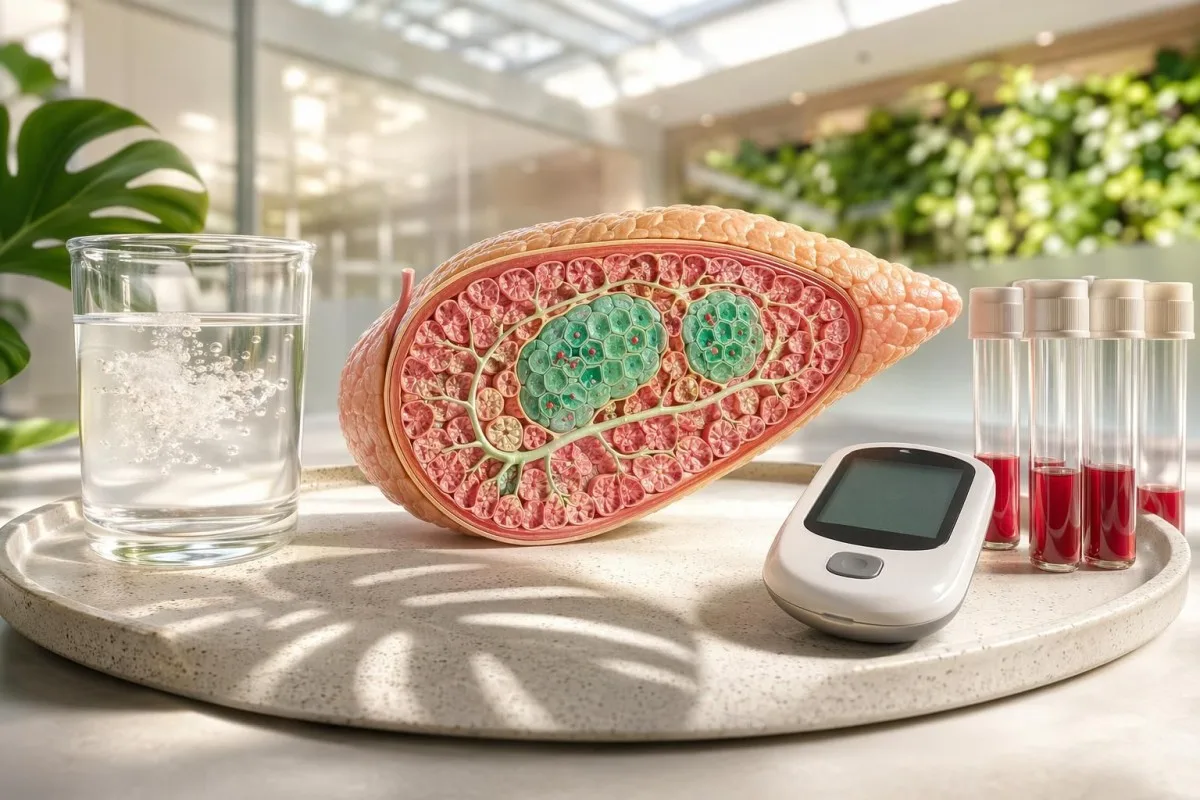
Кош бойлуулуктагы канттарыңыз кайрадан нормалдуу чыкканын айтышкан, бирок андан кийин эмне болорун дагы эле билгиңиз келгендер үчүн практикалык төрөттөн кийинки скрининг боюнча колдонмо.


- 75 г OGTT Гестациялык диабеттен кийин 4–12 жумада жасалган тест артыкчылыктуу, анткени ал ач карындагы глюкоза өткөрүп жибериши мүмкүн болгон 2 сааттык глюкоза көйгөйлөрүн аныктайт.
- Диабеттин чектери ач карындагы плазмалык глюкоза ≥126 мг/дл, 2 сааттык OGTT глюкоза ≥200 мг/дл, HbA1c ≥6.5% же белгилери бар туш келди (рандом) глюкоза ≥200 мг/дл.
- Преддиабет босоголору ач карындагы глюкоза 100–125 мг/дл, 2 сааттык OGTT глюкоза 140–199 мг/дл же HbA1c 5.7–6.4%.
- HbA1c төрөттөн кийинки алгачкы мезгилде төрөттөн кийин кан жоготуу же эритроциттердин айлануусу жогору болгондуктан жалган төмөн чыгышы мүмкүн, ошондуктан 4–12 жумадагы OGTTти алмаштыра албайт.
- Кош бойлуулуктагы глюкозанын нормасы төрөттөн кийин келечектеги коркунучту жокко чыгарбайт; гестациялык диабет көп учурда бета-клеткаларга болгон стресс-тест болуп, 2-типтеги диабетке чейин эле жылдар мурда алсыздыкты көрсөтөт.
- Кайра текшерүү аралыгы эгер төрөттөн кийинки текшерүү нормалдуу болсо, өмүр бою ар 1–3 жылда бир жолу, ал эми кандайдыр бир натыйжа предиабет диапазонунда болсо, адатта жыл сайын.
- Дагы бир кош бойлуулукка чейин кош бойлуулукка чейин же биринчи триместрдин башында глюкоза текшерүүсүн сураңыз, айрыкча мурдагы GDM инсулинди же дары-дармекти талап кылган болсо.
- Коркунуч көрсөткүчтөрү мисалы, ач карындагы инсулин, триглицериддер, HDL, ALT жана заара альбумин-креатинин катышы диабетти аныктабайт, бирок алар кардиометаболикалык коркунучту баалоого жардам берет.
Гестациялык диабеттен кийин диабетти аныктаган кан анализдери
Гестациялык диабеттен кийин диабетти аныктаган кан анализдери — бул 75 г 2 сааттык оозеки глюкозага толеранттуулук тести, ач карындагы плазмалык глюкоза, HbA1c, жана туш келди плазмалык глюкоза классикалык белгилер болгондо. OGTT адатта төрөттөн кийинки 4–12 жумада диабетти скрининг кылуунун эң жакшы тести болуп саналат, анткени ал ач карындагы глюкоза же HbA1c нормадан четтей электе эле 2 сааттык глюкозаны иштетүүнүн бузулушун табат.
Томас Кляйн, MD катары мен бейтаптарга мындай деп айтам: суроо бүгүнкү сан канчалык жогору экенинде гана эмес; кош бойлуулуктан кийин уйку безинде дагы эле жетиштүү резерв бар-жогунда. 94 мг/дл ач карындагы глюкоза тынчтандыратындай көрүнүшү мүмкүн, ал эми 168 мг/дл 2 сааттык OGTT көрсөткүчү биринчи фазадагы инсулин жооп берүүсү артта калып жатканын унчукпай эле билдирет.
Кош бойлуулуктан тышкары диабет диагнозу ач карындагы плазмалык глюкоза менен коюлат ≥126 мг/дл, 2 сааттык OGTT глюкоза ≥200 мг/дл, HbA1c ≥6.5%, же симптомдор менен коштолгон туш келди плазмалык глюкоза ≥200 мг/дл мисалы, суусоо, тез-тез заара кылуу же түшүндүрүлбөгөн арыктоо. Диагностикалык жана мониторинг тесттерин жөнөкөй тил менен салыштыруу үчүн биздин диабет тестинин чектери колдонмо пайдалуу кошумча болуп саналат.
Kantesti — бул AI кан анализатору, ал төрөттөн кийинки глюкозаны, HbA1cти, липиддерди жана бөйрөк көрсөткүчтөрүн ошол эле клиникалык контекстте, обочолонгон “белгилер” катары эмес, окуйт. 2M+ жүктөлгөн лабораториялык отчетторду талдоодо бир үлгү дайыма кайталанат: адамдар кош бойлуулук диагнозун эстеп калышат, бирок алардын 4–12 жумалык OGTT жыйынтыгы көп учурда узак мөөнөттүү ден соолук рекорддоруна кирбей калат.
Эмне үчүн кош бойлуулуктагы глюкозанын нормалдуулугу келечектеги коркунучту “нөлгө” түшүрбөйт
Төрөттөн кийин нормалдуу глюкоза келечектеги диабет коркунучун “кайра нөлгө” түшүрбөйт, анткени гестациялык диабет адатта кош бойлуулуктагы стресс шартында бета-клетка резервинин чектелгендигин чагылдырат. Төрөт плацентанын гормондорун алып салат, бирок ал инсулинге каршылыкты, генетикалык коркунучту, майлуу боорго ыктуулукту же уйку безинин бета-клеткаларынын аялуулугун сөзсүз түрдө оңдой бербейт.
Плацента инсулинге каршылыкты жогорулаткан гормондорду өндүрөт, көбүнчө эң байкалаарлыгы 24–28 жума өткөндөн кийин болот. Төрөттөн кийин глюкоза нормалдашса, бул стрессор кеткенин билдирет; инсулин өндүрүүчү клеткалардын резерви чексиз экенин далилдей албайт.
Bellamy et al. The Lancet журналында мурда гестациялык диабети болгон аялдарда кийинчерээк 7 эсе жогору коркунуч GDM жокторго салыштырганда 2-тип диабетке чалдыгуу коркунучу жогору экенин билдиришкен (Bellamy et al., 2009). Күнүмдүк практикада мен коркунуч топтомун белдин айланасынын көбөйүшү, триглицериддер 150 мг/дл, жогору болушу, HDL төмөн болушу, үй-бүлөлүк тарых, PCOS жана төрөттөн кийинки алгачкы эки жылда уйкунун бузулушу менен бирге көрөм.
HbA1c нормалдуу болгон учурда 5.3% төрөттөн кийин алты ай өткөндөн кийин да эрте инсулинге туруштук берүүнүн болушу мүмкүн. Эгер тереңирээк метаболикалык көз караш керек болсо, биздин инсулин каршылыгын текшерүү менен салыштырыңыз ачып берет эмне үчүн орозо кармагандагы инсулин жана глюкоза A1C преддиабет чегинен өтө электе эле өзгөрүп кетиши мүмкүн.
Төрөттөн кийинки диабет скрининги качан жүргүзүлүшү керек
төрөттөн кийинки диабетти скрининг кылуу керек төрөттөн кийин 4–12 жумада, мүмкүн болсо 75 г 2 сааттык OGTT менен. Эгер бул мөөнөт өтүп кетсе, эң жакшы убакыт азыр; эгер кош бойлуулук 6 ай же 6 жыл мурун болгон болсо, кийинки жылдык медициналык кароону күтпөй эле коймокмун.
Америкалык Диабет Ассоциациясы 4–12 жума төрөттөн кийин 75 г OGTT сунуштайт жана гестациялык диабеттен кийин өмүр бою ар бир 1-3 жылга чейин кыскарат скрининг жүргүзүүнү сунуштайт (American Diabetes Association Professional Practice Committee, 2024). ACOG да бул алгачкы терезеде төрөттөн кийинки скринингди колдойт, жана көптөгөн акушердик клиникалар азыр аны 6 жумалык кабыл алууга чейин тапшырууга аракет кылышат, ошондуктан унутулуп калбайт (ACOG, 2018).
Эмчек эмизүү, уйкунун үзгүлтүккө учурашы жана төрөттөн кийинки салмактын өзгөрүшү күндөн күнгө глюкозаны өзгөртө алат, бирок бул тесттен баш тартууга себеп эмес. Көпчүлүк бейтаптар эмчек эмизип жатканда да OGTT жасай алышат; практикалык маселе көбүнчө 2 сааттык лабораториялык күтүү учурунда бала багуу болуп саналат, биология эмес.
Эгер төрөттөн кийин анемия, калкан безинин функциясы, боор ферменттери же бөйрөк көрсөткүчтөрү боюнча да текшерүүлөр керек болсо, биздин төрөттөн кийинки лабораториялык текшерүү тизмеги глюкоза скрининги менен көбүнчө кошо жүргүзүлүүчү кайсы тесттер бар экенин көрсөтөт. Бир эле кабыл алуу көп учурда бирден ашык төрөттөн кийинки көйгөйдү камтый алат.
75 г ооз аркылуу глюкозага чыдамдуулук тестин (OGTT) кантип чечмелешет
The кош бойлуулуктан кийин оозеки глюкозага толеранттуулук тести 75 г глюкоза ичимдигинен кийин орозодогу глюкозаны жана 2 сааттан кийинки глюкозаны өлчөйт. 2 сааттык көрсөткүч ≥200 мг/дл диабетти аныктайт, ал эми 140-199 мг/дл орозодогу глюкоза нормалдуу болсо да, глюкозага толеранттуулуктун бузулушун аныктайт.
Тест иштейт, анткени ал инсулин системасын эс алууда байкоо эмес, аны сынайт. Менин тажрыйбамда, мурда GDM болгон адамдар көбүнчө орозо бөлүгүн өтүп кетет, бирок 2 сааттык бөлүгүнөн өтпөй калат; бул калып тамактан кийин инсулиндин кечигип бөлүнүп чыгышын көрсөтөт.
жок дегенде 3 күн нормалдуу диета,, кадимки тамактануу менен даярданыңыз, идеалында жок дегенде күнүнө 150 г углевод , эгер дарыгериңиз башкача айтпаса. OGTT алдында өтө аз углевод жеп коюу глюкозанын көтөрүлүшүн ашыра көрсөтүп, чечмелөөнү татаалдантат; биздин орозо кармоо эрежелери гид суу, кофе жана убакыт боюнча деталдарды камтыйт.
2 сааттык күтүү учурунда катуу көнүгүү жасабаңыз жана куссаңыз же ичимдикти аягына чейин иче албай калсаңыз, лабораторияга айтыңыз. Эгер процедура туура аткарылбаса, натыйжаны кайрадан текшерүү же башка диагностикалык тест менен алмаштыруу керек.
Ач карындагы глюкоза эмнени аныктай алат жана эмнени аныктай албайт
Ач карындагы плазмалык глюкоза диабетти аныктайт, эгер ач карындагы көрсөткүч ≥126 мг/дл, бирок ал гестациялык диабеттен кийин обочолонгон тамактан кийинки глюкозага чыдамсыздыкты өткөрүп жибериши мүмкүн. Бул пайдалуу, арзан жана кайталанма; бирок төрөттөн кийинки OGTTны алмаштыра албай тургандай өтө эле одоно.
Ач карын глюкоза 100-125 мг/дл ADA критерийлери боюнча предиабет болуп саналат, ал эми <100 мг/дл жалпысынан Америка Кошмо Штаттарында нормалдуу деп эсептелет. Айрым эл аралык системалар 110 мг/длден жогору болсо, төмөнкү бузулган-ач карындагы босого катары колдонушат; бул өлкөлөр ортосунда көчүп жүргөндө бейтаптардын чаташуусунун бир себеби.
Клиникалык тузак — ач карындагы глюкоза 88-96 мг/дл, ал эми 2 сааттык OGTT 155-185 мг/дл. Эгер ач карындагы глюкоза гана текшерилсе, ал адамга баары жакшы деп айтышы мүмкүн, бирок анын тамак маалындагы глюкоза биологиясы уже эле бузулган.
Эртең мененки глюкоза уйку карызынан, түнкүсүн кеч тамактануудан, кортикостероиддерден, инфекциядан жана таңкы кубулуштан таасирленет. Биздин орозо кармагандагы кант боюнча колдонмо эмне үчүн бир гана эртең мененки жыйынтыкты мурунку кечки тамактануу жана уйкунун сапаты эске алынгандай чечмелөө керек экенин түшүндүрөт.
Эмне үчүн HbA1c төрөттөн кийин ыңгайлуу, бирок кемчиликсиз эмес
HbA1c диабетти аныктайт, эгер ≥6.5%, бирок төрөттөн кийинки алгачкы 4-12 жумада анча ишенимдүү эмес, анткени төрөттөгү кан жоготуу жана эритроциттердин жаңылануу ылдамдыгы натыйжаны бурмалай алат. HbA1c кийинчерээк пайдалуу, айрыкча узак мөөнөттүү байкоо үчүн, бирок ал төрөттөн кийинки биринчи OGTTны алмаштырбашы керек.
HbA1c орточо глюкозаны болжолдойт, болжол менен 8-12 жумада кайра текшерүү керек, эң акыркы айга көбүрөөк салмак берилген. Бала төрөгөндөн кийин аз кандуулук, кан куюу, темир жетишсиздиги же эритроциттердин тез алмашуусу баалуулукту чыныгы глюкоза окуясынан алыстатып жибериши мүмкүн.
Темир жетишсиздиги айрым бейтаптарда HbA1cти жалган жогорулатышы мүмкүн, ал эми жакында болгон кан жоготуу аны жалган төмөндөтүшү мүмкүн. Бул — сандын өзүнөн да көбүрөөк мааниге ээ болгон учурлардын бири; төрөттөн кийинки HbA1c эгер 5.6% болсо, ферритин 8 нг/мл жана OGTT эч качан жасалбаса, анчалык деле тынчтандырбайт.
Эгер A1c манжадан өлчөнгөн көрсөткүчтөргө же симптомдорго дал келбесе, баалуулукту бетинен кабыл алуудан мурда биздин A1c тактыгы боюнча колдонмобузду окуңуз. Төрөттөн кийинки окуя дал келбей тургандай сезилсе, мен адатта HbA1cти орозо кармаган глюкоза, CBC жана ферритин менен бирге карайм.
Качан туш келди (рандом) глюкоза же белгилер тез аракетти талап кылат
Кокус плазмалык глюкоза диабетти аныктайт, эгер ал ≥200 мг/дл жана симптомдор бар болсо. Гестациялык диабеттен кийин кусуу, суусуздануу, тез арыктоо, кетондор, бүдөмүк көрүү же адаттан тыш чарчоо менен жогорку глюкоза чыкса, дароо кайра кароодон өтүү керек.
GDMден кийинки диабеттин көбү 2-тип, бирок төрөттөн кийинки аутоиммундук диабет кээде пайда болушу мүмкүн, айрыкча арыктоо тез болсо жана кетондор бар болсо. Мен бейтаптардын глюкозасы 280 мг/дл болуп, алар кетоз абалында болуп турганына карабай, жөн гана чарчаган жаңы ата-эне деп кабыл алынганын көргөм.
Кокус глюкоза 140-199 мг/дл өзү эле диагностикалык эмес, бирок убакытка жана симптомдорго жараша орозо глюкоза, HbA1c же OGTTке түрткү бериши керек. Кокус көрсөткүч 300 мг/дл, дан жогору болсо, айрыкча ич ооруса же дем алуу кыйындаса, аны ошол эле күнү медициналык жардам катары кароо керек.
Бир эле жолу жогору баалуулук оорудан, стероиддерден же өтө көп углеводдуу тамактан кийин болушу мүмкүн, бирок үлгү маанилүү. Биздин күтүүсүз жогорку глюкоза боюнча колдонмо клиницисттер стресс гипергликемиясын эрте диабеттен кантип ажыратаарын түшүндүрөт.
Диабет пайда боло электе коркунучту көрсөткөн кан маркерлер
Орозо инсулини, C-пептид, триглицериддер, HDL, ALT жана заарадагы альбумин-креатинин катышы диабетти аныктабайт, бирок алар гестациялык диабеттен кийин метаболикалык коркунучту көрсөтүүгө жардам берет. Бул маркерлер глюкоза техникалык жактан дагы эле нормалдуу болуп турганда да инсулинге каршылыкты, майлуу боорго ыктоону же бөйрөккө эрте стресс бар-жогун ачып бере алат.
Орозо инсулини болжол менен 15–20 µIU/mLден жогору инсулинге каршылыкты көрсөтүшү мүмкүн, бирок лабораториялык ыкмалар айырмаланат жана универсалдуу диагностикалык босого жок. HOMA-IR орозо кармаган инсулинди жана орозо кармаган глюкозаны колдонот; көрсөткүчтөр 2.0-2.5 көбүнчө чоңдордо шектенүүнү күчөтөт, бирок этностук өзгөчөлүк, BMI жана талдоо тандоосу интерпретацияны өзгөртөт.
триглицериддер эркектерде 150 мг/дл жана HDL төмөн 50 мг/дл аялдарда көбүнчө инсулинге каршылык менен коштолот. ALT болжол менен 25-30 IU/L мурда GDM болгон аялда, лабораториялык белги дагы эле нормалдуу деп турса да, эрте майлуу боордун белгиси болушу мүмкүн.
Kantesti — бул AI биомаркер интерпретация платформасы: кош бойлуулуктагы диабеттен кийин нормалдуу A1cти тобокелдик маркеринин суроосу катары карайт, түбөлүккө “жашыл жарык” эмес. Эгер сиз өз сандарыңыздан инсулинге каршылыкты эсептегиңиз келсе, анда HOMA-IR эсептөөсү колдонмо формуланы жана анын чектөөлөрүн көрсөтөт.
Төрөттөн кийинки скрининг нормалдуу болсо, канча жолу кайра текшерүү керек
Эгер төрөттөн кийинки скрининг кош бойлуулуктагы диабеттен кийин нормалдуу болсо, ар бир 1-3 жылда бир. Салмак көбөйсө, предиабет пайда болсо, дагы бир кош бойлуулук пландалса же стероиддер же антипсихотиктер сыяктуу дары-дармектер глюкоза тобокелдигин жогорулатса, эртерээк, көбүнчө жыл сайын кайра текшерүү керек.
ADAнын өмүр бою ар 1-3 жылда бир скрининг жүргүзүү боюнча сунушу бар, анткени диабет коркунучу убакыт өткөн сайын өсөт, алгачкы төрөттөн кийинки жыл менен гана чектелбейт. Менин клиникамда, адатта мен 1 жылдык интервалды предиабети барларга, инсулин менен дарыланган GDMге, BMI 30дан жогору болгондорго, үй-бүлөлүк күчтүү тарыхы барларга же PCOS болгондорго тандайм.
2026-жылы чыккан нормалдуу тест дагы деле пайдалуу, анткени ал сиздин базалык көрсөткүчүңүз болуп калат. Орозо глюкозасы 82ден 96 мг/длге чейин 3 жыл ичинде өзгөрүшү, айрыкча триглицериддер жана бел айланасы ошол эле учурда өссө, белгиленген бир натыйжадан да маанилүүрөөк болушу мүмкүн.
Kantesti AI глюкозаны, HbA1c, триглицериддерди жана ALTти убакыттын өтүшү менен графикке түшүрө алат, ошондуктан майда өзгөрүүлөр драмалуу болуп кетмейинче эле көрүнүп калат. Биздин тренддерди талдоо макалада эмне үчүн эңкейиш (slope) жана кластерлөө көбүнчө бир эле лабораториялык белги (flag) менен салыштырганда маанилүүрөөк болорун түшүндүрөт.
Дарыгериңизден эмнени сурап буйрутма бердирүү керек
Талап кылыңыз 75 г 2 сааттык OGTT төрөттөн кийинки 4–12 жумада же OGTT мүмкүн болбосо ач карындагы плазмалык глюкоза плюс HbA1c. Узун мөөнөттүү коркунуч үчүн, глюкоза көрсөткүчтөрүңүз менен бирге липиддер, ALT, креатинин, eGFR жана заара альбумин-креатинин катышын текшерүү керекпи деп сураңыз.
Төрөттөн кийинки акылга сыярлык биринчи тапшырма көбүнчө мындай окулат: ач карындагы глюкоза, 75 г 2 сааттык глюкоза, HbA1c, эгер төрөттө кан жоготуу көп болсо CBC, аз кандуулук шектелсе ферритин, жүрөк-кан тамыр-метаболикалык коркунуч жогору болсо липиддер панели жана CMP. Ар бир пациентке бардык тесттер керек эмес, бирок тапшырма кош бойлуулук окуясына дал келиши керек.
Эгер кош бойлуулук учурунда ач карындагы гипергликемия болсо же инсулин керек болсо, мен эрте кийинки текшерүүгө көбүрөөк агрессивдүү мамиле кылмакмын. Эгер сиздин GDM жеңил болуп, диета менен көзөмөлдөнсө, OGTT дагы деле маанилүү, бирок узак мөөнөттүү текшерүү ырааттуулугу ар бир 2-3 жылда бардык жыйынтыктар нормалдуу болгондо жакыныраак болушу мүмкүн.
Ар бир көрсөткүч эмнени чындыгында өлчөй турганын түшүнгүсү келген окурмандар үчүн биздин биомаркер боюнча колдонмо миңдеген лабораториялык көрсөткүчтөрдү жана кеңири тараган бирдик айырмачылыктарын камтыйт. Айрыкча бир лаборатория глюкозаны мг/дл менен, экинчиси ммоль/л менен бергенде бул абдан пайдалуу.
Дарыгерлер чек аралык же бири-бирине дал келбеген жыйынтыктар менен эмне кылышат
Чектеш (borderline) же бири-бирине туура келбеген диабет жыйынтыктары адатта кайталанып же башка диагностикалык тест менен тастыкталышы керек. Ач карындагы глюкоза 124 мг/дл, HbA1c 6.4%, же 2 сааттык OGTT 198 мг/дл — бул “эч нерсе эмес” дегендей эмес; бул босогого өтө жакын жыйынтык, пландоону талап кылат.
Классикалык белгилер жок болсо, көпчүлүк клиницисттер диабетти кайталанган анормалдуу жыйынтык менен тастыктайт. Эки башка тест бири-бирине туура келбесе, адатта диагностикалык босогодон жогору чыккан тест кайталанат, ал эми пациенттин контексти мунун канчалык тез болорун аныктайт.
Томас Кляйн, MD, практикалык эреже: “borderline” деген сөз жыйынтыкты зыянсыз сездирип коюусуна жол бербеңиз. Мурдагы GDMден кийин 2 сааттык OGTT 196 мг/дл көрсөткүчү көп учурда ач карындагы глюкозадан 101 мг/дл, караганда келечектеги коркунучту көбүрөөк алып келет, экөөн тең преддиабет катары каттоого алса да.
Биздин колдонмо преддиабет босоголору ач карындагы глюкоза, A1c жана OGTT ар башка биологиялык көйгөйлөрдү кантип аныктай турганын түшүндүрөт. Мен көбүнчө GDMден кийинки преддиабетти “күтүү залы” эмес, дарылоо терезеси катары сүрөттөп берем.
Өзгөчө жагдайлар: эмчек эмизүү, анемия, PCOS жана дары-дармектер
Эмчек эмизүү, аз кандуулук, PCOS, GLP-1 дары-дармектер, стероиддер жана калкан без оорусу төрөттөн кийинки диабет лабораториялык анализдерин кандайча чечмелөө керектигин өзгөртө алат. Глюкозанын кесүү чекиттери ошол эле бойдон калат, бирок HbA1c, ач карындагы глюкоза же инсулин деңгээлдерине канчалык ишенүүңүз кыйла өзгөрүшү мүмкүн.
Эмчек эмизүү көбүнчө глюкоза алмашууну жакшыртат жана келечектеги 2-типтеги диабет коркунучун төмөндөтүшү мүмкүн, бирок скринингдин зарылдыгын жокко чыгарбайт. Эгерде төрөттөн кийин инсулин же сульфонилмочевина препараттарын ичип жатсаңыз, узак эмизүү учурунда же тамак өткөрүп жиберилгенде гипогликемия коркунучу тууралуу клиницистке сураңыз.
PCOS өзүнчө инсулинге туруштук берүү жолун кошот, ал эми мурдагы GDM жана PCOS айкалышы — мен өзгөчө кылдаттык менен караган комбинациялардын бири. Биздин PCOS лабораториялык үлгүлөрү глюкоза азырынча диагностикалык деңгээлге жетпесе да, ач карындагы инсулин, липиддер жана андрогендер эмне үчүн маанилүү болушу мүмкүн экенин түшүндүрөт.
Стероиддик инъекциялар, жогорку дозадагы преднизон, айрым антипсихотиктер жана катуу уйкунун жетишсиздиги глюкозаны убактылуу көтөрүп жибериши мүмкүн. Так төрөттөн кийинки уйку босоголору боюнча далилдер чындыгында ар түрдүү, бирок уйку үзгүлтүккө учурап, төмөндө 5-6 саат жума бою болсо, ач карындагы көрсөткүчтөрдүн начарлаганын көрөм.
Kantesti төрөттөн кийинки диабет боюнча анализдерди коопсуз кантип окуйт
Kantesti төрөттөн кийинки диабет боюнча лабораториялык анализдерди глюкоза босоголорун убакыт менен, кош бойлуулук тарыхын, анемия белгилерин, липиддик үлгүлөрдү жана бөйрөк маркерлерин айкалыштыруу аркылуу окуйт. Максат — клиницистиңизди алмаштыруу эмес; бул сиздин кабыл алууңузга чейин коркунуч үлгүсүн такыраак кылуу.
Kantesti — 2M+ адамдар тарабынан 127 өлкөдө колдонулган AI менен иштеген кан анализин талдоо куралы; кан анализинин PDF же сүрөт түрүндөгү чечмелөөсү болжол менен 60 секундда. Төрөттөн кийинки диабет скрининги үчүн биздин нейрон тармак диагностикалык глюкоза критерийлерин триглицериддер, HDL, ALT жана заара ACR сыяктуу коркунуч-контекст маркерлеринен бөлүп чыгарат.
Типтүү жүктөөдө HbA1c 5.5%, орозо кармагандагы глюкоза 92 мг/дл, ферритин 10 нг/мл жана OGTT жок болушу мүмкүн. Kantesti AI бул сандардан диабет диагнозун койбойт, бирок эрте төрөттөн кийинки A1c ишенимсиз болушу мүмкүн экенин жана сунушталган OGTT жок экенин белгилеш керек.
Биздин методдор жарыяланган клиникалык стандарттарга жана ички дарыгерлердин кароосуна шайкеш келет; окурмандар биздин клиникалык тастыктоо стандарттарыбызга жана алдын ала катталган AI бенчмарк. Эгер сиз баалуулуктарды терүүнүн ордуна скан жүктөп жатсаңыз, анда PDF жүктөө иш процесси отчеттор кантип окулуп жана текшерилерин түшүндүрөт.
2026 жана андан кийинки жылдар үчүн практикалык кайра текшерүү планы
2026-жылдын 26-майына карата, гестациялык диабеттен кийинки эң коопсуз план — 4-12 жумада OGTT, ар 1-3 жыл сайын кайра скрининг жана кийинки кош бойлуулукка чейин эртерээк текшерүү. Эгерде кандайдыр бир натыйжа предиабет диапазонунда болсо, аны жеңил лабораториялык кызыгуу катары эмес, активдүү алдын алуу терезеси катары дарылаңыз.
Менин адаттагы сценарийим жөнөкөй: биринчи төрөттөн кийинки OGTTни алып, натыйжасын сактап, анан жашоо тездеп кетпей туруп кийинки глюкоза текшерүүсүн календарга коюу. Эгерде сиздин 2 сааттык OGTT 140-199 мг/дл, болсо, этият болуу тууралуу бүдөмүк эскертмеден көрө, так кийинки текшерүү аралыгын, тамактануу планын жана көнүгүү максатын сураңыз.
Эгерде сиздин диабет скринингиңиз нормалдуу болсо да, келечектеги ар бир клиницистке сизде GDM болгонун айтыңыз. Ошол бир сап мен үчүн ач карындагы глюкозаны 103 мг/дл, триглицериддердин деңгээлин 180 мг/дл, же HbA1cтин 5.2%ден 5.6%ге чейин бир нече жыл бою.
Kantesti Ltd — Улуу Британиянын саламаттык сактоо технологиялары боюнча компаниясы, жана биздин дарыгерлер медициналык контентти биздин медициналык консультациялык кеңеш жана клиникалык башкаруу (governance) процесси аркылуу карап чыгышат, ал Биз жөнүндө. Негизги ой: туура тесттер татаал эмес, бирок убакыт жана чечмелөө көпчүлүккө айтылгандан да маанилүүрөөк.
Тектеш Kantesti изилдөө басылмалары
Төрөттөн кийинки диабетке скрининг көбүнчө кеңири лабораториялык кароонун ичинде болот: анда CBC, темирдин абалы жана бөйрөк көрсөткүчтөрү камтылат. Төмөндө келтирилген Kantesti DOI басылмалары кан анализин кошумча чечмелөө ыкмаларын колдойт, анын ичинде эритроцит индекстерин жана бөйрөктүн иштешине байланыштуу катыштарды камтыйт; булар HbA1cке болгон ишенимге же узак мөөнөттүү метаболикалык коркунучту баалоого таасир этиши мүмкүн.
Көп берилүүчү суроолор
Кош бойлуулук кезиндеги диабеттен кийин диабетти аныктоочу кандай кан анализдери бар?
Жүктілік кезіндегі қант диабетінен кейін қант диабетін анықтайтын қан талдаулары: 75 г 2 сағаттық пероральді глюкозаға төзімділік тесті, ашқарындағы плазмалық глюкоза, HbA1c және симптомдар болған кезде кездейсоқ плазмалық глюкоза. Қант диабеті ашқарындағы глюкоза ≥126 мг/дл, 2 сағаттық ОГТТ глюкозасы ≥200 мг/дл, HbA1c ≥6.5% немесе классикалық симптомдармен бірге кездейсоқ глюкоза ≥200 мг/дл болғанда анықталады. ОГТТ босанғаннан кейін 4–12 аптада артықшылық беріледі, өйткені ол ашқарындағы глюкоза қалыпты болғанның өзінде 2 сағаттық глюкозаны өңдеудің бұзылуын анықтай алады.
Кош бойлуулуктан кийин жүргүзүлгөн оозеки глюкозага толеранттуулук тести HbA1cке караганда жакшыраакпы?
Ооба, кош бойлуулуктан кийинки оозеки глюкозага толеранттуулук тести адатта 4–12 жумадагы биринчи постпартум скринингде HbA1cке караганда жакшыраак. HbA1c төрөт учурундагы кан жоготуудан, анемиядан, трансфузиядан же эритроциттердин тез жаңылануусунан улам бурмаланышы мүмкүн, ал эми OGTT 75 г глюкоза менен жасалган жүктөмдөн кийин глюкозаны иштетүүнү түздөн-түз өлчөйт. HbA1c кийинчерээк узак мөөнөттүү скрининг жана тенденцияны (трендди) көзөмөлдөө үчүн көбүрөөк пайдалуу болуп калат.
GDMден кийин босанғаннан соң диабетке скрининг қашан жасалуы керек?
Гестациялық диабеттен кейін босанудан соң диабетке скрининг 4–12 аптадан кейін, мүмкін болса 75 г 2 сағаттық ОГТТ арқылы жүргізілуі тиіс. Егер бұл мерзім өткізіліп алынса, симптомдарды күткеннен гөрі, мүмкіндігінше тез арада тексеру керек. Егер босанудан кейінгі нәтиже қалыпты болса, өмір бойы диабетке скринингті әр 1–3 жыл сайын қайталау қажет.
HbA1c нормалдуу болуп, бирок гестациялык диабеттен кийин OGTT бузулган болушу мүмкүнбү?
Ооба, HbA1c кош бойлуулуктагы диабеттен кийин OGTT нормалдуу эмес болгондо да нормалдуу болушу мүмкүн. Адамда HbA1c 5.3% жана ач карындагы глюкоза 92 мг/дл болушу мүмкүн, бирок 2 сааттык OGTT көрсөткүчү 160 мг/дл болуп, бул глюкозанын толеранттуулугунун бузулушу (impaired glucose tolerance) болуп саналат. Бул HbA1c орточо глюкозаны чагылдыра тургандыктан, ал эми OGTT глюкоза жүктөмүнөн кийин инсулин жооп кайтаруусун текшергендиктен болот.
Гестациялык диабеттен кийин предиабет эмнени билдирет?
Гестациялық диабеттен кейінгі предиабет ашқарынға плазмалық глюкоза 100–125 мг/дл, 2 сағаттық ОГТТ глюкоза 140–199 мг/дл немесе HbA1c 5.7–6.4% арқылы анықталады. 2 сағаттық ОГТТ-дегі ауытқу әсіресе ГДМ-нен кейін жиі кездеседі және егер тек ашқарынға глюкозаға талдау тағайындалса, жіберіліп қалуы мүмкін. Предиабет әдетте жыл сайынғы бақылауды және құрылымдалған алдын алу жоспарын іске қосуды талап етеді.
Эгерде төрөттөн кийинки текшерүүм нормалдуу болсо, канча убакыттан кийин кайра текшерүүдөн өтүшүм керек?
Эгерде төрөттөн кийинки диабетке текшерүү кош бойлуулуктагы диабеттен кийин нормалдуу болсо, өмүр бою ар 1–3 жыл сайын кайра текшерилип туруңуз. Көптөгөн дарыгерлер эгер сизде инсулин менен дарыланган GDM, предиабет, PCOS, BMI 30дан жогору, үй-бүлөдө күчтүү тарых же триглицериддердин деңгээли жогорулап жатса, жыл сайын текшерүүнү тандашат. Ошондой эле кийинки кош бойлуулукка чейин же биринчи триместрдин башында кайра текшерүү керек.
Эмчек эмизүү диабеттин кан анализинин жыйынтыгына өзгөртүү киргизеби?
Эмчек эмизүү глюкоза алмашууну жакшыртып, келечектеги 2-типтеги диабет коркунучун төмөндөтүшү мүмкүн, бирок төрөттөн кийинки диабетке скрининг жүргүзүү зарылдыгын жокко чыгарбайт. Орозо кармагандагы глюкоза, OGTT жана HbA1c үчүн диагностикалык чектер кимдир бирөө эмчек эмизип жатканына байланыштуу өзгөрбөйт. Эгерде төрөттөн кийин диабетке каршы дары-дармектер колдонулса, клиницисттер узак эмизүү учурунда же тамак өткөрүп жиберилгенде гипогликемия коркунучун азайтуу үчүн убактысын же дозасын жөндөшү мүмкүн.
Постнаталдык глюкозанын чыдамдуулук сынагынын ордуна үзгүлтүксүз глюкоза мониторун колдонсом болобу?
Жок. Үзгүлтүксүз глюкоза монитору күндөлүк глюкозанын пайдалуу үлгүлөрүн көрсөтө алат, бирок ал лабораториялык орозо учурундагы глюкозаны, HbA1c же гестациялык диабеттен кийинки диабетти аныктоо үчүн 75 г OGTTди алмаштыра албайт. Сиздин клиницист жашоо образын же дарылоо чечимдерин колдоо үчүн кийинчерээк колдонушу мүмкүн.
Менде гестациялык диабет болгондуктан, менин баламга диабет боюнча текшерүү керекпи?
Жаңы төрөлгөн баланын глюкозасы ооруканада текшерилиши мүмкүн, айрыкча кош бойлуулук учурунда инсулин же дары колдонгон болсоңуз, бирок көпчүлүк балдарга энеден болгон гестациялык диабеттин өзүнөн улам гана диабет боюнча үзгүлтүксүз кан анализдери талап кылынбайт. Үзгүлтүксүз педиатрга барууну улантыңыз жана үй-бүлөлүк адаттарды тең салмактуу тамактануу, активдүүлүк жана уйку боюнча колдоп туруңуз.
Егер босанғаннан кейінгі OGTT кезінде глюкоза сусынын іше алмасам ше?
Тексеруге дейін дәрігеріңізге айтыңыз. Олар жүрек айнуына қарсы тәсілдермен қайта жоспарлауы, ашқарынға глюкозаны және HbA1c көрсеткішін тексеруі немесе уақытша үйдегі немесе үздіксіз глюкоза деректерін қолдануы мүмкін, бірақ бұл баламалар диагностикалық OGTT-ті толық алмауы мүмкін.
Бүгүн AI менен күчөтүлгөн кан анализин талдоону алыңыз
Дүйнө жүзү боюнча 2 миллиондон ашык колдонуучу Kantestiти заматта, так лабораториялык анализ талдоосу үчүн ишенет. Кан анализиңизди жүктөп, бир нече секунд ичинде 15,000+ биомаркерлеринин комплекстүү чечмелөөсүн алыңыз.
📚 Шилтемеленген изилдөө басылмалары
Кляйн, Т., Митчелл, С., & Вебер, Х. (2026). RDW кан анализи: RDW-CV, MCV жана MCHC боюнча толук колдонмо. Kantesti AI медициналык изилдөө.
Кляйн, Т., Митчелл, С., & Вебер, Х. (2026). BUN/креатинин катышынын түшүндүрмөсү: бөйрөктүн функциясын текшерүү боюнча колдонмо. Kantesti AI медициналык изилдөө.
📖 Тышкы медициналык шилтемелер
Америкалык Диабет Ассоциациясы Профессионалдык практика комитети (2024). 2. Диабеттин диагностикасы жана классификациясы: Диабеттеги кам көрүүнүн стандарттары—2024. Diabetes Care.
⚕️ Медициналык эскертүү
Бул макала билим берүү максатында гана жана медициналык кеңеш болуп саналбайт. Диагноз коюу жана дарылоо чечимдери үчүн дайыма квалификациялуу саламаттыкты сактоо адисине кайрылыңыз.
E-E-A-T ишеним сигналдары
Тажрыйба
Дарыгер жетектеген лабораториялык чечмелөө иш процесстерин клиникалык кароо.
Экспертиза
Биомаркерлер клиникалык контекстте кандай жүрөрүнө лабораториялык медицина багыты.
Авторитеттүүлүк
Доктор Томас Клейн жазган, доктор Сара Митчелл жана профессор доктор Ханс Вебер тарабынан каралган.
Ишенимдүүлүк
Тынчсызданууну азайтуу үчүн так кийинки кадамдар менен далилге негизделген чечмелөө.