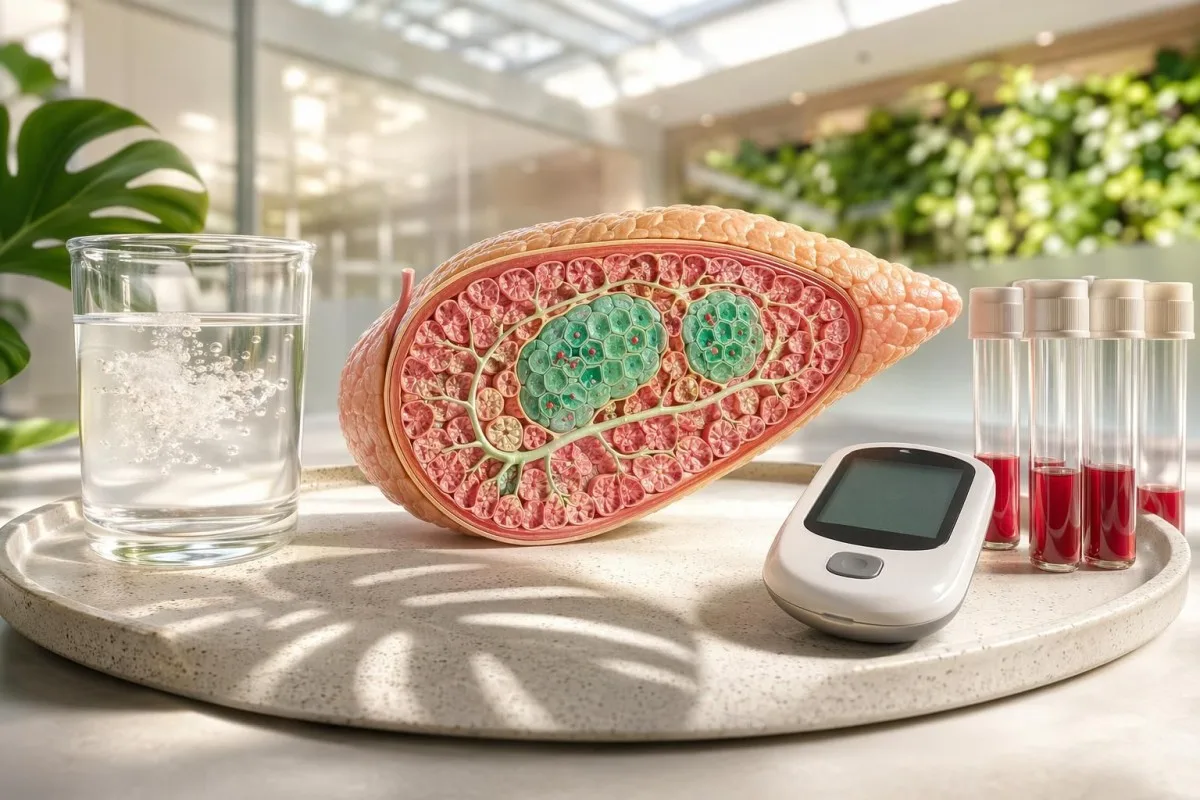
ڕێنماییەکی بەکارهێنانی بۆ پشکنینی دوای زایمان بۆ هەر کەسێک کە پێی گوترا قەبارەی شەکرەکانی بارداری دووبارە بە نۆرمە، بەڵام هێشتا دەتەوێت بدانەوە چی دێت لە داهاتوودا.


- 75 گرام OGTT لە 4-12 هەفتە دوای زایمان تاقیکردنەوەی پێشکەشکراوەیە بۆ دیابەتی بارداری، چونکە کێشەی گلوکۆزی 2-کاتژمێر دۆزیەوە کە شەکری بەدەستەوە ناتوانێت ببینێت.
- حد و مرزەکانی دیابت ئەوانەیە کە شەکری پێش خواردن (fasting plasma glucose) ≥126 mg/dL بێت، یان گلوکۆزی OGTT لە 2 کاتژمێر ≥200 mg/dL بێت، یان HbA1c ≥6.5% بێت، یان شەکری بەشێوەیەکی ناڕەخساوە ≥200 mg/dL لەگەڵ ئەلامەتەکان.
- سنوورەکانی پێش-دیابێت (Prediabetes) ئەوانەیە کە شەکری پێش خواردن 100-125 mg/dL بێت، یان گلوکۆزی OGTT لە 2 کاتژمێر 140-199 mg/dL بێت، یان HbA1c 5.7-6.4% بێت.
- HbA1c لە سەرەتای دوای زایمان دەتوانێت بە هۆی کەمبوونەوەی خوێن لە دوای زایمان یان گەڕان/تێکچوونی زۆری گەڕەکی سەڵولی سوور (high red-cell turnover) بەهۆشەوە کەمتر پیشان بدات، بۆیە ناتوانێت OGTT لە 4-12 هەفتە جێگرتەوە بکات.
- شەکری بارداری بە نۆرم دوای زایمان ڕیسکە داهاتووەکە ڕەخنە ناکات؛ دیابەتی بارداری زۆرجار تاقیکردنەوەی فشاری سلولی-بەتا (beta-cell stress test) ـە کە لە ساڵانێکی پێشتر لە دیابەتی تایپ 2 نیشانەی توانا/هەستیاربوون دەردەخات.
- کاتی دوبارهسنجی هر ١ تا ٣ ساڵ یکبار بۆ تمام عمر، اگر ویزیت/غربالگری پس از زایمان نرمال باشد، و معمولاً هرسال اگر هەر نتیجهای در بازهٔ پیشدیابت قرار بگیرد.
- پیش از بارداریِ دیگر پیش از بارداری یا اوایل سهماههٔ اول، درخواستِ تست گلوکز بدهید، بهویژه اگر در گذشتهٔ GDM نیاز به انسولین یا دارو داشته است.
- نشانگرهای خطر مانند انسولینِ ناشتا، تریگلیسریدها، HDL، ALT و نسبت آلبومین-کراتینینِ ادرار، دیابت تشخیص نمیدهند، اما کمک میکنند خطرِ قلبی-متابولیک برآورد شود.
تاقیکردنەوەی خوێن کە دیابت دۆزیەوە دوای دیابەتی بارداری
آزمایشهای خونی که دیابت را بعد از GDM شناسایی میکنند عبارتاند از: تست تحمل گلوکز خوراکی ۷۵ گرمیِ دو ساعته, قەندی خوێنی ڕاستهوخۆی ناشتا, HbA1c, û گلوکزِ تصادفیِ پلاسما زمانی که علائم کلاسیک وجود دارد. OGTT معمولاً بهترین تست غربالگری دیابت پس از زایمان در ۴ تا ۱۲ هفته است، چون اختلال در مدیریتِ گلوکزِ دو ساعته را پیش از آنکه گلوکزِ ناشتا یا HbA1c غیرنرمال شود پیدا میکند.
همانطور که توماس کلاین، MD، به بیماران میگویم: پرسش فقط این نیست که امروز عدد چقدر بالاست؛ پرسش این است که آیا پانکراس هنوز بهاندازهٔ کافی ذخیره دارد یا نه، بعد از بارداری. گلوکزِ ناشتا با ۹۴ mg/dL ممکن است آرامکننده به نظر برسد، در حالی که مقدار OGTT دو ساعتهٔ ۱۶۸ mg/dL بهطور آرام میگوید پاسخِ فازِ اولِ انسولین عقب مانده است.
تشخیص دیابت خارج از بارداری با گلوکزِ پلاسما ناشتا ≥126 mg/dL, ، گلوکۆزی OGTT ـی 2 کاتژمێری ≥200 mg/dL, ، HbA1c ≥6.5%, ، یا گلوکزِ تصادفیِ پلاسما ≥200 mg/dL همراه با علائمی مانند تشنگی، ادرارِ مکرر یا کاهش وزنِ بدون دلیل انجام میشود. برای مقایسهٔ سادهفهمِ تستهای تشخیصی و پایشی، آستانههای تست دیابت ما ئەگەر نەخۆشی کلیە هەبێت، ئەنیمیا (anemia)، حەملەداری، یان تازە وەرگرتنی خوێن (transfusion) هەبێت، HbA1c دەتوانێت کەمتر بەباوەڕ بێت. لەو کاتانەدا، پزیشکان دەتوانن زیاتر بە گلوکۆزی پلاسما، فرکتۆزەمین (fructosamine)، ڕێما/نەخشەکانی CGM یان دووبارە چێککردن تکیە بکەن.
Kantesti یک تحلیلگرِ تست خونِ مبتنی بر AI است که گلوکز پس از زایمان، HbA1c، چربیها و نشانگرهای کلیه را در همان زمینهٔ بالینی میخواند، نه بهصورت پرچمهای جداگانه. در تحلیل ما از گزارشهای آزمایشگاهیِ بارگذاریشدهٔ 2M+، یک الگو مدام تکرار میشود: افراد تشخیصِ دوران بارداری را به یاد میآورند، اما نتیجهٔ OGTT آنها در ۴ تا ۱۲ هفتهٔ پس از زایمان اغلب هرگز وارد پروندهٔ سلامتِ بلندمدت نمیشود.
بۆچی شەکرەکانی بارداری بە نۆرم ڕیسکە داهاتووەکە ڕێست ناکاتەوە
گلوکزِ نرمال بعد از زایمان، خطرِ آیندهٔ دیابت را از نو تنظیم نمیکند، چون GDM معمولاً بازتابِ ذخیرهٔ محدودِ سلولهای بتا در شرایط استرسِ بارداری است. زایمان هورمونهای جفت را حذف میکند، اما لزوماً مقاومت به انسولین را ترمیم نمیکند، خطر ژنتیکی را از بین نمیبرد، تمایل به کبد چرب را اصلاح نمیکند، یا آسیبپذیری سلولهای بتای پانکراس را برطرف نمیسازد.
جفت هورمونهایی تولید میکند که مقاومت به انسولین را بالا میبرند، که اغلب بعد از ۲۴ تا ۲۸ هفته بیشتر به چشم میآید. وقتی بعد از تولد، گلوکز نرمال میشود، یعنی عاملِ استرس از بین رفته است؛ این موضوع ثابت نمیکند سلولهای تولیدکنندهٔ انسولین ذخیرهٔ نامحدود دارند.
Bellamy و همکاران در The Lancet گزارش دادند که زنانی با دیابت بارداریِ قبلی حدوداً ۷ برابر خطرِ بیشتری برای دیابت نوع ۲ در آینده دارند، در مقایسه با کسانی که بدون GDM هستند (Bellamy et al., 2009). در عملِ روزمره، من خوشهٔ خطر را با افزایش دور کمر، تریگلیسریدهای بالاتر از 150 mg/dL, ، HDL پایین، سابقهٔ خانوادگی، PCOS و بههمریختگی خواب در دو سال اول پس از زایمان میبینم.
HbA1c نرمالِ 5.3% شەش مانگ لەدوای زایمان هێشتا دەتوانێت لەگەڵ سەرەتایی نەهێڵی وەستانی ئینسولین (insulin resistance) یەکبگرێت. ئەگەر تێگەیشتنێکی ژیرتر لەسەر بینینی خۆراک-مێتابۆلیزم دەتەوێت، ڕێنماییەکەمان لە ڕێکخستنی تاقیکردنەوەی نەخۆشی/نەهێڵی (انسولین) لە دژەوەی نەخۆشی (انسولین ڕێژەیی) بۆ نەهێڵی بەردەوام دەڵێت بۆچی ئینسولینی نەهێڵی و گلوکۆز لە کاتێکدا دەتەقێت/دەگۆڕێت پێش ئەوەی A1C لەسەر خەتّی پێش-دیا بیێتس (prediabetes) تێپەڕێت.
کە پشکنینی دیابت دوای زایمان دەبێت ڕوو بدات
پشکنینی دیا بیێتس لەدوای زایمان دەبێت لە 4-12 هەفتە لەدوای زایمان, ، بە باشتر ئەوەی لەگەڵ OGTT ـی 75 g ـی دوو کاتژمێری (2-hour OGTT) بێت. ئەگەر ئەم کاتە لەدەستچوو، باشترین کاتی پشکنین ئێستا ـیە؛ من نەچاوەڕوانی دەکەم کە منتظر بم بۆ ساڵانە پشکنینی نوێ، ئەگەر حامڵبوونەکە شەش مانگ یان شەش ساڵ پێشتر بوو.
ڕێکخراوی American Diabetes Association پێشنیار دەکات OGTT ـی 75 g لە 4-12 هەفتە لەدوای زایمان و پشکنینی هەمیشەیی هەر 1-3 ساڵ دوای دیا بیێتسی حامڵبوون (gestational diabetes) (American Diabetes Association Professional Practice Committee, 2024). ACOG هەروەها پشتگیری دەکات لە پشکنینی لەدوای زایمان لە ئەم بازەی سەرەتایی، و زۆربەی کلینیکەکانی مامەڵەی زایمان ئێستا هەوڵ دەدەن ئەوە پێش پەیوەندی 6-هەفتەیی داوا بکەن بۆ ئەوەی لەبیر نەچێت (ACOG, 2018).
شێر دەدان، شەکەوتنی خوێن/خەو (sleep fragmentation) و گۆڕانکارییەکانی وزنی لەدوای زایمان هەمووی دەتوانن گلوکۆز ڕۆژ بە ڕۆژ بگۆڕن، بەڵام هۆکار نین بۆ ئەوەی پشکنین هەڵبگرێت. زۆربەی نەخۆشان دەتوانن OGTT بکەن کاتێک شێر دەدەن؛ کێشەی کاریی زۆرجار ئەوەیە کە لە ماوەی 2 کاتژمێر لە لابراتۆرەکەدا ڕێکخستنی منداڵ/کەسێک بۆ ڕاگرتنە، نەک بیۆلۆژی.
ئەگەر هەروەها پێویستت هەیە لەدوای زایمان پشکنینی نەخۆشییەکانی کەمبوونی خۆن (anemia)، کارکردی تۆیڕۆید (thyroid function)، ئەنزایمەکانی کبد (liver enzymes) یان نیشانەکانی کلیە (kidney markers) بکەیت، ڕێنماییەکەمان لیستی پشکنینی لابراتۆری لەدوای زایمان دەستنیشان دەکات کە کەسەکان زۆرجار لەگەڵ پشکنینی گلوکۆز یەکجار پێکەوە دەکرێن. یەک نوبت دەتوانێت زۆرتر لە یەک کێشەی لەدوای زایمان پووش بکات.
چۆن تاقیکردنەوەی 75 گرامی گلوکۆزی دەهنی (OGTT) تفسیر دەکرێت
Ew تاقیکردنەوەی تێکچوونی گلوکۆزی دەمی (oral glucose tolerance test) لەدوای حامڵبوون گلوکۆزی نەهێشتوو (fasting glucose) و گلوکۆزی دوو کاتژمێری (2-hour glucose) لەدوای خواردنی گلوکۆزی 75 g دەسەلمێنێت. بەهای دوو کاتژمێری ≥200 mg/dL دیا بیێتس دەناسێنێت، بەڵام لە ڕێژەی 140-199 mg/dL نەهێڵی تێکچوونی گلوکۆز (impaired glucose tolerance) دەناسێنێت، هەتاهەتای گلوکۆزی نەهێشتوو هەروەها ڕاست بێت.
تاقیکردنەوەکە کار دەکات چونکە سیستەمی ئینسولین بە چەڵەنگ دەکات، نەک ئەوەی لە کاتی ئارامی/لەوەستاندا سەیری بکات. لە بەراوردی مندا، زۆرجار کەسانی کە پێشتر GDMیان هەبووە بەشی نەهێشتوو پاس دەکەن، بەڵام بەشی دوو کاتژمێری ناکەن؛ ئەم شێوەیە دەلالەت دەکات بە دواکەوتوونی دەرکردنی ئینسولین لەدوای خواردنەکان.
بە شێوەی ئاسایی بخۆرەوە پێش تاقیکردنەوە، بە کەمترین ؛ نەکردنی وەرزشێکی سەخت لە شەوی پێشوو؛ و نەبوونی ڕۆژەوەبوونی 24 کاتژمێری قورس کە ئەنجامی دووبارە دەکات بە باشتر لە بنەمای ڕاستەقینەی تۆ., ، بە باشتر ئەوەی لەگەڵ کەمترین 150 g کربۆهیدرات لە هەر ڕۆژێکدا مەگەر کلینیسینت ڕێنمایی ترێکی پێت داوە. زۆر کەم-کربۆهیدرات پێش OGTT دەتوانێت گەورەکردنی ڕووناکی/بەرزبوونی گلوکۆز زیاد بکات و تێکچوون/وەکخستنی ڕوونکردنەوە سەخت بکات؛ ڕێنماییەکەمان ڕێسای ناشتا بوون وردەکارییەکانی ئاوی، قاوە و کاتی تێکچوون دەخاتە ڕوو.
لە ماوەی 2 کاتژمێریدا بە شێوەی سەخت نەوەڕێ/نەهێڵە، و ئەگەر تۆم کرد یان نەتوانیت خواردنەکە تەواو بکەیت بە لابراتۆر بڵێ. ئەنجام دەبێت دووبارە بکرێت یان جێگای بگۆڕێت بە تاقیکردنەوەی دیگەر دەستنیشانکراو ئەگەر ڕێکخستەکە بە شێوەی ڕاست تەواو نەکرا.
چی دەتوانێت و چی ناتوانێت شەکری بەدەستەوە (fasting glucose) دۆزی بێت
گلوکۆزی پلاسما لەوەڵەوە (فاستینگ) دیابتێس دەناسێت کاتێک ڕەقەکەی لەوەڵەوە بە ≥126 mg/dL, ، بەڵام دەتوانێت لەبیر بێت ناتەواوی لەوەڵەوەی گلوکۆزی دوای خواردن (post-meal) کە بە تەنها لەوەڵەوەی یەکجاردا دەردەکەوێت لە کاتی دیابتێسی هەملداری. گرنگە، بەخۆیەوە نەرخەی کەمە و دەتوانرێت بەدووبار بەکاربهێنرێت؛ بەڵام بەسەختی زۆر کەڵکنەبێت بۆ جێگرتنی OGTT ـی دوای زایمان.
گلوکۆزی ناشتا لە 100-125 mg/dL لەسەر بنەمای ADA پێشبیمارییە، بەڵام <100 مگ/دڵ زۆرجار لە واڵاتانی یەکگرتوو (United States) بە شێوەی گشتی ڕاستەوخۆ/نۆرم دەژمێردرێت. هەندێک سیستەمی نێودەوڵەتی بەکاردهێنن 110 mg/dL وەک ئاستی سەرەکی پێشبیماری لە فاستینگ کە کەمترە؛ ئەمەش یەکێکە لەو هۆکارانەیە کە پاسیان لە کاتێک دەگوازرێن بۆ نێوان واڵاتەکان دەبێت گیجبکەن.
دامەزراندنی کلینیکی ئەوەیە: گلوکۆزی فاستینگ 88-96 مگ/دڵ بە 2-کاتژمێر OGTT ـی 155-185 مگ/دڵ. ئەو کەسە دەتوانرێت بگوترێت هەموو شت باشە ئەگەر تەنها گلوکۆزی فاستینگ بۆ ئەنجام بدرێت، بەڵام بیۆلۆژی گلوکۆزی کاتێکی خواردنەوەی ئەو کەسە هەڵەیی/ناتەواوی لەخۆ دەبێت.
گلوکۆزی سەحەر لەسەر کاری خوێن/خەوەوە کاریگەری هەیە لەبەر کەمبودنی خەو، خواردن لە شەوەوە، کۆرتیکۆستێرۆیدەکان، هەڵچوونی نەخۆشی (infection) و پدیدهی سەحەری (dawn phenomenon). ئەمانە شەکرە ڕۆژانە/ناوەڕاستی (ناوەڕاستی ناشتا) ڕوون دەکەن بۆچی دەبێت ئەنجامی یەک سەحەر تەنها لەبەرچاو بگیرێت لەگەڵ شەوی پێشوو و ڕەخنەی خەو.
بۆچی HbA1c بەدەستەوەیییە، بەڵام لە دوای زایمان ناتەواوە
HbA1c دیابتێس دەناسێت لە ≥6.5%, ، بەڵام لە 4-12 هەفتەی یەکەم دوای زایمان بەهێزتر/ڕێلاتر کەمترە، چونکە خوێنلێدان لە کاتی زایمان و گۆڕینی گەڕەوەی سەڵولی ڕەد-سێڵ (red-cell turnover) دەتوانێت ئەنجامەکە دەستکاری بکات. HbA1c بەدواوە گرنگە، بە تایبەتی بۆ پێگەیشتن/دوامداری درێژخایەن، بەڵام نابێت جێگای OGTT ـی یەکەم دوای زایمان بگرێت.
HbA1c میانەی گلوکۆزی دەبەستێت بۆ نزیکەی 8-12 هەفتە, ، بە شێوەیەک لەسەر بنەمای مانگی دوایینەوە زیاتر گرێدراوە. لەدوای لەدایکبوون، ئەنیمیا، وەرگێڕانی خوێن، کمبودی ئایرون یان گۆڕینی زوو لە سلۆڵە سوورەکاندا دەتوانێت بەهایەکە لەو ڕاستییەی ڕوونەوەی گلوکۆز دوور بکاتەوە.
کمبودی ئایرون دەتوانێت لە هەندێک نەخۆشدا HbA1c بەهێزتر/بەرزتر پیشان بدات بە درۆ، بەڵام کەمبوونەوەی خوێنی دوایین دەتوانێت بە درۆ کەمتر بکاتەوە. ئەمە یەکێکە لەو شوێنانەدا کە کۆنتێکست گرنگترە لە ژمارە؛ HbA1c ـی دوای لەدایکبوون لە 5.6% ـدا مەمکنە دڵنیابوونێکی زۆر نەبێت ئەگەر ferritin ـەکە 8 ng/mL و OGTT ـەکە هەرگیز نەکراوبێت.
ئەگەر A1c ـت لەگەڵ خوێندنەوەکانی انگشت (fingerstick) یان نەخۆشی/ئەلامەتەکان یەکسان نییە، ڕێنماییەکەمان بخوێنە لەسەر دڵنیابوونی A1c پێش ئەوەی بە بەهایەکە بە شێوەی ڕاستەوخۆ قبوڵی بکەیت. من زۆرجار HbA1c ـم لەگەڵ fasting glucose، CBC و ferritin جێک دەکەم کاتێکدا ڕووداوەکەی دوای لەدایکبوون ناسازگار دەبێت.
کە شەکری بەشێوەیەکی ناڕەخساوە (random glucose) یان نەخۆشی/ئەلامەتەکان پێویستی بە کردارێکی خێرا هەیە
Random plasma glucose دیابت دەناسێنێت کاتێک ≥200 mg/dL و ئەلامەتەکان هەن. دوای دیابت لە بارداری (gestational diabetes)، پێویستە بە فوریت سەردانی پزیشک بکرێت بۆ بەرزبوونی گلوکۆز کە لەگەڵ قیکردن، کەمبوونەوەی مایە (dehydration)، کەمبوونەوەی توندی وزنی، ketones، بینایی تێکچوون/بەهێزی نەبینین (blurred vision) یان خستەیەکی ناڕەحەت/بێهۆشییەکی ناوازە.
زۆربەی دیابت دوای GDM تایپی 2 ـە، بەڵام دەتوانێت بە شێوەی کەمێک دیابتە خودکار/خۆکار (autoimmune) ـی دوای لەدایکبوون هەیان بێت، بە تایبەتی ئەگەر کەمبوونەوەی وزنی زوو بێت و ketones هەبن. من نەخۆشانی بینیوە کە وەک تەنها خەستە/هەستیاربوونی دایک/باوکێکی تازە پێشنیار کراون، کاتێک گلوکۆزەکەیان 280 mg/dL و هەروەها ketotic بوون.
Random glucose ـی لە ڕێژەی 140-199 mg/dL بە تەنها دایگنۆز/دەستنیشان نییە، بەڵام دەبێت بۆ fasting glucose، HbA1c یان OGTT ـەکە بەپێی کات و ئەلامەتەکان هەنگاو بنێیت. بەهایەکی random لەسەر 300 mg/dL, ، بە تایبەتی ئەگەر لەگەڵ تێکچوونی/دردی ناوچەی شکم (abdominal pain) یان هەڵکەوتنی هەناسە/هەناسەی بەهێز (labored breathing) بێت، دەبێت وەک پێداویستی پزیشکی لەو ڕۆژەدا چارەسەر بکرێت.
دەتوانێت یەک بەهای بەرزی یەکجارە لەدوای نەخۆشی، ستێرۆیدەکان یان خواردنێکی زۆر کربۆهیدرات-بەرز ڕوو بدات، بەڵام ڕێژە/پاتنەوەکە گرنگە. ڕێنماییەکەمان بۆ گلوکۆزی بەرز بە شێوەی نەخوازراو ڕوون دەکات چۆن کلینیسینەکان stress hyperglycemia لە دیابتە زوو جیا دەکەنەوە.
نیشانەی خوێن کە ڕیسک پیشان دەدەن پێش ئەوەی دیابت دەردەکەوێت
Fasting insulin، C-peptide، triglycerides، HDL، ALT و ڕێژەی albumin-creatinine لە مێشک (urine) دیابت دایگنۆز ناکەن، بەڵام یارمەتیدەدەن بۆ پیشاندانی خەتری میتابۆلیک دوای gestational diabetes. ئەم مارکرانە دەتوانن ناسازگاری/نەهێلی لە بەکارهێنانی ئینسولین (insulin resistance)، هەوڵی کێشی کەبد بە چەربی (fatty liver tendency) یان خەستەی زوو لە کلیەکان پیشان بدەن، کاتێکدا گلوکۆز هێشتا لە ڕووی تەکنیکییەوە تەواو ڕاست/نۆرمە.
ئینسولینی fasting ـەکە لە سەرەتا/نزیکەی 15-20 µIU/mL دەتوانێت نیشانەی نەهێشتنی وەستانەوەی ئینسولین (insulin resistance) بدات، بەڵام ڕێکارە لابراتۆرییەکان جیاوازن و هیچ کاتێکی یەکگرتوو بۆ دۆزینەوەی یەکسان نییە. HOMA-IR ئینسولینی بەتاڵ و قەندی بەتاڵ بەکاردەهێنێت؛ بەهایان لە سەر 2.0-2.5 زۆرجار لە گەورەساڵان شەک لێدەکات، بەڵام نژاد، BMI و هەڵبژاردنی شێوەی ڕێکخستن (assay) تێکچوونەکە دەگۆڕێت.
تریگلیسەریدەکان لە سەر 150 mg/dL و HDL لە خوار 50 mg/dL لە ژنان زۆرجار لەگەڵ نەهێشتنی وەستانەوەی ئینسولین دەڕوات. ALT لە نزیکەی 25-30 IU/L لە ژنێک کە پێشتر GDM ی هەبوو، دەتوانێت سەرەتای نیشانەی ڕەخنەی کێشی چەربی (fatty liver) بێت، هەرچەندە لابراتۆریەکە هێشتا پرچمی “نۆرم” دەدات.
Kantesti پلاتفۆرمێکی تێپەڕاندنی (AI) بۆ ڕوونکردنەوەی بایۆمارکەرەکانە کە بە “A1C ی نۆرم” دوای GDM وەک پرسیارێکی هەڵسەنگاندنی مەترسی دەبینێت، نەک وەک ڕوونکردنەوەی “هەمیشە سبز”. ئەگەر دەتەوێت نەهێشتنی وەستانەوەی ئینسولین لەسەر ژمارەکانت حساب بکەیت، ئەو هۆما-IR (HOMA-IR) ڕێنماییە فرمولەکە و مەحدوودییەکانی دەخاتەڕوو.
چەند جار پێویستە دووبارە پشکنین بکەیت ئەگەر پشکنینی دوای زایمان بە نۆرم بوو
ئەگەر سکرینینگی دوای زایمان لە دوای GDM نۆرم بێت، هەر 1-3 ساڵ دووبارە بکە بۆ هەموو ژیان. زووتر دووبارە بکە، زۆرجار ساڵانە، ئەگەر کێشە/وەزن زیاد بێت، پێش-دیابتێس (prediabetes) دەردەکەوێت، پلانی دووەم زایمان هەیە، یان داروەکان وەک سەترۆیدەکان یان ئانتیسایکۆتیکەکان مەترسی قەند بەرز دەکەن.
ڕێکەوتی ADA بۆ سکرینینگی هەمیشەیی هەر 1-3 ساڵ هەیە چونکە مەترسی دیابتێس بە کات بەرز دەبێت، تەنها لە ساڵی یەکەمی دوای زایمان نییە. لە کلینیکەکەمدا، زۆرجار ئەو 1 ساڵ کاتەوە بۆ هەر کەسێک هەڵدەبژێرم کە prediabetes هەیە، GDM ـی بە ئینسولین چارەسەر دەکرێت، BMI لە 30 بەهێزترە، پەیوەندییە قووڵی خانوادگی هەیە یان PCOS.
تێستێکی نۆرم لە 2026 هێشتا بەکاردەهێنراوە چونکە دەبێت بە بنەمای تۆ. قەندی بەتاڵ کە لە 82 بۆ 96 mg/dL لە ماوەی 3 ساڵدا بۆت هەڵسەنگاندنێکی مانادارتر دەتوانێت بێت لە یەک تێستی کە پرچم دەدرێت، بە تایبەتی ئەگەر triglycerides و قەبارەی لەبەری (waist circumference) هەمان کات بەرز دەبن.
Kantesti AI دەتوانێت گلوکۆز، HbA1c، تریگلیسەریدەکان و ALT لە ماوەی کاتدا ڕەسَم بکات، بۆیە گۆڕانکارییە کەمەکان دەبینراون پێش ئەوەی ببن بە شتێکی زۆر گرنگ. ئەم ڕەخنە/تێکست-تحلیل لەسەر ڕێسەکان ڕوونکردنەوەکە دەڵێت بۆچی شێوەی سلوپ و کۆبوونەوە (clustering) زۆرجار زیاتر گرنگن لەوەی تەنها یەک پرچمی لابراتۆری.
چی پێویستە لە کلینیسینت داوا بکەیت بۆ ئەوەی بنێرێت
داوای OGTT ـی 75 گرام، کاتژمێر دوو لە 4-12 هەفتەی دوای لەدایکبوون، یان ئەگەر OGTT بەردەست نەبێت گلوکۆزی پلاسما لە ناشتا + HbA1c. بۆ خەتری درێژماوە، پرسیار بکە ئایا دەبێت لیپیدەکان، ALT، کرێاتینین، eGFR و نیشانەی ئالبومین-کرێاتینین لە ڕووداوە (urine) لەگەڵ نیشانەکانی گلوکۆزت پشکنین بکرێن.
یەکەم داوای دوای لەدایکبوون کە بەخردانەیە زۆرجار دەبێت ئەمە بخوێنێت: گلوکۆزی لە ناشتا، گلوکۆزی 75 گرام کاتژمێر دوو، HbA1c، CBC ئەگەر لەدایکبوونەکە هەڵکشانێکی زۆر لە خوێن هەبوو، فێریتین ئەگەر گومان بە ئەنیمیا هەبێت، پڕۆفایلێکی لیپید و CMP ئەگەر خەتەری کاردیۆمەتابۆلیک بەرز بێت. هەر نەخۆشێک پێویستی بە هەموو ئەزمونەکان نییە، بەڵام داواکردنەکە دەبێت لەگەڵ ڕووداوەکانی لەدایکبووندا یەکبگرێت.
ئەگەر لە کاتی خوێندنەوەی بارداری گلوکۆزی لە ناشتا بەرز بوو یان پێویستت بە ئینسولین هەبوو، من زۆر بەهێزتر لە پێشەوە پیگیری دەکەم. ئەگەر GDM ـت نەرمی بوو و بە ڕێژەی خواردن (diet) کنترۆڵ دەکرا، OGTT هێشتا گرنگە، بەڵام ڕێکخستنی درێژماوە زۆرجار نزیکتر دەبێت لە هەر 2-3 ساڵ کاتێک هەموو ئەنجامەکان باش بن.
بۆ خوێنەرانێک کە دەتەوێت زانیاری لەوە بکەن کە هەر نیشانە چ شتێک ڕاستەوخۆ دەسەلمێنێت، ئەم ڕێنمای بیومارکر (biomarker guide) دەربارەی هەزاران نیشانەی لابراتۆری و جیاوازییە زۆر بەکارهاتووەکانی یەکایەتی (unit) دەکات. ئەمە زۆر یارمەتیدەرە لە کاتێک کە یەک لابراتۆری گلوکۆز بە mg/dL دەنووسێت و لایەکی تر بە mmol/L.
دکتۆرەکان چی دەکەن لەگەڵ نەتەواوی/سنووردار یان ئەنجامی لێکچوونەوە
ئەنجامە دیاریکراوە یان ناسازگارەکانی دیابت زۆرجار دەبێت دووبارە بکرێنەوە یان لەگەڵ ئەزمونێکی دیانەی جیاواز تایید بکرێن. گلوکۆزی لە ناشتا بە 124 mg/dL, ، HbA1c ـی 6.4%, ، یان OGTT ـی کاتژمێر دوو بە 198 mg/dL تەنها “سەرنجی نەدان” نییە؛ ئەنجامێکی نزیک-لە-سنوورە (near-threshold) ـە کە پێویستی بە پلانی هەیە.
بەبێ ئەلامەتی کلاسیك، زۆربەی پزیشکان دیابت بە دووبارەکردنی ئەنجامی ناهەموار تایید دەکەن. ئەگەر دوو ئەزمونی جیاواز ناسازگار بن، ئەو ئەزمونەی کە لە سنووری دیانە (diagnostic threshold) سەرەوەیە زۆرجار دووبارە دەکرێتەوە، و کەیسەکەی نەخۆشەکە دەڕەخسێت چەند زوو ئەمە ڕوو بدات.
توماس کلاین، MD، ڕێنمایی بەکارپێکراو: نگذار “borderline” وشەکە ئەنجامەکە هەساسی بە بیخەتری بکات. OGTT ـی کاتژمێر دوو بە 196 mg/dL دوای GDM ـی پێشووتر زۆرجار خەتری درێژماوەی زیاتر هەیە لەوەی گلوکۆزی لە ناشتا بە 101 مگ/دڵ, ، هەرچەند هەردووکیان دەتوانرێت لە ژێر ناوی prediabetes بنووسرێن.
ڕێنماییەکەمان بۆ سنوورەکانی prediabetes ڕوون دەکات کە گلوکۆزی لە ناشتا، A1c و OGTT چ ستونە بیۆلۆجیای جیاواز دەستنیشان دەکەن. من زۆرجار prediabetes ـم دوای GDM وەک “کەناڵی چارەسەری” دەبینم، نەک وەک “شوێنی وەستا” (waiting room).
وەضعیتە تایبەتی: شیر دەدان، ئەنیمیا، PCOS و داروەکان
شێر دەدان (Breastfeeding)، ئەنیمیا، PCOS، داروەکانی GLP-1، ستێرۆیدەکان و نەخۆشی تیروئید دەتوانن ڕێکەوتی تفسیرکردنی لابراتۆری دیابت دوای لەدایکبوون بگۆڕن. سنوورەکانی گلوکۆز هەمان دەمانێن، بەڵام ئەو ڕێژەی اطمینانەی کە بە HbA1c، گلوکۆزی لە ناشتا یان بە ئینسولین دەدەیت دەتوانێت بە شێوەی زۆر بەهێز بگۆڕێت.
شێر دەدان زۆرجار بە باشترکردنی میتابۆلیزمە گلوکۆز دەکات و دەتوانێت مەترسیی داهاتووی نەخۆشی قەندی تایپ ٢ کەم بکات، بەڵام ناکاتەوە بە مانای ئەوەی پێویستی بە سکرینینگ لەناو دەچێت. ئەگەر لە پاشزایمان انسولین یان سۆڵفۆنیلۆاوریاس دەخۆیت، لە کلینیسینەکەت پرسیار بکە لەسەر مەترسیی هایپوگلوکۆمیا لە کاتێکی خواردنەوەی درێژتر یان کەمبوونی خواردن.
PCOS یەک ڕێگای جیاواز بۆ کەمبوونەوەی حەساسیت بە انسولین زیاد دەکات، و GDM پێشوو لەگەڵ PCOS یەکێک لەو یەکگرتنەیە کە من بە ڕێزێکی زۆرتر لێی دەڕوانم. ماڵەوە پترنە لابراتۆرییەکانی PCOS ڕێنمایی دەکات کە بۆچی انسولینی ناشتا، چربییەکان (لیپیدەکان) و ئاندڕۆجینەکان گرنگن حەتـا کاتێک گلوکۆز هێشتا بە شێوەی دیاریکراو تشخیصی نییە.
دابەشکردنەوەی ستێرۆید، پڕەیەکی بەرز لە پردنیزۆن، هەندێک ئانتیسایکۆتیک، و نەهێشتنی خەو بە شێوەی سەخت دەتوانن گلوکۆز بە شێوەی کاتی بەرز بکەنەوە. شواهد لەسەر ئاستەکانی دقیق خەوی پاشزایمان بە راستیدا جیاوازە، بەڵام من بەدترەوەیەکی نمرەکانی ناشتا دەبینم کاتێک خەو شیکەوتوو دەبێت لە 5-6 کاتژمێر بۆ هەفتەکان.
چۆن Kantesti بە ئاسایش لابراتۆرییەکانی دیابەتی دوای زایمان دەخوێنێت
Kantesti لابراتۆرییەکانی دیابت پاشزایمان دەخوێنێت بە یەکگرتنی ئاستەکانی گلوکۆز لەگەڵ کات، پێشینهی حەمل، نشانی کەمخونی، پترنەکانی لیپید، و نیشانەکانی کلیە. مەبەست ئەوە نییە کە جێگای کلینیسینەکەت بگرێت؛ مەبەست ئەوەیە کە پترنی مەترسی ڕوونتر بکات پێش کۆبوونەوەکەت.
Kantesti ئامرازێکی شیکاری تاقیکردنی خوێنە بە پشتبەستن بە AI ـە کە لەلایەن 2M+ کەسانی بەکارهێنەر لە 127 واڵت بەکاردێت، لەگەڵ تفسیرکردنی PDF یان وێنەی تاقیکردنی خوێن لە نزیک 60 کاتژمێر/دووەوە (seconds). بۆ سکرینینگی دیابت پاشزایمان، شەبەکەی نێورۆنییەکەمان کێشەی شێوەی دیاریکردنی گلوکۆزی تشخیصی لە جیا دەکاتەوە لەگەڵ نیشانەکانی کانتێکستی مەترسی وەک تریگلیسەریدەکان، HDL، ALT و ACR ـی نێوەوە (ئورین).
نموونەیەکی ئاپلود دەکرێت HbA1c 5.5%, ، خوێنی ڕۆژانە (فاستینگ) گلوکۆز 92 mg/dL, ، فێریتین 10 ng/mL و OGTT ـی نەبێت پیشان بدات. Kantesti AI لەو ژمارانەوە دیابت تشخیص ناکات، بەڵام دەبێت ئاگادار بکات کە A1C ـی سەرەکی پاشزایمان دەتوانێت نەبەستەبێت و ئەو OGTT ـی پێشنیارکراو لەناوە.
ڕێکارەکانمان لەگەڵ ئۆستانداردە کلینیکییە چاپکراوەکان هاوڕێن و لەسەر لایەنەکانی پزیشکی ناوخۆیی ڕەخنەی لێکراوە؛ خوێنەرەکان دەتوانن ببینن کە Kantesti AI ئەم بەهاکان تێکست دەکات لەگەڵ کاتکاتکردنە تایبەتی لابراتۆرەکە و و لە AI benchmark بکە. ـەوە پێشتۆمارکراوە. ڕێکخستنی بارکردنی PDF ڕوون دەکات کە چۆن ڕاپۆرتەکان دەخوێندرێنەوە و دەچێکێن.
پلانی دووبارە پشکنینێکی بەکارهێنانی بۆ 2026 و داهاتوو
لە 26ی مەی 2026 ـەوە، بە ئاسایشترین پلانی پاشزایمانی دیابت لە حەمل (gestational diabetes) ئەوەیە OGTT لە 4-12 هەفتەدا بکرێت، سکرینینگی دووبارە هر 1-3 ساڵ جارێک، و تاقیکردنەوەی زووتر پێش حەملێکی تر. ئەگەر هەر ئەنجامێک لە بازەی پێشدیابتدا بێت، وەک کاتێکی پێشگیریی فعال چارەسەر بکە، نەک وەک کنجکاوییەکی نازک لە لابراتۆر.
ڕووتینەکەم سادەیە: یەکەم OGTT ـی پاشزایمان بگرە، ئەنجامەکە بسەوە، دواتر چێکی دووەم لەسەر کاتەکە بنووسە پێش ئەوەی ژیان شلوغ بێت. ئەگەر OGTT ـی 2 کاتژمێری تە لە ڕێژەی 140-199 mg/dL, ـە، داوای بازەی ڕوون بۆ دووبارە تاقیکردنەوە بکە، پلانی خواردن (نوتریشن) و ئامانجی ڕێکخستنی وەرزش بکە، نەک یادکردنەوەی گەورە و ناڕوون بۆ ئەوەی بە احتیاط بیت.
ئەگەر سکرینینگی دیابتت باش بێت، هەر کاتێک کلینیسینێکی داهاتوو بینی، هێشتا بڵێ کە GDM ـت هەبوو. ئەو یەک لاینە دەگۆڕێت شێوەی من لەسەر گلوکۆزی ناشتا دەخوێنم کە 103 mg/dL, ، لەسەر پلەی تریگلیسەرید کە 180 مگ/دڵ, ، یان HbA1c ـێک کە لە 5.2% بۆ 5.6% لە ماوەی چەند ساڵێکدا.
Kantesti Ltd کۆمپانیای تەکنەلۆژیای تەندروستی لە بریتانیاست، و پزیشکانمان زانیاریی پزیشکی لەسەرەوە دەڕێژین بەڕێوە لە ڕێگای desteya şêwirmendiya bijîşkî و ڕێکخستنی حکومەتی کلینیکی کە لەسەرەوە باسکراوە لە Çûna nava. کۆتایی: تاقیکردنەوەی ڕاست هەڵسوکەوتی گرنگ نییە، بەڵام کات و ڕوونکردنەوە گرنگترە لەوەی زۆربەی کەسان دەڵێن.
توێژینەوە پەیوەندیدارەکانی Kantesti
تاقیکردنەوەی شێرپێدان/دواتر لە دایکبوون زۆرجار لە ناوەڕاستی ڕەوی لابراتۆریی گشتیتر دەبێت کە CBC، دۆخی ئاسن و نیشانەکانی کلیەش لەخۆ دەگرێت. پێداچوونەوەی DOI ـی Kantesti کە لە خوارەوە دیارکراون ڕێگای ڕوونکردنەوەی تاقیکردنەوەی خوێن دەسەلمێنن کە نزیکن، لەوانە شاخصەکانی سلولی سوور و نیشانەی کارکردی کلیە کە دەتوانن بە اطمینانی HbA1c یان بە بەڕێوەبردنی مەترسیی میتابۆلیکی درێژخایەن کاریگەری بکەن.
Pirsên Pir tên Pirsîn
کێشەی خوێن کە بۆ دیابتەس پاش زایمان دەستنیشان دەکات چییە؟
تاقیکردنەوەی خوێن کە دیابت دەستنیشان دەکات پاش دیابتێکی بارداری بریتییە لە تاقیکردنەوەی 75 گرامی 2-کاتژمێرییەی گلوکۆزی خوراکی (oral glucose tolerance test)، گلوکۆزی پلاسما لەوەڵ (fasting plasma glucose)، HbA1c و گلوکۆزی پلاسما بە شێوەی ناڕەخنە (random plasma glucose) کاتێک نیشانەکان هەن. دیابت بە ڕێژەی گلوکۆزی لەوەڵ ≥126 مگ/دڵ، گلوکۆزی OGTT لە 2 کاتژمێر ≥200 مگ/دڵ، HbA1c ≥6.5%، یان گلوکۆزی بە شێوەی ناڕەخنە ≥200 مگ/دڵ لەگەڵ نیشانە تایبەتییەکان دەستنیشان دەکرێت. OGTT پێشنیار دەکرێت لە 4-12 هەفتە پاش زایین چونکە دەتوانێت کێشەی بەڕێوەبردنی گلوکۆزی 2 کاتژمێری دەستنیشان بکات، حتی کاتێک گلوکۆزی لەوەڵ ڕاستەوخۆ نورمالە.
آیا آزمون تحمل گلوکز خوراکی بعد از بارداری بهتر از HbA1c است؟
بەلێ، تاقیکردنەوەی توێژەوەی گلوکۆزی دەهانی (oral glucose tolerance test) دوای زایمان زۆرجار باشترە لە HbA1c بۆ یەکەم وێنەبردنی دوای زایمان لە ماوەی ٤-١٢ هەفتە. HbA1c دەتوانرێت بەهۆی کەمبوونەوەی خوێن لە زایمان، ئانێمیا، وەرگێڕانی خوێن (transfusion) یان گۆڕینی خێرای سلەکانی سوور (rapid red-cell turnover) دەستکاری بکرێت، بەڵام OGTT بە شێوەی ڕاستەوخۆ چارەسەری گلوکۆز لەدوای چالاککردنی ٧٥ گرام گلوکۆز دەسنیشان دەکات. HbA1c دواتر بەکارهێنانی زیاتر دەبێت بۆ وێنەبردنی درێژخایەن و سەیری ڕێژە (trend monitoring).
کەی دەبێت پشکنینی دیابت لە دوای زایمان بۆ دیابت لە بارداری (GDM) ئەنجام بدرێت؟
غربالگری دیابت پس از زایمان لە دایکانی کە دیابت لە بارداریان هەبوو دەبێت ٤-١٢ هەفتە لە دوای زایمان ئەنجام بدرێت، بە باشترین شێوەش بە بەکارهێنانی OGTT ی ٧٥ گرامی ٢ کاتژمێر. ئەگەر ئەو کاتە بەجێهێنرا، پێویستە تاقیکردنەوە هەرچەند زوو بکرێت بە شێوەی ئەمەکان، بەڵام نەوەک لەوەی منتظر نیشانەکان بمێنێت. ئەگەر نەتیجەی پس از زایمان تەواو نورمال بوو، دووبارە غربالگری دیابت هەر ١-٣ ساڵ جارێک بۆ ماوەی ژیان ئەنجام بدرێت.
آیا HbA1c میتواند طبیعی باشد، اما OGTT بعد از دیابت بارداری غیرطبیعی باشد؟
بەلێ، HbA1c دەتوانێت تەواو ڕاست بێت لەکاتێکدا OGTT ناهەموار دەبێت دوای نەخۆشی دیابتەی هەملان (gestational diabetes). کەسێک دەتوانێت HbA1c 5.3% و خوێنی بەردەوامی (فاستینگ) گلوکۆز 92 mg/dL هەبێت، بەڵام بەهای OGTT لە دوو کاتژمێر بەدواوە 160 mg/dL بێت، کە مانای کەمبوونەوەی توانا لە گلوکۆزە (impaired glucose tolerance) دەکات. ئەمە ڕوودەدات چونکە HbA1c ڕەنگدانەوەی گلوکۆزی ڕێژەیی (هەواڵی ناوەندی) دەکات، بەڵام OGTT وەک تاقیکردنەوەی فشار دەکات بۆ وەڵامدانەوەی ئینسولین دوای بارکردنی گلوکۆز.
چی معنی داره پریدیابێتس لەدوای دیابتێ بارداری؟
پێشبینی دیابتس لەدوای دیابتسی بارداری (gestational diabetes) بە پێناسەی قەبارەی خوێنی ڕۆژانەی ناشتا (fasting plasma glucose) 100-125 mg/dL، خوێنی گلوکۆزی OGTT ـی دوو کاتژمێری 140-199 mg/dL، یان HbA1c 5.7-6.4% دەبێت. کێشەی ناهەنجاری لە OGTT ـی دوو کاتژمێری لەدوای GDM زۆر بەکارهێنراوە و ئەگەر تەنها گلوکۆزی ناشتا داواکرا بێت، دەتوانرێت بەجێ بمێنێت. پێشبینی دیابتس دەبێت زۆرجار هۆشیاری ساڵانە و پلانی پێشگیری بە شێوەی ڕێکخراو پێشکەش بکات.
هر چند وقت یکبار باید دوباره آزمایش بدهم اگر غربالگری پس از زایمانم طبیعی باشد؟
ئەگەر وەڵامدانی دیابتەی پاشزاوەیی لەدوای دیابتەی بارداری (gestational diabetes) لەسەرەتا باش بێت، هەر ١-٣ ساڵ جارێک بۆ ماوەی ژیان دوبارە بیپشکنە. زۆربەی پزیشکان هەڵدەبژێرن ساڵانە پشکنین بکەن ئەگەر دیابتەی بارداری تێدا بە بەکارهێنانی ئینسولین چارەسەرکراو بێت، یان پێشدیابت (prediabetes) هەبێت، یان PCOS، یان BMI لەسەر ٣٠ بێت، یان نەخۆشییەکی خێزانیی بەهێز هەبێت، یان تریگلیسەریدەکان لەهەڵچووندا بن. پشکنین دەبێت هەروەها لە پێش هەڵگرتنی باردارییەکی تر یان زوو لە ماوەی سەرەتای مانگی یەکەم دوبارە بکرێت.
آیا شیر دادن باعث تغییر نتایج آزمایش خون دیابت میشود؟
شیر دادن میتواند متابولیسم گلوکوز را بهبود بخشد و ممکن است خطر آیندهٔ دیابت نوع ۲ را کاهش دهد، اما نیاز به غربالگری دیابت پس از زایمان را از بین نمیبرد. حدهای تشخیصی برای گلوکوز ناشتا، OGTT و HbA1c به این دلیل که فرد در حال شیر دادن است تغییر نمیکنند. اگر داروهای دیابت پس از زایمان استفاده شوند، پزشکان ممکن است زمانبندی یا دوز را تنظیم کنند تا خطر هیپوگلیسمی در طول شیر دادنهای طولانی یا وعدههای غذاییِ از دسترفته کاهش یابد.
ئایا دەتوانم بەکاربهێنەری چاودێریکەری بەردەوامی گلوکۆز بم لە جیاتی تاقیکردنەوەی تاقیکردنەوەی گلوکۆز دوای لەدایکبوون؟
نەخێر. چاودێریکەری بەردەوامی گلوکۆز دەتوانێت نیشان بدات کە شێوەی بەسوودی ڕۆژانەی گلوکۆز، بەڵام جێگەی گلوکۆزی لەخوێنبوو لە تاقیگاکە، HbA1c، یان OGTT ی 75 گ دەگرێتەوە بۆ دیاریکردنی شەکرە دوای شەکرەی دووگیانی. کلینیکەکەت ڕەنگە دواتر بەکاری بهێنێت بۆ پشتگیریکردنی بڕیاری شێوازی ژیان یان چارەسەر.
منداڵەکەم پێویستی بە تاقیکردنەوەی دیابت هەیە چونکە من دیابتەی هەملە (gestational diabetes)م هەبوو؟
دەتوانر لە کاتەی لەدایکبووندا لە نەوزاددا بە تاقیکردنەوەی گلوکۆز لە نەخۆشخانەدا بکرێت، بە تایبەتی ئەگەر لە ماوەی هەملەدا ئینسولین یان دارو بەکارهێناوە، بەڵام زۆربەی منداڵان پێویستی بە تاقیکردنەوەی خوێنی دیابت بەردەوام نییە تەنها بەهۆی دیابتەی هەملەی دایکیان. وەدیداربوون بۆ ویزیتە ڕێکخراوەکانی پزیشکی منداڵان و پشتیوانی لە عادتەکانی خێزان لەسەر خواردنی بەهێز (بە موازن)، کاریگەرکردن (فەعالیت)، و خەوتن.
ئەگەر نەتوانم خواردنی گلوکزی بۆ OGTT ـی دوای زایمان بەڕێکەوتنی بکەم چی بکەم؟
پێش ئەزمونەکە بە پزیشکتان بڵێن. ئەوان دەتوانن دوبارە ڕێکبخەن بە هۆکاری کەمکردنەوەی هەست بە نەوزە، گلوکزی بەستەوە بە ناشتا و HbA1c پشکنین، یان موقتاً داتای گلوکزی لە ماڵ یان بەردەوام (continuous) بەکارهێنن، بەڵام ئەم جێگزیانانە ممکنە نییە تەواو جێگای OGTT ـی دیاریکردنەوە پڕ بکەن.
ئەمڕۆ AI-پاوەرد لەسەر تاقیکردنەوەی خوێن بەدەست بهێنە
بە یارمەتی زیاتر لە 2 ملیۆن بەکارهێنەر لە هەموو جیهاندا کە Kantesti دەستپێدەکەن بۆ تاقیکردنەوەی لابراتۆری ڕاست و بەهێز لە کاتێکی کەم. ڕەخنەی تاقیکردنەوەی خوێنت بنێرە و تفسیرێکی تەواو لە 15,000+ نیشانەی زیستی (biomarkers) لە ماوەی چرکەکاندا وەرگرە.
📚 توێژینەوە سەرچاوە پەیوەندیدارەکان
کلاین، ت.، میچێڵ، س.، & وێبەر، ه. (2026). Testa Xwînê ya RDW: Rêbernameya Tevahî ji bo RDW-CV, MCV û MCHC. Kantesti توێژینەوەی پزیشکی AI.
کلاین، ت.، میچێڵ، س.، & وێبەر، ه. (2026). Rêjeya BUN/Kreatînîn Şirovekirî: Rêbernameya Testa Fonksiyona Gurçikan. Kantesti توێژینەوەی پزیشکی AI.
📖 سەرچاوەی پزیشکی دەرەکی
کۆمیتهی کارکردی پیشەیی (Professional Practice Committee) ـی ڕێکخراوی دیابتێسی ئەمەریکا (American Diabetes Association) (2024). 2. دیگنۆز و ڕەدهبەندی دیابتێس: ستانداردەکانی ڕێنمایی لە دیابتێس—2024. Diabetes Care.
⚕️ Daxuyaniya Bijîşkî
ئەم مادەیە تەنها بۆ. I think I must continue but user expects all items.
سەنگەری باوەڕپێکردن E-E-A-T
Tecribe
ڕەوی پشکنینی کلینیکی لەلایەن پزیشکەوە بۆ ڕێکخستنی ڕووداوەکانی لێکدانەوەی ئازمایش.
Pisporî
گرێدانی لابراتۆرییەی پزیشکی بەوەی چۆن بایۆمارکەرەکان لە کۆنتێکستی کلینیکی دەگۆڕن.
Desthilatdarî
نووسراوە لەلایەن د. توماس کلاین بە پشکنینی لەلایەن د. سارا میچێڵ و پڕۆف. د. هانس وێبەر.
Bawerî
لێکدانەوە بە بنەمای دڵنیابوون (Evidence-based) بە ڕێڕەوی دوایینەوەی ڕوون بۆ کەمکردنەوەی هەست بە ترس/هەڵوەشاندن.