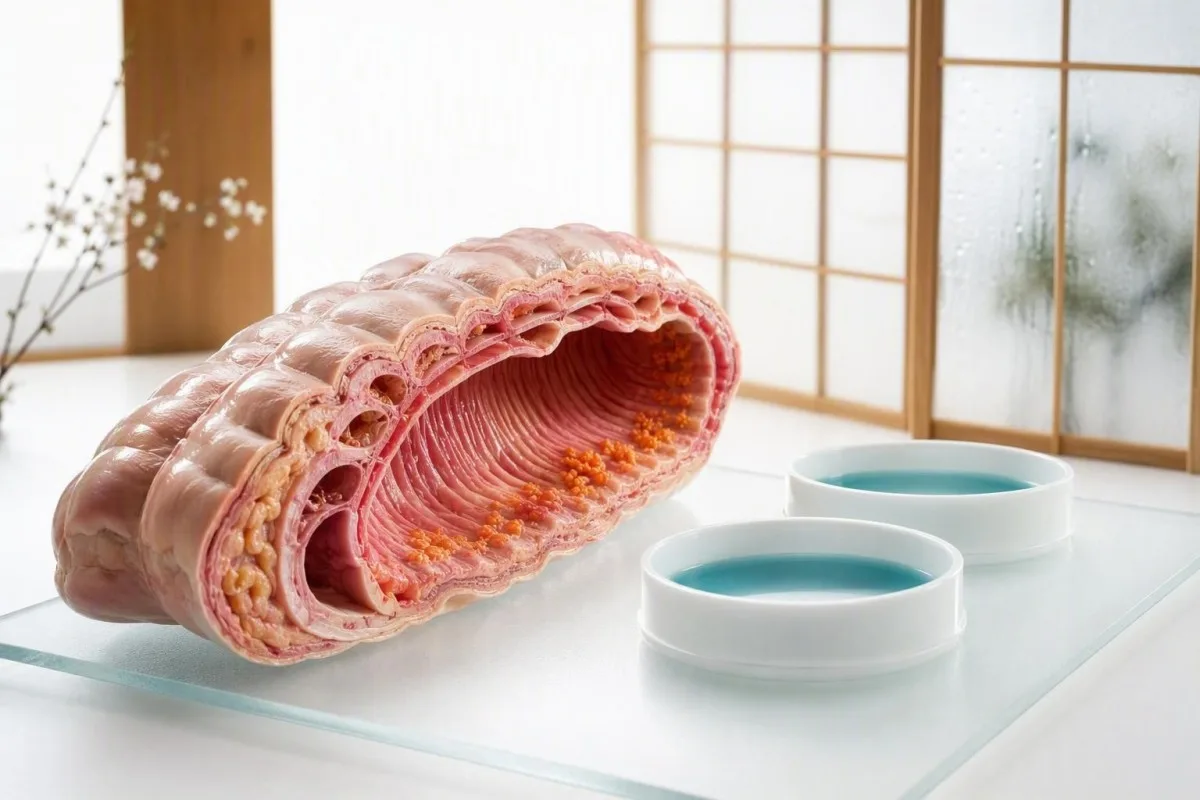
Entrambi i test rilevano un'infiammazione intestinale mediata dai neutrofili, ma la calprotectina è solitamente lo strumento di monitoraggio quantitativo più utile. Il risultato corretto è quello che cambia la decisione clinica successiva, non quello che ti etichetta con una MICI.


- Calprotectina inferiore a 50 µg/g è generalmente rassicurante negli adulti con sospetta SII in assenza di segnali d'allarme.
- Lattoferrina è una proteina neutrofila; molti test quantitativi utilizzano meno di 7,25 µg/g come negativo, ma i valori soglia di laboratorio variano.
- Elevati marker fecali indicano infiammazione intestinale, non una diagnosi specifica; infezioni, FANS, diverticolite e neoplasie del colon-retto possono aumentarli entrambi.
- Calprotectina borderline di 50–150 µg/g spesso giustifica un nuovo prelievo dopo 2–6 settimane piuttosto che una colonscopia immediata.
- Calprotectina superiore a 250 µg/g aumenta la preoccupazione per un'infiammazione mucosa attiva e di solito richiede una revisione clinica, test per infezioni fecali o pianificazione di un'endoscopia.
- Risultati normali rendono meno probabile una MICI colica attiva, ma non possono escludere in modo affidabile una malattia di Crohn isolata dell'intestino tenue.
- monitoraggio delle MICI utilizza sintomi più biomarcatori, CRP, marcatori dell'anemia, imaging ed endoscopia; nessun marcatore fecale diagnostica in modo indipendente una riacutizzazione.
- Sintomi urgenti come feci nere, sangue visibile persistente, febbre, dolore intenso, svenimento o disidratazione richiedono una valutazione medica indipendentemente dal risultato del marcatore.
Quale marker fecale scegliere per primo?
La calprotectina fecale è solitamente il marcatore di infiammazione fecale di prima scelta perché è ampiamente disponibile, quantitativa e ha il ruolo più forte nel distinguere le probabili malattie infiammatorie intestinali dai sintomi intestinali funzionali. Test della lattoferrina fecale i risultati sono un'alternativa sensata quando si tratta del test validato localmente, ma l'ordinazione di entrambi all'inizio raramente modifica la gestione.
Per una persona con 6 settimane di feci molli, crampi e nessuna perdita di peso o sanguinamento rettale, inizierei generalmente con la calprotectina più test mirati per infezioni piuttosto che con la colonscopia. Un risultato inferiore a 50 µg/g rende meno probabile una significativa infiammazione colica, mentre un risultato chiaramente elevato fornisce una ragione per approfondire. La linea guida dell'AGA per la diarrea acquosa cronica supporta la calprotectina o la lattoferrina come test di screening per le condizioni infiammatorie (Smalley et al., 2019).
Scegliere la lattoferrina quando il proprio servizio gastroenterologico la utilizza costantemente, quando il laboratorio riporta un valore quantitativo validato, o quando è inclusa in un work-up per la diarrea infettiva. Non sceglierla perché suona più specifica: entrambe le proteine vengono rilasciate quando i neutrofili entrano nel lume intestinale. La questione pratica è se il proprio medico può confrontare il risultato con campioni precedenti utilizzando lo stesso test.
Kantesti è un Analizzatore di analisi del sangue AI che colloca risultati correlati come emoglobina, CRP, albumina e indici del ferro accanto a un referto di marcatore fecale; non sostituisce il test fecale o la diagnosi di un clinico. Se la fatica accompagna la diarrea, un esame del sangue per la diarrea può aiutare a identificare disidratazione, anemia o perdita di elettroliti che cambiano l'urgenza.
Una regola pratica utile
Utilizzare un marcatore validato alla volta, ripetere lo stesso marcatore quando un risultato è borderline o durante il monitoraggio del trattamento, e riservare il test doppio per una specifica domanda gastroenterologica. Cambiare test a metà del follow-up crea trend apparenti che possono essere rumore di laboratorio piuttosto che biologia.
Cosa rileva realmente la calprotectina fecale
La calprotectina misura una proteina che lega calcio e zinco, rilasciata prevalentemente dai neutrofili nel tratto intestinale. Una concentrazione fecale più elevata riflette la migrazione dei neutrofili nell'intestino, comune nelle MICI attive ma che si verifica anche in diverse condizioni non-MICI.
La calprotectina è il complesso proteico S100A8/S100A9, e rimane relativamente stabile nelle feci per diversi giorni a temperatura ambiente, una ragione per cui funziona bene come test di raccolta domiciliare. La sua forza biologica è la località: a differenza della CRP, riflette l'attività cellulare nel lume intestinale piuttosto che una risposta di fase acuta sistemica. Una CRP normale, quindi, non annulla un risultato elevato di calprotectina.
Nella pratica adulta, i laboratori comunemente classificano meno di 50 µg/g come normale e più di 150–250 µg/g come sempre più compatibile con infiammazione intestinale attiva. Queste sono soglie decisionali, non confini biologici universali. Alcuni servizi europei utilizzano 100 µg/g come soglia di riferimento, mentre gli intervalli di riferimento pediatrici e specifici del test possono differire sostanzialmente.
Ho visto una persona di 28 anni con una calprotectina di 680 µg/g, una CRP normale e alla fine una colite ulcerosa limitata al retto e al colon sigmoideo. Tale quadro non è insolito: l'infiammazione mucosa locale può essere attiva senza un forte segnale sistemico. Il nostro guida all'intervallo della calprotectina fecale spiega perché il metodo e le unità del laboratorio devono rimanere collegati a ogni risultato.
Cosa rileva diversamente la lattoferrina fecale
La lattoferrina rileva un'altra proteina derivata dai neutrofili e risponde quasi alla stessa domanda biologica della calprotectina: esiste un'infiammazione neutrofila intestinale attiva? Da sola non identifica la colite ulcerosa, il morbo di Crohn, la colite batterica o un'altra causa.
La lattoferrina è una glicoproteina legante il ferro immagazzinata nei granuli secondari dei neutrofili e rilasciata durante l'attivazione. Un test qualitativo positivo della lattoferrina fecale è utile perché contrasta con la SII non complicata nel giusto contesto clinico. I dosaggi quantitativi variano: un metodo comunemente utilizzato definisce un valore negativo come inferiore a 7,25 µg/g, quindi non applicare mai un cutoff della calprotectina a un referto della lattoferrina.
Le evidenze non dimostrano che la lattoferrina sia categoricamente superiore. In una meta-analisi diagnostica, Wang e colleghi hanno riscontrato che la lattoferrina fecale aveva una sensibilità aggregata dell'82% e una specificità del 100% nel distinguere l'IBD dai controlli non-IBD, sebbene le stime di accuratezza varino con la prevalenza della malattia e il disegno dello studio (Wang et al., 2015). Quella impressionante specificità ancora non converte un risultato positivo in una diagnosi di IBD.
Un risultato positivo della lattoferrina merita particolare discussione quando la diarrea è iniziata bruscamente dopo un viaggio, antibiotici, esposizione a cibo contaminato o contatto con una persona malata. In queste situazioni, i medici solitamente aggiungono test patogeni piuttosto che saltare direttamente a un'etichetta IBD. La nostra guida a risultati della coltura delle feci copre ciò che un referto negativo o a crescita mista può e non può stabilire.
Come leggere i valori soglia senza reagire in modo eccessivo
Un valore di calprotectina inferiore a 50 µg/g è solitamente normale per gli adulti, 50–150 µg/g è spesso una zona indeterminata, e valori superiori a 250 µg/g destano preoccupazione per infiammazione attiva. La lattoferrina utilizza cutoff specifici del test, comunemente un positivo qualitativo o una soglia quantitativa vicina a 7,25 µg/g.
La soglia di calprotectina di 50 µg/g è progettata per la sensibilità: rileva la maggior parte delle malattie infiammatorie clinicamente significative al costo di alcuni falsi positivi. La soglia di 250 µg/g è più utile per la specificità e per il monitoraggio dell'IBD stabilito. Tra di esse si trova la frustrante via di mezzo, dove l'esposizione ai farmaci, la gastroenterite recente, l'età e la traiettoria contano più di un singolo numero.
Un cambiamento da 72 a 94 µg/g è spesso meno significativo di un cambiamento da 85 a 430 µg/g, in particolare se entrambi i campioni sono stati analizzati dallo stesso laboratorio. La consistenza delle feci può influenzare l'estrazione e la variazione biologica è reale. Il consiglio pratico del Dr. Thomas Klein è di registrare l'uso di FANS, infezioni recenti, contaminazione mestruale e data di raccolta prima di interpretare un modesto aumento.
Per un approccio disciplinato ai valori seriali, confrontare la data del campione con i sintomi e i laboratori correlati piuttosto che trattare ogni risultato segnalato come progressione della malattia. Il nostro guida all’andamento delle analisi del sangue spiega lo stesso principio di cambiamento di riferimento e variazione analitica in medicina di laboratorio.
Perché entrambi i marker possono essere elevati in assenza di MICI
Marcatori elevati di infiammazione fecale si verificano in caso di infezione enterica, esposizione a FANS, diverticolite, neoplasia del colon-retto, colite microscopica e MICI. Il risultato conferma un segnale infiammatorio; da solo non rivela la causa, la localizzazione, la durata o la gravità.
I farmaci antinfiammatori non steroidei (FANS) possono aumentare la calprotectina fecale, a volte in modo sostanziale, aumentando la permeabilità intestinale e causando piccole lesioni della mucosa. Ibuprofene, naprossene e diclofenac sono rilevanti; un medico può suggerire di sospenderli se medicalmente sicuro prima di ripetere il test. Non interrompere l'aspirina prescritta, gli anticoagulanti o i farmaci antidolorifici senza prima chiedere al prescrittore.
La gastroenterite batterica acuta può produrre valori di calprotectina superiori a 500 µg/g e una lactoferrina positiva, motivo per cui un pannello di patogeni fecali può essere più informativo di una colonscopia urgente nei primi giorni di malattia. Al contrario, la giardiasi può causare diarrea prolungata con un'elevazione meno marcata dei marcatori neutrofili. La cronologia dei sintomi ha spesso un peso diagnostico maggiore di quanto i pazienti si aspettino.
Kantesti è un servizio di interpretazione dei test del laboratorio di IA che possono segnalare uno schema infiammatorio come bassa emoglobina, bassa albumina, trombocitosi e aumento della CRP per la revisione da parte del medico, ma questi reperti ematici non provano che la fonte sia intestinale. Per le persone con sangue nelle feci, follow-up FIT e tempistica della colonscopia è una questione separata dalla calprotectina e non dovrebbe essere ritardata.
Quando un risultato normale può comunque non rilevare la malattia
La calprotectina o la lactoferrina normali rendono meno probabile un'infiammazione colica attiva, ma non possono escludere completamente la malattia di Crohn, in particolare la malattia del piccolo intestino lieve o isolata. Un risultato normale inoltre non spiega la perdita di peso persistente, l'anemia da carenza di ferro, la diarrea notturna o il sanguinamento visibile ricorrente.
La malattia di Crohn del piccolo intestino può rilasciare meno proteine neutrofile in un campione fecale rispetto a una colite estesa, specialmente quando le lesioni sono prossimali o lievi. Questo è uno dei motivi per cui i sintomi e le caratteristiche di allarme prevalgono su un numero rassicurante. La linea guida diagnostica ECCO-ESGAR raccomanda di integrare biomarcatori con ileocolonoscopia e imaging trasversale quando le MICI rimangono clinicamente sospettate (Maaser et al., 2019).
Una persona di 46 anni con calprotectina di 38 µg/g, ferritina di 7 ng/mL e affaticamento progressivo merita una valutazione per sanguinamento gastrointestinale o malassorbimento, anche se la frequenza intestinale è normale. Nella mia esperienza, la combinazione di carenza di ferro e sintomi inspiegabili è molto più consequenziale di un singolo marcatore fecale basso. Leggi il nostro ferritina bassa e indizi intestinali per le solite domande di laboratorio successive.
La celiachia, la diarrea da acidi biliari, l'insufficienza pancreatica e molti effetti farmacologici possono causare sintomi con marcatori di infiammazione fecale normali. Un test normale è quindi un bivio verso diagnosi non infiammatorie, non una dichiarazione che i sintomi siano psicologici o irrilevanti.
Cosa fare con un risultato borderline di calprotectina
Un risultato borderline di calprotectina fecale di 50–150 µg/g viene comunemente ripetuto dopo 2–6 settimane se i sintomi sono stabili e non ci sono caratteristiche di allarme. La ripetizione dovrebbe utilizzare lo stesso metodo di laboratorio e dovrebbe essere programmata lontano da un'infezione gastrointestinale recente, se possibile.
Prima di ripetere il test, i medici esaminano FANS, inibitori della pompa protonica, antibiotici, infezioni acute, esercizio fisico di resistenza intenso e rischio legato all'età. Non esiste un intervallo di "washout" universalmente concordato per ogni farmaco. Un piano pragmatico è spesso 2 settimane dopo che una malattia acuta si è risolta, a condizione che i sintomi non segnalino la necessità di cure più precoci.
Se la ripetizione scende da 118 a 32 µg/g e i sintomi si risolvono, i test invasivi potrebbero essere evitabili. Se sale da 96 a 310 µg/g, la direzione aggiunge prove utili anche prima che arrivi il risultato di un'endoscopia. Ecco perché un singolo valore borderline dovrebbe raramente provocare panico, o una falsa rassicurazione.
Nostro guida al follow-up della calprotectina borderline espone le domande da portare a un appuntamento con il medico di base o con il gastroenterologo. Un breve diario dei sintomi con frequenza fecale, risvegli notturni, febbre e date dei farmaci è solitamente più utile che controllare ossessivamente i fattori scatenanti del cibo.
Come i clinici utilizzano i marker dopo la diagnosi di MICI
Nelle MICI conclamate, la calprotectina è più utile per monitorare l'infiammazione intestinale oggettiva e aiutare a decidere se i sintomi rappresentano una riacutizzazione, un'infezione, una sovrapposizione con IBS o un fallimento del trattamento. La lattoferrina può anche seguire l'attività, ma la calprotectina ha più soglie supportate dalle linee guida per il monitoraggio "treat-to-target".
Sintomi e attività della mucosa divergono frequentemente. Un paziente con colite ulcerosa può sentirsi bene mentre la calprotectina sale da 80 a 360 µg/g, o avere urgenza di evacuare per malassorbimento di acidi biliari mentre la calprotectina rimane 28 µg/g. La linea guida AGA 2023 sui biomarcatori per la colite ulcerosa consiglia di combinare sintomi e biomarcatori piuttosto che affidarsi all'uno o all'altro da soli (Singh et al., 2023).
Per il monitoraggio della remissione, molti clinici considerano meno di 150 µg/g rassicurante, mentre più di 150 µg/g può richiedere test ripetuti, endoscopia o revisione del trattamento a seconda dei sintomi e del comportamento precedente della malattia. Nella colite ulcerosa sintomatica attiva, più di 250 µg/g supporta l'infiammazione in corso. I cut-off sono guide, non istruzioni per modificare il trattamento biologico senza input specialistico.
Kantesti AI è un piattaforma di interpretazione dei biomarcatori AI che organizza i trend degli esami del sangue in base alle date di trattamento riferite dal paziente; non può valutare la gravità endoscopica fecale da un singolo numero. I pazienti che assumono farmaci biologici dovrebbero anche capire quali esami del sangue di sicurezza monitorano il trattamento e quali sintomi richiedono un contatto tempestivo con il loro team MICI.
Come gli errori di raccolta e la tempistica influiscono sui risultati
La qualità della raccolta influisce sull'interpretazione dei marcatori fecali perché un campione contaminato, ritardato o mal raccolto può essere rifiutato o produrre una misurazione meno affidabile. La maggior parte dei laboratori desidera una piccola porzione di feci collocata nel contenitore sterile fornito senza acqua del water o urina.
Le feci molli sono solitamente accettabili per i test di calprotectina e lattoferrina; non aspettare un campione formato se la diarrea è il problema clinico. Evitare la raccolta dall'acqua del water e informare il laboratorio se il campione include sangue mestruale visibile. Le istruzioni di conservazione variano in base al kit, ma molti consentono un breve trasporto a temperatura ambiente perché la calprotectina è relativamente stabile.
Raccogliere un campione un giorno dopo una maratona, un episodio di gastroenterite o la preparazione intestinale per una colonscopia può rispondere alla domanda sbagliata. L'esercizio di resistenza può aumentare transitoriamente la permeabilità intestinale e provocare sintomi gastrointestinali. Se sei un atleta di resistenza senza segnali d'allarme, considera di programmare la raccolta lontano da un evento importante; il nostro guida di laboratorio per atlete di endurance spiega perché il contesto cambia l'interpretazione del test.
Il fatto è che una raccolta perfetta non rende specifico un biomarcatore aspecifico. Un campione di alta qualità aumenta la fiducia nella misurazione; non può sostituire la storia clinica, l'esame obiettivo e la diagnosi differenziale.
Quali esami del sangue rendono un marker fecale più utile
Un CBC, CRP, ferritina, albumina, funzionalità renale e sierologia celiaca spesso aggiungono più valore clinico a un marcatore fecale elevato rispetto all'ordinazione di una seconda proteina infiammatoria fecale. Il pattern preoccupante non è una singola anomalia, ma diversi risultati che indicano infiammazione, malassorbimento o perdita di sangue.
Bassa emoglobina, ferritina inferiore a 15 ng/mL, albumina al di sotto dell'intervallo di riferimento di laboratorio, piastrine elevate o CRP elevato possono rafforzare il sospetto di malattia intestinale clinicamente significativa. Nessuno è diagnostico di MICI. Infatti, la CRP può rimanere normale nella colite ulcerosa lieve e la ferritina può apparire falsamente normale quando l'infiammazione la eleva come proteina della fase acuta.
Kantesti è un Strumento di analisi degli esami del sangue basato su AI che legge un CBC, studi sul ferro e CRP nello stesso quadro clinico, incluso se un livello di emoglobina in cambiamento possa giustificare una revisione più precoce. Il Dr. Thomas Klein avverte routinariamente che una CRP isolata di 12 mg/L è aspecifica, mentre CRP 12 mg/L più albumina in calo e una calprotectina di 740 µg/g è un gruppo molto più attuabile.
Per i pazienti i cui valori di ferro appaiono contraddittori, la nostra guida alla ricerca sugli studi sul ferro spiega la saturazione della transferrina e la ferritina durante l'infiammazione. Una guida ai risultati del CBC può anche aiutarti a identificare se l'anemia è microcitica, infiammatoria o mista.
Quando ordinare entrambi i test può essere ragionevole
L'ordine congiunto di calprotectina e lattoferrina è solitamente non necessario, ma può essere ragionevole quando uno specialista sta riconciliando sintomi discordanti, un precedente dosaggio non può essere ripetuto o un percorso locale richiede conferma. Risultati concordanti aumentano modestamente la fiducia in un segnale infiammatorio; risultati discordanti solitamente innescano una revisione, non una media aritmetica.
Una calprotectina elevata con lattoferrina negativa può riflettere la tempistica del dosaggio, un risultato vicino al cut-off, eterogeneità del campione o differenze analitiche. Una calprotectina bassa con lattoferrina positiva merita la stessa risposta disciplinata: verificare la raccolta, rivedere il dosaggio esatto, controllare i sintomi e testare l'infezione quando appropriato. Nessuna delle due combinazioni ha una scorciatoia convalidata per la diagnosi.
Il test doppio può anche essere utile in contesti di ricerca in cui un protocollo pre-specifica entrambi i biomarcatori. Ciò è diverso dall'assistenza sanitaria di routine ai pazienti, dove test duplicati possono aumentare i costi senza migliorare le decisioni. Poni al medico richiedente una semplice domanda: “Cosa faremo diversamente se il secondo test è positivo?”
Se un referto appare internamente incoerente, usa la nostra guida qualitativa vs quantitativa per capire perché “positivo” e “alto” non sono affermazioni di laboratorio intercambiabili. La coerenza del metodo è più importante della raccolta di ogni marcatore disponibile.
Cosa conferma o esclude realmente la MICI
La IBD viene diagnosticata attraverso una sintesi di sintomi, ileocolonoscopia con campionamento tissutale, istologia, esami di laboratorio e talvolta risonanza magnetica o TC enterografia, non solo dalla calprotectina o lattoferrina. I marcatori fecali aiutano a decidere chi necessita di queste indagini e se l'infiammazione potrebbe cambiare nel tempo.
La colonscopia consente la valutazione diretta dell'ileo terminale e del colon e permette l'esame dei tessuti per caratteristiche infiammatorie croniche, infezioni, colite microscopica, displasia e altre cause. L'imaging è particolarmente prezioso quando la malattia di Crohn può coinvolgere l'intestino tenue oltre la portata di una colonscopia standard. Un marcatore fecale è un segnale di triage, non una diagnosi microscopica.
Non confondere un test immunochimico fecale con nessuno dei due marcatori infiammatori. Il FIT rileva l'emoglobina umana ed è utilizzato principalmente nello screening del cancro colorettale o nei percorsi di sanguinamento del tratto gastrointestinale inferiore, mentre la calprotectina e la lattoferrina rilevano prodotti dei neutrofili. Il nostro confronto tra FIT e FOBT spiega perché un marcatore infiammatorio negativo non sostituisce lo screening oncologico raccomandato.
A partire dal 4 settembre 2026, nessuna delle principali linee guida gastroenterologiche raccomanda la diagnosi di malattia di Crohn o colite ulcerosa da una singola soglia di biomarcatore fecale. Tale limitazione protegge i pazienti sia da malattie non diagnosticate che da etichette diagnostiche non necessarie per tutta la vita.
Sintomi che prevalgono su qualsiasi risultato di un test fecale
Sanguinamento rettale visibile persistente, feci nere catramose, dolore addominale grave, febbre, svenimento, disidratazione, debolezza in rapido peggioramento o perdita di peso involontaria richiedono una valutazione medica tempestiva indipendentemente dalla calprotectina o dalla lattoferrina. Un risultato normale non dovrebbe mai essere utilizzato per ignorare uno schema sintomatico potenzialmente urgente.
La preoccupazione urgente è la fisiologia, non l'etichetta su un referto di laboratorio. Diarrea acquosa frequente può produrre ipokaliemia, insufficienza renale acuta e sintomi ortostatici prima che un marcatore infiammatorio ritorni. Gli adulti con incapacità di trattenere i liquidi, confusione, svenimento o minima produzione di urina dovrebbero cercare assistenza urgente.
Nuovi sintomi intestinali dopo i 50 anni, una forte storia familiare di cancro colorettale e anemia da carenza di ferro alterano la soglia per la valutazione colonica anche quando la calprotectina è bassa. Un marcatore fecale non valuta in modo completo il rischio di cancro. La nostra muco nelle feci guida ai segnali d'allarme distingue i comuni pattern benigni dai sintomi che richiedono un esame.
I bambini, le persone in gravidanza, gli anziani e le persone che assumono farmaci immunosoppressori necessitano di un triage individualizzato perché i loro rischi di base differiscono. Se non si è sicuri che i sintomi siano urgenti, è più sicuro contattare un medico locale o un servizio di cure urgenti piuttosto che cercare di interpretare un numero isolatamente.
Una conversazione pratica da avere dopo il tuo risultato
La domanda di follow-up più utile è: “Questo risultato cambia la mia necessità di test per le infezioni, test di ripetizione, imaging o endoscopia?” Portare il valore esatto, il nome del dosaggio, la cronologia dei sintomi, i farmaci e i risultati precedenti velocizza quella conversazione e la rende clinicamente più precisa.
Portare un elenco degli ultimi 14 giorni: frequenza delle feci, sintomi notturni, febbre, variazione di peso, viaggi, antibiotici, FANS e storia familiare. Una calprotectina di 180 µg/g dopo una malattia diarroica febbrile di 3 giorni richiede un piano diverso rispetto allo stesso risultato dopo 4 mesi di diarrea notturna e perdita di peso.
L'IA di Kantesti può aiutarti a organizzare i referti del sangue di accompagnamento prima di un appuntamento, ma le decisioni diagnostiche e terapeutiche spettano al medico che può esaminarti e organizzare test definitivi. La nostra approccio di validazione medica spiega come la supervisione clinica e il controllo della fonte siano integrati nell'interpretazione di laboratorio responsabile.
Per i casi complessi, chiedere chi sarà responsabile del follow-up e quando ci si può aspettare un risultato di ripetizione o una decisione di rinvio. I medici del nostro Comitato consultivo medico sottolineano che un piano documentato è migliore di una vaga istruzione a “ricontrollare più tardi”, specialmente quando i marcatori di infiammazione e l'anemia si muovono nella stessa direzione.
La conclusione pratica focalizzata sulla decisione
Scegliere la calprotectina prima nella maggior parte dei contesti, usare la lattoferrina quando è un'alternativa validata dal tuo servizio, e non presumere che nessuno dei due risultati diagnostichi la MICI. Un risultato basso sposta l'attenzione verso cause funzionali e non infiammatorie, mentre un risultato persistentemente alto identifica le persone che potrebbero necessitare di test per le infezioni, revisione specialistica o endoscopia.
Per la diarrea cronica non complicata, un marker normale — calprotectina inferiore a 50 µg/g o una lattoferrina negativa secondo quel laboratorio — può ridurre la probabilità di malattia infiammatoria attiva. Per un valore superiore a 250 µg/g o una lattoferrina positiva con sintomi persistenti, la domanda successiva è la causa, non la certezza. Infezione, esposizione a farmaci, MICI e altre condizioni infiammatorie rimangono sull'elenco.
La maggior parte dei pazienti trova l'ambiguità più difficile nella zona della calprotectina 50–150 µg/g. A mio parere, il miglior passo successivo è solitamente una ripetizione attentamente programmata, non una pulizia dietetica, l'uso autogestito di steroidi o una diagnosi internet. Mantenere lo stesso laboratorio, se fattibile, in modo che la tendenza sia interpretabile.
Kantesti’s Guida alla tecnologia AI descrive come i nostri sistemi preservano il contesto di laboratorio evidenziando le domande per la revisione medica. L'uso sicuro di qualsiasi interpretazione IA è lo stesso qui: usala per prepararti a una migliore conversazione clinica, mai per ignorare segnali d'allarme o sostituire le cure diagnostiche.
Domande frequenti
La calprotectina è migliore della lattoferrina per diagnosticare le MICI?
La calprotectina è solitamente preferita per il sospetto di IBD perché è ampiamente disponibile come test quantitativo e presenta soglie di monitoraggio comunemente utilizzate, come inferiore a 50 µg/g e superiore a 250 µg/g. La lattoferrina è anch'essa un utile marker fecale derivato dai neutrofili e può dare buoni risultati quando il laboratorio utilizza un saggio validato. Nessuno dei due marker conferma l'IBD, poiché infezioni, FANS, diverticolite e altre patologie intestinali possono aumentare entrambi. Il test migliore è solitamente quello che il tuo medico può interpretare insieme ai sintomi e ripetere utilizzando lo stesso metodo di laboratorio.
Quale livello di calprotectina è preoccupante?
Un livello di calprotectina fecale inferiore a 50 µg/g è generalmente rassicurante per gli adulti senza sintomi d'allarme, mentre 50–150 µg/g è spesso considerato borderline e può essere ripetuto dopo 2–6 settimane. Valori superiori a 150–250 µg/g sono più preoccupanti per l'infiammazione intestinale, e livelli superiori a 250 µg/g comunemente richiedono una revisione clinica o ulteriori test. L'azione esatta dipende dal saggio, dai sintomi, dall'età, dall'uso di FANS e se il valore è in aumento. Un valore di 600 µg/g dopo diarrea batterica acuta può avere un significato diverso da 600 µg/g durante diversi mesi di sintomi cronici.
La sindrome dell'intestino irritabile (IBS) può causare elevati livelli di calprotectina o lattoferrina?
La sindrome dell'intestino irritabile (IBS) non complicata di solito non causa elevazioni della calprotectina fecale o della lattoferrina perché l'IBS non produce infiammazione intestinale mediata dai neutrofili. Lievi elevazioni della calprotectina tra 50 e 150 µg/g possono verificarsi a causa di infezioni recenti, uso di FANS, fattori legati all'età o variazioni del saggio, quindi non escludono automaticamente l'IBS. Una lattoferrina positiva o una calprotectina superiore a 250 µg/g dovrebbe indurre una valutazione per una causa infiammatoria o infettiva piuttosto che assumere IBS. L'IBS e la MICI (malattia infiammatoria intestinale) possono coesistere, il che è un altro motivo per cui i sintomi e i trend sono importanti.
Una calprotectina normale può escludere la malattia di Crohn?
Un risultato normale della calprotectina riduce la probabilità di IBD colica attiva ma non può escludere completamente la malattia di Crohn, specialmente la malattia di Crohn lieve o isolata del piccolo intestino. Un valore inferiore a 50 µg/g non dovrebbe prevalere su caratteristiche di allarme come anemia sideropenica, perdita di peso, diarrea notturna, sanguinamento persistente o una forte storia familiare. I medici possono utilizzare l'ileocolonoscopia, la enterografia RM o la valutazione con capsula endoscopica quando il sospetto clinico rimane elevato. Il risultato è meglio trattato come un dato probatorio che aggiusta la probabilità piuttosto che come un test di esclusione definitivo.
Devo ripetere un risultato di calprotectina borderline?
Un risultato di calprotectina borderline di 50–150 µg/g viene spesso ripetuto dopo 2–6 settimane quando i sintomi sono stabili e non ci sono segni di allarme. Prima di ripetere, i medici esaminano comunemente la gastroenterite recente, l'uso di FANS, gli antibiotici e le condizioni di raccolta, poiché ognuno può influenzare il valore. Utilizzare lo stesso test di laboratorio, se possibile, poiché i risultati di metodi diversi potrebbero non essere direttamente comparabili. Un risultato in aumento verso o al di sopra di 250 µg/g generalmente ha un peso clinico maggiore rispetto a un'elevazione stabile di basso grado.
Gli antibiotici possono influenzare la calprotectina fecale e la lattoferrina?
Gli antibiotici possono influenzare indirettamente i marcatori di infiammazione fecale trattando, scatenando o coincidendo con la diarrea infettiva e alterando il microbioma intestinale. Una persona con diarrea associata ad antibiotici dovrebbe essere valutata per cause come Clostridioides difficile piuttosto che interpretare una calprotectina elevata o una lattoferrina positiva come IBD. Non esiste un numero universale affidabile di giorni da attendere dopo gli antibiotici prima di effettuare i test; la tempistica dipende dai sintomi e dalla domanda clinica. La diarrea persistente, la febbre o il dolore addominale dopo gli antibiotici richiedono test guidati dal clinico piuttosto che auto-trattamento.
Ottieni oggi l’analisi degli esami del sangue con IA (AI-Powered Blood Test Analysis)
Unisciti a oltre 2 milioni di utenti in tutto il mondo che si fidano di Kantesti per un’analisi istantanea e accurata degli esami di laboratorio. Carica i tuoi risultati analisi del sangue e ricevi un’interpretazione completa dei biomarcatori di 15,000+ in pochi secondi.
📚 Pubblicazioni di ricerca di riferimento
Klein, T., Mitchell, S., & Weber, H. (2026). Kantesti LTD. (2026). Urobilinogeno nell'Esame delle Urine: Guida Completa all'Analisi delle Urine 2026. Zenodo.. Kantesti AI Medical Research.
Klein, T., Mitchell, S., & Weber, H. (2026). Kantesti LTD. (2026). Guida agli studi sul ferro: TIBC, saturazione del ferro e capacità di legame. Zenodo.. Kantesti AI Medical Research.
📖 Riferimenti medici esterni
Singh S et al. (2023). Linea guida di pratica clinica AGA sul ruolo dei biomarcatori per la gestione della colite ulcerosa. Gastroenterology.
⚕️ Esclusione di responsabilità medica
Questo articolo ha solo scopo educativo e non costituisce consulenza medica. Consulta sempre un operatore sanitario qualificato per decisioni su diagnosi e trattamento.
Segnali di fiducia E-E-A-T
Esperienza
Revisione clinica guidata da un medico dei flussi di lavoro di interpretazione degli esami.
Competenza
Focus sulla medicina di laboratorio su come i biomarcatori si comportano nel contesto clinico.
autorevolezza
Scritto dal dott. Thomas Klein con revisione della dott.ssa Sarah Mitchell e del Prof. Dr. Hans Weber.
Affidabilità
Interpretazione basata su evidenze, con percorsi di follow-up chiari per ridurre l’allarme.