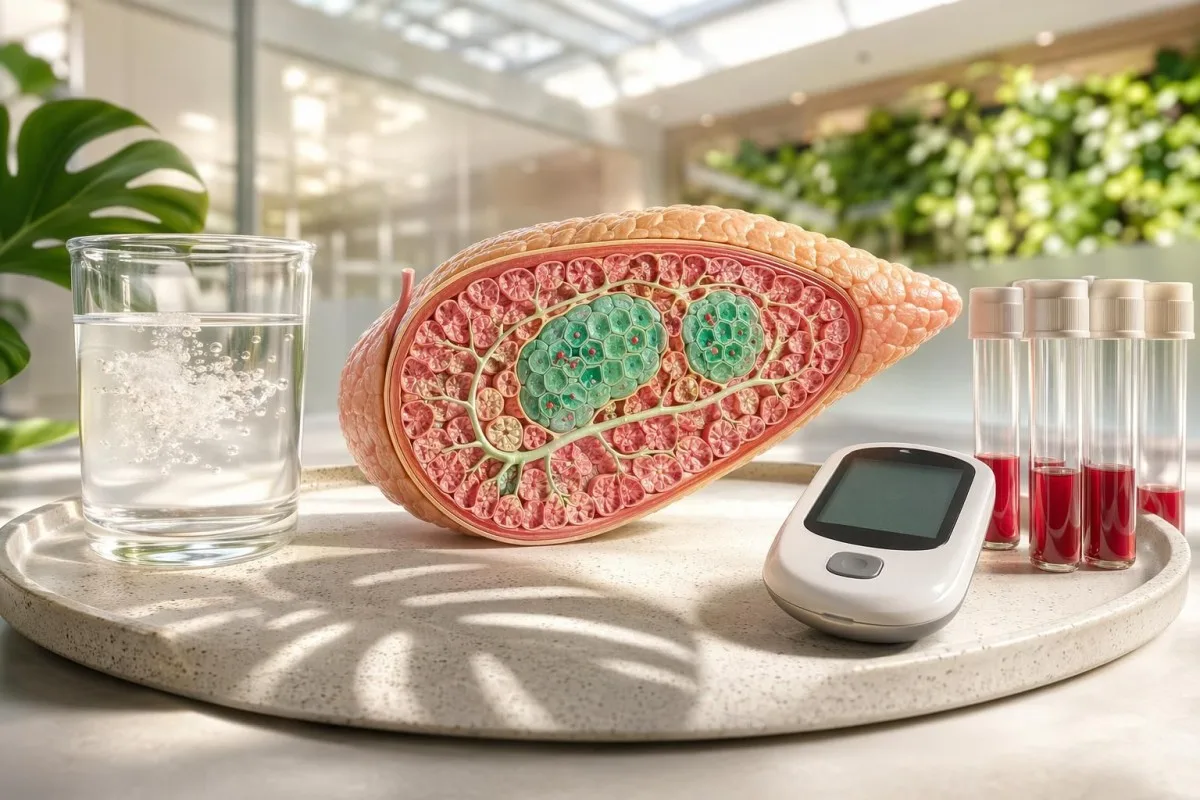
Praktický průvodce poporodním screeningem pro každého, komu bylo řečeno, že cukry v těhotenství jsou znovu v normě, ale přesto chce vědět, co bude dál.


- 75 g OGTT v rozmezí 4–12 týdnů po porodu je preferovaný test po gestačním diabetu, protože odhalí problémy s dvouhodinovou glukózou, které může lačná glukóza přehlédnout.
- Hraniční hodnoty pro diabetes jsou lačná plazmatická glukóza ≥126 mg/dl, glukóza v OGTT po 2 hodinách ≥200 mg/dl, HbA1c ≥6.5%, nebo náhodná glukóza ≥200 mg/dl spolu s příznaky.
- Hraniční hodnoty prediabetu jsou lačná glukóza 100–125 mg/dl, glukóza v OGTT po 2 hodinách 140–199 mg/dl, nebo HbA1c 5.7–6.4%.
- HbA1c časně po porodu může být po porodu falešně nízké kvůli ztrátě krve nebo vysokému obratu červených krvinek, takže by nemělo nahrazovat OGTT v 4–12 týdnech.
- Glukóza v těhotenství v normě po porodu nevymaže budoucí riziko; gestační diabetes je často test stresu beta-buněk, který odhalí zranitelnost roky před diabetem 2. typu.
- Interval opakování vyšetření každé 1–3 roky po celý život, pokud je poporodní screening normální, a obvykle každoročně, pokud je některý výsledek v rozmezí prediabetu.
- Před dalším těhotenstvím požádejte o vyšetření glukózy před početím nebo časně v prvním trimestru, zejména pokud v minulosti GDM vyžadovala inzulin nebo medikaci.
- Rizikové markery jako nalačno inzulin, triglyceridy, HDL, ALT a poměr albumin/kreatinin v moči nediagnostikují diabetes, ale pomáhají odhadnout kardiometabolické riziko.
Krevní testy, které diagnostikují diabetes po gestačním diabetu
Krevní testy, které odhalí diabetes po gestačním diabetu, jsou 75g 2hodinový orální glukózový toleranční test, glykémie v plazmě nalačno, HbA1ca náhodná plazmatická glukóza když jsou přítomny typické příznaky. OGTT je obvykle nejlepší poporodní screeningový test diabetu v 4–12 týdnech, protože zachytí porušené 2hodinové zpracování glukózy ještě předtím, než se nalačno glukóza nebo HbA1c stanou abnormálními.
Jak Thomas Klein, MD, říkám pacientům, nejde jen o to, zda je číslo dnes vysoké; jde o to, zda má pankreas po těhotenství stále dostatečnou rezervu. Nalačno glukóza 94 mg/dl může působit uklidňujícím dojmem, zatímco hodnota OGTT ve 2. hodině 168 mg/dl tiše říká, že odpověď inzulinu v první fázi zaostává.
Diagnóza diabetu mimo těhotenství se stanoví pomocí nalačno plazmatické glukózy ≥126 mg/dL, glukózu při 2hodinovém OGTT ≥200 mg/dL, HbA1c ≥6.5%, nebo náhodné plazmatické glukózy ≥200 mg/dL s příznaky, jako je žízeň, časté močení nebo nevysvětlitelné hubnutí. Pro srozumitelné srovnání diagnostických a monitorovacích testů jsou naše hraniční hodnoty testu na diabetes průvodce užitečným doplňkem.
Kantesti je analyzátor krevních testů s AI, který čte poporodní glukózu, HbA1c, lipidy a markery ledvin ve stejném klinickém kontextu, nikoli jako izolované příznaky. V naší analýze nahraných laboratorních zpráv 2M+ se stále objevuje jeden vzorec: lidé si pamatují diagnózu v těhotenství, ale jejich výsledek OGTT v 4–12 týdnech se často vůbec nedostane do dlouhodobého zdravotního záznamu.
Proč se normální glukóza v těhotenství „neresetuje“ budoucí riziko
Normální glukóza po porodu „nenulují“ budoucí riziko diabetu, protože gestační diabetes obvykle odráží omezenou rezervu beta-buněk při stresu těhotenství. Porod odstraní placentární hormony, ale nemusí nutně obnovit inzulinovou rezistenci, genetické riziko, sklon k tukovému onemocnění jater ani zranitelnost pankreatických beta-buněk.
Placenta produkuje hormony, které zvyšují inzulinovou rezistenci, často nejvýrazněji po 24.–28. týdnu. Když se glukóza po porodu normalizuje, znamená to, že stresor pominul; neprokazuje to, že buňky produkující inzulin mají neomezenou rezervu.
Bellamy et al. uvedli v časopise The Lancet, že ženy s předchozím gestačním diabetem měly asi 7krát vyšší riziko pozdějšího diabetu 2. typu ve srovnání s těmi bez GDM (Bellamy et al., 2009). V běžné praxi vidím shluk rizika u nárůstu obvodu pasu, triglyceridů nad 150 mg/dl, nízkého HDL, rodinné anamnézy, PCOS a narušení spánku během prvních dvou poporodních let.
Normální HbA1c z 5.3% šest měsíců po porodu může stále koexistovat s časnou inzulinovou rezistencí. Pokud chcete hlubší metabolický pohled, náš průvodce testováním inzulinové rezistence vysvětluje, proč se nalačno inzulin a glukóza mohou posouvat ještě předtím, než A1C překročí hranici pro prediabetes.
Kdy by měl proběhnout poporodní screening diabetu
Screening diabetu po porodu by měl proběhnout 4–12 týdnů po porodu, ideálně s 75 g 2hodinovým OGTT. Pokud se toto okno propáslo, nejlepší čas k vyšetření je nyní; nečekal bych na další každoroční preventivní prohlídku, pokud od těhotenství uplynulo 6 měsíců nebo 6 let.
American Diabetes Association doporučuje 75 g OGTT v 4–12 týdnech po porodu a celoživotní screening každých 1–3 roky po gestačním diabetu (American Diabetes Association Professional Practice Committee, 2024). ACOG také podporuje poporodní screening v tomto časném období a mnoho gynekologických ambulancí se nyní snaží jej objednat ještě před návštěvou v 6. týdnu, aby se na něj nezapomnělo (ACOG, 2018).
Kojení, fragmentace spánku a poporodní změny hmotnosti mohou všechny měnit glukózu ze dne na den, ale nejsou důvodem k vynechání testování. Většina pacientek může podstoupit OGTT při kojení; praktický problém bývá často spíše hlídání dětí během 2hodinové čekací doby v laboratoři než samotná biologie.
Pokud po porodu také potřebujete kontrolu anémie, funkce štítné žlázy, jaterních enzymů nebo markerů ledvin, náš seznam poporodních laboratorních vyšetření uvádí, která vyšetření se běžně kombinují se screeningem glukózy. Jedna návštěva často může pokrýt více než jeden poporodní problém.
Jak se interpretuje 75g orální glukózový toleranční test
The orální glukózový toleranční test po těhotenství měří nalačno glukózu a 2hodinovou glukózu po 75 g glukózovém nápoji. Hodnota ve ≥200 mg/dL 2. hodině diagnostikuje diabetes, zatímco v rozmezí 140–199 mg/dl. diagnostikuje porušenou glukózovou toleranci, i když je nalačno glukóza normální.
Test funguje proto, že zkouší systém inzulínu, nikoli že jej pouze pozoruje v klidu. Z mé zkušenosti lidé s předchozím GDM často zvládnou část nalačno, ale selžou ve 2. hodině; tento vzorec ukazuje na opožděné uvolňování inzulínu po jídle.
Připravte se obvyklým stravováním alespoň 3 dnů, ideálně včetně alespoň 150 g sacharidů denně , pokud vám váš lékař neřekl jinak. Příliš nízkosacharidová dieta před OGTT může přehnat vzestup glukózy a ztížit interpretaci; náš na pravidlech lačnění. průvodce pokrývá vodu, kávu a detaily načasování.
Během 2hodinového čekání se nezatěžujte cvičením a informujte laboratoř, pokud zvracíte nebo nemůžete nápoj dokončit. Výsledek by měl být zopakován nebo nahrazen jiným diagnostickým testem, pokud nebyl postup správně dokončen.
Co může a nemůže odhalit lačná glukóza
Lačná plazmatická glukóza odhalí diabetes, když je lačná hodnota ≥126 mg/dL, ale může přehlédnout izolovanou poruchu glukózové tolerance po jídle po gestačním diabetu. Je užitečný, levný a opakovatelný; je však příliš „hrubý“, aby nahradil poporodní OGTT.
Lačná glukóza 100–125 mg/dL je podle kritérií ADA prediabetes, zatímco <100 mg/dl je obecně považována za normální ve Spojených státech. Některé mezinárodní systémy používají 110 mg/dl jako dolní hranici pro zhoršenou lačnou glykémii, což je jeden z důvodů, proč se pacienti při přechodu mezi zeměmi pletou.
Klinická past je lačná glukóza 88–96 mg/dl s 2hodinovým OGTT 155–185 mg/dl. Tomu člověku může být řečeno, že je vše v pořádku, pokud byl objednán pouze lačný glukózový test, přestože biologie glukózy v době jídla je už abnormální.
Ranní glukóza je ovlivněna nedostatkem spánku, pozdním nočním jídlem, kortikosteroidy, infekcí a fenoménem úsvitu. Náš vodítko pro lačnou glykémii vysvětluje, proč by se jediný ranní výsledek měl interpretovat s ohledem na předchozí večer a kvalitu spánku.
Proč je HbA1c po porodu výhodný, ale ne dokonalý
HbA1c odhalí diabetes při ≥6.5%, ale je méně spolehlivé v prvních 4–12 poporodních týdnech, protože ztráta krve při porodu a obrat červených krvinek mohou výsledek zkreslit. HbA1c je užitečné později, zejména pro dlouhodobé sledování, ale nemělo by nahradit první poporodní OGTT.
HbA1c odhaduje průměrnou glukózu přibližně za 8–12 týdnů, přikloněno k nejnovějšímu měsíci. Po porodu může anémie, transfuze, nedostatek železa nebo rychlá náhrada červených krvinek posunout hodnotu mimo skutečný příběh o glukóze.
Nedostatek železa může u některých pacientů falešně zvyšovat HbA1c, zatímco nedávné krvácení ho může falešně snižovat. Je to jedna z těch oblastí, kde záleží víc na kontextu než na čísle; poporodní HbA1c 5.6% nemusí být tak uklidňující, pokud je 8 ng/ml a OGTT nebylo nikdy provedeno.
Pokud váš A1c nesouhlasí s hodnotami z glukometru nebo se symptomy, přečtěte si naši příručku o přesnosti A1c dřív, než budete hodnotu brát jako samozřejmost. Obvykle HbA1c kombinuji s lačnou glukózou, CBC a feritinem, když poporodní příběh působí nejednotně.
Kdy je potřeba rychle jednat při náhodné glukóze nebo příznacích
Náhodná plazmatická glukóza odhalí diabetes, když je ≥200 mg/dL a jsou přítomny příznaky. Po gestačním diabetu je nutná urgentní kontrola při vysoké glukóze s zvracením, dehydratací, rychlým úbytkem hmotnosti, ketony, rozmazaným viděním nebo neobvyklou vyčerpáním.
Většina diabetu po GDM je 2. typu, ale poporodní autoimunitní diabetes se občas může objevit, zejména pokud je úbytek hmotnosti rychlý a jsou přítomny ketony. Viděl jsem pacienty, kteří byli odbiti jako jen unavení novopečení rodiče, když jejich glukóza byla 280 mg/dl a už měli ketózu.
Náhodná glukóza v rozmezí 140–199 mg/dl. není sama o sobě diagnostická, ale měla by vést k lačné glukóze, HbA1c nebo OGTT podle načasování a příznaků. Náhodná hodnota nad 300 mg/dl, zvlášť pokud je přítomná bolest břicha nebo namáhavé dýchání, by měla být řešena jako zdravotní péče ještě týž den.
Jedna izolovaně vysoká hodnota se může objevit po nemoci, po steroidech nebo po velmi vysokosacharidovém jídle, ale záleží na vzorci. Naše příručka k neočekávaně vysoké glukóze vysvětluje, jak lékaři odlišují stresovou hyperglykemii od časného diabetu.
Krevní markery, které ukazují riziko ještě předtím, než se diabetes objeví
Lačný inzulin, C-peptid, triglyceridy, HDL, ALT a poměr albumin/kreatinin v moči nediagnostikují diabetes, ale pomáhají ukázat metabolické riziko po gestačním diabetu. Tyto markery mohou odhalit inzulinovou rezistenci, sklon k tukové játrevní chorobě nebo časný stres ledvin, zatímco glukóza je ještě technicky normální.
Lačný inzulin nad zhruba 15–20 µIU/ml může naznačovat inzulinovou rezistenci, i když se laboratorní metody liší a neexistuje univerzální diagnostický hraniční bod. HOMA-IR využívá nalačno inzulin a nalačno glukózu; hodnoty nad 2.0-2.5 často zvyšují podezření u dospělých, ale interpretaci mění etnicita, BMI a volba testu.
Triglyceridy nad 150 mg/dl a HDL pod 50 mg/dl u žen často doprovází inzulinová rezistence. ALT nad přibližně 25–30 IU/L u ženy s předchozím GDM může být časným vodítkem pro tukové onemocnění jater, i když laboratorní příznak stále uvádí normu.
Kantesti je platforma pro interpretaci biomarkerů AI, která bere normální A1C po gestačním diabetu jako otázku rizikového markeru, ne jako zelenou pro „navždy“. Pokud chcete vypočítat inzulinovou rezistenci z vašich hodnot,
průvodce ukazuje vzorec a jeho limity. výpočtem HOMA-IR, průvodce ukazuje vzorec a jeho omezení.
Jak často opakovat test, pokud je poporodní screening v normě
Pokud je poporodní screening po gestačním diabetu normální, opakujte vyšetření každé 1–3 roky po celý život. Vyšetřete dříve, často každoročně, pokud se zvýší hmotnost, objeví se prediabetes, plánuje se další těhotenství, nebo léky jako steroidy či antipsychotika zvyšují riziko hyperglykémie.
Doporučení ADA pro celoživotní screening každé 1–3 roky existuje, protože riziko diabetu se v čase zvyšuje, nejen v prvním poporodním roce. V mé ordinaci obvykle volím 1rok interval pro každého s prediabetem, GDM léčeným inzulinem, BMI nad 30, silnou rodinnou anamnézou nebo PCOS.
Normální test v roce 2026 je stále užitečný, protože se stane vaším výchozím stavem. Nalačno glukóza, která se posouvá z 82 na 96 mg/dL během 3 let může být významnější než jeden výsledek označený jako abnormální, zvlášť pokud se současně zvyšují triglyceridy a obvod pasu.
Kantesti AI umí v čase vykreslit glukózu, HbA1c, triglyceridy a ALT, takže malé posuny jsou viditelné dřív, než se stanou dramatickými. Náš analýza trendů článek vysvětluje, proč sklon a shlukování často záleží víc než jediný laboratorní příznak.
Co si nechat od svého lékaře objednat
Požádejte o 75 g 2hodinový OGTT 4–12 týdnů po porodu, nebo nalačno plazmatickou glukózu plus HbA1c, pokud OGTT není proveditelný. Kvůli dlouhodobému riziku se zeptejte, zda by se měly zkontrolovat lipidy, ALT, kreatinin, eGFR a poměr albumin–kreatinin v moči spolu s vašimi ukazateli glukózy.
Rozumná první poporodní objednávka často zní: glukóza nalačno, 75 g 2hodinová glukóza, HbA1c, CBC, pokud došlo k výrazné ztrátě krve při porodu, feritin, pokud se předpokládá anémie, lipidový profil a CMP, pokud je vysoké kardiometabolické riziko. Ne každý pacient potřebuje všechny testy, ale objednávka by měla odpovídat příběhu z těhotenství.
Pokud jste měla během těhotenství nalačno hyperglykemii nebo jste potřebovala inzulin, byl bych při časném sledování přísnější. Pokud byl váš GDM mírný a byl řízen dietou, OGTT stále záleží, ale dlouhodobý interval může být blíž každému 2–3 roky když jsou všechny výsledky normální.
Pro čtenáře, kteří chtějí pochopit, co každý marker skutečně měří, náš průvodce biomarkery pokrývá tisíce laboratorních markerů a běžné rozdíly v jednotkách. To je zvlášť užitečné, když jedna laboratoř uvádí glukózu v mg/dl a jiná v mmol/l.
Co lékaři dělají s hraničními nebo rozpornými výsledky
Hraniční nebo rozporné výsledky diabetu by se obvykle měly zopakovat nebo potvrdit jiným diagnostickým testem. Nalačno glukóza 124 mg/dl, HbA1c 6.4%, nebo 2hodinový OGTT 198 mg/dl není mávnutí rukou; jde o výsledek těsně pod/na hranici, který si zaslouží plán.
Bez klasických příznaků většina kliniků potvrdí diabetes opakováním abnormálního výsledku. Pokud se dva různé testy neshodnou, test nad diagnostickým prahem se typicky zopakuje a kontext pacienta rozhodne, jak rychle k tomu dojde.
Thomas Klein, MD, praktické pravidlo: nenechte slovo „hraniční“, aby výsledek působil neškodně. 2hodinový OGTT 196 mg/dl po předchozím GDM často nese vyšší budoucí riziko než nalačno glukóza 101 mg/dl, i když oba mohou být zařazeny do prediabetu.
Náš průvodce prahové hodnoty pro prediabetes vysvětluje, jak nalačno glukóza, A1c a OGTT vymezují různé biologické problémy. Často rámuji prediabetes po GDM jako okno pro léčbu spíš než jako čekárnu.
Speciální situace: kojení, anémie, PCOS a léky
Kojení, anémie, PCOS, léky GLP-1, steroidy a onemocnění štítné žlázy mohou změnit, jak by se měly interpretovat poporodní diabetologické laboratorní testy. Hraniční hodnoty pro glukózu zůstávají stejné, ale míra jistoty, kterou vkládáte do HbA1c, glukózy nalačno nebo hladin inzulinu, se může výrazně lišit.
Kojení často zlepšuje metabolismus glukózy a může snížit riziko budoucího diabetu 2. typu, ale neodstraňuje potřebu screeningu. Pokud po porodu užíváte inzulin nebo sulfonylureu, zeptejte se svého lékaře na riziko hypoglykémie při delším kojení nebo vynechaných jídlech.
PCOS přidává samostatnou cestu inzulinové rezistence a předchozí GDM plus PCOS je jedna z kombinací, ke kterým přistupuji se zvýšenou pozorností. Naše Laboratorní vzorce u PCOS vysvětluje, proč mohou být důležité nalačno inzulin, lipidy a androgeny, i když glukóza ještě není diagnosticky průkazná.
Injekce steroidů, vysoké dávky prednisonu, některá antipsychotika a závažná deprivace spánku mohou dočasně zvýšit hladinu glukózy. Důkazy ohledně přesných poporodních prahů spánku jsou upřímně smíšené, ale vidím horší hodnoty nalačno, když je spánek fragmentovaný pod 5–6 hodin po dobu týdnů.
Jak Kantesti bezpečně čte laboratorní výsledky pro poporodní diabetes
Kantesti čte poporodní laboratorní výsledky diabetu tak, že kombinuje glukózové prahové hodnoty s načasováním, anamnézou v těhotenství, vodítky pro anémii, vzorci lipidů a markery ledvin. Cílem není nahradit vašeho lékaře; jde o to, aby byl rizikový vzorec jasnější ještě před vaší návštěvou.
Kantesti je nástroj pro analýzu krevních testů poháněný AI, který používá 2M+ lidí ve 127 zemích, s interpretací PDF nebo fotografie krevního testu přibližně za 60 sekund. Pro screening diabetu po porodu naše neuronová síť odděluje diagnostická kritéria pro glukózu od markerů rizikového kontextu, jako jsou triglyceridy, HDL, ALT a močový ACR.
Typické nahrání může ukázat HbA1c 5.5%, nalačno glukóza 92 mg/dL, feritin 10 ng/mL a žádné OGTT. Kantesti AI by z těchto hodnot diabetes nediagnostikovala, ale měla by upozornit, že časný poporodní A1c může být nespolehlivý, a že doporučené OGTT chybí.
Naše metody jsou v souladu se zveřejněnými klinickými standardy a interním posouzením lékařů; čtenáři mohou vidět naše standardů klinické validace a předregistrované AI benchmark. Pokud nahráváte sken místo zadávání hodnot, pracovní postup pro nahrávání PDF vysvětluje, jak se zprávy čtou a kontrolují.
Praktický plán opakovaných testů pro rok 2026 a další období
Ke dni 26. května 2026 je nejbezpečnější plán po gestačním diabetu OGTT v 4–12 týdnech, opakovaný screening každé 1–3 roky a dřívější vyšetření před dalším těhotenstvím. Pokud je jakýkoli výsledek v rozmezí prediabetu, berte to jako aktivní preventivní okno, ne jako mírnou laboratorní kuriozitu.
Můj obvyklý postup je jednoduchý: udělejte první poporodní OGTT, uložte výsledek a pak si naplánujte další kontrolu glukózy do kalendáře dřív, než se vám rozběhne život. Pokud vaše 2hodinové OGTT je v rozmezí 140–199 mg/dl., požádejte o jasný interval následného vyšetření, výživový plán a cílovou úroveň cvičení, ne o vágní připomínku, abyste si dávali pozor.
Pokud je váš screening diabetu normální, i tak řekněte každému budoucímu lékaři, že jste měla GDM. Jedna tato věta mění, jak čtu nalačno glukózu z 103 mg/dL, hladinu triglyceridů z 180 mg/dl, nebo HbA1c, které se zvyšuje z 5,2% až 5,6% po několik let.
Kantesti Ltd je britská společnost zabývající se zdravotnickými technologiemi a naši lékaři revidují zdravotnický obsah prostřednictvím našeho lékařskou poradní radu a procesu klinické governance popsaného na O nás. Závěr: správné testy nejsou složité, ale načasování a interpretace jsou důležitější, než většina lidí je informována.
Související Kantesti publikace výzkumu
Screening poporodního diabetu často probíhá v rámci širšího přehledu laboratorních výsledků, který zahrnuje CBC, stav železa a markery ledvin. Uvedené publikace Kantesti DOI níže podporují související metody interpretace krevních testů, včetně indexů červených krvinek a poměrů funkce ledvin, které mohou ovlivnit důvěryhodnost HbA1c nebo hodnocení dlouhodobého metabolického rizika.
Často kladené otázky
Jaké krevní testy odhalí diabetes po gestačním diabetu?
Krevní testy, které odhalují diabetes po gestačním diabetu, jsou 75g 2hodinový orální glukózový toleranční test, glykémie nalačno, HbA1c a náhodná plazmatická glukóza při přítomnosti příznaků. Diabetes se diagnostikuje při glykémii nalačno ≥126 mg/dl, glukóze v 2hodinovém OGTT ≥200 mg/dl, HbA1c ≥6.5% nebo náhodné glukóze ≥200 mg/dl spolu s typickými příznaky. OGTT je preferován v období 4–12 týdnů po porodu, protože dokáže odhalit porušené 2hodinové zpracování glukózy i tehdy, když je glykémie nalačno normální.
Je orální glukózový toleranční test po porodu lepší než HbA1c?
Ano, orální glukózový toleranční test po porodu je obvykle lepší než HbA1c pro první poporodní screening v období 4–12 týdnů. HbA1c může být zkreslen ztrátou krve při porodu, anémií, transfuzí nebo rychlou obnovou červených krvinek, zatímco OGTT přímo měří zpracování glukózy po zátěži 75 g glukózy. HbA1c se stává užitečnějším později pro dlouhodobý screening a sledování trendů.
Kdy by mělo být provedeno poporodní screeningové vyšetření diabetu po GDM?
Screening diabetu po porodu u žen s gestačním diabetem by měl být proveden 4–12 týdnů po porodu, ideálně pomocí 75g 2hodinového OGTT. Pokud bylo toto období zmeškáno, vyšetření by mělo být provedeno co nejdříve, spíše než čekat na příznaky. Pokud je poporodní výsledek normální, opakujte screening diabetu každé 1–3 roky po celý život.
Může být HbA1c normální, ale OGTT abnormální po gestačním diabetu?
Ano, HbA1c může být normální, zatímco OGTT je po gestačním diabetu abnormální. Člověk může mít HbA1c 5,3% a nalačno glykémii 92 mg/dl, ale hodnotu OGTT ve 2. hodině 160 mg/dl, což odpovídá porušené glukózové toleranci. Stává se to proto, že HbA1c odráží průměrnou glykémii, zatímco OGTT zatěžuje inzulínovou odpověď po podání glukózy.
Co znamenají výsledky prediabetu po gestačním diabetu?
Prediabetes po gestačním diabetu je definován jako lačná plazmatická glukóza 100–125 mg/dl, glukóza při 2hodinovém OGTT 140–199 mg/dl nebo HbA1c 5,7–6,4%. Abnormalita při 2hodinovém OGTT je zvláště častá po GDM a může být přehlédnuta, pokud je nařízena pouze lačná glukóza. Preddiabetes by obvykle měl vyvolat roční kontrolu a strukturovaný preventivní plán.
Jak často mám znovu podstoupit testování, pokud je můj poporodní screening v normě?
Pokud je váš poporodní screening diabetu po gestačním diabetu normální, opakujte vyšetření každé 1–3 roky po celý život. Mnoho kliniků volí každoroční testování, pokud jste měla GDM léčený inzulinem, prediabetes, PCOS, BMI nad 30, silnou rodinnou anamnézu nebo stoupající triglyceridy. Vyšetření by se mělo také opakovat před další graviditou nebo časně v prvním trimestru.
Mění kojení výsledky krevních testů u diabetu?
Kojení může zlepšit metabolismus glukózy a může snížit riziko budoucího diabetu 2. typu, ale neodstraňuje potřebu poporodního diabetologického screeningu. Diagnostické hraniční hodnoty pro stanovení glukózy nalačno, OGTT a HbA1c se nemění jen proto, že někdo kojí. Pokud se po porodu používají léky na diabetes, mohou klinici upravit načasování nebo dávku tak, aby snížili riziko hypoglykémie během dlouhých kojení nebo při vynechaných jídlech.
Mohu místo poporodního testu tolerance glukózy použít kontinuální monitor glukózy?
Ne. Kontinuální monitor glukózy může ukázat užitečné denní vzorce glukózy, ale nenahrazuje laboratorní glykémii nalačno, HbA1c nebo 75g OGTT pro diagnostiku diabetu po gestačním diabetu. Váš lékař jej může později použít k podpoře rozhodování o životním stylu nebo léčbě.
Potřebuje moje dítě vyšetření na diabetes, protože jsem měla gestační diabetes?
Glukóza u novorozence může být zkontrolována v nemocnici, zejména pokud jste během těhotenství používala inzulin nebo léky, ale většina dětí nepotřebuje průběžné krevní testy na diabetes pouze kvůli mateřskému gestačnímu diabetu. Dodržujte pravidelné návštěvy u pediatra a podporujte rodinné návyky týkající se vyvážené stravy, pohybu a spánku.
Co když nedokážu snést nápoj s glukózou pro poporodní OGTT?
Před testem to sdělte svému lékaři. Může test přeplánovat pomocí strategií proti nevolnosti, zkontrolovat lačnou glukózu a HbA1c nebo dočasně použít domácí či kontinuální údaje o glukóze, ale tyto alternativy nemusí plně nahradit diagnostické OGTT.
Získejte analýzu krevních testů poháněnou AI ještě dnes
Přidejte se k více než 2 milionům uživatelů po celém světě, kteří důvěřují Kantesti pro okamžitou a přesnou analýzu laboratorních testů. Nahrajte své výsledky krevních testů a během několika sekund získejte komplexní interpretaci biomarkerů 15,000+.
📚 Odkazované publikace výzkumu
Klein, T., Mitchell, S., & Weber, H. (2026). Krevní test RDW: kompletní průvodce RDW-CV, MCV a MCHC. Kantesti AI Medical Research.
Klein, T., Mitchell, S., & Weber, H. (2026). Vysvětlení poměru BUN/kreatininu: Průvodce testem funkce ledvin. Kantesti AI Medical Research.
📖 Externí lékařské reference
American Diabetes Association Professional Practice Committee (2024). 2. Diagnostika a klasifikace diabetu: Standardy péče o diabetes — 2024. Diabetes Care.
⚕️ Lékařské prohlášení
Tento článek je pouze pro vzdělávací účely a nepředstavuje lékařské poradenství. Pro rozhodnutí o diagnóze a léčbě se vždy poraďte s kvalifikovaným poskytovatelem zdravotních služeb.
Signály důvěry E-E-A-T
Zažít
Lékařem vedená klinická revize pracovních postupů pro interpretaci laboratorních výsledků.
Odbornost
Zaměření laboratorní medicíny na to, jak se biomarkery chovají v klinickém kontextu.
Autoritativnost
Napsal Dr. Thomas Klein, recenze: Dr. Sarah Mitchell a Prof. Dr. Hans Weber.
Důvěryhodnost
Interpretace založená na důkazech s jasnými následnými kroky pro snížení poplachu.