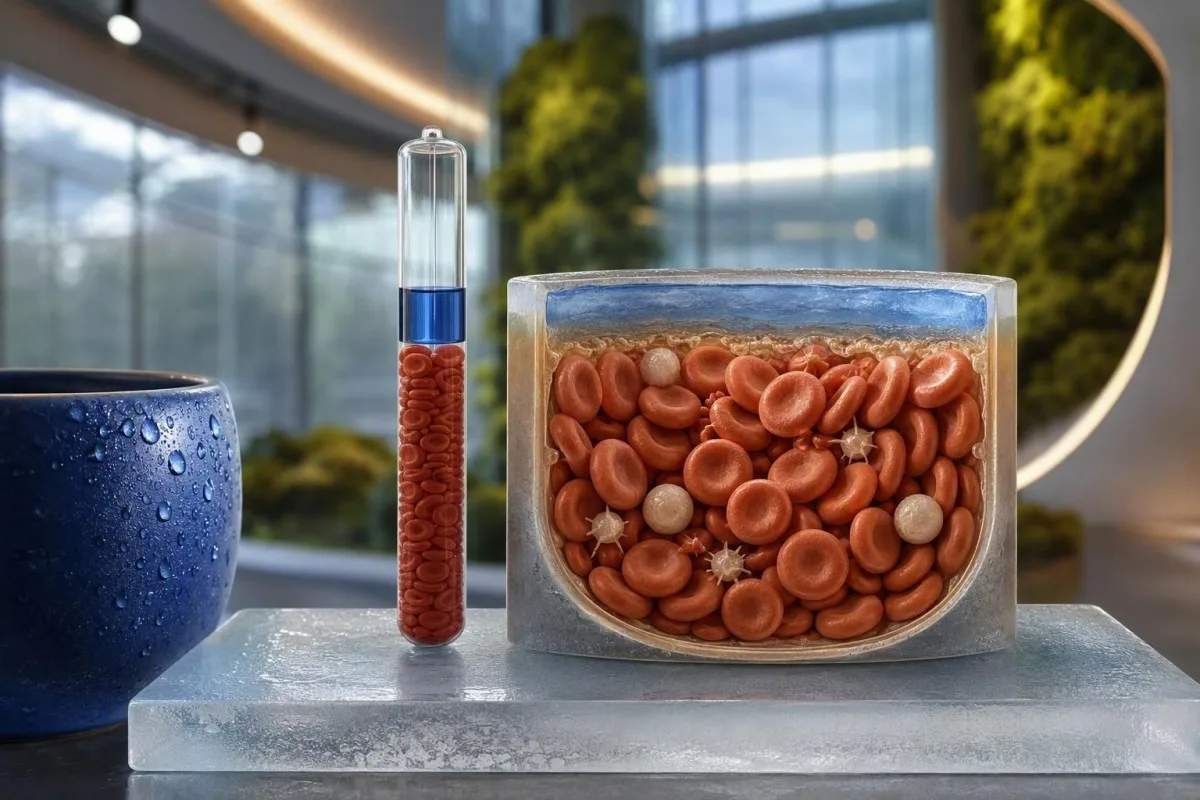
Ang taas nga ihap sa pula nga mga selula sa dugo mahimong magpakita og pagkakonsentra sa dugo imbes nga pagdaghan sa pula nga mga selula. Ang unang buluhaton mao ang paglain sa temporaryong pagkawala sa pluwido gikan sa padayon nga pagtaas nga nanginahanglan og hustong pagsusi.


- Relative erythrocytosis nagpasabot nga mikunhod ang tubig sa plasma, hinungdan nga motan-aw nga taas ang ihap sa RBC, hemoglobin, ug hematocrit bisan wala makahimo og bag-ong mga selula.
- WHO threshold Ang mga kantidad nga mosuporta sa posibleng polycythemia vera mao ang hemoglobin nga labaw sa 16.5 g/dL sa mga lalaki o 16.0 g/dL sa mga babaye, o hematocrit nga labaw sa 49% ug 48%, matag usa.
- Pag-usab sa eksaminasyon human ma-hydrate kasagarang makatarunganon alang sa gamay ug nahimulag nga pagtaas human sa pagsuka, kalibanga, pagkaladlad sa kainit, pagpuasa, o kusog nga ehersisyo—kung maayo ra ang imong kahimtang.
- Mga diuretics mahimong makapataas sa hematocrit tungod sa pagkawala sa pluwido; ayaw paghunong sa giresetang tambal kung walay pahibalo gikan sa clinician nga nagreseta niini.
- importante ang pattern: ang taas nga albumin, total protein, sodium, ratio sa BUN/creatinine, ug espesipikong grabidad sa ihi mas mosuporta sa dehydration kaysa sa tinuod nga sobra nga paghimo og pula nga mga selula sa dugo.
- Gisubli nga oras kasagarang himoon 1–2 ka semana human sa pagkaayo, normal nga pag-inom og pluwido, ug 24–48 ka oras nga walay talagsaon nga kusog nga ehersisyo, gawas kon adunay dinaliang mga sintomas.
- padayon nga pagtaas human sa hustong hydration nagkinahanglan og pagsusi alang sa pagkaladlad sa aso sa sigarilyo, sleep-disordered breathing, altitude, testosterone, sakit sa baga o kidney, erythropoietin, ug kasagarang JAK2 testing.
- Mga sintomas nga kinahanglan ug dayon nga pagtagad apila ang sakit sa dughan, bag-ong kalisod sa pagginhawa, kaluya sa usa ka bahin sa lawas, pagkawala sa panan-aw, kalibog, o masakit ug nanghubag nga bitiis; kini nagkinahanglan og dihadiha nga pag-atiman, dili pag-usisa pag-usab sa balay.
Unsa kasagarang gipasabot sa taas nga resulta sa RBC
Ang taas nga ihap sa RBC mahimong sayop nga pagkataas tungod sa dehydration, diin ang pagkawala sa likido nagpakonsentrar sa bahin sa dugo nga adunay mga selula; dili kini awtomatikong nagpasabot nga ang utok sa bukog naghimo og sobra ka daghang pulang mga selula. Ang timailhan mao kung ang hemoglobin ug hematocrit mobalik sa normal human sa pagkaayo ug ordinaryong pag-inom, imbes magpabiling taas sa usa ka CBC nga gisubli ubos sa maayong pagpangandam.
Ang ihap sa RBC nagpakita sa gidaghanon sa mga pulang selula matag litro, samtang hematocrit nagpakita sa tipik sa tibuok dugo nga giokupar sa maong mga selula. Ang normal nga mga gilay-on alang sa mga hamtong magkalahi depende sa laboratoryo, apan daghan ang mogamit og gibana-bana nga 4.5–5.9 × 10¹²/L alang sa mga lalaki ug 4.1–5.1 × 10¹²/L alang sa mga babaye. Ang kantidad nga gamay ra ibabaw sa normal nga gilay-on kasagarang dili kaayo makahatag og impormasyon kumpara sa hemoglobin ug hematocrit nga kauban niini; ang among giya bahin sa unsay naa sa CBC nagpasabot kung nganong.
Ang dehydration mopakunhod sa likidong bahin sa dugo sulod sa pipila ka oras, busa ang samang gidaghanon sa mga pulang selula mookupar og mas gamay nga masukod nga bolyum. Sa klinika, kasagarang makita nako kini human sa sakit sa tiyan: RBC 5.8 × 10¹²/L, hemoglobin 17.1 g/dL, hematocrit 51%, dayon mobalik sa normal ang mga kantidad human sa pagkaayo. Kini mao ang relatibong erythrocytosis, dili sayop sa laboratoryo ug dili kinahanglan nga usa ka sakit.
Si Kantesti usa ka AI blood test analyzer nga nagtan-aw sa RBC, hemoglobin, hematocrit, mga indeks sa pulang selula, mga marka sa kidney, ug mga miaging resulta sa hiniusang paagi. Sukad niadtong Septiyembre 5, 2026, ang among proseso sa klinikal nga pagrepaso nag-isip sa usa ka borderline nga marka sa CBC isip rason sa pagsusi sa pagpangandam ug uso sa mga resulta—dili isip diagnosis.
Ang ihap sa RBC dili parehas sa masa sa mga pulang selula
Ang CBC dili direktang makasukod sa kinatibuk-ang masa sa mga pulang selula. Gisukod niini ang konsentrasyon, nga mosaka kung mokunhod ang bolyum sa plasma; ang espesyal nga mga pagtuon gamit og isotope alang sa masa sa pulang selula panagsa na lang gikinahanglan karon, apan nagpakita kini nganong ang usa ka gikonsentrar nga CBC mahimong makapabalaka tan-awon bisan walay tinuod nga pagdugang sa mga selula.
Relatibong erythrocytosis batok sa tinuod nga sobra sa pula nga mga selula sa dugo
Ang relatibong erythrocytosis mao ang taas nga RBC, hemoglobin, o hematocrit nga tungod sa pagkunhod sa bolyum sa plasma, samtang ang absolutong erythrocytosis nagpakita og tinuod nga pagtaas sa masa sa mga pulang selula. Ang hydration mahimong makapabalik sa una nga sumbanan sa normal, apan dili niini matul-id ang ikaduha.
Ang tinuod nga erythrocytosis mahimong primarya, sama sa polycythemia vera, o sekondarya tungod sa pagtaas sa erythropoietin gikan sa ubos nga oxygen, mga tambal, o panagsa ra, usa ka proseso sa kidney. Ang mga sukdanan sa WHO niadtong 2016 naggamit og hemoglobin nga labaw sa 16.5 g/dL sa mga lalaki o 16.0 g/dL sa mga babaye isip mga threshold nga angay magpahinabo sa pangutana bahin sa polycythemia vera, ilabi na kung magpadayon kini (Arber et al., 2016). Ang usa ka resulta lamang dili igo aron ma-diagnose kini.
Ang praktikal nga kalainan makita sa nahibiling mga resulta sa panel. Taas nga ihap sa RBC tungod sa dehydration Ang mga sumbanan kasagarang naglakip og taas nga albumin, total protein, urea/BUN, sodium, ug gikonsentrar nga ihi; ang absolutong erythrocytosis mahimong dili makapausab niini nga mga marka. Basaha ang among piho nga artikulo bahin sa gamay nga pagtaas sa hemoglobin kung ang hemoglobin, imbes ang RBC lamang, mao ang gimarkahan nga resulta.
Ang normal nga ihap sa RBC dili makapawala sa posibilidad sa erythrocytosis kung taas ang hemoglobin o hematocrit, ug ang taas nga ihap sa RBC lamang mahimong mahitabo kung gagmay ang mga pulang selula tungod sa kakulang sa iron o thalassemia trait. Mao kini ang hinungdan nganong importante ang MCV ug ferritin; ang taas nga RBC uban sa MCV nga ubos sa 80 fL usa ka lahi nga hisgotanan sa klinika.
Giunsa pag-usab sa dehydration ang CBC ug mga marka sa kidney
Ang dehydration kasagarang mopataas dungan sa RBC count, hemoglobin, ug hematocrit, ug kasagarang mopataas usab sa albumin, total protein, urea/BUN, creatinine, ug konsentrasyon sa ihi. Ang dili magkatugmang resulta—pananglitan, taas nga RBC uban sa ubos nga hemoglobin—dili maayo nga motugma sa yano nga hemoconcentration.
Ang ratio sa BUN/creatinine nga labaw sa mga 20:1 sa mga yunit nga gigamit sa US mahimong mosuporta sa pagkunhod sa perfusion sa kidney tungod sa pagkawala sa likido, bisan pa nga ang pagdugo sa gastrointestinal tract, pag-inom og protina, corticosteroids, ug ubos nga muscle mass mahimong makausab sa ratio. Ang creatinine mahimong gamayng mosaka human sa pagkaladlad sa kainit o taas nga pagdagan tungod kay mausab ang filtration ug metabolismo sa kaunoran. Ang among giya sa dehydration ug eGFR naglangkob kung kanus-a kinahanglang balikon ang ubos nga eGFR.
Ang urine specific gravity nga 1.025 o mas taas nahiuyon sa concentrated nga ihi, apan dili kini direktang sukdanan sa hydration. Ang glucose, protina, ug pipila ka contrast agent sa imaging mahimo usab makapataas niini, busa kinahanglang hubaron kini sa clinician uban sa mga sintomas ug electrolytes. Ang reference sa urine specific gravity mapuslanon kung ang CBC ug urinalysis gikolekta sa samang adlaw.
Wala ko magtambag sa pagsulay nga ipanormal ang resulta sa test pinaagi sa pag-inom dayon og pipila ka litro sa wala pa ang pagkuha sa sample. Ang paspas nga sobra nga pag-inom mahimong makapaubos sa sodium, ug makahimo kini og laing sample nga dili representante; ang normal nga mga pagkaon ug ordinaryong pag-inom nga gigiyahan sa kauhaw sulod sa 24–48 ka oras kasagarang mas luwas alang sa mga tawo nga walay fluid restriction.
Pagsuka, kalibanga, kainit, pagpuasa, ug mga diuretic
Ang pagsuka, diarrhea, kusog nga pagpasingot, dugay nga pagpuasa, ug mga diuretic nga tambal mahimong hinungdan sa temporaryong taas nga konsentrasyon sa RBC pinaagi sa pagkunhod sa tubig sa plasma. Ang lebel sa pagtaas mas nagdepende sa pagkawala ug pag-ilis sa likido kaysa sa gibati sa usa ka tawo kung unsa siya kaayo masakiton.
Ang grabeng pagsuka kasagarang makapahinabo og ubos nga chloride ug usahay taas nga bicarbonate tungod kay mawala ang gastric acid ug likido. Ang loop diuretics sama sa furosemide ug thiazides mahimong makapahinabo og susamang profile sa volume contraction, ilabina sa mga tigulang. Ang ubos nga resulta sa chloride kinahanglang isipon sulod sa samang clinical context; tan-awa ang mga timailhan sa chloride nga may kalabotan sa pagsuka ug diuretics para sa pattern.
Ayaw undangi ang giresetang diuretic aron mapaayo ang CBC nga walay tambag medikal. Ang mga tawo nga nag-inom niini nga mga tambal alang sa heart failure, cirrhosis, resistant hypertension, o sakit sa kidney mahimong manginahanglan og pinasahi nga plano sa likido, tungod kay ang walay pagpili nga sobra nga pag-inom mahimong makapasamot sa paghubag o kalisod sa pagginhawa. Ang hustong pangutana mao kung ang dose, mga sintomas, timbang, presyon sa dugo, ug mga resulta sa kidney nahiuyon ba sa usag usa.
Ang kauhaw makatabang apan dili hingpit kasaligan sa mga hamtong nga sobra sa 65 anyos ug sa mga tawo nga adunay diabetes, sakit sa kidney, o pipila ka kondisyon sa neurological. Ang itom nga dalag nga ihi, uga nga baba, pagkalipong inig tindog, pagkunhod sa pag-ihi, ug pag-ubos sa timbang og 1 kg sulod sa 24 ka oras mahimong mosuporta sa pagkawala sa likido, apan ang grabeng mga sintomas angay susihon imbes nga tambalan ra sa kaugalingon.
Ang ehersisyo mahimong temporaryong magkonsentra sa imong dugo
Ang lisod nga endurance exercise mahimong makapataas sa hematocrit ug hemoglobin sulod sa pipila ka oras tungod sa pagkawala sa singot ug mga pagbag-o sa gidaghanon sa plasma, bisan pa nga ang balik-balik nga pagbansay mahimong makapaubos sa baseline hematocrit tungod sa pagdako sa gidaghanon sa plasma. Busa, talagsaon kaimportante ang timing alang sa mga atleta.
Ang 90-minutos nga pagdagan sa init nga panahon mahimong makapawala og 1–3 ka litro nga pluwido, depende sa gidak-on sa lawas, klima, ug gidaghanon sa singot. Ang pagkuha og sampol dayon pagkahuman sa lumba mahimo usab magpakita og mas taas nga creatinine, CK, albumin, ug total protein; mas mapuslanon kini nga kombinasyon kaysa sa resulta sa RBC lamang. Ang among giya sa hustong oras sa blood test alang sa marathon naghisgot sa mga recovery marker nga kasagarang mausab.
Alang sa regular nga pagmonitor, kasagaran akong isugyot ang paglikay sa dili kasagarang kusog nga ehersisyo sulod sa 24–48 oras sa dili pa kuhaan og dugo, pag-abot nga nakapahulay, ug pag-inom sa naandan nga gidaghanon sa tubig sa miaging adlaw. Dili kini unibersal nga lagda sa laboratoryo, ug ang pagmonitor sa mga elite nga atleta mahimong tinuyo nga himuon samtang anaa sa bug-at nga ehersisyo—apan mas importante ang pagkamakanunayon kaysa hingpit nga pagpatuman. Nakakita si Dr. Thomas Klein nga daghang dili kinahanglanong referral ang nawala human masusi pag-usab ang atleta pagkahuman sa usa ka semana nga normal nga pagpahuway.
Kantesti’s BUN ug creatinine research guide labi nga makatabang kung ang usa ka endurance athlete adunay taas nga hematocrit ug borderline nga timailhan sa kidney. Ang pagkunhod sa timbang, taas nga urine specific gravity, ug mubo nga recovery interval makapahimo nga katuohan ang hemoconcentration; ang kasakit sa kaunoran, ihi nga kolor cola, o hilabihan kataas nga CK nanginahanglan og lahi ug mas taas nga lebel sa pag-amping.
Luwas nga plano sa pag-usab sa gamay ra nga taas nga CBC
Ang gamayng pagkataas sa ihap sa RBC kasagarang mahimong susihon pag-usab human sa 1–2 ka semana nga recovery, normal nga hydration, ug makanunayon nga paggamit sa mga tambal kung wala kay red-flag nga mga sintomas. Pagpasusi pag-usab sa mas sayo lamang kung mao kana ang gisugo sa imong clinician o kung dakog pagkataas ang unang resulta.
Sa dili pa ang ikaduhang pagsusi, isulat kung nakasinati ka og diarrhea, pagsuka, hilanat, pag-inom og alkohol, paggamit og sauna, taas nga biyahe, pagkaladlad sa taas nga dapit, pagpuasa, o kusog nga ehersisyo sulod sa miaging 72 ka oras. Ipadayon ang imong naandan nga pagkaon ug iskedyul sa tambal gawas kung lahi ang isulti sa imong clinician. Kini nga giya sa pag-andam alang sa baseline blood test adunay praktikal nga checklist aron malikayan ang aksidenteng kausaban.
Gamita ang samang laboratoryo kung mahimo, tungod kay lahi-lahi ang mga pamaagi sa analyser ug mga reference interval. Pangayo og CBC uban sa hemoglobin, hematocrit, MCV, RDW, ihap sa white-cell, ug platelets; ang padayong pagkataas nga inubanan sa taas nga platelets o white cells mas makapabalaka alang sa proseso sa bone marrow kaysa sa isolated erythrocytosis. Ang bag-ong sakit mahimong makaapekto niining mga blood-cell lines sa magkasukwahi nga direksiyon, busa importante ang tibuok panel.
Si Kantesti usa ka AI lab test interpretation service nga nagtandi sa bag-ong CBC sa mga naunang kantidad ug nagtimaan sa mga kausaban nga molapas sa kasagarang variation. Ang among pamaagi sa pagsubay dili mopuli sa clinician, apan makatipig kini sa importanteng konteksto—ehersisyo, sakit, mga tambal, ug miaging hematocrit—nga kasagarang mawala kung ang usa lamang ka resulta ang tan-awon.
Kanus-a ang balik-balik nga taas nga resulta nanginahanglan og pagsusi alang sa erythrocytosis
Ang padayong taas nga hemoglobin nga labaw sa 16.5 g/dL sa mga lalaki o 16.0 g/dL sa mga babaye, o hematocrit nga labaw sa 49% o 48%, kinahanglan mag-aghat sa clinician sa pagsusi sa erythrocytosis human ma-eksklud ang dehydration. Ang kasagarang unang mga pagsusi mao ang repeat CBC, lebel sa erythropoietin, pagsusi sa oxygen, ug JAK2 mutation testing kung angay.
Ang polycythemia vera usa ka myeloproliferative neoplasm diin ang mga mutasyon sa JAK2 makita sa mga 98% sa mga apektadong pasyente. Ang ubos nga serum erythropoietin mosuporta sa primary marrow overproduction, apan walay usa lamang ka blood test nga angay hubaron nga bulag. Ang guideline sa British Society for Haematology nagsugyot og organisado nga pamaagi nga nagbulag sa primary ug secondary erythrocytosis (McMullin et al., 2019).
Ang mga sintomas mahimong maliputon: sakit sa ulo, malabong panan-aw, pangatol human sa mainit nga shower, dili kasagarang pagpula sa nawong, kakapoy, o miaging blood clot mahimong mas importante kaysa sa eksaktong kantidad sa RBC. Alang sa mas kompleto nga pagpasabot sa hematocrit, erythropoietin, ug JAK2, basaha ang among giya sa simtoma sa polycythemia. Daghang tawo nga adunay gamayng pagkataas sa laboratoryo walay bisan usa niining mga timailhan.
Nag-amping ko nga dili ipasabot nga ang matag padayong taas nga ihap kay kanser. Ang pagkaladlad sa carbon monoxide tungod sa pagpanigarilyo, wala matambali nga sleep apnea, sakit sa baga, testosterone, taas nga dapit, ug pipila ka kondisyon sa kidney mas kasagarang mga hinungdan sa daghang clinical practice. Bisan pa, mao gayod nga ang pagpadayon sa pagkataas ang hinungdan nganong ang repeat CBC dili angay mahimong walay kataposang siklo sa walay pagtagad nga pag-usisa pag-usab.
Ubos nga oksiheno, pagpanigarilyo, ug sleep apnea isip mga hinungdan sa taas nga RBC
Ang chronic low oxygen mahimong makapadasig sa erythropoietin ug makapahinabo og tinuod nga pagkataas sa ihap sa red blood cell; ang sleep apnea, pagkaladlad sa carbon monoxide tungod sa pagpanigarilyo, ug sakit sa baga maoy kanunay nga mga hinungdan. Ang normal nga daytime oxygen saturation dili hingpit nga makapawala sa posibilidad sa pag-ubos sa oxygen sa tibuok gabii.
Ang obstructive sleep apnea mahimong makapahinabo og kasarangang erythrocytosis, ilabi na kung dako ang pagkunhod sa oxygen sa tibuok gabii. Ang kusog nga paghagok, mga paghunong sa pagginhawa nga namatikdan sa uban, sakit sa ulo pagkabuntag, resistant hypertension, ug katulgon sa adlaw kinahanglan mag-aghat og history nga nakapokus sa pagkatulog imbes nga dayon hunahunaon nga dehydration ang nagpasabot sa tanan. Usa ka giya sa blood-test alang sa kalisod sa pagginhawa naglatid sa mas halapad nga konteksto sa kasingkasing ug baga.
Ang pagpanigarilyo makapataas sa carboxyhemoglobin, nga makapakunhod sa paghatod sa oksiheno bisan pa og daw normal ang makita sa pulse oximeter. Ang vaping dili makahimo sa samang pagkaladlad sa carbon monoxide sama sa masunog nga tabako, apan aduna kini’y ubang risgo sa panglawas ug angay gihapon nga hisgutan sa matinud-anon nga paagi. Ang pagsusi sa carbon monoxide o co-oximetry usahay mas mapuslanon kaysa naandan nga pagsukod sa saturation sa oksiheno.
Ang Kantesti AI naghubad sa taas nga RBC uban sa hemoglobin, hematocrit, mga marka sa kidney, ug mga gikataho nga hinungdan sama sa pagkatulog o pagpanigarilyo, imbes nga magpresentar og kinatibuk-ang lista sa mga hinungdan. Ilabinang bililhon kini nga kontekstuwal nga pagbasa kung ang hematocrit kay 50% human sa hydration ug ang pasyente nag-ingon nga dili makapapresko ang iyang pagkatulog.
Altitude, testosterone, ug mga tambal nga makapataas sa RBC
Ang pagpuyo o pagbansay sa taas nga dapit ug paggamit og testosterone makapataas sa produksiyon sa pula nga selula sa dugo, busa ang pagtaas mahimong tinuod ug dili tungod lamang sa dehydration. Ang oras sa pagkaladlad kasagarang mas makahatag og tubag kaysa sa unang numero.
Sa taas nga dapit, ang mas ubos nga presyon sa oksiheno makapadasig sa erythropoietin ug makapataas sa hemoglobin sulod sa mga adlaw hangtod mga semana; ang gipaabot nga range nagdepende sa gihabogon, gidugayon, kaliwat, ug datos sa reference sa laboratoryo. Ang CBC nga makolekta samtang anaa sa bukid o wala pa dugay human sa pagpabilin didto kinahanglang hubaron pinasikad sa maong pagkaladlad. Ang among giya sa pag-usisa pag-usab sa hemoglobin sa taas nga dapit nagpasabot kon nganong importante ang hustong panahon sa pagbalik sa lebel sa dagat.
Ang mga injection, gel, ug pellet sa testosterone, ingon man ang pipila ka anabolic agent, mahimong makapahinabo og erythrocytosis. Daghang protocol sa pagreseta ang mopakunhod o mopahunong kadiyot sa terapiya kung ang hematocrit moabot sa 54%, apan lahi-lahi ang desisyon depende sa indibidwal nga risgo, ilabina sa mga adunay sakit sa kasingkasing o sleep apnea. Ayaw gayod pagdonar og dugo o pag-usab sa gireseta nga dosis isip puli sa paghisgot sa resulta uban sa nagreseta.
Mas dili kasagarang hinungdan, ang mga tambal sa diabetes nga SGLT2 mahimong makapahinabo og gamay nga pagtaas sa hematocrit, nga bahin tungod sa epekto sa gidaghanon sa plasma ug posibleng pagsignal sa erythropoietin. Ang listahan sa mga tambal kinahanglang maglakip sa mga androgen nga mapalit nga walay reseta, mga injectable nga terapiya, ug mga bag-ong kausaban—dili lamang sa mga tambal nga nakalista sa elektronikong rekord.
Mga timailhan sa CBC nga makausab sa lebel sa kabalaka
Mas makapabalaka ang taas nga RBC kung taas usab ang hemoglobin ug hematocrit, ilabina kung taas ang mga platelet, puting selula, ubos ang erythropoietin, o adunay abnormal nga mga selula sa smear. Ang taas nga RBC uban sa ubos nga MCV kasagarang nagpunting hinuon sa mga sakit nga adunay gagmay nga selula.
Ang MCV nga ubos sa 80 fL uban sa medyo taas nga ihap sa RBC mahimong makita sa thalassemia trait, diin gagmay apan daghan ang mga selula. Ang kakulang sa iron mahimo usab makapaubos sa MCV, bisan kasagarang makapaubos usab kini sa hemoglobin sa paglabay sa panahon; ang ferritin ug transferrin saturation makatabang sa pagpalahi niini. Ang among Paghambing sa MCV ug MCH nagpasabot nganong makapahisalaag ang numero sa RBC lamang.
Ang taas nga puting mga selula o platelet uban sa taas nga hematocrit dili makadiagnose og polycythemia vera, apan makapaubos kini sa sukdanan sa pag-refer alang sa pagrepaso sa espesyalista sa hematolohiya. Mahimong sundan kini og peripheral smear, ferritin, erythropoietin, JAK2 testing, ug usahay pagsusi sa bone marrow. Ang among nagpasabot nganong ang CBC usa ka sinyales nga magsugod imbes nga diagnosis sa cancer. nagpakita nganong kini nga mga pagsusi gihan-ay sa piho nga pagkasunod-sunod imbes nga ipahimo nga walay pagpili.
Yano ang praktikal nga lagda ni Dr. Thomas Klein: pangitaa ang pagkatakdo sa mga independente nga timailhan. Ang hematocrit nga 52%, platelet nga 520 × 10⁹/L, ug ubos nga erythropoietin lahi gyod nga sumbanan kumpara sa hematocrit nga 50% human sa heatwave, uban sa albumin nga 5.3 g/dL ug konsentradong ihi.
Mga sintomas ug risgo sa pamumuo sa dugo: kanus-a mahimong emerhensiya ang taas nga RBC
Pangayo og dinaliang pag-atiman kung ang taas nga resulta sa RBC inubanan sa kasakit sa dughan, kalit nga kakulang sa ginhawa, pag-ubo og dugo, pagkahimatay, bag-ong pagkaluya, kalisod sa pagsulti, pagkawala sa panan-aw, o masakit ug nanghubag nga bitiis. Kini nga mga sintomas mahimong timailhan sa blood clot o laing grabeng kondisyon ug dili gayod angay hulaton ang pag-usab sa CBC.
Ang mas taas nga hematocrit mahimong makapataas sa viscosity sa dugo, apan ang mga sintomas ug kinatibuk-ang risgo sa mga ugat maoy mas kasaligan nga magbuot sa kadinalian kaysa sa kasarangang, nahimulag nga pagtaas. Ang polycythemia vera adunay giila nga risgo sa thrombosis, ilabina sa mas tigulang nga edad, miaging thrombosis, mga hinungdan sa risgo sa sakit sa kasingkasing, ug dili makontrol nga mga ihap. Ang 2021 nga rebyu nila Tefferi ug Barbui naghulagway og pagtambal nga gipahaom sa risgo imbes nga parehason ang pagtambal sa matag taas nga ihap.
Ang sakit sa ulo lamang kasagaran ug dili piho; apan ang sakit sa ulo nga inubanan sa bag-ong mga sintomas sa panan-aw, kaluya, o kalibog dili ingon niana. Sa samang paagi, ang pangatol human maligo og init mahimong mahitabo sa polycythemia vera apan mahimo usab tungod sa uga nga panit ug alerhiya, busa timailhan lamang kini ug dili pamatuod. Ribyuha ang mga timailhan sa pasidaan sa blood-test alang sa kasakit sa dughan kung ang mga sintomas apil sa hinungdan nganong gipahimo ang test.
Ayaw pag-inom og aspirin tungod lamang kay taas ang RBC count gawas kon girekomenda kini sa imong clinician. Ang aspirin adunay mga risgo sa pagdugo ug mahimong dili angay kon adunay ulcer, nag-inom og anticoagulant, ubos ang platelets, o adunay piho nga kasaysayan sa sakit. Ang mga serbisyong pang-emergency mao ang mas luwas nga pilian kon motungha ang lokal nga mga sintomas sa nerbiyos o kasingkasing ug baga.
Ngano nga ang imong nangaging mga CBC mahimong makatubag sa pangutana
Ang gamay apan makanunayon nga taas nga RBC count sulod sa mga tuig lahi ang kahulogan kumpara sa paspas nga pagsaka sulod sa pipila ka semana, ug ang mga trend makatabang sa pag-ila kon personal nga baseline ba kini o bag-ong sakit. Itandi ang mga resulta gamit ang hemoglobin, hematocrit, MCV, ug ang samang laboratoryo kung mahimo.
Ang biolohikal nga kalainan ug kalainan sa analyser nagpasabot nga ang gamay nga kausaban dili kanunay tinuod nga kausaban sa pisyolohiya. Ang kalainan nga 0.3 g/dL sa hemoglobin tali sa duha ka blood draw mahimong tungod sa hydration, posisyon sa lawas, oras sa pagkuha, o kasagarang kalainan; ang makanunayon nga pagsaka gikan sa 15.2 ngadto sa 17.3 g/dL mas angay hatagan og pagtagad. Ang among artikulo sa makahuluganon nga kausaban sa laboratoryo nagpatin-aw sa konsepto sa reference-change-value.
Pagtipig og yano nga rekord sa altitude, kahimtang sa pagpanigarilyo, dosis sa testosterone, sakit, bug-at nga ehersisyo, pagdugo sa regla, ug pagkawala sa pluwido sa matag blood draw. Mas mapuslanon sa klinika ang maong rekord kay sa pagsunod sa usa ka eksaktong “ideal” nga RBC count. Sa akong kasinatian, ang kakulang niini nga konteksto mao ang hinungdan nganong makadawat ang mga pasyente og magkasumpaki nga mga pasabot gikan sa lain-laing appointment.
Kantesti, usa ka plataporma sa paghubad sa AI biomarker, makapakita og sunod-sunod nga mga bili sa CBC tupad sa mga marker sa kidney ug protina aron mailhan ang mga pattern sa konsentrasyon. Gidasig namo ang mga tiggamit nga isipon ang trend analysis isip pagpangandam alang sa pakig-istorya sa clinician, dili isip puli sa eksaminasyon o tukmang testing.
Mga konsiderasyon alang sa pagmabdos, mas tigulang nga edad, ug malungtarong sakit
Ang pagmabdos kasagarang mopakunhod sa hemoglobin ug hematocrit tungod sa paglapad sa gidaghanon sa plasma, busa ang taas nga bili panahon sa pagmabdos angay repasohon sa clinician imbes nga pasagdan lang nga dehydration. Sa mga tigulang ug sa mga tawo nga adunay sakit sa kasingkasing o kidney, ang tambag bahin sa pluwido kinahanglan iangay sa indibiduwal.
Panahon sa pagmabdos, ang gidaghanon sa plasma molapad og mga 40–50%, nga makamugna og pisyolohikal nga dilution; daghang serbisyo sa maternity ang mosusi sa hemoglobin nga labaw sa 16.0 g/dL tungod kay mahimo kini magtimailhan og dili igo nga paglapad sa plasma o uban pang kabalaka. Ang grabeng pagsuka sa sayong pagmabdos mahimo gihapon mokonsentra sa CBC, apan ang makanunayon nga pagsaka angay hisgutan uban sa maternity team. Tan-awa ang mga red flag sa blood test sa panahon sa pagbuntis alang sa mga sitwasyon nga kinahanglan atimanon sa samang adlaw.
Ang mga tigulang mahimong dili kasaligan sa pagreport sa kauhaw, samtang ang heart failure ug abanteng sakit sa kidney mahimong makahimo sa sobra nga pluwido nga delikado. Ang paspas nga kausaban sa paghubag sa buolbuol, timbang, kakulang sa ginhawa, o gidaghanon sa ihi mas importante kay sa pagsulay sa pagkab-ot sa kinatibuk-ang target sa tubig. Ang pag-usab sa dosis sa diuretic kinahanglan buhaton uban sa clinician nga nagdumala sa nagpahinungdan nga kondisyon.
Ang mga bata adunay mga range sa hemoglobin nga espesipiko sa edad, ug ang bili nga morag taas sa adult portal mahimong angay sa piho nga edad o altitude. Ang paediatric clinician kinahanglan mohukom sa kahulogan sa makanunayon nga pagsaka, ilabina kon adunay cyanosis, congenital heart disease, o hinay nga pagtubo.
Mga pangutana nga dad-on sa imong clinician human sa taas nga ihap sa RBC
Pangutan-a kon ang imong resulta nagpasabot ba og hemoconcentration, kon taas usab ba ang hemoglobin ug hematocrit, ug unsang mga kondisyon sa pag-usab sa test ang angay base sa imong kasaysayan sa panglawas. Ang maayong mga pangutana makapugong sa sayong kabalaka ug sa pagkapakyas sa pag-ila sa makanunayon nga erythrocytosis.
Dad-a ang kompletong report, dili lang ang gi-flag nga RBC value, apil ang nangaging mga CBC ug kasamtangang listahan sa mga tambal. Pangutan-a: “Ang albumin, total protein, sodium, creatinine, BUN/urea, ug konsentrasyon sa ihi ba nahiuyon sa pagkawala sa pluwido?” Kini giya sa serum proteins makatabang kanimo nga masabtan nganong apil ang albumin sa maong panaghisgot.
Kon magpadayon ang pagsaka, pangutan-a kon ang oxygen assessment, sleep testing, erythropoietin, ferritin, JAK2 testing, o referral sa hematology ang angay sa imong pattern. Lahi ang tubag alang sa usa ka 28-anyos nga endurance athlete nga adunay hematocrit nga 50% ug usa ka 67-anyos nga nanigarilyo nga adunay hematocrit nga 55% ug kanhi nang namuong dugo. Ang piho nga kasaysayan makausab sa work-up.
Ang clinical methodology sa Kantesti gidumala pinasukad sa gipatik nga mga sumbanan sa kalidad ug input sa mga physician; mahimong repasohon sa mga magbabasa ang among pamaagi sa balidasyon sa medisina sa dili pa mogamit og automated interpretation. Ang pangunang punto ni Dr. Thomas Klein mao nga ang hydration usa ka makatarunganong unang pagsusi alang sa gamay ug isolated nga resulta, apan ang makanunayon nga taas nga mga bili angay hatagan og tinuod nga pasabot.
Praktikal nga punto bahin sa dehydration ug taas nga RBC
Ang dehydration mahimong hinungdan sa murag sayop nga taas nga resulta sa RBC tungod sa pagkonsentra sa dugo, apan kini angay isipon lamang nga pangunang katin-awan kung mouyon ang konteksto sa klinika ug ang kauban nga mga marka sa laboratoryo. Ang normal nga pagsubli sa pagsusi human sa pagkaayo makapakalma; apan ang padayong pagkataas sa resulta angay imbestigahan.
Para sa nahilit, gamay nga pagkataas human sa kainit, sakit sa tiyan ug tinai, pagpuasa, o kusog nga ehersisyo, maayong pagkaayo ug pagsubli sa CBC ubos sa makanunayon nga mga kondisyon sulod sa gibana-bana nga 1–2 ka semana. Likayi ang sobra nga pag-inom og tubig, ug ayaw usba ang diuretics, testosterone, o uban pang gireseta nga tambal nga walay tambag. Kung dili ka sigurado kung gamay ra ba gyud ang kalahi sa imong resulta, among giya sa resulta nga wala sa sak-anan nagpatin-aw sa mga flag sa laboratoryo.
Kung balik-balik nga ang hematocrit labaw sa 49% sa mga lalaki o 48% sa mga babaye, o ang hemoglobin labaw sa 16.5 g/dL o 16.0 g/dL, pangayo og tukmang ebalwasyon imbes nga magsige lang og pagsubli sa pagsusi. Ang pagkaladlad sa aso sa sigarilyo, sleep apnea, kahabogon, mga epekto sa tambal, erythropoietin, ug kahimtang sa JAK2 kasagarang konsiderahon sa sunod nga yugto. Ang mga simtomas nga nagsugyot og pamumuo sa dugo o stroke nagkinahanglan og dinaliang pag-atiman.
Si Kantesti usa ka AI-powered blood test analysis tool gitukod aron maorganisar kini nga mga resulta ug ang ilang mga kausaban sa paglabay sa panahon para sa may kasayorang panaghisgot medikal. Ang among mga doktor nga tigrepaso ug Lupon sa Medikal nga Magtatambag nagpasiugda sa samang prinsipyo: konteksto una, pagsubli sa pagsusi kung luwas, ug dihadiha nga klinikal nga pagrepaso kung magpadayon ang maong sumbanan.
Kanunay nga Gipangutana nga mga Pangutana
Makapahinungod ba ang dehydration sa taas nga RBC count?
Oo. Ang dehydration mahimong hinungdan sa taas nga ihap sa RBC tungod kay ang pagkawala sa plasma water nag-concentrate sa mga red cell sa gamay nga gidaghanon sa dugo, usa ka sumbanan nga gitawag og relative erythrocytosis. Ang hemoglobin ug hematocrit sagad motaas uban sa ihap sa RBC, ug ang albumin, total protein, BUN/urea, o urine specific gravity mahimo usab nga taas. Ang usa ka malumo nga pagtaas nga isolated sagad mo-normalize pagkahuman sa pagkaayo ug normal nga hydration, apan ang padayon nga hematocrit nga labaw sa 49% sa mga lalaki o 48% sa mga babaye nagkinahanglan og clinical evaluation.
Pila ka tubig ang angay nakong imnon sa dili pa usab-on ang high RBC test?
Kadaghanan sa mga hamtong kinahanglang moinom sa ilang naandang gidaghanon sumala sa kauhaw sulod sa 24–48 ka oras sa dili pa ang subling CBC imbes nga tuyoong moinom og sobra nga gidaghanon. Ang praktikal nga target mao ang luspad-dalag nga ihi ug normal nga pagpangihi, dili ang hingpit nga tin-aw nga ihi o pinugos nga pag-inom og tubig. Ang mga tawo nga adunay heart failure, advanced kidney disease, cirrhosis, o gi-prescribe nga limitasyon sa pluwido kinahanglang mangutana sa ilang clinician alang sa indibidwal nga plano. Ang pag-inom og pipila ka litro nga dali makapaubos sa sodium ug makahatag og resulta nga dili representative.
Unsa kadugay human sa dehydration nako kinahanglan nga usbon ang CBC?
Ang usa ka repeat CBC sagad ginahimo 1–2 ka semana human mawala ang pagsuka, kalibanga, hilanat, pagkaladlad sa init, o grabe nga ehersisyo. Alang sa mga kausaban nga may kalabutan sa ehersisyo, likayi ang dili naandan nga bug-at nga pagbansay sulod sa 24–48 ka oras sa dili pa ang sample ug ipadayon ang normal nga pag-inom og pluwido. Ang timing mahimong mas sayo kung ang hematocrit taas kaayo, adunay mga simtomas, o dili normal ang mga kidney marker. Gamita ang parehas nga laboratoryo kung mahimo aron ang mga reference range ug mga pamaagi sa analyser ikatandi.
Unsa nga RBC count ang giisip nga delikado kaayo kataas?
Wala’y usa ka RBC count nga nagtino sa katalagman tungod kay ang risgo nagdepende og labaw sa hematocrit, hemoglobin, mga simtomas, hinungdan, ug kasaysayan sa clot. Ang hematocrit nga anaa sa 60% o mas taas pa kasagaran nagkinahanglan og dinalian nga clinical assessment sa samang adlaw, samtang ang kanunay nga kantidad nga labaw sa 49% sa mga lalaki o 48% sa mga babaye naghatag og katarungan sa erythrocytosis work-up. Ang sakit sa dughan, kalit nga pagkakulang sa gininhawa, pagkawala sa panan-aw, kahuyang, kalisod sa pagsulti, o sakit ug hubag nga bitiis kay dinalian bisan unsa pa ang eksaktong numero. Kini nga mga simtomas nagkinahanglan og emergency assessment imbes nga maghulat nga ma-hydrate o magpa-test pag-usab.
Ang mga diuretic ba makapahinabo sa pagtaas sa red blood cells?
Ang mga diuretic mahimong hinungdan sa pagtaas sa konsentrasyon sa red blood cell pinaagi sa pagkunhod sa gidaghanon sa plasma, ilabi na human sa pagdugang sa dosis, init nga panahon, kulang nga pag-inom og tubig, pagsuka, o kalibanga. Kasagaran dili kini makapahimo sa utok sa bukog (marrow) nga maghimo og dugang nga red cells, busa ang epekto mahimong mawala kon matul-id na ang balanse sa pluwido. Ayaw pag-undang sa pag-inom og furosemide, hydrochlorothiazide, o uban pang gireseta nga diuretic sa imong kaugalingon tungod kay kini nga mga tambal mahimong nagkontrol sa heart failure, presyon sa dugo, o paghubag. Hisguti ang CBC uban ang timbang, presyon sa dugo, creatinine, sodium, potassium, ug mga simtomas.
Ang taas ba nga RBC count kanunay nagpasabot og polycythemia vera?
Dili. Kadaghanan sa taas nga resulta sa RBC wala awtomatikong nagpasabot og polycythemia vera; ang dehydration, carbon monoxide nga may kalabotan sa pagpanigarilyo, sleep apnea, altitud, sakit sa baga, ug testosterone maoy sagad nga mga alternatibong hinungdan. Ang polycythemia vera mahimong mas lagmit kon ang hemoglobin magpabilin nga labaw sa 16.5 g/dL sa mga lalaki o 16.0 g/dL sa mga babaye, ang hematocrit magpabilin nga labaw sa 49% o 48%, ubos ang erythropoietin, ug positibo ang JAK2 testing. Ang polycythemia vera adunay JAK2 mutation sa halos 1% sa mga kaso. Ang usa ka clinician angay nga mo-interpret niini nga mga test isip usa ka sumbanan, dili mag-diagnose base lang sa usa ka flag sa CBC.
Karon na ang AI-Powered Blood Test Analysis
Apil sa kapin sa 2 milyon nga mga user sa tibuok kalibutan nga nagsalig sa Kantesti para sa dayon ug tukma nga pag-analisa sa lab test. I-upload ang imong resulta sa blood test ug makadawat og komprehensibong pagsabot sa 15,000+ nga mga biomarker sulod sa mga segundo.
📚 Mga Napangalan nga Research Publications
Klein, T., Mitchell, S., & Weber, H. (2026). Pagpasabot sa BUN/Creatinine Ratio: Giya sa Pagsulay sa Function sa Kidney. Kantesti AI Medical Research.
Klein, T., Mitchell, S., & Weber, H. (2026). Pagsulay sa Urobilinogen sa Ihi: Kumpletong Giya sa Urinalysis 2026. Kantesti AI Medical Research.
📖 Mga Panlabas nga Sanggunian sa Medisina
⚕️ Pagpasabot sa Medikal
Kini nga artikulo para sa katuyoan sa edukasyon ra ug dili kini mosangpot sa medikal nga tambag. Kanunay mokonsulta sa usa ka kwalipikado nga healthcare provider alang sa mga desisyon sa diagnosis ug pagtambal.
Mga E-E-A-T Trust Signals
Kasinatian
Pagsusi sa klinika nga gipangulohan sa doktor sa mga workflow sa interpretasyon sa lab.
Kahanas
Pokus sa medisina sa laboratoryo kung giunsa paglihok ang mga biomarker sa konteksto sa klinika.
Pagka-awtorisado
Gisulat ni Dr. Thomas Klein ug gisusi ni Dr. Sarah Mitchell ug Prof. Dr. Hans Weber.
Kasaligan
Interpretasyon nga base sa ebidensya, nga adunay klaro nga mga agianan sa sunod nga buhat aron makunhuran ang kabalaka.