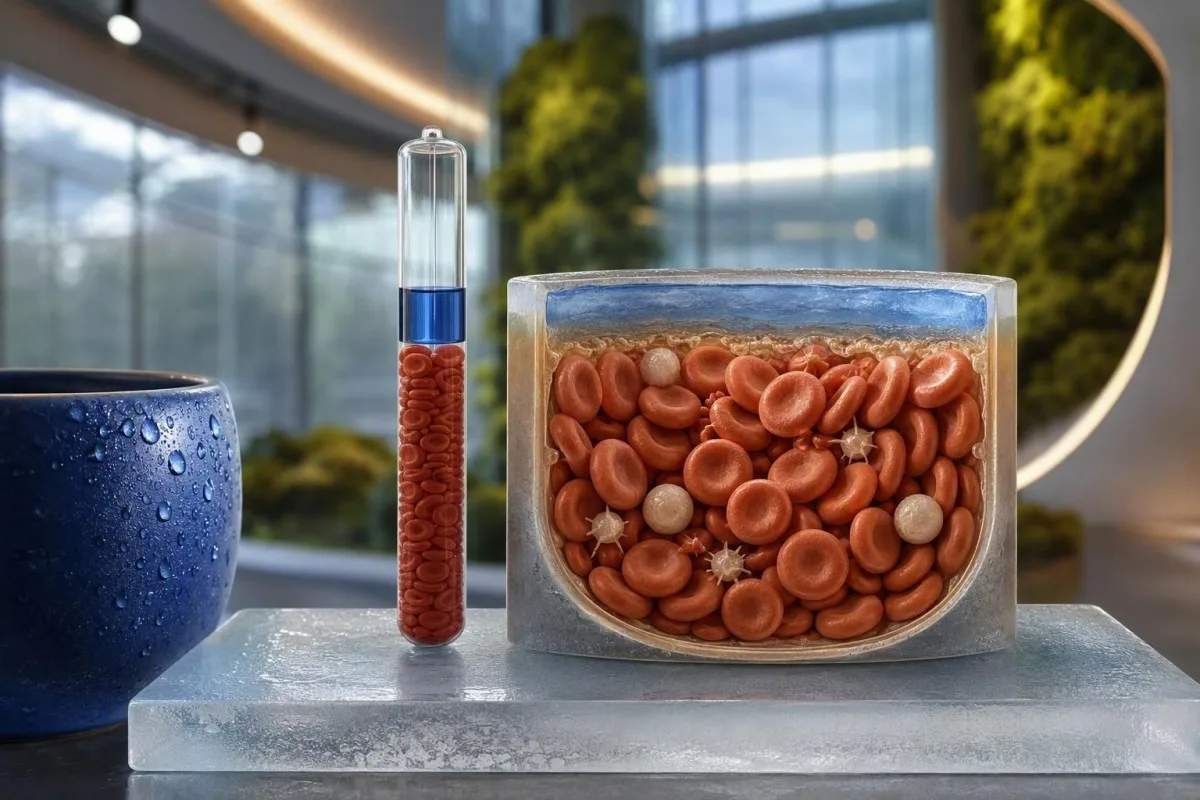
RBC کی بلند تعداد خون کے گاڑھے ہونے کی عکاسی کر سکتی ہے نہ کہ اضافی سرخ خلیات کی۔ پہلا کام عارضی سیال کے نقصان کو مستقل اضافے سے الگ کرنا ہے جس کے لیے مناسب جانچ (work-up) کی ضرورت ہے۔.


- رشتہ دار ایریتھرو سائٹوسس (Relative erythrocytosis) کا مطلب ہے کہ پلازما کا پانی کم ہو گیا ہے، جس سے RBC کی تعداد، ہیموگلوبن، اور ہیماٹوکریٹ نئے خلیات پیدا کیے بغیر زیادہ دکھائی دیتے ہیں۔.
- WHO کی حد وہ اقدار جو ممکنہ polycythemia vera کی تائید کرتی ہیں، مردوں میں 16.5 g/dL سے زیادہ یا خواتین میں 16.0 g/dL سے زیادہ ہیموگلوبن، یا بالترتیب 49% اور 48% سے زیادہ ہیماٹوکریٹ ہیں۔.
- ہائیڈریشن ری ٹیسٹ (پانی کی مقدار درست کر کے دوبارہ ٹیسٹ) عام طور پر الٹی، اسہال، گرمی، روزے، یا سخت ورزش کے بعد معمولی اور الگ تھلگ اضافے کے لیے مناسب ہے—اگر آپ بصورت دیگر ٹھیک محسوس کر رہے ہوں۔.
- ڈائیوریٹکس سیال کے نقصان کے ذریعے ہیماٹوکریٹ کو بڑھا سکتے ہیں؛ تجویز کردہ ادویات کو اس معالج کے مشورے کے بغیر نہ روکیں جس نے وہ تجویز کی ہیں۔.
- پیٹرن (نمونہ) اہمیت رکھتا ہے: بلند البومن، ٹوٹل پروٹین، سوڈیم، BUN/کریٹینائن کا تناسب، اور پیشاب کی مخصوص کشش ثقل (specific gravity) سرخ خلیات کی حقیقی پیداوار کے مقابلے میں پانی کی کمی کی زیادہ تائید کرتے ہیں۔.
- تکرار کا وقت عام طور پر صحت یابی، معمول کے مطابق سیال کے استعمال، اور 24 سے 48 گھنٹے تک غیر معمولی سخت ورزش نہ کرنے کے 1 سے 2 ہفتے بعد ہوتا ہے، جب تک کہ ہنگامی علامات موجود نہ ہوں۔.
- مسلسل بڑھاؤ مناسب ہائیڈریشن کے بعد سگریٹ نوشی، نیند سے متعلق سانس کے مسائل، بلندی، ٹیسٹوسٹیرون، پھیپھڑوں یا گردے کی بیماری، erythropoietin، اور اکثر JAK2 ٹیسٹنگ کے لیے تشخیص کی ضرورت ہوتی ہے۔.
- فوری توجہ کی علامات بشمول سینے میں درد، سانس لینے میں نئی دشواری، ایک طرف کمزوری، بینائی کا ضائع ہونا، الجھن، یا ٹانگ میں درد اور سوجن؛ ان کے لیے فوری طبی امداد کی ضرورت ہوتی ہے، نہ کہ گھر پر دوبارہ ٹیسٹ کی۔.
RBC کے بلند نتیجے کا عام طور پر کیا مطلب ہوتا ہے
RBC کی بلند تعداد پانی کی کمی کی وجہ سے ایک غلط بلند نتیجہ ہو سکتی ہے جب سیال کا نقصان خون کے خلوی حصے کو مرتکز کر دیتا ہے؛ اس کا مطلب خود بخود یہ نہیں ہے کہ آپ کا بون میرو بہت زیادہ سرخ خلیات بنا رہا ہے۔. اہم اشارہ یہ ہے کہ کیا ہیموگلوبن اور ہیماٹوکریٹ بحالی اور معمول کے مطابق پانی پینے کے بعد نارمل ہو جاتے ہیں، بجائے اس کے کہ وہ اچھی طرح تیار کیے گئے دوبارہ CBC میں بلند رہیں۔.
RBC شمار فی لیٹر سرخ خلیات کی تعداد بتاتا ہے، جبکہ hematocrit ان خلیات کے ذریعے پورے خون کا حصہ بتاتا ہے۔ بالغوں کے لیے حوالہ جاتی وقفے لیبارٹری کے لحاظ سے مختلف ہوتے ہیں، لیکن بہت سی لیبارٹریز مردوں کے لیے تقریباً 4.5–5.9 × 10¹²/L اور خواتین کے لیے 4.1–5.1 × 10¹²/L استعمال کرتی ہیں۔ حد سے تھوڑی زیادہ قدر اکثر اس کے ساتھ موجود ہیموگلوبن اور ہیماٹوکریٹ سے کم معلوماتی ہوتی ہے؛ ہماری گائیڈ برائے کہ CBC میں کیا کیا شامل ہوتا ہے بتاتا ہے کہ کیوں۔.
پانی کی کمی چند گھنٹوں میں خون کے مائع اجزاء کو کم کر دیتی ہے، اس لیے وہی سرخ خلیات کی کمیت ایک چھوٹی پیمائش شدہ مقدار میں نظر آتی ہے۔ کلینک میں، میں اکثر معدے کے انفیکشن کے بعد ایسا دیکھتا ہوں: RBC 5.8 × 10¹²/L، ہیموگلوبن 17.1 g/dL، ہیماٹوکریٹ 51%، پھر بحالی کے بعد نارمل اقدار۔ یہ ہے رشتہ دار ایریتھرو سائٹوسس (relative erythrocytosis), ، کوئی لیبارٹری کی غلطی نہیں اور نہ ہی ضروری طور پر کوئی بیماری۔.
کنٹیسٹی ایک ہے۔ اے آئی بلڈ ٹیسٹ تجزیہ کار جو RBC، ہیموگلوبن، ہیماٹوکریٹ، ریڈ سیل انڈیکس، گردے کے مارکرز اور پچھلے نتائج کو ایک ساتھ پڑھتا ہے۔ 5 ستمبر 2026 تک، ہمارا کلینیکل ریویو ورک فلو ایک ہی بارڈر لائن CBC فلیگ کو تیاری اور رجحان کی جانچ پڑتال کے لیے ایک اشارے کے طور پر لیتا ہے—نہ کہ تشخیص کے طور پر۔.
RBC شمار، سرخ خلیات کی کمیت (red-cell mass) کے برابر نہیں ہے۔
ایک CBC براہ راست سرخ خلیات کی کل کمیت کی پیمائش نہیں کر سکتا۔ یہ ارتکاز کی پیمائش کرتا ہے، جو پلازما کا حجم کم ہونے پر بڑھ جاتا ہے؛ اب خصوصی آاسوٹوپ ریڈ سیل ماس ٹیسٹ کی ضرورت شاذ و نادر ہی ہوتی ہے، لیکن وہ یہ واضح کرتے ہیں کہ کیوں ایک مرتکز CBC خلیات میں حقیقی اضافے کے بغیر تشویشناک نظر آ سکتا ہے۔.
Relative erythrocytosis بمقابلہ سرخ خلیات کی حقیقی زیادتی
رشتہ دار ایریتھرو سائٹوسس (Relative erythrocytosis) ایک بلند RBC، ہیموگلوبن، یا ہیماٹوکریٹ ہے جو پلازما کے کم حجم کی وجہ سے ہوتا ہے، جبکہ مطلق ایریتھرو سائٹوسس (absolute erythrocytosis) سرخ خلیات کی حقیقی بڑھتی ہوئی کمیت کی عکاسی کرتا ہے۔. ہائیڈریشن (پانی کی کمی کو پورا کرنا) پہلے پیٹرن کو درست کر سکتی ہے لیکن دوسرے کو درست نہیں کرے گی۔.
حقیقی ایریتھرو سائٹوسس پرائمری ہو سکتا ہے، جیسا کہ پولی سیتھیمیا ویرا میں، یا کم آکسیجن، ادویات، یا شاذ و نادر ہی گردے کے عمل سے ایریتھروپوئٹین میں اضافے کی وجہ سے سیکنڈری ہو سکتا ہے۔ 2016 کے WHO کے معیارات مردوں میں 16.5 g/dL سے اوپر یا خواتین میں 16.0 g/dL سے اوپر ہیموگلوبن کو بطور حد استعمال کرتے ہیں جو پولی سیتھیمیا ویرا کے سوال کو جنم دیتے ہیں، خاص طور پر جب یہ مستقل ہو (Arber et al., 2016)۔ ایک ہی قدر اس کی تشخیص کے لیے کافی نہیں ہے۔.
عملی فرق پینل کے باقی حصوں میں ہے۔. پانی کی کمی کے باعث بلند RBC شمار پیٹرنز میں اکثر بلند البومن، ٹوٹل پروٹین، یوریا/BUN، سوڈیم، اور مرتکز پیشاب شامل ہوتے ہیں؛ مطلق ایریتھرو سائٹوسس میں یہ مارکرز غیر معمولی نہیں ہوتے۔ ہمارے فوکسڈ مضمون کا جائزہ لیں برائے معمولی بلند ہیموگلوبن اگر ہیموگلوبن، نہ کہ صرف RBC، فلیگ شدہ نتیجہ ہو۔.
ایک نارمل RBC شمار ایریتھرو سائٹوسس کو مسترد نہیں کرتا اگر ہیموگلوبن یا ہیماٹوکریٹ زیادہ ہو، اور اکیلے بلند RBC شمار آئرن کی کمی یا تھیلیسیمیا ٹریٹ کی وجہ سے چھوٹے سرخ خلیات کے ساتھ ہو سکتا ہے۔ اسی لیے MCV اور فیریٹن اہم ہیں؛ MCV کے 80 fL سے کم ہونے کے ساتھ ایک بلند RBC ایک مختلف طبی گفتگو ہے۔.
پانی کی کمی کس طرح CBC اور گردے کے مارکرز کو تبدیل کرتی ہے
پانی کی کمی عام طور پر RBC شمار، ہیموگلوبن، اور ہیماٹوکریٹ کو ایک ساتھ بڑھاتی ہے، اور یہ اکثر البومن، ٹوٹل پروٹین، یوریا/BUN، کریٹینائن، اور پیشاب کے ارتکاز کو بڑھاتی ہے۔. ایک غیر مماثل نتیجہ—مثال کے طور پر، بلند RBC کے ساتھ کم ہیموگلوبن—سادہ ہیمو کنسنٹریشن (خون کے ارتکاز) کے ساتھ اچھی طرح مطابقت نہیں رکھتا۔.
امریکی یونٹس میں 20:1 سے زیادہ کا BUN/creatinine تناسب سیال کے ضیاع کی وجہ سے گردے میں خون کے کم بہاؤ کی نشاندہی کر سکتا ہے، حالانکہ معدے سے خون بہنا، پروٹین کا استعمال، کورٹیکوسٹیرائڈز، اور پٹھوں کا کم ماس اس تناسب کو تبدیل کر سکتے ہیں۔ گرمی میں رہنے یا لمبی دوڑ کے بعد Creatinine معمولی حد تک بڑھ سکتا ہے کیونکہ فلٹریشن اور پٹھوں کا میٹابولزم دونوں تبدیل ہو جاتے ہیں۔ ہمارا پانی کی کمی اور eGFR گائیڈ اس بات کا احاطہ کرتا ہے کہ کم eGFR کو کب دوبارہ ٹیسٹ کیا جانا چاہیے۔.
پیشاب کی مخصوص کشش ثقل (Urine specific gravity) کا 1.025 یا اس سے زیادہ ہونا گاڑھے پیشاب سے مطابقت رکھتا ہے، لیکن یہ ہائیڈریشن کا براہ راست پیمانہ نہیں ہے۔ گلوکوز، پروٹین، اور امیجنگ کے کچھ کنٹراسٹ ایجنٹس بھی اسے بڑھا سکتے ہیں، لہذا معالج کو علامات اور الیکٹرولائٹس کے ساتھ اس کی تشریح کرنی چاہیے۔ ایک پیشاب کی مخصوص کشش ثقل کا حوالہ اس وقت مفید ہوتا ہے جب CBC اور پیشاب کا ٹیسٹ (urinalysis) ایک ہی دن کیے گئے ہوں۔.
میں مشورہ دیتا ہوں کہ خون کا نمونہ لینے سے فوراً پہلے کئی لیٹر پانی پی کر ٹیسٹ کے نتائج کو زبردستی نارمل کرنے کی کوشش نہ کریں۔ تیزی سے بہت زیادہ پانی پینا سوڈیم کی سطح کو کم کر سکتا ہے، اور یہ ایک اور غیر نمائندہ نمونہ بناتا ہے؛ جن لوگوں پر سیال کے استعمال کی پابندی نہیں ہے، ان کے لیے 24 سے 48 گھنٹوں تک معمول کا کھانا اور پیاس کے مطابق پانی پینا عام طور پر زیادہ محفوظ ہے۔.
الٹی، اسہال، گرمی، روزہ، اور پیشاب آور ادویات (diuretics)
الٹی، اسہال، بہت زیادہ پسینہ آنا، طویل روزہ، اور پیشاب آور ادویات (diuretic medicines) سب پلازما میں پانی کم کرکے عارضی طور پر RBC کا ارتکاز بڑھا سکتے ہیں۔. بلندی کی سطح اس بات پر زیادہ منحصر ہوتی ہے کہ کتنا سیال ضائع ہوا اور کتنا دوبارہ حاصل کیا گیا، نہ کہ اس پر کہ مریض کتنا بیمار محسوس کر رہا ہے۔.
شدید الٹی اکثر کلورائیڈ کی کمی اور کبھی کبھار بائی کاربونیٹ کی زیادتی کا باعث بنتی ہے کیونکہ معدے کا تیزاب اور سیال ضائع ہو جاتے ہیں۔ Loop diuretics جیسے کہ furosemide اور thiazides، خاص طور پر بڑی عمر کے افراد میں، اسی طرح کا حجم میں کمی کا پروفائل پیدا کر سکتے ہیں۔ کلورائیڈ کا کم نتیجہ اسی کلینیکل فریم کا حصہ ہے؛ ملاحظہ کریں الٹی اور ڈائیوریٹک کلورائیڈ کے اشارے پیٹرن کے لیے۔.
طبی مشورے کے بغیر CBC کو بہتر بنانے کے لیے تجویز کردہ ڈائیوریٹک ادویات بند نہ کریں۔ جو لوگ دل کی ناکامی، جگر کی خرابی (cirrhosis)، مزاحم ہائی بلڈ پریشر، یا گردے کی بیماری کے لیے یہ ادویات لے رہے ہیں، انہیں سیال کے ایک مخصوص پلان کی ضرورت ہو سکتی ہے، کیونکہ بلا امتیاز پانی پینا سوجن یا سانس لینے میں دشواری کو بڑھا سکتا ہے۔ درست سوال یہ ہے کہ کیا خوراک، علامات، وزن، بلڈ پریشر، اور گردے کے نتائج آپس میں مطابقت رکھتے ہیں۔.
پیاس کا احساس مفید ہے لیکن 65 سال سے زیادہ عمر کے افراد اور ذیابیطس، گردے کی بیماری، یا کچھ اعصابی عوارض میں مبتلا افراد کے لیے یہ مکمل درست نہیں ہوتا۔ گہرے پیلے رنگ کا پیشاب، منہ کا خشک ہونا، کھڑے ہونے پر سر چکرانا، پیشاب میں کمی، اور 24 گھنٹے میں 1 کلو وزن کا کم ہونا سیال کے ضیاع کی نشاندہی کر سکتے ہیں، لیکن شدید علامات خود علاج کے بجائے تشخیص کی متقاضی ہوتی ہیں۔.
ورزش عارضی طور پر آپ کے خون کو گاڑھا کر سکتی ہے
سخت برداشت والی ورزش پسینے کے ضیاع اور پلازما کے حجم میں تبدیلیوں کے ذریعے کئی گھنٹوں تک ہیماٹوکریٹ (hematocrit) اور ہیموگلوبن کو بڑھا سکتی ہے، حالانکہ بار بار تربیت پلازما کے حجم میں اضافے کے ذریعے بنیادی ہیماٹوکریٹ کو کم کر سکتی ہے۔. اس لیے کھلاڑیوں کے لیے وقت کا تعین غیر معمولی طور پر اہم ہے۔.
گرم موسم میں 90 منٹ کی دوڑ جسمانی سائز، آب و ہوا، اور پسینے کی شرح کے لحاظ سے 1 سے 3 لیٹر سیال (fluid) ختم کر سکتی ہے۔ ریس کے فوراً بعد نمونہ لینے سے کریٹینائن، CK، البومن، اور ٹوٹل پروٹین بھی زیادہ ظاہر ہو سکتے ہیں۔ یہ مجموعہ صرف RBC کے نتیجے سے زیادہ مفید ہے۔ ہماری میراتھن بلڈ ٹیسٹ ٹائمنگ گائیڈ ان ریکوری مارکرز پر بحث کرتی ہے جو عام طور پر تبدیل ہوتے ہیں۔.
معمول کی نگرانی کے لیے، میں عام طور پر تجویز کرتا ہوں کہ غیر معمولی طور پر شدید ورزش سے گریز کریں 24–48 گھنٹے خون کے نمونے سے پہلے، آرام کے ساتھ پہنچنا، اور ایک دن پہلے معمول کے مطابق پانی پینا ضروری ہے۔ یہ کوئی عالمی لیبارٹری اصول نہیں ہے، اور ایلیٹ ایتھلیٹ کی نگرانی میں جان بوجھ کر لوڈ کے تحت ٹیسٹ کیا جا سکتا ہے—لیکن مستقل مزاجی کمال سے زیادہ اہمیت رکھتی ہے۔ ڈاکٹر تھامس کلین نے دیکھا ہے کہ بہت سے غیر ضروری ریفرلز اس وقت ختم ہو جاتے ہیں جب ایک ایتھلیٹ کو معمول کی ریکوری ہفتے کے بعد دوبارہ ٹیسٹ کیا جاتا ہے۔.
Kantesti’s BUN اور کریٹینین ریسرچ گائیڈ خاص طور پر تب مددگار ہوتا ہے جب ایک برداشت والے ایتھلیٹ (endurance athlete) میں ہیماٹوکرٹ (hematocrit) زیادہ ہو اور گردے کا ٹیسٹ بارڈر لائن پر ہو۔ وزن میں کمی، پیشاب کی زیادہ مخصوص کشش ثقل (specific gravity)، اور ریکوری کا مختصر وقفہ ہیمو کنسنٹریشن (hemoconcentration) کو قرین قیاس بناتا ہے؛ پٹھوں کا درد، کولا رنگ کا پیشاب، یا بہت زیادہ CK احتیاط کی ایک مختلف سطح کا تقاضا کرتے ہیں۔.
معمولی حد تک بلند CBC کو دہرانے کے لیے ایک محفوظ منصوبہ
اگر آپ میں کوئی تشویشناک علامات نہ ہوں تو RBC کی معمولی بڑھی ہوئی تعداد کو عام طور پر 1-2 ہفتوں کی ریکوری، عام ہائیڈریشن، اور مستحکم ادویات کے استعمال کے بعد دہرایا جا سکتا ہے۔. اسے جلد صرف تب دہرائیں اگر آپ کے معالج نے درخواست کی ہو یا ابتدائی نتیجہ کافی حد تک زیادہ ہو۔.
دوبارہ ٹیسٹ سے پہلے، ریکارڈ کریں کہ کیا آپ کو گزشتہ 72 گھنٹوں میں اسہال، قے، بخار، الکحل کا استعمال، سونا (sauna)، لمبا سفر، بلندی پر قیام، فاقہ کشی، یا شدید ورزش کا سامنا رہا ہے۔ اپنی معمول کی خوراک اور ادویات کا شیڈول برقرار رکھیں جب تک کہ آپ کا معالج آپ کو دوسری صورت میں نہ کہے۔ یہ بیس لائن بلڈ ٹیسٹ پریپریشن گائیڈ غیر ارادی تبدیلیوں سے بچنے کے لیے ایک عملی چیک لسٹ رکھتی ہے۔.
جب ممکن ہو تو ایک ہی لیبارٹری کا استعمال کریں، کیونکہ اینالائزر کے طریقے اور ریفرنس وقفے مختلف ہوتے ہیں۔ CBC کے ساتھ ہیموگلوبن، ہیماٹوکرٹ، MCV، RDW، وائٹ سیل کاؤنٹ، اور پلیٹلیٹس کا مطالبہ کریں؛ پلیٹلیٹس یا وائٹ سیلز کی زیادتی کے ساتھ مسلسل اضافہ بون میرو کے عمل کے لیے تنہا erythrocytosis سے زیادہ تشویشناک ہے۔ حالیہ بیماری ان لائنوں کو مخالف سمتوں میں متاثر کر سکتی ہے، اس لیے مکمل پینل شمار ہوتا ہے۔.
کنٹیسٹی ایک ہے۔ اے آئی لیب ٹیسٹ کی تشریح کی خدمت جو ایک نئی CBC کا موازنہ پچھلی اقدار سے کرتا ہے اور ان تبدیلیوں کو نشان زد کرتا ہے جو عام تغیر سے تجاوز کرتی ہیں۔ ہمارا ٹرینڈ اپروچ معالج کی جگہ نہیں لیتا، لیکن یہ وہ اہم سیاق و سباق—ورزش، بیماری، ادویات، اور پچھلا ہیماٹوکرٹ—محفوظ کر سکتا ہے جو اکثر ایک ہی نتیجہ کو تنہا دیکھنے پر کھو جاتا ہے۔.
جب دوبارہ بلند آنے والے نتیجے کے لیے erythrocytosis کی جانچ کی ضرورت ہو
مردوں میں 16.5 g/dL یا خواتین میں 16.0 g/dL سے زیادہ مستقل ہیموگلوبن، یا 49% یا 48% سے زیادہ ہیماٹوکرٹ، معالج کو پانی کی کمی (dehydration) کے خارج ہونے کے بعد erythrocytosis کا جائزہ لینے پر اکسانا چاہیے۔. معمول کے پہلے ٹیسٹ دوبارہ CBC، erythropoietin کی سطح، آکسیجن کی جانچ، اور جب مناسب ہو تو JAK2 میوٹیشن ٹیسٹنگ ہیں۔.
Polycythemia vera ایک مائیلوپرولیفریٹو نوپلازم ہے جس میں متاثرہ مریضوں کے تقریباً 1% میں JAK2 میوٹیشن پائی جاتی ہے۔ کم سیرم erythropoietin پرائمری میرو اوور پروڈکشن کی تائید کرتا ہے، لیکن کسی بھی خون کے ٹیسٹ کی تشریح تنہائی میں نہیں کی جانی چاہیے۔ برٹش سوسائٹی فار ہیماٹولوجی کی گائیڈ لائن ایک منظم طریقہ کار کی سفارش کرتی ہے جو پرائمری کو سیکنڈری erythrocytosis سے الگ کرتا ہے (McMullin et al., 2019)۔.
علامات لطیف ہو سکتی ہیں: سر درد، دھندلا نظر آنا، گرم شاور کے بعد خارش، چہرے کا غیر معمولی سرخ ہونا، تھکاوٹ، یا ماضی میں خون کا جمنا RBC کی درست قیمت سے زیادہ اہم ہو سکتا ہے۔ ہیماٹوکرٹ، erythropoietin، اور JAK2 کی مکمل وضاحت کے لیے، ہماری پڑھیں پولی سائیتھیمیا علامات گائیڈ. ۔ لیبارٹری میں معمولی اضافے والے بہت سے لوگوں میں ان میں سے کوئی بھی خصوصیت نہیں ہوتی۔.
میں محتاط ہوں کہ یہ تاثر نہ دوں کہ ہر مسلسل زیادہ تعداد کینسر ہے۔ تمباکو نوشی سے متعلق کاربن مونو آکسائیڈ کی نمائش، سلیپ ایپنیا (sleep apnea) کا علاج نہ ہونا، پھیپھڑوں کی بیماری، ٹیسٹوسٹیرون، زیادہ بلندی، اور گردے کی کچھ بیماریاں کئی پریکٹسز میں زیادہ عام وضاحتیں ہیں۔ پھر بھی، مستقل مزاجی ہی وہ وجہ ہے جس کی بنا پر CBC کا دوبارہ ٹیسٹ غیر رسمی ری ٹیسٹنگ کا نہ ختم ہونے والا چکر نہیں بننا چاہیے۔.
آکسیجن کی کمی، سگریٹ نوشی، اور سلیپ ایپنیا (sleep apnea) بطور RBC میں اضافے کی وجوہات
دائمی کم آکسیجن erythropoietin کو متحرک کر سکتی ہے اور خون کے سرخ خلیات کی تعداد میں حقیقی اضافہ کر سکتی ہے؛ سلیپ ایپنیا، تمباکو نوشی سے متعلق کاربن مونو آکسائیڈ کی نمائش، اور پھیپھڑوں کی بیماری اکثر وجوہات ہیں۔. دن کے وقت آکسیجن کا معمول کا تناسب رات کے وقت آکسیجن کی کمی کو مکمل طور پر خارج نہیں کرتا۔.
Obstructive sleep apnea معمولی erythrocytosis کا سبب بن سکتا ہے، خاص طور پر جب رات بھر آکسیجن کی کافی کمی واقع ہو۔ زور سے خراٹے لینا، رک رک کر سانس لینا، صبح کا سر درد، مزاحم ہائی بلڈ پریشر، اور دن میں نیند آنا، نیند پر مرکوز ہسٹری کا مطالبہ کرنا چاہیے نہ کہ یہ مفروضہ قائم کرنا چاہیے کہ پانی کی کمی ہر چیز کی وضاحت کرتی ہے۔ ایک سانس کی قلت سے متعلق خون کے ٹیسٹ کا رہنما وسیع تر قلبی و پلمونری تناظر کا خاکہ پیش کرتا ہے۔.
سگریٹ نوشی کاربوکسی ہیموگلوبن بڑھاتی ہے، جس سے آکسیجن کی ترسیل کم ہو جاتی ہے، اگرچہ پلس آکسی میٹر بظاہر تسلی بخش دکھائی دے سکتا ہے۔ ویپنگ سے جلنے والے تمباکو جیسا کاربن مونو آکسائیڈ کا سامنا نہیں ہوتا، لیکن اس کے دیگر صحت کے خطرات ہیں اور اس پر بھی دیانت داری سے بات کی جانی چاہیے۔ کاربن مونو آکسائیڈ کی جانچ یا کو آکسی میٹری بعض اوقات معمول کی آکسیجن سیچوریشن سے زیادہ مفید ہوتی ہے۔.
Kantesti AI بلند RBC کے نتیجے کی تشریح ہیموگلوبن، ہیماٹو کریٹ، گردوں کے اشاریوں، اور نیند یا سگریٹ نوشی سے متعلق بیان کردہ عوامل کے ساتھ کرتا ہے، بجائے اس کے کہ عام وجوہات کی فہرست پیش کرے۔ یہ سیاقی تشریح خاص طور پر اس وقت اہم ہوتی ہے جب ہائیڈریشن کے بعد ہیماٹو کریٹ 50% ہو اور مریض تازگی نہ دینے والی نیند کی اطلاع دے۔.
بلندی، ٹیسٹوسٹیرون، اور وہ ادویات جو RBC بڑھاتی ہیں
بلندی پر رہنا یا تربیت کرنا اور ٹیسٹوسٹیرون استعمال کرنا سرخ خلیوں کی پیداوار بڑھا سکتا ہے، اس لیے یہ اضافہ پانی کی کمی کے بجائے حقیقی ہو سکتا ہے۔. اکثر نمائش کا وقت ابتدائی عدد سے زیادہ معلومات فراہم کرتا ہے۔.
بلندی پر کم آکسیجن دباؤ دنوں سے ہفتوں کے دوران اریتھروپویٹین کو تحریک دیتا ہے اور ہیموگلوبن بڑھاتا ہے؛ متوقع حد بلندی، دورانیے، نسلی پس منظر، اور لیبارٹری کے حوالہ جاتی اعداد و شمار پر منحصر ہوتی ہے۔ پہاڑی قیام کے دوران یا اس کے فوراً بعد کیا گیا CBC اس نمائش کو مدنظر رکھ کر سمجھا جانا چاہیے۔ ہمارا بلندی پر ہیموگلوبن کی دوبارہ جانچ کا رہنما وضاحت کرتا ہے کہ سطحِ سمندر پر واپسی کا وقت کیوں اہم ہے۔.
ٹیسٹوسٹیرون کے انجیکشن، جیل، پیلٹس، اور بعض اینابولک عوامل اریتھرو سائٹوسس کا سبب بن سکتے ہیں۔ بہت سے تجویزی پروٹوکول ہیماٹو کریٹ کے اس حد تک پہنچنے پر علاج کم یا عارضی طور پر روک دیتے ہیں 54%, ، اگرچہ انفرادی خطرے سے متعلق فیصلے مختلف ہوتے ہیں، خصوصاً قلبی بیماری یا سلیپ ایپنیا کے شکار افراد میں۔ نتیجے پر معالج سے بات کرنے کے متبادل کے طور پر کبھی خون عطیہ نہ کریں اور نہ ہی تجویز کردہ خوراک میں تبدیلی کریں۔.
کم عام طور پر، SGLT2 ذیابیطس کی ادویات ہیماٹو کریٹ میں معمولی اضافہ کر سکتی ہیں، جس کی ایک وجہ پلازما کے حجم پر اثرات اور ممکنہ طور پر اریتھروپویٹین کا سگنلنگ بھی ہے۔ ادویات کی فہرست میں بغیر نسخے کے اینڈروجن مصنوعات، انجیکشن کے ذریعے دیے جانے والے علاج، اور حالیہ تبدیلیاں شامل ہونی چاہییں—صرف وہ ادویات نہیں جو الیکٹرانک ریکارڈ میں درج ہوں۔.
CBC کے وہ اشارے جو تشویش کی سطح کو تبدیل کرتے ہیں
بلند RBC اس وقت زیادہ تشویش کا باعث ہوتا ہے جب ہیموگلوبن اور ہیماٹو کریٹ بھی بلند ہوں، خصوصاً پلیٹ لیٹس یا سفید خلیوں کی تعداد بڑھنے، اریتھروپویٹین کم ہونے، یا خون کے اسمئیر میں غیر معمولی خلیے نظر آنے کے ساتھ۔. کم MCV کے ساتھ بلند RBC اکثر اس کے بجائے چھوٹے خلیوں کی بیماریوں کی طرف اشارہ کرتا ہے۔.
MCV کا 80 fL سے کم ہونا اور RBC کی نسبتاً زیادہ تعداد تھیلیسیمیا ٹریٹ میں ہو سکتی ہے، جس میں خلیے چھوٹے مگر تعداد میں زیادہ ہوتے ہیں۔ آئرن کی کمی بھی MCV کم کر سکتی ہے، اگرچہ وقت کے ساتھ یہ زیادہ تر ہیموگلوبن کم کرتی ہے؛ فیریٹن اور ٹرانسفرین سیچوریشن دونوں حالتوں میں فرق واضح کرتے ہیں۔ ہمارا MCV اور MCH کا تقابلی جائزہ وضاحت کرتا ہے کہ صرف RBC کی تعداد گمراہ کن کیوں ہو سکتی ہے۔.
بلند ہیماٹو کریٹ کے ساتھ سفید خلیوں یا پلیٹ لیٹس کی زیادہ تعداد پولی سائیتھیمیا ویرا کی تشخیص نہیں کرتی، لیکن یہ ہیماٹولوجی کے ماہر سے معائنے کی ضرورت کی حد کم کر دیتی ہے۔ اس کے بعد پردیی خون کا اسمئیر، فیریٹن، اریتھروپویٹین، JAK2 ٹیسٹنگ، اور کبھی کبھار بون میرو کی جانچ کی جا سکتی ہے۔ ہمارا خون کے کینسر کی جانچ کا راستہ دکھاتا ہے کہ یہ ٹیسٹ بے ترتیب طور پر کرانے کے بجائے ترتیب وار کیوں کیے جاتے ہیں۔.
ڈاکٹر تھامس کلائن کا عملی اصول سادہ ہے: آزاد ذرائع سے حاصل ہونے والے اشاروں میں باہمی مطابقت تلاش کریں۔ 52% کا ہیماٹو کریٹ، 520 × 10⁹/L کے پلیٹ لیٹس، اور کم اریتھروپویٹین ایک ایسے نمونے کی نمائندگی کرتے ہیں جو ہیٹ ویو کے بعد 50% کے ہیماٹو کریٹ، 5.3 g/dL کے البومن، اور مرتکز پیشاب سے بنیادی طور پر مختلف ہے۔.
علامات اور خون جمنے کا خطرہ: جب RBC کا بلند ہونا ہنگامی صورتحال ہو
بلند RBC کے نتیجے کے ساتھ سینے میں درد، اچانک سانس پھولنا، خون والی کھانسی، بے ہوشی، نئی کمزوری، بولنے میں دشواری، نظر کا کم یا ختم ہونا، یا ٹانگ میں دردناک سوجن ہو تو فوری طبی امداد حاصل کریں۔. یہ علامات خون کے لوتھڑے یا کسی دوسری حاد حالت کی عکاسی کر سکتی ہیں اور انہیں دوبارہ CBC ہونے تک کبھی مؤخر نہیں کرنا چاہیے۔.
زیادہ ہیماٹو کریٹ خون کی گاڑھا پن بڑھا سکتا ہے، لیکن عجلت کا زیادہ قابلِ اعتماد تعین معمولی الگ تھلگ اضافے کے بجائے علامات اور مجموعی عروقی خطرے سے ہوتا ہے۔ پولی سائیتھیمیا ویرا میں خون کے لوتھڑے بننے کا تسلیم شدہ خطرہ ہوتا ہے، خصوصاً زیادہ عمر، سابقہ تھرومبوسس، قلبی خطرے کے عوامل، اور قابو سے باہر خون کی تعداد کی صورت میں۔ تیفیری اور باربوئی کا 2021 کا جائزہ ہر بڑھی ہوئی تعداد کا یکساں علاج کرنے کے بجائے خطرے کے مطابق علاج بیان کرتا ہے۔.
صرف سر درد عام اور غیر مخصوص ہوتا ہے؛ لیکن نئے بصری عوارض، کمزوری، یا الجھن کے ساتھ سر درد عام نہیں۔ اسی طرح گرم پانی سے نہانے کے بعد ہونے والی خارش پولی سائیتھیمیا ویرا میں ہو سکتی ہے، لیکن خشک جلد اور الرجی میں بھی ہوتی ہے، اس لیے یہ ایک اشارہ ہے، حتمی ثبوت نہیں۔ جائزہ लें سینے کے درد کے لیے خون کے ٹیسٹ میں انتباہی علامات اگر علامات ان وجوہات میں شامل ہیں جن کی بنیاد پر ٹیسٹ تجویز کیا گیا تھا۔.
صرف RBC کی تعداد زیادہ ہونے کی وجہ سے اسپرین نہ لیں، جب تک کہ آپ کا معالج اس کی سفارش نہ کرے۔ اسپرین سے خون بہنے کا خطرہ ہوتا ہے اور السر، خون پتلا کرنے والی ادویات، پلیٹ لیٹس کی کم تعداد، یا بعض طبی سابقہ صورتوں میں یہ ناموزوں ہو سکتی ہے۔ اگر جسم کے کسی ایک حصے میں اعصابی علامات یا قلبی و تنفسی علامات ظاہر ہوں تو ہنگامی خدمات سے رابطہ کرنا زیادہ محفوظ انتخاب ہے۔.
آپ کے پچھلے CBCs سوال کا جواب کیوں دے سکتے ہیں
کئی سالوں سے RBC کی تعداد کا مستقل طور پر معمولی زیادہ رہنا، چند ہفتوں میں تیزی سے بڑھنے سے مختلف معنی رکھتا ہے، اور رجحانات ذاتی معمول اور نئی بیماری میں فرق کر سکتے ہیں۔. نتائج کا موازنہ ہیموگلوبن، ہیماٹوکریٹ، MCV، اور جہاں ممکن ہو اسی لیبارٹری کا استعمال کرتے ہوئے کریں۔.
حیاتیاتی تغیر اور تجزیہ کار کے تغیر کا مطلب ہے کہ معمولی تبدیلی ہمیشہ حقیقی جسمانی تبدیلی نہیں ہوتی۔ دو مرتبہ خون لینے کے درمیان ہیموگلوبن میں 0.3 g/dL کا فرق پانی کی کمی یا زیادتی، جسمانی حالت، وقت، یا عام تغیر کی وجہ سے ہو سکتا ہے؛ لیکن 15.2 سے 17.3 g/dL تک مسلسل اضافہ زیادہ توجہ کا مستحق ہے۔ ہمارا مضمون بامعنی لیب تبدیلیاں ریفرنس-چینج ویلیو کے تصور کی وضاحت کرتا ہے۔.
ہر بار خون لینے کے وقت قدِ قامت، تمباکو نوشی کی حیثیت، ٹیسٹوسٹیرون کی خوراک، بیماری، سخت ورزش، ماہواری کا خون، اور جسم سے خارج ہونے والے سیالات کا ایک سادہ ریکارڈ رکھیں۔ یہ ریکارڈ ایک بالکل درست “مثالی” RBC تعداد کے پیچھے بھاگنے سے زیادہ طبی طور پر مفید ہے۔ میرے تجربے میں، اسی تناظر کی عدم موجودگی کی وجہ سے مریضوں کو مختلف ملاقاتوں میں متضاد وضاحتیں ملتی ہیں۔.
Kantesti، ایک AI بایومارکر تشریح پلیٹ فارم, ، مسلسل CBC اقدار کو گردوں اور پروٹین کے مارکرز کے ساتھ ساتھ دکھا سکتا ہے تاکہ ارتکاز کے نمونوں کی شناخت ہو سکے۔ ہم صارفین کی حوصلہ افزائی کرتے ہیں کہ وہ رجحان کے تجزیے کو معالج سے گفتگو کی تیاری سمجھیں، معائنے یا مخصوص ٹیسٹنگ کا متبادل نہیں۔.
حمل، بڑی عمر، اور دائمی بیماریوں کے حوالے سے تحفظات
حمل کے دوران عموماً پلازما کے حجم میں اضافے کے باعث ہیموگلوبن اور ہیماٹوکریٹ کم ہو جاتے ہیں، اس لیے حمل میں زیادہ قدر کو محض پانی کی کمی سمجھنے کے بجائے معالج سے رجوع کرنا چاہیے۔. عمر رسیدہ افراد اور دل یا گردوں کی بیماری میں مبتلا لوگوں کے لیے سیال سے متعلق مشورہ انفرادی نوعیت کا ہونا چاہیے۔.
حمل کے دوران پلازما کا حجم تقریباً 40–50٪ بڑھ جاتا ہے، جس سے جسمانی طور پر خون پتلا ہوتا ہے؛ زچگی کی بہت سی خدمات 16.0 g/dL سے زیادہ ہیموگلوبن کی جانچ کرتی ہیں کیونکہ یہ پلازما کے ناکافی پھیلاؤ یا دیگر خدشات کی نشاندہی کر سکتا ہے۔ حمل کے ابتدائی مرحلے میں شدید قے بھی CBC کو مرتکز کر سکتی ہے، لیکن مسلسل اضافہ زچگی کی ٹیم سے زیرِ بحث لانا چاہیے۔ ایک ہی دن کے حالات کے لیے دیکھیں حمل کے دوران خون کے ٹیسٹ کی ریڈ فلیگز ۔.
عمر رسیدہ افراد کو ہمیشہ قابلِ اعتماد طور پر پیاس محسوس نہیں ہوتی، جبکہ قلبی ناکامی اور گردوں کی ترقی یافتہ بیماری میں اضافی سیال خطرناک ہو سکتا ہے۔ ٹخنے کی سوجن، وزن، سانس پھولنے، یا پیشاب کی مقدار میں تیز تبدیلی، پانی کی کسی عمومی مقدار کا ہدف پورا کرنے کی کوشش سے زیادہ اہم ہے۔ پیشاب آور ادویات میں تبدیلی اس بنیادی بیماری کا انتظام کرنے والے معالج کی نگرانی میں ہونی چاہیے۔.
بچوں کے لیے ہیموگلوبن کی حدود عمر کے لحاظ سے مختلف ہوتی ہیں، اور بالغوں کے پورٹل پر زیادہ نظر آنے والی قدر کسی خاص عمر یا بلندی پر مناسب ہو سکتی ہے۔ مسلسل اضافے کی تشریح بچوں کے ماہر معالج کو کرنی چاہیے، خاص طور پر اگر نیلاہٹ، پیدائشی دل کی بیماری، یا نشوونما میں کمی بھی موجود ہو۔.
RBC کی بلند تعداد کے بعد اپنے معالج سے پوچھنے کے لیے سوالات
پوچھیں کہ آیا آپ کا نتیجہ خون کے مرتکز ہونے کی نمائندگی کرتا ہے، آیا ہیموگلوبن اور ہیماٹوکریٹ بھی زیادہ ہیں، اور آپ کی طبی تاریخ کے مطابق دوبارہ ٹیسٹ کن حالات میں مناسب ہوگا۔. اچھے سوالات قبل از وقت تشویش اور مستقل اریتھروسائٹوسس نظر انداز ہونے، دونوں سے بچاتے ہیں۔.
صرف فلیگ کیے گئے RBC نتیجے کے بجائے مکمل رپورٹ، سابقہ CBC رپورٹس، اور موجودہ ادویات کی فہرست ساتھ لائیں۔ پوچھیں: “کیا البومین، کل پروٹین، سوڈیم، کریاٹینین، BUN/یوریا، اور پیشاب کا ارتکاز سیال کی کمی سے مطابقت رکھتے تھے؟” یہ سیرم پروٹینز گائیڈ آپ کو سمجھنے میں مدد دے سکتا ہے کہ اس گفتگو میں البومین کیوں شامل ہے۔.
اگر اضافہ برقرار رہے تو پوچھیں کہ آیا آکسیجن کی جانچ، نیند کی جانچ، اریتھروپویٹین، فیریٹن، JAK2 ٹیسٹنگ، یا ہیماتولوجی سے رجوع آپ کے نمونے کے مطابق ہے۔ 28 سالہ برداشت کے کھلاڑی کا ہیماٹوکریٹ 50٪ ہونے اور 67 سالہ تمباکو نوش کا ہیماٹوکریٹ 55٪ ہونے اور سابقہ خون کے لوتھڑے کے درمیان جواب مختلف ہوگا۔ مخصوص طبی تاریخ تشخیصی جائزے کا رخ بدل دیتی ہے۔.
Kantesti کے طبی طریقۂ کار کی نگرانی شائع شدہ معیارِ معیار اور معالجین کی رائے کے تحت کی جاتی ہے؛ خودکار تشریح استعمال کرنے سے پہلے قارئین ہماری طبی توثیق (medical validation) کی حکمتِ عملی کا جائزہ لے سکتے ہیں۔ ڈاکٹر تھامس کلائن کا خلاصہ یہ ہے کہ معمولی اور الگ تھلگ نتیجے کے لیے ہائیڈریشن کی جانچ ایک مناسب پہلا قدم ہے، لیکن مسلسل زیادہ اقدار کی حقیقی وضاحت ضروری ہے۔.
پانی کی کمی اور بلند RBC پر عملی خلاصہ
پانی کی کمی خون کو مرتکز کر کے RBC کے نتیجے کو بظاہر بلند ظاہر کر سکتی ہے، لیکن اسے صرف اسی وقت ایک عارضی وضاحت سمجھنا چاہیے جب طبی صورتحال اور متعلقہ لیبارٹری مارکرز اس سے مطابقت رکھتے ہوں۔. صحت یابی کے بعد دوبارہ کیا گیا نارمل ٹیسٹ اطمینان بخش ہوتا ہے؛ مسلسل بلندی کی صورت میں اس کی جانچ ضروری ہے۔.
گرمی، معدے کی بیماری، روزے یا سخت ورزش کے بعد الگ تھلگ اور معمولی بلندی کی صورت میں معمول کے مطابق صحت یاب ہوں اور تقریباً 1–2 ہفتوں میں یکساں حالات کے تحت CBC دوبارہ کروائیں۔ ضرورت سے زیادہ پانی پینے سے گریز کریں، اور مشورے کے بغیر ڈائیوریٹکس، ٹیسٹوسٹیرون یا کوئی دوسری تجویز کردہ دوا تبدیل نہ کریں۔ اگر آپ کو یقین نہیں کہ آپ کا نتیجہ صرف معمولی حد تک بلند ہے، تو ہماری آؤٹ آف رینج (out-of-range) نتیجہ گائیڈ لیبارٹری کی جانب سے ظاہر کیے گئے انتباہات کی وضاحت کرتی ہے۔.
مردوں میں ہیماٹوکرٹ بار بار 49% سے زیادہ یا خواتین میں 48% سے زیادہ ہو، یا ہیموگلوبن بالترتیب 16.5 g/dL یا 16.0 g/dL سے زیادہ ہو، تو مسلسل بار بار ٹیسٹ کروانے کے بجائے ہدفی تشخیص کی درخواست کریں۔ اگلے مرحلے میں عموماً تمباکو نوشی کا سامنا، نیند میں سانس رکنا، بلندی پر رہائش، ادویات کے اثرات، اریتھروپوئیٹن اور JAK2 کی کیفیت کو مدِنظر رکھا جاتا ہے۔ خون جمنے یا فالج کی علامات فوری طبی نگہداشت کی متقاضی ہیں۔.
کنٹیسٹی ایک ہے۔ اے آئی سے چلنے والا خون کے ٹیسٹ کا تجزیہ کا آلہ ان نتائج اور وقت کے ساتھ ان کے رجحانات کو منظم کرنے کے لیے تیار کیا گیا ہے تاکہ باخبر طبی گفتگو میں مدد مل سکے۔ ہمارے طبیب جائزہ کار اور میڈیکل ایڈوائزری بورڈ اسی اصول پر زور دیتے ہیں: پہلے پس منظر کو سمجھیں، جب محفوظ ہو تو ٹیسٹ دوبارہ کروائیں، اور جب یہ نمونہ برقرار رہے تو فوری طبی جائزہ لیں۔.
اکثر پوچھے گئے سوالات
کیا پانی کی کمی (ڈی ہائیڈریشن) RBC کی تعداد زیادہ ہونے کا سبب بن سکتی ہے؟
جی ہاں۔ پانی کی کمی (Dehydration) کی وجہ سے RBC کی تعداد زیادہ ہو سکتی ہے کیونکہ پلازما کا پانی کم ہونے سے خون کے حجم میں سرخ خلیات کا ارتکاز بڑھ جاتا ہے، اس کیفیت کو ریلیٹو اریتھروسائٹوسس (relative erythrocytosis) کہا جاتا ہے۔ ہیموگلوبن اور ہیماٹوکریٹ عام طور پر RBC کی تعداد کے ساتھ بڑھ جاتے ہیں، اور البومن، ٹوٹل پروٹین، BUN/یوریا، یا پیشاب کی مخصوص کشش ثقل (urine specific gravity) بھی زیادہ ہو سکتی ہے۔ معمولی اور تنہا اضافہ اکثر صحت یاب ہونے اور معمول کے مطابق پانی پینے کے بعد نارمل ہو جاتا ہے، لیکن مردوں میں 49% یا خواتین میں 48% سے مستقل زیادہ ہیماٹوکریٹ کی طبی تشخیص کی ضرورت ہوتی ہے۔.
ہائی RBC ٹیسٹ کو دہرانے سے پہلے مجھے کتنا پانی پینا چاہیے؟
زیادہ تر بالغ افراد کو دوبارہ CBC کروانے سے 24–48 گھنٹے پہلے جان بوجھ کر زیادہ پانی پینے کے بجائے، پیاس کے مطابق معمول کی مقدار میں پانی پینا چاہیے۔ ایک عملی ہدف ہلکے پیلے رنگ کا پیشاب اور معمول کے مطابق پیشاب کا آنا ہے، نہ کہ بالکل صاف پیشاب یا زبردستی پانی کا زیادہ استعمال۔ دل کی ناکامی، گردے کے جدید مرض، سروسس (cirrhosis) میں مبتلا افراد یا جنہیں سیال (fluid) کی مقدار محدود رکھنے کا مشورہ دیا گیا ہے، انہیں اپنے معالج سے انفرادی منصوبہ پوچھنا چاہیے۔ تیزی سے کئی لیٹر پانی پینے سے سوڈیم کی سطح کم ہو سکتی ہے اور نتیجہ غیر نمائندہ آ سکتا ہے۔.
پانی کی کمی (dehydration) کے کتنی دیر بعد مجھے CBC دوبارہ کروانا چاہیے؟
قے، اسہال، بخار، گرمی کے اثرات، یا شدید ورزش کے ختم ہونے کے 1-2 ہفتوں بعد عام طور پر دوبارہ CBC کروایا جاتا ہے۔ ورزش سے متعلق تبدیلیوں کے لیے، نمونہ لینے سے 24-48 گھنٹے پہلے غیر معمولی سخت تربیت سے پرہیز کریں اور معمول کے مطابق مائعات کا استعمال جاری رکھیں۔ اگر ہیماٹوکریٹ (hematocrit) بہت زیادہ ہو، علامات موجود ہوں، یا گردے کے مارکر غیر معمولی ہوں تو یہ ٹیسٹ جلد بھی کروایا جا سکتا ہے۔ جہاں تک ممکن ہو ایک ہی لیبارٹری کا استعمال کریں تاکہ حوالہ جات کی حدود (reference ranges) اور تجزیہ کے طریقے موازنہ کے قابل رہیں۔.
RBC کی کتنی تعداد کو خطرناک حد تک زیادہ سمجھا جاتا ہے؟
RBC کی کوئی ایک ایسی تعداد نہیں ہے جو خطرے کا تعین کرتی ہو کیونکہ خطرہ ہیماٹوکرٹ، ہیموگلوبن، علامات، وجہ اور جمے ہوئے خون (clot) کی تاریخ پر زیادہ منحصر ہوتا ہے۔ تقریباً 56% یا اس سے زیادہ کا ہیماٹوکرٹ عام طور پر اسی دن فوری طبی معائنے کا متقاضی ہوتا ہے، جبکہ مردوں میں 49% یا خواتین میں 48% سے مستقل زیادہ اقدار ایریتھرو سائٹوسس (erythrocytosis) کے ورک اپ کا جواز پیش کرتی ہیں۔ سینے کا درد، اچانک سانس کا پھولنا، بصارت کا ضائع ہونا، کمزوری، بولنے میں دشواری، یا ٹانگ میں دردناک سوجن، تعداد کی پرواہ کیے بغیر فوری توجہ طلب ہیں۔ ان علامات کے لیے ہائیڈریشن یا دوبارہ ٹیسٹ کے انتظار کے بجائے ہنگامی طبی معائنے کی ضرورت ہوتی ہے۔.
کیا ڈائیوریٹکس (diuretics) کی وجہ سے سرخ خلیاں (red blood cells) بڑھ سکتی ہیں؟
Diuretics پلازما کے حجم کو کم کر کے سرخ خلوی ارتکاز (red blood cell concentration) میں اضافہ کر سکتے ہیں، خاص طور پر خوراک میں اضافے، گرم موسم، پانی کا کم استعمال، قے، یا اسہال کے بعد۔ یہ عام طور پر بون میرو کو اضافی سرخ خلیات بنانے پر مجبور نہیں کرتے، اس لیے سیال کا توازن درست ہونے پر یہ اثر ختم ہو سکتا ہے۔ furosemide، hydrochlorothiazide، یا کوئی اور تجویز کردہ diuretic خود سے لینا بند نہ کریں کیونکہ یہ ادویات دل کی ناکامی، بلڈ پریشر، یا سوجن کو کنٹرول کر رہی ہو سکتی ہیں۔ CBC کے ساتھ وزن، بلڈ پریشر، creatinine، سوڈیم، پوٹاشیم اور علامات پر بات کریں۔.
کیا RBC کی زیادہ تعداد کا مطلب ہمیشہ پولی سیتھیمیا ویرا (polycythemia vera) ہوتا ہے؟
نہیں۔ RBC کی زیادہ تر بلند سطحوں کا خود بخود یہ مطلب نہیں ہوتا کہ آپ کو پولی سیتھیمیا ویرا (polycythemia vera) ہے؛ پانی کی کمی، سگریٹ نوشی سے متعلق کاربن مونو آکسائیڈ، سلیپ ایپنیا، بلندی، پھیپھڑوں کی بیماری، اور ٹیسٹوسٹیرون اس کے عام متبادل اسباب ہیں۔ پولی سیتھیمیا ویرا اس وقت زیادہ ممکن ہو جاتا ہے جب مردوں میں ہیموگلوبن 16.5 g/dL سے اوپر یا خواتین میں 16.0 g/dL سے اوپر رہے، ہیماٹوکریٹ 49% یا 48% سے اوپر رہے، ایری تھروپوئٹین (erythropoietin) کم ہو، اور JAK2 ٹیسٹ مثبت ہو۔ پولی سیتھیمیا ویرا کے تقریباً 1% کیسز میں JAK2 میوٹیشن ہوتی ہے۔ ایک معالج کو ان ٹیسٹوں کی تشریح ایک پیٹرن کے طور پر کرنی چاہیے، نہ کہ صرف CBC کے ایک اشارے (flag) سے تشخیص کرنی چاہیے۔.
آج ہی اے آئی سے طاقتور خون کے ٹیسٹ کا تجزیہ حاصل کریں
دنیا بھر میں 2M+ صارفین میں شامل ہوں جو فوری اور درست لیب ٹیسٹ تجزیے کے لیے Kantesti پر بھروسہ کرتے ہیں۔ اپنے خون کے ٹیسٹ کے نتائج اپلوڈ کریں اور چند سیکنڈ میں 15,000+ بایومارکرز کی جامع تشریح حاصل کریں۔.
📚 حوالہ دی گئی تحقیقی اشاعتیں
کلائن، ٹی.، مچل، ایس.، اور ویبر، ایچ. (2026). BUN/کریٹینائن تناسب کی وضاحت کی گئی: گردے کے فنکشن ٹیسٹ گائیڈ.۔ Kantesti اے آئی میڈیکل ریسرچ۔.
کلائن، ٹی.، مچل، ایس.، اور ویبر، ایچ. (2026). پیشاب میں یوروبیلینوجن ٹیسٹ: مکمل یورینالیسس گائیڈ 2026.۔ Kantesti اے آئی میڈیکل ریسرچ۔.
📖 بیرونی طبی حوالہ جات
⚕️ میڈیکل ڈس کلیمر
یہ مضمون صرف تعلیمی مقاصد کے لیے ہے اور طبی مشورہ نہیں ہے۔ تشخیص اور علاج کے فیصلوں کے لیے ہمیشہ کسی مستند صحت کے ماہر سے رجوع کریں۔.
E-E-A-T اعتماد کے اشارے
تجربہ
معالج کی قیادت میں لیب تشریح کے ورک فلو کا کلینیکل جائزہ۔.
مہارت
لیبارٹری میڈیسن کا فوکس یہ کہ بایومارکرز کلینیکل سیاق میں کیسے برتاؤ کرتے ہیں۔.
مستندیت
ڈاکٹر تھامس کلائن نے لکھا، ڈاکٹر سارہ مچل اور پروف. ڈاکٹر ہانس ویبر نے نظرثانی کی۔.
امانت داری
شواہد پر مبنی تشریح واضح فالو اپ راستوں کے ساتھ تاکہ گھبراہٹ کم ہو۔.