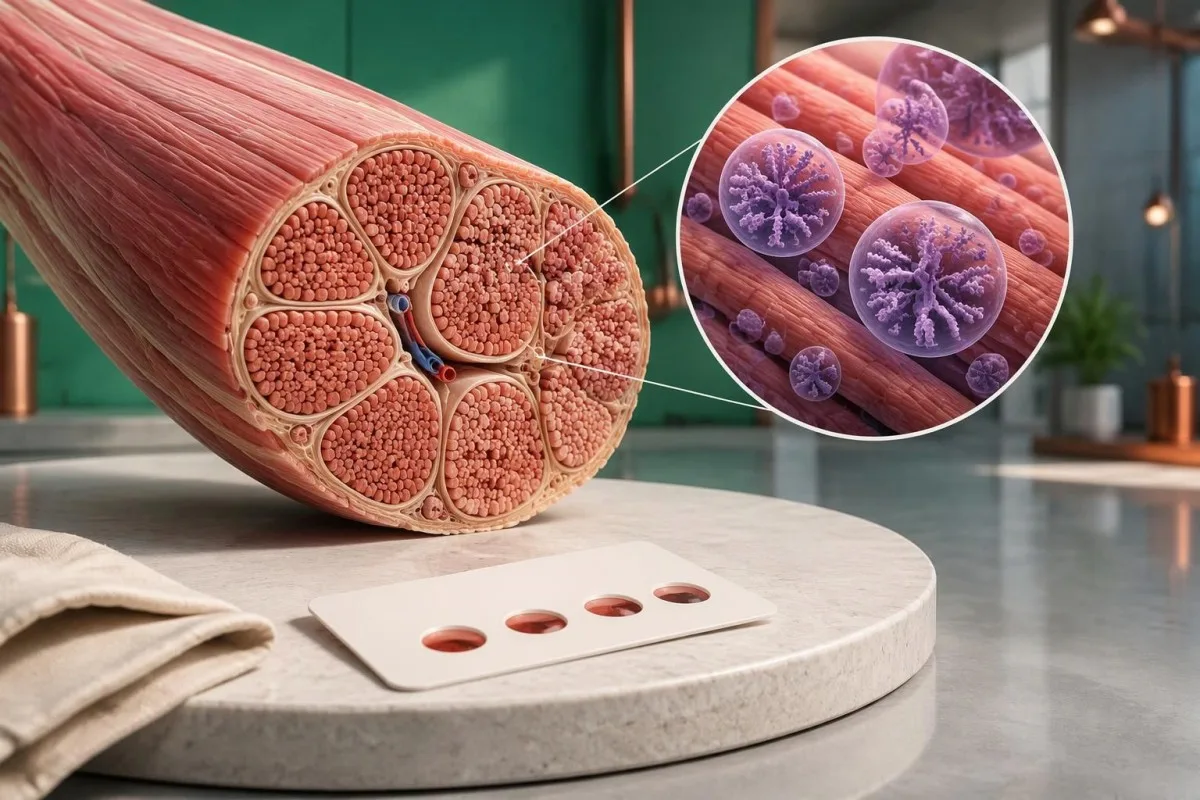
GAA ئېنزىمىنىڭ نەتىجىسى تۆۋەن بولسا پومپې كېسىلىدىن گۇمانلىنىشقا سەۋەب بولىدۇ، ئەمما تەكشۈرۈشنىڭ ئۆزىلا كېسەللىكنى جەزملەشتۈرەلمەيدۇ. مۇۋاپىق ئەۋرىشكىدە قايتا تەكشۈرۈش ۋە GAA گېن ئانالىزى ھەقىقىي يېتىشمەسلىك، توشۇغۇچى ھالەت ۋە ساختا يېتىشمەسلىكنى پەرقلەندۈرۈشكە ياردەم بېرىدۇ.

مۇھىم خۇلاسىلەر
- GAA ئېنزىم پائالىيىتىنىڭ تۆۋەن بولۇشى دىياگنوز ئەمەس، بەلكى كېيىنكى تەكشۈرۈشكە سىگنال؛ نورمالسىز قۇرۇتۇلغان قان داغى نەتىجىسىنى مۇتەخەسسىس يېتەكچىلىكىدە جەزملەشتۈرۈش كېرەك.
- پايدىلىنىش دائىرىلىرى ئەۋرىشكە ۋە تەكشۈرۈش ئۇسۇلىغا باغلىق؛ nmol/h/mL نى nmol/h/mg ئاقسىل بىلەن بىۋاسىتە سېلىشتۇرۇشقا بولمايدۇ.
- قالدۇق ئېنزىم پائالىيىتى كلاسسىك بوۋاقلىق دەۋرىدىكى پومپې كېسىلىدە كۆپىنچە 1% دىن تۆۋەن بولىدۇ، ئەمما بۇ سان ھەممە يەردە قوللىنىلىدىغان تەكشۈرۈش چېكى ئەمەس.
- ساختا يېتىشمەسلىك پومپې كېسىلىنى كەلتۈرۈپ چىقارماي تۇرۇپ تەجرىبىخانىدا GAA پائالىيىتىنى تۆۋەن كۆرسىتىشى مۇمكىن؛ ئوخشاش تەكشۈرۈشنى قايتىلاش تۆۋەن نەتىجىنى يەنە كۆرسىتىشى مۇمكىن.
- GAA گېن تەكشۈرۈشى گېننىڭ ھەر ئىككى نۇسخىسىغا تەسىر كۆرسىتىدىغان كېسەللىك پەيدا قىلغۇچى ۋارىيانتلارنى ئىزدەيدۇ؛ تۈرگە ئايرىش ۋە فازىنى بېكىتىش ئۈچۈن 2 ۋارىيانتىنى ئىزاھلاش كېرەك.
- ئېنىق بولمىغان ۋارىيانتلار پومپې كېسىلى بارلىقىنى ئىسپاتلىمايدۇ؛ ئېنىقسىز ئەھمىيەتكە ئىگە 1 ياكى 2 ۋارىيانتقا قوشۇمچە دەلىل كېرەك.
- ئائىلىۋى خەۋپ ھەر ئىككى ئاتا-ئانا كېسەللىك پەيدا قىلىدىغان GAA ۋارىيانتىنى توشۇغاندا، ھەر بىر ھامىلىدارلىقتا تەسىرگە ئۇچرىغان بالىنىڭ خەۋپى 25% بولىدۇ.
- جىددىي باھالاش GAA سەۋىيەسى تۆۋەن بوۋاقتا ئوزۇقلىنىش قىيىنچىلىقى، روشەن ئاجىزلىق ياكى يۈرەككە تەسىر يەتكەن بولۇشىدىن گۇمان بولسا، بۇ زۆرۈر؛ ئادەتتىكى قايتا تەكشۈرۈشنى كۈتمەڭ.
GAA ئېنزىمىنىڭ نەتىجىسى تۆۋەن بولۇشى زادى نېمىدىن دېرەك بېرىدۇ؟
A پومپې كېسىلى تەكشۈرۈشى GAA پائالىيىتىنىڭ تۆۋەنلىكىنى كۆرسەتسە، تەجرىبىخانىنىڭ ئۆز تەكشۈرۈش شارائىتىدا كىسلاتالىق ئالفا-گلۇكوزىدازا فۇنكسىيەسىنىڭ تۆۋەنلىگەنلىكىنى ئۆلچىگەنلىكىنى بىلدۈرىدۇ. بۇ پومپې كېسىلىنى ئىسپاتلىمايدۇ: 1 قېتىملىق تۆۋەن تەكشۈرۈش نەتىجىسى ھەقىقىي كەمچىللىك، ساختا كەمچىللىك، توشۇغۇچىغا مۇناسىۋەتلىك قاپلىشىش ياكى ئەۋرىشكە مەسىلىسىدىن بولۇشى مۇمكىن.

GAA پائالىيىتى ئېنزىم فۇنكسىيەسىنى ئۆلچەيدۇ، ئېنزىم ئاقسىلىنىڭ مىقدارىنىلا ئەمەس. ئالدى بىلەن تەكشۈرۈلىدىغان 3 تەپسىلات: ئەۋرىشكە تۈرى، ئۆلچەش بىرلىكى ۋە تەجرىبىخانىنىڭ قارار چېكى؛ بۇ تەپسىلاتلار بولماي تۇرۇپ تۆۋەن دەپ تەسۋىرلەنگەن نەتىجىنى توردا تېپىلغان سان بىلەن ئىشەنچلىك سېلىشتۇرۇپ چۈشەندۈرگىلى بولمايدۇ.
تەكشۈرۈشنىڭ سەۋەبى مۇسبەت تەكشۈرۈش نەتىجىسىنىڭ مەنىسىنى ئۆزگەرتىدۇ. نوپۇس تەكشۈرۈشى ئارقىلىق بايقالغان يېڭى تۇغۇلغان بوۋاق بىلەن يانپاش ئاجىزلىقى تەدرىجىي كۈچىيىۋاتقان 45 ياشلىق كىشىدە پومپې كېسىلىنىڭ دەسلەپكى ئېھتىماللىقى ئوخشىمايدۇ، دوكلات قىلىنغان ئېنزىم قىممىتى ئوخشاش بولغان تەقدىردىمۇ؛ شۇڭا كېسەللىك ئالامەتلىرى ۋە تەكشۈرۈش نەتىجىسى تەجرىبىخانا نەتىجىسى بىلەن بىللە باھالىنىشى كېرەك.
تەكشۈرۈش مۇسبەت بولۇش كېسەللىك مۇسبەت بولۇش بىلەن ئوخشاش ئەمەس. 2 تەجرىبىخانا ئوخشىمىغان سۇبسترات ياكى ئەۋرىشكە تەييارلاش ئۇسۇلىنى ئىشلەتسە، ھېچقايسىسى خاتالىق ئۆتكۈزمىگەن بولسىمۇ، ئۇلارنىڭ سانلىق نەتىجىلىرى پەرقلىق بولۇشى مۇمكىن؛ كېيىنكى ئۇچرىشىشنىڭ يەنە بىر تەكشۈرۈش ئۆلچەشى ئۈچۈنمۇ ياكى ھەقىقىي دەلىللىگۈچى ئېنزىم تەكشۈرۈشى ئۈچۈنمۇ ئىكەنلىكىنى سوراڭ.
كانتېستى بىر AI قان تەكشۈرۈش ئانالىزچىسى GAA دوكلاتىنى ئادەتتىكى تەجرىبىخانا نەتىجىلىرى بىلەن بىرگە تەرتىپكە سېلىشقا ياردەم بېرەلەيدۇ، ئەمما بايراق بىلەن بەلگىلەنگەن 1 قىممەتتىن پومپې كېسىلى دىئاگنوزىنى بېكىتەلمەيدۇ. بىزنىڭ شىركەت ئۇچۇرلىرىمىز كەڭ كۆلەمدىكى داۋالاش سۈنئىي ئىدراك (AI) نىڭ ۋەزىپىسى، گۇۋاھنامىلىرى ۋە مەھسۇلات دائىرىسىنى بايان قىلىدۇ. ئەمەلىي ۋەدە ئاددىي: تېز چۈشەندۈرۈش يەنىلا ئېھتىياتچان چۈشەندۈرۈش بولۇشى كېرەك. بۇ مۇلازىمەتنىڭ تەشكىللىنىشىنى چۈشەندۈرىدۇ؛ ۋارىسلىق قىلىنىدىغان ئېنزىم كەمچىللىكىدىن گۇمانلانغاندا يەنىلا مېتابولىزم ياكى نېرۋا-مۇسكۇل مۇتەخەسسىسىنىڭ باھالىشى كېرەك.
نېمە ئۈچۈن GAA يېتىشمەسلىك مۇسكۇل ۋە يۈرەك مەسىلىلىرىنى كەلتۈرۈپ چىقىرىدۇ؟
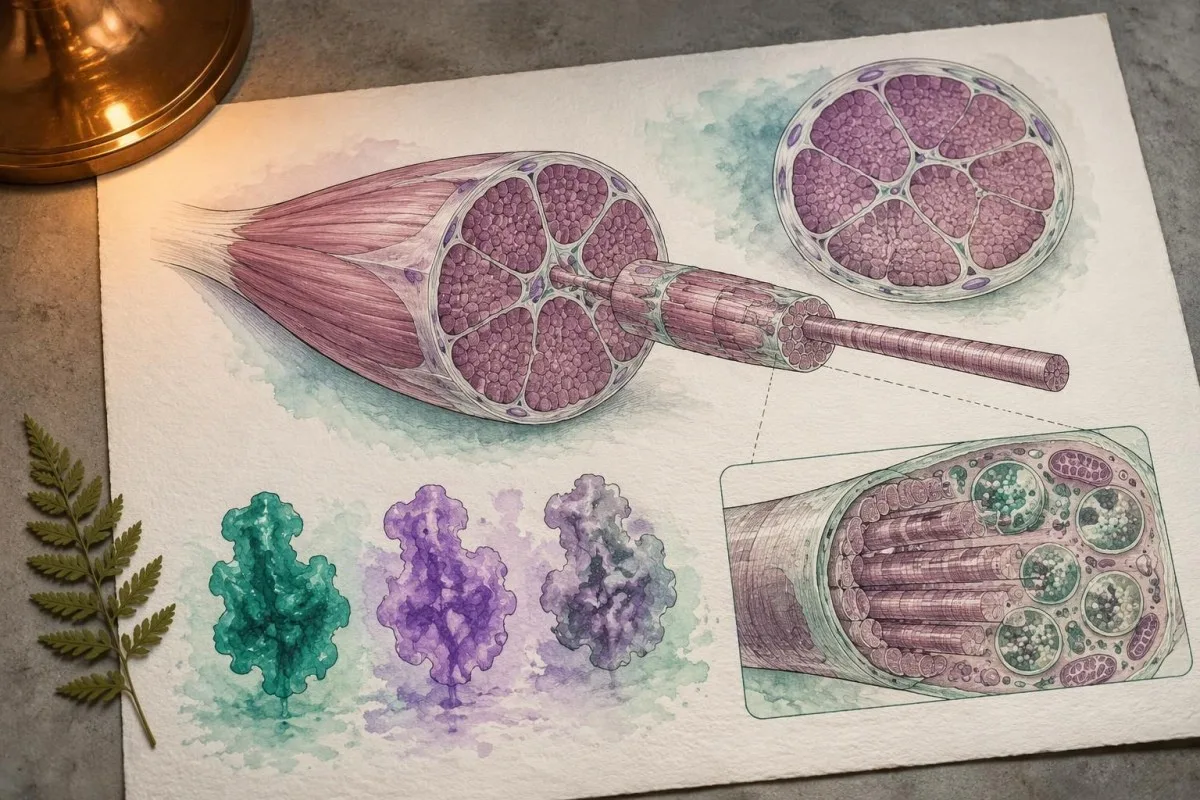
پومپې كېسىلى لىزوسومىلىق كىسلاتالىق ئالفا-گلۇكوزىدازا كەمچىللىكىدىن كېلىپ چىقىدۇ, ، بۇ ئېنزىم ھۈجەيرىنىڭ قايتا پىششىقلاش بۆلمىلىرى ئىچىدىكى گلىكوگېننى پارچىلايدۇ. GAA ئالفا-1,4 ۋە ئالفا-1,6 گلۇكوزا باغلىنىشلىرىنىڭ ھەر ئىككىسىگە تەسىر كۆرسىتىدۇ؛ پائالىيەت يېتەرسىز بولغاندا، بولۇپمۇ سۆڭەك ۋە يۈرەك مۇسكۇلىدا گلىكوگېن يىغىلىدۇ.

كلاسسىك بوۋاقلىق مەزگىلىدىكى پومپې كېسىلىدە دىئاگنوز قويۇش توقۇلمىسى تەكشۈرۈشىدە GAA پائالىيىتى نورمالنىڭ 1% دىن تۆۋەن بولىدۇ. كېيىن باشلىنىدىغان كېسەللىكتە پائالىيەت تېخىمۇ يۇقىرى ساقلىنىشى مۇمكىن، بەزى تەكشۈرۈشلەردە تەخمىنەن 2–40% بولۇشىمۇ مۇمكىن؛ بۇ تەسۋىرىي دائىرىلەر تەكشۈرۈش چەكلىمىلىرى بىلەن قاپلىشىدۇ، ھەمدە تەجرىبىخانىنىڭ دەلىللەنگەن دىئاگنوز چۈشەندۈرۈشىنىڭ ئورنىنى ئالماسلىقى كېرەك.
Kishnani قاتارلىقلارنىڭ 2006-يىلدىكى Genetics in Medicine قوللانمىسى GAA كەمچىللىكى، گلىكوگېن ساقلىنىشى ۋە كۆپ سىستېمىلىق باھالاش ئارىسىدىكى باغلىنىشنى بايان قىلغان. كلىنىكىلىق پەرق پائالىيەتنىڭ 1% دىن تۆۋەن ياكى ئەمەسلىكىگىلا باغلىق ئەمەس: كېسەللىكنىڭ باشلانغان يېشى، يۈرەك نەتىجىلىرى ۋە نەپەس مۇسكۇلى فۇنكسىيەسىمۇ كېسەللىك شەكلى ۋە جىددىيلىكىنى بېكىتىشكە ياردەم بېرىدۇ.
ئادەتتىكى گلۇكوزا نەتىجىسى لىزوسومىدىكى گلىكوگېننىڭ تازىلىنىشىنى ئۆلچىمەيدۇ. مەسىلەن، پەرەز قىلىنغان بىر قۇرامىغا يەتكەن كىشىنىڭ ئاچ قورساقتىكى گلۇكوزىسى 92 mg/dL بولسىمۇ، ۋارىسلىق قىلىنىدىغان مۇسكۇل گلىكوگېن ساقلاش قالايمىقانچىلىقى بولۇشى مۇمكىن؛ گلۇكوزىنىڭ نورماللىقى مۇسكۇل لىزوسومىلىرى ئىچىدىكى گلىكوگېننىڭ نورمال پىششىقلىنىۋاتقانلىقىنى ئىسپاتلىمايدۇ.
باشقا لىزوسومىلىق قالايمىقانچىلىقلارغا ئوخشىمىغان ئېنزىم ۋە گېنلار چېتىلىدۇ، شۇڭا ئۇلارنىڭ چەكلىرىنى پومپې تەكشۈرۈشىگە كۆچۈرۈپ ئىشلىتىشكە بولمايدۇ. بىزنىڭ چۈشەندۈرۈشىمىز Gaucher ئېنزىم دەلىللىشى ئېنزىمدىن گېنغا بارىدىغان تېخىمۇ كەڭ خىزمەت تەرتىپىنى كۆرسىتىدۇ، شۇنىڭ بىلەن بىللە، بىر كېسەللىكنىڭ ئېنزىم تەكشۈرۈشىنىڭ نېمە ئۈچۈن يەنە بىر كېسەللىكنىڭ ئورنىنى ئالالمايدىغانلىقىنى چۈشەندۈرىدۇ.
GAA ئېنزىمى پائالىيىتىنىڭ نورمال دائىرىسى بارمۇ؟
There is no single universal normal range for GAA enzyme activity. Dried blood spots, leukocytes and cultured fibroblasts use different preparations and reporting units; a number expressed in nmol/h/mL cannot be directly compared with a result expressed in nmol/h/mg protein.
A screening cutoff separates samples needing follow-up from samples passing that screen. It does not necessarily separate affected people from unaffected people with complete accuracy; laboratories may use different fluorometric or tandem mass spectrometry methods, and 2 screening programs may therefore select different recall thresholds.
For a clearly hypothetical example, suppose a laboratory uses a DBS screening cutoff of 1.5 nmol/h/mL and reports 0.7 nmol/h/mL. The result is below that invented laboratory threshold, but dividing 0.7 by 1.5 gives 47% of the cutoff—not 47% of normal enzyme activity and not a severity score.
The lower limit of detection is different from the clinical cutoff. A report reading less than 0.1 in its stated units may mean the method cannot quantify lower activity reliably; it does not prove absolute absence of enzyme, and repeating measurements close to that analytical floor may produce proportionally large variation.
Screening performance also depends on prevalence. In a hypothetical group with 10 true-positive and 100 false-positive results, only about 9% of positive screens represent disease; those invented counts are not Pompe screening statistics, but explain why سۈپەتكە قارىغاندا مىقدارلىق نەتىجىلەر require different interpretation.
| دەرىجە | دائىرە | مەنىسى |
|---|---|---|
| Passes hypothetical screen | ≥1.5 nmol/h/mL | Illustrative DBS cutoff only; not a universal normal range and not an absolute exclusion in a symptomatic person. |
| Below hypothetical cutoff | <1.5 nmol/h/mL | Illustrative follow-up threshold only; true deficiency, pseudodeficiency and specimen effects still need separation. |
نېمە ئۈچۈن GAA تەكشۈرۈشىنى باشقا ئەۋرىشكە بىلەن قايتا قىلىش كېرەك؟
Repeat GAA testing checks whether low activity is reproducible and whether specimen quality or assay interference explains it. Confirmation usually moves beyond 1 screening card to a fresh, appropriately handled specimen, often with GAA measurement in leukocytes or another specialist-selected cell preparation.
Heat, humidity and inadequate drying can reduce enzyme activity in a dried blood spot. A low result after 2 days of poorly controlled transport may deserve a fresh collection, but transport history cannot be used to dismiss a result automatically; the laboratory should assess card quality and its stability requirements.
Acarbose is used in some GAA assay methods to suppress interfering maltase-glucoamylase activity. That interference can make measured activity appear higher and potentially obscure deficiency; checking how a laboratory isolates GAA activity can therefore matter more than obtaining a second number with the same unresolved methodological limitation.
Two low DBS results still do not automatically confirm Pompe disease. Pseudodeficiency can reproduce across repeated measurements, including some confirmatory methods; when enzyme and genetic findings disagree, a specialist laboratory may recommend cultured fibroblast testing or additional molecular investigation rather than simply ordering a third screening card.
Give the laboratory the dates of collection, recent transfusions or transplantation, and any enzyme replacement treatment already received. Our guide to ئەۋرىشكە سۈپىتىگە مۇناسىۋەتلىك ئارىلىشىش explains the general distinction between biological findings and specimen problems; GAA testing has its own handling rules, so do not import another test's redraw interval.
GAA ساختا يېتىشمەسلىكى پومپې كېسىلىدىن قانداق پەرقلىنىدۇ؟
GAA pseudodeficiency means an inherited variant lowers measured enzyme activity without causing the glycogen-storage disorder Pompe disease. Two commonly discussed variants are c.1726G>A, p.Gly576Ser, and c.2065G>A, p.Glu689Lys; their interpretation depends on the complete genotype and the assay used.
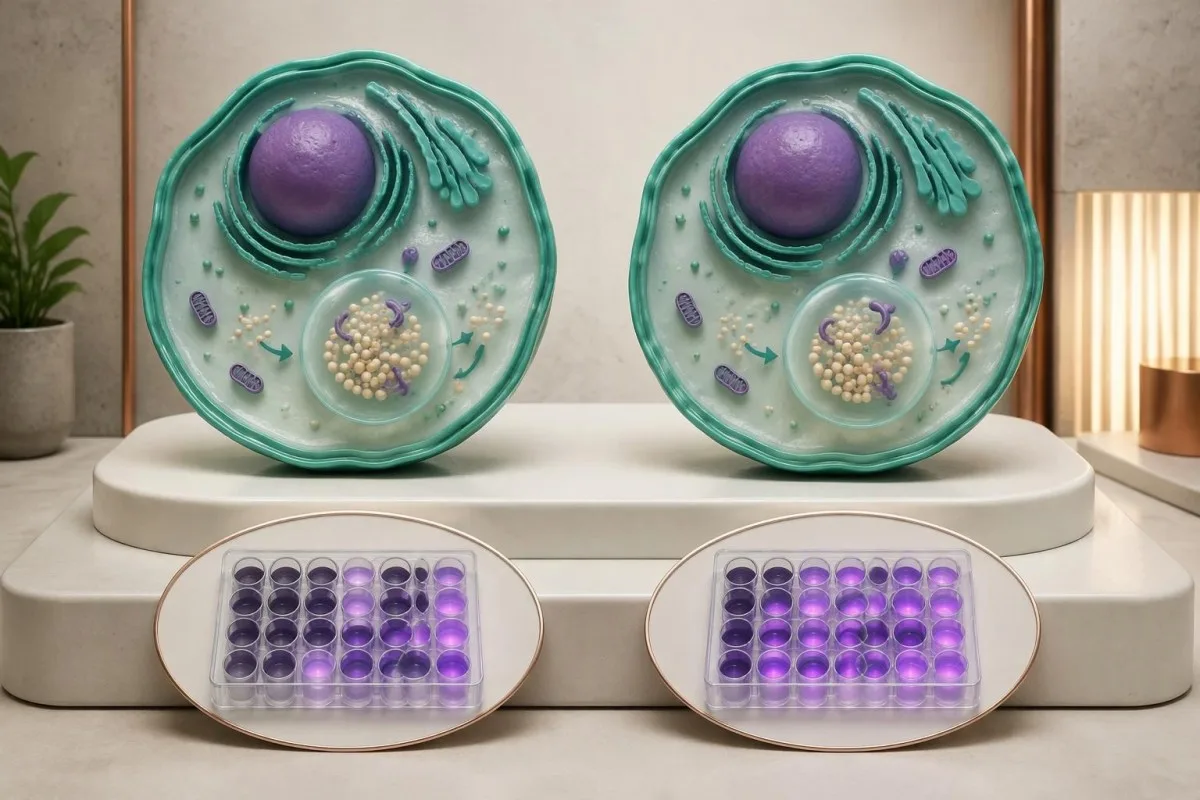
Pseudodeficiency is a biochemical testing issue, not an early stage of Pompe disease. A person with only pseudodeficiency variants does not need Pompe treatment because of 1 low activity result; the specialist must first verify that disease-causing variants or another explanation have not been missed.
The p.Gly576Ser and p.Glu689Lys variants are often found together on 1 gene copy and are particularly relevant in some East Asian ancestry populations. Ancestry changes how often laboratories encounter this pattern, but cannot establish or exclude pseudodeficiency in an individual; people from other backgrounds can carry these variants too.
Pseudodeficiency can remain low on repeat enzyme testing. The practical distinction is whether the complete biochemical and genetic evidence supports disease-causing GAA deficiency, not whether a second result falls below an arbitrary percentage; specialists may compare different assay substrates or cell preparations when the pattern remains ambiguous.
Pseudodeficiency variants can also coexist with a disease-causing variant, making a short report misleading if it lists everything under mutations. Our Fabry enzyme and genetics guide shows another situation where enzyme results need genetic context, although Fabry's X-linked inheritance differs from Pompe's 2-copy recessive mechanism.
GAA گېن تەكشۈرۈشىدە نېمىلەرنى ئىزدەش كېرەك؟
GAA gene testing investigates whether disease-causing variants affect both copies of the GAA gene. Pompe disease is autosomal recessive, and the GAA gene is located on chromosome 17; interpretation requires variant classification, adequate test coverage and, when needed, confirmation that variants affect opposite gene copies.
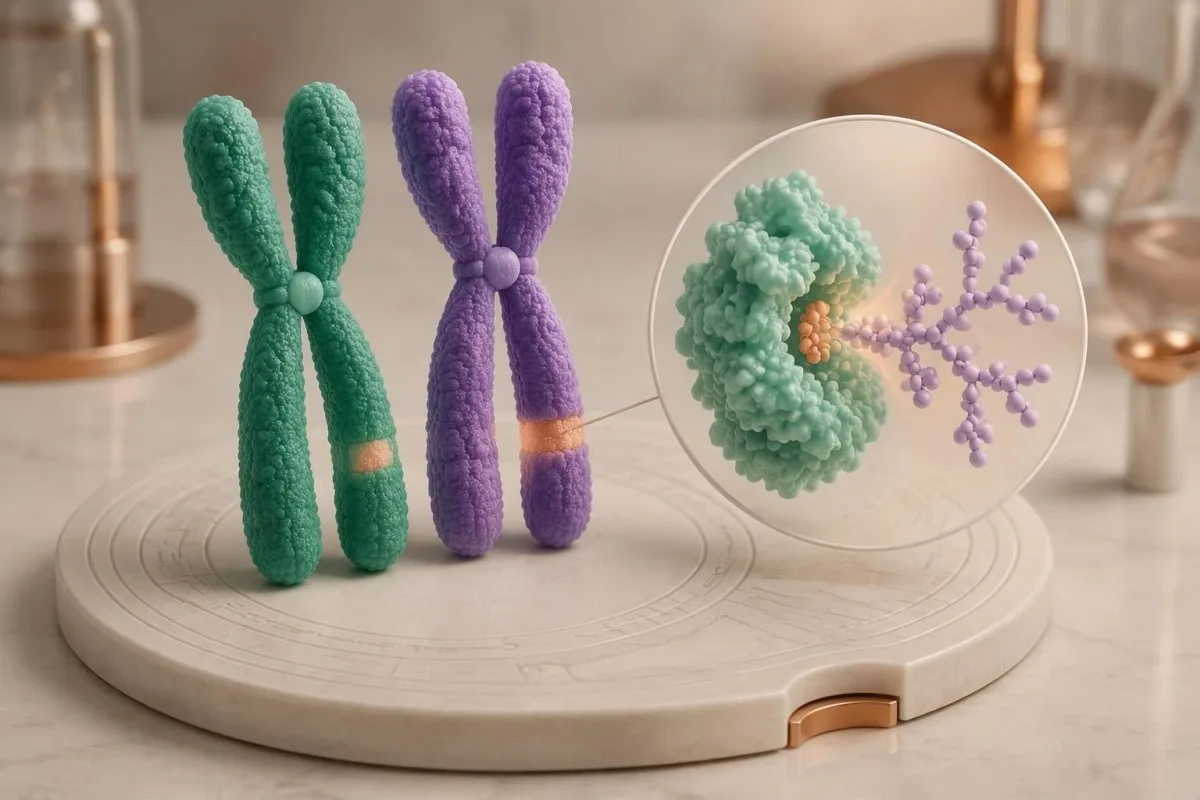
Two pathogenic or likely pathogenic GAA variants in trans support molecular confirmation of Pompe disease. In trans means the variants affect opposite gene copies; 2 variants in cis affect the same copy and do not, by themselves, demonstrate a recessive disease genotype.
Standard sequencing detects many small substitutions and insertions or deletions, but does not answer every possible genetic question. If only 1 disease-causing variant is found despite convincing enzyme deficiency, ask whether deletion/duplication analysis was included and whether poorly covered or deep intronic regions require further investigation.
A common later-onset-associated GAA variant is c.-32-13T>G, which affects splicing. Finding this variant on 1 copy does not diagnose Pompe disease, and finding it with another disease-causing variant does not precisely predict the age symptoms will begin; residual splicing and other biological factors influence presentation.
Parental testing can help establish phase when a laboratory detects 2 different variants but cannot determine their arrangement. Our guide to inherited disease genetic reports explains why inheritance and family testing matter, while the actual gene coverage and diagnostic criteria must remain specific to GAA.
كېسەللىك پەيدا قىلغۇچى، ئېنىقسىز ۋە مەنپىي نەتىجىلەرنى قانداق چۈشىنىش كېرەك؟
A pathogenic result, a variant of uncertain significance and a negative result have different diagnostic meanings. Genetic laboratories commonly use 5 categories: pathogenic, likely pathogenic, uncertain significance, likely benign and benign; a VUS is not equivalent to a disease-causing GAA variant.
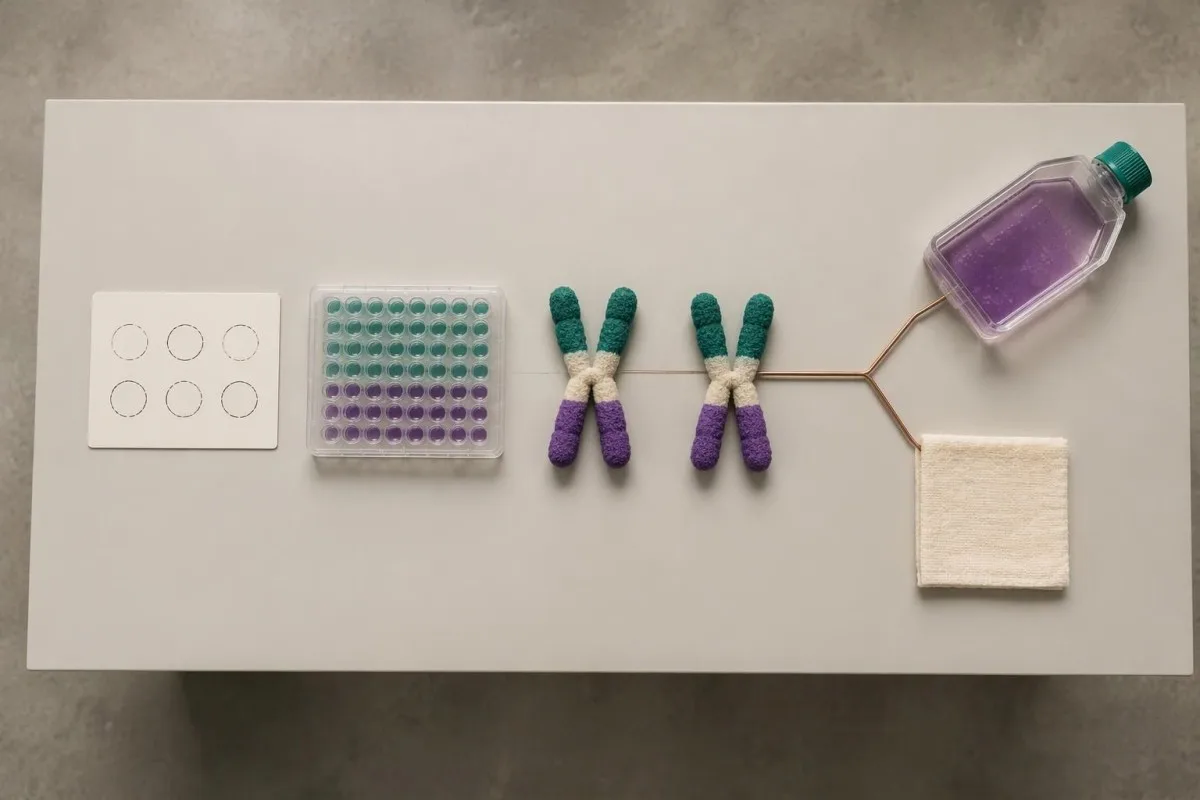
Richards et al.'s 2015 ACMG/AMP consensus established the widely used 5-category sequence-variant framework and states that a VUS should not guide clinical decision-making as though pathogenic. For Pompe evaluation, low enzyme activity can contribute evidence, but its value depends on whether pseudodeficiency and assay limitations have been addressed.
One pathogenic variant plus 1 VUS is an unresolved combination, not automatic confirmation or exclusion. Depending on the enzyme and clinical findings, specialists may investigate family segregation, RNA effects or variant-specific functional evidence; a diagnostic enzyme result may support disease even while the second molecular finding remains incompletely characterized.
A negative sequencing report means the test found no reportable variants within its scope. It does not prove that every GAA-related mechanism was examined; 1 negative limited test may warrant expanded testing when properly performed enzyme studies and the clinical pattern remain strongly suggestive.
كانتېستى بىر AI قان تەكشۈرۈش نەتىجىسىنى چۈشەندۈرۈش سۇپىسى that can help separate a report's 5 classification terms from its numerical enzyme findings, without adjudicating an uncertain genotype. Our تېخنىكىلىق ۋە كلىنىكىلىق قائىدىلەر describe interpretation boundaries; our uncertain gene-result explanation provides a related example of why variants and diagnoses are not interchangeable.
بىرلا GAA ۋارىيانتى توشۇغۇچى ھالەتنى بىلدۈرەمدۇ ياكى كېسەللىكنىمۇ؟
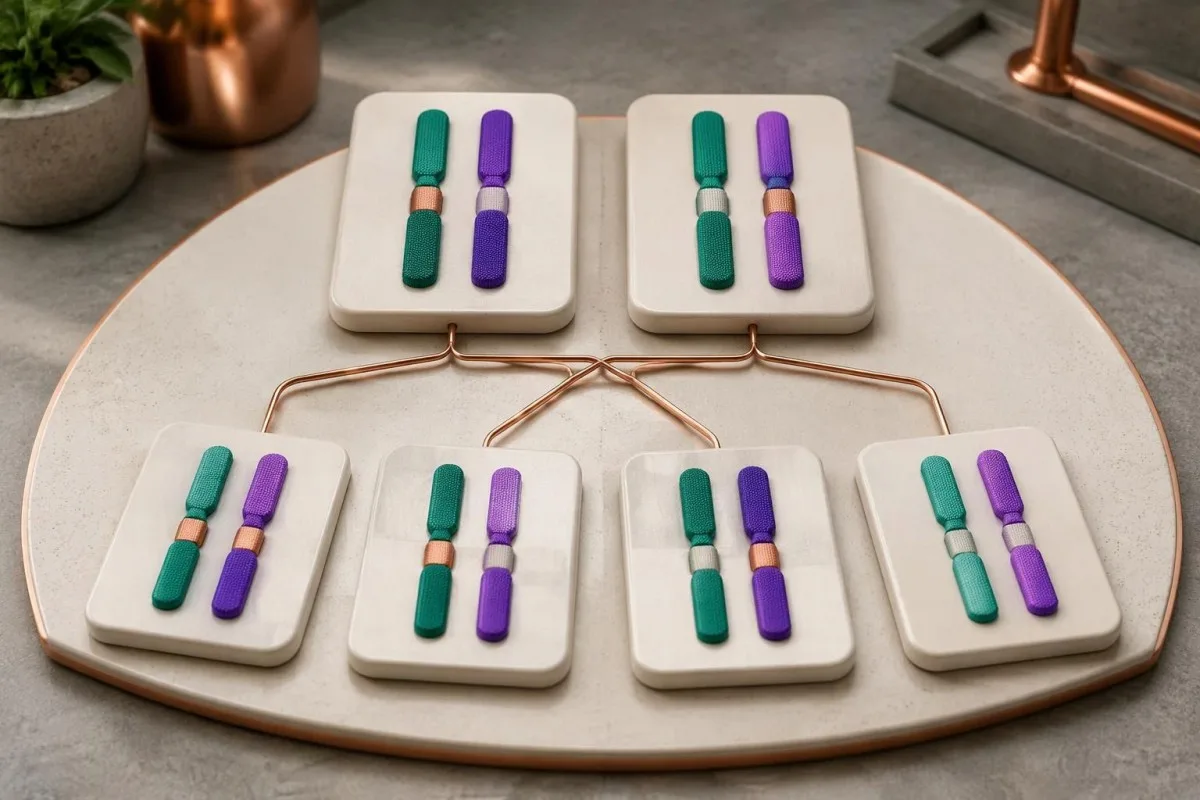
One confirmed disease-causing GAA variant usually indicates carrier status if a second disease-causing variant and diagnostic enzyme deficiency are absent. Carriers do not typically develop Pompe disease; when both parents are carriers, each pregnancy has a 25% affected, 50% carrier and 25% non-carrier probability.
Carrier enzyme values can overlap with values in unaffected people. GAA activity is therefore not a reliable standalone carrier test, and a carrier's activity should not be assumed to equal exactly 50% of a laboratory's normal mean; targeted genetic testing is generally more informative when a familial variant is known.
The 25% affected-child probability applies independently to each pregnancy when both parents carry disease-causing variants capable of producing Pompe disease together. Having 1 unaffected child does not reduce the next pregnancy's Mendelian probability, and pseudodeficiency variants should not be substituted for pathogenic variants in that calculation.
Family testing is most useful after the affected person's variants are clarified. If a symptomatic adult has only 1 identified pathogenic variant, relatives should not be reassured that the entire family question is settled until the specialist considers whether the second variant was missed by the original assay.
For a hypothetical couple, one partner carrying a pathogenic GAA variant and the other carrying only a pseudodeficiency variant does not create the same 25% Pompe risk as 2 pathogenic-variant carriers. Our carrier screening limitations guide explains why a report's coverage and residual risk deserve discussion before reproductive decisions.
پومپې كېسىلىنى باھالاشنى يەنە قايسى تەجرىبىخانا نەتىجىلىرى قوللايدۇ؟
Creatine kinase, AST, ALT and urinary glucose tetrasaccharide can support Pompe evaluation, but none confirms the diagnosis alone. Urinary glucose tetrasaccharide may be reported as Glc4 or within a Hex4 assay; these 2 report terms require method-specific interpretation rather than assumption that every laboratory measures exactly the same thing.
Normal CK does not exclude later-onset Pompe disease. In a hypothetical adult with progressive difficulty rising from a chair, CK of 140 U/L may fall within that laboratory's interval despite clinically meaningful weakness; the combination of symptoms and low confirmed GAA activity matters more than a reassuring CK flag.
AST and ALT can rise because of muscle involvement, not only liver disease. A hypothetical AST of 86 U/L with elevated CK and muscle weakness deserves a muscle-aware assessment; our aldolase and muscle marker guide explains why additional muscle enzymes may help characterize the pattern without identifying its cause.
Urinary Glc4 is a supportive glycogen-related biomarker, not a Pompe-specific diagnostic test. Reference limits vary with age and method, and elevation can occur in other circumstances; 1 elevated result should be interpreted alongside enzyme findings, genetics and the laboratory's creatinine-normalized units.
A falling CK or Glc4 after treatment does not automatically prove that strength or breathing has improved by the same percentage. Our discussion of AST interpretation beyond liver disease illustrates why 2 related markers can move together while still answering different questions about tissue injury and function.
پومپې تەكشۈرۈشى نورمالسىز بولغاندا نېمە ئۈچۈن نەپەسلىنىشنى باھالاش كېرەك؟
Pompe disease can weaken the diaphragm and other respiratory muscles, sometimes before obvious walking difficulty. Assessment may include seated and supine forced vital capacity, respiratory muscle pressures and sleep-related testing; a daytime oxygen saturation of 97% does not rule out overnight hypoventilation.
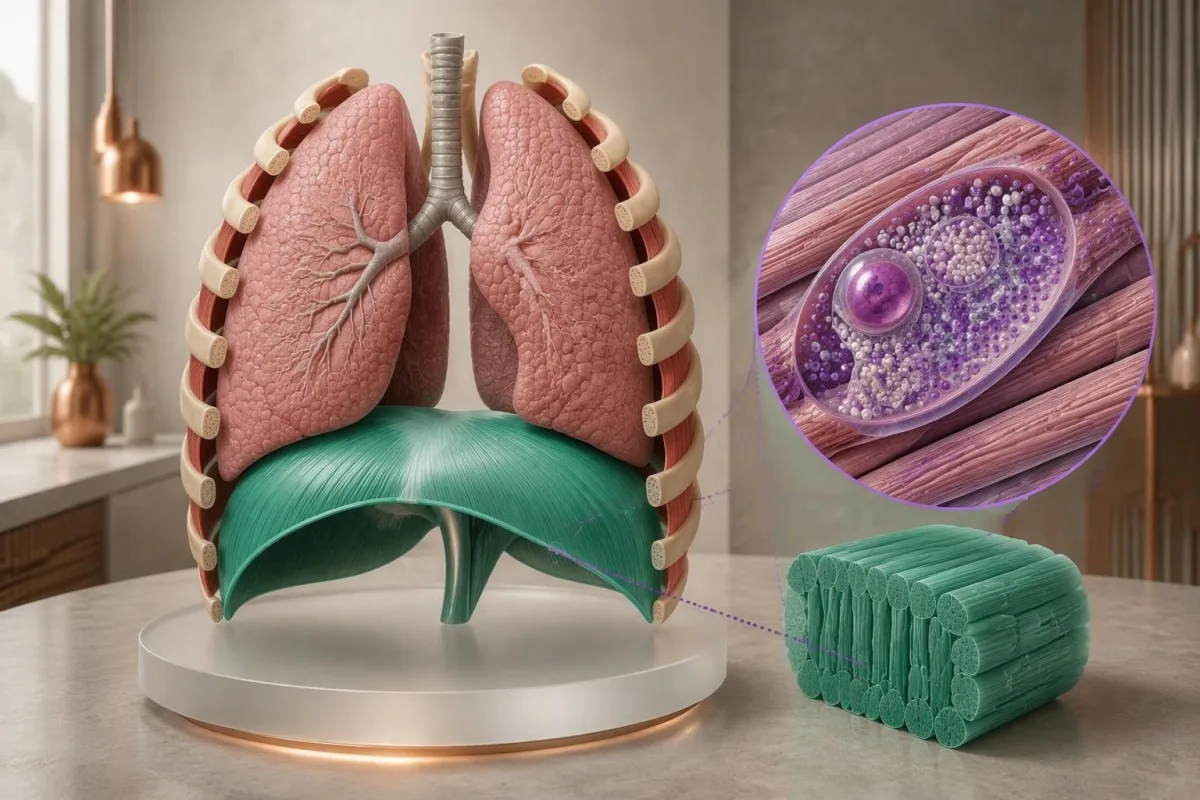
A position-related fall in vital capacity can suggest diaphragm weakness. For example, a hypothetical seated FVC of 3.0 L and supine FVC of 2.4 L represents a 20% decline; the specialist interprets that difference with technique, predicted values and symptoms, rather than treating it as a Pompe-specific cutoff.
Morning headaches, unrefreshing sleep and difficulty breathing when lying flat can justify evaluation for sleep-related hypoventilation. These symptoms do not identify Pompe disease on their own; our نەپەسلىنىش قىيىنچىلىقىنى تەكشۈرۈش قوللانمىسى explains why laboratory results cannot replace respiratory examination and physiological testing.
Arterial carbon dioxide is normally about 35–45 mmHg in adults, with context-dependent variation. A value above 45 mmHg indicates hypercapnia, but its urgency depends on pH, symptoms and the clinical setting; our blood gas interpretation guide explains why oxygen and carbon dioxide answer different questions.
Severe breathlessness, confusion, blue coloration or rapidly worsening weakness warrants emergency care, not an online interpretation session. A confirmed molecular result affecting 2 GAA copies does not measure current respiratory safety; clinicians need direct functional assessment to decide whether ventilation support or urgent monitoring is necessary.
يېڭى تۇغۇلغان بوۋاقنىڭ پومپې كېسىلىنى تەكشۈرۈش نەتىجىسى مۇسبەت بولغاندىن كېيىن نېمە بولىدۇ؟
A positive newborn Pompe screen requires prompt specialist assessment, confirmatory enzyme testing and genetic evaluation. It does not mean every infant has Pompe disease; the immediate task is to distinguish pseudodeficiency or carrier findings from infantile disease and a later-onset-associated genotype affecting both GAA copies.

Burton et al.'s 2017 Pediatrics newborn-screening algorithms describe an initial evaluation integrating GAA confirmation, molecular testing and clinical assessment. If an infant has feeding difficulty, marked hypotonia or suspected cardiomyopathy, do not wait 2 weeks for a routine repeat appointment; the screening team should arrange urgent metabolic and cardiac evaluation.
Classic infantile Pompe disease commonly involves hypertrophic cardiomyopathy. A newborn's echocardiogram and electrocardiogram help assess risk that cannot be estimated from 1 enzyme number; absence of obvious heart symptoms at home does not replace the specialist examination after an abnormal screen.
CRIM status concerns whether cross-reactive GAA protein is present and helps specialists plan immune-risk management around enzyme replacement therapy. Less than 1% enzyme activity does not by itself establish CRIM-negative status, because an inactive protein may still be present; this is a protein-expression question, not just an activity threshold.
Later-onset-associated findings in a newborn require a monitoring plan, not an invented age-of-onset prediction. Even 2 classified disease-causing variants may not reveal when symptoms will emerge; our بالىلارغا ئىشلىتىلىدىغان سۈنئىي ئەقىل بىخەتەرلىك يېتەكچىمىز explains why pediatric results require age-specific context and clinician-led decisions.
مۇتەخەسسىسلەر قۇرامىغا يەتكەنلەرنىڭ بىر-بىرىگە زىت تەكشۈرۈش نەتىجىلىرىنى قانداق ئايدىڭلاشتۇرىدۇ؟
Conflicting adult Pompe results are resolved by checking specimen quality, confirmatory enzyme methods, variant classification and clinical fit. One low screen plus 1 genetic finding rarely tells the whole story; specialists investigate whether the apparent conflict comes from pseudodeficiency, an incomplete molecular test or another cause of weakness.

Consider a hypothetical 52-year-old with mild fatigue, low DBS GAA activity and only the 2 commonly discussed pseudodeficiency variants. If specialist testing supports pseudodeficiency and no disease-causing genotype, the low screen does not explain the fatigue; other causes should be assessed rather than attaching a Pompe label to an incidental biochemical finding.
A second hypothetical adult has progressive hip weakness, a 20% positional FVC decline, confirmed cellular GAA deficiency and 2 pathogenic variants in trans. Together, those findings support Pompe disease; a normal routine glucose or modest CK result would not outweigh the converging biochemical, genetic and functional evidence.
Convincing enzyme deficiency with only 1 identified pathogenic variant deserves further investigation. The appropriate next step may be deletion/duplication analysis, RNA studies or another specialist assay—not automatically calling the person a carrier; the investigation should also check whether non-Pompe neuromuscular conditions better explain the examination.
Variant-related disease monitoring is not the same as predicting a person's future from their DNA. Our inherited neuromuscular risk guide offers a related family-testing perspective, but 2 conditions can differ substantially in inheritance, penetrance and treatment triggers.
پومپې كېسىلى مۇتەخەسسىسى بىلەن ئۇچرىشىشقا نېمىلەرنى ئېلىپ بېرىشىڭىز كېرەك؟
Bring the complete enzyme report, complete genetic report and a dated symptom history to a Pompe specialist appointment. Three report details are especially useful: specimen type, assay units and variant classification; screenshots showing only a red flag or the word mutation can omit information that changes the interpretation.

Ask whether confirmatory testing has already been completed and whether the laboratory measured GAA specifically in an appropriate cell preparation. If 2 variants were found, ask whether they are in trans; if only 1 was found, ask what variant types and regions the test could detect.
Do not try to raise GAA activity with supplements or diet before confirmation. No vitamin or food corrects inherited pathogenic variants affecting both GAA copies; nutrition may support general care after diagnosis, but cannot substitute for enzyme confirmation or specialist treatment planning.
كانتېستى بىر AI ئارقىلىق قوزغىتىلغان قان تەكشۈرۈش تەھلىل قورالى that can help organize report terminology and associated laboratory trends, not decide whether 2 uncertain variants establish Pompe disease. Our دوكلات مەنبەسىنى تەكشۈرۈش يېتەكچىسى explains why the original document remains the reference when an automated explanation and a specialist interpretation differ.
Genetic documents can contain information relevant to relatives as well as the tested person. Before sharing 1 family member's report, check consent and remove unnecessary identifiers; Kantesti's مەخپىيەتلىك ۋە سانلىق مەلۇمات ئۇچۇرى describes our handling approach, while sharing results with relatives should follow a genetic counselor's guidance.
تەتقىقات نەشر بۇيۇملىرى ۋە پومپې تەكشۈرۈشى نەتىجىلىرىنى ئىزاھلاشنىڭ چەكلىمىلىرى
Pompe test interpretation rests on disease-specific enzyme, genetic and clinical evidence—not on general laboratory publications or an AI explanation. Kantesti includes 3 directly relevant external sources below and 2 separate educational publications; the iron and coagulation publications are not evidence for diagnosing Pompe disease.
The 2006 Kishnani guideline provides disease-specific diagnostic and management context, while the 2017 Burton newborn-screening paper addresses confirmation after population screening. Their recommendations should be applied with the specialist laboratory's validated methods; neither supplies 1 universally transferable DBS enzyme cutoff for every instrument and population.
Richards et al.'s 2015 ACMG/AMP publication explains the 5-category variant framework used to distinguish pathogenic findings from uncertainty. Classification can change when new evidence becomes available, so ask the genetics service whether an unresolved result has a reanalysis pathway rather than assuming every VUS will eventually become pathogenic.
بىزنىڭ مائارىپ خاراكتېرلىك مەزمۇنىمىز تۆمۇر تەتقىقاتى نەشردى addresses a different laboratory domain. The separate قان ئۇيۇشۇش تەكشۈرۈشى ماقالىمىز also covers unrelated markers; their 2 DOI records are provided for publication transparency, not as supporting citations for GAA deficiency or pseudodeficiency.
Kantesti نىڭ 0 تېببىي مەزمۇن ئۆلچەملىرى distinguish patient education from diagnosis and treatment instructions. The practical endpoint is a documented interpretation of 3 evidence streams—enzyme testing, genetic analysis and clinical assessment—with urgent care taking priority whenever infantile disease or respiratory compromise is suspected.
دائىملىق سورالدىغان سوئاللار
GAA ئېنزىم پائالىيىتىنىڭ تۆۋەن بولۇشى ھەمىشە پومپې كېسىلى بارلىقىنى بىلدۈرەمدۇ؟
GAA ئېنزىم پائالىيىتىنىڭ تۆۋەن بولۇشى ھەمىشە پومپې كېسىلى دېگەنلىك ئەمەس. بىر قېتىملىق بىنورمال تەكشۈرۈش نەتىجىسى ھەقىقىي يېتىشمەسلىك، ساختا يېتىشمەسلىك، ئەۋرىشكىنىڭ بۇزۇلۇشى ياكى توشۇغۇچىلارغا مۇناسىۋەتلىك پائالىيەت دائىرىسى بىلەن قاپلىشىشنى كۆرسىتىشى مۇمكىن. جەزملەشتۈرۈش ئۈچۈن مۇۋاپىق ئېنزىم تەكشۈرۈشى، GAA گېن نەتىجىلىرى ۋە كلىنىكىلىق ئەھۋالنى مۇتەخەسسىسنىڭ چۈشەندۈرۈشى تەلەپ قىلىنىدۇ. ئوخشاش تەكشۈرۈش ئۇسۇلىنىلا قايتىلاش ساختا يېتىشمەسلىكنى ھەل قىلىشنىڭ ئورنىغا يەنە بىر قېتىم كۆرسىتىپ قويۇشى مۇمكىن.
نورمال GAA فېرمېنت دەرىجىسى قانچىلىك؟
There is no universal normal GAA enzyme level because specimen preparation, assay substrate and reporting units differ between laboratories. A value in nmol/h/mL cannot be directly compared with a value in nmol/h/mg protein. Classic infantile Pompe disease often has less than 1% of normal activity in diagnostic tissue assays, but this is not a universal newborn-screening cutoff. Use the reference information printed on the original report and the specialist laboratory's interpretation.
ئىككى قېتىم تۆۋەن چىققان GAA تەكشۈرۈشى يەنىلا ساختا يېتەرسىزلىك بولۇشى مۇمكىنمۇ؟
0 ئىككى قېتىم تۆۋەن چىققان GAA تەكشۈرۈش نەتىجىسى يەنىلا ساختا يېتىشمەسلىكنى كۆرسىتىشى مۇمكىن، بولۇپمۇ ئوخشاش ياكى تەسىرى ئوخشاش بولغان تەكشۈرۈش ئۇسۇللىرى ئىشلىتىلگەندە. ساختا يېتىشمەسلىك ۋارىيانتلىرى ئۆلچەنگەن پائالىيەتنى تۆۋەنلىتىدۇ، ئەمما ئۆزلىرى پومپې گلىكوگېن ساقلاش كېسىلىنى كەلتۈرۈپ چىقارمايدۇ. مۇتەخەسسىسلەر بۇ ئەندىزىنى تولۇق GAA گېنوتىپى، تەكشۈرۈش ئۇسۇلىنىڭ ئالاھىدىلىكلىرى ۋە زۆرۈر بولغاندا باشقا ھۈجەيرە تەييارلىمىسى ياكى فۇنكسىيەلىك تەكشۈرۈش ئارقىلىق پەرقلەندۈرىدۇ. شۇڭا، قايتا-قايتا تۆۋەن چىققان ئىككى سان كېسەللىكنىڭ مۇستەقىل ئىككى قېتىم دەلىللىنىشىگە باراۋەر ئەمەس.
ئىككى خىل GAA گېنى ۋارىيانتى پومپې كېسىلىگە دىياگنوز قويۇشنى جەزملەشتۈرەمدۇ؟
ئىككى GAA ۋارىيانتى Pompe كېسىلىنى ئۆزلۈكىدىن جەزملەشتۈرمەيدۇ. قارىمۇ-قارشى گېن نۇسخىلىرىغا تەسىر قىلىدىغان، trans ھالەتتە تۇرغان ئىككى كېسەللىك پەيدا قىلغۇچى ياكى كېسەللىك پەيدا قىلىش ئېھتىمالى يۇقىرى ۋارىيانتى مولېكۇلالىق جەزملەشتۈرۈشنى قوللايدۇ، ھالبۇكى cis ھالەتتىكى ئىككى ۋارىيانتى پەقەت بىر نۇسخىغا تەسىر قىلىدۇ. ئەھمىيىتى ئېنىق بولمىغان ۋارىيانتلار ۋە ساختا كەملىك ۋارىيانتلىرىنى كېسەللىك پەيدا قىلغۇچى ئىسپاتلانغان بايقاشلار قاتارىدا ساناشقا بولمايدۇ. تۈرگە ئايرىش ياكى فازا ئېنىق بولمىغاندا فېرمېنت ۋە كلىنىكىلىق ئىسپاتلار يەنىلا ئالاھىدە پايدىلىق.
نورمال CK كېچىكىپ باشلىنىدىغان پومپې كېسىلىنى يوققا چىقىرالايدۇمۇ؟
Normal CK cannot rule out late-onset Pompe disease. A hypothetical CK of 140 U/L may fall within a laboratory's reference interval despite progressive proximal weakness or diaphragm involvement. CK measures muscle injury-related enzyme release, not lysosomal GAA function. Persistent compatible symptoms deserve specialist assessment even when routine muscle markers are reassuring.
يېڭى تۇغۇلغان بوۋاقنىڭ پومپې كېسىلى تەكشۈرۈشى مۇسبەت چىقسا، بۇ قانچىلىك جىددىي؟
يېڭى تۇغۇلغان بوۋاقتا پومپې كېسىلى تەكشۈرۈشىنىڭ مۇسبەت چىقىشى تەكشۈرۈش ياكى مېتابولىزم ئەترىتى بىلەن دەرھال ئالاقىلىشىشنى تەلەپ قىلىدۇ، قانداقلا بولمىسۇن، ئېمىتىشتە قىيىنچىلىق، روشەن مۇسكۇل بوشاڭلىقى ياكى يۈرەككە تەسىر يەتكەنلىكىدىن گۇمانلىنىش بار بوۋاقنى جىددىي باھالاش كېرەك. بىر قېتىملىق مۇسبەت تەكشۈرۈش كارتىسى دىياگنوزنى جەزملەشتۈرمەيدۇ، ئەمما بوۋاقلىق دەۋرىدىكى كلاسسىك كېسەللىكتىن گۇمانلانغاندا، بىرنەچچە ھەپتە كېيىنكى ئادەتتىكى قوبۇل قىلىش ۋاقتىنى كۈتمەسلىك كېرەك. مۇتەخەسسىسلەر جەزملەشتۈرۈش ئۈچۈن ئېنزىمنى تەكشۈرۈش، گېننى باھالاش ۋە يۈرەكنى تەكشۈرۈشنى، كۆپىنچە بىرلا ۋاقىتتا، ئورۇنلاشتۇرىدۇ. نەپەس ئېلىشنىڭ ئېغىر قىيىنلىشىشى ياكى ھوشيارلىقنىڭ تۆۋەنلىشى جىددىي داۋالىنىشنى تەلەپ قىلىدۇ.
ئەگەر ھەر ئىككى ئاتا-ئانا پومپې كېسەللىكىنىڭ توشۇغۇچىسى بولسا، بالىلارغا قانداق خەتەر بار؟
ئەگەر ھەر ئىككى ئاتا-ئانا كېسەللىك كەلتۈرۈپ چىقىرىدىغان GAA ۋارىيانتلىرىنى توشۇسا، ھەر بىر ھامىلىدارلىقتا تەسىرگە ئۇچرىغان بالىنىڭ تۇغۇلۇش ئېھتىماللىقى 25%، توشۇغۇچى بالىنىڭ تۇغۇلۇش ئېھتىماللىقى 50%، ھەمدە ئائىلىۋى ۋارىيانتلارنىڭ ھېچقايسىسىغا ۋارىسلىق قىلمايدىغان بالىنىڭ تۇغۇلۇش ئېھتىماللىقى 25% بولىدۇ. بۇ ئېھتىماللىقلار ھەر بىر ھامىلىدارلىققا مۇستەقىل قوللىنىلىدۇ. ساختا كەملىك ۋارىيانتلىرى بۇ ھېسابلاشتا كېسەللىك پەيدا قىلغۇچى ۋارىيانتلار بىلەن ئالمىشىپ ئىشلىتىلمەيدۇ. گېن مەسلىھەتى ئاتا-ئانىنىڭ نەتىجىلىرىنى جەزملەشتۈرۈش ۋە تەكشۈرۈش تاللاشلىرىنى چۈشەندۈرۈشكە ياردەم بېرىدۇ.
قان تەكشۈرۈش نەتىجىسىنى قانداق ئوقۇش
تەجرىبىخانا دوكلاتىڭىزنى يوللاڭ، Kantesti نىڭ سۈنئىي ئەقىلى ھەر بىر بىئوماركېرنى بىر نەچچە سېكۇنت ئىچىدە ئاددىي تىلدا چۈشەندۈرىدۇ. دۇنيا بويىچە 2 مىليوندىن ئارتۇق ئادەم ئىشلىتىدۇ.
پايدىلانغان ماتېرىياللار
- Klein, T., Mitchell, S., & Weber, H. (2026). تۆمۈر تەكشۈرۈشى قوللانمىسى: TIBC، تۆمۈر تويۇنۇش نىسبىتى ۋە باغلاش ئىقتىدارى. Kantesti AI Medical Research. DOI
- Klein, T., Mitchell, S., & Weber, H. (2026). aPTT نورمال دائىرىسى: D-Dimer، Protein C قان ئۇيۇش يېتەكچىسى. Kantesti AI Medical Research. DOI
- Kishnani PS et al. (2006). Pompe disease diagnosis and management guideline. تىبابەتتىكى گېنتىكا. DOI PubMed
- Burton BK et al. (2017). The Initial Evaluation of Patients After Positive Newborn Screening: Recommended Algorithms Leading to a Confirmed Diagnosis of Pompe Disease. Pediatrics. DOI
- Richards S قاتارلىقلار. (2015). تەرتىپ ۋارىيانتلىرىنى ئىزاھلاش ئۆلچىمى ۋە كۆرسەتمىلىرى: ئامېرىكا تېببىي گېنتىكا ۋە گېنومىكا ئىنىستىتۇتى بىلەن مولېكۇلا پاتولوگىيەسى جەمئىيىتىنىڭ بىرلەشمە ئورتاق تونۇش تەۋسىيەسى. تىبابەتتىكى گېنتىكا. DOI PubMed
- 2M +تەھلىل قىلىنغان تەكشۈرۈشلەر
- 127+دۆلەتلەر
- 100+تىللار
تېببىي گۇرۇپپا ھەققىدە


E-E-A-T ئىشەنچ سىگناللىرى
تەجرىبە
دوختۇر رەھبەرلىكىدىكى لابوراتورىيە تەبىرىنى چۈشەندۈرۈش خىزمەت ئېقىملىرىنى بالىياتقۇچلۇق تەكشۈرۈش.
مۇتەخەسسىسلىك
بىئوماركىرلارنىڭ كىلىنىكىلىق مۇھىتتا قانداق ھەرىكەت قىلىدىغانلىقىغا مەركەزلەشكەن لابوراتورىيە تېبابىتى.
ھوقۇقدارلىق
دوكتور توماس كلېين تېببىي جەھەتتىن تەكشۈرگەن، دوكتور سارا مىچېل ۋە پروفېسسور دوكتور خانس ۋېبېرنىڭ تۆھپىسى بىلەن تەييارلانغان.
ئىشەنچلىكلىك
ئاگاھلاندۇرۇشنى ئازايتىش ئۈچۈن ئېنىق كېيىنكى قەدەملەر بىلەن ئىسپات-ئاساسلىق تەبىر.






تېببىي ئاگاھلاندۇرۇش
بۇ ماقالە پەقەت تەربىيە-ئوقۇتۇش مەقسىتى ئۈچۈن بولۇپ، داۋالاش مەسلىھەتىنى تەشكىل قىلمايدۇ. دىئاگنوز قويۇش ۋە داۋالاش قارارلىرى ئۈچۈن ھەمىشە لاياقەتلىك ساغلاملىق مۇلازىمىتى تەمىنلىگۈچى بىلەن مەسلىھەتلىشىڭ.
Published · تەھرىر گۇرۇپپىسى بىلەن ئالاقىلىشىڭ
ئەنگلىيە ۋە ۋېلىشتا تىزىمغا ئېلىنغان Kantesti Ltd تەرىپىدىن نەشر قىلىنغان، شىركەت نومۇرى:. 17090423, ، لوندون، ئەنگلىيە.
