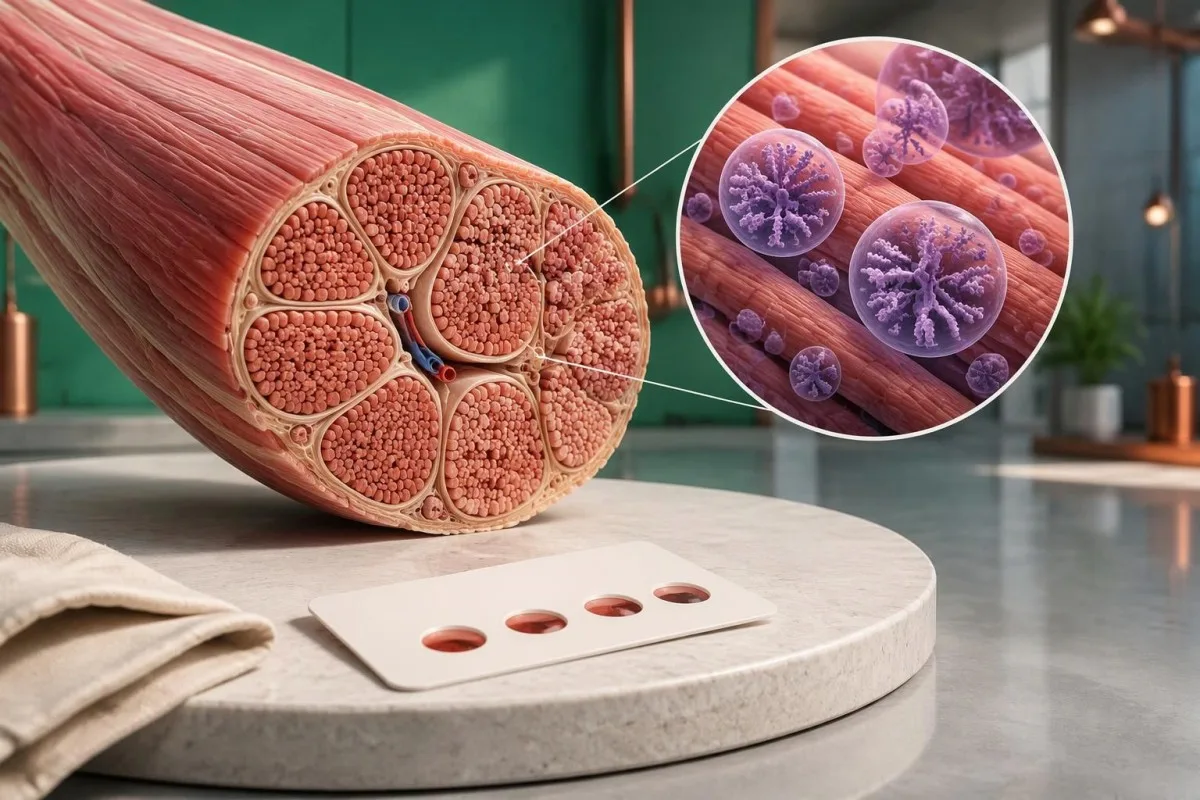
’n Lae GAA-ensiemuitslag wek die vermoede van Pompe-siekte, maar sifting alleen kan dit nie bevestig nie. Herhaalde toetsing in ’n geskikte monster en GAA-genetiese ontleding help om ware tekort, draerstatus en pseudotekort van mekaar te onderskei.

Belangrike punte
- Lae GAA-ensiemaktiwiteit is ’n aanduiding vir opvolg, nie ’n diagnose nie; 1 abnormale droëbloedkol benodig bevestiging onder leiding van ’n spesialis.
- Verwysingsreekse hang af van die monster en toetsmetode; nmol/h/mL kan nie direk met nmol/h/mg proteïen vergelyk word nie.
- Residuele ensiemaktiwiteit is dikwels onder 1% by klassieke infantiele Pompe-siekte, maar dié syfer is nie ’n universele siftingsafsnypunt nie.
- Pseudotekort kan GAA-aktiwiteit in die laboratorium verlaag sonder om Pompe-siekte te veroorsaak; herhaling van dieselfde toetsmetode kan die lae uitslag weer oplewer.
- GAA-geentoetsing soek na siekteveroorsakende variante wat albei geenkopieë aantas; 2 variante moet vir klassifikasie en fase geïnterpreteer word.
- Onsekere variante vestig nie Pompe-siekte nie; 1 of 2 variante van onsekere betekenis vereis bykomende bewyse.
- Gesinsrisiko is 25% vir ’n aangetaste kind in elke swangerskap wanneer albei ouers ’n siekteveroorsakende GAA-variant dra.
- Urgent assessment is nodig vir ’n baba met lae GAA plus voedingsprobleme, uitgesproke swakheid of vermoedelike hartbetrokkenheid; moenie vir ’n roetine-hertoets wag nie.
Wat beteken ’n lae GAA-ensiemuitslag eintlik?
A Pompe-siekte-toets wat lae GAA-aktiwiteit toon, beteken dat die laboratorium verminderde suur alfa-glukosidase-funksie onder sy toetsomstandighede gemeet het. Dit bewys nie Pompe-siekte nie: 1 lae siftingsuitslag kan op ’n werklike tekort, pseudotekort, oorvleueling wat met draers verband hou of ’n monsterprobleem dui.

GAA-aktiwiteit meet ensiemfunksie, nie bloot hoeveel ensiemproteïen teenwoordig is nie. Die eerste 3 besonderhede om na te gaan, is monstertipe, meeteenhede en die laboratorium se besluitgrens; ’n uitslag wat as laag beskryf word sonder hierdie besonderhede kan nie betroubaar teen ’n getal wat aanlyn gevind word, geïnterpreteer word nie.
Die rede vir toetsing verander die betekenis van ’n positiewe siftingsuitslag. ’n Pasgeborene wat deur bevolkingsifting geïdentifiseer word en ’n 45-jarige met progressiewe heupswakheid het verskillende aanvangswaarskynlikhede van Pompe-siekte, selfs al stem hul gerapporteerde ensiemwaardes ooreen; simptome en ondersoek behoort dus saam met die laboratoriumuitslag oorweeg te word.
Sifting-positief is nie dieselfde as siekte-positief nie. As 2 laboratoriums verskillende substrate of monstervoorbereidings gebruik, kan hul numeriese uitslae verskil sonder dat een van die laboratoriums ’n fout maak; vra of die volgende afspraak vir nog ’n siftingsmeting is of vir ’n werklik bevestigende ensiemtoets.
Kantesti is 'n KI-bloedtoetsontleder wat kan help om ’n GAA-verslag saam met roetine-laboratoriumbevindinge te orden, maar nie ’n Pompe-siekte-diagnose op grond van 1 gemerkte waarde kan vasstel nie. Ons maatskappy-inligting verduidelik die organisasie agter die diens; vermoedelike oorerflike ensiemtekort vereis steeds ’n metaboliese of neuromuskulêre spesialis.
Waarom veroorsaak GAA-tekort spier- en hartprobleme?
Pompe-siekte spruit voort uit ’n tekort aan lisosomale suur alfa-glukosidase, ’n ensiem wat glikogeen binne sellulêre herwinningskompartemente afbreek. GAA werk op beide alfa-1,4- en alfa-1,6-glukosebindings; onvoldoende aktiwiteit laat glikogeen ophoop, veral in skelet- en hartspiere.
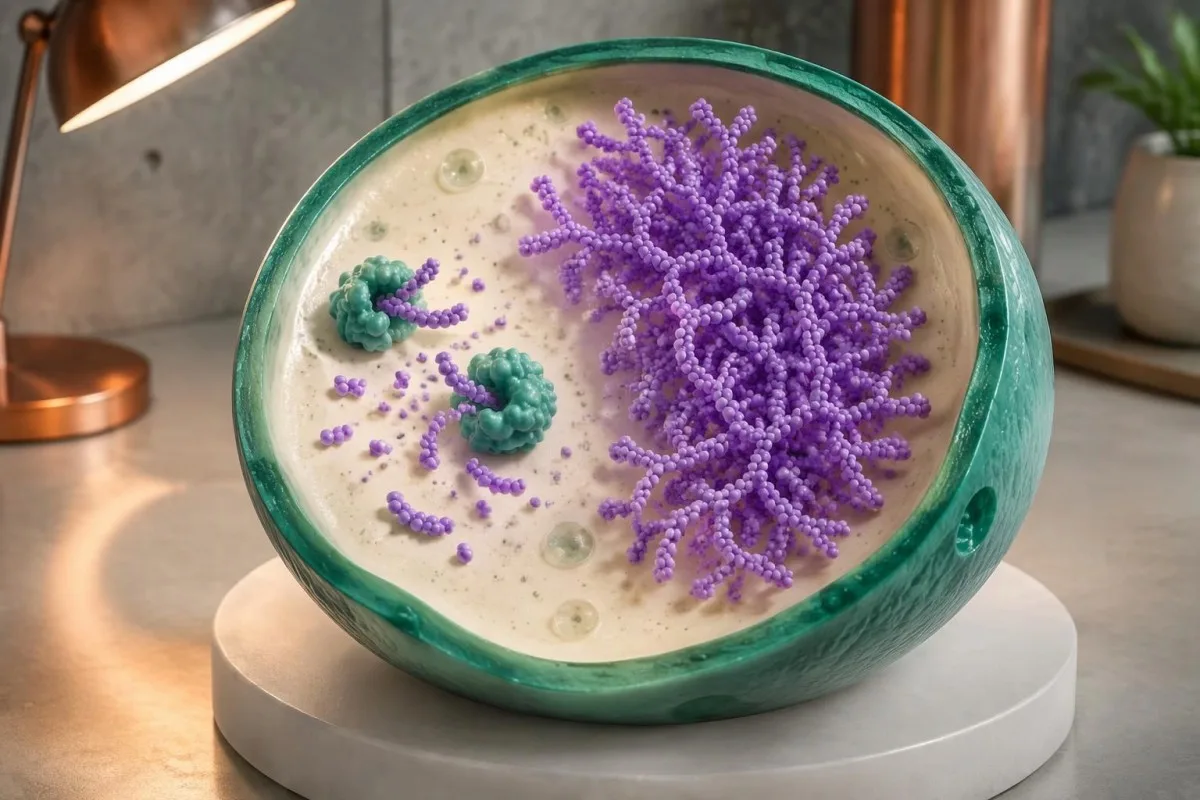
Klassieke infantiele Pompe-siekte het dikwels minder as 1% van normale GAA-aktiwiteit in diagnostiese weefseltoetse. Laat-aanvangsiekte kan meer aktiwiteit behou, soms ongeveer 2–40% in bepaalde toetse; hierdie beskrywende omvang oorvleuel met toetsbeperkings en moet nie ’n laboratorium se bekragtigde diagnostiese interpretasie vervang nie.
Die riglyn van Kishnani et al. uit 2006 in Genetics in Medicine beskryf die verband tussen GAA-tekort, glikogeenberging en multisisteemassessering. Die kliniese onderskeid gaan nie net daaroor of aktiwiteit onder 1% is nie: ouderdom met aanbieding, hartbevindinge en respiratoriese spierfunksie help ook om die vorm en dringendheid van die siekte te bepaal.
’n Roetine-glukoseuitslag meet nie lisosomale glikogeenopruiming nie. Byvoorbeeld, ’n hipotetiese volwassene kan ’n vastende glukosevlak van 92 mg/dL hê terwyl hulle ’n oorerflike spierglikogeenbergingsiekte het; normale glukose toon nie aan dat glikogeen binne spierlisosome normaal verwerk word nie.
Ander lisosomale siektes behels verskillende ensieme en gene, dus kan hul drempels nie vir Pompe-toetsing gebruik word nie. Ons verduideliking van Gaucher-ensiembevestiging illustreer die breër ensiem-tot-genetika-werkvloei, en wys terselfdertyd waarom een siekte se ensiemtoets nie ’n ander s’n kan vervang nie.
Is daar ’n normale omvang vir GAA-ensiemaktiwiteit?
There is no single universal normal range for GAA enzyme activity. Dried blood spots, leukocytes and cultured fibroblasts use different preparations and reporting units; a number expressed in nmol/h/mL cannot be directly compared with a result expressed in nmol/h/mg protein.

A screening cutoff separates samples needing follow-up from samples passing that screen. It does not necessarily separate affected people from unaffected people with complete accuracy; laboratories may use different fluorometric or tandem mass spectrometry methods, and 2 screening programs may therefore select different recall thresholds.
For a clearly hypothetical example, suppose a laboratory uses a DBS screening cutoff of 1.5 nmol/h/mL and reports 0.7 nmol/h/mL. The result is below that invented laboratory threshold, but dividing 0.7 by 1.5 gives 47% of the cutoff—not 47% of normal enzyme activity and not a severity score.
The lower limit of detection is different from the clinical cutoff. A report reading less than 0.1 in its stated units may mean the method cannot quantify lower activity reliably; it does not prove absolute absence of enzyme, and repeating measurements close to that analytical floor may produce proportionally large variation.
Screening performance also depends on prevalence. In a hypothetical group with 10 true-positive and 100 false-positive results, only about 9% of positive screens represent disease; those invented counts are not Pompe screening statistics, but explain why kwalitatiewe teenoor kwantitatiewe resultate require different interpretation.
| Vlak | Reeks | Wat dit beteken |
|---|---|---|
| Passes hypothetical screen | ≥1.5 nmol/h/mL | Illustrative DBS cutoff only; not a universal normal range and not an absolute exclusion in a symptomatic person. |
| Below hypothetical cutoff | <1.5 nmol/h/mL | Illustrative follow-up threshold only; true deficiency, pseudodeficiency and specimen effects still need separation. |
Waarom moet GAA-toetse in ’n ander monster herhaal word?
Repeat GAA testing checks whether low activity is reproducible and whether specimen quality or assay interference explains it. Confirmation usually moves beyond 1 screening card to a fresh, appropriately handled specimen, often with GAA measurement in leukocytes or another specialist-selected cell preparation.
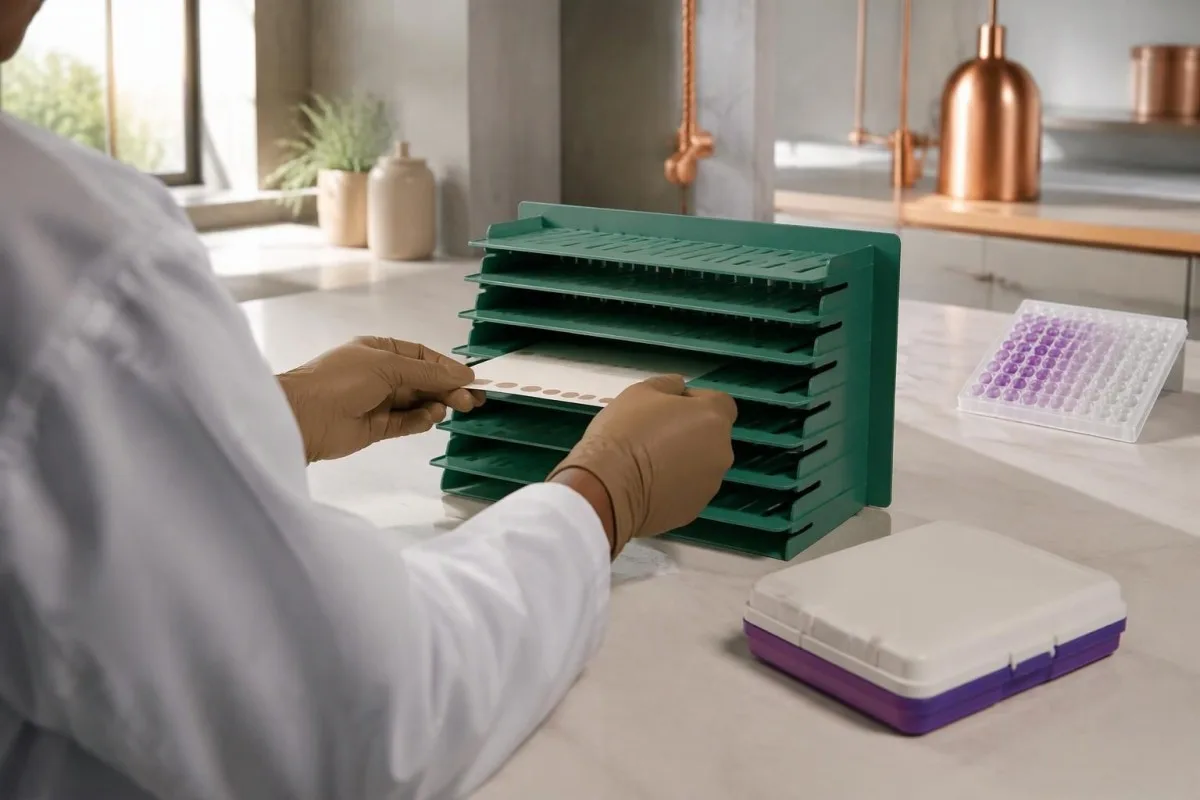
Heat, humidity and inadequate drying can reduce enzyme activity in a dried blood spot. A low result after 2 days of poorly controlled transport may deserve a fresh collection, but transport history cannot be used to dismiss a result automatically; the laboratory should assess card quality and its stability requirements.
Acarbose is used in some GAA assay methods to suppress interfering maltase-glucoamylase activity. That interference can make measured activity appear higher and potentially obscure deficiency; checking how a laboratory isolates GAA activity can therefore matter more than obtaining a second number with the same unresolved methodological limitation.
Two low DBS results still do not automatically confirm Pompe disease. Pseudodeficiency can reproduce across repeated measurements, including some confirmatory methods; when enzyme and genetic findings disagree, a specialist laboratory may recommend cultured fibroblast testing or additional molecular investigation rather than simply ordering a third screening card.
Give the laboratory the dates of collection, recent transfusions or transplantation, and any enzyme replacement treatment already received. Our guide to steuring deur monsterkwaliteit explains the general distinction between biological findings and specimen problems; GAA testing has its own handling rules, so do not import another test's redraw interval.
Hoe verskil GAA-pseudotekort van Pompe-siekte?
GAA pseudodeficiency means an inherited variant lowers measured enzyme activity without causing the glycogen-storage disorder Pompe disease. Two commonly discussed variants are c.1726G>A, p.Gly576Ser, and c.2065G>A, p.Glu689Lys; their interpretation depends on the complete genotype and the assay used.
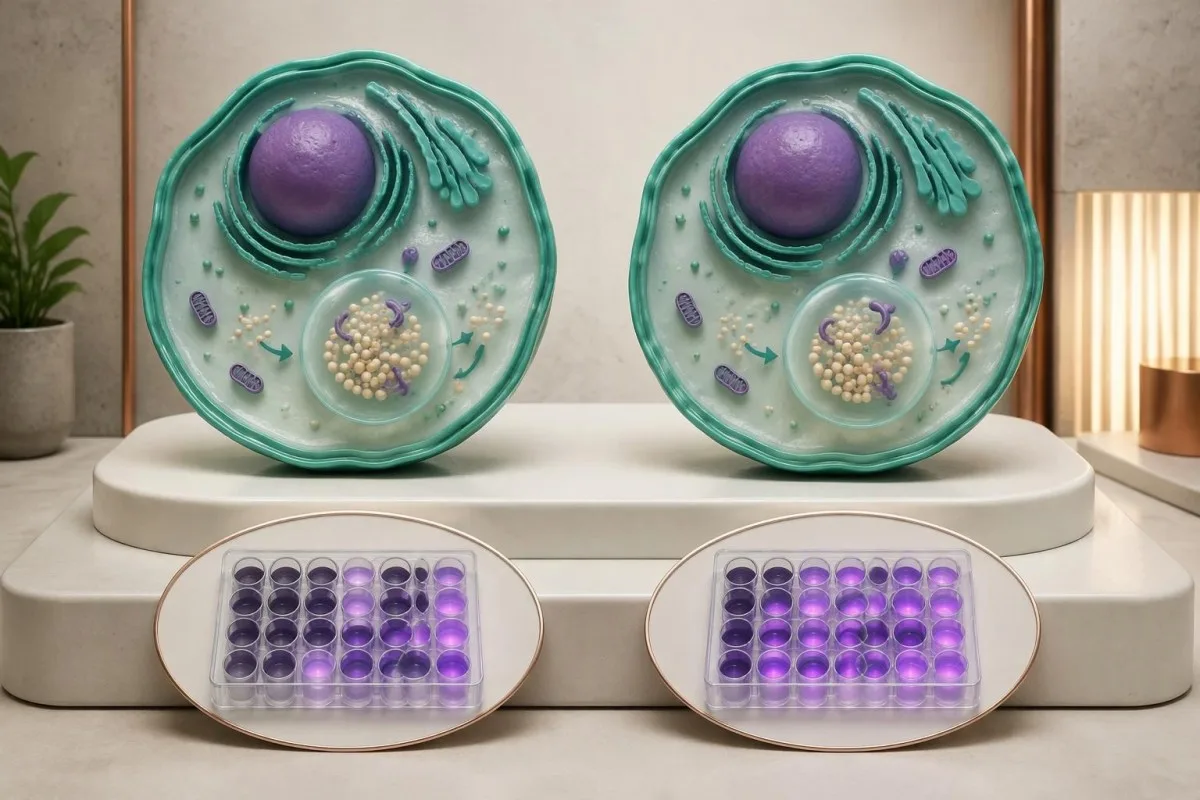
Pseudodeficiency is a biochemical testing issue, not an early stage of Pompe disease. A person with only pseudodeficiency variants does not need Pompe treatment because of 1 low activity result; the specialist must first verify that disease-causing variants or another explanation have not been missed.
The p.Gly576Ser and p.Glu689Lys variants are often found together on 1 gene copy and are particularly relevant in some East Asian ancestry populations. Ancestry changes how often laboratories encounter this pattern, but cannot establish or exclude pseudodeficiency in an individual; people from other backgrounds can carry these variants too.
Pseudodeficiency can remain low on repeat enzyme testing. The practical distinction is whether the complete biochemical and genetic evidence supports disease-causing GAA deficiency, not whether a second result falls below an arbitrary percentage; specialists may compare different assay substrates or cell preparations when the pattern remains ambiguous.
Pseudodeficiency variants can also coexist with a disease-causing variant, making a short report misleading if it lists everything under mutations. Our Fabry enzyme and genetics guide shows another situation where enzyme results need genetic context, although Fabry's X-linked inheritance differs from Pompe's 2-copy recessive mechanism.
Waarna moet GAA-geentoetse soek?
GAA gene testing investigates whether disease-causing variants affect both copies of the GAA gene. Pompe disease is autosomal recessive, and the GAA gene is located on chromosome 17; interpretation requires variant classification, adequate test coverage and, when needed, confirmation that variants affect opposite gene copies.
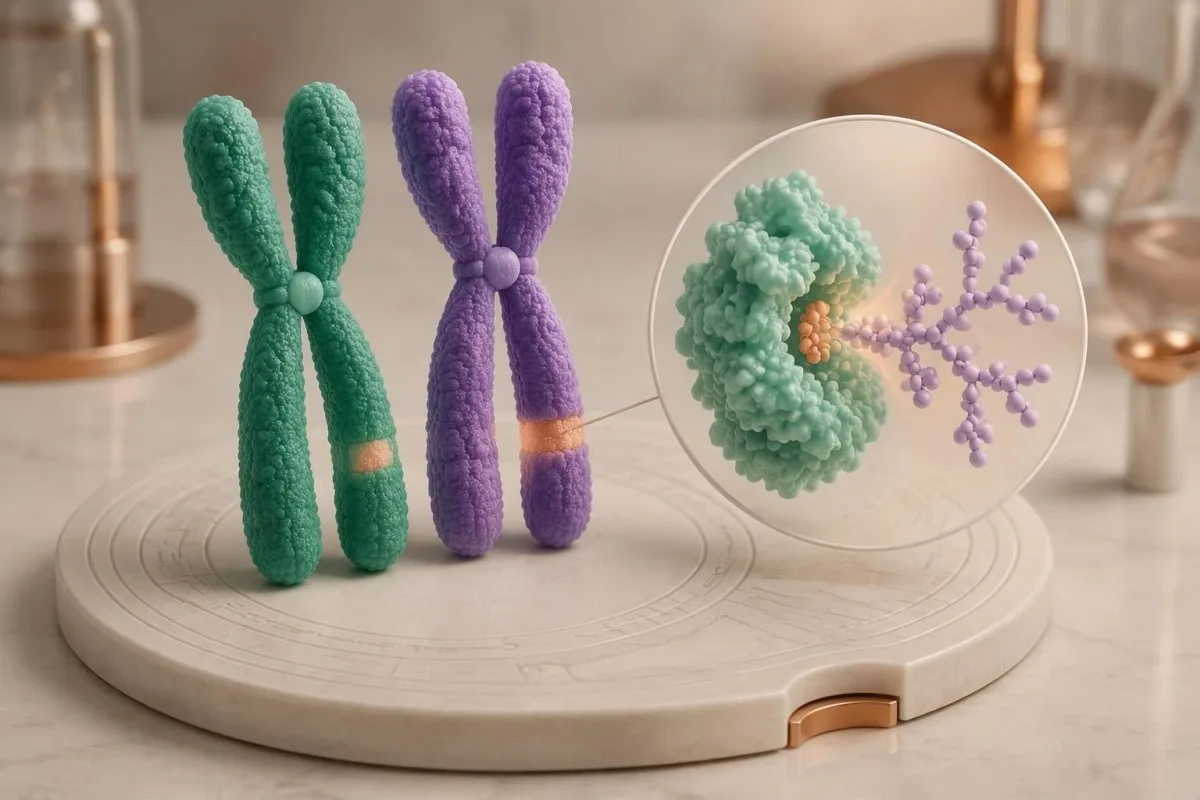
Two pathogenic or likely pathogenic GAA variants in trans support molecular confirmation of Pompe disease. In trans means the variants affect opposite gene copies; 2 variants in cis affect the same copy and do not, by themselves, demonstrate a recessive disease genotype.
Standard sequencing detects many small substitutions and insertions or deletions, but does not answer every possible genetic question. If only 1 disease-causing variant is found despite convincing enzyme deficiency, ask whether deletion/duplication analysis was included and whether poorly covered or deep intronic regions require further investigation.
A common later-onset-associated GAA variant is c.-32-13T>G, which affects splicing. Finding this variant on 1 copy does not diagnose Pompe disease, and finding it with another disease-causing variant does not precisely predict the age symptoms will begin; residual splicing and other biological factors influence presentation.
Parental testing can help establish phase when a laboratory detects 2 different variants but cannot determine their arrangement. Our guide to inherited disease genetic reports explains why inheritance and family testing matter, while the actual gene coverage and diagnostic criteria must remain specific to GAA.
Hoe moet patogene, onsekere en negatiewe uitslae geïnterpreteer word?
A pathogenic result, a variant of uncertain significance and a negative result have different diagnostic meanings. Genetic laboratories commonly use 5 categories: pathogenic, likely pathogenic, uncertain significance, likely benign and benign; a VUS is not equivalent to a disease-causing GAA variant.
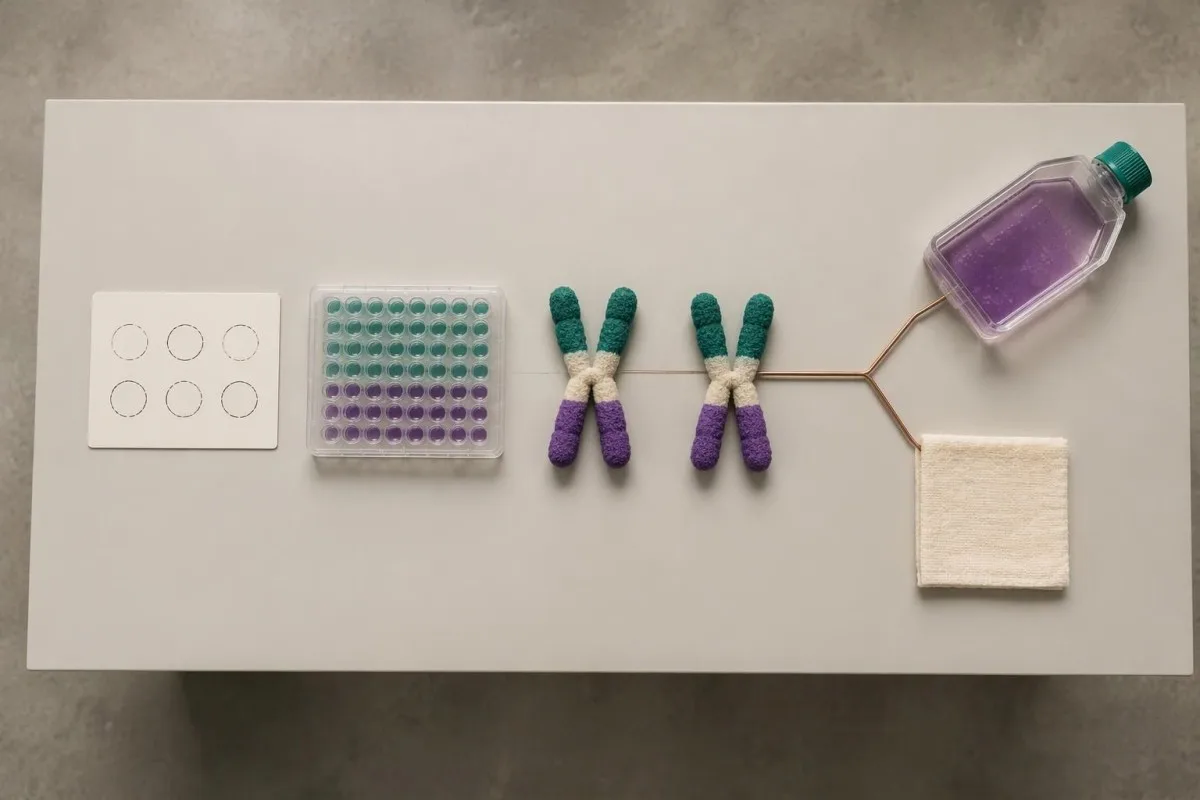
Richards et al.'s 2015 ACMG/AMP consensus established the widely used 5-category sequence-variant framework and states that a VUS should not guide clinical decision-making as though pathogenic. For Pompe evaluation, low enzyme activity can contribute evidence, but its value depends on whether pseudodeficiency and assay limitations have been addressed.
One pathogenic variant plus 1 VUS is an unresolved combination, not automatic confirmation or exclusion. Depending on the enzyme and clinical findings, specialists may investigate family segregation, RNA effects or variant-specific functional evidence; a diagnostic enzyme result may support disease even while the second molecular finding remains incompletely characterized.
A negative sequencing report means the test found no reportable variants within its scope. It does not prove that every GAA-related mechanism was examined; 1 negative limited test may warrant expanded testing when properly performed enzyme studies and the clinical pattern remain strongly suggestive.
Kantesti is 'n AI bloedtoets interpretasie platform that can help separate a report's 5 classification terms from its numerical enzyme findings, without adjudicating an uncertain genotype. Our tegniese en kliniese standaarde describe interpretation boundaries; our uncertain gene-result explanation provides a related example of why variants and diagnoses are not interchangeable.
Beteken een GAA-variant draerstatus of siekte?
One confirmed disease-causing GAA variant usually indicates carrier status if a second disease-causing variant and diagnostic enzyme deficiency are absent. Carriers do not typically develop Pompe disease; when both parents are carriers, each pregnancy has a 25% affected, 50% carrier and 25% non-carrier probability.
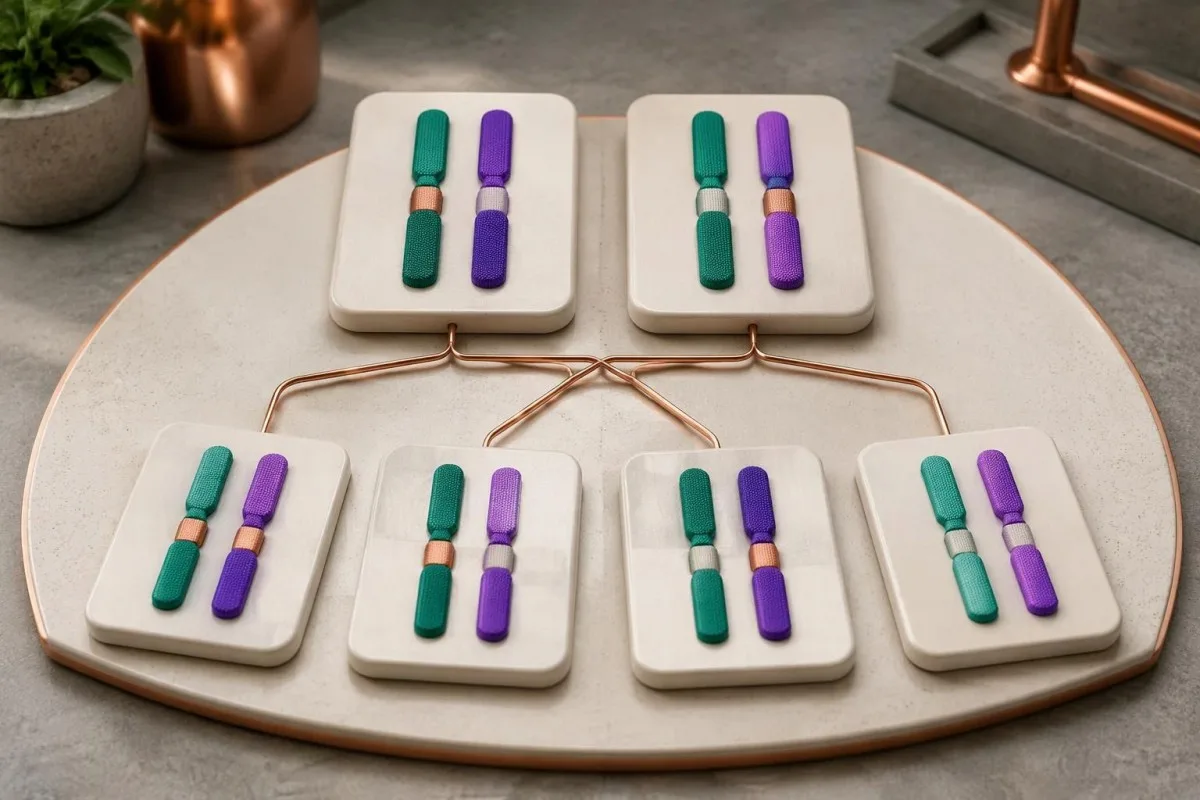
Carrier enzyme values can overlap with values in unaffected people. GAA activity is therefore not a reliable standalone carrier test, and a carrier's activity should not be assumed to equal exactly 50% of a laboratory's normal mean; targeted genetic testing is generally more informative when a familial variant is known.
The 25% affected-child probability applies independently to each pregnancy when both parents carry disease-causing variants capable of producing Pompe disease together. Having 1 unaffected child does not reduce the next pregnancy's Mendelian probability, and pseudodeficiency variants should not be substituted for pathogenic variants in that calculation.
Family testing is most useful after the affected person's variants are clarified. If a symptomatic adult has only 1 identified pathogenic variant, relatives should not be reassured that the entire family question is settled until the specialist considers whether the second variant was missed by the original assay.
For a hypothetical couple, one partner carrying a pathogenic GAA variant and the other carrying only a pseudodeficiency variant does not create the same 25% Pompe risk as 2 pathogenic-variant carriers. Our carrier screening limitations guide explains why a report's coverage and residual risk deserve discussion before reproductive decisions.
Watter ander laboratoriumuitslae ondersteun Pompe-evaluering?
Creatine kinase, AST, ALT and urinary glucose tetrasaccharide can support Pompe evaluation, but none confirms the diagnosis alone. Urinary glucose tetrasaccharide may be reported as Glc4 or within a Hex4 assay; these 2 report terms require method-specific interpretation rather than assumption that every laboratory measures exactly the same thing.
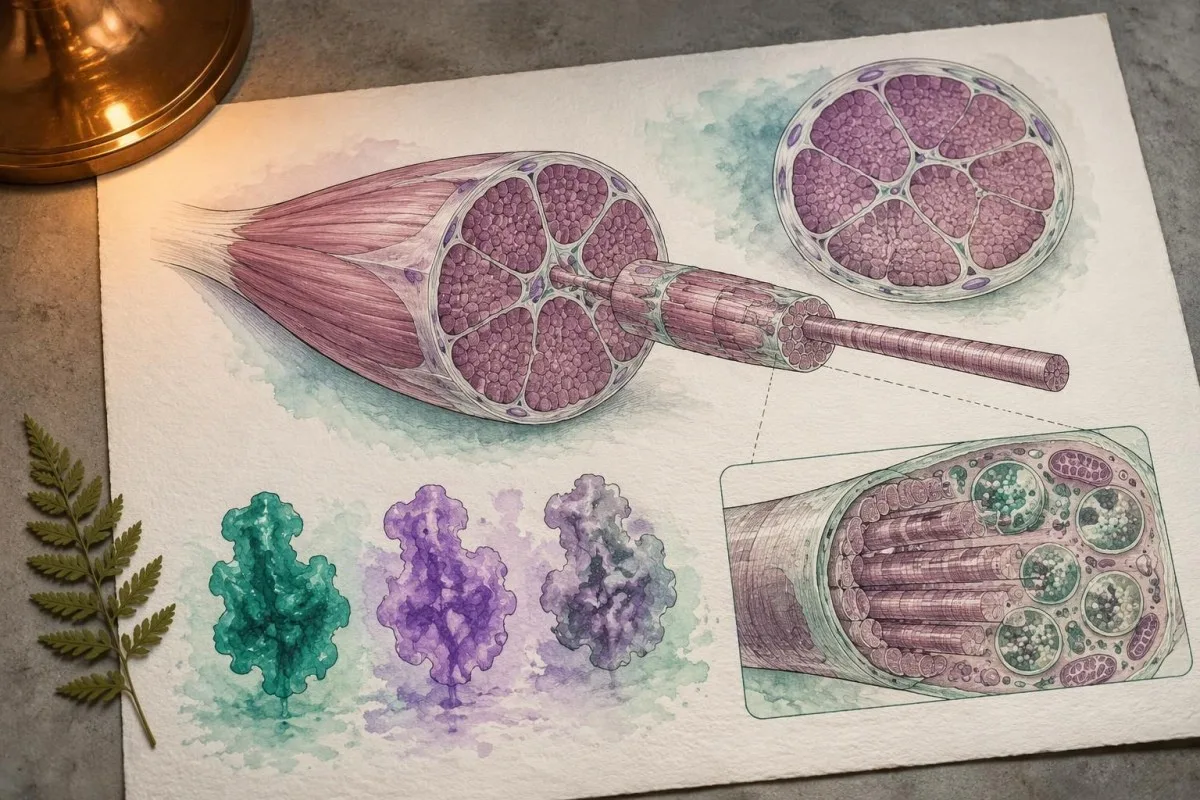
Normal CK does not exclude later-onset Pompe disease. In a hypothetical adult with progressive difficulty rising from a chair, CK of 140 U/L may fall within that laboratory's interval despite clinically meaningful weakness; the combination of symptoms and low confirmed GAA activity matters more than a reassuring CK flag.
AST and ALT can rise because of muscle involvement, not only liver disease. A hypothetical AST of 86 U/L with elevated CK and muscle weakness deserves a muscle-aware assessment; our aldolase and muscle marker guide explains why additional muscle enzymes may help characterize the pattern without identifying its cause.
Urinary Glc4 is a supportive glycogen-related biomarker, not a Pompe-specific diagnostic test. Reference limits vary with age and method, and elevation can occur in other circumstances; 1 elevated result should be interpreted alongside enzyme findings, genetics and the laboratory's creatinine-normalized units.
A falling CK or Glc4 after treatment does not automatically prove that strength or breathing has improved by the same percentage. Our discussion of AST interpretation beyond liver disease illustrates why 2 related markers can move together while still answering different questions about tissue injury and function.
Waarom moet asemhaling beoordeel word wanneer ’n Pompe-toets abnormaal is?
Pompe disease can weaken the diaphragm and other respiratory muscles, sometimes before obvious walking difficulty. Assessment may include seated and supine forced vital capacity, respiratory muscle pressures and sleep-related testing; a daytime oxygen saturation of 97% does not rule out overnight hypoventilation.
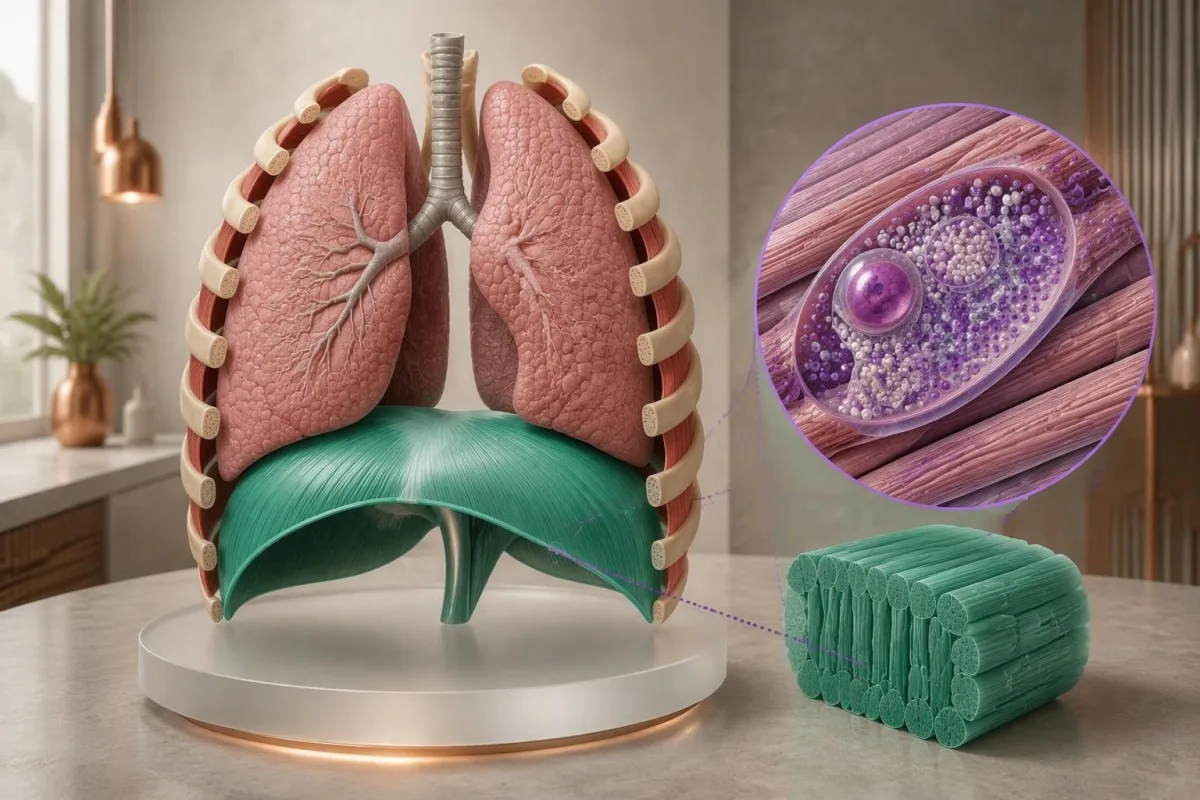
A position-related fall in vital capacity can suggest diaphragm weakness. For example, a hypothetical seated FVC of 3.0 L and supine FVC of 2.4 L represents a 20% decline; the specialist interprets that difference with technique, predicted values and symptoms, rather than treating it as a Pompe-specific cutoff.
Morning headaches, unrefreshing sleep and difficulty breathing when lying flat can justify evaluation for sleep-related hypoventilation. These symptoms do not identify Pompe disease on their own; our kortasemtoetsgids explains why laboratory results cannot replace respiratory examination and physiological testing.
Arterial carbon dioxide is normally about 35–45 mmHg in adults, with context-dependent variation. A value above 45 mmHg indicates hypercapnia, but its urgency depends on pH, symptoms and the clinical setting; our blood gas interpretation guide explains why oxygen and carbon dioxide answer different questions.
Severe breathlessness, confusion, blue coloration or rapidly worsening weakness warrants emergency care, not an online interpretation session. A confirmed molecular result affecting 2 GAA copies does not measure current respiratory safety; clinicians need direct functional assessment to decide whether ventilation support or urgent monitoring is necessary.
Wat gebeur ná ’n positiewe pasgebore Pompe-siftingstoets?
A positive newborn Pompe screen requires prompt specialist assessment, confirmatory enzyme testing and genetic evaluation. It does not mean every infant has Pompe disease; the immediate task is to distinguish pseudodeficiency or carrier findings from infantile disease and a later-onset-associated genotype affecting both GAA copies.

Burton et al.'s 2017 Pediatrics newborn-screening algorithms describe an initial evaluation integrating GAA confirmation, molecular testing and clinical assessment. If an infant has feeding difficulty, marked hypotonia or suspected cardiomyopathy, do not wait 2 weeks for a routine repeat appointment; the screening team should arrange urgent metabolic and cardiac evaluation.
Classic infantile Pompe disease commonly involves hypertrophic cardiomyopathy. A newborn's echocardiogram and electrocardiogram help assess risk that cannot be estimated from 1 enzyme number; absence of obvious heart symptoms at home does not replace the specialist examination after an abnormal screen.
CRIM status concerns whether cross-reactive GAA protein is present and helps specialists plan immune-risk management around enzyme replacement therapy. Less than 1% enzyme activity does not by itself establish CRIM-negative status, because an inactive protein may still be present; this is a protein-expression question, not just an activity threshold.
Later-onset-associated findings in a newborn require a monitoring plan, not an invented age-of-onset prediction. Even 2 classified disease-causing variants may not reveal when symptoms will emerge; our pediatriese KI-veiligheidsriglyne explains why pediatric results require age-specific context and clinician-led decisions.
Hoe versoen spesialiste teenstrydige toetsuitslae by volwassenes?
Conflicting adult Pompe results are resolved by checking specimen quality, confirmatory enzyme methods, variant classification and clinical fit. One low screen plus 1 genetic finding rarely tells the whole story; specialists investigate whether the apparent conflict comes from pseudodeficiency, an incomplete molecular test or another cause of weakness.

Consider a hypothetical 52-year-old with mild fatigue, low DBS GAA activity and only the 2 commonly discussed pseudodeficiency variants. If specialist testing supports pseudodeficiency and no disease-causing genotype, the low screen does not explain the fatigue; other causes should be assessed rather than attaching a Pompe label to an incidental biochemical finding.
A second hypothetical adult has progressive hip weakness, a 20% positional FVC decline, confirmed cellular GAA deficiency and 2 pathogenic variants in trans. Together, those findings support Pompe disease; a normal routine glucose or modest CK result would not outweigh the converging biochemical, genetic and functional evidence.
Convincing enzyme deficiency with only 1 identified pathogenic variant deserves further investigation. The appropriate next step may be deletion/duplication analysis, RNA studies or another specialist assay—not automatically calling the person a carrier; the investigation should also check whether non-Pompe neuromuscular conditions better explain the examination.
Variant-related disease monitoring is not the same as predicting a person's future from their DNA. Our inherited neuromuscular risk guide offers a related family-testing perspective, but 2 conditions can differ substantially in inheritance, penetrance and treatment triggers.
Wat moet jy na jou afspraak met jou Pompe-spesialis saambring?
Bring the complete enzyme report, complete genetic report and a dated symptom history to a Pompe specialist appointment. Three report details are especially useful: specimen type, assay units and variant classification; screenshots showing only a red flag or the word mutation can omit information that changes the interpretation.

Ask whether confirmatory testing has already been completed and whether the laboratory measured GAA specifically in an appropriate cell preparation. If 2 variants were found, ask whether they are in trans; if only 1 was found, ask what variant types and regions the test could detect.
Do not try to raise GAA activity with supplements or diet before confirmation. No vitamin or food corrects inherited pathogenic variants affecting both GAA copies; nutrition may support general care after diagnosis, but cannot substitute for enzyme confirmation or specialist treatment planning.
Kantesti is 'n KI-aangedrewe bloedtoets-analisehulpmiddel that can help organize report terminology and associated laboratory trends, not decide whether 2 uncertain variants establish Pompe disease. Our gids om die verslag se bron na te gaan explains why the original document remains the reference when an automated explanation and a specialist interpretation differ.
Genetic documents can contain information relevant to relatives as well as the tested person. Before sharing 1 family member's report, check consent and remove unnecessary identifiers; Kantesti's privaatheids- en data-inligting describes our handling approach, while sharing results with relatives should follow a genetic counselor's guidance.
Navorsingspublikasies en beperkings van die interpretasie van Pompe-toetse
Pompe test interpretation rests on disease-specific enzyme, genetic and clinical evidence—not on general laboratory publications or an AI explanation. Kantesti includes 3 directly relevant external sources below and 2 separate educational publications; the iron and coagulation publications are not evidence for diagnosing Pompe disease.
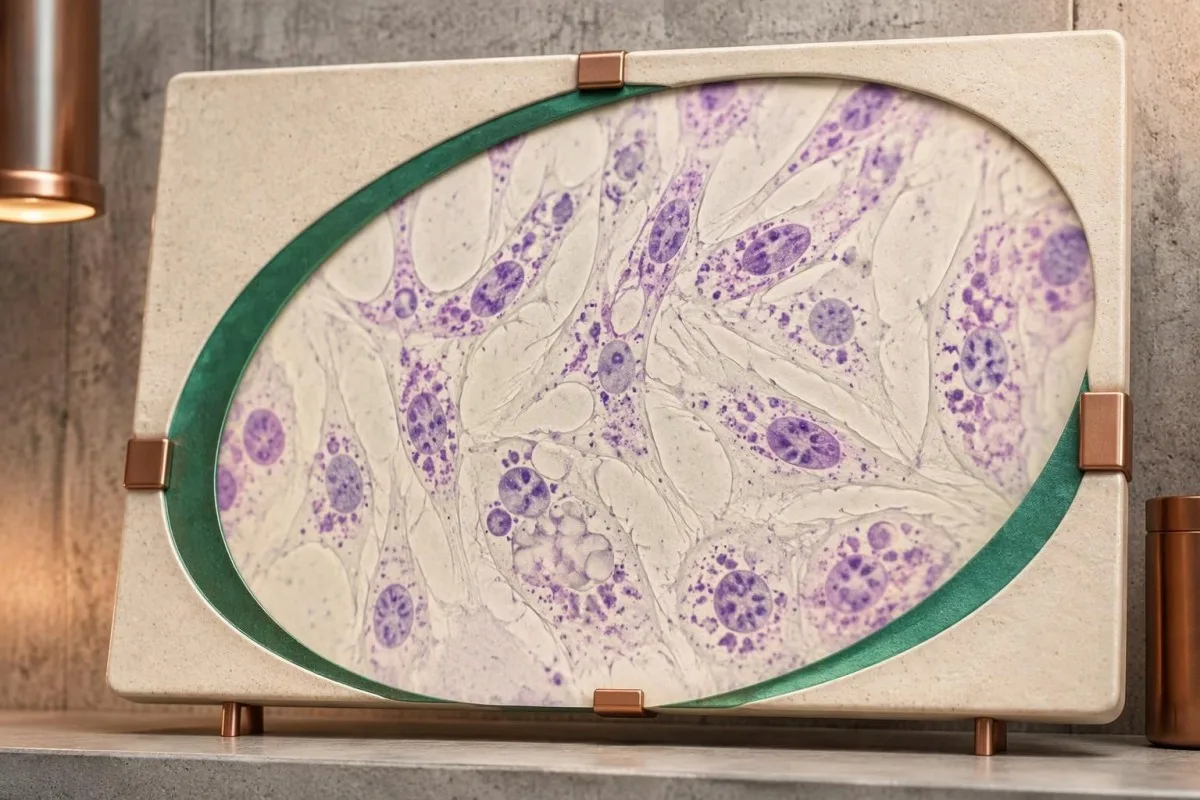
The 2006 Kishnani guideline provides disease-specific diagnostic and management context, while the 2017 Burton newborn-screening paper addresses confirmation after population screening. Their recommendations should be applied with the specialist laboratory's validated methods; neither supplies 1 universally transferable DBS enzyme cutoff for every instrument and population.
Richards et al.'s 2015 ACMG/AMP publication explains the 5-category variant framework used to distinguish pathogenic findings from uncertainty. Classification can change when new evidence becomes available, so ask the genetics service whether an unresolved result has a reanalysis pathway rather than assuming every VUS will eventually become pathogenic.
Ons opvoedkundige ysterstudiepublikasie addresses a different laboratory domain. The separate publikasie oor stollingstoetse also covers unrelated markers; their 2 DOI records are provided for publication transparency, not as supporting citations for GAA deficiency or pseudodeficiency.
Kantesti se standaarde vir mediese inhoud distinguish patient education from diagnosis and treatment instructions. The practical endpoint is a documented interpretation of 3 evidence streams—enzyme testing, genetic analysis and clinical assessment—with urgent care taking priority whenever infantile disease or respiratory compromise is suspected.
Dikwels gevraagde vrae
Beteken lae GAA-ensiemaktiwiteit altyd Pompe-siekte?
Lae GAA-ensiemaktiwiteit beteken nie altyd Pompesiekte nie. Een abnormale siftingsuitslag kan op ’n werklike tekort, pseudotekort, monsterafbraak of oorvleueling met draerverwante aktiwiteit dui. Bevestiging vereis spesialisinterpretasie van ’n toepaslike ensiemtoets, GAA-genetiese bevindings en die kliniese konteks. Die herhaling van dieselfde siftingstoets alleen kan pseudotekort reproduseer eerder as om dit op te klaar.
Wat is die normale GAA-ensiemvlak?
There is no universal normal GAA enzyme level because specimen preparation, assay substrate and reporting units differ between laboratories. A value in nmol/h/mL cannot be directly compared with a value in nmol/h/mg protein. Classic infantile Pompe disease often has less than 1% of normal activity in diagnostic tissue assays, but this is not a universal newborn-screening cutoff. Use the reference information printed on the original report and the specialist laboratory's interpretation.
Kan twee lae GAA-toetse steeds op pseudotekort dui?
Twee lae GAA-toetse kan steeds pseudotekort weerspieël, veral wanneer dieselfde of soortgelyke toetsmetodes gebruik word. Pseudotekortvariante verlaag die gemete aktiwiteit sonder om self Pompe-glikogeenbergingssiekte te veroorsaak. Spesialiste onderskei hierdie patroon aan die hand van die volledige GAA-genotipe, die toetskenmerke en, waar nodig, ’n ander selpreparaat of funksionele ondersoek. Twee herhaalde lae waardes is dus nie gelykstaande aan twee onafhanklike bevestigings van die siekte nie.
Bevestig twee GAA-geenvariante Pompe-siekte?
0 Twee GAA-variante bevestig nie outomaties Pompesiekte nie. Twee patogene of waarskynlik patogene variante in trans, wat teenoorgestelde geenkopieë beïnvloed, ondersteun molekulêre bevestiging, terwyl twee variante in cis slegs een kopie beïnvloed. Variante van onsekere betekenis en pseudotekortvariante kan nie as vasgestelde siekteveroorsakende bevindings getel word nie. Ensiem- en kliniese bewyse bly besonder nuttig wanneer klassifikasie of fase onopgelos is.
Kan normale CK laat-aanvangs-Pompe-siekte uitsluit?
Normal CK cannot rule out late-onset Pompe disease. A hypothetical CK of 140 U/L may fall within a laboratory's reference interval despite progressive proximal weakness or diaphragm involvement. CK measures muscle injury-related enzyme release, not lysosomal GAA function. Persistent compatible symptoms deserve specialist assessment even when routine muscle markers are reassuring.
Hoe dringend is ’n positiewe Pompe-siekte-toets by ’n pasgebore baba?
0 ’n Positiewe Pompe-siekte-siftingstoets by ’n pasgebore baba vereis onmiddellike kontak met die siftings- of metaboliese span, en ’n baba met voedingsprobleme, uitgesproke hipotonie of vermoedelike hartbetrokkenheid moet dringend beoordeel word. Een positiewe siftingskaart bevestig nie die diagnose nie, maar daar moet nie gewag word vir ’n roetine-afspraak etlike weke later indien klassieke infantiele siekte vermoed word nie. Spesialiste reël bevestigende ensiemtoetse, genetiese evaluering en ’n kardiale beoordeling, dikwels gelyktydig. Ernstige asemhalingsprobleme of ’n afname in responsiwiteit vereis noodsorg.
Wat is die risiko vir kinders as albei ouers Pompe-draers is?
Indien albei ouers siekteveroorsakende GAA-variante dra, het elke swangerskap ’n 25%-kans op ’n aangetaste kind, ’n 50%-kans op ’n kind wat ’n draer is en ’n 25%-kans op ’n kind wat nie een van die familiale variante erf nie. Hierdie waarskynlikhede geld onafhanklik vir elke swangerskap. Pseudotekortvariante is nie uitruilbaar met patogene variante in hierdie berekening nie. Genetiese berading help om die ouerlike bevindings te bevestig en toetsopsies te verduidelik.
Kry verduideliking van jou bloedtoets resultate
Laai jou laboratoriumverslag op en Kantesti se KI verduidelik elke biomerker binne sekondes in verstaanbare taal. Meer as 2 miljoen mense wêreldwyd gebruik dit.
Verwysings
- Klein, T., Mitchell, S., & Weber, H. (2026). Gids oor ysterstudies: TIBC, ysterversadiging en bindingskapasiteit. Kantesti KI-mediese navorsing. DOI
- Klein, T., Mitchell, S., & Weber, H. (2026). aPTT-normaalreeks: D-dimeer, Proteïen C-gids vir bloedstolling. Kantesti KI-mediese navorsing. DOI
- Kishnani PS et al. (2006). Pompe disease diagnosis and management guideline. Genetics in Medicine. DOI PubMed
- Burton BK et al. (2017). The Initial Evaluation of Patients After Positive Newborn Screening: Recommended Algorithms Leading to a Confirmed Diagnosis of Pompe Disease. Pediatrics. DOI
- Richards S et al. (2015). Standaarde en riglyne vir die interpretasie van volgordevariante: ’n gesamentlike konsensusaanbeveling van die American College of Medical Genetics and Genomics en die Association for Molecular Pathology. Genetics in Medicine. DOI PubMed
- 2M+Ontleedde toetse
- 127+Lande
- 100+Tale
Oor die mediese span


E-E-A-T Vertrouenseine
Ervaring
Kliniese oorsig gelei deur ’n geneesheer van laboratorium-interpretasie-werksvloei.
Kundigheid
Laboratoriumgeneeskunde fokus op hoe biomerkers in ’n kliniese konteks optree.
Gesagsvermoë
Medies beoordeel deur Dr. Thomas Klein, met bydraes van Dr. Sarah Mitchell en Prof. Dr. Hans Weber.
Betroubaarheid
Bewysgebaseerde interpretasie met duidelike opvolgpaaie om alarm te verminder.





Mediese vrywaring
Hierdie artikel is slegs vir opvoedkundige doeleindes en vorm nie mediese advies nie. Raadpleeg altyd ’n gekwalifiseerde gesondheidsorgverskaffer vir besluite oor diagnose en behandeling.
Gepubliseer · Kontak die redaksiespan
Gepubliseer deur Kantesti Ltd, geregistreer in Engeland en Wallis, maatskappynr. 17090423, Londen, Verenigde Koninkryk.
