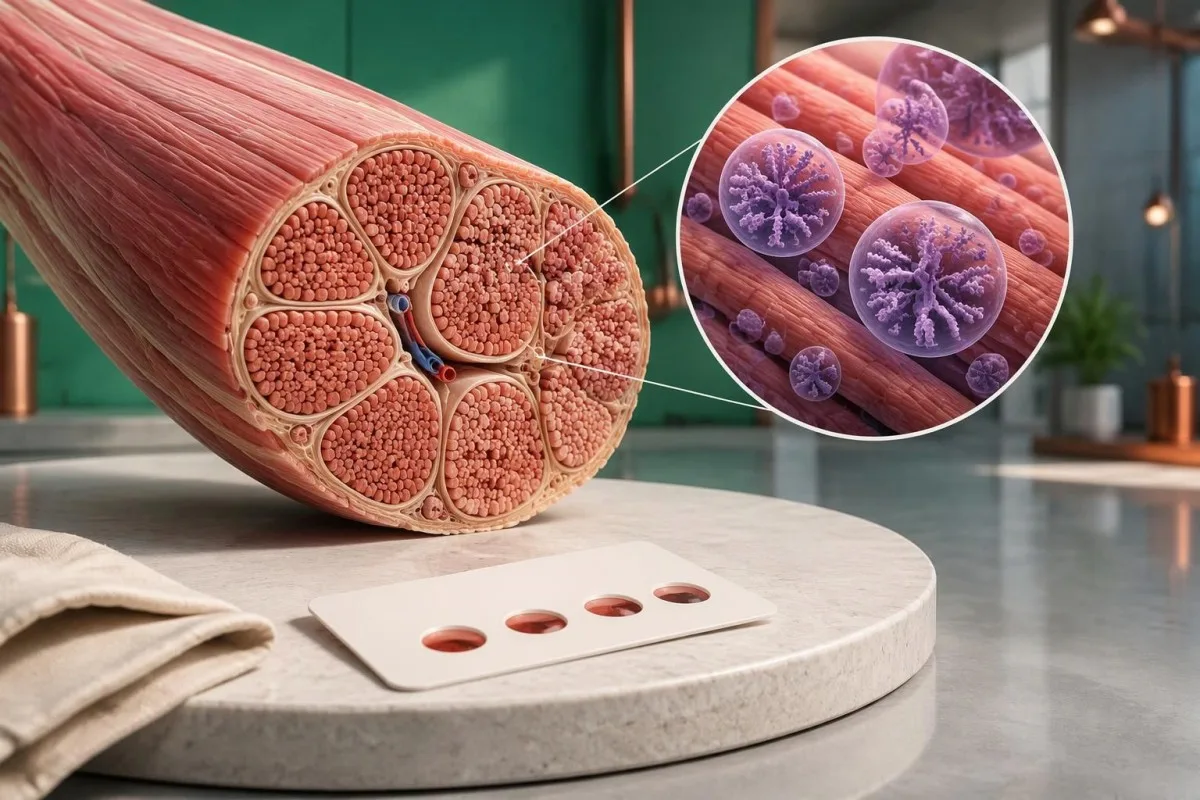
Низок резултат за ГАА ензимот предизвикува сомнеж за Помпеова болест, но само скринингот не може да ја потврди. Повторно тестирање на соодветен примерок и генетска анализа на ГАА помагаат да се разликуваат вистинскиот дефицит, носителскиот статус и псевдодефицитот.

Клучни заклучоци
- Ниска активност на ГАА ензимот е сигнал за понатамошно следење, а не дијагноза; 1 абнормален исушен крвен дамкаст примерок бара потврда по насоки од специјалист.
- Референтни опсези зависат од примерокот и анализата; nmol/h/mL не може директно да се споредува со nmol/h/mg протеин.
- Преостанатата ензимска активност често е под 1% кај класичната инфантилна Помпеова болест, но таа бројка не е универзален праг за скрининг.
- Псевдодефицитот може да ја намали лабораториската активност на ГАА без да предизвика Помпеова болест; повторувањето на истиот тест може повторно да даде низок резултат.
- Тестирањето на генот ГАА бара варијанти што предизвикуваат болест и влијаат на двете копии на генот; 2 варијанти мора да се толкуваат за да се утврдат класификацијата и фазата.
- Варијанти со неизвесно значење не ја потврдуваат Помпеовата болест; 1 или 2 варијанти со неизвесно значење бараат дополнителни докази.
- Семеен ризик е 25% за засегнато дете во секоја бременост кога двајцата родители носат варијанта на GAA што предизвикува болест.
- Потребна е итна проценка е потребно за доенче со ниска активност на GAA, заедно со тешкотии при хранење, изразена слабост или сомнеж за зафатеност на срцето; не чекајте рутинско повторно тестирање.
Што всушност значи низок резултат за ГАА ензимот?
A Тест за Помпеова болест што покажува ниска активност на GAA значи дека лабораторијата измерила намалена функција на киселата алфа-глукозидаза во условите на нејзината анализа. Тоа не ја докажува Помпеовата болест: 1 низок резултат од скринингот може да одразува вистински дефицит, псевдодефицит, преклопување поврзано со носителство или проблем со примерокот.

Активноста на GAA ја мери функцијата на ензимот, а не само количината на присутниот ензимски протеин. Првите 3 детали што треба да се проверат се видот на примерокот, мерните единици и граничната вредност на лабораторијата; резултат опишан како низок без овие детали не може сигурно да се толкува во споредба со бројка најдена на интернет.
Причината за тестирањето го менува значењето на позитивниот скрининг. Новороденче откриено преку популациски скрининг и 45-годишно лице со прогресивна слабост на колковите имаат различна почетна веројатност за Помпеова болест, дури и ако пријавените вредности на ензимот се совпаѓаат; затоа симптомите и прегледот треба да се разгледуваат заедно со лабораторискиот резултат.
Позитивен скрининг не е исто што и потврдена болест. Ако 2 лаборатории користат различни супстрати или подготовки на примерокот, нивните нумерички резултати може да се разликуваат без ниту една лабораторија да направила грешка; прашајте дали следниот термин е за ново скрининг-мерење или за вистинска потврдна ензимска анализа.
Кантести е анализатор на крвна слика со вештачка интелигенција што може да помогне во систематизирањето на извештајот за GAA заедно со рутинските лабораториски наоди, но не може да утврди дијагноза на Помпеова болест врз основа на 1 означена вредност. Нашата информации за компанијата ја објаснува организацијата зад услугата; за сомнеж за наследен ензимски дефицит и понатаму е потребен специјалист за метаболни или невромускулни заболувања.
Зошто дефицитот на ГАА предизвикува проблеми со мускулите и срцето?
Помпеовата болест е последица на дефицит на лизозомската кисела алфа-глукозидаза, ензим што го разградува гликогенот во клеточните оддели за рециклирање. GAA делува на гликозидните врски на глукозата алфа-1,4 и алфа-1,6; недоволната активност овозможува натрупување на гликоген, особено во скелетните и срцевиот мускул.

Кај класичната инфантилна Помпеова болест, активноста на GAA во дијагностичките ткивни анализи често е помала од 1% од нормалната. Кај болеста со подоцнежен почеток може да се зачува поголема активност, понекогаш приближно 2–40% во одредени анализи; овие описни опсези се преклопуваат со ограничувањата на анализата и не смеат да ја заменат валидираната дијагностичка интерпретација на лабораторијата.
Упатството на Kishnani et al. од 2006 година, објавено во Genetics in Medicine, ја опишува поврзаноста меѓу дефицитот на GAA, складирањето на гликоген и мултисистемската процена. Клиничката разлика не се сведува само на тоа дали активноста е под 1%: возраста при појавата на симптомите, наодите од срцето и функцијата на респираторните мускули исто така помагаат да се одреди формата и итноста на болеста.
Рутинскиот резултат за гликоза не го мери лизозомското отстранување на гликогенот. На пример, хипотетички возрасен може да има гликоза на гладно од 92 mg/dL, а притоа да има наследно нарушување на складирањето гликоген во мускулите; нормалната гликоза не докажува дека гликогенот во мускулните лизозоми нормално се обработува.
Другите лизозомски нарушувања вклучуваат различни ензими и гени, па затоа нивните гранични вредности не може да се користат за тестирање за Помпеова болест. Нашето објаснување на потврдата на Гошеровата ензимска активност го илустрира поширокиот процес од ензим до генетика, а воедно покажува зошто ензимската анализа за една болест не може да ја замени анализата за друга.
Дали постои нормален опсег за активноста на ГАА ензимот?
There is no single universal normal range for GAA enzyme activity. Dried blood spots, leukocytes and cultured fibroblasts use different preparations and reporting units; a number expressed in nmol/h/mL cannot be directly compared with a result expressed in nmol/h/mg protein.
A screening cutoff separates samples needing follow-up from samples passing that screen. It does not necessarily separate affected people from unaffected people with complete accuracy; laboratories may use different fluorometric or tandem mass spectrometry methods, and 2 screening programs may therefore select different recall thresholds.
For a clearly hypothetical example, suppose a laboratory uses a DBS screening cutoff of 1.5 nmol/h/mL and reports 0.7 nmol/h/mL. The result is below that invented laboratory threshold, but dividing 0.7 by 1.5 gives 47% of the cutoff—not 47% of normal enzyme activity and not a severity score.
The lower limit of detection is different from the clinical cutoff. A report reading less than 0.1 in its stated units may mean the method cannot quantify lower activity reliably; it does not prove absolute absence of enzyme, and repeating measurements close to that analytical floor may produce proportionally large variation.
Screening performance also depends on prevalence. In a hypothetical group with 10 true-positive and 100 false-positive results, only about 9% of positive screens represent disease; those invented counts are not Pompe screening statistics, but explain why квалитативни наспроти квантитативни резултати require different interpretation.
| Ниво | Опсег | Што значи |
|---|---|---|
| Passes hypothetical screen | ≥1.5 nmol/h/mL | Illustrative DBS cutoff only; not a universal normal range and not an absolute exclusion in a symptomatic person. |
| Below hypothetical cutoff | <1.5 nmol/h/mL | Illustrative follow-up threshold only; true deficiency, pseudodeficiency and specimen effects still need separation. |
Зошто ГАА тестирањето се повторува на друг примерок?
Repeat GAA testing checks whether low activity is reproducible and whether specimen quality or assay interference explains it. Confirmation usually moves beyond 1 screening card to a fresh, appropriately handled specimen, often with GAA measurement in leukocytes or another specialist-selected cell preparation.

Heat, humidity and inadequate drying can reduce enzyme activity in a dried blood spot. A low result after 2 days of poorly controlled transport may deserve a fresh collection, but transport history cannot be used to dismiss a result automatically; the laboratory should assess card quality and its stability requirements.
Acarbose is used in some GAA assay methods to suppress interfering maltase-glucoamylase activity. That interference can make measured activity appear higher and potentially obscure deficiency; checking how a laboratory isolates GAA activity can therefore matter more than obtaining a second number with the same unresolved methodological limitation.
Two low DBS results still do not automatically confirm Pompe disease. Pseudodeficiency can reproduce across repeated measurements, including some confirmatory methods; when enzyme and genetic findings disagree, a specialist laboratory may recommend cultured fibroblast testing or additional molecular investigation rather than simply ordering a third screening card.
Give the laboratory the dates of collection, recent transfusions or transplantation, and any enzyme replacement treatment already received. Our guide to интерференција поврзана со квалитетот на примерокот explains the general distinction between biological findings and specimen problems; GAA testing has its own handling rules, so do not import another test's redraw interval.
По што се разликува псевдодефицитот на ГАА од Помпеовата болест?
GAA pseudodeficiency means an inherited variant lowers measured enzyme activity without causing the glycogen-storage disorder Pompe disease. Two commonly discussed variants are c.1726G>A, p.Gly576Ser, and c.2065G>A, p.Glu689Lys; their interpretation depends on the complete genotype and the assay used.
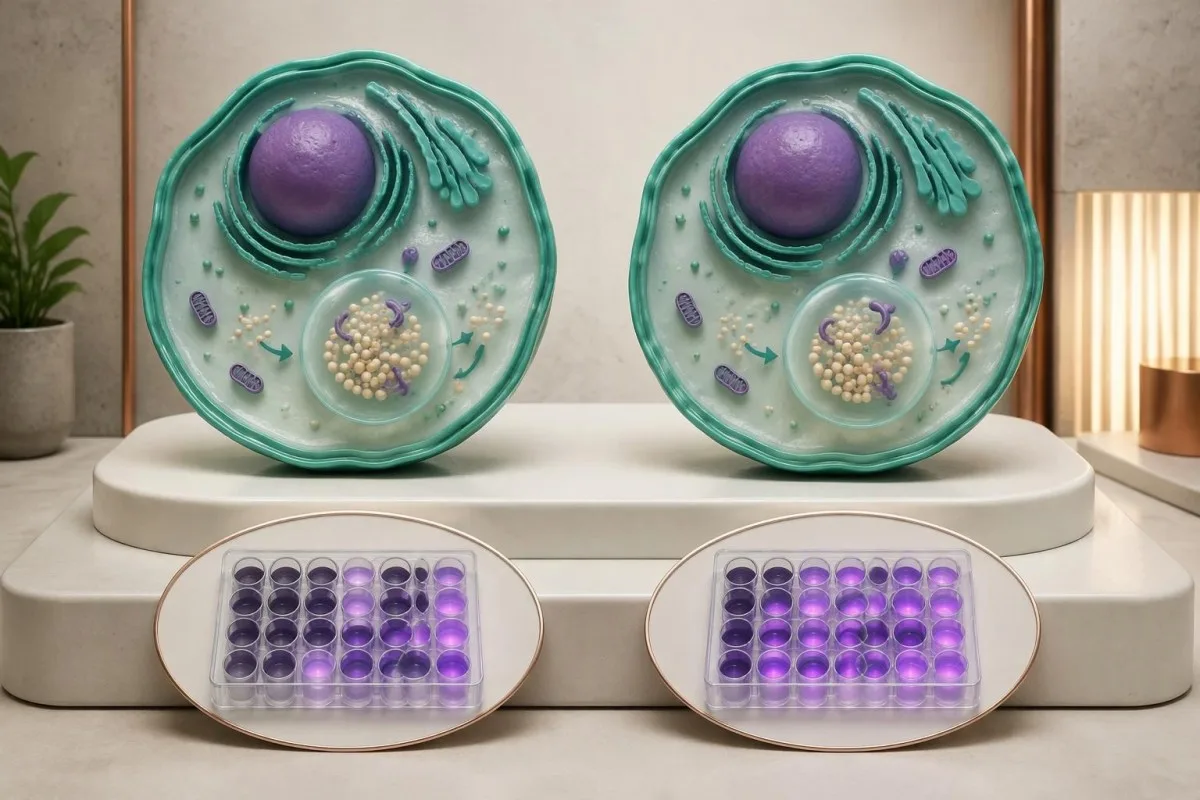
Pseudodeficiency is a biochemical testing issue, not an early stage of Pompe disease. A person with only pseudodeficiency variants does not need Pompe treatment because of 1 low activity result; the specialist must first verify that disease-causing variants or another explanation have not been missed.
The p.Gly576Ser and p.Glu689Lys variants are often found together on 1 gene copy and are particularly relevant in some East Asian ancestry populations. Ancestry changes how often laboratories encounter this pattern, but cannot establish or exclude pseudodeficiency in an individual; people from other backgrounds can carry these variants too.
Pseudodeficiency can remain low on repeat enzyme testing. The practical distinction is whether the complete biochemical and genetic evidence supports disease-causing GAA deficiency, not whether a second result falls below an arbitrary percentage; specialists may compare different assay substrates or cell preparations when the pattern remains ambiguous.
Pseudodeficiency variants can also coexist with a disease-causing variant, making a short report misleading if it lists everything under mutations. Our Fabry enzyme and genetics guide shows another situation where enzyme results need genetic context, although Fabry's X-linked inheritance differs from Pompe's 2-copy recessive mechanism.
Што треба да бара тестирањето на генот ГАА?
GAA gene testing investigates whether disease-causing variants affect both copies of the GAA gene. Pompe disease is autosomal recessive, and the GAA gene is located on chromosome 17; interpretation requires variant classification, adequate test coverage and, when needed, confirmation that variants affect opposite gene copies.
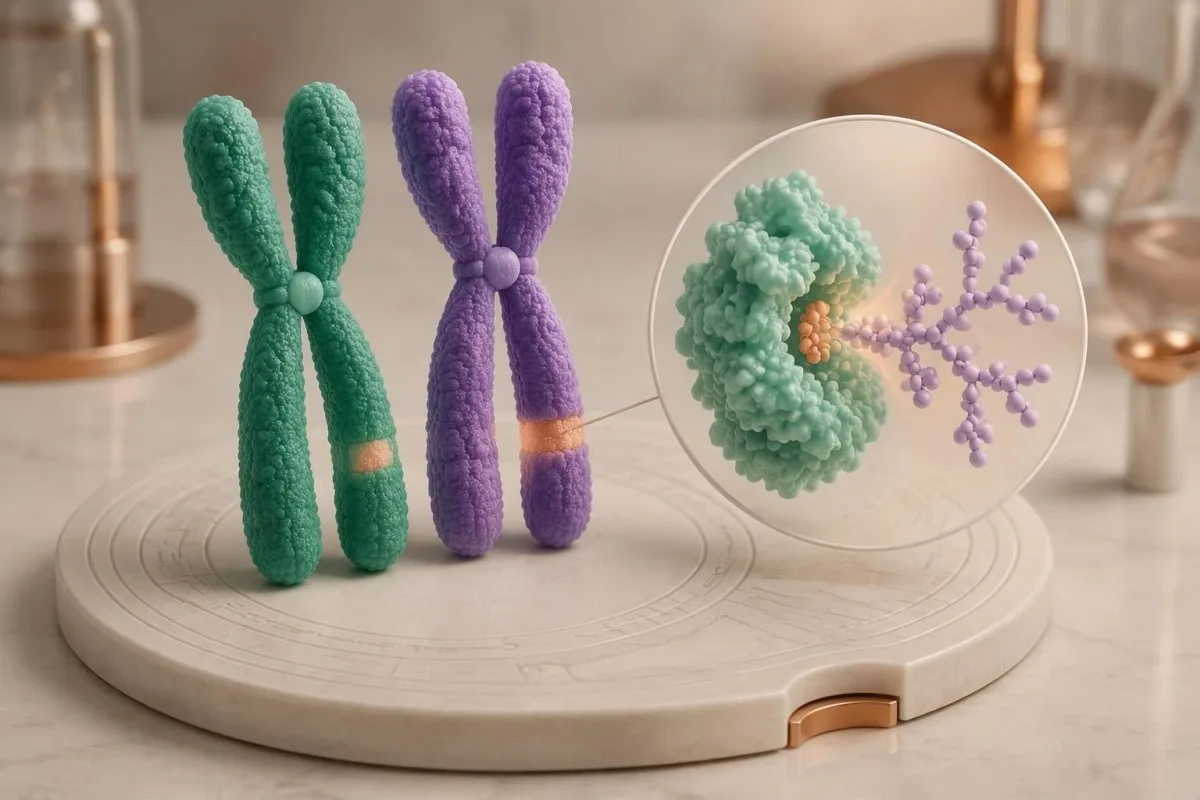
Two pathogenic or likely pathogenic GAA variants in trans support molecular confirmation of Pompe disease. In trans means the variants affect opposite gene copies; 2 variants in cis affect the same copy and do not, by themselves, demonstrate a recessive disease genotype.
Standard sequencing detects many small substitutions and insertions or deletions, but does not answer every possible genetic question. If only 1 disease-causing variant is found despite convincing enzyme deficiency, ask whether deletion/duplication analysis was included and whether poorly covered or deep intronic regions require further investigation.
A common later-onset-associated GAA variant is c.-32-13T>G, which affects splicing. Finding this variant on 1 copy does not diagnose Pompe disease, and finding it with another disease-causing variant does not precisely predict the age symptoms will begin; residual splicing and other biological factors influence presentation.
Parental testing can help establish phase when a laboratory detects 2 different variants but cannot determine their arrangement. Our guide to inherited disease genetic reports explains why inheritance and family testing matter, while the actual gene coverage and diagnostic criteria must remain specific to GAA.
Како треба да се толкуваат патогените, неизвесните и негативните резултати?
A pathogenic result, a variant of uncertain significance and a negative result have different diagnostic meanings. Genetic laboratories commonly use 5 categories: pathogenic, likely pathogenic, uncertain significance, likely benign and benign; a VUS is not equivalent to a disease-causing GAA variant.
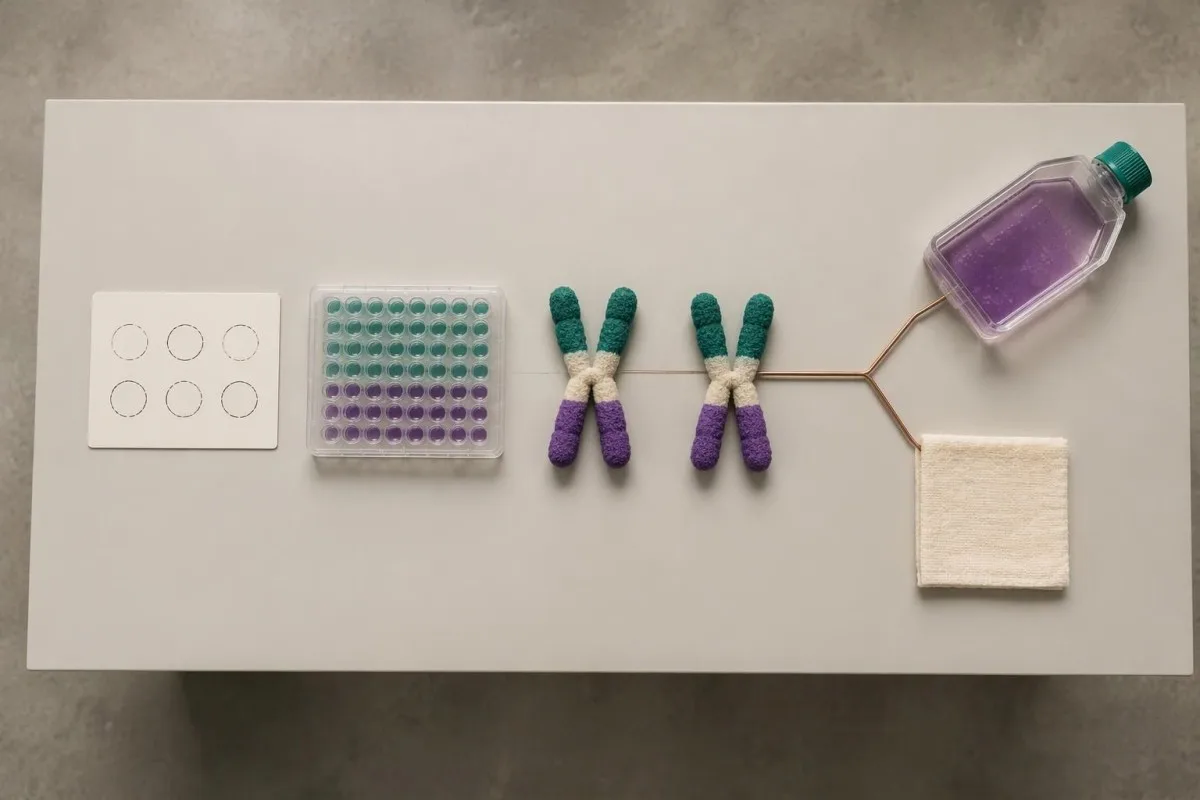
Richards et al.'s 2015 ACMG/AMP consensus established the widely used 5-category sequence-variant framework and states that a VUS should not guide clinical decision-making as though pathogenic. For Pompe evaluation, low enzyme activity can contribute evidence, but its value depends on whether pseudodeficiency and assay limitations have been addressed.
One pathogenic variant plus 1 VUS is an unresolved combination, not automatic confirmation or exclusion. Depending on the enzyme and clinical findings, specialists may investigate family segregation, RNA effects or variant-specific functional evidence; a diagnostic enzyme result may support disease even while the second molecular finding remains incompletely characterized.
A negative sequencing report means the test found no reportable variants within its scope. It does not prove that every GAA-related mechanism was examined; 1 negative limited test may warrant expanded testing when properly performed enzyme studies and the clinical pattern remain strongly suggestive.
Кантести е AI платформа за толкување крвна слика that can help separate a report's 5 classification terms from its numerical enzyme findings, without adjudicating an uncertain genotype. Our технички и клинички стандарди describe interpretation boundaries; our uncertain gene-result explanation provides a related example of why variants and diagnoses are not interchangeable.
Дали една варијанта на ГАА значи носителски статус или болест?
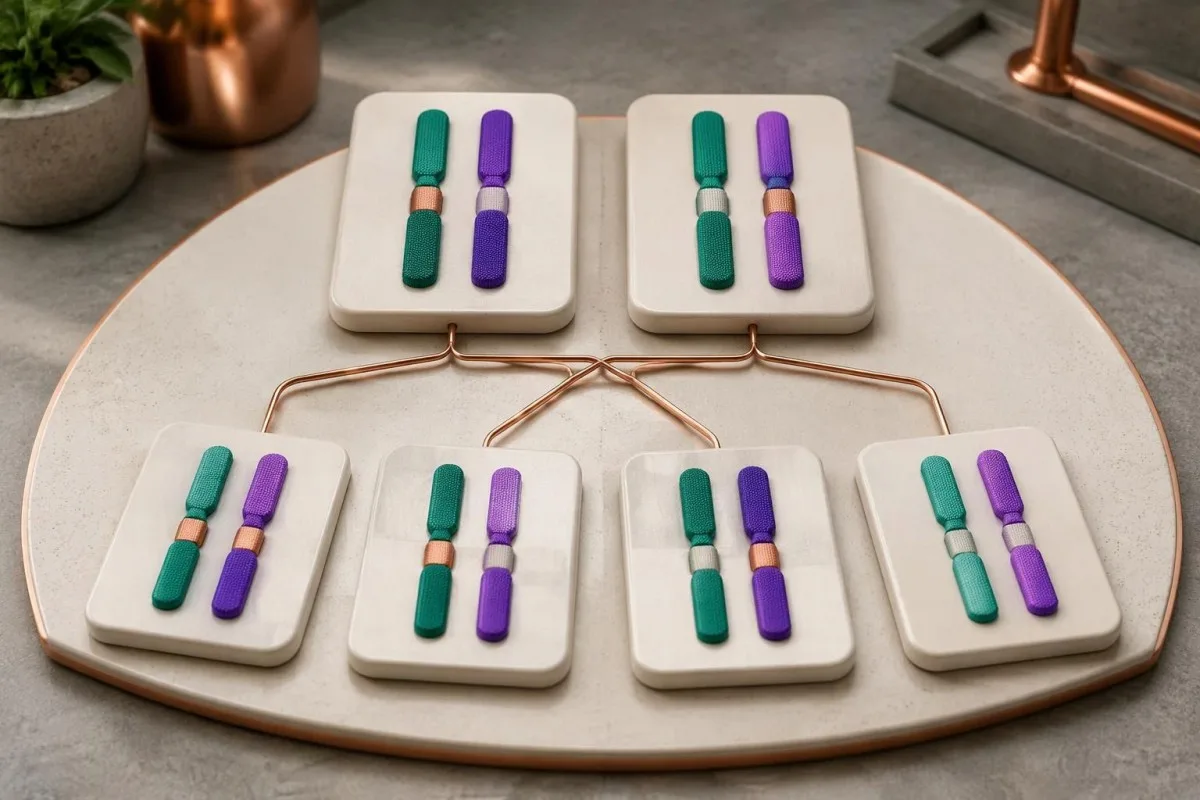
One confirmed disease-causing GAA variant usually indicates carrier status if a second disease-causing variant and diagnostic enzyme deficiency are absent. Carriers do not typically develop Pompe disease; when both parents are carriers, each pregnancy has a 25% affected, 50% carrier and 25% non-carrier probability.
Carrier enzyme values can overlap with values in unaffected people. GAA activity is therefore not a reliable standalone carrier test, and a carrier's activity should not be assumed to equal exactly 50% of a laboratory's normal mean; targeted genetic testing is generally more informative when a familial variant is known.
The 25% affected-child probability applies independently to each pregnancy when both parents carry disease-causing variants capable of producing Pompe disease together. Having 1 unaffected child does not reduce the next pregnancy's Mendelian probability, and pseudodeficiency variants should not be substituted for pathogenic variants in that calculation.
Family testing is most useful after the affected person's variants are clarified. If a symptomatic adult has only 1 identified pathogenic variant, relatives should not be reassured that the entire family question is settled until the specialist considers whether the second variant was missed by the original assay.
For a hypothetical couple, one partner carrying a pathogenic GAA variant and the other carrying only a pseudodeficiency variant does not create the same 25% Pompe risk as 2 pathogenic-variant carriers. Our carrier screening limitations guide explains why a report's coverage and residual risk deserve discussion before reproductive decisions.
Кои други лабораториски резултати ја поткрепуваат проценката за Помпеова болест?
Creatine kinase, AST, ALT and urinary glucose tetrasaccharide can support Pompe evaluation, but none confirms the diagnosis alone. Urinary glucose tetrasaccharide may be reported as Glc4 or within a Hex4 assay; these 2 report terms require method-specific interpretation rather than assumption that every laboratory measures exactly the same thing.
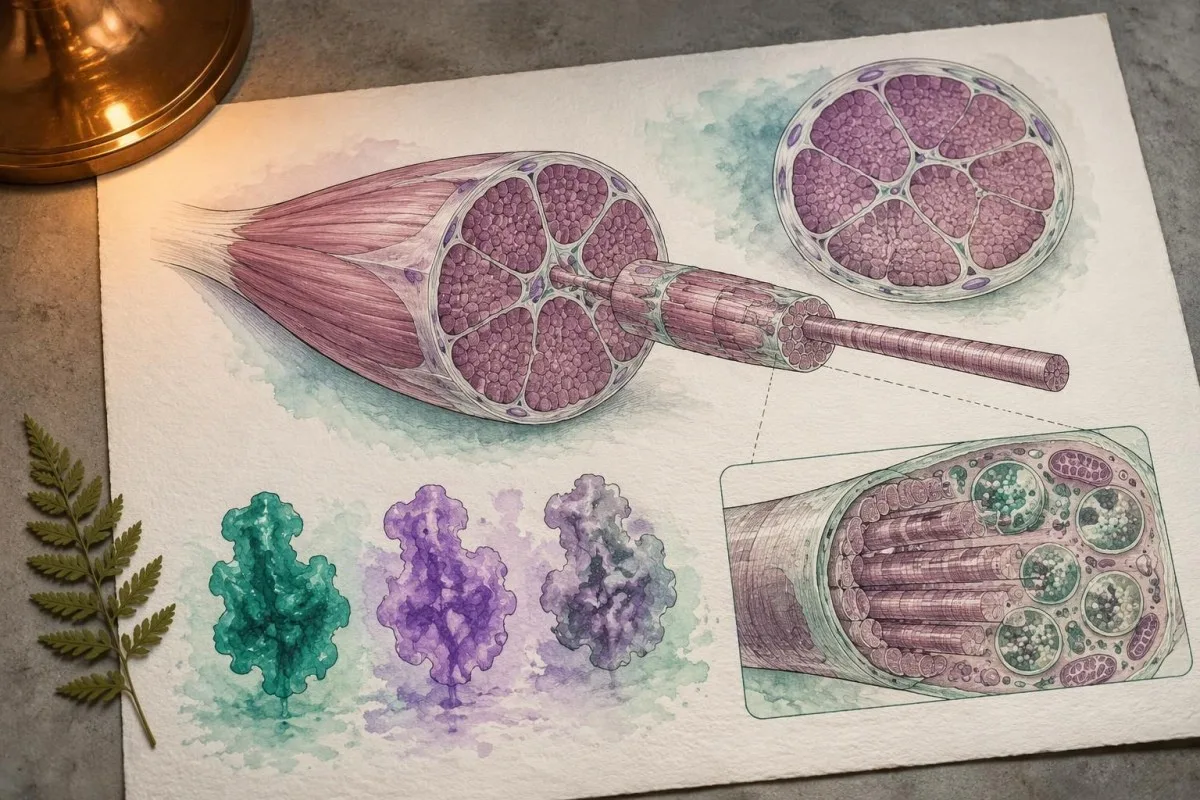
Normal CK does not exclude later-onset Pompe disease. In a hypothetical adult with progressive difficulty rising from a chair, CK of 140 U/L may fall within that laboratory's interval despite clinically meaningful weakness; the combination of symptoms and low confirmed GAA activity matters more than a reassuring CK flag.
AST and ALT can rise because of muscle involvement, not only liver disease. A hypothetical AST of 86 U/L with elevated CK and muscle weakness deserves a muscle-aware assessment; our aldolase and muscle marker guide explains why additional muscle enzymes may help characterize the pattern without identifying its cause.
Urinary Glc4 is a supportive glycogen-related biomarker, not a Pompe-specific diagnostic test. Reference limits vary with age and method, and elevation can occur in other circumstances; 1 elevated result should be interpreted alongside enzyme findings, genetics and the laboratory's creatinine-normalized units.
A falling CK or Glc4 after treatment does not automatically prove that strength or breathing has improved by the same percentage. Our discussion of AST interpretation beyond liver disease illustrates why 2 related markers can move together while still answering different questions about tissue injury and function.
Зошто се проценува дишењето кога Помпеовиот тест е абнормален?
Pompe disease can weaken the diaphragm and other respiratory muscles, sometimes before obvious walking difficulty. Assessment may include seated and supine forced vital capacity, respiratory muscle pressures and sleep-related testing; a daytime oxygen saturation of 97% does not rule out overnight hypoventilation.
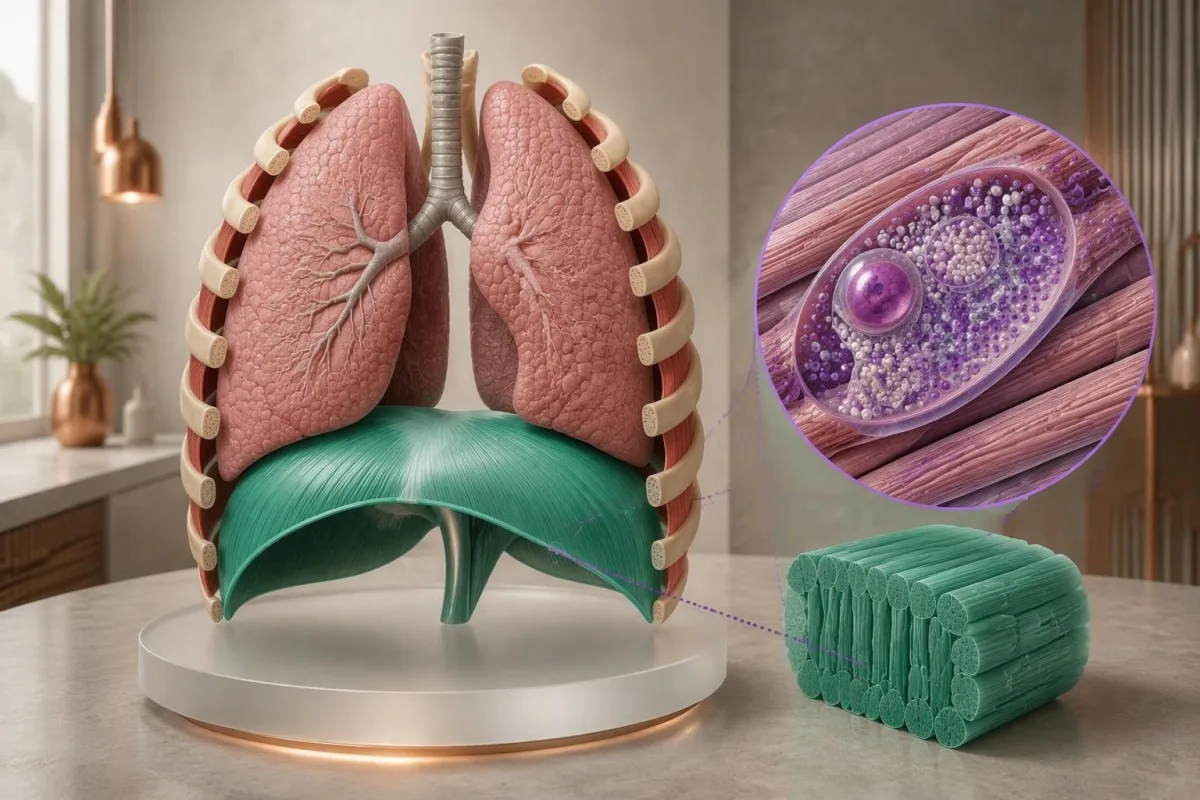
A position-related fall in vital capacity can suggest diaphragm weakness. For example, a hypothetical seated FVC of 3.0 L and supine FVC of 2.4 L represents a 20% decline; the specialist interprets that difference with technique, predicted values and symptoms, rather than treating it as a Pompe-specific cutoff.
Morning headaches, unrefreshing sleep and difficulty breathing when lying flat can justify evaluation for sleep-related hypoventilation. These symptoms do not identify Pompe disease on their own; our водич за тестирање на отежнато дишење explains why laboratory results cannot replace respiratory examination and physiological testing.
Arterial carbon dioxide is normally about 35–45 mmHg in adults, with context-dependent variation. A value above 45 mmHg indicates hypercapnia, but its urgency depends on pH, symptoms and the clinical setting; our blood gas interpretation guide explains why oxygen and carbon dioxide answer different questions.
Severe breathlessness, confusion, blue coloration or rapidly worsening weakness warrants emergency care, not an online interpretation session. A confirmed molecular result affecting 2 GAA copies does not measure current respiratory safety; clinicians need direct functional assessment to decide whether ventilation support or urgent monitoring is necessary.
Што се случува по позитивен скрининг за Помпеова болест кај новороденче?
A positive newborn Pompe screen requires prompt specialist assessment, confirmatory enzyme testing and genetic evaluation. It does not mean every infant has Pompe disease; the immediate task is to distinguish pseudodeficiency or carrier findings from infantile disease and a later-onset-associated genotype affecting both GAA copies.

Burton et al.'s 2017 Pediatrics newborn-screening algorithms describe an initial evaluation integrating GAA confirmation, molecular testing and clinical assessment. If an infant has feeding difficulty, marked hypotonia or suspected cardiomyopathy, do not wait 2 weeks for a routine repeat appointment; the screening team should arrange urgent metabolic and cardiac evaluation.
Classic infantile Pompe disease commonly involves hypertrophic cardiomyopathy. A newborn's echocardiogram and electrocardiogram help assess risk that cannot be estimated from 1 enzyme number; absence of obvious heart symptoms at home does not replace the specialist examination after an abnormal screen.
CRIM status concerns whether cross-reactive GAA protein is present and helps specialists plan immune-risk management around enzyme replacement therapy. Less than 1% enzyme activity does not by itself establish CRIM-negative status, because an inactive protein may still be present; this is a protein-expression question, not just an activity threshold.
Later-onset-associated findings in a newborn require a monitoring plan, not an invented age-of-onset prediction. Even 2 classified disease-causing variants may not reveal when symptoms will emerge; our упатство за безбедност на педијатриската вештачка интелигенција explains why pediatric results require age-specific context and clinician-led decisions.
Како специјалистите разрешуваат спротивставени резултати од тестирање кај возрасни?
Conflicting adult Pompe results are resolved by checking specimen quality, confirmatory enzyme methods, variant classification and clinical fit. One low screen plus 1 genetic finding rarely tells the whole story; specialists investigate whether the apparent conflict comes from pseudodeficiency, an incomplete molecular test or another cause of weakness.

Consider a hypothetical 52-year-old with mild fatigue, low DBS GAA activity and only the 2 commonly discussed pseudodeficiency variants. If specialist testing supports pseudodeficiency and no disease-causing genotype, the low screen does not explain the fatigue; other causes should be assessed rather than attaching a Pompe label to an incidental biochemical finding.
A second hypothetical adult has progressive hip weakness, a 20% positional FVC decline, confirmed cellular GAA deficiency and 2 pathogenic variants in trans. Together, those findings support Pompe disease; a normal routine glucose or modest CK result would not outweigh the converging biochemical, genetic and functional evidence.
Convincing enzyme deficiency with only 1 identified pathogenic variant deserves further investigation. The appropriate next step may be deletion/duplication analysis, RNA studies or another specialist assay—not automatically calling the person a carrier; the investigation should also check whether non-Pompe neuromuscular conditions better explain the examination.
Variant-related disease monitoring is not the same as predicting a person's future from their DNA. Our inherited neuromuscular risk guide offers a related family-testing perspective, but 2 conditions can differ substantially in inheritance, penetrance and treatment triggers.
Што треба да понесете на преглед кај специјалист за Помпеова болест?
Bring the complete enzyme report, complete genetic report and a dated symptom history to a Pompe specialist appointment. Three report details are especially useful: specimen type, assay units and variant classification; screenshots showing only a red flag or the word mutation can omit information that changes the interpretation.

Ask whether confirmatory testing has already been completed and whether the laboratory measured GAA specifically in an appropriate cell preparation. If 2 variants were found, ask whether they are in trans; if only 1 was found, ask what variant types and regions the test could detect.
Do not try to raise GAA activity with supplements or diet before confirmation. No vitamin or food corrects inherited pathogenic variants affecting both GAA copies; nutrition may support general care after diagnosis, but cannot substitute for enzyme confirmation or specialist treatment planning.
Кантести е Алатка за анализа на крвни тестови со вештачка интелигенција (AI) that can help organize report terminology and associated laboratory trends, not decide whether 2 uncertain variants establish Pompe disease. Our водич за проверка на изворите во извештајот explains why the original document remains the reference when an automated explanation and a specialist interpretation differ.
Genetic documents can contain information relevant to relatives as well as the tested person. Before sharing 1 family member's report, check consent and remove unnecessary identifiers; Kantesti's информации за приватноста и податоците describes our handling approach, while sharing results with relatives should follow a genetic counselor's guidance.
Истражувачки публикации и ограничувања во толкувањето на тестовите за Помпеова болест
Pompe test interpretation rests on disease-specific enzyme, genetic and clinical evidence—not on general laboratory publications or an AI explanation. Kantesti includes 3 directly relevant external sources below and 2 separate educational publications; the iron and coagulation publications are not evidence for diagnosing Pompe disease.
The 2006 Kishnani guideline provides disease-specific diagnostic and management context, while the 2017 Burton newborn-screening paper addresses confirmation after population screening. Their recommendations should be applied with the specialist laboratory's validated methods; neither supplies 1 universally transferable DBS enzyme cutoff for every instrument and population.
Richards et al.'s 2015 ACMG/AMP publication explains the 5-category variant framework used to distinguish pathogenic findings from uncertainty. Classification can change when new evidence becomes available, so ask the genetics service whether an unresolved result has a reanalysis pathway rather than assuming every VUS will eventually become pathogenic.
Нашиот едукативен публикација за студии за железо addresses a different laboratory domain. The separate публикација за испитување на коагулацијата also covers unrelated markers; their 2 DOI records are provided for publication transparency, not as supporting citations for GAA deficiency or pseudodeficiency.
Материјалите на Kantesti стандарди за медицинска содржина distinguish patient education from diagnosis and treatment instructions. The practical endpoint is a documented interpretation of 3 evidence streams—enzyme testing, genetic analysis and clinical assessment—with urgent care taking priority whenever infantile disease or respiratory compromise is suspected.
Најчесто поставувани прашања
Дали ниската активност на ензимот GAA секогаш значи дека станува збор за Помпеова болест?
Ниската активност на ензимот GAA не значи секогаш Помпеова болест. Еден абнормален резултат од скринингот може да укажува на вистински дефицит, псевдодефицит, деградација на примерокот или преклопување со активност поврзана со носителство. Потврдата бара специјалистичко толкување на соодветен ензимски тест, генетските наоди за GAA и клиничкиот контекст. Повторувањето само на истиот скрининг-тест може повторно да покаже псевдодефицит, наместо да го разјасни наодот.
Колкаво е нормалното ниво на ензимот GAA?
There is no universal normal GAA enzyme level because specimen preparation, assay substrate and reporting units differ between laboratories. A value in nmol/h/mL cannot be directly compared with a value in nmol/h/mg protein. Classic infantile Pompe disease often has less than 1% of normal activity in diagnostic tissue assays, but this is not a universal newborn-screening cutoff. Use the reference information printed on the original report and the specialist laboratory's interpretation.
Дали два ниски резултати од тестирањето на GAA сепак може да укажуваат на псевдодефициенција?
Два ниски GAA теста и понатаму може да укажуваат на псевдодефициенција, особено кога се користат исти или слично засегнати методи на анализа. Варијантите што предизвикуваат псевдодефициенција ја намалуваат измерената активност, но самите не предизвикуваат Помпеова болест на складирање гликоген. Специјалистите ја разликуваат оваа појава со помош на целосниот GAA генотип, карактеристиките на анализата и, кога е потребно, друг клеточен препарат или функционално испитување. Затоа, два повторени ниски резултата не се еднакви на две независни потврди на болеста.
Дали две генски варијанти во GAA го потврдуваат Помпеовото заболување?
0 Две варијанти на GAA не ја потврдуваат автоматски Помпеовата болест. Две патогени или веројатно патогени варијанти во транс, кои влијаат на спротивните копии на генот, ја поткрепуваат молекуларната потврда, додека две варијанти во цис влијаат само на една копија. Варијантите со неизвесно значење и варијантите на псевдодефицит не можат да се сметаат за потврдени наоди што предизвикуваат болест. Ензимските и клиничките докази остануваат особено корисни кога класификацијата или фазата не се разрешени.
Може ли нормалното ниво на креатин киназа да ја исклучи Помпеовата болест со доцен почеток?
Normal CK cannot rule out late-onset Pompe disease. A hypothetical CK of 140 U/L may fall within a laboratory's reference interval despite progressive proximal weakness or diaphragm involvement. CK measures muscle injury-related enzyme release, not lysosomal GAA function. Persistent compatible symptoms deserve specialist assessment even when routine muscle markers are reassuring.
Колку е итен позитивниот тест за Помпеова болест кај новороденче?
Позитивен тест за Помпеова болест кај новороденче бара итен контакт со тимот за скрининг или метаболни болести, а новороденче со тешкотии при хранење, изразена хипотонија или сомневање за зафатеност на срцето бара итна проценка. Една позитивна скрининг-картичка не ја потврдува дијагнозата, но при сомневање за класична инфантилна болест не треба да се чека на редовен преглед по неколку недели. Специјалистите организираат потврдна ензимска анализа, генетска проценка и проценка на срцето, често паралелно. Тешки тешкотии со дишењето или намалена реактивност бараат итна медицинска помош.
Колкав е ризикот за децата ако и двајцата родители се носители на Помпе-овата болест?
Ако двајцата родители носат варијанти на GAA што предизвикуваат болест, при секоја бременост постои веројатност од 25% за дете со болеста, веројатност од 50% за дете носител и веројатност од 25% детето да не наследи ниту една од фамилијарните варијанти. Овие веројатности важат независно за секоја бременост. Варијантите на псевдодефициенција не се заменливи со патогени варијанти при оваа пресметка. Генетското советување помага да се потврдат наодите кај родителите и да се објаснат опциите за тестирање.
Дознајте како да ги читате крвните резултати
Поставете го вашиот лабораториски извештај и AI на Kantesti ќе го објасни секој биомаркер на разбирлив јазик за неколку секунди. Го користат повеќе од 2 милиони луѓе ширум светот.
Референци
- Клајн, Т., Мичел, С., & Вебер, Х. (2026). Водич за испитувања на железо: TIBC, заситеност со железо и капацитет за врзување. Kantesti AI за медицински истражувања. ДОИ
- Клајн, Т., Мичел, С., & Вебер, Х. (2026). Нормален опсег за aPTT: Водич за згрутчување на крвта, D-Dimer и Protein C. Kantesti AI за медицински истражувања. ДОИ
- Kishnani PS et al. (2006). Pompe disease diagnosis and management guideline. Генетика во медицината. ДОИ ПабМед
- Burton BK et al. (2017). The Initial Evaluation of Patients After Positive Newborn Screening: Recommended Algorithms Leading to a Confirmed Diagnosis of Pompe Disease. Pediatrics. ДОИ
- Richards S et al. (2015). Стандарди и упатства за толкување на варијантите во секвенците: заедничка консензуална препорака на Американскиот колеџ за медицинска генетика и геномика и Здружението за молекуларна патологија. Генетика во медицината. ДОИ ПабМед
- 2 милиони+Анализирани тестови
- 127+Земји
- 100+Јазици
За медицинскиот тим


Сигнали за доверба E-E-A-T
Искуство
Клиничка ревизија водена од лекар за работните текови на толкување на лабораториски резултати.
Експертиза
Фокус на лабораториска медицина за тоа како биомаркерите се однесуваат во клинички контекст.
Авторитивност
Медицински рецензирано од д-р Thomas Klein, со придонес од д-р Sarah Mitchell и проф. д-р Hans Weber.
Доверливост
Толкување засновано на докази со јасни патеки за следење за да се намали алармирањето.






Медицинско одрекување од одговорност
Овој напис е само за едукативни цели и не претставува медицински совет. Секогаш консултирајте се со квалификуван здравствен работник за одлуки за дијагноза и третман.
Објавено · Контактирајте го уредничкиот тим
Објавено од Kantesti Ltd, регистрирана во Англија и Велс, регистарски број на компанијата. 17090423, Лондон, Обединето Кралство.
