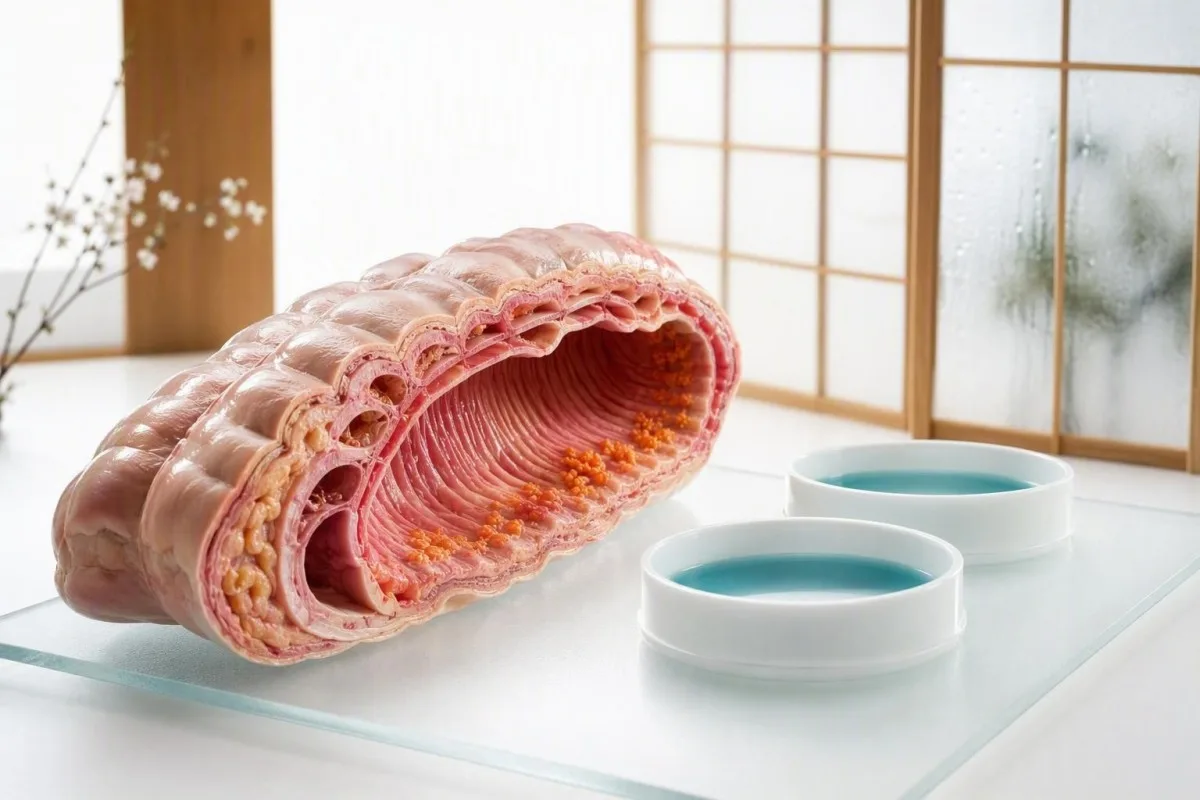
Oba testy detegujú črevný zápal spôsobený neutrofilmi, ale kalprotektín je zvyčajne užitočnejším kvantitatívnym monitorovacím nástrojom. Správny výsledok je ten, ktorý zmení ďalšie klinické rozhodnutie – nie ten, ktorý vám priradí diagnózu IBD.


- Kalprotektín menej ako 50 µg/g je vo všeobecnosti upokojujúci u dospelých so suspektným IBS bez alarmujúcich príznakov.
- Laktotransferín je neutrofilný proteín; mnohé kvantitatívne testy používajú ako negatívnu hodnotu menej ako 7,25 µg/g, ale laboratórne hraničné hodnoty sa líšia.
- Zvýšené markery stolice naznačujú črevný zápal, nie špecifickú diagnózu; infekcia, NSAID, divertikulitída a kolorektálna neoplázia môžu zvýšiť oba.
- Hraničný kalprotektín od 50–150 µg/g si často vyžaduje opakovaný odber vzorky po 2–6 týždňoch namiesto okamžitej kolonoskopie.
- Kalprotektín nad 250 µg/g zvyšuje obavy z aktívneho zápalu sliznice a zvyčajne si vyžaduje klinické posúdenie, testovanie na črevné infekcie alebo plánovanie endoskopie.
- Normálne výsledky znížiť pravdepodobnosť aktívneho kolitídneho IBD, ale nedokáže spoľahlivo vylúčiť izolované ochorenie tenkého čreva.
- monitorovanie IBD používa symptómy plus biomarkery, CRP, markery anémie, zobrazovacie metódy a endoskopiu; ani jeden z markerov v stolici samostatne nediagnostikuje vzplanutie.
- Naliehavé príznaky ako je čierna stolica, perzistentná viditeľná krv, horúčka, silná bolesť, mdloby alebo dehydratácia, vyžadujú lekárske vyšetrenie bez ohľadu na výsledok markera.
Ktorý marker stolice si zvoliť ako prvý?
Fekálny kalprotektín je zvyčajne preferovaným markerom zápalu v stolici pretože je široko dostupný, kvantitatívny a má najsilnejšiu úlohu pri odlíšení pravdepodobného zápalového ochorenia čriev od funkčných črevných symptómov. Test fekálnej laktoperoxidázy výsledky sú rozumnou alternatívou, keď je to lokálne validovaná metóda, ale objednanie oboch na začiatku zriedka mení liečbu.
U pacienta so 6 týždňami riedkej stolice, kŕčov a bez úbytku hmotnosti alebo rektálneho krvácania by som zvyčajne začal s kalprotektínom plus cieleným testovaním infekcií namiesto kolonoskopie. Výsledok pod 50 µg/g znižuje pravdepodobnosť významného zápalu hrubého čreva, zatiaľ čo jednoznačne zvýšený výsledok poskytuje dôvod na ďalšie skúmanie. Smernica AGA pre chronickú vodnatú hnačku podporuje kalprotektín alebo laktiferín ako skríningové testy na zápalové stavy (Smalley et al., 2019).
Zvoľte laktiferín, ak ho vaša gastroenterologická služba konzistentne používa, keď laboratórium hlási validovanú kvantitatívnu hodnotu, alebo keď je súčasťou vyšetrenia pri infekčnej hnačke. Nechoďte po ňom preto, že znie špecifickejšie: oba proteíny sa uvoľňujú, keď neutrofily vstupujú do črevného lumenu. Praktickou otázkou je, či váš lekár môže porovnať výsledok s vašimi predchádzajúcimi vzorkami pomocou rovnakej metódy.
Kantesti je Analyzátor krvných testov s umelou inteligenciou ktorý umiestňuje súvisiace výsledky, ako sú hemoglobín, CRP, albumín a železné indexy, spolu so správou o markeri v stolici; nenahrádza však test stolice ani diagnózu lekára. Ak sa pri hnačke vyskytuje únava, krvný test na hnačku môže pomôcť identifikovať dehydratáciu, anémiu alebo stratu elektrolytov, ktoré menia naliehavosť.
Užitočné pravidlo
Použite najprv jeden validovaný marker, zopakujte rovnaký marker pri hraničnom výsledku alebo pri monitorovaní liečby a obmedzte duálne testovanie na špecifickú gastroenterologickú otázku. Zmena metódy v polovici sledovania vytvára zdanlivé trendy, ktoré môžu byť skôr laboratórnym šumom ako biologickým javom.
Čo v skutočnosti deteguje fekálny kalprotektín
Kalprotektín meria proteín viažuci vápnik a zinok, ktorý sa prevažne uvoľňuje z neutrofilov v tráviacom trakte. Vyššia koncentrácia v stolici odráža migráciu neutrofilov do čreva, čo je bežné pri aktívnom IBD, ale vyskytuje sa aj pri viacerých ne-IBD stavoch.
Kalprotektín je komplex proteínov S100A8/S100A9 a zostáva v stolici relatívne stabilný niekoľko dní pri izbovej teplote – jeden z dôvodov, prečo funguje dobre ako domáci odberový test. Jeho biologická sila je lokalita: na rozdiel od CRP odráža bunkovú aktivitu v črevnom lumene, a nie celotelovú reakciu akútnej fázy. Normálne CRP preto neplatí vysoký výsledok kalprotektínu.
V praxi u dospelých laboratóriá bežne klasifikujú menej ako 50 µg/g ako normálne a viac ako 150–250 µg/g ako s rastúcou pravdepodobnosťou zodpovedajúce aktívnemu zápalu čreva. Toto sú prahové hodnoty rozhodovania, nie univerzálne biologické hranice. Niektoré európske služby používajú 100 µg/g ako prahovú hodnotu odporúčania, zatiaľ čo pediatrické a špecifické referenčné intervaly metódy sa môžu podstatne líšiť.
Videl som 28-ročného pacienta s kalprotektínom 680 µg/g, normálnym CRP a nakoniec ulceróznou kolitídou obmedzenou na konečník a esovitú oblasť hrubého čreva. Tento vzorec nie je neobvyklý: lokálny zápal sliznice môže byť aktívny bez silného systémového signálu. Naša sprievodca rozsahom fekálneho kalprotektínu vysvetľuje, prečo by vlastná metóda a jednotky laboratória mali zostať pripojené ku každému výsledku.
Čo inak deteguje fekálna laktotransferín
LaktFerín deteguje iný proteín odvodený z neutrofilov a odpovedá takmer na rovnakú biologickú otázku ako kalprotektín: existuje aktívny zápal neutrofilov v čreve? Sam o sebe nedokáže identifikovať ulceróznu kolitídu, Crohnovu chorobu, bakteriálnu kolitídu ani inú príčinu.
LaktFerín je glykoproteín viažuci železo, ktorý je uložený v sekundárnych granulách neutrofilov a uvoľňuje sa počas aktivácie. Pozitívny kvalitatívny test fekálneho laktFerínu je užitočný, pretože v správnom klinickom kontexte argumentuje proti nekomplikovanému IBS. Kvantitatívne testy sa líšia: jedna bežne používaná metóda definuje negatívnu hodnotu ako menej ako 7.25 µg/g, takže nikdy neuplatňujte hraničnú hodnotu kalprotektínu na správu o laktFeríne.
Dôkazy neukazujú, že laktFerín je kategoricky lepší. V diagnostickej metaanalýze Wang a kolegovia zistili, že fekálny laktFerín mal spoločnú senzitivitu 82% a špecificitu 18% pri rozlišovaní IBD od kontrol bez IBD, hoci odhady presnosti sa menia s prevalenciou ochorenia a dizajnom štúdie (Wang et al., 2015). Táto pôsobivá špecificita stále nepremení pozitívny výsledok na diagnózu IBD.
Pozitívny výsledok laktFerínu stojí za diskusiu najmä vtedy, keď hnačka začala náhle po cestovaní, antibiotikách, konzumácii kontaminovaného jedla alebo kontakte s chorou osobou. V týchto situáciách lekári zvyčajne pridajú testovanie patogénov namiesto toho, aby priamo skočili na označenie IBD. Naša príručka o výsledkoch kultivácie stolice pokrýva, čo negatívny alebo zmiešaný výsledok môže a nemôže stanoviť.
Ako čítať hraničné hodnoty bez prehnanej reakcie
Hodnota kalprotektínu pod 50 µg/g je zvyčajne normálna u dospelých, 50–150 µg/g je často neurčitá zóna a hodnoty nad 250 µg/g vzbudzujú obavy z aktívneho zápalu. LaktFerín používa hraničné hodnoty špecifické pre daný test, zvyčajne kvalitatívny pozitívny alebo kvantitatívny prah blízko 7.25 µg/g.
Hraničná hodnota kalprotektínu 50 µg/g je navrhnutá pre senzitivitu: zachytáva väčšinu klinicky významných zápalových ochorení za cenu niektorých falošne pozitívnych výsledkov. Hraničná hodnota 250 µg/g je užitočnejšia pre špecificitu a na sledovanie zavedeného IBD. Medzi nimi leží frustrujúci stred, kde expozícia liekom, nedávna gastroenteritída, vek a trajektória zohrávajú väčšiu úlohu ako jedno číslo.
Zmena z 72 na 94 µg/g je často menej významná ako zmena z 85 na 430 µg/g, najmä ak boli obe vzorky testované rovnakým laboratóriom. Konzistencia stolice môže ovplyvniť extrakciu a biologická variabilita je reálna. Praktická rada Dr. Thomasa Kleina je zaznamenať užívanie NSAID, nedávnu infekciu, menštruačnú kontamináciu a dátum odberu pred interpretáciou mierneho zvýšenia.
Pre disciplinovaný prístup k sériovým hodnotám porovnávajte dátum odberu so symptómami a súvisiacimi laboratórnymi výsledkami namiesto toho, aby ste každý označený výsledok považovali za progresiu ochorenia. Naše sprievodca trendmi krvných testov vysvetľuje rovnaký princíp referenčnej zmeny a analytickej variability v laboratórnej medicíne.
Prečo môžu byť oba markery zvýšené bez IBD
Zvýšené markery zápalu v stolici sa vyskytujú pri črevných infekciách, expozícii NSAID, divertikulitíde, kolorektálnom neoplazme, mikroskopickej kolitíde a IBD. Výsledok potvrdzuje zápalový signál; sám o sebe neprezrádza príčinu, lokalizáciu, trvanie ani závažnosť.
Nesteroidné protizápalové lieky môžu zvýšiť fekálny kalprotektín, niekedy výrazne, zvýšením črevnej priepustnosti a spôsobením malých poranení sliznice. Ibuprofén, naproxén a diklofenak sú dôležité; lekár môže navrhnúť ich vysadenie, ak je to lekársky bezpečné, pred opakovaným testom. Nevysadzujte predpísaný aspirín, antikoagulanciá ani lieky proti bolesti bez predchádzajúcej konzultácie s predpisujúcim lekárom.
Akútna bakteriálna gastroenteritída môže produkovať hodnoty kalprotektínu nad 500 µg/g a pozitívnu laktferínu, preto môže byť panel črevných patogénov v prvých dňoch ochorenia informatívnejší ako urgentná kolonoskopia. Naopak, giardiáza môže spôsobiť dlhodobé hnačky s menej výrazným zvýšením neutrofilných markerov. Časová os symptómov má často väčšiu diagnostickú váhu, než pacienti očakávajú.
Kantesti je službe na interpretáciu výsledkov AI laboratórnych testov ktorý môže signalizovať zápalový vzor, ako je nízky hemoglobín, nízky albumín, trombocytóza a zvýšený CRP, na preskúmanie lekárom, ale tieto nálezy v krvi nedokazujú, že zdroj je črevný. U ľudí s krvou v stolici, Následné sledovanie FIT a načasovanie kolonoskopie je samostatnou problematikou ako kalprotektín a nemalo by sa odkladať.
Kedy normálny výsledok môže stále prehliadnuť ochorenie
Normálny kalprotektín alebo laktferín robí aktívny zápal hrubého čreva menej pravdepodobným, ale nemôže úplne vylúčiť Crohn's chorobu, najmä mierne alebo izolované ochorenie tenkého čreva. Normálny výsledok tiež nevysvetľuje pretrvávajúcu stratu hmotnosti, anémiu z nedostatku železa, nočné hnačky alebo opakované viditeľné krvácanie.
Ochorenie tenkého čreva spôsobené Crohn's chorobou môže vylučovať menej neutrofilných proteínov do vzorky stolice ako rozsiahla kolitída, najmä ak sú lézie proximálne alebo mierne. To je jeden z dôvodov, prečo symptómy a varovné príznaky prevážia nad upokojujúcim číslom. Diagnostické smernice ECCO-ESGAR odporúčajú integrovať biomarkery s ileokolonoskopiou a zobrazovacími metódami s prierezovým zobrazením, ak IBD zostáva klinicky podozrivá (Maaser et al., 2019).
46-ročný pacient s kalprotektínom 38 µg/g, feritínom 7 ng/mL a progresívnou únavou si zaslúži vyšetrenie krvácania zo zažívacieho traktu alebo malabsorpcie, aj keď je frekvencia stolice normálna. Podľa mojich skúseností je kombinácia nedostatku železa a nevysvetliteľných symptómov oveľa závažnejšia ako jediný nízky marker v stolici. Prečítajte si náš nízky feritín a črevné indície pre bežné ďalšie laboratórne otázky.
Celiakia, hnačka žlčových kyselín, pankreatická insuficiencia a mnohé účinky liekov môžu spôsobiť symptómy s normálnymi markermi zápalu v stolici. Normálny test je preto križovatkou k neinfekčným diagnózam, nie vyhlásením, že symptómy sú psychologické alebo nepodstatné.
Čo robiť s hraničným výsledkom kalprotektínu
Hraničný výsledok fekálneho kalprotektínu 50–150 µg/g sa bežne opakuje po 2–6 týždňoch, ak sú symptómy stabilné a nie sú prítomné žiadne varovné príznaky. Opakovaný test by mal použiť rovnakú laboratórnu metódu a mal by byť načasovaný mimo nedávnej gastrointestinálnej infekcie, ak je to možné.
Pred opakovaným testovaním lekári preskúmajú NSAID, inhibítory protónovej pumpy, antibiotiká, akútne infekcie, intenzívne vytrvalostné cvičenie a vekovo podmienené riziko. Neexistuje univerzálne dohodnutý interval na elimináciu všetkých liekov. Pragmatický plán je často 2 týždne po upokojení akútneho ochorenia, za predpokladu, že symptómy neukazujú potrebu skoršej starostlivosti.
Ak sa opakovaný výsledok zníži z 118 na 32 µg/g a symptómy sa zlepšia, invazívne testovanie môže byť zbytočné. Ak sa zvýši z 96 na 310 µg/g, smerovanie pridáva užitočné dôkazy ešte pred príchodom výsledku endoskopie. Preto by jedna hraničná hodnota mala zriedkakedy vyvolať paniku – alebo falošné upokojenie.
Naše Sprievodca sledovania hraničného kalprotektínu uvádza otázky, ktoré si priniesť na stretnutie s praktickým lekárom alebo gastroenterológom. Krátky denník symptómov s frekvenciou stolice, nočným budením, horúčkou a dátumami užívania liekov je zvyčajne užitočnejší ako posadnuté sledovanie spúšťačov potravy.
Ako lekári používajú markery po diagnostikovaní IBD
U etablovaného IBD je kalprotektín najužitočnejší na sledovanie objektívneho črevného zápalu a pomáha rozhodnúť, či symptómy predstavujú vzplanutie, infekciu, prekryv so syndrómom dráždivého čreva alebo neúčinnosť liečby. Laktosérin môže tiež sledovať aktivitu, ale kalprotektín má viac smernicami podporovaných prahov pre monitorovanie liečby na cieľ.
Symptómy a mukózna aktivita sa často rozchádzajú. Pacient s ulceróznou kolitídou sa môže cítiť dobre, zatiaľ čo kalprotektín stúpa z 80 na 360 µg/g, alebo môže mať urgentné stolice z malabsorpcie žlčových kyselín, zatiaľ čo kalprotektín zostáva 28 µg/g. Smernica AGA z roku 2023 pre biomarkery ulceróznej kolitídy odporúča kombinovať symptómy s biomarkermi namiesto toho, aby sa spoliehala len na jeden z nich (Singh et al., 2023).
Pre monitorovanie remisie, mnohí klinici považujú menej ako 150 µg/g za upokojujúce, zatiaľ čo viac ako 150 µg/g môže vyžadovať opakované testovanie, endoskopiu alebo revíziu liečby v závislosti od symptómov a predchádzajúceho priebehu ochorenia. Pri aktívnej symptomatickej ulceróznej kolitíde, viac ako 250 µg/g podporuje pretrvávajúci zápal. Hraničné hodnoty sú návody, nie pokyny na zmenu biologickej liečby bez odborného vstupu.
Kantesti AI je platforma na interpretáciu biomarkerov pomocou AI ktorá organizuje trendy krvných testov okolo dátumov hlásených pacientmi o liečbe; nemôže posúdiť endoskopickú závažnosť stolice len z čísla. Pacienti užívajúci biologiká by mali tiež pochopiť, ktoré krvné bezpečnostné testy monitorujú liečbu a ktoré symptómy vyžadujú okamžitý kontakt s ich IBD tímom.
Ako chyby pri odbere a načasovaní ovplyvňujú výsledky
Kvalita odberu ovplyvňuje interpretáciu fekálnych markerov, pretože kontaminovaná, oneskorená alebo zle odobratá vzorka môže byť zamietnutá alebo poskytnúť menej spoľahlivé meranie. Väčšina laboratórií chce malý kúsok stolice umiestnený do dodaného sterilného kontajnera bez vody z toalety alebo moču.
Zvyčajne je prijateľná riedka stolica na testovanie kalprotektínu a laktosérinu; nečakajte na formovanú vzorku, ak je klinickým problémom hnačka. Vyhnite sa odberu z vody z toalety a informujte laboratórium, ak vzorka obsahuje viditeľnú menštruačnú krv. Pokyny na skladovanie sa líšia podľa súpravy, ale mnohé umožňujú krátky transport pri izbovej teplote, pretože kalprotektín je relatívne stabilný.
Odber vzorky deň po maratóne, epizóde gastroenteritídy alebo príprave na kolonoskopiu môže odpovedať na nesprávnu otázku. Vytrvalostné cvičenie môže prechodne zvýšiť priepustnosť čriev a vyvolať gastrointestinálne symptómy. Ak ste vytrvalostný atlét bez varovných signálov, zvážte načasovanie odberu mimo významnej udalosti; naše sprievodcovi laboratórnymi vyšetreniami pre vytrvalostných športovcov vysvetľuje, prečo kontext mení interpretáciu testu.
Ide o to, že dokonalý odber neurobí nespecifický biomarker špecifickým. Vysoko kvalitná vzorka zvyšuje dôveru v meranie; nemôže nahradiť klinickú anamnézu, vyšetrenie a diferenciálnu diagnostiku.
Ktoré krvné testy robia fekálny marker užitočnejším
CBC, CRP, feritín, albumín, funkcia obličiek a celiakálna sérológia často pridávajú väčšiu klinickú hodnotu zvýšenému fekálnemu markeru, než objednanie druhého proteínu zápalu v stolici. Znepokojujúci vzor nie je žiadna jednotlivá abnormalita, ale niekoľko výsledkov, ktoré poukazujú na zápal, malabsorpciu alebo krvácanie.
Nízky hemoglobín, feritín pod 15 ng/mL, albumín pod referenčným rozsahom laboratória, zvýšené trombocyty alebo zvýšené CRP môžu posilniť obavy z klinicky významného črevného ochorenia. Žiadne nie je diagnostické pre IBD. V skutočnosti CRP môže zostať normálny pri miernej ulceróznej kolitíde a feritín môže vyzerať falošne normálny, keď ho zápal zvýši ako proteín akútnej fázy.
Kantesti je Nástroj na analýzu krvných testov poháňaný AI ktorá číta CBC, štúdie železa a CRP v rovnakom klinickom rámci, vrátane toho, či menšia hladina hemoglobínu môže oprávniť skoršiu revíziu. Dr. Thomas Klein bežne varuje, že izolované CRP 12 mg/L je nespecifické, zatiaľ čo CRP 12 mg/L plus klesajúci albumín a kalprotektín 740 µg/g je oveľa akčnejší zhluk.
U pacientov, ktorých hodnoty železa sa zdajú byť rozporuplné, náš sprievodca výskumom štúdií železa vysvetľuje saturáciu transferínu a feritín počas zápalu. A sprievodca výsledkami CBC vám tiež môže pomôcť určiť, či je anémia mikrocytárna, zápalová alebo zmiešaná.
Kedy môže byť rozumné objednať oba testy
Objednávanie kalprotektínu a laktóferínu spolu zvyčajne nie je potrebné, ale môže byť rozumné, keď špecialista rieši nezhodné príznaky, predchádzajúci odber nemožno zopakovať, alebo miestna postupnosť vyžaduje potvrdenie. Zhody výsledkov mierne zvyšujú istotu v zápalovom signáli; nezhody výsledkov zvyčajne vyžadujú preskúmanie, nie aritmetické priemerovanie.
Vysoký kalprotektín s negatívnym laktóferínom môže odrážať čas odberu, výsledok blízko hraničnej hodnoty, heterogenitu vzorky alebo analytické rozdiely. Nízky kalprotektín s pozitívnym laktóferínom si zaslúži rovnakú disciplinovanú reakciu: overiť odber, skontrolovať presný odber, skontrolovať príznaky a v prípade potreby otestovať na infekciu. Ani jedna kombinácia nemá overenú skratku k diagnóze.
Duálne testovanie môže byť užitočné aj vo výskumných prostrediach, kde protokol predpisuje oba biomarkery. To sa líši od bežnej starostlivosti o pacienta, kde duplicitné testovanie môže zvýšiť náklady bez zlepšenia rozhodovania. Opýtajte sa predpisujúceho lekára jednoduchú otázku: “Čo urobíme inak, ak bude druhý test pozitívny?”
Ak sa správa zdá byť vnútorne nekonzistentná, použite náš sprievodca kvalitatívnym verzus kvantitatívnym testom na pochopenie, prečo “pozitívny” a “vysoký” nie sú zameniteľné laboratórne výroky. Konzistencia metódy je dôležitejšia ako zber všetkých dostupných markerov.
Čo v skutočnosti potvrdzuje alebo vylučuje IBD
IBD sa diagnostikuje syntézou príznakov, ileokolonoskopie s odberom tkaniva, histológie, laboratórnych testov a niekedy MRI alebo CT enterografie – nie iba z kalprotektínu alebo laktóferínu. Stolicové markery pomáhajú rozhodnúť, kto tieto vyšetrenia potrebuje a či sa zápal môže časom meniť.
Kolonoskopia umožňuje priame posúdenie terminálneho ilea a hrubého čreva a umožňuje histologické vyšetrenie na chronické zápalové prejavy, infekciu, mikroskopickú kolitídu, dyspláziu a iné príčiny. Zobrazovacie metódy sú obzvlášť cenné, keď Crohnovej choroby môže postihovať tenké črevo mimo dosahu štandardnej kolonoskopie. Stolicový marker je triážový signál, nie mikroskopická diagnóza.
Nezamieňajte si fekálny imunochemický test s žiadnym zápalovým markerom. FIT detekuje ľudský hemoglobín a používa sa predovšetkým pri skríningu kolorektálneho karcinómu alebo pri vyšetrovaní krvácania z dolnej časti tráviaceho traktu, zatiaľ čo kalprotektín a laktóferín detekujú produkty neutrofilov. Naše porovnanie FIT a FOBT vysvetľuje, prečo negatívny zápalový marker nenahrádza odporúčaný skríning rakoviny.
K 4. septembru 2026 žiadne významné gastroenterologické odporúčanie nenariaďuje diagnostikovať Crohnovej choroby alebo ulceróznu kolitídu na základe prahovej hodnoty jedného stolicového biomarkeru. Toto obmedzenie chráni pacientov pred zmeškanou chorobou aj pred zbytočnými celoživotnými diagnostickými štítkami.
Symptómy, ktoré prevážia akýkoľvek výsledok fekálneho testu
Pretrvávajúce viditeľné rektálne krvácanie, čierna dechtová stolica, silná bolesť brucha, horúčka, mdloby, dehydratácia, rýchlo sa zhoršujúca slabosť alebo neúmyselná strata hmotnosti si vyžadujú včasné lekárske posúdenie bez ohľadu na kalprotektín alebo laktóferín. Normálny výsledok by sa nikdy nemal použiť na čakanie, kým potenciálne urgentný vzor príznakov pominie.
Urgentným záujmom je fyziológia, nie štítok na laboratórnej správe. Časté vodnaté hnačky môžu spôsobiť nízky draslík, akútne poškodenie obličiek a ortostatické príznaky ešte predtým, ako sa vráti zápalový marker. Dospelí, ktorí nedokážu prijať tekutiny, sú zmätení, majú mdloby alebo majú minimálny výstup moču, by mali vyhľadať urgentnú starostlivosť.
Nové črevné príznaky po 50. roku života, silná rodinná anamnéza kolorektálneho karcinómu a anémia z nedostatku železa menia prahovú hodnotu pre kolonoskopické vyšetrenie, aj keď je kalprotektín nízky. Stolicový marker komplexne nehodnotí riziko rakoviny. Náš sprievodca červenými vlajkami pre hlien v stolici rozlišuje bežné benígne vzorce od symptómov, ktoré si vyžadujú vyšetrenie.
Deti, tehotné osoby, starší dospelí a osoby užívajúce imunosupresívne lieky potrebujú individuálne triedenie, pretože ich základné riziká sa líšia. Ak si nie ste istí, či sú príznaky naliehavé, je bezpečnejšie kontaktovať miestneho lekára alebo pohotovostnú službu, ako sa snažiť interpretovať číslo izolovane.
Praktická diskusia po získaní výsledku
Najužitočnejšou následnou otázkou je: “Mení tento výsledok moju potrebu testovania na infekciu, opakovaného testovania, zobrazovania alebo endoskopie?” Priniesť presnú hodnotu, názov stanovenia, časovú os symptómov, lieky a predchádzajúce výsledky urýchli túto konverzáciu a urobí ju klinicky presnejšou.
Prineste zoznam za posledných 14 dní: frekvencia stolice, nočné príznaky, horúčka, zmena hmotnosti, cestovanie, antibiotiká, NSAID a rodinná anamnéza. Kalprotektín 180 µg/g po 3-dňovej hnačke s horúčkou si vyžaduje iný plán ako rovnaký výsledok po 4 mesiacoch nočnej hnačky a chudnutia.
Kantesti AI vám môže pomôcť zorganizovať sprievodné krvné správy pred návštevou lekára, ale rozhodnutia o diagnóze a liečbe patria lekárovi, ktorý vás môže vyšetriť a zariadiť definitívne testovanie. Naše prístup k medicínskej validácii vysvetľuje, ako je klinický dohľad a kontrola zdroja začlenená do zodpovednej laboratórnej interpretácie.
V prípade zložitých prípadov sa opýtajte, kto bude zodpovedný za následnú starostlivosť a kedy môžete očakávať výsledok opakovaného testu alebo rozhodnutie o odporúčaní. Klinici na našej Lekárska poradná rada zdôrazňujú, že zdokumentovaný plán je lepší ako vágná inštrukcia “skontrolovať neskôr”, najmä keď sa markery zápalu a anémia pohybujú rovnakým smerom.
Záver zameraný na rozhodovanie
vo väčšine situácií zvoľte najprv kalprotektín, použite laktóferín, keď je overenou alternatívou vašej služby, a nepredpokladajte, že výsledok diagnostikuje IBD. Nízky výsledok presúva pozornosť k funkčným a nezápalovým príčinám, zatiaľ čo pretrvávajúci vysoký výsledok identifikuje osoby, ktoré môžu potrebovať testovanie na infekciu, prehliadku u špecialistu alebo endoskopiu.
Pri nekomplikovanej chronickej hnačke jeden normálny marker – kalprotektín pod 50 µg/g alebo negatívny laktóferín podľa daného laboratória – môže znížiť pravdepodobnosť aktívneho zápalového ochorenia. Pri hodnote nad 250 µg/g alebo pozitívnom laktóferíne s pretrvávajúcimi príznakmi je ďalšou otázkou príčina, nie istota. Na zozname zostávajú infekcie, vystavenie liekom, IBD a iné zápalové ochorenia.
Väčšina pacientov považuje nejednoznačnosť za najťažšiu v zóne kalprotektínu 50–150 µg/g. Podľa mojej skúsenosti je najlepším ďalším krokom zvyčajne starostlivo načasované opakovanie, nie diétne čistenie, samoliečba steroidmi alebo diagnóza z internetu. Ak je to možné, zostaňte v rovnakom laboratóriu, aby bol trend interpretovateľný.
Kantesti’s Sprievodca AI technológiou opisuje, ako naše systémy zachovávajú laboratórny kontext a zároveň zvýrazňujú otázky na lekárske preskúmanie. Bezpečné používanie akejkoľvek interpretácie AI je rovnaké: použite ju na prípravu na lepšiu klinickú konverzáciu, nikdy na nahradenie červených vlajok alebo nahradenie diagnostickej starostlivosti.
Často kladené otázky
Je kalprotektín lepší ako laktalbumín na detekciu IBD?
Kalprotektín sa zvyčajne uprednostňuje pri podozrení na IBD, pretože je široko dostupný ako kvantitatívny test a má bežne používané monitorovacie prahy, ako napríklad menej ako 50 µg/g a viac ako 250 µg/g. Laktíferín je tiež užitočný marker stolice odvodený od neutrofilov a môže dobre fungovať, ak laboratórium používa validovaný test. Žiadny z markerov nepotvrdzuje IBD, pretože infekcie, NSAID, divertikulitída a iné črevné ochorenia môžu zvýšiť oba. Lepším testom je zvyčajne ten, ktorý váš lekár dokáže interpretovať spolu so symptómami a opakovať pomocou rovnakej laboratórnej metódy.
Aká hladina kalprotektínu je znepokojujúca?
Hladina fekálneho kalprotektínu pod 50 µg/g je zvyčajne upokojujúca u dospelých bez varovných príznakov, zatiaľ čo 50–150 µg/g sa často považuje za hraničnú a môže sa opakovať po 2–6 týždňoch. Hodnoty nad 150–250 µg/g sú znepokojujúcejšie pri črevnom zápale a hladiny nad 250 µg/g často podnecujú klinické vyšetrenie alebo ďalšie testovanie. Presná akcia závisí od testu, príznakov, veku, užívania NSAID a či hodnota stúpa. Hodnota 600 µg/g po akútnej bakteriálnej hnačke môže mať iný význam ako 600 µg/g počas niekoľkých mesiacov chronických príznakov.
Môže IBS spôsobiť vysoký kalprotektín alebo laktiferín?
Nezmplikovaná IBS zvyčajne nespôsobuje zvýšený fekálny kalprotektín alebo laktorrín, pretože IBS neprodukuje intestinálnu zápalovú odpoveď riadenú neutrofilmi. Mierne zvýšenia kalprotektínu medzi 50 a 150 µg/g sa môžu vyskytnúť v dôsledku nedávnej infekcie, užívania NSAID, faktorov súvisiacich s vekom alebo variácií testu, takže automaticky nevylučujú IBS. Pozitívny laktorrín alebo kalprotektín nad 250 µg/g by mal viesť k vyšetreniu zápalovej alebo infekčnej príčiny namiesto predpokladania IBS. IBS a IBD sa môžu vyskytovať súčasne, čo je ďalší dôvod, prečo na symptómoch a trendoch záleží.
Môže normálny kalprotektín vylúčiť Crohnovu chorobu?
Normálny výsledok kalprotektínu znižuje pravdepodobnosť aktívneho IBD hrubého čreva, ale nemôže úplne vylúčiť Crohnovu chorobu, najmä miernu alebo izolovanú Crohnovu chorobu tenkého čreva. Hodnota pod 50 µg/g by nemala prehliadať varovné príznaky, ako sú anémia z nedostatku železa, strata hmotnosti, nočné hnačky, pretrvávajúce krvácanie alebo silná rodinná anamnéza. Lekári môžu použiť ileokolonoskopiu, MR enterografiu alebo kapsulové vyšetrenie, ak klinické podozrenie pretrváva. Výsledok je najlepšie považovať za jeden z prvkov upravujúcich pravdepodobnosť, skôr ako za konečný vylučovací test.
Mám zopakovať hraničný výsledok kalprotektínu?
Hraničný výsledok kalprotektínu 50–150 µg/g sa často opakuje po 2–6 týždňoch, keď sú príznaky stabilné a nie sú prítomné alarmujúce príznaky. Pred opakovaním lekári zvyčajne skontrolujú nedávnu gastroenteritídu, užívanie NSAID, antibiotiká a podmienky odberu, pretože každá z nich môže ovplyvniť hodnotu. Ak je to možné, použite rovnakú laboratórnu metódu, pretože výsledky z rôznych metód nemusia byť priamo porovnateľné. Stúpajúci výsledok smerom k 250 µg/g alebo nad ním má zvyčajne väčšiu klinickú váhu ako stabilné nízkostupňové zvýšenie.
Môžu antibiotiká ovplyvniť fekálny kalprotektín a laktorrín?
Antibiotiká môžu nepriamo ovplyvniť markery zápalu stolice tým, že liečia, spúšťajú alebo sa časovo zhodujú s infekčným hnačkovým ochorením a zmenou črevného mikrobiómu. Osoba s hnačkou spojenou s antibiotikami by mala byť vyšetrená na príčiny, ako je *Clostridioides difficile*, namiesto interpretácie zvýšeného kalprotektínu alebo pozitívnej laktoferínu ako IBD. Neexistuje spoľahlivé univerzálne číslo dní, ktoré by sa malo čakať po antibiotikách pred testovaním; načasovanie závisí od symptómov a klinickej otázky. Pretrvávajúce hnačkovité ochorenie, horúčka alebo bolesť brucha po antibiotikách si vyžadujú testovanie pod vedením lekára, namiesto samoliečby.
Získajte analýzu krvných testov s podporou AI už dnes
Pridajte sa k viac než 2 miliónom používateľov na celom svete, ktorí dôverujú Kantesti pri okamžitej a presnej analýze laboratórnych testov. Nahrajte svoje výsledky krvných testov a získajte komplexnú interpretáciu biomarkerov 15,000+ v priebehu sekúnd.
📚 Citované publikácie výskumu
Klein, T., Mitchell, S., & Weber, H. (2026). Kantesti LTD. (2026). Urobilinogén v moči: Kompletný sprievodca močovou analýzou 2026. Zenodo.. Kantesti AI Medical Research.
Klein, T., Mitchell, S., & Weber, H. (2026). Kantesti LTD. (2026). Sprievodca štúdiami železa: TIBC, saturácia železa a väzbová kapacita. Zenodo.. Kantesti AI Medical Research.
📖 Externé lekárske referencie
Singh S a kol. (2023). Klinická smernica AGA o úlohe biomarkerov pri liečbe ulceróznej kolitídy. Gastroenterológia.
⚕️ Vyhlásenie o lekárskej starostlivosti
Tento článok je určený len na vzdelávacie účely a nepredstavuje lekárske poradenstvo. Pri rozhodnutiach o diagnostike a liečbe sa vždy poraďte s kvalifikovaným poskytovateľom zdravotnej starostlivosti.
Signály dôvery E-E-A-T Trust Signals
Skúsenosti
Klinické hodnotenie vedené lekárom pracovných postupov interpretácie laboratórnych výsledkov.
Odbornosť
Laboratórna medicína so zameraním na to, ako sa biomarkery správajú v klinickom kontexte.
Autoritatívnosť
Napísané Dr. Thomasom Kleinom, recenzia Dr. Sarah Mitchell a prof. Dr. Hans Weber.
Dôveryhodnosť
Interpretácia založená na dôkazoch s jasnými následnými krokmi na zníženie poplachu.