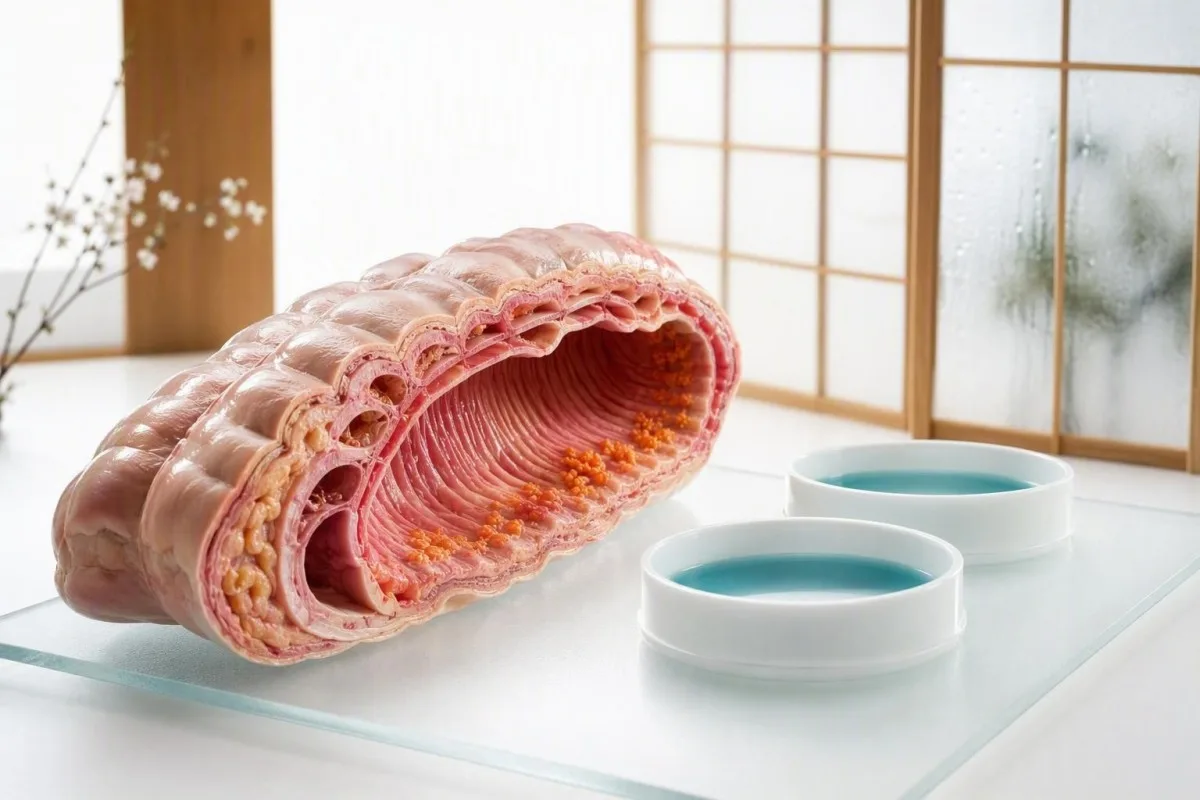
Begge tester påviser neutrofil-drevet intestinal betennelse, men kalprotektin er vanligvis det mer nyttige kvantitative overvåkingsverktøyet. Det riktige resultatet er et som endrer neste kliniske avgjørelse – ikke et som gir deg en IBD-diagnose.


- Kalprotektin under 50 µg/g er generelt betryggende hos voksne med mistanke om IBS når det ikke er noen alarmerende symptomer.
- Laktoseferrin er et neutrofilt protein; mange kvantitative analyser bruker mindre enn 7,25 µg/g som negativ, men laboratorie-grenseverdier varierer.
- Høy avføringsmarkører indikerer intestinal betennelse, ikke en spesifikk diagnose; infeksjon, NSAIDs, divertikulitt og kolorektal neoplasi kan øke begge.
- Grenseverdi for kalprotektin på 50–150 µg/g fortjener ofte en ny prøve etter 2–6 uker heller enn umiddelbar koloskopi.
- Kalprotektin over 250 µg/g øker bekymringen for aktiv slimhinnebetennelse og medfører vanligvis klinisk vurdering, testing for tarminfeksjon eller planlegging av endoskopi.
- Normale resultater kan gjøre aktiv kolitt-IBD mindre sannsynlig, men kan ikke pålitelig utelukke isolert tynntarms-Crohns sykdom.
- IBD-overvåking bruker symptomer pluss biomarkører, CRP, anæmi-markører, bildediagnostikk og endoskopi; ingen av avføringsmarkørene alene diagnostiserer et utbrudd.
- Akutte symptomer som svart avføring, vedvarende synlig blod, feber, sterke smerter, besvimelse eller dehydrering krever medisinsk vurdering uavhengig av en markørresultat.
Hvilken avføringsmarkør bør du velge først?
Fekal kalprotektin er vanligvis den førstevalgs-avføringsmarkøren for inflammasjon fordi den er allment tilgjengelig, kvantitativ og har den sterkeste rollen i å skille sannsynlig inflammatorisk tarmsykdom fra funksjonelle tarmsymptomer. Fekal laktoferrin-test resultater er et fornuftig alternativ når det er den lokalt validerte analysen, men å bestille begge i utgangspunktet endrer sjelden behandlingen.
For en person med 6 uker med løs avføring, kramper, og ingen vekttap eller rektal blødning, ville jeg generelt starte med kalprotektin pluss målrettet infeksjons testing fremfor koloskopi. Et resultat under 50 µg/g gjør betydelig tarminflammasjon mindre sannsynlig, mens et klart forhøyet resultat gir grunn til å undersøke nærmere. AGA-retningslinjen for kronisk vannaktig diaré støtter kalprotektin eller laktoseferrin som screeningtester for inflammatoriske tilstander (Smalley et al., 2019).
Velg laktoseferrin når din gastroenterologiavdeling bruker den konsekvent, når laboratoriet rapporterer en validert kvantitativ verdi, eller når den er inkludert i en arbeidsflyt for infeksiøs diaré. Ikke velg den fordi den høres mer spesifikk ut: begge proteiner frigjøres når nøytrofiler kommer inn i tarmlumen. Det praktiske problemet er om legen din kan sammenligne resultatet med dine tidligere prøver ved hjelp av samme analyse.
Kantesti er en AI-blodprøveanalysator som plasserer relaterte resultater som hemoglobin, CRP, albumin og jernindekser sammen med en rapport om avføringsmarkører; det erstatter ikke avføringsanalysen eller en leges diagnose. Hvis tretthet ledsager diaré, kan en blodprøve for diaré bidra til å identifisere dehydrering, anemi eller elektrolyttap som endrer alvorlighetsgraden.
En nyttig tommelfingerregel
Bruk én validert markør først, gjenta samme markør når et resultat er grensetilfelle eller ved overvåking av behandling, og reserver dobbelttesting for et spesifikt gastroenterologisk spørsmål. Å bytte analyse halvveis i oppfølgingen skaper tilsynelatende trender som kan være laboratoriestøy snarere enn biologi.
Hva avførings-kalprotektin faktisk påviser
Kalprotektin måler et kalsium- og sinkbindende protein som frigjøres hovedsakelig fra nøytrofiler i tarmen. En høyere avføringskonsentrasjon reflekterer nøytrofilmigrasjon inn i tarmen, noe som er vanlig ved aktiv IBD, men forekommer også ved flere tilstander utenom IBD.
Kalprotektin er S100A8/S100A9 proteinkomplekset, og det forblir relativt stabilt i avføring i flere dager ved romtemperatur – en grunn til at det fungerer godt som en hjemmeinnsamlingstest. Dens biologiske styrke er lokalt: i motsetning til CRP, reflekterer det cellulær aktivitet i tarmlumen snarere enn en systemisk akuttfase-respons. Et normalt CRP avbryter derfor ikke et høyt kalprotektinresultat.
I voksenpraksis klassifiserer laboratorier vanligvis mindre enn 50 µg/g som normalt og mer enn 150–250 µg/g som stadig mer forenlig med aktiv tarminflammasjon. Dette er beslutningsterskler, ikke universelle biologiske grenser. Noen europeiske tjenester bruker 100 µg/g som henvisningsterskel, mens intervaller for pediatriske og analyse-spesifikke referanser kan avvike betydelig.
Jeg har sett en 28-åring med et kalprotektin på 680 µg/g, et normalt CRP, og til slutt ulcerøs kolitt begrenset til rektum og sigmoideum. Dette mønsteret er ikke uvanlig: lokal slimhinnebetennelse kan være aktiv uten et sterkt systemisk signal. Vårt veileder for normalområde for fekal kalprotektin forklarer hvorfor laboratoriets egen metode og enheter bør beholdes ved ethvert resultat.
Hva avførings-laktoseferrin påviser annerledes
Laktoferrin påviser et annet protein avledet fra nøytrofiler og besvarer nesten samme biologiske spørsmål som kalprotektin: er det aktiv intestinal nøytrofil inflammasjon? Det identifiserer ikke ulcerøs kolitt, Crohns sykdom, bakteriell kolitt eller annen årsak alene.
Laktoferrin er et jernbindende glykoprotein lagret i sekundære nøytrofilgranula og frigjort under aktivering. En positiv kvalitativ test for fekal laktoferrin er nyttig fordi den taler mot ukomplisert IBS i den rette kliniske sammenhengen. Kvantitative analyser varierer: en vanlig brukt metode definerer en negativ verdi som mindre enn 7.25 µg/g, så bruk aldri en kalprotektin-terskel på en laktoferrin-rapport.
Bevisene viser ikke at laktoferrin er kategorisk overlegent. I en diagnostisk metaanalyse fant Wang og kolleger at fekal laktoferrin hadde en samlet sensitivitet på 82% og en spesifisitet på 74% for å skille IBD fra kontroller uten IBD, selv om nøyaktighetsestimater endres med sykdomsprevivalens og studiedesignet (Wang et al., 2015). Den imponerende spesifisiteten konverterer fortsatt ikke et positivt resultat til en IBD-diagnose.
Et positivt laktoferrin-resultat er spesielt verdt å diskutere når diaréen begynte brått etter reise, antibiotika, eksponering for forurenset mat eller kontakt med noen som er syk. I disse situasjonene legger klinikere vanligvis til patogentesting i stedet for å hoppe rett til en IBD-merkelapp. Vår veileder for resultater fra avføringsdyrkning dekker hva en negativ eller blandet vekst-rapport kan og ikke kan avgjøre.
Slik leser du grenseverdier uten å overreagere
En kalproteinverdi under 50 µg/g er vanligvis normal for voksne, 50–150 µg/g er ofte en ubestemt sone, og verdier over 250 µg/g gir bekymring for aktiv inflammasjon. Laktoferrin bruker assayspesifikke terskler, vanligvis en kvalitativ positiv eller en kvantitativ terskel nær 7.25 µg/g.
50 µg/g kalprotein-terskelen er designet for sensitivitet: den fanger opp mest klinisk signifikant inflammatorisk sykdom til kostnad av noen falske positiver. 250 µg/g-terskelen er mer nyttig for spesifisitet og for monitorering av etablert IBD. Mellom dem ligger det frustrerende midtpunktet, der medisinbruk, nylig gastroenteritt, alder og bane betyr mer enn et enkelt tall.
En endring fra 72 til 94 µg/g er ofte mindre meningsfull enn en endring fra 85 til 430 µg/g, spesielt hvis begge prøvene ble testet av samme laboratorium. Stolkonsistens kan påvirke ekstraksjon og biologisk variasjon er reell. Dr. Thomas Kleins praktiske råd er å registrere NSAID-bruk, nylig infeksjon, menstruell kontaminering og innsamlingsdato før man tolker en moderat stigning.
For en disiplinert tilnærming til serielle verdier, sammenlign prøvedatoen med symptomer og relaterte laboratorieprøver i stedet for å behandle hvert flagget resultat som sykdomsprogresjon. Vår veiledning for blodprøvetrender forklarer det samme prinsippet om referanseendring og analytisk variasjon i laboratoriemedisin.
Hvorfor begge markører kan være forhøyet uten IBD
Forhøyede inflammatoriske markører i avføring forekommer ved tarminfeksjon, eksponering for NSAIDs, divertikulitt, kolorektale neoplasier, mikroskopisk kolitt og IBD. Resultatet bekrefter et inflammatorisk signal; det påviser ikke årsak, lokasjon, varighet eller alvorlighetsgrad i seg selv.
Ikke-steroide antiinflammatoriske legemidler kan øke fekal kalprotektin, noen ganger betydelig, ved å øke tarmpermeabiliteten og forårsake små slimhinneskader. Ibuprofen, naproksen og diklofenak er relevante; en kliniker kan foreslå å seponere dem hvis det er medisinsk trygt før testen gjentas. Ikke avslutt foreskrevet aspirin, antikoagulantia eller smertestillende uten å konsultere forskriveren først.
Akutt bakteriell gastroenteritt kan gi kalprotektinverdier over 500 µg/g og en positiv laktoseferrin, noe som er grunnen til at en avføringsprøve for patogener kan være mer informativ enn en akutt koloskopi de første dagene av sykdommen. Omvendt kan giardiasis forårsake langvarig diaré med mindre markant nøytrofil markøroppgang. Symptomenes tidsforløp har ofte større diagnostisk vekt enn pasienter forventer.
Kantesti er en Tjeneste for tolkning av laboratorieprøver med AI som kan indikere et inflammatorisk mønster som lav hemoglobin, lav albumin, trombocytose og forhøyet CRP for klinisk vurdering, men disse blodfunnene beviser ikke at kilden er intestinal. For personer med blod i avføringen, FIT oppfølging og timing av koloskopi er et separat spørsmål fra kalprotektin og bør ikke utsettes.
Når et normalt resultat likevel kan overse sykdom
Normalt kalprotektin eller laktoseferrin gjør aktiv kolitt mindre sannsynlig, men det kan ikke fullstendig utelukke Crohns sykdom, spesielt mild eller isolert tynntarmsykdom. Et normalt resultat forklarer heller ikke vedvarende vekttap, jernmangelanemi, nattlig diaré eller tilbakevendende synlig blødning.
Tynntarms Crohns sykdom kan skille ut mindre nøytrinproteiner i en avføringsprøve enn utbredt kolitt, spesielt når lesjonene er proksimale eller milde. Dette er en grunn til at symptomer og varselsignaler overstyrer et betryggende tall. Den diagnostiske retningslinjen ECCO-ESGAR anbefaler å integrere biomarkører med ileokoloskopi og tverrsnittsbildebehandling når IBD fortsatt er klinisk mistenkt (Maaser et al., 2019).
En 46-åring med kalprotektin på 38 µg/g, ferritin på 7 ng/mL og progressiv tretthet fortjener utredning for gastrointestinal blødning eller malabsorpsjon, selv om tarmfrekvensen er normal. Etter min erfaring er kombinasjonen av jernmangel og uforklarlige symptomer mye mer betydningsfull enn en enkelt lav avføringsmarkør. Les vår lav ferritin og tarmindikatorer for de vanlige neste laboratorieundersøkelsene.
Cøliaki, gallesyre-indusert diaré, pankreasinsuffisiens og mange medikamenteffekter kan forårsake symptomer med normale avføringsmarkører for inflammasjon. En normal test er derfor en veiskille mot ikke-inflammatoriske diagnoser, ikke en erklæring om at symptomene er psykologiske eller uviktige.
Hva du skal gjøre med et grensetilfelle av kalprotektin-resultat
Et grenseverdi fekalt kalprotektinresultat på 50–150 µg/g gjentas vanligvis etter 2–6 uker hvis symptomene er stabile og det ikke er noen varselsignaler. Repetisjonen bør bruke samme laboratoriemetode og bør times vekk fra en nylig gastrointestinal infeksjon der det er mulig.
Før retesting gjennomgår klinikere NSAIDs, protonpumpehemmere, antibiotika, akutte infeksjoner, anstrengende utholdenhetstrening og aldersrelatert risiko. Det er ingen universelt avtalt utvaskingsintervall for alle medisiner. En pragmatisk plan er ofte 2 uker etter at en akutt sykdom har gått over, forutsatt at symptomene ikke signaliserer behov for tidligere behandling.
Hvis repetisjonen faller fra 118 til 32 µg/g og symptomene bedrer seg, kan invasiv testing unngås. Hvis den stiger fra 96 til 310 µg/g, gir retningen nyttig bevis selv før et endoskopiresultat foreligger. Derfor bør en enkelt grenseverdi sjelden utløse panikk – eller falsk trygghet.
Vår grenseverdi kalprotektin oppfølgingsguide legger frem spørsmålene å ta med til en primærhelse- eller gastroenterologivurdering. En kort symptomdagbok med avføringsfrekvens, nattlig oppvåkning, feber og medikamentdatoer er vanligvis mer nyttig enn å obsessivt sjekke matutløsere.
Hvordan klinikere bruker markører etter at IBD er diagnostisert
Ved etablert IBD er kalprotektin mest nyttig for å spore objektiv tarmbetennelse og bidra til å avgjøre om symptomer representerer en oppblussing, infeksjon, IBS-overlap, eller behandlingssvikt. Laktoseferrin kan også følge aktivitet, men kalprotektin har flere retningslinjestøttede terskler for "treat-to-target"-monitorering.
Symptomer og slimhinneaktivitet divergerer ofte. En pasient med ulcerøs kolitt kan føle seg bra mens kalprotektin stiger fra 80 til 360 µg/g, eller ha sterke avføringstrang fra gallesyre-malabsorpsjon mens kalprotektin forblir 28 µg/g. Retningslinjen fra AGA for biomarkører ved ulcerøs kolitt fra 2023 anbefaler å kombinere symptomer med biomarkører i stedet for å stole på kun én av dem (Singh et al., 2023).
For monitorering av remisjon ser mange klinikere mindre enn 150 µg/g som betryggende, mens mer enn 150 µg/g kan kreve gjentatt testing, endoskopi eller behandlingsgjennomgang avhengig av symptomer og tidligere sykdomsforløp. Ved aktiv symptomatisk ulcerøs kolitt, mer enn 250 µg/g støtter pågående inflammasjon. Kuttpunkter er veiledninger, ikke instrukser om å endre biologisk behandling uten spesialistvurdering.
Kantesti AI er en AI-plattform for tolkning av biomarkører som organiserer trender i blodprøver rundt pasientens rapporterte behandlingsdatoer; den kan ikke vurdere alvorlighetsgraden av tarmslimhinnen fra et tall alene. Pasienter som bruker biologiske legemidler bør også forstå hvilke blodprøver for sikkerhet som monitorerer behandlingen og hvilke symptomer som krever umiddelbar kontakt med deres IBD-team.
Hvordan innsamlingsfeil og tidspunkt påvirker resultater
Innsamlingskvalitet påvirker tolkningen av avføringsmarkører fordi en kontaminert, forsinket eller dårlig prøve kan bli avvist eller gi et mindre pålitelig måltall. De fleste laboratorier ønsker en liten avføringsprøve plassert i den medfølgende sterile beholderen uten toalettvann eller urin.
Løs avføring er vanligvis akseptabelt for testing av kalprotektin og laktoseferrin; ikke vent på en fast prøve hvis diaré er det kliniske problemet. Unngå innsamling fra toalettvann, og informer laboratoriet hvis prøven inneholder synlig menstruasjonsblod. Oppbevaringsinstruksjoner varierer etter sett, men mange tillater kort transport ved romtemperatur fordi kalprotektin er relativt stabilt.
Å ta en prøve en dag etter et maraton, et anfall av gastroenteritt eller tarmforberedelse for koloskopi kan gi feil svar. Utholdenhetsidrett kan forbigående øke tarmpermeabiliteten og provosere gastrointestinale symptomer. Hvis du er en utholdenhetsutøver uten faresignaler, bør du vurdere å time innsamlingen vekk fra en stor hendelse; vår veieldighetstrener veiledning forklarer hvorfor kontekst endrer tolkningen av testen.
Poenget er at en perfekt innsamling ikke gjør en uspesifikk biomarkør spesifikk. En prøve av høy kvalitet øker tilliten til målingen; den kan ikke erstatte klinisk historie, undersøkelse og differensialdiagnostikk.
Hvilke blodprøver som gjør en avføringsmarkør mer nyttig
En CBC, CRP, ferritin, albumin, nyrefunksjon og cøliaki-serologi gir ofte mer klinisk verdi til en forhøyet avføringsmarkør enn å bestille en ny betennelsesprotein i avføring. Det bekymringsfulle mønsteret er ikke en enkelt unormalitet, men flere resultater som peker mot inflammasjon, malabsorpsjon eller blodtap.
Lav hemoglobin, ferritin under 15 ng/mL, albumin under laboratorie-referanseområdet, forhøyede blodplater eller forhøyet CRP kan styrke bekymringen for klinisk meningsfull tarmsykdom. Ingen av disse er diagnostisk for IBD. Faktisk kan CRP forbli normal ved mild ulcerøs kolitt, og ferritin kan se falskt normal ut når inflammasjon øker det som et akuttfaseprotein.
Kantesti er en Analyseverktøy for blodprøver drevet av KI som leser en CBC, jernstudier og CRP i samme kliniske rammeverk, inkludert om et endrende hemoglobin-nivå kan rettferdiggjøre tidligere vurdering. Dr. Thomas Klein advarer rutinemessig om at en isolert CRP på 12 mg/L er uspesifikk, mens CRP 12 mg/L pluss fallende albumin og et kalprotektin på 740 µg/g er en mye mer handlingsbar klynge.
For pasienter hvor jernverdiene virker motstridende, vår veiledning for jernstudier forklarer transferrinmetning og ferritin under betennelse. En veiledning for CBC-resultater kan også hjelpe deg med å identifisere om anemi er mikrocytær, inflammatorisk eller blandet.
Når det kan være fornuftig å bestille begge tester
Bestilling av kalprotektin og laktoseferrin sammen er vanligvis unødvendig, men det kan være fornuftig når en spesialist vurderer diskordante symptomer, en tidligere analyse ikke kan gjentas, eller en lokal protokoll krever bekreftelse. Konkordante resultater øker moderat tilliten til et inflammatorisk signal; diskordante resultater utløser vanligvis gjennomgang, ikke aritmetisk gjennomsnittsberegning.
Et høyt kalprotektin med negativ laktoseferrin kan reflektere tidspunkt for analyse, et resultat nær grensen, heterogenitet i prøven, eller analytiske forskjeller. Et lavt kalprotektin med positivt laktoseferrin fortjener den samme disiplinerte responsen: verifiser innsamling, gjennomgå den eksakte analysen, sjekk symptomer og test for infeksjon når det er hensiktsmessig. Ingen av kombinasjonene har en validert snarvei til diagnose.
Dobbelt testing kan også være nyttig i forskningsmiljøer der en protokoll forhåndsbestemmer begge biomarkørene. Det er annerledes enn rutinemessig pasientbehandling, der duplikat testing kan øke kostnadene uten å forbedre beslutninger. Still den rekvirerende legen et enkelt spørsmål: “Hva vil vi gjøre annerledes hvis den andre testen er positiv?”
Hvis en rapport ser internt inkonsistent ut, bruk vår kvalitativ kontra kvantitativ testguide for å forstå hvorfor “positiv” og “høy” ikke er utskiftbare laboratorieutsagn. Metodens konsistens betyr mer enn å samle inn alle tilgjengelige markører.
Hva som faktisk bekrefter eller utelukker IBD
IBD diagnostiseres gjennom en syntese av symptomer, ileokolonoskopi med vevsprøver, histologi, laboratorietester og noen ganger MR eller CT enterografi – ikke kun fra kalprotektin eller laktoseferrin alene. Avføringsmarkører hjelper til med å avgjøre hvem som trenger disse undersøkelsene og om betennelse kan endre seg over tid.
Koloskopi gir direkte vurdering av terminale ileum og colon og tillater vevsundersøkelse for kroniske inflammatoriske trekk, infeksjon, mikroskopisk kolitt, dysplasi og andre årsaker. Bildediagnostikk er spesielt verdifull når Crohns sykdom kan involvere tynntarmen utover rekkevidden av en standard koloskopi. En avføringsmarkør er et triagesignal, ikke en mikroskopisk diagnose.
Ikke forveksle en fekal immunokjemisk test med noen av de inflammatoriske markørene. FIT påviser humant hemoglobin og brukes primært i screening for tykk- og endetarmskreft eller ved blødninger i nedre del av mage-tarmkanalen, mens kalprotektin og laktoseferrin påviser nøytrofile produkter. Vår sammenligning av FIT og FOBT forklarer hvorfor en negativ inflammatorisk markør ikke erstatter anbefalt kreftscreening.
Per 4. september 2026 anbefaler ingen store retningslinjer for gastroenterologi å diagnostisere Crohns sykdom eller ulcerøs kolitt basert på en enkelt terskelverdi for avføringsbiomarkører. Denne begrensningen beskytter pasienter mot både manglende sykdomsdiagnostikk og unødvendige livslange diagnostiske merkelapper.
Symptomer som overskygger ethvert avføringsprøveresultat
Vedvarende synlig rektal blødning, svart tjæreaktig avføring, alvorlige magesmerter, feber, besvimelse, dehydrering, raskt forverrende svakhet eller ufrivillig vekttap krever øyeblikkelig medisinsk vurdering uavhengig av kalprotektin eller laktoseferrin. Et normalt resultat bør aldri brukes til å ignorere et potensielt akutt symptom-mønster.
Den akutte bekymringen er fysiologi, ikke etiketten på en laboratorierapport. Hyppig vandig diaré kan gi lavt kalium, akutt nyreskade og ortostatiske symptomer før en inflammatorisk markør dukker opp. Voksne som ikke klarer å holde væske nede, har forvirring, besvimelse eller minimal urinproduksjon bør søke akutt hjelp.
Nye tarmesymptomer etter fylte 50 år, en sterk familiehistorie med tykk- og endetarmskreft, og jernmangelanemi endrer terskelen for kolonevaluering selv når kalprotektin er lavt. En avføringsmarkør vurderer ikke kreftrisikoen helhetlig. Vår slim i avføring veiledning for faresignaler skiller vanlige godartede mønstre fra symptomer som krever undersøkelse.
Barn, gravide, eldre og personer som bruker immunsupprimerende medisiner, trenger individuell triagering fordi deres grunnleggende risikoer er forskjellige. Hvis du er usikker på om symptomene er akutte, er det tryggere å kontakte en lokal lege eller akuttjeneste enn å prøve å tolke et tall isolert.
En praktisk samtale å ha etter resultatet ditt
Det mest nyttige oppfølgingsspørsmålet er: “Endrer dette resultatet mitt behov for infeksjonstesting, gjentakende testing, bildediagnostikk eller endoskopi?” Å ta med den nøyaktige verdien, analyse navnet, symptomtidslinjen, medisiner og tidligere resultater gjør den samtalen raskere og mer klinisk presis.
Ta med en liste over de siste 14 dagene: avføringsfrekvens, nattlige symptomer, feber, vekttap, reise, antibiotika, NSAIDs, og familiehistorie. Et calprotectin på 180 µg/g etter en 3-dagers febril diaré sykdom krever en annen plan enn samme resultat etter 4 måneders nattlig diaré og vekttap.
Kantesti AI kan hjelpe deg med å organisere tilhørende blodprøverapporter før en avtale, men diagnose- og behandlingsbeslutninger tilhører legen som kan undersøke deg og arrangere endelig testing. Vår medisinske valideringsmetode forklarer hvordan klinisk veiledning og kildesjekking er innebygd i ansvarlig laboratorietolkning.
Ved komplekse tilfeller, spør hvem som skal ha ansvaret for oppfølgingen og når du kan forvente et gjentatt resultat eller en henvisningsbeslutning. Legene på vår Medisinsk rådgivende styre understreker at en dokumentert plan er bedre enn en vag instruksjon om å “sjekke igjen senere”, spesielt når betennelsesmarkører og anemi beveger seg i samme retning.
Den avgjørelsesfokuserte konklusjonen
Velg calprotectin først i de fleste settinger, bruk laktoferrin når det er din tjenestes validerte alternativ, og anta ikke at noe av resultatet diagnostiserer IBD. Et lavt resultat skifter oppmerksomheten mot funksjonelle og ikke-inflammatoriske årsaker, mens et vedvarende høyt resultat identifiserer personer som kan trenge infeksjonstesting, spesialistvurdering eller endoskopi.
For ukomplisert kronisk diaré kan én normal markør – calprotectin under 50 µg/g eller et negativt laktoferrin i henhold til det laboratoriet – redusere sannsynligheten for aktiv inflammatorisk sykdom. For en verdi over 250 µg/g eller et positivt laktoferrin med vedvarende symptomer, er neste spørsmål årsak, ikke sikkerhet. Infeksjon, medikamenteksponering, IBD og andre inflammatoriske tilstander forblir på listen.
De fleste pasienter finner tvetydigheten vanskeligst i calprotectin-sonen 50–150 µg/g. Etter min erfaring er det beste neste steget vanligvis en nøye timet gjentakelse, ikke en diettrensing, selvmedisinering med steroider, eller en internett-diagnose. Behold samme laboratorium der det er mulig, slik at trenden kan tolkes.
Kantesti’s veiledning for AI-teknologi beskriver hvordan systemene våre bevarer laboratoriekontekst, samtidig som de fremhever spørsmål for medisinsk gjennomgang. Sikker bruk av enhver AI-tolkning er den samme her: bruk den til å forberede deg til en bedre klinisk samtale, aldri til å overstyre faresignaler eller erstatte diagnostisk omsorg.
Ofte stilte spørsmål
Er kalprotektin bedre enn laktoseferrin for påvisning av inflammatorisk tarmsykdom?
Kalprotektin foretrekkes vanligvis ved mistanke om IBD fordi den er allment tilgjengelig som en kvantitativ test og har ofte brukte terskelverdier for overvåking, som mindre enn 50 µg/g og mer enn 250 µg/g. Laktoseferrin er også en nyttig avføringsmarkør avledet fra nøytrofiler, og kan prestere godt når laboratoriet bruker en validert analysemetode. Ingen av markørene bekrefter IBD, fordi infeksjoner, NSAIDs, divertikulitt og andre tarmsykdommer kan øke begge. Den bedre testen er vanligvis den legen din kan tolke sammen med symptomer og gjenta ved bruk av samme laboratoriemetode.
Hvilket nivå av kalprotektin er bekymringsfullt?
Et fekalt kalprotektinnivå under 50 µg/g er generelt betryggende for voksne uten faresymptomer, mens 50–150 µg/g ofte anses som grenseverdi og kan gjentas etter 2–6 uker. Verdier over 150–250 µg/g er mer bekymringsfullt for tarmbetennelse, og nivåer over 250 µg/g utløser vanligvis klinisk vurdering eller ytterligere testing. Nøyaktig handling avhenger av analysen, symptomer, alder, bruk av NSAIDs og om verdien stiger. En verdi på 600 µg/g etter akutt bakteriell diaré kan ha en annen betydning enn 600 µg/g under flere måneders kroniske symptomer.
Kan IBS forårsake høy calprotectin eller laktoferrin?
Ukomplisert IBS gir vanligvis ikke forhøyet fekal kalprotektin eller laktoseferrin fordi IBS ikke forårsaker nøytrofil-drevet tarmbetennelse. Milde kalprotektinøkninger mellom 50 og 150 µg/g kan oppstå som følge av nylig infeksjon, bruk av NSAIDs, aldersrelaterte faktorer eller variasjoner i analysen, så de utelukker ikke automatisk IBS. Et positivt laktoseferrin eller kalprotektin over 250 µg/g bør utløse en vurdering for en inflammatorisk eller infeksiøs årsak i stedet for å anta IBS. IBS og IBD kan sameksistere, noe som er en annen grunn til at symptomer og trender er viktige.
Kan et normalt calprotectin utelukke Crohns sykdom?
Et normalt calprotectinresultat reduserer sannsynligheten for aktiv IBD i tykktarmen, men kan ikke fullstendig utelukke Crohns sykdom, spesielt mild eller isolert Crohns sykdom i tynntarmen. En verdi under 50 µg/g bør ikke overstyre alarmsymptomer som jernmangelanemi, vekttap, nattlig diaré, vedvarende blødning eller en sterk familiehistorie. Klinikere kan bruke ileokoloskopi, MR enterografi eller kapselundersøkelse når klinisk mistanke vedvarer. Resultatet bør best behandles som et sannsynlighetsjusterende bevis snarere enn en endelig utelukkelsestest.
Bør jeg gjenta et grensetilfelle av kalprotektinresultat?
Et grensetilfelle av kalprotektinresultat på 50–150 µg/g gjentas ofte etter 2–6 uker når symptomene er stabile og det ikke er noen alarmsymptomer. Før gjentakelse vurderer klinikere vanligvis nylig gastroenteritt, NSAID-bruk, antibiotika og innsamlingsforhold, fordi hver av disse kan påvirke verdien. Bruk samme laboratorieanalyse om mulig, da resultater fra ulike metoder kanskje ikke er direkte sammenlignbare. Et stigende resultat mot eller over 250 µg/g har generelt mer klinisk vekt enn en stabil lavgradig forhøyelse.
Kan antibiotika påvirke fekal kalprotektin og laktoseferrin?
Antibiotika kan indirekte påvirke inflammatoriske markører i avføringen ved å behandle, utløse eller falle sammen med infeksiøs diaré, og ved å endre tarmmikrobiomet. En person med antibiotika-assosiert diaré bør utredes for årsaker som Clostridioides difficile, i stedet for å tolke forhøyet calprotectin eller positivt laktoseferrin som IBD. Det finnes ikke noe pålitelig universelt antall dager å vente etter antibiotikabehandling før testing; tidspunktet avhenger av symptomer og det kliniske spørsmålet. Vedvarende diaré, feber eller magesmerter etter antibiotikabehandling krever legeledet utredning fremfor egenbehandling.
Få AI-drevet analyse av blodprøver i dag
Bli med over 2 millioner brukere over hele verden som stoler på Kantesti for øyeblikkelig, nøyaktig analyse av laboratorietester. Last opp blodprøveresultatene dine og få omfattende tolkning av 15,000+-biomarkører på sekunder.
📚 Refererte forskningspublikasjoner
Klein, T., Mitchell, S., & Weber, H. (2026). Kantesti LTD. (2026). Urobilinogen i urinprøve: Komplett urinanalyseguide 2026. Zenodo.. Kantesti KI medisinsk forskning.
Klein, T., Mitchell, S., & Weber, H. (2026). Kantesti LTD. (2026). Veiledning om jernstudier: TIBC, jernmetning og bindingskapasitet. Zenodo.. Kantesti KI medisinsk forskning.
📖 Eksterne medisinske referanser
Singh S et al. (2023). AGA kliniske retningslinje for rollen til biomarkører for behandling av ulcerøs kolitt. Gastroenterologi.
⚕️ Medisinsk ansvarsfraskrivelse
Denne artikkelen er kun for informasjonsformål og utgjør ikke medisinsk rådgivning. Rådfør deg alltid med en kvalifisert helsepersonell for beslutninger om diagnose og behandling.
E-E-A-T tillitssignaler
Experience
Klinisk gjennomgang ledet av lege av arbeidsflyter for laboratorietolkning.
Expertise
Fagområde laboratoriemedisin med fokus på hvordan biomarkører oppfører seg i klinisk kontekst.
Authoritativeness
Skrevet av Dr. Thomas Klein med gjennomgang av Dr. Sarah Mitchell og Prof. Dr. Hans Weber.
Trustworthiness
Evidensbasert tolkning med tydelige oppfølgingsveier for å redusere uro.