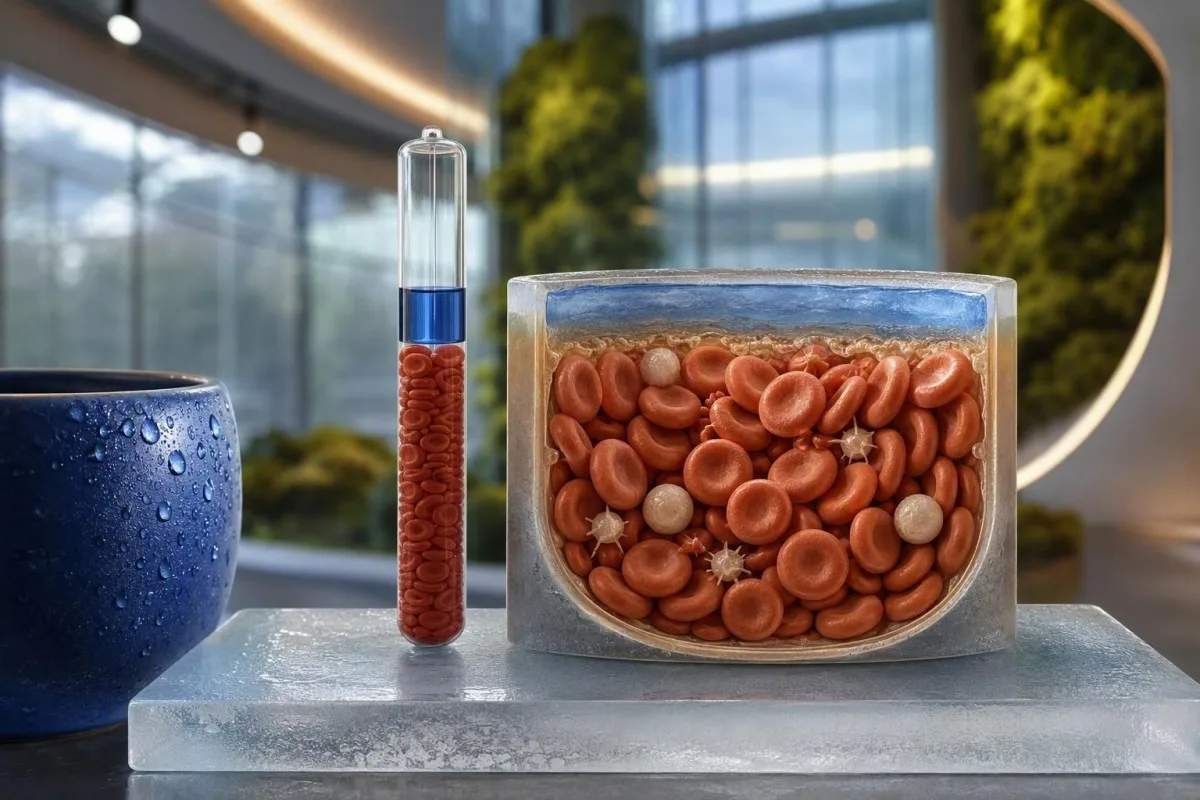
Faodaidh cunntas àrd de cheallan-fala dearga fuil thiugh a nochdadh seach cus cheallan-fala dearga. ’S e a’ chiad obair call lionn sealach a sgaradh bho àrdachadh leantainneach a dh’fheumas sgrùdadh iomchaidh.


- Erythrocytosis càirdeach tha e a’ ciallachadh gu bheil uisge a’ phlasma air tuiteam, a’ toirt air cunntas RBC, haemoglobin, agus haematocrit coimhead àrd gun cheallan ùra a chruthachadh.
- Slat-tomhais WHO ’s iad na luachan a tha a’ toirt taic do polycythemia vera a dh’fhaodadh a bhith ann haemoglobin os cionn 16.5 g/dL ann am fir no 16.0 g/dL ann am boireannaich, no haematocrit os cionn 49% agus 48%, fa leth.
- Ath-dheuchainn às dèidh uisgeachadh mar as trice tha e reusanta airson àrdachadh beag, fa leth, às dèidh cur a-mach, a’ bhuinneach, nochdadh do theas, fastadh, no eacarsaich chruaidh—ma tha thu gu math air dhòigh eile.
- Diuretics faodaidh e haematocrit àrdachadh tro chall lionn; na sguir de chungaidh òrdaichte gun bruidhinn ris an neach-clionaigeach a dh’òrdaich i.
- tha pàtran cudromach: tha albumin àrd, pròtain iomlan, sodium, co-mheas BUN/creatinine, agus dùmhlachd shònraichte na fual a’ toirt barrachd taic do dhìth-uisge na do chinneasachadh fìor de cheallan-fala dearga.
- Ath-aithris air an àm mar as trice bidh e 1–2 sheachdain às dèidh dhut faighinn seachad air, le caitheamh àbhaisteach de lionn, agus 24–48 uairean gun eacarsaich neo-àbhaisteach chruaidh, mura h-eil comharraidhean èiginneach an làthair.
- àrdachadh leantainneach às dèidh deagh uisgeachadh tha e airidh air measadh airson nochdadh do smocadh, mì-rian anail rè cadail, àirde, testosterone, galar nan sgamhan no nan dubhagan, erythropoietin, agus gu tric deuchainn JAK2.
- Comharraidhean èiginneach gabh a-steach pian broillich, gann-anail ùr, laigse air aon taobh, call lèirsinn, troimh-chèile, no cas ghoirt atte; feumaidh iad sin cùram sa bhad, chan e ath-dheuchainn aig an taigh.
Na tha toradh àrd RBC mar as trice a’ ciallachadh
Faodaidh cunntas àrd RBC a bhith na àrdachadh meallta air adhbhrachadh le dìth-uisgeachaidh, nuair a chuireas call lionn dùmhlachd air a’ phàirt cheallach den fhuil; chan eil e a’ ciallachadh gu fèin-obrachail gu bheil do smior cnàimh a’ dèanamh cus cheallan dearga. ’S e a’ cheist a bheil haemaglobin agus haematocrit a’ tilleadh gu àbhaisteach às dèidh faighinn seachad air agus òl àbhaisteach, seach fuireach àrd ann an CBC ath-dhèanach a chaidh ullachadh gu ceart.
Tha cunntas RBC ag aithris àireamh nan ceallan dearga gach liotair, agus hematocrit ag aithris a’ chuibhreann den fhuil gu lèir a tha air a ghabhail thairis leis na ceallan sin. Bidh na raointean iomraidh airson inbhich ag atharrachadh a rèir an obair-lann, ach bidh mòran a’ cleachdadh mu 4.5–5.9 × 10¹²/L airson fireannaich agus 4.1–5.1 × 10¹²/L airson boireannaich. Gu tric chan eil luach beagan os cionn na raoin cho fiosrachail ris an haemaglobin agus an haematocrit a tha ri thaobh; an stiùireadh againn air dè tha CBC a’ gabhail a-steach a’ mìneachadh carson.
Bidh dìth-uisgeachaidh a’ lughdachadh na co-phàirt leaghta den fhuil taobh a-staigh uairean a thìde, agus mar sin bidh an aon tomad de cheallan dearga a’ gabhail suas tomhas nas lugha nuair a thèid a thomhas. Anns a’ chlinig, bidh mi tric ga fhaicinn às dèidh bhìoras stamaig: RBC 5.8 × 10¹²/L, haemaglobin 17.1 g/dL, haematocrit 51%, agus an uair sin luachan àbhaisteach às dèidh faighinn seachad air. ’S e seo erythrocytosis choimeasach, chan e mearachd obair-lann agus chan eil e riatanach gur e galar a th’ ann.
Tha Kantesti na Anailisiche deuchainn fala AI a leughas RBC, haemaglobin, haematocrit, clàran-amais nan ceallan dearga, comharran nan dubhagan, agus toraidhean roimhe còmhla. Air 5 Sultain 2026, tha an sruth-obrach ath-bhreithneachaidh clionaigeach againn a’ dèiligeadh ri aon bhratach chrìcheil ann an CBC mar adhbhar airson ullachadh agus gluasad nan toraidhean a sgrùdadh—chan ann mar dhiagnosis.
Chan eil cunntas RBC co-ionann ri tomad nan ceallan dearga
Chan urrainn do CBC tomad iomlan nan ceallan dearga a thomhas gu dìreach. Bidh e a’ tomhas dùmhlachd, a bhios ag èirigh nuair a bhios meud plasma a’ crìonadh; tha sgrùdaidhean speisealta air tomad cheallan dearga le isotopan a-nis glè ainneamh riatanach, ach tha iad a’ sealltainn carson a dh’fhaodas CBC dùmhlaichte coimhead eagallach gun àrdachadh fìor ann an àireamh nan ceallan.
Erythrocytosis choimeasach an coimeas ri cus cheallan-fala dearga fìor
’S e erythrocytosis choimeasach cunntas RBC, haemaglobin no haematocrit àrd air adhbhrachadh le lùghdachadh ann am meud plasma, ach tha erythrocytosis iomlan a’ nochdadh àrdachadh fìor ann an tomad nan ceallan dearga. Faodaidh uisgeachadh a’ chiad phàtran a cheartachadh, ach cha cheart e an dàrna pàtran.
Faodaidh erythrocytosis fhìor a bhith bun-sgoile, mar ann am polycythemia vera, no àrd-sgoile ri barrachd erythropoietin air adhbhrachadh le ogsaidean ìosal, cungaidhean, no, gu tearc, pròiseas anns na dubhagan. Tha slatan-tomhais WHO 2016 a’ cleachdadh haemaglobin os cionn 16.5 g/dL ann am fireannaich no 16.0 g/dL ann am boireannaich mar stairsneachan a bu chòir ceist polycythemia vera a thogail, gu h-àraidh nuair a mhaireas e (Arber et al., 2016). Chan eil aon luach gu leòr airson a dhearbhadh.
’S e an diofar practaigeach an còrr den phannal. Cunntas RBC àrd air sgàth dìth-uisgeachaidh bidh pàtranan gu tric a’ gabhail a-steach albumin àrd, pròtain iomlan àrd, urea/BUN àrd, sodium àrd, agus fual dùmhlaichte; dh’fhaodadh erythrocytosis iomlan na comharran sin fhàgail gun atharrachadh. Leugh an t-artaigil shònraichte againn air haemaglobin beagan àrd ma ’s e haemaglobin, seach RBC leis fhèin, an toradh a tha air a chomharrachadh.
Chan eil cunntas RBC àbhaisteach a’ cur erythrocytosis às àicheadh ma tha haemaglobin no haematocrit àrd, agus faodaidh cunntas RBC àrdaichte leis fhèin tachairt le ceallan dearga beaga air sgàth dìth iarainn no feart thalassaemia. Sin as coireach gu bheil MCV agus ferritin cudromach; ’s e còmhradh clionaigeach eadar-dhealaichte a th’ ann an RBC àrd le MCV fo 80 fL.
Mar a dh’atharraicheas dìth-uisge an CBC agus comharran nan dubhagan
Mar as trice bidh dìth-uisgeachaidh a’ togail cunntas RBC, haemaglobin agus haematocrit còmhla, agus gu tric bidh e cuideachd a’ togail albumin, pròtain iomlan, urea/BUN, creatinine, agus dùmhlachd na fual. Chan eil toradh neo‑cho‑fhreagarrach—mar eisimpleir, RBC àrd le haemaglobin ìosal—a’ freagairt gu math ri haemoconcentration shìmplidh.
Faodaidh co-mheas BUN/creatinine os cionn mu 20:1 ann an aonadan na SA taic a thoirt don bheachd gu bheil perfusion nan dubhagan air lùghdachadh ri linn call lionntan, ged a dh’fhaodas bleeding gastrointestinal, caitheamh pròtain, corticosteroids agus tomad fèithe ìosal an co-mheas atharrachadh. Faodaidh creatinine èirigh beagan às dèidh nochdadh do theas no ruith fhada, leis gu bheil an dà chuid sìoladh agus metabolism fèithe ag atharrachadh. Tha an stiùireadh dìth uisge agus eGFR a’ còmhdach cuin bu chòir eGFR ìosal ath-aithris.
Tha gravity shònraichte na fual de 1.025 no nas àirde co-chòrdail ri fual chruinnichte, ach chan e tomhas dìreach de uisgeachadh a th’ innte. Faodaidh glùcois, pròtain agus cuid de riochdairean coimeasgaidh airson ìomhaigheachd a meudachadh cuideachd, agus mar sin bu chòir do neach-clionaigeach a mìneachadh còmhla ri comharraidhean agus electrolytes. Tha iomradh air gravity shònraichte na fual feumail nuair a chaidh an CBC agus an urinalysis a chruinneachadh air an aon latha.
Tha mi a’ comhairleachadh gun a bhith a’ feuchainn ri deuchainn a dhèanamh àbhaisteach le bhith ag òl grunn liotairean dìreach ron t-sampall. Faodaidh cus-òil luath sodium a lùghdachadh, agus cruthaichidh e sampall eile nach eil riochdachail; mar as trice tha biadh àbhaisteach agus lionntan àbhaisteach air an stiùireadh le tart fad 24–48 uair nas sàbhailte do dhaoine aig nach eil cuingeachadh lionntan.
Cur a-mach, a’ bhuinneach, teas, fastadh, agus diuretics
Faodaidh cur a-mach, a’ bhuinneach, fallas trom, fastadh fada agus cungaidhean diuretic uile dùmhlachd RBC àrd sealach adhbhrachadh le bhith a’ lùghdachadh uisge a’ phlasma. Tha ìre an àrdachaidh an urra barrachd ri call agus ath-sholarachadh lionntan na ri cho tinn ’s a tha duine a’ faireachdainn.
Bidh cur a-mach gann gu tric ag adhbhrachadh chloride ìosal agus uaireannan bicarbonate àrd, leis gu bheil searbhag agus lionntan gastric air an call. Faodaidh diuretics lùbte leithid furosemide agus thiazides ìomhaigh coltach ri lùghdachadh meud-lìonaidh adhbhrachadh, gu h-àraidh ann an inbhich nas sine. Bu chòir toradh chloride ìosal a bhith san aon cho-theacsa clionaigeach; faic sanasan chloride co-cheangailte ri cur a-mach agus diuretics iùl air leth againn airson a’ phàtrain.
Na sguir de diuretic òrdaichte a ghabhail gus CBC a leasachadh gun chomhairle mheidigeach. Dh’fhaodadh gum bi feum aig daoine a tha a’ gabhail nan cungaidhean seo airson fàilligeadh cridhe, cirrhosis, mòr-fhulangas-fala sheasmhach no galar nan dubhagan air plana lionntan sònraichte, oir faodaidh òl gun lethbhreith sèid no gann an anail a dhèanamh nas miosa. Is e a’ cheist cheart a bheil an dòs, na comharraidhean, an cuideam, bruthadh-fala agus toraidhean dubhaig a’ freagairt ri chèile.
Tha tart feumail ach chan eil e foirfe ann an inbhich nas sine na 65 agus ann an daoine le tinneas an t-siùcair, galar nan dubhagan no cumhaichean eanchainn sònraichte. Faodaidh fual dorcha bhuidhe, beul tioram, ceann-aotromachd nuair a sheasas duine, lùghdachadh ann an urination agus tuiteam cuideim de 1 kg thar 24 uair taic a thoirt do bheachd air call lionntan, ach tha comharraidhean dona airidh air measadh seach fèin-làimhseachadh.
Faodaidh eacarsaich do fhuil a dhèanamh nas tiugha airson ùine ghoirid
Faodaidh eacarsaich chruaidh seasmhachd hematocrit agus haemoglobin àrdachadh airson grunn uairean tro chall fallais agus gluasadan ann an tomad a’ phlasma, ged a dh’fhaodadh trèanadh ath-aithris hematocrit bun-loidhne a lùghdachadh tro leudachadh ann an tomad a’ phlasma. Mar sin, tha àm an tomhais air leth cudromach do lùth-chleasaichean.
Faodaidh ruith 90-mionaid ann an aimsir bhlàth 1–3 liotair de shruth a thoirt às a’ bhodhaig, a rèir meud a’ chuirp, na gnàth-shìde agus ìre fallais. Faodaidh samplachadh dìreach às dèidh rèis cuideachd creatinine, CK, albumin agus pròtain iomlan nas àirde a shealltainn; tha an co-bhann sin nas fheumaile na toradh RBC leis fhèin. Ar stiùireadh air àm nan deuchainnean fala airson marathon a’ beachdachadh air na comharran ath-shlànachaidh a bhios ag atharrachadh gu tric.
Airson sgrùdadh àbhaisteach, mar as trice molaidh mi eacarsaich neo-àbhaisteach dian a sheachnadh 24–48 uairean mus tèid an sampall a thoirt, tighinn foisichte, agus òl mar as àbhaist an latha roimhe. Chan e riaghailt choitcheann obair-lann a tha seo, agus dh’fhaodadh sgrùdadh lùth-chleasaichean àrd-ìre deuchainn a dhèanamh a dh’aona ghnothach fo luchd—ach tha cunbhalachd nas cudromaiche na foirfeachd. Tha an t-Oll. Thomas Klein air iomadh tar-chur neo-riatanach fhaicinn a’ dol à sealladh nuair a thèid lùth-chleasaiche a dhearbhadh a-rithist às dèidh seachdain àbhaisteach ath-shlànachaidh.
Kantesti’s Stiùireadh rannsachaidh BUN agus creatinine Tha e gu sònraichte feumail nuair a tha an dà chuid hematocrit àrd agus comharra crìche air na dubhagan aig lùth-chleasaiche seasmhachd. Tha cuideam a’ tuiteam, dùmhlachd shònraichte àrd na fual, agus ùine ath-shlànachaidh ghoirid a’ dèanamh haemoconcentration so-chreidsinneach; feumaidh pian fèithe, fual dath cola, no CK glè àrd ìre eile de rabhadh.
Plana sàbhailte airson CBC beagan àrd ath-aithris
Mar as trice faodar cunntas RBC beagan àrd ath-aithris às dèidh 1–2 sheachdain de shlànachadh, uisgeachadh àbhaisteach agus cleachdadh sheasmhach de chungaidhean nuair nach eil comharraidhean rabhaidh agad. Dèan ath-dheuchainn nas luaithe a-mhàin ma dh’iarras an lighiche agad e no ma bha an toradh tùsail gu mòr àrd.
Ron ath-dheuchainn, clàraich an robh a’ bhuinneach, cur a-mach, fiabhras, deoch-làidir, sauna, siubhal fada, nochdadh do dh’àirde, fastadh no eacarsaich dian agad anns na 72 uair roimhe. Cùm ris an daithead àbhaisteach agus clàr-ama nan cungaidhean agad mura h-innis an lighiche agad dhut a chaochladh. Tha an stiùireadh seo air ullachadh airson deuchainn fala bhunaiteach a’ toirt liosta-sgrùdaidh phractaigeach seachad gus caochlaideachd thuiteamach a sheachnadh.
Cleachd an aon obair-lann nuair as urrainn, oir tha dòighean anailisichearan agus amannan iomraidh eadar-dhealaichte. Iarr CBC le haemoglobin, hematocrit, MCV, RDW, cunntas nan ceallan geala agus truinnsearan; tha àrdachadh leantainneach an cois truinnsearan no cheallan geala àrda nas iomagaineach a thaobh pròiseas smior na erythrocytosis iomallach. Faodaidh tinneas o chionn ghoirid buaidh a thoirt air na sreathan sin ann an stiùiridhean mu choinneamh, agus mar sin tha am pannal slàn cudromach.
Tha Kantesti na seirbheis eadar-mhìneachaidh deuchainn-lann AI a nì coimeas eadar CBC ùr agus luachan na bu tràithe agus a chomharraicheas atharrachaidhean a tha nas motha na an caochlaideachd àbhaisteach. Chan eil an dòigh ghluasaid againn a’ gabhail àite lighiche, ach faodaidh e an co-theacsa chudromach a ghleidheadh—eacarsaich, tinneas, cungaidhean agus hematocrit roimhe—rud a thèid a chall gu tric nuair a choimheadar air aon toradh leis fhèin.
Cuin a dh’fheumas toradh àrd a-rithist deuchainnean airson erythrocytosis
Bu chòir haemoglobin a tha leantainneach àrd, os cionn 16.5 g/dL ann an fireannaich no 16.0 g/dL ann am boireannaich, no hematocrit os cionn 49% no 48%, toirt air lighiche measadh a dhèanamh air erythrocytosis às dèidh dìth uisge a bhith air a dùnadh a-mach. ’S iad na ciad dheuchainnean àbhaisteach CBC ath-aithris, ìre erythropoietin, measadh ocsaidean agus deuchainn airson mùthadh JAK2 nuair a tha sin iomchaidh.
’S e neoplasm myeloproliferative a th’ ann am polycythemia vera anns an lorgar mùthaidhean JAK2 ann an timcheall air 98% de dh’euslaintich air a bheil buaidh. Tha erythropoietin serum ìosal a’ cur taic ri cus-riochdachadh bun-sgoile sa smior, ach cha bu chòir aon deuchainn fala sam bith a mhìneachadh leis fhèin. Tha stiùireadh British Society for Haematology a’ moladh dòigh-obrach structaraichte a dhealaicheas erythrocytosis bun-sgoile bho erythrocytosis àrd-sgoile (McMullin et al., 2019).
Faodaidh na comharraidhean a bhith beag: faodaidh ceann goirt, lèirsinn doilleir, tachas às dèidh fras bhlàth, sruthadh fala neo-àbhaisteach san aghaidh, sgìths no clot san àm a dh’fhalbh a bhith nas cudromaiche na dearbh luach RBC. Airson mìneachadh nas coileanta air hematocrit, erythropoietin agus JAK2, leugh ar stiùireadh comharraidhean polycythemia. Chan eil gin de na feartan sin aig mòran dhaoine le àrdachadh beag ann an toraidhean obair-lann.
Tha mi faiceallach gun a bhith a’ ciallachadh gur e aillse a th’ anns a h-uile cunntas àrd leantainneach. Tha nochdadh do charbon mon-ogsaid co-cheangailte ri smocadh, apnea cadail gun làimhseachadh, galar sgamhain, testosterone, àirde mhòr agus cuid de thinneasan nan dubhagan nan mìneachaidhean nas cumanta ann am mòran chleachdaidhean. Ach, ’s e seasmhachd an dearbh adhbhar nach bu chòir CBC ath-aithris a dhol na chearcall gun chrìoch de dheuchainnean cas.
Ocsaidean ìosal, smocadh, agus apnea cadail mar adhbharan airson RBC àrd
Faodaidh dìth ocsaidean leantainneach erythropoietin a bhrosnachadh agus cunntas RBC a tha dha-rìribh àrd adhbhrachadh; tha apnea cadail, nochdadh do charbon mon-ogsaid co-cheangailte ri smocadh agus galar sgamhain nan adhbharan tric. Chan eil sàthachd ocsaidean àbhaisteach tron latha a’ cur às gu tur do thuiteaman ocsaidean tron oidhche.
Faodaidh apnea cadail bacach erythrocytosis mheasarra adhbhrachadh, gu h-àraidh nuair a tha dì-shàthadh ocsaidean mòr tron oidhche ann. Bu chòir srann àrd, stadan anail a chunnaic cuideigin eile, ceann goirt sa mhadainn, bruthadh-fala àrd a tha an aghaidh làimhseachaidh agus codal tron latha eachdraidh a tha ag amas air cadal a bhrosnachadh, seach a bhith a’ gabhail ris gur e dìth uisge a tha a’ mìneachadh a h-uile càil. A stiùireadh deuchainn-fala airson giorrad analach a’ mìneachadh an fharsaingeachd chairteas-sgamhain.
Bidh smocadh thoitean a’ togail carboxyhemoglobin, a lughdaicheas solarachadh ocsaidean a dh’aindeoin ocsaideachd srutha a dh’ fhaodadh a bhith a’ coimhead socair. Chan eil vaping a’ cruthachadh an aon nochdadh carbon monoxide ri tombaca loisgte, ach tha cunnartan slàinte eile aige agus bu chòir bruidhinn ris gu h-onarach fhathast. Tha deuchainn carbon monoxide no co-oximetry uaireannan nas fheumail na ocsaideachd srutha àbhaisteach.
Tha AI a’ mìneachadh toradh RBC àrd còmhla ri hemoglobin, hematocrit, comharran dubhaig, agus factaran cadail no smocaidh aithris seach a bhith a’ taisbeanadh liosta adhbharan coitcheann. Tha an leughadh co-theacsa sin gu sònraichte luachmhor nuair a tha an hematocrit 50% às dèidh uisgeachadh agus gu bheil an t-euslainteach ag aithris air cadal gun ath-nuadhachadh.
Àirde, testosterone, agus cungaidhean a thogas RBC
Faodaidh a bhith a’ fuireach no a’ trèanadh aig àirde agus a’ cleachdadh testosterone àrdachadh cinneasachadh cheallan-fala dearga, agus mar sin faodaidh an t-àrdachadh a bhith fìor seach a bhith co-cheangailte ri dìth uisge. Bidh an ùine nochdaidh gu tric a’ freagairt barrachd na an àireamh tùsail.
Aig àirde, bidh cuideam ocsaidean nas ìsle a’ brosnachadh erythropoietin agus a’ togail hemoglobin thairis air làithean gu seachdainean; tha an raon ris a bheil dùil an urra ri àirde, fad, tùs, agus dàta iomraidh obair-lann. Bu chòir CBC a chaidh a chruinneachadh rè no goirid às dèidh turas beinne a mhìneachadh an aghaidh an nochdaidh sin. Tha an iùl ath-dheuchainn hemoglobin aig àirde a’ mìneachadh carson a tha an ùine tilleadh gu ìre na mara cudromach.
Faodaidh steallaidhean testosterone, glùintean, pellets, agus cuid de riochdairean anabolic adhbhrachadh erythrocytosis. Bidh mòran de phròtacola òrdachaidh a’ lughdachadh no a’ stad air leigheas nuair a ruigeas an hematocrit 54%, ged a tha co-dhùnaidhean cunnairt fa leth eadar-dhealaichte, gu sònraichte ann an daoine le tinneas cridhe-sgamhain no apnea cadail. Na toir fuil a-riamh no atharraich dòs òrdaichte mar roghainn eile air bruidhinn ris an neach-òrdaiche mun toradh.
Nas lugha gu tric, faodaidh cungaidhean tinneas an t-siùcair SGLT2 adhbhrachadh beagan àrdachadh ann an hematocrit, gu ìre air sgàth buaidh plasma-volume agus is dòcha comharran erythropoietin. Bu chòir liosta cungaidh a bhith a’ toirt a-steach toraidhean androgen thairis air a’ chunntair, leigheasan stealladh, agus atharrachaidhean o chionn ghoirid—chan ann dìreach cungaidhean a tha clò-bhuailte san fhiosrachadh dealanach.
Sanasan anns an CBC a dh’atharraicheas ìre na dragha
Tha RBC àrd nas draghail nuair a tha hemoglobin agus hematocrit cuideachd àrd, gu sònraichte le truailleadh, ceallan geala, erythropoietin ìosal, no ceallan neo-àbhaisteach air smath. Bidh RBC àrd le MCV ìosal gu tric a’ nochdadh a dh ’ionnsaigh eas-òrdughan cealla beaga.
Faodaidh MCV fo 80 fL le àireamh RBC gu math àrd tachairt ann an gleus thalassemia, far a bheil ceallan beag ach iomadach. Faodaidh dìth iarainn cuideachd MCV a lughdachadh, ged a bhios e mar as trice a’ lughdachadh hemoglobin thar ùine; bidh ferritin agus dùmhlachd transferrin a’ soilleireachadh an eadar-dhealachaidh. Tha ar Coimeas MCV agus MCH a’ mìneachadh carson a tha an àireamh RBC leis fhèin a’ mealladh.
Chan eil ceallan geala àrd no truailleadh còmhla ri hematocrit àrd a’ dearbhadh polycythemia vera, ach bidh iad a’ lughdachadh an stairsnich airson ath-sgrùdadh hematology. Faodaidh smath iomaill, ferritin, erythropoietin, deuchainn JAK2, agus uaireannan measadh smior cnàimh a leantainn. Tha ar slighe deuchainn aillse fala a’ sealltainn carson a tha na deuchainnean sin air an cur ann an sreath an àite an òrdachadh gun leth-bhreith.
Tha riaghailt phractaigeach an Dotair Thomas Klein sìmplidh: coimhead airson aontaidhean thairis air comharran neo-eisimeileach. Tha hematocrit de 52%, truailleadh de 520 × 10⁹/L, agus erythropoietin ìosal na phàtran gu tur eadar-dhealaichte bho hematocrit 50% às dèidh teas-teas le albumin 5.3 g/dL agus fual dlùth.
Comharraidhean agus cunnart clot: cuin a tha RBC àrd èiginneach
Iarr cùram èiginneach airson toradh RBC àrd le pian broilleach, giorrad analach obann, casadaich fuil, faochadh, laigse ùr, duilgheadas labhairt, call lèirsinn, no cas cas goirt. Faodaidh na comharran seo nochdadh clot no suidheachadh geur eile agus cha bu chòir dhaibh feitheamh a-riamh ri ath-aithris CBC.
Faodaidh hematocrit nas àirde cas nas sgithileach an fhuil a dhèanamh, ach bidh comharran agus cunnart iomlan nam soithichean a’ dearbhadh èiginn nas earbsaiche na àrdachadh fa-leth modhach. Tha cunnart thrombotic aithnichte aig polycythemia vera, gu sònraichte le aois nas sine, thrombosis roimhe seo, factaran cunnairt cardiovascular, agus cunntasan neo-riaghlaidh. Tha an ath-sgrùdadh ann an 2021 le Tefferi agus Barbui a’ toirt cunntas air làimhseachadh a tha a’ freagairt air cunnart seach a bhith a’ làimhseachadh gach àrdachadh mar an ceudna.
Tha ceann goirt leis fhèin cumanta agus neo-shònraichte; chan eil ceann goirt le comharran lèirsinneach ùra, laigse, no troimh-chèile. Mar an ceudna, faodaidh itch docan teth tachairt ann an polycythemia vera ach cuideachd ann an craiceann tioram agus aileirdsidh, mar sin is e seo sanasan, chan eil e na dhearbhadh. Ath-sgrùdadh soidhnichean rabhaidh deuchainn fala airson pian broilleach ma tha na comharran mar phàirt den adhbhar a chaidh an deuchainn òrdachadh.
Na gabh aspirin dìreach air sgàth gu bheil àireamh RBC àrd mura bi an dotair agad ga mholadh. Tha cunnartan sèididh aig aspirin agus faodaidh e a bhith neo-iomchaidh le ulcers, anticoagulants, truaillean ìosal, no eachdraidh meidigeach sònraichte. Is e seirbheisean èiginn an roghainn nas sàbhailte nuair a thig comharran iomallach neurological no cardiopulmonary am bàrr.
Carson a dh’fhaodadh na CBCan a bh’ agad roimhe a’ cheist a fhreagairt
Tha eadar-dhealachadh aig àireamh RBC beagan àrd a tha seasmhach thar bhliadhnaichean bho àrdachadh luath thar sheachdainean, agus faodaidh gluasadan an loidhne-talmhainn pearsanta a chomharrachadh bho thinneas ùr. Dèan coimeas eadar toraidhean a’ cleachdadh hemoglobin, hematocrit, MCV, agus an aon fho-sgrìobhaiche an-còmhnaidh.
Tha atharrachadh bith-eòlasach agus atharrachadh anailis a’ ciallachadh nach eil atharrachadh beag an-còmhnaidh na atharrachadh fìor-fhiosaigeach. Faodaidh eadar-dhealachadh 1 g/dL hemoglobin eadar dà tharraing a bhith a’ nochdadh hydration, suidheachadh, ùine, no atharrachadh àbhaisteach; tha àrdachadh seasmhach bho 15.2 gu 17.3 g/dL airidh air barrachd aire. An artaigil againn air atharrachaidhean brìoghmhor san obair-lann a’ mìneachadh bun-bheachd luach-atharrachaidh-iomraidh.
Cùm clàr sìmplidh de dh“ àirde, staid smocaidh, dòs testosterone, tinneas, eacarsaich trom, sèidhean menstrual, agus call lionn aig gach tarraing. Tha an clàr sin nas fheumail gu clionaigeach na bhith a” ruith aon àireamh RBC “as fheàrr” dìreach. Nam eòlas-sa, is e dìth na co-theacsa seo as coireach gu bheil euslaintich a’ faighinn mìneachaidhean eadar-dhealaichte bho dhiofar coinneamhan.
Kantesti, na àrd-ùrlar mìneachaidh biomarcadairean AI, faodaidh e luachan sreathach CBC a thaisbeanadh ri taobh comharran dubhaig agus pròtain gus pàtranan dùmhlachd a chomharrachadh. Tha sinn a’ brosnachadh luchd-cleachdaidh làimhseachadh mion-sgrùdadh gluasad mar ullachadh airson còmhradh clionaigeach, chan e cur às do sgrùdadh no deuchainn targaid.
Beachdachaidhean mu bhith trom le leanabh, aois nas sine, agus galar leantainneach
Mar as trice bidh torrachas a’ lughdachadh hemoglobin agus hematocrit tro leudachadh tomhas-lìonaidh plasma, mar sin tha luach àrd ann an torrachas airidh air ath-sgrùdadh clionaigeach seach beachd neo-chùramach air dìth uisge. Ann an seann daoine agus daoine le tinneas cridhe no dubhaig, feumar comhairle lionn a ghnàthachadh.
Tron torrachas, bidh tomhas-lìonaidh plasma a’ leudachadh timcheall air 40–50%, a’ cruthachadh dì-ghalaran fiosaigeach; bidh mòran de naidheachd màthaireil a’ sgrùdadh hemoglobin os cionn 16.0 g/dL oir faodaidh e comharrachadh leudachadh plasma neo-iomchaidh no draghan eile. Faodaidh fìor bhuinneach tràth ann an torrachas fhathast an CBC a dhùmhlachadh, ach bu chòir làn àrdachadh a bhith air a dheasbad leis an sgioba màthaireil. Faic brataichean dearga de dheuchainn fala rè torrachas airson suidheachaidhean den aon latha.
Is dòcha nach bi seann daoine a’ cur an cèill tart gu earbsach, agus faodaidh fàilligeadh cridhe agus tinneas dubhaig adhartach an cus lionn a dhèanamh cunnartach. Tha atharrachadh luath ann an sèid nan casan, cuideam, anail, no toradh fual a’ ciallachadh barrachd na bhith a’ feuchainn ri amas uisge coitcheann a choileanadh. Tha atharrachaidhean diuretic mar phàirt den dotair a tha a’ riaghladh a’ chumha bhunaiteach.
Tha raointean hemoglobin sònraichte aois aig clann, agus faodaidh luach a tha a’ coimhead àrd air portal inbheach a bhith iomchaidh aig aois no àirde sònraichte. Bu chòir do chlionaig pàiste ath-sgrùdadh a dhèanamh air làn àrdachadh, gu sònraichte le cyanosis, tinneas cridhe a rugadh, no fàs bochd.
Ceistean ri chur chun an neach-clionaigeach agad às dèidh cunntas RBC àrd
Faighnich a bheil an toradh agad a’ riochdachadh hemoconcentration, a bheil hemoglobin agus hematocrit cuideachd àrd, agus dè na cumhaichean ath-chuairteachaidh a tha iomchaidh airson do eachdraidh slàinte. Tha ceistean math a’ cur casg air an dà chuid rabhadh ro-luath agus erythrocytosis seasmhach a chailltear.
Thoir a-steach an aithisg iomlan, chan e dìreach an luach RBC air a bheil bratach, a bharrachd air CBCan roimhe agus liosta cungaidh-leigheis gnàthach. Faighnich: “An robh albumin, pròtain iomlan, sodium, creatinine, BUN/urea, agus dùmhlachd fual a rèir call lionn?” Seo iùl pròtainean serum faodaidh e do chuideachadh le bhith a’ tuigsinn carson a tha albumin mar phàirt den chòmhradh sin.
Ma mhaireas an àrdachadh, faighnich a bheil measadh ocsaidean, deuchainn cadail, erythropoietin, ferritin, deuchainn JAK2, no iomradh hematology a’ freagairt air do phàtran. Bidh an freagairt eadar-dhealaichte airson neach-spòrs cianail 28-bliadhna le hematocrit 50% agus neach-smocaidh 67-bliadhna le hematocrit 55% agus clot roimhe. Bidh eachdraidh shònraichte ag atharrachadh an obair-fuirich.
’s dòigh-obrach clionaigeach air a stiùireadh le inbhean càileachd foillsichte agus beachd lighiche; faodaidh luchd-leughaidh ar dòigh-obrach dearbhaidh meidigeach againn ath-sgrùdadh mus cleachd iad mìneachadh fèin-ghluasadach sam bith. Is e bun-loidhne an Dotair Thomas Klein gum faod uisgeachadh a bhith na sgrùdadh reusanta an toiseach airson toradh singilte tlàth, ach tha luachan àrda leantainneach airidh air mìneachadh fìor.
A’ phuing phractaigeach mu dhìth-uisge agus RBC àrd
Faodaidh dìth uisgeachadh toradh RBC àrd meallta a thoirt gu buil le bhith a’ dùmhailachadh fala, ach bu chòir a mheas mar mhìneachadh obrach a-mhàin nuair a tha an co-theacsa clionaigeach agus na comharran obair-lann co-cheangailte ag aontachadh. Tha ath-aithris àbhaisteach às deidh faighinn seachad air misneachail; bu chòir àrdachadh leantainneach a bhith air a sgrùdadh.
Airson àrdachadh singilte, tlàth às deidh teas, tinneas gastrointestinal, fastadh, no eacarsaich dian, faigh seachad gu h-àbhaisteach agus ath-aithris an cunntas fala slàn fo chumhachan cunbhalach ann an timcheall air 1–2 sheachdain. Seachain cus luchdachadh uisge, agus na atharraich diuretics, testosterone, no cungaidh-leigheis òrdaichte eile gun chomhairle. Mas e thusa a tha an teagamh a bheil an toradh agad dìreach iomaill, tha ar stiùireadh toradh taobh a-muigh raoin a’ mìneachadh brataichean obair-lann.
Airson hematocrit ath-aithris os cionn 49% ann an fir no 48% ann am boireannaich, no hemoglobin os cionn 16.5 g/dL no 16.0 g/dL, iarr measadh stiùirichte an àite a bhith ag ath-aithris gu neo-chrìochnach. Tha nochdadh smocaidh, apnea cadail, àirde, buaidhean cungaidh-leigheis, erythropoietin, agus inbhe JAK2 air an cumail gu cumanta anns an ath ìre. Feumaidh comharraidhean a tha a’ nochdadh clotadh no stròc cùram èiginneach.
Tha Kantesti na Inneal mion-sgrùdaidh deuchainn fala le cumhachd AI air a thogail gus na toraidhean sin agus na gluasadan aca a chuir air dòigh airson deasbad meidigeach fiosraichte. Ar luchd-ath-bhreithneachaidh lighiche agus Bòrd Comhairleachaidh Meidigeach cuir cuideam air an aon phrionnsapal: co-theacsa an toiseach, ath-dheuchainn nuair a tha e sàbhailte, agus ath-sgrùdadh clionaigeach sgiobalta nuair a mhaireas an pàtran.
Ceistean Bitheanta
An urrainn do dhìth uisge adhbharachadh gum bi cunntas RBC àrd ann?
Tha. Faodaidh dìth-uisgeachadh àrdachadh a thoirt air cunntas RBC leis gu bheil call uisge plasma a’ dèanamh na ceallan dearga nas dùmhaile ann an tomhas fala nas lugha, pàtran ris an canar erythrocytosis coimeasach. Mar as trice bidh hemoglobin agus hematocrit ag èirigh còmhla ris a’ chunntas RBC, agus faodaidh albumin, pròtain iomlan, BUN/urea, no dùmhlachd sònraichte an t-fhuail a bhith àrd cuideachd. Gu tric bidh àrdachadh beag iomallach a’ tilleadh gu àbhaist às dèidh faighinn seachad air agus uisgeachadh àbhaisteach, ach feumaidh hematocrit leantainneach os cionn 49% ann an fir no 48% ann am boireannaich measadh clionaigeach.
Dè an uiread de dh'uisge a bu chòir dhomh òl mus dèan mi deuchainn RBC a-rithist?
Bu chòir don a’ mhòr-chuid de dh’inbhich an t-sùim àbhaisteach aca òl a rèir am pathaidh airson 24–48 uairean mus dèanar CBC a-rithist an àite a bhith ag òl cus leaghan a dh’aona ghnothach. Is e targaid phractaigeach fual buidhe bàn agus fual àbhaisteach, chan e fual gu tur soilleir no toirt air an neach uisge òl. Bu chòir do dhaoine le fàilligeadh cridhe, galar dubhaig adhartach, ciorrachadh, no crìoch air leaghan a tha òrdaichte faighneachd don neach-clionaigeach aca airson plana fa leth. Faodaidh òl grunn liotairean gu luath ìre sòidium a lùghdachadh agus toradh a thoirt seachad nach eil riochdachail.
Dè cho fada an dèidh dehydration a bu chòir dhomh CBC ath-dhèanamh?
Thathar a' dèanamh ath-CBC gu cumanta 1–2 seachdain an dèidh do chnàmh-ruith, a' bhuinneach, fiabhras, teòthachd ro àrd, no eacarsaich mhòr a dhol seachad. Airson atharrachaidhean co-cheangailte ri eacarsaich, seachain trèanadh a tha neo-àbhaisteach cruaidh airson 24–48 uair mus tèid an sampall a thoirt seachad agus cum ri gabhail lionn àbhaisteach. Faodaidh an t-àm a bhith nas tràithe nuair a tha hematocrit gu math àrd, comharraidhean an làthair, no comharran nan dubhagan neo-àbhaisteach. Cleachd an aon obair-lann far a bheil sin comasach gus am bi raointean iomraidh agus dòighean anailisiche co-chosmhail.
Dè an cunntas RBC a thathas a' meas a tha cunnartach àrd?
Chan eil aon àireamh RBC ann a tha a' mìneachadh cunnart oir tha cunnart an crochadh nas motha air hematocrit, hemoglobin, comharraidhean, adhbhar, agus eachdraidh clotadh. Mar as trice, bidh hematocrit timcheall air 54% no nas àirde a' feumachdainn measadh clionaigeach luath an aon latha, fhad 's a tha luachan leantainneach os cionn 49% ann an fir no 48% ann am boireannaich a' fìreanachadh sgrùdadh erythrocytosis. Tha pian sa chiste, gann an anail gu h-obann, call fradharc, laigse, duilgheadas ann an cainnt, no cas ghoirt a tha air at èiginneach ge bith dè an àireamh dìreach a th' ann. Feumaidh na comharraidhean sin measadh èiginneach seach a bhith a' feitheamh ri uisgeachadh no ath-dheuchainn.
An urrainn do chungaidh-leigheis dì-shruthaidh (diuretics) àrdachadh adhbhrachadh ann an ceallan fala dearga?
Faodaidh diuretics dùmhlachd nan ceallan fala dearga àrdachadh le bhith a’ lùghdachadh tomhas-lìonaidh a’ phlasma, gu h-àraidh às dèidh àrdachadh dòs, ann an aimsir theth, le droch ghabhail a-steach lionntan no bìdh, cur a-mach, no a’ bhuinneach. Mar as trice cha toir iad air smior nan cnàmhan ceallan fala dearga a bharrachd a dhèanamh, agus mar sin faodaidh a’ bhuaidh seo tilleadh gu àbhaisteach nuair a thèid cothromachadh nan lionntan a cheartachadh. Na sguir le furosemide, hydrochlorothiazide, no diuretic òrdaichte eile leat fhèin, oir dh’fhaodadh na cungaidhean seo a bhith a’ cumail smachd air fàilligeadh cridhe, bruthadh-fala, no at. Bruidhinn mun CBC còmhla ri cuideam, bruthadh-fala, creatinine, sodium, potassium, agus na comharraidhean.
A bheil cunntas àrd RBC an-còmhnaidh a’ ciallachadh polycythaemia vera?
Chan eil. Chan eil a’ mhòr-chuid de thoraidhean àrda RBC a’ ciallachadh polycythaemia vera gu fèin-obrachail; tha dìth uisgeachaidh, carbon monoxide co-cheangailte ri smocadh, apnea cadail, àirde, galar sgamhain agus testosterone nan roghainnean eile cumanta. Bidh polycythaemia vera nas dualtaiche nuair a mhaireas haemoglobin os cionn 16.5 g/dL ann an fir no 16.0 g/dL ann am boireannaich, nuair a dh’fhanas an hematocrit os cionn 49% no 48%, nuair a tha erythropoietin ìosal, agus nuair a tha deuchainn JAK2 deimhinneach. Tha mùthadh JAK2 aig polycythaemia vera ann an timcheall air 98% de chùisean. Bu chòir do neach-clionaigeach na deuchainnean seo a mhìneachadh mar phàtran, agus gun a bhith a’ dèanamh breithneachadh stèidhichte air aon chomharra CBC.
Faigh Mion-sgrùdadh Deuchainn Fala le Cumhachd AI an-diugh
Thig còmhla ri còrr is 2 mhillean neach air feadh an t-saoghail a tha a’ earbsa Kantesti airson mion-sgrùdadh sa bhad, ceart air deuchainnean obair-lann. Luchdaich suas na toraidhean deuchainn fala agad agus faigh mìneachadh coileanta air biomarcair 15,000+ ann an diogan.
📚 Foillseachaidhean Rannsachaidh le Iomraidhean
Klein, T., Mitchell, S., & Weber, H. (2026). Mìneachadh air Co-mheas BUN/Creatinine: Stiùireadh airson Deuchainn Gnìomh nan Dubhagan. Rannsachadh Leigheis AI Kantesti.
Klein, T., Mitchell, S., & Weber, H. (2026). Urobilinogen ann an Deuchainn Fuaime: Stiùireadh Coileanta air Urinalysis 2026. Rannsachadh Leigheis AI Kantesti.
📖 Iomraidhean Meidigeach Taobh a-muigh
⚕️ Àicheadh Meidigeach
Tha an artaigil seo dìreach airson adhbharan foghlaim agus chan eil e a’ dèanamh comhairle mheidigeach. Cuir fios an-còmhnaidh gu solaraiche cùram slàinte teisteanasach airson co-dhùnaidhean breithneachaidh is leigheis.
Comharran earbsa E-E-A-T
Eòlas
Lèirmheas clionaigeach air a stiùireadh le lighiche air sruthan-obrach mìneachaidh obair-lann.
Eòlas
Fòcas air leigheas obair-lann air mar a bhios bith-chomharraidhean (biomarkers) a’ giùlan ann an co-theacsa clionaigeach.
Ùghdarrasachd
Air a sgrìobhadh le Dr. Thomas Klein le ath-sgrùdadh le Dr. Sarah Mitchell agus Prof. Dr. Hans Weber.
Earbsachd
Mìneachadh stèidhichte air fianais le slighean leanmhainn soilleir gus dragh a lughdachadh.