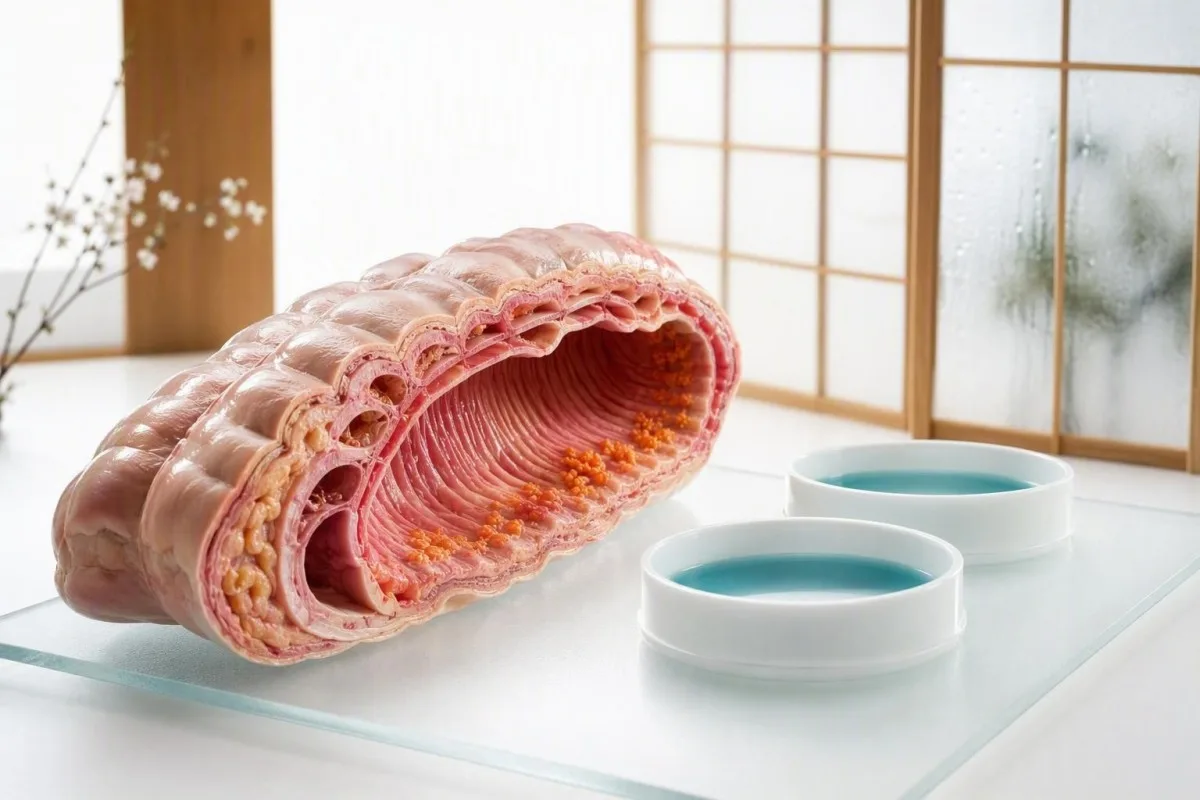
Oba testa otkrivaju crijevnu upalu potaknutu neutrofilima, ali kalprotektin je obično korisniji kvantitativni alat za praćenje. Pravi rezultat je onaj koji mijenja sljedeću kliničku odluku – a ne onaj koji vas etiketira kao IBD.


- Kalprotektin ispod 150 µg/g općenito je umirujući kod odraslih osoba sa sumnjom na IBS kada nema alarmantnih znakova.
- Laktoferin je neutrofilni protein; mnogi kvantitativni testovi koriste manje od 7.25 µg/g kao negativno, ali laboratorijske granične vrijednosti variraju.
- Visoki markeri u stolici ukazuju na crijevnu upalu, a ne na specifičnu dijagnozu; infekcija, NSAIL, divertikulitis i kolorektalna neoplazija mogu povisiti oba.
- Granični kalprotektin od 50–150 µg/g često zaslužuje ponovno uzimanje uzorka nakon 2–6 tjedana umjesto neposredne kolonoskopije.
- Kalprotektin iznad 250 µg/g povećava zabrinutost za aktivnu upalu sluznice i obično potiče klinički pregled, testiranje stolice na infekcije ili planiranje endoskopije.
- Normalni rezultati čine aktivnu kolitis IBD manje vjerovatnom, ali ne mogu pouzdano isključiti izoliranu Crohnovu bolest tankog crijeva.
- Praćenje IBD-a koristi simptome plus biomarkere, CRP, markere anemije, snimanje i endoskopiju; nijedan marker stolice samostalno ne dijagnosticira upalu.
- Hitni simptomi kao što su crna stolica, trajna vidljiva krv, vrućica, jaka bol, nesvjestica ili dehidracija zahtijevaju medicinsku procjenu bez obzira na rezultat markera.
Koji test stolice biste trebali odabrati prvi?
Fekalni kalprotektin je obično marker upale stolice prvog izbora jer je široko dostupan, kvantitativan i ima najjaču ulogu u odvajanju vjerovatne upalne bolesti crijeva od funkcionalnih crijevnih simptoma. Test fekalnog laktoferina rezultati su razumna alternativa kada je to lokalno validiran test, ali naručivanje oba na početku rijetko mijenja tretman.
Kod osobe sa 6 sedmica vodenastih stolica, grčeva i bez gubitka težine ili rektalnog krvarenja, obično bih počeo sa kalprotektinom plus ciljanim testiranjem na infekcije umjesto kolonoskopije. Rezultat ispod 50 µg/g čini značajnu upalu debelog crijeva manje vjerovatnom, dok jasno povišen rezultat daje razlog za daljnje istraživanje. Smjernice AGA za hroničnu vodenastu dijareju podržavaju kalprotektin ili laktiferin kao skrining testove za upalne bolesti (Smalley et al., 2019).
Odaberite laktiferin kada ga vaša gastroenterološka služba dosljedno koristi, kada laboratorija izvještava o validiranoj kvantitativnoj vrijednosti, ili kada je uključen u rad na dijareji uzrokovanoj infekcijom. Nemojte ga birati jer zvuči specifičnije: oba proteina se oslobađaju kada neutrofili uđu u lumenu crijeva. Praktično pitanje je da li vaš ljekar može uporediti rezultat sa vašim prethodnim uzorcima koristeći isti test.
Kantesti je AI analizator krvi koji stavlja povezane rezultate kao što su hemoglobin, CRP, albumin i indeksi željeza uz izvještaj o markeru stolice; ne zamjenjuje test stolice ili dijagnozu ljekara. Ako se umor javlja uz dijareju, test krvi na dijareju može pomoći u identifikaciji dehidracije, anemije ili gubitka elektrolita koji mijenjaju hitnost.
Korisno pravilo
Koristite jedan validirani marker prvi put, ponovite isti marker kada je rezultat graničan ili kada pratite liječenje, a dvostruko testiranje rezervišite za specifično gastroenterološko pitanje. Promjena testa usred praćenja stvara prividne trendove koji mogu biti laboratorijska greška, a ne biologija.
Što zapravo otkriva fekalni kalprotektin
Kalprotektin mjeri protein koji veže kalcij i cink, a koji se pretežno oslobađa iz neutrofila u crijevnom traktu. Viša koncentracija u stolici odražava migraciju neutrofila u crijevo, što je uobičajeno kod aktivne IBD, ali se javlja i kod nekoliko stanja koja nisu IBD.
Kalprotektin je kompleks proteina S100A8/S100A9 i ostaje relativno stabilan u stolici nekoliko dana na sobnoj temperaturi – jedan je od razloga zašto dobro funkcionira kao test za kućno prikupljanje. Njegova biološka snaga je lokalitet: za razliku od CRP-a, odražava ćelijsku aktivnost u lumenu crijeva, a ne sistemski odgovor akutne faze. Normalan CRP stoga ne poništava visok rezultat kalprotektina.
U praksi odraslih, laboratorije obično klasifikuju manje od 50 µg/g kao normalno i više od 150–250 µg/g kao sve kompatibilnije s aktivnom upalom crijeva. Ovo su pragovi odluke, a ne univerzalne biološke granice. Neke evropske službe koriste 100 µg/g kao prag za upućivanje, dok referentni intervali za pedijatriju i specifične testove mogu značajno varirati.
Vidio sam 28-godišnjaka sa kalprotektinom od 680 µg/g, normalnim CRP-om i na kraju ulceroznim kolitisom ograničenim na rektum i sigmoidno crijevo. Taj obrazac nije neuobičajen: lokalna upala sluznice može biti aktivna bez jakog sistemskog signala. Naše Vodič za referentne vrijednosti fekalnog kalprotektina objašnjava zašto vlastite metode i jedinice laboratorije treba priložiti uz svaki rezultat.
Što fekalni laktoferin otkriva drugačije
Laktoferin otkriva drugi protein izveden iz neutrofila i odgovara na gotovo isto biološko pitanje kao kalprotektin: postoji li aktivna crevna neutrofilna upala? Sam po sebi ne identificira ulcerozni kolitis, Crohn-ovu bolest, bakterijski kolitis ili drugi uzrok.
Laktoferin je glikoprotein koji veže željezo, uskladišten u sekundarnim granulama neutrofila i oslobođen tokom aktivacije. Pozitivan kvalitativni test fekalnog laktoferina je koristan jer isključuje nekomplikovani IBS u odgovarajućem kliničkom okruženju. Kvantitativne analize variraju: jedna često korištena metoda definira negativnu vrijednost kao manje od 7.25 µg/g, stoga nikada nemojte primjenjivati prag kalprotektina na nalaz laktoferina.
Dokazi ne pokazuju da je laktoferin kategorički superiorniji. U dijagnostičkoj meta-analizi, Wang i kolege su otkrili da je fekalni laktoferin imao objedinjenu senzitivnost od 82% i specifičnost od 71% za razlikovanje IBD od kontrolnih grupa bez IBD-a, iako se procjene tačnosti mijenjaju sa prevalencijom bolesti i dizajnom studije (Wang et al., 2015). Ta impresivna specifičnost još uvijek ne pretvara pozitivan rezultat u dijagnozu IBD-a.
Pozitivan nalaz laktoferina je posebno vrijedan rasprave kada je proljev naglo započeo nakon putovanja, upotrebe antibiotika, izlaganja kontaminiranoj hrani ili kontakta sa bolesnom osobom. U tim situacijama, kliničari obično dodaju testiranje na patogene umjesto da odmah pređu na dijagnozu IBD-a. Naš vodič za rezultatima kulture stolice objašnjava šta negativan nalaz ili nalaz mješovitog rasta može, a šta ne može riješiti.
Kako čitati granične vrijednosti bez pretjerane reakcije
Vrijednost kalprotektina ispod 50 µg/g je obično normalna za odrasle, 50–150 µg/g je često neodređena zona, a vrijednosti iznad 250 µg/g ukazuju na zabrinutost zbog aktivne upale. Laktoferin koristi pragove specifične za analizu, obično kvalitativno pozitivan ili kvantitativni prag blizu 7.25 µg/g.
Prag od 50 µg/g za kalprotektin dizajniran je za senzitivnost: obuhvata većinu klinički značajnih upalnih bolesti po cijenu nekih lažno pozitivnih rezultata. Prag od 250 µg/g je korisniji za specifičnost i za praćenje utvrđenog IBD-a. Između njih leži frustrirajuća sredina, gdje izloženost lijekovima, nedavna gastroenteritis, dob i putanja utječu više od jednog broja.
Promjena sa 72 na 94 µg/g je često manje značajna od promjene sa 85 na 430 µg/g, posebno ako su oba uzorka testirana u istom laboratoriju. Konzistencija stolice može utjecati na ekstrakciju, a biološka varijacija je stvarna. Praktični savjet dr. Thomasa Kleina je da se prije tumačenja skromnog porasta zabilježi upotreba NSAID-a, nedavna infekcija, menstrualna kontaminacija i datum sakupljanja.
Za discipliniran pristup serijskim vrijednostima, uporedite datum uzorka sa simptomima i povezanim laboratorijskim nalazima, umjesto da svaki označeni rezultat tretirate kao napredovanje bolesti. Naš 3-10 mEq/L bez kalija; 8-16 mEq/L s kalijem objašnjava isti princip referentne promjene i analitičke varijacije u laboratorijskoj medicini.
Zašto oba markera mogu biti povišena bez IBD-a
Povišeni markeri upale u stolici javljaju se kod crijevnih infekcija, izlaganja NSAIL-ima, divertikulitisa, kolorektalnih neoplazija, mikroskopskog kolitisa i IBD-a. Rezultat potvrđuje upalni signal; sam po sebi ne otkriva uzrok, lokaciju, trajanje ili težinu.
Lijekovi koji ne pripadaju grupi steroidnih antiinflamatornih lijekova mogu povisiti fekalni kalprotektin, ponekad značajno, povećavajući propustljivost crijeva i uzrokujući male povrede sluznice. Ibuprofen, naproxen i diklofenak su bitni; ljekar može predložiti njihovo obustavljanje ako je medicinski bezbjedno prije ponavljanja testa. Nemojte prestati uzimati propisani aspirin, antikoagulanse ili lijekove protiv bolova bez prethodnog savjetovanja sa ljekarom koji ih je propisao.
Akutni bakterijski gastroenteritis može proizvesti vrijednosti kalprotektina iznad 500 µg/g i pozitivan nalaz laktorektina, zbog čega panel patogena stolice može biti informativniji od hitne kolonoskopije u prvim danima bolesti. Nasuprot tome, giardijaza može uzrokovati produženi proljev s manje izraženim povišenjem neutrofilnog markera. Vremenska linija simptoma često ima veću dijagnostičku težinu nego što pacijenti očekuju.
Kantesti je usluzi za tumačenje laboratorijskih testova AI što može ukazati na upalni obrazac kao što su nizak hemoglobin, nizak albumin, trombocitoza i povišen CRP za pregled ljekara, ali ti nalazi krvi ne dokazuju da je izvor u crijevima. Kod osoba s krvlju u stolici, FIT praćenje i tajming kolonoskopije je odvojeno pitanje od kalprotektina i ne treba ga odlagati.
Kada normalan rezultat još uvijek može promašiti bolest
Normalan kalprotektin ili laktorektin čini aktivnu upalu debelog crijeva manje vjerovatnom, ali ne može u potpunosti isključiti Crohn-ovu bolest, posebno blagu ili izoliranu bolest tankog crijeva. Normalan rezultat također ne objašnjava uporni gubitak težine, anemiju zbog nedostatka željeza, noćni proljev ili rekurentno vidljivo krvarenje.
Crohn-ova bolest tankog crijeva može izlučiti manje proteina neutrofila u uzorak stolice nego opsežna upala debelog crijeva, posebno kada su lezije proksimalne ili blage. Ovo je jedan od razloga zašto simptomi i alarmantne karakteristike nadjačavaju umirujući broj. Smjernice ECCO-ESGAR za postavljanje dijagnoze preporučuju integraciju biomarkera sa ileokolonoskopijom i kompjuteriziranom tomografijom kada je IBD klinički sumnjiv (Maaser et al., 2019).
Osoba stara 46 godina sa kalprotektinom od 38 µg/g, feritinom od 7 ng/mL i progresivnim umorom zaslužuje procjenu na gastrointestinalno krvarenje ili malapsorpciju, čak i ako je učestalost stolica normalna. Po mom iskustvu, kombinacija nedostatka željeza i neobjašnjivih simptoma je mnogo značajnija od pojedinačnog niskog markera u stolici. Pročitajte naš niski feritin i tragovi u crijevima za uobičajena sljedeća laboratorijska pitanja.
Celijakija, proljev uzrokovan žučnim kiselinama, pankreasna insuficijencija i mnogi efekti lijekova mogu uzrokovati simptome uz normalne markere upale u stolici. Normalan test je stoga raskrsnica prema nedijagnostičkim dijagnozama, a ne izjava da su simptomi psihološki ili nevažni.
Što učiniti s graničnim rezultatom kalprotektina
Granični fekalni kalprotektin od 50–150 µg/g se obično ponavlja nakon 2–6 sedmica ako su simptomi stabilni i nema alarmantnih znakova. Ponavljanje treba izvršiti istom laboratorijskom metodom i, ako je moguće, vremenski udaljeno od nedavne gastrointestinalne infekcije.
Prije ponovnog testiranja, ljekari provjeravaju NSAIL-ove, inhibitore protonske pumpe, antibiotike, akutne infekcije, naporne izdržljive vježbe i starosni rizik. Ne postoji univerzalno dogovoreni period ispiranja za svaki lijek. Pragmaticni plan je često 2 sedmice nakon što se akutna bolest smiri, pod uslovom da simptomi ne signaliziraju potrebu za ranijom njegom.
Ako se ponovljeni nalaz smanji sa 118 na 32 µg/g i simptomi se smire, invazivno testiranje se može izbjeći. Ako poraste sa 96 na 310 µg/g, smjer dodaje korisne dokaze čak i prije nego što stigne rezultat endoskopije. Zato rijetko granična vrijednost treba izazvati paniku – ili lažnu sigurnost.
Naš vodič za praćenje graničnog kalprotektina iznosi pitanja koja treba postaviti na sastanku kod primarnog ljekara ili gastroenterologa. Kratak dnevnik simptoma sa učestalošću stolica, noćnim buđenjem, groznicom i datumima uzimanja lijekova je obično korisniji nego opsesivno provjeravanje okidača hrane.
Kako kliničari koriste markere nakon što je IBD dijagnosticiran
Kod utvrđenog IBD-a, kalprotektin je najkorisniji za praćenje objektivne crijevne upale i pomaže u odlučivanju da li simptomi predstavljaju pogoršanje, infekciju, preklapanje sa IBS-om ili neuspjeh liječenja. Laktokeratin također može pratiti aktivnost, ali kalprotektin ima više smjernicama podržanih pragova za praćenje terapije usmjerene na cilj.
Simptomi i sluznična aktivnost često se razilaze. Bolesnik s ulceroznim kolitisom može se osjećati dobro dok kalprotektin raste s 80 na 360 µg/g, ili imati hitne stolice zbog malapsorpcije žučnih kiselina dok kalprotektin ostaje 28 µg/g. Smjernice iz 2023. godine AGA za biomarkere kod ulceroznog kolitisa savjetuju kombiniranje simptoma s biomarkerima, umjesto oslanjanja na samo jedno od njih (Singh et al., 2023).
Za praćenje remisije, mnogi kliničari smatraju manje od 150 µg/g umirujućim, dok više od 150 µg/g može zahtijevati ponovno testiranje, endoskopiju ili reviziju liječenja, ovisno o simptomima i prethodnom toku bolesti. Kod aktivnog simptomatskog ulceroznog kolitisa, više od 250 µg/g podržava kontinuiranu upalu. Pragovi su vodiči, a ne upute za promjenu biološkog liječenja bez stručnog mišljenja.
Kantesti AI je Platforma za tumačenje biomarkera pomoću AI koja organizira trendove krvnih pretraga oko datuma liječenja koje je prijavio pacijent; ona ne može procijeniti težinu endoskopskog nalaza stolice samo na osnovu broja. Pacijenti koji primaju biološku terapiju također bi trebali razumjeti koje krvne pretrage sigurnosti prate liječenje i koji simptomi zahtijevaju hitan kontakt sa svojim IBD timom.
Kako pogreške pri prikupljanju i vrijeme utječu na rezultate
Kvaliteta prikupljanja utječe na interpretaciju stolice jer kontaminirani, odgođeni ili slabo uzorkovani uzorak može biti odbijen ili dati manje pouzdano mjerenje. Većina laboratorija želi da se mali dio stolice stavi u isporučeni sterilni spremnik bez vode iz WC školjke ili urina.
Rastresita stolica je obično prihvatljiva za testiranje kalprotektina i laktokeratina; nemojte čekati formirani uzorak ako je proljev klinički problem. Izbjegavajte prikupljanje iz vode WC školjke i obavijestite laboratorij ako uzorak sadrži vidljivu menstrualnu krv. Upute za skladištenje se razlikuju po kompletu, ali mnogi dopuštaju kratak transport na sobnoj temperaturi jer je kalprotektin relativno stabilan.
Uzorkovanje dan nakon maratona, napada gastroenteritisa ili pripreme za kolonoskopiju crijeva može odgovoriti na pogrešno pitanje. Izdržljivostni napor može prolazno povećati propusnost crijeva i izazvati gastrointestinalne simptome. Ako ste sportaš izdržljivosti bez crvenih zastavica, razmislite o vremenu prikupljanja udaljenom od velikog događaja; naš vodiču za laboratorijske nalaze za sportiste izdržljivosti objašnjava zašto kontekst mijenja interpretaciju testa.
Stvar je u tome da savršeno prikupljanje ne čini ne-specifičan biomarker specifičnim. Visokokvalitetni uzorak povećava povjerenje u mjerenje; ne može zamijeniti kliničku anamnezu, pregled i diferencijalnu dijagnozu.
Koji krvni testovi čine test stolice korisnijim
CBC, CRP, feritin, albumin, funkcija bubrega i celijakijska serologija često dodaju više kliničke vrijednosti povišenom markeru u stolici nego naručivanje drugog proteina upale iz stolice. Zabrinjavajući obrazac nije samo jedna abnormalnost, već nekoliko rezultata koji ukazuju na upalu, malapsorpciju ili gubitak krvi.
Nizak hemoglobin, feritin ispod 15 ng/mL, albumin ispod laboratorijske referentne vrijednosti, povišeni trombociti ili povišeni CRP mogu pojačati zabrinutost zbog klinički značajne bolesti crijeva. Nijedno nije dijagnostičko za IBD. Zapravo, CRP može ostati normalan kod blagog ulceroznog kolitisa, a feritin može izgledati lažno normalan kada ga upala povisi kao protein akutne faze.
Kantesti je Alat za analizu krvnih nalaza uz pomoć AI-a koji čita CBC, studije željeza i CRP u istom kliničkom okviru, uključujući i da li bi promjenjivi nivo hemoglobina opravdao raniji pregled. Dr. Thomas Klein rutinski upozorava da je izolirani CRP od 12 mg/L nespecifičan, dok je CRP 12 mg/L plus pad albumina i kalprotektin od 740 µg/g mnogo djelotvornija skupina.
Za pacijente čije vrijednosti željeza izgledaju kontradiktorne, naš Vodič za istraživanje željeza objašnjava zasićenost transferina i feritin tokom upale. Vodič za rezultate CBC također vam može pomoći da utvrdite da li je anemija mikrocitna, upalna ili mješovita.
Kada bi naručivanje oba testa moglo biti razumno
Naručivanje kalprotektina i laktoreina zajedno obično nije neophodno, ali može biti opravdano kada specijalista usklađuje neskladne simptome, prethodni test se ne može ponoviti ili lokalni protokol zahtijeva potvrdu. Usklađeni rezultati skromno povećavaju povjerenje u upalni signal; neskladni rezultati obično pokreću pregled, a ne aritmetičko prosječenje.
Visok kalprotektin sa negativnim laktoreinom može odražavati vrijeme testiranja, rezultat blizu granične vrijednosti, heterogenost uzorka ili analitičke razlike. Nizak kalprotektin sa pozitivnim laktoreinom zaslužuje isti disciplinovani odgovor: provjerite prikupljanje uzorka, pregledajte tačan test, provjerite simptome i testirajte na infekciju kada je to prikladno. Nijedna kombinacija nema validiranu prečicu do dijagnoze.
Dvostruko testiranje također može biti korisno u istraživačkim postavkama gdje protokol unaprijed određuje oba biomarkera. To se razlikuje od rutinske njege pacijenata, gdje duplikatsko testiranje može povećati troškove bez poboljšanja odluka. Postavite jednostavno pitanje ljekaru koji je naručio test: “Šta ćemo drugačije uraditi ako je drugi test pozitivan?”
Ako izvještaj izgleda interno nedosljedan, koristite naš Vodič za kvalitativno u usporedbi s kvantitativnim testiranjem da shvatite zašto “pozitivno” i “visoko” nisu zamjenjive laboratorijske izjave. Konzistentnost metode je važnija od prikupljanja svakog dostupnog markera.
Što zapravo potvrđuje ili isključuje IBD
IBD se dijagnostikuje sintezom simptoma, ileokolonoskopijom sa uzorkovanjem tkiva, histologijom, laboratorijskim testovima, a ponekad i MRI ili CT enterografijom - ne samo kalprotektinom ili laktoreinom. Stoni markeri pomažu u odlučivanju ko treba ove pretrage i da li se upala može mijenjati tokom vremena.
Kolonoskopija omogućava direktnu procjenu terminalnog ileuma i debelog crijeva i omogućava pregled tkiva na hronične upalne karakteristike, infekciju, mikroskopski kolitis, displaziju i druge uzroke. Slikovne metode su posebno vrijedne kada Crohn-ova bolest može zahvatiti tanko crijevo izvan dosega standardne kolonoskopije. Stoni marker je signal za trijažu, a ne mikroskopska dijagnoza.
Ne brkati test fekalne imunokemije ni sa jednim upalnim markerom. FIT detektuje ljudski hemoglobin i prvenstveno se koristi u skriningu raka debelog crijeva ili u postupcima krvarenja u donjem dijelu gastrointestinalnog trakta, dok kalprotektin i laktorein detektuju proizvode neutrofila. Naša usporedba FIT i FOBT objašnjava zašto negativni upalni marker ne zamjenjuje preporučeni skrining raka.
Od 4. septembra 2026. godine, nijedan značajan gastroenterološki vodič ne preporučuje dijagnosticiranje Crohn-ove bolesti ili ulceroznog kolitisa na osnovu jednog praga stolice. Ta uzdržanost štiti pacijente od propuštene bolesti i nepotrebnih doživotnih dijagnostičkih oznaka.
Simptomi koji nadmašuju bilo koji rezultat testa stolice
Trajno vidljivo rektalno krvarenje, crna stolica nalik katranu, jaki bolovi u trbuhu, groznica, nesvjestica, dehidracija, brzo pogoršanje slabosti ili nenamjerni gubitak težine zahtijevaju hitnu medicinsku procjenu bez obzira na kalprotektin ili laktorein. Normalan rezultat nikada ne treba koristiti za čekanje potencijalno hitnog obrasca simptoma.
Hitna briga se odnosi na fiziologiju, a ne na oznaku na laboratorijskom izvještaju. Česta vodenasta dijareja može uzrokovati nizak nivo kalijuma, akutno oštećenje bubrega i ortostatske simptome prije nego što se dobije rezultat upalnog markera. Odrasli koji ne mogu zadržati tečnost, imaju konfuziju, nesvjesticu ili minimalan izlaz urina, trebaju hitno potražiti medicinsku pomoć.
Novi crevni simptomi nakon 50. godine života, jaka porodična istorija raka debelog crijeva i anemija zbog nedostatka željeza mijenjaju prag za procjenu debelog crijeva, čak i kada je kalprotektin nizak. Stoni marker ne procjenjuje sveobuhvatno rizik od raka. Naša sluz u stolici - vodič za crvene zastavice razlikuje uobičajene benigne obrasce od simptoma koji zahtijevaju pregled.
Djeca, trudnice, starije osobe i osobe koje uzimaju lijekove za supresiju imunološkog sistema zahtijevaju individualizirani trijaž jer se njihovi osnovni rizici razlikuju. Ako niste sigurni da li su simptomi hitni, kontaktiranje lokalnog ljekara ili službe hitne pomoći je sigurnije nego pokušaj tumačenja broja izolovano.
Praktičan razgovor koji treba obaviti nakon vašeg rezultata
Najkorisnije prateće pitanje je: “Da li ovaj rezultat mijenja moju potrebu za testiranjem na infekciju, ponovljenim testiranjem, snimanjem ili endoskopijom?” Donošenje tačne vrijednosti, naziva analize, vremenske linije simptoma, lijekova i prethodnih rezultata čini taj razgovor bržim i klinički preciznijim.
Ponesite spisak iz prethodnih 14 dana: učestalost stolice, simptomi tokom noći, groznica, promjena tjelesne težine, putovanja, antibiotici, NSAIL i porodična anamneza. Kalprotektin od 180 µg/g nakon 3-dnevne febrilne dijareje zahtijeva drugačiji plan nego isti rezultat nakon 4 mjeseca noćne dijareje i gubitka težine.
Kantesti AI vam može pomoći da organizirate prateće krvne nalaze prije zakazanog pregleda, ali odluke o dijagnozi i liječenju pripadaju ljekaru koji vas može pregledati i organizirati konačno testiranje. Naši pristup medicinskoj validaciji objašnjava kako su klinički nadzor i provjera izvora ugrađeni u odgovarajuću laboratorijsku interpretaciju.
Za složene slučajeve, pitajte ko će biti odgovoran za praćenje i kada možete očekivati ponovni rezultat ili odluku o upućivanju. Ljekari u našem Medicinski savjetodavni odbor naglašavaju da dokumentovani plan nadmašuje nejasno uputstvo da se “ponovo provjeri kasnije”, posebno kada se markeri upale i anemija kreću u istom smjeru.
Ključni zaključak usmjeren na odluku
Odaberite kalprotektin prvo u većini situacija, koristite laktiferin kada je to potvrđena alternativa vaše službe, i nemojte pretpostavljati da bilo koji rezultat dijagnostikuje IBD. Nizak rezultat skreće pažnju na funkcionalne i neupalne uzroke, dok uporno visok rezultat identifikuje osobe kojima je možda potrebno testiranje na infekciju, specijalistički pregled ili endoskopija.
Za nekomplikovanu hroničnu dijareju, jedan normalan marker—kalprotektin ispod 50 µg/g ili negativan laktiferin prema toj laboratoriji—može smanjiti vjerovatnoću aktivne upalne bolesti. Za vrijednost iznad 250 µg/g ili pozitivan laktiferin sa upornim simptomima, sljedeće pitanje je uzrok, a ne sigurnost. Infekcija, izloženost lijekovima, IBD i druga upalna stanja ostaju na listi.
Većina pacijenata najteže podnosi nejasnoću u zoni kalprotektina od 50–150 µg/g. Po mom iskustvu, najbolji sljedeći korak je obično pažljivo vremenski određen ponovni pregled, a ne dijetalno čišćenje, samostalna upotreba steroida ili internetska dijagnoza. Sačuvajte istu laboratoriju gdje je to moguće kako bi trend bio interpretibilan.
Kantesti-ove Vodič kroz AI tehnologiju opisuje kako naši sistemi čuvaju laboratorijski kontekst ističući pitanja za medicinski pregled. Bezbedna upotreba bilo koje AI interpretacije je ista ovde: koristite je za pripremu za bolji klinički razgovor, nikada za prevazilaženje crvenih zastavica ili zamenu dijagnostičke nege.
Često postavljana pitanja
Je li kalprotektin bolji od laktoferina u otkrivanju IBD?
Kalprotektin se obično preferira za sumnju na IBD jer je široko dostupan kao kvantitativni test i ima uobičajene pragove za praćenje, kao što su manje od 50 µg/g i više od 250 µg/g. Laktoferin je također koristan marker iz stolice dobiven iz neutrofila i može dobro funkcionirati kada laboratorij koristi validiranu analizu. Nijedan marker ne potvrđuje IBD, jer infekcije, NSAID lijekovi, divertikulitis i druga crijevna stanja mogu povisiti oba. Bolji test je obično onaj koji vaš ljekar može protumačiti zajedno sa simptomima i ponoviti koristeći istu laboratorijsku metodu.
Kakav nivo kalprotektina je zabrinjavajući?
Nivo fekalnog kalprotektina ispod 50 µg/g je generalno umirujući za odrasle osobe bez alarmantnih simptoma, dok se 50–150 µg/g često smatra graničnim i može se ponoviti nakon 2–6 sedmica. Vrijednosti iznad 150–250 µg/g više zabrinjavaju zbog crijevne upale, a nivoi iznad 250 µg/g često podstiču klinički pregled ili dalja ispitivanja. Tačno djelovanje zavisi od testa, simptoma, starosti, upotrebe NSAIL-a i da li vrijednost raste. Vrijednost od 600 µg/g nakon akutne bakterijske dijareje može imati drugačije značenje od 600 µg/g tokom nekoliko mjeseci hroničnih simptoma.
Može li IBS uzrokovati povišen kalprotektin ili laktiferin?
Neukomplikovani IBS obično ne uzrokuje povišenu fekalnu kalprotektin ili laktiferin jer IBS ne izaziva crevnu upalu pokrenutu neutrofilima. Blago povišenje kalprotektina između 50 i 150 µg/g može nastati usled nedavne infekcije, upotrebe NSAIL, faktora povezanih sa starenjem ili varijacije testa, tako da oni automatski ne isključuju IBS. Pozitivan nalaz laktiferina ili kalprotektina iznad 250 µg/g bi trebalo da podstakne procenu inflamatornog ili infektivnog uzroka, umesto da se pretpostavlja IBS. IBS i IBD mogu postojati istovremeno, što je još jedan razlog zbog kojeg simptomi i trendovi imaju značaj.
Može li normalan kalprotektin isključiti Crohn's bolest?
Normalan nalaz kalprotektina smanjuje vjerovatnoću aktivne IBD crijeva, ali ne može u potpunosti isključiti Crohnovu bolest, posebno blagu ili izoliranu Crohnovu bolest tankog crijeva. Vrijednost ispod 50 µg/g ne bi trebala nadjačati alarmantne znakove kao što su anemija zbog nedostatka željeza, gubitak težine, noćni proljev, uporno krvarenje ili jaka porodična anamneza. Kliničari mogu koristiti ileokolonoskopiju, MR enterografiju ili kapsulnu endoskopiju kada klinička sumnja ostaje visoka. Rezultat je najbolje tretirati kao jedan dokaz koji prilagođava vjerovatnoću, a ne kao konačni test isključenja.
Trebam li ponoviti granični nalaz kalprotektina?
Granični rezultat kalprotektina od 50–150 µg/g se često ponavlja nakon 2–6 sedmica kada su simptomi stabilni i nema alarmantnih znakova. Prije ponavljanja, kliničari obično provjeravaju nedavni gastroenteritis, upotrebu NSAIL-ova, antibiotike i uslove prikupljanja, jer svaki od njih može utjecati na vrijednost. Koristite istu laboratorijsku analizu ako je moguće, jer rezultati iz različitih metoda možda nisu direktno uporedivi. Rast rezultata prema ili iznad 250 µg/g općenito nosi veću kliničku težinu od stabilne blage elevacije.
Mogu li antibiotici utjecati na fekalni kalprotektin i laktoreferin?
Antibiotici mogu neizravno utjecati na markere upale stolice liječenjem, poticanjem ili podudaranjem s infektivnim proljevom te promjenom crijevnog mikrobioma. Osobu s proljevom povezanim s antibioticima treba procijeniti na uzroke poput Clostridioides difficile, umjesto tumačiti povišeni kalprotektin ili pozitivnu laktiferin kao IBD. Ne postoji pouzdan univerzalni broj dana čekanja nakon antibiotika prije testiranja; vrijeme ovisi o simptomima i kliničkom pitanju. Uporni proljev, vrućica ili bolovi u trbuhu nakon antibiotika zahtijevaju testiranje pod vodstvom kliničara, a ne samoliječenje.
Nabavite analizu krvne slike uz AI već danas
Pridružite se više od 2 miliona korisnika širom svijeta koji vjeruju Kantesti-u za trenutnu i tačnu analizu laboratorijskih testova. Otpremite svoje rezultate krvne slike i dobijte sveobuhvatno tumačenje 15,000+ biomarkera za nekoliko sekundi.
📚 Referisane naučne publikacije
Klein, T., Mitchell, S., & Weber, H. (2026). Kantesti LTD. (2026). Urobilinogen u testu urina: Potpuni vodič za urinalizu 2026. Zenodo.. Kantesti AI Medical Research.
Klein, T., Mitchell, S., & Weber, H. (2026). Kantesti LTD. (2026). Vodič za studije željeza: TIBC, zasićenost željezom i kapacitet vezivanja. Zenodo.. Kantesti AI Medical Research.
📖 Eksterne medicinske reference
Singh S et al. (2023). AGA Klinička praktična smjernica o ulozi biomarkera za liječenje ulceroznog kolitisa. Gastroenterology.
⚕️ Medicinska izjava o odricanju odgovornosti
Ovaj članak je samo u edukativne svrhe i ne predstavlja medicinski savjet. Za odluke o dijagnozi i liječenju uvijek se posavjetujte s kvalifikovanim zdravstvenim radnikom.
E-E-A-T signal(i) povjerenja
Iskustvo
Klinička revizija radnih tokova tumačenja laboratorijskih nalaza koju vodi ljekar.
Stručnost
Fokus laboratorijske medicine na to kako se biomarkeri ponašaju u kliničkom kontekstu.
Autoritativnost
Napisao dr. Thomas Klein, uz recenziju dr. Sarah Mitchell i prof. dr. Hans Weber.
Pouzdanost
Tumačenje zasnovano na dokazima, s jasnim sljedećim koracima kako bi se smanjila uzbuna.