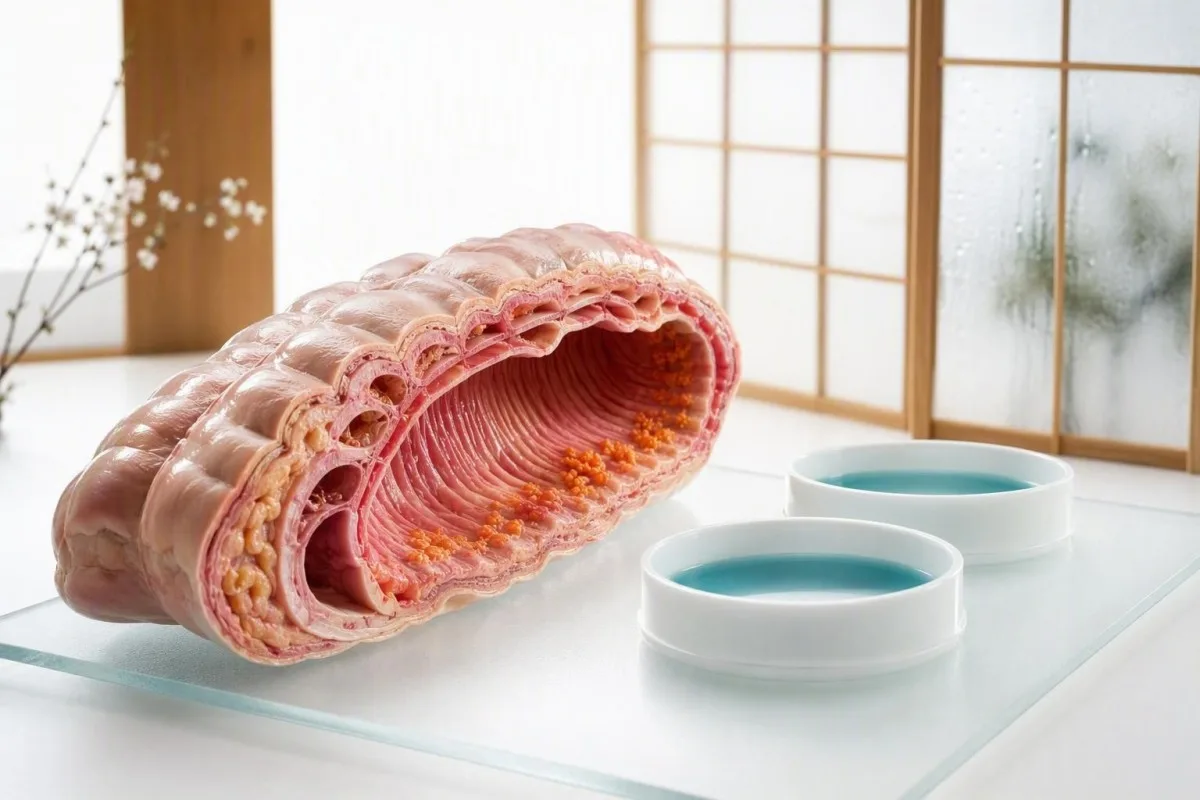
Ikkala test ham neytrofillar keltirib chiqaradigan ichak yallig'lanishini aniqlaydi, ammo kalprotektin odatda miqdoriy monitoring uchun ko'proq foydali vositadir. To'g'ri natija - bu keyingi klinik qarorga ta'sir qiladigan natija, IBD bilan sizni belgilaydigan natija emas.


- Kalprotektin kattalarda IBS shubhalanganida, hech qanday xavfli belgilar bo'lmaganida, odatda 50 mkg/g dan past bo'lishi umid beradi.
- Laktiferin neytrofil oqsili; ko'plab miqdoriy tahlillar 7,25 mkg/g dan kamroqni manfiy deb hisoblaydi, ammo laboratoriya chegaralari farq qiladi.
- Yuqori najas markerlari ichak yallig'lanishini bildiradi, ma'lum bir tashxisni emas; infektsiya, NSAIDlar, divertikulit va kolorektal neoplaziya ikkalasini ham ko'tarishi mumkin.
- Borderline calprotectin 50–150 mkg/g ko'pincha darhol kolonoskopiya o'rniga 2–6 hafta o'tgach takroriy namuna olishni talab qiladi.
- 250 mkg/g dan yuqori kalprotektin faol shilliq qavat yallig'lanishidan xavotirni oshiradi va odatda klinik ko'rik, najas infektsiyasini tekshirish yoki endoskopiya rejalashtirishni taqozo qiladi.
- Normal natijalar Faol ichak yallig'lanish kasalligini (IBD) ehtimolini kamaytiradi, ammo izolyatsiyalangan ingichka ichak Crohn kasalligini ishonchli ravishda istisno qila olmaydi.
- IBDni monitoring qilish simptomlar va biomarkerlar, CRP, kamqonlik belgilari, tasviriy diagnostika va endoskopiyani o'z ichiga oladi; hech bir najas markeri mustaqil ravishda faollashuvni tashxislashga yordam bermaydi.
- Shoshilinch belgilar qora najas, doimiy ko'rinadigan qon, isitma, kuchli og'riq, hushdan ketish yoki suvsizlanish kabi alomatlar marker natijasidan qat'i nazar tibbiy baholashni talab qiladi.
Qaysi najas markerini birinchi bo'lib tanlaysiz?
Axlat kalprotektini odatda birinchi tanlov najas yallig'lanish markeri hisoblanadi chunki u keng tarqalgan, miqdoriy va yallig'lanish ichak kasalligini funktsional ichak simptomlaridan ajratishda eng kuchli ahamiyatga ega. Najasda laktoferrin testi natijalar, agar bu mahalliy tasdiqlangan tahlil bo'lsa, oqilona alternativ hisoblanadi, ammo dastlab ikkalasini ham buyurtma qilish kamdan-kam hollarda davolashni o'zgartiradi.
6 hafta davom etgan ichakning bo'shashishi, qorinning tortishishi va vazn yo'qotmaslik yoki to'g'ri ichakdan qon ketmasligi bo'lgan shaxs uchun, men odatda kolonoskopiya o'rniga kalprotektin va maqsadli infeksiya tekshiruvidan boshlayman. 50 µg/g dan past natija sezilarli ichak yallig'lanishini kamroq ehtimol qiladi, aniq ko'tarilgan natija esa yanada chuqurroq tekshirish uchun sabab bo'ladi. Surunkali suvli ichak buzilishi uchun AGA qo'llanmasi yallig'lanish holatlarini (Smalley va boshqalar, 2019) skrining qilish uchun kalprotektin yoki laktoferrinni qo'llab-quvvatlaydi.
Gastroenterologiya xizmatingiz doimiy ravishda undan foydalansa, laboratoriya tasdiqlangan miqdoriy qiymatni hisoblasa yoki u yuqumli ichak kasalliklarini tekshirish bilan birga kelsa, laktoferrinni tanlang. U yanada aniqroq eshitilgani uchun uni tanlamang: neytrofillar ichak bo'shlig'iga kirganda ikkala oqsil ham ajralib chiqadi. Amaliy muammo shundaki, sizning shifokoringiz natijani avvalgi namunalaringiz bilan bir xil tahlil yordamida solishtira oladimi.
Kantesti - bu AI qon testi analizatori gemoglobin, CRP, albumin va temir indekslari kabi tegishli natijalarni najas markeri hisoboti bilan bir qatorda joylashtiradi; u najas tahlilini yoki shifokorning tashxisini almashtirmaydi. Agar charchoq ichakning buzilishi bilan birga kelsa, unda diareya uchun qon testi suvsizlanish, kamqonlik yoki elektrolit yo'qotilishini aniqlashga yordam beradi, bu esa shoshilinchlikni o'zgartiradi.
foydali umumiy qoida
Birinchi navbatda bitta tasdiqlangan markerdan foydalaning, chegara holatda yoki davolashni monitoring qilishda bir xil markerni takrorlang va faqat gastroenterologiya savoli uchun ikkita testni zaxiralang. Kuzatuv davomida tahlilni o'zgartirish laboratoriya shovqiniga o'xshash ko'rinadigan tendentsiyalarni yaratishi mumkin, biologiyaga emas.
Najas kalprotektini aslida nima aniqlaydi
Kalprotektin ichak yo'llaridagi neytrofillardan ko'proq ajralib chiqadigan kaltsiy va sink bog'lovchi oqsilni o'lchaydi. Najosatdagi yuqori konsentratsiya ichakka neytrofillarning ko'chishini aks ettiradi, bu faol IBDda keng tarqalgan, ammo IBDga tegishli bo'lmagan bir nechta holatlarda ham uchraydi.
Kalprotektin S100A8/S100A9 oqsil kompleksi bo'lib, u bir necha kun davomida xona haroratida najosatda nisbatan barqaror qoladi - bu uning uyda to'plash testi sifatida yaxshi ishlashining bir sababidir. Uning biologik kuchi mahalliy bo'lishidir: CRPdan farqli o'laroq, u butun tanadagi o'tkir faza reaksiyasidan ko'ra ichak bo'shlig'idagi hujayra faoliyatini aks ettiradi. Shuning uchun normal CRP yuqori kalprotektin natijasini bekor qilmaydi.
Kattalar amaliyotida laboratoriyalar odatda tasniflaydi 50 µg/g dan kam normal deb va 150–250 µg/g dan ko'p faol ichak yallig'lanishi bilan tobora ko'proq mos keladi. Bular qaror chegaralari, universal biologik chegaralar emas. Ba'zi Yevropa xizmatlari 100 µg/g ni murojaat chegarasi sifatida ishlatadi, bolalar va tahlilga xos bo'lgan ma'lumotnomalar intervali sezilarli darajada farq qilishi mumkin.
Men 28 yoshli bemorni ko'rdim, uning kalprotektini 680 µg/g, CRP normal va oxir-oqibatda faqat to'g'ri ichak va sigmoid kolon bilan cheklangan yarali kolit aniqlandi. Bunday holat g'ayrioddiy emas: mahalliy shilliq qavat yallig'lanishi kuchli tizimli signal bo'lmagan holda faol bo'lishi mumkin. Bizning axlat kalprotektini diapazoniga oid qo'llanma laboratoriyaning o'ziga xos usuli va birliklari har bir natijaga ilova qilinishining sababini tushuntiradi.
Najas laktiferini qanday farqli aniqlaydi
Leykofersin neytrofillardan kelib chiqqan boshqa oqsillarni aniqlaydi va kalprotektin bilan deyarli bir xil biologik savolga javob beradi: ichakdagi faol neytrofil yallig'lanishi bormi? O'z navbatida, bu yara kolit, Kron kasalligi, bakterial kolit yoki boshqa sabablarni aniqlamaydi.
Leykofersin - bu neytrofil ikkilamchi granulalarida saqlanadigan va faollashuv paytida ajralib chiqadigan temirga bog'lanuvchi glikoprotein. Sifatli ichak leykoferitsin sinovi foydali, chunki u to'g'ri klinik sharoitda murakkab bo'lmagan IBS ga qarshi dalil bo'lib xizmat qiladi. Miqdoriy tahlillar farq qiladi: keng tarqalgan usullardan biri salbiy qiymatni quyidagicha belgilaydi 7.25 mkg/g dan kam, shuning uchun kalprotektin chegarasini leykoferitsin hisobotiga hech qachon qo'llamang.
Mavjud dalillar leykoferitsin kategorik jihatdan ustun ekanligini ko'rsatmaydi. Diagnostik meta-tahlilda Vang va hamkasblari ichak yallig'lanishi kasalliklari (IBD) va IBD bo'lmagan nazorat guruhlarini ajratishda ichak leykoferitsini umumiy sezgirligi 82 foiz va o'ziga xosligi 14 foiz ekanligini aniqladilar, ammo aniqlik baholashlari kasallik tarqalishi va tadqiqot dizayni bilan o'zgaradi (Vang va boshqalar, 2015). Ushbu ta'sirchan o'ziga xoslik hali ham IBD tashxisini tasdiqlash uchun ijobiy natijani bermaydi.
Leykoferitsin natijasining ijobiy bo'lishi, ayniqsa, diareya sayohatdan, antibiotiklardan, ifloslangan ovqatdan yoki bemor bilan aloqada bo'lgandan keyin to'satdan boshlanganida muhokama qilishga arziydi. Bunday holatlarda, shifokorlar odatda IBD yorlig'iga to'g'ridan-to'g'ri o'tish o'rniga patogenlarni aniqlashni qo'shadilar. Bizning qo'llanmamiz najas ekilishi natijalari salbiy yoki aralash o'sish hisoboti nimalarni tasdiqlashi va tasdiqlamasligi mumkinligini tushuntiradi.
Chegaralarni ortiqcha reaksiya qilmasdan qanday o'qish kerak
50 mkg/g dan past kalprotektin qiymati kattalar uchun odatda normal hisoblanadi, 50–150 mkg/g ko'pincha aniqlanmagan zona hisoblanadi va 250 mkg/g dan yuqori qiymatlar faol yallig'lanishdan xavotir tug'diradi. Leykoferitsin tahlilga bog'liq chegaralardan foydalanadi, ko'pincha sifatli ijobiy yoki 7.25 mkg/g ga yaqin miqdoriy chegaradan foydalanadi.
50 mkg/g kalprotektin chegarasi sezgirlik uchun mo'ljallangan: u ba'zi bir noto'g'ri ijobiy natijalar hisobiga aksariyat klinik ahamiyatli yallig'lanish kasalliklarini qoplaydi. 250 mkg/g chegarasi o'ziga xoslik va aniqlangan IBDni monitoring qilish uchun ko'proq foydalidir. Ularning orasida qiyin o'rtachilik bor, bu yerda dori-darmonlarni qabul qilish, yaqinda bo'lgan gastroenterit, yosh va rivojlanish bir raqamdan ko'ra muhimroqdir.
72 dan 94 mkg/g gacha bo'lgan o'zgarish ko'pincha 85 dan 430 mkg/g gacha bo'lgan o'zgarishdan kamroq ahamiyatga ega, ayniqsa ikkala namuna ham bir xil laboratoriya tomonidan tekshirilgan bo'lsa. Axlatning qattiqligi ekstraksiyaga ta'sir qilishi mumkin va biologik o'zgarishlar haqiqatdir. Doktor Tomas Klaynning amaliy maslahati NSAIDlarni qo'llash, yaqinda bo'lgan infektsiya, hayz ko'rish bilan ifloslanish va yig'ish sanasini kichik ko'tarilishni talqin qilishdan oldin qayd etishdir.
Ketma-ket qiymatlarga intizomli yondashuv uchun, har bir belgilangan natijani kasallikning rivojlanishi deb hisoblash o'rniga namuna sanasini alomatlar va tegishli laboratoriya natijalari bilan solishtiring. Bizning qon tahlili trendi bo‘yicha qo‘llanma laboratoriya tibbiyotida o'zgarish va analitik o'zgarishning bir xil tamoyilini tushuntiradi.
Nima uchun ikkala marker ham IBD bo'lmasdan yuqori bo'lishi mumkin
Ichak infeksiyalari, NSAID taʼsiriga uchraganlik, divertikulit, kolorektal neoplaziya, mikroskopik kolit va IBDda najasning yalligʻlanish markerlari koʻtariladi. Natija yalligʻlanish signalini tasdiqlaydi; u yolgʻiz oʻzi sababini, joyini, davomiyligini yoki ogʻirligini aniqlamaydi.
Steroid boʻlmagan yalligʻlanishga qarshi dorilar (NSAIDlar) ichak oʻtkazuvchanligini oshirish va shilliq qavatning kichik shikastlanishiga olib kelish orqali najas kalprotektini koʻpaytirishi mumkin, baʼzan sezilarli darajada. Ibuprofen, naproksen va diklofenak ahamiyatli; shifokor ularni tibbiy jihatdan xavfsiz boʻlsa, testni takrorlashdan oldin toʻxtatishni tavsiya qilishi mumkin. Buyurilgan aspirin, antikoagulyantlar yoki ogʻriq qoldiruvchi vositalarni shifokor bilan maslahatlashmasdan toʻxtatmang.
Oʻtkir bakterial gastroenterit 500 mkg/g dan yuqori kalprotektin qiymatlarini va laktoferrinni musbat boʻlishini keltirib chiqarishi mumkin, shu sababli najas patogen paneli kasallikning birinchi kunlarida shoshilinch kolonoskopiyadan koʻra koʻproq maʼlumot berishi mumkin. Boshqa tomondan, lyamblioz kamroq aniq neytrofil markerining koʻtarilishi bilan uzoq davom etadigan diareyaga olib kelishi mumkin. Belgilanishlar vaqt jadvali koʻpincha bemorlar kutganidan koʻra koʻproq diagnostik ahamiyatga ega.
Kantesti - bu AI lab test interpretatsiya xizmati gemoglobinning pastligi, albuminning pastligi, trombotsitoz va koʻtarilgan CRP kabi yalligʻlanish patternini aniqlashi mumkin boʻlgan, ammo bu qon topilmalari uning manbasining ichak ekanligini isbotlamaydi. Najasida qoni boʻlgan odamlar uchun, FIT kuzatuvi va kolonoskopiya vaqti kalprotektindan alohida masala va uni kechiktirmaslik kerak.
Oddiy natija qanday qilib hali ham kasallikni o'tkazib yuborishi mumkin
Normal kalprotektin yoki laktoferrin faol kolit yalligʻlanishini kamroq ehtimol qoldiradi, ammo u Crohn kasalligini, ayniqsa engil yoki alohida ingichka ichak kasalligini toʻliq istisno qila olmaydi. Normal natija shuningdek, doimiy vazn yoʻqotish, temir tanqisligi anemiyasi, tungi diareya yoki takroriy koʻzga koʻringan qon ketishini ham tushuntirmaydi.
Ingichka ichak Crohn kasalligi keng tarqalgan kolitga qaraganda kamroq neytrofil oqsilini najas namunalariga chiqarishi mumkin, ayniqsa lezyonlar proksimal yoki engil boʻlsa. Buning sababi belgilar va xavf omillari tasdiqlovchi raqamni ustun qoʻyadi. ECCO-ESGAR diagnostika qoʻllanmasi IBD klinik jihatdan gumon qilingan hollarda biomarkerlarni ileokolonoskopiya va kesma tasvir bilan integratsiya qilishni tavsiya qiladi (Maaser et al., 2019).
Kalprotektini 38 mkg/g, ferritini 7 ng/mL va progressiv charchoqligi boʻlgan 46 yoshli bemor oshqozon-ichak qon ketishi yoki malabsorbsiya uchun baholashga loyiqdir, hatto ichak chastotasi normal boʻlsa ham. Mening tajribamda, temir tanqisligi va tushunarsiz belgilarning kombinatsiyasi bitta past najas markeridan koʻra koʻproq ahamiyatli. Biznikini oʻqing past ferritin va ichak belgilari odatiy keyingi laboratoriya savollari uchun.
Seliakiy kasalligi, oʻt kislotasi diareyasi, oshqozon osti bezi yetishmovchiligi va koʻplab dorilarning taʼsiri normal najas yalligʻlanish markerlari bilan belgilarni keltirib chiqarishi mumkin. Shu sababli, normal test yalligʻlanish boʻlmagan tashxislarga yoʻl ochadi, belgilarning ruhiy yoki ahamiyatsiz ekanligini bildirmaydi.
Chegaradagi kalprotektin natijasi bilan nima qilish kerak
50–150 mkg/g oraligʻidagi chegaraviy najas kalprotektini natijasi odatda 2–6 hafta oʻtgach, belgilar barqaror boʻlsa va xavf omillari boʻlmasa, takrorlanadi. Takrorlash imkon qadar yaqinda boʻlgan oshqozon-ichak infeksiyasidan uzoqda amalga oshirilishi va bir xil laboratoriya usulidan foydalanishi kerak.
Qayta tekshiruvdan oldin, shifokorlar NSAIDlar, proton nasos inhibitorlari, antibiotiklar, oʻtkir infeksiyalar, zoʻriqqan chidamlilik mashqlari va yoshga bogʻliq xavfni koʻrib chiqadilar. Har bir dori uchun universal ravishda kelishilgan yuvish intervali mavjud emas. Pragmatik reja odatda oʻtkir kasallik tuzalgandan keyin 2 hafta oʻtgach, belgilar erta yordamga muhtojlikni bildirmasa, amalga oshiriladi.
Agar takrorlash 118 dan 32 mkg/g gacha tushib ketsa va belgilar kamaysa, invaziv tekshiruvdan voz kechish mumkin. Agar u 96 dan 310 mkg/g gacha koʻtarilsa, yoʻnalish endoskopiya natijasi kelmasdan oldin ham foydali dalil qoʻshadi. Shuning uchun bitta chegaraviy qiymat kamdan-kam hollarda vahimaga sabab boʻlishi yoki notoʻgʻri tasalli berishi kerak.
Bizning chegaraviy kalprotektin kuzatuvi qoʻllanmasi birlamchi parvarish yoki gastroenterologiya muassasasiga olib boriladigan savollarni oʻz ichiga oladi. Najasi chastotasi, tungi uygʻonish, isitma va dorilar sanalari bilan qisqa belgi kundaligi odatda oziq-ovqat tetiklarini obsesif tarzda tekshirishdan koʻra koʻproq foydalidir.
Shifokorlar IBD tashxisi qo'yilgandan keyin markerlardan qanday foydalanadilar
Belgilangan IBDda kalprotektin ichakning ob'ektiv yalligʻlanishini kuzatish va belgilarning kuchayishini, infeksiyani, IBSning bir-biriga mos kelishini yoki davolashning samarasizligini aniqlashga yordam berish uchun eng foydalidir. Laktiferin ham faollikni kuzatishi mumkin, ammo tretit-to-target monitoring uchun kalprotektin ko'proq qo'llanma tomonidan qo'llab-quvvatlanadigan chegaralarga ega.
Simptomlar va shilliq qavat faolligi ko'pincha bir-biridan farq qiladi. Yara koliti bilan og'rigan bemor o'zini yaxshi his qilishi mumkin, chunki kalprotektin 80 dan 360 gacha ko'tariladi, yoki kalprotektin 28 gacha turganda safro kislotasining yomon so'rilishidan shoshilinch ichak harakatlariga ega bo'lishi mumkin. 2023 yilgi AGA yara koliti biomarkerlari qo'llanmasi bir o'zi uchun yoki simptomlarga yoki biomarkerlarga tayanishdan ko'ra, ularni birlashtirishni maslahat beradi (Singh va boshqalar, 2023).
Remissiyani monitoring qilish uchun ko'plab klinisyistlar 150 gacha deb hisoblashadi, shu bilan birga 150 dan ortiq simptomlar va avvalgi kasallik xatti-harakatlariga qarab takroriy testlash, endoskopiya yoki davolashni ko'rib chiqishni talab qilishi mumkin. Faol simptomatik yara kolitida, 250 dan ortiq davom etayotgan yallig'lanishni qo'llab-quvvatlaydi. Chegaralar ko'rsatmalardir, mutaxassis maslahatisiz biologik davolashni o'zgartirish uchun buyruqlar emas.
Kantesti AI bu AI biomarker talqin platformasi qon testlari tendentsiyalarini bemorning xabar qilingan davolash sanalari atrofida tashkil qiladi; u bir son bilan ichakning endoskopik og'irligini baholay olmaydi. Biologik preparatlar qabul qilayotgan bemorlar qaysi qonni tekshirish testlari davolashni nazorat qilishini va qaysi simptomlar ularning IBD jamoasi bilan zudlik bilan bog'lanishini talab qilishini ham tushunishlari kerak.
Namuna olish xatolari va vaqt natijalarga qanday ta'sir qiladi
Yig'ish sifati najas markerlarini talqin qilishga ta'sir qiladi, chunki ifloslangan, kechiktirilgan yoki yomon namuna olingan namunani rad etish mumkin yoki kamroq ishonchli o'lchovni berishi mumkin. Ko'pgina laboratoriyalar kichik najas qismini taqdim etilgan steril konteynerga hojatxona suvi yoki siydiksiz qo'yishni xohlashadi.
Kalprotektin va laktiferin testlari uchun yumshoq najas odatda qabul qilinadi; diareya klinik muammo bo'lsa, shakllangan namunani kutmang. Hojatxona suvidan yig'ishdan saqlaning va agar namuna ko'rinadigan hayz qonini o'z ichiga olsa, laboratoriyaga xabar bering. Saqlash ko'rsatmalari to'plamga qarab farq qiladi, ammo ko'pchilik qisqa muddatli xona haroratida tashishga imkon beradi, chunki kalprotektin nisbatan barqarordir.
Maraton, gastroenterit yoki kolonoskopiya ichakni tayyorlashdan bir kun o'tgach namuna olish noto'g'ri savolga javob berishi mumkin. Chidamlilik mashqlari ichakning o'tkazuvchanligini va oshqozon-ichak simptomlarini keltirib chiqarishi mumkin. Agar siz qizil bayroqchalarsiz chidamlilik sportchisi bo'lsangiz, asosiy tadbirdan uzoqda yig'ish vaqtini hisobga oling; bizning chidamlilik sportchisi laboratoriya qo‘llanmamizda yoritilgan kontekst testni talqin qilishni qanday o'zgartirishi tushuntirilgan.
Gap shundaki, mukammal yig'ish nospecifik biomarkerni spetsifik qilmaydi. Yuqori sifatli namuna o'lchovga ishonchni oshiradi; u klinik tarix, tekshiruv va differensial diagnostikani almashtira olmaydi.
Qaysi qon testlari najas markerini yanada foydali qiladi
CBC, CRP, ferritin, albumin, buyrak faoliyati va seliyak serologiyasi ko'pincha ikkinchi najas yallig'lanish oqsilini buyurtirishdan ko'ra, ko'tarilgan najas markeriga ko'proq klinik qiymat qo'shadi. Tashvishlanishli naqsh bitta anormallik emas, balki yallig'lanish, yomon so'rilish yoki qon ketishiga ishora qiluvchi bir nechta natijalardir.
Past gemoglobin, 15 ng/mL dan past ferritin, laboratoriya mos yozuvlar diapazonidan past albumin, ko'tarilgan trombotsitlar yoki ko'tarilgan CRP ichak kasalligini klinik jihatdan muhimligini kuchaytirishi mumkin. Hech biri IBDni tashxislashi mumkin emas. Aslida, CRP mild yara kolitida normal bo'lishi mumkin va ferritin yallig'lanish uni o'tkir faza oqsili sifatida ko'targanda yolg'on normal ko'rinishi mumkin.
Kantesti - bu AI asosidagi qon tahlili analiz vositasi CBC, temir tadqiqotlari va CRP ni bir xil klinik kadrdagi, shu jumladan o'zgaruvchan gemoglobin darajasi yanada erta ko'rib chiqishni oqlashi mumkinmi, shu jumladan qon testini o'qiydi. Doktor Tomas Klayn muntazam ravishda ta'kidlaydiki, 12 mg/L ning izolyatsiyalangan CRP nospecifikdir, shu bilan birga CRP 12 mg/L plus tushayotgan albumin va 740 g / g kalprotektin ko'proq harakatlanuvchi klasterdir.
Temir qiymatlari bir-biriga zid bo'lib ko'rinadigan bemorlar uchun, bizning temirni o'rganish bo'yicha qo'llanmamiz yallig'lanish paytida transferrin to'yinganligi va ferritinni tushuntiradi. A QONNING to'liq tahlili bo'yicha qo'llanma kamqonlik mikrositik, yallig'lanishli yoki aralash ekanligini aniqlashga yordam beradi.
Ikkala testni ham buyurish qachon maqsadga muvofiq bo'lishi mumkin
Kalprotektin va laktiferinni birga buyurtma qilish odatda shart emas, lekin mutaxassis nomuvofiq alomatlarni tahlil qilayotganda, oldingi tahlilni takrorlash mumkin bo'lmaganda yoki mahalliy yo'riqnoma tasdiqlashni talab qilganda, bu o'rinli bo'lishi mumkin. Mos keladigan natijalar yallig'lanish signaliga ishonchni biroz oshiradi; mos kelmaydigan natijalar odatda matematik o'rtacha qiymatdan ko'ra ko'rib chiqishni talab qiladi.
Yuqori kalprotektin va salbiy laktiferin tahlil vaqtini, chegaraga yaqin natijani, namunaning heterojenligini yoki analitik farqlarni aks ettirishi mumkin. Past kalprotektin va ijobiy laktiferin ham xuddi shunday intizomli javobni talab qiladi: namuna olishni tasdiqlang, aniq tahlilni ko'rib chiqing, alomatlarni tekshiring va agar kerak bo'lsa, infektsiyani tekshiring. Ikkala kombinatsiyada ham tasdiqlangan diagnostika qisqa yo'li yo'q.
Qo'shma testlar tadqiqot sharoitida ham foydali bo'lishi mumkin, bu yerda protokol ikkala biomarkerlarni oldindan belgilaydi. Bu odatiy bemorlarni parvarish qilishdan farq qiladi, bu yerda takroriy testlash qarorlarni yaxshilamasdan xarajatlarni oshirishi mumkin. Buyurtma bergan shifokorga oddiy savol bering: “Agar ikkinchi test ijobiy bo'lsa, biz nima qilishimizni o'zgartiramiz?”
Agar hisobot ichki nomuvofiq ko'rinsa, bizning sifatli va miqdoriy test bo'yicha qo'llanma “ijobiy” va “yuqori” laboratoriya bayonotlari bir-birining o'rnini bosmaydi degan ma'noni anglash uchun foydalaning. Har bir mavjud markerni yig'ishdan ko'ra usulning izchilligi muhimroqdir.
IBDni aslida nima tasdiqlaydi yoki istisno qiladi
O'İB alomatlar, ileokolonoskopiya va to'qima namunalari, gistologiya, laboratoriya tahlillari va ba'zan MRI yoki KT enterografiyasining sintezi orqali tashxis qilinadi - faqat kalprotektin yoki laktiferindan emas. Axlat markerlari kimga ushbu tekshiruvlar kerakligini va yallig'lanish vaqt o'tishi bilan o'zgarishi mumkinligini aniqlashga yordam beradi.
Kolonoskopiya terminal ileum va yo'g'on ichakni to'g'ridan-to'g'ri baholash imkonini beradi va surunkali yallig'lanish xususiyatlari, infektsiya, mikroskopik kolit, displaziya va boshqa sabablar uchun to'qima tekshiruvini amalga oshirishga imkon beradi. Crohn kasalligi standart kolonoskopiya yetmaydigan ingichka ichakni o'z ichiga olishi mumkin bo'lsa, tasvirlash ayniqsa qimmatlidir. Axlat markerlari saralash signali, mikroskopik tashxis emas.
Axlat immunokimyoviy testini har qanday yallig'lanish markeridan farqlang. FIT inson gemoglobinini aniqlaydi va asosan kolorektal saraton skriningi yoki pastki-GI qon ketishi yo'llarida ishlatiladi, shu bilan birga kalprotektin va laktiferin neytrofil mahsulotlarini aniqlaydi. Bizning taqqosimiz FIT va FOBT salbiy yallig'lanish markerining tavsiya etilgan saraton skriningini o'rnini bosmasligini tushuntiradi.
2026-yil 4-sentabr holatiga ko'ra, hech qanday yirik gastroenterologiya qo'llanmasi Crohn kasalligini yoki yarali kolitni bitta axlat biomarker chegarasidan tashxis qilishni tavsiya etmaydi. Bu cheklov bemorlarni yo'qotilgan kasallik va keraksiz umrbod diagnostik etiketkalardan himoya qiladi.
Har qanday najas testi natijasidan ustun turadigan alomatlar
Doimiy ko'rinadigan rektal qon ketishi, qora smolasi ichak, kuchli qorin og'rig'i, isitma, hushidan ketish, suvsizlanish, tez yomonlashadigan zaiflik yoki istaksiz vazn yo'qotish kalprotektin yoki laktiferin darajasidan qat'i nazar, o'z vaqtida tibbiy baholashni talab qiladi. Normal natijadan potentsial shoshilinch alomatni kutish uchun hech qachon foydalanmaslik kerak.
Shoshilinch tashvish – bu laboratoriya hisobotidagi yorliq emas, balki fiziologiyadir. Tez-tez suvli diareya kaliyning pastligi, o'tkir buyrak shikastlanishi va ortostatik alomatlarni yallig'lanish markeri qaytishidan oldin keltirib chiqarishi mumkin. Suyuklikni ichida ushlab tura olmaydigan, chalkashgan, hushidan ketgan yoki juda kam siyadigan kattalar shoshilinch tibbiy yordamga murojaat qilishlari kerak.
50 yoshdan keyin yangi ichak belgilari, kolorektal saratonning kuchli oilaviy tarixi va temir tanqisligi kamqonligi kalprotektin past bo'lganida ham kolonoskopiya baholash chegarasini o'zgartiradi. Axlat markerlari saraton xavfini har tomonlama baholamaydi. Bizning najosatda shilliq qavat qizil bayroq qo'llanmasi umumiy xavfsiz naqshlarni tekshirishni talab qiladigan belgilaridan ajratadi.
Bolalar, homiladorlar, keksa yoshdagi odamlar va immunitetni bostiruvchi dorilarni qabul qilayotgan odamlar individual ravishda saralashni talab qiladi, chunki ularning asosiy xavflari boshqacha. Agar belgilar shoshilinch ekanligiga ishonchingiz komil bo'lmasa, mahalliy shifokor yoki shoshilinch yordam xizmatiga murojaat qilish, yolg'iz sonni talqin qilishdan ko'ra xavfsizroqdir.
Natijangizdan keyin bo'lib o'tadigan amaliy suhbat
Eng foydali kuzatuv savoli: “Ushbu natija infektsiyani tekshirish, takroriy tekshirish, tasvirlash yoki endoskopiya qilish zaruriyatini o'zgartiradimi?” Aniqlangan qiymat, analiz nomi, belgilarning vaqti, dorilar va oldingi natijalarni keltirish bu suhbatni tezroq va klinik jihatdan aniqroq qiladi.
So'nggi 14 kunlik ro'yxatni keltiring: najosat chastotasi, tun davomidagi belgilar, isitma, vazn o'zgarishi, sayohat, antibiotiklar, NSAIDlar va oilaviy tarix. 3 kunlik isitma bilan kechuvchi diareya kasalligidan keyin 180 mkg/g kalprotektin, 4 oylik tungi diareya va vazn yo'qotishdan keyin shu natijadan farq qiladi.
Kantesti AI, uchrashuvdan oldin qon tekshiruvlari hisobotlarini tartiblashtirishga yordam beradi, ammo tashxis qo'yish va davolash qarorlari sizni tekshirishi va aniq tekshiruvlarni tashkil qilishi mumkin bo'lgan shifokorga tegishli. Bizning tibbiy validatsiya yondashuvimiz laboratoriya talqinida klinik nazorat va manbalarni tekshirish qanday qurilganligini tushuntiradi.
Murakkab holatlarda, kuzatuvni kim boshqarishi va takroriy natija yoki yo'llanma qarorini qachon kutish kerakligini so'rang. Bizning shifokorlarimiz Tibbiy maslahat kengashi hujjatlashtirilgan reja “keyinroq qayta tekshiring” degan noaniq ko'rsatmadan ustun ekanligini ta'kidlaydi, ayniqsa yallig'lanish markerlari va kamqonlik bir xil yo'nalishda harakat qilganda.
Qarorga yo'naltirilgan asosiy xulosa
Ko'pgina holatlarda avval kalprotektinni tanlang, laktoferinni xizmat ko'rsatishning tasdiqlangan muqobili sifatida foydalaning va hech bir natija IBDni tashxislashini taxmin qilmang. Past natija funktsional va yallig'lanishga qarshi bo'lmagan sabablarga e'tiborni qaratadi, doimiy yuqori natija esa infektsiyani tekshirish, mutaxassis ko'rigi yoki endoskopiya kerak bo'lishi mumkin bo'lgan odamlarni aniqlaydi.
Murakkab bo'lmagan surunkali diareya uchun bitta normal marker - 50 mkg/g dan past kalprotektin yoki laboratoriyaga ko'ra manfiy laktoferrin - faol yallig'lanish kasalligi ehtimolini kamaytirishi mumkin. Agar qiymat 250 mkg/g dan yuqori bo'lsa yoki doimiy belgilar bilan ijobiy laktoferrin bo'lsa, keyingi savol aniqlik emas, sababdir. Infektsiya, dori vositalari, IBD va boshqa yallig'lanish holatlari ro'yxatda qolmoqda.
Ko'pgina bemorlar 50–150 mkg/g kalprotektin zonasidagi noaniqlikni eng qiyin deb hisoblaydilar. Mening tajribamda, keyingi eng yaxshi qadam odatda diqqat bilan vaqtida takrorlash, parhezni tozalash, o'z-o'zini boshqarish steroidlardan foydalanish yoki internetdagi tashxis emas. Imkon qadar bir xil laboratoriyani saqlang, shunda tendensiya tushunarli bo'ladi.
Kantesti’s AI texnologiyasi bo‘yicha qo‘llanma tizimlarimiz laboratoriya kontekstini qanday saqlab qolishini va tibbiy ko'rib chiqish uchun savollarni qanday ta'kidlashini tasvirlaydi. Har qanday AI talqinini xavfsiz ishlatish shu yerda ham bir xil: uni yaxshiroq klinik suhbatga tayyorgarlik ko'rish uchun foydalaning, hech qachon qizil bayroqlarni e'tiborsiz qoldirmang yoki diagnostika parvarishini almashtirmang.
Tez-tez so'raladigan savollar
OITTNI aniqlashda kalprotektin laktotransferrondan yaxshiroqmi?
Leykotsitlar odatda IBD shubhasida afzal ko'riladi, chunki u miqdoriy test sifatida keng tarqalgan va odatda 50 mkg/g dan kam va 250 mkg/g dan ortiq kabi monitoring chegaralariga ega. Laktoferrin ham neytrofillardan olingan foydali najas belgisi bo'lib, laboratoriya tasdiqlangan sinovdan foydalanganda yaxshi natija berishi mumkin. Hech bir marker IBDni tasdiqlamaydi, chunki infeksiyalar, NSAIDlar, divertikulit va boshqa ichak kasalliklari ikkalasini ham ko'tarishi mumkin. Yaxshiroq test odatda sizning shifokoringiz simptomlar bilan birga talqin qila oladigan va bir xil laboratoriya usulidan foydalanib takrorlay oladigan testdir.
Qanday kalprotektin darajasi tashvishga sabab bo'ladi?
Kattalar uchun 50 µg/g dan past axlat kalprotektini darajasi, odatda, xavotirli belgilar bo'lmagan kattalar uchun tasdiqlovchi hisoblanadi, 50–150 µg/g esa ko'pincha chegaraviy deb hisoblanadi va 2–6 haftadan keyin takrorlanishi mumkin. 150–250 µg/g dan yuqori qiymatlar ichakning yallig'lanishi uchun ko'proq tashvishli hisoblanadi va 250 µg/g dan yuqori darajalar ko'pincha klinik ko'rik yoki qo'shimcha tekshiruvlarni talab qiladi. Aniqlanishi kerak bo'lgan harakatlar tahlil, alomatlar, yosh, NSAID (nosteroid yallig'lanishga qarshi dorilar) qo'llash va qiymatning oshib borayotganligiga bog'liq. O'tkir bakterial diareyadan keyin 600 µg/g qiymati, bir necha oylik surunkali alomatlar davridagi 600 µg/g dan farq qilishi mumkin.
IBS yuqori kalprotektin yoki laktoferrinni keltirib chiqarishi mumkinmi?
Oddiy IBS ko'pincha ichakning neytrofillar tomonidan qo'zg'atilgan yallig'lanishini keltirib chiqarmaganligi sababli, najas kalprotektini yoki laktiferinning ko'tarilishiga olib kelmaydi. 50 va 150 µg/g oralig'idagi kalprotektinning past darajadagi ko'tarilishi yaqinda infeksiya, NSAID (noaniq steroid yallig'lanishga qarshi dorilar) ishlatilishi, yoshga bog'liq omillar yoki analiz variatsiyasi natijasida yuzaga kelishi mumkin, shuning uchun ular avtomatik ravishda IBDni istisno qilmaydi. 250 µg/g dan yuqori bo'lgan ijobiy laktiferin yoki kalprotektin IBDni taxmin qilish o'rniga yallig'lanish yoki yuqumli sababni tekshirishni talab qilishi kerak. IBD va IBD birga mavjud bo'lishi mumkin, bu esa belgilar va tendentsiyalar muhimligining yana bir sababidir.
Oddiy kalprotektin Crohn kasalligini istisno qila oladimi?
Kalprotektinning normal natijasi faol ichak yallig'lanish kasalligi (IBD) ehtimolini kamaytiradi, lekin Kron kasalligini, ayniqsa, Kron kasalligining engil yoki alohida ingichka ichak shaklini to'liq istisno qila olmaydi. 50 mkg/g dan past qiymat temir tanqisligi kamqonligi, vazn yo'qotish, tungi diareya, doimiy qon ketish yoki kuchli oilaviy tarix kabi xavotirli belgilarni yo'qqa chiqarmasligi kerak. Agar klinik gumon yuqori bo'lsa, shifokorlar ileokolonoskopiya, MR enterografiya yoki kapsula tekshiruvidan foydalanishlari mumkin. Natija yakuniy istisno testi o'rniga ehtimolni o'zgartiruvchi dalil sifatida ko'rib chiqilishi yaxshiroqdir.
Chegaradagi kalprotektin natijasini takrorlashim kerakmi?
50–150 µg/g oral kalprotektinning chegaraviy natijasi, alomatlar barqaror bo'lganda va hech qanday xavfli belgilar bo'lmaganda, ko'pincha 2–6 hafta o'tgach takrorlanadi. Takrorlashdan oldin, shifokorlar ko'pincha so'nggi gastroenterit, NSAID qabul qilish, antibiotiklar va namuna olish sharoitlarini ko'rib chiqadilar, chunki har biri qiymatga ta'sir qilishi mumkin. Agar iloji bo'lsa, bir xil laboratoriya analizidan foydalaning, chunki turli usullardan olingan natijalar to'g'ridan-to'g'ri taqqoslanmasligi mumkin. 250 µg/g yoki undan yuqori ko'tarilgan natija odatda barqaror past darajadagi ko'tarilishdan ko'ra ko'proq klinik ahamiyatga ega.
Antibiotiklar najas kalprotektini va laktoferringa ta'sir qilishi mumkinmi?
Antibiotiklar infeksion diareyani davolash, qo'zg'atish yoki unga to'g'ri kelishi hamda ichak mikrobiotasini o'zgartirish orqali najas yallig'lanish markerlariga bilvosita ta'sir qilishi mumkin. Antibiotik bilan bog'liq diareyasi bo'lgan shaxsni Clostridioides difficile kabi sabablar uchun tekshirish kerak, nafsni qopqonli kalprotektin yoki musbat laktferrinni IBD deb talqin qilishdan ko'ra. Antibiotiklardan keyin test o'tkazishdan oldin kutiladigan ishonchli universal kunlar soni yo'q; vaqt belgilari va klinik savolga bog'liq. Antibiotiklardan keyin davom etayotgan diareya, isitma yoki qorin og'rig'i o'z-o'zini davolashdan ko'ra shifokor nazoratidagi tekshiruvni talab qiladi.
Bugun AI asosidagi qon tahlilini tahlil qilishni oling
Kantesti’ga tezkor va aniq laboratoriya tahlili uchun ishonadigan butun dunyo bo‘ylab 2 milliondan ortiq foydalanuvchiga qo‘shiling. Qon tahlili natijalaringizni yuklang va soniyalar ichida 15,000+ biomarkerlarining to‘liq talqinini oling.
📚 Havola qilingan ilmiy tadqiqot nashrlari
Klein, T., Mitchell, S., & Weber, H. (2026). Kantesti LTD. (2026). Siydikda Urobilinogen: To‘liq Siydik Tahlili Qo‘llanmasi 2026. Zenodo.. Kantesti AI tibbiy tadqiqoti.
Klein, T., Mitchell, S., & Weber, H. (2026). Kantesti MChJ. (2026). Temir tadqiqotlari qo'llanmasi: TIBC, temir to'yinganlik va bog'lash qobiliyati. Zenodo.. Kantesti AI tibbiy tadqiqoti.
📖 Tashqi tibbiy manbalar
Singh S va boshqalar. (2023). DOI: 10.1177/21684790231165169; AGA klinik amaliyot ko'rsatmasi yarimta kolitni boshqarish uchun biomarkerlarning roli haqida. Gastroenterologiya.
⚕️ Tibbiy ogohlantirish
Ushbu maqola faqat ta’lim maqsadlari uchun mo‘ljallangan va tibbiy maslahatni anglatmaydi. Tashxis va davolash bo‘yicha qarorlar uchun har doim malakali sog‘liqni saqlash mutaxassisiga murojaat qiling.
E-E-A-T ishonch signallari
Tajriba
Shifokor boshchiligidagi laboratoriya talqin qilish ish jarayonlarini klinik ko‘rib chiqish.
Tajriba
Laboratoriya tibbiyoti biomarkerlarning klinik kontekstda qanday o‘zini tutishini yoritadi.
Vakolatlilik
Dr. Tomas Klein tomonidan yozilgan, Dr. Sarah Mitchell va Prof. Dr. Hans Weber tomonidan ko‘rib chiqilgan.
Ishonchlilik
Xavotirni kamaytirish uchun aniq keyingi qadamlar yo‘nalishlari bilan dalillarga asoslangan talqin.