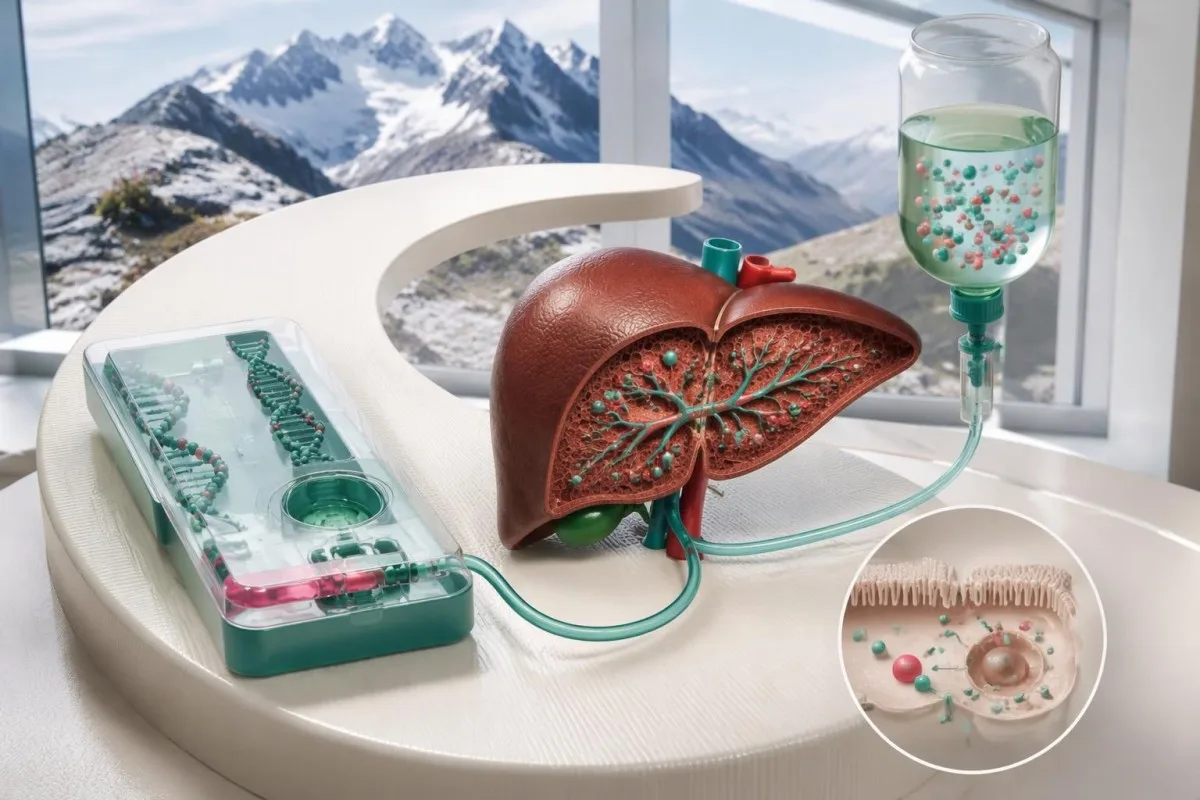
UGT1A1-ის ტესტირებით შესაძლებელია ირინოტეკანის აქტიური მეტაბოლიტის შემცირებული კლირენსის გამოვლენა და უფრო უსაფრთხო საწყისი დოზის შერჩევის ხელშეწყობა. ტესტი ყველა რეაქციის პროგნოზირებას ვერ ახდენს, ხოლო გადაწყვეტილება დამოკიდებულია ზუსტ ფორმულაციაზე, მკურნალობის სქემასა და თქვენი ონკოლოგიური გუნდის შეფასებაზე.

ძირითადი დასკვნები
- UGT1A1-ის ტესტირება ავლენს SN-38-ის ინაქტივაციასთან დაკავშირებულ მემკვიდრეობით განსხვავებებს; ბილირუბინის ან ღვიძლის ფუნქციის რუტინული ტესტები გენეტიკურ შედეგს ვერ ჩაანაცვლებს.
- ნელი მეტაბოლიზატორები ჩვეულებრივ, აქვთ *28/*28, *6/*6 ან *6/*28 შედეგები, რომლებიც ირინოტეკანთან დაკავშირებული მძიმე ნეიტროპენიის რისკს ზრდის.
- შუალედური მეტაბოლიზატორები ჩვეულებრივ, აქვთ *1/*28 ან *1/*6 შედეგები; ნიდერლანდების ფარმაკოგენეტიკის სამუშაო ჯგუფი ამ პაციენტებისთვის მხოლოდ გენოტიპზე დაფუძნებულ დოზის ავტომატურ შემცირებას არ რეკომენდაციას უწევს.
- საწყისი დოზის რეკომენდაცია განსხვავდება: ნიდერლანდების გაიდლაინი ნელი მეტაბოლიზატორებისთვის ირინოტეკანის ჩვეულებრივი საწყისი დოზის 70%-ს რეკომენდაციას უწევს, რასაც კლინიცისტის მიერ დოზის კორექცია უნდა მოჰყვეს.
- მკურნალობის სქემას მნიშვნელობა აქვს რადგან FOLFIRI-ის სტანდარტულ სქემაში, ჩვეულებრივ, 180 მგ/მ² გამოიყენება ყოველ 2 კვირაში, სხვა სქემებსა და ლიპოსომურ ფორმულაციებში კი განსხვავებული დოზებია.
- ლიპოსომური ირინოტეკანი ფორმულაციისთვის სპეციფიკური მითითებები აქვს; 70 მგ/მ²-იანი სქემა და 50 მგ/მ²-იანი სქემა ურთიერთჩანაცვლებად არ უნდა ჩაითვალოს.
- დაგვიანებული დიარეა ირინოტეკანის მიღებიდან 24 საათზე მეტი ხნის შემდეგ იწყება და შეიძლება სახიფათო გახდეს გაუწყლოების, ელექტროლიტების დაკარგვის ან თანმხლები ნეიტროპენიის გამო.
- სასწრაფო შეფასება საჭიროა ქიმიოთერაპიის დროს 38.0°C ან უფრო მაღალი ტემპერატურის შემთხვევაში, თუ ონკოლოგიურმა გუნდმა უფრო დაბალი, მკაცრი ზღვარი არ დაგიწესათ.
რას ცვლის UGT1A1-ის ტესტი პირველი ინფუზიის წინ?
A UGT1A1-ის ტესტი ირინოტეკანის მიღებამდე ავლენს SN-38-ის, პრეპარატის აქტიური მეტაბოლიტის, ინაქტივაციის დაქვეითებულ უნარს. ისეთი შედეგები, როგორიცაა 28/*28, *6/*6 ან *6/*28 შეიძლება საფუძვლად დაედოს საწყისი დოზის შემცირებას და მძიმე ნეიტროპენიისა და დაგვიანებული დიარეის უფრო ინტენსიურ მონიტორინგს; ონკოლოგიურმა გუნდმა შედეგი მკურნალობის კონკრეტულ სქემას უნდა მიუსადაგოს.

ტესტირება ყველაზე სასარგებლოა პირველ ციკლამდე, რადგან მემკვიდრეობითი კლირენსის თავისებურება მკურნალობასთან დაკავშირებული სიმპტომების გამოვლენამდეც არსებობს. შედეგი არ ზომავს, ირინოტეკანის რა რაოდენობა ცირკულირებს ამჟამად ორგანიზმში და არც იმას ადგენს, იმოქმედებს თუ არა ქიმიოთერაპია; ამ კითხვებს მკურნალობაზე პასუხი, კლინიკური შეფასება და, ზოგჯერ, ფარმაკოკინეტიკის სპეციალისტის მეთოდები პასუხობს.
პირობით მაგალითში, პაციენტს, რომელსაც ჩვეულებრივი ირინოტეკანის 180 მგ/მ²-იანი დოზა აქვს დანიშნული, ნელი მეტაბოლიზატორის შედეგის საფუძველზე შეიძლება განსხვავებული საწყისი სქემა შეურჩიონ, მაშინ როცა იმავე გენოტიპის მქონე სხვა პაციენტი შესაძლოა უკვე იღებდეს შემცირებული დოზის კომბინირებულ მკურნალობას. სასარგებლო კითხვა მხოლოდ ის არ არის, დადებითია თუ არა შედეგი: იკითხეთ, საწყის დოზას, მონიტორინგის გრაფიკსა და დოზის გაზრდის კრიტერიუმებს შორის რომელს ცვლის ეს შედეგი.
კანტესტი არის AI სისხლის ტესტის ანალიზატორი რომელიც რუტინული CBC-ისა და ბილირუბინის პასუხების გაგებაში გეხმარებათ, და არა ლაბორატორიას, რომელიც UGT1A1-ის გენოტიპირებას ატარებს, ან სამსახურს, რომელიც ქიმიოთერაპიას ნიშნავს. ჩვენი ორგანიზაცია და კლინიკური მიზანი განსხვავდება თქვენი ონკოლოგიური გუნდის მიერ მკურნალობის დანიშვნის როლისგან; გენეტიკური ანგარიში და თითოეული ციკლის ლაბორატორიული შედეგები მკურნალობის ჩანაწერებში ცალკე შეინახეთ.
როგორ მოქმედებს UGT1A1-ის *28 და *6 ირინოტეკანის მეტაბოლიზმზე?
UGT1A1 *28 ამცირებს ფერმენტის ექსპრესიას, ხოლო UGT1A1 *6 ვარიანტი კოდირების ცვლილებით ფერმენტის ფუნქციას ამცირებს. ორივე ვარიანტმა შეიძლება შეანელოს აქტიური SN-38-ის გაცილებით ნაკლებად აქტიურ გლუკურონიდ SN-38G-ად გარდაქმნა; ეს ზრდის ექსპოზიციას ALT-ის ან AST-ის არანორმალური შედეგების აუცილებლობის გარეშე.

კარბოქსილესტერაზები ირინოტეკანს თავდაპირველად SN-38-ად გარდაქმნის; შემდეგ UGT1A1 მონაწილეობს SN-38-ის ინაქტივაციაში და არა მის საწყის აქტივაციაში. *28 ალელს, როგორც წესი, 7 პრომოტორული TA-განმეორება აქვს, *1-თან დაკავშირებული 6-ის ნაცვლად, ხოლო *6 ჩვეულებრივ აღიწერება როგორც c.211G>A, რაც p.Gly71Arg ჩანაცვლებას იწვევს.
იგივე ფერმენტი ბილირუბინსაც აკავშირებს, რაც ხსნის მის კავშირს ჟილბერის სინდრომთან და ბილირუბინთან. თუმცა ბილირუბინის ნორმალური მაჩვენებელი დაქვეითებული ფუნქციის გენოტიპს არ გამორიცხავს, ხოლო მომატებული მაჩვენებელი არ ადგენს, რომელი ვარიანტია წარმოდგენილი; უზმოდ ყოფნამ, ავადმყოფობამ, ობსტრუქციამ და ღვიძლის ფუნქციის დარღვევამ შეიძლება ერთჯერადი გაზომვის ინტერპრეტაცია შეცვალოს.
Minami და თანაავტორებმა იაპონელ პაციენტებში ორივე, *6 და *28, შეისწავლეს და UGT1A-ის ვარიაცია ირინოტეკანის ფარმაკოკინეტიკასა და ტოქსიკურობას დაუკავშირეს (Pharmacogenetics and Genomics, 2007). მათი ნაშრომი მნიშვნელოვანია, რადგან მხოლოდ *28-ზე შეზღუდულმა ტესტმა შეიძლება კლინიკურად მნიშვნელოვანი *6 ალელი ვერ გამოავლინოს; *28-უარყოფითად აღწერილ 2 პაციენტს აუცილებლად ერთნაირი SN-38-ის კლირენსის უნარი არ აქვს.
რომელი შედეგები მიუთითებს UGT1A1-ის ნელ მეტაბოლიზატორზე?
A UGT1A1-ის ნელი მეტაბოლიზატორი generally carries 2 decreased-function alleles, including 28/*28, *6/*6 ან *6/*28. A person with *1/*28 or *1/*6 usually has an intermediate-metabolizer phenotype; *1/*1 is usually classified as normal when the test adequately covers relevant variants.

The slash separates the 2 inherited gene copies; it is not a fraction or a drug concentration. A *6/*28 result usually means one decreased-function allele came from each parent, creating a compound-heterozygous poor-metabolizer result; possessing 2 different allele names does not make the result less clinically relevant than *28/*28.
Intermediate metabolism is not the same as zero risk. Although the Dutch guideline does not recommend an automatic reduction for *1/*28 or *1/*6, a patient starting at 180 mg/m² may still need modification because of elevated bilirubin, limited marrow reserve, previous toxicity, or the accompanying drugs; the phenotype is one input, not permission to ignore the rest.
Pharmacogenetic recommendations are drug-specific, as our explanation of SLCO1B1-related medication risk also illustrates. A reduced-function result does not mean every medicine is unsafe, and *28/*28 does not itself diagnose a hereditary cancer syndrome; ask the laboratory to provide the diplotype, assigned phenotype, and variants tested rather than a 1-word positive result.
რას უნდა მოიცავდეს გენეტიკური ტესტი და როდის არის ის საჭირო?
The test should clearly state whether it detects both *28 and *6, how it assigns the 2 alleles, and which other variants it evaluates. Testing before the first irinotecan dose allows the result to influence prevention rather than merely explain toxicity after it occurs.
UGT1A1 *6 is more frequent in several East Asian populations, while *28 occurs across multiple ancestry groups; ancestry can inform test coverage but cannot substitute for testing. Some assays also distinguish the 5-repeat *36 and 8-repeat *37 alleles, so reports from 2 laboratories may differ because their analytical scope differs—not because your inherited genotype changed.
A laboratory may use a blood-derived DNA sample or a validated saliva or cheek-cell method; fasting is not ordinarily required for the genetic analysis itself. Recent allogeneic stem-cell transplantation needs special discussion because circulating DNA may reflect the donor, and turnaround time must be checked locally rather than assumed to fit a treatment appointment in 2 days.
Genotyping and enzyme-activity testing are not interchangeable, a distinction also relevant to TPMT test interpretation. UGT1A1 genotype generally needs testing only once, but a narrow panel may warrant additional analysis if the clinical picture is unexpected; a report listing only 1 tested variant should not be read as proof that every other reduced-function allele is absent.
რამდენად ზრდის UGT1A1 მძიმე ნეიტროპენიის რისკს?
Poor-metabolizer genotypes increase the likelihood of მძიმე ნეიტროპენია, but the size of the increase depends on dose and regimen. Grade 3 neutropenia generally means an absolute neutrophil count below 1.0 down to 0.5 × 10⁹/L; grade 4 means below 0.5 × 10⁹/L.
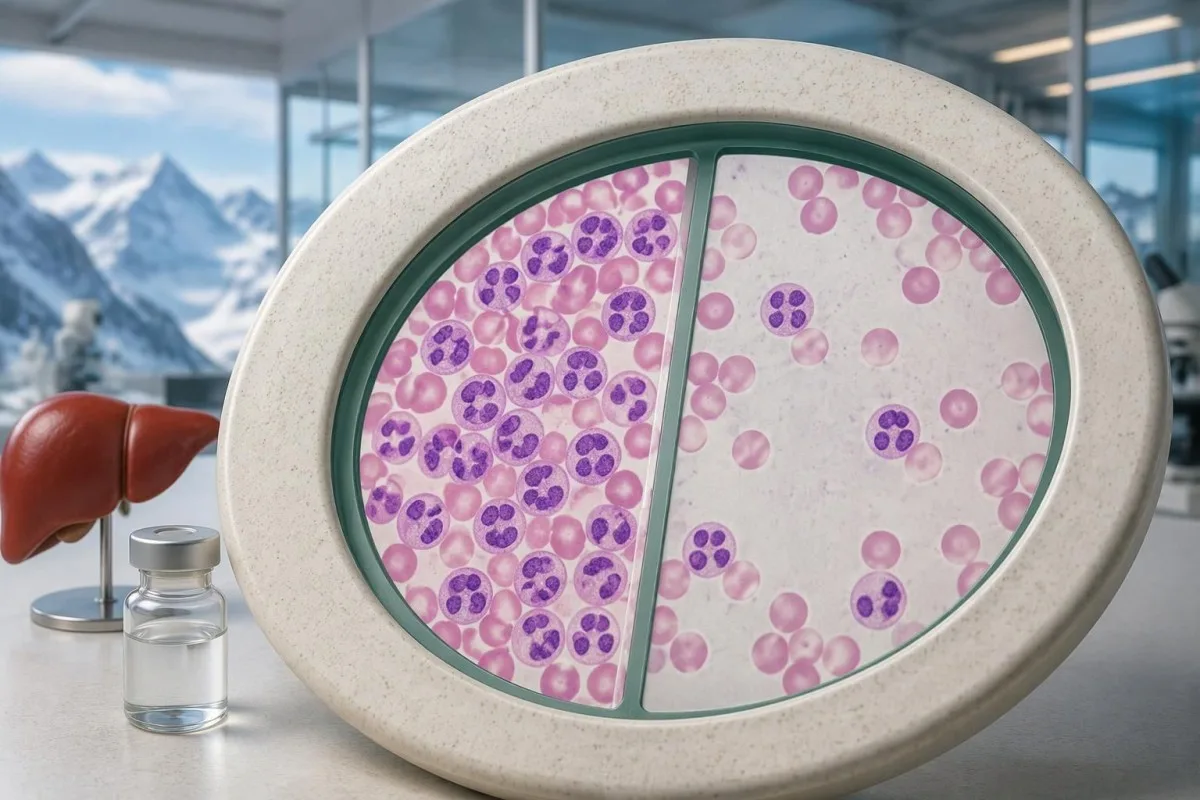
Hoskins et al. reported a dose-dependent association between *28/*28 and irinotecan-related neutropenia in their 2007 Journal of the National Cancer Institute meta-analysis. In the 150–250 mg/m² category, the pooled odds ratio was 3.22, with a 95% confidence interval of 1.52–6.81; older mixed schedules and wide uncertainty prevent treating this as a personal probability.
An odds ratio is not the percentage of patients affected. In a purely hypothetical illustration, if baseline risk were 10%, an odds ratio of 3 would correspond to approximately 25% risk—not 30%; the actual baseline varies with companion drugs, supportive care, prior treatment, and eligibility criteria, so no single percentage applies to every poor metabolizer.
Kantesti can help readers distinguish the ANC from the neutrophil percentage in routine reports, using the concepts explained in our აბსოლუტური ნეიტროფილების რაოდენობის სახელმძღვანელო. A pre-existing Duffy-null-associated lower ANC requires individualized interpretation, but a new chemotherapy-related fall below 0.5 × 10⁹/L still deserves prompt oncology assessment rather than reassurance based on ancestry alone.
რატომ განსხვავდება ირინოტეკანით გამოწვეული ადრეული და დაგვიანებული დიარეა?
Early diarrhea occurs during or shortly after infusion, usually within 24 hours, and may accompany cholinergic symptoms such as sweating or abdominal cramping. დაგვიანებული დიარეა begins more than 24 hours after treatment and is more closely related to intestinal toxicity, including exposure to SN-38.

UGT1A1 genotype is more useful for anticipating delayed toxicity than predicting the immediate cholinergic syndrome. Clinicians may use atropine for early symptoms when appropriate, while delayed diarrhea requires a separate written treatment plan; intestinal bacteria can convert SN-38G back to SN-38 through beta-glucuronidase activity, illustrating why liver conjugation is not the only determinant of bowel exposure.
Grade 3 diarrhea commonly includes at least 7 additional stools per day above baseline, hospitalization being indicated, or a severe increase in ostomy output. Do not wait to reach that count before calling: persistent diarrhea despite the prescribed plan, vomiting that prevents drinking, fever, dizziness, or reduced urine output can justify urgent assessment at a much smaller stool increase.
Diarrhea during chemotherapy should not automatically be attributed to genotype, because antibiotics, infections, and accompanying drugs can produce similar symptoms; our C. difficile result guide explains one relevant diagnostic complication. If diarrhea lasts beyond 24 hours despite your oncology instructions, contact the team, and treat blood in the stool or significant abdominal pain as warning signs rather than ordinary treatment effects.
როგორ ცვლის მკურნალობის სქემა საწყისი დოზის შერჩევის გადაწყვეტილებას?
A starting-dose decision combines UGT1A1 phenotype with the planned regimen, not genotype alone. Conventional FOLFIRI commonly uses irinotecan 180 mg/m² every 2 weeks, whereas modified combinations may use 150 mg/m² or another protocol-specific amount; those differences change baseline exposure and toxicity.

The Dutch Pharmacogenetics Working Group recommends starting poor metabolizers at 70% of the normal irinotecan dose, with subsequent increases guided by neutrophil counts and clinical tolerance (Hulshof et al., 2023). Applied hypothetically to a 180 mg/m² protocol, 70% is 126 mg/m²; the prescribing team decides whether protocol rules permit rounding, what dose level to use, and when reassessment occurs.
A 70% calculation is relative to the regimen’s usual starting dose, not a fixed universal dose. For a hypothetical protocol starting at 150 mg/m², the same calculation gives 105 mg/m²; applying the 126 mg/m² figure from a different protocol would therefore be a genuine dosing error, especially if the infusion schedule or formulation also differed.
კანტესტი არის AI სისხლის ანალიზის განმარტების პლატფორმა for explaining reported laboratory values, not selecting a 180 mg/m² chemotherapy prescription; our კლინიკურ ვალიდაციის ჩარჩოს describes the distinction between interpretation support and prescribing. In combinations containing fluorouracil or capecitabine, ქიმიოთერაპიამდე DPYD-ის ტესტირება addresses a separate metabolic risk that a normal UGT1A1 result cannot rule out.
რატომ განსხვავდება ირინოტეკანის დოზირების რეკომენდაციები გაიდლაინების მიხედვით?
Guidelines differ because they interpret dose-dependent evidence differently and serve different clinical settings. The Dutch guideline recommends a 70% starting dose for poor metabolizers, while US conventional irinotecan prescribing information advises considering a reduction by at least 1 dose level, without defining one percentage for every regimen.

A dose level is defined by the treatment protocol rather than by the genetic test. Moving from 180 to 150 mg/m² would be approximately a 17% reduction, while moving from 180 to 120 mg/m² would be approximately a 33% reduction; these are mathematical examples, not recommendations, and explain why the phrase reduce one level needs a named protocol.
The French RNPGx/GPCO dose-stratified framework has historically distinguished doses below 180 mg/m², doses of 180–230 mg/m², and high doses of at least 240 mg/m². It recommended approximately 25–30% reduction for *28/*28 at the intermediate range and advised against high-dose use in that genotype; the Dutch recommendation is broader, including lower-dose regimens and other poor-metabolizer combinations.
The evidence is genuinely less settled at lower doses, where severe events may be less frequent and studies less able to estimate genotype effects precisely. This differs from HLA-B*57:01 drug avoidance, where the relevant recommendation is avoidance rather than a 30% reduction; ask which local guideline your team follows and whether its advice specifically covers *6/*6 or *6/*28.
გამოიყენება თუ არა ლიპოსომური ირინოტეკანისთვის UGT1A1-ის დოზირების იგივე წესები?
Liposomal irinotecan is not interchangeable with conventional irinotecan, and its UGT1A1 instructions depend on the regimen. In the liposomal irinotecan plus fluorouracil/leucovorin setting, a usual 70 mg/m² dose is reduced to 50 mg/m² initially for known *28/*28; the NALIRIFOX regimen already starts at 50 mg/m².

Those 70 and 50 mg/m² figures refer to irinotecan free base in the relevant liposomal prescribing instructions. Some documents also express doses using the hydrochloride trihydrate equivalent, approximately 80 and 60 mg/m² respectively; the team must verify the convention rather than interpret a different-looking number as an intentional dose increase or decrease.
For NALIRIFOX—liposomal irinotecan with oxaliplatin, fluorouracil, and leucovorin—the labeled starting dose is 50 mg/m² every 2 weeks, including patients known to have *28/*28. This does not establish that every poor-metabolizer genotype has identical evidence, especially *6-containing combinations; the oncology pharmacist should check the relevant product information and local protocol rather than import conventional irinotecan rules automatically.
A medication list that says only irinotecan is insufficient for a pharmacogenetic decision: request the formulation, companion drugs, dose expression, and schedule before comparing 2 plans. Our საწყისი ლაბორატორიული მომზადების სახელმძღვანელოს also explains why recording pretreatment measurements helps later interpretation, although those measurements cannot resolve a formulation or prescribing ambiguity.
რომელი ლაბორატორიული შედეგები და მედიკამენტებია მნიშვნელოვანი გენოტიპთან ერთად?
CBC with differential, bilirubin, liver tests, kidney function, and electrolytes provide information that UGT1A1 genotype cannot supply. A bilirubin of 2.0 mg/dL is approximately 34 µmol/L; conventional irinotecan studies often excluded values above this level, so higher results require specialist assessment rather than a genotype-only calculation.
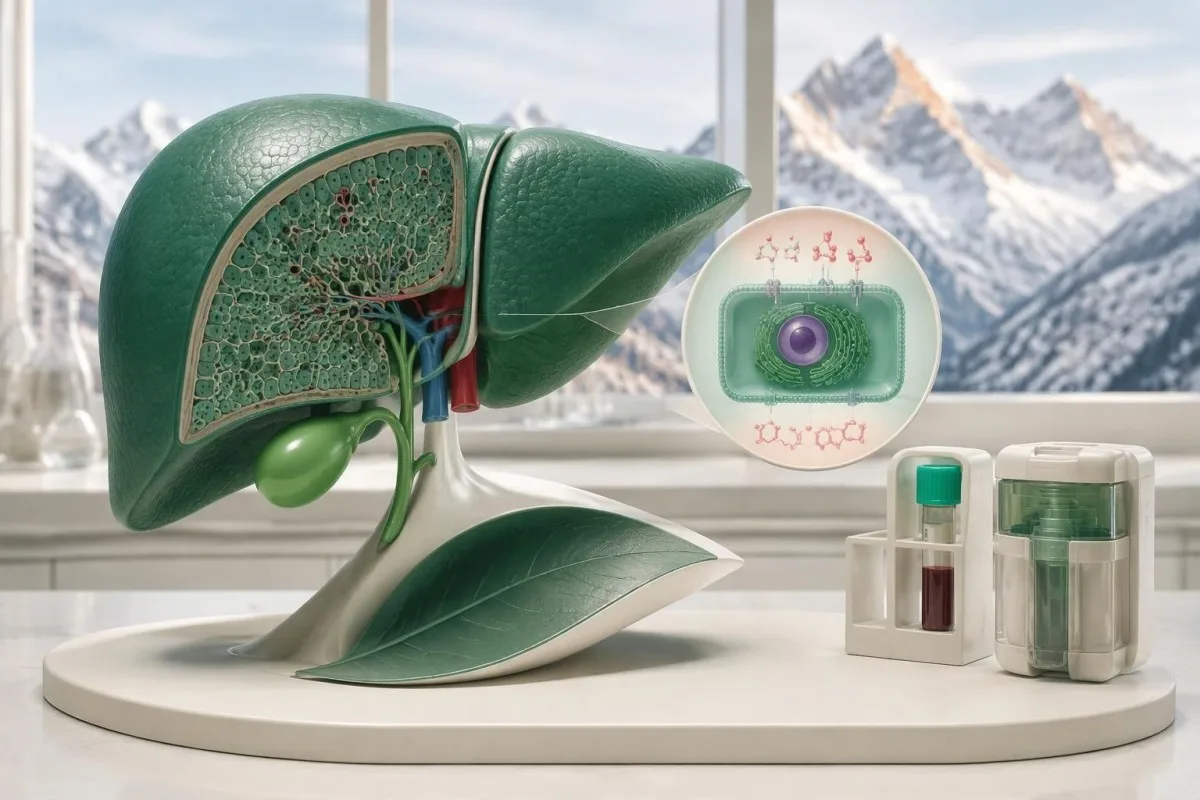
An isolated indirect bilirubin rise may fit reduced UGT1A1 activity, while rising direct bilirubin with abnormal ALP or transaminases suggests an additional hepatobiliary problem. A hypothetical total bilirubin of 1.8 mg/dL with otherwise stable tests is therefore not equivalent to 1.8 mg/dL accompanied by new jaundice and obstruction; fractionation, trends, symptoms, and imaging determine the interpretation.
Strong CYP3A4 inducers can lower irinotecan exposure, while strong CYP3A4 or UGT1A1 inhibitors can increase clinically relevant exposure; examples requiring pharmacy review include rifampicin, carbamazepine, ketoconazole, and atazanavir. Do not stop a prescription yourself, and disclose supplements such as St John’s wort before cycle 1 because changing an interacting medicine can itself change exposure.
Kantesti can help explain routine kidney and electrolyte reports, but a normal creatinine does not guarantee tolerance of delayed diarrhea. The BUN/კრეატინინის თანაფარდობის სახელმძღვანელოში describes contextual interpretation, while our electrolyte safety guide explains why potassium or magnesium losses can matter after 24 hours of gastrointestinal symptoms.
რა მონიტორინგია საჭირო და რომელი სიმპტომები მოითხოვს გადაუდებელ მოქმედებას?
Monitoring remains necessary for every genotype, with CBC checks before treatment and additional measurements when clinically indicated. A temperature of 38.0°C ან უფრო მაღალი during chemotherapy warrants immediate contact with the oncology service unless the team has supplied a different threshold; follow a stricter local instruction.

Formal definitions of febrile neutropenia often use a single temperature of 38.3°C or a temperature of 38.0°C sustained for 1 hour, together with a low or falling ANC. These definitions are not instructions to wait at home: chemotherapy services often use simpler, more cautious telephone thresholds, and shaking chills, confusion, or sudden deterioration can be urgent without a documented fever.
A falling ANC can precede symptoms, so a patient feeling well should still attend the scheduled laboratory check. Our borderline neutrophil interpretation guide explains why a result near a cutoff needs context; during treatment, a change from 2.5 to 0.7 × 10⁹/L carries different significance from a stable longstanding count near 1.4 × 10⁹/L.
Dose escalation after a reduced start should follow a predefined plan based on counts, diarrhea, other toxicity, and treatment goals—not simply the absence of nausea after cycle 1. G-CSF may reduce neutropenia risk when indicated, but it does not prevent intestinal toxicity; urgent assessment is needed for diarrhea with fever, severe abdominal pain, inability to drink, or markedly reduced urination.
რატომ შეიძლება ნორმალურ გენოტიპს მაინც მოჰყვეს მძიმე გვერდითი მოვლენები?
A normal UGT1A1 result does not guarantee safe treatment because irinotecan toxicity has multiple causes. Genotype does not adequately predict every episode of nausea, fatigue, hair loss, infusion symptoms, or toxicity from companion drugs; even *1/*1 patients can develop severe neutropenia or diarrhea.

A narrow assay may miss uncommon reduced-function variants, while liver impairment, interacting medicines, treatment intensity, and previous chemotherapy can increase risk independently. Thus, 2 patients both reported as *1/*1 may have different exposures and different marrow reserve; a phenotype assignment only describes the genetic information captured by the test, not every biological factor affecting treatment.
Companion drugs create additional attribution problems: oxaliplatin can cause neuropathy, and fluoropyrimidines can contribute diarrhea, mucositis, and marrow suppression. A hypothetical patient on a 4-drug combination with severe diarrhea cannot have the culprit assigned from UGT1A1 alone; timing, the complete regimen, microbiological testing when indicated, and other pharmacogenetic results may alter the clinical explanation.
Kantesti’s role in laboratory trend interpretation is to support understanding, not establish which drug caused a change between 2 cycles. Genetic reports also contain durable personal information, so review our კონფიდენციალურობისა და მონაცემთა დამუშავების წესებს before sharing them; an inherited metabolic variant is not a complete forecast of your future health.
რა უნდა ჰკითხოთ თქვენს ონკოლოგიურ გუნდს ირინოტეკანის მიღებამდე?
Before treatment, ask which formulation and regimen you will receive, whether *28 and *6 were tested, and how the result changes the first dose. Also obtain a written diarrhea plan, a temperature threshold, and a 24-hour contact route; these practical details matter even when the genotype is normal.

Request the actual dose in mg/m² and the planned total dose in mg, because they answer different questions. For example, a hypothetical 126 mg/m² order for a body surface area of 1.8 m² gives 226.8 mg before institutional rounding; patients should not perform their own adjustment, but this distinction helps identify whether 2 documents describe the same prescription.
Ask how the team will judge tolerance after cycle 1, whether an interim CBC is planned, and what would justify later escalation. Your written diarrhea instructions may use a loperamide schedule different from ordinary over-the-counter directions, so follow the oncology prescription rather than inventing a schedule; fever, abdominal pain, or persistent symptoms may require assessment instead of additional self-treatment.
კანტესტი არის AI-ზე დაფუძნებული სისხლის ანალიზის (blood test analysis) ხელსაწყო that can help explain routine reports alongside your own treatment notes; our AI ტექნოლოგიის გზამკვლევი explains the supporting technology rather than a chemotherapy dosing system. Keep 3 items accessible: the genetic report, the current regimen sheet, and the emergency contact instructions, with the prescribing team verifying all clinical decisions.
სამეცნიერო პუბლიკაციები: რა ამყარებს რეკომენდაციებს და რა — არა?
The dosing advice rests on drug-specific pharmacogenetic guidance and irinotecan studies, not on general blood-test education publications. The 2023 Dutch guideline recommends a 70% start for poor metabolizers, while the 2007 studies cited here help explain dose dependence and the relevance of both *28 and *6.
Hulshof et al. translate pharmacokinetic and toxicity evidence into prescribing guidance, whereas Hoskins et al. quantify associations across older dose categories, and Minami et al. examine relevant variants in Japanese patients. These 3 sources answer complementary questions; none supplies an individualized toxicity percentage for every contemporary combination, and observational associations should not be presented as proof that one starting dose suits everyone.
Kantesti’s 2 Zenodo publications listed below are educational resources on RDW and the BUN/creatinine ratio, not trials of UGT1A1-guided irinotecan dosing. Our RDW and CBC interpretation resource can explain accompanying red-cell indices, but RDW does not replace ANC, genotype, or a chemotherapy protocol; a DOI is a persistent identifier, not an automatic guarantee of clinical relevance or peer review.
The unresolved question is often how best to preserve treatment intensity while preventing a severe event in cycle 1, particularly in lower-dose combinations and less-studied genotypes. Our სამედიცინო შინაარსის სტანდარტები require separating established guidance, hypothetical calculations, and genuine uncertainty; the oncology team should confirm the current local product information and protocol before applying any published recommendation.
ხშირად დასმული კითხვები
უნდა ჩაუტარდეს თუ არა ყველას UGT1A1-ის ტესტირება ირინოტეკანით მკურნალობამდე?
ტესტირების პოლიტიკა განსხვავდება ქვეყნის, დაწესებულებისა და სამკურნალო სქემის მიხედვით, თუმცა ნიდერლანდების ფარმაკოგენეტიკის სამუშაო ჯგუფი ირინოტეკანით მკურნალობის დაწყებამდე UGT1A1-ზე ტესტირებას რეკომენდაციას უწევს. შედეგი განსაკუთრებით სასარგებლოა პირველი ციკლის დაწყებამდე, რადგან მას შეუძლია გამოავლინოს ნელი მეტაბოლიზატორები, ვიდრე მძიმე ტოქსიკურობა განვითარდება. ტესტმა უნდა მოიცვას როგორც *28, ისე *6 ალელების არსებობის დადგენა და არა მხოლოდ *28 ალელის არარსებობის დაფიქსირება. ონკოლოგიურმა გუნდმა უნდა აგიხსნათ, შეცვლის თუ არა ტესტირება თქვენს კონკრეტულ საწყის დოზას და მიზანშეწონილია თუ არა შედეგის მოლოდინი.
რას ნიშნავს UGT1A1 *28/*28 ირინოტეკანის დოზირებისთვის?
UGT1A1 *28/*28 ზოგადად მიუთითებს ნელ მეტაბოლიზატორის სტატუსზე და ირინოტეკანთან დაკავშირებული მძიმე ნეიტროპენიის მომატებულ რისკზე. ნიდერლანდების გაიდლაინი რეკომენდაციას უწევს ჩვეულებრივი საწყისი დოზის 70%-ს, რასაც მოსდევს კლინიცისტის მიერ კორექცია ამტანობისა და ნეიტროფილების რაოდენობის მიხედვით. ჰიპოთეტური, სტანდარტული 180 მგ/მ² რეჟიმისთვის ამ გამოთვლის შედეგია 126 მგ/მ², პროტოკოლით განსაზღვრულ გადაწყვეტილებებამდე ან დამრგვალებამდე. აშშ-ის დანიშვნის ინსტრუქციები და ლიპოსომური რეჟიმები განსხვავებულ მიდგომებს იყენებს, ამიტომ ეს გამოთვლა პერსონალურ დანიშნულებას არ წარმოადგენს.
არის თუ არა UGT1A1 *6 ისეთივე მნიშვნელოვანი, როგორც *28, ირინოტეკანით მკურნალობამდე?
UGT1A1 *6 კლინიკურად მნიშვნელოვანი შემცირებული ფუნქციის მქონე ვარიანტია, რომელმაც შეიძლება შეამციროს SN-38-ის ინაქტივაცია. ისეთი შედეგები, როგორიცაა *6/*6 ან *6/*28, ჩვეულებრივ მიუთითებს ნელ მეტაბოლიზატორის სტატუსზე, რადგან მათში 2 შემცირებული ფუნქციის მქონე ალელია. ეს ვარიანტი უფრო ხშირია აღმოსავლეთ აზიის რამდენიმე პოპულაციაში, თუმცა მხოლოდ წარმომავლობით ვერ განისაზღვრება, აქვს თუ არა ადამიანს ის. *28-ზე უარყოფითი შედეგის ნორმალურ მეტაბოლიზმად ინტერპრეტაციამდე ჰკითხეთ, შეამოწმა თუ არა თქვენმა ლაბორატორიამ *6.
საჭიროებს თუ არა UGT1A1 *1/*28 გენოტიპი დოზის ავტომატურ შემცირებას?
UGT1A1 *1/*28, როგორც წესი, მიუთითებს შუალედური მეტაბოლიზატორის სტატუსზე და არა ნელი მეტაბოლიზატორის სტატუსზე. ნიდერლანდების გაიდლაინი შუალედური მეტაბოლიზატორებისთვის მხოლოდ გენოტიპზე დაყრდნობით საწყისი დოზის ავტომატურ შემცირებას არ გვირჩევს. პაციენტს, რომელსაც 180 mg/m² აქვს დანიშნული, შესაძლოა მაინც დასჭირდეს განსხვავებული გეგმა ბილირუბინის მაჩვენებლის, წინა მკურნალობის, ურთიერთქმედი მედიკამენტების ან კომბინირებული სქემის გამო. შუალედური მეტაბოლიზმი არ გამორიცხავს CBC-ის მონიტორინგის ან დიარეის უსაფრთხოების გეგმის საჭიროებას.
შეუძლია თუ არა ნორმალურმა ბილირუბინმა ჩაანაცვლოს UGT1A1-ის გენეტიკური ტესტირება?
ბილირუბინის ნორმალური დონე ვერ გამორიცხავს UGT1A1-ის შემცირებული ფუნქციის გენოტიპს, ხოლო ბილირუბინის მომატებული დონე კონკრეტულ ალელს ვერ განსაზღვრავს. ბილირუბინი ასახავს რამდენიმე პროცესს, მათ შორის კონიუგაციას, ღვიძლის ფუნქციას, ობსტრუქციასა და ერითროციტების ბრუნვას. საერთო ბილირუბინის 2.0 mg/dL დონე დაახლოებით 34 µmol/L-ს შეესაბამება და მისი ინტერპრეტაცია ირინოტეკანის შესაბამისი პროტოკოლის ფარგლებშია საჭირო. გენეტიკური ტესტირება და ბილირუბინის გაზომვა ურთიერთშემავსებელ ინფორმაციას გვაწვდის და არა ურთიერთჩანაცვლებად პასუხებს.
როდის უნდა დავრეკო ირინოტეკანის შემდეგ დიარეის ან სიცხის შემთხვევაში?
ქიმიოთერაპიის დროს 38.0°C ან უფრო მაღალი ტემპერატურის შემთხვევაში დაუყოვნებლივ დაუკავშირდით თქვენს ონკოლოგიურ გუნდს, თუ მათ სხვა ზღვრული ტემპერატურა არ განუსაზღვრავთ, და შეასრულეთ უფრო მკაცრი მითითებები. ირინოტეკანით მკურნალობის დაგვიანებული დიარეა იწყება მკურნალობიდან 24 საათზე მეტი ხნის შემდეგ და შეიძლება გამოიწვიოს გაუწყლოება ან ელექტროლიტების დაკარგვა. დაუყოვნებლივ დარეკეთ, თუ დიარეა გრძელდება დანიშნული გეგმის მიუხედავად, ვერ ახერხებთ სითხის მიღებას, შარდვა შემცირდა, განავალში სისხლია ან მუცლის მნიშვნელოვანი ტკივილი გაქვთ. დახმარების მისაღებად ნუ დაელოდებით დღეში დამატებით 7 დეფეკაციას ან დაგეგმილ სისხლის ანალიზს.
მიიღეთ სისხლის ანალიზის შედეგების ახსნა
ატვირთეთ თქვენი ლაბორატორიული ანგარიში და Kantesti-ის AI რამდენიმე წამში თითოეულ ბიომარკერს მარტივი ენით აგიხსნით. მას მსოფლიოში 2 მილიონზე მეტი ადამიანი იყენებს.
ცნობები
- Klein, T., Mitchell, S., & Weber, H. (2026). RDW-ის სისხლის ტესტი: RDW-CV-ის, MCV-ისა და MCHC-ის სრული გზამკვლევი. Kantesti AI-ის სამედიცინო კვლევა. DOI
- Klein, T., Mitchell, S., & Weber, H. (2026). BUN/კრეატინინის თანაფარდობის ახსნა: თირკმლის ფუნქციის ანალიზის სახელმძღვანელო. Kantesti AI-ის სამედიცინო კვლევა. DOI
- Hulshof DP et al. (2023). Dutch pharmacogenetics working group (DPWG) guideline for the gene–drug interaction between UGT1A1 and irinotecan. European Journal of Human Genetics.
- Hoskins JM et al. (2007). UGT1A1*28 genotype and irinotecan-induced neutropenia: dose matters. Journal of the National Cancer Institute. DOI
- Minami H et al. (2007). Irinotecan pharmacokinetics/pharmacodynamics and UGT1A genetic polymorphisms in Japanese: roles of UGT1A1*6 and *28. Pharmacogenetics and Genomics.
- 2 მილიონი+გაანალიზებული ტესტები
- 127+ქვეყნები
- 100+ენები
სამედიცინო გუნდის შესახებ


E-E-A-T სანდოობის სიგნალები
გამოცდილება
ექიმის ხელმძღვანელობით კლინიკური მიმოხილვა ლაბორატორიული ინტერპრეტაციის სამუშაო პროცესებზე.
ექსპერტიზა
ლაბორატორიული მედიცინის აქცენტი იმაზე, როგორ იქცევიან ბიომარკერები კლინიკურ კონტექსტში.
ავტორიტეტულობა
სამედიცინო თვალსაზრისით რეცენზირებულია დოქტორ თომას კლაინის მიერ, დოქტორ სარა მიტჩელისა და პროფესორ ჰანს ვებერის მონაწილეობით.
სანდოობა
მტკიცებულებებზე დაფუძნებული ინტერპრეტაცია, მკაფიო შემდგომი ნაბიჯებით, რათა შემცირდეს განგაშის დონე.






სამედიცინო პასუხისმგებლობის შეზღუდვის განცხადება
ეს სტატია მხოლოდ საგანმანათლებლო მიზნებისთვისაა და არ წარმოადგენს სამედიცინო რჩევას. დიაგნოზისა და მკურნალობის გადაწყვეტილებებისთვის ყოველთვის მიმართეთ კვალიფიციურ ჯანდაცვის სპეციალისტს.
გამოქვეყნდა · დაუკავშირდით სარედაქციო გუნდს
გამოქვეყნებულია Kantesti Ltd-ის მიერ, რეგისტრირებულია ინგლისსა და უელსში, კომპანიის №. 17090423, ლონდონი, გაერთიანებული სამეფო.
