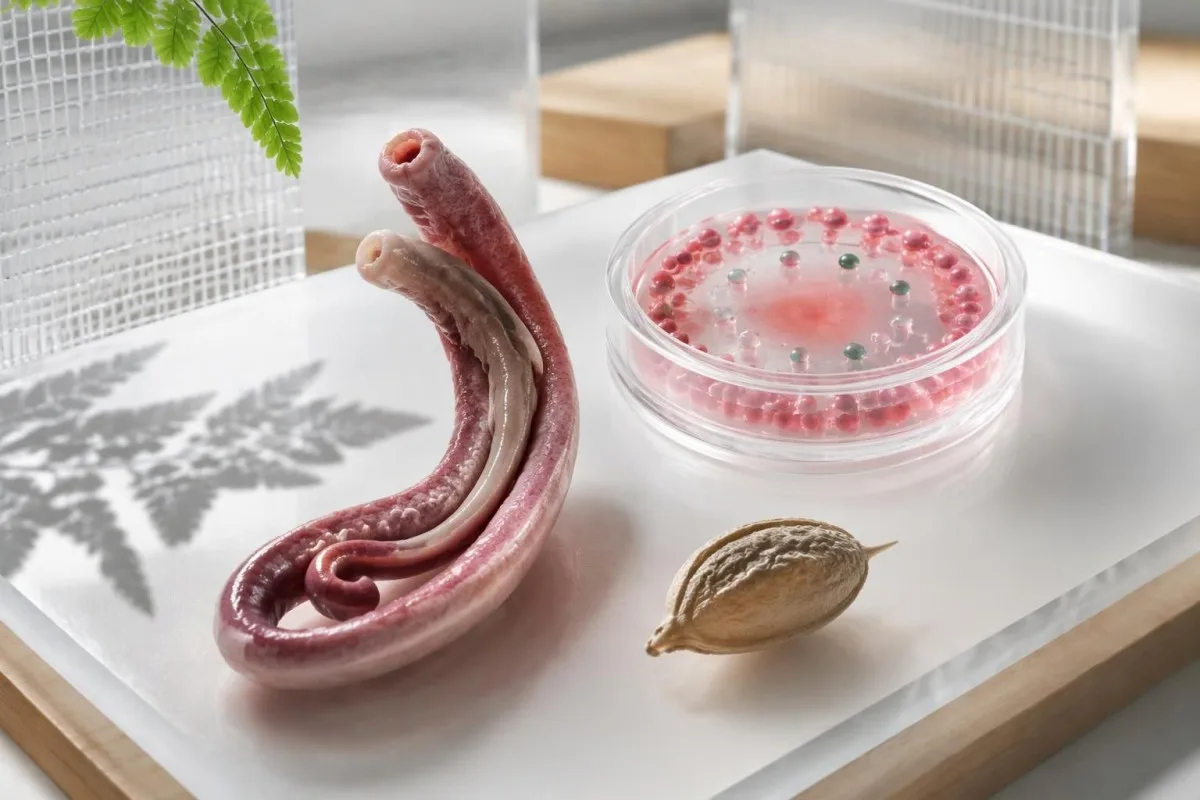
შისტოსომის ანტისხეულებზე დადებითი პასუხის შემთხვევაში, სანდო მონაცემების არსებობისას, რომ მტკნარ წყალთან გქონდათ კონტაქტი, მკურნალობა შეიძლება გამართლებული იყოს, თუ ადეკვატური მკურნალობა არასდროს მიგიღიათ, თუმცა ეს პასუხი ვერ ადასტურებს აქტიურ ინფექციას ან გამოჯანმრთელებას. შემდეგ ნაბიჯს განსაზღვრავს ექსპოზიციის თარიღები, წინა მკურნალობა და დამატებითი ტესტები.

ძირითადი დასკვნები
- დადებითი ანტისხეულები მიუთითებს შისტოსომის ანტიგენებზე იმუნურ პასუხზე; 1 დადებითი პასუხით შეუძლებელია განვასხვაოთ არანამკურნალები ინფექცია ადრე ნამკურნალები ინფექციისგან.
- ტესტირების ფანჯარა მნიშვნელოვანია: CDC რეკომენდაციას უწევს ანტისხეულების ნიმუშების აღებას სავარაუდო ახალი ინფექციიდან სულ მცირე 6–8 კვირის შემდეგ.
- მტკნარ წყალთან კონტაქტი ნიშნავს კანის შეხებას პოტენციურად დაბინძურებულ ტბებთან, მდინარეებთან ან არხებთან — და არა უბრალოდ დაავადებულ ქვეყანაში სტუმრობას.
- მიკროსკოპია უფრო ინფორმაციულია, როდესაც კლინიცისტები ითხოვენ სხვადასხვა დღეს აღებულ განავლის ან შარდის 3 ნიმუშს.
- პრაზიკვანტელი დოზა ხშირად შეადგენს ჯამში 40 მგ/კგ-ს 1 დღის განმავლობაში S. mansoni-ისა და S. haematobium-ის შემთხვევაში, თუმცა დანიშვნა დამოკიდებულია სახეობასა და კლინიკურ გარემოებებზე.
- მკურნალობის დრო ჩვეულებრივ გულისხმობს მტკნარ წყალთან ბოლო კონტაქტიდან სულ მცირე 6–8 კვირის მოცდას, თუ მოგზაურის მდგომარეობა სტაბილურია, რადგან პრაზიკვანტელი ყველაზე ეფექტურად მოქმედებს მომწიფებულ ჭიებზე.
- შემდგომი მიკროსკოპია შეიძლება მოითხოვონ მკურნალობიდან 1–2 თვის შემდეგ, როდესაც მკურნალობამდე კვერცხები იყო აღმოჩენილი.
- IgG-ის მუდმივი არსებობა წარმატებული მკურნალობიდან წლების განმავლობაში შეიძლება დადებითი დარჩეს; კიდევ ერთი დადებითი შედეგი ავტომატურად არ ამართლებს მკურნალობის კიდევ ერთი კურსის ჩატარებას.
საჭიროებს თუ არა შისტოსომის ანტისხეულებზე დადებითი პასუხი მკურნალობას?
შისტოსომის ანტისხეულების დადებითი შედეგი ავტომატურად არ ნიშნავს, რომ მკურნალობა გჭირდებათ. კლინიცისტები ხშირად მკურნალობას ურჩევენ, როდესაც მტკნარ წყალთან კონტაქტი სარწმუნოა და ადეკვატური წინა მკურნალობა არ ჩატარებულა, მიკროსკოპიის უარყოფითი შედეგის შემთხვევაშიც კი; დოკუმენტირებული მკურნალობის შემდეგ, ხელახალი კონტაქტის გარეშე, 1 მუდმივად დადებითი შედეგი, როგორც წესი, ხელახალ მკურნალობას არ ამართლებს.
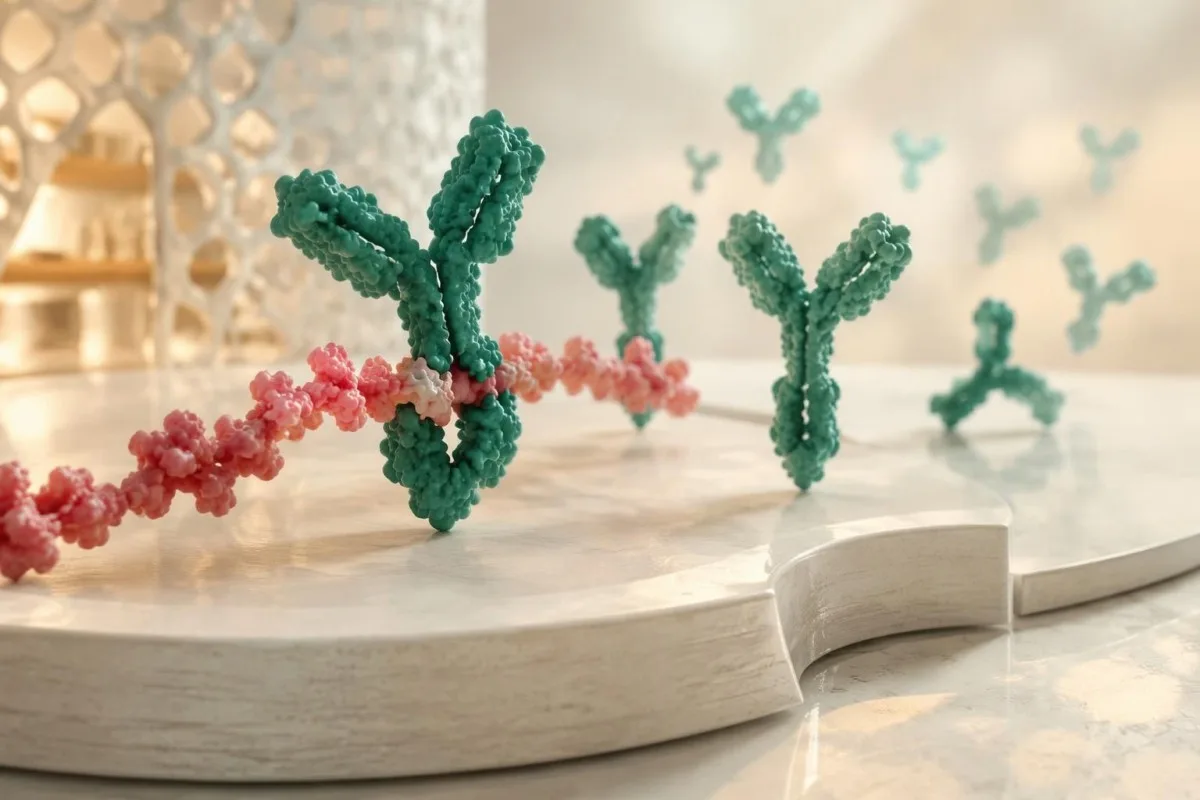
რას ნიშნავს შისტოსომის IgG-ის დადებითი შედეგი უმჯობესია გავიგოთ, როგორც იმუნური ამოცნობის მტკიცებულება და არა ცოცხალი ჭიების რაოდენობის გაზომვა. ანტისხეულებზე რეაქცია პარაზიტის გაქრობის შემდეგ წლების განმავლობაში შეიძლება შენარჩუნდეს, ხოლო 2 ადამიანს, რომლებსაც ერთი და იგივე შედეგი აქვთ დაფიქსირებული, შეიძლება განსხვავებული მკურნალობა სჭირდებოდეთ — ერთს, რომელსაც მკურნალობის გარეშე დარჩენილი კონტაქტი ჰქონდა, მეორეს კი წარმატებული მკურნალობის შემდეგ, მტკნარ წყალთან შემდგომი კონტაქტის გარეშე.
წინა კონტაქტი და წინა მკურნალობა ცალკე საკითხებია: ძველი ინფექცია შეიძლება მკურნალობის გარეშე დარჩეს, ხოლო ძველი დადებითი ტესტი განკურნების შემდეგაც შეიძლება შენარჩუნდეს. სანამ 1 ანგარიშს აქტიურ დაავადებად ან უვნებელ წარსულ ფაქტად განმარტავთ, გადაამოწმეთ მკურნალობის დასახელება, დოზა, თარიღი და წყლის შემდგომი კონტაქტის ფაქტები; ჩვენი განმარტება დადებითი ანტისხეულის შედეგები განასხვავებს ამ სხვადასხვა სახის მტკიცებულებებს.
Kantesti არის AI სისხლის ანალიზის განმმარტებელი, რომელიც გვეხმარება გავიგოთ, რატომ ვერ ადასტურებს შისტოსომის IgG-ის 1 დადებითი შედეგი აქტიურ ინფექციას, მაშინაც კი, როცა სისხლის სრული ანალიზი ნორმალურია. ჩვენი როლია ანალიზის პასუხის ახსნა და არა პარაზიტის იდენტიფიცირება ან მკურნალობის დანიშვნა; ჩვენი ორგანიზაცია და მიზანი ცალკე უნდა განვიხილოთ აქ აღწერილი კლინიცისტის ხელმძღვანელობით მიღებული გადაწყვეტილებებისგან.
მტკნარ წყალთან დაკავშირებული რომელი ექსპოზიციები ხდის ამ პასუხს უფრო დამაჯერებელს?
გადაცემის არეალში მტკნარ წყალთან კანის კონტაქტი დადებით შედეგს კლინიკურად უფრო მნიშვნელოვანს ხდის. ტბებში, მდინარეებსა და სარწყავ არხებში ცურვამ, წყალში შესვლამ, ბანაობამ, ჯომარდობამ ან რეცხვამ შეიძლება ინფიცირების საფრთხე შექმნას; თითოეული შემთხვევისთვის ჩაიწერეთ 3 დეტალი: ზუსტი ადგილი, აქტივობა და წყალთან თქვენი ბოლო კონტაქტის თარიღი.

მტკნარი წყლის ლოკოკინების მიერ გამოყოფილი შისტოსომის ლარვები კანიდან აღწევს ორგანიზმში; წყლის გადაყლაპვა საჭირო არ არის. ხანმოკლე შესვლაც კი კონტაქტად ითვლება, ხოლო ქავილიანი გამონაყარის არარსებობა ინფექციას არ გამორიცხავს; ამიტომ წარმოსახვითმა მოგზაურმა, რომელიც ტბაში 5 წუთით შევიდა, ეს შემთხვევა უნდა ახსენოს და არა მხოლოდ უფრო ხანგრძლივი ცურვის სესიები ჩაინიშნოს.
ზღვის წყალი და სათანადოდ ქლორირებული საცურაო აუზები შისტოსომოზით ინფიცირების ტიპური წყაროები არ არის. მტკნარ წყალთან კონტაქტმა შეიძლება სხვა დაავადებებზეც გააჩინოს ეჭვი, რომელთა დიაგნოსტიკასა და მკურნალობაში სხვა მეთოდები გამოიყენება, მათ შორის ლეპტოსპიროზი წყალთან კონტაქტის შემდეგ; მდინარეში აქტივობიდან 1 კვირის შემდეგ დაწყებული ცხელება უფრო ფართო შეფასების გარეშე შისტოსომის ანტისხეულებს არ უნდა მიეწეროს.
მხოლოდ ქვეყნის დასახელება ინდივიდუალურ რისკს ვერ განსაზღვრავს, რადგან გადაცემის არეალი ქვეყნების შიგნით და წყლის სხვადასხვა ობიექტზე განსხვავდება. გაიხსენეთ თუნდაც 1 დავიწყებული აქტივობა — მაგალითად, მდინარის პირას აღჭურვილობის რეცხვა — და განასხვავეთ პარაზიტით ინფიცირების რისკი ვაქცინაციის ჩანაწერებისგან; მოგზაურობასთან დაკავშირებული ანტისხეულების შემოწმება სხვა კითხვას პასუხობს და შისტოსომოზისგან დაცვას არ უზრუნველყოფს.
როდის უნდა ჩატარდეს შისტოსომოზზე ტესტირება მოგზაურობის შემდეგ?
შისტოსომოზის ანტისხეულების ტესტირება, როგორც წესი, უფრო ინფორმაციულია საეჭვო ახალი ინფიცირებიდან სულ მცირე 6–8 კვირის შემდეგ. CDC-ის შისტოსომოზის კლინიკური ტესტირებისა და დიაგნოსტიკის რეკომენდაციებში განმარტებულია, რომ ეს პერიოდი ანტისხეულების წარმოქმნის საშუალებას იძლევა; უფრო ადრე აღებული უარყოფითი შედეგი საიმედოდ ვერ გამორიცხავს მტკნარ წყალთან კონტაქტით ახლახან შეძენილ ინფექციას.
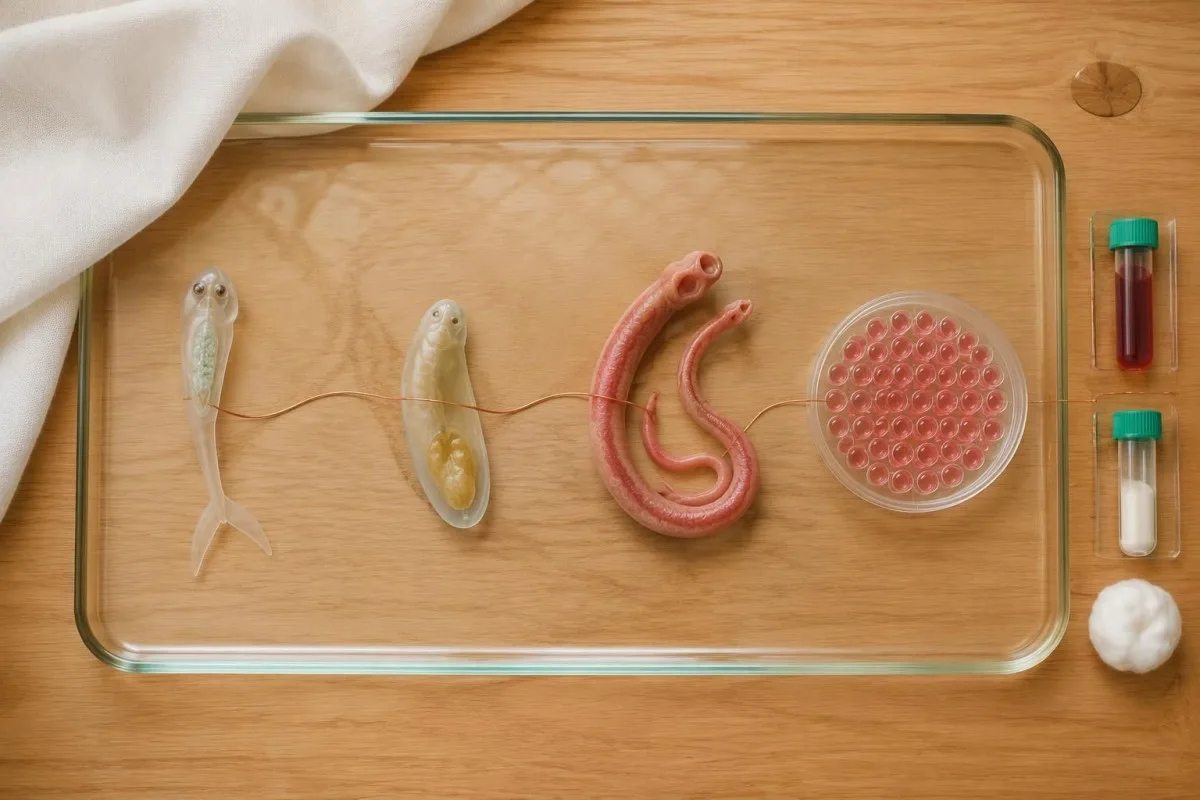
The last freshwater contact is a practical anchor when a trip involved several possible exposures. For example, a hypothetical traveler who swam on both the first and final day of a 3-week holiday should calculate the testing interval from the final swim, rather than assuming that the first exposure makes an immediate post-trip result conclusive.
Seroconversion is not identical across people or assays, so 6–8 weeks is a useful testing window rather than a guarantee of detection. When exposure is persuasive and an initial result is negative, a clinician may arrange another sample later, sometimes around 12 weeks after exposure; a second date should be agreed rather than inferred from a generic laboratory reference range.
Fever or significant symptoms after travel should be assessed without waiting for an antibody window to close, especially after a malaria-risk itinerary. At Kantesti, we encourage readers to keep 2 dates visible—last freshwater contact and sample collection—because ინფექციის ტესტირების დროზე can change the meaning of a negative report even though each organism requires its own diagnostic strategy.
შეიძლება შისტოსომის ანტისხეულებზე პასუხი ცრუ დადებითი იყოს?
Schistosoma antibody tests can produce false-positive or cross-reactive results, and their performance varies by assay. There is no universal IgG concentration or index that proves active schistosomiasis; 2 laboratories may use different antigen preparations, reporting units and thresholds, making direct numerical comparisons unreliable.
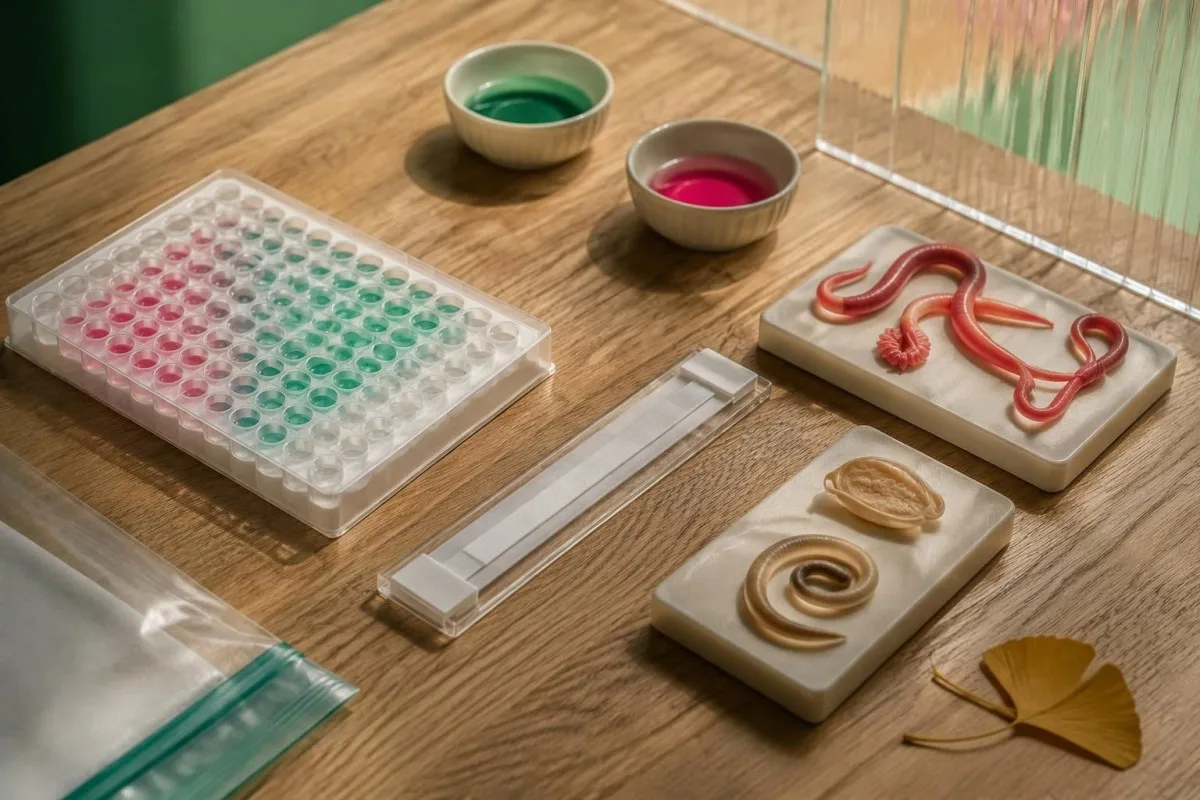
Cross-reactivity with other helminth antibodies depends on the test rather than occurring uniformly in every person. A laboratory may recommend an alternative assay or reference-laboratory review when the exposure history does not fit; 1 additional positive parasite antibody result also needs independent interpretation, as explained in our discussion of Toxocara antibody findings.
A hypothetical probability example shows why background risk matters: assume an imaginary test has 90% sensitivity and 95% specificity in 10,000 people, of whom 1% have the target infection. It would identify approximately 90 true positives and 495 false positives, so only about 15% of positive results would be true positives—these are teaching assumptions, not measured Schistosoma assay performance.
A high index should not be read as a high worm count, and a borderline index should not automatically be dismissed when exposure is strong. Ask for the assay name and the laboratory's interpretation of 1 equivocal or weakly positive result; confirmation with a different method can address assay uncertainty, but another antibody test still cannot reliably separate active infection from treated history.
რისი დადგენა შეიძლება განავლისა და შარდის მიკროსკოპიით?
Finding characteristic Schistosoma eggs provides direct parasitological evidence, whereas negative microscopy does not exclude a light infection. CDC recommends examining 3 stool or urine samples collected on different days to improve sensitivity, because egg output can be sparse and intermittent, particularly in travelers with a low parasite burden.
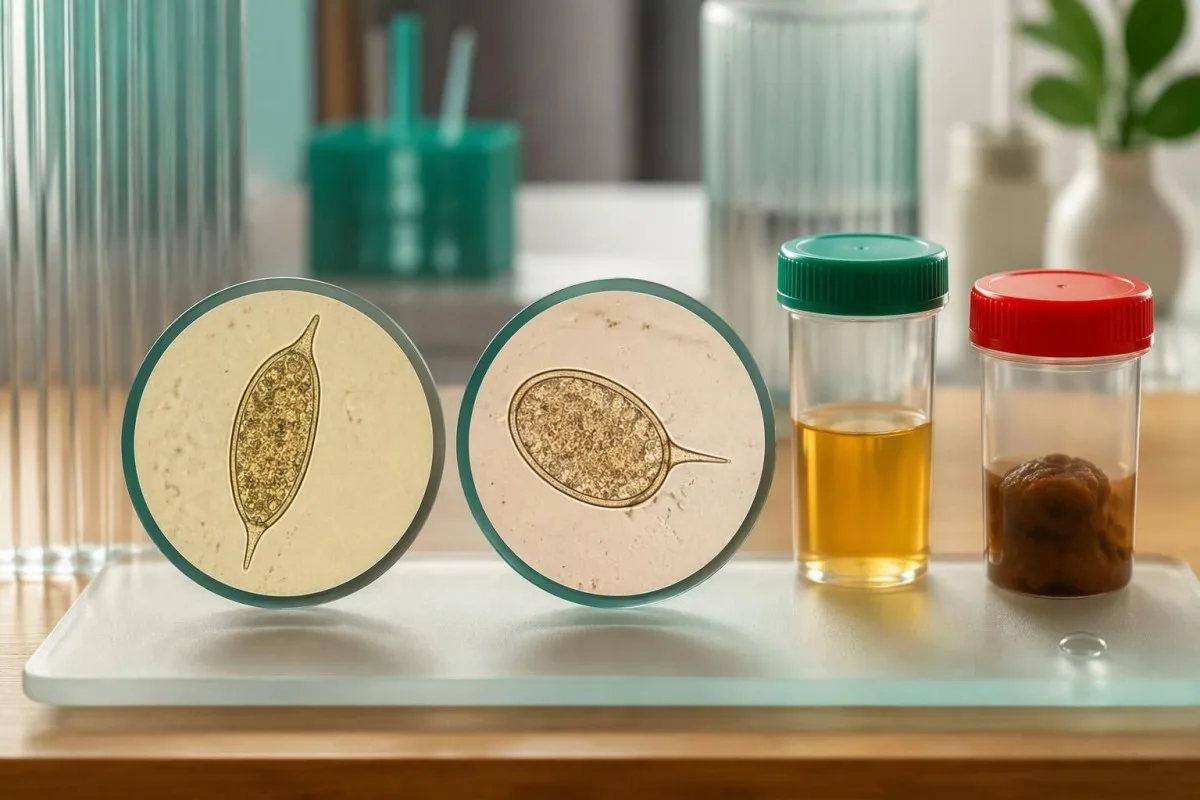
The suspected species determines specimen choice: S. mansoni and S. japonicum are usually investigated through stool, while S. haematobium is usually investigated through urine. Some exposure histories warrant both, so 1 negative stool examination does not address a possible urinary infection; შარდის ნალექის ინტერპრეტაცია also explains why ordinary urinary findings are not equivalent to parasite identification.
Urinary egg excretion often peaks around midday, and laboratories may request a sample between approximately 12 noon and 3 pm. Urine filtration may use a measured volume such as 10 mL, but collection, transport and processing instructions vary; follow the receiving laboratory's protocol rather than improvising exercise, fluid restriction or a collection time.
Routine dipstick testing is not a substitute for a specific Schistosoma egg examination, and 1 routine stool pathogen panel may omit the parasite entirely. Check the exact tests ordered, including concentration or filtration methods when appropriate; our urinalysis method guide helps distinguish screening for cells and chemistry from targeted parasitology.
აჩვენებს თუ არა ანტიგენის ტესტები ან PCR აქტიურ ინფექციას უფრო მკაფიოდ?
Schistosoma antigen tests can provide evidence more closely linked to living worms than antibody tests, but access and performance differ. Circulating anodic antigen, or CAA, and circulating cathodic antigen, or CCA, are 2 distinct targets; PCR detects parasite DNA and needs interpretation according to specimen, timing and the laboratory method.
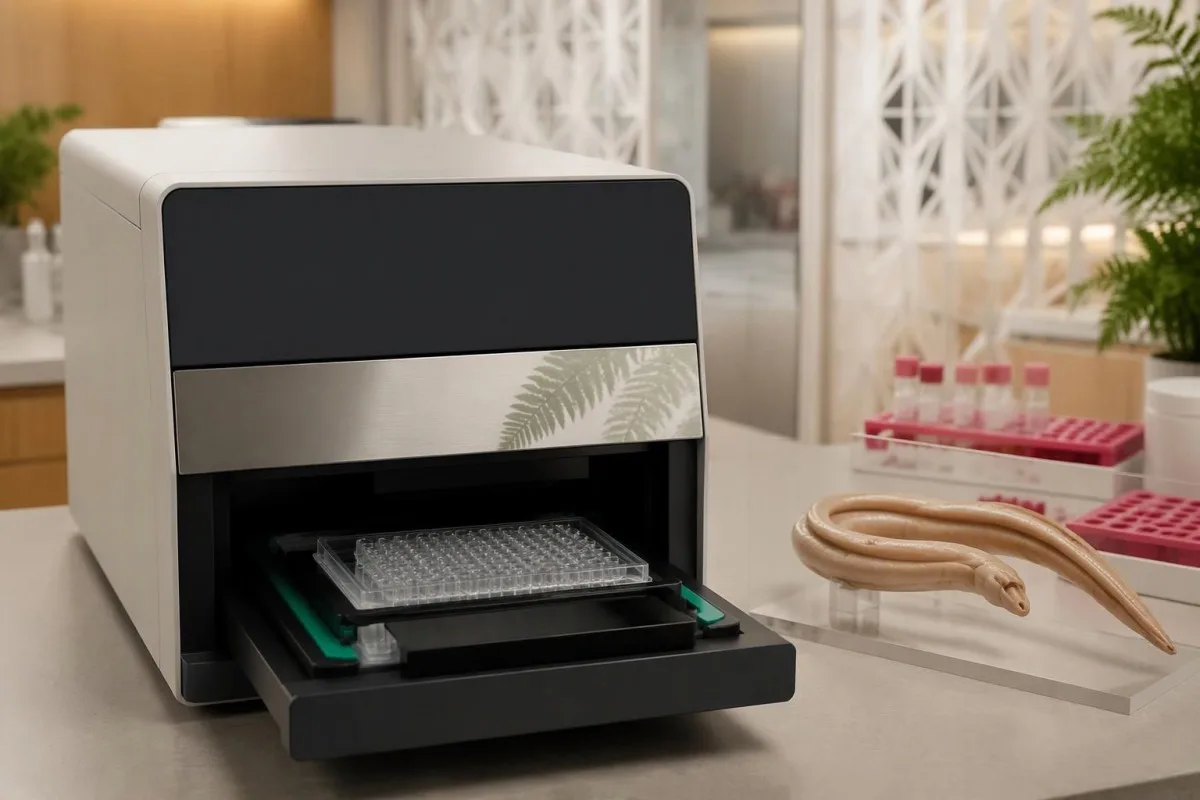
CAA assays can detect antigens released by living schistosomes, including some low-burden infections that microscopy misses. Urine CCA testing is used especially for S. mansoni, but trace readings and performance for other species complicate interpretation; 1 negative point-of-care CCA test should not be treated as a universal exclusion of urinary or intestinal schistosomiasis.
PCR may support diagnosis when microscopy is negative, but DNA detection is not identical to proving that every detected parasite component remains viable after treatment. The specimen matters—serum, stool and urine are not interchangeable—and 1 positive molecular result must be interpreted against the laboratory's validated application; antibodies versus direct detection illustrates this distinction in a different parasitic condition.
Kantesti is an AI lab test interpretation service that can explain the difference between 2 reports labeled Schistosoma IgG and Schistosoma PCR without treating them as interchangeable evidence. Our AI ინტერპრეტაციის მეთოდებში do not replace reference-laboratory expertise, and an antigen test's usefulness depends on whether the local service can obtain and validate it for your clinical question.
სისხლისა და შარდის თანმხლები რომელი მაჩვენებლებია მნიშვნელოვანი?
Eosinophilia, urinary abnormalities and signs of organ involvement can strengthen the case for further assessment, but none proves schistosomiasis alone. An absolute eosinophil count above approximately 0.5 × 10⁹/L is commonly considered elevated; a normal count does not exclude infection, especially outside the early immune-response phase.
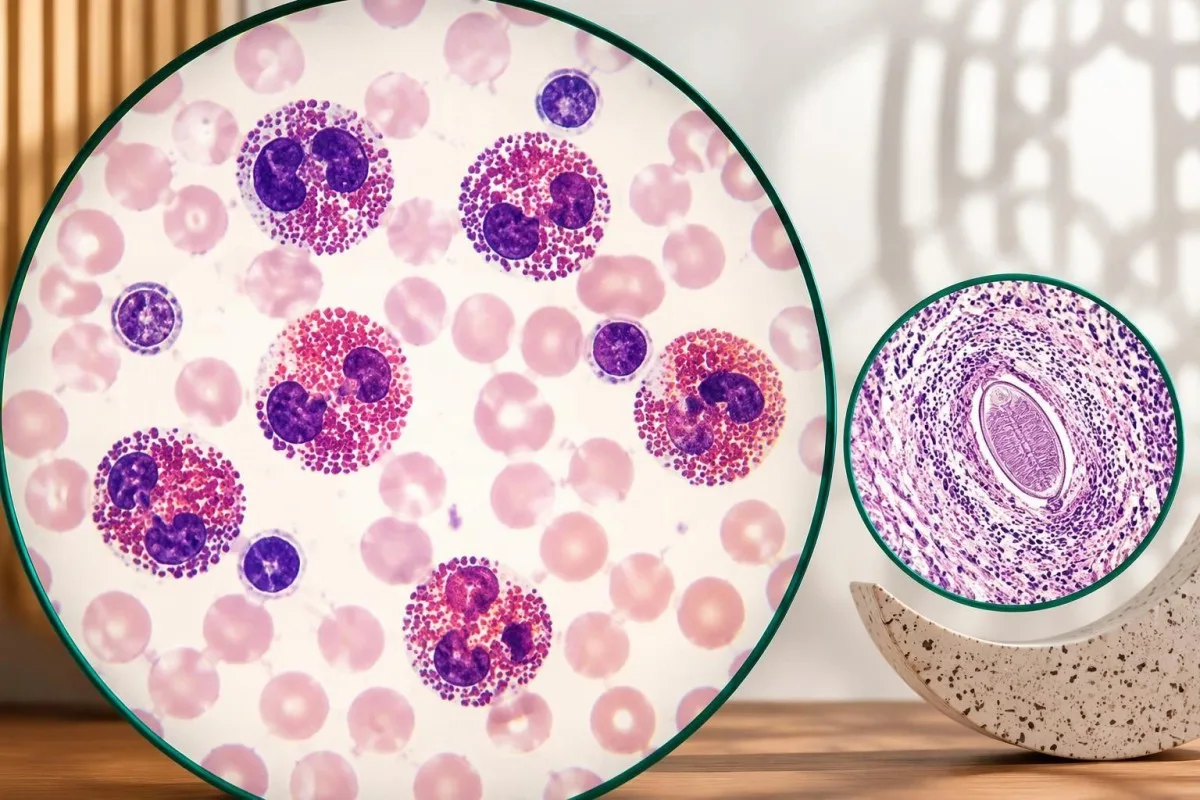
The absolute eosinophil count is usually more informative than the percentage because a percentage depends on the other white-cell populations. A hypothetical count of 0.8 × 10⁹/L may reflect schistosomiasis, another parasite, allergy or a medicine effect; persistent counts at or above 1.5 × 10⁹/L generally warrant broader evaluation, as discussed in our eosinophil count guide.
Normal liver enzymes do not reliably exclude hepatosplenic schistosomiasis because periportal fibrosis and portal hypertension can occur without the usual pattern of cirrhosis. For example, an ALT of 24 IU/L cannot overrule an enlarged spleen or suggestive ultrasound; ღვიძლის პანელის ინტერპრეტაციასთან explains why enzyme results answer different questions from structural imaging.
Blood in urine, protein in urine, persistent diarrhea or genital symptoms can change which investigations are appropriate. At Kantesti, we encourage keeping at least 3 evidence categories separate—exposure, parasite tests and organ findings—because a positive antibody result should not obscure a urinary obstruction, significant anemia or another explanation that requires its own assessment.
რატომ შეიძლება შემოგთავაზონ მკურნალობა, როცა მიკროსკოპიის პასუხი უარყოფითია?
Clinicians may treat a seropositive person with credible exposure and no adequate treatment history despite negative microscopy. This approach recognizes that light infections can escape egg detection and untreated adult worms can persist for years; the decision balances 3 factors: exposure probability, diagnostic limitations and the person's treatment risks.
Absence of symptoms does not establish absence of infection or eliminate the potential benefit of treatment. A hypothetical traveler tested 10 weeks after a lake swim, with positive IgG and 3 negative stool examinations, may still be offered praziquantel if the exposure was credible and no earlier treatment occurred; negative microscopy lowers certainty but does not settle the question.
Documented earlier treatment changes the reasoning, particularly when no freshwater re-exposure has occurred. A person with a positive test 5 years after an appropriately timed course does not automatically need another course; the clinician should investigate whether treatment was complete, whether the initial infection was confirmed and whether any symptoms or direct tests now suggest persistence.
Visible blood in urine requires assessment even when Schistosoma antibodies are positive, because 1 parasite result does not exclude stones, other infections or cancer. Chronic urinary schistosomiasis is associated with increased bladder cancer risk, but risk is not diagnosis; our guide to bladder warning symptoms explains why persistent or recurrent urinary changes deserve separate attention.
როგორ არჩევენ პრაზიკვანტელის დოზასა და მკურნალობის დროს?
Praziquantel is the standard medicine for schistosomiasis, but dose and timing depend on species and clinical circumstances. CDC's Clinical Care of Schistosomiasis guidance lists 40 mg/kg over 1 day in 2 divided doses for S. mansoni, S. haematobium and S. intercalatum, and 60 mg/kg in 3 divided doses for S. japonicum and S. mekongi.
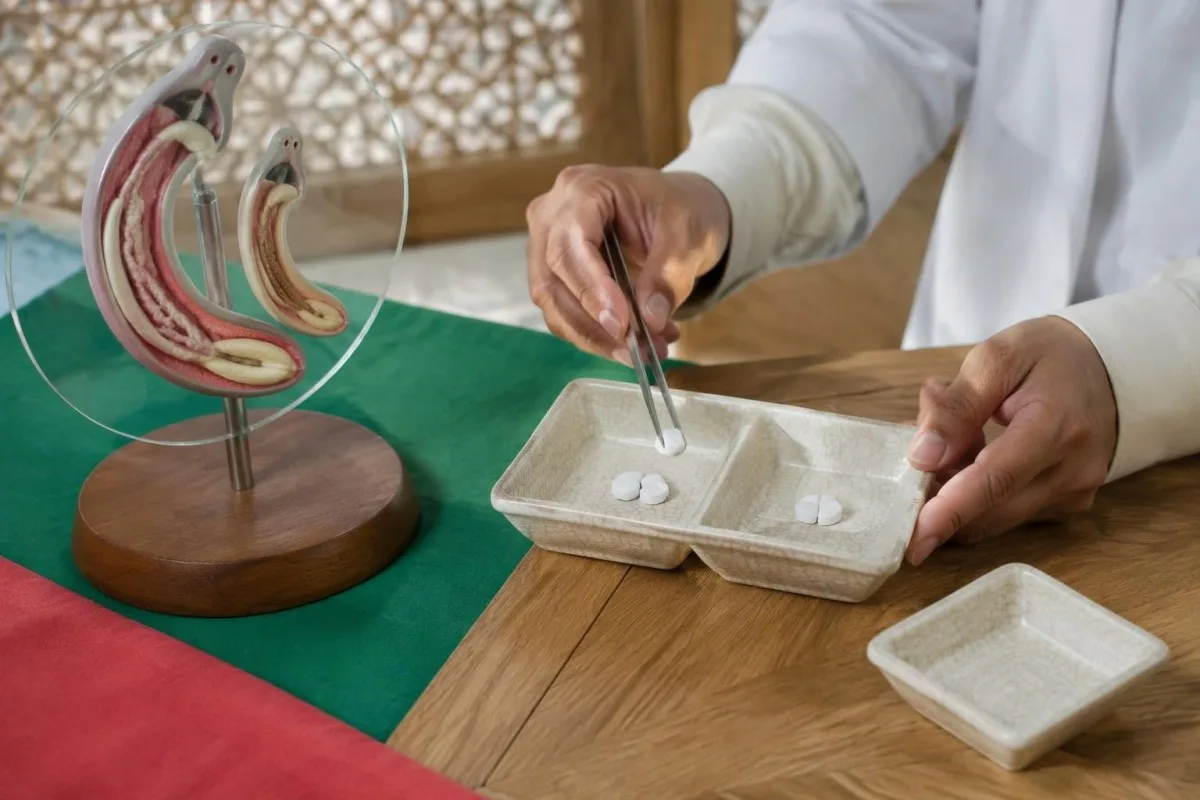
Praziquantel works best against mature worms, so otherwise stable travelers are generally treated at least 6–8 weeks after their last freshwater exposure. Taking it immediately after a swim is not reliable preventive treatment; if a course was given very early, the clinician may plan another course after maturation rather than assuming the initial prescription covered all developing worms.
A clearly hypothetical calculation illustrates a 40 mg/kg regimen: a 60 kg adult would receive 2,400 mg total over 1 day, split into 2 doses of 1,200 mg. Where 600 mg tablets are supplied, that arithmetic corresponds to 2 tablets per dose, but it is not an individual prescription—species, available formulation, rounding, swallowing ability and medical history must be checked.
Repeat treatment after 2–4 weeks may be appropriate in selected patients, especially with light infections or concerns about an incomplete response; it is not required solely because IgG remains positive. Medication review matters because rifampicin and enzyme-inducing antiseizure medicines can reduce praziquantel exposure, so patients taking carbamazepine should bring their regimen and any carbamazepine monitoring information rather than adjusting either medicine themselves.
რომელი სიმპტომების შემთხვევაშია საჭირო დროული ან გადაუდებელი შეფასება?
Fever after travel needs prompt assessment, and new weakness, seizures or bladder-control changes need emergency evaluation. Acute schistosomiasis can cause fever, cough, rash, diarrhea and eosinophilia around 2–8 weeks after exposure, but these symptoms overlap with other conditions and cannot be diagnosed from antibodies alone.
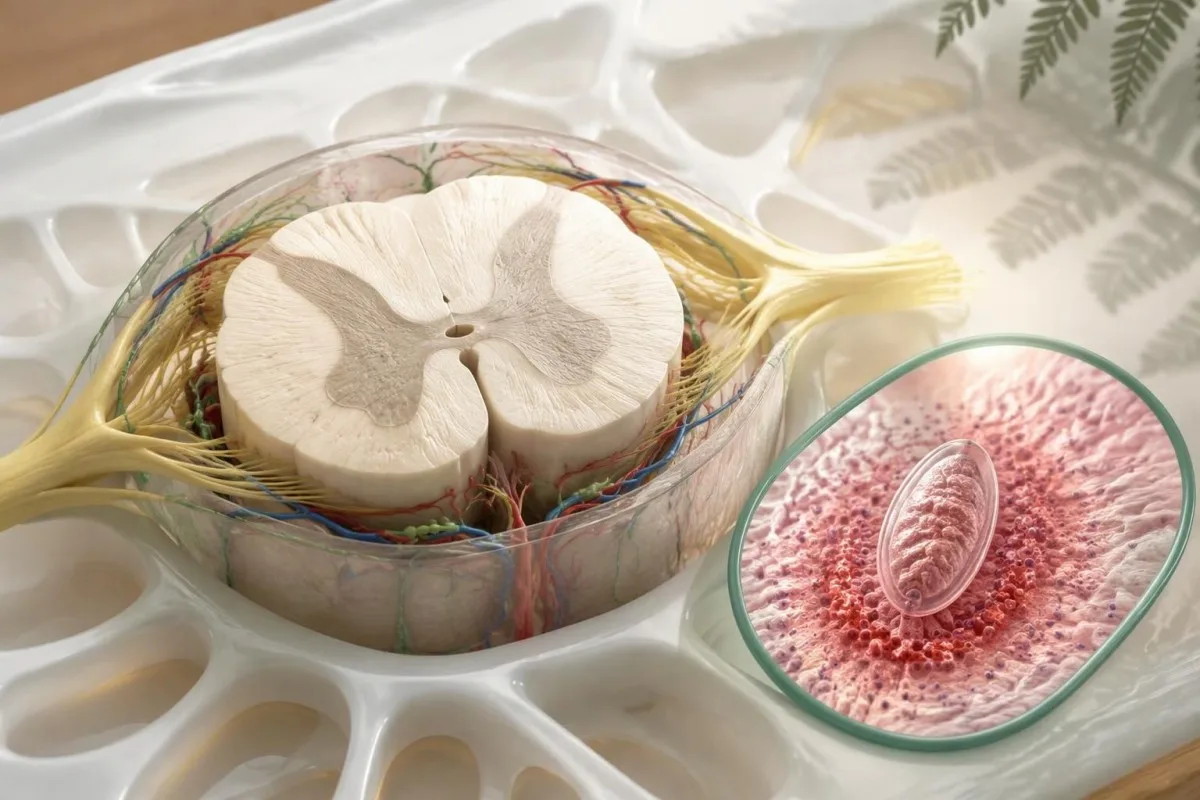
New leg weakness, difficulty walking, urinary retention or loss of bowel control can signal spinal cord involvement and should not wait for routine repeat serology. Schistosoma eggs can occasionally affect neurological tissue, but 1 positive antibody result does not establish the cause; emergency clinicians may need imaging and a broad differential diagnosis before specialist treatment is selected.
Acute systemic or neurological schistosomiasis may require specialist-directed corticosteroids alongside a carefully timed antiparasitic plan. If the exposure history also suggests Strongyloides, assess that possibility before immunosuppression when feasible, because steroids can precipitate dangerous hyperinfection; a Strongyloides IgG result needs its own management rather than assuming 1 antiparasitic medicine treats both organisms.
Fever after a malaria-risk itinerary should be assessed the same day, even if Schistosoma antibodies offer a plausible alternative explanation. Do not wait 6–8 weeks for repeat serology when there is persistent high fever, breathing difficulty, confusion, fainting, significant gastrointestinal bleeding or inability to pass urine; the immediate priority is identifying and treating the acute problem.
როგორ ცვლის ორსულობა, ბავშვთა ასაკი და სხვა მდგომარეობები მკურნალობის გეგმას?
Pregnancy, young age and complex illness require individualized treatment decisions rather than automatically withholding or prescribing praziquantel. The WHO guideline on control and elimination of human schistosomiasis (2022) supports preventive treatment from age 2 years and includes pregnant women after the first trimester and lactating women in eligible programs.
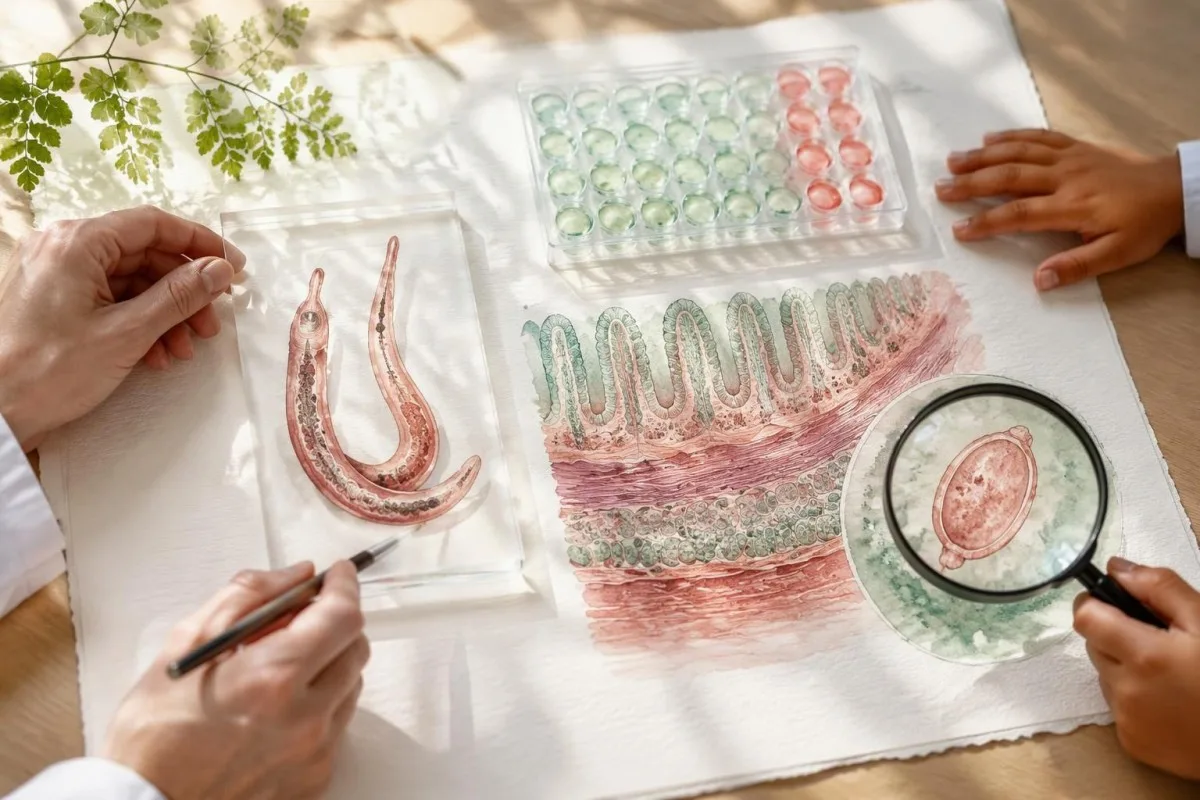
WHO program recommendations and treatment of an individual imported infection answer related but different questions. A hypothetical patient at 10 weeks of pregnancy needs a clinician-led balance of infection likelihood, severity and treatment timing; the recommendation to include pregnancy after the first trimester in preventive programs should not be turned into a blanket rule for every symptomatic patient.
Children's dosing requires an accurate weight and a formulation they can take safely; adult tablet arithmetic is not enough. WHO's inclusion of children aged 2 years and older in preventive chemotherapy does not make every product licensed for every younger age in every country, and our discussion of children's interpretation limits explains why pediatric results need age-specific clinical oversight.
A history of seizures, possible cysticercosis, significant liver disease or neurological symptoms should be reviewed before treatment. For 1 person with a straightforward travel-acquired infection, routine outpatient prescribing may be appropriate; another with possible central nervous system involvement may need specialist planning because the immune response to parasite treatment can itself affect symptoms.
რატომ შეიძლება შისტოსომის IgG წარმატებული მკურნალობის შემდეგაც დადებითი დარჩეს?
Schistosoma IgG can remain positive for years after successful treatment and is not a reliable test of cure. CDC recommends considering repeat stool or urine examination 1–2 months after treatment when eggs were detected before treatment; follow-up must match the evidence used to establish infection and the person's subsequent clinical course.
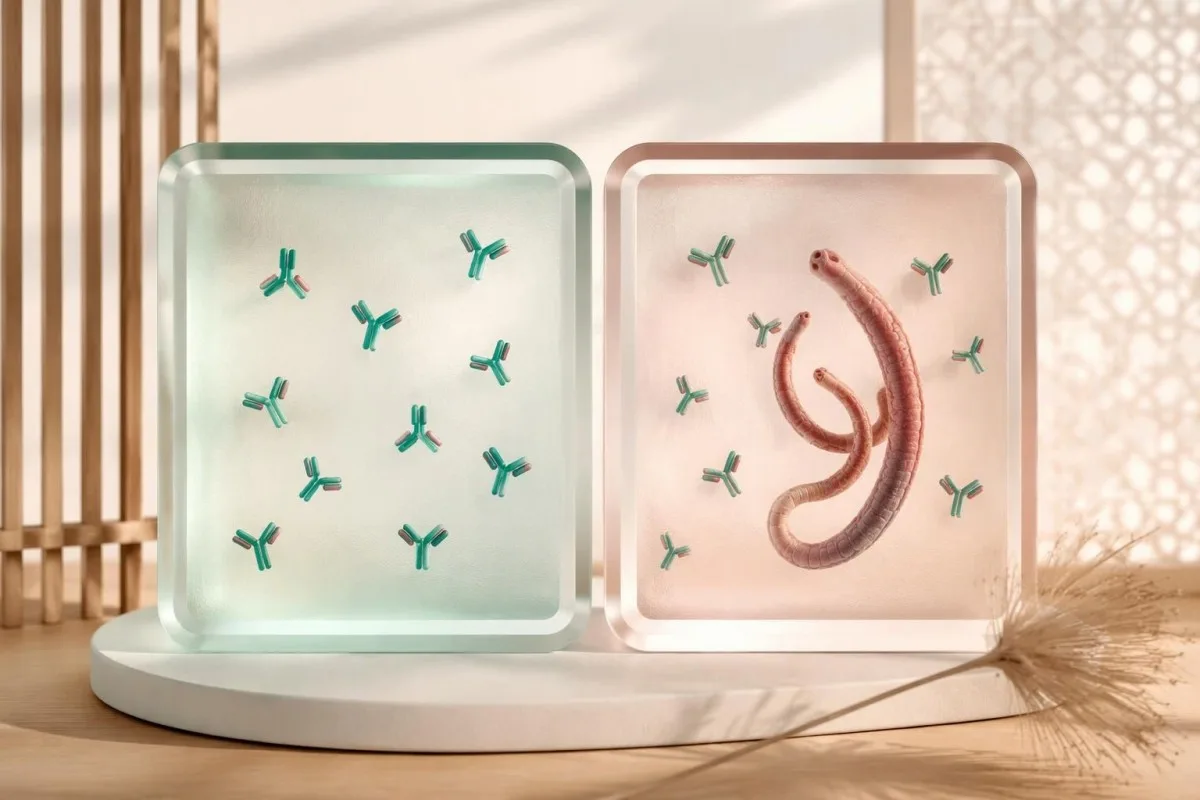
A positive IgG result 6 months after treatment does not, by itself, demonstrate treatment failure. Antibody decline varies, and a stable or temporarily higher signal cannot reliably quantify surviving worms; comparing results from 2 different laboratories adds assay differences, making numerical trend interpretation even less suitable for declaring cure.
Persistent symptoms or eosinophilia deserve reassessment, but neither automatically proves living Schistosoma remain. If eggs are still found at the 1–2 month follow-up, specialists may consider egg viability, collection details, treatment timing and whether another course is needed; PCR positivity can also require caution because detecting parasite DNA is not the same as identifying viable adult worms.
Kantesti can help organize 3 follow-up dates—treatment, specimen collection and any re-exposure—without labeling persistent IgG as treatment failure. Our მედიკამენტების ტრენდის ანალიზის გზამკვლევი explains why trends must be matched to the right clinical endpoint; an available validated antigen assay may be more useful than serial antibodies, but its follow-up schedule belongs to the treating service.
როგორ შეიძლება იმავე დადებითმა პასუხმა განსხვავებული გადაწყვეტილებები განაპირობოს?
The same positive Schistosoma IgG result can lead to treatment, additional testing or observation because the surrounding evidence differs. The following 4 examples are hypothetical teaching scenarios—not patient encounters—and illustrate how exposure dates, prior therapy, assay uncertainty and organ findings can outweigh the apparent simplicity of a positive flag.
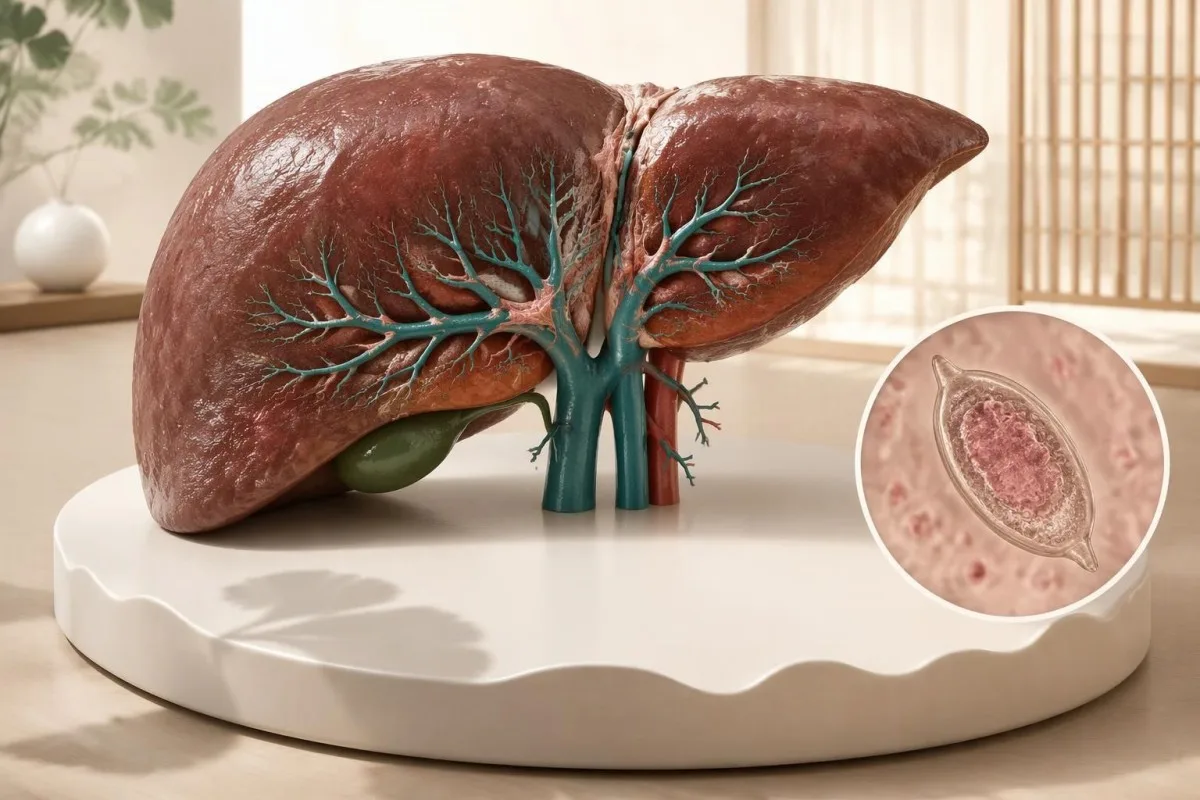
A hypothetical 28-year-old returns from a freshwater swim, tests positive 10 weeks later and has never received praziquantel; treatment may be reasonable despite negative microscopy. A hypothetical 44-year-old treated appropriately 4 years earlier, with no further exposure and no concerning findings, may not need retreatment; the timeline of laboratory results helps keep these histories distinct.
A hypothetical 35-year-old with no plausible freshwater exposure has a weakly positive screening assay and normal supporting investigations. The next step may be checking the original indication, assay and cross-reactivity rather than immediate treatment; changing a report from weak positive to strong positive on 1 repeat antibody assay still does not create a documented exposure or prove active infection.
A hypothetical 54-year-old who lived near endemic freshwater 20 years earlier has positive IgG, an enlarged spleen and an ALT of 24 IU/L within the local range. That combination merits assessment for portal and other organ disease despite normal enzymes; an old exposure is not automatically resolved, and common liver fibrosis scores should not be assumed validated for schistosomal periportal fibrosis.
რა უნდა წაიღოთ შემდგომ ვიზიტზე და რომელი წყაროები ამყარებს მკურნალობის გეგმას?
Bring your exposure history, complete laboratory report and treatment record to a clinician experienced in travel medicine, infectious diseases or tropical medicine. Prepare 3 questions: whether the result fits your exposure, which direct tests could change the decision and how treatment response will be assessed without relying on antibody disappearance.
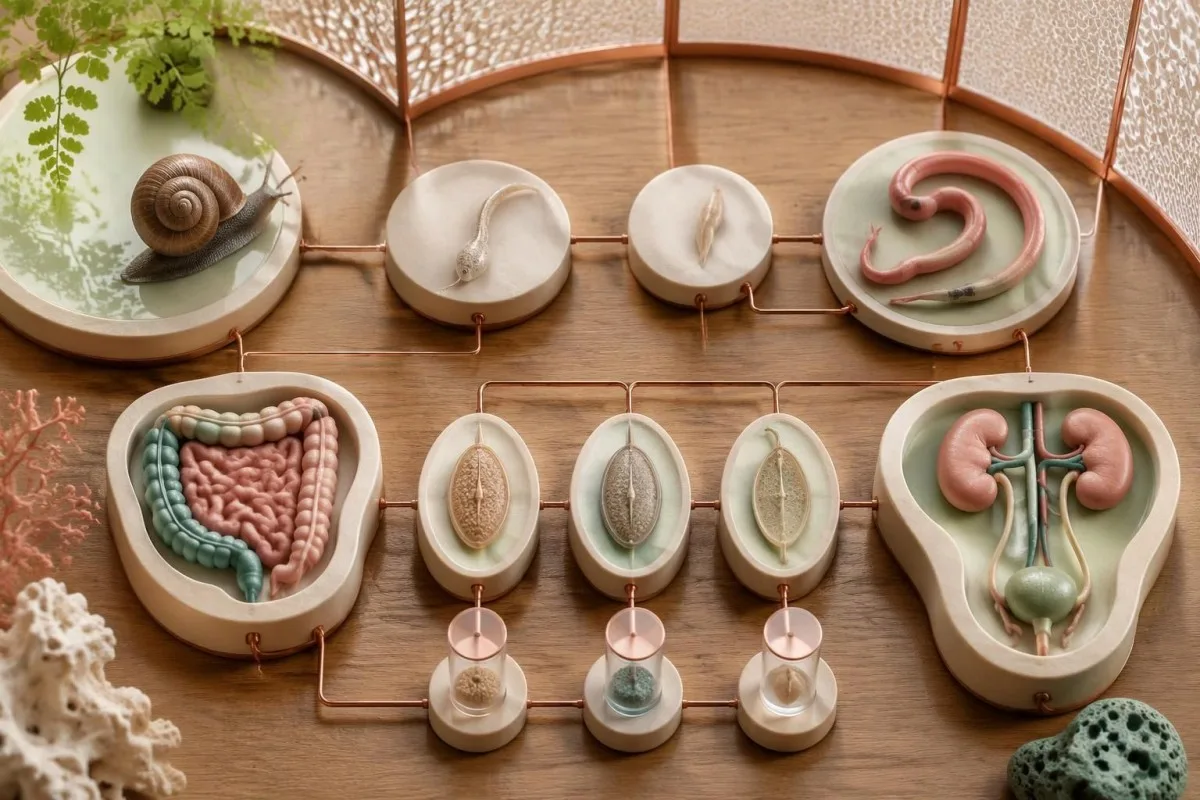
Your report should retain the assay name, units or index, reference interpretation and collection date, rather than only a cropped positive flag. Add 1 concise exposure timeline, previous praziquantel doses and dates, current medicines, pregnancy status where relevant and any urinary or neurological symptoms; this makes uncertainty visible and reduces the chance of repeating an uninformative antibody test.
Kantesti is an AI blood test interpretation platform that helps explain why 1 Schistosoma antibody result must be considered alongside exposure and treatment history, not used as a prescribing instruction. Our კლინიკურ ვალიდაციის ჩარჩოს describes methodology and oversight, while our კონფიდენციალურობისა და მონაცემთა დამუშავების წესებს information explains how to review data choices before sharing a travel or laboratory record.
The 2 Zenodo publications below describe Kantesti's validation framework and aggregate platform reporting; they are not clinical schistosomiasis guidelines and do not establish the sensitivity of a Schistosoma assay. Clinical recommendations in this article draw on CDC diagnostic and treatment guidance and the WHO guideline (2022), with our სამედიცინო შინაარსის სტანდარტები distinguishing published evidence, hypothetical calculations and the limits of AI-supported explanation.
ხშირად დასმული კითხვები
ნიშნავს თუ არა შისტოსომას IgG-ზე დადებითი პასუხი, რომ აქტიური ინფექცია მაქვს?
Schistosoma-ს IgG-ის დადებითი შედეგი ვერ განასხვავებს საიმედოდ აქტიურ ინფექციას ადრე ნამკურნალები ინფექციისგან. ანტისხეულები შეიძლება წლების განმავლობაში კვლავ გამოვლინდებოდეს, ამიტომ 1 დადებითი პასუხი უნდა შეფასდეს მტკნარ წყალთან კონტაქტისა და მკურნალობის ისტორიის გათვალისწინებით. საჭიროების შემთხვევაში, ექიმებმა შეიძლება გამოიყენონ განავლის ან შარდის მიკროსკოპია, ანტიგენის ტესტირება ან PCR, რათა უფრო პირდაპირი მტკიცებულება მიიღონ. სარწმუნო კონტაქტის შემთხვევაში, თუ მანამდე ადეკვატური მკურნალობა არ ჩატარებულა, შეიძლება მკურნალობა გამართლებული იყოს მაშინაც კი, როცა მიკროსკოპიის შედეგი უარყოფითია.
შეიძლება თუ არა შისტოსომოზი მქონდეს განავლისა და შარდის უარყოფითი ანალიზების მიუხედავად?
განავალში ან შარდში მიკროსკოპიული გამოკვლევის უარყოფითი შედეგი შისტოსომოზს არ გამორიცხავს, განსაკუთრებით მოგზაურობის შემდეგ, როდესაც პარაზიტების რაოდენობა შესაძლოა მცირე იყოს. CDC რეკომენდაციას უწევს სხვადასხვა დღეს აღებული 3 ნიმუშის გამოკვლევას, რადგან კვერცხების გამოყოფა შეიძლება პერიოდული იყოს. განსახილველი სახეობა ასევე განსაზღვრავს, უნდა გამოკვლეულ იქნეს განავალი, შარდი თუ ორივე. ექიმმა მკურნალობა შესაძლოა მაინც გირჩიოთ, თუ ანტისხეულები დადებითია, ექსპოზიცია სარწმუნოა და წინა ადეკვატური მკურნალობა დოკუმენტირებული არ არის.
მტკნარ წყალთან შეხებიდან რამდენ ხანში უნდა ჩავიტარო ტესტირება?
CDC რეკომენდაციას იძლევა, რომ Schistosoma-ს ანტისხეულების გამოსაკვლევი ნიმუშები სავარაუდო ახალი ინფიცირებიდან სულ მცირე 6–8 კვირის შემდეგ აიღონ. თუ მოგზაურობის დროს რამდენიმე შესაძლო კონტაქტი იყო, პრაქტიკული ორიენტირისთვის გამოიყენეთ მტკნარ წყალთან ბოლო კონტაქტის თარიღი. უფრო ადრე მიღებული უარყოფითი შედეგების განმეორება შეიძლება გახდეს საჭირო, რადგან ანტისხეულები შესაძლოა ჯერ არ იყოს გამოვლენადი. ცხელების ან სხვა მნიშვნელოვანი სიმპტომების შემთხვევაში საჭიროა დაუყოვნებლივ შეფასება და არა გამოკვლევისთვის საჭირო ამ ვადის გასვლამდე ლოდინი.
რატომ მაქვს პრაზიკვანტელის მიღების შემდეგაც შისტოსომის ანტისხეულების დადებითი ტესტი?
შისტოსომის მიმართ ანტისხეულები წარმატებული პრაზიკვანტელით მკურნალობის შემდეგ შეიძლება წლების განმავლობაში დადებითი დარჩეს, რადგან იმუნური პასუხი პარაზიტზე მეტხანს ნარჩუნდება. მკურნალობიდან 6 თვის შემდეგ დადებითი შედეგი თავისთავად არ ადასტურებს მკურნალობის წარუმატებლობას და განმეორებითი კურსის ჩატარებას არ ამართლებს. თუ მკურნალობამდე კვერცხები გამოვლინდა, ექიმებმა შეიძლება 1–2 თვის შემდეგ განავლის ან შარდის განმეორებითი გამოკვლევა მოითხოვონ. ახალი ინფიცირება, მუდმივი სიმპტომები და უშუალო ტესტების შედეგები უფრო ინფორმაციულია, ვიდრე მხოლოდ ანტისხეულების ხანგრძლივად არსებობა.
რა დოზით გამოიყენება პრაზიკვანტელი შისტოსომოზის დროს?
CDC-ის მიერ ჩამოთვლილი სქემით, S. mansoni-ის, S. haematobium-ისა და S. intercalatum-ის დროს პრაზიკვანტელი ინიშნება 40 მგ/კგ დოზით 1 დღის განმავლობაში, 2 გაყოფილ დოზად. S. japonicum-ისა და S. mekongi-ის დროს ჩამოთვლილი სქემაა 60 მგ/კგ დოზით 1 დღის განმავლობაში, 3 გაყოფილ დოზად. სხვა მხრივ სტაბილურ მოგზაურებს, როგორც წესი, მკურნალობენ მტკნარ წყალთან ბოლო კონტაქტიდან სულ მცირე 6–8 კვირის შემდეგ, რადგან პრაზიკვანტელი ყველაზე ეფექტურად მოქმედებს მომწიფებული ჭიების წინააღმდეგ. მკურნალობის სქემა ექიმმა უნდა შეარჩიოს და შეაფასოს მედიკამენტები, ორსულობა, ასაკი და შესაძლო ნევროლოგიური ჩართულობა.
შეიძლება თუ არა შისტოსომის ანტისხეულებზე დადებითი ტესტი ცრუ დადებითი იყოს?
Schistosoma-ს ანტისხეულების ტესტის შედეგი შეიძლება ცრუ დადებითი იყოს ან ჯვარედინად რეაგირებდეს სხვა პარაზიტების საწინააღმდეგო ანტისხეულებთან, რაც დამოკიდებულია ტესტის მეთოდზე. არ არსებობს უნივერსალური ინდექსური მაჩვენებელი, რომელიც აქტიურ ინფექციას ადასტურებს, და 2 ლაბორატორიამ შეიძლება ანტიგენების სხვადასხვა პრეპარატი და ზღვრული მნიშვნელობები გამოიყენოს. სუსტად დადებითი შედეგის შემთხვევაში, თუ მტკნარ წყალში ყოფნის დამაჯერებელი ისტორია არ არსებობს, შესაძლოა საჭირო გახდეს ლაბორატორიული გადამოწმება ან დამადასტურებელი სხვა მეთოდი. მხოლოდ ანტისხეულების განმეორებითი ტესტირება მაინც ვერ განასხვავებს საიმედოდ ნამკურნალებ ინფექციას ცოცხალი ჭიების არსებობისგან.
მიიღეთ სისხლის ანალიზის შედეგების ახსნა
ატვირთეთ თქვენი ლაბორატორიული ანგარიში და Kantesti-ის AI რამდენიმე წამში თითოეულ ბიომარკერს მარტივი ენით აგიხსნით. მას მსოფლიოში 2 მილიონზე მეტი ადამიანი იყენებს.
ცნობები
- Klein, T., Mitchell, S., & Weber, H. (2026). კლინიკური ვალიდაციის ჩარჩო v2.0 (სამედიცინო ვალიდაციის გვერდი). Kantesti AI-ის სამედიცინო კვლევა. DOI
- Klein, T., Mitchell, S., & Weber, H. (2026). AI სისხლის ანალიზის ანალიზატორი: 2.5M ტესტი გაანალიზდა | გლობალური ჯანმრთელობის ანგარიში 2026. Kantesti AI-ის სამედიცინო კვლევა. DOI
- დაავადებათა კონტროლისა და პრევენციის ცენტრები (2024). Clinical Testing and Diagnosis for Schistosomiasis. CDC Schistosomiasis Clinical Guidance.
- დაავადებათა კონტროლისა და პრევენციის ცენტრები (2024). Clinical Care of Schistosomiasis. CDC Schistosomiasis Clinical Guidance.
- World Health Organization (2022). WHO guideline on control and elimination of human schistosomiasis. World Health Organization Guidelines.
- 2 მილიონი+გაანალიზებული ტესტები
- 127+ქვეყნები
- 100+ენები
სამედიცინო გუნდის შესახებ


E-E-A-T სანდოობის სიგნალები
გამოცდილება
ექიმის ხელმძღვანელობით კლინიკური მიმოხილვა ლაბორატორიული ინტერპრეტაციის სამუშაო პროცესებზე.
ექსპერტიზა
ლაბორატორიული მედიცინის აქცენტი იმაზე, როგორ იქცევიან ბიომარკერები კლინიკურ კონტექსტში.
ავტორიტეტულობა
სამედიცინო თვალსაზრისით რეცენზირებულია დოქტორ თომას კლაინის მიერ, დოქტორ სარა მიტჩელისა და პროფესორ ჰანს ვებერის მონაწილეობით.
სანდოობა
მტკიცებულებებზე დაფუძნებული ინტერპრეტაცია, მკაფიო შემდგომი ნაბიჯებით, რათა შემცირდეს განგაშის დონე.






სამედიცინო პასუხისმგებლობის შეზღუდვის განცხადება
ეს სტატია მხოლოდ საგანმანათლებლო მიზნებისთვისაა და არ წარმოადგენს სამედიცინო რჩევას. დიაგნოზისა და მკურნალობის გადაწყვეტილებებისთვის ყოველთვის მიმართეთ კვალიფიციურ ჯანდაცვის სპეციალისტს.
გამოქვეყნდა · დაუკავშირდით სარედაქციო გუნდს
გამოქვეყნებულია Kantesti Ltd-ის მიერ, რეგისტრირებულია ინგლისსა და უელსში, კომპანიის №. 17090423, ლონდონი, გაერთიანებული სამეფო.
