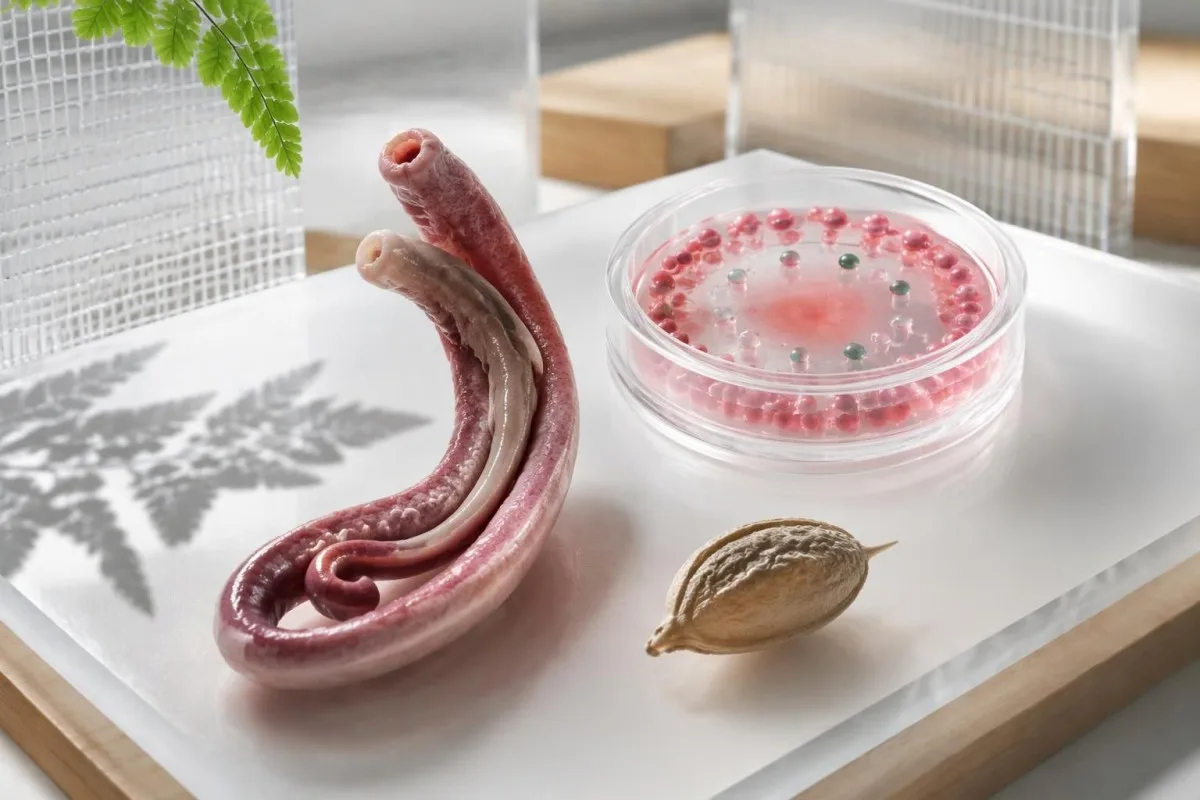
Pozitivan rezultat testa na antitijela na Schistosoma može opravdati liječenje nakon vjerodostojne izloženosti slatkoj vodi ako nikada niste primili odgovarajuću terapiju, ali ne može dokazati aktivnu infekciju niti potvrditi izlječenje. Datumi izloženosti, prethodno liječenje i dodatni testovi određuju sljedeći korak.

Ključne napomene
- Pozitivna antitijela ukazuju na imunološki odgovor na antigene Schistosoma; 1 pozitivan rezultat ne može razlikovati neliječenu infekciju od prethodno liječene infekcije.
- Period testiranja je važno: CDC preporučuje uzimanje uzoraka za testiranje antitijela najmanje 6–8 sedmica nakon sumnje na novu infekciju.
- Izloženost slatkoj vodi znači kontakt kože s potencijalno kontaminiranim jezerima, rijekama ili kanalima — a ne samo posjetu zemlji u kojoj je bolest prisutna.
- Mikroskopija daje više informacija kada ljekari zatraže 3 uzorka stolice ili urina prikupljena različitih dana.
- Prazikvantel doziranje obično iznosi ukupno 40 mg/kg tokom 1 dana za S. mansoni i S. haematobium, ali propisivanje zavisi od vrste i kliničkih okolnosti.
- Vrijeme liječenja obično znači čekanje najmanje 6–8 sedmica nakon posljednje izloženosti slatkoj vodi kod putnika čije je stanje inače stabilno, jer prazikvantel najbolje djeluje na odrasle crve.
- Kontrolna mikroskopija može se zatražiti 1–2 mjeseca nakon liječenja kada su prije liječenja bila prisutna jajašca.
- Perzistentni IgG može ostati pozitivan godinama nakon uspješnog liječenja; još jedan pozitivan rezultat ne opravdava automatski novi ciklus liječenja.
Da li pozitivan rezultat testa na antitijela na Schistosoma zahtijeva liječenje?
Pozitivan rezultat testa na antitijela na Schistosoma ne znači automatski da vam je potrebno liječenje. Kliničari često preporučuju liječenje kada je izlaganje slatkoj vodi vjerodostojno, a odgovarajuće prethodno liječenje nije provedeno, čak i ako je mikroskopija negativna; nakon dokumentiranog liječenja bez ponovnog izlaganja, 1 perzistentan pozitivan rezultat obično nije dovoljan razlog za ponovno liječenje.
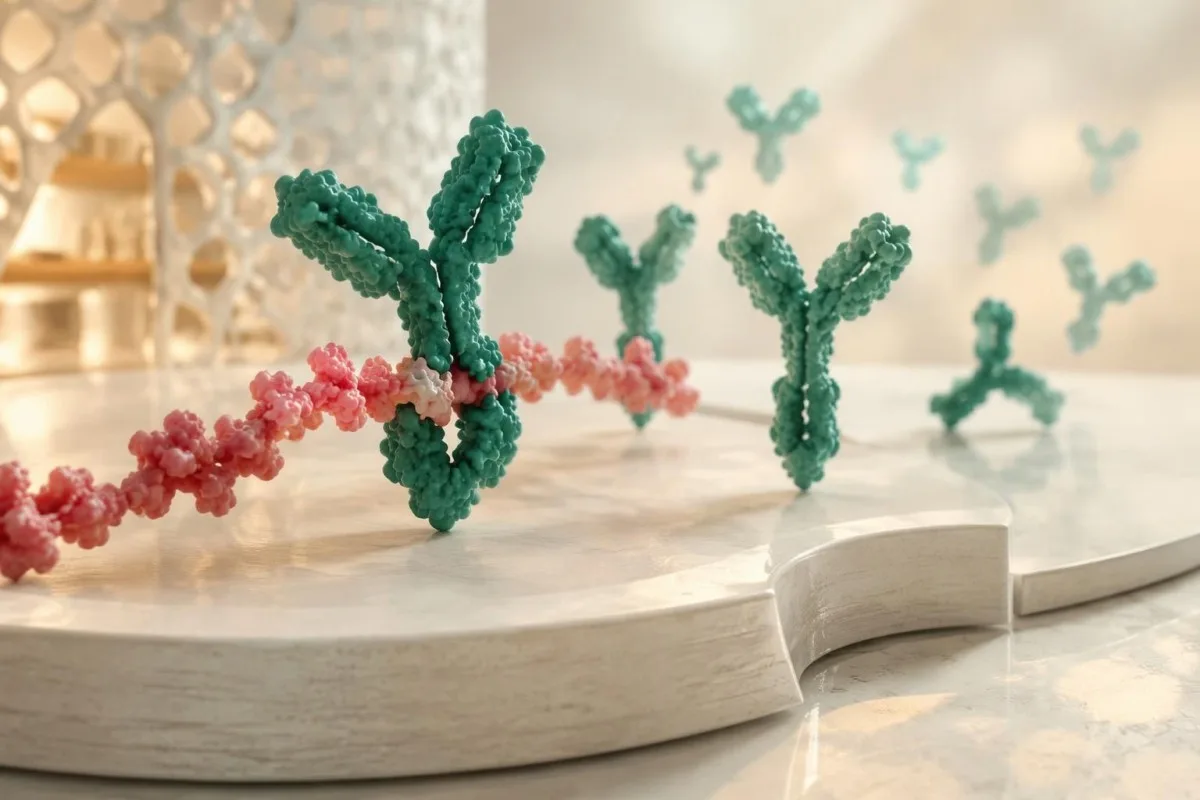
Značenje pozitivnog nalaza Schistosoma IgG najbolje je razumjeti kao dokaz prepoznavanja od strane imunološkog sistema, a ne kao mjerenje živih crva. Odgovor antitijela može trajati godinama duže od parazita, a 2 osobe s istim prijavljenim rezultatom mogu trebati različitu njegu — jedna nakon neliječenog izlaganja, a druga nakon uspješnog liječenja bez naknadnog kontakta sa slatkom vodom.
Prethodno izlaganje i prethodno liječenje odvojena su pitanja: stara infekcija može ostati neliječena, dok stari pozitivan nalaz može opstati i nakon izlječenja. Prije nego što se 1 nalaz protumači kao aktivna bolest ili bezazlena prošlost, provjerite naziv lijeka, dozu, datum i svaki kasniji kontakt s vodom; naše objašnjenje pozitivnih rezultata antitela razlikuje ove različite vrste dokaza.
Kantesti je AI analizator krvnih testova koji pomaže objasniti zašto 1 pozitivan rezultat testa na Schistosoma IgG ne može potvrditi aktivnu infekciju, čak i kada je kompletna krvna slika normalna. Naša uloga je objašnjavanje nalaza — ne identifikacija parazita niti propisivanje terapije — a naše organizacija i svrha treba razumjeti odvojeno od odluka koje donosi kliničar, a koje su ovdje opisane.
Zbog kojih izloženosti slatkoj vodi je rezultat uvjerljiviji?
Kontakt kože sa slatkom vodom u području prijenosa bolesti daje pozitivnom rezultatu veći klinički značaj. Plivanje, gaženje kroz vodu, kupanje, splavarenje ili pranje u jezerima, rijekama i kanalima za navodnjavanje mogu dovesti do izlaganja; zabilježite 3 pojedinosti za svaki događaj: tačnu lokaciju, aktivnost i datum posljednjeg kontakta.

Larve Schistosoma koje oslobađaju slatkovodni puževi prodiru kroz kožu; gutanje vode nije potrebno. Čak se i kratko gaženje kroz vodu računa kao izlaganje, a odsustvo osipa koji svrbi ne isključuje ga, zato bi putnik koji je hipotetički ušao u jezero na 5 minuta trebao spomenuti taj događaj, umjesto da zabilježi samo duža plivanja.
Morska voda i pravilno hlorisani bazeni nisu tipični izvori izlaganja šistosomijazi. Kontakt sa slatkom vodom može pobuditi sumnju i na druga stanja s različitim testovima i liječenjem, uključujući leptospirozu nakon izlaganja vodi; groznicu koja počne 1 sedmicu nakon aktivnosti na rijeci ne treba pripisivati antitijelima na Schistosoma bez šire procjene.
Sam naziv države ne može utvrditi individualni rizik jer se prijenos razlikuje unutar država i među vodenim površinama. Prisjetite se čak i 1 zaboravljene aktivnosti — poput pranja opreme pored rijeke — i razlikujte izlaganje parazitu od evidencije o vakcinaciji; putne provjere antitijela odgovaraju na drugo pitanje i ne pružaju zaštitu od šistosomijaze.
Kada nakon putovanja treba uraditi testiranje na shistosomijazu?
Testiranje na antitijela na šistosomijazu općenito je informativnije najmanje 6–8 sedmica nakon sumnje na novu infekciju. CDC-ove smjernice za kliničko testiranje i dijagnosticiranje šistosomijaze objašnjavaju da ovaj interval omogućava razvoj antitijela; negativan rezultat dobijen ranije ne može pouzdano isključiti nedavnu infekciju stečenu kontaktom sa slatkom vodom.
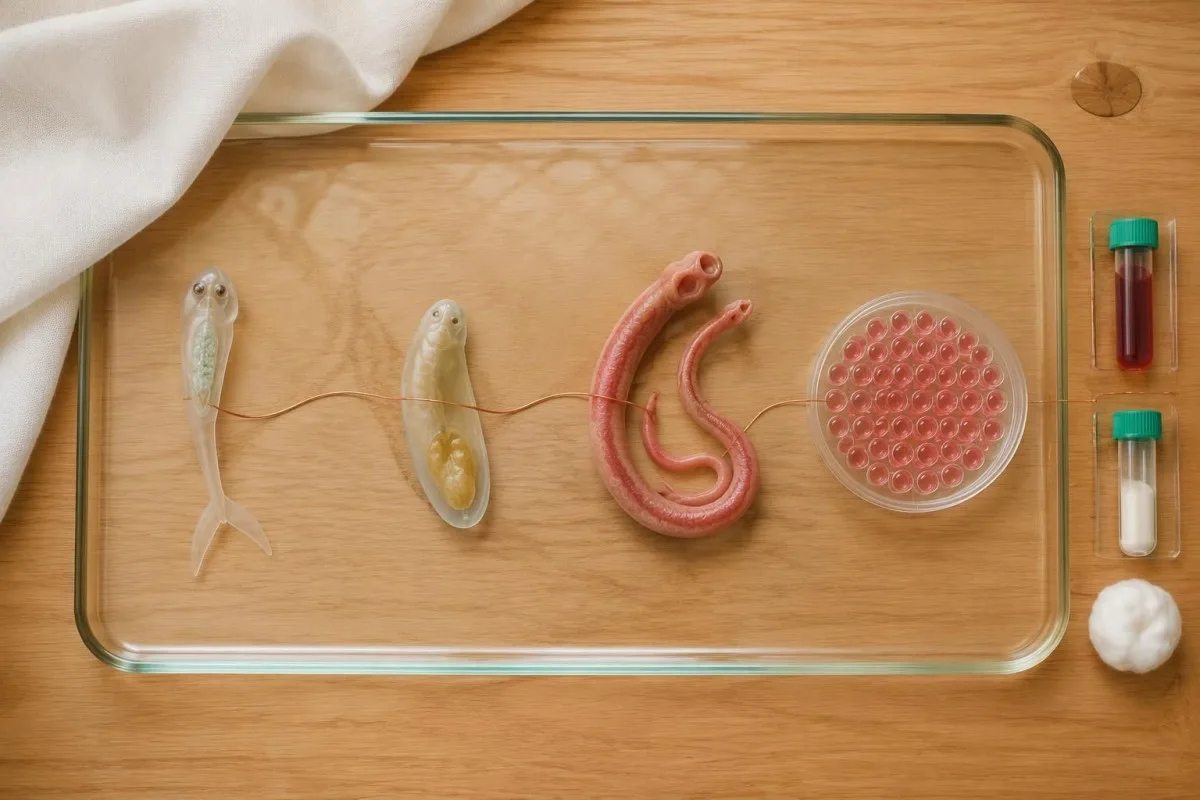
The last freshwater contact is a practical anchor when a trip involved several possible exposures. For example, a hypothetical traveler who swam on both the first and final day of a 3-week holiday should calculate the testing interval from the final swim, rather than assuming that the first exposure makes an immediate post-trip result conclusive.
Seroconversion is not identical across people or assays, so 6–8 weeks is a useful testing window rather than a guarantee of detection. When exposure is persuasive and an initial result is negative, a clinician may arrange another sample later, sometimes around 12 weeks after exposure; a second date should be agreed rather than inferred from a generic laboratory reference range.
Fever or significant symptoms after travel should be assessed without waiting for an antibody window to close, especially after a malaria-risk itinerary. At Kantesti, we encourage readers to keep 2 dates visible—last freshwater contact and sample collection—because vremenu testiranja infekcije can change the meaning of a negative report even though each organism requires its own diagnostic strategy.
Mogu li rezultati testova na antitijela na Schistosoma biti lažno pozitivni?
Schistosoma antibody tests can produce false-positive or cross-reactive results, and their performance varies by assay. There is no universal IgG concentration or index that proves active schistosomiasis; 2 laboratories may use different antigen preparations, reporting units and thresholds, making direct numerical comparisons unreliable.
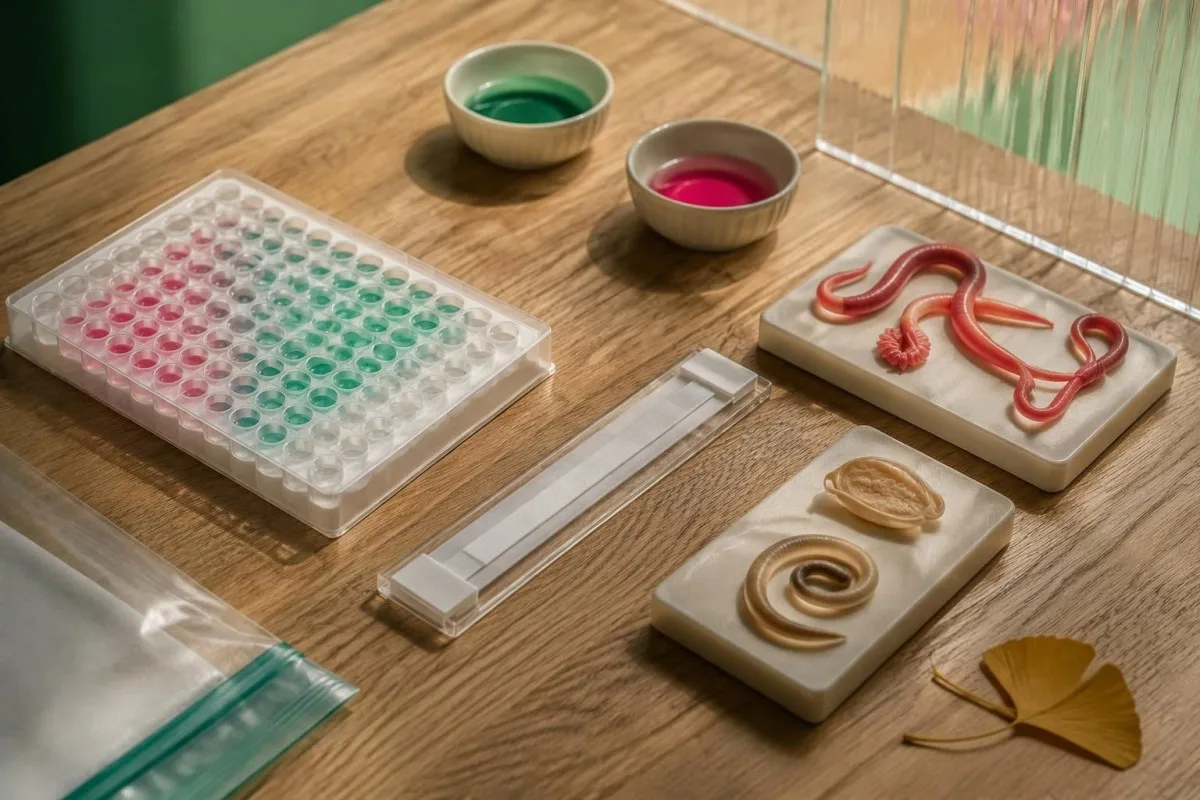
Cross-reactivity with other helminth antibodies depends on the test rather than occurring uniformly in every person. A laboratory may recommend an alternative assay or reference-laboratory review when the exposure history does not fit; 1 additional positive parasite antibody result also needs independent interpretation, as explained in our discussion of Toxocara antibody findings.
A hypothetical probability example shows why background risk matters: assume an imaginary test has 90% sensitivity and 95% specificity in 10,000 people, of whom 1% have the target infection. It would identify approximately 90 true positives and 495 false positives, so only about 15% of positive results would be true positives—these are teaching assumptions, not measured Schistosoma assay performance.
A high index should not be read as a high worm count, and a borderline index should not automatically be dismissed when exposure is strong. Ask for the assay name and the laboratory's interpretation of 1 equivocal or weakly positive result; confirmation with a different method can address assay uncertainty, but another antibody test still cannot reliably separate active infection from treated history.
Šta se može utvrditi mikroskopskim pregledom stolice i urina?
Finding characteristic Schistosoma eggs provides direct parasitological evidence, whereas negative microscopy does not exclude a light infection. CDC recommends examining 3 stool or urine samples collected on different days to improve sensitivity, because egg output can be sparse and intermittent, particularly in travelers with a low parasite burden.
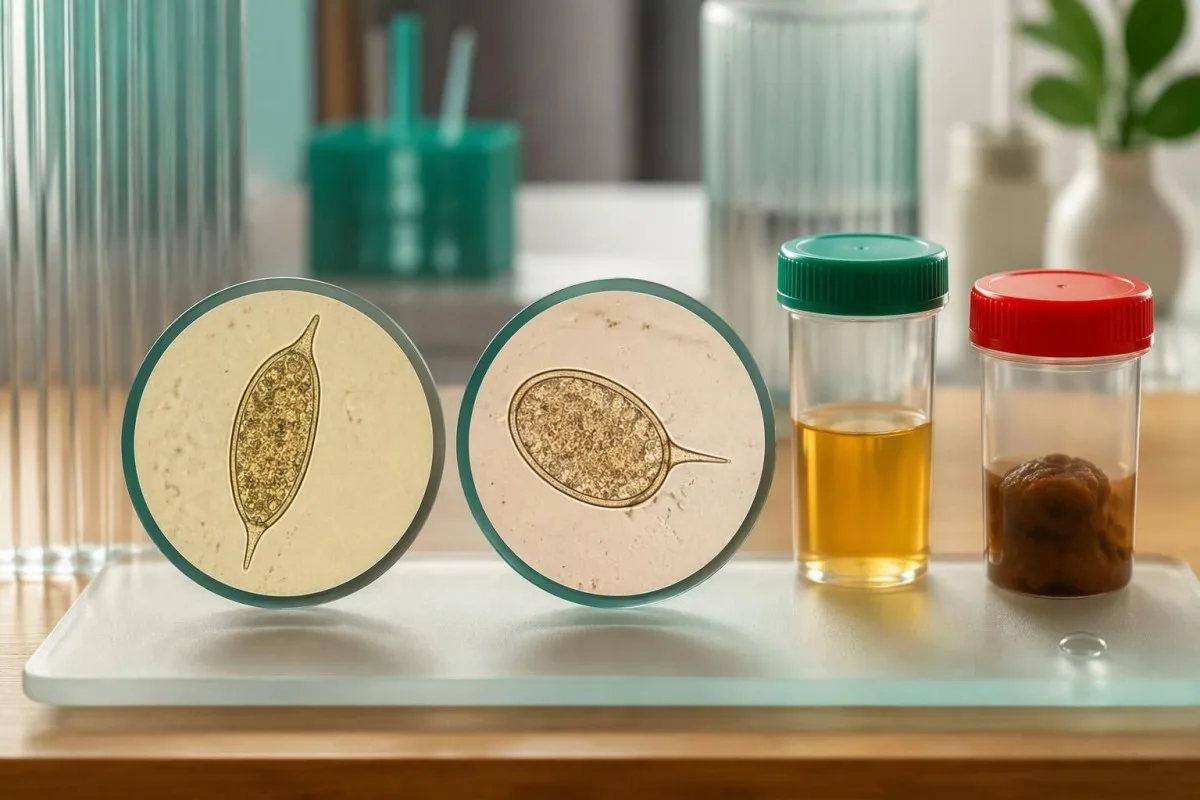
The suspected species determines specimen choice: S. mansoni and S. japonicum are usually investigated through stool, while S. haematobium is usually investigated through urine. Some exposure histories warrant both, so 1 negative stool examination does not address a possible urinary infection; interpretacija sedimenta urina also explains why ordinary urinary findings are not equivalent to parasite identification.
Urinary egg excretion often peaks around midday, and laboratories may request a sample between approximately 12 noon and 3 pm. Urine filtration may use a measured volume such as 10 mL, but collection, transport and processing instructions vary; follow the receiving laboratory's protocol rather than improvising exercise, fluid restriction or a collection time.
Routine dipstick testing is not a substitute for a specific Schistosoma egg examination, and 1 routine stool pathogen panel may omit the parasite entirely. Check the exact tests ordered, including concentration or filtration methods when appropriate; our urinalysis method guide helps distinguish screening for cells and chemistry from targeted parasitology.
Pokazuju li testovi na antigene ili PCR jasnije aktivnu infekciju?
Schistosoma antigen tests can provide evidence more closely linked to living worms than antibody tests, but access and performance differ. Circulating anodic antigen, or CAA, and circulating cathodic antigen, or CCA, are 2 distinct targets; PCR detects parasite DNA and needs interpretation according to specimen, timing and the laboratory method.
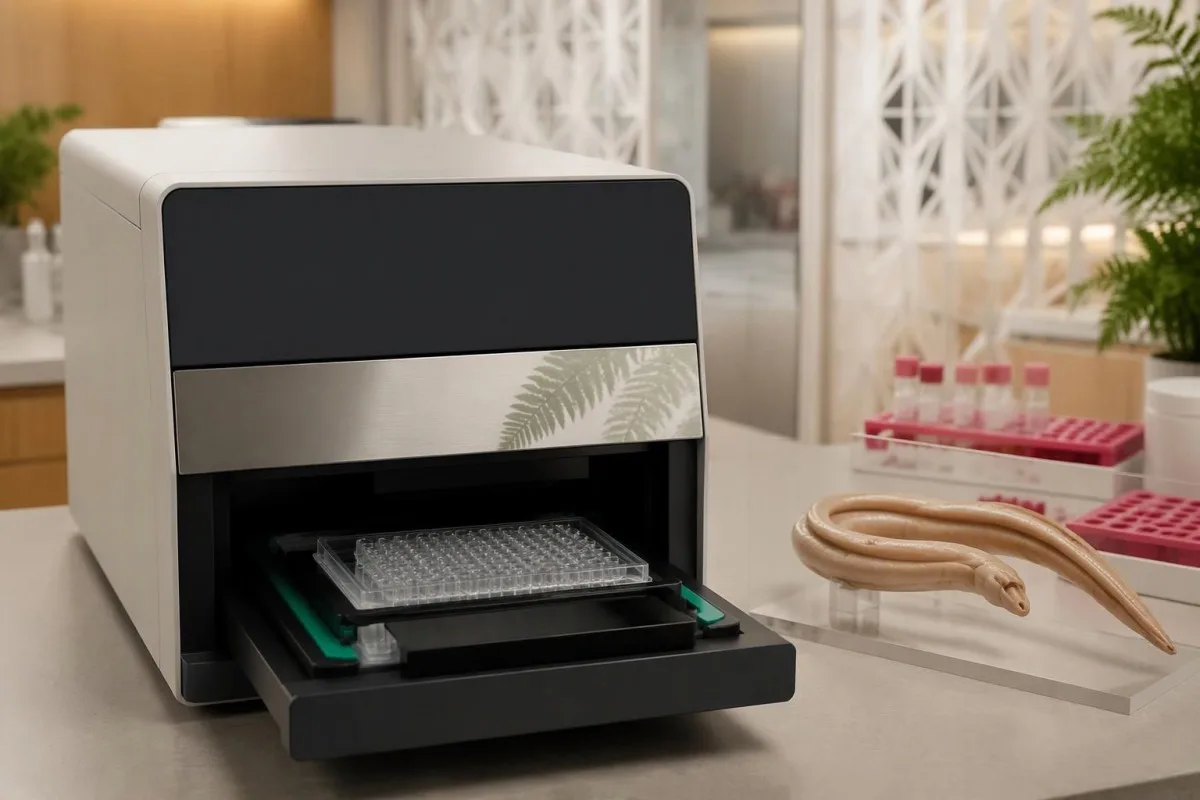
CAA assays can detect antigens released by living schistosomes, including some low-burden infections that microscopy misses. Urine CCA testing is used especially for S. mansoni, but trace readings and performance for other species complicate interpretation; 1 negative point-of-care CCA test should not be treated as a universal exclusion of urinary or intestinal schistosomiasis.
PCR may support diagnosis when microscopy is negative, but DNA detection is not identical to proving that every detected parasite component remains viable after treatment. The specimen matters—serum, stool and urine are not interchangeable—and 1 positive molecular result must be interpreted against the laboratory's validated application; antibodies versus direct detection illustrates this distinction in a different parasitic condition.
Kantesti is an AI lab test interpretation service that can explain the difference between 2 reports labeled Schistosoma IgG and Schistosoma PCR without treating them as interchangeable evidence. Our metodama interpretacije uz pomoć AI-ja do not replace reference-laboratory expertise, and an antigen test's usefulness depends on whether the local service can obtain and validate it for your clinical question.
Koji prateći nalazi u krvi i urinu su važni?
Eosinophilia, urinary abnormalities and signs of organ involvement can strengthen the case for further assessment, but none proves schistosomiasis alone. An absolute eosinophil count above approximately 0.5 × 10⁹/L is commonly considered elevated; a normal count does not exclude infection, especially outside the early immune-response phase.
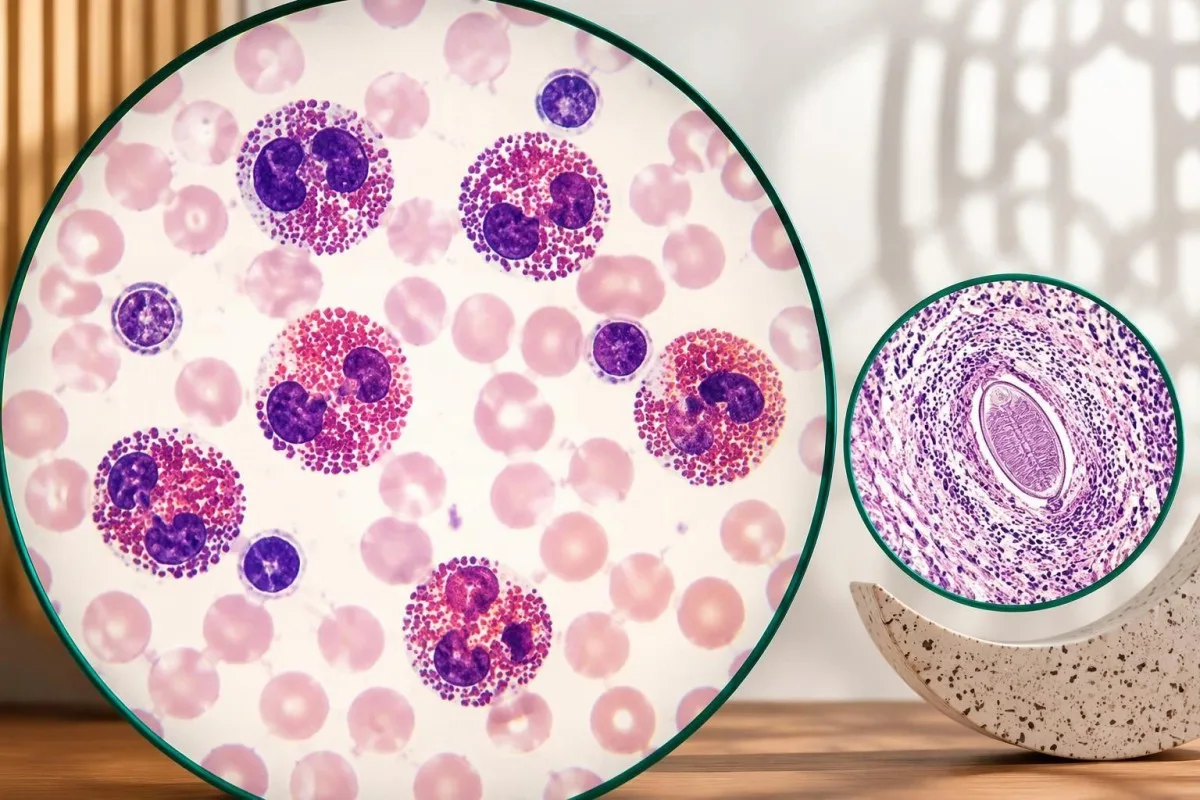
The absolute eosinophil count is usually more informative than the percentage because a percentage depends on the other white-cell populations. A hypothetical count of 0.8 × 10⁹/L may reflect schistosomiasis, another parasite, allergy or a medicine effect; persistent counts at or above 1.5 × 10⁹/L generally warrant broader evaluation, as discussed in our eosinophil count guide.
Normal liver enzymes do not reliably exclude hepatosplenic schistosomiasis because periportal fibrosis and portal hypertension can occur without the usual pattern of cirrhosis. For example, an ALT of 24 IU/L cannot overrule an enlarged spleen or suggestive ultrasound; interpretacijom jetrenog panela explains why enzyme results answer different questions from structural imaging.
Blood in urine, protein in urine, persistent diarrhea or genital symptoms can change which investigations are appropriate. At Kantesti, we encourage keeping at least 3 evidence categories separate—exposure, parasite tests and organ findings—because a positive antibody result should not obscure a urinary obstruction, significant anemia or another explanation that requires its own assessment.
Zašto se liječenje može ponuditi kada je mikroskopski nalaz negativan?
Clinicians may treat a seropositive person with credible exposure and no adequate treatment history despite negative microscopy. This approach recognizes that light infections can escape egg detection and untreated adult worms can persist for years; the decision balances 3 factors: exposure probability, diagnostic limitations and the person's treatment risks.
Absence of symptoms does not establish absence of infection or eliminate the potential benefit of treatment. A hypothetical traveler tested 10 weeks after a lake swim, with positive IgG and 3 negative stool examinations, may still be offered praziquantel if the exposure was credible and no earlier treatment occurred; negative microscopy lowers certainty but does not settle the question.
Documented earlier treatment changes the reasoning, particularly when no freshwater re-exposure has occurred. A person with a positive test 5 years after an appropriately timed course does not automatically need another course; the clinician should investigate whether treatment was complete, whether the initial infection was confirmed and whether any symptoms or direct tests now suggest persistence.
Visible blood in urine requires assessment even when Schistosoma antibodies are positive, because 1 parasite result does not exclude stones, other infections or cancer. Chronic urinary schistosomiasis is associated with increased bladder cancer risk, but risk is not diagnosis; our guide to bladder warning symptoms explains why persistent or recurrent urinary changes deserve separate attention.
Kako se određuju doza prazikvantela i vrijeme liječenja?
Praziquantel is the standard medicine for schistosomiasis, but dose and timing depend on species and clinical circumstances. CDC's Clinical Care of Schistosomiasis guidance lists 40 mg/kg over 1 day in 2 divided doses for S. mansoni, S. haematobium and S. intercalatum, and 60 mg/kg in 3 divided doses for S. japonicum and S. mekongi.
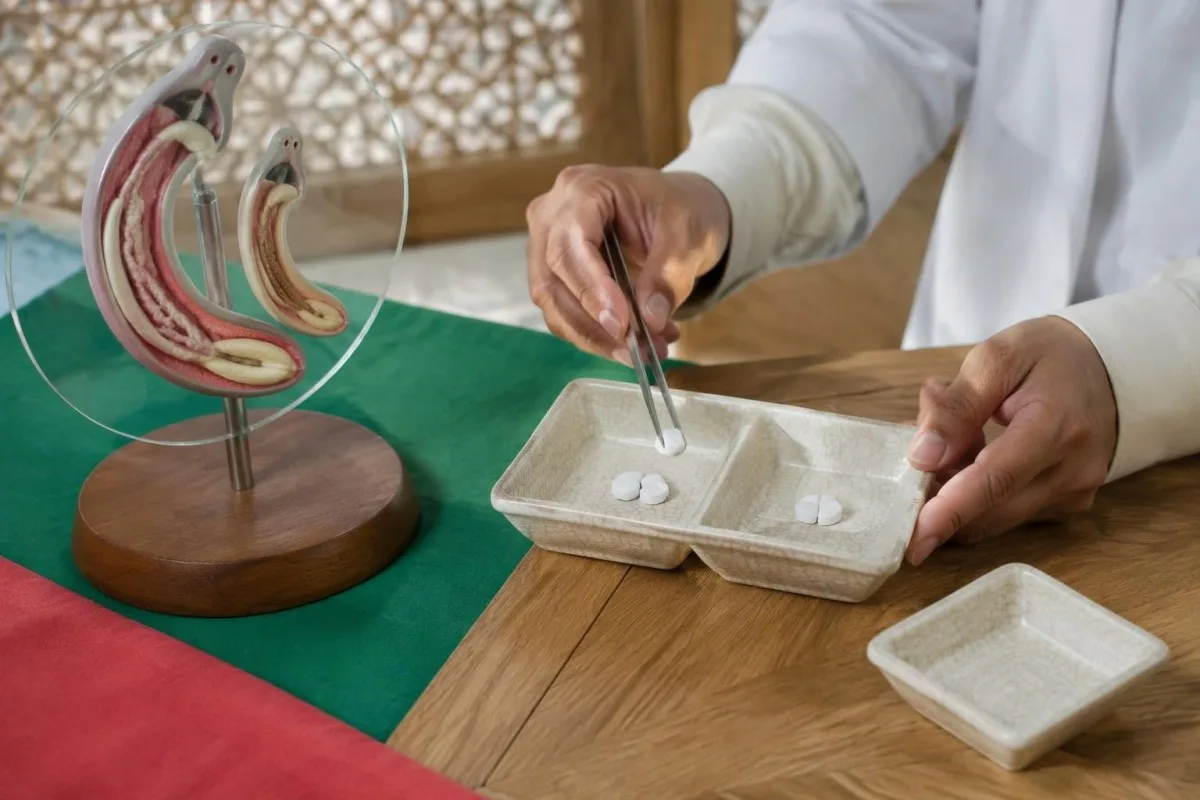
Praziquantel works best against mature worms, so otherwise stable travelers are generally treated at least 6–8 weeks after their last freshwater exposure. Taking it immediately after a swim is not reliable preventive treatment; if a course was given very early, the clinician may plan another course after maturation rather than assuming the initial prescription covered all developing worms.
A clearly hypothetical calculation illustrates a 40 mg/kg regimen: a 60 kg adult would receive 2,400 mg total over 1 day, split into 2 doses of 1,200 mg. Where 600 mg tablets are supplied, that arithmetic corresponds to 2 tablets per dose, but it is not an individual prescription—species, available formulation, rounding, swallowing ability and medical history must be checked.
Repeat treatment after 2–4 weeks may be appropriate in selected patients, especially with light infections or concerns about an incomplete response; it is not required solely because IgG remains positive. Medication review matters because rifampicin and enzyme-inducing antiseizure medicines can reduce praziquantel exposure, so patients taking carbamazepine should bring their regimen and any carbamazepine monitoring information rather than adjusting either medicine themselves.
Koji simptomi zahtijevaju brzu ili hitnu procjenu?
Fever after travel needs prompt assessment, and new weakness, seizures or bladder-control changes need emergency evaluation. Acute schistosomiasis can cause fever, cough, rash, diarrhea and eosinophilia around 2–8 weeks after exposure, but these symptoms overlap with other conditions and cannot be diagnosed from antibodies alone.
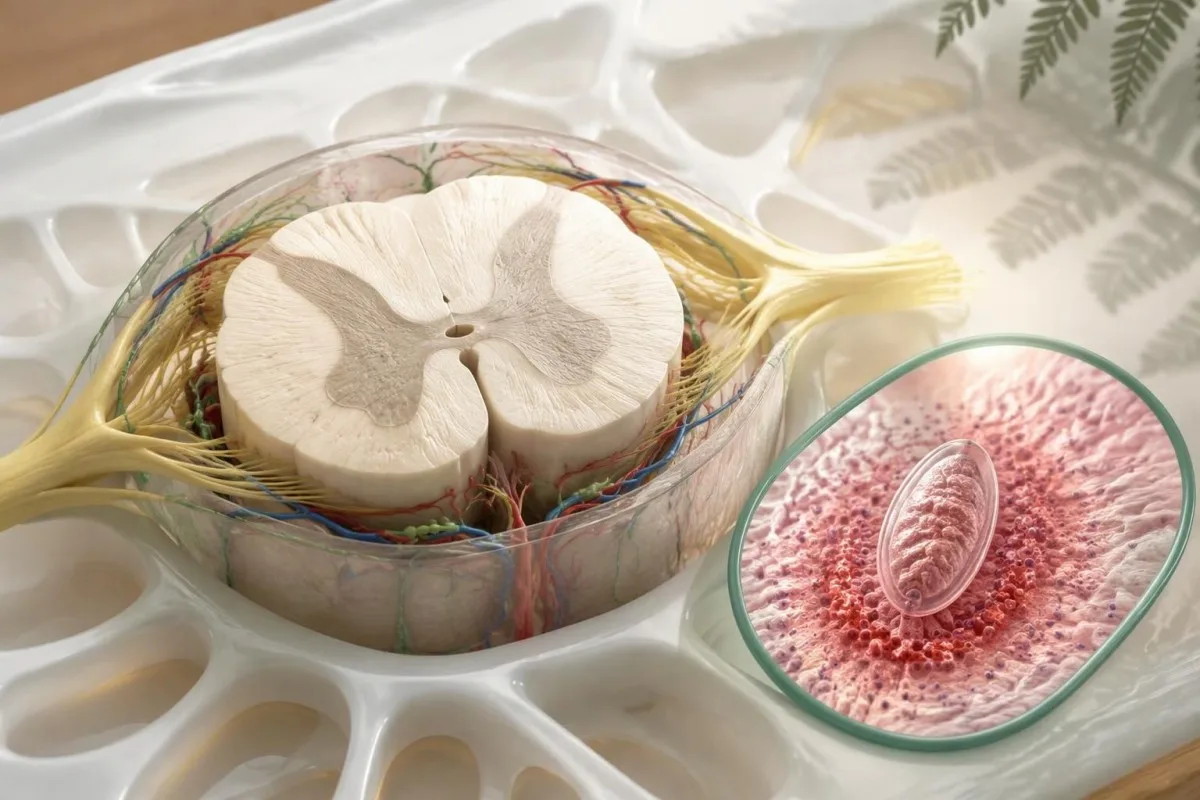
New leg weakness, difficulty walking, urinary retention or loss of bowel control can signal spinal cord involvement and should not wait for routine repeat serology. Schistosoma eggs can occasionally affect neurological tissue, but 1 positive antibody result does not establish the cause; emergency clinicians may need imaging and a broad differential diagnosis before specialist treatment is selected.
Acute systemic or neurological schistosomiasis may require specialist-directed corticosteroids alongside a carefully timed antiparasitic plan. If the exposure history also suggests Strongyloides, assess that possibility before immunosuppression when feasible, because steroids can precipitate dangerous hyperinfection; a Strongyloides IgG result needs its own management rather than assuming 1 antiparasitic medicine treats both organisms.
Fever after a malaria-risk itinerary should be assessed the same day, even if Schistosoma antibodies offer a plausible alternative explanation. Do not wait 6–8 weeks for repeat serology when there is persistent high fever, breathing difficulty, confusion, fainting, significant gastrointestinal bleeding or inability to pass urine; the immediate priority is identifying and treating the acute problem.
Kako trudnoća, djetinjstvo i druga stanja mijenjaju liječenje?
Pregnancy, young age and complex illness require individualized treatment decisions rather than automatically withholding or prescribing praziquantel. The WHO guideline on control and elimination of human schistosomiasis (2022) supports preventive treatment from age 2 years and includes pregnant women after the first trimester and lactating women in eligible programs.
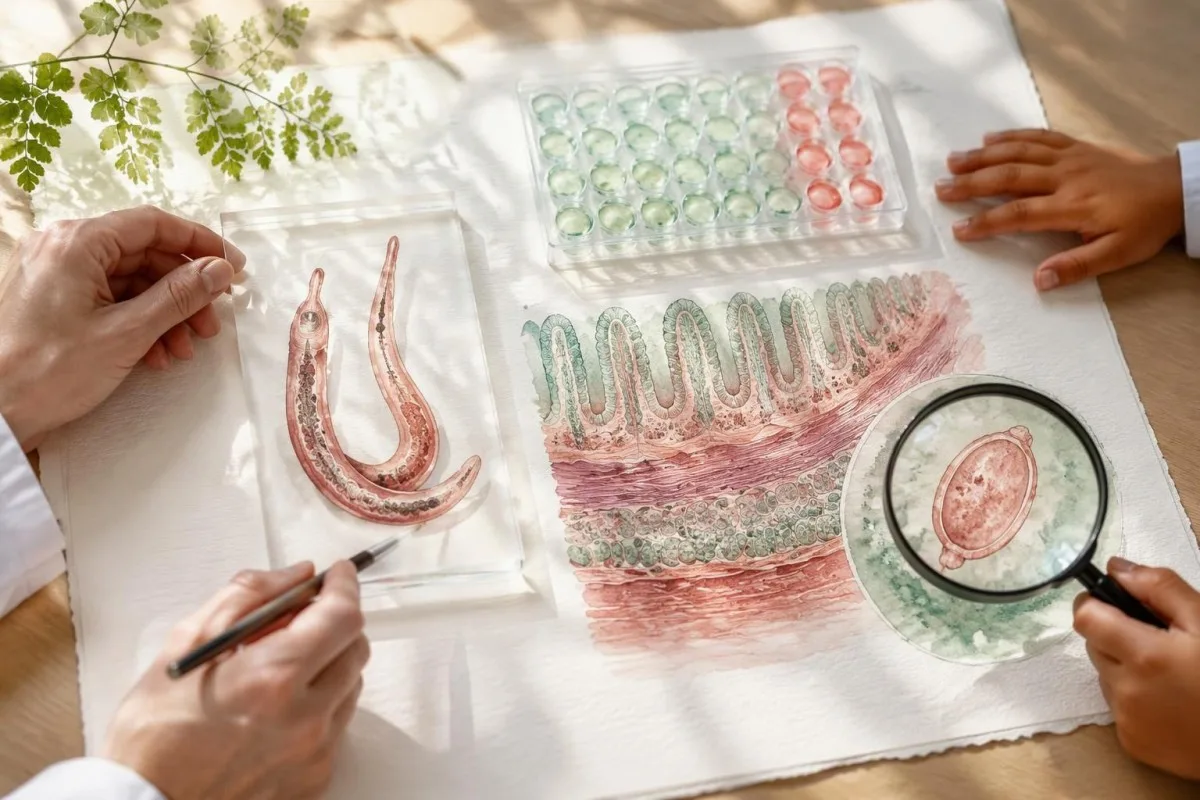
WHO program recommendations and treatment of an individual imported infection answer related but different questions. A hypothetical patient at 10 weeks of pregnancy needs a clinician-led balance of infection likelihood, severity and treatment timing; the recommendation to include pregnancy after the first trimester in preventive programs should not be turned into a blanket rule for every symptomatic patient.
Children's dosing requires an accurate weight and a formulation they can take safely; adult tablet arithmetic is not enough. WHO's inclusion of children aged 2 years and older in preventive chemotherapy does not make every product licensed for every younger age in every country, and our discussion of children's interpretation limits explains why pediatric results need age-specific clinical oversight.
A history of seizures, possible cysticercosis, significant liver disease or neurological symptoms should be reviewed before treatment. For 1 person with a straightforward travel-acquired infection, routine outpatient prescribing may be appropriate; another with possible central nervous system involvement may need specialist planning because the immune response to parasite treatment can itself affect symptoms.
Zašto IgG na Schistosoma može ostati pozitivan nakon uspješnog liječenja?
Schistosoma IgG can remain positive for years after successful treatment and is not a reliable test of cure. CDC recommends considering repeat stool or urine examination 1–2 months after treatment when eggs were detected before treatment; follow-up must match the evidence used to establish infection and the person's subsequent clinical course.
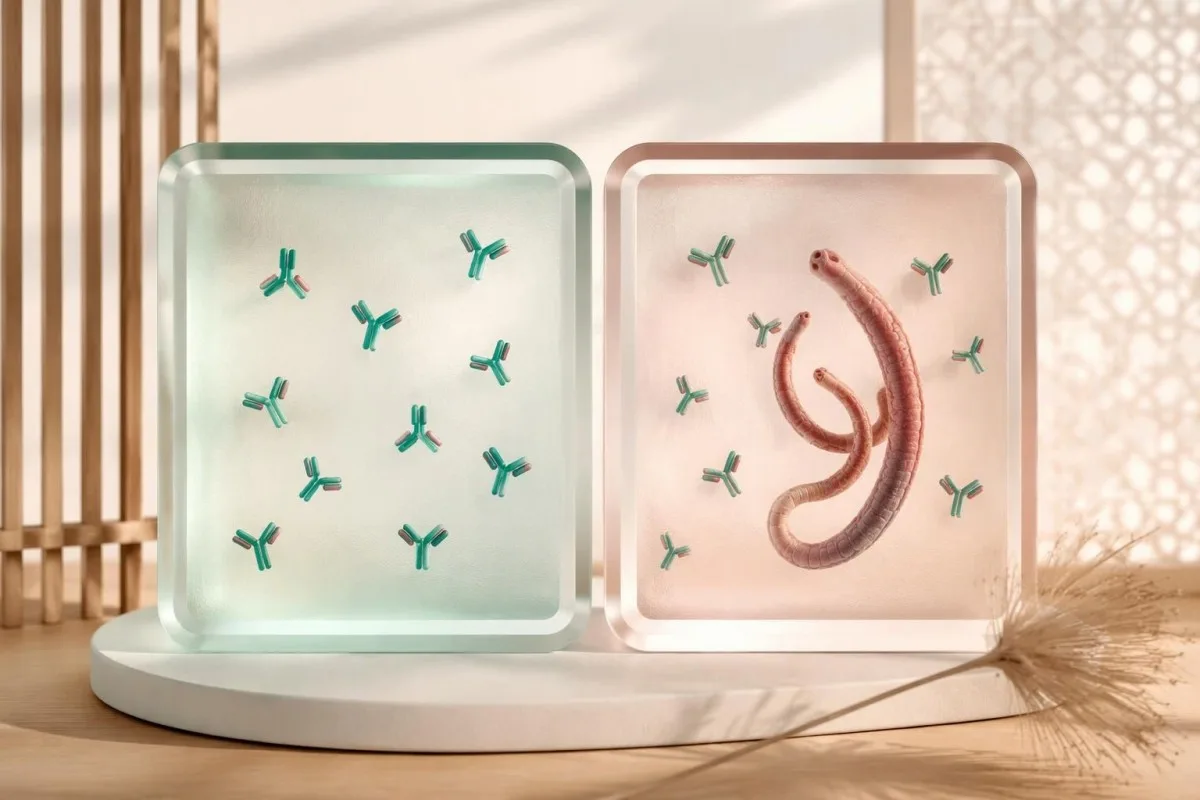
A positive IgG result 6 months after treatment does not, by itself, demonstrate treatment failure. Antibody decline varies, and a stable or temporarily higher signal cannot reliably quantify surviving worms; comparing results from 2 different laboratories adds assay differences, making numerical trend interpretation even less suitable for declaring cure.
Persistent symptoms or eosinophilia deserve reassessment, but neither automatically proves living Schistosoma remain. If eggs are still found at the 1–2 month follow-up, specialists may consider egg viability, collection details, treatment timing and whether another course is needed; PCR positivity can also require caution because detecting parasite DNA is not the same as identifying viable adult worms.
Kantesti can help organize 3 follow-up dates—treatment, specimen collection and any re-exposure—without labeling persistent IgG as treatment failure. Our vodič za analizu trendova lijekova explains why trends must be matched to the right clinical endpoint; an available validated antigen assay may be more useful than serial antibodies, but its follow-up schedule belongs to the treating service.
Kako isti pozitivan rezultat može dovesti do različitih odluka?
The same positive Schistosoma IgG result can lead to treatment, additional testing or observation because the surrounding evidence differs. The following 4 examples are hypothetical teaching scenarios—not patient encounters—and illustrate how exposure dates, prior therapy, assay uncertainty and organ findings can outweigh the apparent simplicity of a positive flag.
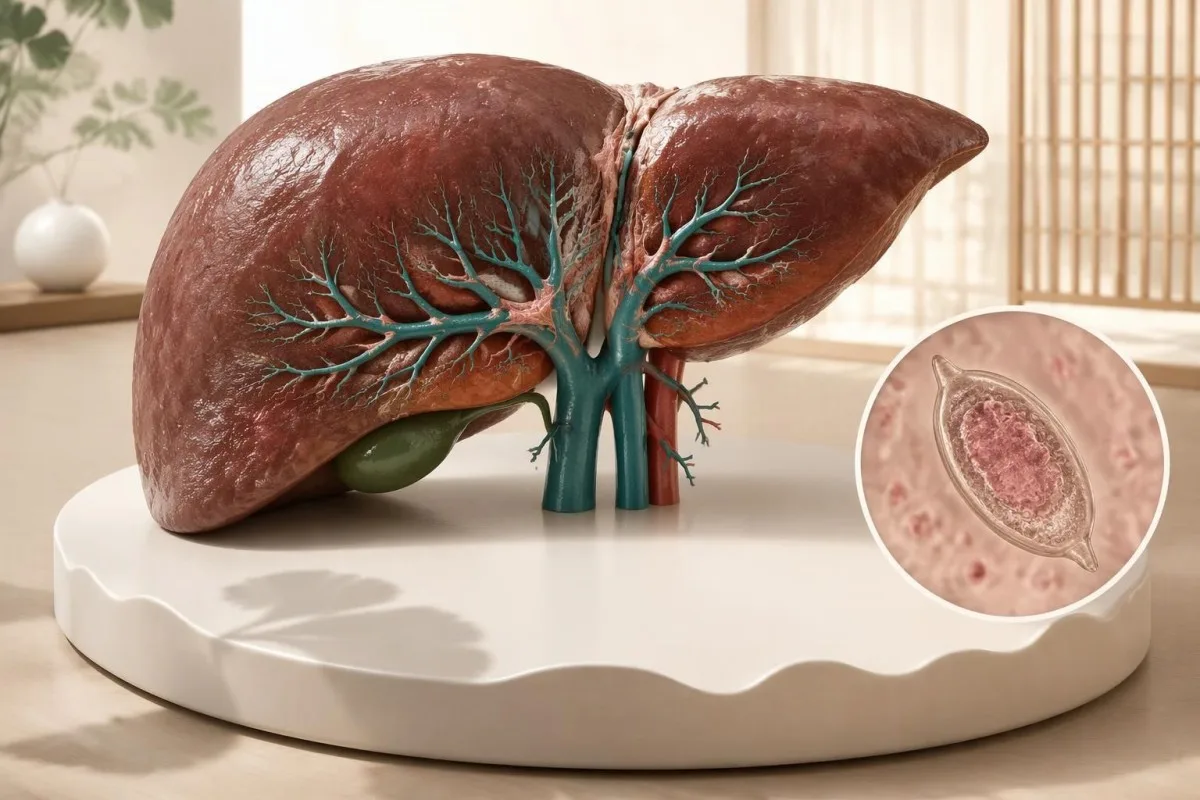
A hypothetical 28-year-old returns from a freshwater swim, tests positive 10 weeks later and has never received praziquantel; treatment may be reasonable despite negative microscopy. A hypothetical 44-year-old treated appropriately 4 years earlier, with no further exposure and no concerning findings, may not need retreatment; the timeline of laboratory results helps keep these histories distinct.
A hypothetical 35-year-old with no plausible freshwater exposure has a weakly positive screening assay and normal supporting investigations. The next step may be checking the original indication, assay and cross-reactivity rather than immediate treatment; changing a report from weak positive to strong positive on 1 repeat antibody assay still does not create a documented exposure or prove active infection.
A hypothetical 54-year-old who lived near endemic freshwater 20 years earlier has positive IgG, an enlarged spleen and an ALT of 24 IU/L within the local range. That combination merits assessment for portal and other organ disease despite normal enzymes; an old exposure is not automatically resolved, and common liver fibrosis scores should not be assumed validated for schistosomal periportal fibrosis.
Šta trebate ponijeti na kontrolni pregled i koji izvori podržavaju liječenje?
Bring your exposure history, complete laboratory report and treatment record to a clinician experienced in travel medicine, infectious diseases or tropical medicine. Prepare 3 questions: whether the result fits your exposure, which direct tests could change the decision and how treatment response will be assessed without relying on antibody disappearance.
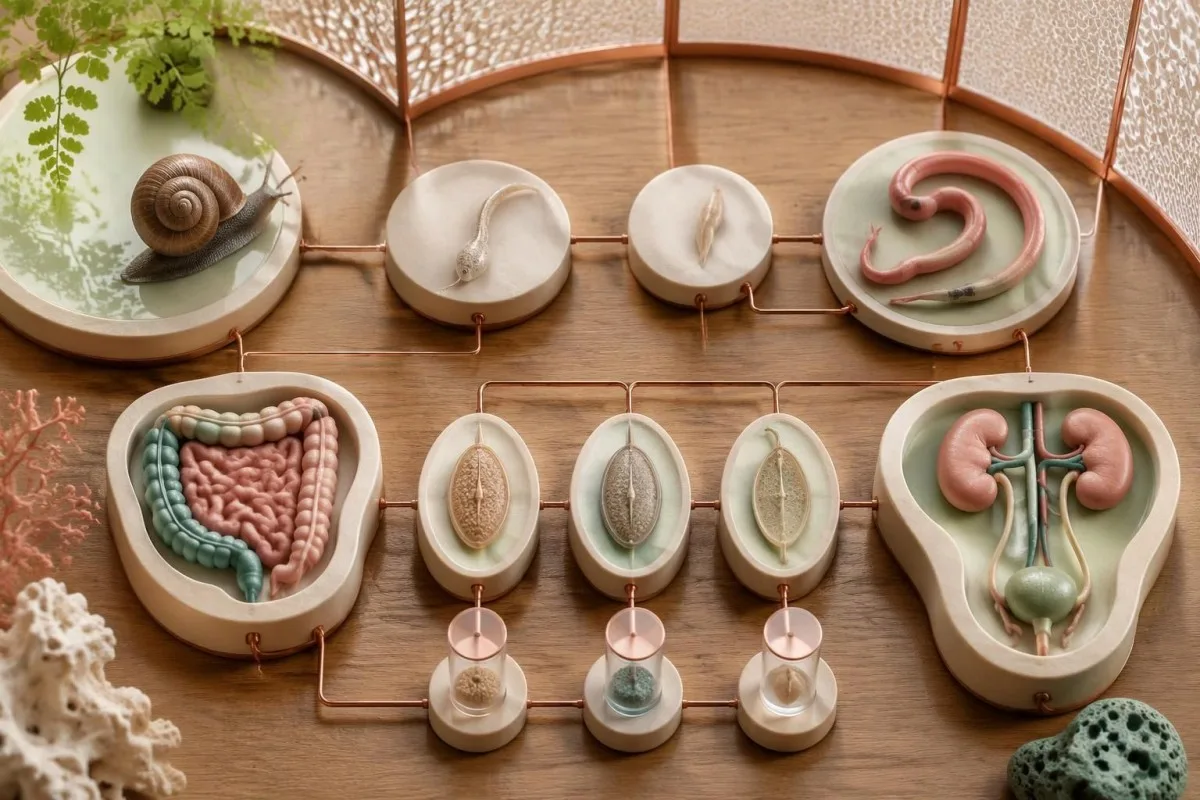
Your report should retain the assay name, units or index, reference interpretation and collection date, rather than only a cropped positive flag. Add 1 concise exposure timeline, previous praziquantel doses and dates, current medicines, pregnancy status where relevant and any urinary or neurological symptoms; this makes uncertainty visible and reduces the chance of repeating an uninformative antibody test.
Kantesti is an AI blood test interpretation platform that helps explain why 1 Schistosoma antibody result must be considered alongside exposure and treatment history, not used as a prescribing instruction. Our klinički okvir za validaciju describes methodology and oversight, while our tekst o privatnosti i obradi podataka information explains how to review data choices before sharing a travel or laboratory record.
The 2 Zenodo publications below describe Kantesti's validation framework and aggregate platform reporting; they are not clinical schistosomiasis guidelines and do not establish the sensitivity of a Schistosoma assay. Clinical recommendations in this article draw on CDC diagnostic and treatment guidance and the WHO guideline (2022), with our standardi medicinskog sadržaja distinguishing published evidence, hypothetical calculations and the limits of AI-supported explanation.
Često postavljana pitanja
0 Da li pozitivan nalaz IgG na Schistosoma znači da imam aktivnu infekciju?
Pozitivan nalaz na IgG protiv Schistosoma ne može pouzdano razlikovati aktivnu infekciju od ranije liječene infekcije. Antitijela mogu ostati detektabilna godinama, pa se 1 pozitivan nalaz mora tumačiti uzimajući u obzir izloženost slatkoj vodi i historiju liječenja. Kliničari mogu primijeniti mikroskopiju stolice ili urina, testiranje na antigene ili PCR, gdje je to primjereno, kako bi došli do direktnijih dokaza. Vjerodostojna izloženost bez odgovarajućeg prethodnog liječenja može opravdati liječenje čak i kada je mikroskopija negativna.
Mogu li imati shistosomijazu uz negativne nalaze pretraga stolice i urina?
0 Negativna mikroskopija stolice ili urina ne isključuje šistosomijazu, naročito nakon putovanja kada opterećenje parazitima može biti nisko. CDC preporučuje pregled 3 uzorka prikupljena različitih dana jer izlučivanje jajašaca može biti povremeno. Sumnja na određenu vrstu također određuje treba li pregledati stolicu, urin ili oboje. Ljekar ipak može preporučiti liječenje kada su antitijela pozitivna, izloženost vjerodostojna, a odgovarajuća prethodna terapija nije dokumentovana.
Koliko dugo nakon izlaganja slatkoj vodi trebam uraditi testiranje?
CDC preporučuje uzimanje uzoraka za testiranje na antitijela na Schistosoma najmanje 6–8 sedmica nakon sumnje na novu infekciju. Ako je tokom putovanja bilo više izlaganja, posljednji kontakt sa slatkom vodom može poslužiti kao praktična referentna tačka. Ranije negativne rezultate možda će trebati ponoviti jer antitijela još možda nisu detektabilna. U slučaju povišene temperature ili drugih značajnih simptoma potrebna je hitna procjena, umjesto čekanja ovog perioda za testiranje.
Zašto sam i dalje pozitivan/pozitivna na antitijela na Schistosoma nakon primjene prazikvantela?
0 Antitijela na Schistosoma mogu ostati pozitivna godinama nakon uspješnog liječenja prazikvantelom jer imunološki odgovor traje duže od prisustva parazita. Pozitivan rezultat 6 mjeseci nakon liječenja sam po sebi ne dokazuje neuspjeh liječenja niti opravdava ponavljanje terapije. Ako su prije liječenja pronađena jajašca, ljekari mogu zatražiti ponovni pregled stolice ili urina 1–2 mjeseca nakon liječenja. Novo izlaganje, uporni simptomi i nalazi direktnih testova informativniji su od samog perzistiranja antitijela.
Koja se doza prazikvantela koristi za šistosomijazu?
CDC navodi prazikvantel 40 mg/kg tokom 1 dana u 2 podijeljene doze za S. mansoni, S. haematobium i S. intercalatum. Navedeni režim za S. japonicum i S. mekongi iznosi 60 mg/kg tokom 1 dana u 3 podijeljene doze. U suprotnom se stabilni putnici obično liječe najmanje 6–8 sedmica nakon posljednjeg izlaganja slatkoj vodi jer prazikvantel najbolje djeluje protiv zrelih crva. Ljekar mora odabrati režim i pregledati lijekove, trudnoću, dob i moguće neurološko zahvatanje.
Može li pozitivan test na antitijela na Schistosomu biti lažno pozitivan?
Test na antitijela na Schistosoma može biti lažno pozitivan ili ukršteno reagovati s antitijelima na druge parazite, zavisno od testa. Ne postoji univerzalna vrijednost indeksa koja potvrđuje aktivnu infekciju, a 2 laboratorije mogu koristiti različite preparate antigena i granične vrijednosti. Slabo pozitivan rezultat bez vjerovatnog izlaganja slatkoj vodi može zahtijevati laboratorijsku provjeru ili drugu potvrdnu metodu. Ponavljanje testova na antitijela samo po sebi i dalje ne može pouzdano razlikovati ranije liječenu infekciju od prisustva živih crva.
Saznajte kako čitati krvnu sliku
Otpremite svoj laboratorijski nalaz, a AI alata Kantesti će u roku od nekoliko sekundi objasniti svaki biomarker jednostavnim jezikom. Koristi ga više od 2 miliona ljudi širom svijeta.
Reference
- Klein, T., Mitchell, S., & Weber, H. (2026). Klinički okvir validacije v2.0 (stranica medicinske validacije). Kantesti AI medicinsko istraživanje. DOI
- Klein, T., Mitchell, S., & Weber, H. (2026). AI analizator krvnih testova: 2,5M testova analizirano | Global Health Report 2026. Kantesti AI medicinsko istraživanje. DOI
- Centar za kontrolu i prevenciju bolesti (2024). Clinical Testing and Diagnosis for Schistosomiasis. CDC Schistosomiasis Clinical Guidance.
- Centar za kontrolu i prevenciju bolesti (2024). Clinical Care of Schistosomiasis. CDC Schistosomiasis Clinical Guidance.
- World Health Organization (2022). WHO guideline on control and elimination of human schistosomiasis. World Health Organization Guidelines.
- 2M+Analizirani testovi
- 127+Zemlje
- 100+Jezici
O medicinskom timu


E-E-A-T signal(i) povjerenja
Iskustvo
Klinička revizija radnih tokova tumačenja laboratorijskih nalaza koju vodi ljekar.
Stručnost
Fokus laboratorijske medicine na to kako se biomarkeri ponašaju u kliničkom kontekstu.
Autoritativnost
Medicinski recenzirao dr. Thomas Klein, uz doprinos dr. Sarah Mitchell i prof. dr. Hans Weber.
Pouzdanost
Tumačenje zasnovano na dokazima, s jasnim sljedećim koracima kako bi se smanjila uzbuna.






Medicinsko odricanje od odgovornosti
Ovaj članak je samo u edukativne svrhe i ne predstavlja medicinski savjet. Za odluke o dijagnozi i liječenju uvijek se posavjetujte s kvalifikovanim zdravstvenim radnikom.
Objavljeno · Kontaktirajte urednički tim
Izdavač je Kantesti Ltd, registrovan u Engleskoj i Walesu, broj kompanije. 17090423, London, Ujedinjeno Kraljevstvo.
