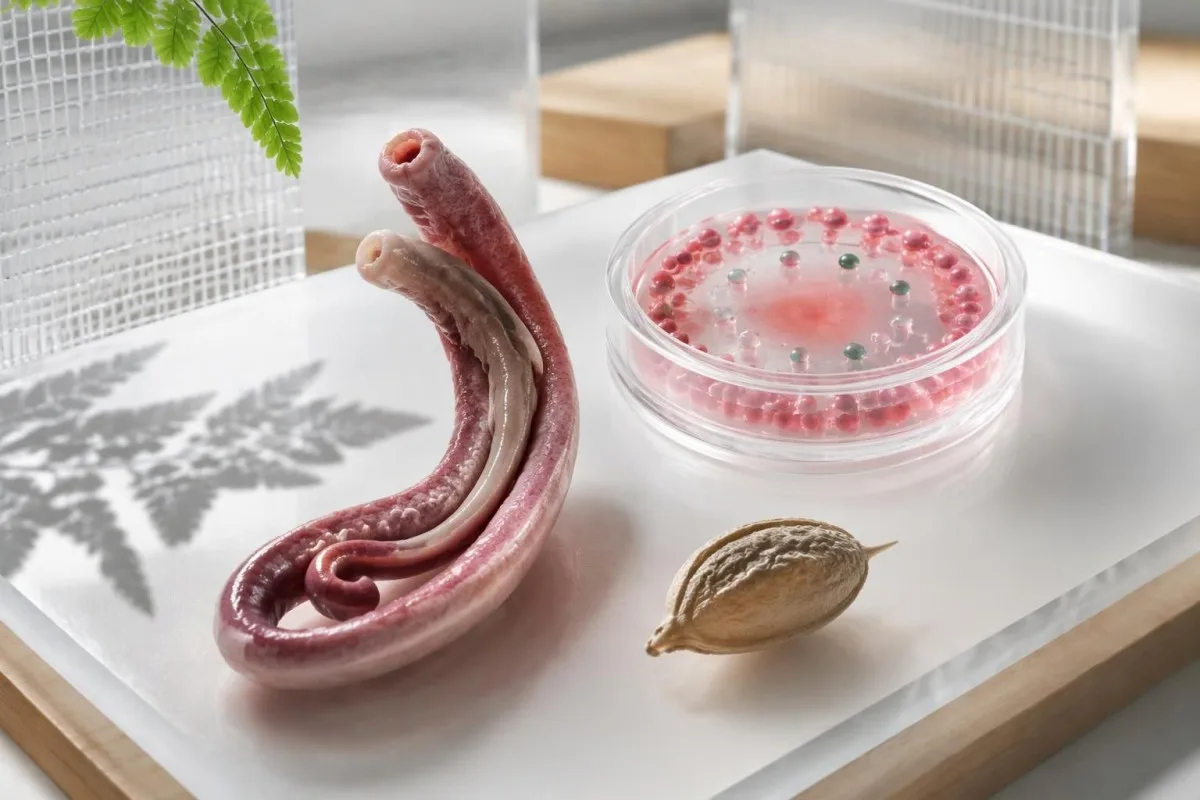
Një rezultat pozitiv për antitrupat ndaj Schistosoma mund të justifikojë trajtimin pas ekspozimit të besueshëm ndaj ujërave të ëmbla, nëse nuk keni marrë kurrë trajtim të mjaftueshëm, por nuk mund të vërtetojë infeksionin aktiv ose të konfirmojë shërimin. Datat e ekspozimit, trajtimi i mëparshëm dhe analizat shtesë përcaktojnë hapin e radhës.

Përfundimet kryesore
- Antitrupa pozitivë tregojnë një përgjigje imunitare ndaj antigjeneve të Schistosoma; 1 rezultat pozitiv nuk mund të dallojë infeksionin e patrajtuar nga infeksioni i trajtuar më parë.
- Dritarja e testimit ka rëndësi: CDC rekomandon marrjen e mostrave për testimin e antitrupave të paktën 6–8 javë pas një infeksioni të ri të dyshuar.
- Ekspozimi ndaj ujërave të ëmbla nënkupton kontaktin e lëkurës me liqene, lumenj ose kanale potencialisht të kontaminuara—jo thjesht vizitën në një vend të prekur.
- Mikroskopia jep më shumë informacion kur mjekët kërkojnë 3 mostra feçesh ose urine të mbledhura në ditë të ndryshme.
- Praziquantel doza zakonisht arrin gjithsej 40 mg/kg gjatë 1 dite për S. mansoni dhe S. haematobium, por përshkrimi varet nga specia dhe rrethanat klinike.
- Koha e trajtimit zakonisht nënkupton pritjen për të paktën 6–8 javë pas ekspozimit të fundit ndaj ujërave të ëmbla te udhëtarët, gjendja e të cilëve është përndryshe e qëndrueshme, sepse prazikuanteli vepron më mirë kundër krimbave të pjekur.
- Mikroskopia pasuese mund të kërkohet 1–2 muaj pas trajtimit kur para trajtimit ishin të pranishme vezë.
- IgG persistente mund të mbetet pozitive për vite pas trajtimit të suksesshëm; një rezultat tjetër pozitiv nuk justifikon automatikisht një kurë tjetër.
A ka nevojë për trajtim një rezultat pozitiv për antitrupat ndaj Schistosoma?
Një rezultat pozitiv për antitrupat ndaj Schistosoma nuk do të thotë automatikisht se keni nevojë për trajtim. Mjekët shpesh rekomandojnë trajtim kur ekspozimi ndaj ujërave të ëmbla është i besueshëm dhe mungon një trajtim i mëparshëm i përshtatshëm, edhe nëse mikroskopia është negative; pas një trajtimi të dokumentuar pa ri-ekspozim, 1 rezultat pozitiv i vazhdueshëm zakonisht nuk mjafton për të justifikuar ritrajtimin.
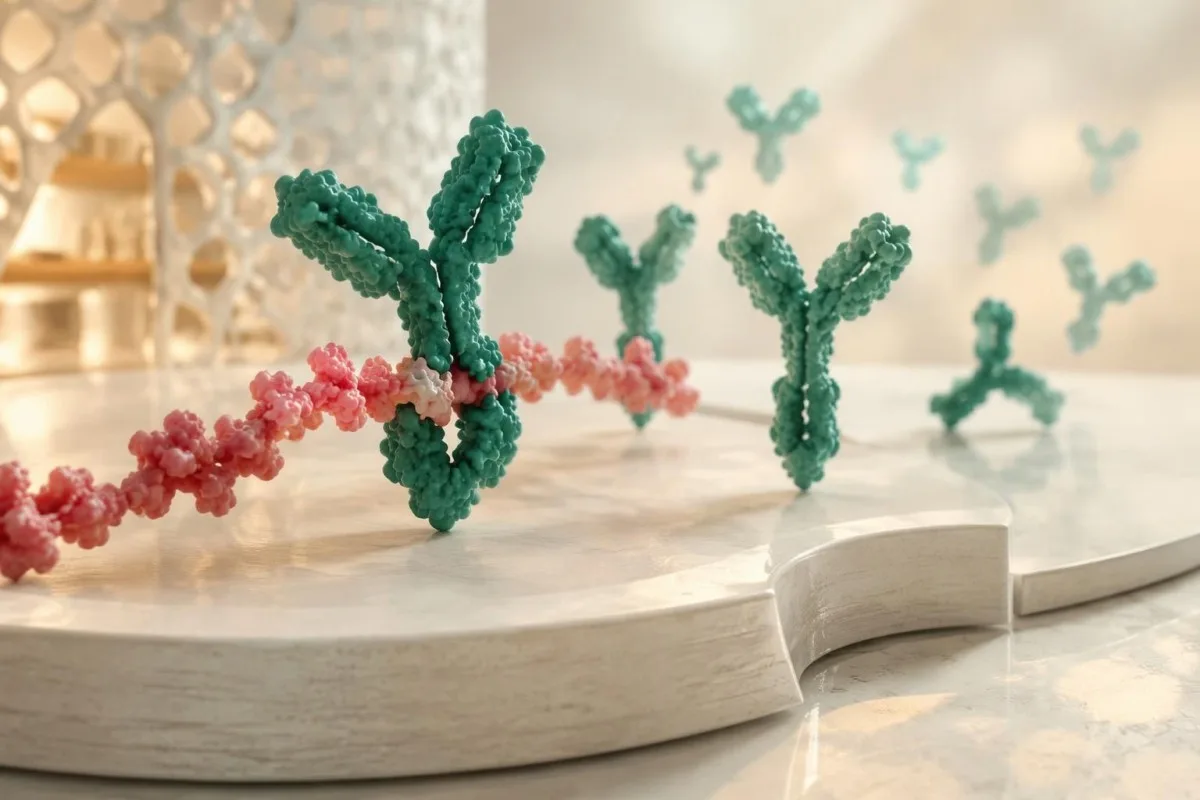
Kuptimi i rezultatit pozitiv të Schistosoma IgG kuptohet më së miri si dëshmi e njohjes nga sistemi imunitar, jo si matje e krimbave të gjallë. Përgjigjja e antitrupave mund ta tejkalojë praninë e parazitit me vite, dhe 2 persona me të njëjtin rezultat të raportuar mund të kenë nevojë për kujdes të ndryshëm—njëri pas një ekspozimi të patrajtuar, tjetri pas trajtimit të suksesshëm pa kontakt të mëvonshëm me ujëra të ëmbla.
Ekspozimi i mëparshëm dhe trajtimi i mëparshëm janë çështje të ndara: një infeksion i vjetër mund të mbetet i patrajtuar, ndërsa një test i vjetër pozitiv mund të mbetet i tillë pas shërimit. Përpara se ta interpretoni 1 raport si sëmundje aktive ose si histori të padëmshme, kontrolloni emrin e trajtimit, dozën, datën dhe çdo kontakt të mëvonshëm me ujin; shpjegimi ynë i rezultateve pozitive të antitrupave dallon këto lloje të ndryshme të dëshmive.
Kantesti është një analizues i analizave të gjakut me AI që ndihmon të shpjegohet pse 1 rezultat pozitiv i Schistosoma IgG nuk mund të vërtetojë infeksion aktiv, edhe kur analiza e plotë e gjakut është normale. Roli ynë është shpjegimi i raportit—jo identifikimi i parazitëve ose përshkrimi i trajtimit—dhe shpjegojnë atë rol edukativ; udhëzuesi ynë për duhet të kuptohet veçmas nga vendimet e përshkruara këtu, të cilat udhëhiqen nga mjeku.
Cilat ekspozime ndaj ujërave të ëmbla e bëjnë rezultatin më bindës?
Kontakti i lëkurës me ujëra të ëmbla në një zonë transmetimi e bën një rezultat pozitiv më domethënës klinikisht. Noti, ecja në ujë të cekët, larja, rafting-u ose larja e rrobave në liqene, lumenj dhe kanale ujitëse mund të shkaktojnë ekspozim; regjistroni 3 hollësi për çdo rast: vendndodhjen e saktë, aktivitetin dhe datën e kontaktit tuaj të fundit.

Larvat e Schistosoma-s të çliruara nga kërmijtë e ujërave të ëmbla hyjnë përmes lëkurës; gëlltitja e ujit nuk është e nevojshme. Edhe një kalim i shkurtër në ujë të cekët llogaritet si ekspozim, dhe mungesa e një skuqjeje me kruarje nuk e përjashton atë, ndaj një udhëtar hipotetik që hyri në një liqen për 5 minuta duhet ta përmendë atë rast, në vend që të regjistrojë vetëm seancat më të gjata të notit.
Uji i detit dhe pishinat e kloruara siç duhet nuk janë burime tipike ekspozimi ndaj skistosomiazës. Kontakti me ujëra të ëmbla mund të ngrejë shqetësime edhe për gjendje të tjera që kërkojnë teste dhe trajtim të ndryshëm, përfshirë leptospirozën pas ekspozimit ndaj ujit; ethet që fillojnë 1 javë pas një aktiviteti në lumë nuk duhet t'u atribuohen antitrupave ndaj Schistosoma-s pa një vlerësim më të gjerë.
Vetëm emri i një vendi nuk mund të vërtetojë rrezikun individual, sepse transmetimi ndryshon brenda vendeve dhe masave ujore. Rindërtoni edhe 1 aktivitet të harruar—si larja e pajisjeve pranë një lumi—dhe dalloni ekspozimin ndaj parazitëve nga të dhënat e vaksinimit; kontrollet e antitrupave gjatë udhëtimit i përgjigjen një pyetjeje tjetër dhe nuk ofrojnë mbrojtje kundër skistosomiazës.
Kur duhet të kryhen testet për shistosomiazën pas udhëtimit?
Testimi i antitrupave ndaj skistosomiazës është përgjithësisht më informues të paktën 6–8 javë pas një infeksioni të ri të dyshuar. Udhëzimi i CDC-së për testimin klinik dhe diagnostikimin e skistosomiazës shpjegon se ky interval lejon zhvillimin e antitrupave; një rezultat negativ i marrë më herët nuk mund të përjashtojë me besueshmëri një infeksion të kohëve të fundit të marrë nga ujërat e ëmbla.
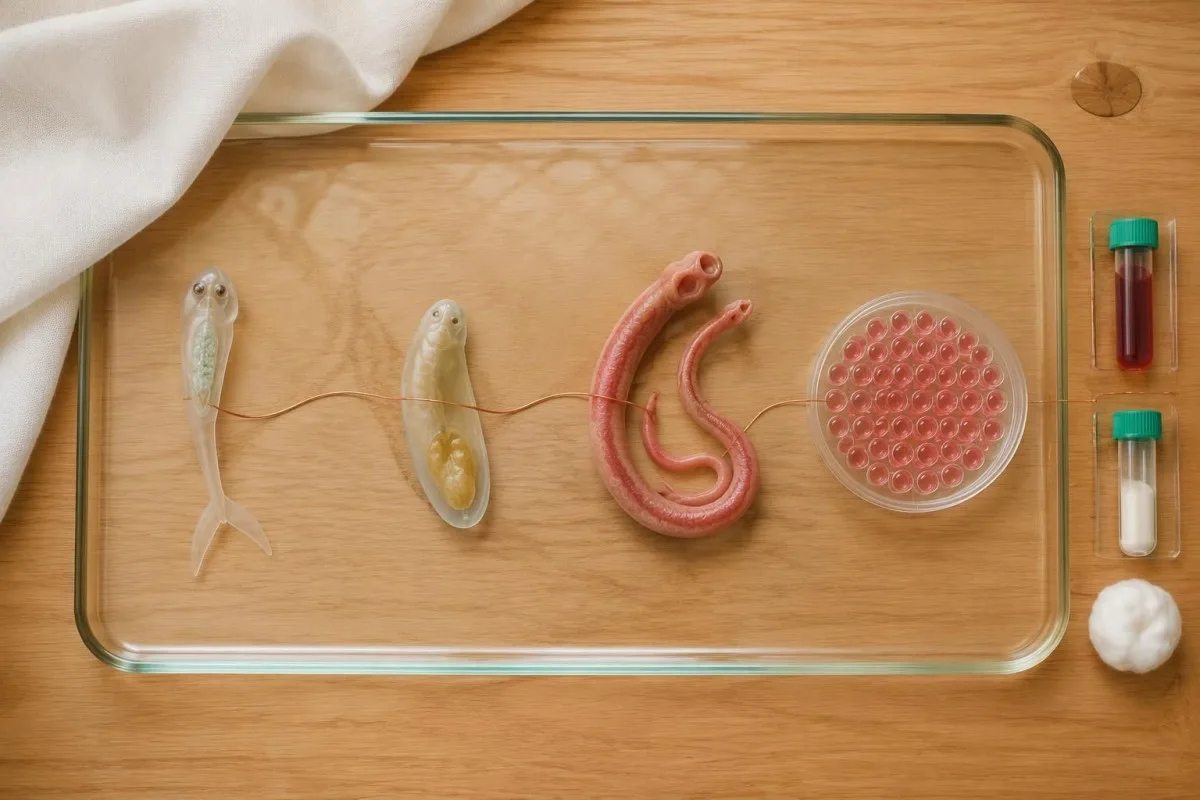
The last freshwater contact is a practical anchor when a trip involved several possible exposures. For example, a hypothetical traveler who swam on both the first and final day of a 3-week holiday should calculate the testing interval from the final swim, rather than assuming that the first exposure makes an immediate post-trip result conclusive.
Seroconversion is not identical across people or assays, so 6–8 weeks is a useful testing window rather than a guarantee of detection. When exposure is persuasive and an initial result is negative, a clinician may arrange another sample later, sometimes around 12 weeks after exposure; a second date should be agreed rather than inferred from a generic laboratory reference range.
Fever or significant symptoms after travel should be assessed without waiting for an antibody window to close, especially after a malaria-risk itinerary. At Kantesti, we encourage readers to keep 2 dates visible—last freshwater contact and sample collection—because kohëzimin e testeve të infeksionit can change the meaning of a negative report even though each organism requires its own diagnostic strategy.
A mund të jenë pozitivë gabimisht antitrupat ndaj Schistosoma?
Schistosoma antibody tests can produce false-positive or cross-reactive results, and their performance varies by assay. There is no universal IgG concentration or index that proves active schistosomiasis; 2 laboratories may use different antigen preparations, reporting units and thresholds, making direct numerical comparisons unreliable.
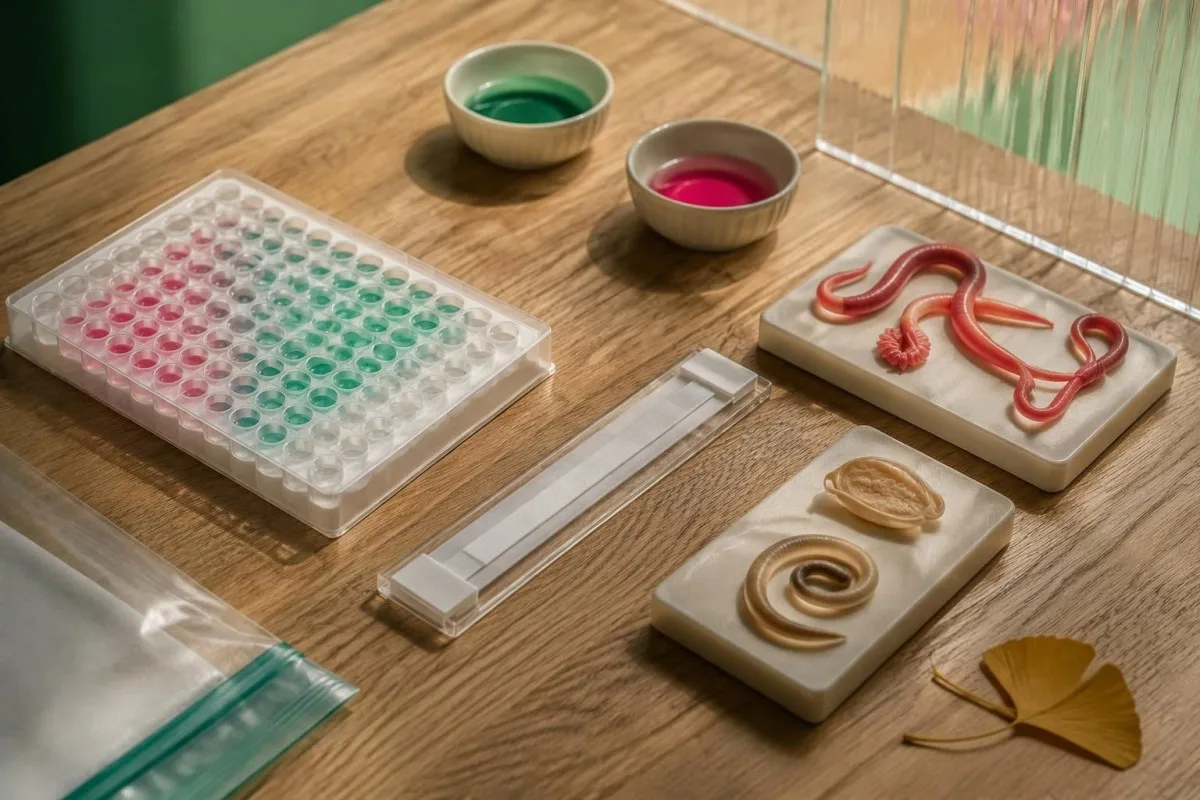
Cross-reactivity with other helminth antibodies depends on the test rather than occurring uniformly in every person. A laboratory may recommend an alternative assay or reference-laboratory review when the exposure history does not fit; 1 additional positive parasite antibody result also needs independent interpretation, as explained in our discussion of Toxocara antibody findings.
A hypothetical probability example shows why background risk matters: assume an imaginary test has 90% sensitivity and 95% specificity in 10,000 people, of whom 1% have the target infection. It would identify approximately 90 true positives and 495 false positives, so only about 15% of positive results would be true positives—these are teaching assumptions, not measured Schistosoma assay performance.
A high index should not be read as a high worm count, and a borderline index should not automatically be dismissed when exposure is strong. Ask for the assay name and the laboratory's interpretation of 1 equivocal or weakly positive result; confirmation with a different method can address assay uncertainty, but another antibody test still cannot reliably separate active infection from treated history.
Çfarë mund të përcaktojnë mikroskopia e feçeve dhe e urinës?
Finding characteristic Schistosoma eggs provides direct parasitological evidence, whereas negative microscopy does not exclude a light infection. CDC recommends examining 3 stool or urine samples collected on different days to improve sensitivity, because egg output can be sparse and intermittent, particularly in travelers with a low parasite burden.
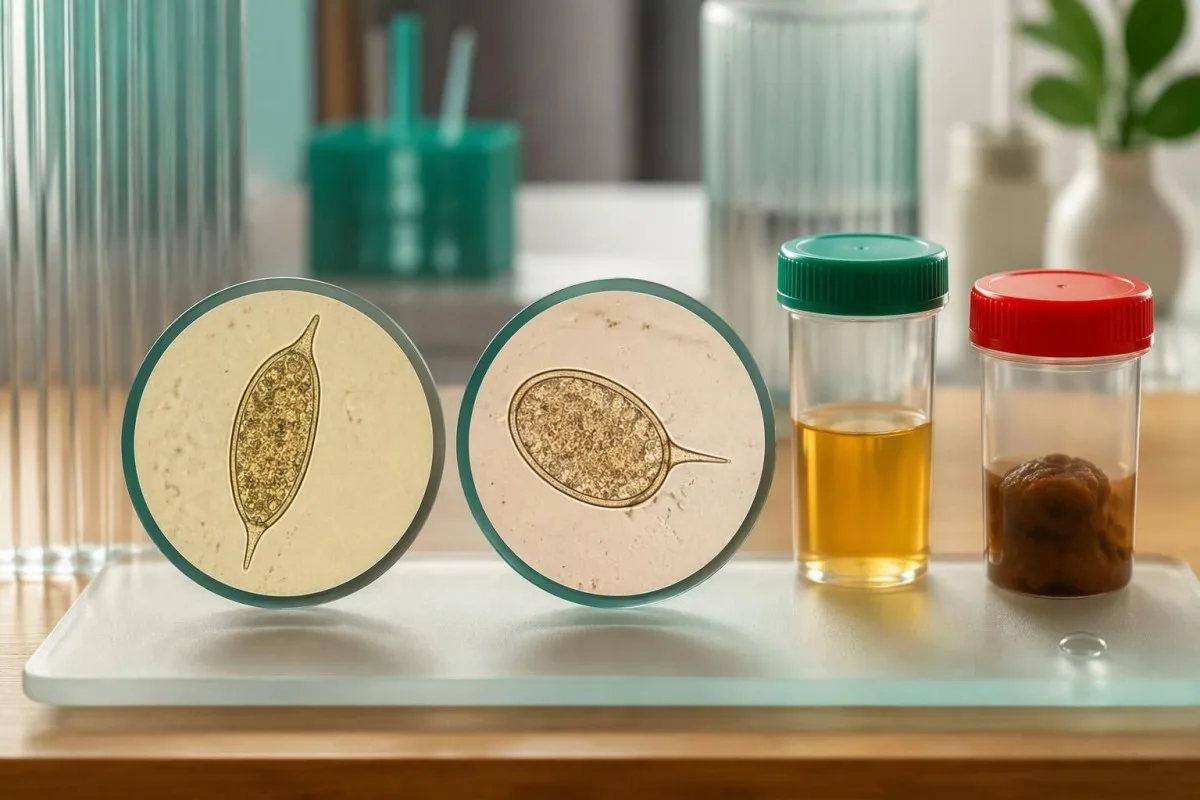
The suspected species determines specimen choice: S. mansoni and S. japonicum are usually investigated through stool, while S. haematobium is usually investigated through urine. Some exposure histories warrant both, so 1 negative stool examination does not address a possible urinary infection; interpretimin e sedimentit të urinës also explains why ordinary urinary findings are not equivalent to parasite identification.
Urinary egg excretion often peaks around midday, and laboratories may request a sample between approximately 12 noon and 3 pm. Urine filtration may use a measured volume such as 10 mL, but collection, transport and processing instructions vary; follow the receiving laboratory's protocol rather than improvising exercise, fluid restriction or a collection time.
Routine dipstick testing is not a substitute for a specific Schistosoma egg examination, and 1 routine stool pathogen panel may omit the parasite entirely. Check the exact tests ordered, including concentration or filtration methods when appropriate; our urinalysis method guide helps distinguish screening for cells and chemistry from targeted parasitology.
A e tregojnë më qartë infeksionin aktiv testet e antigjenit ose PCR-ja?
Schistosoma antigen tests can provide evidence more closely linked to living worms than antibody tests, but access and performance differ. Circulating anodic antigen, or CAA, and circulating cathodic antigen, or CCA, are 2 distinct targets; PCR detects parasite DNA and needs interpretation according to specimen, timing and the laboratory method.
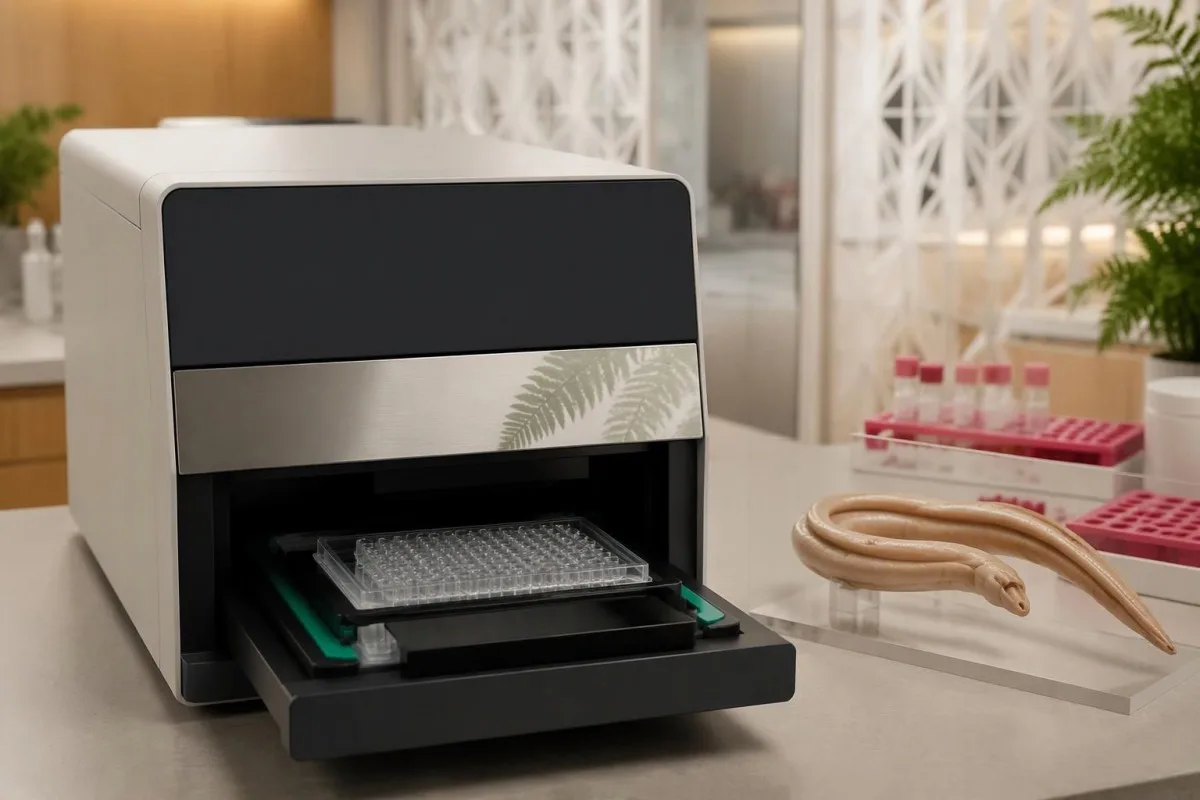
CAA assays can detect antigens released by living schistosomes, including some low-burden infections that microscopy misses. Urine CCA testing is used especially for S. mansoni, but trace readings and performance for other species complicate interpretation; 1 negative point-of-care CCA test should not be treated as a universal exclusion of urinary or intestinal schistosomiasis.
PCR may support diagnosis when microscopy is negative, but DNA detection is not identical to proving that every detected parasite component remains viable after treatment. The specimen matters—serum, stool and urine are not interchangeable—and 1 positive molecular result must be interpreted against the laboratory's validated application; antibodies versus direct detection illustrates this distinction in a different parasitic condition.
Kantesti is an AI lab test interpretation service that can explain the difference between 2 reports labeled Schistosoma IgG and Schistosoma PCR without treating them as interchangeable evidence. Our metodat e interpretimit me AI do not replace reference-laboratory expertise, and an antigen test's usefulness depends on whether the local service can obtain and validate it for your clinical question.
Cilat gjetje shoqëruese në gjak dhe urinë kanë rëndësi?
Eosinophilia, urinary abnormalities and signs of organ involvement can strengthen the case for further assessment, but none proves schistosomiasis alone. An absolute eosinophil count above approximately 0.5 × 10⁹/L is commonly considered elevated; a normal count does not exclude infection, especially outside the early immune-response phase.
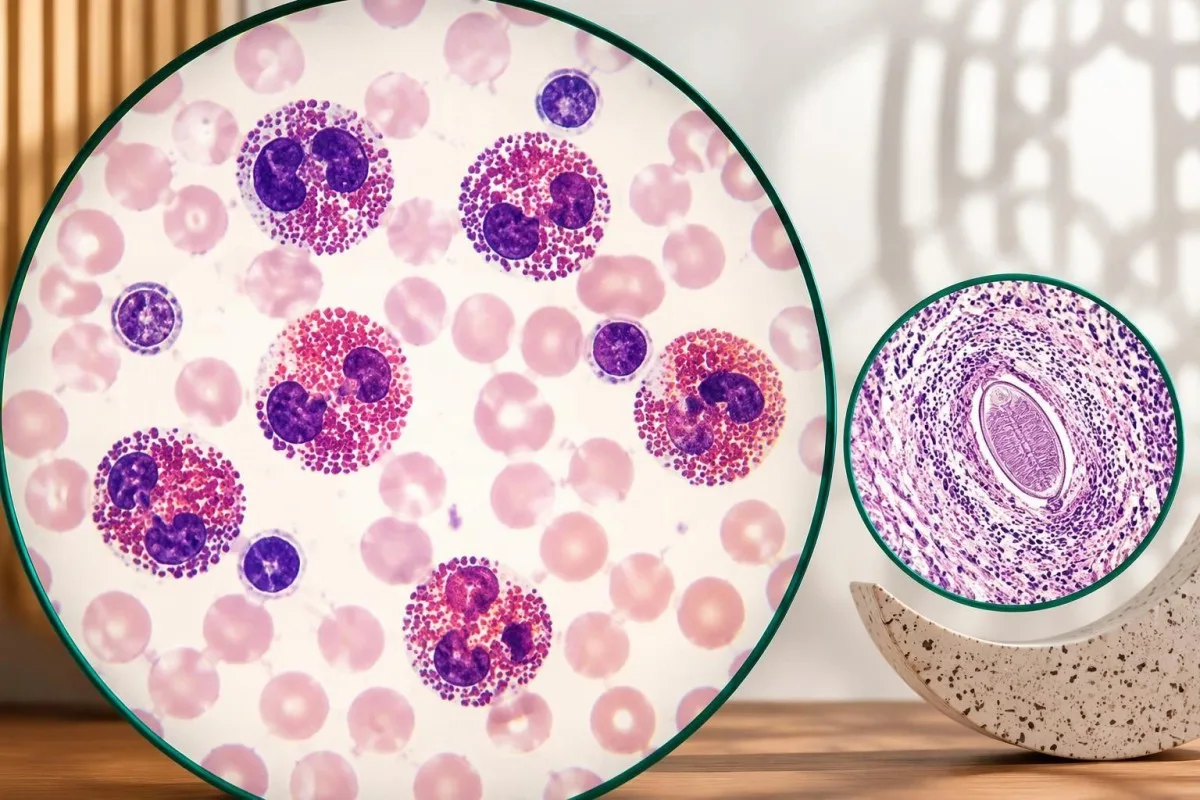
The absolute eosinophil count is usually more informative than the percentage because a percentage depends on the other white-cell populations. A hypothetical count of 0.8 × 10⁹/L may reflect schistosomiasis, another parasite, allergy or a medicine effect; persistent counts at or above 1.5 × 10⁹/L generally warrant broader evaluation, as discussed in our eosinophil count guide.
Normal liver enzymes do not reliably exclude hepatosplenic schistosomiasis because periportal fibrosis and portal hypertension can occur without the usual pattern of cirrhosis. For example, an ALT of 24 IU/L cannot overrule an enlarged spleen or suggestive ultrasound; interpretim të panelit të mëlçisë explains why enzyme results answer different questions from structural imaging.
Blood in urine, protein in urine, persistent diarrhea or genital symptoms can change which investigations are appropriate. At Kantesti, we encourage keeping at least 3 evidence categories separate—exposure, parasite tests and organ findings—because a positive antibody result should not obscure a urinary obstruction, significant anemia or another explanation that requires its own assessment.
Pse mund të ofrohet trajtim kur mikroskopia është negative?
Clinicians may treat a seropositive person with credible exposure and no adequate treatment history despite negative microscopy. This approach recognizes that light infections can escape egg detection and untreated adult worms can persist for years; the decision balances 3 factors: exposure probability, diagnostic limitations and the person's treatment risks.
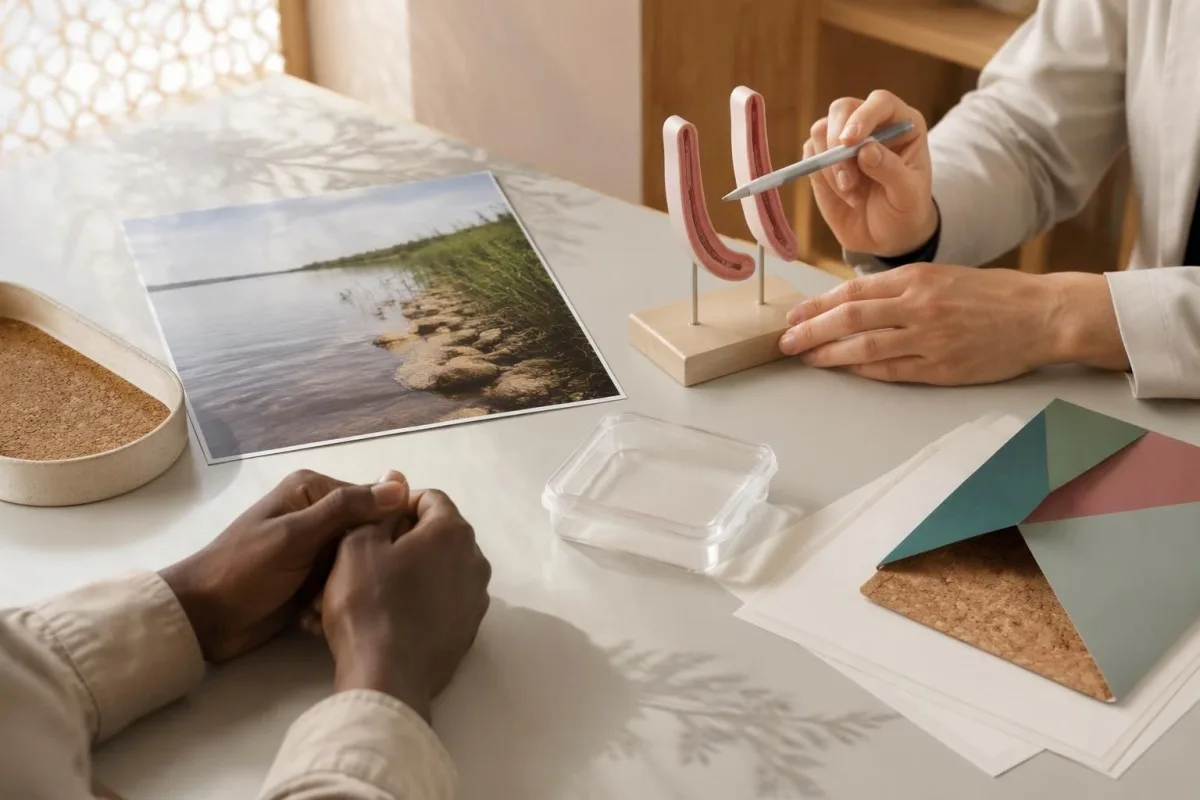
Absence of symptoms does not establish absence of infection or eliminate the potential benefit of treatment. A hypothetical traveler tested 10 weeks after a lake swim, with positive IgG and 3 negative stool examinations, may still be offered praziquantel if the exposure was credible and no earlier treatment occurred; negative microscopy lowers certainty but does not settle the question.
Documented earlier treatment changes the reasoning, particularly when no freshwater re-exposure has occurred. A person with a positive test 5 years after an appropriately timed course does not automatically need another course; the clinician should investigate whether treatment was complete, whether the initial infection was confirmed and whether any symptoms or direct tests now suggest persistence.
Visible blood in urine requires assessment even when Schistosoma antibodies are positive, because 1 parasite result does not exclude stones, other infections or cancer. Chronic urinary schistosomiasis is associated with increased bladder cancer risk, but risk is not diagnosis; our guide to bladder warning symptoms explains why persistent or recurrent urinary changes deserve separate attention.
Si përcaktohen doza e prazikuantelit dhe koha e trajtimit?
Praziquantel is the standard medicine for schistosomiasis, but dose and timing depend on species and clinical circumstances. CDC's Clinical Care of Schistosomiasis guidance lists 40 mg/kg over 1 day in 2 divided doses for S. mansoni, S. haematobium and S. intercalatum, and 60 mg/kg in 3 divided doses for S. japonicum and S. mekongi.
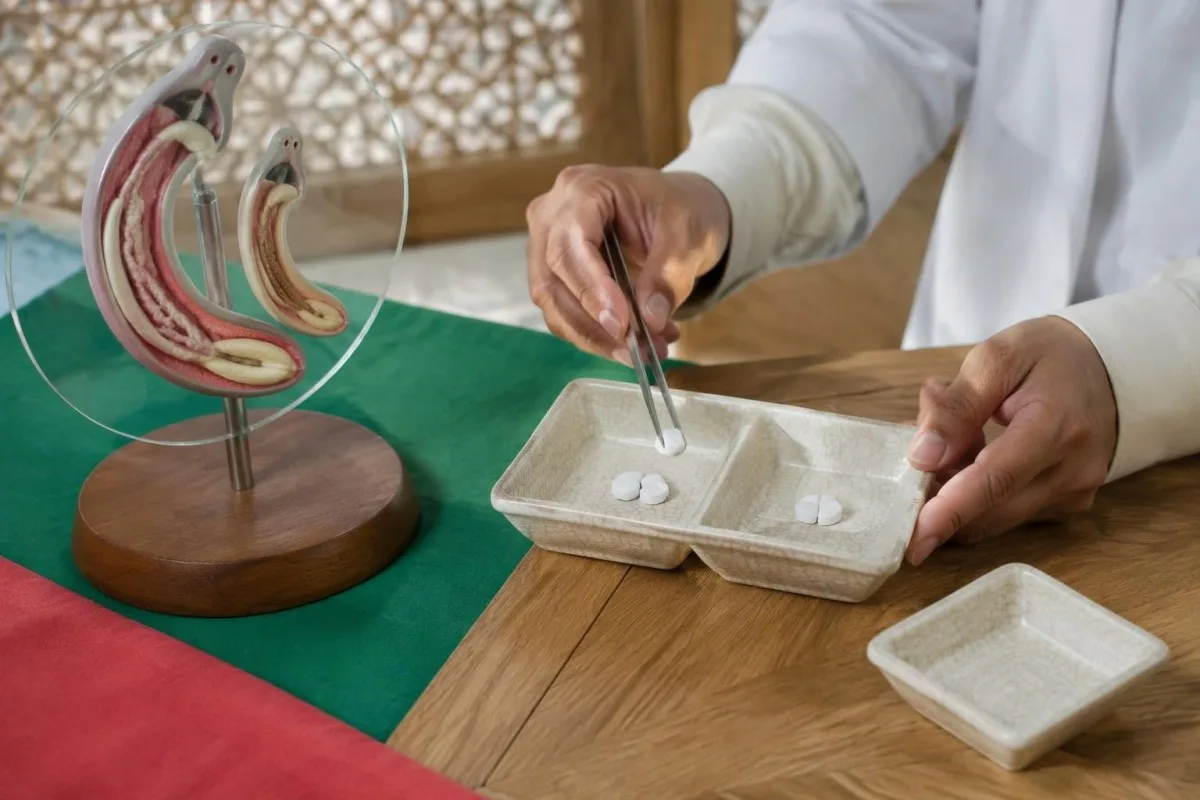
Praziquantel works best against mature worms, so otherwise stable travelers are generally treated at least 6–8 weeks after their last freshwater exposure. Taking it immediately after a swim is not reliable preventive treatment; if a course was given very early, the clinician may plan another course after maturation rather than assuming the initial prescription covered all developing worms.
A clearly hypothetical calculation illustrates a 40 mg/kg regimen: a 60 kg adult would receive 2,400 mg total over 1 day, split into 2 doses of 1,200 mg. Where 600 mg tablets are supplied, that arithmetic corresponds to 2 tablets per dose, but it is not an individual prescription—species, available formulation, rounding, swallowing ability and medical history must be checked.
Repeat treatment after 2–4 weeks may be appropriate in selected patients, especially with light infections or concerns about an incomplete response; it is not required solely because IgG remains positive. Medication review matters because rifampicin and enzyme-inducing antiseizure medicines can reduce praziquantel exposure, so patients taking carbamazepine should bring their regimen and any carbamazepine monitoring information rather than adjusting either medicine themselves.
Cilat simptoma kërkojnë vlerësim të menjëhershëm ose urgjent?
Fever after travel needs prompt assessment, and new weakness, seizures or bladder-control changes need emergency evaluation. Acute schistosomiasis can cause fever, cough, rash, diarrhea and eosinophilia around 2–8 weeks after exposure, but these symptoms overlap with other conditions and cannot be diagnosed from antibodies alone.
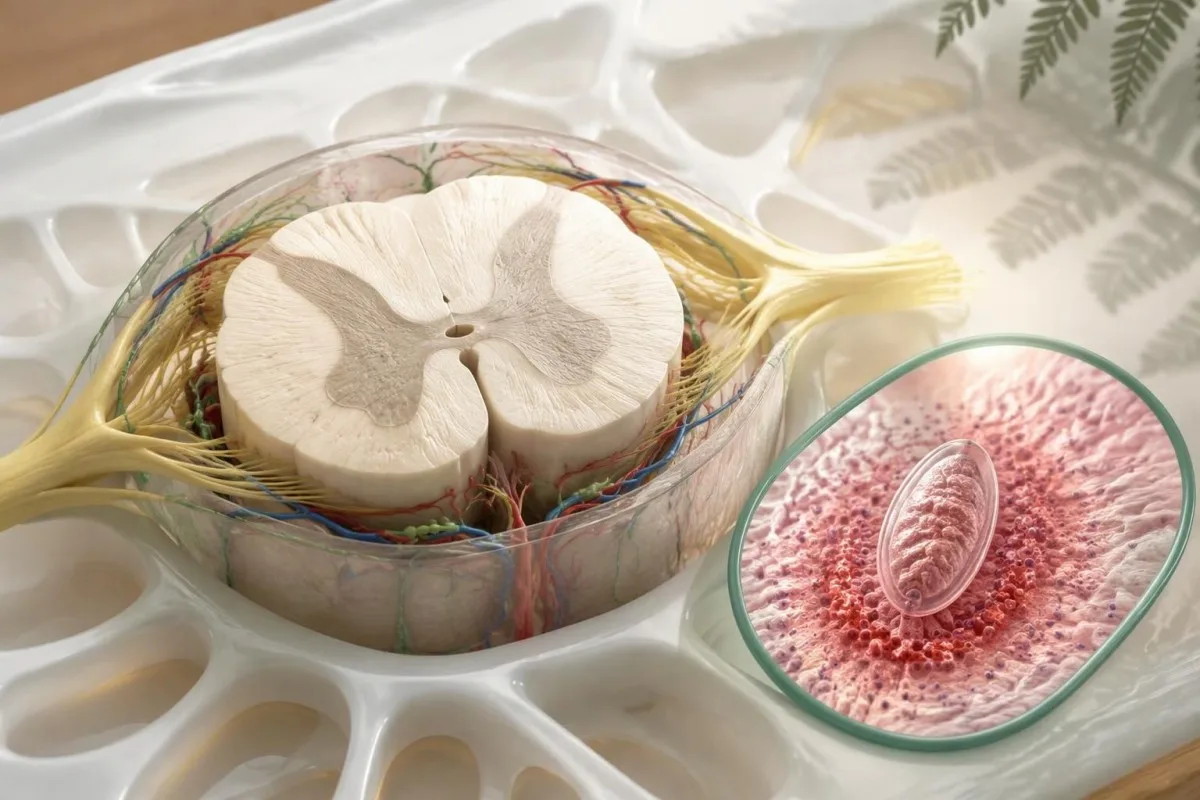
New leg weakness, difficulty walking, urinary retention or loss of bowel control can signal spinal cord involvement and should not wait for routine repeat serology. Schistosoma eggs can occasionally affect neurological tissue, but 1 positive antibody result does not establish the cause; emergency clinicians may need imaging and a broad differential diagnosis before specialist treatment is selected.
Acute systemic or neurological schistosomiasis may require specialist-directed corticosteroids alongside a carefully timed antiparasitic plan. If the exposure history also suggests Strongyloides, assess that possibility before immunosuppression when feasible, because steroids can precipitate dangerous hyperinfection; a Strongyloides IgG result needs its own management rather than assuming 1 antiparasitic medicine treats both organisms.
Fever after a malaria-risk itinerary should be assessed the same day, even if Schistosoma antibodies offer a plausible alternative explanation. Do not wait 6–8 weeks for repeat serology when there is persistent high fever, breathing difficulty, confusion, fainting, significant gastrointestinal bleeding or inability to pass urine; the immediate priority is identifying and treating the acute problem.
Si e ndryshojnë kujdesin shtatzënia, fëmijëria dhe gjendjet e tjera?
Pregnancy, young age and complex illness require individualized treatment decisions rather than automatically withholding or prescribing praziquantel. The WHO guideline on control and elimination of human schistosomiasis (2022) supports preventive treatment from age 2 years and includes pregnant women after the first trimester and lactating women in eligible programs.
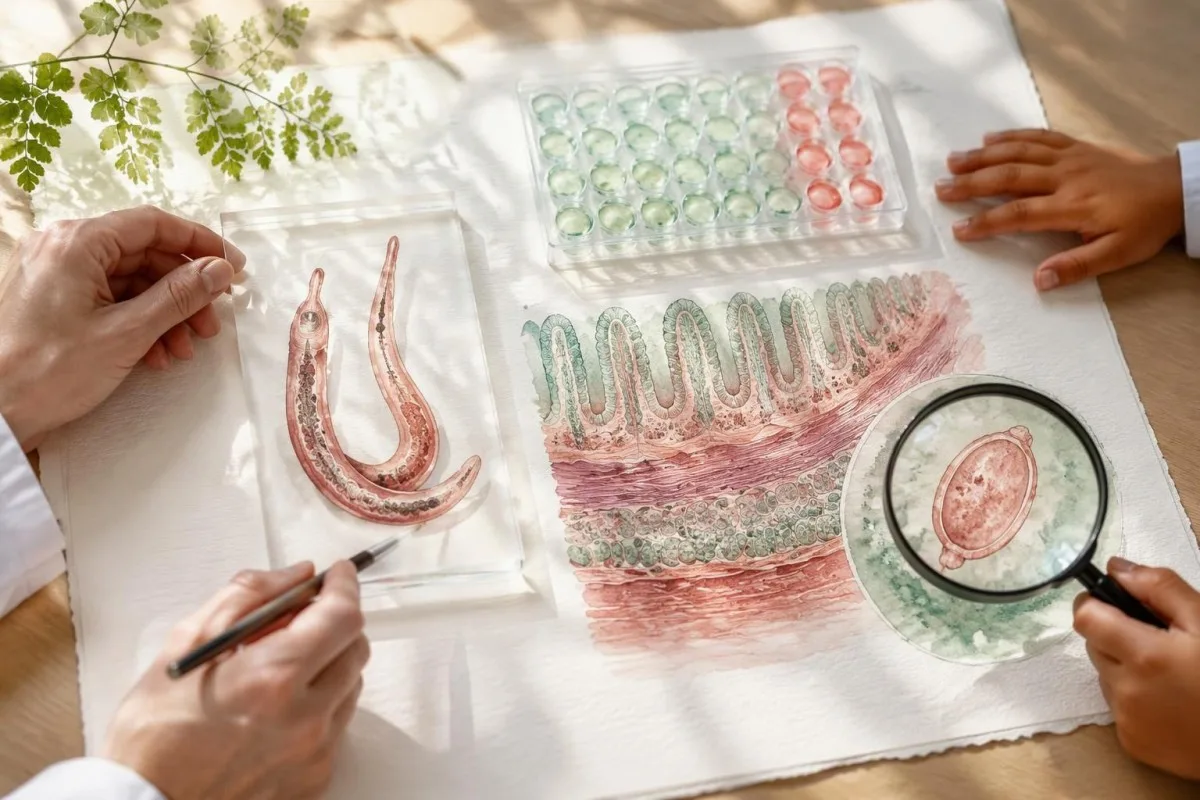
WHO program recommendations and treatment of an individual imported infection answer related but different questions. A hypothetical patient at 10 weeks of pregnancy needs a clinician-led balance of infection likelihood, severity and treatment timing; the recommendation to include pregnancy after the first trimester in preventive programs should not be turned into a blanket rule for every symptomatic patient.
Children's dosing requires an accurate weight and a formulation they can take safely; adult tablet arithmetic is not enough. WHO's inclusion of children aged 2 years and older in preventive chemotherapy does not make every product licensed for every younger age in every country, and our discussion of children's interpretation limits explains why pediatric results need age-specific clinical oversight.
A history of seizures, possible cysticercosis, significant liver disease or neurological symptoms should be reviewed before treatment. For 1 person with a straightforward travel-acquired infection, routine outpatient prescribing may be appropriate; another with possible central nervous system involvement may need specialist planning because the immune response to parasite treatment can itself affect symptoms.
Pse mund të mbeten pozitivë antitrupat IgG ndaj Schistosoma pas trajtimit të suksesshëm?
Schistosoma IgG can remain positive for years after successful treatment and is not a reliable test of cure. CDC recommends considering repeat stool or urine examination 1–2 months after treatment when eggs were detected before treatment; follow-up must match the evidence used to establish infection and the person's subsequent clinical course.
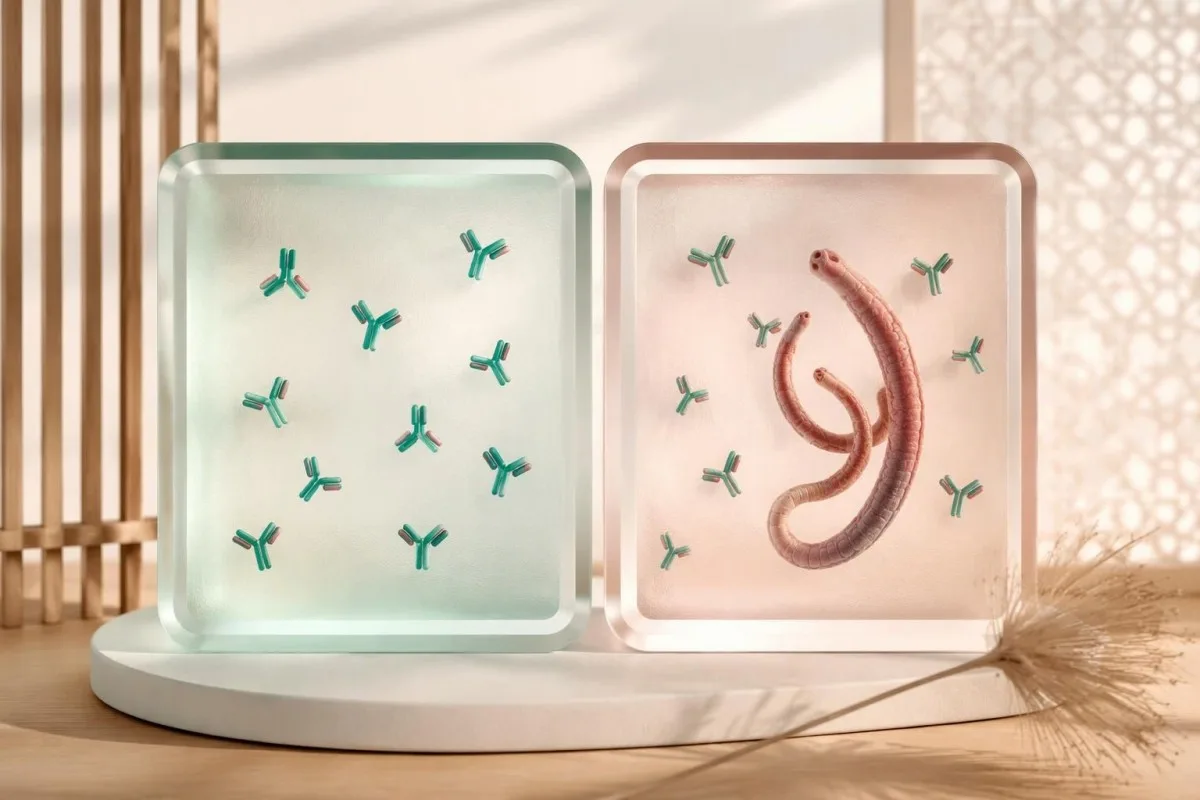
A positive IgG result 6 months after treatment does not, by itself, demonstrate treatment failure. Antibody decline varies, and a stable or temporarily higher signal cannot reliably quantify surviving worms; comparing results from 2 different laboratories adds assay differences, making numerical trend interpretation even less suitable for declaring cure.
Persistent symptoms or eosinophilia deserve reassessment, but neither automatically proves living Schistosoma remain. If eggs are still found at the 1–2 month follow-up, specialists may consider egg viability, collection details, treatment timing and whether another course is needed; PCR positivity can also require caution because detecting parasite DNA is not the same as identifying viable adult worms.
Kantesti can help organize 3 follow-up dates—treatment, specimen collection and any re-exposure—without labeling persistent IgG as treatment failure. Our udhëzues për analizën e trendeve të medikamenteve explains why trends must be matched to the right clinical endpoint; an available validated antigen assay may be more useful than serial antibodies, but its follow-up schedule belongs to the treating service.
Si mund të çojë i njëjti rezultat pozitiv në vendime të ndryshme?
The same positive Schistosoma IgG result can lead to treatment, additional testing or observation because the surrounding evidence differs. The following 4 examples are hypothetical teaching scenarios—not patient encounters—and illustrate how exposure dates, prior therapy, assay uncertainty and organ findings can outweigh the apparent simplicity of a positive flag.
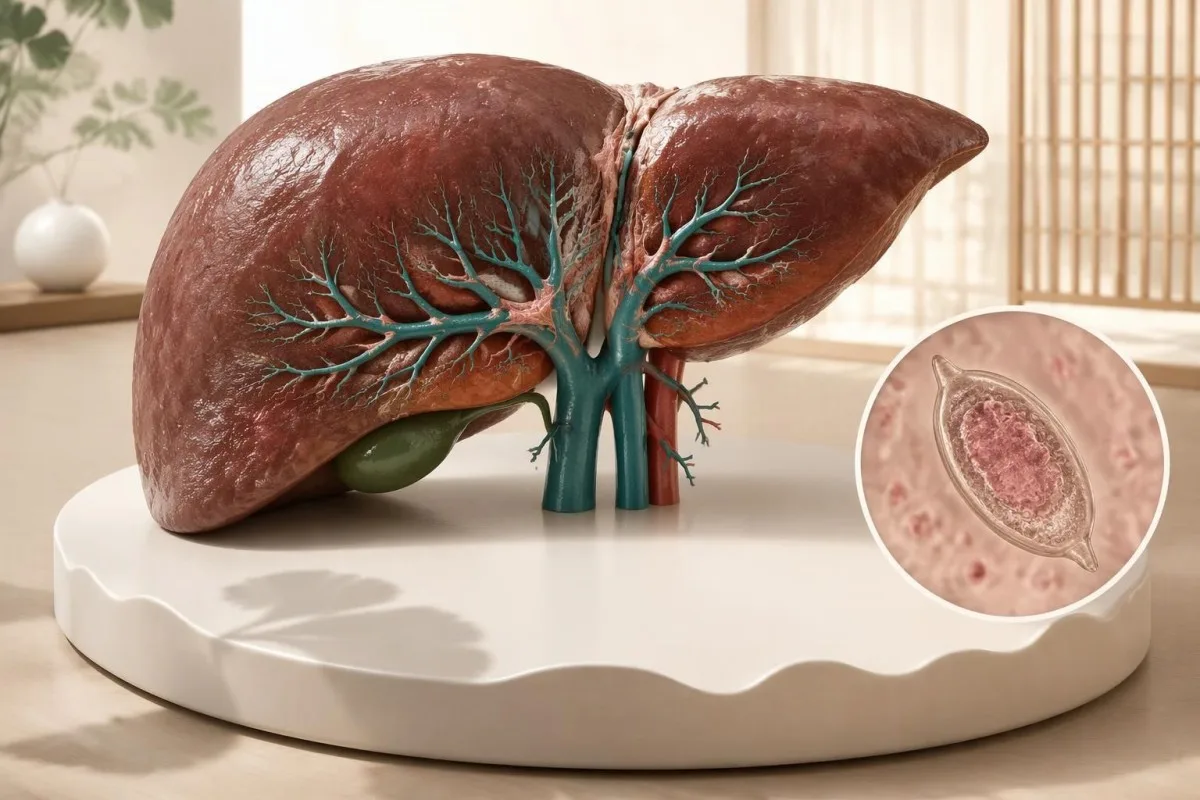
A hypothetical 28-year-old returns from a freshwater swim, tests positive 10 weeks later and has never received praziquantel; treatment may be reasonable despite negative microscopy. A hypothetical 44-year-old treated appropriately 4 years earlier, with no further exposure and no concerning findings, may not need retreatment; the timeline of laboratory results helps keep these histories distinct.
A hypothetical 35-year-old with no plausible freshwater exposure has a weakly positive screening assay and normal supporting investigations. The next step may be checking the original indication, assay and cross-reactivity rather than immediate treatment; changing a report from weak positive to strong positive on 1 repeat antibody assay still does not create a documented exposure or prove active infection.
A hypothetical 54-year-old who lived near endemic freshwater 20 years earlier has positive IgG, an enlarged spleen and an ALT of 24 IU/L within the local range. That combination merits assessment for portal and other organ disease despite normal enzymes; an old exposure is not automatically resolved, and common liver fibrosis scores should not be assumed validated for schistosomal periportal fibrosis.
Çfarë duhet të merrni me vete në vizitën pasuese dhe cilat burime mbështesin kujdesin?
Bring your exposure history, complete laboratory report and treatment record to a clinician experienced in travel medicine, infectious diseases or tropical medicine. Prepare 3 questions: whether the result fits your exposure, which direct tests could change the decision and how treatment response will be assessed without relying on antibody disappearance.
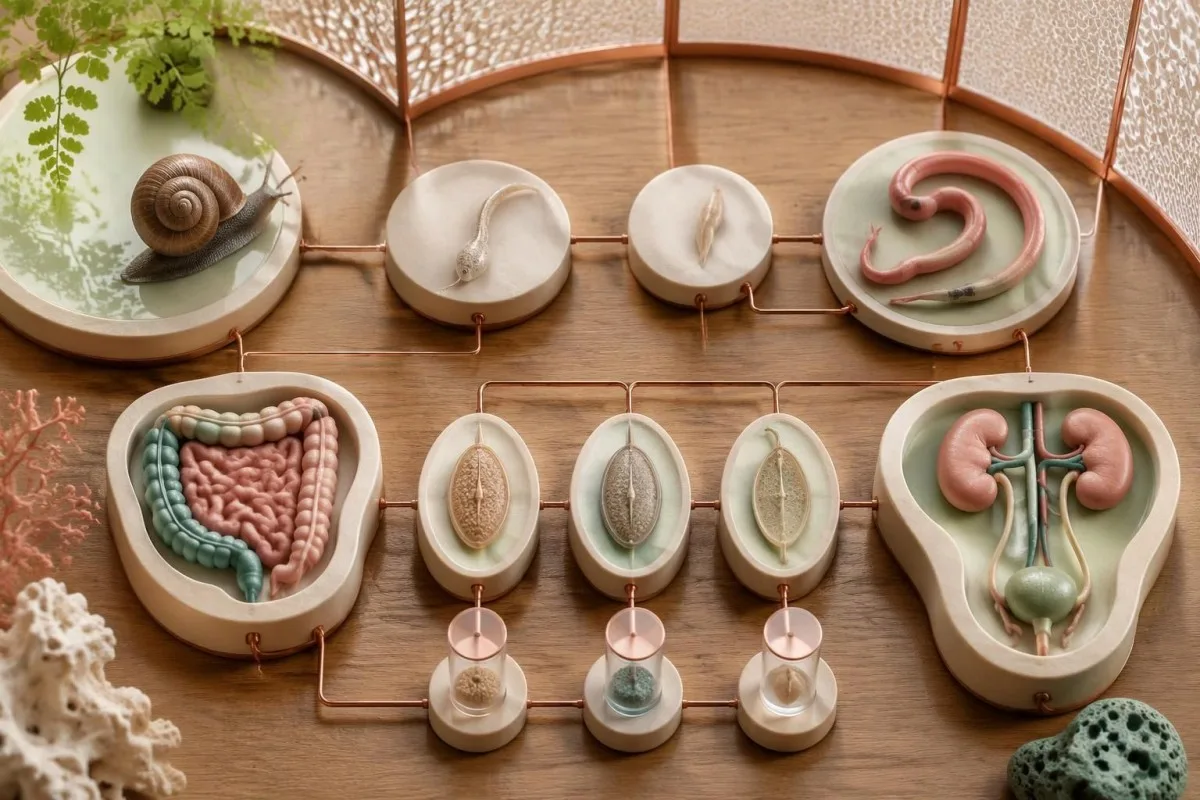
Your report should retain the assay name, units or index, reference interpretation and collection date, rather than only a cropped positive flag. Add 1 concise exposure timeline, previous praziquantel doses and dates, current medicines, pregnancy status where relevant and any urinary or neurological symptoms; this makes uncertainty visible and reduces the chance of repeating an uninformative antibody test.
Kantesti is an AI blood test interpretation platform that helps explain why 1 Schistosoma antibody result must be considered alongside exposure and treatment history, not used as a prescribing instruction. Our kornizë validimi klinik describes methodology and oversight, while our privatësinë dhe trajtimin e të dhënave information explains how to review data choices before sharing a travel or laboratory record.
The 2 Zenodo publications below describe Kantesti's validation framework and aggregate platform reporting; they are not clinical schistosomiasis guidelines and do not establish the sensitivity of a Schistosoma assay. Clinical recommendations in this article draw on CDC diagnostic and treatment guidance and the WHO guideline (2022), with our standardet e përmbajtjes mjekësore distinguishing published evidence, hypothetical calculations and the limits of AI-supported explanation.
Pyetjet e bëra shpesh
A do të thotë një rezultat pozitiv për IgG ndaj Schistosoma se kam një infeksion aktiv?
0 Një rezultat pozitiv për IgG kundër Schistosoma nuk mund të dallojë me besueshmëri infeksionin aktiv nga infeksioni i trajtuar më parë. Antitrupat mund të mbeten të dallueshëm për vite, prandaj 1 raport pozitiv duhet interpretuar duke marrë parasysh ekspozimin ndaj ujërave të ëmbla dhe historikun e trajtimit. Kur është e përshtatshme, mjekët mund të përdorin mikroskopinë e feçeve ose të urinës, testimin e antigjeneve ose PCR-në për të marrë prova më të drejtpërdrejta. Ekspozimi i besueshëm pa trajtim të mëparshëm adekuat mund të justifikojë trajtimin edhe kur mikroskopia rezulton negative.
A mund të kem skistozomiazë me analiza negative të feçeve dhe urinës?
Mikroskopia negative e feçeve ose urinës nuk e përjashton skistosomiazën, veçanërisht pas udhëtimit, kur ngarkesa parazitare mund të jetë e ulët. CDC rekomandon ekzaminimin e 3 mostrave të mbledhura në ditë të ndryshme, sepse eliminimi i vezëve mund të jetë i ndërprerë. Lloji i dyshuar përcakton gjithashtu nëse duhet të ekzaminohen feçet, urina apo të dyja. Mjeku mund të rekomandojë përsëri trajtim kur antitrupat janë pozitivë, ekspozimi është i besueshëm dhe nuk është dokumentuar ndonjë trajtim i mëparshëm i përshtatshëm.
Sa kohë pas ekspozimit ndaj ujit të ëmbël duhet të bëj analizat?
CDC rekomandon mbledhjen e mostrave për antitrupat ndaj Schistosoma të paktën 6–8 javë pas një infeksioni të ri të dyshuar. Kur gjatë një udhëtimi kanë ndodhur disa ekspozime, përdorni kontaktin e fundit me ujë të ëmbël si pikë praktike reference. Rezultatet negative të mëparshme mund të kenë nevojë të përsëriten, sepse antitrupat mund të mos jenë ende të zbulueshëm. Ethet ose simptoma të tjera të rëndësishme kërkojnë vlerësim të menjëhershëm, në vend që të pritet kjo periudhë testimi.
Pse ende rezultoj pozitiv për antitrupat ndaj Schistosoma-s pas praziquantelit?
Antitrupat ndaj Schistosoma mund të mbeten pozitive për vite pas trajtimit të suksesshëm me prazikantel, sepse përgjigjja imunitare zgjat më shumë se paraziti. Një rezultat pozitiv 6 muaj pas trajtimit, i vetëm, nuk provon dështimin e trajtimit dhe as nuk justifikon një cikël tjetër trajtimi. Kur para trajtimit janë zbuluar vezë, mjekët mund të kërkojnë përsëritjen e ekzaminimit të feçeve ose urinës pas 1–2 muajsh. Ekspozimi i ri, simptomat e vazhdueshme dhe gjetjet e testeve të drejtpërdrejta janë më domethënëse sesa vazhdimësia e antitrupave më vete.
Çfarë doze të prazikantelit përdoret për skistosomiazën?
CDC rekomandon prazikantel 40 mg/kg gjatë 1 dite, në 2 doza të ndara, për S. mansoni, S. haematobium dhe S. intercalatum. Regjimi i rekomanduar për S. japonicum dhe S. mekongi është 60 mg/kg gjatë 1 dite, në 3 doza të ndara. Përndryshe, udhëtarët në gjendje përgjithësisht të qëndrueshme trajtohen të paktën 6–8 javë pas ekspozimit të fundit ndaj ujërave të ëmbla, sepse prazikanteli vepron më mirë kundër krimbave të rritur. Regjimin duhet ta zgjedhë një mjek dhe të shqyrtojë barnat, shtatzëninë, moshën dhe përfshirjen e mundshme neurologjike.
A mund të jetë një rezultat pozitiv i testit të antitrupave kundër Schistosoma një rezultat fals pozitiv?
Një test për antitrupat ndaj Schistosoma mund të japë rezultat fals pozitiv ose të kryqëreagojë me antitrupa ndaj parazitëve të tjerë, në varësi të analizës. Nuk ka një vlerë universale të indeksit që vërteton infeksion aktiv dhe 2 laboratorë mund të përdorin përgatitje të ndryshme antigjenesh dhe pragje të ndryshme. Një rezultat dobët pozitiv pa ekspozim të mundshëm ndaj ujërave të ëmbla mund të kërkojë rishikim laboratorik ose një metodë tjetër konfirmuese. Përsëritja vetëm e testit të antitrupave sërish nuk mund të dallojë me besueshmëri një infeksion të kaluar të trajtuar nga krimbat e gjallë.
Merrni shpjegimin e rezultateve të analizave të gjakut
Ngarkoni raportin tuaj laboratorik dhe AI e Kantesti shpjegon çdo biomarker me gjuhë të thjeshtë brenda pak sekondash. Përdoret nga më shumë se 2 milionë njerëz në mbarë botën.
Referencat
- Klein, T., Mitchell, S., & Weber, H. (2026). Korniza e Verifikimit Klinik v2.0 (Faqja e Verifikimit Mjekësor). Kërkim mjekësor me Kantesti AI. DOI
- Klein, T., Mitchell, S., & Weber, H. (2026). Analizues i Analizave të Gjaku me AI: 2.5M Teste të Analizuara | Raporti Global i Shëndetit 2026. Kërkim mjekësor me Kantesti AI. DOI
- Qendrat për Kontrollin dhe Parandalimin e Sëmundjeve (2024). Clinical Testing and Diagnosis for Schistosomiasis. CDC Schistosomiasis Clinical Guidance.
- Qendrat për Kontrollin dhe Parandalimin e Sëmundjeve (2024). Clinical Care of Schistosomiasis. CDC Schistosomiasis Clinical Guidance.
- World Health Organization (2022). WHO guideline on control and elimination of human schistosomiasis. World Health Organization Guidelines.
- 2M+Analizat e kryera
- 127+Vendet
- 100+Gjuhët
Rreth ekipit mjekësor


Sinjalet e Besimit E-E-A-T
Përvoja
Rishikim klinik i udhëhequr nga mjeku i flukseve të punës për interpretimin e analizave.
Ekspertizë
Fokus i mjekësisë laboratorike mbi mënyrën se si sillen biomarkerët në kontekstin klinik.
Autoritariteti
Rishikuar nga ana mjekësore nga Dr. Thomas Klein, me kontribute nga Dr. Sarah Mitchell dhe Prof. Dr. Hans Weber.
Besueshmëria
Interpretim i bazuar në prova, me rrugë të qarta për ndjekje për të reduktuar alarmin.






Mohim përgjegjësie mjekësore
Ky artikull është vetëm për qëllime edukative dhe nuk përbën këshilla mjekësore. Gjithmonë konsultohuni me një ofrues të kualifikuar të kujdesit shëndetësor për vendimet e diagnozës dhe trajtimit.
Botuar · Kontaktoni ekipin redaktues
Botuar nga Kantesti Ltd, e regjistruar në Angli dhe Uells, nr. i kompanisë. 17090423, Londër, Mbretëria e Bashkuar.
