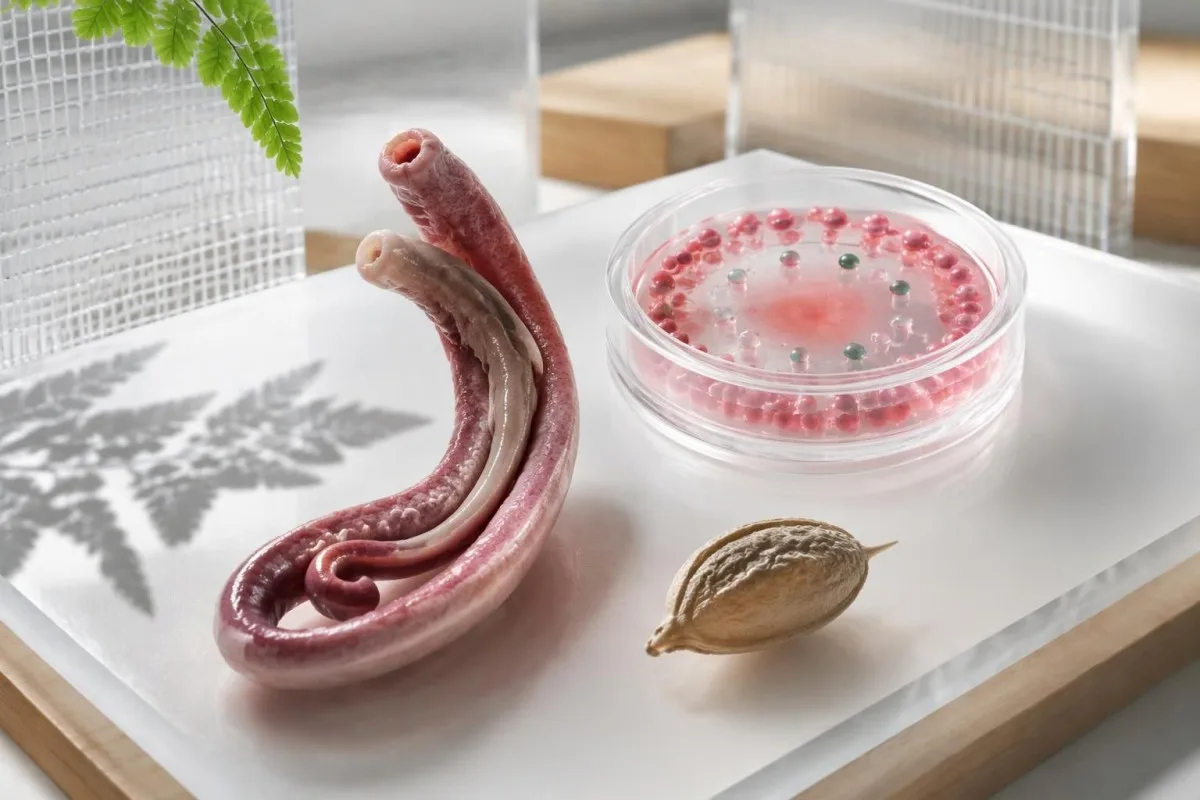
Schistosoma اينٽي باڊي جو مثبت نتيجو، جيڪڏهن توهان کي متاثر ٿيل تازي پاڻيءَ سان معتبر واسطو پيو هجي ۽ توهان اڳ ڪڏهن به مناسب علاج نه ڪرايو هجي، ته علاج جو جواز بڻجي سگهي ٿو؛ پر اهو فعال انفيڪشن ثابت نٿو ڪري ۽ نه ئي صحتيابي جي تصديق ڪري ٿو. توهان جي واسطي جون تاريخون، اڳوڻو علاج ۽ اضافي ٽيسٽون ايندڙ قدم طئي ڪن ٿيون.

اهم ڳالهيون
- مثبت اينٽي باڊيز Schistosoma اينٽيجنز جي خلاف مدافعتي ردعمل ظاهر ڪن ٿا؛ 1 مثبت نتيجو علاج نه ٿيل انفيڪشن ۽ اڳ ۾ علاج ٿيل انفيڪشن ۾ فرق نٿو ڪري سگهي.
- ٽيسٽنگ ونڊو اهم آهي: CDC سفارش ڪري ٿو ته شڪي نئين انفيڪشن کان گهٽ ۾ گهٽ 6–8 هفتا پوءِ اينٽي باڊي جا نمونا گڏ ڪيا وڃن.
- تازي پاڻيءَ سان واسطو مان مراد امڪاني طور آلوده ڍنڍن، دريائن يا واهن سان چمڙي جو رابطو آهي—صرف متاثر ملڪ جو دورو ڪرڻ نه.
- خوردبيني جاچ وڌيڪ معلوماتي هوندي آهي جڏهن ڊاڪٽر مختلف ڏينهن تي گڏ ڪيل پاخاني يا پيشاب جا 3 نمونا گهرن.
- پرازڪوانٽيل جو عام ڪل مقدار S. mansoni ۽ S. haematobium لاءِ 1 ڏينهن دوران 40 mg/kg هوندو آهي، پر نسخو ڏيڻ جو دارومدار قسم ۽ طبي حالتن تي آهي.
- علاج جو وقت عام طور تي مستحڪم مسافرن ۾ تازي پاڻيءَ سان آخري واسطي کان گهٽ ۾ گهٽ 6–8 هفتا انتظار ڪرڻ جو مطلب آهي، ڇاڪاڻتہ پرازڪوانٽيل بالغ ڪيڙن خلاف بهترين ڪم ڪري ٿو.
- ٻيهر خوردبيني جاچ علاج کان 1–2 مهينا پوءِ درخواست ڪري سگهجي ٿي، جڏهن علاج کان اڳ آنڊا موجود هئا.
- مستقل IgG ڪامياب علاج کان پوءِ سالن تائين مثبت رهي سگهي ٿو؛ هڪ ٻيو مثبت نتيجو پاڻمرادو علاج جو ٻيو ڪورس ڏيڻ جو جواز نٿو بڻجي.
ڇا Schistosoma اينٽي باڊي جي مثبت نتيجي لاءِ علاج ضروري آهي؟
Schistosoma اينٽي باڊي جو مثبت نتيجو پاڻمرادو اهو نٿو ٻڌائي ته توهان کي علاج جي ضرورت آهي. طبيب اڪثر علاج جي صلاح ڏيندا آهن، جڏهن مٺي پاڻيءَ سان واسطو اچڻ جو امڪان معتبر هجي ۽ اڳوڻو مناسب علاج نه ٿيو هجي، ڀلي خوردبيني جاچ منفي هجي؛ دستاويزي علاج کان پوءِ ۽ ٻيهر واسطي اچڻ کان سواءِ، 1 مستقل مثبت نتيجو عام طور تي ٻيهر علاج جو جواز ڏيڻ لاءِ ڪافي ناهي.
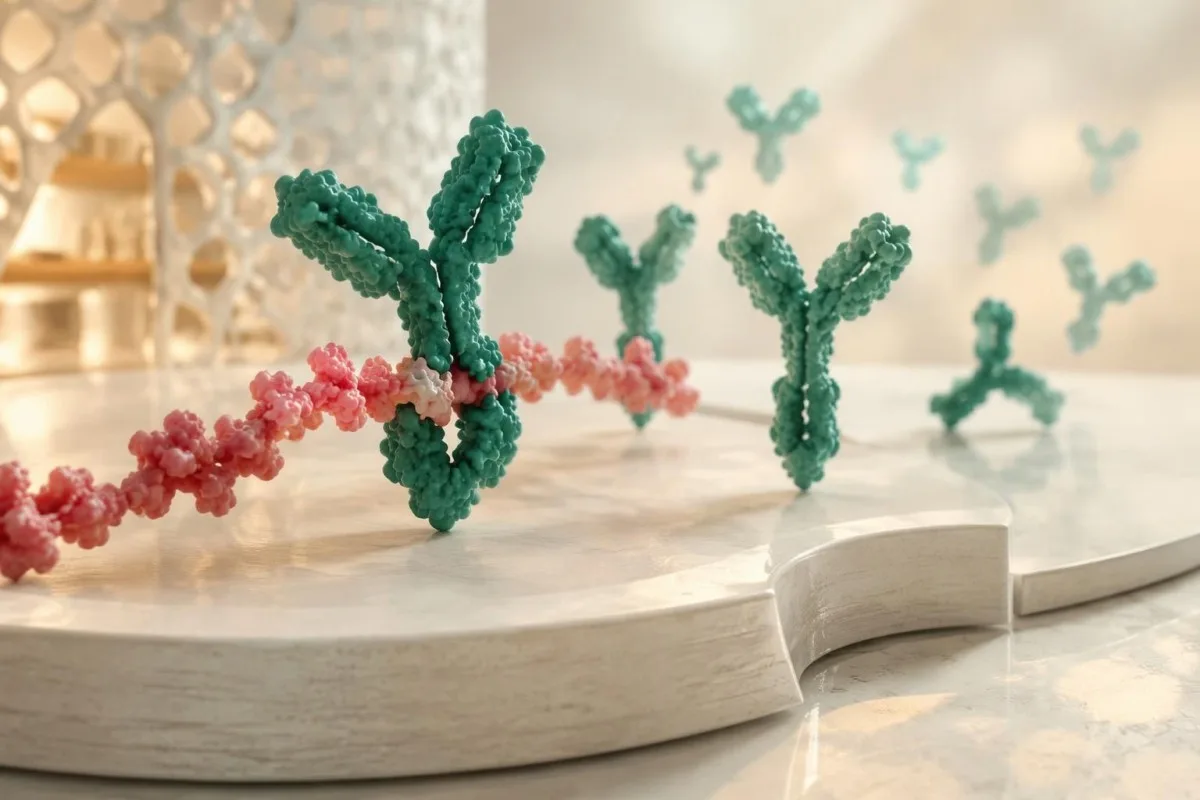
Schistosoma IgG مثبت هجڻ جي معنيٰ کي زنده ڪيڙن جي ماپ طور نه، پر مدافعتي سڃاڻپ جي ثبوت طور سمجهڻ بهتر آهي. اينٽي باڊي جو ردعمل پرازيءَ جي ختم ٿيڻ کان پوءِ به سالن تائين رهي سگهي ٿو، ۽ ساڳئي رپورٽ ڪيل نتيجي وارن 2 ماڻهن کي مختلف سنڀال جي ضرورت ٿي سگهي ٿي—هڪ کي علاج نه ٿيل واسطي کان پوءِ، ۽ ٻئي کي ڪامياب علاج کان پوءِ، جڏهن ان کان پوءِ مٺي پاڻيءَ سان ڪو واسطو نه ٿيو هجي.
اڳوڻو واسطو ۽ اڳوڻو علاج ٻه الڳ سوال آهن: پراڻو انفيڪشن علاج کان سواءِ رهي سگهي ٿو، جڏهن ته علاج کان پوءِ پراڻو مثبت ٽيسٽ به برقرار رهي سگهي ٿو. ڪنهن 1 رپورٽ کي فعال بيماري يا بي ضرر پراڻي تاريخ سمجهڻ کان اڳ، علاج جو نالو، مقدار، تاريخ ۽ ان کان پوءِ پاڻيءَ سان ٿيل ڪنهن به رابطي جي تصديق ڪريو؛ اسان جي مثبت اينٽي باڊي جا نتيجا جي وضاحت انهن مختلف قسمن جي ثبوتن ۾ فرق ڪري ٿي.
Kantesti هڪ AI رت جي ٽيسٽ جو تجزيو ڪندڙ آهي، جيڪو وضاحت ڪرڻ ۾ مدد ڪري ٿو ته Schistosoma IgG جو 1 مثبت نتيجو فعال انفيڪشن ثابت نٿو ڪري سگهي، ڀلي مڪمل خون جو شمارو نارمل هجي. اسان جو ڪردار رپورٽ جي وضاحت ڪرڻ آهي—پرازيءَ جي سڃاڻپ ڪرڻ يا دوا تجويز ڪرڻ نه—۽ اسان جي تنظيم ۽ مقصد کي هتي بيان ڪيل طبيب جي اڳواڻيءَ ۾ ٿيندڙ فيصلن کان الڳ سمجهڻ گهرجي.
تازي پاڻيءَ سان ڪهڙي قسم جو واسطو نتيجي کي وڌيڪ يقيني بڻائي ٿو؟
وبا واري علائقي ۾ مٺي پاڻيءَ سان چمڙي جو واسطو مثبت نتيجي کي طبي لحاظ کان وڌيڪ اهم بڻائي ٿو. ڍنڍن، ندين ۽ آبپاشيءَ جي واهن ۾ ترڻ، پاڻيءَ ۾ هلڻ، وهنجڻ، رافٽنگ يا ڌوئڻ سان واسطو پئجي سگهي ٿو؛ هر واقعي جا 3 تفصيل لکو: صحيح هنڌ، سرگرمي ۽ توهان جي آخري رابطي جي تاريخ.
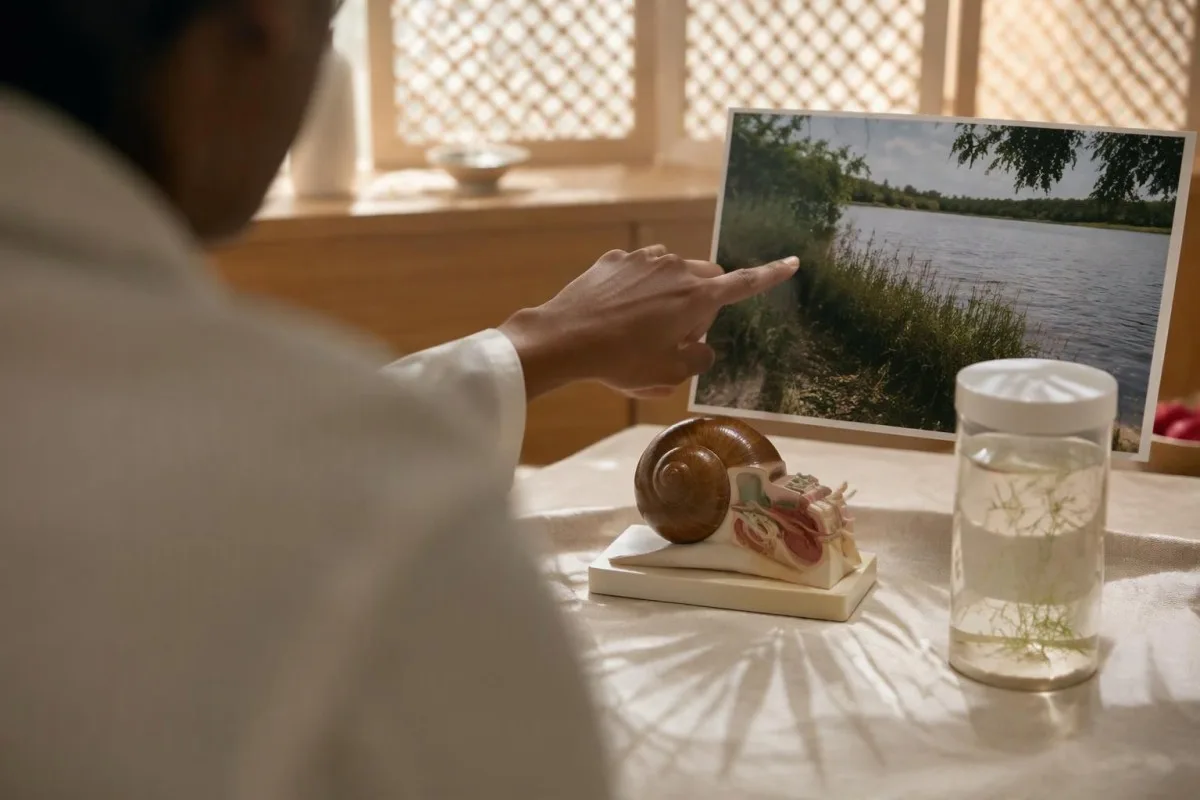
مٺي پاڻيءَ جي گونگھن مان نڪرندڙ Schistosoma جا لاروا چمڙيءَ مان اندر داخل ٿين ٿا؛ پاڻي ڳڙڪائڻ ضروري ناهي. ٿوري دير پاڻيءَ ۾ هلڻ به واسطي ۾ شمار ٿئي ٿو، ۽ خارش واري ريش نه هجڻ سان اهو خارج نٿو ٿئي؛ تنهن ڪري جيڪڏهن فرضي طور ڪو مسافر 5 منٽن لاءِ ڍنڍ ۾ لٿو هجي، ته ان واقعي جو ذڪر ڪرڻ گهرجي، رڳو ڊگهي وقت تائين ترڻ جا سيشن لکڻ نه گهرجن.
سمنڊ جو پاڻي ۽ صحيح نموني ڪلورين ملائي صاف ڪيل ترڻ جا تلاءَ schistosomiasis جي واسطي جا عام ذريعا ناهن. مٺي پاڻيءَ سان واسطو ٻين حالتن بابت به ڳڻتي پيدا ڪري سگهي ٿو، جن لاءِ ٽيسٽ ۽ علاج مختلف هوندا آهن، جن ۾ پاڻيءَ سان واسطي کان پوءِ leptospirosis; ؛ درياهه ۾ سرگرميءَ کان 1 هفتو پوءِ شروع ٿيندڙ بخار کي وسيع جائزي کان سواءِ Schistosoma اينٽي باڊين سان منسوب نه ڪرڻ گهرجي.
رڳو ملڪ جو نالو انفرادي خطري جو تعين نٿو ڪري سگهي، ڇاڪاڻ ته ملڪن ۽ آبي ذخيرن اندر منتقليءَ جي صورتحال مختلف هوندي آهي. وساريل ڪنهن 1 سرگرميءَ جو به پتو لڳايو—مثلاً درياهه ڀرسان سامان ڌوئڻ—۽ پرازيءَ سان واسطي کي ويڪسينيشن جي رڪارڊ کان الڳ سمجهو؛; سفر کان پوءِ اينٽي باڊي جون جاچون هڪ مختلف سوال جو جواب ڏين ٿيون ۽ schistosomiasis کان تحفظ نٿيون ڏين.
سفر کان پوءِ شسٽوسومياسس جي جاچ ڪڏهن ڪرائڻ گهرجي؟
Schistosomiasis لاءِ اينٽي باڊي جي جاچ عام طور تي شڪي نئين انفيڪشن کان گهٽ ۾ گهٽ 6–8 هفتا پوءِ وڌيڪ معلوماتي هوندي آهي. CDC جي Schistosomiasis جي ڪلينڪل جاچ ۽ تشخيص بابت رهنمائي وضاحت ڪري ٿي ته هي وقفو اينٽي باڊين کي ٺهڻ جو وقت ڏئي ٿو؛ ان کان اڳ ورتل منفي نتيجو تازو مٺي پاڻيءَ مان حاصل ٿيل انفيڪشن کي يقين سان خارج نٿو ڪري سگهي.
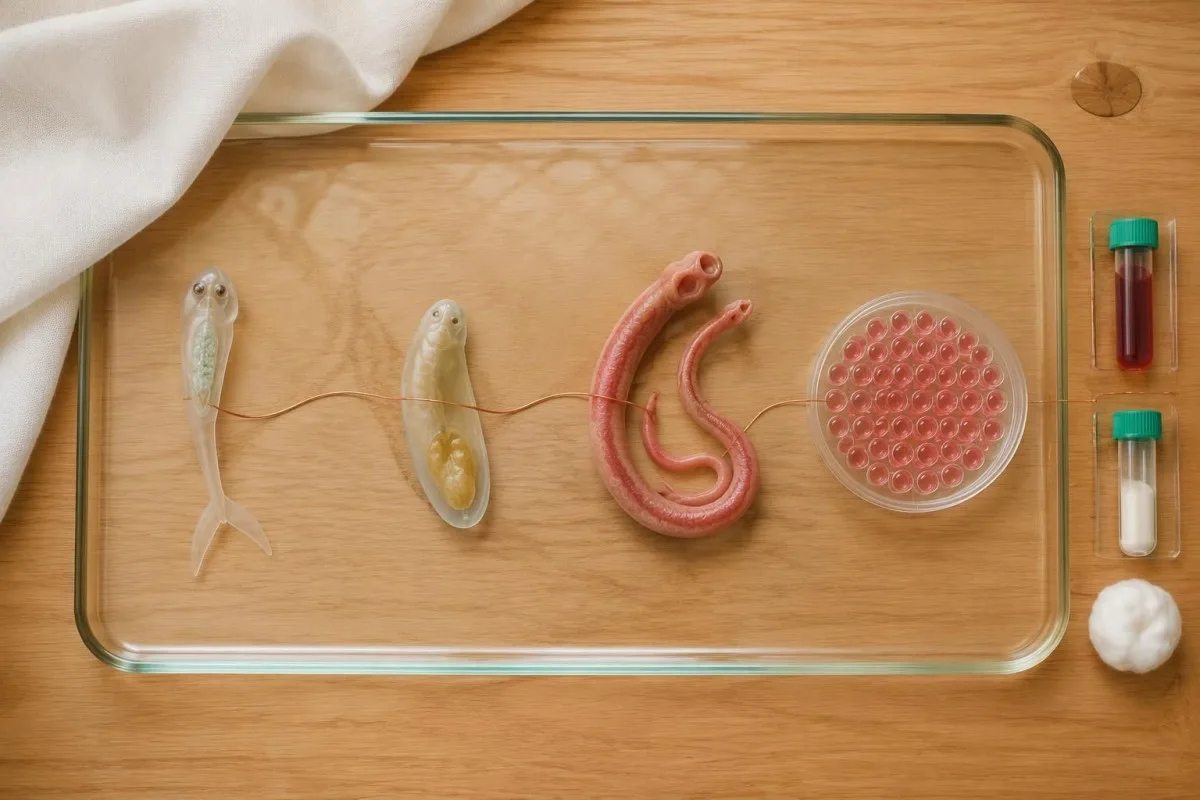
The last freshwater contact is a practical anchor when a trip involved several possible exposures. For example, a hypothetical traveler who swam on both the first and final day of a 3-week holiday should calculate the testing interval from the final swim, rather than assuming that the first exposure makes an immediate post-trip result conclusive.
Seroconversion is not identical across people or assays, so 6–8 weeks is a useful testing window rather than a guarantee of detection. When exposure is persuasive and an initial result is negative, a clinician may arrange another sample later, sometimes around 12 weeks after exposure; a second date should be agreed rather than inferred from a generic laboratory reference range.
Fever or significant symptoms after travel should be assessed without waiting for an antibody window to close, especially after a malaria-risk itinerary. At Kantesti, we encourage readers to keep 2 dates visible—last freshwater contact and sample collection—because انفيڪشن ٽيسٽ جي وقت بابت can change the meaning of a negative report even though each organism requires its own diagnostic strategy.
ڇا Schistosoma اينٽي باڊيز غلط طور مثبت ٿي سگهن ٿيون؟
Schistosoma antibody tests can produce false-positive or cross-reactive results, and their performance varies by assay. There is no universal IgG concentration or index that proves active schistosomiasis; 2 laboratories may use different antigen preparations, reporting units and thresholds, making direct numerical comparisons unreliable.
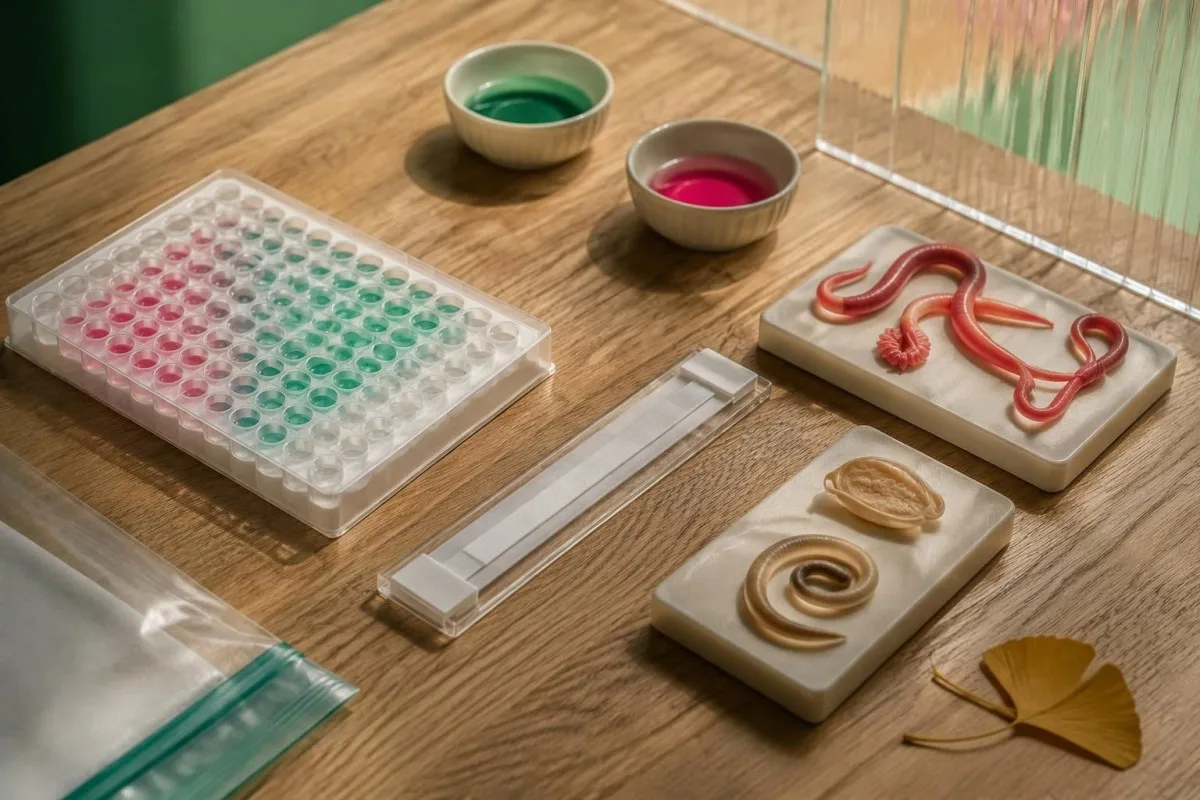
Cross-reactivity with other helminth antibodies depends on the test rather than occurring uniformly in every person. A laboratory may recommend an alternative assay or reference-laboratory review when the exposure history does not fit; 1 additional positive parasite antibody result also needs independent interpretation, as explained in our discussion of Toxocara antibody findings.
A hypothetical probability example shows why background risk matters: assume an imaginary test has 90% sensitivity and 95% specificity in 10,000 people, of whom 1% have the target infection. It would identify approximately 90 true positives and 495 false positives, so only about 15% of positive results would be true positives—these are teaching assumptions, not measured Schistosoma assay performance.
A high index should not be read as a high worm count, and a borderline index should not automatically be dismissed when exposure is strong. Ask for the assay name and the laboratory's interpretation of 1 equivocal or weakly positive result; confirmation with a different method can address assay uncertainty, but another antibody test still cannot reliably separate active infection from treated history.
پاخاني ۽ پيشاب جي خوردبيني جاچ سان ڇا معلوم ڪري سگهجي ٿو؟
Finding characteristic Schistosoma eggs provides direct parasitological evidence, whereas negative microscopy does not exclude a light infection. CDC recommends examining 3 stool or urine samples collected on different days to improve sensitivity, because egg output can be sparse and intermittent, particularly in travelers with a low parasite burden.
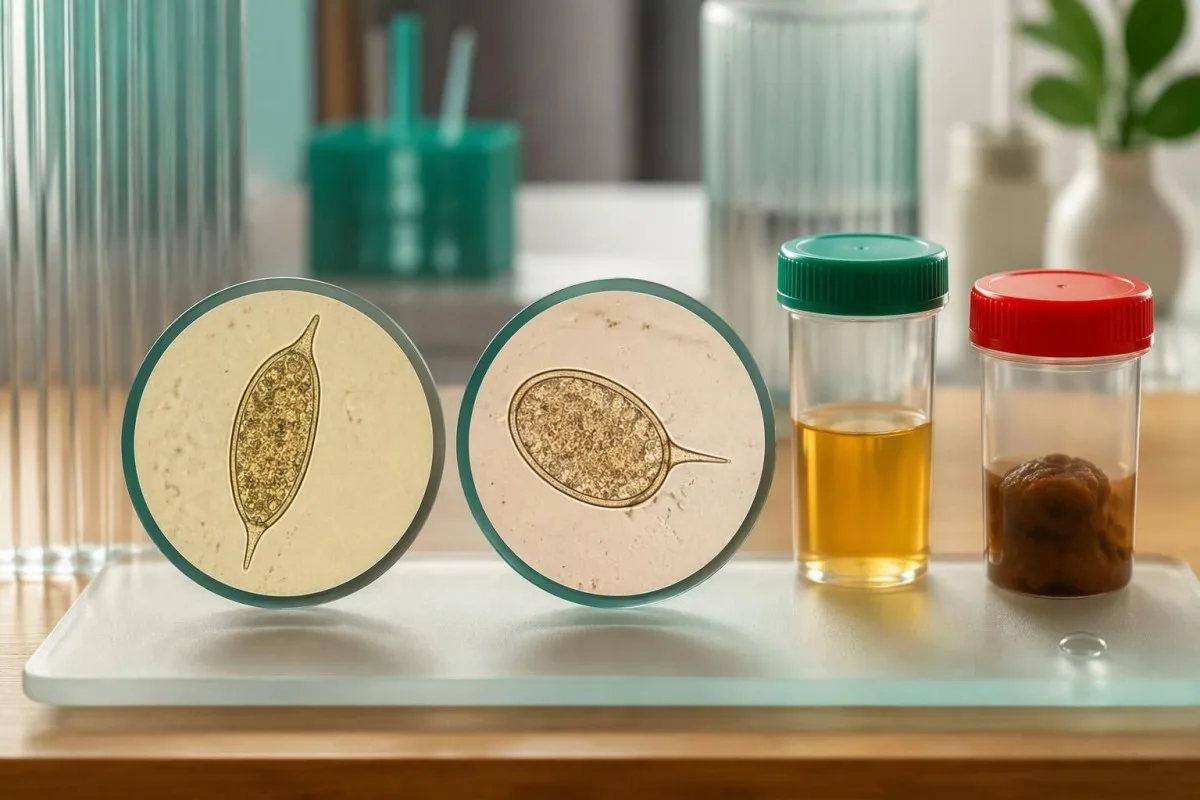
The suspected species determines specimen choice: S. mansoni and S. japonicum are usually investigated through stool, while S. haematobium is usually investigated through urine. Some exposure histories warrant both, so 1 negative stool examination does not address a possible urinary infection; پيشاب جي سciemينٽ جي تشريح also explains why ordinary urinary findings are not equivalent to parasite identification.
Urinary egg excretion often peaks around midday, and laboratories may request a sample between approximately 12 noon and 3 pm. Urine filtration may use a measured volume such as 10 mL, but collection, transport and processing instructions vary; follow the receiving laboratory's protocol rather than improvising exercise, fluid restriction or a collection time.
Routine dipstick testing is not a substitute for a specific Schistosoma egg examination, and 1 routine stool pathogen panel may omit the parasite entirely. Check the exact tests ordered, including concentration or filtration methods when appropriate; our urinalysis method guide helps distinguish screening for cells and chemistry from targeted parasitology.
ڇا اينٽيجن ٽيسٽون يا PCR فعال انفيڪشن وڌيڪ چٽيءَ طرح ظاهر ڪن ٿيون؟
Schistosoma antigen tests can provide evidence more closely linked to living worms than antibody tests, but access and performance differ. Circulating anodic antigen, or CAA, and circulating cathodic antigen, or CCA, are 2 distinct targets; PCR detects parasite DNA and needs interpretation according to specimen, timing and the laboratory method.
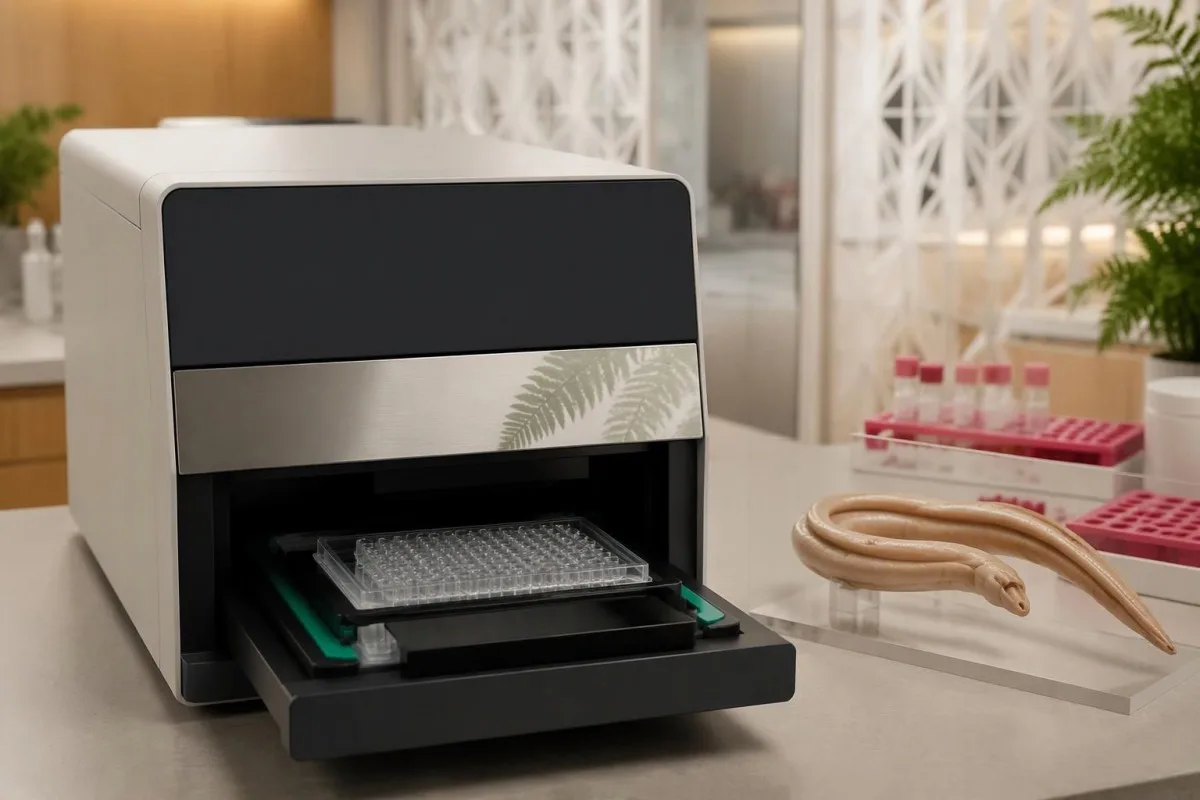
CAA assays can detect antigens released by living schistosomes, including some low-burden infections that microscopy misses. Urine CCA testing is used especially for S. mansoni, but trace readings and performance for other species complicate interpretation; 1 negative point-of-care CCA test should not be treated as a universal exclusion of urinary or intestinal schistosomiasis.
PCR may support diagnosis when microscopy is negative, but DNA detection is not identical to proving that every detected parasite component remains viable after treatment. The specimen matters—serum, stool and urine are not interchangeable—and 1 positive molecular result must be interpreted against the laboratory's validated application; antibodies versus direct detection illustrates this distinction in a different parasitic condition.
Kantesti is an AI lab test interpretation service that can explain the difference between 2 reports labeled Schistosoma IgG and Schistosoma PCR without treating them as interchangeable evidence. Our AI تفسير جا طريقا do not replace reference-laboratory expertise, and an antigen test's usefulness depends on whether the local service can obtain and validate it for your clinical question.
رت ۽ پيشاب جا ڪهڙا گڏيل نتيجا اهم آهن؟
Eosinophilia, urinary abnormalities and signs of organ involvement can strengthen the case for further assessment, but none proves schistosomiasis alone. An absolute eosinophil count above approximately 0.5 × 10⁹/L is commonly considered elevated; a normal count does not exclude infection, especially outside the early immune-response phase.
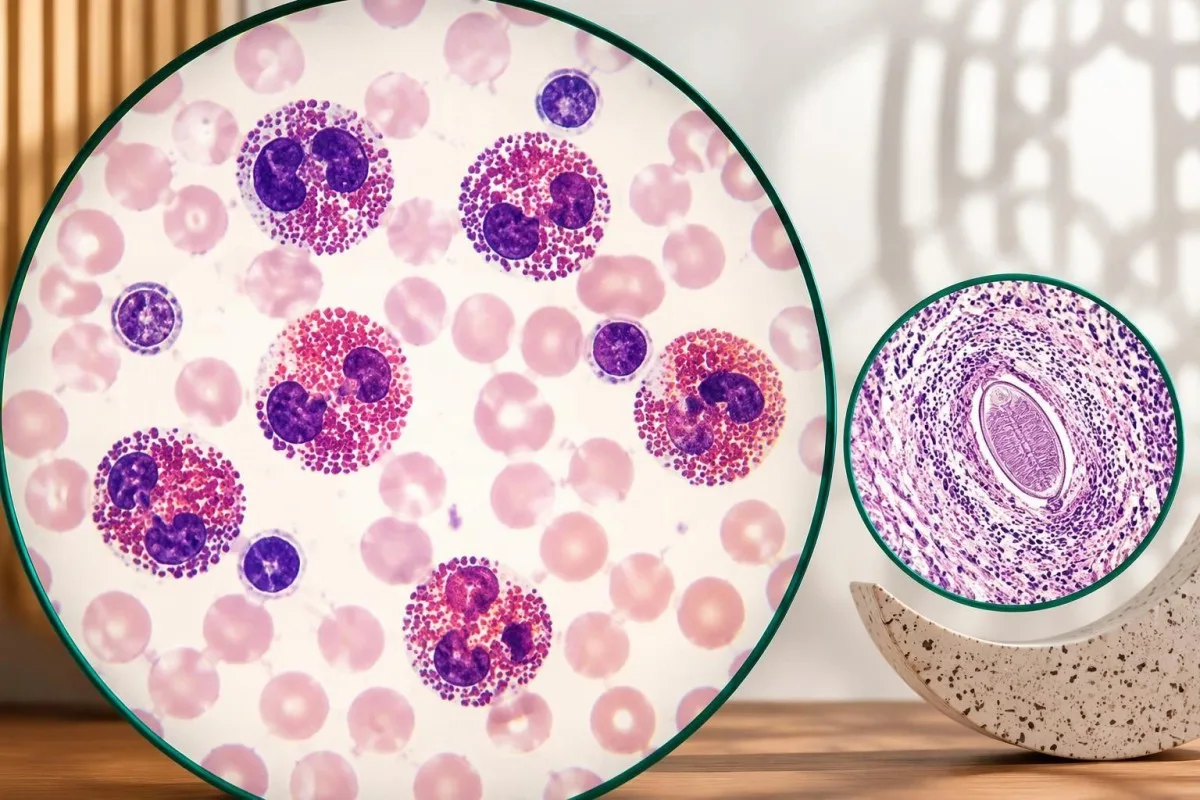
The absolute eosinophil count is usually more informative than the percentage because a percentage depends on the other white-cell populations. A hypothetical count of 0.8 × 10⁹/L may reflect schistosomiasis, another parasite, allergy or a medicine effect; persistent counts at or above 1.5 × 10⁹/L generally warrant broader evaluation, as discussed in our eosinophil count guide.
Normal liver enzymes do not reliably exclude hepatosplenic schistosomiasis because periportal fibrosis and portal hypertension can occur without the usual pattern of cirrhosis. For example, an ALT of 24 IU/L cannot overrule an enlarged spleen or suggestive ultrasound; liver panel جي تشريح explains why enzyme results answer different questions from structural imaging.
Blood in urine, protein in urine, persistent diarrhea or genital symptoms can change which investigations are appropriate. At Kantesti, we encourage keeping at least 3 evidence categories separate—exposure, parasite tests and organ findings—because a positive antibody result should not obscure a urinary obstruction, significant anemia or another explanation that requires its own assessment.
جڏهن خوردبيني جاچ منفي هجي تڏهن علاج ڇو ڏنو وڃي سگهي ٿو؟
Clinicians may treat a seropositive person with credible exposure and no adequate treatment history despite negative microscopy. This approach recognizes that light infections can escape egg detection and untreated adult worms can persist for years; the decision balances 3 factors: exposure probability, diagnostic limitations and the person's treatment risks.
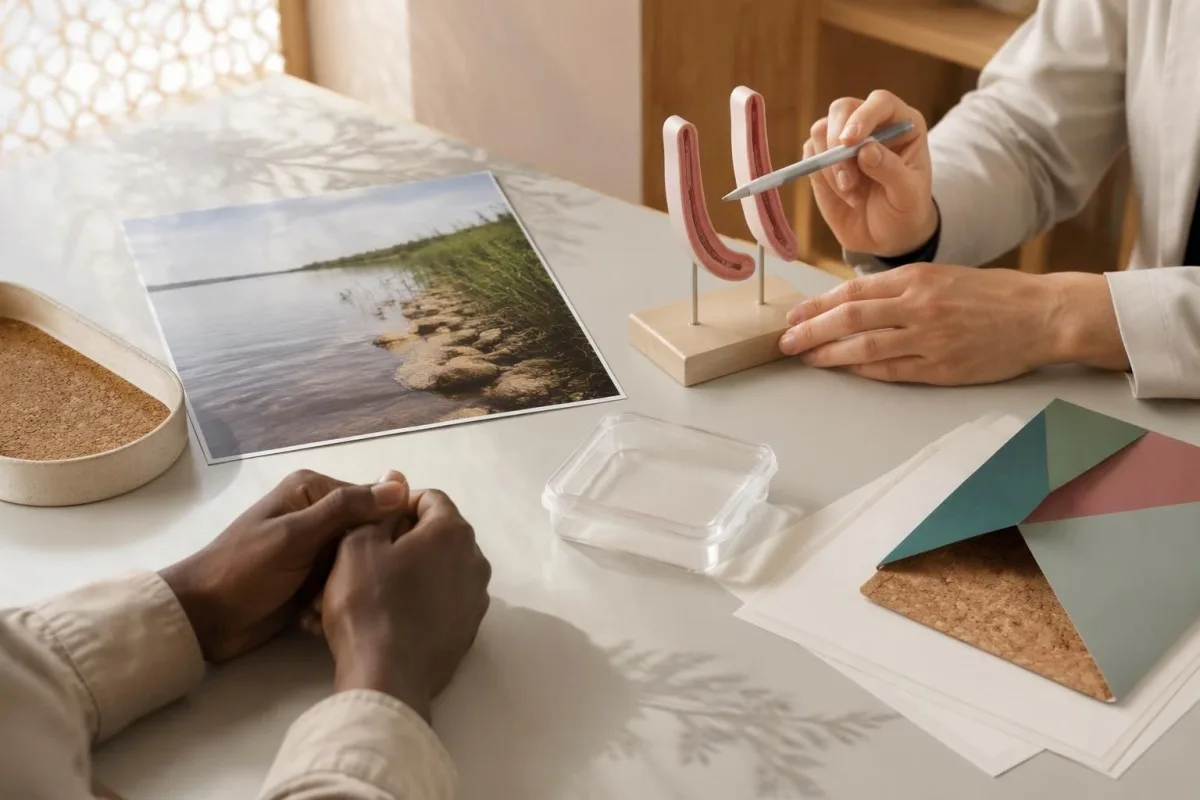
Absence of symptoms does not establish absence of infection or eliminate the potential benefit of treatment. A hypothetical traveler tested 10 weeks after a lake swim, with positive IgG and 3 negative stool examinations, may still be offered praziquantel if the exposure was credible and no earlier treatment occurred; negative microscopy lowers certainty but does not settle the question.
Documented earlier treatment changes the reasoning, particularly when no freshwater re-exposure has occurred. A person with a positive test 5 years after an appropriately timed course does not automatically need another course; the clinician should investigate whether treatment was complete, whether the initial infection was confirmed and whether any symptoms or direct tests now suggest persistence.
Visible blood in urine requires assessment even when Schistosoma antibodies are positive, because 1 parasite result does not exclude stones, other infections or cancer. Chronic urinary schistosomiasis is associated with increased bladder cancer risk, but risk is not diagnosis; our guide to bladder warning symptoms explains why persistent or recurrent urinary changes deserve separate attention.
پرازڪوانٽيل جي مقدار ۽ علاج جو وقت ڪيئن طئي ڪيا وڃن ٿا؟
Praziquantel is the standard medicine for schistosomiasis, but dose and timing depend on species and clinical circumstances. CDC's Clinical Care of Schistosomiasis guidance lists 40 mg/kg over 1 day in 2 divided doses for S. mansoni, S. haematobium and S. intercalatum, and 60 mg/kg in 3 divided doses for S. japonicum and S. mekongi.
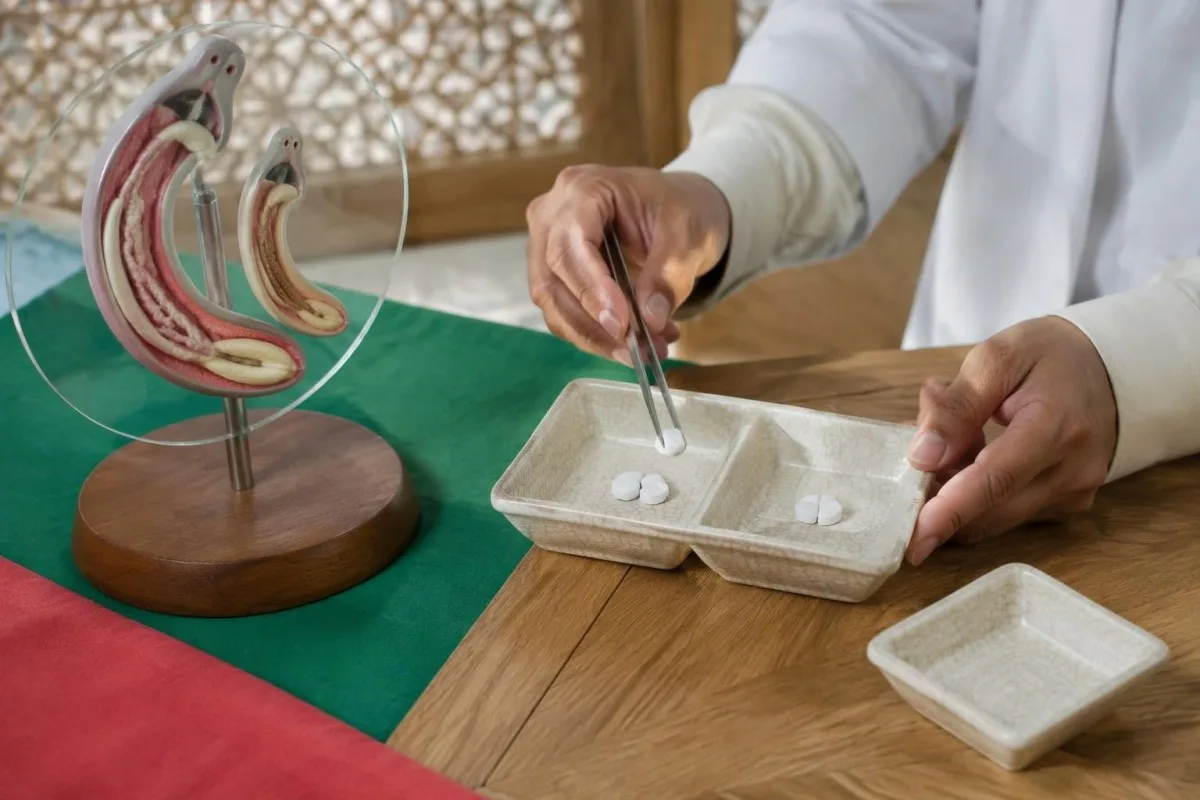
Praziquantel works best against mature worms, so otherwise stable travelers are generally treated at least 6–8 weeks after their last freshwater exposure. Taking it immediately after a swim is not reliable preventive treatment; if a course was given very early, the clinician may plan another course after maturation rather than assuming the initial prescription covered all developing worms.
A clearly hypothetical calculation illustrates a 40 mg/kg regimen: a 60 kg adult would receive 2,400 mg total over 1 day, split into 2 doses of 1,200 mg. Where 600 mg tablets are supplied, that arithmetic corresponds to 2 tablets per dose, but it is not an individual prescription—species, available formulation, rounding, swallowing ability and medical history must be checked.
Repeat treatment after 2–4 weeks may be appropriate in selected patients, especially with light infections or concerns about an incomplete response; it is not required solely because IgG remains positive. Medication review matters because rifampicin and enzyme-inducing antiseizure medicines can reduce praziquantel exposure, so patients taking carbamazepine should bring their regimen and any carbamazepine monitoring information rather than adjusting either medicine themselves.
ڪهڙين علامتن لاءِ تڪڙي يا هنگامي جائزي جي ضرورت آهي؟
Fever after travel needs prompt assessment, and new weakness, seizures or bladder-control changes need emergency evaluation. Acute schistosomiasis can cause fever, cough, rash, diarrhea and eosinophilia around 2–8 weeks after exposure, but these symptoms overlap with other conditions and cannot be diagnosed from antibodies alone.
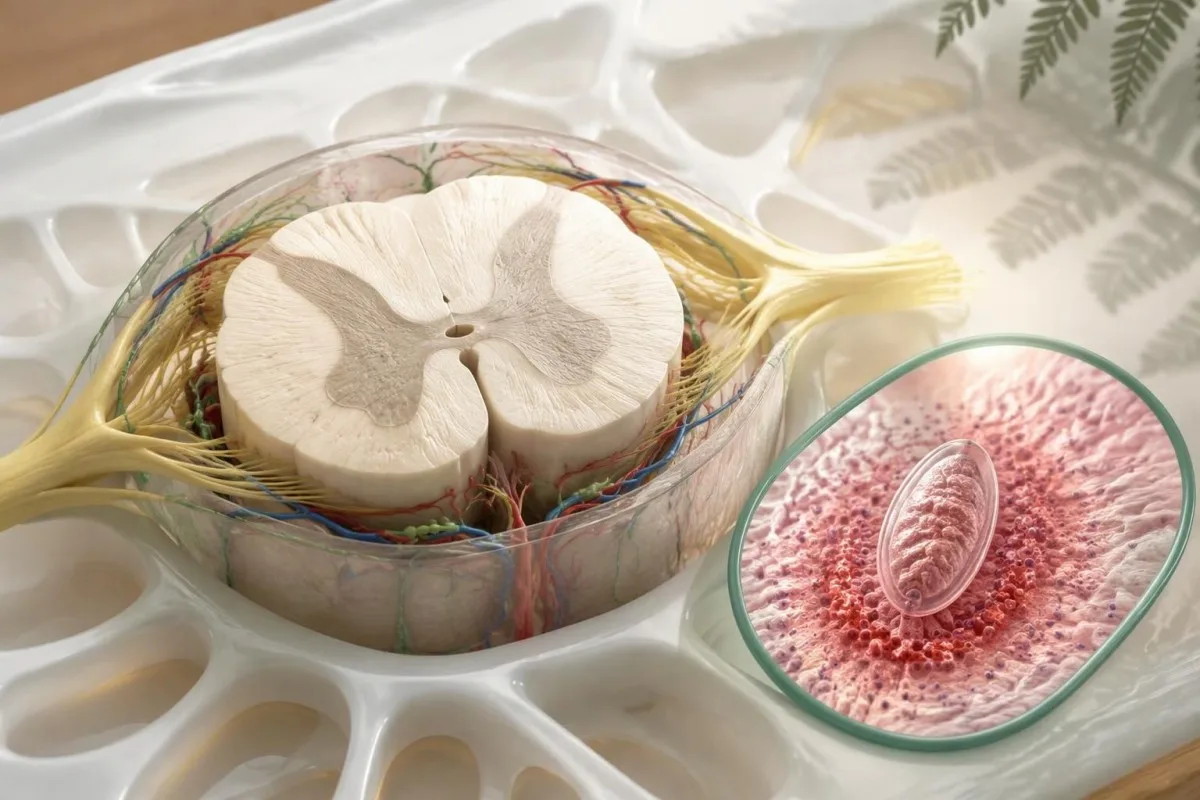
New leg weakness, difficulty walking, urinary retention or loss of bowel control can signal spinal cord involvement and should not wait for routine repeat serology. Schistosoma eggs can occasionally affect neurological tissue, but 1 positive antibody result does not establish the cause; emergency clinicians may need imaging and a broad differential diagnosis before specialist treatment is selected.
Acute systemic or neurological schistosomiasis may require specialist-directed corticosteroids alongside a carefully timed antiparasitic plan. If the exposure history also suggests Strongyloides, assess that possibility before immunosuppression when feasible, because steroids can precipitate dangerous hyperinfection; a Strongyloides IgG result needs its own management rather than assuming 1 antiparasitic medicine treats both organisms.
Fever after a malaria-risk itinerary should be assessed the same day, even if Schistosoma antibodies offer a plausible alternative explanation. Do not wait 6–8 weeks for repeat serology when there is persistent high fever, breathing difficulty, confusion, fainting, significant gastrointestinal bleeding or inability to pass urine; the immediate priority is identifying and treating the acute problem.
حمل، ننڍپڻ ۽ ٻيون حالتون علاج تي ڪيئن اثر انداز ٿين ٿيون؟
Pregnancy, young age and complex illness require individualized treatment decisions rather than automatically withholding or prescribing praziquantel. The WHO guideline on control and elimination of human schistosomiasis (2022) supports preventive treatment from age 2 years and includes pregnant women after the first trimester and lactating women in eligible programs.
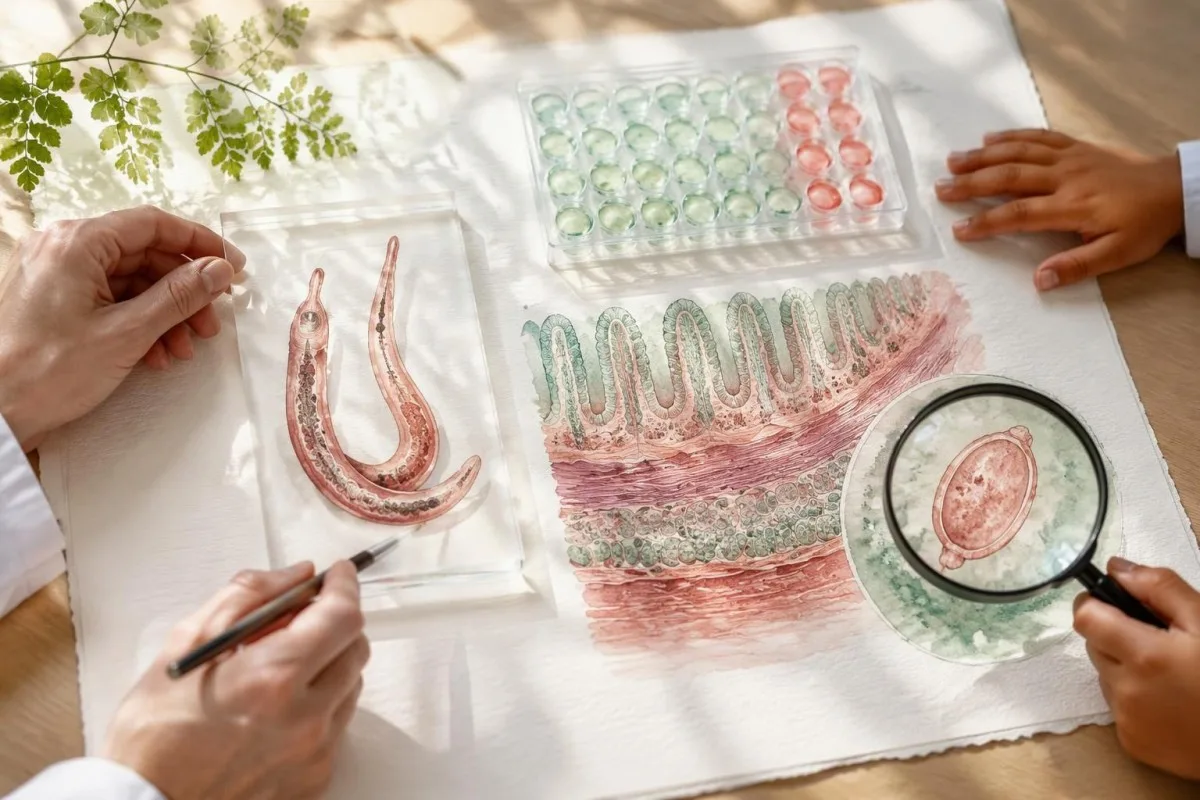
WHO program recommendations and treatment of an individual imported infection answer related but different questions. A hypothetical patient at 10 weeks of pregnancy needs a clinician-led balance of infection likelihood, severity and treatment timing; the recommendation to include pregnancy after the first trimester in preventive programs should not be turned into a blanket rule for every symptomatic patient.
Children's dosing requires an accurate weight and a formulation they can take safely; adult tablet arithmetic is not enough. WHO's inclusion of children aged 2 years and older in preventive chemotherapy does not make every product licensed for every younger age in every country, and our discussion of children's interpretation limits explains why pediatric results need age-specific clinical oversight.
A history of seizures, possible cysticercosis, significant liver disease or neurological symptoms should be reviewed before treatment. For 1 person with a straightforward travel-acquired infection, routine outpatient prescribing may be appropriate; another with possible central nervous system involvement may need specialist planning because the immune response to parasite treatment can itself affect symptoms.
ڪامياب علاج کان پوءِ Schistosoma IgG مثبت ڇو رهي سگهي ٿو؟
Schistosoma IgG can remain positive for years after successful treatment and is not a reliable test of cure. CDC recommends considering repeat stool or urine examination 1–2 months after treatment when eggs were detected before treatment; follow-up must match the evidence used to establish infection and the person's subsequent clinical course.
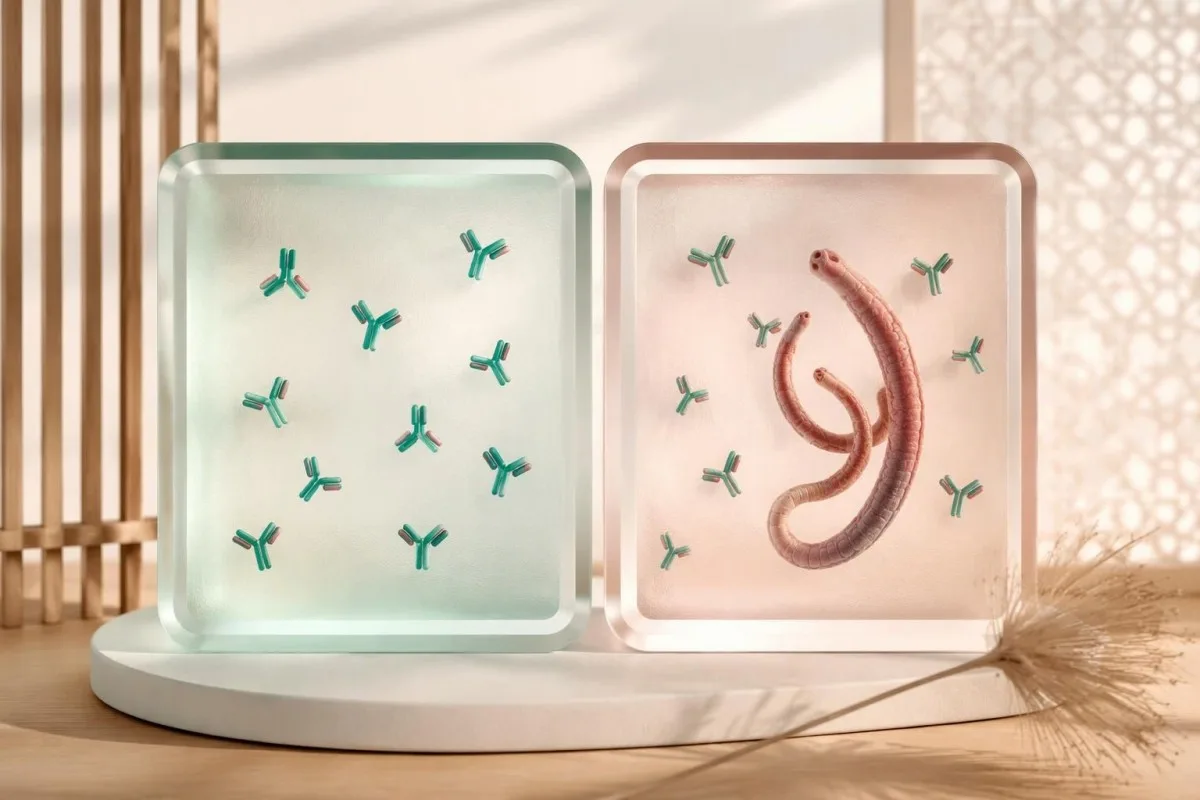
A positive IgG result 6 months after treatment does not, by itself, demonstrate treatment failure. Antibody decline varies, and a stable or temporarily higher signal cannot reliably quantify surviving worms; comparing results from 2 different laboratories adds assay differences, making numerical trend interpretation even less suitable for declaring cure.
Persistent symptoms or eosinophilia deserve reassessment, but neither automatically proves living Schistosoma remain. If eggs are still found at the 1–2 month follow-up, specialists may consider egg viability, collection details, treatment timing and whether another course is needed; PCR positivity can also require caution because detecting parasite DNA is not the same as identifying viable adult worms.
Kantesti can help organize 3 follow-up dates—treatment, specimen collection and any re-exposure—without labeling persistent IgG as treatment failure. Our دوا جي رجحان جو تجزيو گائيڊ explains why trends must be matched to the right clinical endpoint; an available validated antigen assay may be more useful than serial antibodies, but its follow-up schedule belongs to the treating service.
ساڳيو مثبت نتيجو مختلف فيصلن جو سبب ڪيئن بڻجي سگهي ٿو؟
The same positive Schistosoma IgG result can lead to treatment, additional testing or observation because the surrounding evidence differs. The following 4 examples are hypothetical teaching scenarios—not patient encounters—and illustrate how exposure dates, prior therapy, assay uncertainty and organ findings can outweigh the apparent simplicity of a positive flag.
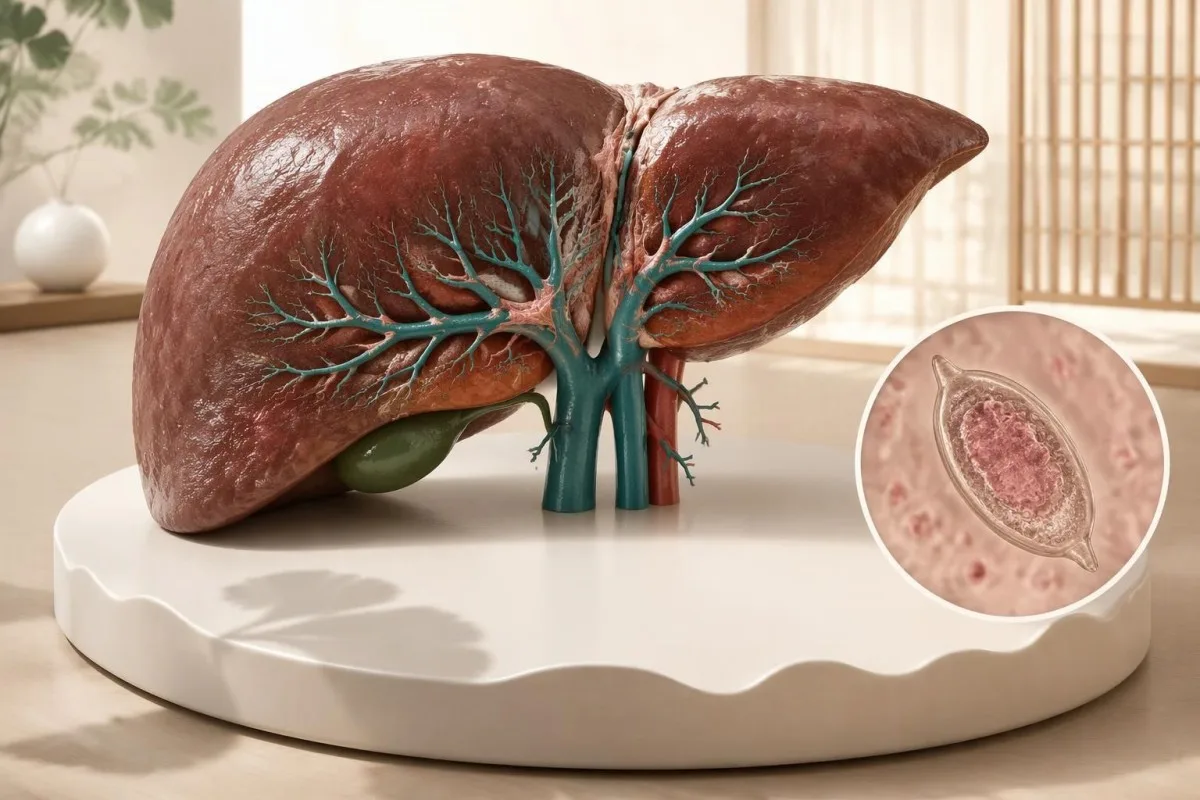
A hypothetical 28-year-old returns from a freshwater swim, tests positive 10 weeks later and has never received praziquantel; treatment may be reasonable despite negative microscopy. A hypothetical 44-year-old treated appropriately 4 years earlier, with no further exposure and no concerning findings, may not need retreatment; the timeline of laboratory results helps keep these histories distinct.
A hypothetical 35-year-old with no plausible freshwater exposure has a weakly positive screening assay and normal supporting investigations. The next step may be checking the original indication, assay and cross-reactivity rather than immediate treatment; changing a report from weak positive to strong positive on 1 repeat antibody assay still does not create a documented exposure or prove active infection.
A hypothetical 54-year-old who lived near endemic freshwater 20 years earlier has positive IgG, an enlarged spleen and an ALT of 24 IU/L within the local range. That combination merits assessment for portal and other organ disease despite normal enzymes; an old exposure is not automatically resolved, and common liver fibrosis scores should not be assumed validated for schistosomal periportal fibrosis.
ٻيهر جاچ لاءِ توهان کي ڇا کڻي اچڻ گهرجي، ۽ علاج لاءِ ڪهڙا ذريعا مددگار آهن؟
Bring your exposure history, complete laboratory report and treatment record to a clinician experienced in travel medicine, infectious diseases or tropical medicine. Prepare 3 questions: whether the result fits your exposure, which direct tests could change the decision and how treatment response will be assessed without relying on antibody disappearance.
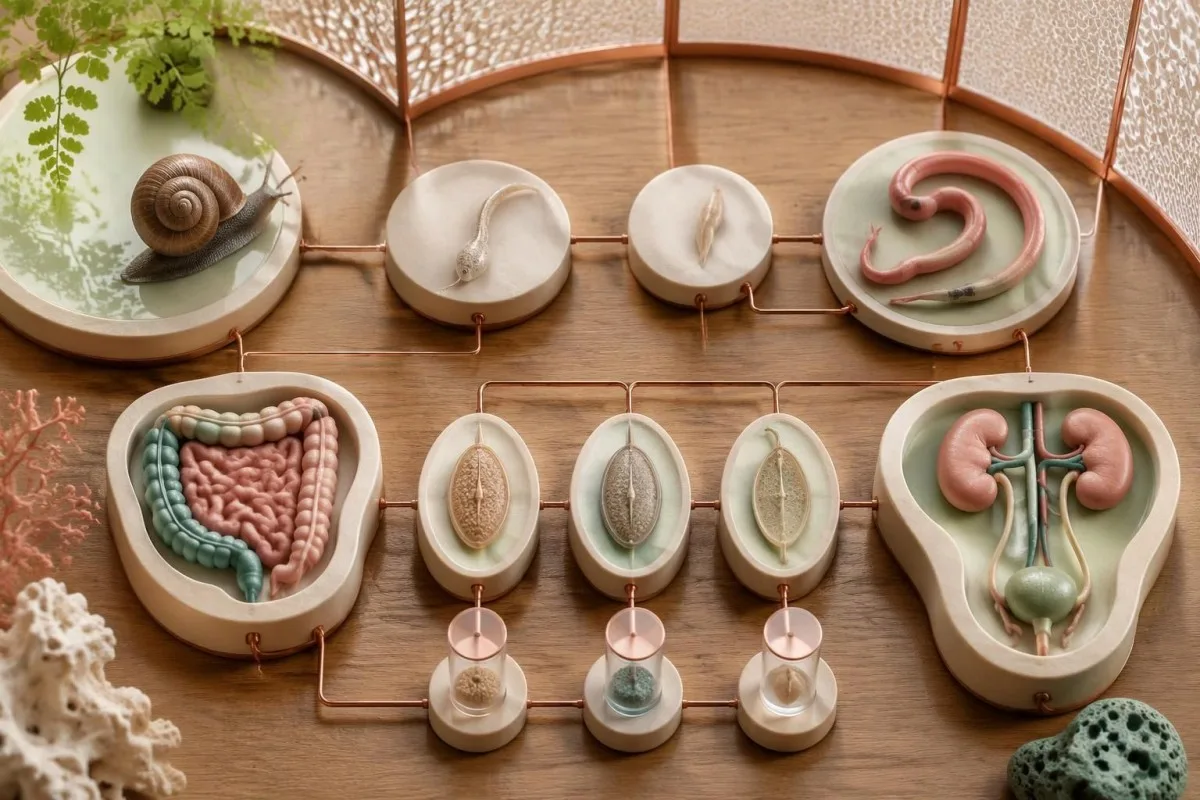
Your report should retain the assay name, units or index, reference interpretation and collection date, rather than only a cropped positive flag. Add 1 concise exposure timeline, previous praziquantel doses and dates, current medicines, pregnancy status where relevant and any urinary or neurological symptoms; this makes uncertainty visible and reduces the chance of repeating an uninformative antibody test.
Kantesti is an AI blood test interpretation platform that helps explain why 1 Schistosoma antibody result must be considered alongside exposure and treatment history, not used as a prescribing instruction. Our ڪلينڪل ويلڊيشن فريم ورڪ describes methodology and oversight, while our رازداري ۽ ڊيٽا سنڀالڻ information explains how to review data choices before sharing a travel or laboratory record.
The 2 Zenodo publications below describe Kantesti's validation framework and aggregate platform reporting; they are not clinical schistosomiasis guidelines and do not establish the sensitivity of a Schistosoma assay. Clinical recommendations in this article draw on CDC diagnostic and treatment guidance and the WHO guideline (2022), with our طبي مواد جا معيار distinguishing published evidence, hypothetical calculations and the limits of AI-supported explanation.
اڪثر پڇيا ويندڙ سوال
ڇا Schistosoma IgG مثبت هجڻ جو مطلب آهي ته مون کي فعال انفيڪشن آهي؟
0 مثبت Schistosoma IgG نتيجو فعال انفيڪشن ۽ اڳ ۾ علاج ٿيل انفيڪشن جي وچ ۾ قابلِ اعتماد فرق نٿو ڪري سگهي. اينٽي باڊيز سالن تائين سڃاڻپ لائق رهي سگهن ٿيون، تنهنڪري 1 مثبت رپورٽ جي تشريح مٺي پاڻيءَ سان رابطي ۽ علاج جي تاريخ کي نظر ۾ رکندي ڪرڻ گهرجي. وڌيڪ سڌو ثبوت حاصل ڪرڻ لاءِ طبي ماهر مناسب صورت ۾ پاخاني يا پيشاب جي مائڪرو اسڪوپي، اينٽيجن جاچ يا PCR استعمال ڪري سگهن ٿا. اڳئين مناسب علاج کانسواءِ معتبر رابطي جي تاريخ هجي ته مائڪرو اسڪوپي منفي هجڻ باوجود علاج ڪرڻ جو جواز ٿي سگهي ٿو.
ڇا منهنجي پاخاني ۽ پيشاب جا ٽيسٽ منفي اچڻ باوجود مون کي شسٽوسومياسس ٿي سگهي ٿو؟
پاخاني يا پيشاب جي خوردبيني جاچ منفي هجڻ سان شسٽوسومياسس رد نٿو ٿئي، خاص طور تي سفر کان پوءِ، جڏهن پيراسائيٽ جو بار گهٽ ٿي سگهي ٿو. سي ڊي سي مختلف ڏينهن تي گڏ ڪيل 3 نمونن جي جاچ جي سفارش ڪري ٿي، ڇاڪاڻ ته آنن جو خارج ٿيڻ وقفي وقفي سان ٿي سگهي ٿو. شڪي نوعيت اهو به طئي ڪري ٿي ته پاخاني، پيشاب يا ٻنهي جي جاچ ڪرڻ گهرجي. جڏهن اينٽي باڊيز مثبت هجن، متاثر ٿيڻ جو امڪان معتبر هجي ۽ اڳئين مناسب علاج جو ڪو دستاويز موجود نه هجي، تڏهن به ڪو ڊاڪٽر علاج جي سفارش ڪري سگهي ٿو.
مٺي پاڻيءَ جي سامهون اچڻ کان پوءِ ڪيتري وقت ۾ مون کي ٽيسٽ ڪرائڻ گهرجي؟
CDC شسٽوسوما اينٽي باڊي جا نمونا، شڪي نئين انفيڪشن کان گهٽ ۾ گهٽ 6–8 هفتا پوءِ گڏ ڪرڻ جي سفارش ڪري ٿو. سفر دوران جيڪڏهن ڪيترائي ڀيرا سامونڊي تازي پاڻيءَ سان واسطو پيو هجي، ته آخري اهڙي رابطي کي عملي حوالي طور استعمال ڪريو. اڳ جا منفي نتيجا ٻيهر جاچڻا پئجي سگهن ٿا، ڇاڪاڻتہ اينٽي باڊيون اڃا تائين سڃاڻپ لائق نه هجن. بخار يا ٻيون اهم علامتون هجن ته هن جاچ واري مدي جو انتظار ڪرڻ بدران ترت طبي جائزو وٺڻ ضروري آهي.
پرازڪوانٽيل کان پوءِ به منهنجي شسٽوسوما اينٽي باڊي ٽيسٽ مثبت ڇو آهي؟
0. ڪامياب praziquantel علاج کان پوءِ به Schistosoma جون اينٽي باڊيون سالن تائين مثبت رهي سگهن ٿيون، ڇاڪاڻتہ مدافعتي ردعمل پرازيءَ کان پوءِ به جاري رهي ٿو. علاج کان 6 مهينا پوءِ مثبت نتيجو پاڻمرادو علاج جي ناڪامي ثابت نٿو ڪري ۽ نه ئي علاج جو ٻيو ڪورس ڏيڻ جو جواز بڻجي ٿو. جيڪڏهن علاج کان اڳ آنا ڏٺا ويا هجن، ته ڊاڪٽر 1–2 مهينن کان پوءِ ٻيهر پاخاني يا پيشاب جي جاچ ڪرائڻ لاءِ چئي سگهن ٿا. نئين نمائش، جاري علامتون ۽ سڌي جاچ جا نتيجا، رڳو اينٽي باڊين جي برقرار رهڻ کان وڌيڪ ڄاڻ ڏيندڙ آهن.
شسٽوسومياسس لاءِ پرازڪوانٽيل جي ڪهڙي دوز استعمال ڪئي ويندي آهي؟
CDC، S. mansoni، S. haematobium ۽ S. intercalatum لاءِ praziquantel جو 40 mg/kg، 1 ڏينهن دوران 2 ورهايل خوراڪن ۾ استعمال درج ڪري ٿو. S. japonicum ۽ S. mekongi لاءِ درج ڪيل علاج 60 mg/kg، 1 ڏينهن دوران 3 ورهايل خوراڪن ۾ آهي. ٻي صورت ۾ مستحڪم مسافرن جو عام طور تي آخري تازي پاڻيءَ جي سامهون اچڻ کان گهٽ ۾ گهٽ 6–8 هفتا پوءِ علاج ڪيو ويندو آهي، ڇاڪاڻتہ praziquantel بالغ ڪينڊن خلاف بهترين ڪم ڪري ٿو. ڊاڪٽر کي علاج جو طريقو چونڊڻ ۽ دوائن، حمل، عمر ۽ ممڪن اعصابي شموليت جو جائزو وٺڻ گهرجي.
ڇا Schistosoma اينٽي باڊي جو مثبت ٽيسٽ غلط مثبت ٿي سگهي ٿو؟
0 شسٽوسوما اينٽي باڊي ٽيسٽ، استعمال ٿيل ٽيسٽ جي طريقي تي مدار رکندي، غلط طور تي مثبت اچي سگهي ٿو يا ٻين پرازيئن جي اينٽي باڊيز سان ڪراس ريئڪٽ ڪري سگهي ٿو. ڪو به آفاقي انڊيڪس قدر ناهي جيڪو فعال انفيڪشن جي تصديق ڪري، ۽ ٻه ليبارٽريون مختلف اينٽيجن تياريون ۽ حدف مقرر ڪري سگهن ٿيون. تازي پاڻيءَ سان ممڪن رابطي جي تاريخ کان سواءِ ڪمزور مثبت نتيجي لاءِ ليبارٽري جائزو يا تصديق جو ڪو ٻيو طريقو مناسب ٿي سگهي ٿو. رڳو اينٽي باڊيز جي ٽيسٽ ورجائڻ سان به علاج ٿيل اڳوڻي انفيڪشن ۽ زنده ڪيڙن ۾ ڀروسي سان فرق نٿو ڪري سگهجي.
پنهنجي رت جي جاچ جو نتيجو ڪيئن پڙهجي
پنهنجي ليبارٽري رپورٽ اپلوڊ ڪريو ۽ Kantesti جو AI سيڪنڊن اندر هر بائيو مارڪر کي سادي ٻوليءَ ۾ سمجهائيندو. سڄي دنيا ۾ 2 ملين کان وڌيڪ ماڻهن طرفان استعمال ٿيل.
حوالا
- Klein, T., Mitchell, S., & Weber, H. (2026). ڪلينڪل تصديقي فريم ورڪ v2.0 (طبي تصديق وارو صفحو). Kantesti AI طبي تحقيق. ڊي او آءِ
- Klein, T., Mitchell, S., & Weber, H. (2026). AI Blood Test Analyzer: 2.5M ٽيسٽون تجزيو ڪيون ويون | Global Health Report 2026. Kantesti AI طبي تحقيق. ڊي او آءِ
- بيمارين جي ڪنٽرول ۽ روڪٿام لاءِ مرڪز (2024). Clinical Testing and Diagnosis for Schistosomiasis. CDC Schistosomiasis Clinical Guidance.
- بيمارين جي ڪنٽرول ۽ روڪٿام لاءِ مرڪز (2024). Clinical Care of Schistosomiasis. CDC Schistosomiasis Clinical Guidance.
- World Health Organization (2022). WHO guideline on control and elimination of human schistosomiasis. World Health Organization Guidelines.
- 20 لک+تجزيو ڪيل ٽيسٽون
- 127+ملڪ
- 100+ٻوليون
طبي ٽيم بابت


E-E-A-T اعتماد جا سگنل
تجربو
ڊاڪٽر جي نگرانيءَ هيٺ ليبارٽري نتيجن جي تشريح واري عمل جو جائزو.
ماهر
ليبارٽري دوائن جو ڌيان ان ڳالهه تي ته بايو مارڪرز ڪلينڪل حوالي سان ڪيئن رويو ڏيکارين ٿا.
اختيار
ڊاڪٽر ٿامس ڪلائن طبي جائزو ورتو، جنهن ۾ ڊاڪٽر سارا مچل ۽ پروفيسر ڊاڪٽر هانس ويبر جون ڀاڱيداريون شامل آهن.
اعتبار
ثبوتن تي ٻڌل تشريح، جنهن سان خبرداري گهٽائڻ لاءِ واضح پيرويءَ جا رستا موجود هجن.






طبي ترديد
هي آرٽيڪل صرف تعليمي مقصدن لاءِ آهي ۽ طبي مشورو نٿو بڻجي. تشخيص ۽ علاج جي فيصلن لاءِ هميشه ڪنهن قابل صحت فراهم ڪندڙ سان صلاح ڪريو.
شايع ٿيل · ايڊيٽوريل ٽيم سان رابطو ڪريو
Kantesti Ltd پاران شايع ٿيل، انگلينڊ ۽ ويلز ۾ رجسٽرڊ، ڪمپني نمبر. 17090423, ، لنڊن، برطانيه.
