ٽوپيراميٽ جي مقدار معمول طور تي جانچي نه ويندي آهي، ڇاڪاڻتہ علاج جو اثر ۽ ضمني اثرات ڪنهن هڪ حدف واري عدد سان ڀروسي جوڳي نموني لاڳاپيل ناهن. جاچ دوا جي جسم ۾ موجود مقدار يا بدليل ڪليئرنس واضح ڪري سگهي ٿي؛ بائيڪاربونيٽ ۽ گردن جي ڪم جون جاچون حفاظت بابت الڳ سوالن جا جواب ڏين ٿيون.

اهم ڳالهيون
- ٽوپيراميٽ جي سطح جي جاچ عام طور تي ڪنهن مخصوص سوال لاءِ رکيل هوندي آهي، جيئن اڻڄاتل دورا، دوزون رهجي وڃڻ جو شڪ، دوائن جا باهمي اثر، يا گردن جي ڪم ۾ تبديلي.
- ٽوپيراميٽ جي علاج لاءِ مناسب حد عام طور تي 5–20 mg/L طور رپورٽ ڪئي ويندي آهي، پر ڪجهه ليبارٽريون 2–10 mg/L استعمال ڪن ٿيون؛ ٻنهي مان ڪا به حد اثرائتي يا محفوظ علاج جي ضمانت نٿي ڏئي.
- گهٽ ۾ گهٽ سطح جو وقت جو مطلب آهي ته نمونو ايندڙ مقرر ٿيل دوز کان فوري اڳ گڏ ڪيو وڃي، ۽ آخري دوز جو وقت درج ڪيو وڃي.
- اسٽيڊي اسٽيٽ عام گردن جي ڪم ۽ بنا تبديليءَ واري دوز جي صورت ۾ عام طور تي لڳ ڀڳ 4 ڏينهن ۾ قائم ٿيندي آهي؛ ڪليئرنس گهٽجڻ سان اهو وقفو وڌي سگهي ٿو.
- يونٽ تبديلي سڌو سنئون آهي: 1 mg/L برابر 1 µg/mL، تنهنڪري 8 mg/L ۽ 8 µg/mL ساڳي ڪنسنٽريشن بيان ڪن ٿا.
- زهرائپ جو جائزو لاءِ علامتن، معائني، دوائن جي تاريخ ۽ لاڳاپيل ليبارٽري نتيجن جي ضرورت هوندي آهي؛ ٽوپيراميٽ جي ڪا به عالمگير مقدار زهرائپ ثابت نٿي ڪري.
- بائيڪاربونيٽ جي نگراني ميٽابولڪ ايسڊوسس جي جاچ ڪري ٿو، جيڪو ٽوپيراميٽ جو هڪ تسليم ٿيل اثر آهي ۽ ليبارٽري جي حد اندر ڪنسنٽريشن هوندي به ٿي سگهي ٿو.
- گردن جي ڪارڪردگي جي نگراني دوا جي اخراج جو جائزو وٺڻ ۾ مدد ڪري ٿي؛ دوا لکڻ جي معلومات موجب، بالغن ۾ ڪريٽينين ڪليئرنس 70 mL/min/1.73 m² کان گهٽ هجي ته خوراڪ ۾ تبديلي جي سفارش ڪئي وئي آهي.
ٽوپيراميٽ جي سطح معمول طور تي ڇو نه جانچي ويندي آهي؟
A ٽوپيراميٽ جي سطح معمول طور نه ماپي ويندي آهي، ڇاڪاڻ ته ڪنسنٽريشن، فائدي ۽ ناڪاري اثرن جي وچ ۾ لاڳاپو ماڻهن ۾ گهڻو مختلف هوندو آهي. عام طور ڄاڻايل حد 5–20 mg/L ليبارٽريءَ جو حوالو ڏيڻ وارو اوزار آهي—اهڙو انگ نه آهي جيڪو هر مريض لاءِ حاصل ڪرڻ ضروري هجي، ۽ نه ئي اهڙي حد آهي جيڪا قابلِ اعتماد نموني محفوظ علاج ۽ زهريت ۾ فرق ڪري.
اهو ثابت نه ٿيو آهي ته ڪنسنٽريشن جي بنياد تي معمول جي خوراڪ مقرر ڪرڻ سان ٽوپيراميٽ وٺندڙ هر ماڻهوءَ جا نتيجا بهتر ٿين ٿا. ILAE جو موقف وارو مقالو ان وقت علاج واري دوا جي نگراني جي حمايت ڪري ٿو جڏهن نتيجو ڪنهن واضح ڪلينڪي سوال جو جواب ڏئي سگهي، نه ته سڀني دورن جي روڪٿام وارين دوائن لاءِ پاڻمرادو سطحون ڪرائڻ (Patsalos et al., 2008)؛ دورن جي فريڪوئنسي، مائيگرين وارا ڏينهن ۽ دوا برداشت ڪرڻ جي صلاحيت علاج بابت فيصلن ۾ بنيادي اهميت رکن ٿا.
مثال طور، هڪ فرضي بالغ جنهن جي مائيگرين 50 mg ڏينهن ۾ ٻه ڀيرا وٺڻ سان بهتر ٿئي ٿي، تنهن لاءِ لازمي ناهي ته ليبارٽري ڪنسنٽريشن 5 mg/L کان گهٽ ڏيکارڻ تي خوراڪ وڌائي وڃي. مائيگرين جي روڪٿام لاءِ سيرم ۾ ڪا چڱيءَ طرح قائم ٿيل حد موجود ناهي؛ رڳو ليبارٽريءَ جي نشان کي درست ڪرڻ لاءِ علاج وڌائڻ سان لفظ ڳولڻ ۾ ڏکيائي يا بک ۾ گهٽتائي وڌي سگهي ٿي، جڏهن ته ڪو بامعنيٰ فائدو نه ٿئي.
Kantesti هڪ AI رت جي ٽيسٽ جو تجزئيڪار آهي، جيڪو سمجهڻ ۾ مدد ڪري ٿو ته ليبارٽري جي 5–20 mg/L واري حد علامتن ۽ نمونو وٺڻ جي وقت جي جائزي جي جاءِ نٿي وٺي سگهي. اسان جا تنظيم ۽ مقصد اسان جي رپورٽن جي تشريح ۾ ڪردار جي وضاحت ڪن ٿا؛ اسان دوا تجويز نٿا ڪريون، ۽ AI جي وضاحت مستحڪم علاج جي طريقي کي پاڻمرادو تبديل ڪرڻ جو سبب نه بڻجڻ گهرجي.
ٽوپاماڪس جي سطح جي جاچ اصل ۾ ڇا ماپي ٿي؟
A ٽوپامڪس جي سطح جي ٽيسٽ ليبارٽري نموني ۾ ٽوپيراميٽ جي ڪنسنٽريشن ماپي ٿي، جيڪو عام طور سيرم يا پلازما هوندو آهي. اها نمونو گڏ ڪرڻ وقت دوا جي جسم ۾ موجود مقدار ڏيکاري ٿي—تجويز ڪيل خوراڪ، دورن کان تحفظ يا بائي ڪاربونيٽ جي حالت نه؛; 1 mg/L برابر آهي 1 µg/mL, ، جيڪو يونٽ پڙهڻ جي هڪ عام غلطي کان بچائي ٿو.
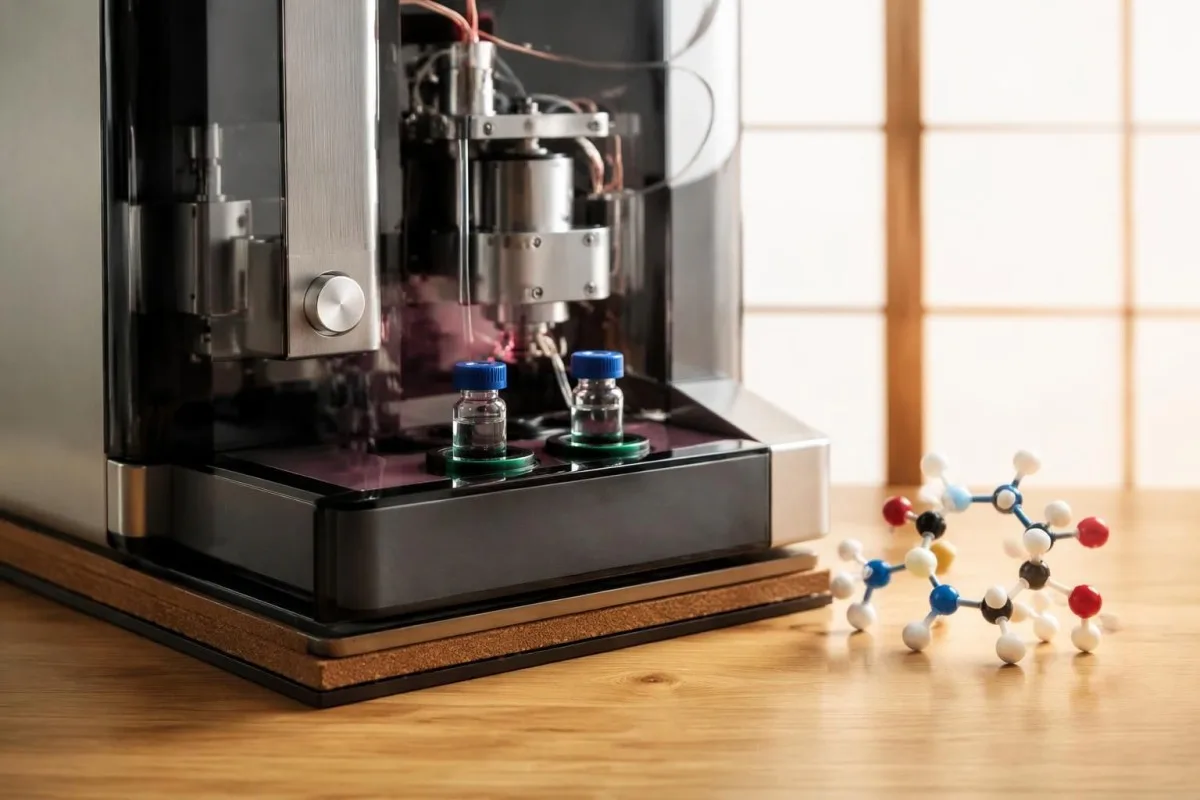
ڪيتريون ئي ليبارٽريون ٽوپيراميٽ ماپڻ لاءِ ٽينڊم ماس اسپيڪٽروميٽري سان ليڪوئڊ ڪروميٽوگرافي استعمال ڪن ٿيون، جيتوڻيڪ طريقا ۽ قابلِ قبول نموني جا ڪنٽينر مختلف ٿي سگهن ٿا. 8 µg/mL جو نتيجو بلڪل 8 mg/L جي ساڳئي ڪنسنٽريشن آهي؛ ان جي ابتڙ، 100 mg جي تجويز ڪيل خوراڪ دوا جي ڏنل مقدار کي بيان ڪري ٿي ۽ ان جو سڌو سنئون ڪنهن به ڪنسنٽريشن يونٽ سان مقابلو نٿو ڪري سگهجي.
ٽوپيراميٽ نسبتاً ڪمزور نموني پروٽين سان جڙيل هوندو آهي؛ دوا لکڻ جي معلومات موجب لڳ ڀڳ 15–41% جڙڻ بيان ٿيل آهي. معمول جي جاچ عام طور ڪُل ڪنسنٽريشن ماپيندي آهي، ۽ البومن جي درستگيءَ لاءِ فينٽوئن ۾ ڪڏهن استعمال ٿيندڙ طريقن جي برابر ڪو معياري مساوات موجود ناهي؛ اسان جي وضاحت آزاد بمقابله ڪُل فينٽوئن ڏيکاري ٿي ته تشريح جا قاعدا بنا فرق جي هڪ دوا کان ٻيءَ دوا تي لاڳو ڇو نه ڪرڻ گهرجن.
ليبارٽري رپورٽ ۾ ٽوپيراميٽ 6 mg/L ۽ ڪُل CO2 19 mmol/L لکيل هجن ته ان ۾ بنيادي طور ٻه مختلف ماپون شامل آهن. پهرين دوا جي جسم ۾ موجود مقدار ظاهر ڪري ٿي؛ ٻي عام طور سيرم بائي ڪاربونيٽ جو اندازو ڏئي ٿي ۽ تيزاب-اساس جي مسئلي جي نشاني ٿي سگهي ٿي، تنهنڪري ڇپيل حد اندر ڪنسنٽريشن هجڻ سان غيرمعمولي ڪيميا جي نتيجي کي رد نٿو ڪري سگهجي.
ٽوپيراميٽ جي علاج لاءِ مناسب حد ڪهڙي آهي؟
عام طور ڄاڻايل ٽوپيراميٽ جي علاج واري حد 5–20 mg/L آهي, ، پر ڪجهه يورپي ليبارٽريون استعمال ڪن ٿيون 2–10 mg/L. These intervals mainly support epilepsy-related interpretation; they are not universally validated treatment targets, and there is no widely accepted serum concentration target for migraine prevention.
Jacob and Nair's review lists a topiramate reference concentration of 5–20 mg/L while emphasizing selective use of monitoring and variable concentration–response relationships (Jacob and Nair, 2016). A reference interval summarizes concentrations considered useful in a population; it does not establish that every individual below its lower limit needs more medication.
Different laboratory intervals can produce different flags for the same number. A hypothetical trough of 12 mg/L sits within a 5–20 mg/L interval but above a 2–10 mg/L interval; that disagreement should trigger review of the laboratory's convention and the patient's clinical state, not an assumption that the medicine became toxic between reports.
An individual's previously effective, well-tolerated concentration can be more informative than the population interval. If someone remained seizure-free at a correctly timed trough of 4 mg/L, that documented baseline may help interpret a later change; the same individual-baseline principle appears in levetiracetam جي نتيجي جي تشريح, although the numerical ranges are different.
| سطح | حد | ان جو مطلب |
|---|---|---|
| عام ليبارٽري وقفو | 5–20 mg/L | A frequently quoted epilepsy-related reference interval, not a guaranteed effective or safe target. |
| Alternative laboratory interval | 2–10 mg/L | Used by some European laboratories; interpretation must follow the reporting laboratory and clinical context. |
| Above a 5–20 interval | >20 mg/L | Prompts review of symptoms, timing, dose, interactions, and clearance; does not establish toxicity by itself. |
| Individual reference concentration | Patient-specific; no universal cutoff | A prior correctly timed concentration obtained during effective, tolerated treatment can guide later comparisons. |
ٽوپيراميٽ جي مقدار جي نگراني ڪڏهن مددگار ٿي سگهي ٿي؟
Topiramate concentration monitoring helps when clinicians need to distinguish changed medication exposure from other causes of worsening control or new adverse effects. Comparing 2 similarly timed samples can be useful after suspected missed doses, kidney-function changes, interacting medicines, pregnancy-related clearance changes, or an unexplained treatment failure.
Unexpected breakthrough seizures are one reason to investigate exposure, but the concentration cannot diagnose the cause of the event. The ILAE position paper identifies situations such as suspected nonadherence, toxicity, pharmacokinetic variability, and changing treatment conditions as appropriate reasons to consider monitoring (Patsalos et al., 2008); sleep deprivation, illness, and seizure classification still need separate assessment.
Establishing a personal reference concentration can help before an anticipated change. For a hypothetical person stable on 100 mg twice daily, a trough obtained during seizure control provides a comparison if kidney function later declines or another antiseizure drug is withdrawn; without that baseline, a later isolated result may be harder to interpret.
A test is less helpful if nobody can state what management decision it might change. Before requesting a concentration of 7 mg/L or any other result, ask whether the question concerns adherence, clearance, or possible adverse effects; our lacosamide monitoring explanation illustrates why selective monitoring is not the same as having no monitoring strategy.
ٽوپيراميٽ جو نمونو ڪڏهن گڏ ڪرڻ گهرجي؟
For planned monitoring, a trough sample immediately before the next scheduled dose is usually the most comparable measurement. Topiramate's elimination half-life is approximately 21 hours in adults with normal kidney function, and steady state is generally reached in about 4 ڏينهن after an unchanged regimen begins.
Collection timing depends on the regimen, not on a universal morning rule. A twice-daily schedule may produce a trough around 12 hours after the preceding dose, whereas once-daily extended-release treatment involves a different interval; document the actual formulation, last dose time, collection time, and any recent missed doses rather than assuming the schedule was followed.
Steady state takes approximately 4–5 elimination half-lives, so reduced kidney clearance can make the usual 4-day estimate too short. A sample taken 1 day after a dose increase may not reflect the eventual concentration; Jacob and Nair discuss the pharmacokinetic basis for timing interpretation rather than treating every sample as equivalent (Jacob and Nair, 2016).
Kantesti AI helps distinguish a reported topiramate concentration of 10 mg/L from the circumstances needed to interpret it, including whether the sample was a trough. Our guide to trough timing principles explains the general concept, but tacrolimus targets and sampling protocols must not be applied to topiramate; urgent assessment should never wait for an ideal trough.
ڇا ٽوپيراميٽ جي گهٽ سطح مان ثابت ٿئي ٿو ته دوزون رهجي ويون؟
A low topiramate level does not prove nonadherence. نتيجو جيڪڏهن تقريباً هيٺ آهي could reflect a modest dose, faster clearance, an interacting medicine, recent treatment changes, or collection timing; a fall from the person's own comparable baseline is often more informative than a low flag alone.
Consider a hypothetical trough that falls from 8 mg/L to 3 mg/L on an apparently unchanged prescription. That pattern warrants checking missed doses and refill access, but also whether an enzyme-inducing medicine was added, whether the earlier sample was actually post-dose, and whether the daily dose or formulation changed without being reflected in the laboratory request.
An undetectable result can strengthen suspicion of little recent exposure, but the assay's detection limit and elapsed time still matter. With an approximately 21-hour half-life, topiramate does not disappear immediately after 1 missed dose; a single concentration cannot reconstruct weeks of medication-taking behavior or distinguish intentional omission from vomiting, supply problems, or misunderstanding instructions.
The practical response is to review barriers before escalating treatment. If a dose is increased after a low result and regular dosing then resumes, exposure may rise unexpectedly; our lamotrigine concentration guide discusses a related monitoring problem, but each medicine requires its own missed-dose and restarting instructions rather than a shared numerical rule.
ڇا ٽوپيراميٽ جي اعليٰ سطح زهرائپ ثابت ڪري سگهي ٿي؟
A high topiramate level cannot establish toxicity by itself, and a result inside the laboratory interval cannot exclude it. A concentration above 20 mg/L may support concern about excessive exposure, but clinicians must assess symptoms, dosing history, kidney function, acid–base status, and other medicines.
Two hypothetical results show the limitation: 22 mg/L in an alert person after a post-dose sample is not equivalent to 10 mg/L in someone with new severe confusion and low bicarbonate. Neither situation should be interpreted from the number alone; cognitive slowing, dizziness, and impaired coordination may be medication-related even at concentrations the laboratory does not flag.
Sudden eye pain or blurred vision during topiramate treatment needs urgent assessment because acute myopia and secondary angle closure can occur, often within the first month of treatment. A level of 6 mg/L would not make that presentation safe to observe at home; glaucoma assessment methods address eye pressure and anatomy, which a drug concentration cannot measure.
Suspected overdose, markedly reduced alertness, breathing difficulty, or a prolonged seizure requires emergency evaluation without waiting for a send-out concentration result. A seizure lasting 5 minutes is an emergency threshold, and sudden one-sided weakness or new speech difficulty should also prompt emergency action rather than being attributed to topiramate; our فالج جي خبرداريءَ وارن نشانين ان فرق کي بيان ڪن ٿا.
گردن جو ڪم ٽوپيراميٽ جي ڪليئرنس تي ڪهڙو اثر وجهي ٿو؟
Reduced kidney function can increase topiramate serum concentration ڇاڪاڻتہ لڳ ڀڳ 70% of an administered dose is eliminated unchanged in urine. Adult prescribing information recommends a reduced dose when creatinine clearance is below 70 mL/min/1.73 m², but a clinician must apply that advice to the indication and individual circumstances.
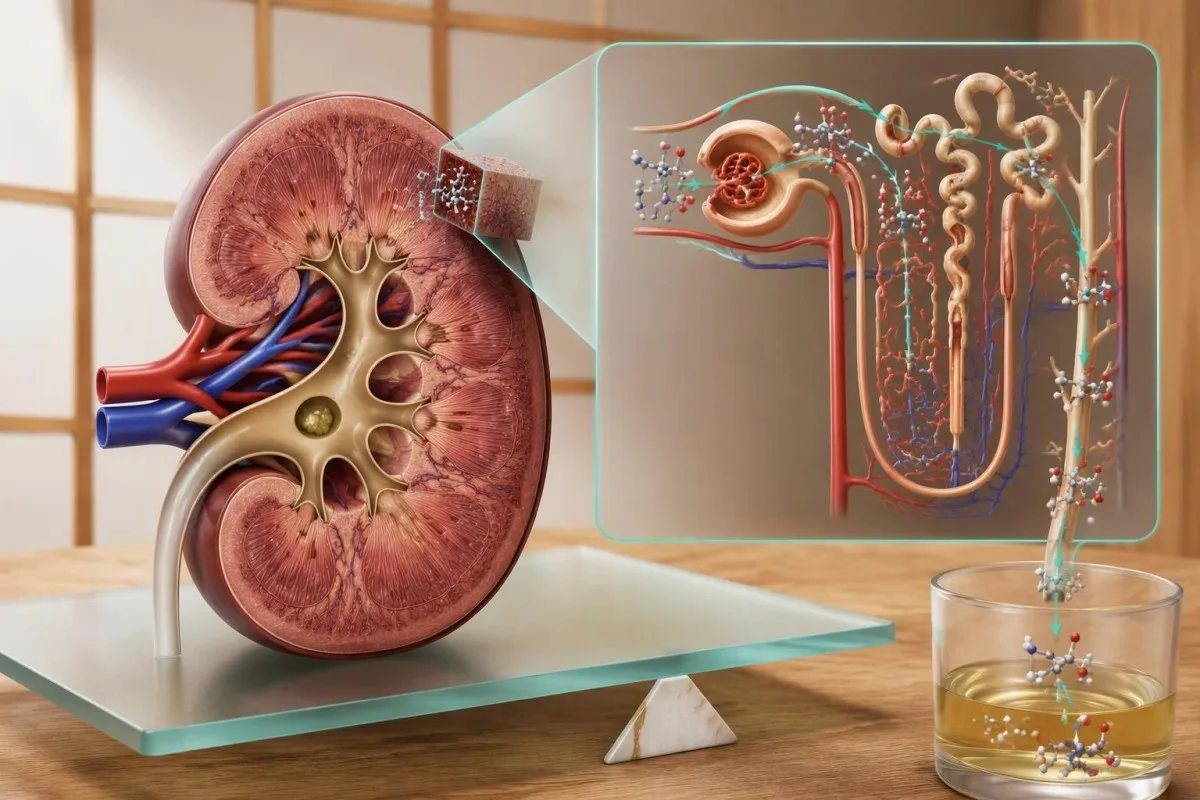
A hypothetical adult with an estimated creatinine clearance of 50 mL/min/1.73 m² may need a different regimen from someone with normal clearance, even if both have the same seizure type. Labeling commonly recommends one-half of the usual adult dose in renal impairment below the stated threshold; that is prescribing guidance, not permission to halve an existing prescription without review.
Creatinine-based eGFR and creatinine clearance are not automatically interchangeable, especially at unusual body sizes or during acute kidney injury. An eGFR of 45 mL/min/1.73 m² signals a need to review clearance, but the appropriate dosing calculation and the reliability of a rapidly changing creatinine require clinical judgment; our گهٽ eGFR جي جائزي واري رهنمائي explains when changes need prompt attention.
Kantesti is an AI blood test interpretation platform that helps separate a topiramate result of 14 mg/L from the kidney measurements that may explain it. Our BUN ۽ creatinine گائيڊ adds context, but a creatinine concentration alone cannot prove medication accumulation; sample timing, hydration, previous results, and the actual dosing history still matter.
ڪهڙيون دوائون ٽوپيراميٽ جي نتيجي کي بدلائي سگهن ٿيون؟
Enzyme-inducing antiseizure medicines can lower topiramate concentrations, while some other combinations increase exposure or adverse-effect risk without a predictable level change. Prescribing-information interaction studies report approximately 40% lower topiramate concentrations with carbamazepine ۽ 48% lower concentrations with phenytoin, although individual effects vary.
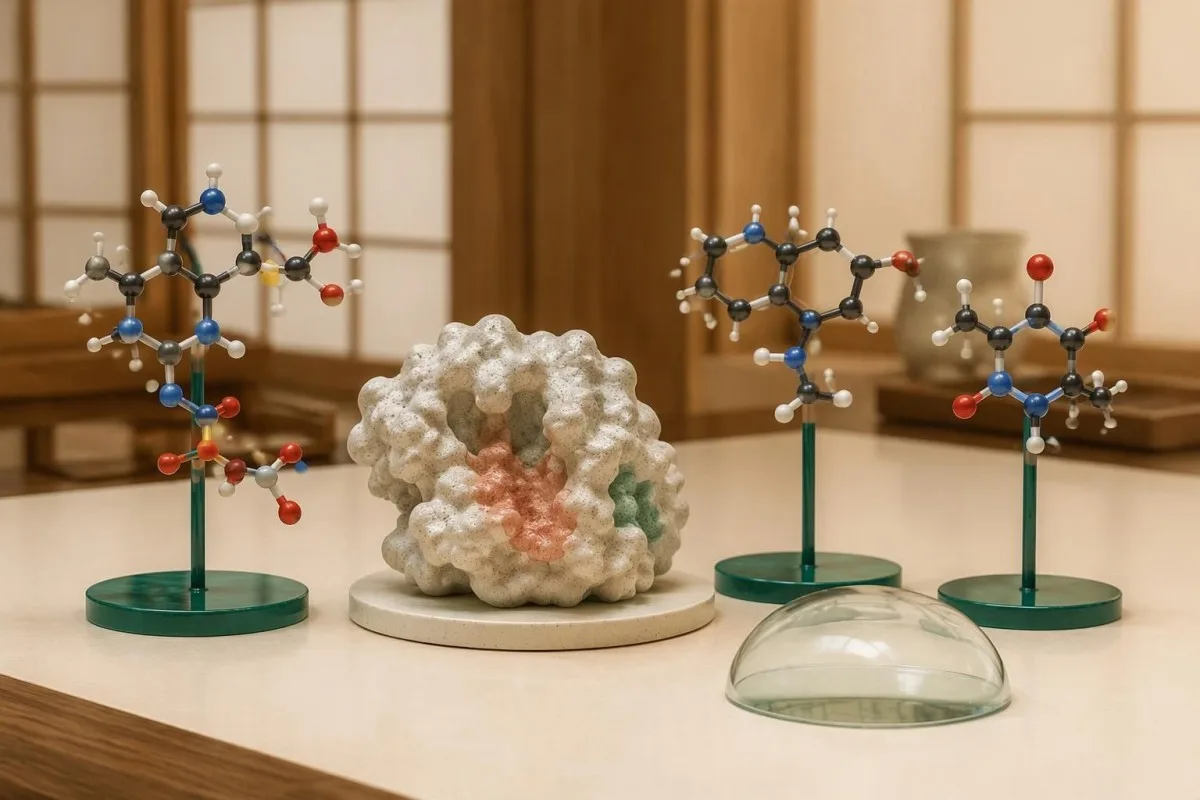
Stopping an inducing medicine can raise topiramate exposure even when the topiramate prescription stays unchanged. For example, a hypothetical person taking 100 mg twice daily may develop more cognitive adverse effects after carbamazepine is withdrawn; our carbamazepine monitoring guide explains that medicine's own concentration monitoring, which remains separate from assessing its effect on topiramate clearance.
Hydrochlorothiazide increased topiramate exposure by approximately 29% in a pharmacokinetic study described in prescribing information, and the combination can also increase potassium loss. That percentage describes the studied group, not a guaranteed change for every patient; checking potassium and symptoms may be useful even if a repeat topiramate concentration remains inside a 5–20 mg/L interval.
Topiramate with valproate can be associated with hyperammonemia and encephalopathy, sometimes despite otherwise unremarkable routine laboratory results. New unexplained lethargy, vomiting, or altered mental status on these 2 medicines warrants prompt assessment and consideration of ammonia testing; a topiramate level is not a substitute, and our valproate result explanation describes why valproate concentrations also have interpretation limits.
بائيڪاربونيٽ جي نگراني حفاظت جي الڳ جاچ ڇو آهي؟
Bicarbonate monitoring checks for metabolic acidosis, not topiramate exposure. Topiramate can cause renal bicarbonate loss through carbonic anhydrase inhibition; many laboratories use an adult bicarbonate interval around 22–29 mmol/L, and prescribing information recommends baseline and periodic measurement rather than relying on a drug level.
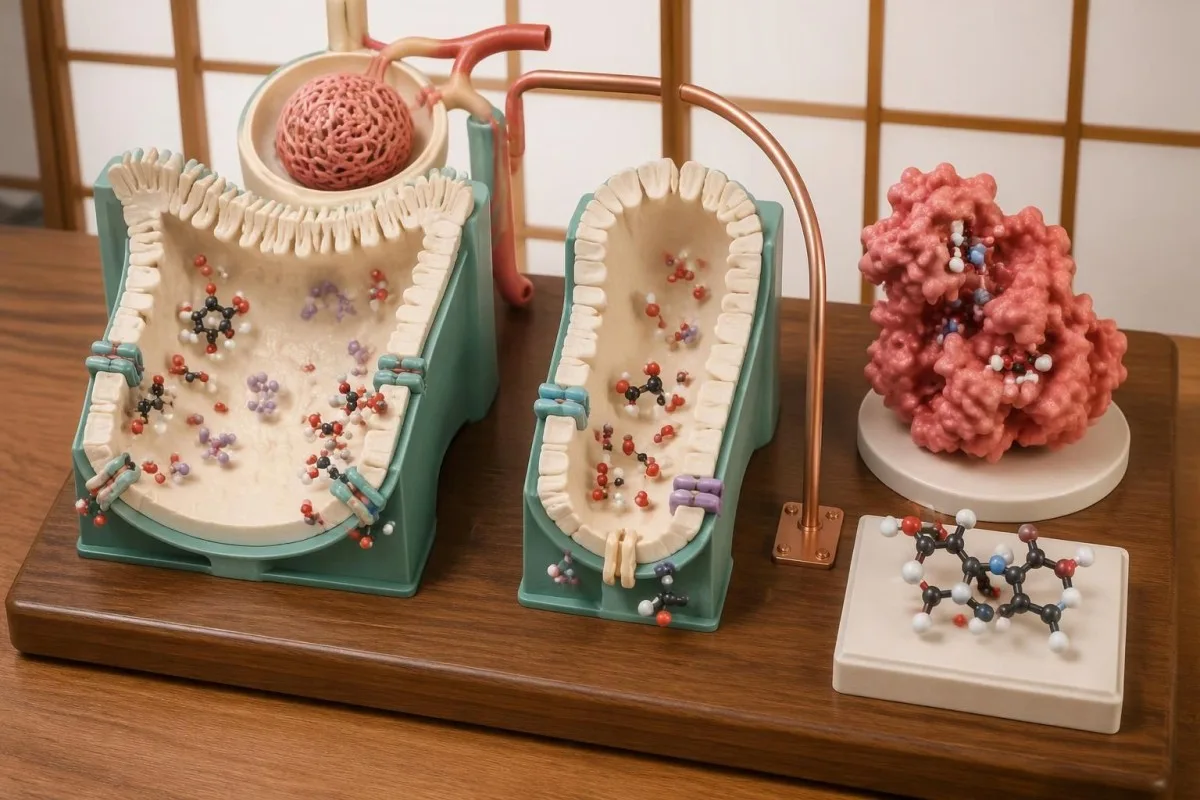
Topiramate typically causes a hyperchloremic, normal-anion-gap metabolic acidosis, although other conditions can create mixed patterns. Mirza and colleagues describe impaired renal acid–base handling and note that evidence for the optimal monitoring strategy is limited (Mirza et al., 2009); our رينل ٽيوبلر ايسڊوسس جا نمونا explain why bicarbonate must be read with chloride, potassium, and the clinical history.
For a hypothetical chemistry panel with sodium 138 mmol/L, chloride 111 mmol/L, and bicarbonate 18 mmol/L, the anion gap excluding potassium is 138 − 111 − 18 = 9 mmol/L. That calculation is compatible with a normal-gap pattern in many laboratories, but it does not identify topiramate as the cause; diarrhea, other renal disorders, albumin changes, and mixed acid–base disturbances need consideration.
Kantesti AI explains why bicarbonate of 18 mmol/L deserves attention even when topiramate is 7 mg/L, while avoiding a diagnosis from those 2 numbers alone. Prescribing information uses bicarbonate below 17 mmol/L with a fall greater than 5 mmol/L as a trial definition of markedly low bicarbonate—not a universal emergency cutoff; our اليڪٽرولائٽ پينل جي وضاحت helps interpret associated abnormalities.
دوا جي سطح جي جاچ سان حفاظت بابت گردن جون ڪهڙيون ڳالهيون معلوم نٿيون ٿين؟
A topiramate concentration cannot detect kidney stones, measure urinary citrate, or establish renal tubular acidosis. Adult epilepsy development trials reported kidney stones in approximately 1.5% of topiramate-treated participants; risk depends on treatment context, and a concentration inside 5–20 mg/L does not eliminate the possibility.
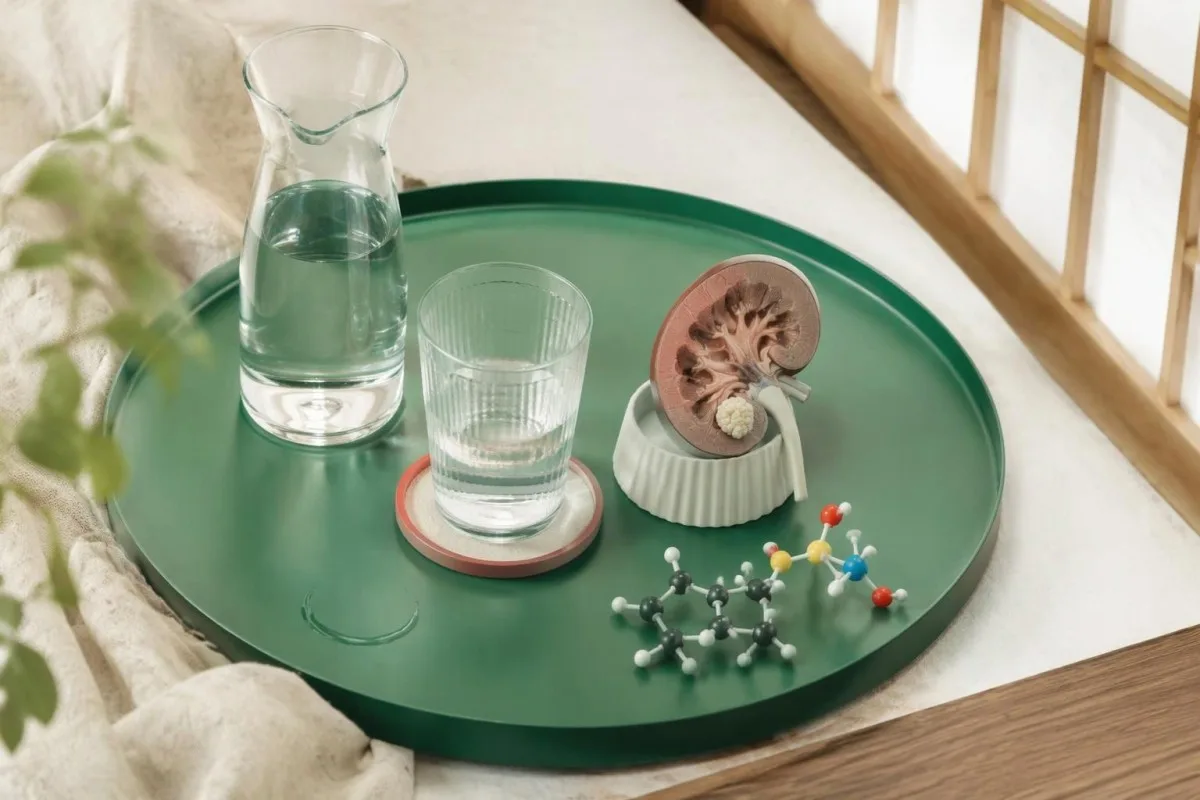
Topiramate can increase urine pH and reduce urinary citrate, a combination that favors calcium phosphate stones. Mirza and colleagues link these urinary changes to carbonic anhydrase inhibition (Mirza et al., 2009); our پيشاب ۾ سٽريٽ جي گھٽتائي واري گائيڊ explains why a 24-hour urine assessment may become relevant after recurrent stones rather than being automatically required for every user.
Monitoring creatinine serves a different purpose from checking urinary stone risk. A hypothetical person with a topiramate level of 9 mg/L, normal creatinine, and recurrent flank pain still needs evaluation for stones; normal filtration does not guarantee normal urinary citrate, and persistent pain with fever, vomiting, or difficulty passing urine should not wait for a repeat drug concentration.
Adequate fluid intake is commonly advised, but there is no single safe target such as 3 liters daily for everyone. People with heart failure, advanced kidney disease, or a prescribed fluid restriction need individualized guidance; potassium citrate or bicarbonate treatment also requires clinician oversight because changing urine chemistry and potassium intake can create different risks from those measured by topiramate testing.
ڪنهن کي مقدار جي وڌيڪ انفرادي نگراني جي ضرورت ٿي سگهي ٿي؟
Pregnancy, childhood, older age, and changing kidney function can make topiramate exposure less predictable. A personal pre-pregnancy concentration and 2 similarly timed follow-up samples may be more useful than chasing a population interval, but monitoring does not remove topiramate's pregnancy-related risks or replace specialist treatment planning.
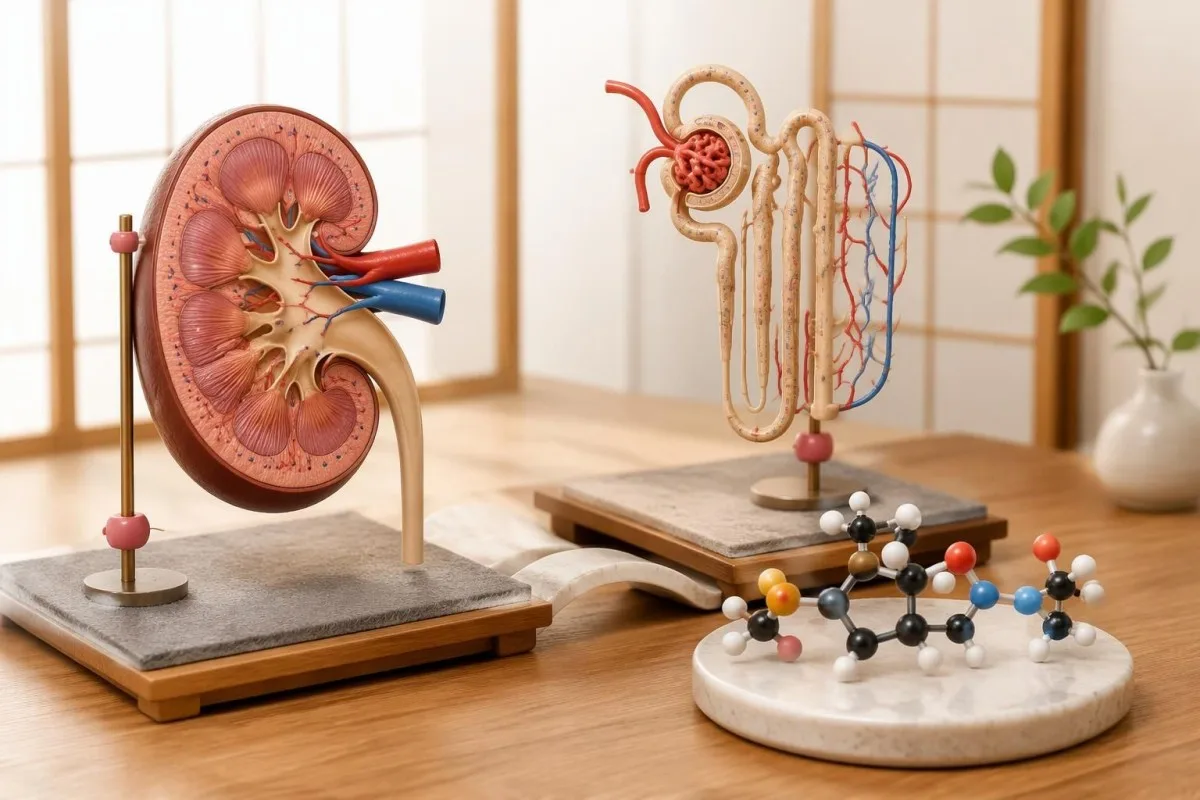
Pregnancy can increase topiramate clearance, so a concentration may fall despite consistent dosing. Pregnancy also changes the interpretation of creatinine, and standard eGFR equations are not reliable for assessing filtration during pregnancy; our pregnancy kidney-function explanation explains why a apparently reassuring result should not be used to estimate drug clearance mechanically.
In the UK, topiramate is subject to a Pregnancy Prevention Programme for people who can become pregnant; it is contraindicated for migraine prevention during pregnancy and for epilepsy in pregnancy unless no suitable alternative exists. A level of 5 mg/L does not establish fetal safety, and someone who becomes pregnant should contact the prescriber promptly rather than abruptly stopping an antiseizure regimen.
Children may have higher weight-normalized clearance than adults, while older adults may clear the medicine more slowly because of reduced renal function. The adult 5–20 mg/L interval therefore needs context rather than a new age-based cutoff invented from a single report; pediatric dose decisions require specialist assessment, and post-pregnancy monitoring may matter if a dose was increased when clearance was higher.
ٻين نتيجن سان گڏ نتيجي جي تشريح ڪيئن ڪرڻ گهرجي؟
Interpret a topiramate result by combining concentration, collection timing, symptoms, and safety chemistry. At minimum, compare 4 pieces of information: the current regimen, the last dose and sample times, the reason testing was ordered, and bicarbonate plus kidney-function results when available.
Hypothetical pattern 1: a trough falls from 8 to 3 mg/L, kidney function is stable, and seizures recur after several prescription refills were delayed. Reduced exposure is plausible, but the response should include a medication-access review and seizure assessment; raising the dose without addressing intermittent use could create excessive exposure when regular dosing resumes.
Hypothetical pattern 2: a trough rises from 9 to 16 mg/L while creatinine worsens and new coordination problems appear. Reduced clearance is a reasonable concern even though 16 mg/L remains inside a 5–20 mg/L interval; pattern 3, a level of 7 mg/L with bicarbonate of 18 mmol/L, instead highlights a possible acid–base effect that concentration monitoring alone would miss.
Kantesti is an AI-powered blood test analysis tool that helps organize these 3 patterns without treating any one as a confirmed diagnosis. Our دوا جي حفاظت جي رجحان جو گائيڊ explains how serial results support follow-up; keep the original laboratory interval and dates visible, because changing laboratories, formulations, or collection timing can make an apparent trend misleading.
اڳتي ڇا ڪرڻ گهرجي، ۽ جاچ جي حمايت ڪهڙا ثبوت ڪن ٿا؟
The next step is to ask what the topiramate result changes—not to adjust treatment from the number alone. Bring تاريخ سان گڏ 2 رپورٽون, if available, and a medication timeline to the prescriber; monitoring recommendations rely on pharmacology, expert guidance, and clinical context rather than a universally validated toxicity threshold.
Ask the prescriber whether a repeat trough, bicarbonate check, kidney-function assessment, or medication review would answer the unresolved question. There is no evidence-based rule that every patient needs a topiramate concentration every 3 or 6 months; persistent low bicarbonate, new adverse effects, or changing clearance may justify a different follow-up plan from an isolated laboratory flag.
Kantesti helps explain reports, but our ذميوار AI جون حدون distinguish educational interpretation from diagnosis and prescribing. Our ڪلينڪل تصديق جو طريقو provides methodology context; neither an AI confidence estimate nor a concentration of 10 mg/L can exclude toxicity, replace an examination, or authorize an independent dose change.
The 2 Zenodo publications listed below concern serum proteins and complement testing; they are not topiramate therapeutic-monitoring studies and should not be used to validate its concentration cutoffs. Our سيرم پروٽين تشريح گائيڊ offers background for understanding albumin and other medicines, while the directly relevant external references support this article's discussion of selective monitoring, pharmacokinetics, and acid–base effects.
اڪثر پڇيا ويندڙ سوال
ٽوپيراميٽ جي عام سطح ڇا آهي؟
Topiramate جو عام طور تي حوالو ڏنو ويندڙ حد 5–20 mg/L آهي، جيتوڻيڪ ڪجهه ليبارٽريون 2–10 mg/L استعمال ڪن ٿيون. اهي حدون تشريح ۾ مدد ڏين ٿيون، خاص طور تي مرگيءَ ۾، پر ڪنهن عالمي طور تي عام يا محفوظ ڪنسنٽريشن جي وضاحت نٿيون ڪن. ماڻهن ۾ ڇپيل حد کان گهٽ تي به ردعمل ٿي سگهي ٿو يا ان حد اندر ناڪاري اثر محسوس ٿي سگهن ٿا. ليبارٽري جي حد، نمونو وٺڻ جو وقت، علامتون، ۽ اڳ ۾ اثرائتي ثابت ٿيل ڪنسنٽريشن کي گڏجي نظر ۾ رکڻ گهرجي.
ڇا مون کي ٽوپيراميٽ جي سطح باقاعدگي سان چڪاس ڪرائڻ جي ضرورت آهي؟
گهڻن ماڻهن کي مقرر شيڊول موجب ٽوپيراميٽ جي مقدار جي معمول جي جاچ ڪرائڻ جي ضرورت ناهي. اوچتو دورا پوڻ، دوا جون خوراکون رهجي وڃڻ جو شڪ، اثرانداز ٿيندڙ دوائون، حمل سان لاڳاپيل تبديليون، يا گردن ذريعي اخراج گهٽجڻ جي صورت ۾ جاچ فائديمند ٿي سگهي ٿي. سڀني استعمال ڪندڙن لاءِ هر 3 يا 6 مهينن تي جاچ جهڙو ڪو عالمگير طور تجويز ڪيل وقفو ناهي. بيس لائين ۽ وقت بوقت بائي ڪاربونيٽ جي نگراني هڪ الڳ حفاظتي مسئلي کي حل ڪري ٿي ۽ اها مناسب ٿي سگهي ٿي، جيتوڻيڪ دوا جي سطحون نه ماپيون وڃن.
ٽوپاميڪس جي سطح جو ٽيسٽ ڪڏهن ڪرائڻ گهرجي؟
Topamax جي سطح جي رٿيل ٽيسٽ عام طور تي تڏهن سڀ کان وڌيڪ ڀيٽ لائق هوندي آهي جڏهن اها ايندڙ مقرر ٿيل دوز کان فوراً اڳ ورتي وڃي. گردن جي معمول جي ڪارڪردگيءَ سان، topiramate عام طور تي ساڳيو دوا ڏيڻ وارو طريقو شروع ٿيڻ کان لڳ ڀڳ 4 ڏينهن ۾ مستحڪم سطح تي پهچي ٿو، پر گهٽ ڪليئرنس اهو وقت وڌائي سگهي ٿي. آخري دوز جو وقت، نمونو وٺڻ جو وقت، دوز ۽ فارموليشن درج ڪريو. وڌيڪ مقدار وٺڻ جو شڪ يا سنگين ناڪاري اثرن جي صورت ۾، صحيح وقت تي ورتل ٽراف جو انتظار ڪرڻ بدران فوري جائزو وٺڻ ضروري آهي.
ڇا ٽوپيراميٽ جي سيرم ۾ گهٽ مقدار جو مطلب آهي ته مون دوائون وٺڻ ۾ ناغا ڪيا؟
ٽوپيراميٽ جي سيرم ۾ گهٽ مقدار، دوائون نه وٺڻ جو ثبوت ناهي. 5 mg/L کان گهٽ نتيجو گهٽ دوز، وڌيل ڪليئرنس، اينزائم کي متحرڪ ڪندڙ دوا، تازين دوزن جي تبديلين، يا نموني وٺڻ جي وقت جو عڪس ٿي سگهي ٿو. اڳئين ساڳئي قسم جي گهٽ ترين سطح، مثال طور 8 کان 3 mg/L تائين گهٽتائي، دوا جي جسم ۾ موجودگيءَ ۾ تبديليءَ جو وڌيڪ مضبوط ثبوت ڏئي سگهي ٿي. طبي ماهرن کي اهو فيصلو ڪرڻ کان اڳ ته ڇا علاج جي طريقي ۾ تبديلي گهربل آهي، دوا تائين رسائي ۽ دوز وٺڻ جي تاريخ جو جائزو وٺڻ گهرجي.
ٽوپيراميٽ جي ڪهڙي سطح زهريلي هوندي آهي؟
0 اتي ڪو عالمگير طور تي تصديق ٿيل ٽوپيراميٽ جو ڪنسنٽريشن ناهي، جيڪو زهرناڪي ثابت ڪري. 20 mg/L کان مٿي نتيجي تي وڌيڪ ويجهي جائزي جي ضرورت ٿي سگهي ٿي، پر ڪجهه ناڪاري اثر عام طور تي رپورٽ ڪيل ليبارٽري حدن اندر به ٿين ٿا. علامتون، معائنو، گردن جي ڪارڪردگي، بائي ڪاربونيٽ، ٻيون دوائون، ۽ نموني وٺڻ جو وقت ڪلينڪل اهميت طئي ڪن ٿا. شڪي اوورڊوز، شديد مونجهارو، ساهه کڻڻ ۾ ڏکيائي، يا اوچتو اکين ۾ سور يا نظر ۾ تبديلي جي صورت ۾، ماپيل سطح کان قطع نظر، تڪڙي جائزي جي ضرورت آهي.
ڇا ٽوپيراميٽ جي دوا جي سطح نارمل هجڻ باوجود بائيڪاربونيٽ گهٽ ٿي سگهي ٿو؟
0 ٽوپيراميٽ بائيڪاربونيٽ جي سطح گهٽائي سگهي ٿو، جيتوڻيڪ ان جو مقدار 5–20 mg/L جهڙي ليبارٽري حد اندر هجي. ڪاربونڪ اينهائيڊريز جي روڪٿام سان بائيڪاربونيٽ جو گردن وسيلي وڌيڪ ضايع ٿيڻ ٿي سگهي ٿو ۽ هائپرڪلوريمڪ، نارمل اينيئن گيپ واري ميٽابولڪ ايسڊوسس پيدا ٿي سگهي ٿي. 18 mmol/L جو بائيڪاربونيٽ نتيجو ڪلينڪي تشريح جوڳو آهي، پر اهو اڪيلو نه ته ثابت ڪري ٿو ته سبب ٽوپيراميٽ آهي ۽ نه ئي هنگامي حالت جي شدت طئي ڪري ٿو. تنهنڪري بائيڪاربونيٽ ۽ گردن جي ڪارڪردگيءَ جي جاچن جي جاءِ ٽوپاميڪس جي سطح واري ٽيسٽ نٿي وٺي سگهي.
پنهنجي رت جي جاچ جو نتيجو ڪيئن پڙهجي
پنهنجي ليبارٽري رپورٽ اپلوڊ ڪريو ۽ Kantesti جو AI سيڪنڊن اندر هر بائيو مارڪر کي سادي ٻوليءَ ۾ سمجهائيندو. سڄي دنيا ۾ 2 ملين کان وڌيڪ ماڻهن طرفان استعمال ٿيل.
حوالا
- Klein, T., Mitchell, S., & Weber, H. (2026). سيرم پروٽينن بابت رهنمائي: گلوبولينز، البومين ۽ A/G تناسب جي خون جي جاچ. Kantesti AI طبي تحقيق. ڊي او آءِ
- Klein, T., Mitchell, S., & Weber, H. (2026). C3 C4 Complement Blood Test & ANA Titer Guide. Kantesti AI طبي تحقيق. ڊي او آءِ
- Patsalos PN et al. (2008). Antiepileptic drugs—best practice guidelines for therapeutic drug monitoring: a position paper by the subcommission on therapeutic drug monitoring, ILAE Commission on Therapeutic Strategies. Epilepsia. ڊي او آءِ
- Jacob S and Nair AB (2016). An Updated Overview on Therapeutic Drug Monitoring of Recent Antiepileptic Drugs. Drugs in R&D. ڊي او آءِ
- Mirza N et al. (2009). Effect of topiramate on acid–base balance: extent, mechanism and effects. British Journal of Clinical Pharmacology. ڊي او آءِ
- 20 لک+تجزيو ڪيل ٽيسٽون
- 127+ملڪ
- 100+ٻوليون
طبي ٽيم بابت


E-E-A-T اعتماد جا سگنل
تجربو
ڊاڪٽر جي نگرانيءَ هيٺ ليبارٽري نتيجن جي تشريح واري عمل جو جائزو.
ماهر
ليبارٽري دوائن جو ڌيان ان ڳالهه تي ته بايو مارڪرز ڪلينڪل حوالي سان ڪيئن رويو ڏيکارين ٿا.
اختيار
ڊاڪٽر ٿامس ڪلائن طبي جائزو ورتو، جنهن ۾ ڊاڪٽر سارا مچل ۽ پروفيسر ڊاڪٽر هانس ويبر جون ڀاڱيداريون شامل آهن.
اعتبار
ثبوتن تي ٻڌل تشريح، جنهن سان خبرداري گهٽائڻ لاءِ واضح پيرويءَ جا رستا موجود هجن.






طبي ترديد
هي آرٽيڪل صرف تعليمي مقصدن لاءِ آهي ۽ طبي مشورو نٿو بڻجي. تشخيص ۽ علاج جي فيصلن لاءِ هميشه ڪنهن قابل صحت فراهم ڪندڙ سان صلاح ڪريو.
شايع ٿيل · ايڊيٽوريل ٽيم سان رابطو ڪريو
Kantesti Ltd پاران شايع ٿيل، انگلينڊ ۽ ويلز ۾ رجسٽرڊ، ڪمپني نمبر. 17090423, ، لنڊن، برطانيه.
