وڌيڪ HScore بالغن ۾ ثانوي HLH جو شڪ وڌائي ٿو؛ اهو تشخيص جي تصديق نٿو ڪري. لڳاتار بخار، رت جي سيلن جي ڳڻپ ۾ گهٽتائي، ۽ عضون جي ڪم ۾ بگاڙ جي صورت ۾، گهٽ يا اڻپوري اسڪور باوجود تڪڙي جائزي جي ضرورت آهي.

اهم ڳالهيون
- وڌيڪ HScore جي معنيٰ بالغن ۾ ثانوي HLH جو امڪان وڌڻ آهي، نه ته بيماري جو ثبوت؛ هي اسڪور 9 ڪلينڪل ۽ ليبارٽري متغيرن کي گڏ ڪري ٿو.
- 169 جي حد اصل مطالعي ۾ تقريباً 93% حساسيت ۽ 86% خصوصيت هئي، پر اهي انگ هر اسپتال جي آباديءَ تي لاڳو نٿا ٿين.
- امڪان جا اندازا اصل ماڊل ۾، 90 کان گهٽ اسڪور 1% کان گهٽ ۽ 250 کان وڌيڪ اسڪور 99% کان وڌيڪ امڪان سان لاڳاپيل هئا—اهي ذاتي امڪانن جي ضمانت نه آهن.
- رڳو فيريٽن HLH جي تشخيص نٿو ڪري سگهي؛ 500 ng/mL هڪ HLH-2004 معيار پورو ڪري ٿو، جڏهن ته HScore فيريٽن جا پوائنٽ 2,000 ng/mL کان ڏيڻ شروع ڪري ٿو.
- مختلف معيار اهميت رکن ٿا: HScore ۾ سائيٽوپينيا جون حدون هيموگلوبن ≤9.2 g/dL، پليٽليٽس ≤110 × 10^9/L، ۽ ڪل اڇا رت جا سيل ≤5.0 × 10^9/L آهن.
- HLH-2004 جي تشخيص هڪ موافق ماليڪيولي تشخيص يا 8 مان 5 معيار پورا ٿيڻ تي ٻڌل آهي، جنهن جي تشريح بيماريءَ جي ڪلينڪي صورتحال ۽ ماهر جي فيصلي سان گڏ ڪئي وڃي ٿي.
- غائب ٽيسٽون منفي ٽيسٽون ناهن؛ هڏن جي مک جو معائنو نه ٿيڻ سان HScore جا 35 امڪاني پوائنٽ اڻ طئي ٿيل رهجي سگهن ٿا.
- تڪڙي (Urgent) جائزو مسلسل بخار سان ڳڻپ گهٽجڻ يا عضون جي ڪم ۾ خرابي هجي ته ضروري آهي؛ مونجهارو، شديد ساهه جي تڪليف، ڪري پوڻ، يا اهم رت وهڻ جي صورت ۾ هنگامي طبي امداد وٺو.
ڇا وڌيڪ HScore جو مطلب آهي ته توهان کي HLH آهي؟
نمبر. A وڌيڪ HScore ثانوي هيموفاگوسائيٽڪ لمفوهسٽيوسيٽوسس جو وڌيل امڪان ظاهر ڪري ٿو، يا HLH, ، پر اڪيلو ان جي تصديق نٿو ڪري سگهي. عام طور استعمال ٿيندڙ 169 جي حد وڌيڪ جاچ جي حمايت ڪري ٿي؛ مسلسل بخار، رت جي ڳڻپ ۾ گهٽتائي، ۽ عضون جي ڪم جي بگڙجڻ لاءِ، اها حد پار ٿي هجي يا نه، ماهر کان تڪڙي جائزي جي ضرورت آهي.
ثانوي HLH مدافعتي نظام جي بي ضابطه سرگرمي جو هڪ ممڪن طور جان ليوا سنڊروم آهي، نه ڪي رڳو هڪ غيرمعمولي ليبارٽري نتيجو يا ڪا هڪ مخصوص انفيڪشن. ان جا 9 متغيرن تي ٻڌل اسڪور انهن بالغن لاءِ تيار ڪيو ويو هو، جن ۾ ردِعمل واري هيموفاگوسائيٽڪ سنڊروم جي جاچ پئي ڪئي وئي؛ تنهنڪري اتفاقي طور فيريٽن وڌيل هئڻ واري صحتمند شخص تي ان جو لاڳو ڪرڻ سان اها صورتحال بدلجي ٿي، جنهن ۾ اهو اندازو استعمال ٿي رهيو آهي.
بخار ۾ مبتلا اسپتال ۾ داخل بالغ جو 180 اسڪور، غير لاڳاپيل ٻاهرين مريضن جي رپورٽن مان گڏ ڪيل آن لائن نتيجي کان مختلف معنيٰ رکي ٿو. ڊاڪٽر پهرين پڇن ٿا ته ڇا اهي مشاهدا بيماريءَ جي ساڳئي دور سان لاڳاپيل آهن، ڇا ڪا ٻي تشخيص انهن جي وضاحت ڪري ٿي، ۽ ڇا مريض جي حالت بگڙي رهي آهي—ڇو ته رياضيءَ جي لحاظ کان درست ڪل اسڪور به ڪلينڪي طور غلط سوال جو جواب ڏئي سگهي ٿو.
ڪينٽيسٽي هڪ آهي اي آءِ بلڊ ٽيسٽ اينالائيزر جيڪا ٻين ليبارٽري نتيجن سان گڏ 2,000 ng/mL کان مٿي فيريٽن جهڙين ڳالهين جي وضاحت ڪرڻ ۾ مدد ڪري ٿي؛ اها HLH جي تشخيص ثابت نٿي ڪري سگهي ۽ نه ئي هنگامي جائزي جو متبادل آهي. اسان جي ڪمپني پسمنظر هن وضاحتن جي پويان اداري جي باري ۾ ٻڌائي ٿي، جڏهن ته شڪي HLH بابت فيصلا علاج ڪندڙ ڪلينڪي ٽيم جي ذميواري آهن.
HScore جون حدون ۽ سيڪڙو ڪيئن سمجهڻ گهرجن؟
هڪ 169 يا ان کان وڌيڪ HScore عام طور استعمال ٿيندڙ اسڪريننگ حد آهي، نه ته HLH هئڻ ۽ نه هئڻ جي وچ ۾ تشخيصي سرحد. Fardet et al. (2014) هن حد تي لڳ ڀڳ 93% حساسيت ۽ 86% اختصاصيت ڄاڻائي؛ ڪيلڪيوليٽر ۾ ڏيکاريل امڪان، بنيادي ماڊل کان الڳ نتيجو آهي.
93% حساسيت جو مطلب آهي ته اصل مطالعي جي حالتن ۾ متاثر مريضن مان لڳ ڀڳ 7% حد کان هيٺ ٿي سگهن ٿا. 86% اختصاصيت جو مطلب آهي ته غير متاثر ماڻهن مان لڳ ڀڳ 14% ان حد تائين پهچي يا ان کان مٿي ٿي سگهن ٿا؛ انهن مان ڪنهن به انگ جو مطلب اهو ناهي ته مثبت اسڪور رکندڙ فرد ۾ HLH جو امڪان 93% آهي.
هڪ واضح طور فرضي بيزيائي مثال ڏيکاري ٿو ته ريفرل لاءِ چونڊيل مريضن جو گروهه ڇو اهم آهي: 5% اڳ-ٽيسٽ امڪان، 93% حساسيت، ۽ 86% اختصاصيت سان، مثبت حد لڳ ڀڳ 26% جو مثبت اڳڪٿي ڪندڙ قدر ڏئي ٿي. 50% اڳ-ٽيسٽ امڪان سان، ساڳيو حساب لڳ ڀڳ 87% ڏئي ٿو؛ اهي مثال HScore ڪيلڪيوليٽر جي ماڊل يا ڪنهن ٻئي آباديءَ ۾ تصديق ٿيل اندازن جا متبادل ناهن.
اصل ترقياتي مطالعي ۾ 312 اهڙا مريض شامل هئا، جن ۾ شڪي ردِعمل واري هيموفاگوسائيٽڪ سنڊروم جي جاچ پئي ڪئي وئي هئي؛ عام اسڪريننگ واري آبادي نه. تنهنڪري ڪيلڪيوليٽر جو سيڪڙو، ان جي ان پٽن ۽ ترقياتي صورتحال سان مشروط ماڊل تي ٻڌل اندازو بيان ڪري ٿو؛ اسان جي وضاحت عددي ۽ زمريوار نتيجن جي مدد سان امڪان کي مثبت يا منفي تشخيص کان ڌار سڃاڻي سگهجي ٿو.
| سطح | حد | ان جو مطلب |
|---|---|---|
| Low model estimate | HScore <90 | Less than 1% estimated probability in the original model; not an absolute exclusion rule. |
| Below common screening threshold | HScore 90–168 | Below the commonly used 169 cutoff; early disease, missing inputs, or treatment can limit reassurance. |
| At or above screening threshold | HScore 169–250 | Increasing concern for HLH; probability varies substantially within this interval. |
| Very high model estimate | HScore >250 | Greater than 99% estimated probability in the original model; urgent clinical assessment is appropriate, but the score is not independent confirmation. |
HScore ڪيلڪيوليٽر ڪهڙين نون نشانين کي استعمال ڪري ٿو؟
هڪ HScore calculator combines immunosuppression, temperature, organ enlargement, cytopenias, ferritin, triglycerides, fibrinogen, AST, and bone-marrow hemophagocytosis. The maximum total is 337 points; several inputs require examination, imaging, medication history, or tissue findings and cannot be recovered from a routine blood report alone.
HScore cytopenia thresholds are hemoglobin ≤9.2 g/dL, platelets ≤110 × 10^9/L, and total white cells ≤5.0 × 10^9/L. Zero or 1 qualifying lineage earns no cytopenia points; 2 earn 24 and 3 earn 34, so an isolated platelet reduction is not scored like a simultaneous reduction across all three lineages.
A white-cell count of 4.8 × 10^9/L can qualify for the HScore even when it falls within a laboratory's reference interval. These are model thresholds, not universal definitions of an abnormal CBC; our hemoglobin and hematocrit explanation also explains why hemoglobin—not hematocrit or red-cell count—is the anemia input.
Fibrinogen ≤2.5 g/L contributes 30 points, whereas AST ≥30 IU/L contributes 19; neither finding is specific to HLH. Kantesti's رت جي بائيو مارڪر ريفرنس گائيڊ supports understanding the measurements, but the original score definitions must take precedence over a laboratory's high or low flags when a clinician calculates the HScore.
| سطح | حد | ان جو مطلب |
|---|---|---|
| Known immunosuppression | Absent: 0; present: 18 points | Use the original definition, including HIV or long-term immunosuppressive therapy; do not infer it from feeling run down. |
| Temperature | <38.4°C: 0; 38.4–39.4°C: 33; >39.4°C: 49 points | Document the temperature and its timing relative to fever-reducing medicines. |
| Organ enlargement | Neither: 0; liver or spleen: 23; both: 38 points | Requires documented hepatomegaly or splenomegaly, not abdominal discomfort alone. |
| Qualifying cytopenic lineages | 0–1: 0; 2: 24; 3: 34 points | Use hemoglobin ≤9.2 g/dL, platelets ≤110 × 10^9/L, and total white cells ≤5.0 × 10^9/L. |
| فريٽين | <2,000: 0; 2,000–6,000: 35; >6,000 ng/mL: 50 points | Ferritin points are capped; increasingly extreme values above 6,000 do not add further points. |
| ٽرائگليسرائڊس | <1.5: 0; 1.5–4.0: 44; >4.0 mmol/L: 64 points | Equivalent boundaries are approximately 133 and 354 mg/dL. |
| فائبرينوجن | >2.5: 0; ≤2.5 g/L: 30 points | 2.5 g/L equals 250 mg/dL. |
| AST | <30: 0; ≥30 IU/L: 19 points | Use AST, not ALT; muscle injury and sample hemolysis can affect interpretation. |
| Bone-marrow hemophagocytosis | Absent: 0; present: 35 points | Not assessed is unresolved information, even if a calculator defaults it to zero. |
ڪهڙيون شيون HScore ڪيلڪيوليٽر جي نتيجي کي گمراهه ڪندڙ بڻائي سگهن ٿيون؟
Missing information, incorrect units, and measurements from different illness stages can make an HScore misleading. A calculator that assigns zero to an unexamined marrow leaves 35 potential points unresolved; the total may be a useful provisional estimate, but it is not equivalent to a fully documented assessment.
Ferritin in ng/mL and µg/L has the same numerical value, but fibrinogen in mg/dL and g/L does not: 250 mg/dL equals 2.5 g/L. Triglycerides require another conversion, with mmol/L multiplied by approximately 88.6 to obtain mg/dL; entering 250 mg/dL as 250 mmol/L can force a falsely high triglyceride category.
A platelet count of 85 × 10^9/L may be genuine, but platelet clumping can create a falsely low automated result. Laboratory comments and the cell review matter before that value is counted as a qualifying lineage; our explanation of EDTA-related platelet clumping describes how an alternative collection method may clarify the count.
AST ≥30 IU/L earns points even when the increase is small, so a compromised sample can alter the total without adding evidence of immune overactivation. A اعلي هيموليسس انڊيڪس can help explain an unreliable AST result; suspected HLH still requires prompt assessment while clinicians resolve specimen problems, rather than waiting for a perfect dataset.
HScore، HLH-2004 جي تشخيصي معيارن کان ڪيئن مختلف آهي؟
HScore is a weighted adult probability model; HLH-2004 is a diagnostic framework with 8 criteria. HLH-2004 permits diagnosis through a compatible molecular diagnosis or fulfillment of 5 of 8 criteria, but adult specialists also consider the trajectory and may act before all criteria are documented (Henter et al., 2007; La Rosée et al., 2019).
The first 3 HLH-2004 findings are fever, splenomegaly, and cytopenias affecting at least 2 lineages: hemoglobin <9 g/dL, platelets <100 × 10^9/L, or neutrophils <1.0 × 10^9/L in the usual non-neonatal thresholds. Unlike the HScore, HLH-2004 uses neutrophils rather than total white cells and does not award extra points for liver enlargement.
Another criterion is fasting triglycerides ≥3.0 mmol/L, approximately 265 mg/dL, and/or fibrinogen ≤1.5 g/L. The remaining 4 criteria are hemophagocytosis in marrow, spleen, or lymph nodes; low or absent natural-killer-cell activity; ferritin ≥500 ng/mL; and soluble CD25, also called soluble IL-2 receptor, ≥2,400 U/mL using an appropriate assay.
A fibrinogen result of 2.0 g/L earns 30 HScore points but does not meet the HLH-2004 fibrinogen threshold, illustrating why the two systems cannot be interchanged. HLH-2004 arose from pediatric treatment guidance; our discussion of children's interpretation safety explains why adult models should not be transferred casually to children, including those with possible inherited immune disorders.
ڇا فيريٽن جي تمام گهڻي سطح جو مطلب HLH آهي؟
Very high ferritin increases concern for serious illness but does not identify HLH by itself. Ferritin ≥500 ng/mL meets one HLH-2004 criterion, while the HScore awards ferritin points only from 2,000 ng/mL; even values above 10,000 ng/mL can occur in adults with other illnesses.
Ferritin is both an iron-storage marker and an acute-phase reactant, so infection, liver injury, inflammatory disease, and some malignancies can raise it without HLH. Adult recommendations caution against treating a single ferritin threshold as diagnostic; La Rosée et al. (2019) emphasize the overall clinical picture, particularly when extreme elevations coexist with cytopenias and organ dysfunction.
Consider a hypothetical well adult with ferritin 650 ng/mL after a recent illness and no fever, falling counts, or organ dysfunction: that result is not equivalent to ferritin 6,500 ng/mL during rapid clinical deterioration. Our exercise-related ferritin discussion concerns stable outpatient interpretation, not a reason to attribute an acutely unwell person's extreme ferritin to training.
The HScore ferritin contribution is capped at 50 points above 6,000 ng/mL, so a rise from 8,000 to 25,000 may convey deterioration that the total score does not capture. Transferrin saturation and the broader آئرن اسٽڊيز جو نتيجو ڪيئن پڙهجي help investigate iron loading, but iron overload assessment and urgent HLH assessment answer different questions and can require different timelines.
نشانين جا ڪهڙا ميلاپ HLH بابت وڌيڪ ڳڻتي جو سبب بڻجن ٿا؟
Persistent fever plus falling blood counts, rising ferritin, and worsening liver or coagulation results is more concerning for HLH than any isolated abnormality. Fibrinogen falling toward 2.5 g/L can be especially informative during a strong inflammatory response, because inflammation often raises fibrinogen rather than lowering it.
A hypothetical platelet decline from 210 to 95 × 10^9/L over 48 hours deserves attention even before all 3 lineages cross HScore thresholds. The rate of change may signal evolving consumption, marrow suppression, or immune disease; the reason clinicians examine DIC جي ليبارٽري نمونن is that disseminated intravascular coagulation can coexist with HLH or result from another critical illness.
A high CRP does not exclude HLH, and a white-cell count of 4.5 × 10^9/L does not establish it. Cytopenias can reflect medicines, infection, marrow disease, or baseline variation, so clinicians use the differential count, smear, previous results, and the WBC-versus-CRP relationship to ask whether several abnormalities share one evolving explanation.
ڪينٽيسٽي هڪ آهي AI blood test interpretation پليٽ فارم that can help organize patterns across 2 or more reports, but an apparent trend must be checked against sampling dates, treatment, and laboratory methods. A falling fibrinogen with rising ferritin is a reason to contact the clinical team promptly—not proof that the platform, or the patient reading the report, has identified HLH.
شڪي HLH ۾ ماهر کان تڪڙي جائزي جي ضرورت ڪڏهن پوي ٿي؟
Suspected HLH requires urgent hospital-based assessment when fever accompanies falling counts or organ dysfunction; do not wait for an HScore of 169. Confusion, seizures, severe breathlessness, collapse, significant bleeding, or rapidly worsening jaundice require emergency care because HLH, sepsis, and other dangerous conditions can present similarly.

Fever with an absolute neutrophil count below 0.5 × 10^9/L is an emergency pattern, whether or not HLH is the eventual diagnosis. A person receiving chemotherapy or immunosuppressive treatment should follow their urgent-care instructions immediately; fever-reducing medicines may lower the measured temperature without making the underlying illness safe to monitor at home.
New breathlessness during a febrile illness can reflect lung involvement, anemia, fluid problems, or infection rather than the HScore itself. Our سانس جي تڪليف جي جاچ جو گائيڊ explains why oxygenation and clinical examination matter alongside laboratory values; a reassuring ferritin or a score below 169 should never override severe respiratory symptoms.
A high HScore with persistent fever and deteriorating results merits same-day discussion with the treating team, commonly involving hematology and other relevant specialists. Bring available reports, but do not delay seeking care to retrieve all 9 inputs or wait for a marrow appointment; in the UK, call 999 for life-threatening symptoms, or use the local emergency number elsewhere.
ڇا گهٽ HScore، شروعاتي يا علاج هيٺ HLH کي خارج ڪري سگهي ٿو؟
A low HScore cannot reliably exclude HLH when the illness is early, key inputs are missing, or treatment has changed the findings. The original 169 threshold had approximately 93% sensitivity, not 100%; clinical deterioration can justify reassessment even when a first calculation falls below that cutoff.
Glucocorticoids and fever-reducing treatment can suppress some score inputs, while transfusion can raise hemoglobin and plasma products can alter coagulation measurements. A temperature of 37.8°C after treatment is not interchangeable with an untreated peak of 39.6°C; clinicians need the treatment timeline to interpret the score rather than assuming the lower total demonstrates recovery.
An unexamined marrow, unknown organ size, and absent triglyceride measurement leave 3 different areas of uncertainty. Recalculation should use clinically appropriate observations from the same assessment window, not a patchwork of worst-ever values selected from unrelated admissions; our دوا-حفاظت جي رجحان گائيڊ explains why treatment dates belong beside laboratory trends.
Kantesti جا طبي توثيقي جي ڄاڻ concerns interpretation standards and limitations; it should not be read as validation of an HScore cutoff for every setting. The original 169 operating point cannot automatically be assumed to retain the same accuracy in intensive care, rheumatology-associated macrophage activation syndrome, or patients already receiving immune-directed treatment.
بالغن ۾ ثانوي HLH کي ڪهڙيون شيون شروع ڪري سگهن ٿيون؟
Infections, malignancies, and autoimmune or autoinflammatory disease are major trigger groups for secondary HLH in adults. An HScore of 200 does not tell clinicians which trigger is present; identifying the cause matters because controlling immune activation and treating the underlying disease often need to happen together.
Epstein–Barr virus is a recognized HLH trigger, but positive EBV IgG often reflects past exposure rather than the cause of an acute syndrome. A hypothetical adult with ferritin 12,000 ng/mL and positive VCA IgG still needs an appropriately selected infection workup; our EBV اينٽي باڊي پيٽرن گائيڊ explains why antibody history is not the same as active viral disease.
Certain treatable infections can cause fever, cytopenias, and liver-test abnormalities that resemble or trigger HLH, making exposure history medically useful. For example, a platelet count of 70 × 10^9/L after tick exposure changes the questions clinicians ask; our discussion of ehrlichiosis testing timing shows why early PCR and later antibodies may provide different information.
Macrophage activation syndrome, often associated with rheumatic disease, overlaps with secondary HLH but may need disease-specific assessment rather than rigid dependence on HScore 169. Lymphoma and other hematologic malignancies also warrant investigation when appropriate; adult presentation does not exclude inherited susceptibility, particularly when there are recurrent episodes, a suggestive family history, or unusual immune-function findings.
فرضي طور وڌيڪ ۽ اڻپورا HScores ڪيئن نظر اچن ٿا؟
Worked examples show how the total is assembled, not how to diagnose yourself. A hypothetical adult with documented fever, spleen enlargement, 3 qualifying cytopenias, high ferritin, elevated triglycerides, low fibrinogen, and elevated AST can accumulate 264 points before marrow findings are known.
Suppose a hypothetical 52-year-old adult has no known immunosuppression, temperature 39.6°C, splenomegaly without hepatomegaly, hemoglobin 8.7 g/dL, platelets 80 × 10^9/L, and white cells 3.2 × 10^9/L. Those inputs contribute 0 + 49 + 23 + 34 = 106 points; the clinical pattern already deserves urgent attention before the remaining measurements are added.
Add ferritin 8,500 ng/mL, triglycerides 3.1 mmol/L, fibrinogen 1.8 g/L, and AST 120 IU/L: their contributions are 50 + 44 + 30 + 19 = 143, producing a subtotal of 249, not 264. If both liver and spleen were enlarged instead, the organ contribution would rise by 15 points to produce 264; unexamined marrow leaves a further 35 points unresolved in either example.
For contrast, ferritin 4,200 ng/mL and AST 45 IU/L contribute only 54 points between them; they do not establish a complete low HScore when the other 7 inputs are unknown. Kantesti uses these hypothetical calculations to show why missingness and exact definitions matter; our blood-test timeline explanation helps organize the observations before a clinician interprets the total.
ڊاڪٽرن کي HLH جو شڪ ٿيڻ کان پوءِ ڇا ٿيندو آهي؟
Clinicians investigate HLH and its trigger in parallel, usually repeating blood counts, ferritin, liver tests, triglycerides, and coagulation measurements while considering marrow examination and specialist immune tests. Soluble CD25 ≥2,400 U/mL is one HLH-2004 criterion, but assay units and delayed turnaround can complicate interpretation.
Hemophagocytosis is neither necessary nor sufficient for HLH diagnosis: it may be absent early and can occur in other severe illnesses. A positive marrow result contributes 35 HScore points, but marrow examination may be just as valuable for detecting a malignancy, infection, or alternative explanation for cytopenias; our MDS diagnostic limits guide illustrates why a CBC cannot replace tissue-based investigation.
Specialist tests can include soluble IL-2 receptor, natural-killer-cell function, selected genetic studies, and targeted microbiological testing, depending on the presentation. A laboratory reporting soluble CD25 in pg/mL cannot be compared directly with the original 2,400 U/mL threshold without assay-specific interpretation; asking which method and reference system were used can prevent a misleading criterion count.
Treatment may begin before 5 HLH-2004 criteria are documented when the clinical team judges the syndrome sufficiently likely and organ dysfunction is progressing. La Rosée et al. (2019) describe individualized adult management that may involve glucocorticoids, selected cytokine-directed treatment, or etoposide-containing regimens; an HScore alone does not determine a drug, dose, or safe treatment pathway.
HScore بابت محفوظ نموني ڳالهه ٻولهه لاءِ توهان ڪيئن تياري ڪري سگهو ٿا؟
ڪينٽيسٽي هڪ آهي AI-powered رت جي ٽيسٽ تجزيي جو اوزار for understanding laboratory reports, not a service that confirms HLH or manages emergency deterioration. Before discussing an HScore near or above 169, gather the original reports, their dates and units, recent treatments, and any documented liver or spleen findings.
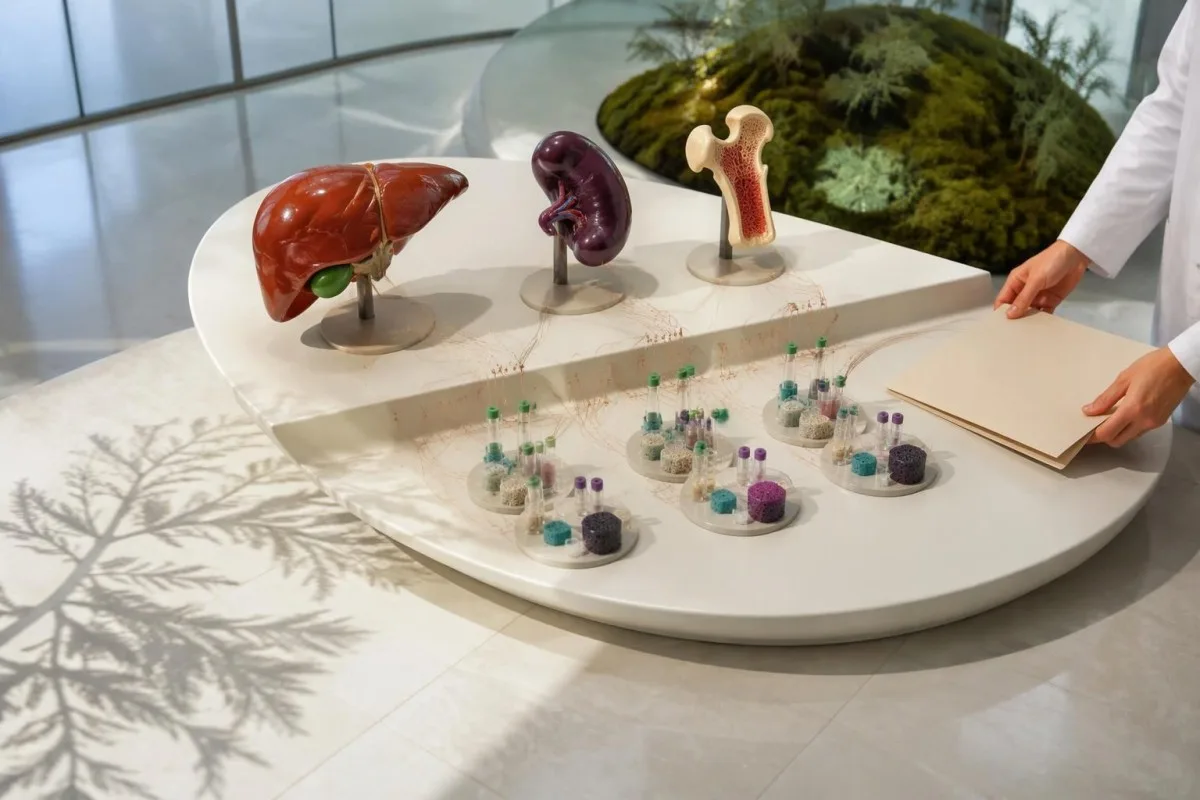
A useful appointment summary separates measured, documented, and unknown information across all 9 HScore inputs. Record the highest relevant temperature with its timing, whether imaging documented organ enlargement, and whether marrow was examined; write 'not assessed' rather than 'negative' when a test or examination has not happened.
Ask 3 focused questions: Is this pattern concerning for HLH or another urgent condition, which missing investigations could change the assessment, and what symptoms should trigger immediate return? If you are clinically stable with ferritin 700 ng/mL and no systemic warning signs, ask about ordinary iron, liver, and inflammatory causes rather than assuming an HLH workup is automatically required.
Diet, supplements, and iron avoidance do not treat suspected HLH, even when ferritin exceeds 6,000 ng/mL. Our ذميوار AI بابت واعدا explain the boundary between educational interpretation and medical decision-making; the practical next step for a high, unexplained score is clinician contact, not repeated online calculations intended to obtain a more reassuring number.
تحقيقي اشاعتون ۽ HScore جي تشريح پٺيان ثبوت
The main evidence for HScore interpretation comes from its 2014 development study and adult HLH recommendations, not general laboratory guides. Fardet et al. established the model and its 169 operating threshold; Henter et al. (2007) described HLH-2004, and La Rosée et al. (2019) addressed the challenges of applying diagnostic and treatment frameworks to adults.

The 3 clinical references below answer different questions: how the score was developed, what the HLH-2004 criteria require, and how adult management differs from a purely pediatric protocol. None makes a calculator a standalone diagnostic test, and none establishes one universally reliable threshold for every patient group, treatment stage, or hospital setting.
Kantesti LTD, UK Company No. 17090423, also publishes educational laboratory guides; the 2 Zenodo records listed below concern kidney function and urinalysis, not HScore validation. Our گردن جي ڪارڪردگيءَ جي تناسب لاءِ رهنمائي can help readers understand accompanying renal measurements when a multisystem illness affects hydration or organ function, without identifying the cause of that illness.
Urinalysis is not one of the 9 HScore inputs, although urine findings may contribute to a broader assessment of organ involvement or alternative diagnoses. The پيشاب جي جاچ (urinalysis) جي تشريح گائيڊ is supplementary reading; our طبي مواد جا معيار explain why educational publications, diagnostic studies, and clinical guidelines should be distinguished rather than presented as equivalent evidence.
اڪثر پڇيا ويندڙ سوال
ڇا بلند HScore، HLH جي تصديق ڪري ٿو؟
هڪ بلند HScore بالغن ۾ ثانوي HLH جي اندازي مطابق امڪان کي وڌائي ٿو، پر اڪيلو تشخيص جي تصديق نٿو ڪري. اصل مطالعي ۾ عام طور استعمال ٿيندڙ 169 جي حد جي حساسيت لڳ ڀڳ 93% ۽ مخصوصيت 86% هئي. معالجن کي بيماريءَ جي رخ، متبادل تشخيصن، گم ٿيل ان پُٽس، ۽ مددگار جاچن جو جائزو وٺڻ گهرجي. مسلسل بخار سان گڏ ڳڻپون گهٽجڻ يا عضون جي ڪم ۾ خرابي ٿيڻ تي ٻي ڪيلڪيوليٽر جي نتيجي جو انتظار ڪرڻ بدران تڪڙي جائزي جي ضرورت آهي.
ڪهڙو HScore بلند سمجهيو ويندو آهي؟
بالغن ثانوي HLH لاءِ وڌيڪ جاچ جي حمايت ڪندڙ حد طور عام طور 169 يا ان کان وڌيڪ HScore استعمال ڪيو ويندو آهي. اصل ماڊل ۾ 250 کان وڌيڪ اسڪور 99% کان وڌيڪ اندازي واري امڪان سان لاڳاپيل هئا، پر هر ڪلينڪل صورتحال ۾ اهو سيڪڙو ذاتي امڪان جي ضمانت نٿو ڏئي. شروعاتي، اڻپوريءَ طرح جاچيل، يا علاج هيٺ HLH ۾ HScore جا قدر 169 کان گهٽ به ٿي سگهن ٿا. مناسب ردعمل ڪلينڪل نموني ۽ ان ڳالهه تي دارومدار رکي ٿو ته ماڻهوءَ جي حالت بگڙي رهي آهي يا نه.
ڇا 10,000 کان وڌيڪ فيريٽن جو مطلب HLH کان سواءِ ٻيو ڪجهه ٿي سگهي ٿو؟
10,000 ng/mL کان مٿي فيريٽن، HLH کان سواءِ بالغن ۾ به ٿي سگهي ٿو، جن ۾ شديد انفيڪشن، جگر جي زخم، بدخيمي يا ٻيون سوزشي بيماريون شامل آهن. Ferritin ≥500 ng/mL سان HLH-2004 جو صرف هڪ معيار پورو ٿئي ٿو، ۽ HScore ۾ 6,000 ng/mL کان مٿي فيريٽن لاءِ وڌ ۾ وڌ 50 پوائنٽس ڏنا وڃن ٿا. انتهائي بلند فيريٽن وڌيڪ ڳڻتي جوڳو آهي، جڏهن ان سان گڏ لڳاتار بخار، رت جي سيلن جي گهٽجندڙ ڳڻپ، گهٽ فائبرينوجن يا عضون جي ڪم ۾ خرابي هجي. ان تي ڪلينڪي جاچ ٿيڻ گهرجي، نه ته پاڻمرادو HLH يا لوهه جي اضافي جي تشخيص.
0 ڇا توهان بون ميرو جي جاچ کان سواءِ HScore حساب ڪري سگهو ٿا؟
بون ميرو جي جاچ کان اڳ عارضي HScore ڳڻي سگهجي ٿو، پر جاچ نه ٿيل بون ميرو کي منفي نه، بلڪه اڻڄاتل سمجهيو ويندو. بون ميرو ۾ هيموفاگوسائٽوسس جا 35 پوائنٽ ٿين ٿا، تنهنڪري جيڪڏهن ٻيا سڀ ان پٽ دستاويز ٿيل هجن ته هن غيريقيني کي ممڪن اضافي 35 پوائنٽن طور بيان ڪري سگهجي ٿو. جاچ ڪيل نموني ۾ هيموفاگوسائٽوسس جي غيرموجودگي HLH کي خارج نٿي ڪري، ۽ ان جي موجودگي به پاڻمرادو HLH جي تصديق نٿي ڪري. صرف هن ان پٽ کي مڪمل ڪرڻ لاءِ تڪڙي جائزي ۾ دير نه ڪرڻ گهرجي.
HScore ۽ HLH-2004 معيارن ۾ ڪهڙو فرق آهي؟
HScore هڪ وزن ڏنل امڪاني ماڊل آهي، جيڪو 9 اِن پُٽ استعمال ڪري ٿو، جڏهن ته HLH-2004 لاءِ يا ته مطابقت رکندڙ ماليڪيولر تشخيص يا 8 تشخيصي معيارن مان 5 پوريون ٿيڻ گهرجن. انهن جي ليبارٽري حدن ۾ فرق آهي: HScore ۾ فائبرينوجن لاءِ پوائنٽون ≤2.5 g/L تي ملن ٿيون، جڏهن ته HLH-2004 ۾ فائبرينوجن جي حد ≤1.5 g/L آهي. HLH-2004 ۾ قدرتي قاتل سيلن جي سرگرمي ۽ حل پذير CD25 پڻ شامل آهن، جيڪي HScore ۾ شامل ناهن. بالغن جا ماهر انهن فريم ورڪن کي ڪلينڪل فيصلي سان گڏ استعمال ڪن ٿا، نه ڪي انهن کي هڪ ٻئي جي متبادل ٽيسٽن طور سمجهي.
ڇا گهٽ HScore سان HLH کي خارج ڪري سگهجي ٿو؟
0 A گهٽ HScore، جڏهن اهم نتيجا موجود نه هجن، علاج نتيجن کي تبديل ڪري ڇڏيو هجي، يا سنڊروم اڃا وڌي رهيو هجي، ته HLH کي محفوظ طور تي رد نٿو ڪري سگهي. 169 جي اصل حد ۾ حساسيت لڳ ڀڳ 93% هئي، 100% نه، ۽ ان جي ڪارڪردگي ٻين آباديءَ ۾ مختلف ٿي سگهي ٿي. 90 کان گهٽ اسڪور اصل ماڊل ۾ 1% کان گهٽ اندازي واري امڪان جي نمائندگي ڪندو هو، نه ته قطعي طور خارج ڪرڻ جو اصول. نئين مونجهاري، سخت ساهه جي تڪليف، ڪري پوڻ، اهم رت وهڻ، يا عضون جي ڪم ۾ بگاڙ کي گهٽ اسڪور مان ملندڙ اطمينان تي ترجيح ڏيڻ گهرجي.
پنهنجي رت جي جاچ جو نتيجو ڪيئن پڙهجي
پنهنجي ليبارٽري رپورٽ اپلوڊ ڪريو ۽ Kantesti جو AI سيڪنڊن اندر هر بائيو مارڪر کي سادي ٻوليءَ ۾ سمجهائيندو. سڄي دنيا ۾ 2 ملين کان وڌيڪ ماڻهن طرفان استعمال ٿيل.
حوالا
- Klein, T., Mitchell, S., & Weber, H. (2026). BUN/Creatinine Ratio Explained: گردن جي ڪم جاچ Guide. Kantesti AI طبي تحقيق. ڊي او آءِ
- Klein, T., Mitchell, S., & Weber, H. (2026). Urobilinogen in Urine Test: Complete Urinalysis Guide 2026. Kantesti AI طبي تحقيق. ڊي او آءِ
- Fardet L et al. (2014). Development and validation of the HScore, a score for the diagnosis of reactive hemophagocytic syndrome. Arthritis & Rheumatology. ڊي او آءِ پب ميڊ
- Henter JI et al. (2007). HLH-2004: Diagnostic and therapeutic guidelines for hemophagocytic lymphohistiocytosis. Pediatric Blood & Cancer. ڊي او آءِ پب ميڊ
- La Rosée P et al. (2019). Recommendations for the management of hemophagocytic lymphohistiocytosis in adults. Blood. ڊي او آءِ پب ميڊ
- 20 لک+تجزيو ڪيل ٽيسٽون
- 127+ملڪ
- 100+ٻوليون
طبي ٽيم بابت


E-E-A-T اعتماد جا سگنل
تجربو
ڊاڪٽر جي نگرانيءَ هيٺ ليبارٽري نتيجن جي تشريح واري عمل جو جائزو.
ماهر
ليبارٽري دوائن جو ڌيان ان ڳالهه تي ته بايو مارڪرز ڪلينڪل حوالي سان ڪيئن رويو ڏيکارين ٿا.
اختيار
ڊاڪٽر ٿامس ڪلائن طبي جائزو ورتو، جنهن ۾ ڊاڪٽر سارا مچل ۽ پروفيسر ڊاڪٽر هانس ويبر جون ڀاڱيداريون شامل آهن.
اعتبار
ثبوتن تي ٻڌل تشريح، جنهن سان خبرداري گهٽائڻ لاءِ واضح پيرويءَ جا رستا موجود هجن.






طبي ترديد
هي آرٽيڪل صرف تعليمي مقصدن لاءِ آهي ۽ طبي مشورو نٿو بڻجي. تشخيص ۽ علاج جي فيصلن لاءِ هميشه ڪنهن قابل صحت فراهم ڪندڙ سان صلاح ڪريو.
شايع ٿيل · ايڊيٽوريل ٽيم سان رابطو ڪريو
Kantesti Ltd پاران شايع ٿيل، انگلينڊ ۽ ويلز ۾ رجسٽرڊ، ڪمپني نمبر. 17090423, ، لنڊن، برطانيه.
