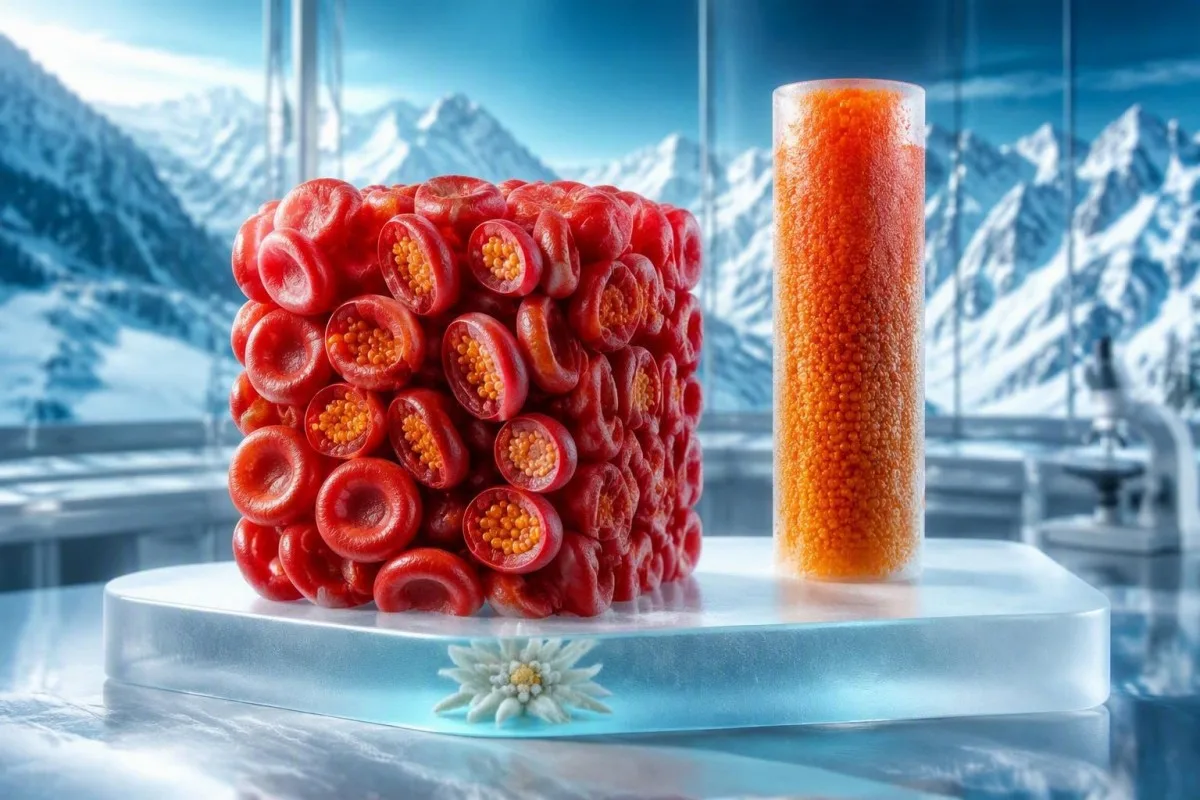
هيماتوڪريٽ رت جي حجم جو حصو ڳاڙهي سيلن تي مشتمل هجي ٿو؛ هيموگلوبن انهن جي آڪسيجن کڻندڙ پروٽين کي ماپي ٿو. اهي عام طور تي گڏجي هلن ٿا، پر استثنا طبي طور تي مفيد ٿي سگهن ٿا.


- هيماتوڪريٽ ڳاڙهي سيلن جي ٺهيل سڄي رت جي حجم جو فیصد آهي؛ عورتن لاء عام بالغ حدون تقريبن 36-46% ۽ مردن لاء 41-53% آهن.
- هيموگلوبن آڪسيجن کڻندڙ پروٽين جي ڳاڙهي آهي، عام طور تي اٽڪل 12.0-15.5 g/dL غير حامله عورتن لاء ۽ 13.5-17.5 g/dL مردن لاء.
- ٽن جو اصول هيموگلوبن جي ڀيٽ ۾ تقريبن ٽي ڀيرا هيماتوڪريٽ جو اندازو لڳايو ويندو آهي؛ هڪ وڏو فرق تبديل ٿيل سيل سائيز، لپيميا، ٿڌي ايگلوٽينين، يا تجزيي واري مسئلي جي نشاندهي ڪري سگھي ٿو.
- گهٽ هيماتوڪريٽ عام هيموگلوبن سان اڪثر ڪري ميڪروسائيٽوسس، هائيڊريشن، يا هڪ ڪناري واري حساب ۾ فرق کي ظاهر ڪري ٿو نه ته طبي طور تي اهم انميا.
- اعليٰ ھيماتوڪريٽ جا سبب ۾ ڊيهائيڊريشن، اوچائي جي نمائش، سگريٽ نوشي سان لاڳاپيل هائيپوڪسيا، ننڊ جي apnea، ٽيسٽسٽرون علاج، ۽ گهٽ عام طور تي polycythemia vera شامل آهن.
- فالو اپ حد مردن ۾ 16.5 g/dL يا عورتن ۾ 16.0 g/dL کان مٿي هيموگلوبن سان مضبوط آهي، خاص طور تي اعلي هيماتوڪريٽ ۽ گهٽ erythropoietin سان.
- هنگامي علامتون جهڙوڪ، سينه جو درد، بي هوشي، نئين پريشاني، آرام سان سانس جي تڪليف، ڪارو اسٽول، يا سخت مسلسل رت وهڻ CBC جي تعداد جي ڀيٽ ۾ فوري طور تي منهن جي سنڀال جي ضرورت آهي.
هيماتوڪريٽ ۽ هيموگلوبن اصل ۾ ڇا ماپيندا آهن
هيماٽوڪريٽ بمقابله هيموگلوبن حجم بمقابله پروٽين جي مقابلي آهي: هيماٽوڪريٽ هڪ ٽيوب پوري رت جو حصو آهي جيڪو ڳاڙهي سيلز طرفان قبضو ڪيو ويو آهي، جڏهن ته هيموگلوبن آڪسيجن-بائنڈنگ پروٽين جا گرام في ڊيسيليٽر رت ۾ آهن. اهي عام طور تي متوازي طور تي هلن ٿا ڇاڪاڻ ته اهي ٻئي ڳاڙهي سيل ماس تي منحصر آهن، پر اهي بدلي نه ٿي سگهن ٿا.
گهڻيون ليبارٽريون هيماٽوڪريٽ کي فيصد جي طور تي ۽ هيموگلوبن کي g/dL ۾ رپورٽ ڪن ٿا. 14.0 g/dL جو هيموگلوبن ۽ 42% جي ويجهو هيماٽوڪريٽ هڪ بالغن ۾ روايتي ڳنڍيل جوڙي آهي، جيتوڻيڪ ليبارٽري جي پنهنجي وقفي جي تعبير کي سنڀاليندي آهي. هيماٽوڪريٽ سينٽريفيوگشن کان پوءِ ماپي سگهجي ٿو يا ڳاڙهي سيل ڳڻپ ۽ اوسط سيل حجم مان حساب ڪري سگهجي ٿو، جڏهن ته جديد تجزيه نگار خلوي عناصر کي لائيپ ڪرڻ کان پوءِ فوٽوميٽريڪل هيموگلوبن ماپي ٿا.
عملي فرق آڪسيجن پهچائڻ آهي. هيموگلوبن آڪسيجن کڻندو آهي، جڏهن ته هيماٽوڪريٽ viscosity کي متاثر ڪري ٿو ۽ اسان کي ٻڌائي ٿو ته ڳاڙهي سيل ڪيترو جڳهه وٺن ٿا؛ تنهن ڪري هڪ شخص وٽ عام هيموگلوبن هجي پر ٿورڙو غير معمولي هيماٽوڪريٽ هجي جڏهن ڳاڙهي سيل جو سائز تبديل ٿئي. وسيع CBC لفظن لاء، اسان جو CBC اجزاء ڏانهن رهنمائي ڏيکاري ٿو ته MCV، MCH، ۽ RDW ڪٿي فٽ ٿين ٿا.
سيپٽمبر 14، 2026 تائين، مان اڃا تائين مريضن کي “anaemic” جي طور تي ٻڌي رهيو آهيان ڇاڪاڻ ته انهن مان هڪ قدر حد کان ٻاهر جزوي آهي. ڊاڪٽر ٿامس ڪلين جو طريقو گهٽ ڊرامائي آهي: تصديق ڪريو ته هيموگلوبن عمر، جنس، حمل جي حالت، ۽ اوچائي لاء گهٽ آهي، پوء MCV، RDW، reticulocytes، علامات، ۽ پوئين CBC سان گڏ هيماٽوڪريٽ پڙهو.
ساڳيو CBC ٻنهي ڇو شامل ڪري ٿو
هڪ CBC ٻنهي ٽيسٽن جي رپورٽ ڪري ٿو ڇاڪاڻ ته هر هڪ مختلف قسم جي غلطي پڪڙي ٿو. هيموگلوبن عام طور تي انيميا جي تعريف لاء وڌيڪ سڌو اشارو آهي، جڏهن ته هيماٽوڪريٽ سيال توازن ۽ ڳاڙهي سيل جي حجم بابت اشارو شامل ڪري سگهي ٿو.
حوالي جي حدون ۽ ٽن جو مفيد اصول
بالغن جو هيموگلوبن عورتن ۾ اڪثر اٽڪل 12.0-15.5 g/dL ۽ مردن ۾ 13.5-17.5 g/dL هوندو آهي، جڏهن ته هيماٽوڪريٽ عام طور تي اٽڪل 36-46% ۽ 41-53%، ترتيب سان هوندو آهي. هيموگلوبن جي ٽي ڀيرا جي ويجهو هيماٽوڪريٽ هڪ ڪارآمد امڪاني چيڪ آهي، نه تشخيص.
“ٽن جو قاعدو” جو مطلب آهي هيموگلوبن 12 g/dL اڪثر هيماٽوڪريٽ 36% جي چوگرد ڳنڍي ٿو، ۽ هيموگلوبن 15 g/dL هيماٽوڪريٽ 45% جي چوگرد ڳنڍي ٿو. اهو گهٽ قابل اعتماد ٿي ويندو آهي جڏهن MCV تمام گهٽ يا اعلي هجي، جڏهن triglycerides گهڻو وڌيڪ هجي، يا جڏهن ڳاڙهي سيل ٿڌي نموني ۾ گڏ ٿي وڃن. مان ان کي ليبارٽري سوال پڇڻ لاء هڪ تڪڙي پرچم جي طور تي استعمال ڪريان ٿو، نه ته رپورٽ ٿيل نتيجي جي متبادل طور.
WHO جي 2024 جي هدايت حمل کان سواء عورتن ۾ هيموگلوبن 12.0 g/dL کان گهٽ ۽ مردن ۾ 13.0 g/dL کان گهٽ جي طور تي انيميا جي وضاحت ڪري ٿي، حمل، تمباکو نوشي، ۽ اوچائي لاء ترتيب سان. هيماٽوڪريٽ حدون ليبارٽري طرفان وڌيڪ مختلف ٿين ٿيون، جيڪا هڪ سبب آهي ته ڪلينڪ عام طور تي انيميا جي فيصلي کي هيموگلوبن سان ڳنڍيندا آهن نه ته هڪ عالمگير هيماٽوڪريٽ ڪٽ آف (WHO، 2024).
ڪينٽيسٽي هڪ آهي اي آءِ بلڊ ٽيسٽ اينالائيزر جيڪا هيموگلوبن، هيماٽوڪريٽ، MCV، MCHC، ۽ اڳئين نتيجن کي هڪ CBC نموني جي طور تي چيڪ ڪري ٿي، بدران هڪ ڳاڙهي پرچم کي هڪ فيصلي جي طور تي علاج ڪرڻ جي. اها نموني-پهرين جائزي خاص طور تي مددگار آهي جڏهن مختلف ليبس ٿوريون مختلف وقفيات استعمال ڪن ٿيون؛ ڏسو ته ڪيئن جنس-مخصوص ليب رينج مختلف آهن.
ڇو ٻه قيمتون عام طور تي گڏجي مٿي ۽ هيٺ وينديون آهن
Hemoglobin and hematocrit usually fall together in iron deficiency, blood loss, kidney-related anemia, and bone-marrow suppression because each reflects reduced circulating red-cell mass. They usually rise together when plasma volume contracts or red-cell production increases.
A 1-litre saline infusion can lower both hemoglobin and hematocrit within hours through dilution without destroying a single red cell. Conversely, vomiting, diarrhoea, fever, diuretics, or a hard endurance event with inadequate fluid replacement can concentrate both values temporarily. That is why I ask about fluid intake, recent illness, and timing before labeling a mildly high result as disease.
True anemia develops when red-cell production cannot keep pace with loss or destruction. Iron deficiency often first lowers ferritin and transferrin saturation, then reduces MCV and hemoglobin; hematocrit follows. Camaschella’s New England Journal of Medicine review explains why iron deficiency must be traced to intake, menstrual loss, gastrointestinal loss, absorption, or inflammation rather than simply treated with tablets (Camaschella, 2015).
A high hemoglobin plus high hematocrit deserves a different branch of reasoning. The high RBC count and dehydration guide explains why repeating a CBC after normal hydration can separate hemoconcentration from sustained erythrocytosis in many otherwise well adults.
هيماتوڪريٽ ۽ هيموگلوبن ڇو متفق نه ٿي سگهن
A meaningful hematocrit-hemoglobin mismatch usually points to altered red-cell size, altered plasma composition, or a measurement artifact rather than two unrelated illnesses. The fastest clue is whether MCV, MCHC, RDW, and the sample quality flags support the result.
Because calculated hematocrit equals red-cell count multiplied by MCV, unusually large cells can raise hematocrit relative to hemoglobin. Macrocytosis from vitamin B12 deficiency, folate deficiency, alcohol exposure, liver disease, hypothyroidism, or certain medicines may therefore make the ratio look “off” before hemoglobin becomes frankly low. An MCV above 100 fL warrants context, especially when RDW is also rising.
Very small cells can produce the opposite impression: a relatively low hematocrit with hemoglobin that is less reduced than expected. Iron deficiency and thalassemia trait commonly produce microcytosis, but ferritin, transferrin saturation, family history, and red-cell count distinguish the patterns better than MCV alone. Our low MCV follow-up guide lays out that decision point.
Laboratory artifacts are real. Severe lipemia may falsely increase measured hemoglobin, while cold agglutinins can distort red-cell count, MCV, and calculated hematocrit until the specimen is warmed and rerun. A mismatch that appears suddenly, with no clinical explanation, merits a repeat sample or laboratory review before extensive testing.
گهٽ هيماتوڪريٽ عام هيموگلوبن سان: عام وضاحت
گهٽ هيماتوڪريٽ عام هيموگلوبن سان is most often a mild calculation or volume issue, but persistent discordance should prompt review of MCV, MCHC, red-cell count, and hydration. It does not automatically mean hidden bleeding or anemia.
A simple example is hemoglobin 13.2 g/dL with hematocrit 38% in an adult whose laboratory lower limit is 39%. If MCV is 102 fL and RDW is elevated, macrocytosis is more informative than the isolated hematocrit flag. In my clinic, I would review alcohol intake, thyroid function, liver enzymes, B12, folate, and medicines such as hydroxyurea, methotrexate, or antiseizure treatment rather than rush to iron.
Overhydration can lower hematocrit by expanding plasma volume, especially after intravenous fluids, pregnancy, endurance exercise, or compulsive water intake. A fall of 2-3 percentage points after a large fluid load can be physiological dilution; it should recover as fluid balance normalizes. Pregnancy requires pregnancy-specific intervals, because plasma volume expands more than red-cell mass.
Kantesti جا AI blood test interpretation پليٽ فارم flags low hematocrit with normal hemoglobin as a pattern to contextualize, not a diagnosis to self-treat. If iron markers are needed, compare ferritin with transferrin saturation using our آئرن اسٽڊيز ريفرنس گائيڊ and discuss the result with a clinician.
جڏهن ٻئي گهٽ قدر انميا جي نشاندهي ڪن ٿا
Low hemoglobin and low hematocrit together usually indicate anemia or dilution, and the next decisive tests are MCV, reticulocyte count, ferritin, kidney function, and a focused bleeding history. Symptoms and speed of change matter more than a single borderline value.
Hemoglobin below 8 g/dL often causes exertional breathlessness, tachycardia, dizziness, or chest discomfort, although chronic anemia can be tolerated better than an abrupt fall. A value below 7 g/dL is a common restrictive transfusion threshold for stable hospitalized adults, but active bleeding, heart disease, symptoms, and local protocols change that decision. This is hospital medicine, not a threshold for home management.
Reticulocytes show whether marrow response is appropriate. High reticulocytes with falling hemoglobin suggest blood loss or hemolysis; low or inappropriately normal reticulocytes suggest underproduction from iron deficiency, kidney disease, inflammation, B12/folate deficiency, medications, or marrow disorders. The ريٽيڪولوسائيٽ ڳڻپ جو گائيڊ explains how an immature reticulocyte fraction adds timing information.
Dr. Thomas Klein advises same-day assessment for low CBC values accompanied by fainting, breathlessness at rest, chest pain, black tarry stools, vomiting material that resembles coffee grounds, or heavy ongoing menstrual or gastrointestinal bleeding. Anemia itself is a finding; the underlying cause determines the safe next step.
اعلي هيماتوڪريٽ سبب: ڳاڙهي، هائيپوڪسيا، يا وڌيڪ پيداوار
High hematocrit causes fall into three useful groups: reduced plasma volume, chronic low-oxygen signaling, and autonomous marrow overproduction. A repeat CBC when well hydrated separates many transient results from sustained erythrocytosis.
Dehydration is the commonest reversible explanation for a modest rise, particularly when urea, albumin, and urine specific gravity are also concentrated. Smoking, obstructive sleep apnea, chronic lung disease, cyanotic heart disease, high-altitude residence, and testosterone therapy can raise erythropoietin-driven red-cell production. Even a few nights of severe sleep-apnea hypoxia may complicate interpretation, though it rarely explains a dramatic isolated value alone.
Persistent hemoglobin above 16.5 g/dL in men or 16.0 g/dL in women meets one World Health Organization major criterion used in evaluating polycythemia vera. The diagnosis still requires clinical assessment and usually JAK2 mutation testing, erythropoietin level, and sometimes marrow evaluation; it cannot be made from hematocrit alone. Barbui et al. (2018) emphasize thrombosis prevention and risk-based treatment once a myeloproliferative neoplasm is confirmed.
For a deeper differential, read our high hematocrit causes article ۽ polycythemia testing pathway. A persistent result is worth a routine appointment even when you feel completely well.
جڏهن بلند نتيجو فوري طبي ڌيان جي لائق هجي
A high hematocrit needs urgent evaluation when it occurs with new neurologic symptoms, chest pain, shortness of breath, one-sided leg swelling, visual change, or a previous clot. The number alone does not predict danger perfectly, but hematocrit near or above 55% is not a result I would leave unreviewed.
Blood becomes more viscous as hematocrit rises, although the relationship is nonlinear and individual risk differs. In confirmed polycythemia vera, the CYTO-PV trial found fewer cardiovascular deaths and major thromboses when hematocrit was maintained below 45% than when it was allowed in the 45-50% range (Marchioli et al., 2013). That trial does not mean every person with dehydration needs venesection.
Headache, facial flushing, fatigue, and itch after a warm shower are sometimes reported in polycythemia vera, but they are nonspecific. More concerning is a new focal neurologic deficit, sudden severe headache, altered speech, collapse, or acute breathlessness; these require emergency services rather than a repeat test next week. Do not donate blood or start aspirin solely because an app or one CBC is high.
Kantesti AI uses trend analysis to distinguish a one-off concentration effect from a recurrent pattern, but our output is educational and cannot replace urgent assessment. Our طبي تصديق جو فريم ورڪ describes why clinically significant flags are designed for follow-up, not self-diagnosis.
CBC جا اشارا جيڪي فرق کي بيان ڪن ٿا
MCV, MCHC, RDW, and the red-cell count often explain a hematocrit-hemoglobin disagreement better than either headline number. MCV measures average red-cell volume, MCHC estimates hemoglobin concentration inside cells, and RDW measures size variation.
An MCV below 80 fL is microcytosis in most adult laboratories, while an MCV above 100 fL is macrocytosis. Low MCV plus low ferritin strongly supports iron deficiency; low MCV with a relatively high red-cell count and normal iron stores makes thalassemia trait more plausible. Neither pattern should be inferred from hematocrit alone.
MCHC is normally roughly 32-36 g/dL in many laboratories. A genuinely high MCHC is uncommon and can occur with spherocytes, but cold agglutinins, sample issues, and lipemia are more frequent explanations for a surprising value. Our high MCHC interpretation guide explains why a smear or redraw may be more useful than anxiety.
RDW often rises early during iron deficiency and can temporarily increase after iron treatment as new cells differ in size from older cells. That mixed-cell population may make ratios untidy for several weeks, which is why a CBC trend and RDW نموني جي رهنمائي can be more informative than a snapshot.
حمل، اوچائي، ۽ تربيت تشريح کي تبديل ڪن ٿا
Pregnancy, high-altitude exposure, and endurance training can shift hematocrit and hemoglobin without representing the same disease process. The correct reference interval depends on physiology, timing, and whether the change is stable or progressive.
During pregnancy, plasma volume expands by roughly 40-50%, while red-cell mass rises less; hemoglobin and hematocrit commonly fall through dilution. WHO uses hemoglobin below 11.0 g/dL in the first and third trimesters and below 10.5 g/dL in the second trimester to define anemia, though local maternity pathways may vary. Ferritin is especially useful when anemia is suspected.
At altitude, lower oxygen pressure stimulates erythropoietin and raises hemoglobin over days to weeks. WHO specifically recommends altitude adjustment when interpreting anemia prevalence, and individual clinical care should also consider how long someone has lived or trained at elevation. A blood draw 24 hours after a mountain race can be more affected by dehydration than true acclimatization.
Endurance athletes may have “sports anemia,” meaning plasma-volume expansion lowers concentration measures despite normal or increased total red-cell mass. I usually pair CBC results with ferritin, transferrin saturation, diet, menstrual history, and training load; our برداشت ڪندڙ ائٿليٽ لاءِ رت جي ٽيسٽ جي رهنمائي covers RED-S warning patterns.
ٽيسٽسٽرون، سگريٽ نوشي، ۽ ننڊ جي apnea خاص سوالن جي لائق آهن
Testosterone therapy, tobacco exposure, and untreated obstructive sleep apnea can raise hemoglobin and hematocrit through different pathways, so a generic “high red cells” explanation is not enough. Medication timing and oxygen status are often more revealing than another iron panel.
Exogenous testosterone stimulates erythropoiesis, and many prescribing protocols intervene when hematocrit reaches 54% or rises rapidly from baseline. The exact response may include dose adjustment, route change, temporary cessation, or assessment for sleep apnea and other contributors; it should be managed by the prescribing clinician. Injectable formulations can produce larger peak-and-trough effects than some transdermal regimens.
Smoking can elevate carboxyhemoglobin and reduce oxygen delivery, which may stimulate erythropoietin over time. Pulse oximetry can look deceptively normal in carbon monoxide exposure because standard devices cannot reliably distinguish oxyhemoglobin from carboxyhemoglobin. That little detail is easy to miss in a remote review.
ڪينٽيسٽي هڪ آهي AI-powered رت جي ٽيسٽ تجزيي جو اوزار that incorporates declared medicines and prior CBCs when it identifies a high-result pattern. If a new high result follows a medication change, record the dose, route, start date, smoking status, and sleep symptoms before your appointment; our slightly high hemoglobin guide can help organize the questions.
پري-تجزيياتي ۽ تجزيي وارا مسئلا جيڪي اختلاف جي نقل ڪن ٿا
Poor mixing, delayed processing, cold agglutinins, lipemia, and recent intravenous fluids can create a hematocrit-hemoglobin mismatch that is not biologically real. A laboratory comment, delta check, and repeat properly handled sample are often the safest first response.
CBC samples are collected in EDTA tubes, which must be adequately mixed and processed within the laboratory’s validated stability window. Cellular swelling with prolonged storage can raise MCV and calculated hematocrit, while hemolysis or turbidity can interfere with photometric hemoglobin methods. These are uncommon but matter when the result conflicts with the person in front of you.
A delta check compares a current value with prior results and alerts laboratories to abrupt, implausible movement. A hematocrit falling from 45% to 32% overnight without symptoms, fluid administration, bleeding, or an accompanying hemoglobin shift deserves verification before anyone pursues invasive testing. Our delta-check explanation describes how this safety process works.
Dr. Thomas Klein has seen cold agglutinin cases where warming the sample corrected a bizarre MCV and hematocrit within the same day. The lesson is reassuring but not dismissive: unusual patterns should be confirmed, and genuine anemia or hemolysis still needs a clinician-led evaluation.
غير معمولي CBC نموني لاء هڪ عملي فالو اپ منصوبو
A sensible follow-up plan starts by confirming the result, then uses the pattern to choose targeted tests rather than ordering everything. For mild, symptom-free abnormalities, repeat CBC timing is often 2-8 weeks depending on the suspected cause and clinical history.
For low hemoglobin or hematocrit, ask whether MCV is low, normal, or high. Low MCV often leads to ferritin and transferrin saturation; normal MCV may lead to reticulocytes, kidney function, CRP, and bleeding review; high MCV may lead to B12, folate, TSH, liver tests, medication review, and sometimes a blood film. A clinician should tailor this list to age and symptoms.
For high values, repeat the CBC when normally hydrated and not immediately after intense exercise, vomiting, diarrhoea, or a long flight. If elevation persists, clinicians commonly assess oxygen saturation, smoking/carbon monoxide exposure, sleep-apnea risk, testosterone or diuretic use, erythropoietin, and JAK2 testing where indicated. The erythropoietin result guide explains why a low level shifts concern toward autonomous marrow production.
Kantesti AI interprets hematocrit and hemoglobin through trends, indices, and linked results in about 60 seconds after a report upload. Our AI ٽيڪنالاجي گائيڊ explains the workflow, while your own clinician remains the right person to examine you and decide on testing.
ڪلينشين ڏانهن جائزو وٺڻ لاء ڪهڙا نتيجا آڻڻا آهن
The most useful appointment preparation is a timeline: prior CBCs, recent illnesses, hydration, altitude, exercise, menstrual or gastrointestinal loss, medicines, supplements, and family history. Those details often explain more than one extra decimal point on hematocrit.
Bring at least two prior CBCs when possible, including the laboratory reference ranges. A stable hematocrit of 48% over five years in a high-altitude resident is a different problem from a new rise from 42% to 52% in six months. The رت جي ٽيسٽ تبديلي گائيڊ explains why normal biological variation can still move a result modestly.
Write down supplements, especially iron, B12, folate, testosterone-related products, diuretics, and high-dose zinc. Excess zinc can cause copper deficiency and anemia over time, while iron taken shortly before testing may alter serum iron without correcting underlying stores. Our zinc and copper anemia guide covers that less obvious connection.
Kantesti جو طبي مواد اسان جي طرفان ڏنل معلومات سان جائزو ورتو وڃي ٿو، جنهن ۾ اسان جي طرفان طبي صلاحڪار بورڊ, but no online interpretation can assess pallor, heart rate, oxygenation, spleen size, or active bleeding. If symptoms are substantial or the CBC changes quickly, seek in-person care rather than waiting for a perfect data set.
CBC نمونن جو وڌيڪ امڪان آهي ته فالو اپ جو واعدو ڪجي
Follow-up is most warranted for persistent low hemoglobin, a fast CBC change, high hemoglobin with high hematocrit, abnormal MCV or RDW, additional low cell lines, or symptoms that fit anemia, clotting, or bleeding. A single slight hematocrit deviation with normal hemoglobin and indices is often rechecked rather than treated.
A hemoglobin below 12.0 g/dL in a non-pregnant adult woman or below 13.0 g/dL in an adult man meets WHO anemia criteria and merits cause-focused evaluation when confirmed. The concern increases when MCV is below 80 fL or above 100 fL, RDW rises, platelets or white cells are also abnormal, or the result has changed materially from baseline. This is where a CBC becomes a pattern, not a list of flags.
Persistent hemoglobin above 16.0 g/dL in women or 16.5 g/dL in men, particularly with hematocrit above 48% or 49% respectively, warrants assessment for secondary erythrocytosis and occasionally polycythemia vera. Clinicians disagree on exactly when to initiate molecular testing in low-risk people, so context matters more than one cutoff. Symptoms, duration, smoking, oxygenation, and medication exposure refine the decision.
The bottom line from Dr. Thomas Klein: hematocrit versus hemoglobin is rarely a contest over which value is “right.” Hemoglobin usually defines anemia more directly; hematocrit and the indices explain why it happened. For safe trend review and source-aware interpretation, see Kantesti’s clinical standards.
وچان وچان سوال ڪرڻ
ڇا هيموگلوبن عام هجي ته هيماٽوڪريٽ گهٽ ٿي سگهي ٿو؟
ها. گهٽ هيماتوڪريٽ عام هيموگلوبن سان ٿي سگهي ٿي جڏهن MCV تبديل ٿئي ٿي، پلازما ووليوم وڌايو وڃي ٿو، يا فرق ليبارٽري ڪٽ آف جي ويجهو هجي. مثال طور، 13.2 g/dL هيموگلوبن 38% هيماتوڪريٽ سان ڪلينڪل طور تي ننڍو ٿي سگهي ٿو، پر 100 fL کان مٿي يا 80 fL کان هيٺ MCV فالو اپ تبديل ڪري ٿو. مسلسل اختلاف ريڊ-سيل ڳڻپ، MCV، MCHC، RDW، هائيڊريشن جي تاريخ، ۽ اڳئين CBCs سان جائزو وٺڻ گهرجي. اهو پاڻمرادو رت وهڻ يا لوھ جي کوٽ ثابت نٿو ڪري.
رت جي گهٽتائي لاءِ ڪهڙو وڌيڪ صحيح آهي، هيماتوڪريٽ يا هيموگلوبن؟
هيموگلوبن عام طور تي انيميا جي تعريف ڪرڻ لاءِ ترجيحي ماپ آهي ڇاڪاڻ ته اهو سڌو آڪسيجن کڻندڙ پروٽين جي ارتکاز کي ماپي ٿو. WHO 2024 ڪٽ آفس غير حامله عورتن ۾ 12.0 g/dL کان گهٽ ۽ مردن ۾ 13.0 g/dL کان گهٽ انيميا جي تعريف ڪن ٿا، جنهن ۾ حمل جي الڳ ترتيب شامل آهي. هيموٽوڪريٽ اڃا تائين قيمتي آهي ڇاڪاڻ ته اهو ڳاڙهي رت جي سيلن جي مقدار کي ظاهر ڪري ٿو ۽ ان کي ڊلائيوشن يا سيل جي سائيز جي اثرن کي ظاهر ڪري سگهي ٿو. ڪلينڪ MCV ۽ reticulocytes سان گڏ ٻنهي جي تشريح ڪن ٿا.
هيميٽوڪريٽ ۽ هيموگلوبن گڏجي وڌڻ جو سبب ڇا آهي؟
گهڻو ڪري dehydration، ڌماڪو، ننڊ اپنيا، دائمي آڪسيجن جي گهٽتائي، گهڻو اوچائي، يا ٽيسٽاسٽيرون تھراپي جي ڪري اعلي هيماتوڪريٽ ۽ هيموگلوبين گڏيل طور تي. مردن ۾ 16.5 g/dL کان مٿي يا عورتن ۾ 16.0 g/dL کان مٿي مسلسل هيموگلوبين erythrocytosis جي جانچ جي لائق ٿي سگهي ٿي، جنهن ۾ آڪسيجن جي حيثيت، erythropoietin، ۽ ڪڏهن ڪڏهن JAK2 ٽيسٽ شامل آهي. Polycythemia vera گهٽ عام آهي پر طبي لحاظ کان اهم آهي ڇاڪاڻ ته جڏهن hematocrit اعلي رهي ٿو ته خون جو خطرو وڌي ٿو. علامتون غير حاضر هجڻ جي صورت ۾ عام طور تي هائيڊريٽ ٿيڻ تي هڪ ٻي CBC گهڻو ڪري پهرين قدم آهي.
ڇا هيماتوڪرٽ هيموگلوبن کان ٽي ڀيرا وڌيڪ آهي؟
هيماتocrit اڪثر هيموگلوبن جي اٽڪل ٽي ڀيرا هوندو آهي جڏهن هيموگلوبن g/dL ۾ ظاهر ڪيو ويندو آهي، تنهنڪري هيموگلوبن 14 g/dL عام طور تي 42% جي ويجهو هيماتocrit سان جوڙي ٿو. هي نارملٽي ٽيسٽ بدران اندازي جو ضابطو آهي. مائڪروسائيٽوسس، ميڪروسائيٽوسس، ٿڌي ايگلوٽينين، لپيميا، ۽ تجزيه ڪندڙ طريقا تعلق کي گهٽ صحيح بڻائي سگهن ٿا. مسلسل خال MCV، MCHC، RDW، ۽ نموني جي معيار جو جائزو وٺڻ گهرجي.
مون کي ڪهڙي هيماٽوڪريٽ سطح تي فوري طور تي طبيب وٽ وڃڻ گهرجي؟
55% جي جيتري يا ان کان وڌيڪ هيماٽوڪريٽ کي جلدي طبي جائزي جي ضرورت آهي، خاص طور تي جڏهن اهو برقرار رهي يا مردن ۾ 16.5 g/dL کان وڌيڪ يا عورتن ۾ 16.0 g/dL کان وڌيڪ هيموگلوبن سان گڏ هجي. سينه ۾ درد، اوچتو ساهه کٽڻ، بي هوشي، هڪ طرفي ڪمزوري، نئين ڳالهه ٻولهه ۾ مشڪل، شديد سر درد، يا بصارت جي ضايع ٿيڻ جي صورت ۾ فوري طور تي ايمرجنسي ڪيئر حاصل ڪريو، قطع نظر ته هيماٽوڪريٽ جي صحيح مقدار جي. گهٽ قدر پڻ ضروري ٿي سگهي ٿو جيڪڏهن اهو تيزيءَ سان وڌيو هجي يا ڪلٽنگ جي واقعي کان پوءِ هجي. طبي مشوري کان سواءِ اي سي ايسپرين يا رت جي عطيه سان اعليٰ نتيجي جو پاڻ علاج نه ڪريو.
ڇا پاڻي جي کوٽ جي ڪري هيماتوڪريٽ وڌي سگهي ٿو پر هيموگلوبن نه؟
سڪي وڃڻ ڪري عام طور تي هيماتوڪريٽ ۽ هيموگلوبين ٻئي وڌي ويندا آهن ڇاڪاڻ ته گهٽ پلاسما گردش ڪندڙ ريڊ-سيل جي جزن کي گهاٽو ڪري ٿو. ننڍا بي ضابطگيون ٿي سگهن ٿيون ڇاڪاڻ ته هيماتوڪريٽ جزوي طور تي ريڊ-سيل جي ڳڻپ ۽ MCV تي منحصر آهي، جڏهن ته هيموگلوبين هڪ مختلف طريقي سان ماپي ويندي آهي. الٽيون، دست، ڊائيوريٽڪس، بخار، ۽ سخت ورزش مختصر وقت لاء ڳاڙهي اثر پيدا ڪري سگهن ٿا. عام مائع جي داخلا ۽ بحالي کانپوءِ CBC کي ٻيهر ڪرڻ اڪثر ڪري هڪ ئي ٽيسٽ تي عمل ڪرڻ کان وڌيڪ معلوماتي هوندو آهي.
اڄ ئي AI-طاقتور خون جي جاچ جو تجزيو حاصل ڪريو
دنيا ڀر ۾ 2 ملين کان وڌيڪ استعمال ڪندڙن ۾ شامل ٿيو جيڪي فوري ۽ درست ليب ٽيسٽ تجزيو لاءِ Kantesti تي ڀروسو ڪن ٿا. پنهنجا خون جي جاچ جا نتيجا اپلوڊ ڪريو ۽ سيڪنڊن ۾ 15,000+ بائيو مارڪرز جي جامع تشريح حاصل ڪريو.
📚 حوالا ڏنل تحقيقي اشاعتون
ڪلين، ٽي.، مچل، ايس.، ۽ ويبر، ايڇ. (2026). Urobilinogen in Urine Test: Complete Urinalysis Guide 2026. Zenodo. https://doi.org/10.5281/zenodo.18226379. ResearchGate: https://www.researchgate.net/ Academia.edu: https://www.academia.edu/. Kantesti AI Medical Research.
ڪلين، ٽي.، مچل، ايس.، ۽ ويبر، ايڇ. (2026). Iron Studies Guide: TIBC, Iron Saturation & Binding Capacity. Zenodo. https://doi.org/10.5281/zenodo.18248745. ResearchGate: https://www.researchgate.net/ Academia.edu: https://www.academia.edu/. Kantesti AI Medical Research.
📖 ٻاهرين طبي حوالا
عالمي صحت جو ادارو (2024). ماڻهن ۽ آبادي ۾ انيميا (خون جي گهٽتائي) جي وضاحت لاءِ هيموگلوبن جي ڪٽ آف بابت هدايتون. عالمي صحت جو ادارو.
⚕️ طبي دستبرداري
هي آرٽيڪل صرف تعليمي مقصدن لاءِ آهي ۽ طبي مشورو نٿو بڻجي. تشخيص ۽ علاج جي فيصلن لاءِ هميشه ڪنهن قابل صحت فراهم ڪندڙ سان صلاح ڪريو.
E-E-A-T اعتماد جا سگنل
تجربو
ڊاڪٽر جي نگرانيءَ هيٺ ليبارٽري نتيجن جي تشريح واري عمل جو جائزو.
ماهر
ليبارٽري دوائن جو ڌيان ان ڳالهه تي ته بايو مارڪرز ڪلينڪل حوالي سان ڪيئن رويو ڏيکارين ٿا.
اختيار
ڊاڪٽر ٿامس ڪلين لکيو، ۽ ڊاڪٽر ساره مچل ۽ پروف. ڊاڪٽر هانس ويبر طرفان جائزو ورتل.
اعتبار
ثبوتن تي ٻڌل تشريح، جنهن سان خبرداري گهٽائڻ لاءِ واضح پيرويءَ جا رستا موجود هجن.