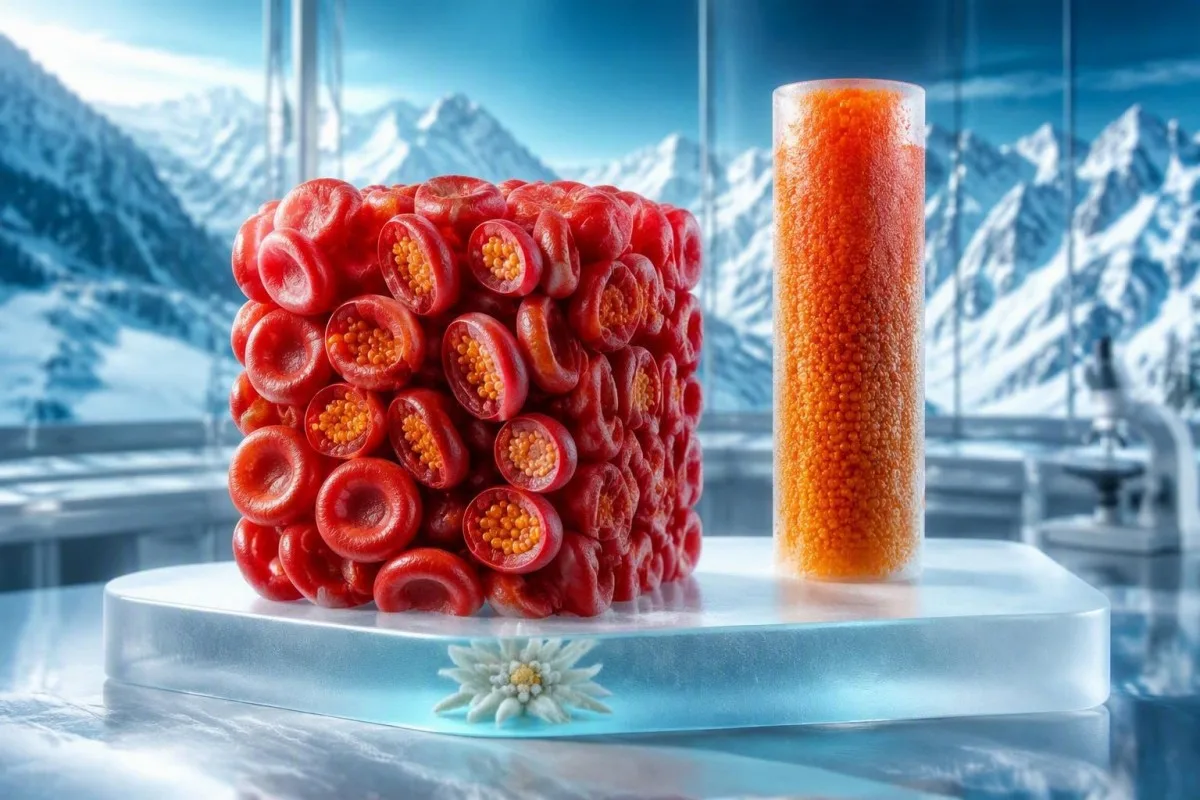
Հեմատոկրիտը չափում է արյան ծավալի այն մասը, որը զբաղեցնում են կարմիր բջիջները. հեմոգլոբինը չափում է դրանց թթվածին տեղափոխող սպիտակուցը։ Նրանք սովորաբար միասին են շարժվում, բայց բացառությունները կարող են օգտակար լինել կլինիկական տեսանկյունից։.


- Հեմատոկրիտ արյան ծավալի տոկոսն է, որը կազմում է կարմիր բջիջները; չափահասների բնորոշ միջակայքերը կազմում են մոտ 36-46% կանանց և 41-53% տղամարդկանց համար։.
- Հեմոգլոբին թթվածին տեղափոխող սպիտակուցի կոնցենտրացիան է, սովորաբար մոտ 12.0-15.5 գ/դլ ոչ հղի կանանց և 13.5-17.5 գ/դլ տղամարդկանց համար։.
- Երեքի կանոնը գնահատում է հեմատոկրիտը որպես մոտավորապես երեք անգամ ավելի շատ հեմոգլոբինը գ/դլ-ում; ավելի մեծ տարբերությունը կարող է ազդարարել բջիջների չափի փոփոխություն, լիպեմիա, սառը ագլուտինիններ կամ վերլուծական խնդիր։.
- Ցածր հեմատոկրիտ՝ նորմալ հեմոգլոբինով հաճախ արտացոլում է մակրոցիտոզը, հիդրատացիան կամ սահմանային հաշվարկային տարբերությունը, քան կլինիկական նշանակալի անեմիան։.
- Բարձր հեմատոկրիտի պատճառները ներառում են դեհիդրատացիա, բարձրության ազդեցություն, ծխելու հետ կապված հիպոքսիա, քնի ապնոե, տեստոստերոնային թերապիա և ավելի հազվադեպ պոլիցիտեմիա վերա։.
- Հետագա հետևման շեմ ավելի ուժեղ է, երբ հեմոգլոբինը կայունորեն բարձր է 16.5 գ/դլ-ից տղամարդկանց մոտ կամ 16.0 գ/դլ-ից կանանց մոտ, հատկապես բարձր հեմատոկրիտի և ցածր էրիտրոպոետինի դեպքում։.
- Արտակարգ ախտանիշներ ինչպիսիք են կրծքավանդակի ցավը, ուշագնացությունը, նոր շփոթմունքը, հանգստի վիճակում շնչահեղձությունը, սեւ աթոռը կամ առատ արյունահոսությունը, որոնք պահանջում են անհապաղ անձնական խնամք՝ անկախ CBC-ի ցուցանիշից։.
Ի՞նչ են իրականում չափում հեմատոկրիտը և հեմոգլոբինը
Հեմատոկրիտը ընդդեմ հեմոգլոբինի ը ծավալի համեմատությունն է սպիտակուցի հետ. հեմատոկրիտը ամբողջական արյան խողովակի այն մասն է, որը զբաղեցնում են կարմիր բջիջները, մինչդեռ հեմոգլոբինը արյան դեցիլիտրի համար թթվածին կրող սպիտակուցի գրամներն են։ Նրանք սովորաբար շարժվում են զուգահեռ, քանի որ երկուսն էլ կախված են կարմիր բջիջների զանգվածից, բայց դրանք փոխփոխելի չեն։.
Շատ լաբորատորիաներ հեմատոկրիտը հաշվետվությունում ներկայացնում են տոկոսներով, իսկ հեմոգլոբինը՝ g/dL-ով։ 14.0 գ/դլ հեմոգլոբինը և 42±% մոտ հեմատոկրիտը մեծահասակների մոտ սովորական համապատասխան զույգ են, չնայած լաբորատորիայի սեփական միջակայքը վերահսկում է մեկնաբանությունը։ Հեմատոկրիտը կարող է չափվել ցենտրիֆուգումից հետո կամ հաշվարկվել կարմիր բջիջների հաշվի և միջին բջջային ծավալի միջոցով, մինչդեռ ժամանակակից վերլուծիչները չափում են հեմոգլոբինը ֆոտոմետրիկ եղանակով՝ բջջային տարրերը լիզելուց հետո։.
Գործնական տարբերակը թթվածնի մատակարարումն է։ Հեմոգլոբինը կրում է թթվածին, մինչդեռ հեմատոկրիտը ազդում է մածուցիկության վրա և մեզ ասում է, թե որքան տեղ են զբաղեցնում կարմիր բջիջները; հետևաբար, մարդը կարող է ունենալ նորմալ հեմոգլոբին, բայց մի փոքր անսովոր հեմատոկրիտ, երբ կարմիր բջիջների չափը փոխվում է։ CBC-ի ավելի լայն բառապաշարի համար մեր ուղեցույցը CBC բաղադրիչների վերաբերյալ ցույց է տալիս, թե որտեղ են տեղավորվում MCV, MCH և RDW-ը։.
Սեպտեմբերի 14, 2026-ի դրությամբ ես դեռ հիվանդների ասում եմ, որ նրանք “անեմիկ” են, քանի որ այս արժեքներից մեկը տիրույթից դուրս է։ Դոկտոր Թոմաս Քլայնի մոտեցումն ավելի քիչ դրամատիկ է. հաստատել, արդյոք հեմոգլոբինը ցածր է տարիքի, սեռի, հղիության կարգավիճակի և բարձրության համար, այնուհետև կարդալ հեմատոկրիտը MCV-ի, RDW-ի, ռետիկուլոցիտների, ախտանիշների և նախորդ CBC-ի կողքին։.
Ինչու՞ է նույն CBC-ն պարունակում երկուսն էլ
CBC-ն հաշվետվությունում ներկայացնում է երկու թեստ, քանի որ յուրաքանչյուրը բացահայտում է անհամապատասխանության տարբեր տեսակ։ Հեմոգլոբինը, ընդհանուր առմամբ, ավելի ուղղակի ցուցիչն է անեմիան սահմանելու համար, մինչդեռ հեմատոկրիտը կարող է լրացուցիչ մանրամասներ հաղորդել հեղուկի հավասարակշռության և կարմիր բջիջների ծավալի մասին։.
Հղման միջակայքերը և երեքի օգտակար կանոնը
Մեծահասակների հեմոգլոբինը հաճախ մոտավորապես 12.0-15.5 գ/դլ է կանանց մոտ և 13.5-17.5 գ/դլ է տղամարդկանց մոտ, մինչդեռ հեմատոկրիտը սովորաբար մոտ 36-46±% և 41-53±% է, համապատասխանաբար։ Մոտ 3 անգամ ավելի բարձր հեմոգլոբինի հեմատոկրիտը օգտակար իրականության ստուգում է, ոչ թե ախտորոշում։.
“Եռյակի կանոնը” նշանակում է, որ 12 գ/դլ հեմոգլոբինը հաճախ համապատասխանում է մոտ 36±% հեմատոկրիտին, իսկ 15 գ/դլ հեմոգլոբինը՝ մոտ 1±43TP54T հեմատոկրիտին։ Այն պակաս հուսալի է դառնում, երբ MCV-ն շատ ցածր է կամ բարձր, երբ տրիգլիցերիդները զգալիորեն բարձրացած են, կամ երբ կարմիր բջիջները ագրեգացվում են ցուրտ նմուշում։ Ես այն օգտագործում եմ որպես արագ դրոշակ՝ լաբորատորիայի հարցը տալու համար, ոչ թե որպես հաշվետու արդյունքի փոխարինող։.
ԱՀԿ-ի 2024 թվականի ուղեցույցը հղի չհանդիսացող կանանց մոտ անեմիան սահմանում է որպես 12.0 գ/դլ-ից ցածր հեմոգլոբին, իսկ տղամարդկանց մոտ՝ 13.0 գ/դլ-ից ցածր, հղիության, ծխելու և բարձրության համար ճշգրտումներով։ Հեմատոկրիտի շեմերը ավելի շատ տարբերվում են ըստ լաբորատորիայի, որը պատճառներից մեկն է, որ կլինիցիստները սովորաբար անեմիայի որոշումները հիմնում են հեմոգլոբինի վրա, այլ ոչ թե համընդհանուր հեմատոկրիտի կտրվածքի (ԱՀԿ, 2024)։.
Կանտեստին մի է AI արյան անալիզատոր որը ստուգում է հեմոգլոբինը, հեմատոկրիտը, MCV-ն, MCHC-ն և նախորդ արդյունքները որպես մեկ CBC օրինաչափություն, այլ ոչ թե կարմիր դրոշակը որպես վճիռ դիտարկելով։ Այդ օրինաչափությանը նախապատվություն տվող վերանայումը հատկապես օգտակար է, երբ տարբեր լաբորատորիաներ օգտագործում են մի փոքր տարբեր միջակայքեր. տեսեք, թե ինչպես սեռական լաբորատորիայի միջակայքերը տարբերվում են.
Ինչու են երկու արժեքները սովորաբար բարձրանում և իջնում միասին
Hemoglobin and hematocrit usually fall together in iron deficiency, blood loss, kidney-related anemia, and bone-marrow suppression because each reflects reduced circulating red-cell mass. They usually rise together when plasma volume contracts or red-cell production increases.
A 1-litre saline infusion can lower both hemoglobin and hematocrit within hours through dilution without destroying a single red cell. Conversely, vomiting, diarrhoea, fever, diuretics, or a hard endurance event with inadequate fluid replacement can concentrate both values temporarily. That is why I ask about fluid intake, recent illness, and timing before labeling a mildly high result as disease.
True anemia develops when red-cell production cannot keep pace with loss or destruction. Iron deficiency often first lowers ferritin and transferrin saturation, then reduces MCV and hemoglobin; hematocrit follows. Camaschella’s New England Journal of Medicine review explains why iron deficiency must be traced to intake, menstrual loss, gastrointestinal loss, absorption, or inflammation rather than simply treated with tablets (Camaschella, 2015).
A high hemoglobin plus high hematocrit deserves a different branch of reasoning. The high RBC count and dehydration guide explains why repeating a CBC after normal hydration can separate hemoconcentration from sustained erythrocytosis in many otherwise well adults.
Ինչու են հեմատոկրիտը և հեմոգլոբինը կարող են տարբերվել
A meaningful hematocrit-hemoglobin mismatch usually points to altered red-cell size, altered plasma composition, or a measurement artifact rather than two unrelated illnesses. The fastest clue is whether MCV, MCHC, RDW, and the sample quality flags support the result.
Because calculated hematocrit equals red-cell count multiplied by MCV, unusually large cells can raise hematocrit relative to hemoglobin. Macrocytosis from vitamin B12 deficiency, folate deficiency, alcohol exposure, liver disease, hypothyroidism, or certain medicines may therefore make the ratio look “off” before hemoglobin becomes frankly low. An MCV above 100 fL warrants context, especially when RDW is also rising.
Very small cells can produce the opposite impression: a relatively low hematocrit with hemoglobin that is less reduced than expected. Iron deficiency and thalassemia trait commonly produce microcytosis, but ferritin, transferrin saturation, family history, and red-cell count distinguish the patterns better than MCV alone. Our low MCV follow-up guide lays out that decision point.
Laboratory artifacts are real. Severe lipemia may falsely increase measured hemoglobin, while cold agglutinins can distort red-cell count, MCV, and calculated hematocrit until the specimen is warmed and rerun. A mismatch that appears suddenly, with no clinical explanation, merits a repeat sample or laboratory review before extensive testing.
Ցածր հեմատոկրիտ՝ նորմալ հեմոգլոբինով. ընդհանուր բացատրություններ
Ցածր հեմատոկրիտ՝ նորմալ հեմոգլոբինով is most often a mild calculation or volume issue, but persistent discordance should prompt review of MCV, MCHC, red-cell count, and hydration. It does not automatically mean hidden bleeding or anemia.
A simple example is hemoglobin 13.2 g/dL with hematocrit 38% in an adult whose laboratory lower limit is 39%. If MCV is 102 fL and RDW is elevated, macrocytosis is more informative than the isolated hematocrit flag. In my clinic, I would review alcohol intake, thyroid function, liver enzymes, B12, folate, and medicines such as hydroxyurea, methotrexate, or antiseizure treatment rather than rush to iron.
Overhydration can lower hematocrit by expanding plasma volume, especially after intravenous fluids, pregnancy, endurance exercise, or compulsive water intake. A fall of 2-3 percentage points after a large fluid load can be physiological dilution; it should recover as fluid balance normalizes. Pregnancy requires pregnancy-specific intervals, because plasma volume expands more than red-cell mass.
Kantesti-ի AI արյան անալիզի մեկնաբանություն հարթակ flags low hematocrit with normal hemoglobin as a pattern to contextualize, not a diagnosis to self-treat. If iron markers are needed, compare ferritin with transferrin saturation using our երկաթի հետազոտությունների հղման ուղեցույցը and discuss the result with a clinician.
Երբ երկու ցածր արժեքները մատնանշում են անեմիա
Low hemoglobin and low hematocrit together usually indicate anemia or dilution, and the next decisive tests are MCV, reticulocyte count, ferritin, kidney function, and a focused bleeding history. Symptoms and speed of change matter more than a single borderline value.
Hemoglobin below 8 g/dL often causes exertional breathlessness, tachycardia, dizziness, or chest discomfort, although chronic anemia can be tolerated better than an abrupt fall. A value below 7 g/dL is a common restrictive transfusion threshold for stable hospitalized adults, but active bleeding, heart disease, symptoms, and local protocols change that decision. This is hospital medicine, not a threshold for home management.
Reticulocytes show whether marrow response is appropriate. High reticulocytes with falling hemoglobin suggest blood loss or hemolysis; low or inappropriately normal reticulocytes suggest underproduction from iron deficiency, kidney disease, inflammation, B12/folate deficiency, medications, or marrow disorders. The ռետիկուլոցիտների քանակի ուղեցույցը explains how an immature reticulocyte fraction adds timing information.
Dr. Thomas Klein advises same-day assessment for low CBC values accompanied by fainting, breathlessness at rest, chest pain, black tarry stools, vomiting material that resembles coffee grounds, or heavy ongoing menstrual or gastrointestinal bleeding. Anemia itself is a finding; the underlying cause determines the safe next step.
Բարձր հեմատոկրիտի պատճառներ. կոնցենտրացիա, հիպոքսիա կամ գերարտադրություն
High hematocrit causes fall into three useful groups: reduced plasma volume, chronic low-oxygen signaling, and autonomous marrow overproduction. A repeat CBC when well hydrated separates many transient results from sustained erythrocytosis.
Dehydration is the commonest reversible explanation for a modest rise, particularly when urea, albumin, and urine specific gravity are also concentrated. Smoking, obstructive sleep apnea, chronic lung disease, cyanotic heart disease, high-altitude residence, and testosterone therapy can raise erythropoietin-driven red-cell production. Even a few nights of severe sleep-apnea hypoxia may complicate interpretation, though it rarely explains a dramatic isolated value alone.
Persistent hemoglobin above 16.5 g/dL in men or 16.0 g/dL in women meets one World Health Organization major criterion used in evaluating polycythemia vera. The diagnosis still requires clinical assessment and usually JAK2 mutation testing, erythropoietin level, and sometimes marrow evaluation; it cannot be made from hematocrit alone. Barbui et al. (2018) emphasize thrombosis prevention and risk-based treatment once a myeloproliferative neoplasm is confirmed.
For a deeper differential, read our high hematocrit causes article և polycythemia testing pathway. A persistent result is worth a routine appointment even when you feel completely well.
Երբ բարձրացած արդյունքը պահանջում է անհապաղ բժշկական օգնություն
A high hematocrit needs urgent evaluation when it occurs with new neurologic symptoms, chest pain, shortness of breath, one-sided leg swelling, visual change, or a previous clot. The number alone does not predict danger perfectly, but hematocrit near or above 55% is not a result I would leave unreviewed.
Blood becomes more viscous as hematocrit rises, although the relationship is nonlinear and individual risk differs. In confirmed polycythemia vera, the CYTO-PV trial found fewer cardiovascular deaths and major thromboses when hematocrit was maintained below 45% than when it was allowed in the 45-50% range (Marchioli et al., 2013). That trial does not mean every person with dehydration needs venesection.
Headache, facial flushing, fatigue, and itch after a warm shower are sometimes reported in polycythemia vera, but they are nonspecific. More concerning is a new focal neurologic deficit, sudden severe headache, altered speech, collapse, or acute breathlessness; these require emergency services rather than a repeat test next week. Do not donate blood or start aspirin solely because an app or one CBC is high.
Kantesti AI uses trend analysis to distinguish a one-off concentration effect from a recurrent pattern, but our output is educational and cannot replace urgent assessment. Our բժշկական վավերացման շրջանակ describes why clinically significant flags are designed for follow-up, not self-diagnosis.
CBC ցուցանիշները, որոնք բացատրում են տարբերությունը
MCV, MCHC, RDW, and the red-cell count often explain a hematocrit-hemoglobin disagreement better than either headline number. MCV measures average red-cell volume, MCHC estimates hemoglobin concentration inside cells, and RDW measures size variation.
An MCV below 80 fL is microcytosis in most adult laboratories, while an MCV above 100 fL is macrocytosis. Low MCV plus low ferritin strongly supports iron deficiency; low MCV with a relatively high red-cell count and normal iron stores makes thalassemia trait more plausible. Neither pattern should be inferred from hematocrit alone.
MCHC is normally roughly 32-36 g/dL in many laboratories. A genuinely high MCHC is uncommon and can occur with spherocytes, but cold agglutinins, sample issues, and lipemia are more frequent explanations for a surprising value. Our high MCHC interpretation guide explains why a smear or redraw may be more useful than anxiety.
RDW often rises early during iron deficiency and can temporarily increase after iron treatment as new cells differ in size from older cells. That mixed-cell population may make ratios untidy for several weeks, which is why a CBC trend and RDW-ի կաղապարի ուղեցույց can be more informative than a snapshot.
Հղիությունը, բարձրությունը և մարզումները փոխում են մեկնաբանությունը
Pregnancy, high-altitude exposure, and endurance training can shift hematocrit and hemoglobin without representing the same disease process. The correct reference interval depends on physiology, timing, and whether the change is stable or progressive.
During pregnancy, plasma volume expands by roughly 40-50%, while red-cell mass rises less; hemoglobin and hematocrit commonly fall through dilution. WHO uses hemoglobin below 11.0 g/dL in the first and third trimesters and below 10.5 g/dL in the second trimester to define anemia, though local maternity pathways may vary. Ferritin is especially useful when anemia is suspected.
At altitude, lower oxygen pressure stimulates erythropoietin and raises hemoglobin over days to weeks. WHO specifically recommends altitude adjustment when interpreting anemia prevalence, and individual clinical care should also consider how long someone has lived or trained at elevation. A blood draw 24 hours after a mountain race can be more affected by dehydration than true acclimatization.
Endurance athletes may have “sports anemia,” meaning plasma-volume expansion lowers concentration measures despite normal or increased total red-cell mass. I usually pair CBC results with ferritin, transferrin saturation, diet, menstrual history, and training load; our էնդյուրանս մարզիկի արյան անալիզների ուղեցույցը covers RED-S warning patterns.
Տեստոստերոնը, ծխելը և քնի ապնոեն արժանի են հատուկ հարցերի
Testosterone therapy, tobacco exposure, and untreated obstructive sleep apnea can raise hemoglobin and hematocrit through different pathways, so a generic “high red cells” explanation is not enough. Medication timing and oxygen status are often more revealing than another iron panel.
Exogenous testosterone stimulates erythropoiesis, and many prescribing protocols intervene when hematocrit reaches 54% or rises rapidly from baseline. The exact response may include dose adjustment, route change, temporary cessation, or assessment for sleep apnea and other contributors; it should be managed by the prescribing clinician. Injectable formulations can produce larger peak-and-trough effects than some transdermal regimens.
Smoking can elevate carboxyhemoglobin and reduce oxygen delivery, which may stimulate erythropoietin over time. Pulse oximetry can look deceptively normal in carbon monoxide exposure because standard devices cannot reliably distinguish oxyhemoglobin from carboxyhemoglobin. That little detail is easy to miss in a remote review.
Կանտեստին մի է AI-ով աշխատող արյան թեստի վերլուծության գործիք that incorporates declared medicines and prior CBCs when it identifies a high-result pattern. If a new high result follows a medication change, record the dose, route, start date, smoking status, and sleep symptoms before your appointment; our slightly high hemoglobin guide can help organize the questions.
Նախավերլուծական և վերլուծիչային խնդիրներ, որոնք նմանակում են տարաձայնությունը
Poor mixing, delayed processing, cold agglutinins, lipemia, and recent intravenous fluids can create a hematocrit-hemoglobin mismatch that is not biologically real. A laboratory comment, delta check, and repeat properly handled sample are often the safest first response.
CBC samples are collected in EDTA tubes, which must be adequately mixed and processed within the laboratory’s validated stability window. Cellular swelling with prolonged storage can raise MCV and calculated hematocrit, while hemolysis or turbidity can interfere with photometric hemoglobin methods. These are uncommon but matter when the result conflicts with the person in front of you.
A delta check compares a current value with prior results and alerts laboratories to abrupt, implausible movement. A hematocrit falling from 45% to 32% overnight without symptoms, fluid administration, bleeding, or an accompanying hemoglobin shift deserves verification before anyone pursues invasive testing. Our delta-check-ի բացատրությունը describes how this safety process works.
Dr. Thomas Klein has seen cold agglutinin cases where warming the sample corrected a bizarre MCV and hematocrit within the same day. The lesson is reassuring but not dismissive: unusual patterns should be confirmed, and genuine anemia or hemolysis still needs a clinician-led evaluation.
Անսովոր CBC նախշի համար գործնական հետագա պլան
A sensible follow-up plan starts by confirming the result, then uses the pattern to choose targeted tests rather than ordering everything. For mild, symptom-free abnormalities, repeat CBC timing is often 2-8 weeks depending on the suspected cause and clinical history.
For low hemoglobin or hematocrit, ask whether MCV is low, normal, or high. Low MCV often leads to ferritin and transferrin saturation; normal MCV may lead to reticulocytes, kidney function, CRP, and bleeding review; high MCV may lead to B12, folate, TSH, liver tests, medication review, and sometimes a blood film. A clinician should tailor this list to age and symptoms.
For high values, repeat the CBC when normally hydrated and not immediately after intense exercise, vomiting, diarrhoea, or a long flight. If elevation persists, clinicians commonly assess oxygen saturation, smoking/carbon monoxide exposure, sleep-apnea risk, testosterone or diuretic use, erythropoietin, and JAK2 testing where indicated. The erythropoietin result guide explains why a low level shifts concern toward autonomous marrow production.
Kantesti AI interprets hematocrit and hemoglobin through trends, indices, and linked results in about 60 seconds after a report upload. Our AI տեխնոլոգիայի ուղեցույց explains the workflow, while your own clinician remains the right person to examine you and decide on testing.
Ի՞նչ ներկայացնել կլինիցիստին այս արդյունքները վերանայելիս
The most useful appointment preparation is a timeline: prior CBCs, recent illnesses, hydration, altitude, exercise, menstrual or gastrointestinal loss, medicines, supplements, and family history. Those details often explain more than one extra decimal point on hematocrit.
Bring at least two prior CBCs when possible, including the laboratory reference ranges. A stable hematocrit of 48% over five years in a high-altitude resident is a different problem from a new rise from 42% to 52% in six months. The արյան թեստի փոփոխության ուղեցույցը explains why normal biological variation can still move a result modestly.
Write down supplements, especially iron, B12, folate, testosterone-related products, diuretics, and high-dose zinc. Excess zinc can cause copper deficiency and anemia over time, while iron taken shortly before testing may alter serum iron without correcting underlying stores. Our zinc and copper anemia guide covers that less obvious connection.
Kantesti-ի բժշկական բովանդակությունը վերանայվում է մեր կողմից՝ հաշվի առնելով մեր Բժշկական խորհրդատվական խորհուրդ, but no online interpretation can assess pallor, heart rate, oxygenation, spleen size, or active bleeding. If symptoms are substantial or the CBC changes quickly, seek in-person care rather than waiting for a perfect data set.
CBC նախշերը, որոնք ամենայն հավանականությամբ արժանի են հետագա հետևման
Follow-up is most warranted for persistent low hemoglobin, a fast CBC change, high hemoglobin with high hematocrit, abnormal MCV or RDW, additional low cell lines, or symptoms that fit anemia, clotting, or bleeding. A single slight hematocrit deviation with normal hemoglobin and indices is often rechecked rather than treated.
A hemoglobin below 12.0 g/dL in a non-pregnant adult woman or below 13.0 g/dL in an adult man meets WHO anemia criteria and merits cause-focused evaluation when confirmed. The concern increases when MCV is below 80 fL or above 100 fL, RDW rises, platelets or white cells are also abnormal, or the result has changed materially from baseline. This is where a CBC becomes a pattern, not a list of flags.
Persistent hemoglobin above 16.0 g/dL in women or 16.5 g/dL in men, particularly with hematocrit above 48% or 49% respectively, warrants assessment for secondary erythrocytosis and occasionally polycythemia vera. Clinicians disagree on exactly when to initiate molecular testing in low-risk people, so context matters more than one cutoff. Symptoms, duration, smoking, oxygenation, and medication exposure refine the decision.
The bottom line from Dr. Thomas Klein: hematocrit versus hemoglobin is rarely a contest over which value is “right.” Hemoglobin usually defines anemia more directly; hematocrit and the indices explain why it happened. For safe trend review and source-aware interpretation, see Kantesti’s clinical standards.
Հաճախակի տրվող հարցեր
Արյան հեմատոկրիտը կարող է ցածր լինել, երբ հեմոգլոբինը նորմալ է։
Այո։ Հեմատոկրիտի ցածր մակարդակը նորմալ հեմոգլոբինի պարագայում կարող է առաջանալ, երբ փոխվում է MCV-ն, ընդլայնվում է պլազմայի ծավալը, կամ տարբերությունը մոտ է լաբորատորիայի կտրվածքին։ Օրինակ, 13.2 գ/դլ հեմոգլոբինը 38%-ի հեմատոկրիտով կարող է ունենալ փոքր կլինիկական նշանակություն, բայց 100 ֆլ-ից բարձր կամ 80 ֆլ-ից ցածր MCV-ն փոխում է հետագա հետևումը։ Համառ անհամաձայնությունը պետք է վերանայվի՝ հաշվի առնելով էրիթրոցիտների քանակը, MCV, MCHC, RDW, հիդրատացիայի պատմությունը և նախորդ CBC-ները։ Սա ինքնին չի ապացուցում արյունահոսություն կամ երկաթի անբավարարություն։.
Ո՞րն է ավելի ճշգրիտ սակավարյունության համար՝ հեմատոկրիտը, թե հեմոգլոբինը։
Հեմոգլոբինը սովորաբար նախընտրելի չափանիշն է անեմիան որոշելու համար, քանի որ այն անմիջականորեն չափում է թթվածին կրող սպիտակուցի խտությունը։ ԱՀԿ-ի 2024 թվականի սահմանային ցուցանիշները սահմանում են անեմիա 12,0 գ/դլ-ից ցածր ոչ հղի կանանց մոտ և 13,0 գ/դլ-ից ցածր տղամարդկանց մոտ, հղիության համար առանձին ճշգրտումներով։ Հեմատոկրիտը դեռ արժեքավոր է, քանի որ այն արտացոլում է կարմիր արյան բջիջների ծավալը և կարող է բացահայտել նոսրացման կամ բջիջների չափերի ազդեցությունը։ Կլինիցիստները մեկնաբանում են երկուսն էլ MCV-ի և ռետիկուլոցիտների հետ միասին։.
Ինչն է բարձր հեմատոկրիտը և բարձր հեմոգլոբինը միասին պատճառում։
Բարձր հեմատոկրիտը և հեմոգլոբինը միասին ամենից հաճախ առաջանում են ջրազրկման, ծխելու, քնի ապնոեի, քրոնիկ թթվածնի ցածր մակարդակի, բարձր բարձրության կամ տեստոստերոնային թերապիայի հետևանքով։ Տղամարդկանց մոտ հեմոգլոբինի մշտական մակարդակը 16,5 գ/դլ-ից բարձր կամ կանանց մոտ 16,0 գ/դլ-ից բարձր կարող է հանգեցնել էրիթրոցիտոզի գնահատման, ներառյալ թթվածնի կարգավիճակը, էրիթրոպոետինը և երբեմն JAK2 թեստավորումը։ Պոլիցիտեմիա վերան ավելի հազվադարձ է, բայց կլինիկորեն նշանակալից է, քանի որ արյան մակարդուկի ռիսկը մեծանում է, երբ հեմատոկրիտը մնում է բարձր։ Կրկնակի CBC, երբ մարմինը պատշաճ կերպով հիդրացված է, հաճախ առաջին քայլն է, եթե ախտանիշներ չկան։.
Հեմատոկրիտը հեմոգլոբինից երեք անգամ ավելի՞ է։
Հեմատոկրիտը հաճախ մոտավորապես երեք անգամ է հեմոգլոբինից, երբ հեմոգլոբինը արտահայտվում է գ/դլ-ով, ուստի հեմոգլոբին 14 գ/դլ-ը սովորաբար զուգորդվում է մոտ 42% հեմատոկրիտի հետ։ Սա գնահատման կանոն է, այլ ոչ թե նորմալության թեստ։ Միկրոցիտոզը, մակրոցիտոզը, ցրտի ագրուտինները, լիպեմիան և վերլուծիչ մեթոդները կարող են կապը դարձնել ավելի ճշգրիտ։ Հետևողական բացը պետք է հանգեցնի MCV, MCHC, RDW և նմուշի որակի վերանայման։.
Ինչ հեմատոկրիտի մակարդակին պետք է դիմեմ շտապ բուժօգնության?
Հեմատոկրիտը մոտ 55%-ի կամ ավելի բարձր պետք է ենթարկվի անհապաղ բժշկական վերանայման, հատկապես, երբ այն կայուն է կամ զուգակցվում է հեմոգլոբինի 16,5 գ/դլ-ից բարձր արժեքի հետ տղամարդկանց մոտ կամ 16,0 գ/դլ-ից բարձր արժեքի հետ կանանց մոտ։ Անհապաղ դիմեք շտապ օգնության, եթե ունեք կրծքավանդակի ցավ, հանկարծակի շնչահեղձություն, ուշագնացություն, միակողմանի թուլություն, խոսքի նոր դժվարություն, ուժեղ գլխացավ կամ տեսողության կորուստ՝ անկախ հեմատոկրիտի ճշգրիտ արժեքից։ Ավելի ցածր արժեքը կարող է լինել շտապ, եթե այն արագորեն բարձրացել է կամ հաջորդել է մակարդման իրադարձությանը։ Մի ինքնաբուժեք բարձր արդյունքը ասպիրինով կամ արյան դոնորությամբ՝ առանց բժշկի խորհրդատվության։.
Չորացումը կարո՞ղ է բարձրացնել հեմատոկրիտը, բայց ոչ հեմոգլոբինը։
Ջրազրկումը սովորաբար բարձրացնում է հեմատոկրիտը և հեմոգլոբինը, քանի որ պլազմայի պակասը խտացնում է շրջանառվող էրիթրոցիտների բաղադրիչները։ Փոքր անհամապատասխանություններ կարող են առաջանալ, քանի որ հեմատոկրիտը մասամբ կախված է էրիթրոցիտների քանակից և MCV-ից, մինչդեռ հեմոգլոբինը չափվում է այլ մեթոդով։ Փսխումը, լուծը, միզամArgumentները, տենդը և ինտենսիվ ֆիզիկական ծանրաբեռնվածությունը կարող են առաջացնել կարճատև խտացման էֆեկտներ։ CBC-ի կրկնությունը հեղուկի նորմալ ընդունումից և վերականգնումից հետո հաճախ ավելի տեղեկատվական է, քան մեկ թեստի վրա գործելը։.
Ստացեք AI-ով աշխատող արյան անալիզի վերլուծություն այսօր
Միացեք ավելի քան 2 միլիոն օգտատերերի ամբողջ աշխարհում, ովքեր վստահում են Kantesti-ին՝ լաբորատոր թեստերի ակնթարթային, ճշգրիտ վերլուծության համար։ Վերբեռնեք ձեր արյան անալիզի արդյունքները և ստացեք 15,000+ բիոմարկերների համապարփակ մեկնաբանություն վայրկյանների ընթացքում։.
📚 Հղված հետազոտական հրապարակումներ
Klein, T., Mitchell, S., & Weber, H. (2026). Urobilinogen in Urine Test: Complete Urinalysis Guide 2026. Zenodo. https://doi.org/10.5281/zenodo.18226379. ResearchGate: https://www.researchgate.net/ Academia.edu: https://www.academia.edu/.։ Kantesti AI Medical Research.
Klein, T., Mitchell, S., & Weber, H. (2026). Iron Studies Guide: TIBC, Iron Saturation & Binding Capacity. Zenodo. https://doi.org/10.5281/zenodo.18248745. ResearchGate: https://www.researchgate.net/ Academia.edu: https://www.academia.edu/.։ Kantesti AI Medical Research.
📖 Արտաքին բժշկական հղումներ
Առողջապահության համաշխարհային կազմակերպություն (2024)։. Ուղեցույց՝ հեմոգլոբինի կտրվածքների վերաբերյալ՝ անեմիան սահմանելու համար անհատների և պոպուլյացիաների մեջ. Առողջապահության համաշխարհային կազմակերպություն։.
⚕️ Բժշկական հրաժարում
Այս հոդվածը միայն կրթական նպատակների համար է և չի հանդիսանում բժշկական խորհրդատվություն։ Ախտորոշման և բուժման որոշումների համար միշտ խորհրդակցեք որակավորված բուժաշխատողի հետ։.
E-E-A-T վստահության ազդանշաններ
Փորձառություն
Բժշկի կողմից ղեկավարվող կլինիկական վերանայում՝ լաբորատոր մեկնաբանության աշխատանքային հոսքերի համար։.
Մասնագիտություն
Լաբորատոր բժշկության կենտրոնացում՝ այն բանի վրա, թե ինչպես են բիոմարկերները դրսևորվում կլինիկական համատեքստում։.
Հեղինակություն
Գրված է դոկտոր Թոմաս Քլայնի կողմից՝ դոկտոր Սառա Միթչելի և պրոֆեսոր դոկտոր Հանս Վեբերի կողմից վերանայմամբ։.
Հուսալիություն
Ապացույցների վրա հիմնված մեկնաբանություն՝ հստակ հետագա քայլերի ուղիներով՝ ահազանգերը նվազեցնելու համար։.