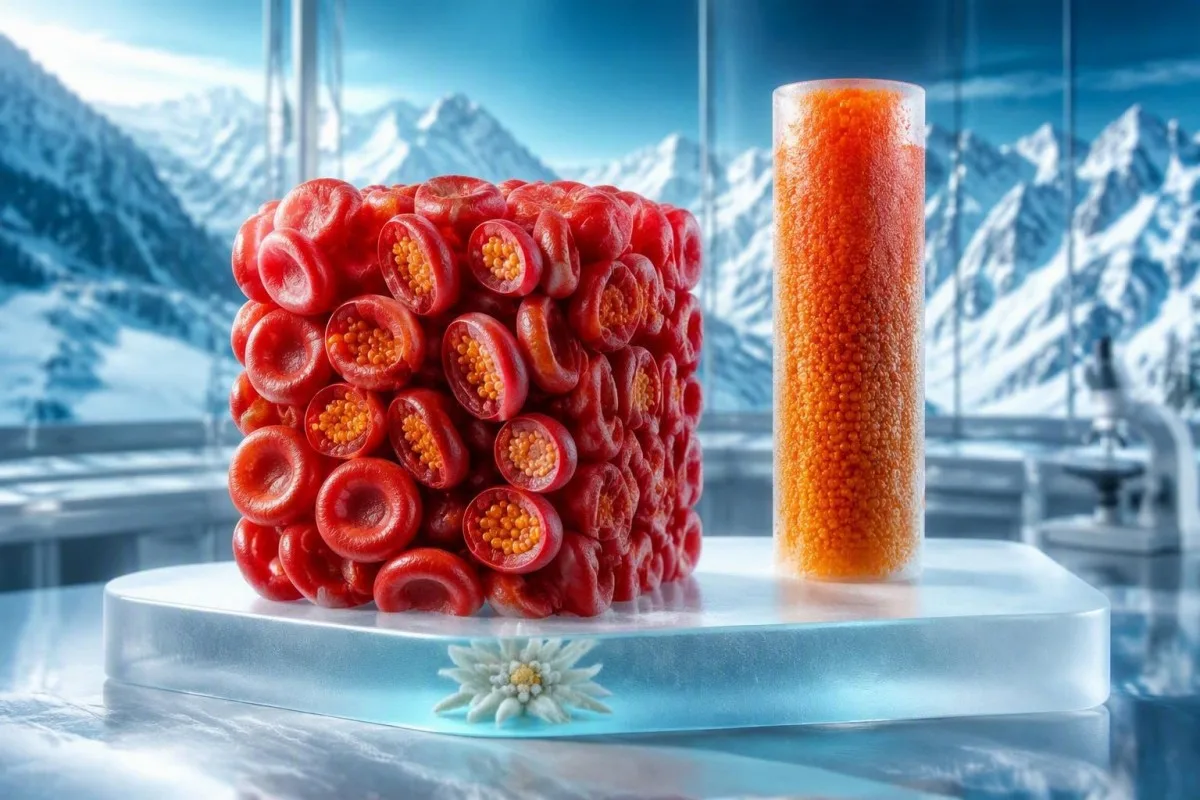
Hematokrit eritrositlərin qan həcminin payını, hemoglobin isə onların oksigen daşıyan zülalını ölçür. Onlar adətən birlikdə gedir, lakin istisnalar klinik cəhətdən faydalı ola bilər.


- Hematokrit qırmızı qan hüceyrələrindən ibarət bütün qan həcminin faizidir; qadınlar üçün tipik yetkinlik həddi təxminən 36-46%, kişilər üçün isə 41-53%-dir.
- Hemoqlobin Oksigen daşıyan zülalın konsentrasiyasıdır, adətən hamilə olmayan qadınlar üçün təxminən 12.0-15.5 q/dL, kişilər üçün isə 13.5-17.5 q/dL-dir.
- Üçqat qayda hematokriti q/dL-də hemoglobinin təxminən üç misli kimi qiymətləndirir; daha böyük fərq dəyişmiş hüceyrə ölçüsü, lipemiya, soyuq aqqlütininlər və ya analitik problem siqnal verə bilər.
- Normal hemoglobin ilə aşağı hematokrit tez-tez makrositoz, hidrasiya və ya klinik cəhətdən əhəmiyyətli anemiya əvəzinə həddi-bulud hesablaması fərqini əks etdirir.
- Yüksək hematokritin səbəbləri susuzluq, yüksəkliyə məruz qalma, siqaretlə əlaqəli hipoksiya, yuxu apnesi, testosteron terapiyası və daha az hallarda polisitemiya vera daxildir.
- Təqib həddi kişilərdə 16.5 q/dL və ya qadınlarda 16.0 q/dL-dən yuxarı hemoglobin, xüsusən də yüksəlmiş hematokrit və aşağı eritropoetin ilə daha güclüdür.
- Təcili simptomlar döş ağrısı, huşun itirilməsi, yeni çaşqınlıq, istirahət zamanı nəfəs darlığı, qara nəcis və ya davamlı ağır qanaxma kimi hallar CBC rəqəmindən asılı olmayaraq təcili şəxsən qayğı tələb edir.
Hematokrit və hemoglobin əslində nə ölçür
Hematokrit vs hemoqlobin həcm müqayisəsi və ya zülal: hematokrit tam qanın bir borusunda qırmızı qan hüceyrələrinin tutduğu nisbətdir, hemoqlobin isə qanın desilitrinə oksigen daşıyan zülalın qramıdır. Hər ikisi qırmızı qan hüceyrəsi kütləsinə bağlı olduğundan, onlar ümumiyyətlə paralel hərəkət edirlər, lakin onlar dəyişilə bilməz.
Əksər laboratoriyalar hematokriti faiz, hemoqlobini isə q/dl olaraq bildirirlər. 14.0 q/dl hemoqlobin və 42%-ə yaxın hematokrit, yetkin bir insanda adi uyğun cütlükdür, baxmayaraq ki, laboratoriyanın öz intervalı yozmağı idarə edir. Hematokrit sentrifuqasiyadan sonra ölçülə bilər və ya qırmızı qan hüceyrələrinin sayı və orta hüceyrə həcmindən hesablanıla bilər, halbuki müasir analizatorlar hüceyrə elementlərini parçaladıqdan sonra hemoqlobini fotometrik olaraq ölçürlər.
Praktik fərq oksigen daşımasıdır. Hemoqlobin oksigen daşıyır, hematokrit isə özlülüyə təsir edir və bizə qırmızı qan hüceyrələrinin nə qədər yer tutduğunu bildirir; buna görə də bir insan normal hemoqlobinə, lakin qırmızı qan hüceyrələrinin ölçüsü dəyişdikdə bir qədər qeyri-adi hematokritə sahib ola bilər. Geniş CBC lüğəti üçün bizim CBC komponentləri üzrə bələdçimiz MCV, MCH və RDW-nin harada yerləşdiyini göstərir.
14 sentyabr 2026-cı il tarixinə qədər, mən hələ də xəstələrin bu dəyərlərdən birinin diapazondan kənarda bir fraksiya olması səbəbindən “anemik” olduqlarına dair məlumat aldıqlarını görürəm. Dr. Thomas Klein-in yanaşması daha az dramatikdır: hemoqlobinin yaş, cins, hamiləlik vəziyyəti və hündürlüyə görə aşağı olub olmadığını təsdiqləyin, sonra hematokriti MCV, RDW, retikulositlər, simptomlar və əvvəlki CBC ilə yanaşı oxuyun.
Eyni CBC niyə hər ikisini ehtiva edir
Bir CBC hər iki testi bildirir, çünki hər biri fərqli bir uyğunsuzluğu tutur. Hemoqlobin ümumiyyətlə anemiyanı təyin etmək üçün daha birbaşa göstəricidir, hematokrit isə maye balansına və qırmızı qan hüceyrələrinin həcminə dair ipucları əlavə edə bilər.
İstinad diapazonları və üçqatın faydalı qaydası
Yetkinlərdə hemoqlobin qadınlarda təxminən 12.0-15.5 q/dl, kişilərdə isə 13.5-17.5 q/dl, hematokrit isə müvafiq olaraq 36-46% və 41-53% arasında olur. Hemoqlobinin təxminən üç qatı hematokrit faydalı etibarlılıq yoxlamasıdır, diaqnoz deyil.
“Üç qaydası” o deməkdir ki, 12 q/dl hemoqlobin tez-tez 36% ətrafında hematokrit, 15 q/dl hemoqlobin isə 45% ətrafında hematokrit ilə cütləşir. MCV çox aşağı və ya yüksək olduqda, trigliseridlər əhəmiyyətli dərəcədə yüksək olduqda və ya soyuq nümunədə qırmızı qan hüceyrələri yığıldıqda daha az etibarlı olur. Mən bunu laboratoriya sualını vermək üçün sürətli bir işarə kimi istifadə edirəm, bildirilən nəticəyə əvəz kimi deyil.
ÜST-ün 2024-cü il üzrə təlimatları hamilə olmayan qadınlarda anemiyanı 12.0 q/dl-dən aşağı hemoqlobin, kişilərdə isə 13.0 q/dl-dən aşağı hemoqlobin kimi müəyyən edir, hamiləlik, siqaret çəkmə və hündürlük üçün tənzimləmələr edilir. Hematokrit hədləri laboratariyadan laboratariyaya daha çox dəyişir, bu da həkimlərin adətən anemiya qərarlarını universal hematokrit kəsimindən (ÜST, 2024) daha çox hemoqlobinə əsaslandırmasının bir səbəbidir.
Kantesti bir AI qan testi analizatoru bu, qırmızı bayrağı bir qərar kimi qəbul etmək əvəzinə, hemoqlobin, hematokrit, MCV, MCHC və əvvəlki nəticələri bir CBC nümunəsi kimi yoxlayır. Bu nümunə-birinci baxış, fərqli laboratuvarlar bir qədər fərqli intervallardan istifadə etdikdə xüsusilə faydalıdır; necə cinsə görə laboratoriya diapazonları fərqlənir.
Niyə bu iki dəyər adətən birlikdə yüksəlir və ya enir
Hemoglobin and hematocrit usually fall together in iron deficiency, blood loss, kidney-related anemia, and bone-marrow suppression because each reflects reduced circulating red-cell mass. They usually rise together when plasma volume contracts or red-cell production increases.
A 1-litre saline infusion can lower both hemoglobin and hematocrit within hours through dilution without destroying a single red cell. Conversely, vomiting, diarrhoea, fever, diuretics, or a hard endurance event with inadequate fluid replacement can concentrate both values temporarily. That is why I ask about fluid intake, recent illness, and timing before labeling a mildly high result as disease.
True anemia develops when red-cell production cannot keep pace with loss or destruction. Iron deficiency often first lowers ferritin and transferrin saturation, then reduces MCV and hemoglobin; hematocrit follows. Camaschella’s New England Journal of Medicine review explains why iron deficiency must be traced to intake, menstrual loss, gastrointestinal loss, absorption, or inflammation rather than simply treated with tablets (Camaschella, 2015).
A high hemoglobin plus high hematocrit deserves a different branch of reasoning. The high RBC count and dehydration guide explains why repeating a CBC after normal hydration can separate hemoconcentration from sustained erythrocytosis in many otherwise well adults.
Niyə hematokrit və hemoglobin razılaşmaya bilər
A meaningful hematocrit-hemoglobin mismatch usually points to altered red-cell size, altered plasma composition, or a measurement artifact rather than two unrelated illnesses. The fastest clue is whether MCV, MCHC, RDW, and the sample quality flags support the result.
Because calculated hematocrit equals red-cell count multiplied by MCV, unusually large cells can raise hematocrit relative to hemoglobin. Macrocytosis from vitamin B12 deficiency, folate deficiency, alcohol exposure, liver disease, hypothyroidism, or certain medicines may therefore make the ratio look “off” before hemoglobin becomes frankly low. An MCV above 100 fL warrants context, especially when RDW is also rising.
Very small cells can produce the opposite impression: a relatively low hematocrit with hemoglobin that is less reduced than expected. Iron deficiency and thalassemia trait commonly produce microcytosis, but ferritin, transferrin saturation, family history, and red-cell count distinguish the patterns better than MCV alone. Our low MCV follow-up guide lays out that decision point.
Laboratory artifacts are real. Severe lipemia may falsely increase measured hemoglobin, while cold agglutinins can distort red-cell count, MCV, and calculated hematocrit until the specimen is warmed and rerun. A mismatch that appears suddenly, with no clinical explanation, merits a repeat sample or laboratory review before extensive testing.
Normal hemoglobin ilə aşağı hematokrit: ümumi izahatlar
Normal hemoglobin ilə aşağı hematokrit is most often a mild calculation or volume issue, but persistent discordance should prompt review of MCV, MCHC, red-cell count, and hydration. It does not automatically mean hidden bleeding or anemia.
A simple example is hemoglobin 13.2 g/dL with hematocrit 38% in an adult whose laboratory lower limit is 39%. If MCV is 102 fL and RDW is elevated, macrocytosis is more informative than the isolated hematocrit flag. In my clinic, I would review alcohol intake, thyroid function, liver enzymes, B12, folate, and medicines such as hydroxyurea, methotrexate, or antiseizure treatment rather than rush to iron.
Overhydration can lower hematocrit by expanding plasma volume, especially after intravenous fluids, pregnancy, endurance exercise, or compulsive water intake. A fall of 2-3 percentage points after a large fluid load can be physiological dilution; it should recover as fluid balance normalizes. Pregnancy requires pregnancy-specific intervals, because plasma volume expands more than red-cell mass.
Kantesti-nin AI qan analizi nəticələrinin şərhi platforması flags low hematocrit with normal hemoglobin as a pattern to contextualize, not a diagnosis to self-treat. If iron markers are needed, compare ferritin with transferrin saturation using our dəmir tədqiqatları üzrə istinad bələdçisi and discuss the result with a clinician.
Niyə hər iki aşağı dəyər anemiya göstərir
Low hemoglobin and low hematocrit together usually indicate anemia or dilution, and the next decisive tests are MCV, reticulocyte count, ferritin, kidney function, and a focused bleeding history. Symptoms and speed of change matter more than a single borderline value.
Hemoglobin below 8 g/dL often causes exertional breathlessness, tachycardia, dizziness, or chest discomfort, although chronic anemia can be tolerated better than an abrupt fall. A value below 7 g/dL is a common restrictive transfusion threshold for stable hospitalized adults, but active bleeding, heart disease, symptoms, and local protocols change that decision. This is hospital medicine, not a threshold for home management.
Reticulocytes show whether marrow response is appropriate. High reticulocytes with falling hemoglobin suggest blood loss or hemolysis; low or inappropriately normal reticulocytes suggest underproduction from iron deficiency, kidney disease, inflammation, B12/folate deficiency, medications, or marrow disorders. The retikulosit sayımı üzrə bələdçi explains how an immature reticulocyte fraction adds timing information.
Dr. Thomas Klein advises same-day assessment for low CBC values accompanied by fainting, breathlessness at rest, chest pain, black tarry stools, vomiting material that resembles coffee grounds, or heavy ongoing menstrual or gastrointestinal bleeding. Anemia itself is a finding; the underlying cause determines the safe next step.
Yüksək hematokrit səbəbləri: konsentrasiya, hipoksiya və ya həddindən artıq istehsal
High hematocrit causes fall into three useful groups: reduced plasma volume, chronic low-oxygen signaling, and autonomous marrow overproduction. A repeat CBC when well hydrated separates many transient results from sustained erythrocytosis.
Dehydration is the commonest reversible explanation for a modest rise, particularly when urea, albumin, and urine specific gravity are also concentrated. Smoking, obstructive sleep apnea, chronic lung disease, cyanotic heart disease, high-altitude residence, and testosterone therapy can raise erythropoietin-driven red-cell production. Even a few nights of severe sleep-apnea hypoxia may complicate interpretation, though it rarely explains a dramatic isolated value alone.
Persistent hemoglobin above 16.5 g/dL in men or 16.0 g/dL in women meets one World Health Organization major criterion used in evaluating polycythemia vera. The diagnosis still requires clinical assessment and usually JAK2 mutation testing, erythropoietin level, and sometimes marrow evaluation; it cannot be made from hematocrit alone. Barbui et al. (2018) emphasize thrombosis prevention and risk-based treatment once a myeloproliferative neoplasm is confirmed.
For a deeper differential, read our high hematocrit causes article və polycythemia testing pathway. A persistent result is worth a routine appointment even when you feel completely well.
Niyə yüksəlmiş nəticə təcili tibbi yardım tələb edir
A high hematocrit needs urgent evaluation when it occurs with new neurologic symptoms, chest pain, shortness of breath, one-sided leg swelling, visual change, or a previous clot. The number alone does not predict danger perfectly, but hematocrit near or above 55% is not a result I would leave unreviewed.
Blood becomes more viscous as hematocrit rises, although the relationship is nonlinear and individual risk differs. In confirmed polycythemia vera, the CYTO-PV trial found fewer cardiovascular deaths and major thromboses when hematocrit was maintained below 45% than when it was allowed in the 45-50% range (Marchioli et al., 2013). That trial does not mean every person with dehydration needs venesection.
Headache, facial flushing, fatigue, and itch after a warm shower are sometimes reported in polycythemia vera, but they are nonspecific. More concerning is a new focal neurologic deficit, sudden severe headache, altered speech, collapse, or acute breathlessness; these require emergency services rather than a repeat test next week. Do not donate blood or start aspirin solely because an app or one CBC is high.
Kantesti AI uses trend analysis to distinguish a one-off concentration effect from a recurrent pattern, but our output is educational and cannot replace urgent assessment. Our tibbi validasiya çərçivəmiz describes why clinically significant flags are designed for follow-up, not self-diagnosis.
Boşluğu izah edən CBC göstəriciləri
MCV, MCHC, RDW, and the red-cell count often explain a hematocrit-hemoglobin disagreement better than either headline number. MCV measures average red-cell volume, MCHC estimates hemoglobin concentration inside cells, and RDW measures size variation.
An MCV below 80 fL is microcytosis in most adult laboratories, while an MCV above 100 fL is macrocytosis. Low MCV plus low ferritin strongly supports iron deficiency; low MCV with a relatively high red-cell count and normal iron stores makes thalassemia trait more plausible. Neither pattern should be inferred from hematocrit alone.
MCHC is normally roughly 32-36 g/dL in many laboratories. A genuinely high MCHC is uncommon and can occur with spherocytes, but cold agglutinins, sample issues, and lipemia are more frequent explanations for a surprising value. Our high MCHC interpretation guide explains why a smear or redraw may be more useful than anxiety.
RDW often rises early during iron deficiency and can temporarily increase after iron treatment as new cells differ in size from older cells. That mixed-cell population may make ratios untidy for several weeks, which is why a CBC trend and RDW nümunə bələdçimiz can be more informative than a snapshot.
Hamiləlik, yüksəklik və məşq təfsirini dəyişir
Pregnancy, high-altitude exposure, and endurance training can shift hematocrit and hemoglobin without representing the same disease process. The correct reference interval depends on physiology, timing, and whether the change is stable or progressive.
During pregnancy, plasma volume expands by roughly 40-50%, while red-cell mass rises less; hemoglobin and hematocrit commonly fall through dilution. WHO uses hemoglobin below 11.0 g/dL in the first and third trimesters and below 10.5 g/dL in the second trimester to define anemia, though local maternity pathways may vary. Ferritin is especially useful when anemia is suspected.
At altitude, lower oxygen pressure stimulates erythropoietin and raises hemoglobin over days to weeks. WHO specifically recommends altitude adjustment when interpreting anemia prevalence, and individual clinical care should also consider how long someone has lived or trained at elevation. A blood draw 24 hours after a mountain race can be more affected by dehydration than true acclimatization.
Endurance athletes may have “sports anemia,” meaning plasma-volume expansion lowers concentration measures despite normal or increased total red-cell mass. I usually pair CBC results with ferritin, transferrin saturation, diet, menstrual history, and training load; our dözümlülük idmançısı üçün qan analizi bələdçisi covers RED-S warning patterns.
Testosteron, siqaret çəkmə və yuxu apnesi xüsusi suallara layiqdir
Testosterone therapy, tobacco exposure, and untreated obstructive sleep apnea can raise hemoglobin and hematocrit through different pathways, so a generic “high red cells” explanation is not enough. Medication timing and oxygen status are often more revealing than another iron panel.
Exogenous testosterone stimulates erythropoiesis, and many prescribing protocols intervene when hematocrit reaches 54% or rises rapidly from baseline. The exact response may include dose adjustment, route change, temporary cessation, or assessment for sleep apnea and other contributors; it should be managed by the prescribing clinician. Injectable formulations can produce larger peak-and-trough effects than some transdermal regimens.
Smoking can elevate carboxyhemoglobin and reduce oxygen delivery, which may stimulate erythropoietin over time. Pulse oximetry can look deceptively normal in carbon monoxide exposure because standard devices cannot reliably distinguish oxyhemoglobin from carboxyhemoglobin. That little detail is easy to miss in a remote review.
Kantesti bir Süni intellektlə işləyən qan testi analizi aləti that incorporates declared medicines and prior CBCs when it identifies a high-result pattern. If a new high result follows a medication change, record the dose, route, start date, smoking status, and sleep symptoms before your appointment; our slightly high hemoglobin guide can help organize the questions.
Razılıq pozğunluğunu təqlid edən pre-analitik və analizator məsələləri
Poor mixing, delayed processing, cold agglutinins, lipemia, and recent intravenous fluids can create a hematocrit-hemoglobin mismatch that is not biologically real. A laboratory comment, delta check, and repeat properly handled sample are often the safest first response.
CBC samples are collected in EDTA tubes, which must be adequately mixed and processed within the laboratory’s validated stability window. Cellular swelling with prolonged storage can raise MCV and calculated hematocrit, while hemolysis or turbidity can interfere with photometric hemoglobin methods. These are uncommon but matter when the result conflicts with the person in front of you.
A delta check compares a current value with prior results and alerts laboratories to abrupt, implausible movement. A hematocrit falling from 45% to 32% overnight without symptoms, fluid administration, bleeding, or an accompanying hemoglobin shift deserves verification before anyone pursues invasive testing. Our delta-check izahı describes how this safety process works.
Dr. Thomas Klein has seen cold agglutinin cases where warming the sample corrected a bizarre MCV and hematocrit within the same day. The lesson is reassuring but not dismissive: unusual patterns should be confirmed, and genuine anemia or hemolysis still needs a clinician-led evaluation.
Qeyri-adi CBC nümunəsi üçün praktik təqib planı
A sensible follow-up plan starts by confirming the result, then uses the pattern to choose targeted tests rather than ordering everything. For mild, symptom-free abnormalities, repeat CBC timing is often 2-8 weeks depending on the suspected cause and clinical history.
For low hemoglobin or hematocrit, ask whether MCV is low, normal, or high. Low MCV often leads to ferritin and transferrin saturation; normal MCV may lead to reticulocytes, kidney function, CRP, and bleeding review; high MCV may lead to B12, folate, TSH, liver tests, medication review, and sometimes a blood film. A clinician should tailor this list to age and symptoms.
For high values, repeat the CBC when normally hydrated and not immediately after intense exercise, vomiting, diarrhoea, or a long flight. If elevation persists, clinicians commonly assess oxygen saturation, smoking/carbon monoxide exposure, sleep-apnea risk, testosterone or diuretic use, erythropoietin, and JAK2 testing where indicated. The erythropoietin result guide explains why a low level shifts concern toward autonomous marrow production.
Kantesti AI interprets hematocrit and hemoglobin through trends, indices, and linked results in about 60 seconds after a report upload. Our AI texnologiyası üzrə bələdçi explains the workflow, while your own clinician remains the right person to examine you and decide on testing.
Bu nəticələri nəzərdən keçirən klinisiyə nə aparmaq lazımdır
The most useful appointment preparation is a timeline: prior CBCs, recent illnesses, hydration, altitude, exercise, menstrual or gastrointestinal loss, medicines, supplements, and family history. Those details often explain more than one extra decimal point on hematocrit.
Bring at least two prior CBCs when possible, including the laboratory reference ranges. A stable hematocrit of 48% over five years in a high-altitude resident is a different problem from a new rise from 42% to 52% in six months. The qan analizi dəyişiklik bələdçimiz explains why normal biological variation can still move a result modestly.
Write down supplements, especially iron, B12, folate, testosterone-related products, diuretics, and high-dose zinc. Excess zinc can cause copper deficiency and anemia over time, while iron taken shortly before testing may alter serum iron without correcting underlying stores. Our zinc and copper anemia guide covers that less obvious connection.
Kantesti-nin tibbi məzmunu bizim Tibbi Məsləhət Şurası, but no online interpretation can assess pallor, heart rate, oxygenation, spleen size, or active bleeding. If symptoms are substantial or the CBC changes quickly, seek in-person care rather than waiting for a perfect data set.
Təqibə ən çox səbəb ola biləcək CBC nümunələri
Follow-up is most warranted for persistent low hemoglobin, a fast CBC change, high hemoglobin with high hematocrit, abnormal MCV or RDW, additional low cell lines, or symptoms that fit anemia, clotting, or bleeding. A single slight hematocrit deviation with normal hemoglobin and indices is often rechecked rather than treated.
A hemoglobin below 12.0 g/dL in a non-pregnant adult woman or below 13.0 g/dL in an adult man meets WHO anemia criteria and merits cause-focused evaluation when confirmed. The concern increases when MCV is below 80 fL or above 100 fL, RDW rises, platelets or white cells are also abnormal, or the result has changed materially from baseline. This is where a CBC becomes a pattern, not a list of flags.
Persistent hemoglobin above 16.0 g/dL in women or 16.5 g/dL in men, particularly with hematocrit above 48% or 49% respectively, warrants assessment for secondary erythrocytosis and occasionally polycythemia vera. Clinicians disagree on exactly when to initiate molecular testing in low-risk people, so context matters more than one cutoff. Symptoms, duration, smoking, oxygenation, and medication exposure refine the decision.
The bottom line from Dr. Thomas Klein: hematocrit versus hemoglobin is rarely a contest over which value is “right.” Hemoglobin usually defines anemia more directly; hematocrit and the indices explain why it happened. For safe trend review and source-aware interpretation, see Kantesti’s clinical standards.
Tez-tez verilən suallar
Hemoglobin normal olanda hematokrit aşağı ola bilərmi?
Bəli. Normal hemoglobin ilə aşağı hematokrit, MCV dəyişdikdə, plazma həcmi genişləndikdə və ya fərq laboratoriya kənar həddinə yaxın olduqda baş verə bilər. Məsələn, 38%-lik hematokrit ilə 13,2 q/dl hemoglobin klinik olaraq kiçik ola bilər, lakin 100 fL-dən yuxarı və ya 80 fL-dən aşağı MCV-nin dəyişməsi izləməni dəyişir. Davamlı uyğunsuzluq qırmızı qan hüceyrələrinin sayı, MCV, MCHC, RDW, hidrasiya tarixi və əvvəlki CBC-lər ilə nəzərdən keçirilməlidir. Bu, özlüyündə qanaxma və ya dəmir defisiti sübut etmir.
Anemiya üçün hansı daha dəqiqdir, hematokrit yoxsa hemoglobin?
Qan azqanallığını təyin etmək üçün hemoglobin ümumiyyətlə üstünlük verilən ölçü vahididir, çünki o, birbaşa oksigen daşıyan zülalın konsentrasiyasını ölçür. ÜST 2024 kənar dəyərləri hamilə olmayan qadınlarda 12.0 q/dl, kişilərdə isə 13.0 q/dl-dən aşağı qan azqanallığını müəyyən edir, hamiləlik üçün ayrıca tənzimləmələr mövcuddur. Hematokrit hələ də dəyərlidir, çünki o, qırmızı qan hüceyrələrinin həcmini əks etdirir və durulaşma və ya hüceyrə ölçüsü təsirlərini ortaya çıxara bilər. Klinisyenlər MCV və retikulositlərlə birlikdə hər ikisini şərh edirlər.
Yüksək hematokrit və yüksək hemoqlobin birlikdə nəyə səbəb olur?
Yüksək hematokrit və hemoglobin birlikdə ən çox dehidrasiya, siqaret çəkmə, yuxu apnesi, xroniki oksigen çatışmazlığı, yüksək hündürlük və ya testosteron terapiyasından qaynaqlanır. Kişilərdə 16.5 q/dl-dən, qadınlarda isə 16.0 q/dl-dən yuxarı davam edən hemoglobin eritrositoz üçün qiymətləndirməni, o cümlədən oksigen statusunu, eritropoietini və bəzən JAK2 testini tələb edə bilər. Polisitemiya vera daha az yaygındır, lakin hematokrit yüksək qaldıqda qan laxtalanması riski artdığı üçün klinik cəhətdən əhəmiyyətlidir. Simptomlar olmadıqda, normal rehidratasiya edildikdə təkrarlanan CBC adətən ilk addımdır.
Hematokrit hemoglobinin üç qatıdırmı?
Hematokrit adətən hemoglobinin təxminən üç mislidir, hemoglobin g/dl-də ifadə edildikdə, buna görə də 14 q/dl hemoqlobin ümumiyyətlə 42% yaxın hematokritlə cütləşir. Bu, normal test deyil, təxmin qaydasıdır. Mikrositoz, makrositoz, soyuq aqqlütininləri, lipemiya və analizator üsulları bu əlaqəni daha az dəqiq edə bilər. Davamlı fərq MCV, MCHC, RDW və nümunə keyfiyyətinin yoxlanılmasına səbəb olmalıdır.
Hansı hematokrit səviyyəsində təcili yardım almalıyam?
Həcmli qanın 55%-i və ya daha yüksək hematokrit, xüsusilə davamlı olarsa və ya kişilərdə 16.5 q/dl, qadınlarda isə 16.0 q/dl-dən yuxarı hemoqlobini ilə müşayiət olunarsa, təcili tibbi müayinə tələb etməlidir. Dəqiq hematokritdən asılı olmayaraq, sinə ağrısı, ani nəfəs darlığı, huşunu itirmə, bədənin bir tərəfində zəiflik, yeni danışıq çətinliyi, şiddətli baş ağrısı və ya görmə itkisi üçün dərhal təcili yardım axtarın. Qan laxtalanması hadisəsindən sonra sürətlə yüksəlmişsə və ya baş veribsə, daha aşağı dəyər də təcili ola bilər. Yüksək nəticəni aspirinlə özbaşına müalicə etməyin və ya tibbi məsləhət olmadan qan verməyin.
Susuzluq hemoqlobini deyil, hematokriti yüksəldə bilərmi?
Susuzluq adətən hemotokrit və hemoqlobinin hər ikisini yüksəldir, çünki daha az plazma qan dövranındakı qırmızı qan hüceyrəsi komponentlərini qatılaşdırır. Hemotokrit qismən qırmızı qan hüceyrələrinin sayı və MCV-dən, hemoqlobin isə fərqli bir üsulla ölçüldüyü üçün kiçik uyğunsuzluqlar baş verə bilər. Qusma, ishal, diüretiklər, hərarət və güclü məşq qısaömürlü konsentrasiya təsirləri yarada bilər. Bir testə əsaslanmaqdansa, normal maye qəbulu və bərpaedildikdən sonra CBC-nin təkrarlanması çox vaxt daha məlumatlıdır.
Bu gün AI ilə gücləndirilmiş qan analizi nəticələrinin şərhini əldə edin
Ani və dəqiq laborator analiz şərhinə güvənən dünya üzrə 2 milyondan çox istifadəçiyə qoşulun. Qan analizinin nəticələrini yükləyin və bir neçə saniyəyə 15,000+ biomarkerlərinin hərtərəfli şərhini alın.
📚 İstinad edilən tədqiqat nəşrləri
Klein, T., Mitchell, S., & Weber, H. (2026). Urobilinogen in Urine Test: Complete Urinalysis Guide 2026. Zenodo. https://doi.org/10.5281/zenodo.18226379. ResearchGate: https://www.researchgate.net/ Academia.edu: https://www.academia.edu/. Kantesti AI Tibbi Tədqiqatlar.
Klein, T., Mitchell, S., & Weber, H. (2026). Iron Studies Guide: TIBC, Iron Saturation & Binding Capacity. Zenodo. https://doi.org/10.5281/zenodo.18248745. ResearchGate: https://www.researchgate.net/ Academia.edu: https://www.academia.edu/. Kantesti AI Tibbi Tədqiqatlar.
📖 Xarici Tibbi İstinadlar
Dünya Səhiyyə Təşkilatı (2024). Fərdlərdə və populyasiyalarda anemiyanı müəyyən etmək üçün hemoglobin kəsim nöqtələri üzrə təlimat. Dünya Səhiyyə Təşkilatı.
⚕️ Tibbi Məsuliyyətdən İmtina
Bu məqalə yalnız təhsil məqsədlidir və tibbi məsləhət təşkil etmir. Diaqnoz və müalicə qərarları üçün həmişə ixtisaslı səhiyyə işçisi ilə məsləhətləşin.
E-E-A-T Etibar Siqnalları
Təcrübə
Həkim rəhbərliyi ilə laborator şərh iş axınlarının klinik icmalı.
Ekspertiza
Biomarkerlərin klinik kontekstdə necə davrandığına dair laboratoriya təbabəti diqqəti.
Səlahiyyətlilik
Dr. Thomas Klein tərəfindən yazılıb; Dr. Sarah Mitchell və Prof. Dr. Hans Weber tərəfindən nəzərdən keçirilib.
Etibarlılıq
Aydın izləmə yolları ilə həyəcanı azaltmağa yönəlmiş sübuta əsaslanan şərh.