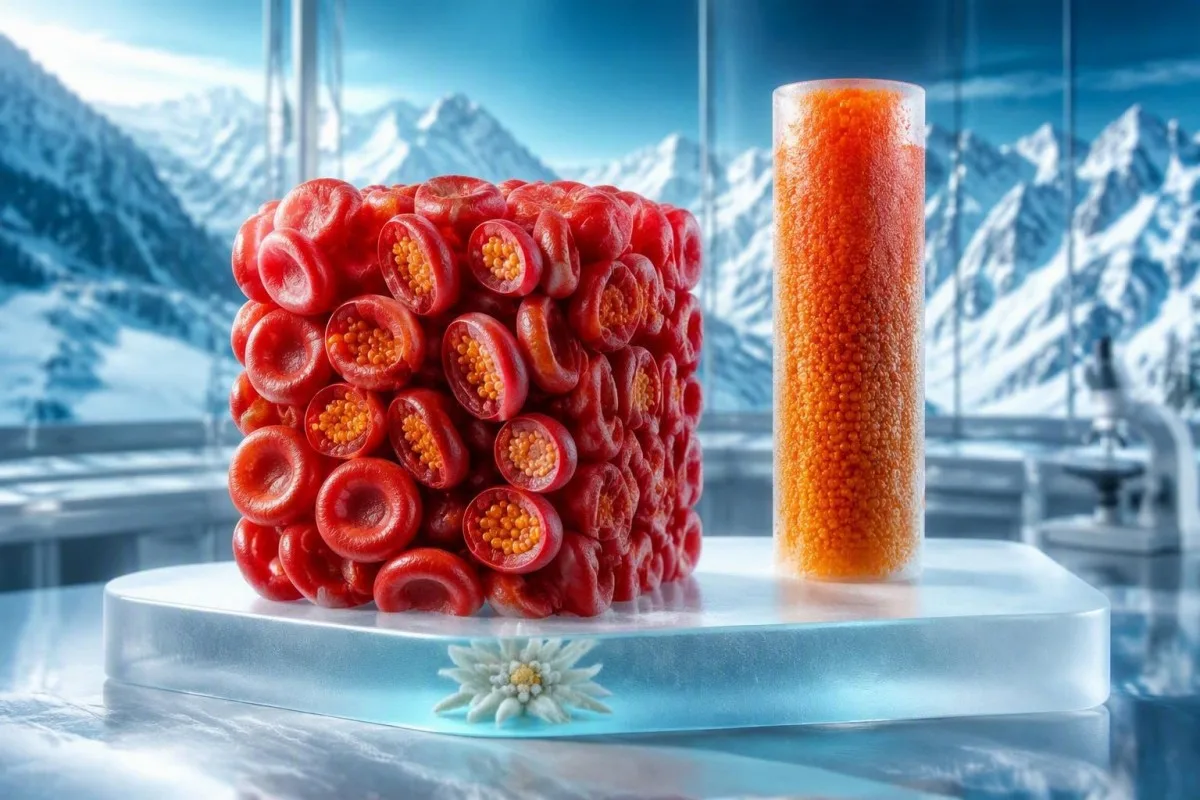
ภาวะฮีมาโตคริตวัดสัดส่วนปริมาตรเลือดที่ประกอบด้วยเซลล์เม็ดเลือดแดง ฮีโมโกลบินวัดโปรตีนที่ขนส่งออกซิเจนของเซลล์เหล่านี้ โดยปกติแล้วทั้งสองค่าจะเปลี่ยนแปลงไปด้วยกัน แต่ข้อยกเว้นสามารถมีประโยชน์ทางการแพทย์ได้.


- ហេម៉ាតូគ្រីត คือร้อยละของปริมาตรเลือดทั้งหมดที่ประกอบด้วยเซลล์เม็ดเลือดแดง ช่วงปกติของผู้ใหญ่ทั่วไปอยู่ที่ประมาณ 36-46% สำหรับสตรี และ 41-53% สำหรับบุรุษ.
- អេម៉ូក្លូប៊ីន คือความเข้มข้นของโปรตีนขนส่งออกซิเจน โดยทั่วไปประมาณ 12.0-15.5 g/dL สำหรับสตรีที่ไม่ตั้งครรภ์ และ 13.5-17.5 g/dL สำหรับบุรุษ.
- กฎสามส่วน ประมาณการฮีมาโตคริตเป็นประมาณสามเท่าของฮีโมโกลบินในหน่วย g/dL ความแตกต่างที่ใหญ่ขึ้นอาจบ่งชี้ถึงขนาดเซลล์ที่เปลี่ยนแปลง ภาวะไขมันในเลือดสูง สารจับตัวเย็น หรือปัญหาในการวิเคราะห์.
- ภาวะฮีมาโตคริตต่ำร่วมกับฮีโมโกลบินปกติ มักสะท้อนถึงภาวะเซลล์เม็ดเลือดแดงมีขนาดใหญ่ ภาวะขาดน้ำ หรือความแตกต่างของการคำนวณที่ชายแดน มากกว่าภาวะโลหิตจางที่มีนัยสำคัญทางการแพทย์.
- មូលហេតុនៃ HCT ខ្ពស់ รวมถึงภาวะขาดน้ำ การสัมผัสระดับความสูง ภาวะขาดออกซิเจนที่เกี่ยวข้องกับการสูบบุหรี่ ภาวะหยุดหายใจขณะหลับ การบำบัดด้วยเทสโทสเตอโรน และน้อยกว่านั้นคือภาวะเลือดข้นจากไขกระดูก (polycythemia vera).
- เกณฑ์การติดตามผล แข็งแกร่งขึ้นเมื่อฮีโมโกลบินสูงอย่างต่อเนื่องเกิน 16.5 g/dL ในบุรุษ หรือ 16.0 g/dL ในสตรี โดยเฉพาะอย่างยิ่งเมื่อมีภาวะฮีมาโตคริตสูงและระดับ erythropoietin ต่ำ.
- រោគសញ្ញាបន្ទាន់ ដូចជា ឈឺទ្រូង វិលមុខ ភាន់ភ្នែក ថប់ដង្ហើមពេលសម្រាក លាមកខ្មៅ ឬហូរឈាមច្រើនមិនឈប់ ត្រូវតែទៅជួបគ្រូពេទ្យផ្ទាល់ជាបន្ទាន់ ដោយមិនគិតលេខ CBC នោះទេ។.
ภาวะฮีมาโตคริตและฮีโมโกลบินวัดอะไรกันแน่
ម៉ាស់ឈាមក្រហម ទល់នឹង អេម៉ូក្លូប៊ីន គឺជាការប្រៀបធៀបបរិមាណ ទល់នឹង ប្រូតេអ៊ីន៖ ម៉ាស់ឈាមក្រហម គឺជាសមាមាត្រនៃបំពង់ឈាមទាំងមូល ដែលកាន់កាប់ដោយកោសិកាឈាមក្រហម ខណៈពេលដែលអេម៉ូក្លូប៊ីន គឺជាក្រាមនៃប្រូតេអ៊ីនដែលភ្ជាប់អុកស៊ីសែន ក្នុងមួយដេស៊ីលីត្រនៃឈាម។ ជាធម្មតាពួកវាផ្លាស់ទីស្របគ្នា ដោយសារតែទាំងពីរពឹងផ្អែកលើម៉ាស់កោសិកាឈាមក្រហម ប៉ុន្តែវាមិនអាចជំនួសគ្នាបានទេ។.
មន្ទីរពិសោធន៍ភាគច្រើនរាយការណ៍ អំពីម៉ាស់ឈាមក្រហម ជាភាគរយ និងអេម៉ូក្លូប៊ីន ជា g/dL។ អេម៉ូក្លូប៊ីន 14.0 g/dL និងម៉ាស់ឈាមក្រហមជិត 42% គឺជាគូដែលត្រូវគ្នាជាប្រពៃណី ចំពោះមនុស្សពេញវ័យ ទោះបីជាចន្លោះប្រវត្តិរូបផ្ទាល់របស់មន្ទីរពិសោធន៍ គ្រប់គ្រងការបកស្រាយ។ ម៉ាស់ឈាមក្រហមអាចត្រូវបានវាស់ បន្ទាប់ពីការវិល centrifugation ឬគណនាពីចំនួនកោសិកាឈាមក្រហម និងបរិមាណកោសិកាជាមធ្យម ខណៈពេលដែលឧបករណ៍វិភាគសម័យទំនើប វាស់អេម៉ូក្លូប៊ីនដោយវិធី photometrically បន្ទាប់ពីបំបែកធាតុ cellular ។.
ភាពខុសគ្នានៃការអនុវត្តន៍ គឺការដឹកជញ្ជូនអុកស៊ីសែន។ អេម៉ូក្លូប៊ីន ដឹកជញ្ជូនអុកស៊ីសែន ខណៈពេលដែលម៉ាស់ឈាមក្រហម ជះឥទ្ធិពលលើ viscosity និងប្រាប់យើងថាកោសិកាឈាមក្រហម យកកន្លែងប៉ុន្មាន។ ដូច្នេះ មនុស្សម្នាក់អាចមានអេម៉ូក្លូប៊ីនធម្មតា ប៉ុន្តែមានម៉ាស់ឈាមក្រហមប្លែកបន្តិច នៅពេលដែលទំហំកោសិកាឈាមក្រហមផ្លាស់ប្តូរ។ សម្រាប់ផ្នែកធំទូលាយនៃវាក្យសព្ទ CBC របស់យើង មគ្គុទ្ទេសក៍អំពីសមាសធាតុ CBC បង្ហាញកន្លែងដែល MCV, MCH, និង RDW ស្ថិតនៅ។.
គិតត្រឹមថ្ងៃទី 14 ខែកញ្ញា ឆ្នាំ 2026 ខ្ញុំនៅតែឃើញអ្នកជំងឺត្រូវបានប្រាប់ថាពួកគេ “ស្លេកស្លាំង” ដោយសារតែតម្លៃមួយក្នុងចំណោមតម្លៃទាំងនេះ គឺក្រៅពីជួរ។ វិធីសាស្រ្តរបស់លោកវេជ្ជបណ្ឌិត Thomas Klein គឺមិនសូវមានលក្ខណៈ dramatic ទេ៖ បញ្ជាក់ថាតើអេម៉ូក្លូប៊ីនទាបសម្រាប់អាយុ ភេទ ស្ថានភាពមានផ្ទៃពោះ និងកម្ពស់หรือไม่ បន្ទាប់មកអានម៉ាស់ឈាមក្រហម រួមជាមួយ MCV, RDW, reticulocytes, រោគសញ្ញា, និង CBC ពីមុន។.
ហេតុអ្វី CBC ដូចគ្នាមានទាំងពីរ
CBC រាយការណ៍ទាំងពីរតេស្ត ដោយសារតែនីមួយៗចាប់បានការមិនសមស្របប្រភេទផ្សេងគ្នា។ ជាទូទៅ អេម៉ូក្លូប៊ីន គឺជាសន្ទស្សន៍ផ្ទាល់ជាងសម្រាប់ការកំណត់ភាពស្លេកស្លាំង ខណៈពេលដែលម៉ាស់ឈាមក្រហមអាចបន្ថែមព័ត៌មានជំនួយអំពីតុល្យភាពសារធាតុរាវ និងបរិមាណកោសិកាឈាមក្រហម។.
ช่วงอ้างอิงและกฎสามส่วนที่ใช้ประโยชน์ได้
អេម៉ូក្លូប៊ីនមនុស្សពេញវ័យ ជាញឹកញាប់ប្រហែល 12.0-15.5 g/dL ចំពោះស្ត្រី និង 13.5-17.5 g/dL ចំពោះបុរស ខណៈពេលដែលម៉ាស់ឈាមក្រហមជាធម្មតាប្រហែល 36-46% និង 41-53% រៀងៗខ្លួន។ ម៉ាស់ឈាមក្រហមជិតបីដងនៃតម្លៃអេម៉ូក្លូប៊ីន គឺជាការត្រួតពិនិត្យភាពសមហេតុផលដ៏មានប្រយោជន៍ មិនមែនជាការធ្វើរោគវិនិច្ឆ័យទេ។.
“ច្បាប់បី” មានន័យថាអេម៉ូក្លូប៊ីន 12 g/dL ជាញឹកញាប់ផ្គូផ្គងជាមួយម៉ាស់ឈាមក្រហមប្រហែល 36% និងអេម៉ូក្លូប៊ីន 15 g/dL ជាមួយម៉ាស់ឈាមក្រហមប្រហែល 45%។ វាក្លាយជាមិនសូវគួរឱ្យទុកចិត្ត នៅពេលដែល MCV ទាបខ្លាំង ឬខ្ពស់ នៅពេលដែល triglycerides កើនឡើងយ៉ាងខ្លាំង ឬនៅពេលដែលកោសិកាឈាមក្រហម agglomerate ក្នុងគំរូត្រជាក់។ ខ្ញុំប្រើវាជាសញ្ញាប្រញាប់ប្រញាល់សម្រាប់ការសួរអំពីសំណួរមន្ទីរពិសោធន៍ មិនមែនជាការជំនួសលទ្ធផលដែលបានរាយការណ៍ទេ។.
មគ្គុទ្ទេសក៍ឆ្នាំ 2024 របស់ WHO កំណត់ភាពស្លេកស្លាំងចំពោះស្ត្រីដែលមិនមានផ្ទៃពោះថាអេម៉ូក្លូប៊ីនក្រោម 12.0 g/dL និងចំពោះបុរសក្រោម 13.0 g/dL ដោយមានការកែតម្រូវសម្រាប់ការមានផ្ទៃពោះ ការជក់បារី និងកម្ពស់។ កម្រិតម៉ាស់ឈាមក្រហមប្រែប្រួលច្រើនតាមមន្ទីរពិសោធន៍ ដែលជាមូលហេតុមួយដែលគ្រូពេទ្យតែងតែសម្រេចចិត្តលើភាពស្លេកស្លាំង ដោយផ្អែកលើអេម៉ូក្លូប៊ីនជាជាងកម្រិតម៉ាស់ឈាមក្រហមជាសកល (WHO, 2024)។.
កាន់តេស្ទី គឺជា ឧបករណ៍វិភាគឈាម AI ដែលពិនិត្យអេម៉ូក្លូប៊ីន ម៉ាស់ឈាមក្រហម MCV, MCHC និងលទ្ធផលពីមុន ក្នុងនាមជាលំនាំ CBC មួយ ជាជាងការចាត់ទុកសញ្ញាព្រមានថាជាការសម្រេច។ ការពិនិត្យលំនាំជាមុននោះ មានប្រយោជន៍ជាពិសេស នៅពេលដែលមន្ទីរពិសោធន៍ផ្សេងៗ ប្រើចន្លោះប្រវត្តិបន្តិចបន្តួច។ សូមមើលពីរបៀប ជួរមន្ទីរពិសោធន៍តាមភេទខុសគ្នា.
เหตุผลที่ค่าทั้งสองมักจะเพิ่มขึ้นและลดลงพร้อมกัน
Hemoglobin and hematocrit usually fall together in iron deficiency, blood loss, kidney-related anemia, and bone-marrow suppression because each reflects reduced circulating red-cell mass. They usually rise together when plasma volume contracts or red-cell production increases.
A 1-litre saline infusion can lower both hemoglobin and hematocrit within hours through dilution without destroying a single red cell. Conversely, vomiting, diarrhoea, fever, diuretics, or a hard endurance event with inadequate fluid replacement can concentrate both values temporarily. That is why I ask about fluid intake, recent illness, and timing before labeling a mildly high result as disease.
True anemia develops when red-cell production cannot keep pace with loss or destruction. Iron deficiency often first lowers ferritin and transferrin saturation, then reduces MCV and hemoglobin; hematocrit follows. Camaschella’s New England Journal of Medicine review explains why iron deficiency must be traced to intake, menstrual loss, gastrointestinal loss, absorption, or inflammation rather than simply treated with tablets (Camaschella, 2015).
A high hemoglobin plus high hematocrit deserves a different branch of reasoning. The high RBC count and dehydration guide explains why repeating a CBC after normal hydration can separate hemoconcentration from sustained erythrocytosis in many otherwise well adults.
เหตุผลที่ภาวะฮีมาโตคริตและฮีโมโกลบินอาจไม่ตรงกัน
A meaningful hematocrit-hemoglobin mismatch usually points to altered red-cell size, altered plasma composition, or a measurement artifact rather than two unrelated illnesses. The fastest clue is whether MCV, MCHC, RDW, and the sample quality flags support the result.
Because calculated hematocrit equals red-cell count multiplied by MCV, unusually large cells can raise hematocrit relative to hemoglobin. Macrocytosis from vitamin B12 deficiency, folate deficiency, alcohol exposure, liver disease, hypothyroidism, or certain medicines may therefore make the ratio look “off” before hemoglobin becomes frankly low. An MCV above 100 fL warrants context, especially when RDW is also rising.
Very small cells can produce the opposite impression: a relatively low hematocrit with hemoglobin that is less reduced than expected. Iron deficiency and thalassemia trait commonly produce microcytosis, but ferritin, transferrin saturation, family history, and red-cell count distinguish the patterns better than MCV alone. Our low MCV follow-up guide lays out that decision point.
Laboratory artifacts are real. Severe lipemia may falsely increase measured hemoglobin, while cold agglutinins can distort red-cell count, MCV, and calculated hematocrit until the specimen is warmed and rerun. A mismatch that appears suddenly, with no clinical explanation, merits a repeat sample or laboratory review before extensive testing.
ภาวะฮีมาโตคริตต่ำร่วมกับฮีโมโกลบินปกติ: คำอธิบายทั่วไป
ภาวะฮีมาโตคริตต่ำร่วมกับฮีโมโกลบินปกติ is most often a mild calculation or volume issue, but persistent discordance should prompt review of MCV, MCHC, red-cell count, and hydration. It does not automatically mean hidden bleeding or anemia.
A simple example is hemoglobin 13.2 g/dL with hematocrit 38% in an adult whose laboratory lower limit is 39%. If MCV is 102 fL and RDW is elevated, macrocytosis is more informative than the isolated hematocrit flag. In my clinic, I would review alcohol intake, thyroid function, liver enzymes, B12, folate, and medicines such as hydroxyurea, methotrexate, or antiseizure treatment rather than rush to iron.
Overhydration can lower hematocrit by expanding plasma volume, especially after intravenous fluids, pregnancy, endurance exercise, or compulsive water intake. A fall of 2-3 percentage points after a large fluid load can be physiological dilution; it should recover as fluid balance normalizes. Pregnancy requires pregnancy-specific intervals, because plasma volume expands more than red-cell mass.
Kantesti’s វេទិកាបកស្រាយការធ្វើតេស្តឈាម AI flags low hematocrit with normal hemoglobin as a pattern to contextualize, not a diagnosis to self-treat. If iron markers are needed, compare ferritin with transferrin saturation using our សម្រាប់ការសិក្សាជាតិដែក and discuss the result with a clinician.
เมื่อค่าต่ำทั้งสองบ่งชี้ภาวะโลหิตจาง
Low hemoglobin and low hematocrit together usually indicate anemia or dilution, and the next decisive tests are MCV, reticulocyte count, ferritin, kidney function, and a focused bleeding history. Symptoms and speed of change matter more than a single borderline value.
Hemoglobin below 8 g/dL often causes exertional breathlessness, tachycardia, dizziness, or chest discomfort, although chronic anemia can be tolerated better than an abrupt fall. A value below 7 g/dL is a common restrictive transfusion threshold for stable hospitalized adults, but active bleeding, heart disease, symptoms, and local protocols change that decision. This is hospital medicine, not a threshold for home management.
Reticulocytes show whether marrow response is appropriate. High reticulocytes with falling hemoglobin suggest blood loss or hemolysis; low or inappropriately normal reticulocytes suggest underproduction from iron deficiency, kidney disease, inflammation, B12/folate deficiency, medications, or marrow disorders. The មគ្គុទេសក៍ចំនួន reticulocyte explains how an immature reticulocyte fraction adds timing information.
Dr. Thomas Klein advises same-day assessment for low CBC values accompanied by fainting, breathlessness at rest, chest pain, black tarry stools, vomiting material that resembles coffee grounds, or heavy ongoing menstrual or gastrointestinal bleeding. Anemia itself is a finding; the underlying cause determines the safe next step.
สาเหตุของภาวะฮีมาโตคริตสูง: ความเข้มข้น ภาวะขาดออกซิเจน หรือการผลิตมากเกินไป
High hematocrit causes fall into three useful groups: reduced plasma volume, chronic low-oxygen signaling, and autonomous marrow overproduction. A repeat CBC when well hydrated separates many transient results from sustained erythrocytosis.
Dehydration is the commonest reversible explanation for a modest rise, particularly when urea, albumin, and urine specific gravity are also concentrated. Smoking, obstructive sleep apnea, chronic lung disease, cyanotic heart disease, high-altitude residence, and testosterone therapy can raise erythropoietin-driven red-cell production. Even a few nights of severe sleep-apnea hypoxia may complicate interpretation, though it rarely explains a dramatic isolated value alone.
Persistent hemoglobin above 16.5 g/dL in men or 16.0 g/dL in women meets one World Health Organization major criterion used in evaluating polycythemia vera. The diagnosis still requires clinical assessment and usually JAK2 mutation testing, erythropoietin level, and sometimes marrow evaluation; it cannot be made from hematocrit alone. Barbui et al. (2018) emphasize thrombosis prevention and risk-based treatment once a myeloproliferative neoplasm is confirmed.
For a deeper differential, read our high hematocrit causes article និង polycythemia testing pathway. A persistent result is worth a routine appointment even when you feel completely well.
เมื่อผลการตรวจที่สูงขึ้นต้องการการดูแลทางการแพทย์อย่างเร่งด่วน
A high hematocrit needs urgent evaluation when it occurs with new neurologic symptoms, chest pain, shortness of breath, one-sided leg swelling, visual change, or a previous clot. The number alone does not predict danger perfectly, but hematocrit near or above 55% is not a result I would leave unreviewed.
Blood becomes more viscous as hematocrit rises, although the relationship is nonlinear and individual risk differs. In confirmed polycythemia vera, the CYTO-PV trial found fewer cardiovascular deaths and major thromboses when hematocrit was maintained below 45% than when it was allowed in the 45-50% range (Marchioli et al., 2013). That trial does not mean every person with dehydration needs venesection.
Headache, facial flushing, fatigue, and itch after a warm shower are sometimes reported in polycythemia vera, but they are nonspecific. More concerning is a new focal neurologic deficit, sudden severe headache, altered speech, collapse, or acute breathlessness; these require emergency services rather than a repeat test next week. Do not donate blood or start aspirin solely because an app or one CBC is high.
Kantesti AI uses trend analysis to distinguish a one-off concentration effect from a recurrent pattern, but our output is educational and cannot replace urgent assessment. Our ក្របខ័ណ្ឌសុពលកម្មផ្នែកវេជ្ជសាស្ត្រ describes why clinically significant flags are designed for follow-up, not self-diagnosis.
ดัชนี CBC ที่อธิบายความแตกต่าง
MCV, MCHC, RDW, and the red-cell count often explain a hematocrit-hemoglobin disagreement better than either headline number. MCV measures average red-cell volume, MCHC estimates hemoglobin concentration inside cells, and RDW measures size variation.
An MCV below 80 fL is microcytosis in most adult laboratories, while an MCV above 100 fL is macrocytosis. Low MCV plus low ferritin strongly supports iron deficiency; low MCV with a relatively high red-cell count and normal iron stores makes thalassemia trait more plausible. Neither pattern should be inferred from hematocrit alone.
MCHC is normally roughly 32-36 g/dL in many laboratories. A genuinely high MCHC is uncommon and can occur with spherocytes, but cold agglutinins, sample issues, and lipemia are more frequent explanations for a surprising value. Our high MCHC interpretation guide explains why a smear or redraw may be more useful than anxiety.
RDW often rises early during iron deficiency and can temporarily increase after iron treatment as new cells differ in size from older cells. That mixed-cell population may make ratios untidy for several weeks, which is why a CBC trend and មគ្គុទេសក៍លំនាំ RDW can be more informative than a snapshot.
การตั้งครรภ์ ระดับความสูง และการฝึกซ้อมเปลี่ยนแปลงการตีความ
Pregnancy, high-altitude exposure, and endurance training can shift hematocrit and hemoglobin without representing the same disease process. The correct reference interval depends on physiology, timing, and whether the change is stable or progressive.
During pregnancy, plasma volume expands by roughly 40-50%, while red-cell mass rises less; hemoglobin and hematocrit commonly fall through dilution. WHO uses hemoglobin below 11.0 g/dL in the first and third trimesters and below 10.5 g/dL in the second trimester to define anemia, though local maternity pathways may vary. Ferritin is especially useful when anemia is suspected.
At altitude, lower oxygen pressure stimulates erythropoietin and raises hemoglobin over days to weeks. WHO specifically recommends altitude adjustment when interpreting anemia prevalence, and individual clinical care should also consider how long someone has lived or trained at elevation. A blood draw 24 hours after a mountain race can be more affected by dehydration than true acclimatization.
Endurance athletes may have “sports anemia,” meaning plasma-volume expansion lowers concentration measures despite normal or increased total red-cell mass. I usually pair CBC results with ferritin, transferrin saturation, diet, menstrual history, and training load; our សម្រាប់ការធ្វើតេស្តឈាមរបស់អត្តពលិកអត់ធន់ covers RED-S warning patterns.
เทสโทสเตอโรน การสูบบุหรี่ และภาวะหยุดหายใจขณะหลับสมควรได้รับการสอบถามเฉพาะเจาะจง
Testosterone therapy, tobacco exposure, and untreated obstructive sleep apnea can raise hemoglobin and hematocrit through different pathways, so a generic “high red cells” explanation is not enough. Medication timing and oxygen status are often more revealing than another iron panel.
Exogenous testosterone stimulates erythropoiesis, and many prescribing protocols intervene when hematocrit reaches 54% or rises rapidly from baseline. The exact response may include dose adjustment, route change, temporary cessation, or assessment for sleep apnea and other contributors; it should be managed by the prescribing clinician. Injectable formulations can produce larger peak-and-trough effects than some transdermal regimens.
Smoking can elevate carboxyhemoglobin and reduce oxygen delivery, which may stimulate erythropoietin over time. Pulse oximetry can look deceptively normal in carbon monoxide exposure because standard devices cannot reliably distinguish oxyhemoglobin from carboxyhemoglobin. That little detail is easy to miss in a remote review.
កាន់តេស្ទី គឺជា ឧបករណ៍វិភាគតេស្តឈាមដោយ AI that incorporates declared medicines and prior CBCs when it identifies a high-result pattern. If a new high result follows a medication change, record the dose, route, start date, smoking status, and sleep symptoms before your appointment; our slightly high hemoglobin guide can help organize the questions.
ปัญหาเกี่ยวกับ Pre-analytical และเครื่องวิเคราะห์ที่เลียนแบบความไม่ตรงกัน
Poor mixing, delayed processing, cold agglutinins, lipemia, and recent intravenous fluids can create a hematocrit-hemoglobin mismatch that is not biologically real. A laboratory comment, delta check, and repeat properly handled sample are often the safest first response.
CBC samples are collected in EDTA tubes, which must be adequately mixed and processed within the laboratory’s validated stability window. Cellular swelling with prolonged storage can raise MCV and calculated hematocrit, while hemolysis or turbidity can interfere with photometric hemoglobin methods. These are uncommon but matter when the result conflicts with the person in front of you.
A delta check compares a current value with prior results and alerts laboratories to abrupt, implausible movement. A hematocrit falling from 45% to 32% overnight without symptoms, fluid administration, bleeding, or an accompanying hemoglobin shift deserves verification before anyone pursues invasive testing. Our ការពន្យល់ delta-check describes how this safety process works.
Dr. Thomas Klein has seen cold agglutinin cases where warming the sample corrected a bizarre MCV and hematocrit within the same day. The lesson is reassuring but not dismissive: unusual patterns should be confirmed, and genuine anemia or hemolysis still needs a clinician-led evaluation.
แผนการติดตามผลที่ใช้ได้จริงสำหรับรูปแบบ CBC ที่ผิดปกติ
A sensible follow-up plan starts by confirming the result, then uses the pattern to choose targeted tests rather than ordering everything. For mild, symptom-free abnormalities, repeat CBC timing is often 2-8 weeks depending on the suspected cause and clinical history.
For low hemoglobin or hematocrit, ask whether MCV is low, normal, or high. Low MCV often leads to ferritin and transferrin saturation; normal MCV may lead to reticulocytes, kidney function, CRP, and bleeding review; high MCV may lead to B12, folate, TSH, liver tests, medication review, and sometimes a blood film. A clinician should tailor this list to age and symptoms.
For high values, repeat the CBC when normally hydrated and not immediately after intense exercise, vomiting, diarrhoea, or a long flight. If elevation persists, clinicians commonly assess oxygen saturation, smoking/carbon monoxide exposure, sleep-apnea risk, testosterone or diuretic use, erythropoietin, and JAK2 testing where indicated. The erythropoietin result guide explains why a low level shifts concern toward autonomous marrow production.
Kantesti AI interprets hematocrit and hemoglobin through trends, indices, and linked results in about 60 seconds after a report upload. Our មគ្គុទេសក៍បច្ចេកវិទ្យា AI explains the workflow, while your own clinician remains the right person to examine you and decide on testing.
สิ่งที่ควรนำไปให้แพทย์ผู้ทบทวนผลลัพธ์เหล่านี้
The most useful appointment preparation is a timeline: prior CBCs, recent illnesses, hydration, altitude, exercise, menstrual or gastrointestinal loss, medicines, supplements, and family history. Those details often explain more than one extra decimal point on hematocrit.
Bring at least two prior CBCs when possible, including the laboratory reference ranges. A stable hematocrit of 48% over five years in a high-altitude resident is a different problem from a new rise from 42% to 52% in six months. The មគ្គុទេសក៍ការផ្លាស់ប្តូរតេស្តឈាម explains why normal biological variation can still move a result modestly.
Write down supplements, especially iron, B12, folate, testosterone-related products, diuretics, and high-dose zinc. Excess zinc can cause copper deficiency and anemia over time, while iron taken shortly before testing may alter serum iron without correcting underlying stores. Our zinc and copper anemia guide covers that less obvious connection.
មាតិកាវេជ្ជសាស្ត្ររបស់ Kantesti ត្រូវបានពិនិត្យឡើងវិញ ដោយមានការចូលរួមពី our ក្រុមប្រឹក្សាប្រឹក្សាវេជ្ជសាស្ត្រ, but no online interpretation can assess pallor, heart rate, oxygenation, spleen size, or active bleeding. If symptoms are substantial or the CBC changes quickly, seek in-person care rather than waiting for a perfect data set.
รูปแบบ CBC ที่มีแนวโน้มมากที่สุดที่จะต้องติดตามผล
Follow-up is most warranted for persistent low hemoglobin, a fast CBC change, high hemoglobin with high hematocrit, abnormal MCV or RDW, additional low cell lines, or symptoms that fit anemia, clotting, or bleeding. A single slight hematocrit deviation with normal hemoglobin and indices is often rechecked rather than treated.
A hemoglobin below 12.0 g/dL in a non-pregnant adult woman or below 13.0 g/dL in an adult man meets WHO anemia criteria and merits cause-focused evaluation when confirmed. The concern increases when MCV is below 80 fL or above 100 fL, RDW rises, platelets or white cells are also abnormal, or the result has changed materially from baseline. This is where a CBC becomes a pattern, not a list of flags.
Persistent hemoglobin above 16.0 g/dL in women or 16.5 g/dL in men, particularly with hematocrit above 48% or 49% respectively, warrants assessment for secondary erythrocytosis and occasionally polycythemia vera. Clinicians disagree on exactly when to initiate molecular testing in low-risk people, so context matters more than one cutoff. Symptoms, duration, smoking, oxygenation, and medication exposure refine the decision.
The bottom line from Dr. Thomas Klein: hematocrit versus hemoglobin is rarely a contest over which value is “right.” Hemoglobin usually defines anemia more directly; hematocrit and the indices explain why it happened. For safe trend review and source-aware interpretation, see Kantesti’s clinical standards.
សំណួរដែលសួរញឹកញាប់
អាចមានកម្រិតអេម៉តូគ្រីតទាបនៅពេលអេម៉ូគ្លូប៊ីនធម្មតាបានទេ?
បាទ/ចាស។ ភាពស្លេកស្លាំងទាបដែលមានអេម៉ូក្លូប៊ីនធម្មតាអាចកើតឡើងនៅពេលដែល MCV ត្រូវបានផ្លាស់ប្តូរ បរិមាណប្លាស្មាត្រូវបានពង្រីក ឬភាពខុសគ្នាជិតនឹងកម្រិតកាត់នៃមន្ទីរពិសោធន៍។ ឧទាហរណ៍ អេម៉ូក្លូប៊ីន 13.2 g/dL ជាមួយនឹងភាពស្លេកស្លាំង 38% អាចជាករណីតូចតាចខាងគ្លីនិក ប៉ុន្តែ MCV ខ្ពស់ជាង 100 fL ឬទាបជាង 80 fL ផ្លាស់ប្តូរការតាមដាន។ ភាពមិនស៊ីគ្នាជាប់លាប់គួរតែត្រូវបានពិនិត្យឡើងវិញជាមួយនឹងចំនួនកោសិកាឈាមក្រហម MCV MCHC RDW ប្រវត្តិជាតិទឹក និង CBC ពីមុន។ វាមិនបង្ហាញពីការហូរឈាម ឬកង្វះជាតិដែកដោយខ្លួនវាទេ។.
តើកម្រិតអេម៉ូក្លូប៊ីន ឬ អេម៉ាតូគ្រីត មួយណា ត្រឹមត្រូវជាងសម្រាប់ជំងឺស្លេកស្លាំង?
អេម៉ូក្លូប៊ីនជាទូទៅត្រូវបានជ្រើសរើសជារង្វាស់សម្រាប់កំណត់ភាពស្លេកស្លាំងដោយសារវាវាស់ដោយផ្ទាល់នូវកំហាប់ប្រូតេអ៊ីនផ្ទុកអុកស៊ីសែន។ កម្រិតកំណត់របស់ WHO ឆ្នាំ 2024 កំណត់ភាពស្លេកស្លាំងក្រោម 12.0 g/dL ចំពោះស្ត្រីដែលមិនមានផ្ទៃពោះ និងក្រោម 13.0 g/dL ចំពោះបុរស ដោយមានការកែតម្រូវដោយឡែកសម្រាប់ពេលមានផ្ទៃពោះ។ ហematocrit នៅតែមានតម្លៃដោយសារតែវាឆ្លុះបញ្ចាំងពីបរិមាណកោសិកាឈាមក្រហម ហើយអាចបង្ហាញពីឥទ្ធិពលនៃការរំលាយ ឬទំហំកោសិកា។ អ្នកព្យាបាលបកស្រាយទាំងពីររួមគ្នាជាមួយ MCV និង reticulocytes។.
តើអ្វីបណ្តាលឱ្យមានចំនួនហ្វ្រេតឈាមក្រហមខ្ពស់ និងអេម៉ូក្លូប៊ីនខ្ពស់ក្នុងពេលតែមួយ?
ស្ថានភាព性高血細胞壓積和血紅蛋白最常見的原因是脫水、吸煙、睡眠呼吸中止症、慢性缺氧暴露、高海拔或睾酮治療。男性血紅蛋白持續超過 16.5 克/分升或女性超過 16.0 克/分升可能需要評估紅細胞增多症,包括氧狀態、促紅細胞生成素,有時還需要 JAK2 檢測。真性紅細胞增多症較不常見但具有臨床意義,因為當血細胞壓積保持較高時,血栓風險會增加。如果沒有症狀,在正常補水後重複進行 CBC 檢查通常是第一步。.
តើកម្រិតអេម៉ាតូគ្រីតមានបីដងនៃអេម៉ូក្លូប៊ីនដែរឬទេ?
ภาวะเม็ดเลือดแดงมีขนาดเล็ก ภาวะเม็ดเลือดแดงมีขนาดใหญ่ แอนติบอดีที่จับกับเม็ดเลือดแดงในอุณหภูมิต่ำ ภาวะไขมันในเลือดสูง และวิธีวิเคราะห์ อาจทำให้ความสัมพันธ์ไม่แม่นยำ ช่องว่างที่คงอยู่ควรแจ้งให้ทบทวน MCV, MCHC, RDW และคุณภาพของตัวอย่าง.
តើខ្ញុំគួរទៅជួបគ្រូពេទ្យបន្ទាន់នៅកម្រិតអេម៉តគ្រីតប៉ុន្មាន?
កម្រិតអេម៉តโตគ្រីតប្រហែល 55% ឬខ្ពស់ជាងនេះគួរតែត្រូវបានពិនិត្យដោយវេជ្ជបណ្ឌិតជាបន្ទាន់ ជាពិសេសនៅពេលវាមានភាពជាប់លាប់ឬផ្គូផ្គងជាមួយអេម៉ូក្លូប៊ីនលើសពី 16.5 g/dL ចំពោះបុរស ឬ 16.0 g/dL ចំពោះស្ត្រី។ ស្វែងរកការថែទាំបន្ទាន់ជាបន្ទាន់សម្រាប់ការឈឺទ្រូង ស្រាប់តែពិបាកដកដង្ហើម វិលមុខ ខ្សោយផ្នែកម្ខាង ការនិយាយពិបាកថ្មី ឈឺក្បាលខ្លាំង ឬបាត់បង់ការមើលឃើញ ដោយមិនគិតពីអេម៉តโตគ្រីតជាក់លាក់ទេ។ កម្រិតទាបជាងនេះនៅតែអាចបន្ទាន់បាន ប្រសិនបើវាកើនឡើងលឿន ឬកើតឡើងបន្ទាប់ពីឧបទ្ទវហេតុកំណកឈាម។ កុំព្យាបាលដោយខ្លួនឯងនូវលទ្ធផលខ្ពស់ដោយប្រើថ្នាំអាស្ពីរីន ឬបរិច្ចាគឈាមដោយគ្មានការណែនាំពីវេជ្ជបណ្ឌិត។.
តើការខ្វះជាតិទឹកអាចធ្វើឱ្យកម្រិតអេម៉េតគ្រីតឡើងខ្ពស់បានទេ ប៉ុន្តែមិនធ្វើឱ្យអេម៉ូក្លូប៊ីនឡើងខ្ពស់ទេ?
ការខះជាតិទឹកជាធម្មតាបណ្តាលឱ្យចំនួនកោសិកាឈាមក្រហម និងអេម៉ូក្លូប៊ីនកើនឡើង ដោយសារតែប្លាស្មាតិចជាងធ្វើឱ្យសមាសធាតុក្នុងឈាមក្រហមកាន់តែប្រមូលផ្តុំ។ ភាពមិនស៊ីគ្នាតូចៗអាចកើតឡើង ដោយសារតែចំនួនកោសិកាឈាមក្រហមអាស្រ័យដោយផ្នែកទៅលើចំនួនកោសិកាឈាមក្រហម និង MCV ខណៈពេលដែលអេម៉ូក្លូប៊ីនត្រូវបានវាស់ដោយវិធីសាស្ត្រខុសគ្នា។ ក្អួត រាគ ថ្នាំបញ្ចុះទឹកនោម ក្តៅខ្លួន និងការហាត់ប្រាណខ្លាំងអាចបង្កើតផលប៉ះពាល់នៃការប្រមូលផ្តុំដែលកើតឡើងរយៈពេលខ្លី។ ការធ្វើ CBC ឡើងវិញ បន្ទាប់ពីការទទួលទានសារធាតុរាវធម្មតា និងការជាសះស្បើយ ជារឿយៗមានអត្ថប្រយោជន៍ច្រើនជាងការធ្វើតាមតេស្តតែមួយ។.
ទទួលការវិភាគឈាមដោយ AI ដែលមានថាមពលថ្ងៃនេះ
ចូលរួមជាមួយអ្នកប្រើប្រាស់ជាង 2 លាននាក់នៅទូទាំងពិភពលោក ដែលទុកចិត្ត Kantesti សម្រាប់ការវិភាគលទ្ធផលតេស្តមន្ទីរពិសោធន៍ភ្លាមៗ និងត្រឹមត្រូវ។ ផ្ទុកឡើងលទ្ធផលពិនិត្យឈាមរបស់អ្នក ហើយទទួលការបកស្រាយយ៉ាងទូលំទូលាយនៃសញ្ញាសម្គាល់ (biomarkers) 15,000+ ក្នុងរយៈពេលប៉ុន្មានវិនាទី។.
📚 ឯកសារស្រាវជ្រាវដែលបានយោង
Klein, T., Mitchell, S., & Weber, H. (2026). Urobilinogen in Urine Test: Complete Urinalysis Guide 2026. Zenodo. https://doi.org/10.5281/zenodo.18226379. ResearchGate: https://www.researchgate.net/ Academia.edu: https://www.academia.edu/.។ ការស្រាវជ្រាវវេជ្ជសាស្ត្រដោយ AI របស់ Kantesti។.
Klein, T., Mitchell, S., & Weber, H. (2026). Iron Studies Guide: TIBC, Iron Saturation & Binding Capacity. Zenodo. https://doi.org/10.5281/zenodo.18248745. ResearchGate: https://www.researchgate.net/ Academia.edu: https://www.academia.edu/.។ ការស្រាវជ្រាវវេជ្ជសាស្ត្រដោយ AI របស់ Kantesti។.
📖 ឯកសារយោងវេជ្ជសាស្ត្រខាងក្រៅ
អង្គការសុខភាពពិភពលោក (2024)។. គោលការណ៍ណែនាំស្តីពីចំណុចកាត់កំណត់នៃអេម៉ូក្លូប៊ីន ដើម្បីកំណត់ភាពស្លេកស្លាំងនៅក្នុងបុគ្គល និងប្រជាជន.។ អង្គការសុខភាពពិភពលោក។.
Camaschella C (2015). ភាពស្លេកស្លាំងដោយសារកង្វះជាតិដែក. ទស្សនាវដ្តី New England Journal of Medicine។.
Barbui T et al. (2018). Philadelphia chromosome-negative classical myeloproliferative neoplasms: revised management recommendations from European LeukemiaNet. Leukemia.
⚕️ ការបដិសេធផ្នែកវេជ្ជសាស្ត្រ
អត្ថបទនេះមានគោលបំណងសម្រាប់ការអប់រំប៉ុណ្ណោះ ហើយមិនមែនជាការផ្តល់ដំបូន្មានផ្នែកវេជ្ជសាស្ត្រទេ។ សូមពិគ្រោះជាមួយអ្នកផ្តល់សេវាសុខភាពដែលមានសមត្ថភាពជានិច្ច សម្រាប់ការសម្រេចចិត្តអំពីការធ្វើរោគវិនិច្ឆ័យ និងការព្យាបាល។.
សញ្ញាទុកចិត្ត E-E-A-T
បទពិសោធន៍
ការពិនិត្យព្យាបាលដោយវេជ្ជបណ្ឌិតលើដំណើរការការបកស្រាយលទ្ធផលមន្ទីរពិសោធន៍។.
ជំនាញ
ផ្តោតលើវិទ្យាសាស្ត្រមន្ទីរពិសោធន៍ថា សញ្ញាសម្គាល់ (biomarkers) មានឥរិយាបថយ៉ាងដូចម្តេចក្នុងបរិបទព្យាបាល។.
ភាពមានសិទ្ធិអំណាច
សរសេរដោយវេជ្ជបណ្ឌិត Thomas Klein ជាមួយការពិនិត្យឡើងវិញដោយវេជ្ជបណ្ឌិត Sarah Mitchell និងសាស្ត្រាចារ្យវេជ្ជបណ្ឌិត Hans Weber។.
ភាពគួរឱ្យទុកចិត្ត
ការបកស្រាយដោយផ្អែកលើភស្តុតាង ជាមួយផ្លូវបន្តតាមដានច្បាស់លាស់ ដើម្បីកាត់បន្ថយការភ័យខ្លាច។.