លទ្ធផលនៃអរម៉ូន EPO នឹងមានប្រយោជន៍តែនៅពេលដែលវាត្រូវបានអានរួមជាមួយនឹងលទ្ធផល CBC, សារធាតុគីមីក្នុងតម្រងនោម, ការទទួលអុកស៊ីសែន, និងប្រវត្តិវេជ្ជសាស្ត្ររបស់អ្នក។ មគ្គុទ្ទេសនេះពន្យល់ពីលំនាំដែលគ្រូពេទ្យប្រើ—និងស្ថានភាពដែលទាមទារឱ្យតាមដានជាបន្ទាន់។.



- កម្រិតយោង EPO ជាទូទៅមានប្រហែល 2.6–18.5 mIU/mL ចំពោះមនុស្សពេញវ័យ ប៉ុន្តែកម្រិតរបស់មន្ទីរពិសោធន៍ដែលរាយការណ៍តែងតែមានអាទិភាព។.
- កម្រិតអរម៉ូន EPO ទាប ជាមួយនឹងអេម៉ូក្លូប៊ីនខ្ពស់ជាង 16.5 g/dL ចំពោះបុរស ឬ 16.0 g/dL ចំពោះស្ត្រី អាចគាំទ្រដល់ការវាយតម្លៃជំងឺ polycythemia vera។.
- កម្រិតអរម៉ូន EPO ខ្ពស់ ជាមួយនឹងជំងឺស្លេកស្លាំង ជាទូទៅមានន័យថាតម្រងនោមកំពុងឆ្លើយតបទៅនឹងការបញ្ជូនអុកស៊ីសែនថយចុះ, ការបាត់បង់ឈាម, hemolysis, ឬកង្វះជាតិដែក។.
- ជំងឺតម្រងនោមរ៉ាំរ៉ៃ អាចបណ្ដាលឱ្យមានជំងឺស្លេកស្លាំងដោយសារតម្រងនោមដែលខូចអាចមិនបង្កើត EPO គ្រប់គ្រាន់សម្រាប់កម្រិតនៃជំងឺស្លេកស្លាំងដែលមាន។.
- ការប៉ះពាល់នឹងកម្ពស់ អាចបង្កើន EPO ក្នុងរយៈពេលប៉ុន្មានម៉ោង ខណៈពេលដែលអេម៉ូក្លូប៊ីនជាទូទៅផ្លាស់ប្ដូរក្នុងរយៈពេលប៉ុន្មានថ្ងៃដល់ប៉ុន្មានសប្ដាហ៍ជាជាងមួយយប់។.
- ការធ្វើតេស្ត JAK2 ត្រូវបានគេពិចារណាជាទូទៅនៅពេលដែលអេម៉ូក្លូប៊ីន ឬអេម៉ូគ្រីតមានកម្រិតខ្ពស់ជាប់លាប់ហើយ EPO ស្ថិតនៅក្រោមដែនកំណត់របស់មន្ទីរពិសោធន៍។.
- លទ្ធផល EPO តែមួយ មិនបានធ្វើរោគវិនិច្ឆ័យជំងឺមហារីក ជំងឺតម្រងនោម ឬជំងឺខួរឆ្អឹងឡើយ។ ការប្រែប្រួលនៃ CBC និងបរិបទគ្លីនិកជាអ្នកសម្រេចថានឹងធ្វើអ្វីបន្តទៀត។.
- ត្រូវការការវាយតម្លៃបន្ទាន់ គឺសមហេតុផលសម្រាប់រោគសញ្ញាសរសៃប្រសាទថ្មី ឈឺទ្រូង ពិបាកដកដង្ហើម ខ្សោយម្ខាង ឬមានកម្រិតអេម៉ូគ្រីតខ្ពស់ខ្លាំងដោយមានរោគសញ្ញាខ្វះជាតិទឹក។.
អ្វីដែលលទ្ធផលតេស្តឈាម EPO បញ្ជាក់នៅក្នុងបរិបទ
លទ្ធផលតេស្ត Erythropoietin គឺមានព័ត៌មានច្រើនបំផុតនៅពេលដែលផ្គូផ្គងជាមួយអេម៉ូក្លូប៊ីន និងអេម៉ូគ្រីត៖ EPO ទាប ទោះបីមានកម្រិតកោសិកាក្រហមខ្ពស់ក៏ដោយ អាចចង្អុលទៅរកការផលិតដោយខ្លួនឯងរបស់ខួរឆ្អឹង ចំណែក EPO ខ្ពស់ជាទូទៅមានន័យថារាងកាយដឹងថាការបញ្ជូនអុកស៊ីសែនមិនគ្រប់គ្រាន់។ លទ្ធផលក្នុងឬក្រៅដែនកំណត់ មិនមែនជារោគវិនិច្ឆ័យក្នុងខ្លួនវាឡើយ។ គិតត្រឹមថ្ងៃទី ១២ ខែកញ្ញា ឆ្នាំ ២០២៦ ការផ្គូផ្គងសាមញ្ញនេះនៅតែជាចំណុចចាប់ផ្ដើមប្រកបដោយប្រសិទ្ធភាព។.
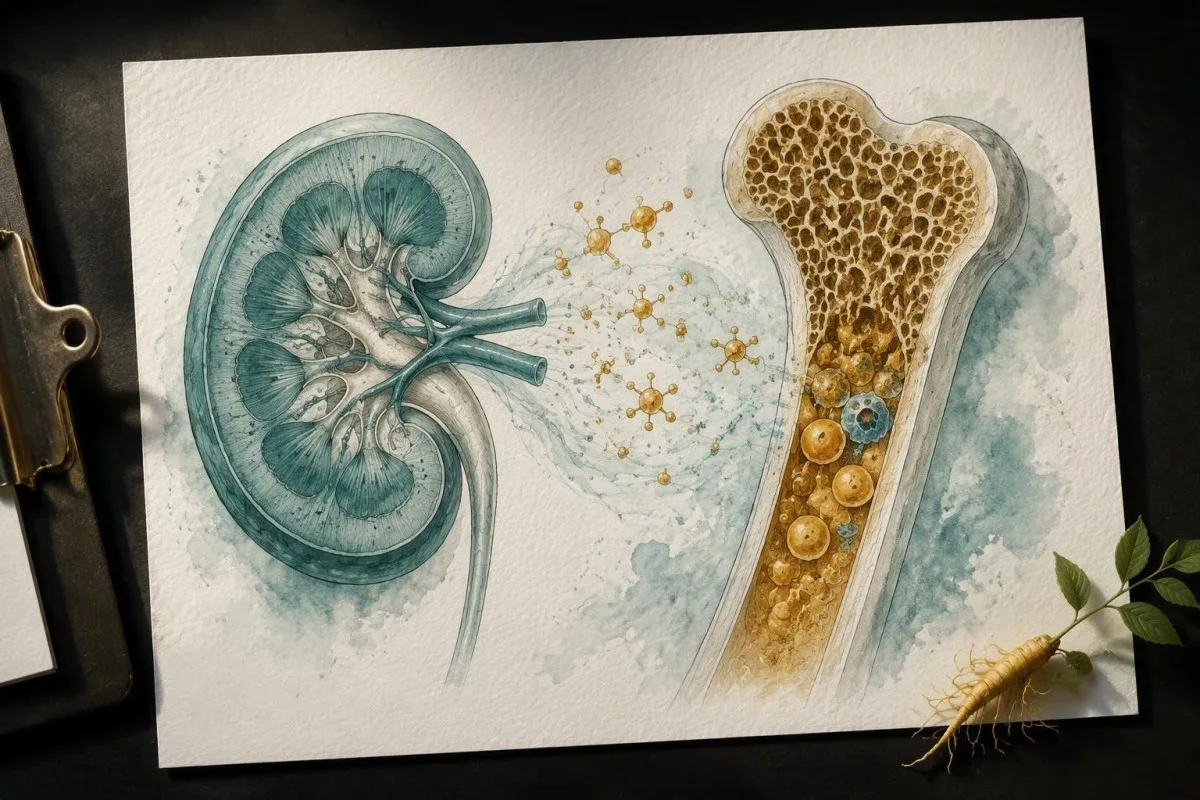
EPO គឺជាអ័រម៉ូនដែលផលិតឡើងជាចម្បងដោយកោសិកាតម្រងនោមពិសេស។ វាប្រាប់ខួរឆ្អឹងឲ្យបង្កើនការផលិតកោសិកាក្រហម នៅពេលដែលអុកស៊ីសែនក្នុងជាលិកាទាប។ ប្រព័ន្ធត្រួតពិនិត្យដោយខ្លួនឯងដែលមានសុខភាពល្អ នឹងទប់ស្កាត់ EPO នៅពេលដែលម៉ាស់កោសិកាក្រហមមានកម្រិតខ្ពស់រួចហើយ។. វេជ្ជបណ្ឌិត Thomas Klein បានឃើញការបញ្ជូនបន្តជាច្រើនដែលបង្កឡើងដោយការអានលទ្ធផលអ័រម៉ូនដោយមិនបានពិនិត្យជាមុនថាតើ CBC ពិតជាមានភាពមិនប្រក្រតីឬយ៉ាងណា។.
កាន់តេស្ទី គឺជា ឧបករណ៍វិភាគឈាម AI ដែលបកស្រាយ EPO ជាមួយនឹង CBC, creatinine, eGFR, សន្ទស្សន៍កោសិកាក្រហម និងលទ្ធផលពីមុន ជាជាងការចាត់ទុកសញ្ញាតែមួយថាជាចម្លើយ។ EPO កើនឡើងមធ្យមចំពោះមនុស្សម្នាក់ដែលមានអេម៉ូក្លូប៊ីន 10.2 g/dL មានលក្ខណៈជីវសាស្ត្រខុសពីលទ្ធផលដូចគ្នាចំពោះអ្នកដែលមានអេម៉ូក្លូប៊ីន 18.1 g/dL ។ ចាប់ផ្ដើមដោយការពិនិត្យឡើងវិញ អេម៉ូក្លូប៊ីនមានន័យយ៉ាងណា ក្នុងរបាយការណ៍របស់អ្នក។.
កម្រិតតេស្តឈាម EPO,ឯកតា និងការប្រែប្រួលនៅក្នុងមន្ទីរពិសោធន៍
មន្ទីរពិសោធន៍សម្រាប់មនុស្សពេញវ័យភាគច្រើនរាយការណ៍ពី EPO ក្នុងសេរ៉ូមប្រហែល 2.6–18.5 mIU/mL ទោះបីជាដែនកំណត់ពីប្រហែល 3 ទៅ 24 mIU/mL ក៏ត្រូវបានប្រើផងដែរ។. ការវិភាគ កាលីប្រេតស្តង់ដារ ការគ្រប់គ្រងសំណាក និងចំនួនប្រជាជនដែលបានប្រើដើម្បីបង្កើតចន្លោះពេល គឺពន្យល់ពីភាពប្រែប្រួលនេះជាច្រើន។.
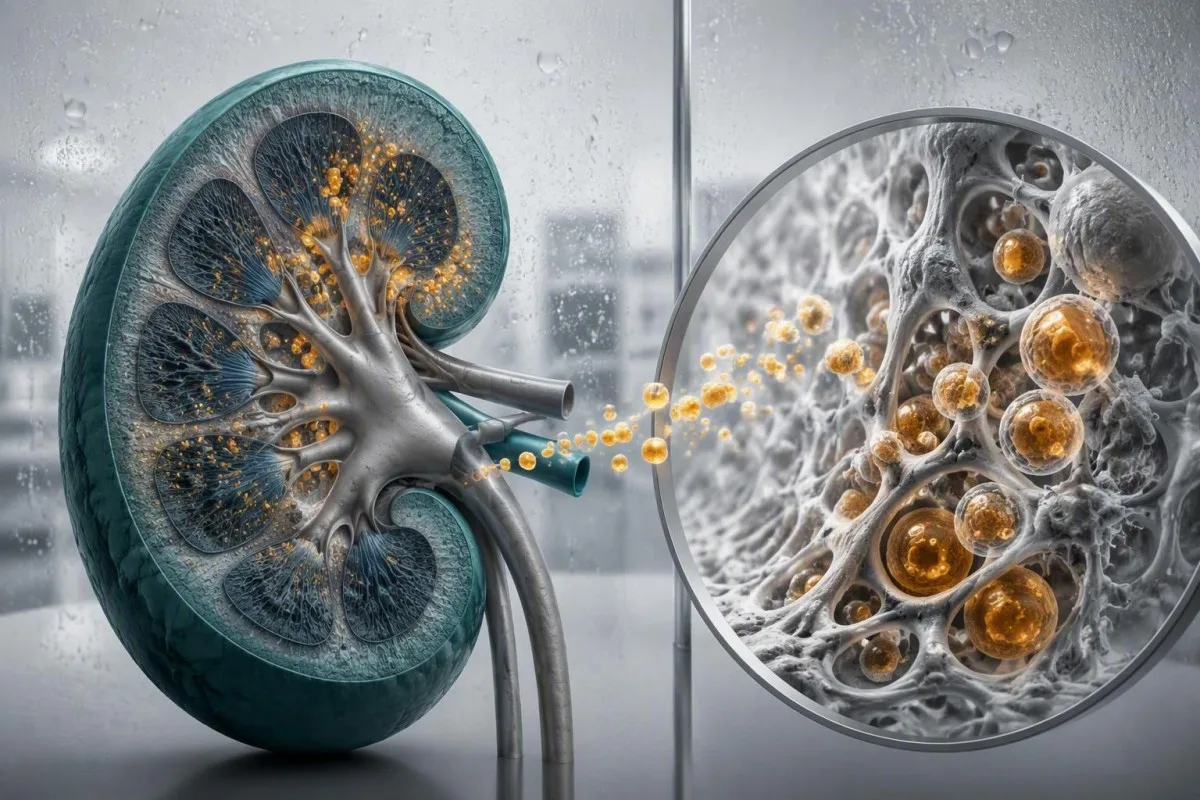
លទ្ធផលគួរតែត្រូវបានហៅថាខ្ពស់ឬទាបដោយប្រៀបធៀបតែជាមួយនឹងចន្លោះកំណត់ដែលបោះពុម្ពនៅក្បែរវាប៉ុណ្ណោះ។ EPO ជាទូទៅត្រូវបានវាស់ដោយអ៊ឹម្មុណូអេស្សេ ហើយកំហាប់អាចបង្ហាញជា mIU/mL ឬ IU/L ។ឯកតាទាំងនេះមានតម្លៃស្មើគ្នាជាលេខសម្រាប់គោលបំណងរាយការណ៍។ លទ្ធផល 19 mIU/mL គឺខ្ពស់ជាងដែនកំណត់បន្តិចក្នុងមន្ទីរពិសោធន៍មួយ ហើយមិនសំខាន់ទាល់តែសោះក្នុងមន្ទីរពិសោធន៍មួយទៀត។.
សំណួរពិតប្រាកដគឺថាតើ EPO គឺ សមស្រប សម្រាប់កម្រិតកោសិកាក្រហម។ ក្នុងជំងឺស្លេកស្លាំង តម្លៃជិត 5 mIU/mL អាចនៅក្នុងដែនកំណត់ ប៉ុន្តែមិនសមស្របទេ។ ក្នុងជំងឺ erythrocytosis ខ្លាំង តម្លៃដូចគ្នានោះអាចត្រូវបានទប់ស្កាត់យ៉ាងមានអត្ថន័យ។ ប្រៀបធៀបជាមួយនឹង ការបកស្រាយ hematocrit និងកាលបរិច្ឆេទនៃសំណាក មិនមែនជាកំណត់អប្បបរមាសកលតាមអ៊ីនធឺណិតទេ។.
កម្រិតអរម៉ូន EPO ខ្ពស់ជាមួយនឹងអេម៉ូក្លូប៊ីនទាប
កម្រិតអេរីត្រូផូអ៊ីទីនខ្ពស់ជាមួយនឹងអេម៉ូក្លូប៊ីនទាបជាទូទៅបង្ហាញថាតម្រងនោមកំពុងព្យាយាមទូទាត់សំណងសម្រាប់ភាពស្លេកស្លាំង ឬការផ្គត់ផ្គង់អុកស៊ីសែនមិនគ្រប់គ្រាន់។. ការខ្វះជាតិដែក ការបាត់បង់ឈាមថ្មីៗ ការរលួយឈាម ជំងឺសួត ការដកដង្ហើមក្នុងពេលគេង និងកម្ពស់ខ្ពស់គឺជាការពន្យល់ទូទៅជាងការរីកលូតលាស់ដែលផលិត EPO ដ៏កម្រ។.
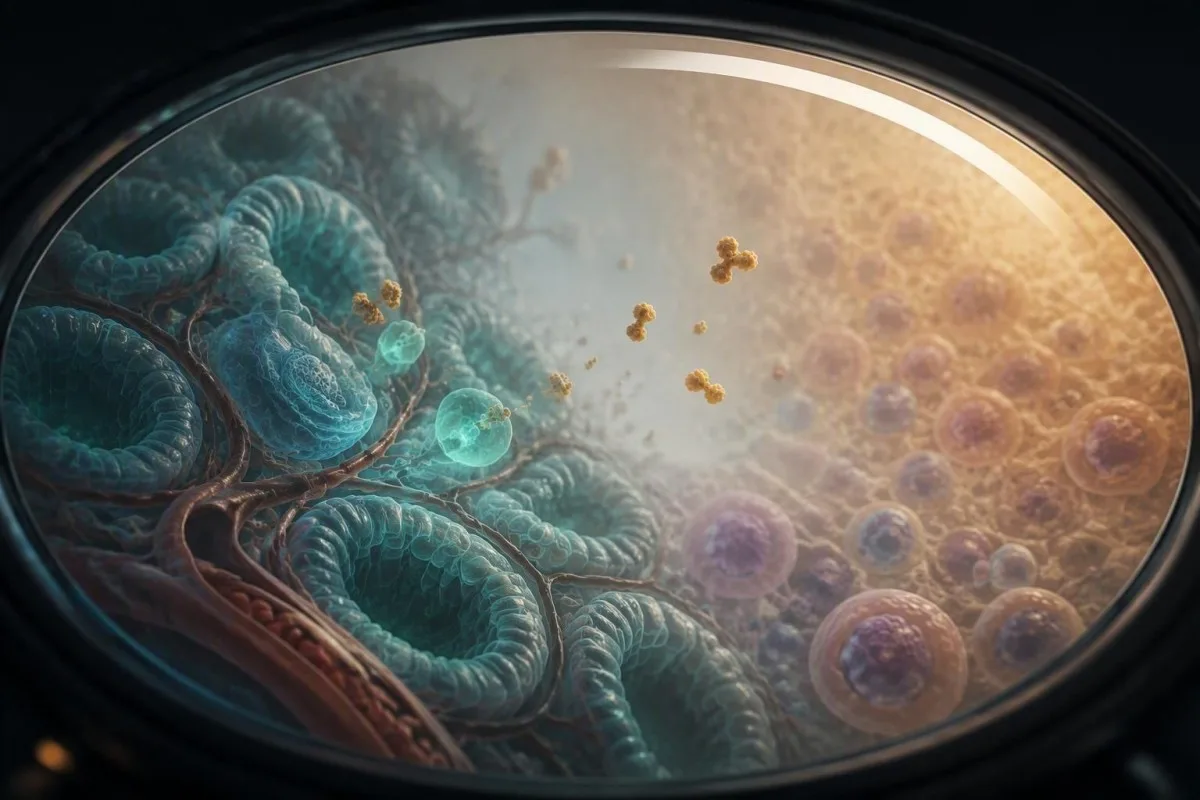
ចំពោះមនុស្សម្នាក់ដែលមានអេម៉ូក្លូប៊ីន 9.8 g/dL, EPO 48 mIU/mL ជាការឆ្លើយតបដែលរំពឹងទុក — មិនមែនជាភស្តុតាងដែលអ័រម៉ូនកំពុងបង្កបញ្ហាទេ។ អ្វីដែលជាអ្នកបែងចែកបន្ទាប់គឺ MCV, ferritin, transferrin saturation, reticulocytes, bilirubin, LDH, និង haptoglobin។ MCV ទាបរួមជាមួយនឹង ferritin ទាបជាង 15 ng/mL បញ្ជាក់យ៉ាងខ្លាំងពីការខ្វះជាតិដែក ខណៈដែលចំនួន reticulocyte ដែលកើនឡើងនាំយើងទៅរកការបាត់បង់ឬការបំផ្លាញកោសិកាឈាមក្រហមដែលកំពុងបន្ត។.
ថ្មីៗនេះ ខ្ញុំបានពិនិត្យអត្តពលិកដែលមានសមត្ថភាពអត់ធន់ម្នាក់ដែលមាន EPO 31 mIU/mL និងអេម៉ូក្លូប៊ីន 11.1 g/dL បន្ទាប់ពីការហ្វឹកហាត់ខ្លាំង។ នាងមាន ferritin 8 ng/mL, មិនមែនជាជំងឺខួរឆ្អឹងទេ។ នេះជាមូលហេតុដែល ហ្វឺរីទីនទាបមុនពេលមានជំងឺស្លេកស្លាំង គួរតែយកចិត្តទុកដាក់មុនពេលរោគសញ្ញាក្លាយជាការកំណត់។ EPO ខ្ពស់មិនអាចយកឈ្នះលើការខ្វះជាតិដែក វីតាមីន B12 ហ្វូលិក ឬខួរឆ្អឹងដែលបរាជ័យបានទេ។.
EPO ទាបក្នុងជំងឺស្លេកស្លាំង: លំនាំមុខងារតម្រងនោម
EPO ទាបឬទាប-ធម្មតាក្នុងភាពស្លេកស្លាំងច្រើនតែបង្ហាញពីការផលិតអ័រម៉ូនតម្រងនោមមិនគ្រប់គ្រាន់ ជាពិសេសនៅពេលដែល eGFR ថយចុះ។. វាក៏អាចកើតឡើងជាមួយនឹងជំងឺរលាក ជំងឺទូទៅធ្ងន់ធ្ងរ ឬការបង្ក្រាបខួរឆ្អឹង ដូច្នេះ creatinine តែមួយមិនអាចកំណត់មូលហេតុបានទេ។.
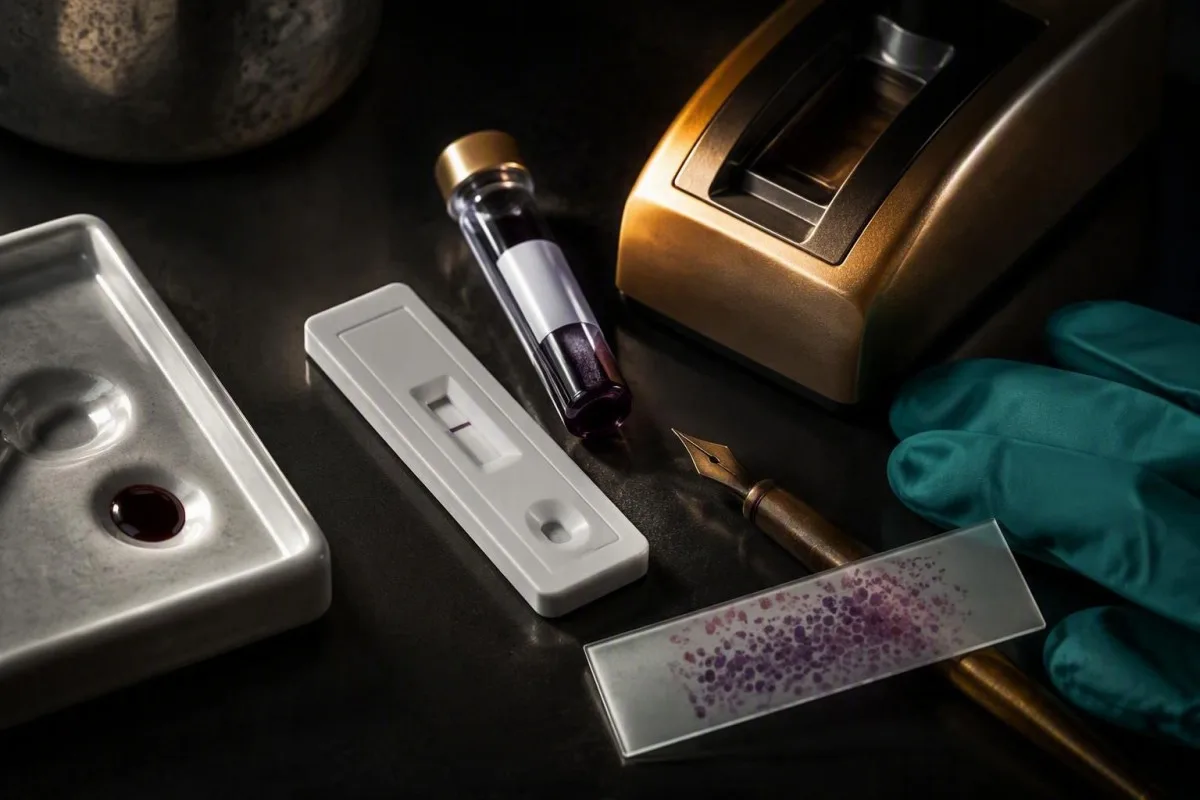
ភាពស្លេកស្លាំងដោយសារជំងឺតម្រងនោមរ៉ាំរ៉ៃកាន់តែញឹកញាប់នៅពេលតម្រងនោមច្រោះថយចុះ ប៉ុន្តែវាមិនត្រូវបានកំណត់ដោយលេខ eGFR តែមួយទេ។ មនុស្សម្នាក់ដែលមាន eGFR 32 mL/min/1.73 m² និងអេម៉ូក្លូប៊ីន 9.9 g/dL អាចមានតម្លៃ EPO 7 mIU/mL — តាមបច្ចេកទេសគឺធម្មតា ប៉ុន្តែទាបពេកសម្រាប់កម្រិតភាពស្លេកស្លាំងនោះ។ ការណែនាំរបស់ KDIGO អំពីភាពស្លេកស្លាំងណែនាំឲ្យពិនិត្យស្ថានភាពជាតិដែកមុនពេលពិចារណាថ្នាំជំរុញការផលិតកោសិកាឈាមក្រហម (KDIGO, 2012)។.
ភាពស្លេកស្លាំងដោយសារតម្រងនោមច្រើនតែមានទំហំធម្មតា MCV ប្រហែល 80–100 fL និងការឆ្លើយតប reticulocyte ទាប ប៉ុន្តែការខ្វះជាតិដែកចម្រុះគឺមានច្រើនណាស់។ ការពិនិត្យ សញ្ញាព្រមាន eGFR ទាប និងអាល់ប៊ុយមីនក្នុងទឹកនោមជំនួសឲ្យការសន្មត់ថា creatinine ដែលកើនឡើងបន្តិចបន្តួចពន្យល់អ្វីៗទាំងអស់។ ក្នុងគ្លីនិករបស់ខ្ញុំ លទ្ធផល ferritin និង transferrin saturation ជារឿយៗផ្លាស់ប្តូរផែនការព្យាបាល។.
EPO ទាបជាមួយនឹងអេម៉ូក្លូប៊ីនឬ hematocrit ខ្ពស់
អេរីត្រូផូអ៊ីទីនទាបជាមួយនឹងអេម៉ូក្លូប៊ីនឬអេម៉ាតូគ្រីតដែលកើនឡើងជាប់លាប់បង្កឲ្យមានការព្រួយបារម្ភអំពីដំណើរការខួរឆ្អឹងចម្បង ជាពិសេសជំងឺ polycythemia vera។. វាមិនបញ្ជាក់ការធ្វើរោគវិនិច្ឆ័យនោះទេ ប៉ុន្តែវាជាតម្រុយដ៏មានតម្លៃដោយសារតែការត្រឡប់ធម្មតាគួរតែបង្ក្រាប EPO នៅពេលការផលិតកោសិកាឈាមក្រហមមានលក្ខណៈស្វ័យប្រវត្តិ។.

លក្ខណៈវិនិច្ឆ័យ WHO ឆ្នាំ 2016 ប្រើអេម៉ូក្លូប៊ីនលើសពី 16.5 g/dL ចំពោះបុរស ឬ 16.0 g/dL ចំពោះស្ត្រី ឬអេម៉ាតូគ្រីតលើសពី 49% និង 48% រៀងគ្នាជាដែនកំណត់ដែលជំរុញការវាយតម្លៃជំងឺ polycythemia vera (Arber et al., 2016)។ EPO ដែលមិនគ្រប់គ្រាន់គឺជាលក្ខណៈវិនិច្ឆ័យរង។ ការធ្វើតេស្តការផ្លាស់ប្តូររបស់ JAK2, CBCs ឡើងវិញ និងពេលខ្លះការពិនិត្យខួរឆ្អឹងបញ្ជាក់ការធ្វើរោគវិនិច្ឆ័យ។ គំរូដែលខ្វះជាតិទឹកមួយមិនគ្រប់គ្រាន់ទេ។.
Kantesti AI បកស្រាយលទ្ធផល EPO ទាបដោយប្រៀបធៀបវាជាមួយនឹងអេម៉ាតូគ្រីតពីមុន ចំនួនកោសិកាឈាមក្រហម MCV ប្លាកែត និងកោសិកាឈាមស — រូបភាពដែលអាចនឹកឃើញនៅពេលលទ្ធផលនីមួយៗត្រូវបានមើលតែឯង។ ចំនួនប្លាកែតដែលកើនឡើងឬចំនួនកោសិកាឈាមសដែលមិនអាចពន្យល់បានធ្វើឲ្យការពិនិត្យផ្នែកជំងឺឈាមកាន់តែរឹងមាំ។ របស់យើងលម្អិត រោគសញ្ញា polycythemia ណែនាំ ពន្យល់ពីលំដាប់តេស្តធម្មតា។.
EPO ខ្ពស់ជាមួយនឹងអេម៉ូក្លូប៊ីនខ្ពស់: polycythemia បន្ទាប់បន្សំ
កម្រិត EPO ខ្ពស់ រួមជាមួយអេម៉ូក្លូប៊ីនខ្ពស់ ជាធម្មតាបង្ហាញពីការកើនឡើងចំនួនកោសិកាឈាមក្រហមបន្ទាប់បន្សំ ដែលមានន័យថាសញ្ញាពីខាងក្រៅ ឬផ្នែកវេជ្ជសាស្ត្រ កំពុងជំរុញការផលិតកោសិកាឈាមក្រហម។. បញ្ហាទូទៅរួមមាន កម្ពស់ខ្ពស់ ការជក់បារី ឬការប៉ះពាល់នឹងកាបូនម៉ូណូអុកសាយด์ ជំងឺដកដង្ហើមពេលគេង ជំងឺសួតរ៉ាំរ៉ៃ ការព្យាបាលដោយអ័រម៉ូនតេស្តូស្តេរ៉ូន និងតិចជាងមុន ការលូតលាស់នៃតម្រងនោម ឬថ្លើម។.
អេម៉ូក្លូប៊ីន 17.4 g/dL បន្ទាប់ពីមួយសប្តាហ៍នៅកម្ពស់ 2,500 ម៉ែត្រ ទាមទារការពិភាក្សាខុសពីលទ្ធផលដូចគ្នា នៅកម្រិតទឹកសមុទ្រ។ EPO ជាធម្មតាកើនឡើងក្នុងរយៈពេលពីរបីម៉ោងនៃការប៉ះពាល់នឹងអ៊ីប៉ុកស៊ី ប៉ុន្តែការឆ្លើយតបនៃម៉ាស់កោសិកាឈាមក្រហមដែលអាចវាស់បាន កើតឡើងយឺតជាងនេះ។ ការខះជាតិទឹកអំឡុងពេលធ្វើដំណើរ ក៏អាចធ្វើឱ្យគំរូមានភាពខាប់ជាងមុន។ កត់ត្រាកម្ពស់ កាលបរិច្ឆេទហោះហើរ ការជក់បារី ការជក់ចំហាយទឹក និងការប្រើប្រាស់អង់ដ្រូเจน មុនពេលធ្វើតេស្តឡើងវិញ។.
អ្នកជំងឺខ្លះភ្ញាក់ផ្អើលដែលជំងឺដកដង្ហើមពេលគេង អាចពាក់ព័ន្ធ ទោះបីជាមិនមានងងុយគេងនៅពេលថ្ងៃក៏ដោយ។ ការថយចុះអុកស៊ីសែនពេលយប់ซ้ำៗ អាចបណ្តាលឱ្យមានការរំញោច EPO ជាបន្តបន្ទាប់ ទោះបីជាការតិតៀតអុកស៊ីសែនពេលថ្ងៃជាធម្មតាក៏ដោយ ក៏មិនអាចច្រានចោលវាបានដែរ។ តម្លៃដែលបន្តមាន គួរតែត្រូវបានត្រួតពិនិត្យជាមួយការណែនាំរបស់យើងស្តីពី មូលហេតុនៃចំនួនហឺម៉ាតូគ្រីតខ្ពស់ និងពិភាក្សាជាមួយវេជ្ជបណ្ឌិត ជាជាងគ្រប់គ្រងដោយការបរិច្ចាគឈាមតែមួយមុខ។.
កម្ពស់, ការហាត់ប្រាណ និងពេលវេលាមុនពេលតេស្ត EPO
កម្ពស់ និងការប៉ះពាល់នឹងអុកស៊ីសែន អាចប៉ះពាល់ដល់ EPO មុនពេលដែលវាកែប្រែអេម៉ូក្លូប៊ីនយ៉ាងខ្លាំង ដូច្នេះពេលវេលាតេស្តមានសារៈសំខាន់។. ការធ្វើដំណើរទៅភ្នំខ្លីៗ ជំងឺផ្លូវដង្ហើមស្រួចស្រាវ ภาวะออไซเจนในเวลากลางคืน និងការធ្វើលំហាត់ប្រាណខ្លាំងៗនាពេលថ្មីៗនេះ សុទ្ធតែអាចធ្វើឱ្យការបកស្រាយមានភាពស្មុគស្មាញនៅជិតកម្រិតសម្រេចចិត្ត។.
សម្រាប់លទ្ធផលព្រំដែនដែលមិនបន្ទាន់ ខ្ញុំជាទូទៅស្នើសុំឱ្យអ្នកជំងឺធ្វើតេស្ត CBC និង EPO ឡើងវិញ បន្ទាប់ពីពួកគេត្រឡប់ទៅកម្ពស់ធម្មតាវិញ ផឹកទឹកគ្រប់គ្រាន់ និងជាសះស្បើយពីជំងឺស្រួចស្រាវ។ មិនមានរយៈពេលរង់ចាំតែមួយដែលផ្អែកលើភស្តុតាងសម្រាប់អ្នកដំណើរគ្រប់រូបទេ ច្រើនតែមានរយៈពេលពីរសប្តាហ៍ទៅបួនសប្តាហ៍ ដែលមានលក្ខណៈជាក់ស្តែងក្នុងការព្យាបាលនៅពេលលទ្ធផលដំបូងមានភាពមិនប្រក្រតីបន្តិច។ និន្នាការមានតម្លៃជាងការប៉ុនប៉ងបកស្រាយសរីរវិទ្យាពីទិដ្ឋភាពកាតប៉ុស្តាល់នៃមួយថ្ងៃ។.
លំហាត់ប្រាណខ្លាំងអាចកាត់បន្ថយបរិមាណប្លាស្មាបានច្រើនម៉ោង ហើយធ្វើឱ្យអេម៉ូក្លូប៊ីន ឬហឺម៉ាតូគ្រីតមើលទៅខ្ពស់ដោយមិនពិត។ ភាពលំបាកក្នុងការកត់សម្គាល់គឺមានអាល់ប៊ុយមីនខ្ពស់ក្នុងពេលដំណាលគ្នា ឬប្រូតេអ៊ីនសរុប ដែល favoured ភាពខាប់ឈាមជាងការរីកធំនៃកោសិកាឈាមក្រហមពិតប្រាកដ។ មើលពីរបៀប ការខះជាតិទឹក បង្កើតចំនួន RBC ខ្ពស់ក្លែងក្លាយ មុននឹងសន្មតថាខួរឆ្អឹងរបស់អ្នកបានផ្លាស់ប្តូរ។.
របៀបដែល creatinine, eGFR និងការតេស្តទឹកនោមផ្លាស់ប្ដូរការបកស្រាយ EPO
Creatinine, eGFR, និងអាល់ប៊ុយមីនក្នុងទឹកនោម ជួយកំណត់ថាតើការឆ្លើយតប EPO ទាបអាចទាក់ទងនឹងតម្រងនោមដែរឬទេ។. eGFR ទាបជាង 60 mL/min/1.73 m² យ៉ាងតិច 3 ខែ បញ្ជាក់ពីជំងឺតម្រងនោមរ៉ាំរ៉ៃ ប៉ុន្តែភាពស្លេកស្លាំងអាចមានមូលហេតុផ្សេងទៀតនៅគ្រប់ដំណាក់កាល CKD។.
លទ្ធផល EPO ទាបមានភាពជឿជាក់ជាងសម្រាប់ភាពស្លេកស្លាំងរបស់តម្រងនោមនៅពេលអេម៉ូក្លូប៊ីនទាប កោសិកាreticulocytes មិនមានកម្រិតខ្ពស់ទេ ហើយការខូចមុខងារតម្រងនោមត្រូវបានបង្កើតឡើងនៅពេលធ្វើតេស្តឡើងវិញ។ សមាមាត្រអាល់ប៊ុយមីន-creatinine បន្ថែមព័ត៌មានសំខាន់ពីព្រោះមនុស្សម្នាក់អាចមានជំងឺតម្រងនោមដែលមានអត្ថន័យផ្នែកវេជ្ជសាស្ត្រ ទោះបីជាcreatinine មើលទៅឡើងបន្តិចក៏ដោយ។ ភាពខុសគ្នាជាក់ស្តែងរវាង BUN និង creatinine អាចការពារការសន្និដ្ឋានដែលធ្វើឱ្យមានការភាន់ច្រឡំ។.
ផ្ទុយមកវិញ eGFR ដែលថយចុះអាចកើតមានជាមួយនឹងការហូរឈាមក្នុងក្រពះពោះវៀន ការខ្វះជាតិដែក ការខ្វះ B12 ឬការបង្ក្រាបខួរឆ្អឹងដែលទាក់ទងនឹងថ្នាំ។ Kantesti គឺជា សេវាកម្មបកស្រាយការធ្វើតេស្តរបស់ AI lab ដែលបង្ហាញពីភាពមិនស៊ីគ្នានេះ ៖ ភាពស្លេកស្លាំងដែលមានកម្រិតtransferrin ទាបក្រោម 20% មិនគួរត្រូវបានដាក់ឈ្មោះថាភាពស្លេកស្លាំងរបស់តម្រងនោមទេ រហូតដល់ការរកបានជាតិដែកត្រូវបានដោះស្រាយ។ សញ្ញាតម្រងនោមពណ៌នាបរិបទ។ ពួកវាមិនរួចផុតពីការធ្វើតេស្តភាពស្លេកស្លាំងទាំងមូលទេ។.
ការបង្ហាញពី CBC ដែលធ្វើឱ្យលទ្ធផល EPO មានប្រយោជន៍
CBC កំណត់ថាតើ EPO សមរម្យ មិនគ្រប់គ្រាន់ ឬធ្វើឱ្យមានការភាន់ច្រឡំឬទេ។. អេម៉ូក្លូប៊ីន និងហឺម៉ាតូគ្រីតវាស់ពីបញ្ហាកោសិកាឈាមក្រហម MCV បញ្ជាក់ពីលំនាំទំហំកោសិកា ហើយ reticulocytes បង្ហាញថាតើការបញ្ចេញខួរឆ្អឹងកំពុងកើនឡើងពិតប្រាកដឬទេ។.
ភាពស្លេកស្លាំងដោយសារកោសិកាឈាមក្រហមតូចៗ ដែលកំណត់ដោយមន្ទីរពិសោធន៍ភាគច្រើនសម្រាប់មនុស្សពេញវ័យថា MCV ក្រោម 80 fL បង្ហាញពីការខ្វះជាតិដែក ឬលក្ខណៈរោគ trait របស់ Thalassemia ។ ភាពស្លេកស្លាំងដោយសារកោសិកាឈាមក្រហមធំៗ លើសពី 100 fL បង្កើនលទ្ធភាពផ្សេងៗ រួមមាន ការខ្វះវីតាមីន B12 ការប៉ះពាល់នឹងជាតិអាល់កុល ជំងឺថ្លើម និងជំងឺខួរឆ្អឹង ។ លទ្ធផលណាមួយមិនត្រូវបានពន្យល់ដោយ EPO តែមួយមុខទេ។ សន្ទស្សន៍ផលិតកម្មកោសិកាឈាមក្រហមដែលបង្កើតឡើងវិញលើសពីប្រហែល 2 បង្ហាញពីការឆ្លើយតបសំណងសកម្មបន្ថែមទៀត ប៉ុន្តែមន្ទីរពិសោធន៍គណនាវាខុសគ្នា។.
Kantesti AI គឺជាអ្វីមួយដែល ឧបករណ៍វិភាគតេស្តឈាមដោយ AI ដែលអាន EPO រួមជាមួយទទឹងនៃការចែកចាយកោសិកាឈាមក្រហម ប្លាកែត និងកោសិកាឈាមស ដើម្បីកំណត់លំនាំដែលសមនឹងការពិនិត្យរបស់គ្រូពេទ្យ។ នៅក្នុងភាពស្លេកស្លាំងដែលមានកម្រិត EPO ទាប ការថយចុះនៃចំនួននឺត្រុងហ្វាល ឬប្លាកែតមិនមែនជារោគសញ្ញាធម្មតានៃភាពស្លេកស្លាំងដោយសារតម្រងនោមដែលមិនមានផលវិបាក។ របស់យើង មគ្គុទេសក៍ចំនួន reticulocyte ពន្យល់ពីមូលហេតុដែលភាគរយនៃកោសិកាឈាមក្រហមដែលបង្កើតឡើងវិញ “ធម្មតា” នៅតែអាចមិនគ្រប់គ្រាន់ក្នុងភាពស្លេកស្លាំងធ្ងន់ធ្ងរ។.
ជាតិដែក, B12, folate និង hemolysis:មូលហេតុដែល EPO មិនអាចបែងចែកបាន
EPO មិនអាចបែងចែកការខ្វះជាតិដែក ការខ្វះវីតាមីន ការបាត់បង់ឈាម និងជំងឺរំលាយកោសិកាឈាមក្រហមបានទេ។ ការធ្វើតេស្តរួមគ្នាជាអ្នកធ្វើការងារនោះ។. EPO ខ្ពស់ត្រូវបានរំពឹងទុកក្នុងស្ថានភាពមួយចំនួននេះ ប៉ុន្តែការព្យាបាលមានភាពខុសប្លែកគ្នាខ្លាំង ហើយការប្រើជាតិដែកដោយការសាកល្បងមិនតែងតែមានសុវត្ថិភាពទេ។.
Ferritin ក្រោម 15 ng/mL គឺមានភាពជាក់លាក់ខ្ពស់ចំពោះការអស់ពីឃ្លាំងជាតិដែកក្នុងមនុស្សពេញវ័យដែលមានសុខភាពល្អ ប៉ុន្តែ ferritin អាចកើនឡើងក្នុងអំឡុងពេលឆ្លងមេរោគ ការរងរបួសថ្លើម និងការរលាករ៉ាំរ៉ៃ។ ការឆ្អែត Transferrin ក្រោម 20% បង្ហាញពីជាតិដែកដែលអាចរកបានមានការកំណត់ជាពិសេសប្រសិនបើមានភាពស្លេកស្លាំង។ សម្រាប់ការបកស្រាយពេញលេញបន្ថែមទៀត សូមប្រើរបស់យើង សម្រាប់ការសិក្សាជាតិដែក.
ជំងឺរំលាយកោសិកាឈាមក្រហម ជាធម្មតាបង្កើតជាក្រុមផ្សេងគ្នា៖ កោសិកាឈាមក្រហមដែលបង្កើតឡើងវិញកើនឡើង ប៊ីលីរុយប៊ីនដោយប្រយោល និង LDH អាចកើនឡើង ហើយ haptoglobin ជាញឹកញាប់ធ្លាក់ចុះ។ លោកវេជ្ជបណ្ឌិត Thomas Klein ណែនាំប្រឆាំងនឹងការចាប់ផ្តើមប្រើជាតិដែកដោយខ្លួនឯង នៅពេលដែលលំនាំនេះមានវត្តមាន ដោយសារតែវាអាចពន្យារពេលការកំណត់អត្តសញ្ញាណមូលហេតុនៃប្រព័ន្ធភាពស៊ាំ មរតក ឬមូលហេតុមេកានិក។ រៀនពីការប្រុងប្រយ័ត្ននៅពីក្រោយ លទ្ធផល haptoglobin ទាប មុននឹងសន្និដ្ឋាន។.
ពេលណាដែល EPO បង្ហាញពីការតេស្តខួរឆ្អឹង
ការធ្វើតេស្តខួរឆ្អឹង និងការផ្លាស់ប្តូរហ្សែន ត្រូវបានពិចារណានៅពេលដែល EPO ត្រូវបានកាត់បន្ថយជាមួយនឹងជំងឺក្រហមឈាមមានរោគសញ្ញា persistent ឬនៅពេលដែលភាពស្លេកស្លាំងមានការឆ្លើយតបនៃកោសិកាឈាមក្រហមដែលបង្កើតឡើងវិញខ្សោយនឹកស្មានមិនដល់ជាមួយនឹងប្រភេទកោសិកាទាបច្រើន។. ការធ្វើតេស្តទាំងនេះគឺជាការស៊ើបអង្កេតដែលមានគោលដៅ មិនមែនជាការតាមដានជាប្រចាំសម្រាប់តម្លៃ EPO មិនប្រក្រតីបន្តិចបន្តួចគ្រប់ប្រភេទនោះទេ។.

Polycythemia vera មានទំនាក់ទំនងយ៉ាងខ្លាំងជាមួយនឹងការផ្លាស់ប្តូរហ្សែន JAK2 ហើយ EPO សេរ៉ូមទាបជួយបែងចែកវាពីមូលហេតុបន្ទាប់បន្សំជាច្រើន។ ការណែនាំរបស់សង្គមរាជរដ្ឋាភិបាលអង់គ្លេសសម្រាប់វិទ្យាសាស្ត្រឈាម បានណែនាំការវាយតម្លៃ structured នៃជំងឺក្រហមឈាម ជំនួសឱ្យការសន្មតថា hemoglobin ខ្ពស់គ្រប់ប្រភេទតំណាងឱ្យ polycythemia vera (McMullin et al., 2019) ។ គ្រូពេទ្យអាចបញ្ជា JAK2 V617F ជាមុនសិន បន្ទាប់មកធ្វើតេស្តបន្ថែមទៀត ប្រសិនបើលទ្ធភាពព្យាបាលនៅតែខ្ពស់។.
ភាពស្លេកស្លាំង បូករួមទាំងកោសិកាឈាមក្រហមដែលបង្កើតឡើងវិញទាប ប្លាកែតក្រោម 150 × 10⁹/L និងនឺត្រុងហ្វាលក្រោម 1.5 × 10⁹/L ត្រូវការការពិនិត្យទាន់ពេល ដោយសារតែការរួមបញ្ចូលគ្នានេះអាចបង្ហាញពីការថយចុះនៃការផលិតខួរឆ្អឹង។ វាមិនមែនជាមហារីកទេ — ថ្នាំ ជំងឺមេរោគ ជំងឺប្រព័ន្ធភាពស៊ាំខ្លួន ការខ្វះសារធាតុចិញ្ចឹម និងដំណើរការខួរឆ្អឹងដែលមិនបង្កើតកោសិកាត្រូវបានរួមបញ្ចូលគ្នា។ របស់យើង សៀវភៅណែនាំ CBC ជំងឺស្លេកស្លាំង aplastic រៀបរាប់ពីលំនាំណាដែលត្រូវការការវាយតម្លៃលឿនជាង។.
ថ្នាំ, testosterone និង EPO ដែលត្រូវបានវេជ្ជបញ្ជា
Testosterone និងថ្នាំกระตุ้นការបង្កើតកោសិកាឈាមក្រហមដែលចេញវេជ្ជបញ្ជាអាចបង្កើន hemoglobin ខណៈពេលដែល ACE inhibitors, ARBs, chemotherapy, និងថ្នាំប្រឆាំងការរលាកមួយចំនួនអាចរួមចំណែកដល់ភាពស្លេកស្លាំងក្នុងអ្នកជំងឺដែលបានជ្រើសរើស។. លទ្ធផល EPO មិនអាចបកស្រាយដោយសុវត្ថិភាពដោយគ្មានបញ្ជីថ្នាំ និងអាហារបំប៉នពេញលេញ។.

ជំងឺក្រហមឈាមដែលទាក់ទងនឹង Testosterone ជាធម្មតាត្រូវបានរកឃើញលើការតាមដាន CBC ជាបន្តបន្ទាប់ មិនមែនដោយការធ្វើតេស្ត EPO តែមួយមុខទេ។ ភាគរយឈាម persistent លើសពី 54% ក្នុងអំឡុងពេលព្យាបាល Testosterone ជាទូទៅបង្កឱ្យមានការកែតម្រូវកម្រិតថ្នាំ ឬការផ្អាកជាបណ្តោះអាសន្នក្នុងការណែនាំផ្នែក endocrinology សំខាន់ៗ ដោយសារតែហានិភ័យទាក់ទងនឹង viscosity កាន់តែមានការព្រួយបារម្ភ។ កុំបរិច្ចាគឈាមម្តងហើយម្តងទៀតដោយគ្មានការចូលរួមពីអ្នកចេញវេជ្ជបញ្ជា។ វាអាចបង្កើតការខ្វះជាតិដែក និងបិទបាំងលំនាំមូលដ្ឋាន។.
Recombinant EPO និងថ្នាំពាក់ព័ន្ធត្រូវបានប្រើក្រោមពិធីសារអ្នកឯកទេសសម្រាប់ភាពស្លេកស្លាំង CKD និងភាពស្លេកស្លាំងដែលទាក់ទងនឹងគីមីព្យាបាលដែលបានជ្រើសរើស ជាមួយនឹងគោលដៅ hemoglobin ដែលត្រូវបានធ្វើឱ្យមានលក្ខណៈបុគ្គល។ អ្នកជំងឺដែលទទួលបានថ្នាំទាំងនេះអាចមានលទ្ធផល assay ដែលពិបាកបកស្រាយអាស្រ័យលើពេលវេលា និងការឆ្លើយតបនៃ assay ។ របស់យើង ការវិភាគនិន្នាការថ្នាំ ត្រូវបានរចនាឡើងដើម្បីរក្សា dates, doses, និងការផ្លាស់ប្តូរនៅក្នុងមន្ទីរពិសោធន៍តាមពេលវេលា។.
របៀបរៀបចំសម្រាប់តេស្តឈាម EPO និងចៀសវាងលទ្ធផលដែលមិនត្រឹមត្រូវ
ការធ្វើតេស្តឈាម EPO ភាគច្រើនមិនតម្រូវឱ្យតមអាហារទេ ប៉ុន្តែការប៉ះពាល់នឹងកម្ពស់ថ្មីៗ ជាតិទឹក ការជក់បារី ការប្រើ testosterone និងជំងឺស្រួចស្រាវគួរតែត្រូវបានកត់ត្រា។. គំរូមន្ទីរពិសោធន៍ជាធម្មតាត្រង់; ការរៀបចំដែលសំខាន់បំផុតគឺប្រវត្តិត្រឹមត្រូវ។.
សូមសួរគ្រូពេទ្យបញ្ជាឲ្យពិនិត្យថាតើត្រូវយក CBC, reticulocyte count, ferritin, creatinine/eGFR, oxygen saturation, និង EPO ពីការស្ទាបឈាមតែមួយឬទេ។ CBC ក្នុងថ្ងៃតែមួយជួយជៀសវាងកំហុសទូទៅនៃការបកស្រាយ ៖ ការប្រៀបធៀប EPO ថ្ងៃនេះជាមួយនឹងអេម៉ូក្លូប៊ីនដែលវាស់បានកាលពីប៉ុន្មានខែមុនក្រោយការវះកាត់ ការធ្វើដំណើរ ឬការព្យាបាល។ ប្រសិនបើលទ្ធផលនឹងណែនាំការបញ្ជូនទៅផ្នែកជំនួយឈាម លទ្ធផលដែលស៊ីគ្នាមានតម្លៃក្នុងការសម្របសម្រួលបន្ថែម។.
ចូរជៀវការហ្វឹកហាត់ដែលតឹងតែងមិនប្រក្រតី និងកែការខ្វះជាតិទឹកដែលឃើញច្បាស់មុនពេលធ្វើ CBC ឡើងវិញ លើកលែងតែគ្រូពេទ្យរបស់អ្នកបញ្ជាផ្សេង។ កុំបញ្ឈប់ការប្រើថ្នាំ testosterone, oxygen, CPAP, ឬថ្នាំព្យាបាលតម្រងនោមដែលវេជ្ជបញ្ជាដោយគ្រូពេទ្យគ្រាន់តែដើម្បី “សម្អាត” លទ្ធផល។. ការរៀបចំការធ្វើតេស្តឈាមមូលដ្ឋាន ពន្យល់ថាព័ត៌មានអ្វីខ្លះដែលត្រូវកត់ត្រាដើម្បីឲ្យលទ្ធផលដែលធ្វើឡើងវិញអាចប្រៀបធៀបបានយ៉ាងពិតប្រាកដ។.
ពេលណាដែលលទ្ធផល EPO មិនប្រក្រតីទាមទារការថែទាំបន្ទាន់ឬពីអ្នកជំនាញ
ភាពមិនប្រក្រតីនៃ EPO ខ្លួនវាកម្របង្កជាការបន្ទាន់ណាស់ ប៉ុន្តែរោគសញ្ញា និងលំនាំ CBC ជុំវិញវាខ្លះពេលខ្លះក៏បង្កដែរ។. ការឈឺទ្រូងថ្មី ការសន្លប់ ការដកដង្ហើមខ្លាំង ការចុះខ្សោយនៅម្ខាងៗ ការនិយាយពិបាក លាមកខ្មៅ ឬអស់កម្លាំងកាន់តែអាក្រក់ទៅៗ ត្រូវការការវាយតម្លៃបន្ទាន់ជាជាងការបកស្រាយតាមអ៊ីនធឺណិត។.
រៀបចំការពិនិត្យពីគ្រូពេទ្យបឋមភូមិ ឬជំនួយឈាមភ្លាមៗសម្រាប់អេម៉ូក្លូប៊ីនឡើងវិញលើសពី 16.5 g/dL ចំពោះបុរស ឬ 16.0 g/dL ចំពោះស្ត្រីដែលមាន EPO ទាប ជាពិសេសដោយមានរោគវិវត្តក្បាលឈឺ ការផ្លាស់ប្ដូរការមើលឃើញ ការរមាស់បន្ទាប់ពីទឹកក្ដៅឧណ្ហៗ ប្រវត្តិកំណកឈាម ឬរោគសញ្ញានៃលំពែងរីកធំ។ ស្វែងរកការវាយតម្លៃបន្ទាន់សម្រាប់អេម៉ូក្លូប៊ីនប្រហែល 7–8 g/dL ដោយមានវិលមុខ ការឈឺទ្រូងពេលហាត់ប្រាណ ឬដង្ហើមខ្លីៗ។ កម្រិតដែលសមស្របប្រែប្រួលទៅតាមអាយុ និងជំងឺបេះដូង។.
បណ្ដាញសរសៃប្រសាទរបស់ Kantesti ຈັດលំដាប់ EPO, CBC, តម្រងនោម និងនិន្នាការដែកទៅជាសំណួរដែលអ្នកអាចយកទៅណាត់ជួប ប៉ុន្តែវាមិនជំនួសការពិនិត្យ ការវាយតម្លៃអុកស៊ីសែន ឬការធ្វើតេស្តពិសេសទេ។ វិធីសាស្រ្តផ្នែកវេជ្ជសាស្ត្រ និងការត្រួតពិនិត្យដោយវេជ្ជបណ្ឌិតរបស់យើងត្រូវបានពិពណ៌នានៅក្នុង ក្របខ័ណ្ឌសុពលកម្មផ្នែកវេជ្ជសាស្ត្រ. ។ យក CBC ពីមុនមកជាមួយផង ៖ តម្លៃបីក្នុងរយៈពេលមួយ ជួយប្រាប់រឿងដែលមានសុវត្ថិភាពជាងលេខដែលគួរឲ្យបារម្ភមួយ។.
ការតាមដាននិន្នាការ EPO និងការពិភាក្សាលទ្ធផលជាមួយនឹងគ្រូពេទ្យរបស់អ្នក
លទ្ធផល EPO ដែលធ្វើឡើងវិញមានប្រយោជន៍តែនៅពេលដែលអេម៉ូក្លូប៊ីន ហេម៉តโตكريត កម្ពស់ ថ្នាំ និងស្ថានភាពតម្រងនោមដែលភ្ជាប់ជាមួយអាចប្រៀបបាន។. EPO ដែលមានលំនឹងជាមួយអេម៉ូក្លូប៊ីនធ្លាក់ចុះមានន័យខុសគ្នាពី EPO ដែលមានលំនឹងជាមួយហេម៉តโตكريតកើនឡើង សូម្បីតែតម្លៃទាំងពីរនៅក្នុងដែនក៏ដោយ។.
រក្សាទុកឯកសារ PDF របស់មន្ទីរពិសោធន៍ដើម បរិក្ខារ ដែនយោង កាលបរិច្ឆេទប្រមូល ទីតាំងបច្ចុប្បន្ន ស្ថានភាពជក់បារី និងបញ្ជីថ្នាំ។ ភាពខុសគ្នា 1.0 g/dL នៃអេម៉ូក្លូប៊ីនអាចឆ្លaks ភាពមានជាតិទឹក និងការប្រែប្រួលជីវសាស្រ្តធម្មតា រីឯការផ្លាស់ប្ដូរទិសដៅឡើងវិញនៅលើការស្ទាបឈាមជាច្រើនសមនឹងទទួលបានការពន្យល់។ មគ្គុទេសក៍ការផ្លាស់ប្តូរតេស្តឈាម ជួយបំបែកនិន្នាការដែលមានន័យពីការប្រែប្រួលធម្មតា។.
កាន់តេស្ទី គឺជា វេទិកាបកស្រាយសូចនាករជីវសាស្ត្រដោយ AI ត្រូវបានប្រើនៅក្នុងប្រទេស 127+ ដើម្បីដាក់លទ្ធផលមន្ទីរពិសោធន៍ទៅក្នុងបរិបទវេជ្ជសាស្ត្រតាមពេលវេលា ដោយមានការដោះស្រាយរបាយការណ៍ដែលបានផ្ទុកឡើងដោយគិតអំពីឯកជនភាព។ សម្រាប់សន្ទស្សន៍ទូលំទូលាយនៃសញ្ញាដែលភ្ជាប់គ្នា សូមពិគ្រោះជាមួយ មគ្គុទេសក៍សូចនាករជីវសាស្ត្រ 15,000-plus. ។ ការបោះពុម្ពផ្សាយការស្រាវជ្រាវ Kantesti ពីរដែលបានចុះបញ្ជីខាងក្រោមផ្ដល់ការអានគាំទ្រអំពីការបកស្រាយសញ្ញាប្រូតេអ៊ីនក្នុងឈាម និងប្រព័ន្ធភាពស៊ាំដែលភ្ជាប់គ្នា។ គ្មានមួយណាជំនួសការវាយតម្លៃផ្នែកជំនួយឈាមនៃលំនាំ EPO មិនប្រក្រតីឡើយ។.
សំណួរដែលសួរញឹកញាប់
កម្រិត erythropoietin ធម្មតាមានប៉ុន្មាន?
ចន្លោះយោងទូទៅសម្រាប់អេរីត្រូផូអ៊ីទីនចំពោះមនុស្សពេញវ័យគឺប្រហែល 2.6–18.5 mIU/mL ទោះបីជាមន្ទីរពិសោធន៍ជាច្រើនប្រើចន្លោះខុសគ្នាក៏ដោយ ដូចជា 3–24 mIU/mL ។ ចន្លោះមន្ទីរពិសោធន៍ដែលបានបោះពុម្ពនៅលើរបាយការណ៍ផ្ទាល់ខ្លួនរបស់អ្នកគឺជាអ្នកប្រៀបធៀបត្រឹមត្រូវ ពីព្រោះការវាស់ EPO មិនអាចផ្លាស់ប្តូរគ្នាបានយ៉ាងល្អឥតខ្ចោះទេ ។ កម្រិត EPO ធម្មតានៅតែអាចមិនសមស្របទេ ប្រសិនបើអេម៉ូក្លូប៊ីនទាបខ្លាំង ឬខ្ពស់ខ្លាំង ។ ឧទាហរណ៍ EPO 6 mIU/mL អាចនឹងមិនគ្រប់គ្រាន់ចំពោះមនុស្សម្នាក់ដែលមានអេម៉ូក្លូប៊ីន 9.5 g/dL ប៉ុន្តែអាចរំពឹងទុកចំពោះមនុស្សម្នាក់ដែលមានអេម៉ូក្លូប៊ីន 14.0 g/dL ។.
តើកម្រិតអេឡិកទ្រីប៉ូអ៊ីទីនខ្ពស់មានន័យដូចម្តេច?
កម្រិតខ្ពស់នៃអេម៉ូក្លូប៊ីនភាគច្រើនមានន័យថាតម្រងនោមរកឃើញការបញ្ជូនអុកស៊ីសែនដែលថយចុះ ហើយកំពុងជំរុញការផលិតកោសិកាឈាមក្រហម។ មូលហេតុទូទៅរួមមានភាពស្លេកស្លាំងដោយកង្វះជាតិដែក ការបាត់បង់ឈាម ការរលាយឈាម ការប៉ះពាល់នឹងកម្ពស់ខ្ពស់ ការប៉ះពាល់នឹងកាបូនម៉ូណូអុកស៊ីតទាក់ទងនឹងការជក់បារី ការគេងដកដង្ហើមមិនទៀងទាត់ និងជំងឺសួតរ៉ាំរ៉ៃ។ កម្រិត EPO ខ្ពស់ជាមួយនឹងអេម៉ូក្លូប៊ីនក្រោម 12.0 ក្រាម/ដេស៊ីលីត្រក្នុងស្ត្រីពេញវ័យដែលមិនមានផ្ទៃពោះជាច្រើន ឬក្រោម 13.0 ក្រាម/ដេស៊ីលីត្រក្នុងបុរសពេញវ័យជាច្រើនជាធម្មតាបង្ហាញពីការឆ្លើយតបសំណងជាជាងការធ្វើរោគវិនិច្ឆ័យខួរឆ្អឹង។ កម្រិត EPO ខ្ពស់ជាប់លាប់ជាមួយនឹងអេម៉ូក្លូប៊ីនខ្ពស់តម្រូវឱ្យមានការវាយតម្លៃចំពោះជំងឺអេម៉ូក្លូប៊ីនបន្ទាប់បន្សំ និងជាញឹកញាប់តិចជាងនេះគឺការលូតលាស់តម្រងនោម ឬថ្លើមដែលផលិត EPO។.
កម្រិត erythropoietin ទាប មានន័យថាដូចម្តេច?
កម្រិត erythropoietin ទាបអាចមានន័យថាតម្រងនោមមិនផលិតអរម៉ូនគ្រប់គ្រាន់សម្រាប់កម្រិតនៃភាពស្លេកស្លាំង ជាពិសេសនៅក្នុងជំងឺតម្រងនោមរ៉ាំរ៉ៃ។ EPO ទាបក៏ជាតម្រុយគាំទ្រសម្រាប់ polycythemia vera នៅពេលដែលអេម៉ូក្លូប៊ីននៅតែខ្ពស់ជាង 16.5 g/dL ចំពោះបុរស ឬ 16.0 g/dL ចំពោះស្ត្រី។ លទ្ធផលទាបដូចគ្នាមានអត្ថន័យខុសៗគ្នាក្នុងភាពស្លេកស្លាំង និង erythrocytosis ដូច្នេះ CBC ពីថ្ងៃតែមួយគឺចាំបាច់។ EPO ទាបតែឯងមិនអាចធ្វើរោគវិនិច្ឆ័យខ្សោយតម្រងនោម ឬជំងឺខួរឆ្អឹងបានទេ។.
តើការខ្វះជាតិទឹកអាចប៉ះពាល់ដល់លទ្ធផលតេស្ត erythropoietin ដែរឬទេ?
ការខះជាតិទឹកជាទូទៅប៉ះពាល់ដល់អេម៉ូក្លូប៊ីន និង ហឺម៉ាតុគ្រីត ច្រើនជាង EPO ដោយកាត់បន្ថយបរិមាណប្លាស្មា និងធ្វើឲ្យកំហាប់កោសិកាឈាមក្រហមលេចឡើងខ្ពស់។ គំរូដែលកំហាប់ខ្ពស់អាចបង្ហាញពីហឺម៉ាតុគ្រីតខ្ពស់ជាមួយនឹង អាល់ប៊ុយមីនខ្ពស់ ឬ ប្រូតេអ៊ីនសរុប ដែលអាចស្រដៀងទៅនឹង erythrocytosis ពិតប្រាកដ។ ការខះជាតិទឹកកម្រិតស្រាលជាទូទៅមិនបង្កើតលទ្ធផល EPO ទាបខ្លាំងនោះទេ ប៉ុន្តែវាអាចធ្វើឲ្យលំនាំទូទៅមានភាពច្របូកច្របល់នៅជិតដែនកំណត់ ដូចជា hematocrit 49% ចំពោះបុរស ឬ 48% ចំពោះស្ត្រី។ ការធ្វើ CBC ឡើងវិញនៅពេលដែលរាងកាយមានជាតិទឹកធម្មតា ជាញឹកញាប់មានប្រយោជន៍ជាងការធ្វើ EPO ឡើងវិញតែមួយមុខ។.
តើកម្ពស់ខ្ពស់បង្កើន EPO ដែរឬទេ?
កម្ពស់ខ្ពស់អាចបង្កើន EPO ដោយសារសម្ពាធអុកស៊ីសែនទាបធ្វើឱ្យកោសិកាចាប់សញ្ញាអុកស៊ីសែនក្នុងតម្រងនោមសកម្ម។ EPO អាចកើនឡើងក្នុងរយៈពេលពីរបីម៉ោងនៃការប៉ះពាល់ ខណៈពេលដែលការផ្លាស់ប្តូរអេម៉ូក្លូប៊ីន និងម៉ាស់កោសិកាឈាមក្រហមដែលអាចវាស់បានជាធម្មតាត្រូវចំណាយពេលពីច្រើនថ្ងៃទៅច្រើនសប្តាហ៍។ ហេតុដូច្នេះ ការស្នាក់នៅថ្មីៗនេះនៅកម្ពស់ប្រហែល 2,000–2,500 ម៉ែត្រ អាចប៉ះពាល់ដល់ការធ្វើតេស្តឈាម EPO ទោះបីជា CBC មិនទាន់មានការផ្លាស់ប្តូរច្រើនក៏ដោយ។ សូមប្រាប់គ្រូពេទ្យរបស់អ្នកអំពីការធ្វើដំណើរ ការឡើងភ្នំ កម្ពស់លំនៅដ្ឋាន និងកាលបរិច្ឆេទដែលអ្នកបានត្រឡប់មកវិញ មុនពេលបកស្រាយលទ្ធផលដែល borderline។.
តើកម្រិត EPO ទាបតែងតែមានន័យថាជំងឺមហារីកឈាមដុះច្រើនមែនទេ?
ទេ មិនមែនកម្រិត EPO ទាបតែងតែមានន័យថាជាជំងឺ polycythemia vera ទេ។ វាគ្រាន់តែជាលទ្ធផលគាំទ្រមួយប៉ុណ្ណោះ ហើយមានប្រយោជន៍ជាចម្បងនៅពេលដែលអេម៉ូក្លូប៊ីន ឬអេម៉ាតូគ្រីតកើនឡើងជាបន្តបន្ទាប់។ ក្របខ័ណ្ឌ WHO ឆ្នាំ 2016 ក៏ពឹងផ្អែកលើការធ្វើតេស្តរកមូដ S JAK2 និងលក្ខណៈវិនិច្ឆ័យគ្លីនិក ឬខួរឆ្អឹងផ្សេងទៀត។ ការខះជាតិទឹក ការប្រែប្រួលក្នុងមន្ទីរពិសោធន៍ និងពេលវេលាអាចបណ្តាលឱ្យមានលទ្ធផលច្របូកច្របល់។ អេម៉ូក្លូប៊ីនដែលបន្តលើសពី 16.5 ក្រាម/ដេស៊ីលីត្រ ចំពោះបុរស ឬ 16.0 ក្រាម/ដេស៊ីលីត្រ ចំពោះស្ត្រីដែលមានកម្រិត EPO ទាប គួរតែត្រូវបានពិនិត្យដោយគ្រូពេទ្យ ដែលជារឿយៗមានការចូលរួមពីផ្នែកជំងឺឈាម។.
ទទួលការវិភាគឈាមដោយ AI ដែលមានថាមពលថ្ងៃនេះ
ចូលរួមជាមួយអ្នកប្រើប្រាស់ជាង 2 លាននាក់នៅទូទាំងពិភពលោក ដែលទុកចិត្ត Kantesti សម្រាប់ការវិភាគលទ្ធផលតេស្តមន្ទីរពិសោធន៍ភ្លាមៗ និងត្រឹមត្រូវ។ ផ្ទុកឡើងលទ្ធផលពិនិត្យឈាមរបស់អ្នក ហើយទទួលការបកស្រាយយ៉ាងទូលំទូលាយនៃសញ្ញាសម្គាល់ (biomarkers) 15,000+ ក្នុងរយៈពេលប៉ុន្មានវិនាទី។.
📚 ឯកសារស្រាវជ្រាវដែលបានយោង
Klein, T., Mitchell, S., & Weber, H. (2026). Kantesti AI. (2026). មគ្គុទេសក៍ប្រូតេអ៊ីនក្នុងសេរ៉ូម: Globulins, Albumin និងសមាមាត្រ A/G តេស្តឈាម. Zenodo..។ ការស្រាវជ្រាវវេជ្ជសាស្ត្រដោយ AI របស់ Kantesti។.
Klein, T., Mitchell, S., & Weber, H. (2026). Kantesti AI. (2026). راهنمای آزمایش خون مکمل C3 C4 و تیتر ANA. Zenodo..។ ការស្រាវជ្រាវវេជ្ជសាស្ត្រដោយ AI របស់ Kantesti។.
📖 ឯកសារយោងវេជ្ជសាស្ត្រខាងក្រៅ
Arber DA et al. (2016)។. ការកែសម្រួលឆ្នាំ 2016 ចំពោះការចាត់ថ្នាក់របស់អង្គការសុខភាពពិភពលោក សម្រាប់ជំងឺមហារីក myeloid និង leukemia ស្រួច.។ Blood។.
McMullin MF et al. (2019)។. មគ្គុទ្ទេសសម្រាប់ការធ្វើរោគវិនិច្ឆ័យ និងការគ្រប់គ្រងជំងឺ polycythaemia vera ៖ មគ្គុទ្ទេសរបស់សមាគមជំនួយឈាមអង់គ្លេស.។ British Journal of Haematology។.
ក្រុមការងារ KDIGO ស្តីពីភាពស្លេកស្លាំង (2012)។. KDIGO Clinical Practice Guideline សម្រាប់ភាពស្លេកស្លាំងក្នុងជំងឺតម្រងនោមរ៉ាំរ៉ៃ.។ Kidney International Supplements។.
⚕️ ការបដិសេធផ្នែកវេជ្ជសាស្ត្រ
អត្ថបទនេះមានគោលបំណងសម្រាប់ការអប់រំប៉ុណ្ណោះ ហើយមិនមែនជាការផ្តល់ដំបូន្មានផ្នែកវេជ្ជសាស្ត្រទេ។ សូមពិគ្រោះជាមួយអ្នកផ្តល់សេវាសុខភាពដែលមានសមត្ថភាពជានិច្ច សម្រាប់ការសម្រេចចិត្តអំពីការធ្វើរោគវិនិច្ឆ័យ និងការព្យាបាល។.
សញ្ញាទុកចិត្ត E-E-A-T
បទពិសោធន៍
ការពិនិត្យព្យាបាលដោយវេជ្ជបណ្ឌិតលើដំណើរការការបកស្រាយលទ្ធផលមន្ទីរពិសោធន៍។.
ជំនាញ
ផ្តោតលើវិទ្យាសាស្ត្រមន្ទីរពិសោធន៍ថា សញ្ញាសម្គាល់ (biomarkers) មានឥរិយាបថយ៉ាងដូចម្តេចក្នុងបរិបទព្យាបាល។.
ភាពមានសិទ្ធិអំណាច
សរសេរដោយវេជ្ជបណ្ឌិត Thomas Klein ជាមួយការពិនិត្យឡើងវិញដោយវេជ្ជបណ្ឌិត Sarah Mitchell និងសាស្ត្រាចារ្យវេជ្ជបណ្ឌិត Hans Weber។.
ភាពគួរឱ្យទុកចិត្ត
ការបកស្រាយដោយផ្អែកលើភស្តុតាង ជាមួយផ្លូវបន្តតាមដានច្បាស់លាស់ ដើម្បីកាត់បន្ថយការភ័យខ្លាច។.