Chan toradh EPO ach bidh e feumail nuair a thèid a leughadh còmhla ris an CBC agad, comharran dubhaig, nochdadh ocsaidean, agus eachdraidh clionaigeach. Tha an iùl seo a’ mìneachadh na pàtranan a chleachdas luchd-clionaigeachd—agus na suidheachaidhean a dh’ fheumas leanntainn sgiobalta.

- Raon iomraidh EPO mar as trice timcheall air 2.6–18.5 mIU/mL ann an inbhich, ach bidh raon an obair-lann a tha a’ clàradh an còmhnaidh a’ faighinn prìomhachas.
- Ìre ìosal erythropoietin le hemoglobin os cionn 16.5 g/dL ann an fir no 16.0 g/dL ann am boireannaich faodaidh e taic a thoirt do mheasadh airson polycythemia vera.
- Ìre àrd erythropoietin le anemia mar as trice a’ ciallachadh gu bheil na dubhagan a’ freagairt air lughdachadh solarachadh ocsaidean, call fala, hemolysis, no ìosal iarann ri fhaighinn.
- Galar dubhaig leantainneach faodaidh anemia adhbhrachadh leis nach dèan dubhagan millte gu leòr EPO airson an ìre anemia a tha ann.
- Nochdadh air àirde faodaidh e EPO a thogail taobh a-staigh uairean, fhad ‘s a dh’atharraicheas hemoglobin mar as trice thar làithean gu seachdainean seach thar oidhche.
- Deuchainn JAK2 mar as trice air a thomhas nuair a tha an hemoglobin no an hematocrit gu leantainneach àrd agus an EPO fo raon obair-lann.
- Aon luach EPO chan eil aillse, tinneas dubhaig, no eas-òrdugh smior-chnàimh a dhearbhadh; bidh an clàr-ama CBC agus an suidheachadh clionaigeach a’ co-dhùnadh dè thachras a-nis.
- Measadh èiginneach tha e ciallach airson comharran ùra neòl-eòlais, pian anns a’ bhroilleach, giorrad analach, laigse air aon taobh, no hematocrit gu math àrd le comharran dìth uisge.
Dè tha toraidhean deuchainn fala EPO a’ ciallachadh nuair a thèid an leughadh ann an co-theacsa
Tha toraidhean deuchainn Erythropoietin as motha a tha a’ toirt fiosrachadh nuair a thèid an maidseadh ri hemoglobin agus hematocrit: faodaidh EPO ìosal a dh’aindeoin ìre cealla-dhearg àrd a bhith a’ comharrachadh cinneasachadh smior fèin-riaghlaidh, fhad ‘s a tha EPO àrd mar as trice a’ ciallachadh gu bheil an corp a’ mothachadh gu bheil lìbhrigeadh ocsaidean gu leòr ann. Chan eil toradh a-staigh no taobh a-muigh an raon na dhearbhadh leis fhèin. Air 12 Sultain, 2026, is e am paidhir shìmplidh sin an tòiseachadh practaigeach.
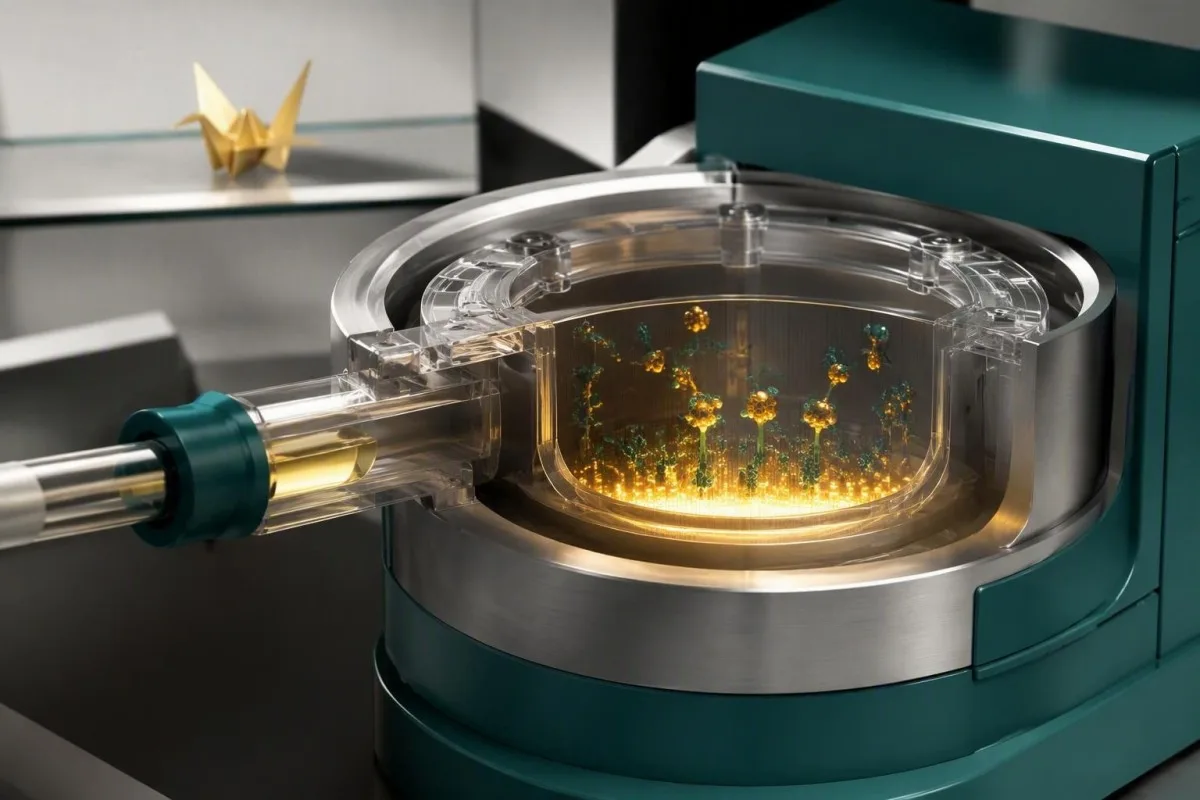
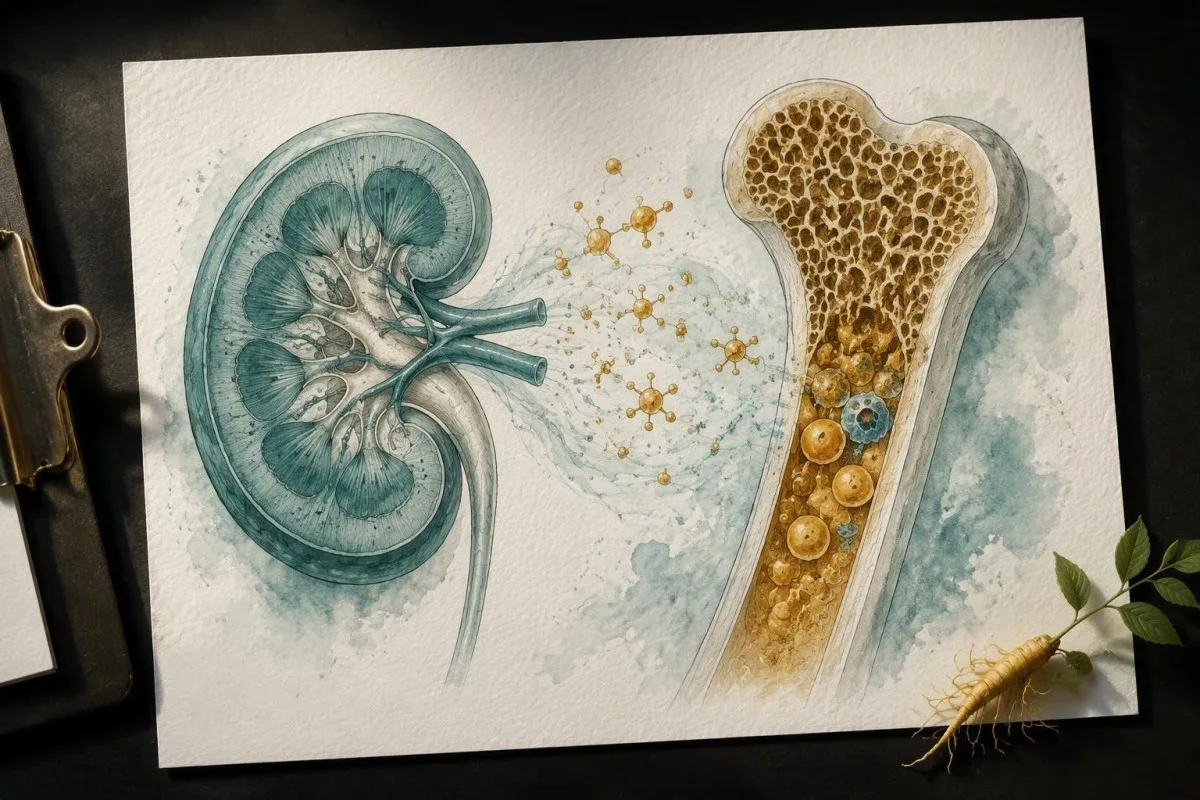
Is e hormone a th’ ann an EPO air a dhèanamh sa mhòr-chuid le ceallan dubhaig sònraichte. Bidh e ag innse don smior-chnàimh gus cinneasachadh cheallan-dhearg a mheudachadh nuair a tha ocsaidean nan clòthan ìosal; bidh lùb ath-bheachaidh fallain a’ cur casg air EPO nuair a tha tomad nan ceallan-dhearg mar-thà àrd. an Dr. Thomas Klein air fhaicinn mòran stiùiridh air adhbhrachadh le bhith a’ leughadh toradh an hormone mus dèanar cinnteach a bheil an CBC gu dearbh neo-àbhaisteach.
Tha Kantesti na Anailisiche deuchainn fala AI a mhìnicheas EPO leis an CBC, creatinine, eGFR, clàr-amais nan ceallan-dhearg, agus toraidhean roimhe an àite a bhith a’ làimhseachadh aon bhratach mar fhreagairt. Tha EPO beagan àrd ann an neach le hemoglobin 10.2 g/dL eadar-dhealaichte gu bith-eòlasach bhon aon toradh ann an cuideigin le hemoglobin 18.1 g/dL. Tòisich le bhith ag ath-sgrùdadh dè a tha hemoglobin a’ ciallachadh air an aithisg agad fhèin.
Raon deuchainn fala EPO, aonadan agus caochladh obair-lann
Mar as trice bidh obair-lannan inbheach a’ toirt aithris air serum EPO timcheall air 2.6–18.5 mIU/mL, ged a thathas cuideachd a’ cleachdadh raointean bho timcheall air 3 gu 24 mIU/mL. Tha an t-sreap, an inbhe calibration, làimhseachadh sampall, agus a’ choimhearsnachd a chaidh a chleachdadh gus an ùine a stèidheachadh ag eadar-mhìneachadh mòran den atharrachadh seo.
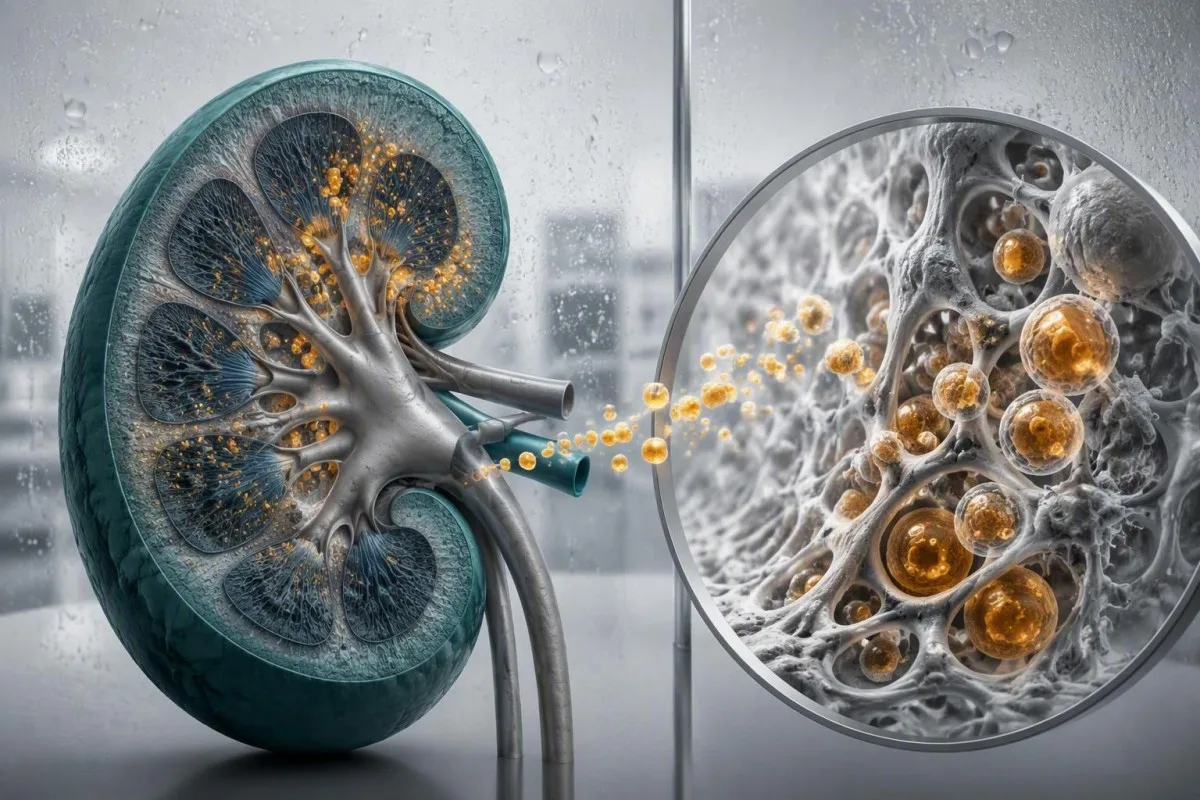
Bu chòir toradh a bhith air ainmeachadh mar àrd no ìosal a-mhàin an aghaidh na h-ùine a tha clò-bhuailte ri taobh. Mar as trice thathas a’ tomhas EPO le immunoassay, agus faodaidh dùmhlachdan nochdadh mar mIU/mL no IU/L; tha na h-aonadan sin co-ionann gu àireamhaigeil airson adhbharan aithris. Tha toradh 19 mIU/mL dìreach os cionn na h-ùine ann an aon obair-lann agus gu tur gun bhrìgh ann an obair-lann eile.
Is e an fhìor cheist a bheil EPO iomchaidh airson ìre nan ceallan-dhearg. Ann an anemia, is dòcha gu bheil luach faisg air 5 mIU/mL taobh a-staigh na h-ùine ach gu mì-iomchaidh ìosal; ann an erythrocytosis mòr, faodaidh an aon luach sin a bhith air a bhriseadh gu ciallach. Dèan coimeas eadar e le mìneachadh hematocrit agus ceann-latha na sampall, chan ann le gearradh uile-choitcheann air-loidhne.
Ìre àrd erythropoietin le ìosal hemoglobin
Tha ìre àrd de erythropoietin le hemoglobin ìosal mar as trice a’ sealltainn gu bheil na dubhagan a’ feuchainn ri dìoladh airson anemia no lughdachadh solar ocsaidean. Tha dìth iarainn, call fala o chionn ghoirid, hemolysis, tinneas sgamhain, anail air a bheil dragh cadail, agus àrd àirde nan mìneachaidhean nas cumanta na fàs tearc a tha a’ dèanamh EPO.
Ann an neach le hemoglobin 9.8 g/dL, tha EPO de 48 mIU/mL gu tric na fhreagairt dùil—gun dearbhadh gu bheil an hormone ag adhbhrachadh trioblaid. Is e na luchd-dàimh a tha a’ dèanamh eadar-dhealachadh MCV, ferritin, saturation transferrin, reticulocytes, bilirubin, LDH, agus haptoglobin. Tha MCV ìosal còmhla ri ferritin fo 15 ng/mL gu làidir a’ toirt taic do dhìth iarainn, fhad ‘s a tha àrdachadh ann an àireamh reticulocyte gar stiùireadh a dh’ionnsaigh call no sgrios cheallan ruaidh a tha a’ dol air adhart.
Rinn mi ath-sgrùdadh o chionn ghoirid air lùth-chleasaiche rèisidh aig an robh EPO 31 mIU/mL agus hemoglobin 11.1 g/dL às deidh bloca trèanaidh trom. Bha am ferritin aice 8 ng/mL, gun a bhith na dhuilgheadas smior; is e seo an adhbhar gu bheil ferritin ìosal ron anemia airidh air aire mus tig comharraidhean gu bhith a’ cur stad. Chan urrainn do EPO àrd dìoladh a dhèanamh airson iarann a tha a dhìth, bhiotamin B12, folate, no smior a tha a’ fàiligeadh.
EPO ìosal ann an anemia: am pàtran gnìomh dubhaig
Tha EPO ìosal no ìosal-àbhaisteach ann an anemia gu tric a’ nochdadh gun riochdachadh hormona dubhaig neo-iomchaidh, gu sònraichte nuair a tha eGFR air a lughdachadh. Faodaidh e cuideachd tachairt le tinneas sèid, droch thinneas siostaim, no casg smior, mar sin chan eil creatinine leis fhèin a-riamh a’ suidheachadh na h-adhbhar.
Tha anemia bho thinneas dubhaig leantach a’ fàs nas cumanta mar a thuiteas sìoladh, ach chan eil e air a mhìneachadh le àireamh eGFR leis fhèin. Faodaidh neach le eGFR 32 mL/min/1.73 m² agus hemoglobin 9.9 g/dL luach EPO de 7 mIU/mL a bhith aige - gu teicnigeach àbhaisteach, ach ro ìosal airson an ìre sin de anemia. Tha stiùireadh anemia KDIGO a’ moladh sgrùdadh a dhèanamh air inbhe iarainn mus beachdaich thu air cungaidh-leigheis a bhrosnaicheas erythropoiesis (KDIGO, 2012).
Tha anemia bho na dubhagan gu tric normocytic, le MCV timcheall air 80–100 fL agus freagairt reticulocyte ìosal, ach tha dìth iarainn measgaichte air a bhith air leth cumanta. Ath-sgrùdadh comharran rabhaidh ìosal eGFR agus albumin urine seach a bhith a’ gabhail ris gu bheil creatinine beagan àrd a’ mìneachadh a h-uile càil. Nam chlinic, bidh toradh ferritin agus saturation transferrin gu tric ag atharrachadh a’ phlana leigheis.
EPO ìosal le hemoglobin àrd no hematocrit
Tha erythropoietin ìosal le hemoglobin no hematocrit àrd a’ togail dragh mu phròiseas smior bun-sgoile, gu sònraichte polycythemia vera. Chan eil e a’ dearbhadh an dearbhadh sin, ach is e clue luachmhor a th’ ann leis nach bu chòir ath-bheothachadh àbhaisteach a bhith a’ cur casg air EPO nuair a tha cinneasachadh cheallan ruaidh fèin-riaghlaidh.

Tha slatan-tomhais WHO 2016 a’ cleachdadh hemoglobin os cionn 16.5 g/dL ann an fir no 16.0 g/dL ann am boireannaich, no hematocrit os cionn 49% agus 48% fa leth, mar ìrean a bhrosnaicheas measadh airson polycythemia vera (Arber et al., 2016). Tha EPO fo-àbhaisteach na shlat-tomhais breithneachaidh bheag; bidh deuchainn mùtaidh JAK2, ath-aithris CBCan, agus uaireannan sgrùdadh smior a’ stèidheachadh an dearbhadh. Chan eil aon sampall dìth uisge gu leòr.
Bidh Kantesti AI a’ mìneachadh toradh EPO ìosal le bhith ga choimeas ri hematocrit roimhe, àireamh nan ceallan ruaidh, MCV, truaillean, agus ceallan geala—phàtranan a dh’ fhaodar a chall nuair a thèid gach toradh a choimhead leis fhèin. Bidh àrdachadh ann an àireamh nan truaillean no àrdachadh neo-mhìnichte ann an àireamh nan ceallan geala a’ neartachadh a’ chùis airson ath-sgrùdadh hematology. Ar mion-fhiosrachadh comharran polycythemia a’ mìneachadh sreath nan deuchainnean a chleachdar mar as trice.
EPO àrd le hemoglobin àrd: erythrocytosis àrd-sgoile
Tha EPO àrd còmhla ri haemoglobin àrd mar as trice a’ nochdadh erythrocytosis àrd-ìre, a’ ciallachadh gu bheil comharra bhon taobh a-muigh no meidigeach a’ stiùireadh cinneasachadh cheallan fala dearga. Am measg nan rudan cumanta tha àirde, smocadh no nochdadh carbon monoxide, apnea cadail bacach, galar sgamhain cronach, leigheas testosterone, agus nas ainneamh aillsean dubhaig no grùthan.
Feumaidh haemoglobin de 17.4 g/dL às deidh seachdain aig 2,500 meatair còmhraidheas eadar-dhealaichte bho an aon toradh aig ìre na mara. Mar as trice bidh EPO ag èirigh taobh a-staigh uairean a thìde bho nochdadh hypoxic, fhad ‘s a tha an tomhas tomhaiste de mhais nan ceallan fala dearga a’ leasachadh nas slaodaiche; faodaidh dìth uisge rè turais cuideachd an sampall a dhèanamh nas dùmhail. Clàraich àirde, cinn-latha itealaich, smocadh, vaping, agus cleachdadh androgens ron deuchainn ath-aithris.
Tha cuid de dh’euslaintich iongnadh gun urrainn do apnea cadail a bhith buntainneach eadhon às aonais codal tron latha. Faodaidh tuiteaman ocsaidean oidhcheach ath-aithris brosnachadh EPO eadar-amail, ged nach cuir saturachadh ocsaidean àbhaisteach tron latha às às. Bu chòir luachan leantainneach a bhith air an sgrùdadh an aghaidh ar stiùir gu adhbharan dùmhlachd fala àrd agus a bhith air an deasbad le neach-clionaigeach seach a bhith air an riaghladh le tabhartas fala a-mhàin.
Àirde, eacarsaich agus ùine ron deuchainn EPO
Faodaidh àirde agus nochdadh ocsaidean buaidh a thoirt air EPO mus atharraich iad haemoglobin gu mòr, mar sin tha ùine an deuchainn cudromach. Faodaidh turas beag beinne, tinneas analach dian, hypoxia oidhcheil, agus eacarsaich làidir o chionn ghoirid uile a bhith a’ dèanamh mìneachadh faisg air stairsneach co-dhùnaidh nas duilghe.
Airson toradh ceart-ùine neo-èiginneach, mar as trice bidh mi ag iarraidh air euslaintich an CBC agus EPO ath-aithris às deidh dhaibh a bhith air ais aig an àirde àbhaisteach aca, làn uisge, agus air faighinn seachad air tinneas geur. Chan eil ùine feitheimh stèidhichte air fianais ann airson a h-uile neach-siubhail; tha dà sheachdain gu ceithir seachdainean gu tric practaigeach gu clionaigeach nuair nach robh an toradh tùsail ach beagan neo-àbhaisteach. Tha an gluasad nas luachmhoire na bhith a’ feuchainn ri fiosaig a mhìneachadh bho shealladh cairt-puist de aon latha.
Faodaidh cruaidh eacarsaich tomhas-lìonaidh plasma a lughdachadh airson grunn uairean a thìde agus haemoglobin no hematocrit a dhèanamh a’ coimhead àrd gu meallta. Is e comharra furasta a chall albumin àrd no pròtain iomlan aig an aon àm, a tha a’ brosnachadh cruinneachadh fala seach leudachadh fìor cheallan fala dearga. Faic mar a tha dìth uisge a’ cruthachadh àireamh RBC meallta àrd mus gabh thu ris gu bheil do smior air atharrachadh.
Mar a dh’atharraicheas creatinine, eGFR agus deuchainn fual mìneachadh EPO
Tha creatinine, eGFR, agus albumin urine a’ cuideachadh le bhith a’ dearbhadh a bheil freagairt EPO ìosal co-cheangailte ris na dubhagan. Tha eGFR fo 60 mL/min/1.73 m² airson co-dhiù 3 mìosan a’ toirt taic do thinneas dubhaig cronach, ach dh’fhaodadh anemia adhbhar eile a bhith ann aig gach ìre CKD.
Tha toradh EPO ìosal nas fheàrr airson anemia dubhaig nuair a tha haemoglobin ìosal, chan eil reticulocytes air an togail, agus tha milleadh dubhaig stèidhichte air deuchainn ath-aithris. Tha an co-mheas albumin-creatinine a’ cur fiosrachadh cudromach ris leis gum faod neach a bhith a’ fulang le tinneas dubhaig a tha buntainneach gu clionaigeach eadhon nuair a tha creatinine a’ nochdadh beagan nas àirde. An eadar-dhealachadh practaigeach eadar BUN agus creatinine faodaidh e casg a chuir air co-dhùnadh a tha a’ dol às mo chiall.
Air an làimh eile, faodaidh eGFR lùghdaichte a bhith ann an co-shuidheachadh le call fala gastrointestinal, dìth iarainn, dìth B12, no casg smior co-cheangailte ri cungaidh-leigheis. Tha Kantesti na seirbheis eadar-mhìneachaidh deuchainn-lann AI a tha a’ comharrachadh an easbhaidh seo: chan fhaodar anemia le saturation ìosal de transferrin fo 20% a bhith air a chomharrachadh mar anemia dubhaig gus am bi cothrom air iarann air a thomhas. Bidh comharran dubhaig a’ toirt cunntas air co-theacsa; chan eil iad a’ leisgeulachadh obair iomlan anemia.
Clues CBC a nì toradh EPO feumail
Tha an CBC a’ dearbhadh a bheil EPO iomchaidh, neo-leòinte, no a’ dol às mo chiall. Bidh haemoglobin agus hematocrit a’ tomhas duilgheadas nan ceallan fala dearga, bidh MCV a’ comharrachadh phàtranan meud nan ceallan, agus bidh reticulocytes a’ sealltainn a bheil cinneasachadh smior a’ sìor fhàs gu dearbh.
Microcytosis, air an lab as MCV fo 80 fL, a' comar ris gainneachadh iarainn neo phàtranan thalassemia; macrocytosis os cionn 100 fL a' cur as do dhiofar roghainnean, a' gabhail a-steach dìth B12, deoch-làidir, tinneas an grùthan, agus tinneasan smior. Chan eil gin de na toraidhean air a mhìneachadh le EPO a-mhàin. Clàr-amais cinneasachadh reticulocyte os cionn mu 2 a' comharrachadh freagairt dìolaidh nas gnìomhaiche, ach tha obair-lann gan cunntadh ann an dòigh eadar-dhealaichte.
Kantesti AI ’s e Inneal mion-sgrùdaidh deuchainn fala le cumhachd AI a leughas EPO còmhla ri leud cuairteachaidh cheallan dearga, truileagan, agus ceallan geala gus pàtranan a chomharrachadh a tha airidh air ath-sgrùdadh le dotair. Ann an anemia le EPO ìosal, chan eil lughdachaidhean ùra ann an neutrophils no truileagan àbhaisteach airson anemia dubhaig gun duilgheadasan. Ar stiùireadh cunntais reticulocyte a“ mìneachadh carson a dh'fhaodadh ceudad ”àbhaisteach" de reticulocytes a bhith gu leòr ann an anemia dhroch.
Iarann, B12, folate agus hemolysis: adhbharan nach urrainn EPO a sgaradh
Chan urrainn do EPO eadar-dhealachadh a dhèanamh air dìth iarainn, dìth bhiotamain, call fala, agus hemolysis; bidh deuchainnean càraid a' dèanamh an obair sin. Tha EPO àrd an dùil ann an grunn de na suidheachaidhean sin, ach tha an làimhseachadh ag atharrachadh gu mòr agus chan eil iarann empiric an-còmhnaidh sàbhailte.
Tha Ferritin fo 15 ng/mL air leth sònraichte airson stòran iarainn falamh ann an inbheach a tha air dhòigh eile fallain, ach faodaidh ferritin èirigh rè galar, leòn grùthan, agus sèid cronach. Tha saturation transferrin fo 20% a' comharrachadh iarann ruigsinneach cuingealaichte, gu sònraichte ma tha anemia ann. Airson mìneachadh nas coileanta, cleachd ar airson iomradh air sgrùdaidhean iarainn.
Mar as trice bidh hemolysis a' toirt a-mach buidheann eadar-dhealaichte: bidh reticulocytes ag èirigh, faodaidh bilirubin neo-dhìreach agus LDH èirigh, agus gu tric bidh haptoglobin a' tuiteam. Tha an Dr. Thomas Klein a' comhairleachadh an aghaidh tòiseachadh iarainn leat fhèin nuair a tha am pàtran seo ann, oir faodaidh e dàil a chuir air aithneachadh adhbhar dìonach, oighreachail, no meacanaigeach. Ionnsaich na cnapan-starra air cùlaibh toraidhean haptoglobin ìosal mus tarraing thu co-dhùnaidhean.
Cuin a tha EPO a’ comharrachadh a dh’ionnsaigh deuchainn smior cnàimh
Thathas a' beachdachadh air deuchainnean smior-chnàimh agus mùthaidh nuair a thèid EPO a chuir sìos le erythrocytosis leantainneach, no nuair a tha freagairt reticulocyte gu math lag ann an anemia le grunn loidhnichean ceallan ìosal. Is e sgrùdaidhean air an amas a th' anns na deuchainnean sin, chan e leantainn àbhaisteach airson a h-uile luach EPO beagan neo-àbhaisteach.

Tha Polycythemia vera gu mòr an cois mùthadh dràibhidh JAK2, agus tha serum EPO ìosal a' cuideachadh le bhith ga eadar-dhealachadh bho iomadh adhbhar àrd-sgoile. Tha stiùireadh Comann Rìoghail na h-Alba airson Haematology a' moladh measadh structarail air erythrocytosis an àite a bhith a' gabhail ris gu bheil a h-uile hemoglobin àrd a' riochdachadh polycythemia vera (McMullin et al., 2019). Dh' fhaodadh neach-clionaigeach JAK2 V617F òrdachadh an toiseach, an uairsin deuchainn a bharrachd ma tha an coltas clionaigeach àrd fhathast.
Tha anemia a bharrachd air reticulocytes ìosal, truileagan fo 150 × 10⁹/L, agus neutrophils fo 1.5 × 10⁹/L airidh air ath-sgrùdadh gu sgiobalta oir faodaidh an cothlamadh seo a bhith a' comharrachadh cinneasachadh smior lag. Chan eil e co-ionann ri aillse - cungaidhean-leigheis, galar bhìorasach, galair fèin-dìon, dìth beathachaidh, agus pròiseasan aplastic a' dol thairis. Ar stiùireadh CBC anemia aplastic a' mìneachadh dè na pàtranan a dh' fheumas measadh nas luaithe.
Leigheasan, testosterone agus EPO òrdaichte
Faodaidh testosterone agus cungaidhean-leigheis brosnachaidh erythropoiesis òrdaichte an hemoglobin àrdachadh, fhad 's a dh' fhaodadh luchd-dìon ACE, ARBn, chemotherapy, agus cuid de chungaidhean-leigheis an-aghaidh sèid a bhith a' cur ri anemia ann an euslaintich taghte. Chan urrainnear toradh EPO a mhìneachadh gu sàbhailte às aonais liosta iomlan de chungaidhean-leigheis agus stuthan cur-ris.
Mar as trice bidh erythrocytosis co-cheangailte ri testosterone air a lorg air sgrùdadh CBC sreathach, chan ann le deuchainn EPO a-mhàin. Tha hematocrit leantainneach os cionn 54% rè làimhseachadh testosterone gu tric a' brosnachadh atharrachadh dòis no stad sealach ann an stiùireadh cleachdadh endocrinology mòr, oir tha an cunnart co-cheangailte ri slaodachd a' fàs nas draghail. Na toir seachad fuil gu tric às aonais com-pàirt neach-òrdughan; faodaidh e dìth iarainn a chruthachadh agus am pàtran bunasach a dhubhadh às.
Tha EPO ath-chruthachail agus cungaidhean-leigheis co-cheangailte air an cleachdadh fo phròtacolaichean speisealta airson anemia CKD taghte agus anemia co-cheangailte ri chemotherapy, le targaidean hemoglobin fa leth. Dh' fhaodadh euslainteach a tha a' faighinn nan cungaidhean sin a bhith aig toradh dearbhaidh a tha duilich a mhìneachadh a rèir an ùine agus cross-reactivity an dearbhaidh. Ar mion-sgrùdadh gluasad cungaidh-leighis air a dhealbhadh gus cinn-latha, dòsan, agus atharrachadh obair-lann thar ùine a ghleidheadh.
Mar a ni thu ullachadh airson deuchainn fala EPO agus gus toraidhean a tha meallta a sheachnadh
Chan fheum a' mhòr-chuid de dheuchainnean fala EPO biadh, ach bu chòir dearbhadh air nochdadh faisg air àm gu àirde, uisgeachadh, smocadh, cleachdadh testosterone, agus tinneas geur a bhith air a chlàradh. Mar as trice tha an sampall obair-lann sìmplidh; is e an ullachadh as cudromaiche eachdraidh chruinn.
Faighnich mun neach- òrdachaidh an fhiach fhaighinn CBC, cunntas reticulocyte, ferritin, creatinine/eGFR, ocsaidean saturais, agus EPO bhon aon tarraing. Tha CBC den aon latha a’ cur casg air mearachd mìneachaidh cumanta: a’ coimeas EPO an-diugh le hemoglobin air a thomhas mìosan roimhe seo às deidh obair-lannsa, siubhal, no làimhseachadh. Mas e an toradh a stiùras iomradh air hematology, is fhiach an co-òrdanachadh a bharrachd air cunbhalachd.
Seachain trèanadh ro throm agus ceartaich dìth uisge follaiseach mus dèan thu ath-aithris air CBC mura h-iarr an neach-leigheis agad a chaochladh. Na stad le testosterone òrdaichte, ocsaidean, CPAP, no cungaidhean dubhaig dìreach gus toradh a “ghlanadh suas”. Ullachadh deuchainn fala bunaiteach a’ mìneachadh dè an fhiosrachadh a chlàraicheas tu gus am bi toradh ath-aithris dha-rìribh coimeasach.
Cuin a dh’ fheumas toraidhean EPO neo-àbhaisteach cùram èiginn no speisealachd
Chan eil mì-ghnàthachdan EPO fhèin tearc a dh’ adhlaicheas èiginn, ach tha na comharran agus an ìomhaigh CBC mun cuairt orra uaireannan. Pian ùr sa bhroilleach, faochadh, anail mhòr, laigse aon-thaobhach, trioblaid labhairt, stòl dubh, no sgìths a tha a’ fàs gu luath feumach air measadh èiginneach seach mìneachadh air-loidhne.
Cur air dòigh ath-sgrùdadh prìomh-chùraim no hematology gu sgiobalta airson hemoglobin ath-aithris os cionn 16.5 g/dL ann an fir no 16.0 g/dL ann am boireannaich le EPO ìosal, gu sònraichte le ceann goirt, atharrachaidhean lèirsinn, losgadh às deidh uisge blàth, eachdraidh clot, no comharran dubhaig leudaichte. Iarr measadh èiginneach airson hemoglobin timcheall air 7–8 g/dL le dizziness, pian sa bhroilleach aig àm gnìomh, no giorrad analach; tha an stairsneach iomchaidh ag atharrachadh a rèir aois agus tinneas cridhe.
Bidh lìonra neoni Kantesti a’ cur air dòigh EPO, CBC, dubhaig, agus gluasadan iarainn gu ceistean as urrainn dhut a thoirt gu dreuchd, ach chan eilear an dùil gun cuir e an àite sgrùdadh, measadh ocsaidean, no deuchainn speisealaiche. Tha an dòigh-obrach clionaigeach againn agus stiùireadh lighiche air a mhìneachadh anns an frèam-obrach dearbhaidh meidigeach. Thoir leat CBCan roimhe - gu tric bidh trì luachan thar ùine ag innse sgeul nas sàbhailte na aon àireamh eagallach.
A’ cumail sùil air gluasadan EPO agus a’ deasbad thoraidhean leis an dotair agad
Chan eil toradh EPO ath-aithris feumail ach nuair a tha an hemoglobin, hematocrit, àirde, cungaidhean-leigheis, agus suidheachadh dubhaig coimeasach. Tha EPO seasmhach le hemoglobin a’ tuiteam a’ ciallachadh eadar-dhealaichte bho EPO seasmhach le hematocrit a’ dol am meud, eadhon ged a dh’ fhanas an dà luach taobh a-staigh an raon.
Cùm am PDF tùsail bho obair-lann, aonadan, raon iomraidh, ceann-latha cruinneachaidh, àirde gnàthach, staid smocaidh, agus liosta cungaidhean-leigheis. Faodaidh eadar-dhealachadh 1.0 g/dL ann an hemoglobin nochdadh uisgeachadh agus atharrachadh bith-eòlasach àbhaisteach, fhad ‘s a tha atharrachadh stiùiridh ath-aithris thar grunn tharraidhean airidh air mìneachadh. Tha ar stiùireadh atharrachaidh deuchainn fala a’ cuideachadh le bhith a’ sgaradh gluasadan ciallach bho atharrachadh àbhaisteach.
Tha Kantesti na àrd-ùrlar mìneachaidh biomarcadairean AI air a chleachdadh air feadh 127+ dùthchannan gus toraidhean obair-lann a chuir ann an co-theacsa clionaigeach fad-ùine, le làimhseachadh a tha a’ dìon prìobhaideachd de naithisgean air an luchdachadh suas. Airson clàr-innse nas fharsainge de chomharran ceangailte, thoir sùil air an stiùireadh biomarcadairean 15,000-plus againn. Tha an dà fhoillseachadh rannsachaidh Kantesti gu h-ìosal a’ toirt seachad leughadh taiceil air mìneachadh co-cheangailte de phòcaid serum agus comharran dìonach; chan eil gin dhiubh a’ cur an àite measadh hematology air ìomhaigh EPO neo-àbhaisteach.
Ceistean Bitheanta
Dè an ìre àbhaisteach de erythropoietin?
Is e raon iomlanachd cumanta airson erythropoietin ann an inbhich timcheall air 2.6–18.5 mIU/mL, ged a chleachdas mòran obair-lann raointean eadar-dhealaichte, mar eisimpleir 3–24 mIU/mL. Is e an raon obair-lann a tha clò-bhuailte air an aithisg agad fhèin an coimeas ceart oir chan eil deuchainnean EPO gu tur eadar-ghluasadach. Faodaidh ìre EPO àbhaisteach a bhith neo-iomchaidh fhathast ma tha an hemoglobin glè ìosal no glè àrd. Mar eisimpleir, faodaidh EPO de 6 mIU/mL a bhith neo-fhreagarrach ann an neach le hemoglobin 9.5 g/dL ach dùil ann an neach le hemoglobin 14.0 g/dL.
Dè tha ìre àrd de erythropoietin a' ciallachadh?
Tha ìre àrd de erythropoietin a' ciallachadh as trice gu bheil na dubhagan a' mothachadh lughdachadh ann an lìbhrigeadh ocsaidean agus gu bheil iad a' brosnachadh cinneasachadh ceallan-fala dearg. Am measg nan adhbharan cumanta tha anemia easbhaidh iarainn, call fala, hemolysis, nochdadh gu àirde àrd, nochdadh gu carbon mon-ocsaid co-cheangailte ri smocadh, apnea cadail, agus galar sgamhain leantainneach. Tha EPO àrd le hemoglobin fo 12.0 g/dL ann an mòran bhoireannach inbheach nach eil trom no fo 13.0 g/dL ann am mòran fhireannach inbheach mar as trice a' riochdachadh freagairt dìolaidh seach breithneachadh smior. Tha feum air measadh airson erythrocytosis àrd-sgoile, agus nas tearc, fàs dubhaig no grùthan a' dèanamh EPO, nuair a tha EPO àrd leantainneach agus hemoglobin àrd.
Dè tha ìre ìosal de erythropoietin a' ciallachadh?
Faodaidh ìre ìosal de erythropoietin a bhith a’ ciallachadh nach eil na dubhagan a’ dèanamh gu leòr den hormone airson ìre an t-seòrsa ana-mheadhrachaidh, gu sònraichte ann an tinneas dubhaig leantainneach. Tha EPO ìosal cuideachd na chomharra taiceil airson polycythemia vera nuair a tha hemoglobin gu daingeann os cionn 16.5 g/dL ann an fir no 16.0 g/dL ann am boireannaich. Tha an aon toradh ìosal a’ ciallachadh diofar rudan ann an ana-mheadhrachadh agus erythrocytosis, mar sin tha CBC bhon aon cheann-latha riatanach. Chan eil EPO ìosal leis fhèin a’ dearbhadh fàilligeadh dubhaig no eas-òrdugh smior cnàimh.
An urrainn dìth uisge buaidh a thoirt air toradh deuchainn erythropoietin?
Mar as trice bidh dìth uisge a’ toirt buaidh air an hemoglobin agus an hematocrit nas motha na an EPO le bhith a’ lughdachadh meud plasma agus a’ dèanamh dùmhlachd cheallan-fola dearga a’ nochdadh nas àirde. Faodaidh sampall dlùth sealltainn hematocrit àrd le albumin àrd no pròtain iomlan, a dh’ fhaodadh a bhith coltach ri fìor erythrocytosis. Chan eil dìth uisge tlàth mar as trice a’ cruthachadh toraidhean EPO gu math ìosal, ach faodaidh e an dealbh iomlan a dhèanamh troimh-chèile faisg air stairsnean mar hematocrit 49% ann an fir no 48% ann am boireannaich. Tha ath-aithris air an CBC fhad ‘s a tha e gu h-àbhaisteach hydrated gu tric nas fheumail na ath-aithris air EPO leis fhèin.
A bheil àrdachd ag àrdachadh EPO?
Faodaidh àirde mhòr EPO àrdachadh leis gu bheil cuideam nas ìsle de ocsaidean a’ cur an gnìomh ceallan a tha a’ mothachadh ocsaidean san dubhaig. Faodaidh EPO èirigh taobh a-staigh uairean bho nochdadh, agus mar as trice bheir atharrachaidhean feumach air hemoglobin agus tomad cheallan dearga làithean gu seachdainean. Faodaidh fuireach o chionn ghoir a bharrachd air timcheall air 2,000–2,500 meatair mar sin buaidh a thoirt air deuchainn fala airson EPO, eadhon ged nach eil an CBC air atharrachadh mòran fhathast. Innis don neach-clionaigeach agad mu thurasachd, coiseachd, àirde-còmhnaidh, agus an ceann-latha air an do thill thu mus dèan thu mìneachadh air toradh a tha air iomall.
An ciallaichidh EPO ìosal an-còmhnaidh polycythemia vera?
Chan eil, chan eil EPO ìosal an-còmhnaidh a’ ciallachadh polycythemia vera. Chan eil ann ach aon toradh taiceil agus tha e feumail gu sònraichte nuair a tha an hemoglobin no an hematocrit air a bhith aig ìre àrd gu cunbhalach; tha frèam obrach 2016 WHO cuideachd an urra ri deuchainnean mùthaidh JAK2 agus slatan-tomhais clionaigeach no smior eile. Faodaidh dìth uisgeachadh, atharrachadh obair-lann, agus ùine toraidhean a dhèanamh troimh-chèile. Bu chòir do neach-clionaigeach sgrùdadh a dhèanamh air hemoglobin cunbhalach os cionn 16.5 g / dL ann an fir no 16.0 g / dL ann am boireannaich le EPO ìosal, gu tric le comhairle bho hematology.
Faigh Mion-sgrùdadh Deuchainn Fala le Cumhachd AI an-diugh
Thig còmhla ri còrr is 2 mhillean neach air feadh an t-saoghail a tha a’ earbsa Kantesti airson mion-sgrùdadh sa bhad, ceart air deuchainnean obair-lann. Luchdaich suas na toraidhean deuchainn fala agad agus faigh mìneachadh coileanta air biomarcair 15,000+ ann an diogan.
📚 Foillseachaidhean Rannsachaidh le Iomraidhean
Klein, T., Mitchell, S., & Weber, H. (2026). Kantesti AI. (2026). Stiùireadh Pròtainean Serum: Dealanan (Globulins), Albumin & Deuchainn fala co-mheas A/G. Zenodo.. Rannsachadh Leigheis AI Kantesti.
Klein, T., Mitchell, S., & Weber, H. (2026). Kantesti AI. (2026). Iùl Deuchainn Fola C3 C4 Complement & Titer ANA. Zenodo.. Rannsachadh Leigheis AI Kantesti.
📖 Iomraidhean Meidigeach Taobh a-muigh
Buidheann Obrach Anemia KDIGO (2012). Stiùireadh Cleachdaidh Clionaigeach KDIGO airson Anemia ann an Galar Dubhaig Leantainneach. Supplements Iris Eadar-nàiseanta na Dubhaig.
⚕️ Àicheadh Meidigeach
Tha an artaigil seo dìreach airson adhbharan foghlaim agus chan eil e a’ dèanamh comhairle mheidigeach. Cuir fios an-còmhnaidh gu solaraiche cùram slàinte teisteanasach airson co-dhùnaidhean breithneachaidh is leigheis.
Comharran earbsa E-E-A-T
Eòlas
Lèirmheas clionaigeach air a stiùireadh le lighiche air sruthan-obrach mìneachaidh obair-lann.
Eòlas
Fòcas air leigheas obair-lann air mar a bhios bith-chomharraidhean (biomarkers) a’ giùlan ann an co-theacsa clionaigeach.
Ùghdarrasachd
Air a sgrìobhadh le Dr. Thomas Klein le ath-sgrùdadh le Dr. Sarah Mitchell agus Prof. Dr. Hans Weber.
Earbsachd
Mìneachadh stèidhichte air fianais le slighean leanmhainn soilleir gus dragh a lughdachadh.