ЭПО нәтиҗәсе сезнең гомуми кан анализы (CBC), бөер маркерлары, кислородка тәэсир итү һәм клиник тарихыгыз белән бергә каралганда гына файдалы була. Бу кулланма клиницистлар кулланган үрнәкләрне — һәм тиз арада ачыклау таләп иткән хәлләрне аңлата.



- ЭПО чагыштырма диапазоны гадәттә өлкәннәрдә 2,6–18,5 мкЕД/мл тирәсе, ләкин отчетлаучы лабораториянең диапазоны һәрвакыт өстенлекле.
- Түбән эритропоэтин дәрәҗәсе ир-атларда 16,5 г/дл яки хатын-кызларда 16,0 г/дл югарырак гемоглобин белән полицитемия вераны бәяләү өчен ярдәм итә ала.
- Югары эритропоэтин дәрәҗәсе анемия белән гадәттә бөерләрнең кислородны киметүгә, кан югалтуга, гемолизга яки тимер җитмәүгә җавап бирүен аңлата.
- Хроник бөер авыруы анемиягә китерергә мөмкин, чөнки зарарланган бөерләр анемия дәрәҗәсе өчен җитәрлек ЭПО эшләп чыгара алмаска мөмкин.
- Биеклеккә чыгу берничә сәгать эчендә ЭПОны күтәрергә мөмкин, шул ук вакытта гемоглобин гадәттә көннәр яки атналар дәвамында, төн уртасында түгел, үзгәрә.
- JAK2 тикшерүе гемоглобин яки гематокрит тотрыклы югары булганда һәм ЭПО лаборатория диапазоныннан түбән булганда еш кына карала.
- Бер ЭПО кыйммәте яман шеш, бөер авыруы яки сөяк мие авыруын диагностикаламый; СБК тренды һәм клиник хәл нәрсә булачагын билгели.
- Ашыгыч бәяләү яңа неврологик симптомнар, күкрәк авыртуы, сулыш алу, бер яклы көчсезлек яки сусызлану симптомнары белән бик югары гематокрит өчен акыллы.
Эритропоэтин нәтиҗәләре контекстта каралганда нәрсә аңлата
Эритропоэтин тест нәтиҗәләре гемоглобин һәм гематокрит белән туры килгәндә иң мәгълүматлы: югары эритроцит дәрәҗәсенә карамастан, түбән ЭПО автоном ми производствосына күрсәтергә мөмкин, шул ук вакытта югары ЭПО гадәттә организмның тиешле кислород җиткермәвен сизгәнен аңлата. Диапазон эчендә яки тышында нәтиҗә үзлегеннән диагноз түгел. 12 сентябрь, 2026 елга, бу гади парлау практик башлангыч нокта булып кала.
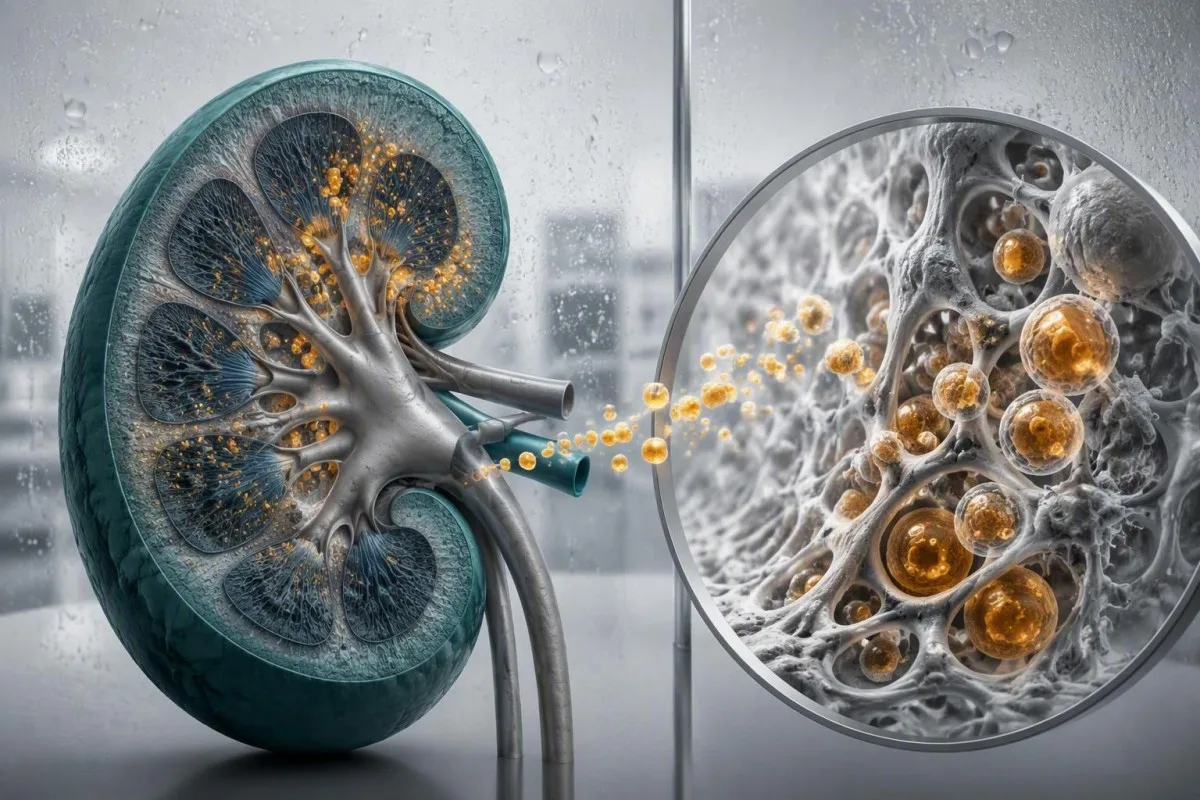
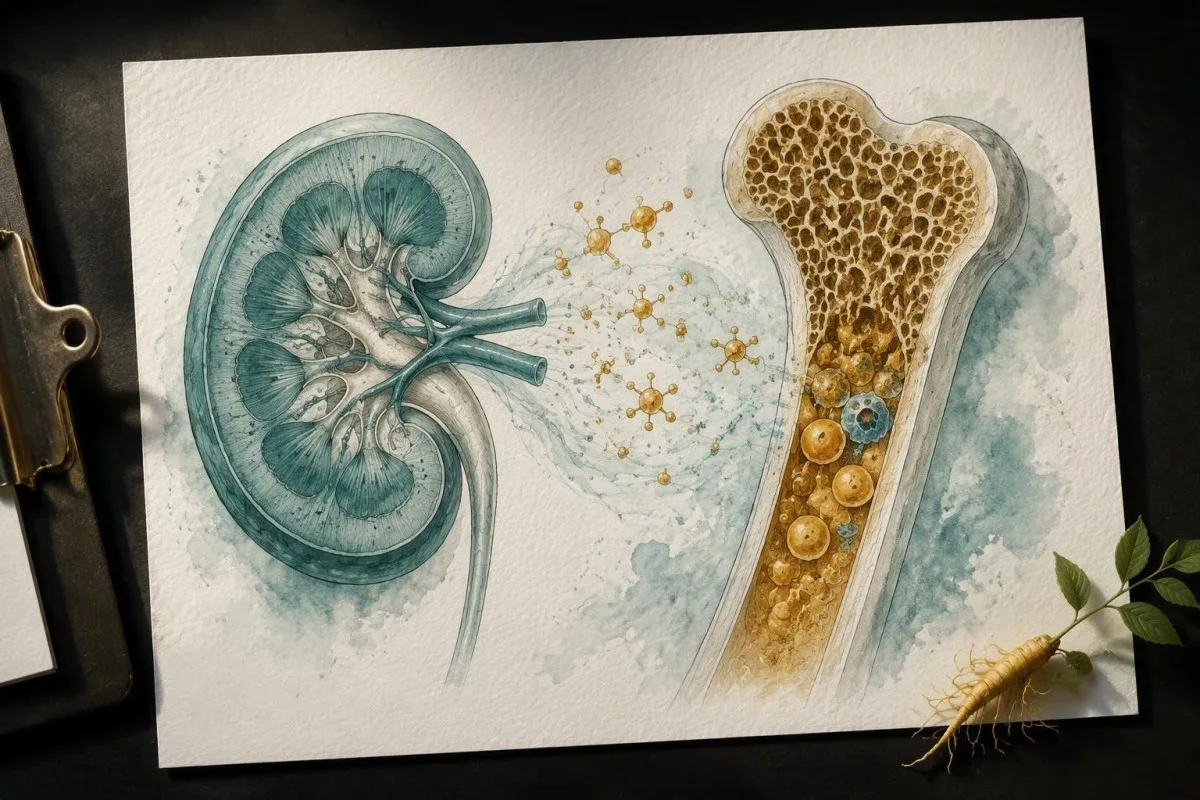
ЭПО - ул нигездә махсусләштерелгән бөер күзәнәкләре тарафыннан ясалган гормон. Ул тукыма кислороды түбән булганда эритроцит производствосын арттырырга сөяк миенә әйтә; сәламәт кире бәйләнеш циклы, эритроцит массасы инде югары булганда, ЭПОны баса. доктор Томас Кляйн СБК чыннан да аномаль булганын беренче тикшермичә гормон нәтиҗәсен уку аркасында күп сылтамалар күргән.
Кантести - ЯИ анализы ул ЭПОны СБК, креатинин, eGFR, эритроцит күрсәткечләре һәм алдагы нәтиҗәләр белән бергә аңлата, бер генә флагны җавап итеп карамыйча. Гемоглобин 10,2 г/дл булган кешедә уртача югары ЭПО, гемоглобин 18,1 г/дл булган кешедә бертигез нәтиҗәдән биологик яктан аерыла. Башларга карап чыгу гемоглобин нәрсә аңлата үз отчетыңда.
ЭПО кан анализы диапазоны, берәмлекләре һәм лаборатория вариациясе
Күпчелек олылар лабораторияләрендә сыворотка ЭПО якынча 2,6–18,5 mIU/mL тирәсендә хәбәр ителә, гәрчә якынча 3 дән 24 mIU/mL кадәрге диапазоны да кулланыла. Аны, калибровка стандарты, үрнәкне эшкәртү һәм интервалны билгеләү өчен кулланылган халык бу үзгәрешләрнең күбесен аңлата.
Нәтиҗәне югары яки түбән дип атарга кирәк, бары тик аның янында язылган интервалга карата. ЭПО гадәттә иммуноанализатор белән үлчәнә, һәм концентрацияләр mIU/mL яки IU/L итеп күрсәтелергә мөмкин; бу берәмлекләр санлы яктан отчет бирү максатлары өчен тиң. 19 mIU/mL нәтиҗәсе бер лабораториядә диапазоннан аз гына югары, ә башкасында бөтенләй игътибарсыз.
Чын сорау - ЭПОмы эритроцит дәрәҗәсенә туры киләме. Анемиядә, 5 mIU/mL якынча кыйммәт диапазон эчендә булырга мөмкин, ләкин тиешенчә түгел; шактый эритроцитозда, бу бер үк кыйммәт мәгънәле басылырга мөмкин. Аны чагыштырыгыз гематокритне ничек аңлату һәм үрнәк датасы, онлайн универсаль чик белән түгел.
Гемоглобин түбән булганда югары эритропоэтин дәрәҗәсе
Сатҳи баланди эритропоэтин бо гемоглобини паст, одатан нишон медиҳад, ки гурдаҳо кӯшиш мекунанд, ки камхунӣ ё коҳиши дастрасии оксигенро ҷуброн кунанд. Камосии оҳан, хунравии охирин, гемолиз, бемории шуш, нафаскашии хоби халалдоршуда ва баландии баланд, назар ба афзоиши нодири истеҳсолкунандаи EPO, шарҳҳои маъмултаранд.
Дар шахсе бо гемоглобини 9.8 г/дл, EPO-и 48 мIU/мл аксар вақт ҷавоби интизорӣ аст - на далели он ки гормон мушкилот эҷод мекунад. Дискриминаторҳои навбатӣ MCV, ферритин, нақлиёти трансферрин, ретикулоцитҳо, билирубин, LDH ва ҳиаглобин мебошанд. MCV паст ҳамроҳ бо ферритин дар зери 15 нг/мл сахт камосии оҳанро тасдиқ мекунад, дар ҳоле ки шумораи баланди ретикулоцитҳо моро ба талафоти давомдор ё нобудшавии эритроцитҳо водор мекунад.
Ман ба наздикӣ як варзишгари масофаи дарозро, ки EPO-и ӯ 31 мIU/мл ва гемоглобини ӯ 11.1 г/дл пас аз як давраи шадиди тамрин буд, аз назар гузаронидам. Ферритини ӯ 8 нг/мл буд, на як бемории мағзи устухон; ин аст, ки чаро анемиягә кадәр түбән ферритин пеш аз он ки аломатҳо маҳдудкунанда шаванд, сазовори диққат аст. EPO-и баланд наметавонад оҳани мавҷуд набуда, витамини B12, фолий ё мағзи нокомро бартараф кунад.
Анемиядә түбән ЭПО: бөер функциясе үрнәге
EPO-и паст ё паст-муқаррарӣ дар камхунӣ аксар вақт истеҳсоли нокифояи гормони гурдаро нишон медиҳад, хусусан вақте ки eGFR коҳиш меёбад. Он инчунин метавонад бо бемории илтиҳобӣ, бемории шадиди системавӣ ё фишори мағзи устухон рух диҳад, аз ин рӯ танҳо креатинин ҳеҷ гоҳ сабабро муайян намекунад.
Камхунии музмини гурда ҳар қадар филтратсия кам шавад, маъмултар мешавад, аммо он танҳо бо як рақами eGFR муайян карда намешавад. Шахсе бо eGFR 32 мл/дақ/1.73 м² ва гемоглобини 9.9 г/дл метавонад арзиши EPO 7 мIU/мл дошта бошад - аз ҷиҳати техникӣ муқаррарӣ, вале барои ин дараҷаи камхунӣ хеле паст. Дастури камхунии KDIGO тавсия медиҳад, ки пеш аз баррасии доруи ҳавасмандкунандаи эритропоэз (KDIGO, 2012) ҳолати оҳанро тафтиш кунед.
Камхунии гурда аксар вақт нормоцитӣ буда, MCV тақрибан 80–100 фл ва ҷавоби пасти ретикулоцитҳо дорад, аммо камосии омехтаи оҳан хеле маъмул аст. Барраси кунед огоҳӣ аз пастии eGFR ва албумини пешоб, назар ба он ки креатинини каме баланд ҳама чизро шарҳ медиҳад. Дар клиникаи ман, натиҷаи ферритин ва нақлиёти трансферрин зуд-зуд нақшаи табобатро тағир медиҳад.
Гемоглобин яки гематокрит югары булганда түбән ЭПО
EPO-и паст бо гемоглобин ё гематокрити баландшудаи давомнок нигарониро барои як раванди асосии мағзи устухон, хусусан полицитемия вера, ба вуҷуд меорад. Он ин ташхисро тасдиқ намекунад, аммо он як ишораи арзишманд аст, зеро танзими муқаррарӣ бояд EPO-ро ҳангоми истеҳсоли эритроцитҳо мустақил будани он фурӯ нишонад.
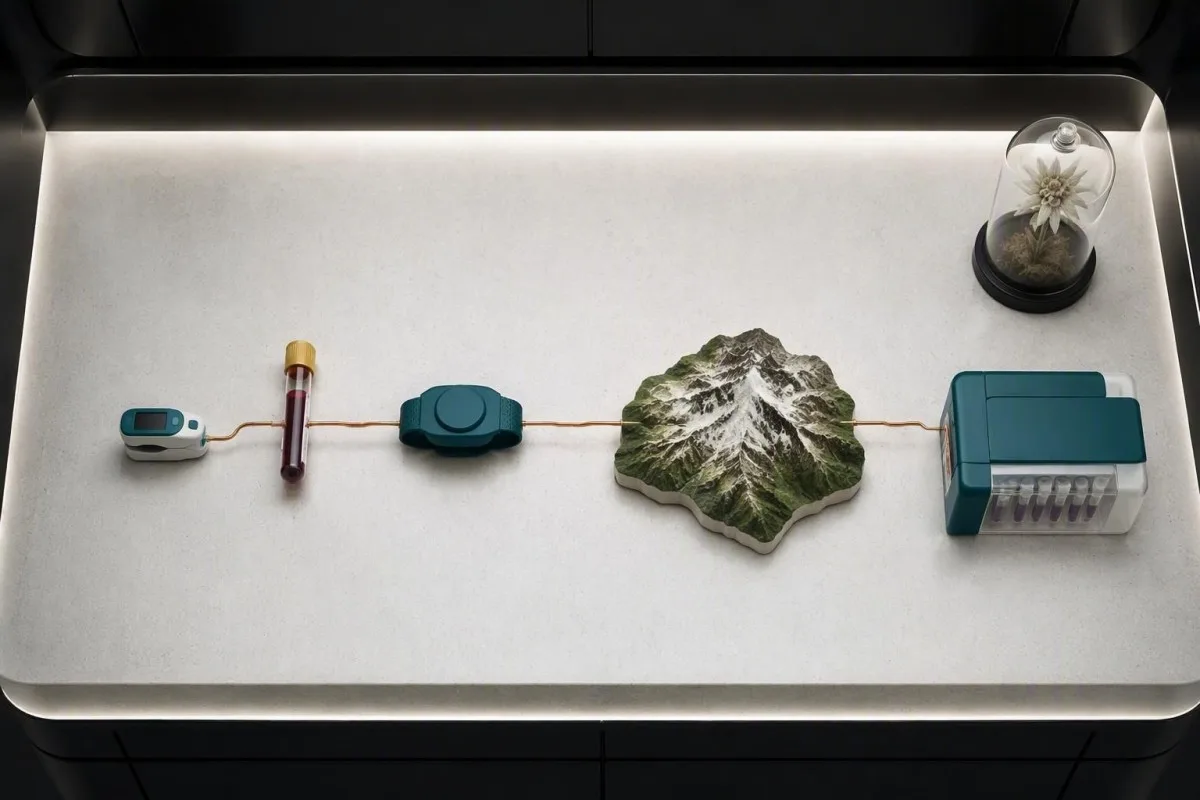
Меъёрҳои WHO-и 2016 гемоглобини аз 16.5 г/дл дар мардон ё 16.0 г/дл дар занон, ё гематокрити аз 49% ва 48% мутаносибан, ҳамчун нуқтаҳои буриш истифода мебаранд, ки арзёбии полицитемия вераро талаб мекунанд (Arber et al., 2016). EPO-и паст як меъёри хурди ташхисӣ мебошад; озмоиши мутатсияи JAK2, CBC-ҳои такрорӣ ва баъзан ташхиси мағзи устухон ташхисро муқаррар мекунанд. Як намунаи хушкида кофӣ нест.
Kantesti AI натиҷаи пасти EPO-ро бо муқоисаи он бо гематокрити қаблӣ, шумораи эритроцитҳо, MCV, тромбоцитҳо ва ҳуҷайраҳои сафед - намунаҳое, ки ҳангоми дидани ҳар як натиҷа алоҳида аз даст дода мешаванд, тафсир мекунад. Афзоиши шумораи тромбоцитҳо ё шумораи сафедаҳои баланди норавшан далелро барои баррасии гематологӣ тақвият медиҳад. Муфассали мо дастури нишонаҳои полицитемия гадәти сынау тәртибен аңлата.
Гемоглобин югары булганда югары ЭПО: икенчел эритроцитоз
EPO югары булганда һәм гемоглобин югары булганда, гадәттә икенчел эритроцитозны күрсәтә, бу тышкы яки медицина сигналы кызыл кан күзәнәкләре җитештерүенә этәрә дигәнне аңлата. Киң таралган сәбәпләр арасында биеклек, тәмәке тарту яки күмер суыту газына эләгү, йокы апноэсы, хроник үпкә авырулары, тестостерон терапиясе, һәм сирәгрәк бөер яки бавыр шешләре.
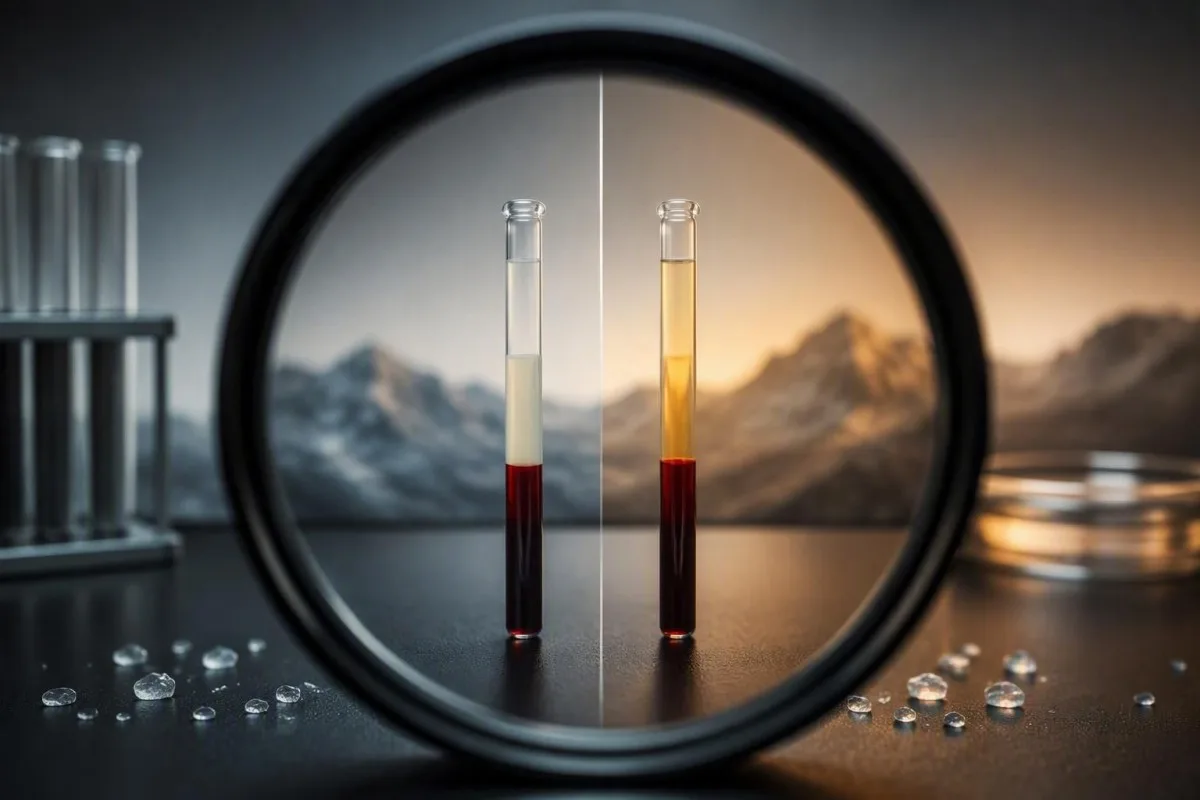
2500 метр биеклектә бер атнадан соң 17,4 г/дл гемоглобин, диңгез өслегендә шул ук нәтиҗәгә караганда, башкача карала. Гипоксиягә эләккәннән соң берничә сәгать эчендә EPO еш кына күтәрелә, ә кызыл кан күзәнәкләре массасының ачыкланган реакциясе әкренрәк үсә; юл вакытында сусызлану үрнәкне концентрацияләштерергә мөмкин. Кабат тест алдыннан биеклек, очыш даталары, тәмәке тарту, вейпинг һәм андроген куллануны языгыз.
Кайбер пациентлар йокы апноэсы көндез йокыга китмәсә дә актуаль булырга мөмкин дип гаҗәпләнәләр. Төнлә кислородның берничә тапкыр кимүе вакытлыча EPO стимулляциясенә китерергә мөмкин, ләкин нормаль көндез кислород белән туену аны кире какмый. Даими кыйммәтләр безнең кулланмага каршы тикшерелергә тиеш. гемоглобинның югары булу сәбәпләре һәм кан тапшыру белән генә хәл ителмәскә тиеш, ә табиб белән киңәшләшергә кирәк.
Биеклек, физик күнегүләр һәм ЭПО тесты алдыннан вакыт
Биеклек һәм кислородка эләгү, гемоглобинны җитәрлек үзгәрткәнче EPOга тәэсир итә ала, шуңа күрә тест вакыты мөһим. Кыска тау сәяхәте, үткен респиратор авыру, төнлә гипоксия, һәм якын арада интенсив физик активлык, карар чигенә якын интерпретацияне катлауландыра ала.
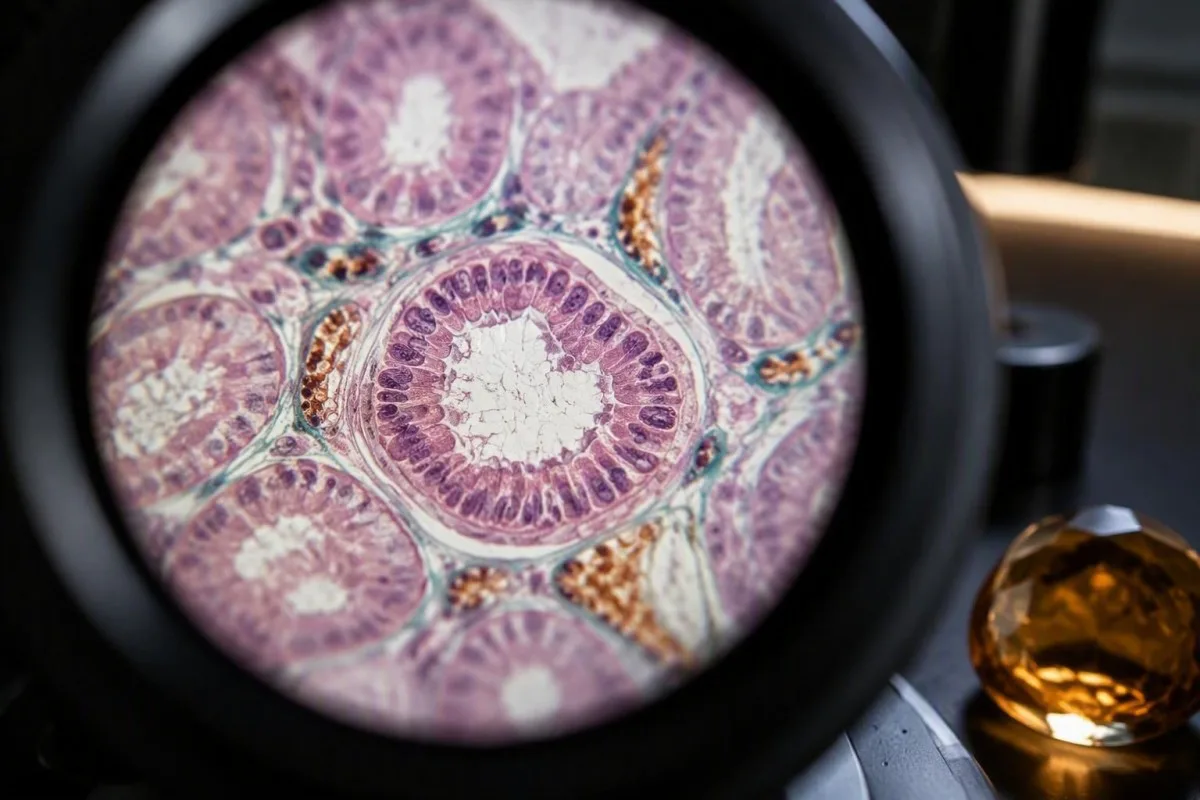
Ашыгыч булмаган чик нәтиҗә өчен, мин гадәттә пациентлардан үзләренең гадәти биеклегенә, яхшы суланганнан һәм үткен авырудан сәламәтләнгәннән соң CBC һәм EPOны кабатларга сорыйм. Һәрбер турист өчен дә дәлилләргә нигезләнгән бер генә көтү вакыты юк; ике-дүрт атна еш кына клиник яктан практик, беренче нәтиҗә бераз гына аномаль булса. Тренд бер көнлек открытка күренеше белән физиологияне интерпретацияләргә тырышуга караганда күбрәк кыйммәтле.
Каты физик активлык берничә сәгатькә плазма күләмен киметергә мөмкин һәм гемоглобинны яки гематокритны ялгыш югары итәргә мөмкин. Ан ачыкланмаган билге - бер үк вакытта югары альбумин яки гомуми аксым, ул чын кызыл кан күзәнәкләрен киңәйтүгә караганда гемоконцентрацияне өстен күрә. Карагыз ничек сусызлану ялган югары RBC санын ничек тудыра сөяк چېчләренең үзгәргәненә шикләнгәнче.
Креатинин, eGFR һәм сидек анализы ЭПО интерпретациясен ничек үзгәртә
Креатинин, eGFR, һәм бәвел альбумины бөер белән бәйле түбән EPO реакциясе булырмы-юкмы икәнлеген ачыкларга ярдәм итә. eGFR 60 мл/мин/1.73 м² дан ким булган очракта, кимендә 3 ай дәвамында хроник бөер авыруын раслый, ләкин анемия һәр CKD этабында башка сәбәпкә ия булырга мөмкин.
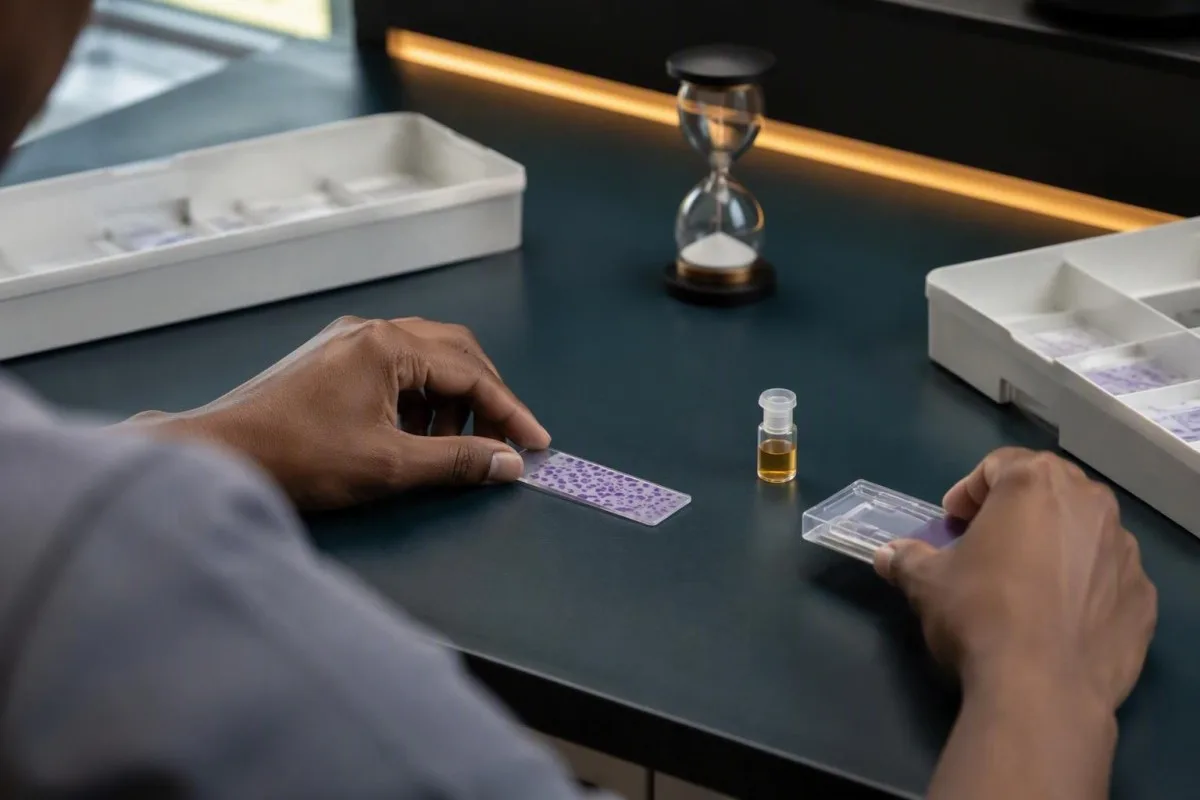
Түбән EPO нәтиҗәсе, гемоглобин түбән булганда, ретикулоцитлар артмаган булса, һәм бөер зарарлануы кабат тестларда ачыкланса, бөер анемиясе өчен күбрәк ышандыра. Альбумин-креатинин нисбәте мөһим мәгълүмат өсти, чөнки кешедә креатинин бераз арткан булса да, клиник яктан мөһим бөер авыруы булырга мөмкин. Арасындагы практик аерма BUN һәм креатинин misleading conclusion.
Киресенчә, киметелгән eGFR гастроинтестиналь кан югалту, тимер җитмәү, B12 җитмәү яки дарулар белән бәйле сөяк миенә йогынты ясау белән бергә булырга мөмкин. Kantesti AI лаборатория тестларын аңлату хезмәтендә басылып чыга which flags this mismatch: anemia with low transferrin saturation below 20% should not be labeled renal anemia until iron availability is addressed. Kidney markers describe context; they do not excuse a complete anemia work-up.
ЭПО нәтиҗәсен файдалы иткән гомуми кан анализы (CBC) күрсәткечләре
The CBC determines whether EPO is appropriate, insufficient, or misleading. Гемоглобин һәм гематокрит кызыл кан күзәнәкләре проблемасын quantify итә, MCV күзәнәкнең зурлык үрнәкләрен ачыклый, һәм ретикулоцитлар сөяк چېчләренең output'ы чыннан да артамы-юкмы икәнлеген күрсәтә.
Микроцитоз, күпчелек олылар лабораторияләрендә 80 фЛдан түбән MCV дип билгеләнә, тимер җитмәү яки талассемия билгеләренә игътибарны юнәлтә; 100 фЛдан югары Макроцитоз төрле мөмкинлекләрне арттыра, шул исәптән B12 җитмәү, алкогольгә эләгү, бавыр авыруы һәм сөяк چېчләре бозулары. Ике нәтиҗә дә EPO белән генә аңлатылмый. 2дән югарырак ретикулоцит җитештерү индексы күбрәк актив компенсатор реакциясен күрсәтә, ләкин лабораторияләр аны төрлечә исәпләргә.
Kantesti AI — ул AI нигезендәге кан анализы тикшерү коралы ул EPOны кызыл кан күзәнәкләренең таралу киңлеге, тромбоцитлар һәм ак кан күзәнәкләре белән бергә укый, табиб каравына лаеклы үрнәкләрне ачыклау өчен. Түбән EPO анемиясендә, нейтрофиллар яки тромбоцитларның яңа кимүе гадәти булмаган бөер анемиясендә типик түгел. Безнең ретикулоцитлар саны буенча кулланма аңлата, ни өчен “нормаль” ретикулоцит проценты авыр анемиядә дә адекват булмаска мөмкин.
Тимер, B12, фолат һәм гемолиз: ЭПО аерып булмаган сәбәпләр
EPO тимер, витамин, кан югалту һәм гемолизны аера алмый; компаньон тестлар бу эчне башкара. Бу шартларның берничәсендә югары EPO көтелә, ләкин дәвалау нык аерыла һәм эмпирик тимер һәрвакыт куркынычсыз түгел.
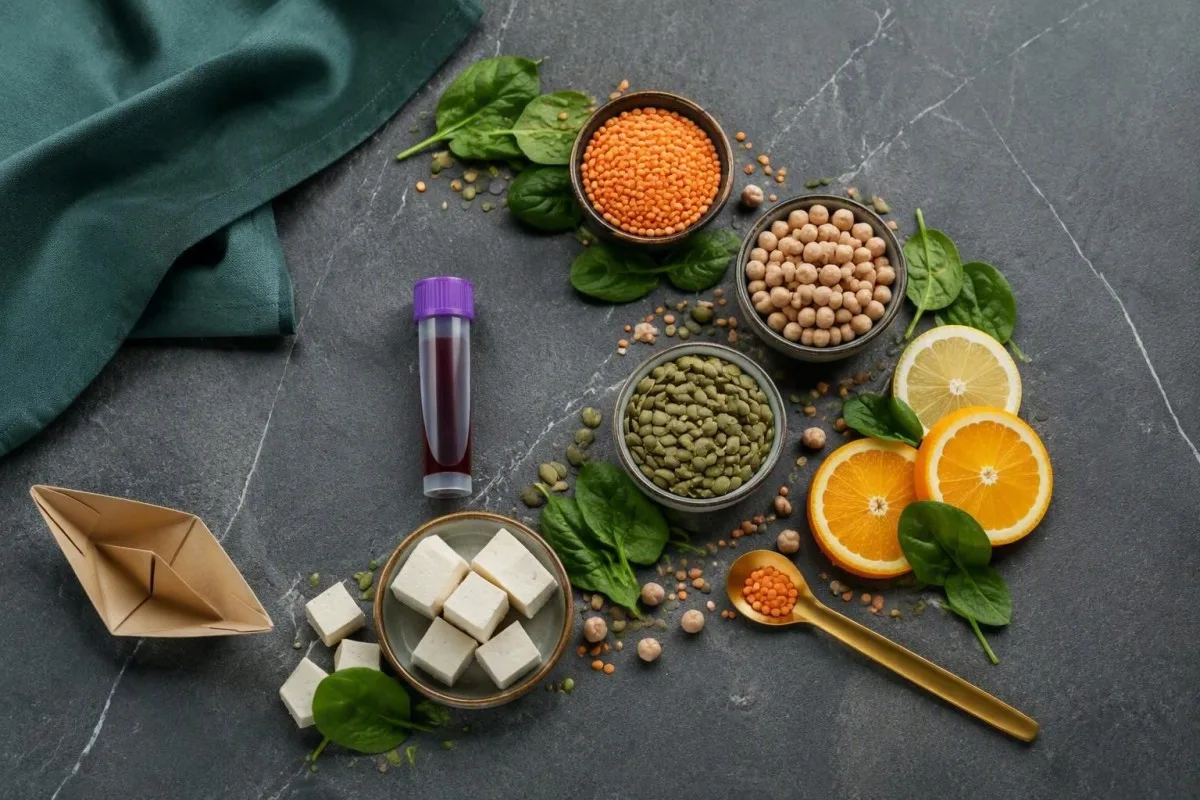
15 нг/мл дан түбән Ферритин, башка яктан яхшы булган олы кешедә тимер запасларының тулысынча бетүенә югары специфик, ләкин Ферритин инфекция, бавыр җәрәхәте һәм хроник ялкынсыну вакытында күтәрелергә мөмкин. 20% дан түбән Трансферринны туендыру, әгәр анемия булса, чикле тимерне күрсәтә. Тулырак интерпретация өчен, безнең тимер тикшеренүләре буенча белешмә кулланма.
Гемолиз гадәттә башка төркемне китерә: ретикулоцитлар арта, билгесез билирубин һәм LDH артырга мөмкин, һәм гаптоглобин еш кына кими. Доктор Томас Клейн бу үрнәк булганда тимерне үз-үзеңә башлап җибәрүгә каршы киңәш бирә, чөнки ул иммун, мираслы яки механик сәбәпне ачыклауны тоткарларга мөмкин. Астындагы саклык чараларын өйрәнегез low haptoglobin results белән чагыштырыгыз, нәтиҗә ясаганчы.
ЭПО сөяк-майны тикшерүгә күрсәткәндә
Миелома һәм мутацияләрне тикшерү EPO киметелгән һәм эритроцитоз давамлы булганда, яисә анемия көтелмәгәнчә түбән ретикулоцитлар белән реакция биргәндә, берничә түбән күзәнәк сызыгы булганда карала. Бу тестлар максатчан тикшерүләр, һәрбер әз генә аномаль EPO кыйммәте өчен гадәти күзәтү түгел.

Полицитемия вера JAK2 мутациясе белән нык бәйле, һәм түбән сыворотка EPO аны күпчелек икенчел сәбәпләрдән аерырга ярдәм итә. Британия Гематология җәмгыяте буенча күрсәтмәләр эритроцитозны структуралы бәяләүне тәкъдим итә, һәр югары гемоглобин полицитемия вераныкы дип уйлаганчы (McMullin һ.б., 2019). Табиб башта JAK2 V617F өчен заказ бирергә мөмкин, аннары клиник ихтималлык югары булса, өстәмә тестлар үтәргә.
Анемия өстәмә түбән ретикулоцитлар, 150 × 10⁹/Л дан түбән тромбоцитлар һәм 1.5 × 10⁹/Л дан түбән нейтрофиллар тиз карауны таләп итә, чөнки бу комбинация миелома җитештерүнең бозылуын күрсәтә ала. Ул рак белән синоним түгел - дарулар, вируслы авырулар, аутоиммун авырулар, туклыклылык җитешмәүчәнлекләре, һәм апластик процесслар охшаш. Безнең апластик анемия CBC кулланмасы кайсы үрнәкләрнең тизрәк бәяләнергә тиешлеген күрсәтә.
Таблеткалар, тестостерон һәм рецепт буенча бирелгән ЭПО
Тестостерон һәм рецепт буенча бирелгән эритропоэз стимуллаштыручы дарулар гемоглобинны арттыра ала, шул ук вакытта ACE ингибиторлары, ARBлар, химиотерапия, һәм кайбер ялкынсынуга каршы дарулар кайбер пациентларда анемиягә ярдәм итә ала. EPO нәтиҗәсен тулы дарулар һәм өстәмәләр исемлегесез куркынычсыз бәяләп булмый.
Тестостерон белән бәйле эритроцитоз гадәттә EPO тесты белән генә түгел, ә серияле CBC күзәтүе вакытында ачыклана. Тестостерон терапиясе вакытында гематокритның 54% тан артык булуы еш кына дозаны үзгәртергә яки әйдәп баручы эндокринология практикасы буенча вакытлыча туктатырга китерә, чөнки вязкость белән бәйле куркыныч борчулырак була. Донорлык канны берничә тапкыр табиб катнашлыгыннан башка эшләмәгез; ул тимер җитешмәүчәнлеген барлыкка китереп, аскы үрнәкне яшерә ала.
Рекомбинант EPO һәм аңа бәйле дарулар аерым CKD һәм химиотерапия белән бәйле анемия өчен махсус протоколлар буенча кулланыла, индивидуальләштерелгән гемоглобин максатлары белән. Бу даруларны алучы пациентның анализ нәтиҗәсе вакытка һәм анализның үзара реактивлыгына бәйле рәвештә аңлавы кыен булырга мөмкин. Безнең дару тенденция анализы даталарны, дозаларны, һәм лабораториянең вакыт белән үзгәрүен саклау өчен эшләнгән.
ЭПО кан анализына ничек әзерләнергә һәм ялгыш нәтиҗәләрдән ничек сакланырга
Күпчелек EPO кан тестларына ач калу таләп ителми, ләкин соңгы биеклеккә чыгу, гидратация, тәмәке тарту, тестостерон куллану, һәм көчле авырулар документлаштырылырга тиеш. Лаборатория үрнәге гадәттә гади; иң мөһиме - дөрес тарих.
Заказ бирүче табибтан шул ук алынмадан CBC, ретикулоцитлар саны, ферритин, креатинин/eGFR, кислород белән туену, һәм EPO алыргамы икәнлеген сорагыз. Шул ук көн CBC гадәти интерпретация хатасын кисәтә: бүгенге EPOны операция, сәяхәт, яки дәвалаудан соң берничә ай элек үлчәнгән гемоглобин белән чагыштыру. Әгәр нәтиҗә гематологиягә юллама бирү өчен кулланылса, тотрыклылык өстәмә координациягә лаек.
Гадәттән тыш көчле тренировкалардан сакланыгыз һәм ачыктан-ачык сусыздануны кире CBC алдыннан төзәтегез, табибыгыз башкача әйтмәсә. “Чистарту” өчен рецепт буенча бирелгән тестостерон, кислород, CPAP, яисә бөер даруларын туктатмагыз. Базаль кан тестын әзерләү кабатлаучы нәтиҗәне чынлап та чагыштырып була торган итеп язарга кирәк булган мәгълүматны аңлата.
Aномаль ЭПО нәтиҗәләре кайчан ашыгыч яки белгеч ярдәме таләп итә
EPO аномалияләре сирәк кыенлык тудыра, ләкин алар тирәсендәге симптомнар һәм CBC үрнәге кайвакыт тудыра. Яңа күкрәк авыртуы, иреннәр, көчле сусау, бер яктан көчсезлек, сөйләшүдә кыенлык, кара тәмәке, яки тиз начарлана баручы арыганлык онлайн интерпретациягә караганда тиз карауны таләп итә.
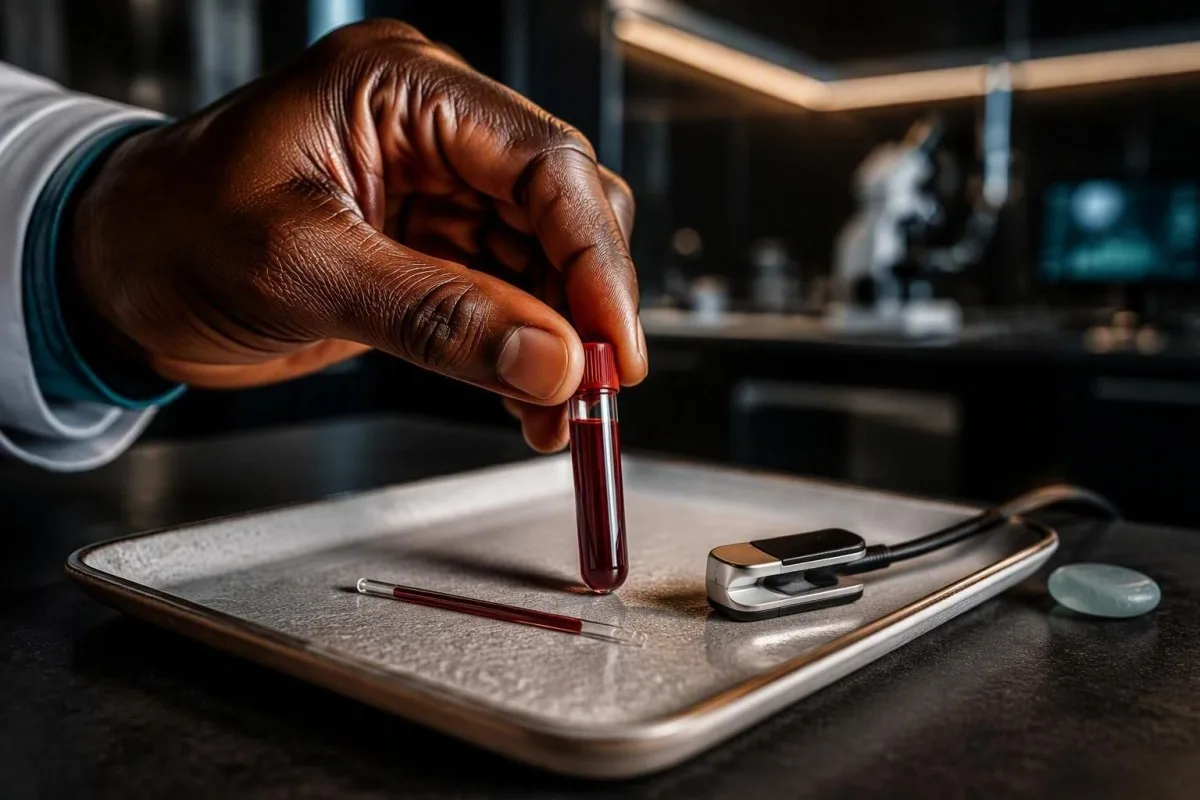
Ир-атларда 16,5 г/дл яки хатын-кызларда 16,0 г/дл дан югары гемоглобинны түбән EPO белән, аеруча баш авыртуы, күрү үзгәрүләре, җылы судан соң кычыту, тромбоз тарихы, яки зурайган селезенка симптомнары белән кабатлау өчен тиз арада беренчел яки гематологик карауны оештырыгыз. 7–8 г/дл гемоглобин тирәсендә баш әйләнү, көчле күкрәк авыртуы, яки сусау белән тиз карауны сорагыз; тиешле чик яшькә һәм йөрәк авыруына бәйле.
Kantesti нейрон челтәре EPO, CBC, бөер, һәм тимер тенденцияләрен сезнең очрашуга алып бара алырлык сорауларга оештыра, ләкин ул тикшерүне, кислородны бәяләүне, яки махсус тестларны алыштырмый. Безнең клиник методология һәм табиб күзәтүе тасвирланган. медицина валидациясе фреймворкы. Алдагы CBCларны китерегез—вакыт аралыгындагы өч кыйммәт еш кына бер куркыныч саннан күбрәк куркынычсыз хикәя сөйли.
ЭПО тенденцияләрен күзәтү һәм нәтиҗәләрне клиницистың белән тикшерү
Кабат EPO нәтиҗәсе, бары тик яндагы гемоглобин, гематокрит, биеклек, дарулар һәм бөер статусы чагыштырмача булганда гына файдалы. Гемоглобинның кимүе булган тотрыклы ЭПО, гематокритның артуы булган тотрыклы ЭПОдан аерым мәгънәгә ия, хәтта ике кыйммәт тәртиптә булса да.
Оригиналь лаборатория PDF, берәмлекләр, эталон интервал, коллекция датасы, хәзерге биеклек, тәмәке тарту статусы һәм дарулар исемлеген саклагыз. 1,0 г/дл гемоглобин аермасы гидратацияне һәм нормаль биологик вариацияне чагылдыра ала, шул ук вакытта берничә тапкыр бер юнәлешле үзгәреш аңлатманы таләп итә. Безнең кан анализы үзгәреше буенча кулланма гадәти вариациядән мәгънәле тенденцияләрне аерырга ярдәм итә.
Кантести - AI биомаркерларны аңлату платформасы лаборатория нәтиҗәләрен озынлык клиник контекстка урнаштыру өчен 127+ илләрендә кулланыла, uploaded отчетларны яшеренлекне саклаучы эшкәртү белән. Бәйләнгән маркерларның киң индексы өчен, 15,000-plus биомаркерлар буенча кулланма. карагыз. Түбәндәге ике Kantesti тикшерү басмасы бәйләнгән сыворотка-протеин һәм иммун-маркер интерпретациясе буенча өстәмә уку бирә; берсе дә анормаль ЭПО үрнәгенең гематология экспертизасын алыштырмый.
Еш бирелә торган сораулар
Нормаль эритропоэтин күрсәткече нинди?
Олылар өчен эритропоэтинның гадәти чагыштырма интервалы якынча 2.6–18.5 mIU/mL, ләкин күп кенә лабораторияләр төрле чикләр куллана, мәсәлән 3–24 mIU/mL. Сезнең хисабыгызда язылган лаборатория чикләре дөрес чагыштыручы, чөнки EPO сынаулары бер-берсе белән тулысынча алыштырыла торган түгел. Гемоглобин бик түбән яки бик югары булганда, нормаль EPO дәрәҗәсе әле дә ярашмый. Мәсәлән, гемоглобин 9.5 g/dL булган кеше өчен 6 mIU/mL EPO җитәрлек булмаска мөмкин, ләкин гемоглобин 14.0 g/dL булган кеше өчен көтелгән булырга мөмкин.
Югары эритропоэтин дәрәҗәсе нәрсә аңлата?
Эритропоэтинның югары дәрәҗәсе күпчелек очракта бөерләрнең кислородны җитәрлек китермәвен ачыклавын һәм кызыл кан тәнчекләре җитештерүне стимуллаштыруын аңлата. Киң таралган сәбәпләргә тимер җитмәү анемиясе, кан югалту, гемолиз, биек биеклеккә күтәрелү, тәмәке төтене белән сульфидлы газга бәйле булган агулану, йокы апноэсы һәм хроник үпкә авырулары керә. Ге 12,0 г/дл дан түбән яки күп кенә олы ир-атларда 13,0 г/дл дан түбән булганда югары EPO, гадәттә, сөяк мие диагнозыннан ерак, компенсатор реакцияне күрсәтә. Ге glow һәм югары гемглобин белән даими югары EPO икенчел эритроцитозны һәм, сирәгрәк, EPO җитештерүче бөер яки бавыр үсешенә бәяләүне таләп итә.
Эритропоэтиннең түбән булуы нәрсә аңлата?
Эритропоэтинның түбән булуы, бөерләрнең анемия дәрәҗәсенә җитәрлек гормон эшләп чыгармавын аңлатырга мөмкин, бигрәк тә хроник бөер авыруларында. Түбән EPO, гемоглобин ирләрдә 16,5 г/дл яки хатын-кызларда 16,0 г/дл дан даими югары булганда, полицитемия вера өчен ярдәмчел билге булып тора. Бер үк түбән нәтиҗә анемиядә һәм эритроцитозда төрле әйберләрне аңлата, шуңа күрә бер үк датадагы CBC мөһим. Түбән EPO ялгызы бөер җитешсезлеген яки сөяк мие авыруын диагностикаламый.
Дәвамлы сусызлану эритропоэтин сынавы нәтиҗәсенә тәэсир итә аламы?
Дегидратация, гадәттә, плазма күләмен киметү һәм эритроцит концентрациясен югарырак күрсәтү аркасында гемоглобинга һәм гематокриттка EPOга караганда күбрәк йогынты ясый. Концентрацияләнгән үрнәк югары гематокритны югары альбумин яки гомуми аксым белән күрсәтә ала, бу чын эритроцитозны охшата ала. Дәрәҗәле дегидратация гадәттә EPOның бик түбән нәтиҗәсен бирми, ләкин ул гомуми үрнәкне эритроцит 49% ир-атларда яки 48% хатын-кызларда чикләр янында аңлашылмаучан итә ала. Гадәттәгечә суланган вакытта CBCны кабатлау, гадәттә EPOны ялгыз кабатлаудан файдалырак.
Диңгез өслегеннән биеклектә EPO күтәреләме?
Биек биеклек ЭПОны арттыра ала, чөнки түбән кислород басымы бөер кислородны сизү күзәнәкләрен активлаштыра. ЭПО экспозициянең берничә сәгате эчендә арта ала, шул ук вакытта гемоглобинны һәм кызыл күзәнәк массасын үзгәртү гадәттә көннәр яки атналар ала. Шуңа күрә якынча 2000–2500 метрдан югарырак булган соңгы тору ЭПО кан сынавына тәэсир итә ала, хәтта КБС әле күп үзгәрмәсә дә. Берничә нәтиҗәне интерпретацияләгәнче, сәяхәт, треккинг, яшәү биеклеге һәм кайту датасы турында клиницистыгызга әйтегез.
Түбән EPO һәрвакыт полицитемия вера дигәнне аңлатамы?
Юк, түбән EPO һәрвакытта да полицитемия вера дигәнне аңлатмый. Бу ярдәм итүче бер күрсәткеч кенә һәм ул, нигездә, гемоглобин яки гематокритның тотрыклы югары булуында файдалы; 2016 елгы ДСО рамкасы шулай ук JAK2 мутациясен тикшерүгә һәм башка клиник яки сөяк күкמקтер критерийларына нигезләнә. Сусызлану, лабораториядәге үзгәрешләр һәм вакытны дөрес сайламау аңлашылмаучан нәтиҗәләргә китерергә мөмкин. Ир-атларда 16,5 г/дл яки хатын-кызларда 16,0 г/дл югарырак гемоглобинның тотрыклы булуы түбән EPO белән клиницист тарафыннан, еш кына гематология ярдәме белән каралырга тиеш.
Бүген үк AI белән эшләнгән кан анализы тикшерүе
Дөнья буенча 2 миллионнан артык кулланучы кушылыгыз: алар Kantestiны тиз һәм төгәл лаборатория анализы өчен ышана. Кан анализы нәтиҗәләрегезне йөкләгез һәм 15,000+ биомаркерларын секундлар эчендә тулы аңлатма белән алыгыз.
📚 Сылтама бирелгән тикшеренү басмалары
Klein, T., Mitchell, S., & Weber, H. (2026). Kantesti AI. (2026). Зардоб протеиннары буенча кулланма: Глобулиннар, Альбумин һәм A/G нисбәте кан анализы. Zenodo.. Kantesti AI медицина тикшеренүе.
Klein, T., Mitchell, S., & Weber, H. (2026). Kantesti AI. (2026). C3 C4 Комплемент кан анализы һәм ANA титр өчен кулланма. Zenodo.. Kantesti AI медицина тикшеренүе.
📖 Тышкы медицина белешмәләре
KDIGO Анемия эш төркеме (2012). . Kidney International Supplements..Snook J һ.б. (2021).
⚕️ Медицина кисәтүе
Бу мәкалә бары тик белем бирү максатларында гына һәм медицина киңәше булып тормый. Диагноз һәм дәвалау карарлары өчен һәрвакыт квалификацияле сәламәтлек саклау белгеченә мөрәҗәгать итегез.
E-E-A-T ышаныч сигналлары
Тәҗрибә
Табиб җитәкчелегендә лаборатория нәтиҗәләрен аңлату эш процессларын клиник тикшерү.
Белгечлек
Лаборатория медицинасы: биомаркерларның клиник контекстта үз-үзләрен тотышын аңлау.
Авторититет
Доктор Томас Кляйн тарафыннан язылган, доктор Сара Митчелл һәм профессор доктор Ханс Вебер тарафыннан тикшерелгән.
Ышанычлылык
Ачык күзәтү юллары белән куркуны киметү өчен дәлилләргә нигезләнгән аңлату.