Эритропоэтин (EPO)-ийн үр дүн нь сийвэнгийн бүх шинжилгээ (CBC), бөөрний шинжилгээ, хүчилтөрөгчтэй харьцах харьцаа, эмнэлзүйн түүхтэй хамт уншигдсан үед л ач холбогдолтой болно. Энэхүү гарын авлага нь эмч нар ашигладаг хэв шинж, түргэн хугацаанд дагах шаардлагатай нөхцлүүдийг тайлбарлана.



- EPO-ийн лавлах хязгаар насанд хүрэгчдэд ихэвчлэн 2.6–18.5 mIU/mL орчим байдаг боловч тайлагнаж буй лабораторийн хязгаар үргэлж давуу эрхтэй.
- Эритропоэтиний түвшин бага эрэгтэйчүүдэд 16.5 г/дл эсвэл эмэгтэйчүүдэд 16.0 г/дл-ээс дээш гемоглобин нь полицитемиа вера-ийн үнэлгээг дэмжих боломжтой.
- Эритропоэтиний түвшин өндөр цус багадалтын хамт ихэвчлэн бөөрийг хүчилтөрөгчийн нийлүүлэлт буурах, цус алдалт, гемолиз эсвэл төмрийн дутагдалд хариу үйлдэл үзүүлдэг гэсэн үг юм.
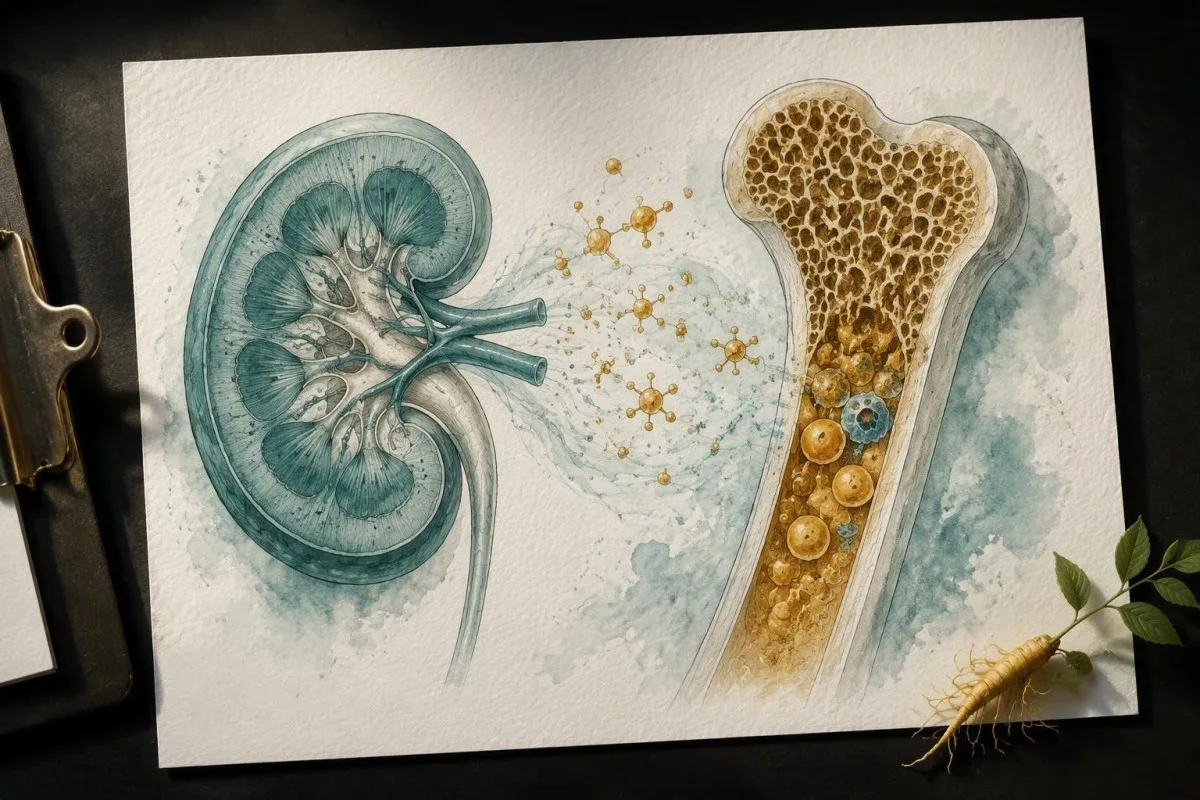
- Архаг бөөрний өвчин гэмтсэн бөөрүүд цус багадалтын зэрэгт хангалттай EPO үйлдвэрлэхгүй байж болох тул цус багадалтыг үүсгэж болно.
- Өндөрлөгийн нөлөөлөл хэдэн цагийн дотор EPO-г нэмэгдүүлж болно, харин гемоглобин нь ихэвчлэн хэдэн хоног, долоо хоногийн турш өөрчлөгддөг, шөнийн турш биш.
- JAK2 шинжилгээ сийрлэг эс эсвэл гематокрит байнга өндөр, ЛП-ийн түвшин лабораторийн хязгаараас доогуур байвал үүнийг ихэвчлэн авч үздэг.
- ЛП-ийн нэг утга хавдар, бөөрний өвчин, эсвэл ясны чөмөгний өвчнийг оношлохгүй; Цусны бүх шинжилгээний хандлага ба эмнэлзүйн орчин дараа нь юу болохыг шийднэ.
- Яаралтай үнэлгээ шинэ мэдрэлийн өвчин, цээжний өвдөлт, амьсгал давчдах, нэг талын сулрал, эсвэл шингэн алдалтын шинж тэмдэг бүхий маш өндөр гематокрит зэрэг тохиолдлуудад зохистой юм.
Эритропоэтиний үр дүнг нөхцөл байдлын хамт унших нь юу гэсэн үг вэ
Эритропоэтин шинжилгээний үр дүн нь гемоглобин ба гематокриттай таарч байвал хамгийн их мэдээлэлтэй байдаг: улаан эсийн түвшин өндөр байсан ч ЛП бага байх нь бие махбодийн үйлдвэрлэл автономит байдгийг илтгэж болно, харин ЛП өндөр байх нь ихэвчлэн бие нь хүчилтөрөгчийн хангамж хангалтгүй байгааг мэдэрдэг гэсэн үг юм. Хязгаарын дотор эсвэл гадна байгаа үр дүн нь өөрөө оношлогоо биш юм. 2026 оны 9-р сарын 12-ны байдлаар, энэхүү энгийн хослол нь практик эхлэх цэг хэвээр байна.
ЛП нь голчлон тусгай бөөрний эсүүдээр үүсдэг гормон юм. Энэ нь эд эсийн хүчилтөрөгч бага байх үед улаан эсийн үйлдвэрлэлийг нэмэгдүүлэхийг ясны чөмөгт хэлдэг; эрүүл буцах хэлхээ нь улаан эсийн масс аль хэдийн өндөр байвал ЛП-ийг дарангуйлдаг. Доктор Томас Кляйн зөвхөн Цусны бүх шинжилгээ үнэндээ хэвийн бус байсан эсэхийг шалгахгүйгээр гормоны үр дүнг уншсанаас болж олон удаа шилжүүлсэн тохиолдлуудыг үзсэн.
Кантести бол AI цусны шинжилгээний анализатор Цусны бүх шинжилгээ, креатинин, eGFR, улаан эсийн индекс, болон өмнөх үр дүнг нэгэн зэрэг авч үзэхээс гадна нэгэн зэрэг нэгэн л тэмдгийг хариулт гэж үзэхгүйгээр ЛП-ийг тайлбарладаг. Гемоглобин 10.2 г/дл-тай хүний дунд зэргийн өндөр ЛП нь 18.1 г/дл гемоглобинтой хүний ижил үр дүнгээс биологийн хувьд ялгаатай байдаг. Эхлээд хянаж эхлээрэй гемоглобин гэж юу вэ таны өөрийн тайлан дээр.
EPO-ийн цусны шинжилгээний хязгаар, нэгж ба лабораторийн өөрчлөлт
Ихэнх насанд хүрэгчдийн лабораториуд сийрмэг ЛП-ийг ойролцоогоор 2.6–18.5 mIU/mL орчимд мэдээлдэг боловч ойролцоогоор 3-24 mIU/mL хязгаарлалтыг бас ашигладаг. Тун, тохируулгын стандарт, дээж боловсруулалт, интервалыг тогтооход ашигласан популяци нь энэ өөрчлөлтийн ихэнх хэсгийг тайлбарладаг.
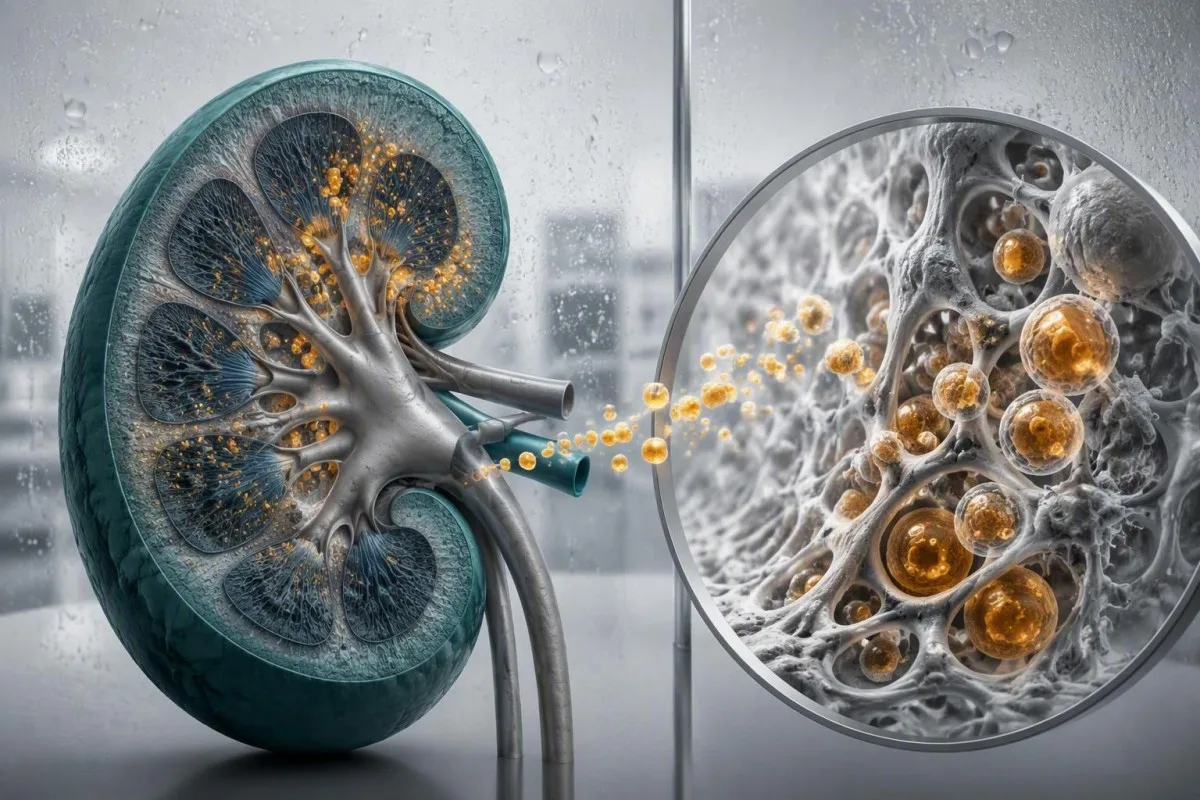
Үр дүнг зөвхөн түүний хажууд байрлах интервалтай харьцуулан өндөр эсвэл бага гэж нэрлэх ёстой. ЛП нь ихэвчлэн дархлааны шинжилгээгээр хэмжигддэг бөгөөд концентраци нь mIU/mL эсвэл IU/L гэж гарч болно; Эдгээр нэгжүүд нь тоон утгаараа адилхан байдаг. 19 mIU/mL-ын үр дүн нь нэг лабораторид хязгаараас арай өндөр, нөгөөд нь огт хамаагүй байж болно.
Бодит асуулт бол ЛП нь тохиромжтой эсэх нь улаан эсийн түвшинд. Цус багадалтын үед 5 mIU/mL орчим байх нь хэвийн хязгаарт байсан ч зохисгүй бага байж болно; хүнд эритроцитозын үед ижил үр дүн нь утга учиртай дарангуйлагдаж болно. Үүнтэй харьцуулна уу гематокритийн тайлал болон дээжийн огноо, онлайн нийтлэг хязгаартай биш.
Цусны гемоглобин багатай байхад эритропоэтиний түвшин өндөр байх нь
Цус багадалтай эритропоэтины түвшин өндөр байх нь бөөр нь цус багадал эсвэл хүчилтөрөгчийн хангамж буурсантай тэмцэж байгааг харуулдаг. Төмрийн дутагдал, ойрын цус алдалт, цус задрал, уушгины өвчин, нойрны хэм алдагдал, өндөрлөг газар нь EPO үүсгэгч ховор хавдраас илүүтэйгээр шалтгаан болдог.
Гемоглобин 9.8 г/дл, EPO 48 mIU/mL байх нь ихэвчлэн хүлээгдэж буй хариу урвал бөгөөд даавар нь асуудал үүсгэж байгаагийн нотолгоо биш юм. Дараачийн ялгах зүйлс нь MCV, ферритин, трансферриний ханалт, ретикулоцит, билирубин, LDH, ба хаптоглобин юм. Бага MCV ба ферритин 15 нг/мл-аас доогуур байвал төмрийн дутагдлыг баттай нотолдог, харин ретикулоцитын тоо нэмэгдэх нь улаан эсийн алдалт эсвэл устгалын чиглэл рүү хөтөлдөг.
Би саяхан нэгэн тэсвэр хатуужлын тамирчны EPO 31 mIU/mL, гемоглобин 11.1 г/дл байсныг хүнд дасгал хийсний дараа хянаж байсан. Түүний ферритин 8 нг/мл байсан нь яс чулууны эмгэг биш; энэ л шалтгаан болж байна цус багадалтын өмнө ферритинийг багасгах шинж тэмдэг хязгаарлагдхаас өмнө анхаарал хандуулах нь зүйтэй. Өндөр EPO нь төмөр, витамин B12, фолийн хүчил дутагдлыг, эсвэл ясны эс ажиллахгүй байхыг даван туулж чадахгүй.
Цус багадалтад EPO бага байх нь: бөөрний үйл ажиллагааны хэв шинж
Анеми үед бага эсвэл доогуур хэвийн EPO нь ялангуяа eGFR буурсан үед бөөрний дааврын үйлдвэрлэл хангалтгүй байгааг илтгэнэ. Үрэвсэлт өвчин, хүнд системийн өвчин, эсвэл яс чулууны дарангуйлал зэрэгт тохиолдож болно, тиймээс зөвхөн креатинин нь шалтгааныг хэзээ ч тогтоож чадахгүй.
Архаг бөөрний өвчин нь шүүлт буурмагц илүү түгээмэл болдог, гэхдээ энэ нь зөвхөн eGFR тоогоор тодорхойлогддоггүй. eGFR 32 мл/мин/1.73 м² ба гемоглобин 9.9 г/дл-тай хүн 7 mIU/mL-ын EPO утгыг эзэмшиж болно - техникийн хувьд хэвийн, гэхдээ энэ анемигийн зэргийн хувьд хэтэрхий бага. KDIGO анемийн удирдамж нь эритропоэз-идэвхжүүлэгч эм хэрэглэхийн өмнө төмрийн статусыг шалгахыг зөвлөдөг (KDIGO, 2012).
Бөөрний анеми нь ихэвчлэн нормоцитик байдаг, MCV нь 80-100 фл орчим, ретикулоцитын хариу урвал бага байдаг, гэхдээ холимог төмрийн дутагдал нь маш түгээмэл. Хянан үзэх бага eGFR анхааруулах шинж тэмдгүүд болон шээсний альбуминыг хэт өндөр креатининийг бүгдийг нь тайлбарлаж байна гэж бодохын оронд. Миний эмнэлэгт ферритин ба трансферриний ханалтын үр дүн нь эмчилгээний төлөвлөгөөг байнга өөрчилдөг.
Гемоглобин эсвэл гематокрит өндөр байхад EPO бага байх нь
Цусны улаан эсийн үйлдвэрлэл байнгын өндөр байх үед бага эритропоэтин нь ясны эсийн үндсэн үйл явцыг, ялангуяа полицитемиа вера-г илтгэдэг. Энэ нь оношийг баталгаажуулдаггүй, гэхад энэ нь үнэ цэнэтэй зөвлөгөө болдог, учир нь улаан эсийн үйлдвэрлэл өөрийн эрхээр явагддаг бол хэвийн урвал нь EPO-г дарах ёстой.

2016 оны WHO шалгуур нь эрчүүдэд 16.5 г/дл, эмэгтэйчүүдэд 16.0 г/дл-аас дээш гемоглобин, эсвэл 49% ба 48%-аас дээш гематокрит байх нь полицитемиа вера-г шалгах шаардлагатай болгодог (Arber et al., 2016). Хэвийн бус EPO нь жижиг оношлогооны шалгуур болдог; JAK2 мутацийн шинжилгээ, давтан CBC, заримдаа яс чулууг шалгах нь оношийг тогтоодог. Нэг усыг нь багасгасан дээж хангалтгүй.
Kantesti AI нь улаан эсийн тоо, MCV, ялтас, цагаан эсийн өмнөх хамаарлыг харьцуулж бага EPO үр дүнг тайлбарладаг - тус тусад нь харах үед алдагдаж болзошгүй загварууд. Ялтасны тоо нэмэгдэх эсвэл шалтгаан нь тодорхойгүй цагаан эсийн тоо нэмэгдэх нь гематологийн хяналтыг сайжруулдаг. Бидний дэлгэрэнгүй полицитемийн шинж тэмдгийн гарын авлага нь ердийн шинжилгээний дарааллыг тайлбарласан.
Гемоглобин өндөр байхад EPO өндөр байх нь: хоёрдогч эритроцитоз
Өндөр EPO болон өндөр гемоглобин нь ихэвчлэн хоёрдогч эритроцитозыг илтгэнэ, энэ нь улаан эсийн үйлдвэрлэлийг өдөөж буй гадаад эсвэл эмнэлгийн дохио гэсэн үг юм. Нийтлэг шалтгаануудад өндөрлөг, тамхи татах эсвэл нүүрстөрөгчийн дутуу исэлд өртөх, нойрны хэм алдалт, архаг уушгины өвчин, тестостерон эмчилгээ, төдийлөн ховор байдаг бөөрний эсвэл элэгний хавдар орно.
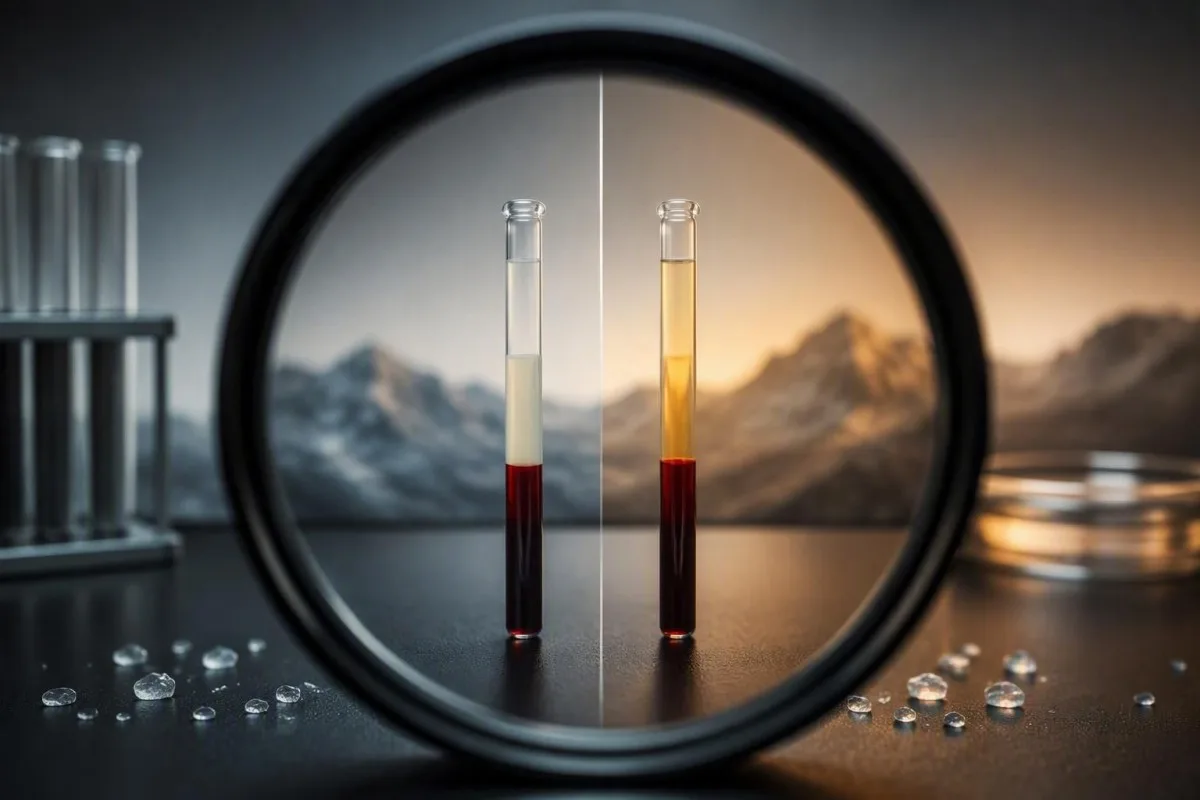
2,500 метрийн өндөрт долоо хоногийн дараа 17.4 г/dL гемоглобин нь далайн түвшинд ийм үр дүн гарахаас өөрөөр ярих шаардлагатай болно. EPO нь гипоксийн нөлөөнд ороод хэдэн цагийн дотор ихэвчлэн нэмэгддэг бол улаан эсийн массын хариу урвал удаан явагддаг; аяллын үед шингэн алдалт нь дээжийг нягтруулж болно. Давтан шинжилгээ хийхээс өмнө өндөрлөг, нислэгийн хугацаа, тамхи татах, вейп хийх, андроген хэрэглэх зэргийг тэмдэглэ.
Зарим өвчтөнүүд өдрийн турш нойрмоглолгүй байсан ч нойрны хэм алдалт хамаатай байж болохыг гайхдаг. Шөнийн турш хүчилтөрөгчийн түвшин буурах нь түр зуурын EPO-ийн өдөөлт үүсгэж болно, хэдийгээр өдрийн хэвийн хүчилтөрөгчийн ханалт үүнийг үгүйсгэхгүй. Байнгын утгыг манай гарын авлагатай харьцуулж шалгах ёстой цусны өндөр хэмжээний шалтгаан бөгөөд цус өгөх замаар дангаар эмчлэхийн оронд эмчтэй зөвлөлдөх хэрэгтэй.
EPO шинжилгээ өгөхөөс өмнөх өндөрлөг, дасгал, цаг хугацаа
Өндөрлөг болон хүчилтөрөгчийн нөлөө нь гемоглобиныг их хэмжээгээр өөрчлөхөөс өмнө EPO-д нөлөөлж болно, тиймээс шинжилгээний цаг хугацаа чухал юм. Богино хугацааны уулын аялал, цочмог амьсгалын замын өвчин, шөнийн гипокси, саяхан эрчимтэй дасгал хийх нь шийдвэрийн босгоны ойролцоо тайлбарыг төвөгтэй болгож болно.
Яаралтай бус хязгаарын үр дүн гарсан тохиолдолд би ихэвчлэн өвчтөнүүдээс өөрсдийн ердийн өндөрлөгтөө буцаж ирээд, сайн шингэн алдалттай, цочмог өвчнөөс эдгэрсний дараа ЦЕК болон EPO-г давтан хийлгэхийг хүсдэг. Аялагч бүрт тохирсон нэг ч нотолгоонд суурилсан хүлээлтийн хугацаа байдаггүй; эхний үр дүн нь зөвхөн бага зэрэг хэвийн бус байсан тохиолдолд хоёроос дөрвөн долоо хоног нь ихэвчлэн эмнэлзүйн хувьд боломжтой байдаг. Нэг өдрийн шуудангийн хайрцаг шиг харагдах физиологийг тайлбарлахаас илүүтэйгээр чиг хандлага нь илүү үнэ цэнэтэй юм.
Хүчтэй дасгал нь хэдэн цагийн турш сийвэнгийн хэмжээг бууруулж, гемоглобин эсвэл гематокритыг худал хэмээн өндөр харагдуулж болно. Хялбархан алддаг нэг зүйл бол хам явцтай өндөр альбумин эсвэл нийт уураг бөгөөд энэ нь улаан эсийн жинхэнэ өсөлтөөс илүү цусыг нягтруулж байгааг илтгэнэ. Хэрхэн харах вэ шингэн алдалт нь худал өндөр RBC тоог бий болгодог чиний эсийн үйлдвэрлэл өөрчлөгдсөн гэж бодохоос өмнө.
Креатинин, eGFR болон шээсний шинжилгээ EPO-ийн тайлбарыг хэрхэн өөрчилдөг
Креат, eGFR, шээсний альбумин нь бага EPO хариу урвал нь бөөрний холбоотой байж болохыг тодорхойлоход тусалдаг. 60 мл/мин/1.73 м² -аас доош eGFR нь дор хаяж 3 сар үргэлжилсэн архаг бөөрний өвчнийг илтгэнэ, гэхдээ анеми нь CKD-ийн бүх шатанд өөр шалтгаантай байж болно.
Хэрэв гемоглобин бага, ретикулоцит ихсээгүй, мөн давтан шинжилгээгээр бөөрний гэмтэл тогтоогдсон бол бага EPO-ийн үр дүн нь бөөрний анемийн хувьд илүү итгэл төрүүлдэг. Альбумин-креатинин харьцаа нь чухал мэдээллийг нэмдэг, учир нь хүн креатинин нь бага зэрэг нэмэгдсэн мэт санагдсан ч эмнэлзүйн хувьд утга учиртай бөөрний өвчин үүсгэж болно. Хоорондын практик ялгаа нь BUN ба креатинин нь андуурмаар дүгнэлтээс урьдчилан сэргийлэх боломжтой.
Үүний эсрэгээр, eGFR буурсан нь хоол боловсруулах замын цус алдалт, төмрийн дутагдал, B12 дутагдал, эсвэл эмийн улмаас ясны чөмөг дарангуйлагдах зэрэгтэй хамт тохиолдож болно. Kantesti нь AI лабораторийн шинжилгээний тайлбар үйлчилгээ энэ харилцан зөрчилдөөнийг тэмдэглэдэг: 20% -аас доош трансферрины ханалт бүхий анеми нь төмрийн хүртээмжийг шийдвэрлэх хүртэл бөөрний анеми гэж нэрлэж болохгүй. Бөөрний маркерууд нь нөхцөл байдлыг тодорхойлдог; тэдгүүр нь бүхэл бүтэн анемийн судалгааг хөнгөвчлөхгүй.
EPO-ийн үр дүнг ач холбогдолтой болгодог CBC-ийн зөвлөмжүүд
ЦЕК нь EPO нь тохиромжтой, хангалтгүй, эсвэл андуурмаар байгаа эсэхийг тодорхойлдог. Гемоглобин ба гематокрит нь улаан эсийн асуудлыг тоон утгаар илэрхийлдэг, MCV нь эсийн хэмжээний хэв маягийг тодорхойлдог, ретикулоцит нь ясны чөмөгний гаралт үнэхээр нэмэгдэж байгаа эсэхийг харуулдаг.
MCV хэмжээ 80 fL-ээс доош байвал микроцитоз, 100 fL-ээс дээш байвал макроцитоз гэж тодорхойлдог. Макроцитоз нь B12 дутагдал, архи хэрэглэх, элэгний өвчин, ясны чөмөгний эмгэг зэрэг өөр олон шалтгааныг илтгэнэ. Эдгээр шинж тэмдгүүдийг зөвхөн EPO дангаараа тайлбарлах боломжгүй. Реткулоцит үүсэлтийн индекс 2-оос дээш байвал нөхөн төлжих идэвхтэй урвал явагдаж байгааг илтгэнэ, гэхдээ лабораториуд үүнийг өөр өөрөөр тооцдог.
Kantesti AI нь AI-аар ажилладаг цусны шинжилгээний үр дүнгийн шинжилгээний хэрэгсэл Энэ нь улаан эсийн тархалтын өргөн, ялтас, цагаан эстэй хамт EPO-г уншиж, эмчийн хяналтад байх ёстой хэв маягийг тодорхойлох боломжийг олгодог. Цус багадалтын улмаас EPO багассан тохиолдолд нейтрофил эсвэл ялтасны шинэ бууралт нь бөөрний цус багадалтын шинж биш юм. Манай ретикулоцитын тооллогын заавар нь яагаад “хэвийн” ретикулоцитын хувь нь хүнд хэлбэрийн цус багадалтын үед хангалтгүй байж болохыг тайлбарладаг.
Төмөр, B12, фолийн хүчил ба гемолиз: EPO-оос салгаж чадахгүй шалтгаанууд
EPO нь төмрийн дутагдал, витамины дутагдал, цус алдалт, гемолиз зэргийг ялгаж чадахгүй; нэмэлт шинжилгээнүүд үүнийг хийдэг. Эдгээр нөхцлүүдийн заримд нь EPO-г ихэсгэх нь хүлээгдэж байдаг боловч эмчилгээ нь өөр өөр байдаг бөгөөд эмчилгээний зорилгоор төмөр хэрэглэх нь үргэлж аюулгүй байдаггүй.
15 нг/мл-ээс доош ферритин нь бусад талаар эрүүл насанд хүрэгчдийн төмрийн нөөц шавхагдсан байдлыг өндөр нарийвчлалтайгаар илтгэнэ, гэхдээ ферритин нь халдвар, элэгний гэмтэл, архаг үрэвслийн үед нэмэгдэж болно. 20%-аас доош трансферрины ханалт нь ялангуяа цус багадалттай үед төмрийн бэлэн байдал хязгаарлагдмал байгааг илтгэнэ. Илүү дэлгэрэнгүй тайлбарыг манай төмрийн шинжилгээний лавлах гарын авлага.
Гемолиз нь ихэвчлэн өөр нэг кластер үүсгэдэг: ретикулоцит нэмэгдэж, шууд бус билирубин болон LDH нэмэгдэж, хаптоглобин ихэвчлэн буурдаг. Доктор Томас Клейн энэ хэв маяг илэрсэн үед өөрийгөө эмчилгээнд төмөр хэрэглэхийг эсэргүүцдэг, учир нь энэ нь дархлаа, удамшлын, эсвэл механик шалтгааныг олж тогтоох ажлыг хойшлуулж болзошгүй юм. Дараах зүйлсийн ард байгаа анхааруулгыг сур бага хаптоглобин үр дүн үзүүлэлттэй харьцуул.
EPO нь ясны чөмөгний шинжилгээг хэзээ заана
Ясны чөмөгний болон мутацийн шинжилгээ нь хэт ягаан туяаны цусан дахь эритроцитын өсөлттэй байхад EPO дарагдсан эсвэл цус багадалтын үед хүлээгдэж байснаас илүү сул ретикулоцитын хариу урвал, олон эсийн шугам багассан тохиолдолд авч үздэг. Эдгээр шинжилгээнүүд нь зорилтот судалгаа бөгөөд бага зэрэг хэвийн бус EPO-ийн утга бүрт хийгдэх ердийн дагаж мөрдөх шинжилгээнүүд биш юм.

Полицитемиа вера нь JAK2 драйвер мутацитай ихээхэн холбоотой бөгөөд цусны сийвэн дэх бага EPO нь үүнийг олон тооны хоёрдогч шалтгаанаас ялгахад тусалдаг. Их Британийн Гематологийн Нийгэмлэгийн удирдамж нь эритроцитозын илэрцийг бүтцэд оруулахыг зөвлөж байна, учир нь өндөр гемоглобины бүх тохиолдлыг полицитемиа вера гэж үзэхээс зайлсхийхийн тулд (McMullin et al., 2019). Эмч нар эхлээд JAK2 V617F-г захиалж, дараа нь эмнэлзүйн магадлал өндөр хэвээр байвал нэмэлт шинжилгээ хийнэ.
Цус багадалт ба бага ретикулоцит, 150 × 10⁹/л-ээс доош ялтас, 1.5 × 10⁹/л-ээс доош нейтрофил зэрэг нь ясны чөмөгний үйлдвэрлэл буурсныг илтгэж болзошгүй тул цаг алдалгүй хянах шаардлагатай. Энэ нь хорт хавдартай адил биш - эмийн бодис, вируст өвчин, аутоиммун өвчин, шим тэжээлийн дутагдал, апластик үйл явц зэрэг нь давхцдаг. Манай апластик цус багадалтын CBC удирдамж аль хэв маягийг илүү хурдан үнэлгээ хийх шаардлагатайг харуулсан болно.
Эмийн бодис, тестостерон ба жороор олгосон EPO
Тестостерон болон эмийн жолоор олгодог эритропоэз-стимуляцийн эмүүд нь гемоглобиныг нэмэгдүүлж чаддаг бол ACE ингибитор, ARB, хими эмчилгээ, зарим үрэвслийн эсрэг эмүүд нь сонгогдсон өвчтөнүүдэд цус багадалтыг нэмэгдүүлж болно. Эмийн болон нэмэлт тэжээлийн бүрэн жагсаалтгүйгээр EPO-ийн үр дүнг аюулгүй тайлбарлах боломжгүй.
Тестостеронтой холбоотой эритроцитозыг ихэвчлэн цуврал CBC хяналтаар илрүүлдэг, зөвхөн EPO шинжилгээгээр биш. Тестостерон эмчилгээний явцад 54%-аас дээш гематокрит удаан хугацаагаар хадгалагдах нь шингэний улмаас үүсэх эрсдлийг ихэсгэдэг тул гол эндокринологийн практикийн удирдамжид тунг өөрчлөх эсвэл түр зогсоохыг ихэвчлэн шаарддаг. Цусны донор болох нь төмрийн дутагдлыг үүсгэж, үндсэн хэв маягийг бүдгэрүүлж болзошгүй тул эмчтэй зөвлөлдөхгүйгээр байнга цус бүү өг.
Нөхөн төлжих EPO болон холбогдох эмүүд нь сонгогдсон CKD болон хими эмчилгээтэй холбоотой цус багадалтын үед мэргэжилтний протоколын дагуу, хувьчилсан гемоглобины зорилттой хэрэглэгддэг. Эдгээр эмийг хэрэглэж буй өвчтөн нь цаг хугацаа болон урвалжуудын харилцан урвалаас хамааран тайлахад хэцүү шинжилгээний үр дүнг авч болно. Манай эмийн чиг хандлагын шинжилгээ нь өдрүүд, тун, лабораторийн өөрчлөлтийг цаг хугацаагаар хадгалахад зориулагдсан.
EPO-ийн цусны шинжилгээнд хэрхэн бэлдэх ба хуурамч үр дүнгээс зайлсхийх
Ихэнх EPO цусан дахь шинжилгээнд өлсөх шаардлагагүй, гэхдээ ойрын үед өндөрлөг газарт байх, шингэний хангалттай хэмжээ, тамхи татах, тестостерон хэрэглэх, цочмог өвчин зэргийг тэмдэглэх ёстой. Лабораторийн дээж нь ихэвчлэн энгийн байдаг; хамгийн чухал бэлтгэл бол үнэн зөв түүх юм.
Захиалга хийсэн эмчээс ижил цусаар CBC, ретикулоцитын тоо, ферритин, креатинин/eGFR, хүчилтөрөгчийн ханалт, EPO авах эсэхийг асууна. Ижил өдрийн CBC нь түгээмэл тайлбарын алдаанаас зайлсхийдэг: өнөөдрийн EPO-г мэс засал, аялал, эмчилгээ хийснээс хэдэн сарын өмнө хэмжсэн гемоглобинтой харьцуулах. Хэрэв үр дүн нь гематологийн зөвлөгөө өгөхөд тусалбал, тогтвортой байдал нь нэмэлт зохицуулалтанд зориулагдана.
Давтан хийх CBC-г хийлгэхээс өмнө хэт их дасгал хийхээс зайлсхийж, илт шингэн алдалтыг арилгана, хэрэв таны эмч өөрөөр заагаагүй бол. Тайлангаа “цэвэрлэхийн” тулд тогтоосон тестостерон, хүчилтөрөгч, CPAP, эсвэл бөөрний эмээ бүү зогсоо. Цусны шинжилгээний бэлтгэл давтан хийсэн үр дүнг үнэхээр харьцуулж болохуйц болгохын тулд ямар мэдээллийг тэмдэглэх ёстойг тайлбарлаж өгдөг.
Хэвийн бус EPO-ийн үр дүн хэзээ яаралтай эсвэл мэргэжлийн тусламж шаарддаг
EPO-гийн хэвийн бус байдал нь ховорхон яаралтай байдал үүсгэдэг, гэхдээ түүнийг дагалдах шинж тэмдгүүд ба CBC нь заримдаа үүсгэдэг. Цээжний шинэ өвдөлт, ухаан алдах, амьсгаадах, нэг талын сулрал, ярих төвөгтэй байдал, хар өтгөн, эсвэл хурдацтай муудаж буй ядаргаа нь онлайн тайлбараас илүүтэй яаралтай үнэлгээ шаардлагатай.
Эрчүүдэд 16.5 г/дл-ээс дээш, эмэгтэйчүүдэд 16.0 г/дл-ээс дээш гемоглобин, бага EPO-тай, ялангуяа толгой өвдөх, харааны өөрчлөлт, халуун устай шүршсэний дараа загатнах, цусны бүлэгнэлтийн түүх, эсвэл дэлүү томорсон шинж тэмдгүүдтэй бол яаралтай анхан шатны тусламж эсвэл гематологийн хяналтыг зохион байгуул. 7-8 г/дл орчим гемоглобинтай, толгой эргэх, дасгал хийх үед цээж өвдөх, эсвэл амьсгаадах шинж тэмдэг илэрвэл яаралтай үнэлгээг авч үз; зохих хязгаар нь нас, зүрхний өвчнөөс хамаарна.
Kantesti-ийн мэдрэлийн сүлжээ нь EPO, CBC, бөөр, төмрийн чиг хандлагыг таныг томилолтод аваачих асуултуудад зохион байгуулдаг, гэхдээ энэ нь үзлэг, хүчилтөрөгчийн үнэлгээ, эсвэл мэргэшсэн шинжилгээг орлохгүй. Бидний эмнэлзүйн арга зүй ба эмчийн хяналт нь дараах байдлаар тайлбарлагдсан болно эмнэлзүйн баталгаажуулалтын хүрээ. Өмнөх CBC-г авч ир – гурван утга нь цаг хугацааны туршид нэг аймшигтай тооноос илүү аюулгүй түүхийг хэлж өгдөг.
EPO-ийн чиг хандлагыг хянах ба эмчтэйгээ үр дүнгээ хэлэлцэх нь
Давтан хийх EPO-гийн үр дүн нь дагалдах гемоглобин, гематокрит, өндөрлөг, эм, бөөрний төлөв байдал харьцуулагдахуйц үед л ашигтай байдаг. Унаж буй гемоглобинтай тогтвортой EPO нь өсч буй гематокриттай тогтвортой EPO-оос өөр утгатай, хэдийгээр хоёр утга нь хязгаарт байсан ч.
Анхны лабораторийн PDF, нэгж, лавлагааны хязгаар, цуглуулах огноо, одоогийн өндөрлөг, тамхи таталтын байдал, эмний жагсаалтыг хадгал. 1.0 г/дл гемоглобины зөрүү нь усжуулалт ба хэвийн биологийн хувь хэмжээг тусгаж болно, харин хэд хэдэн удаагийн давтан чиглэлтэй өөрчлөлт нь тайлбар шаардлагатай. Манай цусны шинжилгээний өөрчлөлтийн удирдамж нь энгийн хувь хэмжээнээс утга учиртай чиг хандлагыг ялгахад тусалдаг.
Кантести бол AI биомаркер тайлбарлах платформ 127+ улс орнуудад лабораторийн үр дүнг урт хугацааны эмнэлзүйн контекстэд байрлуулах зорилгоор ашиглагддаг, нууцлалыг хангасан байдлаар тайлангуудыг байршуулдаг. Холбогдсон тэмдэгтүүдийн өргөн хүрээний индексийг харахыг хүсвэл 15,000-plus биомаркерын гарын авлага. -г үзнэ үү. Доор жагсаасан хоёр Kantesti судалгааны бүтээл нь холбогдсон ийлдэсний уураг ба дархлааны тэмдэгтүүдийн тайлбарын талаарх дэмжих унших материал өгдөг; аль нь ч эмгэг EPO чиг хандлагын гематологийн үнэлгээг орлохгүй.
Байнга асуудаг асуултууд
Эритропоетиний ердийн хэмжээ хэд вэ?
Насанд хүрэгчдийн эритропоэтиний ердийн лавлагааны хязгаар нь ойролцоогоор 2.6–18.5 mIU/mL байдаг ч олон лаборатори өөр өөр хязгаарыг, тухайлбал 3–24 mIU/mL ашигладаг. EPO шинжилгээ нь бүрэн харилцан солилцогдох боломжгүй тул таны тайлан дээр хэвлэгдсэн лабораторийн хязгаар нь зөв харьцуулалт юм. Гемоглобин маш бага эсвэл маш их байвал хэвийн EPO түвшин хангалтгүй байж болно. Жишээлбэл, 6 mIU/mL-ийн EPO нь 9.5 г/дл гемоглобинтой хүнд хангалтгүй байж болох ч 14.0 г/дл гемоглобинтой хүнд хүлээгдэж байна.
Эритропоэтиний өндөр түвшин юу гэсэн үг вэ?
Эритропоэтиний өндөр түвшин нь ихэвчлэн бөөр нь хүчилтөрөгчийн хүргэлт буурсныг илрүүлж, улаан эсийн үйлдвэрлэлийг өдөөж байгааг илтгэнэ. Ердийн шалтгаануудад төмрийн дутагдалтай цус багадалт, цус алдалт, цус задралт, өндөрлөгт байх, тамхи таталтын улмаас нүүрстөрөгчийн дутуу исэлд өртөх, нойрны хямрал, архаг уушгины өвчин орно. Гемеоглобин нь жирэмсэн бус эмэгтэйчүүдэд 12.0 г/дл-ээс доош, эрэгтэйчүүдэд 13.0 г/дл-ээс доош байх үед EPO-гийн өндөр түвшин нь ихэвчлэн ясны чөмөгний оношлогооноос илүү нөхөн төлжих хариу урвал болдог. Гемеоглобин өндөр байх үед EPO-гийн байнгын өндөр түвшин нь хоёрдогч эритроцитоз, цөөн тохиолдолд EPO үйлдвэрлэдэг бөөр эсвэл элэгний өсөлтийг шаарддаг.
Эритропоэтиний бага түвшин юуг илтгэдэг вэ?
Эритропоэтин (EPO) бага байх нь ялангуяа архаг бөөрний өвчинтэй өвчтөнүүдэд цус багадалтын зэргээс хамаарч бөөр нь хангалттай гормон үйлдвэрлэж чадахгүй байгааг илтгэж болно. Эритропоэтин (EPO) бага байх нь эрчүүдэд гемоглобин нь 16.5 г/дл-ээс дээш, эмэгтэйчүүдэд 16.0 г/дл-ээс дээш байх үед эритроцитозыг дэмжих шинж тэмдэг болдог. Цус багадалтын болон эритроцитозын үед ижил бага үр дүн нь өөр өөр утгатай байдаг тулд нэгэн зэрэг хийсэн CBC зайлшгүй шаардлагатай. Эритропоэтин (EPO) дангаараа бөөрний дутагдал, ясны чөмөгний өвчнийг оношлох боломжгүй.
Хань хатах нь эритропоэтиний шинжилгээний үр дүнд нөлөөлж чадах уу?
Хатгарал нь ихэвчлэн сийвэнгийн эзэлхүүнийг бууруулж, улаан эсийн концентрацийг өндөр харагдуулснаар EPO-оос илүү гемоглобин ба гематокрит-д нөлөөлдөг. Бөглөрсөн дээж нь өндөр альбумин эсвэл нийт уурагтай хамт өндөр гематокрит үзүүлж болох бөгөөд энэ нь жинхэнэ эритроцитозыг дуурайж болно. Хөнгөн шингэн алдалт нь ихэвчлэн EPO-ийн үр дүнг огцом бууруулдаггүй, гэхдээ эрчүүдэд 49%, эмэгтэйчүүдэд 48% зэрэг хил хязгаарт ойртоход ерөнхий хэв маягийг төөрөгдүүлж болно. Ердийн усанд орсон үед CBC-ийг давтах нь зөвхөн EPO-г давтахаас илүү ашигтай байдаг.
Өндөрлөг газар нь EPO-г нэмэгдүүлдэг үү?
Өндөр өндөрлөг нь EPO-г нэмэгдүүлж болно, учир нь хүчилтөрөгчийн даралт буурснаар бөөрний хүчилтөрөгч мэдрэх эсийн үйлчлэлийг идэвхжүүлдэг. EPO нь нөлөөлснөөс хэдхэн цагийн дотор нэмэгдэж болно, харин гемоглобин ба улаан эсийн масс ихсэх нь ихэвчлэн хэдэн өдөр эсвэл долоо хоног шаарддаг. Тиймээс ойролцоогоор 2,000–2,500 метрээс дээш өндөрт ойрын үед байсан нь CBC нь хараахан их өөрчлөгдөөгүй байсан ч EPO-гийн цусны шинжилгээнд нөлөөлж болно. Хязгаарлагдмал үр дүнг тайлбарлахаас өмнө аяллын талаар, мөн буцаж ирсэн огнооны талаар эмчээ мэдэгд.
ЭПО бага байвал миелопролифератив эмгэг үргэлж тохиолддог уу?
Үгүй ээ, бага EPO нь үргэлж полицитемия вера гэсэн үг биш юм. Энэ нь зөвхөн нэг дэмжих шинж тэмдэг бөгөөд голчлон гемоглобин эсвэл гематокрит нь байнга өндөр байвал ашигтай байдаг; 2016 оны ДЭМБ-ын хүрээ нь JAK2 мутацийн шинжилгээ болон бусад эмнэлзүйн эсвэл ясны чөмөгний шалгуурыг мөн ашигладаг. Биеийн усгүйжилт, лабораторийн хувьсамж, цаг хугацаа нь төөрөгдөл үүсгэж болзошгүй. Эрэгтэйчүүдэд 16.5 г/дл-ээс дээш эсвэл эмэгтэйчүүдэд 16.0 г/дл-ээс дээш гемоглобин ба бага EPO нь эмч, ихэвчлэн гематологийн зөвлөгөөгөөр хянах ёстой.
Өнөөдөр AI-аар дэмжигдсэн цусны шинжилгээний тайлал аваарай
Лабораторийн шинжилгээний агшин зуур, үнэн зөв тайлалд итгэдэг дэлхийн 2 сая гаруй хэрэглэгчтэй нэгдээрэй. Цусны шинжилгээний хариугаа байршуулж, 15,000+ биомаркеруудын цогц тайллыг хэдхэн секундын дотор аваарай.
📚 Иш татсан судалгааны нийтлэлүүд
Клейн, Т., Митчелл, С., ба Вебер, Х. (2026). Kantesti AI. (2026). Сийвэнгийн уургийн гарын авлага: Глобулинууд, Альбумин ба A/G харьцаа Цусны шинжилгээ. Zenodo.. Kantesti AI Медикл Рисерч.
Клейн, Т., Митчелл, С., ба Вебер, Х. (2026). Kantesti AI. (2026). C3 C4 Комплиментийн Цусан Дах Шижилгээ ба ANA Титр Удирдамж. Zenodo.. Kantesti AI Медикл Рисерч.
📖 Гадаад эмнэлгийн лавлагаа
KDIGO Анемийн ажлын хэсэг (2012). Архаг бөөрний өвчин дэх цус багадалтын KDIGO клиник практикийн удирдамж. Kidney International Supplements.
⚕️ Эмнэлгийн мэдэгдэл
Энэ нийтлэл зөвхөн боловсролын зорилготой бөгөөд эмнэлгийн зөвлөгөө биш болно. Оношилгоо, эмчилгээний шийдвэр гаргахдаа мэргэшсэн эрүүл мэндийн үйлчилгээ үзүүлэгчтэй заавал зөвлөлдөнө.
E-E-A-T итгэлийн дохио
Туршлага
Эмчийн удирдлагатай лабораторийн тайлалын ажлын урсгалын клиник хяналт.
Мэргэшсэн байдал
Биомаркерууд клиникийн нөхцөлд хэрхэн ажиллаж/өөрчлөгдөж байгаад чиглэсэн лабораторийн анагаах ухаан.
Эрх мэдэл
Доктор Томас Клейн бичсэн, Доктор Сара Митчелл, Проф. Доктор Ханс Вебер нар хянан тохиолдуулсан.
Найдвартай байдал
Сэрэмжлүүлгийг бууруулахын тулд тодорхой дараагийн алхамтай, нотолгоонд суурилсан тайлал.