د EPO پایله یوازې هغه وخت ګټوره کیږي کله چې ستاسو د CBC، د پښتورګو نښو، د اکسیجن افشا کیدو، او کلینیکي تاریخ سره یوځای ولولئ. دا لارښود هغه نمونې تشریح کوي چې کلینیکان یې کاروي - او هغه وضعیتونه چې بیړني تعقیب ته اړتیا لري.



- د EPO اوسط حد معمولا په لویانو کې شاوخوا 2.6–18.5 mIU/mL وي، مګر د راپور ورکولو لابراتوار حد تل لومړیتوب لري.
- د اریتropoایټین ټیټه کچه د نارینه وو لپاره له 16.5 g/dL یا د ښځو لپاره له 16.0 g/dL څخه لوړ هیموګلوبین سره کولی شي د پولی سیتیمیا ویرا ارزونې ملاتړ وکړي.
- د اریتropoایټین لوړه کچه معمولا د انیمیا سره پدې معنی ده چې پښتورګي د اکسیجن رسولو کمیدو، د وینې له لاسه ورکولو، د وینې تجزیې، یا د اوسپنې د نشتوالي په ځواب کې دي.
- اوږدمهاله د پښتورګو ناروغي کولی شي د انیمیا لامل شي ځکه چې زیانمن شوي پښتورګي ممکن د موجود انیمیا درجې لپاره کافي EPO ونه کړي.
- د لوړوالي افشا کول کولی شي په څو ساعتونو کې EPO زیات کړي، پداسې حال کې چې هیموګلوبین معمولا په ورځو تر اونیو پورې بدلیږي نه په یوه شپه.
- د JAK2 ازموینه کله چې د هیموګلوبین یا هیماتوکریت په دوامداره توګه لوړ وي او EPO د لابراتوار له حد څخه ښکته وي، نو معمولا په پام کې نیول کیږي.
- یو EPO ارزښت سرطان، د پښتورګو ناروغي، یا د هډوکي مغز اختلال تشخیص نه کوي؛ د CBC رجحان او کلینیکي ترتیبات پریکړه کوي چې وروسته څه پیښیږي.
- بیړنۍ ارزونه د نویو عصبي علایمو، د سینې درد، تنفسي ستونزې، یو اړخیز ضعف، یا د ډیهایډریشن علایمو سره د پام وړ لوړ هیماتوکریت لپاره مناسب دی.
د اریتropoایټین پایلې کله چې په شرایطو کې لوستل کیږي څه معنی لري
د اریتریتپیوټین ازموینې پایلې ترټولو معلوماتي دي کله چې د هیموګلوبین او هیماتوکریت سره سمون خوري: د سره حجرو د لوړې کچې سره سره ټیټ EPO کولی شي د خپلواکه مغز تولید ته اشاره وکړي، پداسې حال کې چې لوړ EPO معمولا پدې معنی دی چې بدن د اکسیجن تحویلي ناکافي احساس کوي. په خپله یوه پایله د تشخیص نه ده. د سپتمبر ۱۲، ۲۰۲۶ پورې، هغه ساده ملګرتیا د عملي پیل نقطه پاتې ده.
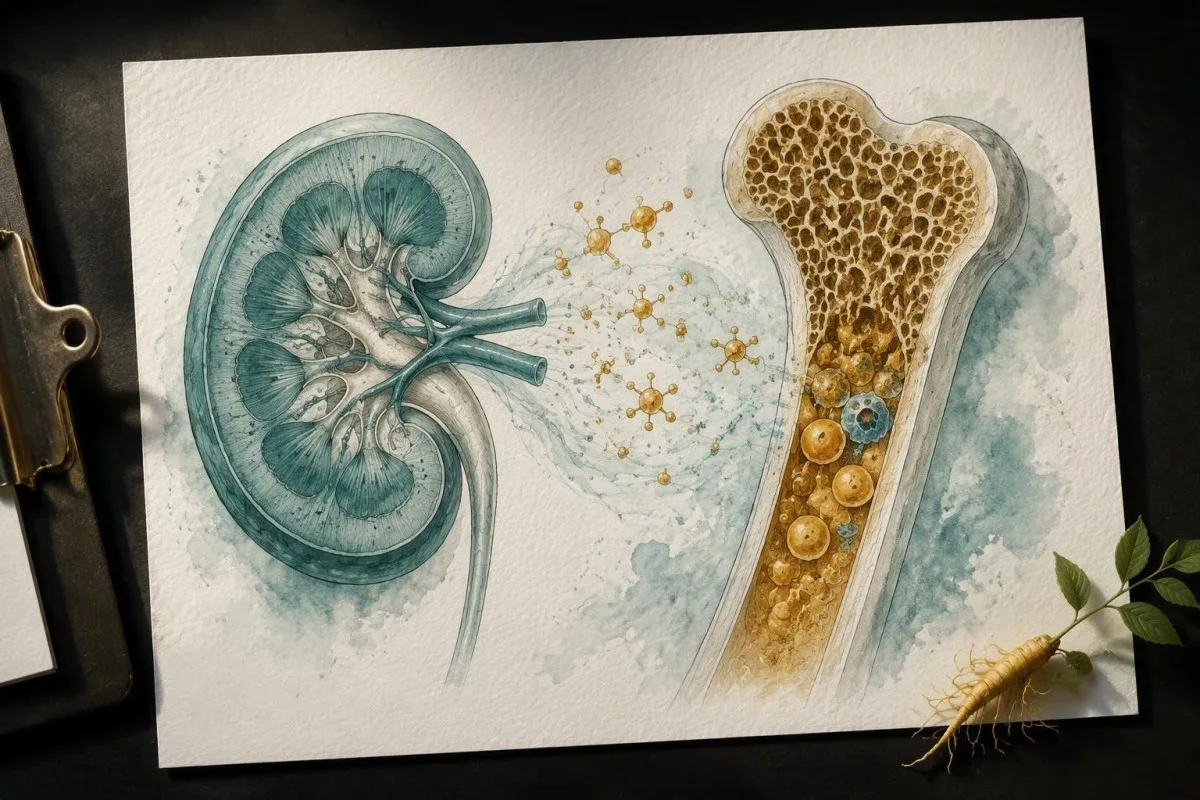
EPO یو هورمون دی چې په عمده توګه د متخصص پښتورګو حجرو لخوا جوړیږي. دا مغز ته وايي چې د سره حجرو تولید زیات کړي کله چې د نسج اکسیجن ټیټ وي؛ یو صحي فیډبیک لوپ کله چې د سره حجرو ډله دمخه لوړه وي EPO فشار راوړي. ډاکټر توماس کلاین ډیری راجع کونکي لیدلي دي چې د هورمون پایلې له لومړي ځل چک کولو دمخه د CBC واقعیا غیر عادي وه.
کانټیسټي یو دی د AI د وینې معاینې شنونکی دا د EPO تفسیر د CBC، کریټینین، eGFR، د سره حجرو شاخصونو، او پخوانیو پایلو سره کوي نه د یوې ځانګړې نښې د ځواب په توګه. په هغه شخص کې چې هیموګلوبین 10.2 g/dL لري یو لږ لوړ EPO په بیولوژیکي توګه له هغه چا څخه توپیر لري چې هیموګلوبین 18.1 g/dL لري. د بیاکتنې سره پیل کړئ چې هیموګلوبین څه معنی لري ستاسو په خپل راپور کې.
د EPO وینې ازموینې حد، واحدونه او د لابراتوار توپیر
په بالغانو کې ډیری لابراتوارونه د سیرم EPO شاوخوا 2.6–18.5 mIU/mL راپور ورکوي، که څه هم له 3 څخه تر 24 mIU/mL پورې حدونه هم کارول کیږي. ازموینه، انCalibration معیار، د نمونې اداره، او نفوس چې د وقفې د ټاکلو لپاره کارول کیږي د دې تغیراتو ډیری برخه تشریح کوي.
یوه پایله باید یوازې د هغې تر څنګ چاپ شوي وقفې په مقابل کې لوړه یا ټیټه وبلل شي. EPO معمولا د امونواسی لخوا اندازه کیږي، او غلظت ممکن د mIU/mL یا IU/L په توګه څرګند شي؛ دا واحدونه د راپور ورکولو موخو لپاره په شمیره کې مساوي دي. د 19 mIU/mL پایله په یوه لابراتوار کې له حد څخه لږ لوړه او په بل کې په بشپړه توګه غیر معمولي ده.
اصلي پوښتنه دا ده چې ایا EPO دی مناسب د سره حجرو د کچې لپاره. په انیمیا کې، د 5 mIU/mL شاوخوا ارزښت ممکن په حد کې وي مګر په نامناسبه توګه ټیټ؛ په ښکاره اریتروسایټوسس کې، هغه ورته ارزښت د پام وړ فشار کیدی شي. د دې سره پرتله کړئ د هیماتوکریت تشریح او د نمونې نیټه، نه د آنلاین نړیوال کټ آف سره.
لوړ اریتropoایټین کچه د ټیټ هیموګلوبین سره
د وینې د حجرو لوړ اریتروپویټین کچه د ټیټ هیموګلوبین سره معمولا ښیې چې پښتورګي د انیمیا یا د اکسیجن کموالي لپاره تاوان ورکولو هڅه کوي. د اوسپنې کمښت، د وینې وروستۍ ضایع، هیمولیسس، د سږو ناروغي، د خوب اختلال تنفس، او لوړ لوړوالی د EPO تولیدونکي نادر ودې په پرتله ډیر عام توضیحات دي.
په هغه شخص کې چې هیموګلوبین 9.8 g/dL لري، د 48 mIU/mL EPO اکثرا یو متوقع غبرګون دی - دا ثبوت ندی چې هورمون ستونزه رامینځته کوي. راتلونکي توپیر کونکي MCV، فایریټین، د ټرانسفرین سنګینتیا، ریټیکولوسایټس، بilirوبین، LDH، او هاپټوګلوبین دي. ټیټ MCV جمع فایریټین د 15 ng/mL څخه ښکته په کلکه د اوسپنې کمښت ته لاره هواروي، پداسې حال کې چې د ریټیکولوسایټ شمیر لوړول موږ د وینې حجرو دوامداره ضایع یا تخریب ته اړ باسي.
ما پدې وروستیو کې د یو استقامت روزونکي (endurance athlete) بیاکتنه وکړه چې د هغې EPO 31 mIU/mL او هیموګلوبین 11.1 g/dL وه د یوې سختې روزنې بلاک وروسته. د هغې فایریټین 8 ng/mL وه، د هډوکي مغز اختلال نه؛ دا دلیل دی چې ولې د انیمیا دمخه ټیټ فриеټین د ناروغیو دمخه پاملرنې مستحق دی چې محدود کړي. لوړ EPO د اوسپنې، ویټامین B12، فولټ، یا د هډوکي ماتی له امله نه شي لرې کیدلی.
په انیمیا کې ټیټ EPO: د پښتورګو د فعالیت نمونې
په انیمیا کې ټیټ یا ټیټ-نورمال EPO اکثرا د پښتورګو د ناکافي هورمون تولید وړاندیز کوي، په ځانګړې توګه کله چې eGFR کم شي. دا د التهابي ناروغۍ، جدي سیسټمیک ناروغۍ، یا د هډوکي مغز فشار سره هم کیدی شي، نو یوازې کریټینین هیڅکله لامل نه ټاکي.
د پښتورګو مزمن انیمیا د فلټریشن له کمیدو سره عام کیږي، مګر دا یوازې د eGFR شمیرې لخوا تعریف شوی نه دی. هغه شخص چې eGFR 32 mL/min/1.73 m² او هیموګلوبین 9.9 g/dL لري ممکن د 7 mIU/mL EPO ارزښت ولري - له تخنیکي پلوه نورمال، مګر د انیمیا دې درجې لپاره خورا ټیټ. د KDIGO انیمیا لارښود د اریتروپوییسس محرک درملو (erythropoiesis-stimulating medicine) په پام کې نیولو دمخه د اوسپنې حالت (iron status) چک کولو سپارښتنه کوي (KDIGO, 2012).
د پښتورګو انیمیا اکثرا نورموسیټیک وي، د MCV شاوخوا 80-100 fL او د ریټیکولوسایټ ټیټ غبرګون سره، مګر د اوسپنې کمښت ګډ (mixed iron deficiency) خورا عام دی. بیاکتنه د ټیټ eGFR خبرتیا نښې او د البومین ادرار (urine albumin) پرځای د معتدل لوړ کریټینین څخه فرض کولو چې هرڅه تشریح کوي. زما په کلینیک کې، د فایریټین او ټرانسفرین سنګینتیا پایله اکثرا د درملنې پلان بدلوي.
ټیټ EPO د لوړ هیموګلوبین یا هیماتوکریټ سره
د ټیټ اریتروپویټین سره دوامداره لوړ هیموګلوبین یا هیماتوکریت د لومړني هډوکي مغز پروسې، په ځانګړې توګه پولی سیتییمیا ویرا (polycythemia vera) اندیښنه زیاتوي. دا هغه تشخیص نه تاییدوي، مګر دا یو ارزښتناک نښه ده ځکه چې نورمال فیډبیک باید EPO وځپي کله چې د سره حجرو تولید خودمختاره وي.

د 2016 WHO معیارونه د نارینه وو لپاره د 16.5 g/dL څخه لوړ هیموګلوبین یا د میرمنو لپاره 16.0 g/dL، یا په ترتیب سره د 49% او 48% څخه لوړ هیماتوکریت کاروي، د پولی سیتییمیا ویرا (polycythemia vera) لپاره د ارزونې هڅونې په توګه (Arber et al., 2016). یو فرعي نورمال EPO یو کوچنی تشخیصي معیار دی؛ د JAK2 میوټیشن ازموینه، د CBC تکرار، او کله ناکله د هډوکي مغز معاینه تشخیص ټاکي. یو وچ شوي نمونه کافي ندي.
Kantesti AI د مخکیني هیماتوکریت، د سره حجرو شمیر، MCV، پلیټلیټونو، او سپینو حجرو سره په پرتله کولو سره د ټیټ EPO پایله تشریح کوي - هغه نمونې چې کله هرې پایلې په جلا توګه لیدل کیږي له لاسه ورکول کیدی شي. د پلیټلیټ شمیر لوړیدل یا د نه تشریح شوي سپینو حجرو شمیر لوړیدل د هیماتولوژي (hematology) بیاکتنې لپاره قضیه پیاوړې کوي. زموږ مفصل د پولی سیتییمیا نښې لارښود د ازموینې معمول لړۍ تشریح کوي.
لوړ EPO د لوړ هیموګلوبین سره: ثانوي اریتریتوسایټوسس
لوړ EPO د لوړ هیموګلوبین سره معمولا ثانوي erythrocytosis په ګوته کوي ، پدې معنی چې بهرنۍ یا طبي سیګنال د سره حجرو تولید ته هڅوي. عام عوامل عبارت دي له لوړوالی ، سګرټ څکول یا د کاربن مونوکساید سره مخ کیدل ، د خوب ساه لنډی ، مزمن تنفسي ناروغي ، د ټیسټورسټون درملنه ، او لږترلږه د پښتورګو یا جگر وده.
د 17.4 g/dL هیموګلوبین په 2,500 مترو کې د یوې اونۍ وروسته د ورته پایلې په پرتله د بحر په کچه د مختلفې خبرې اترو ته اړتیا لري. EPO معمولا د هایپوکسیک exposure وروسته په ساعتونو کې لوړیږي ، پداسې حال کې چې د اندازه کیدونکي د سره حجرو ډله ایز غبرګون وروسته پرمختګ کوي؛ د سفر پرمهال ډیهایډریشن هم نمونه تمرکز کولی شي. د تکراري ازموینې دمخه لوړوالی ، د الوتنې نیټې ، سګرټ څکول ، ویپینګ ، او د اندروجین کارول ثبت کړئ.
ځینې ناروغان حیران دي چې د خوب خوب حتی د ورځې خوب پرته هم اغیزمن کیدی شي. په مکرر ډول د شپې اکسیجن کمیدل ممکن د منځني EPO محرک لامل شي ، که څه هم د ورځې په جریان کې د اکسیجن سنترشن نورمالیت دا رد نه کوي. دوامداره ارزښتونه باید زموږ د لارښود سره پرتله شي د هیماتاکریټ لوړ لاملونه او د وینې یوازې د ډونر له لارې اداره کولو پرځای له یوه کلینیک سره بحث شي.
د الوتنې، تمرین او وخت د EPO ازموینې دمخه
لوړوالی او د اکسیجن exposure کولی شي EPO اغیزه وکړي مخکې لدې چې دوی د پام وړ هیموګلوبین بدل کړي ، نو د ازموینې وخت مهم دی. د غره لنډ سفر ، حاد تنفسي ناروغي ، د شپې هایپوکسیا ، او وروستي شدید تمرین ټول کولی شي د پریکړې حد ته نږدې تفسیر پیچلی کړي.
د غیر اضطراري حد پایلې لپاره ، زه معمولا له ناروغانو څخه غوښتنه کوم چې CBC او EPO تکرار کړي وروسته لدې چې دوی خپل معمول لوړوالي ته بیرته راستانه شي ، ښه هایډریټ شي ، او د حاد ناروغۍ څخه روغ شي. د هر مسافر لپاره د شواهدو پر اساس د انتظار هیڅ واحد موده شتون نلري؛ دوه تر څلور اونۍ اکثرا کلینیکي پلوه عملي وي کله چې لومړۍ پایله یوازې په معتدله توګه غیر معمولي وه. رجحان د ورځې د یوې کارت پوسټ لید څخه فیزیولوژي تفسیر کولو هڅه کولو په پرتله خورا ارزښتناک دی.
سخت تمرین کولی شي د څو ساعتونو لپاره د پلازما حجم کم کړي او هیموګلوبین یا هیماتاکریټ په غلط ډول لوړ ښکاره کړي. د اسانه نه خطا کیدونکې نښه په ورته وخت کې لوړ البومین یا ټول پروټین دی ، کوم چې د ریښتینې د سره حجرو پراخیدو په پرتله هیموکونټریشن ته وده ورکوي. وګورئ چې څنګه ډیهایډریشن یو غلط لوړ RBC شمیره رامینځته کوي مخکې له دې چې فرض کړئ ستاسو د مغز بدلون موندلی دی.
د کریټینین، eGFR او د ادرار ازموینې څنګه د EPO تفسیر بدلوي
کریټینین ، eGFR ، او د البومین پیشاب مرسته کوي چې ایا د EPO ټیټ غبرګون د پښتورګو پورې اړه لري. د 60 mL/min/1.73 m² څخه کم eGFR لږترلږه 3 میاشتو لپاره د مزمن پښتورګو ناروغۍ ملاتړ کوي ، مګر انیمیا ممکن په هره CKD مرحله کې بل لامل ولري.
د ټیټ EPO پایله د پښتورګو انیمیا لپاره ډیر قناعت بخښونکی دی کله چې هیموګلوبین ټیټ وي ، ریټیکولوسایټس لوړ نه وي ، او د پښتورګو اختلال په تکراري ازموینې کې ثابت شي. البومین-کریټینین تناسب مهمه معلومات اضافه کوي ځکه چې یو څوک ممکن د پښتورګو کلینیکي معنی لرونکي ناروغي ولري حتی کله چې کریټینین یوازې په معتدله توګه لوړ ښکاري. عملي توپیر د BUN او creatinine د غلط فهم مخه نیولی شي.
په مقابل کې ، د eGFR کمیدل ممکن د معدې د وینې ضایع کیدو ، د اوسپنې کمښت ، د B12 کمښت ، یا د درملو پورې اړوند د مغز فشار سره همغږي شي. Kantesti یو د AI لاب ټېسټ د تفسیر خدمت دی چې دا سمون په ګوته کوي: انیمیا د 20% څخه ټیټ ټرانسفرین سنترشن سره باید د پښتورګو انیمیا په توګه لیبل نه شي تر څو چې د اوسپنې شتون حل نه شي. د پښتورګو نښې شرایط تشریح کوي؛ دوی د انیمیا بشپړ تفتیش توجیه نه کوي.
د CBC نښې چې د EPO پایله ګټوره کوي
CBC ټاکي چې ایا EPO مناسب ، ناکافي ، یا غلط لارښود دی. هیموګلوبین او هیماتاکریټ د سره حجرو ستونزه اندازه کوي ، MCV د حجرو اندازې نمونې پیژني ، او ریټیکولوسایټس ښیې چې ایا د مغز تولید په حقیقت کې ډیریږي.
مایکروسایټوسس، چې په ډیری لابراتوارونو کې د 80 fL څخه لاندې MCV په توګه تعریف کیږي، توجه د اوسپنې کمښت یا تالاسیمیا ځانګړتیاوې ته جلبوي؛ له 100 fL څخه پورته ماکروسایټوسس مختلف امکانات په ګوته کوي، پشمول د B12 کمښت، د الکول سره مخ کیدل، د ځیګر ناروغی، او د مغز اختلالات. له دې پایلو څخه هیڅ یو د EPO له امله نه تشریح کیږي. د 2 په شاوخوا کې د ریټیکولوسایټ تولید شاخص د ډیر فعال جبراني غبرګون وړاندیز کوي، مګر لابراتوارونه دا په مختلفو لارو محاسبه کوي.
Kantesti AI یو د AI پر بنسټ د وینې ازموینې تحلیل وسیله چې د EPO تر څنګ د سور وینې حجرو توزیع پراخوالی، پلیټلیټونه، او سپینې وینې حجرې لوستل کیږي ترڅو د ډاکټر بیاکتنې ارزښت لرونکي نمونې وپیژندل شي. په ټیټ EPO انیمیا کې، په نیوتروفیلونو یا پلیټلیټونو کې نوي کمښتونه د پیچلتیا پرته د پښتورګو انیمیا ځانګړتیا نه دي. زموږ د ریټیکولوسایټ شمېرنې لارښود تشریح کوي چې ولې ظاهراً “نورمال” ریټیکولوسایټ فیصدي لاهم په شدید انیمیا کې ناکافي کیدی شي.
اوسپنه، B12، فولیک اسید او د وینې تجزیه: لاملونه چې EPO نشي جلا کولی
EPO نشي کولی د اوسپنې کمښت، د ویټامین کمښت، د وینې ضایع، او هیمولیسس توپیر وکړي؛ ملګري ازموینې دا کار ترسره کوي. په دې شرایطو کې لوړ EPO تمه کیږي، مګر درملنه په تیزۍ سره توپیر لري او تجربي اوسپنه تل خوندي نه ده.
له 15 ng/mL څخه لاندې فриеټین په یوه روغ بالغ کې د اوسپنې د زیرمو د کمښت لپاره خورا ځانګړی دی، مګر فриеټین د انفیکشن، د ځیګر زیان، او د مزمن انفلاسيون په جریان کې لوړ کیدی شي. له 20% څخه لاندې د ټرانسفرین سنګینت د شته اوسپنې محدودیت وړاندیز کوي، په ځانګړې توګه که انیمیا شتون ولري. د بشپړ تفسیر لپاره، زموږ وکاروئ د اوسپنې-مطالعې حواله لارښود.
هیمولیسس معمولا یو مختلف ګروپ تولیدوي: ریټیکولوسایټونه لوړیږي، غیر مستقیم بلیروبین او LDH ممکن لوړ شي، او هپتوګلوبین ډیری وختونه راټیټیږي. ډاکټر توماس کلین د دې نمونې په شتون کې د اوسپنې د ځان پیل کولو په وړاندې مشوره ورکوي، ځکه چې دا ممکن د معافیت، میراثي، یا میخانیکي لامل پیژندنه وځنډوي. د لاندې تر شا احتیاطونه زده کړئ د ټیټ هپتوګلوبین پایلې سره پرتله کړئ مخکې له دې چې پایلې ته ورسېږئ.
کله چې EPO د هډوکي میرو ازموینې ته اشاره کوي
د هډوکي مغز او د تغیر ازموینې هغه وخت په پام کې نیول کیږي کله چې EPO د دوامداره ایریتوسایټوسس سره فشارول کیږي، یا کله چې انیمیا غیر متوقع ضعیف ریټیکولوسایټ غبرګون د ډیری ټیټ حجرو لینونو سره لري. دا ازموینې په نښه شوي پلټنې دي، نه د هر لږ غیر معمولي EPO ارزښت لپاره معمول تعقیب.

پولی سیتیمیا ویرا د JAK2 ډرایور میټیشن سره په کلکه تړاو لري، او ټیټ سیرم EPO له ډیری ثانوي لاملونو سره توپیر کولو کې مرسته کوي. د هیماتولوژي شاهي ټولنې لارښود د ایریتوسایټوسس د منظم ارزونې سپارښتنه کوي ترڅو د هر لوړ هیموګلوبین استازیتوب د پولی سیتیمیا ویرا (McMullin et al., 2019) فرض کولو پرځای. یو کلینیکین ممکن لومړی JAK2 V617F امر کړي، بیا نورې ازموینې که کلینیکي احتمال لوړ پاتې شي.
انیمیا او ټیټ ریټیکولوسایټونه، له 150 × 10⁹/L څخه لاندې پلیټلیټونه، او له 1.5 × 10⁹/L څخه لاندې نیوتروفیلونه په وخت سره بیاکتنه مستحقه ده ځکه چې دا ترکیب د مغز تولید کې اختلال نښه کولی شي. دا د سرطان سره مترادف نه دی - درمل، ویروسي ناروغي، د اتومون ناروغي، د تغذیې کمښت، او اپلاستیک پروسې سره تړاو لري. زموږ اپلاستیک انیمیا CBC لارښود مشخص کوي کوم نمونې ګړندي ارزونې ته اړتیا لري.
درمل، ټیسټوسټیرون او د سپارښت شوي EPO
ټیسټوسټیرون او د نسخې وړ ایریتropoیسیس-هڅوونکي درمل کولی شي هیموګلوبین زیات کړي، پداسې حال کې چې ACE مخنیوی کونکي، ARBs، کیموتراپي، او ځینې التهاب ضد درمل په غوره شوي ناروغانو کې انیمیا ته وده ورکړي. د EPO پایله د بشپړ درملو او ضمیمو لیست پرته په خوندي ډول نشي تفسیر کیدی.

د ټیسټوسټیرون پورې تړلي ایریتوسایټوسس معمولا په سیریل CBC نظارت کې کشف کیږي، نه یوازې د EPO ازموینې له لارې. د ټیسټوسټیرون درملنې پرمهال له 54% څخه پورته دوامداره هیماتوکریت په لویو اینڈوکرون طبيعتونو کې د دوز تنظیم یا لنډمهاله مداخله هڅوي ، ځکه چې د viscosity پورې اړوند خطر اندیښمن کیږي. د معالج د terlibatت پرته په مکرر ډول وینه مه ورکوئ؛ دا کولی شي د اوسپنې کمښت رامینځته کړي او اصلي نمونه پټه کړي.
recombinant EPO او اړوند درمل د غوره شوي CKD او کیموتراپي پورې تړلي انیمیا لپاره د متخصص پروتوکولونو لاندې کارول کیږي، د انفرادي هیموګلوبین اهدافو سره. یو ناروغ چې دا درمل اخلي ممکن د ازموینې وخت او د ازموینې کراس - عکس العمل په اساس د تفسیر لپاره ستونزمن ازموینې پایله ولري. زموږ د درملو رجحان تحلیل د وخت، دوز، او لابراتوار بدلون ساتلو لپاره ډیزاین شوی.
د EPO وینې ازموینې لپاره څنګه چمتووالی ونیسئ او غلطې پایلې مخه ونیسئ
د EPO ډیری وینې ازموینې روژه نه غواړي، مګر د لوړوالي وروستۍ پیښې، هایډریشن، سګرټ څکول، د ټیسټوسټیرون کارول، او شدید ناروغي باید مستند شي. د لابراتوار نمونه معمولا مستقیمه وي؛ ترټولو مهمه چمتووالی یوه دقیقه تاریخچه ده.
له هغې ډاکټر څخه وپوښتئ چې سپارښتنه یې کړې، ایا د CBC، reticulocyte count، ferritin، creatinine/eGFR، اکسیجن سنترشن، او EPO له ورته نمونې اخیستو سره ترلاسه شي. یوه ورځنۍ CBC عام د تعبیري غلطۍ مخه نیسي: د نن ورځې EPO د هیموګلوبین سره پرتله کول چې د جراحي، سفر، یا درملنې وروسته میاشتې دمخه اندازه شوي. که پایله د هیماتولوژي د حوالې لارښود وي، ثبات د اضافي همغږۍ ارزښت لري.
د غیر معمولي سختو روزنو څخه ډډه وکړئ او د تکراري CBC دمخه د څرګنده وچوالي سمولو هڅه وکړئ، مګر که ستاسو ډاکټر برعکس ونه وایي. د “پاکولو” لپاره د prescribed testosterone، اکسیجن، CPAP، یا د پښتورګو درمل مه بندوئ. د بیس لاین وینې ازموینې چمتووالی تشریح کوي چې کوم معلومات باید ثبت شي ترڅو تکراري پایله واقعیا د پرتله کیدو وړ وي.
کله چې غیر معمولي EPO پایلې عاجل یا ځانګړي پاملرنې ته اړتیا لري
د EPO غیر معمولي حالتونه په ندرت سره اضطراري حالت رامینځته کوي، مګر نښې او د CBC نمونې چې شاوخوا یې شتون لري کله ناکله دا کار کوي. په سینه کې نوی درد، بې هوښه کیدل، سخته ساه لنډۍ، یو اړخیزه ضعف، د خبرو کولو ستونزه، تور ملا یا په چټکۍ سره زیاتیدونکې ستړیا د آنلاین تعبیر په پرتله عاجل ارزونې ته اړتیا لري.
په سړو کې له 16.5 g/dL یا په ښځو کې له 16.0 g/dL څخه لوړ تکراري هیموګلوبین لپاره د لومړني پاملرنې یا هیماتولوژي د چټکې بیاکتنې تنظیم کړئ، په ځانګړي توګه د سر درد، د لید بدلون، د ګرمو اوبو وروسته خارش، د وینې ټوټې کیدو تاریخ، یا د تلی د لوییدو نښې. د 7-8 g/dL شاوخوا هیموګلوبین لپاره عاجل ارزونه وکړئ چې د سر چکر، د تمرین پر مهال د سینې درد، یا د ساه لنډۍ سره وي؛ مناسب حد عمر او د زړه ناروغۍ سره توپیر لري.
د Kantesti عصبي شبکه EPO، CBC، د پښتورګو، او د اوسپنې رجحانات په پوښتنو بدلوي چې تاسو یې له ځان سره غونډې ته وړئ، مګر دا د معاینې، اکسیجن ارزونې، یا متخصص ازموینې ځای نه نیسي. زموږ کلینیکي میتودولوژي او د فزیکي څارنې تشریح په د طبي اعتبار ورکولو چوکاټ. کې دي. مخکیني CBCs راوړئ - په وخت سره درې ارزښتونه اکثرا د یوې اندیښنې وړ شمیرې په پرتله ډیر خوندي کیسه بیانوي.
د EPO رجحاناتو تعقیب او له خپل کلینیک سره د پایلو بحث
تکراري EPO پایله یوازې هغه وخت ګټوره ده کله چې ورسره تړلی هیموګلوبین، هیماتوکریت، لوړوالی، درمل، او د پښتورګو حالت د پرتله کیدو وړ وي. د لوړیدونکي هیماتوکریت سره مستحکم EPO سره د راټیټیدونکي هیموګلوبین معنی د مستحکم EPO څخه توپیر لري، حتی که دواړه ارزښتونه په حد کې پاتې شي.
اصلي لابراتواري PDF، واحدونه، د حوالې وقفه، د راټولولو نیټه، اوسنی لوړوالی، د سګرټ څکولو وضعیت، او د درملو لیست وساتئ. د 1.0 g/dL هیموګلوبین توپیر د هایډریشن او عادي بیولوژیکي بدلون منعکس کولی شي، پداسې حال کې چې په څو نمونو کې تکراري سمتي بدلون د توضیح مستحق دی. زموږ د وینې-ازموینې بدلون لارښود د عادي بدلون څخه د معنی لرونکي رجحاناتو جلا کولو کې مرسته کوي.
کانټیسټي یو دی د AI بایومارکر تفسیر پلیټفارم د 127+ هیوادونو په اوږدو کې د لابراتواري پایلو په اوږدمهاله کلینیکي شرایطو کې د ځای په ځای کولو لپاره کارول کیږي، د اپلوډ شوي راپورونو شخصي محرمیت تمرکز لرونکي اداره کولو سره. د تړلو مارکرونو پراخه انډیکس لپاره، د 15,000+ بایومارکر لارښود. ته مراجعه وکړئ. لاندې لیست شوي دوه Kantesti څیړنیز مقالې د تړلو سیرم-پروټین او معافیت مارکر تعبیر په اړه مالتړ لوستل چمتو کوي؛ هیڅ یو یې د غیر معمولي EPO نمونې هیماتولوژي ارزونې ته ځای نه نیسي.
پوښتل شوې پوښتنې
د اریتروپویټین نورماله کچه څه ده؟
د بالغینو د اریتروپویتین یوه عامه اندازه شاوخوا 2.6–18.5 mIU/mL ده، که څه هم ډیری لابراتوارونه مختلف حدونه کاروي، لکه 3–24 mIU/mL. په ستاسو په راپور کې د لابراتوار حد د پرتله کولو لپاره سم دی ځکه چې د EPO ازموینې په بشپړه توګه د تبادلې وړ ندي. د EPO نورمال کچه لاهم نامناسبه کیدی شي که چیرې هیموګلوبین خورا ټیټ یا خورا لوړ وي. د مثال په توګه، د 6 mIU/mL EPO کیدای شي په یوه کس کې چې د 9.5 g/dL هیموګلوبین لري ناکافي وي مګر په یوه کس کې چې د 14.0 g/dL هیموګلوبین لري تمه کیږي.
د اېریتropoېټین لوړه کچه څه معنی لري؟
د اریتروپویټین لوړه کچه اکثرا پدې معنی ده چې پښتورګي د اکسیجن تحویل کمیدل کشفوي او د سره حجرو تولید هڅوي. عام لاملونه یې د اوسپنې کمښت انیمیا، د وینې ضایع، هیمولیسس، په لوړو غرونو کې ژوند، د سګرټ څکولو له امله د کاربن مونو اکساید سره مخ کیدل، د خوب اپنیا، او مزمن سږو ناروغي دي. د هیموګلوبین له 12.0 g/dL څخه کم په ډیرو غیر امیندواره میرمنو یا د 13.0 g/dL څخه کم په ډیرو نارینه وو کې لوړ EPO معمولا د مغز د تشخیص په پرتله د جبراني غبرګون استازیتوب کوي. د لوړ هیموګلوبین سره دوامداره لوړ EPO د ثانوي اریتروسایټوسس او لږ عام، د EPO تولیدونکي پښتورګي یا د جگر د ودې لپاره ارزونې ته اړتیا لري.
د اریthropoietin ټیټه کچه څه معنی لري؟
د اریتروپویټین ټیټه کچه کولی شي پدې معنی وي چې پښتورګي د انیمیا د درجې لپاره کافي هورمون تولید نه کوي ، په ځانګړي توګه په مزمنو پښتورګو ناروغیو کې. ټیټ EPO هم د پولیستیمیا ویرا لپاره یوه ملاتړې نښه ده کله چې هیموګلوبین په دوامداره توګه له 16.5 g/dL څخه لوړ وي په نارینه وو یا 16.0 g/dL په میرمنو کې. ورته ټیټه پایله په انیمیا او ایریتوسایټوسس کې مختلف شیان معنی لري ، نو له ورته نیټې څخه CBC لازمي دی. یوازې ټیټ EPO د پښتورګو د ناکامۍ یا د هډوکي میرو اختلال تشخیص نه کوي.
ایا وچکل په اریتروپویتین ازموینه پایله اغیزه کولی شي؟
وچوالی معمولا د EPO په پرتله هیموګلوبین او هیماتوکریت باندې ډیر اغیز کوي د پلازما حجم کمولو او د سره وینې حجرو غلظت لوړ ښکاره کولو له لارې. یو متمرکز نمونه ممکن لوړ هیماتوکریت د لوړ البومین یا ټول پروټین سره وښیې، کوم چې د ریښتینې اریتوسایټوسس تقلید کولی شي. لږ وچوالی معمولا د خورا ټیټ EPO پایله نه رامینځته کوي، مګر دا کولی شي بشپړ نمونې د حدونو سره نږدې ګډوډ کړي لکه د نارینه وو لپاره 49% هیماتوکریت یا د ښځو لپاره 48%. د CBC تکرار کول پداسې حال کې چې په نورمال ډول هایډریټ شوي وي اکثرا د یوازې EPO تکرارولو څخه ډیر ګټور وي.
ایا لوړوالی EPO زیاتوي؟
لوړې لوړوالي کولی شي EPO زیات کړي ځکه چې د اکسیجن ټیټ فشار د پښتورګو د اکسیجن حساس حجرو ته ځواک ورکوي. EPO د افشا کیدو په څو ساعتونو کې وده کولی شي، پداسې حال کې چې د هیموګلوبین او سور وینې حجرې ډله کې د بدلونونو اندازه کولو لپاره معمولا ورځې تر اونۍ وخت نیسي. له همدې امله له شاوخوا 2,000-2,500 مترو څخه پورته وروستی اوسیدل حتی که CBC لا تر اوسه ډیر نه وي بدل شوی، کولی شي د EPO وینې ازموینې اغیزه وکړي. د لنډمهاله پایلې تشریح کولو دمخه له خپل ډاکټر سره د سفر، پیدل سفر، استوګنې لوړوالي، او هغه نیټې په اړه خبرې وکړئ چې تاسو بیرته راستون شوي یاست.
ایا ټیټ EPO تل پولی سیتیمیا ویرا معنی لري؟
نه، لږ EPO تل د پولی سیتیمیا ویرا معنی نلري. دا یوازې یو ملاتړی موندنه ده او په عمده توګه د کارونې وړ ده کله چې هیموګلوبین یا هیماتوکریت په دوامداره توګه لوړ وي؛ د 2016 WHO چوکاټ هم د JAK2 mutagen ازموینې او نورو کلینیکي یا مغز معیارونو باندې تکیه کوي. ډیهایډریشن، لابراتواري تغیرات، او وخت کولی شي مغشوشونکي پایلې تولید کړي. په نارینه وو کې د 16.5 g/dL څخه پورته یا په میرمنو کې د 16.0 g/dL څخه پورته دوامداره هیموګلوبین د ټیټ EPO سره باید د یو معالج لخوا بیاکتنه شي، ډیری وختونه د هیماتولوژي سره.
همدا نن د AI په مرسته د وینې ازموینې تحلیل ترلاسه کړئ
له 2M+ څخه زیات کاروونکي په ټوله نړۍ کې زموږ په Kantesti باور لري چې د لابراتوار ازموینو تحلیل په فوري او دقیق ډول کوي. خپل د وینې ازموینې پایلې اپلوډ کړئ او په ثانیو کې د 15,000+ بایومارکرونو بشپړه تشریح ترلاسه کړئ.
📚 د څېړنې خپرونې چې حواله شوې دي
کلین، ټي، مېچېل، ایس، او وېبر، ایچ. (2026). Kantesti AI. (2026). سیرم پروټین لارښود: ګلوبولینز، البومین او A/G تناسب د وینې ازموینه. Zenodo.. Kantesti د AI طبي څېړنه.
کلین، ټي، مېچېل، ایس، او وېبر، ایچ. (2026). Kantesti AI. (2026). د C3 C4 مکمل د وینې ازموینه او د ANA ټایټر لارښود. Zenodo.. Kantesti د AI طبي څېړنه.
📖 بهرني طبي مراجع
اربر DA او نور (2016). د 2016 کال د نړۍ روغتیايي سازمان (WHO) د طبقه بندۍ بیاکتنه د مایلوایډ نئوپلازمونو او حاد لیوکیمیا لپاره. Blood.
McMullin MF et al. (2019). د پولی سیتیمیا ویرا تشخیص او مدیریت لپاره لارښود: د برتانیا د هیماتولوژي ټولنې لارښود.د برتانیا د هیماتولوژي ژورنال.
KDIGO د انیمیا کاري ډلې (2012). د KDIGO کلینیکي عملي لارښود د مزمنې پښتورګو ناروغۍ کې د انیمیا لپاره. د Kidney International Supplements.

⚕️ طبي ردونه
دا مقاله یوازې د زده کړې لپاره ده او طبي مشوره نه جوړوي. د تشخیص او درملنې د پرېکړو لپاره تل د وړ روغتیايي خدمت وړاندې کوونکي سره سلا وکړئ.
د E-E-A-T باور نښې
تجربه
د ډاکټر تر مشرۍ لاندې کلینیکي بیاکتنه د لابراتواري تفسیر د کاري بهیرونو لپاره.
تخصص
د لابراتواري طب تمرکز پر دې چې بایومارکرونه په کلینیکي شرایطو کې څنګه چلند کوي.
واک ورکول
د ډاکټر توماس کلاین له خوا لیکل شوی، د ډاکټر سارا میچل او پروف. ډاکټر هانس ویبر له خوا بیاکتنه.
اعتبار
د شواهدو پر بنسټ تفسیر د روښانه تعقیبي لارو چارو سره، تر څو اندیښنه کمه شي.