CBC, වකුගඩු සලකුණු, ඔක්සිජන් නිරාවරණය සහ සායනික ඉතිහාසය සමඟින් EPO ප්රතිඵලයක් කියවන විට පමණක් ප්රයෝජනවත් වේ. මෙම මාර්ගෝපදේශය වෛද්යවරුන් භාවිතා කරන රටා සහ කඩිනම් අනුගමනය කිරීම අවශ්ය තත්වයන් පැහැදිලි කරයි.



- EPO විමර්ශන පරාසය වැඩිහිටියන් තුළ 2.6–18.5 mIU/mL පමණ වන නමුත්, වාර්තා කරන රසායනාගාරයේ පරාසය සැමවිටම ප්රමුඛ වේ.
- අඩු erythropoietin මට්ටම පිරිමින් තුළ 16.5 g/dL ට වඩා හෝ කාන්තාවන් තුළ 16.0 g/dL ට වඩා හිමොග්ලොබින් සමඟ පොලිසිතේමියා වේරා සඳහා ඇගයීමට සහාය විය හැකිය.
- ඉහළ erythropoietin මට්ටම රක්තහීනතාවය සමඟ සාමාන්යයෙන් වකුගඩු ඔක්සිජන් සැපයුම අඩුවීම, රුධිර වහනය, හීමොලිසිස් හෝ අඩු යකඩ ලබා ගැනීමේ ප්රතිචාර දක්වන බව අදහස් වේ.
- නිදන්ගත වකුගඩු රෝගය හානි වූ වකුගඩු නිසා ඇති වන රක්තහීනතාවය ඇති කළ හැක, මන්ද හානි වූ වකුගඩු වලට පවතින රක්තහීනතාවයේ ප්රමාණයට ප්රමාණවත් EPO නිෂ්පාදනය නොවිය හැක.
- උන්නතාංශ නිරාවරණය පැය කිහිපයක් ඇතුළත EPO ඉහළ නැංවිය හැකි අතර, හිමොග්ලොබින් සාමාන්යයෙන් දින සිට සති දක්වා මිස රාත්රියේදී වෙනස් වේ.
- JAK2 පරීක්ෂාව හීමොග්ලොබින් හෝ හීමොක්රිට් නිරන්තරව ඉහළ මට්ටම්වල පැවතීම සහ රසායනාගාර පරාසයට වඩා EPO අඩු මට්ටමක පැවතීම සාමාන්යයෙන් සලකනු ලැබේ.
- එක් EPO අගයක් පිළිකා, වකුගඩු රෝගය හෝ අස්ථි-මෝරු ආබාධයක් හඳුනා නොගනී; CBC වල ප්රවණතාවය සහ සායනික පසුබිම ඊළඟට සිදුවන්නේ කුමක්ද යන්න තීරණය කරයි.
- හදිසි ඇගයීමක් නව ස්නායු රෝග ලක්ෂණ, පපුවේ වේදනාව, හුස්ම හිරවීම, එක් පැත්තක දුර්වලතාවය, හෝ විජලනය රෝග ලක්ෂණ සහිතව සැලකිය යුතු තරම් ඉහළ හීමොක්රිට් සඳහා සුදුසු ය.
සන්දර්භය තුළ කියවන විට erythropoietin ප්රතිඵලවල අර්ථය
එරිත්රොපොයිටින් පරීක්ෂණ ප්රතිඵල හීමොග්ලොබින් සහ හීමොක්රිට් සමඟ සංසදනය කරන විට වඩාත් තොරතුරු සපයයි: ඉහළ රතු-රුධිර සෛල මට්ටමක් තිබියදීත් අඩු EPO ස්වයංක්රීය මෝරු නිෂ්පාදනයක් වෙත යොමු විය හැකි අතර, ඉහළ EPO සාමාන්යයෙන් ශරීරය ප්රමාණවත් ඔක්සිජන් සැපයුමක් නොමැති බව වටහා ගන්නා බව අදහස් වේ. පරාසය තුළ හෝ ඉන් පිටත ප්රතිඵලයක් තනිව රෝග විනිශ්චයක් නොවේ. සැප්තැම්බර් 12, 2026 වන විට, එම සරල යුගලය ප්රායෝගික ආරම්භක ලක්ෂ්යය ලෙස පවතී.
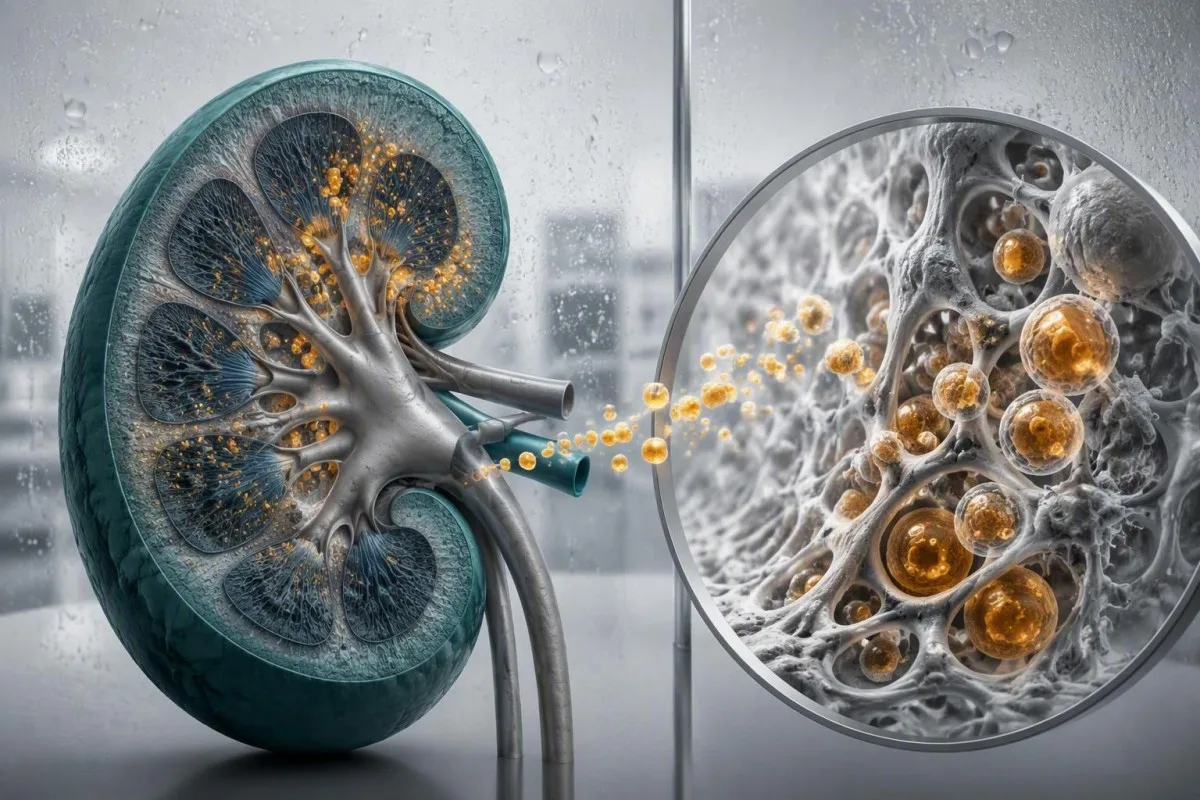
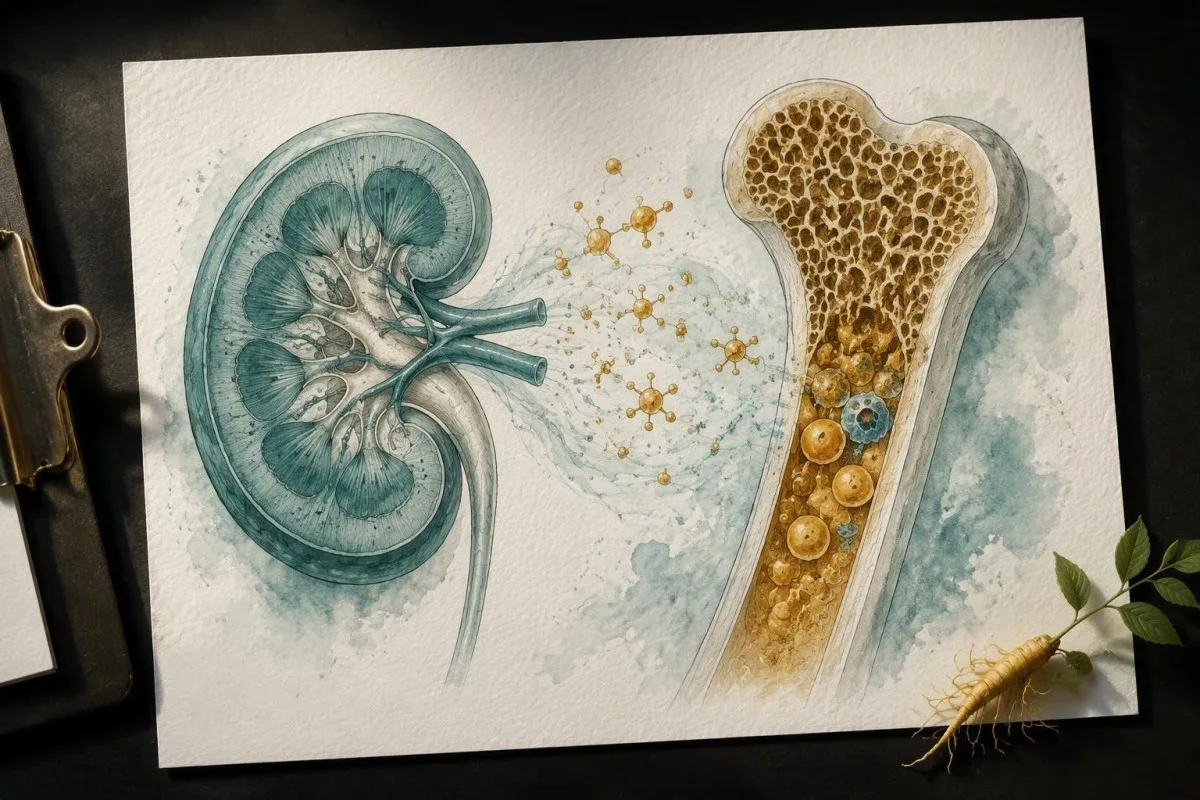
EPO යනු ප්රධාන වශයෙන් විශේෂිත වකුගඩු සෛල මගින් සාදන ලද හෝමෝනයකි. පටක ඔක්සිජන් මට්ටම අඩු වූ විට රතු-රුධිර සෛල නිෂ්පාදනය වැඩි කිරීමට එය අස්ථි මෝරුවට කියයි; සෞඛ්ය සම්පන්න ප්රතිපෝෂණ ලූපයක් රතු-රුධිර සෛල ස්කන්ධය දැනටමත් ඉහළ මට්ටම්වල පැවති විට EPO මර්දනය කරයි. ආචාර්ය තෝමස් ක්ලයින් CBC මුලින්ම පරීක්ෂා නොකර හෝමෝන ප්රතිඵලය කියවීම නිසා බොහෝ යොමු කිරීම් දැක ඇත.
කන්ටෙස්ටි යනු AI රුධිර පරීක්ෂණ විශ්ලේෂකය CBC, ක්රියේටිනින්, eGFR, රතු-රුධිර සෛල දර්ශක සහ පෙර ප්රතිඵල අර්ථ නිරූපණය කරන අතර තනි ධජයක් පිළිතුරක් ලෙස සලකන්නේ නැත. හීමොග්ලොබින් 10.2 g/dL සහිත පුද්ගලයෙකුගේ මධ්යස්ථ ඉහළ EPO, හීමොග්ලොබින් 18.1 g/dL සහිත අයෙකුගේ සමාන ප්රතිඵලයකට වඩා ජීව විද්යාත්මකව වෙනස් වේ. සමාලෝචනය කිරීමෙන් ආරම්භ කරන්න හීමොග්ලොබින් යනු කුමක්ද? ඔබේම වාර්තාව මත.
EPO රුධිර පරීක්ෂණ පරාසය, ඒකක සහ රසායනාගාර වෙනස්කම්
වැඩිහිටි රසායනාගාර බොහොමයක් සෙරුම් EPO සෙන්ටිමීටර 2.6–18.5 mIU/mL පමණ වාර්තා කරයි, දැනට සෙන්ටිමීටර 3 සිට 24 mIU/mL දක්වා පරාසයන් ද භාවිතා වේ. පරීක්ෂණය, දෝෂ නිරූපණය, නියැදි හැසිරවීම සහ පරතරය ස්ථාපිත කිරීමට භාවිතා කරන ජනගහනය මෙම වෙනස්කම් බොහොමයක් පැහැදිලි කරයි.
ප්රතිඵලයක් හැඳින්විය යුත්තේ එහි අසල මුද්රණය කර ඇති පරතරයට එරෙහිව ඉහළ හෝ අඩු ලෙස පමණි. EPO සාමාන්යයෙන් ඉමියුනෝඇසේ මගින් මනිනු ලැබේ, සහ සාන්ද්රණය mIU/mL හෝ IU/L ලෙස පෙනී සිටිය හැකිය; වාර්තා කිරීමේ අරමුණු සඳහා මෙම ඒකක සංඛ්යාත්මකව සමාන වේ. 19 mIU/mL හි ප්රතිඵලයක් එක් රසායනාගාරයක පරාසයට වඩා තරමක් ඉහළ වන අතර අනෙකෙහි කිසිසේත් කැපී පෙනෙන්නේ නැත.
සැබෑ ප්රශ්නය වන්නේ EPO යන්නද යන්නයි සුදුසු රතු-රුධිර සෛල මට්ටම සඳහා. රක්තහීනතාවයේදී, 5 mIU/mL පමණ අගයක් පරාසය තුළ පැවතියද, නුසුදුසු ලෙස අඩු විය හැකිය; කැපී පෙනෙන එරිත්රොසයිටෝසිස් වලදී, එම අගයම අර්ථවත් ලෙස මර්දනය කළ හැකිය. සමඟ සංසදනය කරන්න hematocrit interpretation සහ නියැදි දිනය, මාර්ගගත විශ්ව කප්-ඕෆ් එකක් සමඟ නොව.
අඩු හිමොග්ලොබින් සමඟ ඉහළ erythropoietin මට්ටම
ඉහළ එරිත්රොපොයිටින් මට්ටමක් අඩු හිමොග්ලොබින් සමඟ සාමාන්යයෙන් පෙන්නුම් කරන්නේ වකුගඩු රක්තහීනතාවයට හෝ ඔක්සිජන් ලබාගැනීම අඩුවීමට වන්දි ගෙවීමට උත්සාහ කරන බවයි. යකඩ ඌකම්, මෑතකාලීන රුධිරය අහිමිවීම, හේමොලිසිස්, පෙනහළු රෝග, නින්ද-අක්රීය ශ්වසනය සහ ඉහළ උන්නතාංශය, EPO නිපදවන දුර්ලභ වර්ධනයක් සඳහා වඩාත් පොදු පැහැදිලි කිරීම් වේ.
හිමොග්ලොබින් 9.8 g/dL සහිත පුද්ගලයෙකු තුළ, 48 mIU/mL හි EPO බොහෝ විට අපේක්ෂිත ප්රතිචාරයකි - හෝමෝනය ගැටළු ඇති කරන බවට සාක්ෂියක් නොවේ. ඊළඟ වෙනස්කම් කරන්නන් වන්නේ MCV, ෆෙරිටින්, ට්රාන්ස්ෆෙරින් සංතෘප්තය, රෙටිකුලෝසයිට්, බිලිරුබින්, LDH, සහ හැප්ටොග්ලොබින් ය. අඩු MCV සහ ෆෙරිටින් 15 ng/mL ට වඩා අඩු වීම යකඩ ඌකම් වලට ශක්තිමත්ව පක්ෂපාතී වන අතර, ඉහළ රෙටිකුලෝසයිට් ගණනක් රතු සෛල අඛණ්ඩව අහිමි වීම හෝ විනාශ වීම වෙත අපව තල්ලු කරයි.
මෑතකදී මම විඳදරාගැනීමේ ක්රීඩකයෙකු සමාලෝචනය කළෙමි, ඔහුගේ EPO 31 mIU/mL වූ අතර හිමොග්ලොබින් 11.1 g/dL විය, දැඩි පුහුණු අවහිරයකින් පසුව. ඇගේ ෆෙරිටින් 8 ng/mL විය, මජ්ජා ආබාධයක් නොවේ; රෝග ලක්ෂණ සීමා කිරීමට පෙර මෙය අවධානයට ලක්විය යුත්තේ එබැවිනි රක්තහීනතාවයට පෙර අඩු ෆෙරිටින් රෝග ලක්ෂණ සීමා කිරීමට පෙර අවධානයට ලක්විය යුතුය. ඉහළ EPO යකඩ, විටමින් B12, ෆෝලේට්, හෝ අසමත් වූ මජ්ජාවක් ජය ගත නොහැක.
රක්තහීනතාවයේ අඩු EPO: වකුගඩු-ක්රියාකාරී රටාව
රක්තහීනතාවයේ අඩු හෝ අඩු-සාමාන්ය EPO බොහෝ විට අසම්පූර්ණ වකුගඩු හෝමෝන නිෂ්පාදනයක් යෝජනා කරයි, විශේෂයෙන් eGFR අඩු වූ විට. එය දැවිල්ල රෝගය, දරුණු පද්ධතිමය රෝගය, හෝ මජ්ජා මර්දනය සමඟ ද සිදුවිය හැකිය, එබැවින් ක්රියේටිනින් පමණක් හේතුව කිසි විටෙකත් තීරණය නොකරයි.
පෙරීම පහත වැටෙන විට නිදන්ගත වකුගඩු රෝගය රක්තහීනතාවය වඩාත් සුලභ වේ, නමුත් එය eGFR අංකයකින් පමණක් නිර්වචනය නොවේ. eGFR 32 mL/min/1.73 m² සහ හිමොග්ලොබින් 9.9 g/dL සහිත පුද්ගලයෙකුට 7 mIU/mL හි EPO අගයක් තිබිය හැකිය - තාක්ෂණික වශයෙන් සාමාන්ය, නමුත් එම රක්තහීනතාවයේ ප්රමාණයට තවමත් අඩුය. KDIGO රක්තහීනතාව මාර්ගෝපදේශය erythropoiesis-stimulating medicine (KDIGO, 2012) සලකා බැලීමට පෙර යකඩ තත්ත්වය පරීක්ෂා කිරීම නිර්දේශ කරයි.
වකුගඩු රක්තහීනතාවය බොහෝ විට සාමාන්ය සෛලීය වේ, MCV 80–100 fL පමණ වන අතර අඩු රෙටිකුලෝසයිට් ප්රතිචාරයක් ඇත, නමුත් මිශ්ර යකඩ ඌකම් අතිශයින්ම සුලභ වේ. සමාලෝචනය අඩු eGFR අනතුරු ඇඟවීමේ සංඥා සහ මුත්රා ඇල්බුමින්, මධ්යස්ථව ඉහළ ක්රියේටිනින් සෑම දෙයක්ම පැහැදිලි කරන බව උපකල්පනය කරනවා වෙනුවට. මගේ සායනයේ, ෆෙරිටින් සහ ට්රාන්ස්ෆෙරින් සංතෘප්ත ප්රතිඵලය නිතරම ප්රතිකාර සැලැස්ම වෙනස් කරයි.
ඉහළ හිමොග්ලොබින් හෝ හෙමටොක්රිට් සමඟ අඩු EPO
දිගටම ඉහළ යන හිමොග්ලොබින් හෝ හෙමටොක්රිට් සමඟ අඩු එරිත්රොපොයිටින් ප්රාථමික අස්ථි-මජ්ජා ක්රියාවලියක්, විශේෂයෙන් පොලිසයිතීමියා වේරා ගැන සැලකිලිමත් වේ. එය රෝග විනිශ්චය තහවුරු නොකරයි, නමුත් එය වටිනා ඉඟියක් වන්නේ රතු-රුධිර සෛල නිෂ්පාදනය ස්වයංක්රීය වන විට සාමාන්ය ප්රතිපෝෂණය EPO මර්දනය කළ යුතු බැවිනි.

2016 WHO නිර්ණායකයන් පිරිමින් තුළ 16.5 g/dL ට වඩා වැඩි හිමොග්ලොබින් හෝ කාන්තාවන් තුළ 16.0 g/dL ට වඩා වැඩි, හෝ පිළිවෙලින් 49% සහ 48% ට වඩා වැඩි හෙමටොක්රිට් භාවිතා කරයි, පොලිසයිතීමියා වේරා (Arber et al., 2016) සඳහා ඇගයීමක් උත්ප්රේරණය කරන සීමාවන් ලෙස. උපසම්පන්න EPO යනු සුළු රෝග විනිශ්චය නිර්ණායකයකි; JAK2 විකෘති පරීක්ෂණය, නැවත නැවත CBCs, සහ සමහර විට මජ්ජා පරීක්ෂණය රෝග විනිශ්චය ස්ථාපිත කරයි. එක් විජලනය වූ සාම්පලක් ප්රමාණවත් නොවේ.
Kantesti AI අඩු EPO ප්රතිඵලයක් එහි පෙර හෙමටොක්රිට්, රතු-රුධිර සෛල ගණන, MCV, පට්ටිකා, සහ සුදු සෛල සමඟ සංසන්දනය කිරීමෙන් අර්ථකථනය කරයි - එක් එක් ප්රතිඵලය තනිව බැලූ විට මග හැරිය හැකි රටා. ඉහළ යන පට්ටිකා ගණන හෝ පැහැදිලි කළ නොහැකි ඉහළ සුදු-රුධිර සෛල ගණන රක්ත විද්යා සමාලෝචනය සඳහා නඩුව ශක්තිමත් කරයි. අපගේ විස්තරාත්මක පොලිසයිතීමියා රෝග ලක්ෂණ මාර්ගෝපදේශය සාමාන්ය පරීක්ෂණ අනුපිළිවෙල පැහැදිලි කරයි.
ඉහළ හිමොග්ලොබින් සමඟ ඉහළ EPO: ද්විතියික එරිත්රොසයිටෝසිස්
ඉහළ EPO සමඟ ඉහළ හිමොග්ලොබින් සාමාන්යයෙන් ද්විතීයික එරිත්රොසයිටෝසිස් පෙන්නුම් කරයි, එනම් බාහිර හෝ වෛද්ය සංඥාවක් රතු රුධිර සෛල නිෂ්පාදනයට හේතු වේ. උස, දුම්පානය හෝ කාබන් මොනොක්සයිඩ් නිරාවරණය, obstructive sleep apnea, නිදන්ගත පෙනහළු රෝග, ටෙස්ටොස්ටෙරෝන් ප්රතිකාර සහ අඩු වශයෙන් වකුගඩු හෝ අක්මා පිළිකා පොදු දායකයින් වේ.
මීටර් 2,500 ක උන්නතාංශයක සතියකට පසු 17.4 g/dL හි හිමොග්ලොබින් මුහුදු මට්ටමේ එකම ප්රතිඵලය සමඟ සංවාදයකට වඩා වෙනස් සංවාදයක් අවශ්ය වේ. හයිපොක්සික් නිරාවරණයට පැය කිහිපයක් ඇතුළත EPO සාමාන්යයෙන් ඉහළ යයි, මිනුම් කළ හැකි රතු රුධිර සෛල ස්කන්ධ ප්රතිචාරය මන්දගාමීව වර්ධනය වන අතර; ගමන් අතරතුර විජලනය කිරීමෙන් සාම්පල සාන්ද්රණය විය හැකිය. නැවත පරීක්ෂා කිරීමට පෙර උන්නතාංශය, ගුවන් ගමන් දිනයන්, දුම්පානය, වාෂ්ප කිරීම සහ ඇන්ඩ්රොජන් භාවිතය වාර්තා කරන්න.
නින්දේ හුස්ම හිරවීම දිවා කාලයේ නිදිමතක් නොමැතිව වුවද අදාළ විය හැකි බව සමහර රෝගීන් පුදුමයට පත් කරයි. නැවත නැවත රාත්රිය පුරා ඔක්සිජන් අඩුවීම අතරමැදි EPO උත්තේජනයක් ඇති කළ හැකි නමුත් සාමාන්ය දිවා කාලයේ ඔක්සිජන් සතූරේෂන් එය බැහැර නොකරයි. අඛණ්ඩ අගයන් අපගේ මාර්ගෝපදේශයට එරෙහිව පරීක්ෂා කළ යුතුය උස රක්තපාත හේතු සහ රුධිර පරිත්යාගයෙන් පමණක් කළමනාකරණය කිරීමට වඩා වෛද්යවරයෙකු සමඟ සාකච්ඡා කෙරේ.
උන්නතාංශය, ව්යායාම සහ EPO පරීක්ෂණයට පෙර කාලය
උන්නතාංශය සහ ඔක්සිජන් නිරාවරණය හිමොග්ලොබින් සැලකිය යුතු ලෙස වෙනස් කිරීමට පෙර EPO වලට බලපෑම් කළ හැකිය, එබැවින් පරීක්ෂණ කාලය වැදගත් වේ. කෙටි කඳුකර චාරිකාව, උග්ර ශ්වසන රෝග, රාත්රී හයිපොක්සියා සහ මෑතකදී දැඩි ව්යායාම සියල්ලම තීරණ සීමාව අසල අර්ථ නිරූපණය සංකීර්ණ කළ හැකිය.
අත්යවශ්ය නොවන සීමාවාසික ප්රතිඵලයක් සඳහා, මම සාමාන්යයෙන් රෝගීන්ගෙන් ඔවුන්ගේ සාමාන්ය උන්නතාංශයට, හොඳින් ජලීයකරණය වී, සහ උග්ර රෝගයකින් සුවය ලැබීමෙන් පසු CBC සහ EPO නැවත කිරීමට අසමි. සෑම සංචාරකයෙකුටම එක්-පදනම් වූ බලා සිටින කාලයක් නොමැත; පළමු ප්රතිඵලය මඳක් අසාමාන්ය වූ විට සති දෙක හතරක් බොහෝ විට සායනිකව ප්රායෝගික වේ. එක් දිනක විවෘත දසුනකින් භෞත ධර්මය අර්ථ නිරූපණය කිරීමට උත්සාහ කරනවාට වඩා ප්රවණතාවය වඩාත් වටිනා ය.
දෘඪ ව්යායාම මගින් ප්ලාස්මා පරිමාව පැය කිහිපයක් සඳහා අඩු කළ හැකි අතර හිමොග්ලොබින් හෝ හෙමටොක්රිට් අසත්ය ලෙස ඉහළ පෙනුමක් ලබා දිය හැකිය. පහසුවෙන් මග හැරිය හැකි ඉඟියක් වන්නේ සමගාමීව ඉහළ ඇල්බුමින් හෝ මුළු ප්රෝටීන් වන අතර, එය සැබෑ රතු රුධිර සෛල පුළුල් කිරීමට වඩා හෙමොකොන්සන්ට්රේෂන් වලට පක්ෂවය. බලන්න කොහොමද විජලනය අසත්ය ඉහළ RBC ගණනයක් නිර්මාණය කරයි ඔබේ ඇට මිදුළු වෙනස් වී ඇතැයි උපකල්පනය කිරීමට පෙර.
ක්රියේටිනින්, eGFR සහ මුත්රා පරීක්ෂාව EPO අර්ථ නිරූපණය වෙනස් කරන ආකාරය
ක්රියේටිනින්, eGFR, සහ මුත්රා ඇල්බුමින් අඩු EPO ප්රතිචාරය වකුගඩු ආශ්රිත විය හැකිද යන්න තීරණය කිරීමට උපකාරී වේ. මාස 3 කට වැඩි කාලයක් සඳහා 60 mL/min/1.73 m² ට වඩා අඩු eGFR නිදන්ගත වකුගඩු රෝගයට සහාය දක්වයි, නමුත් සෑම CKD අදියරකදීම රක්තහීනතාවයට වෙනත් හේතුවක් තිබිය හැක.
හිමොග්ලොබින් අඩු නම්, රෙටිකුලෝසයිට් ඉහළ නොයන්නේ නම්, සහ නැවත නැවත පරීක්ෂා කිරීමේදී වකුගඩු ආබාධයක් ස්ථාපිත වී ඇත්නම්, අඩු EPO ප්රතිඵලය වකුගඩු රක්තහීනතාවය සඳහා වඩාත් ඒත්තු ගන්වන සුළුය. ඇල්බුමින්-ක්රියේටිනින් අනුපාතය වැදගත් තොරතුරු එක් කරයි, මන්ද ක්රියේටිනින් මධ්යස්ථව ඉහළ ගියත් පුද්ගලයෙකුට සායනිකව අර්ථවත් වකුගඩු රෝගයක් තිබිය හැකිය. අතර ප්රායෝගික වෙනස BUN සහ ක්රියේටිනින් (creatinine) වැරදි නිගමනයක් වළක්වා ගත හැකිය.
ඊට පටහැනිව, අඩු වූ eGFR ආමාශ ආන්ත්ර රුධිර වහනය, යකඩ ඌS, B12 ඌS, හෝ ඖෂධ ආශ්රිත ඇට මිදුළු මර්දනය සමඟ පැවතිය හැකිය. Kantesti යනු AI රසායනාගාර පරීක්ෂණ අර්ථකථන සේවාව මෙම නොගැලපීම ලේබල් කරයි: 20% ට අඩු ට්රාන්ස්ෆෙරින් සතූරේෂන් සහිත රක්තහීනතාවය යකඩ ලබා ගැනීමේ හැකියාව ආමන්ත්රණය කරන තෙක් වකුගඩු රක්තහීනතාවය ලෙස ලේබල් නොකළ යුතුය. වකුගඩු සලකුණු සන්දර්භය විස්තර කරයි; ඒවා සම්පූර්ණ රක්තහීනතා පරීක්ෂණයකට සමාව නොදේ.
EPO ප්රතිඵලයක් ප්රයෝජනවත් කරන CBC ඉඟි
EPO යෝග්ය, ප්රමාණවත් නොවන, හෝ වැරදි බව CBC තීරණය කරයි. හිමොග්ලොබින් සහ හෙමටොක්රිට් රතු රුධිර සෛල ගැටලුව ප්රමාණ කරයි, MCV සෛල ප්රමාණ රටා හඳුනා ගනී, සහ රෙටිකුලෝසයිට් ඇට මිදුළු ප්රතිදානය ඇත්ත වශයෙන්ම වැඩි වෙමින් පවතීද යන්න පෙන්වයි.
MCV 80 fL ට වඩා අඩුවීම යනු යකඩ ඌනතාවය හෝ තලසීමියා තත්ත්වයන් වෙත යොමු කරයි; MCV 100 fL ට වඩා වැඩිවීම B12 ඌනතාවය, මධ්යසාර භාවිතය, අක්මා රෝග සහ ඇටමිදුළු ආබාධ ඇතුළු විවිධ හේතු වෙත යොමු කරයි. මෙම ප්රතිඵල කිසිවක් EPO පමණක් මගින් පැහැදිලි කළ නොහැක. රෙටිකුලෝසයිට් නිෂ්පාදන දර්ශකය 2 ට වඩා වැඩි වීම යනු වඩ වඩාත් ක්රියාකාරී වන්දි ප්රතිචාරයක් පෙන්නුම් කරයි, නමුත් රසායනාගාර ඒවා විවිධ ආකාරයෙන් ගණනය කරයි.
Kantesti AI යනු AI මගින් බලගැන්වූ රුධිර පරීක්ෂණ විශ්ලේෂණ මෙවලම රතු රුධිර සෛල බෙදා හැරීමේ පළල (red-cell distribution width), පට්ටිකා (platelets) සහ සුදු රුධිරාණු (white cells) සමඟ EPO කියවන අතර වෛද්යවරයා සමාලෝචනය කළ යුතු රටා හඳුනා ගනී. අඩු EPO රක්තහීනතාවයකදී, නියුට්රොෆිල් හෝ පට්ටිකා වල නව අඩුවීම් සාමාන්ය වකුගඩු රක්තහීනතාවය සමඟ නොගැලපේ. අපේ රෙටිකියුලොසයිට් ගණන් කිරීමේ මාර්ගෝපදේශය අස්ථි මජ්ජාව පැත්තට යොමු කරයි. දරුණු රක්තහීනතාවයකදී “සාමාන්ය” රෙටිකුලෝසයිට් ප්රතිශතයක් වුවද ප්රමාණවත් නොවිය හැකි බව පැහැදිලි කරයි.
යකඩ, B12, ෆෝලේට් සහ හීමොලිසිස්: EPO වෙන් කළ නොහැකි හේතු
EPO යකඩ ඌනතාවය, විටමින් ඌනතාවය, රුධිර වහනය සහ රක්තපාතය (hemolysis) අතර වෙනසක් නොකරයි; අනුබද්ධ පරීක්ෂණ එම කාර්යය කරයි. මෙම තත්ත්වයන් කිහිපයකදීම ඉහළ EPO අපේක්ෂා කෙරේ, නමුත් ප්රතිකාරය තියුනු ලෙස වෙනස් වන අතර අත්හදා බැලීමේ යකඩ සැමවිටම ආරක්ෂිත නොවේ.
ෆෙරිටින් 15 ng/mL ට වඩා අඩු වීම සාමාන්ය වැඩිහිටියෙකුගේ යකඩ සංචිත සිඳී යාම සඳහා ඉතා නිශ්චිත වේ, නමුත් ආසාදනය, අක්මා තුවාල සහ නිදන්ගත දැවිල්ල අතරතුර ෆෙරිටින් ඉහළ යා හැකිය. ට්රාන්ස්ෆෙරින් සංතෘප්තිය 20% ට වඩා අඩු වීම, විශේෂයෙන් රක්තහීනතාවය පවතී නම්, සීමාසහිත යකඩ ලබා ගැනීම යෝජනා කරයි. සම්පූර්ණ අර්ථකථනයක් සඳහා, අපගේ යකඩ පරීක්ෂණ සම්බන්ධ යොමු මාර්ගෝපදේශය.
රක්තපාතය (hemolysis) සාමාන්යයෙන් වෙනස් පොකුරක් නිපදවයි: රෙටිකුලෝසයිට් ඉහළ යයි, ප්ලීහාව (bilirubin) සහ LDH ඉහළ යා හැක, සහ හැප්ටෝග්ලොබින් (haptoglobin) බොහෝ විට පහත වැටේ. ආචාර්ය තෝමස් ක්ලයින් මෙම රටාව පවතින විට ස්වයං-ආරම්භක යකඩට එරෙහිව උපදෙස් දෙයි, මන්ද එය ප්රතිශක්තිකරණ, උරුමගත හෝ යාන්ත්රික හේතුවක් හඳුනා ගැනීම ප්රමාද කළ හැකිය. පිටුපස ඇති අනතුරු ගැන ඉගෙන ගන්න අඩු හැප්ටෝග්ලොබින් (haptoglobin) ප්රතිඵල සමඟ ප්රතිඵලය සංසන්දනය කරන්න.
EPO අස්ථි-මෝරු පරීක්ෂණය වෙත යොමු කරන විට
ඇටමිදුළු (Bone-marrow) සහ විකෘති පරීක්ෂණ (mutation testing) සලකනු ලබන්නේ EPO මර්දනය වූ විට එරිත්රොසයිටෝසිස් (erythrocytosis) සමඟ, හෝ රක්තහීනතාවය අනපේක්ෂිත දුර්වල රෙටිකුලෝසයිට් ප්රතිචාරයක් සමඟ බහුවිධ අඩු සෛල රේඛා (cell lines) සහිත විටය. මෙම පරීක්ෂණ ඉලක්කගත විමර්ශන මිස සෑම මෘදු අසාමාන්ය EPO අගයක් සඳහාම සාමාන්ය අනුගමනය කිරීම් නොවේ.

පොලිසයිතීමියා වෙරා (Polycythemia vera) JAK2 ධාවක විකෘතියක් (driver mutation) සමඟ ශක්තිමත්ව සම්බන්ධ වේ, සහ අඩු සෙරුම් EPO එය බොහෝ ද්විතියික හේතූන්ගෙන් වෙන්කර හඳුනා ගැනීමට උපකාරී වේ. බ්රිතාන්ය හීමතොලොජි සමාජ මාර්ගෝපදේශය (British Society for Haematology guideline) සියලුම ඉහළ හිමොග්ලොබින් පොලිසයිතීමියා වෙරා නියෝජනය කරන බව උපකල්පනය කරනවා වෙනුවට එරිත්රොසයිටෝසිස් හි සංවිධිත ඇගයීමක් නිර්දේශ කරයි (McMullin et al., 2019). එක් වෛද්යවරයෙකුට මුලින්ම JAK2 V617F ඇණවුම් කළ හැකිය, ඉන්පසු සායනික සම්භාවිතාව ඉහළ මට්ටම්වල පවතී නම් තවදුරටත් පරීක්ෂණ කළ හැකිය.
රක්තහීනතාවය plus අඩු රෙටිකුලෝසයිට්, පට්ටිකා 150 × 10⁹/L ට වඩා අඩු, සහ නියුට්රොෆිල් 1.5 × 10⁹/L ට වඩා අඩු වීම කාලෝචිත සමාලෝචනයක් ලැබිය යුතුය, මන්ද මෙම සංයෝජනය ඇටමිදුළු නිෂ්පාදනයේ අඩුවීමක් සංඥා කළ හැකිය. එය පිළිකා සමඟ සමපාත නොවේ - ඖෂධ, වෛරස් රෝග, ස්වයං ප්රතිශක්තිකරණ රෝග, පෝෂණ ඌනතා, සහ ඇප්ලැස්ටික් ක්රියාවලි (aplastic processes) අතිච්ඡේදනය වේ. අපේ ඇප්ලැස්ටික් රක්තහීනතාවය CBC මාර්ගෝපදේශය වේගවත් ඇගයීමක් අවශ්ය වන රටා මොනවාදැයි දක්වයි.
ඖෂධ, ටෙස්ටොස්ටෙරෝන් සහ නියමිත EPO
ටෙස්ටොස්ටෙරෝන් (Testosterone) සහ නියමිත එරිත්රොපොයිසිස්-උත්තේජක ඖෂධ (erythropoiesis-stimulating medicines) හිමොග්ලොබින් වැඩි කළ හැකිය, ACE නිෂේධක (ACE inhibitors), ARBs, කීමෝතෙරපි (chemotherapy) සහ සමහර ප්රති-ගිනි අවුලුවන ඖෂධ (anti-inflammatory medicines) තෝරාගත් රෝගීන් තුළ රක්තහීනතාවයට දායක විය හැකිය. සම්පූර්ණ ඖෂධ සහ අතිරේක ලැයිස්තුවක් නොමැතිව EPO ප්රතිඵලයක් ආරක්ෂිතව අර්ථකථනය කළ නොහැක.

ටෙස්ටොස්ටෙරෝන්-අනුබද්ධ එරිත්රොසයිටෝසිස් (Testosterone-associated erythrocytosis) සාමාන්යයෙන් මාලාවක CBC අධීක්ෂණය (serial CBC monitoring) මත අනාවරණය වේ, EPO පරීක්ෂණයකින් පමණක් නොවේ. ටෙස්ටොස්ටෙරෝන් ප්රතිකාරය අතරතුර 54% ට වඩා වැඩි හෙමටක්රිට් (hematocrit) සාමාන්යයෙන් මාත්රාව සකස් කිරීම හෝ තාවකාලික බාධා ඇති කරයි, මන්ද දුස්ස්රාව-ආශ්රිත අවදානම (viscosity-related risk) වඩාත් සැලකිය යුතු වේ. වෛද්යවරයාගේ මැදිහත්වීමකින් තොරව නැවත නැවත රුධිරය දാനം නොකරන්න; එය යකඩ ඌනතාවය ඇති කර අන්වර්ත රටාව යටපත් කළ හැකිය.
නැවත නැවත EPO (Recombinant EPO) සහ ඊට සම්බන්ධ ඖෂධ CKD සහ කීමෝතෙරපි-අනුබද්ධ රක්තහීනතාවය (chemotherapy-associated anemia) සඳහා තෝරාගත්, තනි පුද්ගල හිමොග්ලොබින් ඉලක්ක සහිත විශේෂඥ ප්රොටෝකෝල යටතේ භාවිතා කෙරේ. මෙම ඖෂධ ලබා ගන්නා රෝගියෙකුට වේලාව සහ පරීක්ෂණ ප්රතික්රියාව (assay cross-reactivity) මත අර්ථකථනය කිරීමට අපහසු පරීක්ෂණ ප්රතිඵලයක් තිබිය හැක. අපේ ඖෂධ ප්රවණතා විශ්ලේෂණය දිනයන්, මාත්රාවන් සහ රසායනාගාර වෙනස්කම් කාලයත් සමඟ සුරැකීමට නිර්මාණය කර ඇත.
EPO රුධිර පරීක්ෂාව සඳහා සූදානම් වන්නේ කෙසේද සහ වැරදි ප්රතිඵල වළක්වා ගන්නේ කෙසේද
බොහෝ EPO රුධිර පරීක්ෂණ සඳහා නිරාහාරව සිටීම අවශ්ය නොවේ, නමුත් මෑතකාලීන උන්නතාංශ නිරාවරණය (altitude exposure), සජලනය (hydration), දුම්පානය, ටෙස්ටොස්ටෙරෝන් භාවිතය, සහ උග්ර අසනීප සටහන් කළ යුතුය. රසායනාගාරයේ සාම්පලය සාමාන්යයෙන් සෘජු ය; වැදගත්ම සූදානම් කිරීම නිවැරදි ඉතිහාසයකි.
එකම රුධිර පරීක්ෂණයකින් CBC, රුධිර සෛල ගණනය, ෆෙරටින්, ක්රියේටිනින්/eGFR, ඔක්සිජන් සන්තෘප්තිය සහ EPO ලබා ගත යුතුදැයි විමසීම් වෛද්යවරයාගෙන් අසන්න. එකම දින CBC එකක් පොදු අර්ථකථන දෝෂයක් වළක්වයි: ශල්යකර්ම, ගමනක් යාම හෝ ප්රතිකාරයකින් මාස කිහිපයකට පෙර මනින ලද හිමොග්ලොබින් සමඟ අද EPO සංසන්දනය කිරීම. ප්රතිඵලය හීමැටොලොජි වෙත යොමු කිරීමට නම්, අතිරේක සම්බන්ධීකරණය සඳහා ස්ථාවරත්වය වටී.
නැවත CBC පරීක්ෂණයක් කිරීමට පෙර අසාමාන්ය ලෙස වෙහෙස මහන්සි වී පුහුණු වීමෙන් වළකින්න සහ පැහැදිලි විජලනය නිවැරදි කරන්න, එසේ නොකරන ලෙස ඔබේ වෛද්යවරයා ඉල්ලා සිටින්නේ නම් මිස. ප්රතිඵලය “පිරිසිදු” කිරීම සඳහා නියමිත ටෙස්ටොස්ටෙරෝන්, ඔක්සිජන්, CPAP, හෝ වකුගඩු ඖෂධ ගැනීම නවත්වන්න එපා. පදනම් රුධිර පරීක්ෂණ සකස් කිරීම නැවතත් ලැබෙන ප්රතිඵලය සැබවින්ම සංසන්දනාත්මක වන පරිදි වාර්තා කළ යුතු තොරතුරු මොනවාදැයි පැහැදිලි කරයි.
අසාමාන්ය EPO ප්රතිඵලවලට හදිසි හෝ විශේෂඥ රැකවරණයක් අවශ්ය වූ විට
EPO වල අසාමාන්යතා කලාතුරකින් හදිසි තත්වයක් ඇති කරයි, නමුත් ඒවා වටා ඇති රෝග ලක්ෂණ සහ CBC රටාව සමහර විට එසේ කරයි. නව පපුවේ වේදනාව, සිහිය නැතිවීම, දරුණු හුස්ම හිරවීම, ශරීරයේ එක් පැත්තක දුර්වලතාවය, කතා කිරීමට අපහසු වීම, කළු අසූචි, හෝ වේගයෙන් පිරිහෙන තෙහෙට්ටුව සඳහා මාර්ගගත අර්ථකථනයකට වඩා හදිසි තක්සේරුවක් අවශ්ය වේ.
පිරිමින්ට 16.5 g/dL ට වඩා හෝ කාන්තාවන්ට 16.0 g/dL ට වඩා හිමොග්ලොබින් අඩු EPO සමඟ, විශේෂයෙන්ම හිසරදය, දෘශ්ය වෙනස්කම්, උණුසුම් ජලය ස්නානය කිරීමෙන් පසු කැසීම, කැටි ගැසීමේ ඉතිහාසය, හෝ විශාල වූ ප්ලීහාව රෝග ලක්ෂණ තිබේ නම්, මුල් සත්කාර හෝ හීමැටොලොජි සමාලෝචනයක් පිළියෙල කරන්න. හිසරදය, ඔක්කාරය, දරුණු හුස්ම හිරවීම, එක් පැත්තක දුර්වලතාවය, කතා කිරීමට අපහසු වීම, කළු අසූචි, හෝ වේගයෙන් පිරිහෙන තෙහෙට්ටුව සඳහා හදිසි තක්සේරුවක් අවශ්ය වේ.
Kantesti's neural network EPO, CBC, වකුගඩු, සහ යකඩ ප්රවණතා ඔබ රැස්වීමකට රැගෙන යන ප්රශ්න වලට සංවිධානය කරයි, නමුත් එය විභාගය, ඔක්සිජන් තක්සේරුව, හෝ විශේෂඥ පරීක්ෂණ වලට ආදේශ නොවේ. අපගේ සායනික ක්රමවේදය සහ වෛද්ය අධීක්ෂණය විස්තර කර ඇත්තේ වෛද්ය සත්යාපන රාමුව. පෙර CBCs ගෙන එන්න—කාලය පුරා තුනේ අගයන් බොහෝ විට එක අනතුරු ඇඟවීමක් කරන අංකයකට වඩා ආරක්ෂිත කතාවක් කියයි.
EPO ප්රවණතා නිරීක්ෂණය කිරීම සහ ඔබේ වෛද්යවරයා සමඟ ප්රතිඵල සාකච්ඡා කිරීම
අනුබද්ධ හිමොග්ලොබින්, හීමැටොක්රිට්, උන්නතාංශය, ඖෂධ, සහ වකුගඩු තත්ත්වය සංසන්දනාත්මක වන විට පමණක් නැවත EPO ප්රතිඵලය ප්රයෝජනවත් වේ. වැටෙන හිමොග්ලොබින් සමඟ ස්ථාවර EPO වලට, නැගී එන හීමැටොක්රිට් සමඟ ස්ථාවර EPO එකකට වඩා වෙනස් අර්ථයක් ඇත, දෙකම පරාසය තුළ පැවතුනත්.
මුල් රසායනාගාර PDF, ඒකක, යොමු පරතරය, එකතු කරන දිනය, වත්මන් උන්නතාංශය, දුම් පානය කරන තත්ත්වය, සහ ඖෂධ ලැයිස්තුව තබා ගන්න. 1.0 g/dL හිමොග්ලොබින් වෙනසක් ජලීයකරණය සහ සාමාන්ය ජෛව විද්යාත්මක වෙනස්කම් පිළිබිඹු කළ හැකිය, අතර නැවත නැවත දිශානුගත වෙනස්කම් කිහිපයක් ඇඳීම් හරහා පැහැදිලි කිරීමක් ලැබිය යුතුය. අපගේ රුධිර පරීක්ෂණ වෙනස්කම් මාර්ගෝපදේශය සාමාන්ය වෙනස්කම් වලින් අර්ථවත් ප්රවණතා වෙන් කිරීමට උපකාරී වේ.
කන්ටෙස්ටි යනු AI biomarker interpretation platform 127+ රටවල් පුරා රසායනාගාර ප්රතිඵල දිගුකාලීන සායනික සන්දර්භය තුළ තැබීමට භාවිතා කරන අතර, පෞද්ගලිකත්වය-කේන්ද්ර කරගත් උඩුගත කරන ලද වාර්තා හැසිරවීම. සම්බන්ධිත සලකුණු වල පුළුල් දර්ශකයක් සඳහා, 15,000-plus බයෝමාකර් මාර්ගෝපදේශය. පහත ලැයිස්තුගත කර ඇති Kantesti පර්යේෂණ ප්රකාශන දෙක සම්බන්ධිත සෙරුම්-ප්රෝටීන් සහ ප්රතිශක්ති-සලකුණු අර්ථ නිරූපණය පිළිබඳ ආධාරක කියවීම සපයයි; දෙකම අසාමාන්ය EPO රටාවක හීමැටොලොජි තක්සේරුවට ආදේශ නොවේ.
නිතර අසන ප්රශ්න
සාමාන්ය එරිත්රොපොයිටින් මට්ටම කුමක්ද?
වැඩිහිටියන්ගේ පොදු එරිත්රොපොයිටින් නිදර්ශක පරාසය මිලිලීටරයකට 2.6–18.5 mIU පමණ වන අතර, බොහෝ රසායනාගාර 3–24 mIU/mL වැනි වෙනත් පරාසයක් භාවිතා කරයි. ඔබේ වාර්තාවේ මුද්රණය කර ඇති රසායනාගාර පරාසය නිවැරදි සංසන්දකය වන අතර, මන්ද EPO පරීක්ෂණ සම්පූර්ණයෙන්ම හුවමාරු කළ නොහැකි බැවිනි. හීමොග්ලොබින් ඉතා අඩු හෝ ඉතා ඉහළ නම් සාමාන්ය EPO මට්ටමක් අනුචිත විය හැකිය. උදාහරණයක් ලෙස, 9.5 g/dL හීමොග්ලොබින් ඇති පුද්ගලයෙකුට 6 mIU/mL EPO හිඟ විය හැකි නමුත් 14.0 g/dL හීමොග්ලොබින් ඇති පුද්ගලයෙකුට එය අපේක්ෂා කෙරේ.
ඉහළ එරිත්රොපොයිටින් මට්ටමක් යනු කුමක්ද?
ඉහළ එරිත්රොපොයිටින් මට්ටමක් යන්නෙන් බොහෝ විට අදහස් වන්නේ වකුගඩු ඔක්සිජන් සැපයුම අඩු බව හඳුනාගෙන රතු රුධිර සෛල නිෂ්පාදනය උත්තේජනය කරන බවයි. පොදු හේතු අතර යකඩ-ඌනතාවය රක්තහීනතාවය, රුධිර වහනය, රක්තපාතය, උස්බිම්වලට නිරාවරණය වීම, දුම්පානය-ආශ්රිත කාබන් මොනොක්සයිඩ් නිරාවරණය, නින්දේ හුස්ම හිරවීම සහ නිදන්ගත පෙනහළු රෝගය ඇතුළත් වේ. ගැබ්බර නොවන වැඩිහිටි කාන්තාවන් 12.0 g/dL ට අඩු හිමොග්ලොබින් හෝ බොහෝ වැඩිහිටි පිරිමින් 13.0 g/dL ට අඩු හිමොග්ලොබින් සමඟ ඉහළ EPO බොහෝ විට අස්ථි විනිශ්චයට වඩා වන්දි ප්රතිචාරයක් නියෝජනය කරයි. ඉහළ හිමොග්ලොබින් සහිත ඉහළ EPO දිගටම පැවතීම ද්විතියික එරිත්රොසයිටෝසිස් සඳහා සහ, අඩු වශයෙන්, EPO නිපදවන වකුගඩු හෝ අක්මා වර්ධනය සඳහා ඇගයීමක් අවශ්ය වේ.
අඩු එරිත්රොපොයිටින් මට්ටමක් යනු කුමක්ද?
රුධිරයේ එරිත්රොපොයිටින් මට්ටම අඩු වීමෙන් අදහස් වන්නේ, විශේෂයෙන් නිදන්ගත වකුගඩු රෝග වලදී, රක්තහීනතාවයට සරිලන තරම් හෝමෝනයක් වකුගඩු නිපදවන්නේ නැති බවයි. රුධිරයේ හිමොග්ලොබින් පිරිමි සෙ.මී. 16.5 g/dL ට වඩා හෝ කාන්තාවන් සෙ.මී. 16.0 g/dL ට වඩා ස්ථාවරව පවතින විට, පොලිසයිතීමියා වේරා සඳහා අඩු EPO යනු සහායක ඉඟියකි. රක්තහීනතාවය සහ එරිත්රොසයිටෝසිස් වලදී එකම අඩු ප්රතිඵලය වෙනස් දේවල් අදහස් කරන බැවින්, එකම දිනැති CBC එකක් අත්යවශ්ය වේ. අඩු EPO පමණක් වකුගඩු අසමත්වීම හෝ අස්ථි-මෝරු ආබාධයක් හඳුනා නොගනී.
විජලනය එරිත්රොපොයිටින් පරීක්ෂණ ප්රතිඵලයට බලපෑ හැකිද?
විජලනය සාමාන්යයෙන් ප්ලාස්මා පරිමාව අඩු කිරීමෙන් සහ රතු රුධිර සෛල සාන්ද්රණය ඉහළ යන ලෙස පෙනීමට සැලැස්වීමෙන් හීමොග්ලොබින් සහ හීමොක්රිට් වලට EPO වලට වඩා බලපායි. සාන්ද්රිත සාම්පලක් සැබෑ එරිත්රොසයිටෝසිස් වැනි පෙනුමක් ඇති කරන ඉහළ ඇල්බුමින් හෝ මුළු ප්රෝටීන සමඟ ඉහළ හීමොක්රිට් පෙන්විය හැකිය. මෘදු විජලනය සාමාන්යයෙන් ගැඹුරු අඩු EPO ප්රතිඵලයක් නොවේ, නමුත් එය පිරිමින් තුළ හීමොක්රිට් 49% හෝ කාන්තාවන් තුළ 48% වැනි සීමාවන් අසල සමස්ත රටාව ව්යාකූල කළ හැකිය. සාමාන්යයෙන් හයිඩ්රේටඩ් වන විට CBC නැවත නැවත කිරීම බොහෝ විට EPO පමණක් නැවත නැවත කිරීමට වඩා ප්රයෝජනවත් වේ.
උස වැඩි වන විට EPO වැඩි වේද?
උස් කඳුකර ප්රදේශවල EPO මට්ටම ඉහළ යාමට හේතුව ඔක්සිජන් පීඩනය අඩු වීම නිසා වකුගඩුවල ඔක්සිජන් සංවේදී සෛල ක්රියාකාරී වීමයි. EPO පැය කිහිපයක් ඇතුළත ඉහළ යා හැකි අතර, හිමොග්ලොබින් සහ රතු රුධිරාණු ස්කන්ධයේ මැනිය හැකි වෙනස්කම් සාමාන්යයෙන් දින හෝ සති ගත වේ. එමනිසා, මීටර් 2,000-2,500 ට වඩා ඉහළින් මෑතකදී රැඳී සිටීම, CBC එතරම් වෙනස් වී නොමැති වුවද, EPO රුධිර පරීක්ෂාවට බලපෑම් කළ හැකිය. මායිම් ප්රතිඵලයක් අර්ථකථනය කිරීමට පෙර ගමන්, කඳු නැගීම, වාසය කරන උන්නතාංශය සහ ආපසු පැමිණි දිනය පිළිබඳව ඔබේ වෛද්යවරයාට දන්වන්න.
අඩු EPO එකක් සැමවිටම පොලිසයිටිමියා වෙනාවේ අදහස් කරනවාද?
නැත, අඩු EPO සෑම විටම පොලිසයිතීමියා වේරා අදහස් නොකරයි. එය සහායක සොයාගැනීමක් පමණක් වන අතර, හිමොග්ලොබින් හෝ හෙමටොක්රිට් ස්ථාවරව ඉහළ යන විට ප්රධාන වශයෙන් ප්රයෝජනවත් වේ; 2016 WHO රාමුව JAK2 විකෘති පරීක්ෂාව සහ වෙනත් සායනික හෝ ඇට මිදුළු නිර්ණායක මත ද රඳා පවතී. විජලනය, රසායනාගාර විචලනය සහ වේලාව ව්යාකූල ප්රතිඵල ඇති කළ හැකිය. පිරිමින් තුළ 16.5 g/dL ට වඩා හෝ කාන්තාවන් තුළ 16.0 g/dL ට වඩා ස්ථිර හිමොග්ලොබින් සමඟ අඩු EPO සායනික වෛද්යවරයකු විසින් සමාලෝචනය කළ යුතුය, බොහෝ විට රක්තවේදය ආදානය සමඟ.
අදම AI බලයෙන් රුධිර පරීක්ෂණ විශ්ලේෂණය ලබාගන්න
තත්පර කිහිපයකින් ක්ෂණික හා නිවැරදි රසායනාගාර පරීක්ෂණ විශ්ලේෂණය සඳහා Kantesti විශ්වාස කරන ලොව පුරා මිලියන 2කට වැඩි පරිශීලකයන්ට එක්වන්න. ඔබගේ රුධිර පරීක්ෂණ ප්රතිඵල උඩුගත කර, තත්පර කිහිපයකින් 15,000+ ජෛව සලකුණු පිළිබඳ සවිස්තර අර්ථකථනය ලබාගන්න.
📚 යොමු කර ඇති පර්යේෂණ ප්රකාශන
ක්ලයින්, ටී., මිචෙල්, එස්., සහ වෙබර්, එච්. (2026). Kantesti AI. (2026). සෙරුම් ප්රෝටීන් මාර්ගෝපදේශය: ග්ලෝබියුලින්, ඇල්බුමින් සහ A/G අනුපාතය රුධිර පරීක්ෂාව. Zenodo.. Kantesti AI වෛද්ය පර්යේෂණ.
ක්ලයින්, ටී., මිචෙල්, එස්., සහ වෙබර්, එච්. (2026). Kantesti AI. (2026). C3 C4 Complement Blood Test & ANA Titer Guide. Zenodo.. Kantesti AI වෛද්ය පර්යේෂණ.
📖 බාහිර වෛද්ය යොමු
KDIGO රක්තහීනතාවය පිළිබඳ වැඩ කරන කණ්ඩායම (2012). නිදන්ගත වකුගඩු රෝගයේ රක්තහීනතාවය සඳහා KDIGO සායනික ප්රායෝගික මාර්ගෝපදේශය. Kidney International Supplements.

⚕️ වෛද්ය වියාචනය
මෙම ලිපිය අධ්යාපනික අරමුණු සඳහා පමණක් වන අතර වෛද්ය උපදෙස් ලෙස නොසැලකේ. රෝග නිદાન සහ ප්රතිකාර තීරණ සඳහා සෑම විටම සුදුසුකම් ලත් සෞඛ්ය සේවා සපයන්නෙකුගෙන් උපදෙස් ලබාගන්න.
E-E-A-T විශ්වාස සංඥා
අත්දැකීම්
වෛද්යවරයා විසින් මෙහෙයවන ලද රසායනාගාර අර්ථකථන ක්රියාවලි පිළිබඳ සමාලෝචනය.
ප්රවීණතාව
සායනික සන්දර්භය තුළ ජෛව සලකුණු (biomarkers) හැසිරෙන ආකාරය පිළිබඳ රසායනාගාර වෛද්ය විද්යා අවධානය.
අධිකාරීත්වය
ආචාර්ය තෝමස් ක්ලයින් විසින් ලියන ලද අතර ආචාර්ය සාරා මිචෙල් සහ මහාචාර්ය ආචාර්ය හෑන්ස් වෙබර් විසින් සමාලෝචනය කරන ලදී.
විශ්වසනීයත්වය
අනතුරු ඇඟවීම් අඩු කිරීමට පැහැදිලි පසුකැඳවීම් මාර්ග සහිත සාක්ෂි-පාදක අර්ථකථනය.