ԷՐՕ-ի արդյունքը օգտակար է դառնում միայն այն ժամանակ, երբ այն կարդացվում է ձեր ՑՀՄ, երիկամների մարկերների, թթվածնի ազդեցության և կլինիկական պատմության հետ միասին: Այս ուղեցույցը բացատրում է, թե ինչ օրինաչափություններ են օգտագործում բժիշկները, և ինչ իրավիճակներ են պահանջում անհապաղ հետևում:.



- ԷՐՕ-ի հղման տեսականի սովորաբար կազմում է մոտ 2.6–18.5 մՄՄ/մլ մեծահասակների մոտ, սակայն հաշվետվություն ներկայացնող լաբորատորիայի տեսականին միշտ առաջնահերթություն ունի:.
- Էրիթրոպոետինի ցածր մակարդակ հեմոգլոբինի մակարդակը 16.5 գ/դլ-ից բարձր տղամարդկանց կամ 16.0 գ/դլ-ից բարձր կանանց մոտ կարող է աջակցել պոլիցիտեմիա վերա գնահատմանը:.
- Էրիթրոպոետինի բարձր մակարդակ անեմիայի դեպքում սովորաբար նշանակում է, որ երիկամներն արձագանքում են թթվածնի մատակարարման նվազմանը, արյան կորստին, հեմոլիզին կամ երկաթի մատչելիության նվազմանը:.
- Քրոնիկ երիկամային հիվանդություն կարող է պատճառ դառնալ անեմիայի, քանի որ վնասված երիկամները կարող են բավարար ԷՐՕ չարտադրել առկա անեմիայի աստիճանի համար:.
- Բարձրության ազդեցություն կարող է բարձրացնել ԷՐՕ-ն ժամերի ընթացքում, մինչդեռ հեմոգլոբինը սովորաբար փոխվում է օրերի կամ շաբաթների ընթացքում, այլ ոչ թե գիշերվա ընթացքում:.
- JAK2 թեստավորում հաճախ դիտարկվում է, երբ հեմոգլոբինը կամ հեմատոկրիտը կայուն բարձր է, իսկ EPO-ն լաբորատոր միջակայքից ցածր է։.
- Մեկ EPO արժեք չի ախտորոշում քաղցկեղ, երիկամային հիվանդություն կամ ոսկրածուծային խանգարում; CBC-ի միտումը և կլինիկական իրավիճակը որոշում են, թե ինչ է լինելու հետո։.
- Անհապաղ գնահատում իմաստալից է նոր նյարդաբանական ախտանշանների, կրծքավանդակի ցավի, շնչահեղձության, միակողմանի թուլության կամ չորության ախտանշաններով զգալիորեն բարձր հեմատոկրիտի դեպքում։.
Ինչ են նշանակում էրիթրոպոետինի արդյունքները՝ համատեքստում կարդալիս
Էրիթրոպոետինի թեստի արդյունքները ամենաինֆորմատիվ են, երբ համեմվում են հեմոգլոբինի և հեմատոկրիտի հետ. ցածր EPO-ն՝ չնայած բարձր կարմիր արյան բջիջների մակարդակին, կարող է վկայել ինքնավար ոսկրածուծային արտադրության մասին, մինչդեռ բարձր EPO-ն սովորաբար նշանակում է, որ մարմինը զգում է թթվածնի մատակարարման անբավարարություն։ Արդյունքը միջակայքում կամ դրանից դուրս ինքնին ախտորոշում չէ։ Սեպտեմբերի 12, 2026-ի դրությամբ, այդ պարզ զուգակցումը մնում է գործնական մեկնարկային կետը։.
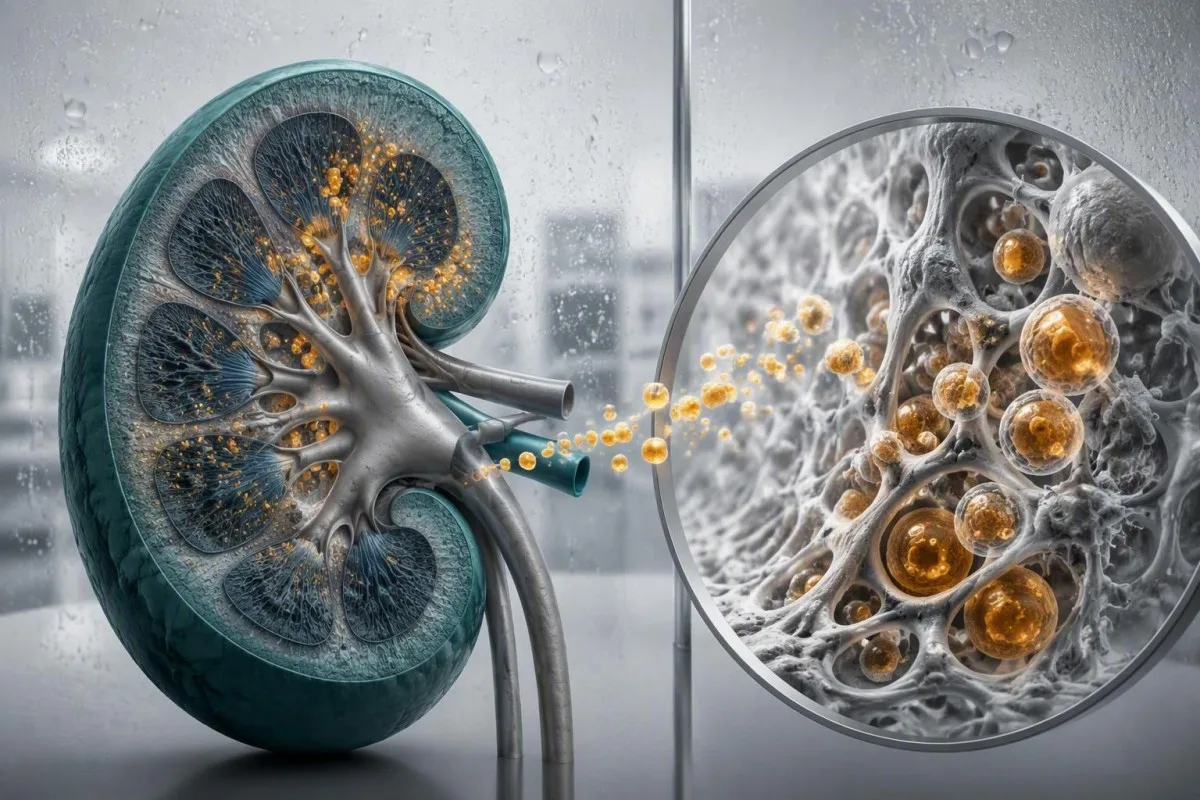
EPO-ն հորմոն է, որն արտադրվում է հիմնականում երիկամների մասնագիտացված բջիջների կողմից։ Այն ասում է ոսկրածուծին՝ ավելացնել կարմիր արյան բջիջների արտադրությունը, երբ հյուսվածքների թթվածնի մակարդակը ցածր է; առողջ հետադարձ կապի օղակը ճնշում է EPO-ն, երբ կարմիր արյան բջիջների զանգվածն արդեն բարձր է։. դոկտոր Թոմաս Քլայն տեսել է բազմաթիվ ուղեգրումներ, որոնք առաջացել են հորմոնի արդյունքը կարդալուց, առանց նախապես ստուգելու, արդյոք CBC-ն իրականում եղել է ոչ նորմալ։.
Կանտեստին մի է AI արյան անալիզատոր որը մեկնաբանում է EPO-ն CBC-ի, կրեատինինի, eGFR-ի, կարմիր արյան բջիջների ինդեքսների և նախորդ արդյունքների հետ, այլ ոչ թե մեկ դրոշակը որպես պատասխան դիտարկելով։ Միջին բարձրացած EPO-ն 10,2 գ/դլ հեմոգլոբին ունեցող մարդու մոտ կենսաբանորեն տարբերվում է 18,1 գ/դլ հեմոգլոբին ունեցող մեկի մոտ նույն արդյունքից։ Սկսեք վերանայումից թե ինչ է նշանակում հեմոգլոբինը ձեր սեփական զեկույցում։.
ԷՐՕ արյան թեստի տեսականի, միավորներ և լաբորատոր տարբերություն
Շատ չափահաս լաբորատորիաներ հաղորդում են շիճուկային EPO-ի մակարդակը մոտ 2,6–18,5 mIU/մլ, չնայած օգտագործվում են նաև մոտ 3-ից 24 mIU/մլ միջակայքեր։. Փորձարկման մեթոդը, տրամաչափման ստանդարտը, նմուշի մշակումը և միջակայքը սահմանելու համար օգտագործված պոպուլյացիան բացատրում են այս տատանման մեծ մասը։.
Արդյունքը պետք է կոչվի բարձր կամ ցածր միայն դրա կողքին տպված միջակայքի համեմատությամբ։ EPO-ն սովորաբար չափվում է իմունային անալիզով, և կոնցենտրացիաները կարող են հայտնվել որպես mIU/մլ կամ IU/լ; այդ միավորները թվային առումով համարժեք են հաշվետվության նպատակներով։ 19 mIU/մլ արդյունքը մեկ լաբորատորիայում միայն մի փոքր բարձր է միջակայքից, իսկ մեկ այլում՝ ընդհանրապես աննշան։.
Իրական հարցն այն է, թե արդյոք EPO-ն պատշաճ է կարմիր արյան բջիջների մակարդակի համար։ Անեմիայի դեպքում 5 mIU/մլ մոտ արժեքը կարող է լինել միջակայքում, բայց ոչ պատշաճ ցածր; զգալի էրիթրոցիտոզի դեպքում այդ նույն արժեքը կարող է էականորեն ճնշված լինել։ Համեմատեք այն hematocrit interpretation և նմուշի ամսաթվի հետ, այլ ոչ թե առցանց համընդհանուր սահմանափակման հետ։.
ԷՐՕ-ի բարձր մակարդակ՝ ցածր հեմոգլոբինով
Էրիթրոպոետինի բարձր մակարդակը ցածր հեմոգլոբինի հետ սովորաբար ցույց է տալիս, որ երիկամները փորձում են փոխհատուցել անեմիան կամ թթվածնի մատակարարման նվազումը։. Երկաթի անբավարչություն, արյան վերջին կորուստ, հեմոլիզ, թոքային հիվանդություն, քնի հետ կապված շնչառական խանգարումներ և բարձր բարձրություն ավելի տարածված բացատրություններ են, քան EPO արտադրող հազվադեպ ուռուցքը։.

Մարդու մոտ, որի հեմոգլոբինը 9.8 գ/դլ է, EPO-ի 48 մՄՄ/մլ մակարդակը հաճախ ակնկալվող պատասխան է, ոչ թե ապացույց, որ հորմոնը խնդիրներ է առաջացնում։ Հաջորդ դիֆերենցիալ գործոններն են MCV, ֆերրիտին, տրանսֆերրինի հագեցվածություն, ռետիկուլոցիտներ, բիլիռուբին, LDH և հապտոգլոբին։ MCV-ի ցածր մակարդակը ֆերրիտինի 15 նգ/մլ-ից ցածր մակարդակի հետ ուժեղապես ցույց է տալիս երկաթի անբավարչություն, մինչդեռ ռետիկուլոցիտների հաշվարկի բարձրացումը մեզ մղում է դեպի կարմիր բջիջների շարունակական կորուստ կամ ոչնչացում։.
Վերջերս ես վերանայել եմ մարզիկ-դիմացկունության մասնագետի դեպքը, ում EPO-ն կազմում էր 31 մՄՄ/մլ, իսկ հեմոգլոբինը՝ 11.1 գ/դլ՝ ծանր մարզումային բլոկից հետո։ Նրա ֆերրիտինը կազմում էր 8 նգ/մլ, ոչ թե ոսկրածուծային խանգարում. այందు պատճառով ցածր ֆերրիտին՝ մինչև սակավարյունությունը արժանի է ուշադրության, մինչև որ ախտանիշները սահմանափակող դեր ստանան։ Բարձր EPO-ն չի կարող փոխհատուցել երկաթի, վիտամին B12-ի, ֆոլաթի բացակայությունը կամ ոսկրածուծի ձախողումը։.
Ցածր ԷՐՕ-ն անեմիայի դեպքում. երիկամների ֆունկցիայի մոդելը
Անեմիայի ժամանակ EPO-ի ցածր կամ նորմայից ցածր մակարդակը հաճախ ենթադրում է երիկամային հորմոնների անբավարար արտադրություն, հատկապես երբ eGFR-ը նվազած է։. Այն կարող է նաև առաջանալ բորբոքային հիվանդությունների, ծանր համակարգային հիվանդությունների կամ ոսկրածուծային ճնշման դեպքում, ուստի միայն կրեատինինը երբեք չի հաստատում պատճառը։.
Քրոնիկ երիկամային հիվանդության անեմիան ավելի տարածված է դառնում ֆիլտրացիայի անկման հետ, բայց այն սահմանվում է ոչ միայն eGFR-ի թվով։ Մարդու մոտ, որի eGFR-ը 32 մլ/րոպե/1.73 մ² է, իսկ հեմոգլոբինը՝ 9.9 գ/դլ, կարող է լինել EPO-ի 7 մՄՄ/մլ արժեք՝ տեխնիկապես նորմալ, սակայն չափազանց ցածր այդ աստիճանի անեմիայի համար։ KDIGO-ի անեմիայի ուղեցույցը խորհուրդ է տալիս ստուգել երկաթի կարգավիճակը՝ նախքան էրիթրոպոեզը խթանող դեղամիջոցի (KDIGO, 2012) դիտարկումը։.
Երիկամային անեմիան հաճախ նորմոցիտար է, MCV-ն կազմում է մոտ 80–100 ֆլ, իսկ ռետիկուլոցիտների պատասխանը ցածր է, սակայն խառը երկաթի անբավարչությունը չափազանց տարածված է։ Վերանայել eGFR-ի ցածր նախազգուշացման նշանները և միզային ալբումինը, այլ ոչ թե ենթադրել, որ մի փոքր բարձր կրեատինինը բացատրում է ամեն ինչ։ Իմ կլինիկայում ֆերրիտինի և տրանսֆերրինի հագեցվածության արդյունքը հաճախ փոխում է բուժման պլանը։.
Ցածր ԷՐՕ՝ բարձր հեմոգլոբինով կամ հեմատոկրիտով
Ցածր էրիթրոպոետինը կայուն բարձրացած հեմոգլոբինի կամ հեմատոկրիտի հետ մտահոգություն է առաջացնում առաջնային ոսկրածուծային գործընթացի, հատկապես պոլիցիտեմիա վերայի համար։. Այն չի հաստատում այդ ախտորոշումը, բայց դա արժեքավոր հուշում է, քանի որ նորմալ հետադարձ կապը պետք է ճնշի EPO-ն, երբ կարմիր բջիջների արտադրությունը ինքնավար է։.

2016 թվականի ԱՀԿ չափանիշները օգտագործում են հեմոգլոբինը 16.5 գ/դլ-ից բարձր տղամարդկանց մոտ կամ 16.0 գ/դլ-ից բարձր կանանց մոտ, կամ հեմատոկրիտը 49% և 48% համապատասխանաբար, որպես շեմեր, որոնք առաջացնում են պոլիցիտեմիա վերայի գնահատում (Arber et al., 2016)։ Ենթավարձակալ EPO-ն ախտորոշիչ անչափ ցածր չափանիշ է. JAK2 մուտացիայի թեստավորումը, կրկնվող CBC-ները և երբեմն ոսկրածուծի հետազոտությունը հաստատում են ախտորոշումը։ Մեկ դեհիդրացված նմուշը բավարար չէ։.
Kantesti AI-ն մեկնաբանում է EPO-ի ցածր արդյունքը՝ համեմատելով այն նախկին հեմատոկրիտի, կարմիր արյան բջիջների հաշվարկի, MCV-ի, թրոմբոցիտների և սպիտակ արյան բջիջների հետ. այս ձևերը կարող են բաց թողնվել, երբ յուրաքանչյուր արդյունք դիտվում է առանձին։ Թրոմբոցիտների հաշվարկի բարձրացումը կամ չբացատրվող սպիտակ արյան բջիջների հաշվարկի բարձրացումը ուժեղացնում է հեմատոլոգիայի գնահատման հիմքերը։ Մեր մանրամասն պոլիցիտեմիայի ախտանիշների ուղեցույց բացատրում է սովորական փորձարկման հաջորդականությունը։.
Բարձր ԷՐՕ՝ բարձր հեմոգլոբինով. երկրորդական էրիթրոցիտոզ
Բարձր EPO-ն, գումարած բարձր հեմոգլոբինը, սովորաբար վկայում է երկրորդական էրիթրոցիտոզի մասին, ինչը նշանակում է, որ արտաքին կամ բժշկական ազդանշանը խթանում է կարմիր արյան բջիջների արտադրությունը։. Հաճախ հանդիպող պատճառներն են բարձրությունը, ծխելը կամ ածխածնի մոնօքսիդի ազդեցությունը, քնի ապնոէի օբստրուկտիվ ձևը, քրոնիկ թոքային հիվանդությունը, տեստոստերոնային թերապիան, իսկ ավելի հազվադեպ՝ երիկամների կամ լյարդի ուռուցքները։.
17,4 գ/դլ հեմոգլոբինը 2500 մետր բարձրության վրա մեկ շաբաթ անց պահանջում է տարբեր քննարկում, քան ծովի մակարդակում նույն արդյունքը։ EPO-ն սովորաբար բարձրանում է հիպօքսիկ ազդեցությունից ժամեր անց, մինչդեռ կարմիր արյան բջիջների զանգվածի չափելի արձագանքն ավելի դանդաղ է զարգանում; ճանապարհորդության ընթացքում դեհիդրատացիան կարող է նաև խտացնել նմուշը։ Կրկնակի թեստից առաջ գրանցեք բարձրությունը, թռիչքի ամսաթվերը, ծխելը, վեյփինգը և անդրոգենների օգտագործումը։.
Որոշ հիվանդներ զարմանում են, որ քնի ապնոէն կարող է ռելևանտ լինել նույնիսկ ցերեկային քնկոտության բացակայության դեպքում։ Գիշերային թթվածնի պարբերական անկումները կարող են առաջացնել էպիզոդիկ EPO խթանում, թեև ցերեկային թթվածնի նորմալ հագեցվածությունը չի բացառում այն։ Կայուն արժեքները պետք է համեմատվեն մեր ուղեցույցի հետ բարձր հեմատոկրիտի պատճառների և քննարկվեն կլինիցիստի հետ, այլ ոչ թե կառավարվեն միայն արյան դոնորության միջոցով։.
Բարձրություն, ֆիզիկական ծանրաբեռնվածություն և ժամկետը՝ մինչև ԷՐՕ թեստը
Բարձրությունը և թթվածնի ազդեցությունը կարող են ազդել EPO-ի վրա, նախքան էապես փոխելով հեմոգլոբինը, ուստի թեստի ժամանակացույցը կարևոր է։. Կարճ լեռնային ուղևորությունը, սուր շնչառական հիվանդությունը, գիշերային հիպօքսիան և վերջին ինտենսիվ ֆիզիկական ծանրաբեռնվածությունը կարող են բարդացնել մեկնաբանությունը որոշման շեմի մոտ։.
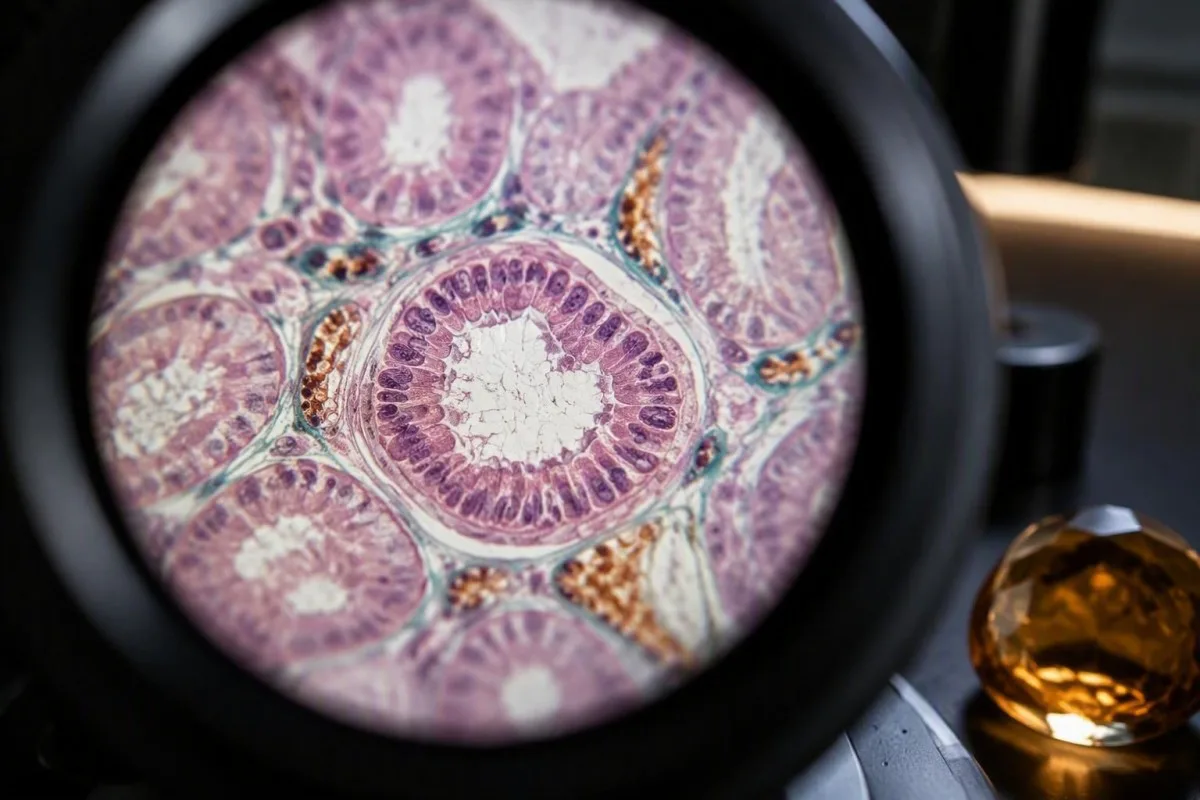
Ոչ շտապ սահմանային արդյունքի դեպքում ես սովորաբար խնդրում եմ հիվանդներին կրկնել CBC-ն և EPO-ն, երբ նրանք վերադառնան իրենց սովորական բարձրությունը, լավ հիդրացված լինեն և վերականգնվեն սուր հիվանդությունից։ Յուրաքանչյուր ճանապարհորդի համար չկա մեկ հիմնված ապացույցների վրա սպասման ժամանակահատված; երկուսից չորս շաբաթը հաճախ կլինիկապես պրակտիկ է, երբ առաջին արդյունքը միայն չնչին էր շեղված։ Անկումը ավելի արժեքավոր է, քան մեկ օրվա բացիկային տեսքից ֆիզիոլոգիան մեկնաբանելը։.
Ծանր ֆիզիկական ծանրաբեռնվածությունը կարող է մի քանի ժամով նվազեցնել պլազմայի ծավալը և հեմոգլոբինը կամ հեմատոկրիտը կեղծ բարձր թվացնել։ Հեշտությամբ բաց թողնվող ակնարկը համեմատաբար բարձր ալբումինն է կամ ընդհանուր սպիտակուցը, որը նպաստում է հեմոկոնցենտրացիային, այլ ոչ թե իրական կարմիր արյան բջիջների ընդլայնմանը։ Տեսեք, թե ինչպես դեհիդրատացիան ստեղծում է կեղծ բարձր RBC հաշիվ նախքան ենթադրելը, որ ձեր ոսկրածուծը փոխվել է։.
Ինչպես կրեատինինը, eGFR-ը և մեզի թեստավորումը փոխում են ԷՐՕ-ի մեկնաբանությունը
Կրեատինինը, eGFR-ը և միզային ալբումինը օգնում են որոշել, արդյոք EPO-ի ցածր արձագանքը կարող է երիկամային լինել։. 60 մլ/րոպե/1.73 մ²-ից ցածր eGFR-ը առնվազն 3 ամիս պահպանման դեպքում վկայում է քրոնիկ երիկամային հիվանդության մասին, սակայն յուրաքանչյուր երիկամային քրոնիկ հիվանդության փուլում անեմիան կարող է ունենալ այլ պատճառ։.
Ցածր EPO արդյունքը ավելի համոզիչ է երիկամային անեմիայի համար, երբ հեմոգլոբինը ցածր է, ռետիկուլոցիտները բարձր չեն, և երիկամների վնասվածքը հաստատված է կրկնակի թեստավորման ժամանակ։ Ալբումին-կրեատինին հարաբերակցությունը կարևոր տեղեկատվություն է ավելացնում, քանի որ մարդը կարող է ունենալ կլինիկապես նշանակալի երիկամային հիվանդություն, նույնիսկ երբ կրեատինինը միայն չափավոր բարձր է թվում։ Դրանց միջև գործնական տարբերությունը BUN և կրեատինին կարող է կանխել մոլորեցնող եզրակացությունը։.
Ընդհակառակը, նվազած eGFR-ը կարող է համադրվել ստամոքս-աղիքային արյան կորստի, երկաթի դեֆիցիտի, B12 դեֆիցիտի կամ դեղորայքային ճնշման հետ։ Kantesti-ն է ԱԻ լաբորատոր թեստի մեկնաբանման ծառայությունում որը ազդանշան է տալիս այս անհամապատասխանությանը․ անեմիան ցածր տրանսֆերրինի հագեցվածությամբ, 20%-ից ցածր, չպետք է համարվի երիկամային անեմիա, մինչև երկաթի հասանելիությունը չպարզվի։ Երիկամային մարկերները նկարագրում են համատեքստը; դրանք չեն արդարացնում լրիվ անեմիայի հետազոտությունը։.
ՑՀՄ-ի ակնարկները, որոնք ԷՐՕ-ի արդյունքը օգտակար են դարձնում
CBC-ն որոշում է, արդյոք EPO-ն հարմար է, անբավարար կամ մոլորեցնող։. Հեմոգլոբինը և հեմատոկրիտը քանակականորեն գնահատում են կարմիր արյան բջիջների խնդիրը, MCV-ն բացահայտում է բջիջների չափի օրինակները, իսկ ռետիկուլոցիտները ցույց են տալիս, արդյոք ոսկրածուծի արտադրանքն իրականում ավելանում է։.
Միկրոցիտոզը, որը մեծահասակների լաբորատորիաներում սահմանվում է որպես MCV 80 ֆլ-ից ցածր, ուղղում է ուշադրությունը դեպի երկաթի անբավարարություն կամ թալասեմիայի միտումներ. մակրոցիտոզը 100 ֆլ-ից բարձր առաջացնում է տարբեր հնարավորություններ, ներառյալ B12-ի անբավարարությունը, ալկոհոլի ազդեցությունը, լյարդի հիվանդությունը և ոսկրածուծի խանգարումները։ Ոչ մի արդյունք մենակ EPO-ով չի բացատրվում։ 2-ից բարձր ռետիկուլոցիտների արտադրության ինդեքսը ենթադրում է ավելի ակտիվ փոխհատուցող պատասխան, բայց լաբորատորիաները այն հաշվում են տարբեր կերպ։.
Kantesti AI-ն այն AI-ով աշխատող արյան թեստի վերլուծության գործիք որը EPO-ն կարդում է կարմիր արյան բջիջների բաշխման լայնության, թրոմբոցիտների և սպիտակ արյան բջիջների հետ մեկտեղ՝ բժշկական վերանայման արժանի նախշեր հայտնաբերելու համար։ Ցածր EPO անեմիայի դեպքում, նորտրոֆիլների կամ թրոմբոցիտների նվազումը բնորոշ չէ երիկամային անեմիային։ Մեր ռետիկուլոցիտների քանակի ուղեցույցը բացատրում է, թե ինչպես է “նորմալ” ռետիկուլոցիտների տոկոսը կարող դեռևս անբավարար լինել ծանր անեմիայի դեպքում։.
Երկաթ, B12, ֆոլաթ և հեմոլիզ. պատճառներ, որոնք ԷՐՕ-ն չի կարող տարբերել
EPO-ն չի կարող տարբերակել երկաթի անբավարարությունը, վիտամինների անբավարարությունը, արյան կորուստը և հեմոլիզը. ուղեկցող թեստերը կատարում են այդ աշխատանքը։. Այս պայմաններից մի քանիսում ակնկալվում է բարձր EPO, բայց բուժումը կտրուկ տարբերվում է, և էմպիրիկ երկաթը միշտ չէ, որ անվտանգ է։.
15 ng/mL-ից ցածր ֆերրիտինը բարձր յուրահատկություն ունի դեպոնված երկաթի պաշարների համար այլապես առողջ մեծահասակի մոտ, բայց ֆերրիտինը կարող է բարձրանալ վարակի, լյարդի վնասվածքի և քրոնիկ բորբոքման ժամանակ։ 20%-ից ցածր տրանսֆերրինի հագեցվածությունը ենթադրում է մատչելի երկաթի սահմանափակում, հատկապես եթե առկա է անեմիա։ Ամբողջական մեկնաբանության համար օգտագործեք մեր երկաթի հետազոտությունների հղման ուղեցույցը.
Հեմոլիզը սովորաբար առաջացնում է տարբեր կլաստեր՝ ռետիկուլոցիտները բարձրանում են, ոչ ուղղակի բիլիռուբինը և LDH-ն կարող են բարձրանալ, իսկ հապտոգլոբինը հաճախ ընկնում է։ Դոկտոր Թոմաս Քլայնը խորհուրդ է տալիս չսկսել ինքնուրույն երկաթի բուժում, երբ այս նախշը առկա է, քանի որ այն կարող է հետաձգել իմունային, ժառանգական կամ մեխանիկական պատճառի հայտնաբերումը։ Իմացեք նրբությունները ցածր հապտոգլոբինի արդյունքների նախքան եզրակացություններ անելն։.
Երբ ԷՐՕ-ն հուշում է ոսկրածուծի թեստավորման մասին
Ոսկրածուծի և մուտացիոն թեստավորումը դիտարկվում է, երբ EPO-ն ճնշվում է էրիտրոցիտոզի հետ, կամ երբ անեմիան ունի անսպասելիորեն թույլ ռետիկուլոցիտային պատասխան բազմաթիվ ցածր բջիջային գծերով։. Այս թեստերը ուղղված հետաքննություններ են, ոչ թե յուրաքանչյուր թույլ աբնորմալ EPO արժեքի սովորական հետևում։.

Polycythemia vera-ն ուժեղ կապ ունի JAK2 վարորդ մուտացիայի հետ, և ցածր շիճուկային EPO-ն օգնում է տարբերակել այն բազմաթիվ երկրորդական պատճառներից։ The British Society for Haematology-ի ուղեցույցը խորհուրդ է տալիս էրիտրոցիտոզի կառուցվածքային գնահատում, այլ ոչ թե ենթադրել, որ ամենաբարձր հեմոգլոբինը ներկայացնում է polycythemia vera (McMullin et al., 2019): Կլինիցիստը կարող է նախ պատվիրել JAK2 V617F, այնուհետև լրացուցիչ թեստավորում, եթե կլինիկական հավանականությունը մնում է բարձր։.
Անեմիա՝ ցածր ռետիկուլոցիտներ, թրոմբոցիտներ 150 × 10⁹/լ-ից ցածր, և նեյտրոֆիլներ 1.5 × 10⁹/լ-ից ցածր, արժանի է ժամանակին վերանայման, քանի որ այս համադրությունը կարող է ազդանշան տալ ոսկրածուծի արտադրության խանգարման մասին։ Այն հոմանիշ չէ քաղցկեղի հետ՝ դեղամիջոցները, վիրուսային հիվանդությունները, աուտոիմուն հիվանդությունները, սննդային անբավարարությունները և ապլաստիկ պրոցեսները համընկնում են։ Մեր ապլաստիկ անեմիայի CBC ուղեցույցը մանրամասնում է, թե որ նախշերը պահանջում են ավելի արագ գնահատում։.
Դեղորայք, տեստոստերոն և նշանակված ԷՐՕ
Տեստոստերոնը և դեղատոմսով նշված էրիթրոպոեզի խթանող դեղամիջոցները կարող են բարձրացնել հեմոգլոբինը, մինչդեռ ACE inhibitors-ը, ARBs-ը, քիմիոթերապիան և որոշ հակաբորբոքային դեղամիջոցներ կարող են նպաստել անեմիայի զարգացմանը ընտրված հիվանդների մոտ։. EPO արդյունքը չի կարող անվտանգ մեկնաբանվել առանց դեղորայքի և հավելումների ամբողջական ցուցակի։.

Տեստոստերոնի հետ կապված էրիթրոցիտոզը սովորաբար հայտնաբերվում է սերիական CBC մոնիտորինգի ժամանակ, ոչ թե միայն EPO թեստով։ Տեստոստերոնային թերապիայի ժամանակ հեմատոկրիտի մշտական բարձր մնալը 54%-ից բարձր, սովորաբար հանգեցնում է դեղաչափի ճշգրտման կամ ժամանակավոր ընդհատման մեծ էնդոկրին պրակտիկայի ուղեցույցներում, քանի որ մածուցիկության հետ կապված ռիսկը դառնում է ավելի անհանգստացնող։ Մի նվիրաբերեք արյուն անընդմեջ՝ առանց բժշկի մասնակցության. այն կարող է առաջացնել երկաթի անբավարարություն և խաթարել հիմքում ընկած նախշը։.
Ռեկոմբինանտ EPO-ն և դրա հետ կապված դեղամիջոցները օգտագործվում են CKD և քիմիոթերապիայի հետ կապված անեմիայի ընտրված դեպքերում մասնագետների կողմից, ինդիվիդուալացված հեմոգլոբինի թիրախներով։ Այս դեղամիջոցները ստացող հիվանդը կարող է ունենալ չափման արդյունք, որը դժվար է մեկնաբանել՝ կախված ժամանակից և չափման խաչաձև ռեակտիվությունից։ Մեր Анализ тенденций приема лекарств Kantesti նախագծված է ամսաթվերը, դեղաչափերը և լաբորատորիայի փոփոխությունները ժամանակի ընթացքում պահպանելու համար։.
Ինչպես պատրաստվել ԷՐՕ արյան թեստին և խուսափել մոլորեցնող արդյունքներից
EPO արյան մեծամասնության թեստերը չեն պահանջում ծոմ, բայց վերջին բարձրության ազդեցությունը, հիդրատացիան, ծխելը, տեստոստերոնի օգտագործումը և սուր հիվանդությունը պետք է փաստագրվեն։. Լաբորատոր նմուշը սովորաբար պարզ է. ամենակարևոր նախապատրաստությունը ճշգրիտ պատմությունն է։.

Հարցրեք պատվիրող բժշկին, թե արդյոք պետք է նույն արյան նմուշառումից վերցվեն CBC, ռետիկուլոցիտների քանակ, ֆերրիտին, կրեատինին/eGFR, թթվածնի հագեցվածություն և EPO: Նույն օրվա CBC-ն կանխում է մեկ տարածված մեկնաբանական սխալ՝ համեմատել այսօրվա EPO-ն վիրահատությունից, ճանապարհորդությունից կամ բուժումից հետո ամիսներ առաջ չափված հեմոգլոբինի հետ: Եթե արդյունքը կօգնի արյան հիվանդությունների մասնագետի խորհրդատվությանը, ապա համաձայնեցումը արժե լրացուցիչ համակարգում:.
Խուսափեք ավելորդ լարված մարզումներից և շտկեք ակնհայտ դեհիդրացիան մինչև կրկնակի CBC-ն, եթե ձեր բժիշկը այլ բան չի հանձնարարել: Մի դադարեցրեք նշանակված տեստոստերոնը, թթվածինը, CPAP-ը կամ երիկամային դեղամիջոցները՝ պարզապես արդյունքը “մաքրելու” համար:. Բազային արյան թեստի նախապատրաստում բացատրում է, թե ինչ տեղեկատվություն պետք է գրանցվի, որպեսզի կրկնակի արդյունքը իսկապես համեմատելի լինի:.
Երբ աբնորմալ ԷՐՕ-ի արդյունքները պահանջում են անհետաձգելի կամ մասնագիտական օգնություն
EPO-ի շեղումներն իրենք հազվադեպ են առաջացնում շտապ, բայց դրանց շուրջ եղած ախտանշաններն ու CBC-ի պատկերը երբեմն առաջացնում են:. Նոր կրծքավանդակի ցավ, ուշագնացություն, ծանր շնչահեղձություն, միակողմանի թուլություն, խոսելու դժվարություն, սև աթոռ, կամ արագորեն վատթարացող հոգնածություն պահանջում են շտապ գնահատում, այլ ոչ թե առցանց մեկնաբանություն:.
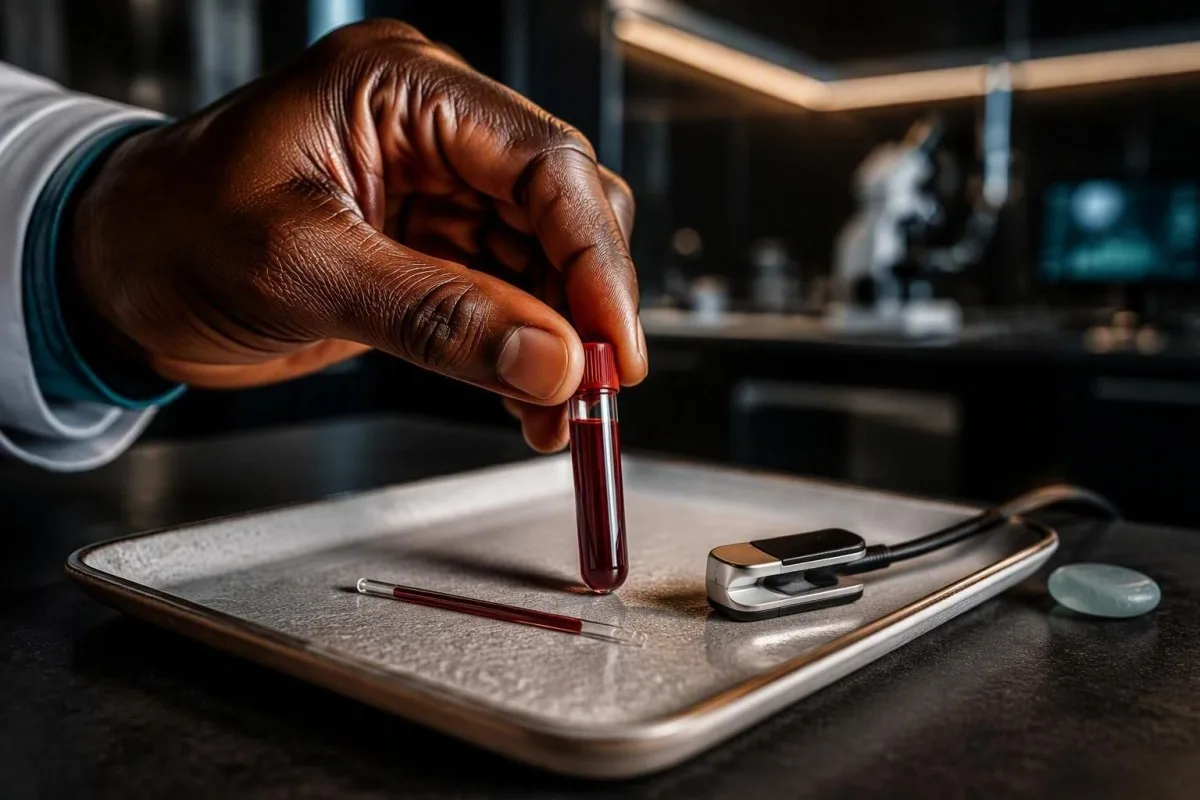
Արագ առաջնային բուժօգնության կամ արյան հիվանդությունների մասնագետի խորհրդատվություն նշանակեք կրկնվող հեմոգլոբինի դեպքում 16.5 գ/դլ-ից բարձր տղամարդկանց մոտ կամ 16.0 գ/դլ-ից բարձր կանանց մոտ՝ ցածր EPO-ով, հատկապես գլխացավերի, տեսողական փոփոխությունների, տաք ջրից հետո քորի, մակարդուկների պատմության կամ փայծաղի մեծացման ախտանշանների դեպքում: Շտապ գնահատում պահանջեք հեմոգլոբինի մոտ 7–8 գ/դլ-ի դեպքում, երբ առկա են գլխապտույտ, ծանրաբեռնվածության ժամանակ կրծքավանդակի ցավ կամ շնչահեղձություն; համապատասխան շեմը տատանվում է՝ ըստ տարիքի և սրտի հիվանդությունների:.
Kantesti-ի նյարդային ցանցը կազմակերպում է EPO, CBC, երիկամային և երկաթի միտումները հարցերի մեջ, որոնք դուք կարող եք վերցնել նշանակման ժամանակ, բայց այն չի փոխարինում զննում, թթվածնի գնահատում կամ մասնագիտական թեստավորում: Մեր կլինիկական մեթոդաբանությունը և բժշկական վերահսկողությունը նկարագրված են բժշկական վավերացման շրջանակ. -ում: Վերցրեք նախորդ CBC-ները՝ երեք արժեքները ժամանակի ընթացքում հաճախ ավելի անվտանգ պատմություն են պատմում, քան մեկ սարսափելի թիվ:.
ԷՐՕ-ի միտումների վերահսկում և արդյունքների քննարկում ձեր բժշկի հետ
Կրկնակի EPO արդյունքը օգտակար է միայն այն դեպքում, երբ ուղեկցող հեմոգլոբինը, հեմատոկրիտը, բարձրությունը, դեղամիջոցները և երիկամային կարգավիճակը համեմատելի են:. Միակողմանի EPO-ն նվազող հեմոգլոբինով ունի տարբեր իմաստ, քան միակողմանի EPO-ն՝ աճող հեմատոկրիտով, նույնիսկ եթե երկու արժեքները մնան տիրույթում:.
Պահպանեք լաբորատորիայի բնօրինակ PDF-ը, միավորները, հղման միջակայքը, նմուշառման ամսաթիվը, ընթացիկ բարձրությունը, ծխելու կարգավիճակը և դեղորայքի ցանկը: 1.0 գ/դլ հեմոգլոբինի տարբերությունը կարող է արտացոլել հիդրացիան և նորմալ կենսաբանական տատանումները, մինչդեռ մի քանի նմուշառումների ընթացքում կրկնվող ուղղորդված փոփոխությունը արժանի է բացատրության: Մեր արյան թեստի փոփոխության ուղեցույցը -ը օգնում է առանձնացնել իմաստալից միտումները սովորական տատանումներից:.
Կանտեստին մի է AI բիոմարկերների մեկնաբանման հարթակ օգտագործվում է 127+ երկրներում՝ լաբորատոր արդյունքները տեղադրելու երկայնական կլինիկական համատեքստում, մինչդեռ տվյալների վերբեռնման հաշվետվությունների գործիքներն ունեն գործընկերային բնույթ: Կապված մարկերների ավելի լայն ինդեքսի համար խորհրդակցեք 15,000+ բիոմարկերների ուղեցույցը. -ի հետ: Ստորև թվարկված երկու Kantesti հետազոտական հրապարակումները տրամադրում են օժանդակ ընթերցանություն կապված շիճուկային սպիտակուցների և իմունային մարկերների մեկնաբանման վերաբերյալ; ոչ մեկը չի փոխարինում abnormal EPO պատկերի արյան հիվանդությունների գնահատմանը:.
Հաճախակի տրվող հարցեր
Բնական էրիթրոպոետինի մակարդը որքա՞ն է։
возрастной эритропоэтинի ը 10-24 mIU/mL, թեև շատ լաբորատորիաներ օգտագործում են այլ միջակայք, օրինակ՝ 3-24 mIU/mL: Ձեր սեփական զեկույցի վրա տպված լաբորատորիայի միջակայքը ճիշտ համեմատական է, քանի որ EPO անալիզները կատարյալ փոխարինելի չեն: EPO-ի նորմալ մակարդակը դեռ կարող է անպատշաճ լինել, եթե հեմոգլոբինը շատ ցածր է կամ շատ բարձր: Օրինակ, 6 mIU/mL EPO-ն կարող է անբավարար լինել 9,5 գ/դլ հեմոգլոբին ունեցող անձի մոտ, բայց ակնկալվող 14,0 գ/դլ հեմոգլոբին ունեցող անձի մոտ:.
Ի՞նչ է նշանակում էրիթրոպոետինի բարձր մակարդակը։
Էրիթրոպոետինի բարձր մակարդակը ամենից հաճախ նշանակում է, որ երիկամները հայտնաբերել են թթվածնի մատակարարման նվազում և խթանում են կարմիր արյան բջիջների արտադրությունը։ Հաճախակի պատճառները ներառում են երկաթդեֆիցիտային սակավարյունություն, արյունահոսություն, հեմոլիզ, բարձր բարձրության ազդեցություն, ծխելու հետ կապված ածխածնի մոնօքսիդի ազդեցություն, քնի ապնոէ, և թոքերի քրոնիկ հիվանդություն։ Բարձր EPO-ն հեմոգլոբինի 12,0 գ/դլ-ից ցածր մակարդակով ոչ հղի մեծահասակ կանանց մեծ մասում կամ 13,0 գ/դլ-ից ցածր մակարդակով մեծահասակ տղամարդկանց մեծ մասում սովորաբար ներկայացնում է փոխհատուցող պատասխան, այլ ոչ թե ոսկրածուծի ախտորոշում։ Կայուն բարձր EPO-ն բարձր հեմոգլոբինով պահանջում է երկրորդային էրիթրոցիտոզի, իսկ ավելի հազվադ, EPO արտադրող երիկամների կամ լյարդի աճի գնահատում։.
Ի՞նչ է նշանակում էրիտրոպոետինի ցածր մակարդակը։
Էրիթրոպոետինի ցածր մակարդը կարող է նշանակել, որ երիկամներն այնքան հորմոն չեն արտադրում, որքան անեմիայի աստիճանին համապատասխան, հատկապես քրոնիկ երիկամային հիվանդության դեպքում։ EPO-ի ցածր մակարդը նաև աջակցող ցուցում է պոլիցիտեմիա վերայի համար, երբ հեմոգլոբինը կայունորեն բարձր է 16,5 գ/դլ-ից տղամարդկանց մոտ կամ 16,0 գ/դլ-ից կանանց մոտ։ Նույն ցածր արդյունքը տարբեր բաներ է նշանակում անեմիայի և էրիթրոցիտոզի ժամանակ, ուստի անհրաժեշտ է նույն օրվա CBC: Միայն EPO-ի ցածր մակարդը չի ախտորոշում երիկամային անբավարարություն կամ ոսկրածուծի խանգարում։.
Չորացումը կարո՞ղ է ազդել էրիթրոպոետինի թեստի արդյունքի վրա:
Ջրազրկումը սովորաբար ավելի շատ է ազդում հեմոգլոբինի և հեմատոկրիտի վրա, քան EPO-ի, նվազեցնելով պլազմայի ծավալը և դարձնելով էրիթրոցիտների կոնցենտրացիան ավելի բարձր։ Կոնցենտրացված նմուշը կարող է ցույց տալ բարձր հեմատոկրիտ՝ բարձր ալբումինով կամ ընդհանուր սպիտակուցով, որը կարող է նմանվել իսկական էրիթրոցիտոզին։ Թեթև ջրազրկումը սովորաբար խորապես ցածր EPO արդյունք չի առաջացնում, բայց այն կարող է շփոթեցնող դարձնել ընդհանուր պատկերը շեմերի մոտ, ինչպիսիք են հեմատոկրիտը 49% տղամարդկանց մոտ կամ 48% կանանց մոտ։ CBC-ի կրկնությունը նորմալ հիդրացված վիճակում հաճախ ավելի օգտակար է, քան միայն EPO-ի կրկնությունը։.
բարձր բարձրությունը բարձրացնում է EPO-ն?
Բարձր բարձրությունը կարող է բարձրացնել ԷՊՕ-ն, քանի որ ցածր թթվածնի ճնշումը ակտիվացնում է երիկամների թթվածնազգայուն բջիջները։ ԷՊՕ-ն կարող է բարձրանալ ազդեցությունից մի քանի ժամվա ընթացքում, մինչդեռ հեմոգլոբինի և էրիթրոցիտների զանգվածի չափելի փոփոխությունները սովորաբար տևում են օրերից մինչև շաբաթներ։ Հետևաբար, մոտ 2000-2500 մետրից բարձր վերջին գտնվելը կարող է ազդել ԷՊՕ-ի արյան թեստի վրա, նույնիսկ եթե CBC-ն դեռ շատ չի փոխվել։ Հաշվետու լինեք ձեր բժշկին ճամփորդության, արշավների, բնակության բարձրության և վերադարձի ամսաթվի մասին՝ սահմանային արդյունքը մեկնաբանելուց առաջ։.
Արդյո՞ք ցածր էրիտրոպոետինը միշտ նշանակում է պոլիցիտեմիա վերա։
Ոչ, ցածր EPO-ն միշտ չէ, որ նշանակում է պոլիցիտեմիա վերա։ Սա միայն մեկ օժանդակ գտածք է և հիմնականում օգտակար է, երբ հեմոգլոբինը կամ հեմատոկրիտը կայուն բարձրացած է. 2016 թվականի ԱՀԿ-ի շրջանակը նաև հիմնվում է JAK2 մուտացիայի թեստավորման և այլ կլինիկական կամ ոսկրածուծային չափանիշների վրա։ Ջրազրկումը, լաբորատոր տատանումները և ժամկետները կարող են շփոթեցնող արդյունքներ տալ։ Կայուն հեմոգլոբինը 16,5 գ/դլ-ից ավելի տղամարդկանց մոտ կամ 16,0 գ/դլ-ից ավելի կանանց մոտ՝ ցածր EPO-ի դեպքում, պետք է վերանայվի բժշկի կողմից, հաճախ արյան մասնագետի խորհրդատվությամբ։.
Ստացեք AI-ով աշխատող արյան անալիզի վերլուծություն այսօր
Միացեք ավելի քան 2 միլիոն օգտատերերի ամբողջ աշխարհում, ովքեր վստահում են Kantesti-ին՝ լաբորատոր թեստերի ակնթարթային, ճշգրիտ վերլուծության համար։ Վերբեռնեք ձեր արյան անալիզի արդյունքները և ստացեք 15,000+ բիոմարկերների համապարփակ մեկնաբանություն վայրկյանների ընթացքում։.
📚 Հղված հետազոտական հրապարակումներ
Klein, T., Mitchell, S., & Weber, H. (2026). Kantesti AI. (2026). Սերումային սպիտակուցների ուղեցույց. Գլոբուլիններ, Ալբումին և Ա/Գ հարաբերակցություն արյան թեստ։ Zenodo..։ Kantesti AI Medical Research.
Klein, T., Mitchell, S., & Weber, H. (2026). Kantesti AI. (2026). Руководство по анализу крови на C3 C4 Complement и титр ANA. Zenodo..։ Kantesti AI Medical Research.
📖 Արտաքին բժշկական հղումներ
KDIGO Անեմիայի աշխատանքային խումբ (2012):. KDIGO-ի կլինիկական պրակտիկայի ուղեցույցը քրոնիկ երիկամային հիվանդության ժամանակ անեմիայի վերաբերյալ.։ Kidney International Supplements։.

⚕️ Բժշկական հրաժարում
Այս հոդվածը միայն կրթական նպատակների համար է և չի հանդիսանում բժշկական խորհրդատվություն։ Ախտորոշման և բուժման որոշումների համար միշտ խորհրդակցեք որակավորված բուժաշխատողի հետ։.
E-E-A-T վստահության ազդանշաններ
Փորձառություն
Բժշկի կողմից ղեկավարվող կլինիկական վերանայում՝ լաբորատոր մեկնաբանության աշխատանքային հոսքերի համար։.
Մասնագիտություն
Լաբորատոր բժշկության կենտրոնացում՝ այն բանի վրա, թե ինչպես են բիոմարկերները դրսևորվում կլինիկական համատեքստում։.
Հեղինակություն
Գրված է դոկտոր Թոմաս Քլայնի կողմից՝ դոկտոր Սառա Միթչելի և պրոֆեսոր դոկտոր Հանս Վեբերի կողմից վերանայմամբ։.
Հուսալիություն
Ապացույցների վրա հիմնված մեկնաբանություն՝ հստակ հետագա քայլերի ուղիներով՝ ահազանգերը նվազեցնելու համար։.