An EPO result only becomes useful when it is read beside your CBC, kidney markers, oxygen exposure, and clinical history. This guide explains the patterns clinicians use—and the situations that deserve prompt follow-up.



- EPO reference range is commonly about 2.6–18.5 mIU/mL in adults, but the reporting laboratory's range always takes priority.
- Low erythropoietin level with hemoglobin above 16.5 g/dL in men or 16.0 g/dL in women can support evaluation for polycythemia vera.
- High erythropoietin level with anemia usually means the kidneys are responding to reduced oxygen delivery, blood loss, hemolysis, or low iron availability.
- Chronic kidney disease can cause anemia because damaged kidneys may not make enough EPO for the degree of anemia present.
- Altitude exposure can raise EPO within hours, while hemoglobin usually changes over days to weeks rather than overnight.
- JAK2 testing is commonly considered when hemoglobin or hematocrit is persistently high and EPO is below the laboratory range.
- One EPO value does not diagnose cancer, kidney disease, or a bone-marrow disorder; the CBC trend and clinical setting decide what happens next.
- Urgent assessment is sensible for new neurological symptoms, chest pain, breathlessness, one-sided weakness, or markedly high hematocrit with dehydration symptoms.
What erythropoietin results mean when read in context
Erythropoietin test results are most informative when matched to hemoglobin and hematocrit: low EPO despite a high red-cell level can point toward autonomous marrow production, while high EPO usually means the body senses inadequate oxygen delivery. A result inside or outside range is not a diagnosis by itself. As of September 12, 2026, that simple pairing remains the practical starting point.
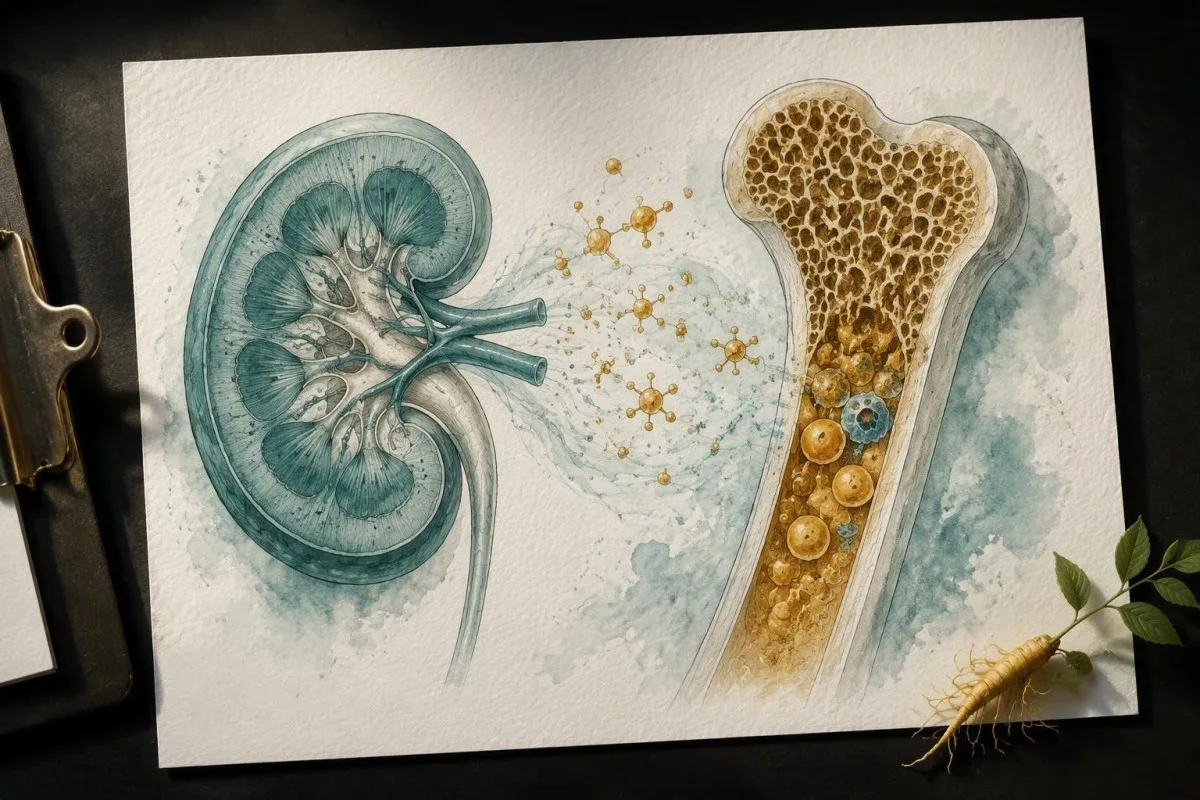
EPO is a hormone made mainly by specialized kidney cells. It tells bone marrow to increase red-cell production when tissue oxygen is low; a healthy feedback loop suppresses EPO when red-cell mass is already high. Dr. Thomas Klein has seen many referrals caused by reading the hormone result without first checking whether the CBC was actually abnormal.
Kantesti is an AI blood test analyzer that interprets EPO with the CBC, creatinine, eGFR, red-cell indices, and prior results rather than treating a single flag as an answer. A modestly elevated EPO in a person with hemoglobin 10.2 g/dL is biologically different from the identical result in someone with hemoglobin 18.1 g/dL. Start by reviewing what hemoglobin means on your own report.
EPO blood test range, units and laboratory variation
Most adult laboratories report serum EPO around 2.6–18.5 mIU/mL, although ranges from roughly 3 to 24 mIU/mL are also used. The assay, calibration standard, sample handling, and population used to establish the interval explain much of this variation.
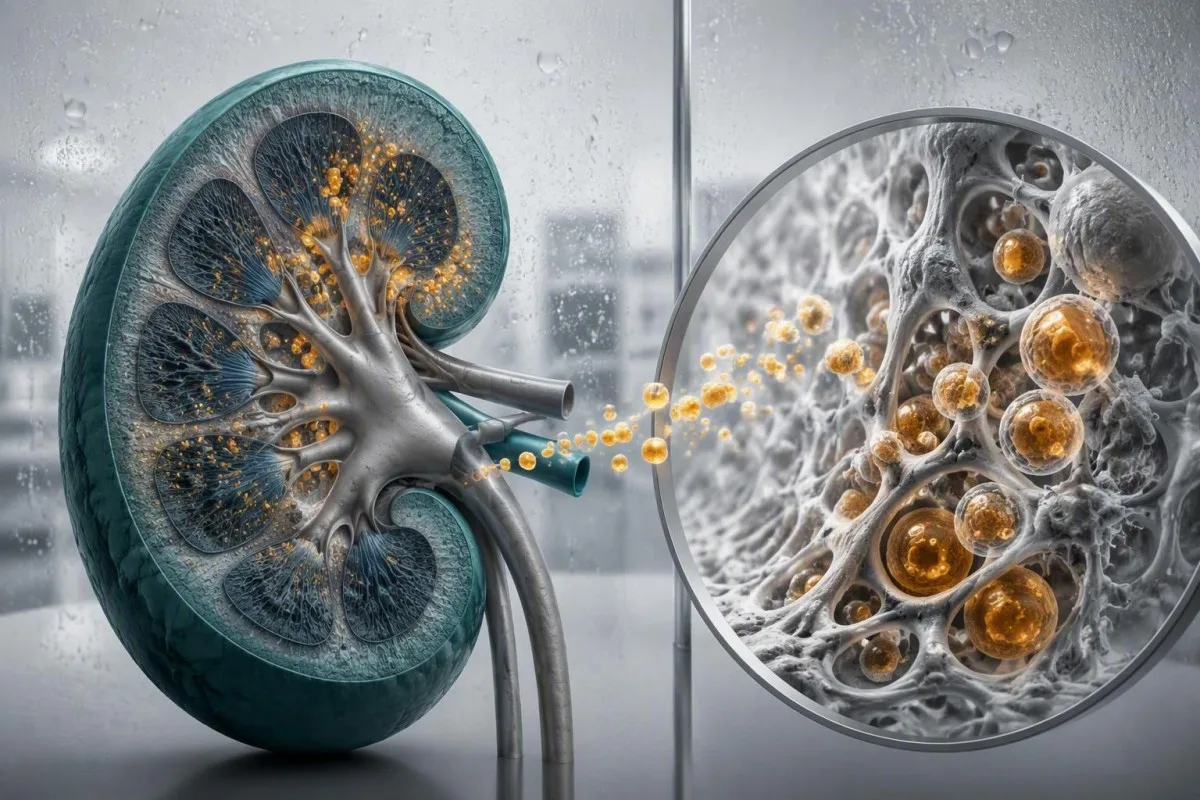
A result should be called high or low only against the interval printed beside it. EPO is usually measured by immunoassay, and concentrations may appear as mIU/mL or IU/L; these units are numerically equivalent for reporting purposes. A result of 19 mIU/mL is barely above range in one lab and entirely unremarkable in another.
The real question is whether EPO is appropriate for the red-cell level. In anemia, a value near 5 mIU/mL may be in-range yet inappropriately low; in marked erythrocytosis, that same value can be meaningfully suppressed. Compare it with hematocrit interpretation and the sample date, not with an online universal cutoff.
High erythropoietin level with low hemoglobin
A high erythropoietin level with low hemoglobin usually shows that the kidneys are trying to compensate for anemia or reduced oxygen availability. Iron deficiency, recent blood loss, hemolysis, lung disease, sleep-disordered breathing, and high altitude are more common explanations than a rare EPO-producing growth.

In a person with hemoglobin 9.8 g/dL, EPO of 48 mIU/mL is often an expected response—not proof that the hormone is causing trouble. The next discriminators are MCV, ferritin, transferrin saturation, reticulocytes, bilirubin, LDH, and haptoglobin. Low MCV plus ferritin below 15 ng/mL strongly favors iron deficiency, while a raised reticulocyte count pushes us toward ongoing loss or destruction of red cells.
I recently reviewed an endurance athlete whose EPO was 31 mIU/mL and hemoglobin 11.1 g/dL after a heavy training block. Her ferritin was 8 ng/mL, not a marrow disorder; this is why low ferritin before anemia deserves attention before symptoms become limiting. High EPO cannot overcome absent iron, vitamin B12, folate, or a failing marrow.
Low EPO in anemia: the kidney-function pattern
Low or low-normal EPO in anemia often suggests inadequate kidney hormone production, particularly when eGFR is reduced. It can also occur with inflammatory illness, severe systemic disease, or marrow suppression, so creatinine alone never settles the cause.
Chronic kidney disease anemia becomes more common as filtration falls, but it is not defined by an eGFR number alone. A person with eGFR 32 mL/min/1.73 m² and hemoglobin 9.9 g/dL may have an EPO value of 7 mIU/mL—technically normal, yet too low for that degree of anemia. The KDIGO anemia guideline recommends checking iron status before considering an erythropoiesis-stimulating medicine (KDIGO, 2012).
Kidney anemia is often normocytic, with MCV around 80–100 fL and a low reticulocyte response, but mixed iron deficiency is extremely common. Review low eGFR warning signs and urine albumin rather than assuming a mildly high creatinine explains everything. In my clinic, a ferritin and transferrin saturation result frequently changes the treatment plan.
Low EPO with high hemoglobin or hematocrit
Low erythropoietin with persistently elevated hemoglobin or hematocrit raises concern for a primary bone-marrow process, especially polycythemia vera. It does not confirm that diagnosis, but it is a valuable clue because normal feedback should suppress EPO when red-cell production is autonomous.

The 2016 WHO criteria use hemoglobin above 16.5 g/dL in men or 16.0 g/dL in women, or hematocrit above 49% and 48% respectively, as thresholds that prompt evaluation for polycythemia vera (Arber et al., 2016). A subnormal EPO is a minor diagnostic criterion; JAK2 mutation testing, repeat CBCs, and sometimes marrow examination establish the diagnosis. One dehydrated sample is not enough.
Kantesti AI interprets a low EPO result by comparing it with prior hematocrit, red-cell count, MCV, platelets, and white cells—patterns that can be missed when each result is viewed alone. A rising platelet count or unexplained high white-cell count strengthens the case for hematology review. Our detailed polycythemia symptoms guide explains the usual testing sequence.
High EPO with high hemoglobin: secondary erythrocytosis
High EPO plus high hemoglobin usually indicates secondary erythrocytosis, meaning an external or medical signal is driving red-cell production. Common contributors are altitude, smoking or carbon monoxide exposure, obstructive sleep apnea, chronic lung disease, testosterone therapy, and less often kidney or liver growths.
A hemoglobin of 17.4 g/dL after a week at 2,500 meters needs a different conversation from the same result at sea level. EPO commonly rises within hours of hypoxic exposure, while the measurable red-cell mass response develops more slowly; dehydration during travel can also concentrate the sample. Record altitude, flight dates, smoking, vaping, and androgen use before a repeat test.
Some patients are surprised that sleep apnea can be relevant even without daytime sleepiness. Repeated overnight oxygen dips may cause intermittent EPO stimulation, although a normal daytime oxygen saturation does not rule it out. Persistent values should be checked against our guide to high hematocrit causes and discussed with a clinician rather than managed by blood donation alone.
Altitude, exercise and timing before an EPO test
Altitude and oxygen exposure can affect EPO before they substantially change hemoglobin, so test timing matters. A brief mountain trip, acute respiratory illness, overnight hypoxia, and recent intense exercise can all complicate interpretation near a decision threshold.
For a non-urgent borderline result, I generally ask patients to repeat the CBC and EPO after they are back at their usual altitude, well hydrated, and recovered from an acute illness. There is no single evidence-based waiting period for every traveler; two to four weeks is often clinically practical when the first result was only mildly abnormal. The trend is more valuable than trying to interpret physiology from a postcard view of one day.
Hard exercise can lower plasma volume for several hours and make hemoglobin or hematocrit look falsely high. An easy-to-miss clue is a concurrently high albumin or total protein, which favors hemoconcentration rather than true red-cell expansion. See how dehydration creates a false high RBC count before assuming your marrow has changed.
How creatinine, eGFR and urine testing change EPO interpretation
Creatinine, eGFR, and urine albumin help determine whether a low EPO response may be kidney-related. eGFR below 60 mL/min/1.73 m² for at least 3 months supports chronic kidney disease, but anemia may have another cause at every CKD stage.
A low EPO result is more persuasive for renal anemia when hemoglobin is low, reticulocytes are not elevated, and kidney impairment is established on repeat testing. Albumin-creatinine ratio adds important information because a person may have clinically meaningful kidney disease even when creatinine seems only modestly raised. The practical difference between BUN and creatinine can prevent a misleading conclusion.
Conversely, reduced eGFR can coexist with gastrointestinal blood loss, iron deficiency, B12 deficiency, or medication-related marrow suppression. Kantesti is an AI lab test interpretation service that flags this mismatch: anemia with low transferrin saturation below 20% should not be labeled renal anemia until iron availability is addressed. Kidney markers describe context; they do not excuse a complete anemia work-up.
CBC clues that make an EPO result useful
The CBC determines whether EPO is appropriate, insufficient, or misleading. Hemoglobin and hematocrit quantify the red-cell problem, MCV identifies cell size patterns, and reticulocytes show whether marrow output is actually increasing.
Microcytosis, defined in most adult labs as MCV below 80 fL, directs attention toward iron deficiency or thalassemia traits; macrocytosis above 100 fL raises different possibilities, including B12 deficiency, alcohol exposure, liver disease, and marrow disorders. Neither result is explained by EPO alone. A reticulocyte production index above about 2 suggests a more active compensatory response, but laboratories calculate it differently.
Kantesti AI is an AI-powered blood test analysis tool that reads EPO alongside red-cell distribution width, platelets, and white cells to identify patterns worth physician review. In a low-EPO anemia, new reductions in neutrophils or platelets are not typical uncomplicated kidney anemia. Our reticulocyte count guide explains why an apparently “normal” reticulocyte percentage can still be inadequate in severe anemia.
Iron, B12, folate and hemolysis: causes EPO cannot separate
EPO cannot distinguish iron deficiency, vitamin deficiency, blood loss, and hemolysis; companion tests do that work. High EPO is expected in several of these conditions, but the treatment differs sharply and empiric iron is not always safe.
Ferritin below 15 ng/mL is highly specific for depleted iron stores in an otherwise well adult, but ferritin can rise during infection, liver injury, and chronic inflammation. Transferrin saturation below 20% suggests restricted available iron, especially if anemia is present. For a fuller interpretation, use our iron studies reference guide.
Hemolysis usually produces a different cluster: reticulocytes rise, indirect bilirubin and LDH may rise, and haptoglobin often falls. Dr. Thomas Klein advises against self-starting iron when this pattern is present, because it may delay identifying an immune, inherited, or mechanical cause. Learn the caveats behind low haptoglobin results before drawing conclusions.
When EPO points toward bone-marrow testing
Bone-marrow and mutation testing are considered when EPO is suppressed with persistent erythrocytosis, or when anemia has an unexpectedly weak reticulocyte response with multiple low cell lines. These tests are targeted investigations, not routine follow-ups for every mildly abnormal EPO value.

Polycythemia vera is strongly associated with a JAK2 driver mutation, and a low serum EPO helps distinguish it from many secondary causes. The British Society for Haematology guideline recommends structured evaluation of erythrocytosis rather than assuming every high hemoglobin represents polycythemia vera (McMullin et al., 2019). A clinician may order JAK2 V617F first, then further testing if the clinical probability remains high.
Anemia plus low reticulocytes, platelets below 150 × 10⁹/L, and neutrophils below 1.5 × 10⁹/L deserves timely review because this combination can signal impaired marrow production. It is not synonymous with cancer—medicines, viral illness, autoimmune disease, nutritional deficiencies, and aplastic processes overlap. Our aplastic anemia CBC guide outlines which patterns require faster assessment.
Medicines, testosterone and prescribed EPO
Testosterone and prescribed erythropoiesis-stimulating medicines can increase hemoglobin, while ACE inhibitors, ARBs, chemotherapy, and some anti-inflammatory medicines may contribute to anemia in selected patients. An EPO result cannot be interpreted safely without a full medication and supplement list.

Testosterone-associated erythrocytosis is usually detected on serial CBC monitoring, not by an EPO test alone. Persistent hematocrit above 54% during testosterone therapy commonly triggers dose adjustment or temporary interruption in major endocrine practice guidance, because viscosity-related risk becomes more concerning. Do not donate blood repeatedly without prescriber involvement; it can create iron deficiency and obscure the underlying pattern.
Recombinant EPO and related medicines are used under specialist protocols for selected CKD and chemotherapy-associated anemia, with individualized hemoglobin targets. A patient receiving these medicines may have an assay result that is difficult to interpret depending on timing and assay cross-reactivity. Our medication trend analysis is designed to preserve dates, doses, and laboratory change over time.
How to prepare for an EPO blood test and avoid misleading results
Most EPO blood tests do not require fasting, but recent altitude exposure, hydration, smoking, testosterone use, and acute illness should be documented. The laboratory sample is usually straightforward; the preparation that matters most is an accurate history.
Ask the ordering clinician whether to obtain CBC, reticulocyte count, ferritin, creatinine/eGFR, oxygen saturation, and EPO from the same draw. A same-day CBC prevents a common interpretive error: comparing today’s EPO with hemoglobin measured months earlier after surgery, travel, or treatment. If the result will guide a hematology referral, consistency is worth the extra coordination.
Avoid unusually strenuous training and correct obvious dehydration before a repeat CBC unless your clinician asks otherwise. Do not stop prescribed testosterone, oxygen, CPAP, or kidney medicines simply to “clean up” a result. Baseline blood test preparation explains what information to record so a repeat result is genuinely comparable.
When abnormal EPO results need urgent or specialist care
EPO abnormalities themselves rarely create an emergency, but the symptoms and CBC pattern around them sometimes do. New chest pain, fainting, severe breathlessness, one-sided weakness, trouble speaking, black stools, or rapidly worsening fatigue need urgent assessment rather than an online interpretation.
Arrange prompt primary-care or hematology review for repeated hemoglobin above 16.5 g/dL in men or 16.0 g/dL in women with low EPO, especially with headaches, visual changes, itching after warm water, clot history, or enlarged spleen symptoms. Seek urgent evaluation for hemoglobin around 7–8 g/dL with dizziness, exertional chest pain, or shortness of breath; the appropriate threshold varies with age and heart disease.
Kantesti's neural network organizes EPO, CBC, kidney, and iron trends into questions you can take to an appointment, but it does not replace examination, oxygen assessment, or specialist testing. Our clinical methodology and physician oversight are described in the medical validation framework. Bring previous CBCs—three values across time often tell a safer story than one alarming number.
Tracking EPO trends and discussing results with your clinician
A repeat EPO result is useful only when the accompanying hemoglobin, hematocrit, altitude, medications, and kidney status are comparable. A stable EPO with falling hemoglobin has a different meaning from a stable EPO with rising hematocrit, even if both values remain within range.
Keep the original laboratory PDF, units, reference interval, collection date, current altitude, smoking status, and medication list. A 1.0 g/dL hemoglobin difference can reflect hydration and normal biological variation, whereas repeated directional change across several draws deserves explanation. Our blood-test change guide helps separate meaningful trends from ordinary variation.
Kantesti is an AI biomarker interpretation platform used across 127+ countries to place laboratory results into longitudinal clinical context, with privacy-focused handling of uploaded reports. For a broader index of connected markers, consult the 15,000-plus biomarker guide. The two Kantesti research publications listed below provide supporting reading on linked serum-protein and immune-marker interpretation; neither substitutes for hematology assessment of an abnormal EPO pattern.
Frequently Asked Questions
What is a normal erythropoietin level?
A common adult erythropoietin reference interval is about 2.6–18.5 mIU/mL, although many laboratories use a different range, such as 3–24 mIU/mL. The laboratory interval printed on your own report is the correct comparator because EPO assays are not perfectly interchangeable. A normal EPO level can still be inappropriate if hemoglobin is very low or very high. For example, EPO of 6 mIU/mL may be inadequate in a person with hemoglobin 9.5 g/dL but expected in a person with hemoglobin 14.0 g/dL.
What does a high erythropoietin level mean?
A high erythropoietin level most often means the kidneys detect reduced oxygen delivery and are stimulating red-cell production. Common causes include iron-deficiency anemia, blood loss, hemolysis, high-altitude exposure, smoking-related carbon monoxide exposure, sleep apnea, and chronic lung disease. High EPO with hemoglobin below 12.0 g/dL in many nonpregnant adult women or below 13.0 g/dL in many adult men usually represents a compensatory response rather than a marrow diagnosis. Persistent high EPO with high hemoglobin needs evaluation for secondary erythrocytosis and, less commonly, an EPO-producing kidney or liver growth.
What does a low erythropoietin level mean?
A low erythropoietin level can mean the kidneys are not producing enough hormone for the degree of anemia, particularly in chronic kidney disease. Low EPO is also a supportive clue for polycythemia vera when hemoglobin is persistently above 16.5 g/dL in men or 16.0 g/dL in women. The same low result means different things in anemia and erythrocytosis, so a CBC from the same date is essential. Low EPO alone does not diagnose kidney failure or a bone-marrow disorder.
Can dehydration affect an erythropoietin test result?
Dehydration usually affects hemoglobin and hematocrit more than EPO by reducing plasma volume and making red-cell concentrations appear higher. A concentrated sample may show high hematocrit with high albumin or total protein, which can mimic true erythrocytosis. Mild dehydration does not usually create a profoundly low EPO result, but it can make the overall pattern confusing near thresholds such as hematocrit 49% in men or 48% in women. Repeating the CBC while normally hydrated is often more useful than repeating EPO alone.
Does high altitude increase EPO?
High altitude can increase EPO because lower oxygen pressure activates kidney oxygen-sensing cells. EPO may rise within hours of exposure, while measurable hemoglobin and red-cell mass changes usually take days to weeks. A recent stay above roughly 2,000–2,500 meters can therefore affect an EPO blood test even if the CBC has not changed much yet. Tell your clinician about travel, trekking, residence altitude, and the date you returned before interpreting a borderline result.
Does low EPO always mean polycythemia vera?
No, low EPO does not always mean polycythemia vera. It is only one supportive finding and is useful mainly when hemoglobin or hematocrit is persistently elevated; the 2016 WHO framework also relies on JAK2 mutation testing and other clinical or marrow criteria. Dehydration, laboratory variation, and timing can produce confusing results. Persistent hemoglobin above 16.5 g/dL in men or 16.0 g/dL in women with low EPO should be reviewed by a clinician, often with hematology input.
Get AI-Powered Blood Test Analysis Today
Join over 2 million users worldwide who trust Kantesti for instant, accurate lab test analysis. Upload your blood test results and receive comprehensive interpretation of 15,000+ biomarkers in seconds.
📚 Referenced Research Publications
Klein, T., Mitchell, S., & Weber, H. (2026). Kantesti AI. (2026). Serum Proteins Guide: Globulins, Albumin & A/G Ratio Blood Test. Zenodo.. Kantesti AI Medical Research.
Klein, T., Mitchell, S., & Weber, H. (2026). Kantesti AI. (2026). C3 C4 Complement Blood Test & ANA Titer Guide. Zenodo.. Kantesti AI Medical Research.
📖 External Medical References
KDIGO Anemia Work Group (2012). KDIGO Clinical Practice Guideline for Anemia in Chronic Kidney Disease. Kidney International Supplements.
⚕️ Medical Disclaimer
This article is for educational purposes only and does not constitute medical advice. Always consult a qualified healthcare provider for diagnosis and treatment decisions.
E-E-A-T Trust Signals
Experience
Physician-led clinical review of lab interpretation workflows.
Expertise
Laboratory medicine focus on how biomarkers behave in clinical context.
Authoritativeness
Written by Dr. Thomas Klein with review by Dr. Sarah Mitchell and Prof. Dr. Hans Weber.
Trustworthiness
Evidence-based interpretation with clear follow-up pathways to reduce alarm.