Your FIB-4 score uses four routine lab values to estimate the chance of advanced liver scarring. It is a useful triage tool, not a diagnosis—and context can change what the number means.



- FIB-4 formula: Age × AST ÷ (platelets × √ALT), using AST and ALT in U/L and platelets in 10⁹/L.
- Low-risk band: A FIB-4 score below 1.3 generally makes advanced fibrosis unlikely in adults aged 35 to 65.
- Age adjustment: For adults older than 65, a score below 2.0 is usually the more appropriate low-risk threshold.
- Intermediate result: Scores from 1.3 to 2.67 need a second-line test such as FibroScan or ELF rather than guesswork.
- Higher-risk result: A score above 2.67 warrants clinician review because advanced fibrosis becomes more plausible.
- Do not calculate during illness: Acute hepatitis, sepsis, heavy exercise, or a temporary platelet fall can produce a misleadingly high score.
- AST is not liver-specific: Muscle injury can raise AST, especially after endurance events or resistance training.
- Follow-up timing: People with type 2 diabetes or multiple metabolic risks often repeat FIB-4 every 1 to 2 years when the initial score is low.
What the FIB-4 score tells you about liver scarring
A FIB-4 score estimates the likelihood of advanced liver fibrosis from your age, AST, ALT and platelet count. For most adults aged 35 to 65, below 1.3 is low risk, 1.3 to 2.67 is indeterminate, and above 2.67 needs prompt clinical follow-up—but it cannot diagnose cirrhosis on its own.
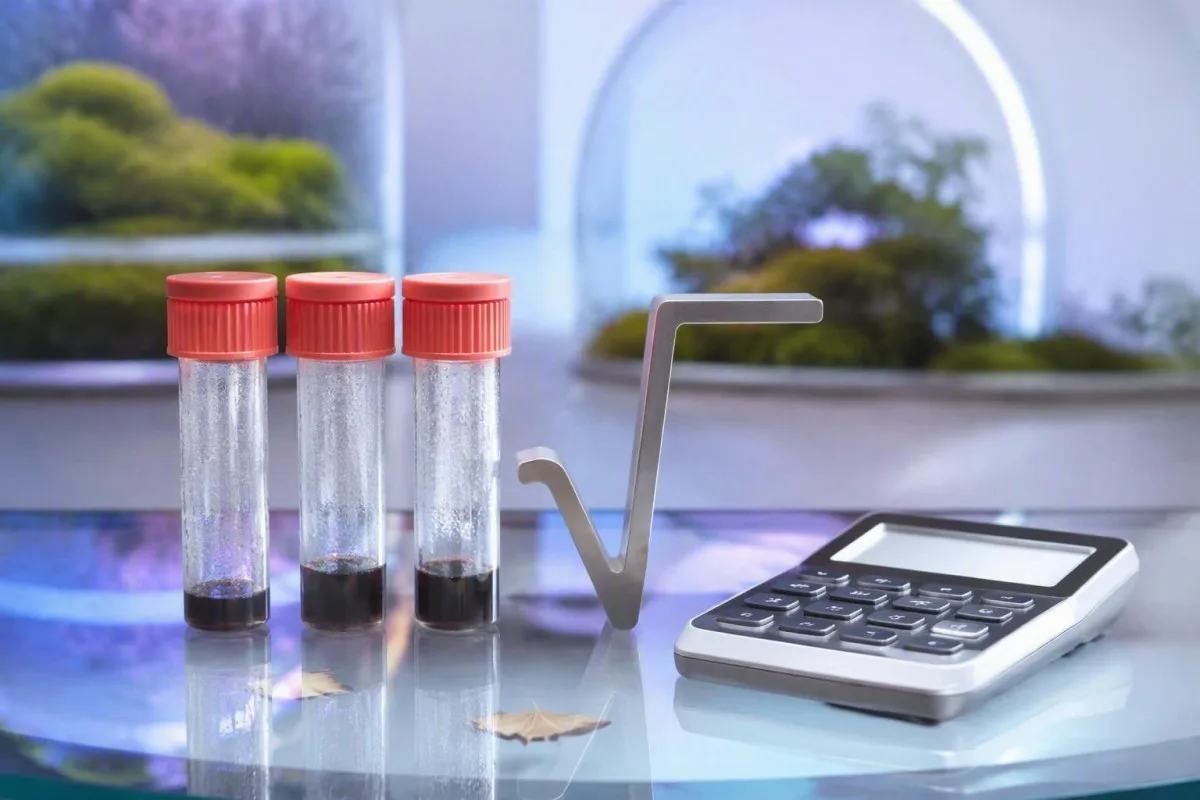
The score is best used to decide who can safely avoid specialist testing and who needs it next. A low FIB-4 has a high negative predictive value in metabolic dysfunction-associated steatotic liver disease, often called MASLD; a high result is a signal to investigate, not a verdict.
Kantesti is an AI blood test analyzer that calculates FIB-4 from the units printed on your laboratory report and checks whether the inputs are internally plausible. In my clinic, the value is most useful when I read it beside bilirubin, albumin, ALP, GGT and the full blood count rather than treating four numbers as a complete liver assessment; our liver panel guide explains that wider picture.
A quiet liver can still have significant fibrosis. As Dr. Thomas Klein, I have seen patients with a normal bilirubin of 9 µmol/L and no symptoms whose repeated FIB-4 result, diabetes history and elastography correctly prompted early hepatology review.
What FIB-4 does not measure
FIB-4 does not directly measure liver stiffness, fat content, portal pressure, hepatitis viral load, or liver synthetic function. A normal score cannot rule out every liver condition, particularly autoimmune disease, cholestasis, Wilson disease, or early fibrosis in adults younger than 35.
How to calculate a FIB-4 score from your lab report
The FIB-4 calculator formula is age in years × AST in U/L ÷ platelet count in 10⁹/L × the square root of ALT in U/L. Parentheses matter: platelets and √ALT belong together in the denominator.

Write it as: FIB-4 = age × AST / (platelets × √ALT). A platelet count reported as 200 × 10⁹/L is numerically interchangeable with 200 thousand/µL, but a count reported as 200,000/µL must be converted to 200 before entering the formula.
For a 50-year-old with AST 60 U/L, ALT 40 U/L and platelets 200 × 10⁹/L, the calculation is 50 × 60 ÷ (200 × √40) = 2.37. That falls in the indeterminate range, so I would not reassure or alarm the patient until I knew whether the sample followed hard exercise, alcohol exposure, an infection, or a persistent metabolic pattern.
AST and ALT are usually measured in U/L, although reference intervals vary by assay and country. If your report uses an unfamiliar unit, do not force it through an online formula; first confirm the analytical units through the laboratory or a biomarker reference guide.
FIB-4 score interpretation by age and risk band
For adults aged 35 to 65, a FIB-4 score below 1.3 usually indicates low probability of advanced fibrosis, while a score above 2.67 increases concern. Adults older than 65 need a higher low-risk cutoff of 2.0 because age alone pushes the score upward.

The 1.3 cutoff is designed to miss as few cases of advanced fibrosis as reasonably possible, so many people above it will not have serious scarring. The 2.67 threshold is more specific but still cannot confirm fibrosis without elastography, enhanced liver fibrosis testing, imaging, or occasionally tissue examination.
AASLD guidance advises secondary risk assessment when FIB-4 is 1.3 or higher, preferably vibration-controlled transient elastography or ELF testing (Rinella et al., 2023). A FIB-4 score above 2.67 or persistently raised aminotransferases for more than 6 months are sensible reasons for referral rather than repeated online calculations.
The original FIB-4 work by Sterling and colleagues used cutoffs near 1.45 and 3.25 in people with HIV and hepatitis C; modern MASLD pathways commonly use 1.3 and 2.67 to prioritize sensitivity (Sterling et al., 2006). That history explains why different websites can display slightly different bands.
Why age, AST, ALT and platelets change the score
Age increases FIB-4 mathematically, AST and ALT reflect cell injury, and lower platelets can accompany portal hypertension in advanced liver disease. The score is more concerning when all four inputs point in the same direction than when one value is temporarily abnormal.

AST occurs in liver and skeletal muscle, whereas ALT is more liver-enriched, though neither enzyme measures fibrosis directly. An AST of 89 U/L after a marathon may be muscle-related; a repeated AST of 89 U/L with ALT 72 U/L, metabolic syndrome and falling platelets deserves a different level of concern. See our practical guide to high AST patterns.
Platelets usually range from roughly 150 to 450 × 10⁹/L in non-pregnant adults, depending on the laboratory. A count of 115 × 10⁹/L can elevate FIB-4 because splenic sequestration occurs in portal hypertension, but platelet counts also fall with medicines, immune conditions, viral illness, B12 deficiency, or collection artifacts.
The ratio of AST to ALT sometimes adds context. An AST:ALT ratio above 1 in chronic liver disease may raise suspicion for advanced fibrosis, but it is not specific enough to diagnose alcohol-associated disease or cirrhosis; the broader cirrhosis symptom pattern matters more.
Three real-world FIB-4 calculation examples
A FIB-4 score can change sharply with age and platelet count even when AST and ALT barely move. Worked examples show why two people with the same enzymes may need different next steps.

Example one: age 42, AST 28 U/L, ALT 32 U/L, platelets 255 × 10⁹/L gives 0.82. In a person without diabetes or substantial alcohol exposure, that result usually supports routine metabolic care and periodic reassessment rather than urgent imaging.
Example two: age 58, AST 74 U/L, ALT 68 U/L, platelets 165 × 10⁹/L gives 3.12. A score above 2.67 should trigger timely clinician review, but I would still check medication history, hepatitis B and C status, alcohol intake, ultrasound findings, bilirubin, albumin and INR before calling it advanced fibrosis.
Example three is the trap: age 72, AST 37 U/L, ALT 31 U/L, platelets 210 × 10⁹/L gives 2.26. Using the usual 1.3 cutoff overcalls risk in older adults; with the age-adjusted threshold of 2.0, this still merits context, but it is not equivalent to a score of 2.26 in a 45-year-old.
Who should use FIB-4—and who should not rely on it alone
FIB-4 is most reliable in adults aged 35 or older with MASLD risk factors, chronic viral hepatitis, or persistently abnormal aminotransferases. It performs poorly in adults younger than 35 and should not be used as the sole fibrosis test in pregnancy or acute illness.

AASLD recommends more frequent reassessment—about every 1 to 2 years—for people with prediabetes, type 2 diabetes, or two or more metabolic risk factors when initial FIB-4 is low. People without those higher-risk features can often repeat it every 2 to 3 years if their clinician agrees (Rinella et al., 2023).
FIB-4 was not built for children, and its accuracy is limited below age 35 because age is a major part of the equation. Parents should not adapt adult thresholds for a teenager; use pediatric assessment instead, as we discuss in AI interpretation for children.
Kantesti AI is an AI biomarker interpretation platform that reads FIB-4 alongside age, platelet trends, liver enzymes and stated clinical context rather than displaying a decontextualized risk label. That distinction matters when a single abnormal value is likely temporary.
What can falsely raise a FIB-4 score
A FIB-4 score can be falsely high when AST rises from muscle stress or when platelets temporarily fall for reasons unrelated to fibrosis. Acute illness is the clearest reason to postpone calculation and repeat stable outpatient labs.
A 52-year-old marathon runner with AST 89 U/L, ALT 41 U/L and creatine kinase 1,900 U/L after a race may generate an alarming FIB-4 result despite no liver disease. I generally repeat AST, ALT and CK after at least 7 days without vigorous exercise, provided the person is well and has no jaundice, dark urine, or muscle symptoms; our exercise-related enzyme guide covers another common transient pattern.
Alcohol exposure, acute viral infections, ischemic injury, medicines and herbal products can raise AST or ALT within days. A high score during an ALT flare does not estimate chronic scarring accurately, which is why EASL advises against using non-invasive fibrosis scores in acute liver injury settings (EASL, 2021).
A spuriously low platelet result from EDTA-dependent clumping can inflate FIB-4 dramatically. If platelet count is unexpectedly below 100 × 10⁹/L without bruising or prior low counts, request a smear review or citrate-tube repeat; platelet clumping is a practical laboratory pitfall.
Why a low FIB-4 score can still miss liver disease
A low FIB-4 score reduces the likelihood of advanced fibrosis but does not exclude early fibrosis, bile duct disease, autoimmune hepatitis, or a focal liver abnormality. It is a rule-out tool for one specific problem, not a universal liver clearance certificate.
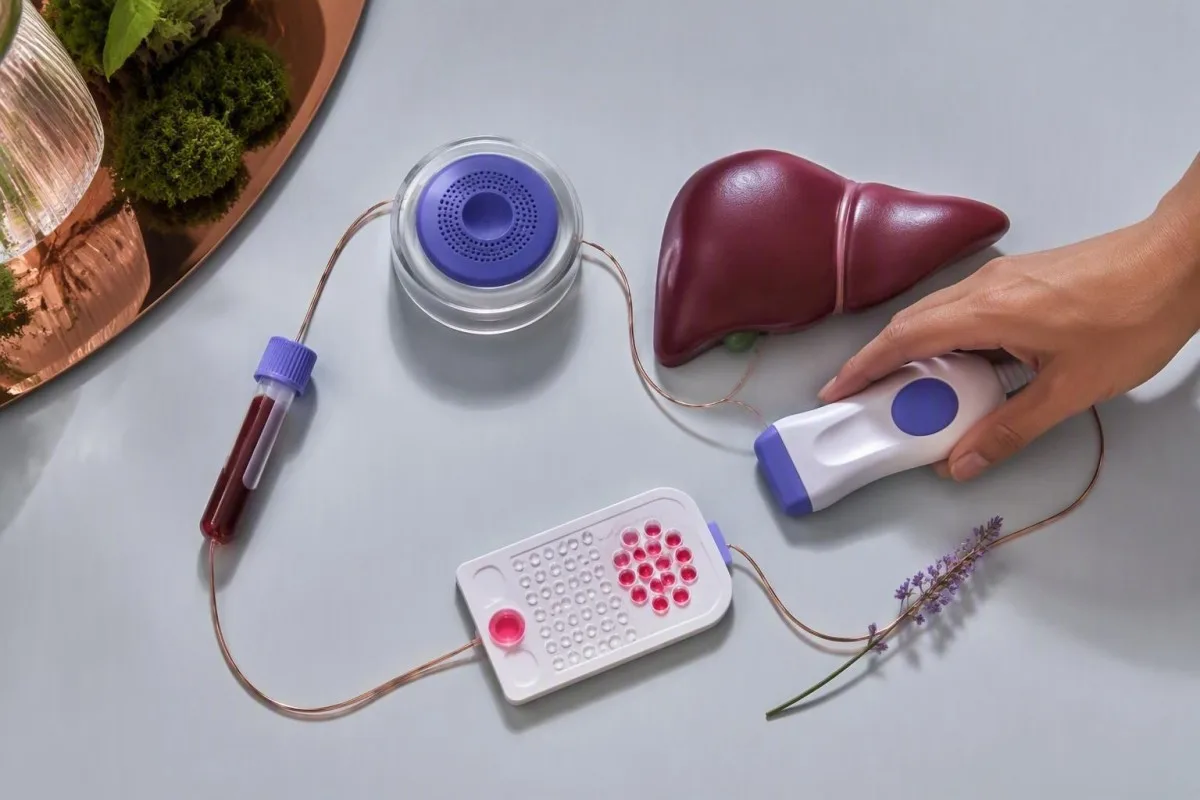
A person can have fibrosis stage F1 or F2 with a FIB-4 below 1.3 because platelet count often remains normal until later disease. This is why a low score does not erase an ultrasound showing a nodular liver, a positive hepatitis B surface antigen, or an unexplained ALT rise lasting 6 months.
Cholestatic conditions may chiefly raise ALP and GGT rather than AST or ALT. When ALP is persistently above the laboratory upper limit, particularly with itch, dark urine, pale stool or direct bilirubin elevation, I prioritize a cholestatic work-up; our ALP and GGT pattern guide explains the usual next labs.
Thrombocytosis can theoretically lower the score even when liver injury is present. A platelet count above 450 × 10⁹/L is more often reactive to iron deficiency, infection or inflammation than a protective liver finding, so it should be interpreted independently rather than celebrated as a reassuring denominator.
What follow-up tests are needed after an intermediate FIB-4
An intermediate FIB-4 score of 1.3 to 2.67 usually calls for a second-line fibrosis test, not immediate biopsy. Transient elastography, often called FibroScan, and the Enhanced Liver Fibrosis blood test are the most common next choices.
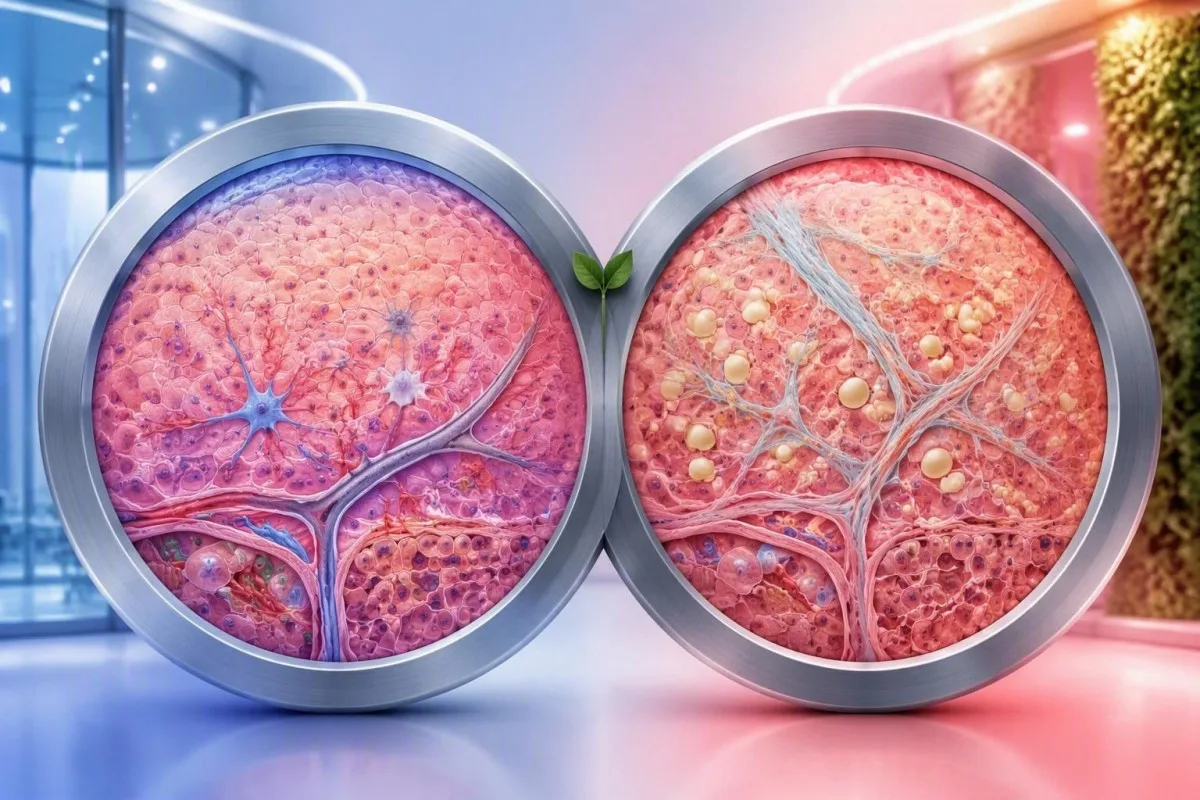
Vibration-controlled transient elastography measures liver stiffness in kilopascals, but values are affected by active inflammation, congestion and recent food intake. Many services ask patients to fast for at least 3 hours; a technically valid reading often requires at least 10 successful measurements and an acceptable reliability ratio.
ELF combines hyaluronic acid, PIIINP and TIMP-1 into a fibrosis risk score. It is particularly useful where elastography is unavailable, although pregnancy, active inflammatory states and impaired kidney function can complicate interpretation; clinicians should use the laboratory's validated cutoff.
A standard follow-up panel commonly includes bilirubin, albumin, INR, ALP, GGT, hepatitis B and C testing, ferritin with transferrin saturation, and ultrasound when indicated. Kantesti's clinical technology guide describes how our system groups these tests into a review-ready pattern rather than treating any algorithmic output as a diagnosis.
How diabetes, weight and alcohol alter FIB-4 risk
Type 2 diabetes, central adiposity, high triglycerides and hypertension increase the chance that an abnormal FIB-4 reflects MASLD-related fibrosis. Alcohol intake can coexist with metabolic liver disease, so patients should not assume one explanation excludes the other.
In clinical practice, the same score means more in a 56-year-old with type 2 diabetes, triglycerides of 240 mg/dL, waist obesity and ALT 61 U/L than in a healthy person whose AST rose after exercise. Pre-test probability is not a technicality—it determines whether a result should lead to a FibroScan, repeat labs, or another diagnostic path.
MASLD may occur in people with a body mass index below 25 kg/m², especially with diabetes, Asian ancestry, visceral adiposity, dyslipidemia or genetic susceptibility. The term “lean fatty liver” can be misleading; liver risk follows metabolic biology more closely than appearance.
Reducing alcohol and aiming for gradual weight loss can improve aminotransferases, but a falling ALT over 8 to 12 weeks does not prove fibrosis reversal. For realistic food changes rather than detox claims, read our evidence-based liver-supporting diet guide.
Medicines and supplements that can confuse FIB-4 results
Several medicines and supplements can alter AST, ALT or platelets and therefore shift a FIB-4 score. Never stop a prescribed medicine because of a calculated score; the safer step is to document exposures and review them with the prescriber.
Potential enzyme-raising exposures include high-dose acetaminophen, some antibiotics, anti-seizure medicines, statins, amiodarone, methotrexate and certain immune therapies. Most statin-associated ALT rises are mild and do not automatically mean liver injury, but an ALT or AST above 3 times the upper reference limit requires individualized clinical review.
“Natural” products are not automatically liver-safe. Green tea extract, anabolic agents, multi-ingredient weight-loss products and unregulated bodybuilding supplements are recurring causes of drug-induced liver injury in my experience; use our guide to liver supplement risks before adding another product.
Supplements can also obscure the wider work-up. Biotin may interfere with selected immunoassays, and iron can be relevant when ferritin or transferrin saturation suggests hemochromatosis; a complete iron studies review is more informative than ferritin alone.
How often to repeat your FIB-4 score
Repeat FIB-4 only when the underlying labs represent your stable baseline, usually after a minimum of several weeks rather than a few days. For low-risk people with diabetes or multiple metabolic risks, repeating every 1 to 2 years is commonly recommended.
A meaningful trend requires the same basics each time: comparable laboratory methods where possible, no acute infection, no heavy exercise immediately beforehand, and an accurate medication and alcohol history. A platelet drop from 230 to 145 × 10⁹/L changes FIB-4 far more than a trivial ALT shift from 31 to 34 U/L.
Do not chase daily variation. AST and ALT can vary by roughly 10% to 20% within an individual, and platelet count fluctuates with hydration, illness and laboratory variation; a score changing from 1.06 to 1.18 is usually noise, not evidence of new fibrosis.
Kantesti is an AI-powered blood test analysis tool that compares serial AST, ALT and platelet results so a FIB-4 change can be checked against the raw values that created it. In my experience, trend review prevents both false reassurance and needless panic from a single flagged result.
When liver symptoms need urgent care instead of another FIB-4
Jaundice, confusion, vomiting blood, black stools, severe abdominal swelling, or rapidly worsening weakness require urgent medical assessment regardless of FIB-4 score. These symptoms can signal acute liver failure, gastrointestinal bleeding, infection, or another emergency that a fibrosis calculator cannot triage.
New yellow eyes or skin with dark urine and pale stools should be assessed the same day, especially when bilirubin is rising. Confusion, unusual sleepiness or hand-flapping tremor may reflect hepatic encephalopathy, but medicines, low glucose, infection and electrolyte disturbance can look similar—do not self-diagnose from a score.
An INR above 1.5 with acute liver injury and altered mental status is a medical emergency. Albumin below 30 g/L may suggest impaired synthesis or severe illness, but it can also fall with kidney protein loss, malnutrition and inflammation; interpreting it needs the full clinical setting.
Less dramatic symptoms still warrant review when persistent: fatigue, right-upper-abdominal discomfort, itch or unexplained nausea plus abnormal liver tests. Our guide to high ALT follow-up separates silent enzyme elevations from symptoms that should move faster.
Questions to bring to your clinician after a FIB-4 result
After an abnormal FIB-4 score, ask whether the four inputs were stable, whether age-adjusted thresholds apply, and which second-line test fits your situation. A good appointment ends with a concrete plan and a repeat interval, not merely “watch it.”

Bring the original laboratory report, not just the final score. Ask: “Could exercise, infection, alcohol, a medicine, or a platelet artifact explain this?” and “Do I need elastography, ELF, ultrasound, viral hepatitis screening, or a repeat panel?” Those questions often identify the next useful step within minutes.
If the score is intermediate, ask what result would change management. For example, knowing whether a local service uses a liver-stiffness threshold around 8 kPa for additional assessment versus a higher specialist-referral threshold makes follow-up less mysterious, although cutoffs vary by device and disease context.
Dr. Thomas Klein recommends saving dates, fasting status, exercise in the preceding 7 days, medication changes and alcohol pattern with every result. Our longitudinal lab tracking guide explains why that small record improves interpretation.
Using AI results safely for liver fibrosis risk
AI can organize FIB-4 inputs and identify follow-up questions, but it cannot examine you, verify every laboratory artifact, or replace elastography and clinician judgment. The safest use is to combine an AI explanation with the original report and a licensed clinician's assessment.
Kantesti AI interprets FIB-4 results by checking the formula inputs, their units, related liver markers and changes over time; it does not claim to diagnose fibrosis from four variables. Our methodology is subject to clinical validation and oversight, because a plausible-looking calculation can still be clinically wrong when the sample context is missing.
Privacy matters with liver tests because reports may include infection screening, medication lists and family history. Kantesti supports secure, GDPR-aligned handling of uploaded laboratory reports across more than 100 languages, while patients remain responsible for obtaining urgent in-person care when red flags are present.
For physician-reviewed clinical standards and governance, readers can review our Medical Advisory Board. The practical bottom line is simple: calculate carefully, repeat unstable results, and treat a high FIB-4 as a reason to clarify risk—not a diagnosis to carry alone.
Frequently Asked Questions
What is a normal FIB-4 score?
For adults aged 35 to 65, a FIB-4 score below 1.3 generally indicates a low probability of advanced liver fibrosis. For adults older than 65, many liver pathways use a higher low-risk threshold of 2.0 because age increases the score even with stable liver tests. A low result does not rule out early fibrosis, cholestatic disease, viral hepatitis, or every other liver condition. The result is most reliable when AST, ALT and platelet count were measured during stable health.
How do I calculate my FIB-4 score?
Calculate FIB-4 as age in years multiplied by AST in U/L, divided by platelet count in 10⁹/L multiplied by the square root of ALT in U/L. For example, age 50, AST 60 U/L, ALT 40 U/L and platelets 200 × 10⁹/L gives 2.37. If your laboratory reports platelets as 200,000/µL, enter 200 rather than 200,000 because 200 × 10⁹/L is the equivalent unit. Incorrect platelet units are a common source of nonsensical results.
Is a FIB-4 score above 2.67 serious?
A FIB-4 score above 2.67 raises concern for advanced liver fibrosis and should lead to timely clinician review, especially with diabetes, persistent abnormal liver enzymes, or low platelets. It does not prove cirrhosis because AST can rise after muscle injury and platelets can fall for many non-liver reasons. Clinicians commonly confirm risk with transient elastography, ELF testing, imaging, and a broader liver panel. Seek urgent care rather than waiting for follow-up if jaundice, confusion, vomiting blood, black stools, or rapidly enlarging abdominal swelling occurs.
Can exercise raise my FIB-4 score?
Yes, strenuous exercise can temporarily raise AST and sometimes ALT, which can falsely increase a FIB-4 score. Marathon running, heavy resistance training and muscle injury can produce AST values above 80 U/L along with a raised creatine kinase level, without indicating liver fibrosis. When clinically safe, repeating AST, ALT, platelets and CK after at least 7 days without vigorous exercise is often more informative. Do not assume exercise explains an abnormal result if jaundice, dark urine, severe muscle symptoms, or persistent elevations are present.
Should I use FIB-4 if I am over 65?
Adults older than 65 can use FIB-4, but the standard 1.3 cutoff produces too many false-positive results because age is included in the formula. A threshold below 2.0 is commonly used to identify low risk in this age group, while results of 2.0 or higher need clinical context. A score above 2.67 still warrants evaluation, particularly when platelet count is falling or liver enzymes stay elevated for more than 6 months. Frailty, medicines, alcohol use, heart failure and viral hepatitis history can all alter interpretation.
What test comes after an intermediate FIB-4 score?
A FIB-4 score from 1.3 to 2.67 is usually followed by vibration-controlled transient elastography, often called FibroScan, or an Enhanced Liver Fibrosis blood test. Elastography measures liver stiffness in kilopascals, while ELF measures fibrosis-related proteins in a blood sample. Clinicians may also check bilirubin, albumin, INR, GGT, ALP, hepatitis B and C tests, ferritin and transferrin saturation. The preferred next test depends on local availability, pregnancy status, kidney function, acute illness and the cause of the liver enzyme abnormality.
Get AI-Powered Blood Test Analysis Today
Join over 2 million users worldwide who trust Kantesti for instant, accurate lab test analysis. Upload your blood test results and receive comprehensive interpretation of 15,000+ biomarkers in seconds.
📚 Referenced Research Publications
Klein, T., Mitchell, S., & Weber, H. (2026). C3 C4 Complement Blood Test & ANA Titer Guide. Kantesti AI Medical Research.
Klein, T., Mitchell, S., & Weber, H. (2026). Nipah Virus Blood Test: Early Detection & Diagnosis Guide 2026. Kantesti AI Medical Research.
📖 External Medical References
⚕️ Medical Disclaimer
This article is for educational purposes only and does not constitute medical advice. Always consult a qualified healthcare provider for diagnosis and treatment decisions.
E-E-A-T Trust Signals
Experience
Physician-led clinical review of lab interpretation workflows.
Expertise
Laboratory medicine focus on how biomarkers behave in clinical context.
Authoritativeness
Written by Dr. Thomas Klein with review by Dr. Sarah Mitchell and Prof. Dr. Hans Weber.
Trustworthiness
Evidence-based interpretation with clear follow-up pathways to reduce alarm.